

The DOI matches its Crossref record; 104 of the 107 references it cites were found in a registry or an index.
Functions of Arginase Isoforms in Macrophage Inflammatory Responses: Impact on Cardiovascular Diseases and Metabolic Disorders
Open accessAbstract
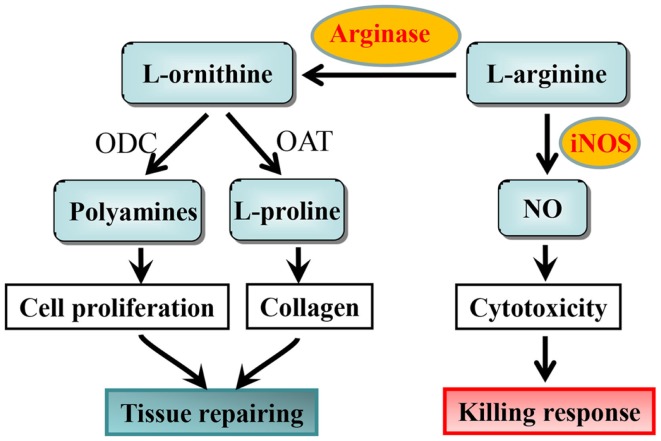
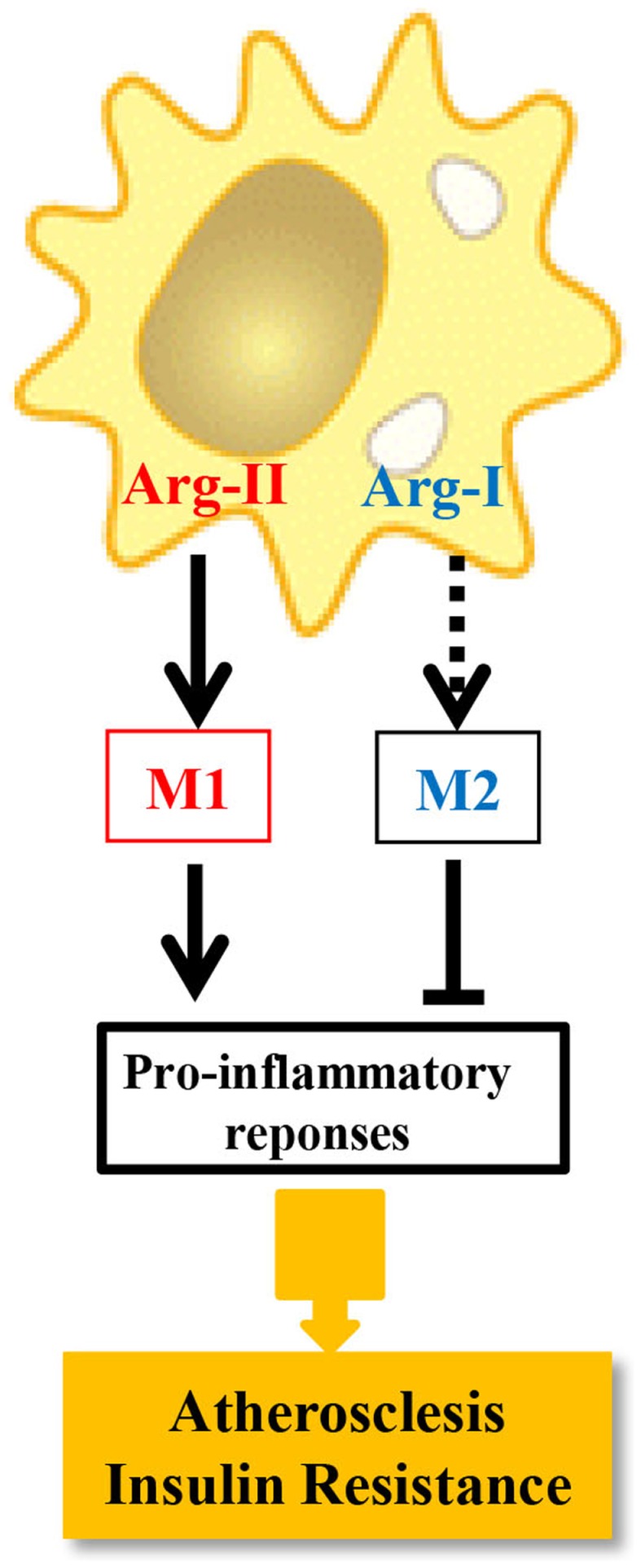
Macrophages play a paramount role in immunity and inflammation-associated diseases, including infections, cardiovascular diseases, obesity-associated metabolic imbalances, and cancer. Compelling evidence from studies of recent years demonstrates that macrophages are heterogeneous and undergo heterogeneous phenotypic changes in response to microenvironmental stimuli. The M1 killer type response and the M2 repair type response are best known, and are two extreme examples. Among other markers, inducible nitric oxide synthase and type-I arginase (Arg-I), the enzymes that are involved in l-arginine/nitric oxide (NO) metabolism, are associated with the M1 and M2 phenotype, respectively, and therefore widely used as the markers for characterization of the two macrophage phenotypes. There is also a type-II arginase (Arg-II), which is expressed in macrophages and prevalently viewed as having the same function as Arg-I in the cells. In contrast to Arg-I, little information on the role of Arg-II in macrophage inflammatory responses is available. Emerging evidence, however, suggests that differential roles of Arg-I and Arg-II in regulating macrophage functions. In this article, we will review recent developments on the functional roles of the two arginase isoforms in regulation of macrophage inflammatory responses by focusing on their impact on the pathogenesis of cardiovascular diseases and metabolic disorders.
Overview
The claims and statistics of this paper haven’t been checked yet.
Run the check — free, no account needed. It reads the open-access text and checks the sources it cites.
Integrity signals
Registry
Cites
Statistics
Figures
Verification
Claims the paper makes
The claims and statistics of this paper haven’t been checked yet.
Run the check — free, no account needed. It reads the open-access text and checks the sources it cites.
Claims other papers make about this one
Each is checked against this paper’s own text: does it say what the citing paper says it does?
In the citing paper
“ARG1 in myeloid cells mainly functions as an enzyme to hydrolyze arginine to produce ornithine as part of the urea cycle, which both promotes tissue repair through generation of polyamines and collagens, and also reduces nitric oxide production from inducible nitric oxide synthase through decreasing intracellular arginine availability (76–78).”
From Trem2 promotes anti-inflammatory responses in microglia and is suppressed under pro-inflammatory conditions (2020) · cites this paper as [76]
Self-check
Percentages, sums and reported differences re-computed from the paper’s own numbers.
The self-check needs the paper’s full text.
Citations
Cites
Atherosclerosis--an inflammatory disease
Ross, R. (1999) · New England Journal of Medicine · doi:10.1056/nejm199901143400207 · Cited by 21,725
Exploring the full spectrum of macrophage activation
Mosser, D. M., & Edwards, J. P. (2008) · Nature Reviews Immunology · doi:10.1038/nri2448 · Cited by 9,144 · cited 1×
“, macrophage plasticity, in response to specific signals as a consequence of adaptation to local tissue environmental cues (6, 7).”
BackgroundMacrophage plasticity and polarization: in vivo veritas
Sica, A., & Mantovani, A. (2012) · Journal of Clinical Investigation · doi:10.1172/jci59643 · Cited by 6,335
Inflammation and insulin resistance
Shoelson, S. E. (2006) · Journal of Clinical Investigation · doi:10.1172/jci29069 · Cited by 4,769
The M1 and M2 paradigm of macrophage activation: Time for reassessment
Martinez, F. O., & Gordon, S. (2014) · F1000Prime Reports · doi:10.12703/p6-13 · Cited by 4,689
Macrophage biology in development, homeostasis and disease
Wynn, T. A., Chawla, A., & Pollard, J. W. (2013) · Nature · doi:10.1038/nature12034 · Cited by 4,684 · cited 3×
“, macrophage plasticity, in response to specific signals as a consequence of adaptation to local tissue environmental cues (6, 7).”
BackgroundTumor-Associated Macrophages: From Mechanisms to Therapy
Noy, R., & Pollard, J. W. (2014) · Immunity · doi:10.1016/j.immuni.2014.06.010 · Cited by 4,089
M-1/M-2 Macrophages and the Th1/Th2 Paradigm
Mills, C. D., Kincaid, K., Alt, J. M., Heilman, M. J., & Hill, A. M. (2000) · The Journal of Immunology · doi:10.4049/jimmunol.164.12.6166 · Cited by 3,287 · cited 1×
“Later on, it was characterized that M1 macrophages are more easily activated by LPS to produce cytotoxic NO via iNOS, whereas M2 macrophages generate little NO but more ornithine from the same substrate l-arginine via arginase (15).”
BackgroundAlternative Activation of Macrophages: An Immunologic Functional Perspective
Martinez, F. O., Helming, L., & Gordon, S. (2009) · Annual Review of Immunology · doi:10.1146/annurev.immunol.021908.132532 · Cited by 2,745
Macrophages, inflammation, and insulin resistance
Olefsky, J. M., & Glass, C. K. (2010) · Annual Review of Physiology · doi:10.1146/annurev-physiol-021909-135846 · Cited by 2,733
Cited by
Sorted by citations
Arginase: A Multifaceted Enzyme Important in Health and Disease
Caldwell, R. W., Rodriguez, P. C., Toque, H. A., Narayanan, S. P., & Caldwell, R. B. (2018) · Physiological Reviews · doi:10.1152/physrev.00037.2016 · Cited by 495
“For instance, arginase-induced increases in polyamines and proline production can lead to thickening, fibrosis, and stiffening of blood vessels and airways, hypertrophy and fibrosis of the heart and kidneys, neurodegeneration, and growth of tumors (51, 127, 164, 238).”
BackgroundArginase: an old enzyme with new tricks
Caldwell, R. B., Toque, H. A., Narayanan, S. P., & Caldwell, R. W. (2015) · Trends in Pharmacological Sciences · doi:10.1016/j.tips.2015.03.006 · Cited by 358
Arginine and Endothelial Function
Gambardella, J., Khondkar, W., Morelli, M. B., Wang, X., Santulli, G., & Trimarco, V. (2020) · Biomedicines · doi:10.3390/biomedicines8080277 · Cited by 266
The PI3K/Akt Pathway in Meta-Inflammation
Acosta‐Martínez, M., & Cabail, M. Z. (2022) · International Journal of Molecular Sciences · doi:10.3390/ijms232315330 · Cited by 259
“Arginase 1 is one of the hallmarks of alternatively activated macrophages and contributes to the resolution of inflammation and tissue repair by degrading arginine and preventing the generation of cytotoxic nitric oxide [79].”
BackgroundToledo, B., Chen, L. Z., Paniagua-Sancho, M., Marchal, J. A., Perán, M., & Giovannetti, E. (2024) · Journal of Hematology & Oncology · doi:10.1186/s13045-024-01559-0 · Cited by 255
Macrophage Biology and Mechanisms of Immune Suppression in Breast Cancer
Mehta, A. K., Kadel, S., Townsend, M. G., Oliwa, M., & Guerriero, J. L. (2021) · Frontiers in Immunology · doi:10.3389/fimmu.2021.643771 · Cited by 237
“L-arginine to L-citrulline and cytotoxic nitric oxide (NO; a pro-inflammatory mediator responsible for anti-tumor immune response) (112, 113).”
BackgroundLiu, W., Taso, O., Wang, R., Bayram, S., Graham, A. C., Garcia-Reitboeck, P., Mallach, A., Andrews, W. D., Piers, T. M., Botia, J. A., et al. (2020) · Human Molecular Genetics · doi:10.1093/hmg/ddaa209 · Cited by 214
“…to produce ornithine, which both promotes tissue repair through generation of polyamines and collagens, and also reduces nitric oxide production from inducible nitric oxide synthase through decreasing intracellular arginine availability (Mills et al. 2000; Modolell et al. 1995; Yang and Ming 2014).”
BackgroundKuen, J., Darowski, D., Kluge, T., & Majety, M. (2017) · PLOS ONE · doi:10.1371/journal.pone.0182039 · Cited by 192
Kapoor, N., Niu, J., Saad, Y., Kumar, S., Sirakova, T. D., Becerra, E., Li, X., & Kolattukudy, P. E. (2015) · The Journal of Immunology · doi:10.4049/jimmunol.1402797 · Cited by 183
Li, Z., Zhu, Y., Kang, Y., Qin, S., & Chai, J. (2022) · Frontiers in Cellular Neuroscience · doi:10.3389/fncel.2022.843069 · Cited by 170
Miret, J. J., Kirschmeier, P. T., Koyama, S., Zhu, M., Li, Y. Y., Naito, Y., Wu, M., Malladi, V. S., Huang, W., Walker, W., et al. (2019) · Journal for ImmunoTherapy of Cancer · doi:10.1186/s40425-019-0504-5 · Cited by 164
“M1 macrophages produce NO via iNOS and M2 macrophages produce ornithine via arginase from arginine [24] .”
BackgroundArginine metabolism and deprivation in cancer therapy
Zou, S., Wang, X., Liu, P., Ke, C., & Xu, S. (2019) · Biomedicine & Pharmacotherapy · doi:10.1016/j.biopha.2019.109210 · Cited by 165
Turn Back the TIMe: Targeting Tumor Infiltrating Myeloid Cells to Revert Cancer Progression
Awad, R. M., Vlaeminck, Y. D., Maebe, J., Goyvaerts, C., & Breckpot, K. (2018) · Frontiers in Immunology · doi:10.3389/fimmu.2018.01977 · Cited by 154
Advances in physiological functions and mechanisms of (−)-epicatechin
Qu, Z., Liu, A., Li, P., Liu, C., Xiao, W., Huang, J., Liu, Z., & Zhang, S. (2020) · Critical Reviews in Food Science and Nutrition · doi:10.1080/10408398.2020.1723057 · Cited by 150
Dynamics of monocyte-derived macrophage diversity in experimental myocardial infarction
Rizzo, G., Gropper, J., Piollet, M., Vafadarnejad, E., Rizakou, A., Bandi, S. R., Arampatzi, P., Krammer, T., DiFabion, N., Dietrich, O., et al. (2023) · Cardiovascular Research · doi:10.1093/cvr/cvac113 · Cited by 165
Arginase Inhibitors: A Rational Approach Over One Century
Pudlo, M., Demougeot, C., & Girard, C. (2016) · Medicinal Research Reviews · doi:10.1002/med.21419 · Cited by 151
Bennett, B. J., Davis, R. C., Civelek, M., Orozco, L. D., Wu, J., Qi, H., Pan, C., Packard, R. R. S., Eskin, E., Yan, M., et al. (2015) · PLoS Genetics · doi:10.1371/journal.pgen.1005711 · Cited by 138
“It is noteworthy that the levels of arginase I in macrophages are a marker of M2 (anti-inflammatory) as compared to M1 (proinflammatory) macrophages [49, 50].”
BackgroundModulation of Macrophage Immunometabolism: A New Approach to Fight Infections
Gauthier, T., & Chen, W. (2022) · Frontiers in Immunology · doi:10.3389/fimmu.2022.780839 · Cited by 137
Morrot, A., da Fonseca, L. M., Salustiano, E. J., Gentile, L. B., Conde, L., Filardy, A. A., Franklim, T. N., da Costa, K. M., Freire-de-Lima, C. G., & Freire‐de‐Lima, L. (2018) · Frontiers in Oncology · doi:10.3389/fonc.2018.00081 · Cited by 128
Sun, A. R., Panchal, S. K., Friis, T., Sekar, S., Crawford, R., Brown, L., Xiao, Y., & Prasadam, I. (2017) · PLoS ONE · doi:10.1371/journal.pone.0183693 · Cited by 113
“Furthermore, there is a strong interplay between iNOS and Arg-1, where ARG negatively regulates NOS activity by reducing the availability of l-Arg.”
BackgroundXie, Y., Tolmeijer, S. H., Oskam, J. M., Tonkens, T., Meijer, A. H., & Schaaf, M. J. M. (2019) · Disease Models & Mechanisms · doi:10.1242/dmm.037887 · Cited by 114
Arginase: shedding light on the mechanisms and opportunities in cardiovascular diseases
Li, Z., Wang, L., Ren, Y., Huang, Y., Liu, W., Lv, Z., Lü, Q., Yu, Y., & Xiong, Y. (2022) · Cell Death Discovery · doi:10.1038/s41420-022-01200-4 · Cited by 118
Vitamin D improves sunburns by increasing autophagy in M2 macrophages
Das, L. M., Binko, A. M., Traylor, Z. P., Peng, H., & Lu, K. Q. (2019) · Autophagy · doi:10.1080/15548627.2019.1569298 · Cited by 111
“Inhibition of inflammation is associated with upregulated expression of anti-inflammatory enzyme Arg1, downmodulation of competitor enzyme Nos2, and expansion of anti-inflammatory M2 macs [12].”
BackgroundImmunometabolism of Phagocytes During Mycobacterium tuberculosis Infection
Kumar, R., Singh, P., Kolloli, A., Shi, L., Bushkin, Y., Tyagi, S., & Subbian, S. (2019) · Frontiers in Molecular Biosciences · doi:10.3389/fmolb.2019.00105 · Cited by 103
“While inducible NOS promotes a pro-inflammatory response, ARG is associated with the anti-inflammatory response in host immune cells (Yang and Ming, 2014).”
BackgroundMechanosensing in macrophages and dendritic cells in steady-state and disease
Lee, M., Du, H., Winer, D. A., Clemente-Casares, X., & Tsai, S. (2022) · Frontiers in Cell and Developmental Biology · doi:10.3389/fcell.2022.1044729 · Cited by 99
Innate Immune Cells and Toll-like Receptor–Dependent Responses at the Maternal–Fetal Interface
Olmos‐Ortiz, A., Flores‐Espinosa, P., Mancilla‐Herrera, I., Vega‐Sánchez, R., Dı́az, L., & Zaga‐Clavellina, V. (2019) · International Journal of Molecular Sciences · doi:10.3390/ijms20153654 · Cited by 100
“In the first mechanism, the arginine microenvironment that is critical for M1 differentiation is low during the first trimester of pregnancy, when placental tissue is rich in cytosolic arginase I and mitochondrial arginase II, both of which catalyze L-arginine to urea and L-ornithine [65,66].”
BackgroundZarić, B. L., Radovanović, J., Gluvic, Z. M., Stewart, A. J., Essack, M., Motwalli, O., Gojobori, T., & Isenović, E. R. (2020) · Frontiers in Immunology · doi:10.3389/fimmu.2020.551758 · Cited by 94
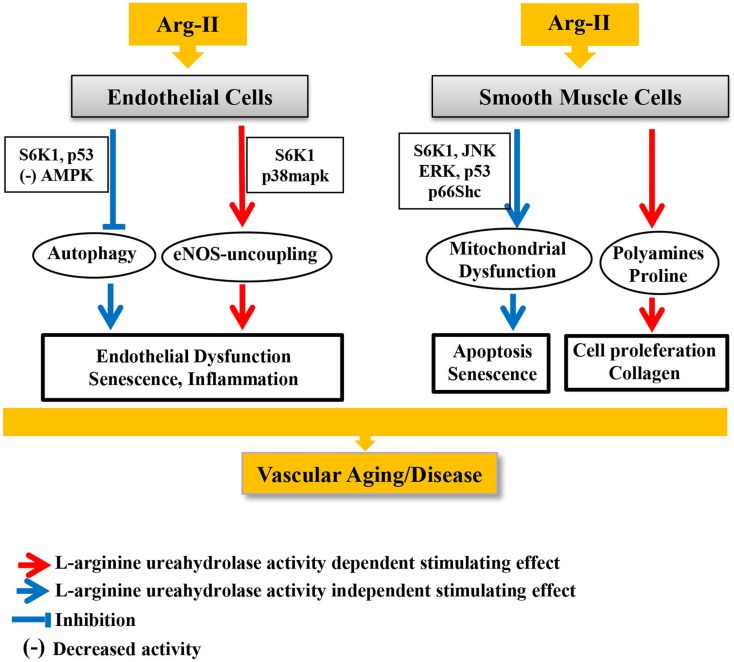
“Elevated activity of ARG isoforms in the endothelium diminishes the vasoprotective role of NO (301), whereas these two isoforms have opposite roles in macrophages (302).”
BackgroundWu, H., Tang, X.-Q., Mao, X.-F., & Wang, Y. (2017) · Journal of Neuroscience · doi:10.1523/jneurosci.1799-17.2017 · Cited by 87
“The left L5 and L6 spinal nerves of rats were carefully isolated and tightly ligated with 6 – 0 silk sutures under inhaled isoflurane anesthesia following the methodologies described previously (Kim and Chung, 1992; Zhang et al., 2013).”
MethodENPP1 is an innate immune checkpoint of the anticancer cGAMP–STING pathway in breast cancer
Wang, S., Böhnert, V., Joseph, A. J., Sudaryo, V., Skariah, G. M., Swinderman, J. T., Yu, F. B., Subramanyam, V., Wolf, D. M., Lyu, X., et al. (2023) · Proceedings of the National Academy of Sciences · doi:10.1073/pnas.2313693120 · Cited by 102
Bench to bedside review: therapeutic modulation of nitric oxide in sepsis—an update
Lambden, S. (2019) · Intensive Care Medicine Experimental · doi:10.1186/s40635-019-0274-x · Cited by 82
Macrophages at the Fork in the Road to Health or Disease
Mills, C. D., Lenz, L. L., & Ley, K. F. (2015) · Frontiers in Immunology · doi:10.3389/fimmu.2015.00059 · Cited by 76
“Also, Arg II expression in endothelial cells tends to uncouple eNOS (or NOS1) causing loss of vascular tone (42).”
BackgroundSusser, L. I., Nguyen, M.-A., Geoffrion, M., Emerton, C., Ouimet, M. I., Khacho, M., & Rayner, K. J. (2023) · Molecular and Cellular Biology · doi:10.1080/10985549.2023.2253131 · Cited by 75
Tumor-Mediated Neutrophil Polarization and Therapeutic Implications
Raftopoulou, S., Valadez-Cosmes, P., Mihalič, Z. N., Schicho, R., & Kargl, J. (2022) · International Journal of Molecular Sciences · doi:10.3390/ijms23063218 · Cited by 70
Immunometabolism around the Clock
Carroll, R. G., Timmons, G. A., Cervantes‐Silva, M. P., Kennedy, O. D., & Curtis, A. M. (2019) · Trends in Molecular Medicine · doi:10.1016/j.molmed.2019.04.013 · Cited by 72
Li, Z., Zhao, M., Li, T., Zheng, J., Liu, X., Jiang, Y., Zhang, H., & Hu, X. (2017) · Frontiers in Immunology · doi:10.3389/fimmu.2017.01013 · Cited by 66
“Arg-I enhances the bioavailability of l-arginine, which is involved in immunosuppression and reportedly promotes polyamine synthesis to enhance placental growth and development (34, 35).”
BackgroundImmunoengineering strategies to enhance vascularization and tissue regeneration
Zárubová, J., Hasani‐Sadrabadi, M. M., Ardehali, R., & Li, S. (2022) · Advanced Drug Delivery Reviews · doi:10.1016/j.addr.2022.114233 · Cited by 75
Liang, X., Arullampalam, P., Yang, Z., & Ming, X. (2019) · Frontiers in Physiology · doi:10.3389/fphys.2019.01003 · Cited by 69
“Compelling evidence including our own has been provided in recent years for an important role of Arg-II, the dominant isoenzyme in human and mouse vasculature, in cardiovascular diseases (Yang and Ming, 2014).”
BackgroundThe Interplay Between Tissue Niche and Macrophage Cellular Metabolism in Obesity
Daemen, S., & Schilling, J. D. (2020) · Frontiers in Immunology · doi:10.3389/fimmu.2019.03133 · Cited by 68
Agudelo, J. S. H., Braga, T. T., Amano, M. T., Cenedeze, M. A., Cavinato, R. A., dos Santos, A. R. P., Muscará, M. N., Teixeira, S. A., Cruz, M. C., Castoldi, Â., et al. (2017) · Frontiers in Immunology · doi:10.3389/fimmu.2017.00881 · Cited by 63
“Furthermore, arginase also has additional pleiotropic functions such as being a main mediator of cell proliferation, of tissue healing and of inhibition of T lymphocytes (41, 42).”
BackgroundCheng, Y., Feng, Y., Xia, Z., Li, X., & Rong, J. (2017) · Biochimica et Biophysica Acta (BBA) - Molecular and Cell Biology of Lipids · doi:10.1016/j.bbalip.2017.09.009 · Cited by 64
Schlune, A., Dahl, S. V., Häussinger, D., Ensenauer, R. E., & Mayatepek, E. (2015) · Amino Acids · doi:10.1007/s00726-015-2032-z · Cited by 64
A photothermal-response oxygen release platform based on a hydrogel for accelerating wound healing
Li, C., He, X., Li, Q., Lv, M., Shen, J., Jin, L., & He, D. (2023) · NPG Asia Materials · doi:10.1038/s41427-022-00456-7 · Cited by 61
de Sousa, J. R., Azevedo, R. D. S. D. S., Filho, A. J. M., de Araújo, M. T. F., da Cruz, E. D. R. M., Vasconcelos, B. C. B., Cruz, A. C. R., de Oliveira, C. S., Martins, L. C., Vasconcelos, B. H. B., et al. (2018) · Cytokine · doi:10.1016/j.cyto.2018.08.008 · Cited by 62
Peptide-based targeting of immunosuppressive cells in cancer
Trac, N. T., & Chung, E. J. (2020) · Bioactive Materials · doi:10.1016/j.bioactmat.2020.01.006 · Cited by 60
“On the other hand, M2 macrophages have been observed to utilize arginase to convert arginine into ornithine, an amino acid involved in the urea cycle that promotes cell proliferation and tissue repair by stimulating the generation of matrix proteins, such as collagen [65,66].”
BackgroundPark, J.-H., Shim, D., Kim, K. E. S., Lee, W., & Shin, S. J. (2021) · Frontiers in Cellular and Infection Microbiology · doi:10.3389/fcimb.2021.635335 · Cited by 57
“, 2013) and is associated with the host anti-inflammatory response (Yang and Ming, 2014).”
BackgroundWest, E. E., Merle, N. S., Kamiński, M. M., Palacios, G. F., Kumar, D., Wang, L., Bibby, J. A., Overdahl, K. E., Jarmusch, A. K., Freeley, S. J., et al. (2023) · Immunity · doi:10.1016/j.immuni.2023.07.014 · Cited by 57
M2 macrophages and their role in rheumatic diseases
Bhattacharya, S., & Aggarwal, A. (2018) · Rheumatology International · doi:10.1007/s00296-018-4120-3 · Cited by 56
Arginase and its mechanisms in Leishmania persistence
Pessenda, G., & Silva, J. S. (2020) · Parasite Immunology · doi:10.1111/pim.12722 · Cited by 54
Valli, V., Taccari, A., Nunzio, M. D., Danesi, F., & Bordoni, A. (2018) · Food Research International · doi:10.1016/j.foodres.2018.02.032 · Cited by 57
He, M., Sun, L., Fu, X., McDonough, S. P., & Chu, C. (2018) · Acta Biomaterialia · doi:10.1016/j.actbio.2018.11.053 · Cited by 53
Resident cardiac macrophages: crucial modulators of cardiac (patho)physiology
Sansonetti, M., Waleczek, F. J. G., Jung, M., Thum, T., & Perbellini, F. (2020) · Basic Research in Cardiology · doi:10.1007/s00395-020-00836-6 · Cited by 53
Inflammatory macrophages switch to CCL17‐expressing phenotype and promote peritoneal fibrosis
Chen, Y., Hsu, H., Lin, C., Pan, S., Liu, S., Wu, C., Tsai, P., Liao, C., Cheng, H., Chiang, W., et al. (2019) · The Journal of Pathology · doi:10.1002/path.5350 · Cited by 53
“Although arginase 1 is proved to generate ornithine from the substrate L-arginine, thereby promoting collagen production in M2 Mφs [48], our data did not support collagen production by peritoneal Mφs because Csf1r-RFP+ Mφs did not express Col1a1-GFP and Col1a1 gene in Csf1r-CreEsr1Tg;Rs26fstdTomato/+;Col1a1-GFPTg mice…”
BackgroundFood for thought—The link between Clostridioides difficile metabolism and pathogenesis
Marshall, A., McGrath, J. W., Graham, R., & McMullan, G. (2023) · PLoS Pathogens · doi:10.1371/journal.ppat.1011034 · Cited by 52
“Mammalian macrophages act as one of the key drivers in regulating inflammation, generating either a proinflammatory, cytotoxic, type 1 inflammatory response involved in pathogen clearance, or an anti-inflammatory, tissue-repairing, type 2 inflammatory response involved in maintaining tissue integrity [59].”
BackgroundArginase: Biological and Therapeutic Implications in Diabetes Mellitus and Its Complications
Ren, Y., Li, Z., Li, W., Fan, X., Han, F., Huang, Y., Yu, Y., Lü, Q., & Xiong, Y. (2022) · Oxidative Medicine and Cellular Longevity · doi:10.1155/2022/2419412 · Cited by 53
“By contrast, ARG2 appears to function as a proin fl ammatory M1-like phenotype [67].”
Histone deacetylase 3 regulates microglial function through histone deacetylation
Meleady, L., Towriss, M., Kim, J. S., Bacarac, V., Dang, V., Rowland, M. E., & Ciernia, A. V. (2023) · Epigenetics · doi:10.1080/15592294.2023.2241008 · Cited by 47
“Arg1 hydrolyzes L-arginine to produce urea and L-ornithine, which removes nitrogen from amino acid metabolism via the urea cycle and promotes cell proliferation [41].”
BackgroundLong, H., Lichtnekert, J., Andrassy, J., Schraml, B. U., Romagnani, P., & Anders, H.-J. (2023) · Frontiers in Immunology · doi:10.3389/fimmu.2023.1194988 · Cited by 46
Arginase-I enhances vascular endothelial inflammation and senescence through eNOS-uncoupling
Zhu, C., Yu, Y., Montani, J., Ming, X., & Yang, Z. (2017) · BMC Research Notes · doi:10.1186/s13104-017-2399-x · Cited by 47
“Although both isoenzymes share the same enzymatic function in metabolizing l-arginine, there is evidence that Arg-I and Arg-II exert certain distinct biological functions [25].”
Goldstein, S. D., Hayashi, M., Albert, C. M., Jackson, K. W., & Loeb, D. M. (2015) · Clinical & Experimental Metastasis · doi:10.1007/s10585-015-9738-x · Cited by 45
Lee, J. H., Kam, E. H., Kim, S. Y., Cheon, S. Y., Kim, E. J., Chung, S., Jeong, J., & Koo, B. (2017) · Frontiers in Pharmacology · doi:10.3389/fphar.2017.00839 · Cited by 43
“Macrophages can be characterized as M1 or M2 according to the metabolism of arginine (Rath et al., 2014; Yang and Ming, 2014).”
BackgroundPathogenesis of Extraarticular Manifestations in Rheumatoid Arthritis—A Comprehensive Review
Mitrović, J., Hrkač, S., Tečer, J., Golob, M., Posavec, A. L., Mitrović, H. K., & Grgurević, L. (2023) · Biomedicines · doi:10.3390/biomedicines11051262 · Cited by 44
Liu, C., Rajapakse, A. G., Riedo, E., Fellay, B., Bernhard, M. W. S., Montani, J., Yang, Z., & Ming, X. (2016) · Scientific Reports · doi:10.1038/srep20405 · Cited by 44
Li, Z., Yang, B.-C., Gao, M., Xiao, X., Zhao, S., & Liu, Z.-L. (2021) · Molecular Therapy — Nucleic Acids · doi:10.1016/j.omtn.2021.07.005 · Cited by 44
“for M1 and M2 macrophages, including Arg-1, iNOS, CD206, and TNF-a, which exert different influences on outcomes of inflammation.(41,42) In our study, naringin treatment significantly suppressed M1 macrophage polarization and stimulated M2 macrophage polarization.”
BackgroundBiochemistry, pharmacology, and in vivo function of arginases
Heuser, S. K., Li, J., Pudewell, S., LoBue, A., Li, Z., & Cortese-Krott, M. M. (2024) · Pharmacological Reviews · doi:10.1124/pharmrev.124.001271 · Cited by 47
“In addition, Arg2 is reported to promote a proin fl ammatory effect, contributing to insulin resistance and atherogenesis (Ming et al, 2012; Yang and Ming, 2014).”
β-Glucan as Trained Immunity-Based Adjuvants for Rabies Vaccines in Dogs
Paris, S., Chapat, L., Martin-Cagnon, N., Durand, P.-Y., Piney, L., Cariou, C., Bergamo, P., Bonnet‐Garin, J., Poulet, H., Freyburger, L., et al. (2020) · Frontiers in Immunology · doi:10.3389/fimmu.2020.564497 · Cited by 42
TLR4 and TNFR1 blockade dampen M1 macrophage activation and shifts them towards an M2 phenotype
Sawoo, R., Dey, R., Ghosh, R. B., & Bishayi, B. (2021) · Immunologic Research · doi:10.1007/s12026-021-09209-0 · Cited by 42
Sitinjak, B. D. P., Murdaya, N., Rachman, T. A., Zakiyah, N., & Barliana, M. I. (2023) · Vascular Health and Risk Management · doi:10.2147/vhrm.s405039 · Cited by 41
“NO production would decrease when an increase in ARG-1 levels occurred.(37) ARG-1 is predicted to be a new therapeutic target in cardiac patients because it has a role in the development of atherosclerosis through endothelial cell dysfunction.”
BackgroundKim, Y., Hwang, S. D., Lim, J. H., Kim, M. Y., Kim, E. N., Choi, B. S., Kim, Y., Kim, H. W., & Park, C. W. (2019) · Scientific Reports · doi:10.1038/s41598-018-38250-7 · Cited by 38
Hepatic arginase 2 (Arg2) is sufficient to convey the therapeutic metabolic effects of fasting
Zhang, Y., Higgins, C. B., Fortune, H. M., Chen, P., Stothard, A. I., Mayer, A. L., Swarts, B. M., & DeBosch, B. J. (2019) · Nature Communications · doi:10.1038/s41467-019-09642-8 · Cited by 40
Furosemide as a Probe Molecule for the Treatment of Neuroinflammation in Alzheimer's Disease.
Wang, Z.-Y., Vilekar, P., Huang, J.-B., & Weaver, D. (2020) · ACS Chemical Neuroscience · doi:10.1021/acschemneuro.0c00445 · Cited by 33
A minireview: Role of AMP-activated protein kinase (AMPK) signaling in obesity-related renal injury
Zhuo, L., Li, J. X., Miao, X., Cui, W., Miao, L., & Cai, L. (2020) · Life Sciences · doi:10.1016/j.lfs.2020.118828 · Cited by 40
Obesity-induced vascular inflammation involves elevated arginase activity
Yao, L., Bhatta, A., Xu, Z., Chen, J., Toque, H. A., Chen, Y., Xu, Y., Bagi, Z. A., Lucas, R., Huo, Y., et al. (2017) · American Journal of Physiology-Regulatory, Integrative and Comparative Physiology · doi:10.1152/ajpregu.00529.2016 · Cited by 42
Zhang, D., Ren, L., Zhao, M., Yang, C., Liu, X., Zhang, H., Jiang, Y., Sun, X., Li, T., Cui, L., et al. (2019) · Frontiers in Immunology · doi:10.3389/fimmu.2019.01550 · Cited by 38
Injecting Immunosuppressive M2 Macrophages Alleviates the Symptoms of Periodontitis in Mice
Miao, Y., He, L., Qi, X., & Lin, X. (2020) · Frontiers in Molecular Biosciences · doi:10.3389/fmolb.2020.603817 · Cited by 38
“…et al., 2018). iNOS is the signature Frontiers in Molecular Biosciences | www.frontiersin.org 6 October 2020 | Volume 7 | Article 603817 of M1 macrophages that can help destroy pathogens; on the contrary, ARG-1 is an M2 macrophage signature that promotes tissue repair (Yang and Ming, 2014).”
BackgroundGenčić, M. S., Aksić, J. M., Stošić, M. Z. Ž., Randjelović, P. J., Stojanović, N. M., Stojanović-Radić, Z. Z., & Radulović, N. S. (2021) · Food and Chemical Toxicology · doi:10.1016/j.fct.2021.112666 · Cited by 39
López, E., Blázquez, R., Marinaro, F., Álvarez, V., Blanco, V., Báez-Díaz, C., González, I., Abad, A., Moreno, B., Sanchez-Margallo, F. M., et al. (2019) · Stem Cell Reviews and Reports · doi:10.1007/s12015-019-09926-y · Cited by 38
Chen, M., Zhang, J., Hu, F., Liu, S., & Zhou, Z. (2015) · Diabetes/Metabolism Research and Reviews · doi:10.1002/dmrr.2761 · Cited by 37
“obesity-associated metabolic imbalances and cancers [1].”
BackgroundThrombin Promotes Macrophage Polarization into M1-Like Phenotype to Induce Inflammatory Responses
López-Zambrano, M., Rodriguez-Montesinos, J., Crespo-Avilan, G. E., Muñoz‐Vega, M., & Preissner, K. T. (2020) · Thrombosis and Haemostasis · doi:10.1055/s-0040-1703007 · Cited by 35
Innate immune training and metabolic reprogramming in primary monocytes of broiler and laying hens
Verwoolde, M. B., van den Biggelaar, R. H. G. A., Reilingh, G. D. V., Arts, J. A. J., van Baal, J., Lammers, A., & Jansen, C. A. (2020) · Developmental & Comparative Immunology · doi:10.1016/j.dci.2020.103811 · Cited by 37
Vinhas, A., Almeida, A. F., Gonçalves, A. I., Rodrigues, M. T., & Gomes, M. E. (2020) · International Journal of Molecular Sciences · doi:10.3390/ijms21155441 · Cited by 34
“ornithine that assists cell proliferation and repair of damaged tissue [29].”
BackgroundThe role of arginase in aging: A systematic review
Moretto, J., Girard, C., & Demougeot, C. (2018) · Experimental Gerontology · doi:10.1016/j.exger.2018.12.011 · Cited by 37
Genovese, P., Patel, A., Ziemkiewicz, N., Paoli, A., Bruns, J., Case, N., Zustiak, S., & Garg, K. (2021) · Journal of Tissue Engineering and Regenerative Medicine · doi:10.1002/term.3243 · Cited by 29
“…synthase (iNOS) and arginase are enzymes that are widely used as the markers for macrophage phenotype (M1/M2) characterization (Mills, 2012; Yang & Ming, 2014). iNOS metabolizes the amino acid arginine to produce nitric oxide which inhibits cell proliferation while arginase metabolizes Arginine…”
BackgroundArginase Pathway in Acute Retina and Brain Injury: Therapeutic Opportunities and Unexplored Avenues
Fouda, A. Y., Eldahshan, W., Narayanan, S. P., Caldwell, R. W., & Caldwell, R. B. (2020) · Frontiers in Pharmacology · doi:10.3389/fphar.2020.00277 · Cited by 32
“Specifically, use of A1 as a therapy for acute CNS ischemia and AD is an appealing approach since PEG-A1 is already being clinically tested in patients with advanced hepatocellular carcinoma and melanoma, and it appears to be safe and well-tolerated (Yau et al., 2013, 2015; De Santo et al., 2018).”
BackgroundToward the Characterization of Human Pro-Resolving Macrophages?
Saas, P., Chagué, C., Maraux, M., & Cherrier, T. (2020) · Frontiers in Immunology · doi:10.3389/fimmu.2020.593300 · Cited by 34
The crucial role of l-arginine in macrophage activation: What you need to know about it
Pekarová, M., & Lojek, A. (2015) · Life Sciences · doi:10.1016/j.lfs.2015.07.012 · Cited by 30
“Therefore, macrophages are an important therapeutic target in the treatment of pathological states associated with chronic inflammation (e.g., autoimmune and cardiovascular diseases) (Bronte and Zanovello, 2005; Cathcart, 2004; Cohen, 2002; Yang and Ming, 2014).”
BackgroundMarino, R., Capoferri, R., Panelli, S., Minozzi, G., Strozzi, F., Trevisi, E., Snel, G. G. M., Ajmone‐Marsan, P., & Williams, J. L. (2017) · Molecular Immunology · doi:10.1016/j.molimm.2017.08.017 · Cited by 31
Akhmedov, A. T., Crucet, M., Simic, B., Kraler, S. C., Bonetti, N. R., Ospelt, C., Distler, O., Ciurea, A., Liberale, L., Jauhiainen, M., et al. (2021) · Cardiovascular Research · doi:10.1093/cvr/cvab005 · Cited by 31
Role of Mitochondrial Dynamics in Microglial Activation and Metabolic Switch
Montilla, A., Ruiz, A., Márquez-Ropero, M., Sierra, A., Matute, C., & Domercq, M. (2021) · ImmunoHorizons · doi:10.4049/immunohorizons.2100068 · Cited by 32
New Insight in HDACs: Potential Therapeutic Targets for the Treatment of Atherosclerosis
Luan, Y., Liu, H., Luan, Y., Yang, Y., Yang, J., & Ren, K. (2022) · Frontiers in Pharmacology · doi:10.3389/fphar.2022.863677 · Cited by 32
Thandi, R. S., Radhakrishnan, R. K., Tripathi, D., Paidipally, P., Azad, A. K., Schlesinger, L. S., Samten, B., Mulik, S., & Vankayalapati, R. (2020) · Nature Communications · doi:10.1038/s41467-020-17310-5 · Cited by 30
RetractedMonteiro, N. O., Casanova, M. R., Quinteira, R., Fangueiro, J. F., Reis, R. L., & Neves, N. M. (2022) · Biomaterials Advances · doi:10.1016/j.bioadv.2022.213128 · Cited by 30
Tichauer, J. E., Arellano, G., Acuña, E., González, L. F., Kannaiyan, N. R., Murgas, P., Panadero-Medianero, C., Ibañez-Vega, J., Burgos, P. I., Loda, E., et al. (2023) · Frontiers in Immunology · doi:10.3389/fimmu.2023.1191838 · Cited by 33
Yi, X., Zhang, J., Zhuang, R., Wang, S., Cheng, S., Zhang, D., Xie, J., Hu, W., Liu, X., Zhang, Y., et al. (2018) · Cytokine · doi:10.1016/j.cyto.2018.08.028 · Cited by 27
Environmental Signals Influencing Myeloid Cell Metabolism and Function in Diabetes
Ratter, J. M., Tack, C. J., Netea, M. G., & Stienstra, R. (2018) · Trends in Endocrinology and Metabolism · doi:10.1016/j.tem.2018.04.008 · Cited by 27
Metabolic Reprogramming of Mouse Bone Marrow Derived Macrophages Following Erythrophagocytosis
Catala, A., Youssef, L. A., Reisz, J. A., Dzieciątkowska, M., Powers, N. E., Marchetti, C., Karafin, M. S., Zimring, J. C., Hudson, K. E., Hansen, K. C., et al. (2020) · Frontiers in Physiology · doi:10.3389/fphys.2020.00396 · Cited by 28
“By contrast, alternatively activated (M2) macrophages are typically less migratory owning to their extensive roles in repairing tissuedamage, and have a proresolution profile characterized by the secretion of cytokines, such as transforming growth factor-β (TGF-β), IL-4, IL-10, and IL-13 (Zhang and An, 2007; Nahrendor…”
BackgroundTelocytes regulate macrophages in periodontal disease
Zhao, J., Birjandi, A. A., Ahmed, M. U., Redhead, Y. T., Olea, J. V., & Sharpe, P. T. (2022) · eLife · doi:10.7554/elife.72128 · Cited by 26
Clark, T. C., Tinsley, J., Sigholt, T., Macqueen, D. J., & Martín, S. (2020) · Fish & Shellfish Immunology · doi:10.1016/j.fsi.2020.01.026 · Cited by 25
Ortiz-Vilchis, P., Ortíz-Flores, M., Pacheco, M., Ramírez‐Sánchez, I., Moreno‐Ulloa, A., Vega, L., Ortiz, A., Villarreal, F. J., Rubio‐Gayosso, I., Nájera, N., et al. (2017) · European Journal of Pharmacology · doi:10.1016/j.ejphar.2017.11.007 · Cited by 25
Is the Arginase Pathway a Novel Therapeutic Avenue for Diabetic Retinopathy?
Shosha, E., Fouda, A. Y., Narayanan, S. P., Caldwell, R. W., & Caldwell, R. B. (2020) · Journal of Clinical Medicine · doi:10.3390/jcm9020425 · Cited by 26
“On the other hand, the A2 isoform has been suggested to be present in pro-inflammatory M1-like macrophage [100].”
BackgroundKadyrov, F. F., Koenig, A. L., Amrute, J., Dun, H., Li, W., Weinheimer, C. J., Nigro, J. M., Kovács, A., Bredemeyer, A. L., Yang, S. H., et al. (2024) · Nature Cardiovascular Research · doi:10.1038/s44161-024-00553-6 · Cited by 30
“These findings contrast with prior literature arguing that Arg1 is a marker of the M2 macrophage phenotype 55–57 .”
Human cytomegalovirus may promote tumour progression by upregulating arginase-2
Costa, H., Xu, X., Overbeek, G., Vasaikar, S. V., Patro, C. P. K., Kostopoulou, O. N., Jung, M., Shafi, G., Ananthaseshan, S., Tsipras, G., et al. (2016) · Oncotarget · doi:10.18632/oncotarget.9722 · Cited by 24
Metadata
- Authors
- Yang, Z., & Ming, X.-F.
- Affiliations
- University of Fribourg (CH)
- Corresponding author
- Yang, Zhihong
- Ming, Xiu-Fen
- Venue
- Frontiers in Immunology
- Publisher
- Frontiers Media SA
- Published
- 2014-10-27
- Volume
- 5
- Pages
- 533-533
- ISSN
- 1664-3224 (ISSN-L)
- PMC
- PMC4209887
- OpenAlex
- W2018261122
- Cited by
- 290
- References
- 107
- Citations by year
- 2026: 20 · 2025: 31 · 2024: 32 · 2023: 39 · 2022: 30 · 2021: 29 · 2020: 40 · 2019: 23 · 2018: 15 · 2017: 16 · 2016: 5 · 2015: 10
- FWCI
- 1.01
- Type
- journal article
- Language
- en
- Open access
- gold
- doi.org
- Licence
- cc-by
- Locations
- Frontiers in Immunology (publishedVersion, cc-by)
- Europe PMC (PubMed Central) (publishedVersion, cc-by)
- PubMed Central (publishedVersion, cc-by)
- PubMed (publishedVersion)
- DOAJ (DOAJ: Directory of Open Access Journals) (submittedVersion)
- Funders
- National Science Foundation (120435, 310030)
- Schweizerischer Nationalfonds zur Förderung der Wissenschaftlichen Forschung (310000-120435/1, 141070, 120435, 310000, 310030)
- Schweizerische Herzstiftung
- Topics
- Life Sciences › Immunology and Microbiology › Immunology › Immune cells in cancer
- Health Sciences › Medicine › Physiology (medical) › Nitric Oxide and Endothelin Effects
- Health Sciences › Medicine › Cardiology and Cardiovascular Medicine › Renin-Angiotensin System Studies
- Keywords
- macrophage polarization, M1/M2 macrophage phenotype, inducible nitric oxide synthase, macrophage inflammation, cardiovascular disease, metabolic disorders, obesity
About these checks
Registry, retraction, Cites and statistics results are computed, not judged, with one exception: a printed reference that no index lists is read once by a model before it counts as a citation error. Claims are extracted by a model and kept only when their quote appears verbatim in the text; each cited source is then checked, with a model’s help, for whether it says what the claim relies on. Those verdicts can be wrong — read the claim’s quote and the cited source before relying on one.
Statistics and arithmetic are recomputed, not judged.
Confidence bands are shown only for fields calibrated on our annotated test set. None is calibrated yet, so no band is shown.
What counts as a claim ›How we measure confidence ›How we check this ›
Are you an author, or do you see a problem with this page? Request a review
