

The DOI matches its Crossref record; 117 of the 117 references it cites were found in a registry or an index.
Drug Repurposing Approaches for the Treatment of Influenza Viral Infection: Reviving Old Drugs to Fight Against a Long-Lived Enemy
Open accessAbstract
Influenza viruses still constitute a real public health problem today. To cope with the emergence of new circulating strains, but also the emergence of resistant strains to classic antivirals, it is necessary to develop new antiviral approaches. This review summarizes the state-of-the-art of current antiviral options against influenza infection, with particular focus on the recent advances of anti-influenza drug repurposing strategies and their potential therapeutic, regulatory and economic benefits. The review will illustrate the multiple ways to reposition molecules for the treatment of influenza, from adventitious discovery to in silico-based screening. These novel antiviral molecules, many of which targeting the host cell, in combination with conventional antiviral agents targeting the virus, will ideally enter the clinics and reinforce the therapeutic arsenal to combat influenza virus infections.
Overview
The claims and statistics of this paper haven’t been checked yet.
Run the check — free, no account needed. It reads the open-access text and checks the sources it cites.
Integrity signals
Registry
Cites
Statistics
Figures
Verification
Claims the paper makes
The claims and statistics of this paper haven’t been checked yet.
Run the check — free, no account needed. It reads the open-access text and checks the sources it cites.
Claims other papers make about this one
Each is checked against this paper’s own text: does it say what the citing paper says it does?
In the citing paper
“Historically, drug combinations have been utilized efficiently to treat various bacterial and viral infections and to fight cancer [18–21].”
From Aprepitant, an antiemetic agent, interferes with metal ion homeostasis of Candida auris and displays potent synergistic interactions with azole drugs (2020) · cites this paper as [20]
Self-check
Percentages, sums and reported differences re-computed from the paper’s own numbers.
The self-check needs the paper’s full text.
Citations
Cites
Drug repurposing: progress, challenges and recommendations
Pushpakom, S., Iorio, F., Eyers, P. A., Escott, K. J., Hopper, S., Wells, A., Doig, A., Guilliams, T., Latimer, J., McNamee, C., et al. (2019) · Nature Reviews Drug Discovery · doi:10.1038/nrd.2018.168 · Cited by 4,718 · cited 5×
“Drug repurposing, also termed drug repositioning, defines the process of identifying and validating a new therapeutic indication for an existing or developmental drug (38, 42, 43).”
BackgroundInfluentialNetwork pharmacology: the next paradigm in drug discovery
Hopkins, A. L. (2008) · Nature Chemical Biology · doi:10.1038/nchembio.118 · Cited by 4,622 · cited 1×
“The molecule is therefore said to present polypharmacologyrelated features, meaning the capacity to act on multiple targets (48, 49).”
BackgroundDrug repositioning: identifying and developing new uses for existing drugs
Ashburn, T. T., & Thor, K. B. (2004) · Nature Reviews Drug Discovery · doi:10.1038/nrd1468 · Cited by 3,237 · cited 3×
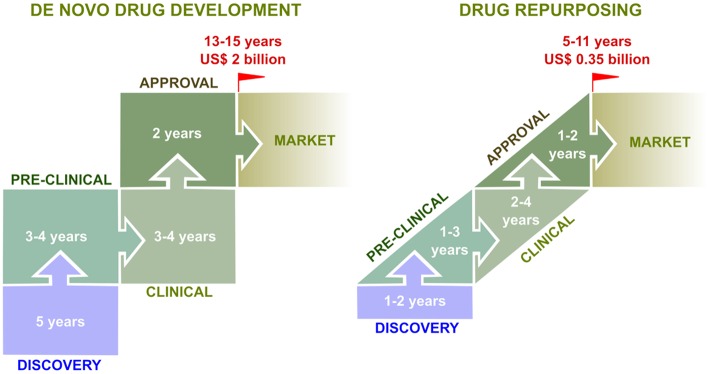
“Finding new indications for already-existing drugs has many benefits, mainly by improving cost-effectiveness, reducing risks, and shortening time to market (37, 41).”
BackgroundEstimates of global seasonal influenza-associated respiratory mortality: a modelling study
Iuliano, A. D., Roguski, K. M., Chang, H. H., Muscatello, D. J., Palekar, R. S., Tempia, S., Cohen, C., Gran, J. M., Schanzer, D. L., Cowling, B. J., et al. (2017) · The Lancet · doi:10.1016/s0140-6736(17)33293-2 · Cited by 3,034 · cited 1×
“Indeed, human influenza type A and B viruses are responsible for annual flu epidemics marked by up to 1 billion infections, 3-5 million severe cases and 300,000-650,000 deaths worldwide, with an huge economic burden in terms of medical visits, hospitalizations, work/school absenteeism. and productivity loss (1) (2) (3…”
BackgroundRational design of potent sialidase-based inhibitors of influenza virus replication
von Itzstein, M., Wu, W.-Y., Kok, G. B., Pegg, M. S., Dyason, J. C., Jin, B., Van Phan, T., Smythe, M. L., White, H. F., Oliver, S. W., et al. (1993) · Nature · doi:10.1038/363418a0 · Cited by 1,862
DrugBank 3.0: a comprehensive resource for 'Omics' research on drugs
Knox, C., Law, V., Jewison, T., Liu, P., Ly, S., Frolkis, A., Pon, A., Banco, K., Mak, C., Neveu, V., et al. (2010) · Nucleic Acids Research · doi:10.1093/nar/gkq1126 · Cited by 1,832 · cited 1×
“Besides the inclusion of constantly emerging "omics" (e.g., transcriptomic, proteomic, metabolomic) data to expand our current knowledge of drug/disease-associated mechanisms, in silico data mining and modeling tools have pushed our capacity to analyze data to the next level (58) (59) (60) .”
BackgroundHow were new medicines discovered?
Swinney, D. C., & Anthony, J. (2011) · Nature Reviews Drug Discovery · doi:10.1038/nrd3480 · Cited by 1,812 · cited 2×
“In that regard, many well-annotated collections of smallmolecule libraries could be readily made available through different collaborative and/or commercial partnerships in order to accelerate drug repurposing through hypothesis biased or unbiased phenotypic screening [reviewed in (54) (55) (56) (57) ].”
BackgroundThe anti-inflammatory agents aspirin and salicylate inhibit the activity of IκB kinase-β
Yin, M.-J., Yamamoto, Y., & Gaynor, R. B. (1998) · Nature · doi:10.1038/23948 · Cited by 1,596
Krammer, F., Smith, G. J. D., Fouchier, R. A. M., Peiris, M. J. S., Kedzierska, K., Doherty, P. C., Palese, P., Shaw, M. L., Treanor, J. J., Webster, R. G., et al. (2018) · Nature Reviews Disease Primers · doi:10.1038/s41572-018-0002-y · Cited by 1,591
Neuraminidase Inhibitors for Influenza
Moscona, A. (2005) · New England Journal of Medicine · doi:10.1056/nejmra050740 · Cited by 1,103 · cited 1×
“By binding to the broadly conserved active site of the NA, NA inhibitors interfere with the sialidase enzymatic activity of the viral protein, which is essential for the release of newly formed progeny viruses from the infected cell, hence preventing the spread of infection to the rest of the respiratory tissue (14).”
BackgroundOpportunities and challenges in phenotypic drug discovery: an industry perspective
Moffat, J. G., Vincent, F., Lee, J. A., Eder, J., & Prunotto, M. (2017) · Nature Reviews Drug Discovery · doi:10.1038/nrd.2017.111 · Cited by 939 · cited 1×
“Phenotypic screening of bioactive molecule libraries in different experimental cellbased or in vivo disease models without the need of a priori knowledge or consideration of the target and/or mechanism of action the candidate was designed to modulate can provide valuable contribution to overcome this constraint (53).”
BackgroundBaloxavir Marboxil for Uncomplicated Influenza in Adults and Adolescents
Hayden, F. G., Sugaya, N., Hirotsu, N., Lee, N. L. S., de Jong, M. D., Hurt, A. C., Ishida, T., Sekino, H., Yamada, K., Portsmouth, S., et al. (2018) · New England Journal of Medicine · doi:10.1056/nejmoa1716197 · Cited by 936 · cited 2×
“7% of the patients receiving the drug (28, 30).”
BackgroundPaules, C. I., & Subbarao, K. (2017) · The Lancet · doi:10.1016/s0140-6736(17)30129-0 · Cited by 786
In silico pharmacology for drug discovery: methods for virtual ligand screening and profiling
Ekins, S., Mestres, J., & Testa, B. (2007) · British Journal of Pharmacology · doi:10.1038/sj.bjp.0707305 · Cited by 721 · cited 1×
“These in silico methods include the screening of chemical, biological, and text databases, analysis of quantitative structure-activity relationships, pharmacophores, homology models, and other molecular modeling approaches as well as network analysis of biological functions, machine learning and almost any other analy…”
MethodInfluenza A viruses: new research developments
Medina, R., & García‐Sastre, A. (2011) · Nature Reviews Microbiology · doi:10.1038/nrmicro2613 · Cited by 699 · cited 1×
“In such segmented nature of the viral genome resides the capacity of influenza viruses to form new reassortant strains following the concomitant infection of a host with more than one strain of human, and/or animal origin, a phenomenon so far observed only among type A influenza viruses [reviewed in (4)].”
BackgroundSildenafil: from angina to erectile dysfunction to pulmonary hypertension and beyond
Ghofrani, H. A., Osterloh, I. H., & Grimminger, F. (2006) · Nature Reviews Drug Discovery · doi:10.1038/nrd2030 · Cited by 632 · cited 1×
“More recently, sildenafil found a third life under the commercial brand of Revatio R © for the treatment of pulmonary hypertension (46).”
BackgroundNeuraminidase inhibitors for preventing and treating influenza in healthy adults and children
Jefferson, T., Jones, M., Doshi, P., Mar, C. D., Heneghan, C. J., Hama, R., & Thompson, M. (2012) · Cochrane Database of Systematic Reviews · doi:10.1002/14651858.cd008965.pub3 · Cited by 601
Oseltamivir treatment for influenza in adults: a meta-analysis of randomised controlled trials
Dobson, J., Whitley, R. J., Pocock, S., & Monto, A. S. (2015) · The Lancet · doi:10.1016/s0140-6736(14)62449-1 · Cited by 598 · cited 1×
“a moderate efficacy of NA inhibitor treatment in reducing symptom duration, pneumonia, hospitalization and mortality, especially when administered within 48 h from symptom onset (18, 19).”
BackgroundNitazoxanide: A first-in-class broad-spectrum antiviral agent
Rossignol, J. (2014) · Antiviral Research · doi:10.1016/j.antiviral.2014.07.014 · Cited by 558 · cited 1×
“Interestingly, the proposed mode of action of nitazoxanide toward influenza is clearly distinct to that for which it was designed in its initial indication, acting at the post-translational level by selectively blocking the maturation of the viral glycoprotein HA, with a consecutive impact on its intracellular traffic…”
BackgroundIn Vitro and In Vivo Activities of Anti-Influenza Virus Compound T-705
Furuta, Y., Takahashi, K., Fukuda, Y., Kuno, M., Kamiyama, T., Kozaki, K., Nomura, N., Egawa, H., Minami, S., Watanabe, Y., et al. (2002) · Antimicrobial Agents and Chemotherapy · doi:10.1128/aac.46.4.977-981.2002 · Cited by 508
Shifting from the single to the multitarget paradigm in drug discovery
Medina‐Franco, J. L., Giulianotti, M. A., Welmaker, G. S., & Houghten, R. A. (2013) · Drug Discovery Today · doi:10.1016/j.drudis.2013.01.008 · Cited by 498 · cited 1×
“During the last decade, an increasing number of studies converged on proposing that many drugs, initially designed for a unique therapeutics target, are in fact expected to hit on average between 6 and 13 different targets (51, 52).”
BackgroundPolypharmacology: drug discovery for the future
Reddy, A. S., & Zhang, S. (2012) · Expert Review of Clinical Pharmacology · doi:10.1586/ecp.12.74 · Cited by 498 · cited 1×
“Polypharmacological phenomena includes both a single drug acting on multiple targets of a unique disease pathway, or a single drug acting on multiple targets pertaining to multiple disease pathways (50).”
BackgroundSissoko, D., Laouenan, C., Folkesson, E., M’Lebing, A.-B., Beavogui, A.-H., Baize, S., Camara, A.-M., Maes, P., Shepherd, S., Danel, C., et al. (2016) · PLoS Medicine · doi:10.1371/journal.pmed.1001967 · Cited by 479 · cited 2×
“Another interesting illustration is the previously cited example of favipiravir, which proved its repurposing potential for the treatment of Zika or Ebola viral infections (25, 43, 75).”
BackgroundOmoto, S., Speranzini, V., Hashimoto, T., Noshi, T., Yamaguchi, H. Q., Kawai, M., Kawaguchi, K., Uehara, T., Shishido, T., Naito, A., et al. (2018) · Scientific Reports · doi:10.1038/s41598-018-27890-4 · Cited by 459 · cited 1×
“7% of the patients receiving the drug (28, 30).”
BackgroundAl‐Bari, M. A. A. (2017) · Pharmacology Research & Perspectives · doi:10.1002/prp2.293 · Cited by 393 · cited 1×
“For example, chloroquine, a major antimalarial drug, has been proposed for the treatment of filoviral infections, and more largely for the treatment of other emerging pathogens, as it targets endosomal acidification, a pivotal step in the replication cycle of a large number of viruses (73, 74).”
BackgroundInfluenza neuraminidase inhibitors: antiviral action and mechanisms of resistance
McKimm‐Breschkin, J. L. (2012) · Influenza and Other Respiratory Viruses · doi:10.1111/irv.12047 · Cited by 392 · cited 1×
“Oral oseltamivir (administered as its prodrug oseltamivir phosphate) is the most largely used of the three, whereas inhaled zanamivir is not recommended for very young children nor for individuals with underlying respiratory conditions, and intravenous peramivir is prioritized in hospitalized patients that cannot rece…”
BackgroundBabu, Y. S., Chand, P., Bantia, S., Kotian, P. L., Dehghani, A., El-Kattan, Y. A., Lin, T., Hutchison, T. L., Elliott, A. J., Parker, C. D., et al. (2000) · Journal of Medicinal Chemistry · doi:10.1021/jm0002679 · Cited by 385
Noshi, T., Kitano, M., Taniguchi, K., Yamamoto, A., Omoto, S., Baba, K., Hashimoto, T., Ishida, K., Kushima, Y., Hattori, K., et al. (2018) · Antiviral Research · doi:10.1016/j.antiviral.2018.10.008 · Cited by 384 · cited 1×
“Baloxavir marboxil is a selective inhibitor of the cap-dependent endonuclease activity of the influenza viral PA polymerase subunit (27), therefore interfering with the cap-snatching activity of the viral polymerase complex.”
BackgroundNeuraminidase inhibitors for preventing and treating influenza in adults and children
Jefferson, T., Jones, M. A., Doshi, P., Del Mar, C. B., Hama, R., Thompson, M. J., Spencer, E. A., Onakpoya, I. J., Mahtani, K. R., Nunan, D., et al. (2014) · Cochrane Database of Systematic Reviews · doi:10.1002/14651858.cd008965.pub4 · Cited by 382
Computational Drug Repositioning: From Data to Therapeutics
Hurle, M. R., Yang, L., Xie, Q. S., Rajpal, D. K., Sanséau, P., & Agarwal, P. (2013) · Clinical Pharmacology & Therapeutics · doi:10.1038/clpt.2013.1 · Cited by 378 · cited 1×
“Besides the inclusion of constantly emerging "omics" (e.g., transcriptomic, proteomic, metabolomic) data to expand our current knowledge of drug/disease-associated mechanisms, in silico data mining and modeling tools have pushed our capacity to analyze data to the next level (58) (59) (60) .”
BackgroundNeuraminidase inhibitors for preventing and treating influenza in healthy adults and children
Jefferson, T., Jones, M., Doshi, P., Mar, C. D., Hama, R., Thompson, M. J., Spencer, E. A., Onakpoya, I., Mahtani, K. R., Nunan, D., et al. (2014) · Sao Paulo Medical Journal · doi:10.1590/1516-3180.20141324t2 · Cited by 317
Structure−Activity Relationship Studies of Novel Carbocyclic Influenza Neuraminidase Inhibitors
Kim, C. U., Lew, W., Williams, M. A., Wu, H., Zhang, L., Chen, X., Escarpe, P. A., Mendel, D. B., Laver, W. G., & Stevens, R. C. (1998) · Journal of Medicinal Chemistry · doi:10.1021/jm980162u · Cited by 293
Influenza Virus-Host Interactome Screen as a Platform for Antiviral Drug Development
Watanabe, T., Kawakami, E., Shoemaker, J. E., Lopes, T. J. S., Matsuoka, Y., Tomita, Y., Kozuka-Hata, H., Gorai, T., Kuwahara, T., Takeda, E., et al. (2014) · Cell Host & Microbe · doi:10.1016/j.chom.2014.11.002 · Cited by 290
Hernández, J. J., Pryszlak, M., Smith, L., Yanchus, C., Kurji, N., Shahani, V. M., & Molinski, S. V. (2017) · Frontiers in Oncology · doi:10.3389/fonc.2017.00273 · Cited by 281 · cited 5×
“These results prompted the US Food and Drug Administration (FDA) to approve Xofluza R© (baloxavir marboxil) for the treatment of acute uncomplicated influenza in patients 12 years of age and older who have been symptomatic for no more than 48 h (29).”
BackgroundInfluentialDirect Medical Costs of Bronchiolitis Hospitalizations in the United States
Pelletier, A. J., Mansbach, J. M., & Camargo, C. A. (2006) · PEDIATRICS · doi:10.1542/peds.2006-1193 · Cited by 274 · cited 1×
“Indeed, human influenza type A and B viruses are responsible for annual flu epidemics marked by up to 1 billion infections, 3-5 million severe cases and 300,000-650,000 deaths worldwide, with an huge economic burden in terms of medical visits, hospitalizations, work/school absenteeism. and productivity loss (1) (2) (3…”
BackgroundHurt, A. C., Besselaar, T. G., Daniels, R. S., Ermetal, B., Fry, A. M., Gubareva, L. V., Huang, W., Lackenby, A., Lee, R. T. C., Lo, J., et al. (2016) · Antiviral Research · doi:10.1016/j.antiviral.2016.06.001 · Cited by 271
Systematic Evaluation of Drug–Disease Relationships to Identify Leads for Novel Drug Uses
Chiang, A. P.-F., & Butte, A. J. (2009) · Clinical Pharmacology & Therapeutics · doi:10.1038/clpt.2009.103 · Cited by 268 · cited 1×
“Moreover, another level of complexity can be added by combining, for example, epidemiologic information obtained in-house and/or from publicly available literature databases with in vitro experimental molecule screenings with the aim to identify novel indications, as in the case of digoxin and prostate cancer (67, 68).”
BackgroundInhibition of the cytokine response does not protect against lethal H5N1 influenza infection
Salomon, R., Hoffmann, E., & Webster, R. G. (2007) · Proceedings of the National Academy of Sciences · doi:10.1073/pnas.0705289104 · Cited by 265 · cited 1×
“Although many mouse and observational studies account for the protective role of statins in pneumonia, most in vivo studies reported so far failed to clearly demonstrate such a beneficial effect in the specific context of influenza infection (99) (100) (101) (102) .”
BackgroundDrug Repurposing for Viral Infectious Diseases: How Far Are We?
Mercorelli, B., Palù, G., & Loregian, A. (2018) · Trends in Microbiology · doi:10.1016/j.tim.2018.04.004 · Cited by 264 · cited 1×
“This interest is inversely correlated with the very low number of classic antiviral molecules that have been market-approved these last 5 years, mostly for the treatment of hepatitis C virus or HIV-related pathologies (72).”
BackgroundColeman, C. M., Sisk, J. M., Mingo, R. M., Nelson, E. A., White, J. M., & Frieman, M. B. (2016) · Journal of Virology · doi:10.1128/jvi.01429-16 · Cited by 257 · cited 1×
“On the other hand, the Abelson tyrosine-protein kinase 2 (Abl2), target of the anticancer drug imatinib, has been found to be required for efficient fusion and release of severe acute respiratory syndrome coronavirus (SARS-CoV) and Middle East respiratory syndrome coronavirus (MERS-CoV) pseudovirions into the cytoplas…”
BackgroundHaffizulla, J., Hartman, A., Hoppers, M., Resnick, H., Samudrala, S., Ginocchio, C. C., Bardin, M. C., & Rossignol, J. (2014) · The Lancet Infectious Diseases · doi:10.1016/s1473-3099(14)70717-0 · Cited by 253 · cited 1×
“The effectiveness of nitazoxanide in treating patients with non-complicated influenza was successful in a Phase IIb/III trial (107) and is currently being assessed in a Phase III clinical trial (NCT01610245).”
Backgroundvan der Graaf, P. H., & Benson, N. (2011) · Pharmaceutical Research · doi:10.1007/s11095-011-0467-9 · Cited by 249
Wurzer, W. J., Ehrhardt, C., Pleschka, S., Berberich‐Siebelt, F., Wolff, T., Walczak, H., Planz, O., & Ludwig, S. (2004) · Journal of Biological Chemistry · doi:10.1074/jbc.m403258200 · Cited by 240
Rossignol, J. F., Frazia, S. L., Chiappa, L., Ciucci, A., & Santoro, M. (2009) · Journal of Biological Chemistry · doi:10.1074/jbc.m109.029470 · Cited by 233 · cited 1×
“Interestingly, the proposed mode of action of nitazoxanide toward influenza is clearly distinct to that for which it was designed in its initial indication, acting at the post-translational level by selectively blocking the maturation of the viral glycoprotein HA, with a consecutive impact on its intracellular traffic…”
BackgroundOvercoming Drug Development Bottlenecks With Repurposing: Old drugs learn new tricks
Strittmatter, S. M. (2014) · Nature Medicine · doi:10.1038/nm.3595 · Cited by 227 · cited 2×
“Despite the enormous scientific and technological advances that the field of biomedical research has witnessed in the last 20–30 years, this scenario failed to efficiently translate into significant improvement on the success rate of the classic “from the bench to the bedside” target-centered, mechanistically biased d…”
BackgroundVandermeer, M., Thomas, A. R., Kamimoto, L., Reingold, A. L., Gershman, K. A., Meek, J. I., Farley, M. M., Ryan, P., Lynfield, R., Baumbach, J., et al. (2011) · The Journal of Infectious Diseases · doi:10.1093/infdis/jir695 · Cited by 223 · cited 1×
“On the other hand, a few but not all observational studies highlighted an association between statin treatment with up to 41% reduction of 30-day all-cause mortality in patients hospitalized with laboratory-confirmed seasonal influenza (103) (104) (105) .”
BackgroundYamashita, M., Tomozawa, T., Kakuta, M., Tokumitsu, A., Nasu, H., & Kubo, S. (2008) · Antimicrobial Agents and Chemotherapy · doi:10.1128/aac.00333-08 · Cited by 216
The rise, fall and subsequent triumph of thalidomide: lessons learned in drug development
Rehman, W., Arfons, L. M., & Lazarus, H. M. (2011) · Therapeutic Advances in Hematology · doi:10.1177/2040620711413165 · Cited by 207 · cited 1×
“Further research enabled this molecule as well as some derivatives to be repurposed for the treatment of leprosy and multiple myeloma (45).”
BackgroundAcetylsalicylic acid (ASA) blocks influenza virus propagation via its NF-?B-inhibiting activity
Mazur, I., Wurzer, W. J., Ehrhardt, C., Pleschka, S., Puthavathana, P., Silberzahn, T., Wolff, T., Planz, O., & Ludwig, S. (2007) · Cellular Microbiology · doi:10.1111/j.1462-5822.2007.00902.x · Cited by 205 · cited 1×
“It was initially shown that ASA had interesting antiviral effects against influenza viruses in vitro and in vivo via the inhibition of the NF-kB activating kinase IkkB, which negatively impacts influenza vRNP transport and release of infectious viral particles (108) (109) (110) .”
BackgroundInnovation and trends in the development and approval of antiviral medicines: 1987–2017 and beyond
Chaudhuri, S. M., Symons, J. A., & Deval, J. (2018) · Antiviral Research · doi:10.1016/j.antiviral.2018.05.005 · Cited by 202 · cited 1×
“The concept of antiviral combination therapy was originally pioneered for antiretroviral treatments, with the primary goal of preventing or at least delaying the emergence of drug resistance via the targeting of multiple steps of the viral cycle (113).”
Applications of chemogenomic library screening in drug discovery
Jones, L. H., & Bunnage, M. E. (2017) · Nature Reviews Drug Discovery · doi:10.1038/nrd.2016.244 · Cited by 192 · cited 1×
“In that regard, many well-annotated collections of smallmolecule libraries could be readily made available through different collaborative and/or commercial partnerships in order to accelerate drug repurposing through hypothesis biased or unbiased phenotypic screening [reviewed in (54) (55) (56) (57) ].”
BackgroundPlatz, E. A., Yegnasubramanian, S., Liu, J. O., Chong, C. R., Shim, J. S., Kenfield, S. A., Stampfer, M. J., Willett, W. C., Giovannucci, E. L., & Nelson, W. G. (2011) · Cancer Discovery · doi:10.1158/2159-8274.cd-10-0020 · Cited by 184 · cited 1×
“Moreover, another level of complexity can be added by combining, for example, epidemiologic information obtained in-house and/or from publicly available literature databases with in vitro experimental molecule screenings with the aim to identify novel indications, as in the case of digoxin and prostate cancer (67, 68).”
BackgroundHopkins, A. L. (2009) · Nature · doi:10.1038/462167a · Cited by 182 · cited 1×
“The molecule is therefore said to present polypharmacologyrelated features, meaning the capacity to act on multiple targets (48, 49).”
BackgroundClinical Implications of Antiviral Resistance in Influenza
Li, T., Chan, M. C. W., & Lee, N. L. S. (2015) · Viruses · doi:10.3390/v7092850 · Cited by 176 · cited 1×
“Moreover, the emergence of NA inhibitor-resistant virus variants is a matter of concern, with particularly higher frequencies among children and the immunocompromised (20).”
BackgroundThe Pathway to a Universal Influenza Vaccine
Paules, C. I., Marston, H. D., Eisinger, R. W., Baltimore, D., & Fauci, A. S. (2017) · Immunity · doi:10.1016/j.immuni.2017.09.007 · Cited by 176 · cited 1×
“Furthermore, despite the recent progress made in the pursue of the “Holy Grail” of a universal influenza vaccine that can provide broader, long-lasting protection against both matching, and antigenically diverse influenza strains (9, 10), their clinical effectiveness remains to be evaluated, hence highlighting the nee…”
BackgroundSystems Pharmacology in Small Molecular Drug Discovery
Zhou, W., Wang, Y., Lü, A., & Zhang, G. (2016) · International Journal of Molecular Sciences · doi:10.3390/ijms17020246 · Cited by 168
Treating influenza with statins and other immunomodulatory agents
Fedson, D. S. (2013) · Antiviral Research · doi:10.1016/j.antiviral.2013.06.018 · Cited by 162
Takashita, E., Meijer, A., Lackenby, A., Gubareva, L. V., Rebelo‐de‐Andrade, H., Besselaar, T. G., Fry, A. M., Gregory, V., Leang, S.-K., Huang, W., et al. (2015) · Antiviral Research · doi:10.1016/j.antiviral.2015.02.003 · Cited by 159 · cited 1×
“In that regard, the relatively recent detection of localized clusters of NA inhibitor-resistant H1N1pdm09 viruses harboring the H274Y mutation combined or not with I222R/V NA substitutions (22, 23) strengthens the importance of continuous surveillance.”
BackgroundLejal, N., Tarus, B., Bouguyon, E., Chenavas, S., Bertho, N., Delmas, B., Ruigrok, R. W. H., Primo, C. D., & Slama‐Schwok, A. (2013) · Antimicrobial Agents and Chemotherapy · doi:10.1128/aac.02335-12 · Cited by 150 · cited 1×
“This identified molecule has shown antiviral properties against influenza A virus in vitro and in vivo (94) .”
BackgroundIn silico prediction of novel therapeutic targets using gene–disease association data
Ferrero, E., Dunham, I., & Sanséau, P. (2017) · Journal of Translational Medicine · doi:10.1186/s12967-017-1285-6 · Cited by 134 · cited 1×
“Besides the inclusion of constantly emerging "omics" (e.g., transcriptomic, proteomic, metabolomic) data to expand our current knowledge of drug/disease-associated mechanisms, in silico data mining and modeling tools have pushed our capacity to analyze data to the next level (58) (59) (60) .”
BackgroundCommunity Transmission of Oseltamivir-Resistant A(H1N1)pdm09 Influenza
Hurt, A. C., Hardie, K., Wilson, N. J., Deng, Y.-M., Maggi Osbourn, B. N., Gehrig, N., & Kelso, A. (2011) · New England Journal of Medicine · doi:10.1056/nejmc1111078 · Cited by 127 · cited 1×
“In that regard, the relatively recent detection of localized clusters of NA inhibitor-resistant H1N1pdm09 viruses harboring the H274Y mutation combined or not with I222R/V NA substitutions (22, 23) strengthens the importance of continuous surveillance.”
BackgroundHung, I. F., To, K. K., Chan, J. F., Cheng, V. C., Liu, K. S. H., Tam, A. R., Chan, T.-C., Zhang, J., Li, P., Wong, T.-L., et al. (2016) · CHEST Journal · doi:10.1016/j.chest.2016.11.012 · Cited by 126 · cited 1×
“In a clinical trial enrolling hospitalized patients infected by influenza A(H3N2), combination therapy with naproxen, oseltamivir, and clarithromycin showed improved efficacy in terms of hospital stay duration and patient mortality, when compared to oseltamivir treatment alone (118).”
BackgroundOprea, T. I., Nielsen, S. K., Ursu, O., Yang, J. J., Taboureau, O., Mathias, S. L., Kouskoumvekaki, I. A., Sklar, L. A., & Bologa, C. (2011) · Molecular Informatics · doi:10.1002/minf.201100023 · Cited by 113 · cited 1×
“In that regard, proper mining of biological, chemical and clinical datasets, has proved effective in unveiling novel relationships (65, 66).”
BackgroundGeneration and characterization of influenza A viruses with altered polymerase fidelity
Cheung, P. P., Watson, S. J., Choy, K.-T., Sia, S. F., Wong, D., Poon, L. L. M., Kellam, P., Guan, Y., Peiris, M. J. S., & Yen, H. (2014) · Nature Communications · doi:10.1038/ncomms5794 · Cited by 107 · cited 1×
“However, despite the apparent high threshold for drug resistance (24) and broad-spectrum antiviral potential notably validated in the context of recent Ebola virus outbreaks (25), recent results of Phase II/III randomized trials on its therapeutic efficacy against uncomplicated influenza were not completely conclusive…”
Shi, X., Zhou, W. M., Huang, H., Zhu, H., Zhou, P., Zhu, H., & Ju, D. (2013) · Critical Care · doi:10.1186/cc13171 · Cited by 107
Allarakhia, M. (2013) · Drug Design Development and Therapy · doi:10.2147/dddt.s46289 · Cited by 103
Increased Survival after Gemfibrozil Treatment of Severe Mouse Influenza
Budd, A. C., Alleva, L. M., Alsharifi, M., Koskinen, A. M. L., Smythe, V., Müllbacher, A., Wood, J. T., & Clark, I. (2007) · Antimicrobial Agents and Chemotherapy · doi:10.1128/aac.00219-07 · Cited by 102
Treating Influenza Infection, From Now and Into the Future
Davidson, S. (2018) · Frontiers in Immunology · doi:10.3389/fimmu.2018.01946 · Cited by 98 · cited 1×
“As most alternative antiviral strategies for the treatment of influenza infections, including those related to drug repurposing and targeting the host instead of viral determinants, an emerging trend consists to propose innovative therapies that combine classic antivirals with host-targeting drugs, which starts to sho…”
BackgroundRestivo, V., Costantino, C., Bono, S. E., Maniglia, M., Marchese, V., Ventura, G., Casuccio, A., Tramuto, F., & Vitale, F. M. (2017) · Human Vaccines & Immunotherapeutics · doi:10.1080/21645515.2017.1321722 · Cited by 92 · cited 1×
“Influenza vaccination constitutes the most effective strategy to prevent seasonal flu and its clinical complications, mainly among high-risk populations such as very young children, the elderly, pregnant women, immunocompromised patients as well as people with obesity, diabetes, or cardiorespiratory comorbidities (6,…”
BackgroundBelardo, G., Cenciarelli, O., Frazia, S. L., Rossignol, J. F., & Santoro, M. (2014) · Antimicrobial Agents and Chemotherapy · doi:10.1128/aac.03947-14 · Cited by 91 · cited 1×
“have demonstrated, in cell culture-based assays using different human and avian models, that the combination of NA inhibitors and nitazoxanide presents synergistic anti-influenza effects (117).”
BackgroundVenkatesan, S., Myles, P. R., Leonardi‐Bee, J., Muthuri, S. G., Masri, M. A., Andrews, N. J., Bantar, C., Dubnov‐Raz, G., Gérardin, P., Koay, E. S.-C., et al. (2017) · Clinical Infectious Diseases · doi:10.1093/cid/cix127 · Cited by 91 · cited 1×
“a moderate efficacy of NA inhibitor treatment in reducing symptom duration, pneumonia, hospitalization and mortality, especially when administered within 48 h from symptom onset (18, 19).”
BackgroundIn Vitroandin VivoActivities of T-705 and Oseltamivir against Influenza Virus
Takahashi, K., Furuta, Y., Fukuda, Y., Kuno, M., Kamiyama, T., Kozaki, K., Nomura, N., Egawa, H., Minami, S., & Shiraki, K. (2003) · Antiviral chemistry & chemotherapy · doi:10.1177/095632020301400502 · Cited by 90
Akpovwa, H. (2016) · Cell Biochemistry and Function · doi:10.1002/cbf.3182 · Cited by 88 · cited 1×
“For example, chloroquine, a major antimalarial drug, has been proposed for the treatment of filoviral infections, and more largely for the treatment of other emerging pathogens, as it targets endosomal acidification, a pivotal step in the replication cycle of a large number of viruses (73, 74).”
BackgroundMechanisms of Action and Efficacy of Statins against Influenza
Mehrbod, P., Omar, A. R., Bejo, M. H., Haghani, A., & Ideris, A. (2014) · BioMed Research International · doi:10.1155/2014/872370 · Cited by 87
Obatoclax, Saliphenylhalamide, and Gemcitabine Inhibit Influenza A Virus Infection
Denisova, O. V., Kakkola, L., Feng, L., Stenman, J. J. E., Nagaraj, A. S., Lampe, J. W., Yadav, B., Aittokallio, T. A., Kaukinen, P., Ahola, T., et al. (2012) · Journal of Biological Chemistry · doi:10.1074/jbc.m112.392142 · Cited by 85
Influenza treatment and prophylaxis with neuraminidase inhibitors: a review
Holodniy, M., & Kamali, A. (2013) · Infection and Drug Resistance · doi:10.2147/idr.s36601 · Cited by 83 · cited 2×
“Even if nowadays the prevalence of drug-resistance in circulating strains is quite low (≤1%), evidence form pre-2009 seasonal strains has proved that, given the appropriate conditions, resistance could rapidly disseminate to attain a prevalence of 90–100% (17, 21).”
BackgroundРабинович, С. А., Baldini, J. T., & Bannister, R. M. (1969) · The American Journal of the Medical Sciences · doi:10.1097/00000441-196905000-00005 · Cited by 79
McKimm‐Breschkin, J. L., Jiang, S., Hui, D. S. C., Beigel, J. H., Govorkova, E. A., & Lee, N. L. S. (2017) · Antiviral Research · doi:10.1016/j.antiviral.2017.11.013 · Cited by 79 · cited 1×
“However, despite the apparent high threshold for drug resistance (24) and broad-spectrum antiviral potential notably validated in the context of recent Ebola virus outbreaks (25), recent results of Phase II/III randomized trials on its therapeutic efficacy against uncomplicated influenza were not completely conclusive…”
Moseley, C. E., Webster, R. G., & Aldridge, J. R. (2010) · Influenza and Other Respiratory Viruses · doi:10.1111/j.1750-2659.2010.00155.x · Cited by 77
Pharmacologic Inhibition of COX-1 and COX-2 in Influenza A Viral Infection in Mice
Carey, M. A., Bradbury, J. A., Rebolloso, Y. D., Graves, J. P., Zeldin, D. C., & Germolec, D. R. (2010) · PLoS ONE · doi:10.1371/journal.pone.0011610 · Cited by 77
Widespread use of neuraminidase inhibitors in Japan
Sugaya, N. (2011) · Journal of Infection and Chemotherapy · doi:10.1007/s10156-011-0288-0 · Cited by 74 · cited 1×
“Although their use is mostly focused on the treatment of severely ill patients and the immunocompromised, some countries, including the USA and Japan, regularly resort to antivirals for the management of uncomplicated influenza in otherwise healthy patients (11, 12).”
BackgroundGene Expression Signature-Based Screening Identifies New Broadly Effective Influenza A Antivirals
Josset, L., Textoris, J., Loriod, B., Ferraris, O., Moulés, V., Lina, B., Nguyen, C., Diaz, J., & Rosa‐Calatrava, M. (2010) · PLoS ONE · doi:10.1371/journal.pone.0013169 · Cited by 72 · cited 2×
“In a proof-of-concept study using an in vitro model of infection, we postulated that host global gene expression profiling can be considered as a “fingerprint” or signature of any specific cell state, including during infection or drug treatment, and hypothesized that the screening of databases for compounds that coun…”
BackgroundSelf-citationRepurposing Kinase Inhibitors as Antiviral Agents to Control Influenza A Virus Replication
Perwitasari, O., Yan, X., O’Donnell, J., Johnson, S. K., & Tripp, R. A. (2015) · Assay and Drug Development Technologies · doi:10.1089/adt.2015.0003.drrr · Cited by 69
Pizzorno, A., Terrier, O., de Lamballerie, C. N., Julien, T., Padey, B., Traversier, A., Roche, M., Hamelin, M., Rhéaume, C., Croze, S., et al. (2019) · Frontiers in Immunology · doi:10.3389/fimmu.2019.00060 · Cited by 69 · cited 2×
“In the context of the evaluation of the antiviral activity of diltiazem in the reconstituted human airway epithelium model MucilAir, our group demonstrated that the diltiazem-oseltamivir combination treatment conferred a greater reduction of apical viral titers than that was measured with the same-dose monotherapy, wi…”
BackgroundSelf-citationGg, J., Muldoon, R. L., & Akers, L. W. (1963) · PubMed · Cited by 67
Cichońska, A., Rousu, J., & Aittokallio, T. A. (2015) · Expert Opinion on Drug Discovery · doi:10.1517/17460441.2015.1096926 · Cited by 65 · cited 1×
“These in silico methods include the screening of chemical, biological, and text databases, analysis of quantitative structure-activity relationships, pharmacophores, homology models, and other molecular modeling approaches as well as network analysis of biological functions, machine learning and almost any other analy…”
MethodSystematic Drug Repurposing Through Text Mining
Tari, L., & Patel, J. H. (2014) · Methods in molecular biology · doi:10.1007/978-1-4939-0709-0_14 · Cited by 63
Tilmanis, D., van Baalen, C., Oh, D. Y., Rossignol, J., & Hurt, A. C. (2017) · Antiviral Research · doi:10.1016/j.antiviral.2017.10.002 · Cited by 62 · cited 1×
“This drug presents potent antiviral activity against a large panel of circulating strains (82).”
BackgroundSchräder, T., Dudek, S. E., Schreiber, A., Ehrhardt, C., Planz, O., & Ludwig, S. (2018) · Antiviral Research · doi:10.1016/j.antiviral.2018.07.006 · Cited by 62
Pre-Admission Statin Use and In-Hospital Severity of 2009 Pandemic Influenza A(H1N1) Disease
Brett, S. J., Myles, P. R., Lim, W. S., Enstone, J. E., Bannister, B. A., Semple, M. G., Read, R. C., Taylor, B. L., McMenamin, J., Nicholson, K. G., et al. (2011) · PLoS ONE · doi:10.1371/journal.pone.0018120 · Cited by 60 · cited 1×
“On the other hand, a few but not all observational studies highlighted an association between statin treatment with up to 41% reduction of 30-day all-cause mortality in patients hospitalized with laboratory-confirmed seasonal influenza (103) (104) (105) .”
BackgroundThe Effect of Rosuvastatin in a Murine Model of Influenza A Infection
Radigan, K. A., Urich, D., Misharin, A. V., Chiarella, S. E., Soberanes, S., Gonzalez, A., Perlman, H., Wunderink, R. G., Budinger, G. R. S., & Mutlu, G. M. (2012) · PLoS ONE · doi:10.1371/journal.pone.0035788 · Cited by 53 · cited 1×
“Although many mouse and observational studies account for the protective role of statins in pneumonia, most in vivo studies reported so far failed to clearly demonstrate such a beneficial effect in the specific context of influenza infection (99) (100) (101) (102) .”
BackgroundSidders, B. S., Karlsson, A., Kitching, L., Torella, R., Karila, P., & Phelan, A. (2018) · Journal of Molecular Biology · doi:10.1016/j.jmb.2018.07.016 · Cited by 52
Tarus, B., Chevalier, C., Richard, C.-A., Delmas, B., Primo, C. D., & Slama‐Schwok, A. (2012) · PLoS ONE · doi:10.1371/journal.pone.0030038 · Cited by 49 · cited 2×
“P h a se II (N C T 0 3 2 1 2 7 1 6 ) ( 9 8 ) Frontiers in Immunology | www.frontiersin.org 7 March 2019 | Volume 10 | Article 531 site of NP structure, has identified naproxen, a known inhibitor of inducible cyclooxygenase type 2 (COX-2) commonly used as non-steroidal anti-inflammatory drug.”
BackgroundNeuraminidase inhibitors: who, when, where?
Nguyen‐Van‐Tam, J. S., Venkatesan, S., Muthuri, S. G., & Myles, P. R. (2014) · Clinical Microbiology and Infection · doi:10.1016/j.cmi.2014.11.020 · Cited by 48 · cited 1×
“Although their use is mostly focused on the treatment of severely ill patients and the immunocompromised, some countries, including the USA and Japan, regularly resort to antivirals for the management of uncomplicated influenza in otherwise healthy patients (11, 12).”
BackgroundDilly, S., Fotso, A. F., Lejal, N., Zedda, G., Chebbo, M., Rahman, F., Companys, S., Bertrand, H. C., Vidić, J., Noiray, M., et al. (2018) · Journal of Medicinal Chemistry · doi:10.1021/acs.jmedchem.8b00557 · Cited by 41 · cited 2×
“P h a se II (N C T 0 3 2 1 2 7 1 6 ) ( 9 8 ) Frontiers in Immunology | www.frontiersin.org 7 March 2019 | Volume 10 | Article 531 site of NP structure, has identified naproxen, a known inhibitor of inducible cyclooxygenase type 2 (COX-2) commonly used as non-steroidal anti-inflammatory drug.”
BackgroundDrug Repurposing for Epigenetic Targets Guided by Computational Methods
Naveja, J. J., Dueñas‐González, A., & Medina‐Franco, J. L. (2016) · Elsevier eBooks · doi:10.1016/b978-0-12-802808-7.00012-5 · Cited by 37
Drug Repositioning: Playing Dirty to Kill Pain
Bastos, L. F. S., & Coelho, M. M. (2013) · CNS Drugs · doi:10.1007/s40263-013-0128-0 · Cited by 36 · cited 1×
“Indeed, despite this approach has been questioned due to the fact that the expected altered phenotype readout as a surrogate of an exploitable biological effect induced by the drug candidate might account for an important number of false positive “hits,” it is nonetheless true that the contribution of highthroughput p…”
BackgroundThe development and manufacture of influenza vaccines
Buckland, B. C. (2015) · Human Vaccines & Immunotherapeutics · doi:10.1080/21645515.2015.1026497 · Cited by 35 · cited 1×
“Moreover, the length of the current vaccine manufacturing process (at least 6 months to produce sufficiently large vaccine quantities) demands continual strain selection to be done approximately 8 months before the next flu season (6, 8).”
BackgroundEscuret, V., Cornu, C., Boutitie, F., Enouf, V., Mosnier, A., Bouscambert‐Duchamp, M., Gaillard, S., Duval, X., Blanchon, T., Leport, C., et al. (2012) · Antiviral Research · doi:10.1016/j.antiviral.2012.08.002 · Cited by 35 · cited 1×
“A clinical trial was conducted during the A(H1N1)pdm09 pandemic in 2009-2010 (COMBINA trial NCT00830323) and failed to demonstrate whether oseltamivir/zanamivir combination therapy improved or reduced the effectiveness of oseltamivir alone in the treatment of influenza infections in community patients (115).”
MethodIdentification of Novel Genes and Pathways Regulating SREBP Transcriptional Activity
Chatterjee, S., Szustakowski, J. D., Nirmala, N., Mickanin, C., Labow, M., Nohturfft, A., Dev, K. K., & Sivasankaran, R. (2009) · PLoS ONE · doi:10.1371/journal.pone.0005197 · Cited by 35 · cited 1×
“In that regard, proper mining of biological, chemical and clinical datasets, has proved effective in unveiling novel relationships (65, 66).”
BackgroundClinical Regimens of Favipiravir Inhibit Zika Virus Replication in the Hollow-Fiber Infection Model
de Mello, C. P. P., Tao, X., Kim, T., Vicchiarelli, M., Bulitta, J. B., Kaushik, A. K., & Brown, A. N. (2018) · Antimicrobial Agents and Chemotherapy · doi:10.1128/aac.00967-18 · Cited by 32
Carrat, F., Duval, X., Tubach, F., Mosnier, A., van der Werf, S., Tibi, A., Blanchon, T., Leport, C., Flahault, A., Mentré, F., et al. (2012) · Antiviral Therapy · doi:10.3851/imp2128 · Cited by 31 · cited 1×
“Other clinical investigations have shown a greater effectiveness of such combination therapy to reduce influenza transmissibility (116).”
BackgroundHu, Y., Zhang, J., Musharrafieh, R. G., Ma, C., Hau, R. K., & Wang, J. (2017) · Antiviral Research · doi:10.1016/j.antiviral.2017.07.016 · Cited by 31
Kumaki, Y., Morrey, J. D., & Barnard, D. L. (2012) · Future Virology · doi:10.2217/fvl.12.71 · Cited by 30 · cited 1×
“Although many mouse and observational studies account for the protective role of statins in pneumonia, most in vivo studies reported so far failed to clearly demonstrate such a beneficial effect in the specific context of influenza infection (99) (100) (101) (102) .”
BackgroundRepurposing drugs for use against Zika virus infection
Devillers, J. (2018) · SAR and QSAR in environmental research · doi:10.1080/1062936x.2017.1411642 · Cited by 30 · cited 2×
“Another interesting illustration is the previously cited example of favipiravir, which proved its repurposing potential for the treatment of Zika or Ebola viral infections (25, 43, 75).”
BackgroundBelser, J. A., Szretter, K. J., Katz, J. M., & Tumpey, T. M. (2013) · Virology · doi:10.1016/j.virol.2013.01.017 · Cited by 29 · cited 1×
“Although many mouse and observational studies account for the protective role of statins in pneumonia, most in vivo studies reported so far failed to clearly demonstrate such a beneficial effect in the specific context of influenza infection (99) (100) (101) (102) .”
BackgroundDrug Repurposing Identifies Inhibitors of Oseltamivir‐Resistant Influenza Viruses
Bao, J., Marathe, B. M., Govorkova, E. A., & Zheng, J. (2016) · Angewandte Chemie International Edition · doi:10.1002/anie.201511361 · Cited by 28
How academic labs can approach the drug discovery process as a way to synergize with big pharma
Loregian, A., & Palù, G. (2013) · Trends in Microbiology · doi:10.1016/j.tim.2013.03.006 · Cited by 27 · cited 1×
“In that regard, many well-annotated collections of smallmolecule libraries could be readily made available through different collaborative and/or commercial partnerships in order to accelerate drug repurposing through hypothesis biased or unbiased phenotypic screening [reviewed in (54) (55) (56) (57) ].”
BackgroundOld Drugs Losing Effectiveness Against Flu; Could Statins Fill Gap?
Enserink, M. (2005) · Science · doi:10.1126/science.309.5743.1976a · Cited by 26 · cited 1×
“On the other hand, a few but not all observational studies highlighted an association between statin treatment with up to 41% reduction of 30-day all-cause mortality in patients hospitalized with laboratory-confirmed seasonal influenza (103) (104) (105) .”
BackgroundScheuch, G., Canisius, S., Nocker, K., Hofmann, T., Naumann, R., Pleschka, S., Ludwig, S., Welte, T., & Planz, O. (2018) · Emerging Microbes & Infections · doi:10.1038/s41426-018-0023-3 · Cited by 26 · cited 1×
“More recently, a Phase II proof-of-concept study comparing LASAG versus placebo in patients with severe influenza (all patients receiving Tamiflu as standard of care treatment) demonstrated that aerosolized LASAG improved the time to symptom alleviation compared to placebo, despite the absence of a statistically signi…”
BackgroundClinician-initiated research on treating the host response to pandemic influenza
Fedson, D. S. (2017) · Human Vaccines & Immunotherapeutics · doi:10.1080/21645515.2017.1378292 · Cited by 24
Droebner, K., Haasbach, E., Dudek, S. E., Scheuch, G., Nocker, K., Canisius, S., Ehrhardt, C., von Degenfeld, G., Ludwig, S., & Planz, O. (2017) · Frontiers in Microbiology · doi:10.3389/fmicb.2017.02130 · Cited by 23 · cited 1×
“In a mouse infection model, inhalation of LASAG resulted in reduced lung viral titers and protection of mice from lethal infection (85).”
BackgroundPizzorno, A., Abed, Y., Rhéaume, C., & Boivin, G. (2014) · Antiviral Research · doi:10.1016/j.antiviral.2014.02.017 · Cited by 14 · cited 1×
“For example, in a mouse model, the combination of oseltamivir with zanamivir was shown to be not superior to zanamivir monotherapy in the context of influenza A(H3N2) or A(H1N1)pdm09 infection (114).”
BackgroundSelf-citationRohini, K., & Veerappapillai, S. (2018) · Cell Biochemistry and Biophysics · doi:10.1007/s12013-018-0844-7 · Cited by 14
Khurana, S. (2018) · Vaccines · doi:10.3390/vaccines6020024 · Cited by 13
Sunagawa, S., Higa, F., Cash, H. L., Tateyama, M., Uno, T., & Fujita, J. (2012) · Influenza and Other Respiratory Viruses · doi:10.1111/j.1750-2659.2012.00351.x · Cited by 11 · cited 1×
“Additionally, inhaled laninamivir, a single-dose long lasting NA inhibitor, is approved in Japan for the prevention and treatment of influenza A and B in both adult and pediatric patients (16).”
BackgroundWill omics help to cure the flu?
Ludwig, S. (2014) · Trends in Microbiology · doi:10.1016/j.tim.2014.03.003 · Cited by 4 · cited 1×
“Despite many interesting omics-based approaches (76) or high-throughput screening of specific drug libraries, such as kinase inhibitors (77), no anti-influenza agent issued from drug repurposing has yet reached regulatory market approval.”
Background
Cited by
Sorted by citations
Discovery and development of safe-in-man broad-spectrum antiviral agents
Andersen, P. I., Ianevski, A., Lysvand, H., Vitkauskienė, A., Oksenych, V., Bjørås, M., Telling, K., Lutsar, I., Dumpis, U., Irie, Y., et al. (2020) · International Journal of Infectious Diseases · doi:10.1016/j.ijid.2020.02.018 · Cited by 274
“…opportunities, including a substantially higher probability of success to market as compared with developing new virus-specific drugs and vaccines, and a significantly reduced cost and timeline to clinical availability (Ianevski et al., 2019; Pizzorno et al., 2019; Zheng et al., 2018).”
Host-Directed Antiviral Therapy
Kumar, N., Sharma, S., Kumar, R., Tripathi, B. N., Barua, S., Ly, H., & Rouse, B. T. (2020) · Clinical Microbiology Reviews · doi:10.1128/cmr.00168-19 · Cited by 289
“multiple host factors and pathways that are supportive of virus replication (299, 300).”
BackgroundAntiviral Approaches against Influenza Virus
Kumari, R., Sharma, S. D., Kumar, A., Ende, Z. S., Mishina, M., Wang, Y., Falls, Z., Samudrala, R., Pohl, J., Knight, P. R., et al. (2023) · Clinical Microbiology Reviews · doi:10.1128/cmr.00040-22 · Cited by 176
“It was demonstrated in vitro and in vivo in a mouse model that Diltiazem modulates host antiviral genes in vitro and in vivo in a mouse model, and cotreatment with Oseltamivir enhanced the antiviral efficacy (362).”
BackgroundInhibitors of VPS34 and fatty-acid metabolism suppress SARS-CoV-2 replication
Williams, C. G., Jureka, A. S., Silvas, J. A., Nicolini, A. M., Chvatal, S. A., Carlson-Stevermer, J., Oki, J., Holden, K., & Basler, C. F. (2021) · Cell Reports · doi:10.1016/j.celrep.2021.109479 · Cited by 143
“Repurposing drugs developed for other diseases and conditions may provide a shortcut to antiviral development (Garcı́a-Serradilla et al., 2019; Li and De Clercq, 2020; Pizzorno et al., 2019; Saini et al., 2020).”
Potential Antiviral Options against SARS-CoV-2 Infection
Ianevski, A., Yao, R., Fenstad, M. H., Biza, S., Žusinaite, E., Reisberg, T., Lysvand, H., Løseth, K., Landsem, V. M., Malmring, J. F., et al. (2020) · Viruses · doi:10.3390/v12060642 · Cited by 104
Metadata
- Authors
- Pizzorno, A., Padey, B., Terrier, O., & Rosa-Calatrava, M.
- Affiliations
- Lyon 1 Université (FR)
- Corresponding author
- Terrier, Olivier
- Venue
- Frontiers in Immunology
- Publisher
- Frontiers Media SA
- Published
- 2019-03-19
- Volume
- 10
- Pages
- 531-531
- ISSN
- 1664-3224 (ISSN-L)
- PMC
- PMC6434107
- OpenAlex
- W2923800168
- Cited by
- 122
- References
- 117
- Citations by year
- 2026: 2 · 2025: 13 · 2024: 12 · 2023: 11 · 2022: 17 · 2021: 24 · 2020: 38 · 2019: 5
- FWCI
- 3.06
- Type
- journal article
- Language
- en
- Open access
- gold
- doi.org
- Licence
- Locations
- Frontiers in Immunology (publishedVersion, cc-by)
- Europe PMC (PubMed Central) (publishedVersion, cc-by)
- PubMed Central (publishedVersion, cc-by)
- PubMed (publishedVersion)
- HAL (submittedVersion, other-oa)
- DOAJ (DOAJ: Directory of Open Access Journals) (submittedVersion, cc-by-sa)
- Funders
- Région Auvergne-Rhône-Alpes
- Topics
- Health Sciences › Medicine › Epidemiology › Influenza Virus Research Studies
- Health Sciences › Medicine › Epidemiology › Respiratory viral infections research
- Life Sciences › Pharmacology, Toxicology and Pharmaceutics › Drug Discovery › Computational Drug Discovery Methods
- Keywords
- drug repurposing, influenza virus, antiviral agents, host-targeted antivirals, antiviral resistance, virtual screening, antiviral drug discovery
- MeSH terms
- Animals, Antiviral Agents, Humans, Influenza, Human, Orthomyxoviridae, Orthomyxoviridae Infections, Drug Repositioning
About these checks
Registry, retraction, Cites and statistics results are computed, not judged, with one exception: a printed reference that no index lists is read once by a model before it counts as a citation error. Claims are extracted by a model and kept only when their quote appears verbatim in the text; each cited source is then checked, with a model’s help, for whether it says what the claim relies on. Those verdicts can be wrong — read the claim’s quote and the cited source before relying on one.
Statistics and arithmetic are recomputed, not judged.
Confidence bands are shown only for fields calibrated on our annotated test set. None is calibrated yet, so no band is shown.
What counts as a claim ›How we measure confidence ›How we check this ›
Are you an author, or do you see a problem with this page? Request a review
