

The DOI matches its Crossref record; 136 of the 136 references it cites were found in a registry or an index.
Bridging the Gap: Modulatory Roles of the Grb2-Family Adaptor, Gads, in Cellular and Allergic Immune Responses
Abstract
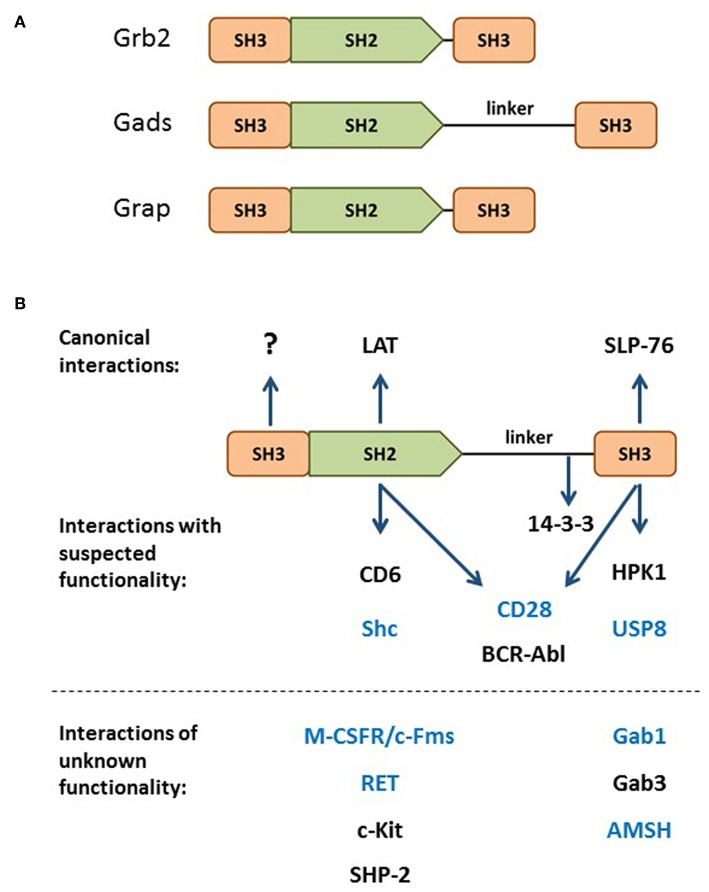
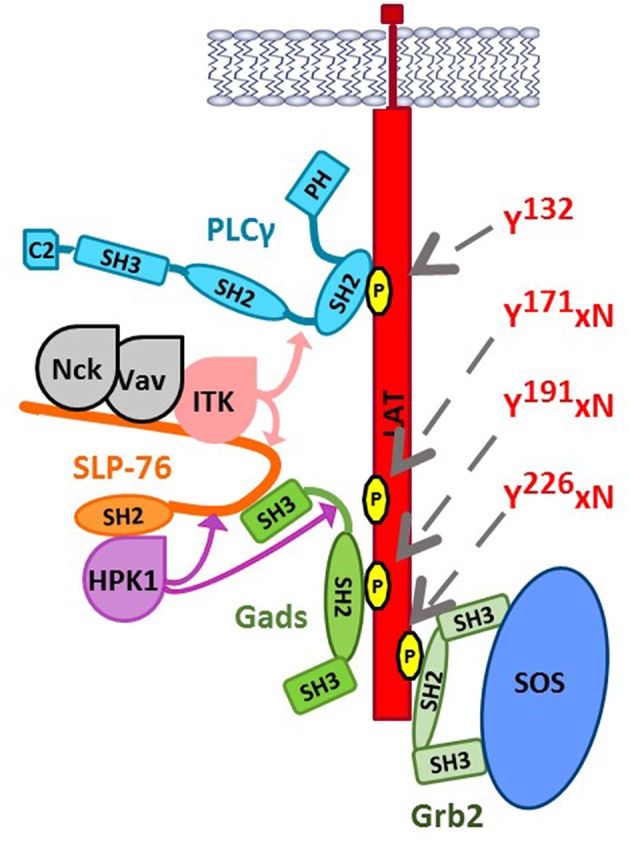
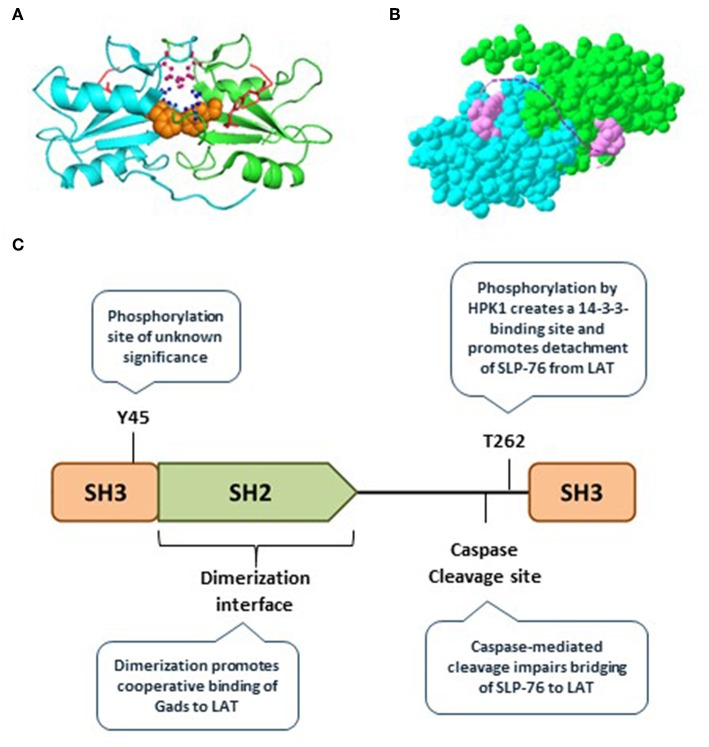
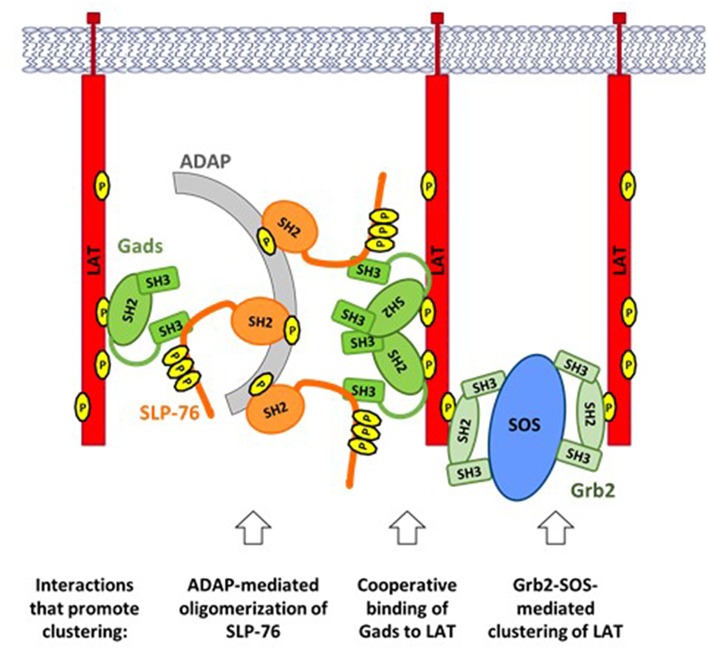
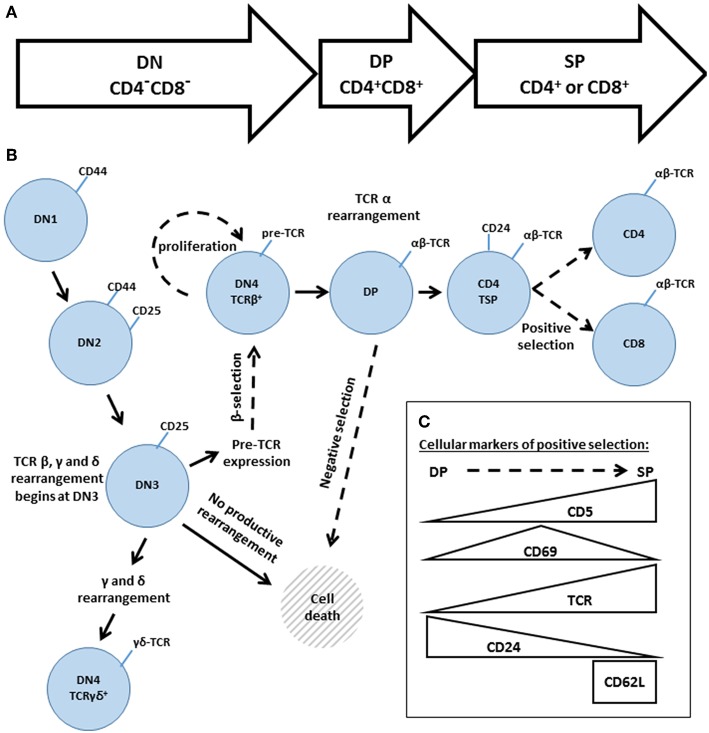
Antigen receptor signaling pathways are organized by adaptor proteins. Three adaptors, LAT, Gads, and SLP-76, form a heterotrimeric complex that mediates signaling by the T cell antigen receptor (TCR) and by the mast cell high affinity receptor for IgE (FcεRI). In both pathways, antigen recognition triggers tyrosine phosphorylation of LAT and SLP-76. The recruitment of SLP-76 to phospho-LAT is bridged by Gads, a Grb2 family adaptor composed of two SH3 domains flanking a central SH2 domain and an unstructured linker region. The LAT-Gads-SLP-76 complex is further incorporated into larger microclusters that mediate antigen receptor signaling. Gads is positively regulated by dimerization, which promotes its cooperative binding to LAT. Negative regulation occurs via phosphorylation or caspase-mediated cleavage of the linker region of Gads. FcεRI-mediated mast cell activation is profoundly impaired in LAT- Gads- or SLP-76-deficient mice. Unexpectedly, the thymic developmental phenotype of Gads-deficient mice is much milder than the phenotype of LAT- or SLP-76-deficient mice. This distinction suggests that Gads is not absolutely required for TCR signaling, but may modulate its sensitivity, or regulate a particular branch of the TCR signaling pathway; indeed, the phenotypic similarity of Gads- and Itk-deficient mice suggests a functional connection between Gads and Itk. Additional Gads binding partners include costimulatory proteins such as CD28 and CD6, adaptors such as Shc, ubiquitin regulatory proteins such as USP8 and AMSH, and kinases such as HPK1 and BCR-ABL, but the functional implications of these interactions are not yet fully understood. No interacting proteins or function have been ascribed to the evolutionarily conserved N-terminal SH3 of Gads. Here we explore the biochemical and functional properties of Gads, and its role in regulating allergy, T cell development and T-cell mediated immunity.
Overview
The claims and statistics of this paper haven’t been checked yet.
Run the check — free, no account needed. It reads the open-access text and checks the sources it cites.
Integrity signals
Registry
Cites
Statistics
Figures
Verification
Claims the paper makes
The claims and statistics of this paper haven’t been checked yet.
Run the check — free, no account needed. It reads the open-access text and checks the sources it cites.
Claims other papers make about this one
Each is checked against this paper’s own text: does it say what the citing paper says it does?
In the citing paper
“As a result, activated ZAP−70 will promote linker of activated T cells (LAT) and SLP76 signalling in T cell, crucial for T cell activation and development [23,24,25,36].”
From The Role of RhoH in TCR Signalling and Its Involvement in Diseases (2021) · cites this paper as [36]
Self-check
Percentages, sums and reported differences re-computed from the paper’s own numbers.
The self-check needs the paper’s full text.
Citations
Cites
Positive and negative selection of the T cell repertoire: what thymocytes see (and don't see)
Klein, L., Kyewski, B., Allen, P. M., & Hogquist, K. A. (2014) · Nature reviews. Immunology · doi:10.1038/nri3667 · Cited by 1,519
Phase separation of signaling molecules promotes T cell receptor signal transduction
Su, X., Ditlev, J. A., Hui, E., Xing, W., Banjade, S., Okrut, J., King, D. S., Taunton, J., Rosen, M. K., & Vale, R. D. (2016) · Science · doi:10.1126/science.aad9964 · Cited by 1,246
CD28 Costimulation: From Mechanism to Therapy
Esensten, J. H., Helou, Y. A., Chopra, G., Weiss, A., & Bluestone, J. A. (2016) · Immunity · doi:10.1016/j.immuni.2016.04.020 · Cited by 937
Specificity in Signal Transduction
Pawson, T. (2004) · Cell · doi:10.1016/s0092-8674(03)01077-8 · Cited by 816
T cell receptor ligation induces the formation of dynamically regulated signaling assemblies
Bunnell, S. C., Hong, D. I., Kardon, J. R., Yamazaki, T., McGlade, C. J., Barr, V. A., & Samelson, L. E. (2002) · The Journal of Cell Biology · doi:10.1083/jcb.200203043 · Cited by 632
Essential Role of LAT in T Cell Development
Zhang, W., Sommers, C. L., Burshtyn, D. N., Stebbins, C. C., Dejarnette, J. B., Trible, R. P., Grinberg, A., Tsay, H. C., Jacobs, H. M., Kessler, C. M., et al. (1999) · Immunity · doi:10.1016/s1074-7613(00)80032-1 · Cited by 547
LAT Is Required for TCR-Mediated Activation of PLCγ1 and the Ras Pathway
Finco, T. S., Kadlecek, T. A., Zhang, W., Samelson, L. E., & Weiss, A. (1998) · Immunity · doi:10.1016/s1074-7613(00)80659-7 · Cited by 497
Wardenburg, J. B., Fu, C., Jackman, J. K., Flotow, H., Wilkinson, S. E., Williams, D. H., Johnson, R., Kong, G., Chan, A. C., & Findell, P. R. (1996) · Journal of Biological Chemistry · doi:10.1074/jbc.271.33.19641 · Cited by 464
T cell receptor signalling networks: branched, diversified and bounded
Brownlie, R. J., & Zamoyska, R. (2013) · Nature Reviews Immunology · doi:10.1038/nri3403 · Cited by 453
Uncoupling of Nonreceptor Tyrosine Kinases from PLC-γ1 in an SLP-76-Deficient T Cell
Yablonski, D., Kuhné, M. R., Kadlecek, T. A., & Weiss, A. (1998) · Science · doi:10.1126/science.281.5375.413 · Cited by 413
Self-citationAssociation of Grb2, Gads, and Phospholipase C-γ1 with Phosphorylated LAT Tyrosine Residues
Zhang, W., Trible, R. P., Zhu, M., Liu, S. K., McGlade, C. J., & Samelson, L. E. (2000) · Journal of Biological Chemistry · doi:10.1074/jbc.m000404200 · Cited by 406
Requirement for the Leukocyte-Specific Adapter Protein SLP-76 for Normal T Cell Development
Clements, J. L., Yang, B., Ross-Barta, S. E., Eliason, S. L., Hrstka, R. F., Williamson, R. A., & Koretzky, G. A. (1998) · Science · doi:10.1126/science.281.5375.416 · Cited by 400
The Structure and Function of Proline Recognition Domains
Zarrinpar, A., Bhattacharyya, R. P., & Lim, W. A. (2003) · Science Signaling · doi:10.1126/stke.2003.179.re8 · Cited by 394
Pivniouk, V. I., Tsitsikov, E. N., Swinton, P., Rathbun, G. A., Alt, F. W., & Geha, R. S. (1998) · Cell · doi:10.1016/s0092-8674(00)81422-1 · Cited by 354
Insights into the initiation of TCR signaling
Chakraborty, A. K., & Weiss, A. (2014) · Nature Immunology · doi:10.1038/ni.2940 · Cited by 353
LAT Is Essential for FcεRI-Mediated Mast Cell Activation
Saitoh, S., Arudchandran, R., Manetz, T. S., Zhang, W., Sommers, C. L., Love, P. E., Rivera, J., & Samelson, L. E. (2000) · Immunity · doi:10.1016/s1074-7613(00)80204-6 · Cited by 338
Interaction of Shc with the ζ Chain of the T Cell Receptor Upon T Cell Activation
Ravichandran, K. S., Lee, K. K., Songyang, Z., Cantley, L. C., Burn, P., & Burakoff, S. J. (1993) · Science · doi:10.1126/science.8235613 · Cited by 330
Liu, S. K., Fang, N., Koretzky, G. A., & Jane McGlade, C. (1999) · Current Biology · doi:10.1016/s0960-9822(99)80017-7 · Cited by 329
Biochemical Interactions Integrating Itk with the T Cell Receptor-initiated Signaling Cascade
Bunnell, S. C., Diehn, M., Yaffe, M. B., Findell, P. R., Cantley, L. C., & Berg, L. J. (2000) · Journal of Biological Chemistry · doi:10.1074/jbc.275.3.2219 · Cited by 283
Voll, R. E., Jimi, E., Phillips, R. J., Barber, D. F., Rincon, M., Hayday, A. C., Flavell, R. A., & Ghosh, S. (2000) · Immunity · doi:10.1016/s1074-7613(00)00067-4 · Cited by 277
Phospholipase C-γ as a Signal-Transducing Element
Carpenter, G. F., & Ji, Q. (1999) · Experimental Cell Research · doi:10.1006/excr.1999.4671 · Cited by 253
Shui, J., Boomer, J. S., Han, J., Xu, J. Q., Dement, G. A., Zhou, G., & Tan, T. (2006) · Nature Immunology · doi:10.1038/ni1416 · Cited by 234
Oligomerization of signaling complexes by the multipoint binding of GRB2 to both LAT and SOS1
Houtman, J. C. D., Yamaguchi, H., Barda‐Saad, M., Braiman, A., Bowden, B., Appella, E., Schuck, P., & Samelson, L. E. (2006) · Nature Structural & Molecular Biology · doi:10.1038/nsmb1133 · Cited by 222
How the TCR balances sensitivity and specificity for the recognition of self and pathogens
Morris, G. P., & Allen, P. M. (2012) · Nature Immunology · doi:10.1038/ni.2190 · Cited by 218
Yablonski, D., Kadlecek, T. A., & Weiss, A. (2001) · Molecular and Cellular Biology · doi:10.1128/mcb.21.13.4208-4218.2001 · Cited by 210
Self-citationAltered Development of CD8+ T Cell Lineages in Mice Deficient for the Tec Kinases Itk and Rlk
Broussard, C., Fleischecker, C., Horai, R., Chetana, M., Venegas, A. M., Sharp, L. L., Hedrick, S. Μ., Fowlkes, B. J., & Schwartzberg, P. L. (2006) · Immunity · doi:10.1016/j.immuni.2006.05.011 · Cited by 193
Aifantis, I., Gounari, F., Scorrano, L., Borowski, C., & von Boehmer, H. (2001) · Nature Immunology · doi:10.1038/87704 · Cited by 189
The ShcA phosphotyrosine docking protein sensitizes cardiovascular signaling in the mouse embryoPreprint
Lai, K. V., & Pawson, T. J. (2000) · Genes & Development · doi:10.1101/gad.14.9.1132 · Cited by 184
The LAT Story: A Tale of Cooperativity, Coordination, and ChoreographyPreprint
Balagopalan, L., Coussens, N. P., Sherman, E., Samelson, L. E., & Sommers, C. L. (2010) · Cold Spring Harbor Perspectives in Biology · doi:10.1101/cshperspect.a005512 · Cited by 180
Lin, J., & Weiss, A. (2001) · Journal of Biological Chemistry · doi:10.1074/jbc.m102221200 · Cited by 174
Coreceptor Scanning by the T Cell Receptor Provides a Mechanism for T Cell Tolerance
Štěpánek, O., Prabhakar, A. S., Osswald, C., King, C. G., Bulek, A. M., Naeher, D., Beaufils-Hugot, M., Abanto, M. L., Galati, V., Hausmann, B., et al. (2014) · Cell · doi:10.1016/j.cell.2014.08.042 · Cited by 160
SLP-76 deficiency impairs signaling via the high-affinity IgE receptor in mast cells.
Pivniouk, V. I., Martin, T. R., Lu-Kuo, J. M., Katz, H. R., Oettgen, H. C., & Geha, R. S. (1999) · PubMed · Cited by 158
Asada, H., Ishii, N., Sasaki, Y., Endo, K., Kasai, H., Tanaka, N., Takeshita, T., Tsuchiya, S., Konno, T., & Sugamura, K. (1999) · The Journal of Experimental Medicine · doi:10.1084/jem.189.9.1383 · Cited by 150
Requirement for the SLP-76 Adaptor GADS in T Cell Development
Yoder, J., Pham, C. T. N., Iizuka, Y.-M., Kanagawa, O., Liu, S. K., McGlade, J. C., & Cheng, A. M. (2001) · Science · doi:10.1126/science.1057176 · Cited by 149
PAZ, P. E., Wang, S., CLARKE, H., Xaiobin, L. U., Stokoe, D., & Abo, A. (2001) · Biochemical Journal · doi:10.1042/0264-6021:3560461 · Cited by 147
Roncagalli, R., Hauri, S., FIORE, F., Liang, Y., Chen, Z. J., Sansoni, A., Kanduri, K., Joly, R., Malzac, A., Lähdesmäki, H. J., et al. (2014) · Nature Immunology · doi:10.1038/ni.2843 · Cited by 146
HPK1 Is Activated by Lymphocyte Antigen Receptors and Negatively Regulates AP-1
Liou, J., Kiefer, F., Dang, A., Hashimoto, A., Cobb, M. H., Kurosaki, T., & Weiss, A. (2000) · Immunity · doi:10.1016/s1074-7613(00)80192-2 · Cited by 141
PAZ, P. E., Wang, S., CLARKE, H., Xaiobin, L. U., Stokoe, D., & Abo, A. (2001) · Biochemical Journal · doi:10.1042/bj3560461 · Cited by 139
Tec Family Kinases Modulate Thresholds for Thymocyte Development and Selection
Schaeffer, E. M., Broussard, C., Debnath, J., Anderson, S. M., McVicar, D. W., & Schwartzberg, P. L. (2000) · The Journal of Experimental Medicine · doi:10.1084/jem.192.7.987 · Cited by 138
The Linker for Activation of T Cells (LAT) Signaling Hub: From Signaling Complexes to Microclusters
Balagopalan, L., Kortum, R. L., Coussens, N. P., Barr, V. A., & Samelson, L. E. (2015) · Journal of Biological Chemistry · doi:10.1074/jbc.r115.665869 · Cited by 136
Proximal signaling events in FcɛRI-mediated mast cell activation
Kambayashi, T., & Koretzky, G. A. (2007) · Journal of Allergy and Clinical Immunology · doi:10.1016/j.jaci.2007.01.017 · Cited by 135
Sauer, K., Liou, J., Singh, S. B., Yablonski, D., Weiss, A., & Perlmutter, R. M. (2001) · Journal of Biological Chemistry · doi:10.1074/jbc.m106811200 · Cited by 131
Self-citationFang, N., Motto, D. G., Ross, S. E., & Koretzky, G. A. (1996) · The Journal of Immunology · doi:10.4049/jimmunol.157.9.3769 · Cited by 127
Bartolo, V. D., Montagne, B., Salek, M., Jungwirth, B., Carrette, F., Fourtane, J., Sol‐Foulon, N., Michel, F., Schwartz, O., Lehmann, W. D., et al. (2007) · The Journal of Experimental Medicine · doi:10.1084/jem.20062066 · Cited by 124
LAT regulates γδ T cell homeostasis and differentiation
Nuñez-Cruz, S., Aguado, E., Richelme, S., Chetaille, B., Mura, A., Richelme, M., Pouyet, L., Jouvin‐Marche, E., Xerri, L., MALISSEN, B., et al. (2003) · Nature Immunology · doi:10.1038/ni977 · Cited by 123
Law, C., Ewings, M. K., Chaudhary, P. M., Solow, S. A., Yun, T. J., Marshall, A. J., Hood, L., & Clark, E. A. (1999) · The Journal of Experimental Medicine · doi:10.1084/jem.189.8.1243 · Cited by 121
Persistence of Cooperatively Stabilized Signaling Clusters Drives T-Cell Activation
Bunnell, S. C., Singer, A. L., Hong, D. I., Jacque, B., Jordan, M. S., Seminario, M., Barr, V. A., Koretzky, G. A., & Samelson, L. E. (2006) · Molecular and Cellular Biology · doi:10.1128/mcb.00507-06 · Cited by 121
Berry, D. M., Nash, P., Liu, S. K.-W., Pawson, T., & McGlade, C. J. (2002) · Current Biology · doi:10.1016/s0960-9822(02)01038-2 · Cited by 120
Liu, Q., Berry, D., Nash, P., Pawson, T., McGlade, C. J., & Li, S. S.-C. (2003) · Molecular Cell · doi:10.1016/s1097-2765(03)00046-7 · Cited by 119
Liu, S. K., & McGlade, C. J. (1998) · Oncogene · doi:10.1038/sj.onc.1202337 · Cited by 112
Zhu, M., Janssen, E., & Zhang, W. (2003) · The Journal of Immunology · doi:10.4049/jimmunol.170.1.325 · Cited by 110
Poulin, B., Sekiya, F., & Rhee, S. G. (2005) · Proceedings of the National Academy of Sciences · doi:10.1073/pnas.0409590102 · Cited by 110
Regulation of T‐cell progenitor survival and cell‐cycle entry by the pre‐T‐cell receptor
Aifantis, I., Mandal, M., Sawai, K., Ferrando, A. A., & Vilimas, T. (2006) · Immunological Reviews · doi:10.1111/j.0105-2896.2006.00343.x · Cited by 110
Houtman, J. C. D., Higashimoto, Y., Dimasi, N., Cho, S., Yamaguchi, H., Bowden, B., Regan, C. K., Malchiodi, E. L., Mariuzza, R. A., Schuck, P., et al. (2004) · Biochemistry · doi:10.1021/bi0357311 · Cited by 109
T‐cell receptor affinity in thymic development
Moran, A. E., & Hogquist, K. A. (2011) · Immunology · doi:10.1111/j.1365-2567.2011.03547.x · Cited by 107
Sommers, C. L., Menon, R. K., Grinberg, A., Zhang, W., Samelson, L. E., & Love, P. E. (2001) · The Journal of Experimental Medicine · doi:10.1084/jem.194.2.135 · Cited by 107
Hassan, N. J., Simmonds, S. J., Clarkson, N. G., Hanrahan, S. J., Puklavec, M. J., Bomb, M., Barclay, A. N., & Brown, M. H. (2006) · Molecular and Cellular Biology · doi:10.1128/mcb.00688-06 · Cited by 106
Gascoigne, N. R. J., & Palmer, E. (2011) · Current Opinion in Immunology · doi:10.1016/j.coi.2010.12.017 · Cited by 103
Differential Requirement for SLP-76 Domains in T Cell Development and Function
Myung, P. S., Derimanov, G. S., Jordan, M. S., Punt, J. A., Liu, Q., Judd, B. A., Meyers, E. E., Sigmund, C. D., Freedman, B. D., & Koretzky, G. A. (2001) · Immunity · doi:10.1016/s1074-7613(01)00253-9 · Cited by 102
Structural basis for SH3 domain‐mediated high‐affinity binding between Mona/Gads and SLP‐76
Harkiolaki, M., Lewitzky, M., Gilbert, R. J. C., Jones, E., Bourette, R. P., Mouchiroud, G., Sondermann, H., Moarefi, I., & Feller, S. M. (2003) · The EMBO Journal · doi:10.1093/emboj/cdg258 · Cited by 102
Bourette, R. P., Arnaud, S., Myles, G. M., Blanchet, J. P., Rohrschneider, L. R., & Mouchiroud, G. (1998) · The EMBO Journal · doi:10.1093/emboj/17.24.7273 · Cited by 93
Bogin, Y., Ainey, C., Beach, D., & Yablonski, D. (2007) · Proceedings of the National Academy of Sciences · doi:10.1073/pnas.0609771104 · Cited by 93
Self-citationInvolvement of Hematopoietic Progenitor Kinase 1 in T Cell Receptor Signaling
Ling, P., Meyer, C. F., Redmond, L. P., Shui, J., Davis, B. K., Rich, R. R., Hu, M. C. ‐., Wange, R. L., & Tan, T. (2001) · Journal of Biological Chemistry · doi:10.1074/jbc.m101485200 · Cited by 90
Yi, J., Balagopalan, L., Nguyen, T. T. M., McIntire, K. M., & Samelson, L. E. (2019) · Nature Communications · doi:10.1038/s41467-018-08064-2 · Cited by 88
The Tec kinases Itk and Rlk regulate conventional versus innate T‐cell development
Prince, A., Yin, C., Enos, M., Felices, M., & Berg, L. J. (2009) · Immunological Reviews · doi:10.1111/j.1600-065x.2008.00746.x · Cited by 86
Memory phenotype CD8+ T cells with innate function selectively develop in the absence of active Itk
Hu, J., Sahu, N., Walsh, E. R., & August, A. (2007) · European Journal of Immunology · doi:10.1002/eji.200737311 · Cited by 85
Lasserre, R., Cuche, C., Blecher‐Gonen, R., Libman, E., Biquand, É., Danckaert, A., Yablonski, D., Alcover, A., & Bartolo, V. D. (2011) · The Journal of Cell Biology · doi:10.1083/jcb.201103105 · Cited by 85
Self-citationSaitoh, S.-I., Odom, S., Gomez, G., Sommers, C. L., Young, H. A., Rivera, J., & Samelson, L. E. (2003) · The Journal of Experimental Medicine · doi:10.1084/jem.20030574 · Cited by 84
ITK and IL-15 support two distinct subsets of CD8 + T cells
Dubois, S. P., Waldmann, T. A., & Müller, J. R. (2006) · Proceedings of the National Academy of Sciences · doi:10.1073/pnas.0605212103 · Cited by 83
The ubiquitin-specific protease USP8 is critical for the development and homeostasis of T cells
Dufner, A., Kisser, A., Niendorf, S., Basters, A., Reißig, S., Schönle, A., Aichem, A., Kurz, T., Schlösser, A., Yablonski, D., et al. (2015) · Nature Immunology · doi:10.1038/ni.3230 · Cited by 80
Self-citationCD6 attenuates early and late signaling events, setting thresholds for T‐cell activation
Oliveira, M. I., Gonçalves, C. M., Pinto, M., Fabre, S., Santos, A. M., Lee, S. F., Castro, M. A., Nunes, R. J., Barbosa, R., Parnes, J. R., et al. (2011) · European Journal of Immunology · doi:10.1002/eji.201040528 · Cited by 80
αβ versus γδ fate choice: counting the T‐cell lineages at the branch point
Kreslavsky, T., Gleimer, M., Garbe, A. I., & von Boehmer, H. (2010) · Immunological Reviews · doi:10.1111/j.1600-065x.2010.00947.x · Cited by 77
Hu, J., & August, A. (2008) · The Journal of Immunology · doi:10.4049/jimmunol.180.10.6544 · Cited by 77
Differential role of SLP-76 domains in T cell development and function
Kumar, L., Pivniouk, V. I., de la Fuente, M. Á., et al. (2002) · Proceedings of the National Academy of Sciences · doi:10.1073/pnas.022619199 · Cited by 74
Fine-tuning T cell receptor signaling to control T cell development
Fu, G., Rybakin, V., Brzostek, J., Paster, W., Acuto, O., & Gascoigne, N. R. J. (2014) · Trends in Immunology · doi:10.1016/j.it.2014.05.003 · Cited by 72
Phosphorylation of CARMA1 by HPK1 is critical for NF-κB activation in T cells
Brenner, D., Brechmann, M., Röhling, S., Tapernoux, M., Mock, T., Winter, D., Lehmann, W. D., Kiefer, F., Thome, M., Krammer, P. H., et al. (2009) · Proceedings of the National Academy of Sciences · doi:10.1073/pnas.0900457106 · Cited by 71
The role of Gads in hematopoietic cell signalling
Liu, S. K., Berry, D. M., & McGlade, C. J. (2001) · Oncogene · doi:10.1038/sj.onc.1204771 · Cited by 71
Roles of the Proline-rich Domain in SLP-76 Subcellular Localization and T Cell Function
Singer, A. L., Bunnell, S. C., Obstfeld, A. E., et al. (2004) · Journal of Biological Chemistry · doi:10.1074/jbc.m313339200 · Cited by 70
Thaker, Y. R., Schneider, H., & Rudd, C. E. (2014) · Immunology Letters · doi:10.1016/j.imlet.2014.10.020 · Cited by 69
Gordon, S. M., Carty, S. A., Kim, J. S., Zou, T., Smith‐Garvin, J. E., Alonzo, E. S., Haimm, E., Sant’Angelo, D. B., Koretzky, G. A., Reiner, S. L., et al. (2011) · The Journal of Immunology · doi:10.4049/jimmunol.1100037 · Cited by 68
Dimer Formation through Domain Swapping in the Crystal Structure of the Grb2-SH2−Ac-pYVNV Complex
Schiering, N., Casale, E., Caccia, P., Giordano, P., & BATTISTINI, C. (2000) · Biochemistry · doi:10.1021/bi0012336 · Cited by 68
Wang, X., Li, J.-P., Chiu, L.-L., Lan, J., Chen, D.-Y., Boomer, J. S., & Tan, T. (2012) · Journal of Biological Chemistry · doi:10.1074/jbc.m112.371062 · Cited by 67
Mechanism of Tyrosine Phosphorylation and Activation of Phospholipase C-γ1
Sekiya, F., Poulin, B., Kim, Y. J., & Rhee, S. G. (2004) · Journal of Biological Chemistry · doi:10.1074/jbc.m405116200 · Cited by 66
Jordan, M. S., & Koretzky, G. A. (2010) · Cold Spring Harbor Perspectives in Biology · doi:10.1101/cshperspect.a002501 · Cited by 64
Liu, S. K., Smith, C. A., Arnold, R., Kiefer, F., & McGlade, C. J. (2000) · The Journal of Immunology · doi:10.4049/jimmunol.165.3.1417 · Cited by 64
Puga, I., Rao, A., & Macián, F. (2008) · Immunity · doi:10.1016/j.immuni.2008.06.010 · Cited by 64
Watanabe, R., Harada, Y., Takeda, K., Takahashi, J., Ohnuki, K., Ogawa, S., Ohgai, D., Kaibara, N., Koiwai, O., Tanabe, K., et al. (2006) · The Journal of Immunology · doi:10.4049/jimmunol.177.2.1085 · Cited by 63
Adapters in the organization of mast cell signaling
Álvarez‐Errico, D., Lessmann, E., & Rivera, J. (2009) · Immunological Reviews · doi:10.1111/j.1600-065x.2009.00834.x · Cited by 62
Lewitzky, M., Harkiolaki, M., Domart, M.-C., Jones, E. Y., & Feller, S. M. (2004) · Journal of Biological Chemistry · doi:10.1074/jbc.m402745200 · Cited by 61
Ellis, J. H., Ashman, C., Burden, M. N., Kilpatrick, K. E., Morse, M. A., & Hamblin, P. A. (2000) · The Journal of Immunology · doi:10.4049/jimmunol.164.11.5805 · Cited by 60
Atherly, L. O., Brehm, M. A., Welsh, R. M., & Berg, L. J. (2006) · The Journal of Immunology · doi:10.4049/jimmunol.176.3.1571 · Cited by 57
Functional Cooperation between the Proteins Nck and ADAP Is Fundamental for Actin Reorganization
Pauker, M. H., Reicher, B., Fried, S., Perl, O., & Barda‐Saad, M. (2011) · Molecular and Cellular Biology · doi:10.1128/mcb.01358-10 · Cited by 57
Ma, W., Xia, C., Ling, P., Qiu, M. S., Luo, Y., Tan, T., & Liu, M. (2001) · Oncogene · doi:10.1038/sj.onc.1204224 · Cited by 55
A nonredundant role for the adapter protein Shc in thymic T cell development
Zhang, L., Niklas, V., Bender, T. P., & Ravichandran, K. S. (2002) · Nature Immunology · doi:10.1038/ni820 · Cited by 53
The Importance of LAT in the Activation, Homeostasis, and Regulatory Function of T Cells
Shen, S., Chuck, M. I., Zhu, M., Fuller, D. M., Yang, C.-W. O., & Zhang, W. (2010) · Journal of Biological Chemistry · doi:10.1074/jbc.m110.145052 · Cited by 52
Zhu, X., Suen, K., Barbacid, M., Bolen, J. B., & Fargnoli, J. (1994) · Journal of Biological Chemistry · doi:10.1016/s0021-9258(17)37491-4 · Cited by 49
Conditional deletion reveals a cell-autonomous requirement of SLP-76 for thymocyte selection
Maltzman, J. S., Kovoor, L., Clements, J. L., et al. (2005) · The Journal of Experimental Medicine · doi:10.1084/jem.20051128 · Cited by 49
Coussens, N. P., Hayashi, R., Brown, P. H., Balagopalan, L., Balbo, A., Akpan, I. O., Houtman, J. C. D., Barr, V. A., Schuck, P., Appella, E., et al. (2013) · Molecular and Cellular Biology · doi:10.1128/mcb.00410-13 · Cited by 49
Shen, S., Zhu, M., Lau, J., Chuck, M. I., & Zhang, W. (2009) · The Journal of Immunology · doi:10.4049/jimmunol.0803170 · Cited by 46
Seet, B. T., Berry, D. M., Maltzman, J. S., Shabason, J. E., Raina, M., Koretzky, G. A., McGlade, C. J., & Pawson, T. J. (2007) · The EMBO Journal · doi:10.1038/sj.emboj.7601535 · Cited by 46
Silverman, M. A., Shoag, J. E., Wu, J. N., & Koretzky, G. A. (2006) · Molecular and Cellular Biology · doi:10.1128/mcb.26.5.1826-1838.2006 · Cited by 43
Sequential phosphorylation of SLP‐76 at tyrosine 173 is required for activation of T and mast cells
Sela, M., Bogin, Y., Beach, D., Oellerich, T., Lehne, J., Smith‐Garvin, J. E., Okumura, M., Starosvetsky, E., Kosoff, R. E., Libman, E., et al. (2011) · The EMBO Journal · doi:10.1038/emboj.2011.213 · Cited by 41
Self-citationKettner, A., Pivniouk, V. I., Kumar, L., Falet, H., Lee, J.-S., Mulligan, R. C., & Geha, R. S. (2003) · Molecular and Cellular Biology · doi:10.1128/mcb.23.7.2395-2406.2003 · Cited by 40
Structural and energetic aspects of Grb2-SH2 domain-swapping
Benfield, A. P., Whiddon, B. B., Clements, J. H., & Martin, S. F. (2007) · Archives of Biochemistry and Biophysics · doi:10.1016/j.abb.2007.03.010 · Cited by 36
Raab, M., Lu, Y., Kohler, K., Smith, X., Strebhardt, K., & Rudd, C. E. (2017) · Nature Communications · doi:10.1038/ncomms16001 · Cited by 35
Qiu, M. S., Hua, S.-B., Agrawal, M., Li, G., Cai, J., Chan, E., Zhou, H. H., Luo, Y., & Liu, M. (1998) · Biochemical and Biophysical Research Communications · doi:10.1006/bbrc.1998.9795 · Cited by 33
Genetic evidence for Shc requirement in TCR-induced c-Rel nuclear translocation and IL-2 expression
Iwashima, M., Takamatsu, M., Yamagishi, H., Hatanaka, Y., Huang, Y.-Y., McGinty, C., Yamasaki, S., & Koike, T. (2002) · Proceedings of the National Academy of Sciences · doi:10.1073/pnas.082647499 · Cited by 33
Wu, J. N., Jordan, M. S., Silverman, M. A., Peterson, E. J., & Koretzky, G. A. (2004) · The Journal of Immunology · doi:10.4049/jimmunol.172.11.6768 · Cited by 33
Cho, S., Velikovsky, C. A., Swaminathan, C. P., Houtman, J. C. D., Samelson, L. E., & Mariuzza, R. A. (2004) · The EMBO Journal · doi:10.1038/sj.emboj.7600168 · Cited by 29
T Cell Costimulation by CD6 Is Dependent on Bivalent Binding of a GADS/SLP-76 Complex
Breuning, J., & Brown, M. H. (2017) · Molecular and Cellular Biology · doi:10.1128/mcb.00071-17 · Cited by 29
Berry, D. M., Benn, S. J., Cheng, A. M., & McGlade, C. J. (2001) · Oncogene · doi:10.1038/sj.onc.1204218 · Cited by 26
Lewis, J. B., Scangarello, F. A., Murphy, J. M., Eidell, K. P., Sodipo, M. O., Ophir, M. J., Sargeant, R., Seminario, M., & Bunnell, S. C. (2018) · Journal of Cell Science · doi:10.1242/jcs.215517 · Cited by 26
Kaji, T., Hachimura, S., Ise, W., & Kaminogawa, S. (2003) · Journal of Biological Chemistry · doi:10.1074/jbc.m212820200 · Cited by 25
The Gads (GrpL) Adaptor Protein Regulates T Cell Homeostasis
Yankee, T. M., Yun, T. J., Draves, K. E., Ganesh, K. A., Bevan, M. J., Murali‐Krishna, K., & Clark, E. A. (2004) · The Journal of Immunology · doi:10.4049/jimmunol.173.3.1711 · Cited by 25
Manna, A., Zhao, H., Wada, J., Balagopalan, L., Tagad, H. D., Appella, E., Schuck, P., & Samelson, L. E. (2018) · Proceedings of the National Academy of Sciences · doi:10.1073/pnas.1817142115 · Cited by 24
CD95/Fas induces cleavage of the GrpL/Gads adaptor and desensitization of antigen receptor signaling
Yankee, T. M., Draves, K. E., Ewings, M. K., Clark, E. A., & Graves, J. D. (2001) · Proceedings of the National Academy of Sciences · doi:10.1073/pnas.111158598 · Cited by 22
Scaffold Protein SLP-76 Primes PLCγ1 for Activation by ITK-Mediated Phosphorylation
Devkota, S., Joseph, R. E., Min, L., Fulton, D. B., & Andreotti, A. H. (2015) · Journal of Molecular Biology · doi:10.1016/j.jmb.2015.04.012 · Cited by 22
Conditional deletion of SLP‐76 in mature T cells abrogates peripheral immune responses
Wu, G. F., Corbo‐Rodgers, E., Schmidt, M. A., Smith‐Garvin, J. E., Riese, M. J., Jordan, M. S., Laufer, T. M., Brown, E. J., & Maltzman, J. S. (2011) · European Journal of Immunology · doi:10.1002/eji.201040809 · Cited by 22
Higo, K., Oda, M., Morii, H., Takahashi, J., Harada, Y., Ogawa, S., & Abe, R. (2014) · Immunological Investigations · doi:10.3109/08820139.2013.875039 · Cited by 20
Bilal, M. Y., Zhang, E. Y., Dinkel, B. A., Hardy, D., Yankee, T. M., & Houtman, J. C. D. (2015) · Cellular Signalling · doi:10.1016/j.cellsig.2015.01.012 · Cited by 19
Kambayashi, T., Okumura, M., Baker, R. G., et al. (2010) · Molecular and Cellular Biology · doi:10.1128/mcb.00305-10 · Cited by 18
Structural and functional properties of Grb2 SH2 dimer in CD28 binding
Hosoe, Y., Numoto, N., Inaba, S., Ogawa, S., Morii, H., Abe, R., Ito, N., & Oda, M. (2019) · Biophysics and Physicobiology · doi:10.2142/biophysico.16.0_80 · Cited by 18
Modulation of TCR responsiveness by the Grb2-family adaptor, Gads
Lugassy, J., Corso, J., Beach, D., Petrik, T., Oellerich, T., Urlaub, H., & Yablonski, D. (2014) · Cellular Signalling · doi:10.1016/j.cellsig.2014.10.005 · Cited by 16
Self-citationGads−/− Mice Reveal Functionally Distinct Subsets of TCRβ+ CD4−CD8− Double-Negative Thymocytes
Zeng, L., Dalheimer, S. L., & Yankee, T. M. (2007) · The Journal of Immunology · doi:10.4049/jimmunol.179.2.1013 · Cited by 15
Disorderly conduct in γδ versus αβ T cell lineage commitment
Narayan, K., & Kang, J. (2010) · Seminars in Immunology · doi:10.1016/j.smim.2010.04.003 · Cited by 15
Shc: a dominant player after ten seasons
Palmer, E. (2002) · Nature Immunology · doi:10.1038/ni0802-710 · Cited by 13
Selective impairment of Fc RI-mediated allergic reaction in Gads-deficient mice
Yamasaki, S., Takase-Utsugi, M., Ishikawa, E., Sakuma, M., Nishida, K., Saito, T., & Kanagawa, O. (2008) · International Immunology · doi:10.1093/intimm/dxn085 · Cited by 13
Sukenik, S., Frushicheva, M. P., Waknin-Lellouche, C., Hallumi, E., Ifrach, T., Shalah, R., Beach, D., Avidan, R., Oz, I., Libman, E., et al. (2017) · Science Signaling · doi:10.1126/scisignal.aal1482 · Cited by 13
Self-citationExpression and function of the adaptor protein Gads in murine B cells
Yankee, T. M., Draves, K. E., & Clark, E. A. (2005) · European Journal of Immunology · doi:10.1002/eji.200425507 · Cited by 12
Grap-2, a novel RET binding protein, is involved in RET mitogenic signaling
Ludwig, L., Kessler, H., Hoang‐Vu, C., Dralle, H., Adler, G., Boehm, B. O., & Schmid, R. M. (2003) · Oncogene · doi:10.1038/sj.onc.1206517 · Cited by 12
Yankee, T. M., Solow, S. A., Draves, K. E., & Clark, E. A. (2003) · The Journal of Immunology · doi:10.4049/jimmunol.170.1.349 · Cited by 11
Gads‐deficient thymocytes are blocked at the transitional single positive CD4+ stage
Dalheimer, S. L., Zeng, L., Draves, K. E., Hassaballa, A., Jiwa, N. N., Parrish, T. D., Clark, E. A., & Yankee, T. M. (2009) · European Journal of Immunology · doi:10.1002/eji.200838692 · Cited by 9
Gads Regulates the Expansion Phase of CD8+ T Cell-Mediated Immunity
Zhang, E. Y., Parker, B. L., & Yankee, T. M. (2011) · The Journal of Immunology · doi:10.4049/jimmunol.1001604 · Cited by 6
Transmission of T Cell Receptor-Mediated Signaling via the GRB2 Family of Adaptor Proteins
Bilal, M. Y., & Houtman, J. C. D. (2017) · CRC Press eBooks · doi:10.1201/9781315371689-9 · Cited by 6
Breuning, J., Philip, B., & Brown, M. H. (2018) · Immunology · doi:10.1111/imm.13009 · Cited by 5
Research works printed but not linked: 1
- Su, 1999, Interaction of SLP adaptors with the SH2 domain of Tec family kinases, Eur J Immunol., 29, 3702, 10.1002/(SICI)1521-4141(199911)29:11<3702::AID-IMMU3702>3.0.CO;2-R · DOI
Cited by
Zhang, J. Z., Nguyen, W. H., Greenwood, N., Rose, J. C., Ong, S.-E., Maly, D. J., & Baker, D. (2024) · Nature Biotechnology · doi:10.1038/s41587-023-02107-w · Cited by 37
The Role of RhoH in TCR Signalling and Its Involvement in Diseases
Ahmad Mokhtar, A. M., Hashim, I. F., Mohd Zaini Makhtar, M., Salikin, N. H., & Amin-Nordin, S. (2021) · Cells · doi:10.3390/cells10040950 · Cited by 25
Structural and mechanistic insights into the constitutive Themis–Grb2 complex in T cell signalling
Clancy, D. M., Sanz-Sanjuan, A., Gilis, E., Tougaard, P., Velghe, I., Van Droogenbroeck, Y., Felix, J., Bloch, Y., Cuadrado, Á. F., Merceron, R., et al. (2026) · Nature Communications · doi:10.1038/s41467-026-73359-8
Metadata
- Authors
- Yablonski, D.
- Venue
- Frontiers in Immunology
- Publisher
- Frontiers Media SA
- Published
- 2019-07-25
- Volume
- 10
- ISSN
- 1664-3224
- PMC
- PMC6669380
- Cited by
- 53
- References
- 136
- Funders
- Israel Science Foundation
- United States - Israel Binational Science Foundation
About these checks
Registry, retraction, Cites and statistics results are computed, not judged, with one exception: a printed reference that no index lists is read once by a model before it counts as a citation error. Claims are extracted by a model and kept only when their quote appears verbatim in the text; each cited source is then checked, with a model’s help, for whether it says what the claim relies on. Those verdicts can be wrong — read the claim’s quote and the cited source before relying on one.
Statistics and arithmetic are recomputed, not judged.
Confidence bands are shown only for fields calibrated on our annotated test set. None is calibrated yet, so no band is shown.
What counts as a claim ›How we measure confidence ›How we check this ›
Are you an author, or do you see a problem with this page? Request a review
Data sources
Bibliographic data: Semantic Scholar, OpenAlex, Crossref.
Contains information from the Semantic Scholar Academic Graph Datasets, made available under the ODC Attribution License (ODC-BY 1.0).
Semantic Scholar’s data is described in: Kinney, R., et al. (2023). The Semantic Scholar Open Data Platform. arXiv:2301.10140.
