

The DOI matches its Crossref record; 296 of the 297 references it cites were found in a registry or an index, and 1 are not checked yet.
A Path Toward Precision Medicine for Neuroinflammatory Mechanisms in Alzheimer's Disease
Open accessAbstract
Neuroinflammation commences decades before Alzheimer’s disease (AD) clinical onset and represents one of the earliest pathomechanistic alterations throughout AD its continuum. Large-scale genome-wide association studies point out several genetic variants - TREM2, CD33, PILRA, CR1, MS4A, CLU, ABCA7, EPHA1, and HLA-DRB5-HLA-DRB1 - potentially linked to neuroinflammation. Most of these genes are involved in proinflammatory intracellular signaling, cytokines/interleukins cell turn-over, synaptic activity, lipid metabolism, and vesicle trafficking. Proteomic studies indicate that a plethora of interconnected aberrant molecular pathways, set off and perpetuated by TNF-α, TGF-β, IL-1β, and the receptor protein TREM2, are involved in neuroinflammation. Microglia and astrocytes are key cellular drivers and regulators of neuroinflammation. Under physiological conditions, they are important for neurotransmission and synaptic homeostasis. In AD, there is a turning point throughout its pathophysiological evolution where glial cells sustain an overexpressed inflammatory response that synergizes with amyloid-β and tau accumulation, and drives synaptotoxicity and neurodegeneration in a self-reinforcing manner. Despite a strong therapeutic rationale, previous clinical trials investigating compounds with anti-inflammatory properties, including non-steroidal anti-inflammatory drugs (NSAIDs) did not achieve primary efficacy endpoints. It is conceivable that study design issues, including the lack of diagnostic accuracy and biomarkers for target population identification and proof-of-mechanism may partially explain the negative outcomes. However, a recent meta-analysis indicates a potential biological effect of NSAIDs. In this regard, candidate fluid biomarkers of neuroinflammation are under analytical/clinical validation, i.e. TREM2, IL-1β, MCP-1, IL-6, TNF-α receptor complexes, TGF-β, YKL-40. PET radio-ligands are investigated to accomplish in-vivo and longitudinal regional exploration of neuroinflammation. Biomarkers tracking different molecular pathways (body fluid matrixes) along with brain neuroinflammatory endophenotypes (neuroimaging markers), can untangle temporal-spatial dynamics between neuroinflammation and other AD pathophysiological mechanisms. Robust biomarker-drug co-development pipelines are expected to enrich large-scale clinical trials testing new-generation compounds active, directly or indirectly, on neuroinflammatory targets and displaying putative disease-modifying effects: novel NSAIDs, AL002 (anti-TREM2 antibody), anti-Aβ protofibrils (BAN2401), and AL003 (anti-CD33 antibody). As a next step, taking advantage of breakthrough and multimodal techniques coupled with a systems biology approach is the path to pursue for developing individualized therapeutic strategies targeting neuroinflammation under the framework of precision medicine.
Overview
The claims and statistics of this paper haven’t been checked yet.
Run the check — free, no account needed. It reads the open-access text and checks the sources it cites.
Integrity signals
Registry
Cites
Statistics
Figures
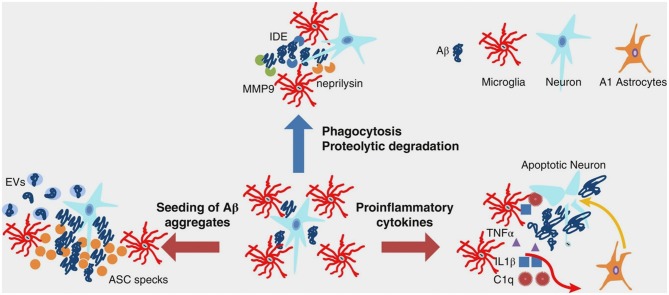
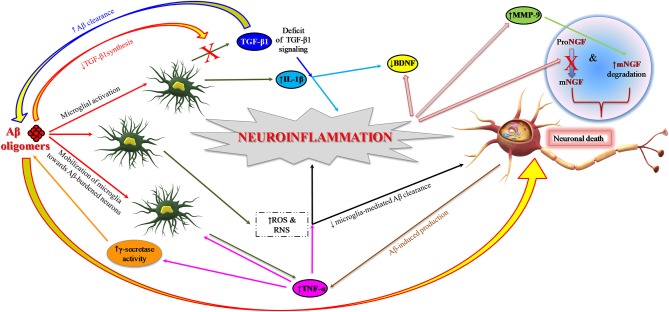
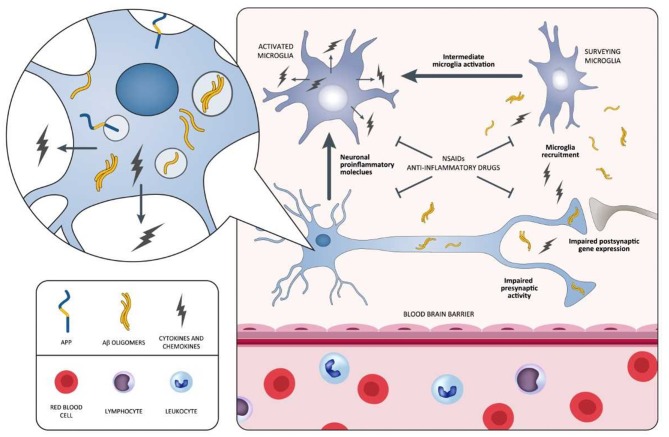
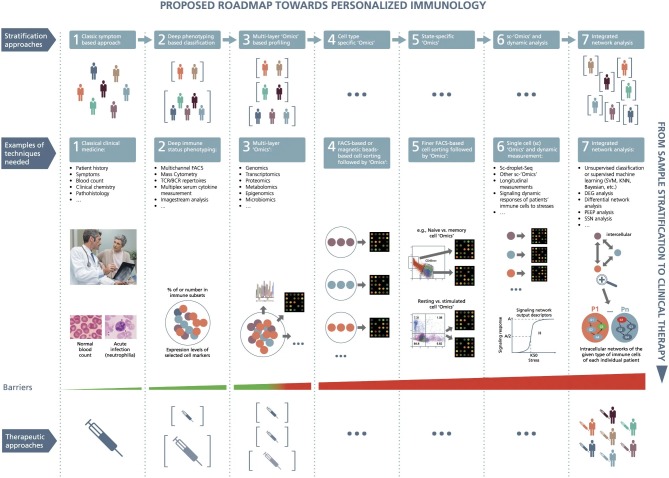
Verification
Claims the paper makes
The claims and statistics of this paper haven’t been checked yet.
Run the check — free, no account needed. It reads the open-access text and checks the sources it cites.
Claims other papers make about this one
Each is checked against this paper’s own text: does it say what the citing paper says it does?
The source backs part of the claim, not all of it — or backs it for a different population, condition or comparison.
In the citing paper
“mitochondrial dysfunction—with reactive oxygen species (ROS) accumulation and neuroinflammation driving microglial activation—plays a central role in AD pathogenesis [56]”
From Theranostic Nanoplatforms for Alzheimer's Disease: A Critical Analysis of Conceptual Contradictions (2026) · cites this paper as [56]
Experimental — accuracy not yet measured
Self-check
Percentages, sums and reported differences re-computed from the paper’s own numbers.
The self-check needs the paper’s full text.
Citations
Cites
1 retracted
RETRACTED AND REPLACED: Nerve growth factor metabolic dysfunction in Down’s syndrome brains
Iulita, M. F., Carmo, S. D., Ower, A. K., Fortress, A. M., Aguilar, L. F., Hanna, M., Wısnıewskı, T., Granholm, A., Buhusi, M. C., Busciglio, J. A., et al. (2014) · Brain · doi:10.1093/brain/awt372 · Cited by 94
Self-citationRetractedMcKhann, G. M., Knopman, D. S., Chertkow, H., Hyman, B. T., Jack, C. R., Kawas, C. H., Klunk, W. E., Koroshetz, W. J., Manly, J. J., Mayeux, R., et al. (2011) · Alzheimer's & Dementia · doi:10.1016/j.jalz.2011.03.005 · Cited by 18,657
NIA‐AA Research Framework: Toward a biological definition of Alzheimer's disease
Jack, C. R., Bennett, D. A., Blennow, K., Carrillo, M. C., Dunn, B., Haeberlein, S. B., Holtzman, D. M., Jagust, W., Jessen, F., Karlawish, J., et al. (2018) · Alzheimer's & Dementia · doi:10.1016/j.jalz.2018.02.018 · Cited by 10,537
Albert, M. S., DeKosky, S. T., Dickson, D., Dubois, B., Feldman, H. H., Fox, N. C., Gamst, A., Holtzman, D. M., Jagust, W. J., Petersen, R. C., et al. (2011) · Alzheimer's & Dementia · doi:10.1016/j.jalz.2011.03.008 · Cited by 10,152 · cited 1×
“, amnestic or non-amnestic), which significantly impacts clinical outcome (8, 179, 180), is inadequately specified in most of the studies.”
BackgroundInflammation in atherosclerosis
Libby, P. (2002) · Nature · doi:10.1038/nature01323 · Cited by 8,315
Neurotoxic reactive astrocytes are induced by activated microglia
Liddelow, S. A., Guttenplan, K. A., Clarke, L. E., Bennett, F. C., Bohlen, C. J., Schirmer, L., Bennett, M. L., Münch, A. E., Chung, W.-S., Peterson, T. C., et al. (2017) · Nature · doi:10.1038/nature21029 · Cited by 7,971
Sperling, R. A., Aisen, P. S., Beckett, L. A., Bennett, D. A., Craft, S., Fagan, A. M., Iwatsubo, T., Jack, C. R., Kaye, J., Montine, T. J., et al. (2011) · Alzheimer's & Dementia · doi:10.1016/j.jalz.2011.03.003 · Cited by 7,155
Neuroinflammation in Alzheimer's disease
Heneka, M. T., Carson, M. J., Khoury, J. E., Landreth, G. E., Brosseron, F., Feinstein, D. L., Jacobs, A. H., Wyss-Coray, T., Vitorica, J., Ransohoff, R. M., et al. (2015) · The Lancet Neurology · doi:10.1016/s1474-4422(15)70016-5 · Cited by 6,226 · cited 5×
“The pathophysiological mechanisms of multifactorial and polygenic AD are not limited to the neuronal tissue; they are related to cerebral immunological responses (12).”
BackgroundInfluentialA New Initiative on Precision Medicine
Collins, F. S., & Varmus, H. (2015) · New England Journal of Medicine · doi:10.1056/nejmp1500523 · Cited by 5,202
Astrocytes: Biology and pathology
Sofroniew, M. V., & Vinters, H. V. (2010) · Acta Neuropathologica · doi:10.1007/s00401-009-0619-8 · Cited by 5,196 · cited 1×
“Moreover, remodeling of astrocytes promotes neuroprotection and recovery of injured neural tissue (80, 81).”
Background
Research works printed but not linked: 1
- Presented at the 11thClinical Trials on Alzheimer's Disease (CTAD) Conference October 24–272018
Cited by
Sorted by citations
Items 101–200 of 360
Dyer, A. H., McNulty, H., Caffrey, A., Gordon, S., Laird, E. J., Hoey, L., Hughes, C., Ward, M., Strain, J., O’Kane, M., et al. (2023) · Neurobiology of Aging · doi:10.1016/j.neurobiolaging.2023.11.008 · Cited by 27
Fluid Candidate Biomarkers for Alzheimer’s Disease: A Precision Medicine Approach
Prete, E. D., Beatino, M. F., Campese, N., Giampietri, L., Siciliano, G., Ceravolo, R., & Baldacci, F. (2020) · Journal of Personalized Medicine · doi:10.3390/jpm10040221 · Cited by 29
Self-citationUsing blood transcriptome analysis for Alzheimer's disease diagnosis and patient stratification
Zhong, H., Zhou, X., Uhm, H., Jiang, Y., Cao, H., Chen, Y., Mak, T. T. W., Lo, R. M. N., Wong, B. W. Y., Cheng, E. Y. L., et al. (2024) · Alzheimer's & Dementia · doi:10.1002/alz.13691 · Cited by 25
Implication of Aging Related Chronic Neuroinflammation on COVID-19 Pandemic
Bossù, P., Toppi, E., Sterbini, V., & Spalletta, G. (2020) · Journal of Personalized Medicine · doi:10.3390/jpm10030102 · Cited by 25
Nayak, V., Patra, S., Rout, S., Jena, A. B., Sharma, R., Pattanaik, K. P., Singh, J., Pandey, S. S., Singh, R. P., Majhi, S., et al. (2023) · Phytomedicine · doi:10.1016/j.phymed.2023.155150 · Cited by 25
Alzheimer’s Disease Immunotherapy: Current Strategies and Future Prospects
Aljassabi, A., Zieneldien, T., Kim, J., Regmi, D., & Cao, C. (2024) · Journal of Alzheimer s Disease · doi:10.3233/jad-231163 · Cited by 28
“As such, the possibility of an efficient and safe combination of treatments tailored to each individual holds great promise [135, 136].”
The involvement of neuroinflammation in an animal model of dementia and depression
Zabot, G. C., Medeiros, E. B., Macarini, B. M. N., Peruchi, B. B., Keller, G. S., Lídio, A. V., Boaventura, A. L., de Jesus, L. C., Silveira, G. D. B., Silveira, P. C. L., et al. (2024) · Progress in Neuro-Psychopharmacology and Biological Psychiatry · doi:10.1016/j.pnpbp.2024.110999 · Cited by 24
The role of parvalbumin interneuron dysfunction across neurodegenerative dementias
Smeralda, C. L., Pandit, S., Turrini, S., Reilly, J., Palmisano, A., Sprugnoli, G., Hampel, H. J., Benussi, A., Borroni, B., Press, D. Z., et al. (2024) · Ageing Research Reviews · doi:10.1016/j.arr.2024.102509 · Cited by 26
Self-citationde Oliveira, B. H., Lins, E. F., Kunde, N. F., Salgado, A. S. I., Martins, L. M., Bobinski, F., Vieira, W. F., Cassano, P., Quialheiro, A., & Martins, D. F. (2024) · Journal of Photochemistry and Photobiology B Biology · doi:10.1016/j.jphotobiol.2024.113041 · Cited by 25
Peptides Derived from Growth Factors to Treat Alzheimer’s Disease
Gascon, S., Jann, J., Langlois-Blais, C., Plourde, M., Lavoie, C. L., & Faucheux, N. (2021) · International Journal of Molecular Sciences · doi:10.3390/ijms22116071 · Cited by 24
“The neuroinflammatory system, including astrocyte and microglia (key cellular regulators of neuroinflammation), and genetic variants linked to neuroinflammation, such as TREM2, have received great attention recently due to the notable correlation between the degree of neuroinflammation and the severity of AD [27,35,36…”
BackgroundRudnitskaya, E. A., Burnyasheva, A. O., Kozlova, T. A., Peunov, D., Kolosova, N. G., & Stefanova, N. A. (2022) · International Journal of Molecular Sciences · doi:10.3390/ijms23031134 · Cited by 25
“Astrocytes, which are the most common glial cells, and microglia—brain-resident macrophages—play a key part in neuronal survival and functioning [4] and are the first to react to stress in the central nervous system (CNS) [5], e.”
BackgroundThe Development of 18F Fluorthanatrace: A PET Radiotracer for Imaging Poly (ADP-Ribose) Polymerase-1
Lee, H. S., Schwarz, S. W., Schubert, E. K., Chen, D. L., Doot, R. K., Makvandi, M., Lin, L. L., McDonald, E. S., Mankoff, D. A., & Mach, R. H. (2022) · Radiology Imaging Cancer · doi:10.1148/rycan.210070 · Cited by 24
Shi, L., Xu, J., Green, R., Wretlind, A., Homann, J., Buckley, N. J., Tijms, B. M., Vos, S. J. B., Lill, C. M., ten Kate, M., et al. (2023) · Alzheimer s & Dementia · doi:10.1002/alz.12961 · Cited by 30
“Amyloid+N (%) 972 112 (30) 254 (62) 168 (88) <0.”
Need to establish a new adolescent suicide prevention programme in South Korea
Liu, J. (2020) · General Psychiatry · doi:10.1136/gpsych-2020-100200 · Cited by 25
Nanoencapsulated Curcumin: Enhanced Efficacy in Reversing Memory Loss in An Alzheimer Disease Model
Savall, A. S. P., de Mello, J. D., Fidélis, E. M., Comis-Neto, A. A., Nepomuceno, M. R., Pacheco, C. D. O., Haas, S. E., & Pinton, S. (2024) · Brain Sciences · doi:10.3390/brainsci14020130 · Cited by 28
“Neuroinflammation is a key factor in the progression of AD, as it complicates the brain environment and impairs neuronal and synaptic functions [5].”
BackgroundCampese, N., Palermo, G., Gamba, C. D., Beatino, M. F., Galgani, A., Belli, E., Prete, E. D., Vecchia, A. D., Vergallo, A., Siciliano, G., et al. (2021) · Expert Review of Proteomics · doi:10.1080/14789450.2021.1886929 · Cited by 23
Self-citationConnecting vascular aging and frailty in Alzheimer’s disease
Sabbatinelli, J., Ramini, D., Giuliani, A., Recchioni, R., Spazzafumo, L., & Olivieri, F. (2021) · Mechanisms of Ageing and Development · doi:10.1016/j.mad.2021.111444 · Cited by 23
Varshini, M. S., Krishnamurthy, P. T., Shaji, N., Mani, L., & Balasubramanian, S. (2021) · Journal of Neuroscience Research · doi:10.1002/jnr.24933 · Cited by 24
“Neuroinflammation is primarily caused by ROS, amyloid- β plaques, and neurofibrillary tangles (Hampel et al., 2020).”
BackgroundWhat have we learned from past failures of investigational drugs for Alzheimer’s disease?
Imbimbo, B. P., & Watling, M. I. L. (2021) · Expert Opinion on Investigational Drugs · doi:10.1080/13543784.2021.2017881 · Cited by 24
“Patients present with increased levels of inflammatory markers, and some AD risk genes are associated with innate immune functions [6].”
BackgroundSelf-citationCaruso, G., Pietro, L. D., & Caraci, F. (2023) · Biomolecules · doi:10.3390/biom13030505 · Cited by 24
“Neuroinflammation can be defined as an innate immunological response of the nervous system involving microglia, astrocytes, cytokines, and chemokines, which plays a central role in an early phase of neurodegenerative disorders such as AD [148,149].”
BackgroundSelf-citationDu, Y., Zhang, Q., Zhang, X., Song, Y., Zheng, J., An, Y., & Lu, Y. (2023) · Clinical Biochemistry · doi:10.1016/j.clinbiochem.2023.110683 · Cited by 25
Cáceres, C., Heusser, B., Garnham, A., & Moczko, E. (2023) · Cells · doi:10.3390/cells12232669 · Cited by 26
“Nanotechnology-based approaches have shown promise in the diagnosis, monitoring, and treatment of neuroinflammatory conditions.”
Berrino, E., Carradori, S., Carta, F., Melfi, F., Gallorini, M., Poli, G., Tuccinardi, T., Fernández‐Bolaños, J. G., López, Ó., Petzer, J. P., et al. (2023) · Antioxidants · doi:10.3390/antiox12122044 · Cited by 23
Brosseron, F., Kleemann, K. L., Kolbe, C., Santarelli, F., Castro‐Gomez, S., Tacik, P. M., Latz, E., Jessen, F., & Heneka, M. T. (2020) · Journal of Neurochemistry · doi:10.1111/jnc.15175 · Cited by 22
“Its increased CSF levels are interpreted as early markers of neuronal damage (Bjerke et al., 2011, 2016; Chiasserini et al., 2017; Harari et al., 2014; Höglund et al., 2017; Matsui et al., 2010; Olsson et al., 2013, 2016; Steinacker et al., 2004).”
BackgroundGiampietri, L., Belli, E., Beatino, M. F., Giannoni, S., Palermo, G., Campese, N., Tognoni, G., Siciliano, G., Ceravolo, R., Luca, C. D., et al. (2022) · Diagnostics · doi:10.3390/diagnostics12040796 · Cited by 22
Self-citationSmall molecule therapeutics for neuroinflammation-mediated neurodegenerative disorders
Miller, S., & Blanco, M.-J. (2021) · RSC Medicinal Chemistry · doi:10.1039/d1md00036e · Cited by 21
ALZT-OP1: an experimental combination regimen for the treatment of Alzheimer’s disease
Lozupone, M., Berardino, G., Mollica, A., Sardone, R., Dibello, V., Zupo, R., Lampignano, L., Castellana, F., Bortone, I., Stallone, R., et al. (2022) · Expert Opinion on Investigational Drugs · doi:10.1080/13543784.2022.2095261 · Cited by 22
“[20] and compounds modulating microglia dysfunction [21], both of which have recently entered into clinical testing, may offer some promise.”
Trabert, M., & Seifert, R. (2023) · Naunyn-Schmiedeberg s Archives of Pharmacology · doi:10.1007/s00210-023-02602-6 · Cited by 21
“Since there are no effective drugs for Alzheimer's disease (AD) treatment currently (Hampel et al. 2020), increased attention is also being paid to alternative therapies (Bhattacharya et al. 2021) including Ginkgo biloba extract (GBE).”
BackgroundO’Day, D. H. (2023) · Current Issues in Molecular Biology · doi:10.3390/cimb45080393 · Cited by 22
Nucleic Acid–Based Therapeutics in Orphan Neurological Disorders: Recent Developments
Khorkova, O., Hsiao, J. H., & Wahlestedt, C. (2021) · Frontiers in Molecular Biosciences · doi:10.3389/fmolb.2021.643681 · Cited by 22
“This approach, termed Targeted Augmentation of Nuclear Gene Output platform (TANGO) (Han et al., 2020), is used in STK-001, an ASO currently in clinical trial in Dravet syndrome (Table 2, Dravet syndrome; Stoke, 2020).”
MethodMuñoz‐Grajales, C., Barraclough, M. L., Díaz-Martínez, J. P., Su, J., Bingham, K. S., Kakvan, M., Kretzmann, R. P., Tartaglia, M. C., Ruttan, L., Choi, M. Y., et al. (2024) · Frontiers in Immunology · doi:10.3389/fimmu.2023.1326751 · Cited by 20
Amyloidogenic, neuroinflammatory and memory dysfunction effects of HIV-1 gp120
Lee, Y., Yeo, I. J., Choi, D. Y., Yun, J., Son, D. J., Han, S., & Hong, J. T. (2021) · Archives of Pharmacal Research · doi:10.1007/s12272-021-01340-8 · Cited by 20
Guan, P.-P., Yang, L., Xu, G., & Wang, P. (2021) · International Journal of Molecular Sciences · doi:10.3390/ijms22158185 · Cited by 21
Systemic Inflammation Causes Microglial Dysfunction With a Vascular AD phenotype
Bathini, P., Dupanloup, I., Zenaro, E., Terrabuio, E., Fischer, A., Ballabani, E., Doucey, M., & Alberi, L. A. (2022) · Brain Behavior & Immunity - Health · doi:10.1016/j.bbih.2022.100568 · Cited by 22
Shippy, D. C., & Ulland, T. K. (2023) · Journal of Neuroimmunology · doi:10.1016/j.jneuroim.2023.578031 · Cited by 20
Potashkin, J., Santiago, J., & Quinn, J. P. (2023) · International Journal of Molecular Sciences · doi:10.3390/ijms24065909 · Cited by 22
Phytocannabinoids as Potential Multitargeting Neuroprotectants in Alzheimer’s Disease
Rathod, S., & Agrawal, Y. O. (2023) · Current Drug Research Reviews · doi:10.2174/2589977515666230502104021 · Cited by 18
Li, H., Gao, J., Chang, Y., Li, K., Wang, L., Ju, C., & Zhang, F. (2021) · International Immunopharmacology · doi:10.1016/j.intimp.2021.107726 · Cited by 19
Lombardi, G., Paganelli, R., Abate, M., Ireland, A., Molino-Lova, R., Sorbi, S., Macchi, C., Pellegrino, R., Iorio, A. D., & Cecchi, F. (2021) · GeroScience · doi:10.1007/s11357-021-00474-3 · Cited by 19
Nordengen, K., Kirsebom, B., Richter, G., Pålhaugen, L., Gísladóttir, B., Siafarikas, N., Nakling, A. E., Rongve, A., Bråthen, G., Grøntvedt, G. R., et al. (2023) · Journal of Neuroinflammation · doi:10.1186/s12974-023-02973-w · Cited by 21
Tahir, A., Mobeen, B., Hussain, F., Sadiq, A., & Rashid, U. (2024) · RSC Advances · doi:10.1039/d4ra01536c · Cited by 19
Imbimbo, B. P., Ippati, S., & Watling, M. (2020) · Expert Opinion on Drug Discovery · doi:10.1080/17460441.2020.1793755 · Cited by 20
Self-citationTeixeira, F. C., Soares, M. S. P., Blödorn, E. B., Domingues, W. B., Reichert, K. P., Zago, A. M., Carvalho, F. B., Gutierres, J. M., Gonçales, R. A., Fernandes, M. D. C., et al. (2021) · Molecular Neurobiology · doi:10.1007/s12035-021-02627-z · Cited by 19
“Thus, astrogliosis and neuroinflammation appear to be integral components of AD onset and progression, which together with cholinergic neuronal loss are common findings in autopsy brain tissues of AD patients [2, 7, 23].”
BackgroundMalec, S. A., Taneja, S. B., Albert, S. M., Shaaban, C. E., Karim, H. T., Levine, A. S., Munro, P., Callahan, T. J., & Boyce, R. D. (2023) · Journal of Biomedical Informatics · doi:10.1016/j.jbi.2023.104368 · Cited by 19
Involvement of inflammasomes in the pathogenesis of Alzheimer's disease
Beder, N., Belkhelfa, M., & Leklou, H. (2024) · Journal of Alzheimer s Disease · doi:10.1177/13872877241283677 · Cited by 20
“46 Upon activation by pathological stimuli such as neuronal death or protein aggregates, microglia extend their processes towards the site of injury.”
Li, X., Lang, X.-Y., Ren, T.-T., Wang, J., Lan, R., & Qin, X. (2021) · Journal of Ethnopharmacology · doi:10.1016/j.jep.2021.114606 · Cited by 18
Alzheimer’s disease basics: we all should know
Das, S. K. (2025) · Neurological Research · doi:10.1080/01616412.2025.2529560 · Cited by 19
“Finally, microglial cells actively interact with neurons, astrocytes, and oligodendrocytes to govern AD pathogenesis [35].”
Tiwari, R. K., Moin, A., Rizvi, S. M. D., Shahid, S. M. A., & Bajpai, P. (2021) · Metabolic Brain Disease · doi:10.1007/s11011-021-00696-6 · Cited by 19
O’Day, D. H. (2023) · International Journal of Molecular Sciences · doi:10.3390/ijms24021393 · Cited by 17
Wang, Q., Chen, S., Wang, J., Shang, H., & Chen, X. (2024) · Brain Sciences · doi:10.3390/brainsci14100990 · Cited by 18
“The open-label extension study ATTENTION-AD will further assess the efficacy and safety of ANAVEX2-73 in treatments with a period of lasting over 96 weeks (NCT04314934) [74].”
BackgroundBhardwaj, V., Kumari, S., Dhapola, R., Sharma, P., Beura, S. K., Singh, S. K., Vellingiri, B., & HariKrishnaReddy, D. (2024) · Inflammopharmacology · doi:10.1007/s10787-024-01598-6 · Cited by 18
“Microglia are more likely to respond favorably to activated inflammatory stimuli after priming, which may result in enhanced inflammatory responses (Hampel et al. 2020).”
Hemonnot-Girard, A.-L., Valverde, A., Hua, J., Delaygue, C., Linck, N., Maurice, T., Rassendren, F., & Hirbec, H. (2020) · Brain Behavior and Immunity · doi:10.1016/j.bbi.2020.10.021 · Cited by 17
Yuan, S., Gaamouch, F. E., Cho, S., Kuncewicz, K., Nada, H., & Gabr, M. T. (2025) · ACS Medicinal Chemistry Letters · doi:10.1021/acsmedchemlett.5c00299 · Cited by 17
Postu, P. A., Mihăşan, M., Gorgan, L., Sadiki, F. Z., Idrissi, M. E., & Hriţcu, L. (2022) · Biomedicines · doi:10.3390/biomedicines10092300 · Cited by 16
Amyloid-β Clearance with Monoclonal Antibodies: Transforming Alzheimer’s Treatment
Fatima, R., Khan, Y., Maqbool, M., Ramalingam, P. S., Khan, M. G., Bisht, A. S., & Hussain, M. S. (2025) · Current Protein and Peptide Science · doi:10.2174/0113892037362037250205143911 · Cited by 18
Wharton, W., Jeong, L., Ni, L., Bay, A. A., Shin, R. J., McCullough, L. E., Silverstein, H. A., Hart, A. R., Swieboda, D., Hu, W. T., et al. (2021) · Cerebral Circulation - Cognition and Behavior · doi:10.1016/j.cccb.2021.100018 · Cited by 16
“Decreased inflammatory biomarkers post-intervention in the experimental group suggest that Tango may help with increased blood inflammatory biomarkers levels, which is an independent risk factor for developing AD[61].”
BackgroundKrishnaveni, K., Sabitha, M., Murugan, M., Kandeepan, C., Ramya, S. S., Loganathan, T., & Jayakumararaj, R. (2022) · Journal of Drug Delivery and Therapeutics · doi:10.22270/jddt.v12i1-s.5222 · Cited by 15
Hok‐A‐Hin, Y. S., Hoozemans, J. J. M., Hu, W. T., Wouters, D., Howell, J. C., Rábano, A., van der Flier, W. M., Pijnenburg, Y. A. L., Teunissen, C. E., & del Campo, M. (2022) · Alzheimer s Research & Therapy · doi:10.1186/s13195-022-01039-y · Cited by 16
Koshatwar, M., Acharya, S., Prasad, R., Lohakare, T., Wanjari, M. B., & Taksande, A. B. (2023) · Cureus · doi:10.7759/cureus.44763 · Cited by 15
The need for systems thinking to advance Alzheimer's disease research
Uleman, J. F., Quax, R., Melis, R. J. F., Hoekstra, A. G., & Rikkert, M. G. M. O. (2024) · Psychiatry Research · doi:10.1016/j.psychres.2024.115741 · Cited by 15
“To achieve this, systems thinking methods involve the development of one or more models.”
BackgroundMethodMicroglial Modulation in Alzheimer’s Disease: Central Players in Neuroinflammation and Pathogenesis
Hussain, M. S., Khan, Y., Fatima, R., Maqbool, M., Ramalingam, P. S., Khan, M. G., & Bisht, A. S. (2025) · Current Alzheimer Research · doi:10.2174/0115672050364292250113063513 · Cited by 15
Wang, T., Liu, X., Wang, X., Hua, F., & Yan, L. (2026) · Frontiers in Immunology · doi:10.3389/fimmu.2026.1739875 · Cited by 14
Systems Biology to Address Unmet Medical Needs in Neurological Disorders
Savelieff, M. G., Noureldein, M. H., & Feldman, E. L. (2022) · Methods in molecular biology · doi:10.1007/978-1-0716-2265-0_13 · Cited by 15
Yusof, N. I. S. M., Abdullah, Z. L., Othman, N., & Fauzi, F. M. (2022) · Frontiers in Chemistry · doi:10.3389/fchem.2022.874615 · Cited by 14
Rao, Y. L., Ganaraja, B., Suresh, P. K., Joy, T., Ullal, S. D., Manjrekar, P., Murlimanju, B. V., & Sharma, B. G. (2023) · 3 Biotech · doi:10.1007/s13205-023-03743-4 · Cited by 14
Bitar, M., Weissleder, C., North, H. F., Clearwater, M. S., Zalucki, O. H., Halliday, G. M., Webster, M. J., Piper, M., Weickert, C. S., & Barry, G. (2022) · Scientific Reports · doi:10.1038/s41598-021-03976-4 · Cited by 15
IL-33 and IL-10 Serum Levels Increase in MCI Patients Following Homotaurine Treatment
Toppi, E., Sireno, L., Lembo, M., Banaj, N., Messina, B., Golesorkhtafti, S., Spalletta, G., & Bossù, P. (2022) · Frontiers in Immunology · doi:10.3389/fimmu.2022.813951 · Cited by 14
“Neuroinflammation is thought to drive neurodegeneration in a selfreinforcing manner at the earliest period of AD pathogenesis, thus a strong biological rationale inspires the development of therapeutic strategies addressed to target neuroinflammation at preclinical stages (30, 31).”
BackgroundNathan, P. J., Millais, S. B., Godwood, A., Dewit, O., Cross, D. M., Liptrot, J., Ruparelia, B., Jones, S. P., Bakker, G., Maruff, P. T., et al. (2022) · Alzheimer s & Dementia Translational Research & Clinical Interventions · doi:10.1002/trc2.12273 · Cited by 13
Traub, J., Frey, A., & Störk, S. (2023) · Life · doi:10.3390/life13020329 · Cited by 14
The Critical Role of Biomarkers for Drug Development Targeting the Biology of Aging
Owen, M., Bose, N., Nisenbaum, L., Partrick, K. A., & Fillit, H. M. (2023) · The Journal of Prevention of Alzheimer s Disease · doi:10.14283/jpad.2023.111 · Cited by 15
“Depending on the phenotype, activated microglia can exacerbate AD pathology or provide protective effects (19, 20).”
BackgroundInfluentialSingh, A. N., Maheshwari, S., Yadav, J. P., Varshney, A. P., Singh, S. K., & Prajapati, B. G. (2024) · Central Nervous System Agents in Medicinal Chemistry · doi:10.2174/0118715249289120240321065936 · Cited by 13
Topalis, V., Voros, C., & Ziaka, M. (2025) · Journal of Geriatric Psychiatry and Neurology · doi:10.1177/08919887251361578 · Cited by 14
Song, Z., Luo, D., Wang, Y., Zheng, Y., Chen, P., Xia, X., He, C., Yu, W., Li, P., Chen, X., et al. (2021) · Evidence-based Complementary and Alternative Medicine · doi:10.1155/2021/3995958 · Cited by 12
Role of de novo lipogenesis in inflammation and insulin resistance in Alzheimer's disease
Khan, M. A., Khan, Z. A., Shoeb, F., Fatima, G., Khan, R. H., & Khan, M. M. (2023) · International Journal of Biological Macromolecules · doi:10.1016/j.ijbiomac.2023.124859 · Cited by 13
Yang, C., Liu, G., Zeng, X., Xiang, Y., Chen, X., & Le, W. (2023) · Redox Biology · doi:10.1016/j.redox.2023.103006 · Cited by 12
“AD and neuroinflammation are closely related and form a vicious cycle in which one increases the pathological burden of the other [46,47].”
BackgroundLiu, Q., Fu, X., Han, R., Liu, X., Zhao, X., & Wei, J. (2022) · Oxidative Medicine and Cellular Longevity · doi:10.1155/2022/1764589 · Cited by 12
“Modern medicine considers AD to be a severe neurodegenerative disorder associated with specific histopathological markers, such as extracellular deposition of Aβ, intracellular aggregates of tau proteins/neurogenic fibrillary tangles [1, 2], and neurodegeneration [3, 4].”
BackgroundFeasibility of Precision Medicine in Hypertension Management—Scope and Technological Aspects
Nitzan, M., & Nitzan, I. (2022) · Journal of Personalized Medicine · doi:10.3390/jpm12111861 · Cited by 13
Milos, T., Vuić, B., Balic, N., Farkaš, V., Erjavec, G. N., Štrac, D. Š., Perković, M. N., & Pivac, N. (2024) · Expert Review of Neurotherapeutics · doi:10.1080/14737175.2024.2400683 · Cited by 11
“Both microglia and astrocytes are essential for the initiation and regulation of neuroinflammation [157].”
LEGEND: Identifying Co-expressed Genes in Multimodal Transcriptomic Sequencing Data
Deng, T., Huang, M., Xu, K., Lu, Y., Xu, Y., Chen, S., Xie, N., Tao, Q., Wu, H., & Sun, X. (2025) · Genomics Proteomics & Bioinformatics · doi:10.1093/gpbjnl/qzaf056 · Cited by 12
“…barrier against A β toxicity in AD [44]; TREM2 and HLA-DRB gene families are collectively linked to neuro-inflammation throughout the AD continuum [45]; and ZCWPW1 and CELF1 are co-upregulated in PPAR γ -knock- down cell lines associated with AD [46] and in the context of AD risk polymorphisms…”
Khullar, S., & Wang, D. (2023) · Human Molecular Genetics · doi:10.1093/hmg/ddad009 · Cited by 12
“Studies emphasize systems biology and ML approaches (like ours) to identify biomarkers for neuroinflammation (46) in AD, Covid-associated cognitive impairment (9) (e.”
BackgroundDillon, S. T., Otu, H. H., Ngo, L. H., Fong, T. G., Vasunilashorn, S. M., Xie, Z., Kunze, L. J., Vlassakov, K. V., Abdeen, A. R., Lange, J. K., et al. (2022) · Anesthesia & Analgesia · doi:10.1213/ane.0000000000005991 · Cited by 11
Effects of multi-mode physical stimulation on APP/PS1 Alzheimer's disease model mice
Liu, S., Li, S., Xia, Y., Zhang, H., Tian, J., Shan, C., Pang, F., Wang, Y., Shang, Y., & Chen, N. (2022) · Heliyon · doi:10.1016/j.heliyon.2022.e12366 · Cited by 10
“, 2020), cerebrovascular amyloidosis (Hampel et al., 2020), neuroinflammation (Fulop et al.”
BackgroundLi, P., He, Y., Yang, Q., Guo, H., Li, N., & Zhang, D. (2023) · Journal of Clinical Biochemistry and Nutrition · doi:10.3164/jcbn.22-105 · Cited by 10
O’Day, D. H. (2023) · Journal of Clinical Medicine · doi:10.3390/jcm12227045 · Cited by 14
Dolatshahi, M., Commean, P. K., Rahmani, F., Xu, Y., Liu, J., Kasani, S. H., Naghashzadeh, M., Lloyd, L., Nguyen, C., McBee‐Kemper, A., et al. (2024) · Obesity · doi:10.1002/oby.24188 · Cited by 10
“Continuous SAT volumes were positively associated with RF in only male individuals at TFCEs as low as 0.995 (Figure S5).”
InfluentialFerrante, M., Boccato, T., & Toschi, N. (2024) · Frontiers in Neuroinformatics · doi:10.3389/fninf.2024.1346723 · Cited by 9
Self-citationNam, Y. R., Kang, M., Kim, M., Seok, M. J., Yang, Y., Han, Y. E., Oh, S., Kim, D. G., Son, H., Chang, M., et al. (2024) · Journal of Advanced Research · doi:10.1016/j.jare.2024.03.012 · Cited by 10
Basile, S., Parisi, C., Bellia, F., Zimbone, S., Arrabito, G., Gulli, D., Pignataro, B., Giuffrida, M. L., Sortino, S., & Copani, A. (2024) · ACS Chemical Neuroscience · doi:10.1021/acschemneuro.4c00284 · Cited by 9
The Anti-Inflammatory Actions of Soluble Klotho in Brain Aging and Its Main Associated Diseases
López-Valdés, H. E., Hernández-Lucas, M., Rodríguez-Fabián, G. D. J., Esteban-Román, N. F., Gutiérrez-Juárez, R., Arrieta‐Cruz, I., & Martínez‐Coria, H. (2025) · International Journal of Molecular Sciences · doi:10.3390/ijms26178551 · Cited by 10
“It has been proposed that this process is present several decades before the onset of severe cognitive impairment and that it is strongly linked to the accumulation of A β and NTF [122].”
Zhao, Y., Jaber, V. R., & Lukiw, W. J. (2022) · Frontiers in Drug Discovery · doi:10.3389/fddsv.2022.983030 · Cited by 9
Kim, H. L., Lee, S. K., Min, D.-E., Bastola, T., Chang, B. Y., Bae, J. H., & Lee, D. R. (2023) · Current Issues in Molecular Biology · doi:10.3390/cimb45020084 · Cited by 9
“In addition, the accumulation of damaged mitochondria can cause a chain of cascade reactions, eventually leading to neuronal death, which is one of the pathological causes of AD [4].”
BackgroundArgentati, C., Tortorella, I., Bazzucchi, M., Emiliani, C., Morena, F., & Martino, S. (2020) · Journal of Personalized Medicine · doi:10.3390/jpm10030115 · Cited by 10
Evolution of genetic testing supports precision medicine for caring Alzheimer's disease patients
Bruni, A. C., Bernardi, L., & Maletta, R. (2021) · Current Opinion in Pharmacology · doi:10.1016/j.coph.2021.08.004 · Cited by 10
Biological determinants of blood‐based cytokines in the Alzheimer's disease clinical continuum
Galgani, A., Vergallo, A., Campese, N., Lombardo, F. P., Pavese, N., Petrozzi, L., LoGerfo, A., Franzini, M., Cecchetti, D., Puglisi‐Allegra, S., et al. (2022) · Journal of Neurochemistry · doi:10.1111/jnc.15686 · Cited by 10
Self-citationDey, A., Ghosh, S., Majhi, S., Hoque, A. N., & Chakrabarti, A. (2024) · Springer eBooks · doi:10.1007/978-981-99-9462-5_20 · Cited by 8
Pathological Mechanisms and Molecular Imaging Advances in Alzheimer’s Disease
Liu, C., Meng, Y., Liu, R., Wang, Z., & Zhao, H. (2025) · Clinical Interventions in Aging · doi:10.2147/cia.s534015 · Cited by 8
“35 Activated microglia, cytokines, and pathological astrocytes have been observed in the brains of AD patients.”
Molecular mechanisms of aging in the pathogenesis of Alzheimer’s disease
Kakkar, A., Singh, H., Singh, B. K., Chauhan, K., Chopra, S., Chopra, H., & Mishra, A. K. (2026) · Discover Neuroscience · doi:10.1186/s13064-026-00243-y · Cited by 9
“Accumulating evidence suggests that neuroinflammation represents a central pathogenic process in AD and dementia development [137].”
Barbagallo, C., Martino, M. T. D., Grasso, M., Salluzzo, M. G., Scionti, F., Cosentino, F., Caruso, G., Barbagallo, D., Pietro, C. D., Ferri, R., et al. (2020) · International Journal of Molecular Sciences · doi:10.3390/ijms21207644 · Cited by 8
Self-citationExposure to a real traffic environment impairs brain cognition in aged mice
Xu, C., Zhang, J., Zhou, Q., Wang, J., Liu, C., Tian, Y., Huang, D., Ye, H., & Jin, Y. (2022) · Environmental Research · doi:10.1016/j.envres.2022.114181 · Cited by 8
Uysal, M., Çelikten, M., Beker, M., Polat, N., Hüseyinbaş, Ö., Uşak, Ş. T., & Elibol, B. (2023) · Acta Neurobiologiae Experimentalis · doi:10.55782/ane-2023-2427 · Cited by 8
“Today, these situations direct drug design toward targets that prevent or treat neuroinflammation by altering the negative impact of microglial activation (Hampel et al., 2020).”
Background
Metadata
- Authors
- Hampel, H., Caraci, F., Cuello, A. C., Caruso, G., Nisticò, R., Corbo, M., Baldacci, F., Toschi, N., Garaci, F., Chiesa, P. A., Verdooner, S. R., Akman-Anderson, L., Hernández, F., Ávila, J., Emanuele, E., Valenzuela, P. L., Lucía, A., Watling, M., Imbimbo, B. P., Vergallo, A., & Lista, S.
- Affiliations
- Sorbonne Université (FR)
- University of Catania (IT)
- University of Oxford (GB)
- I.R.C.C.S. Oasi Maria SS (IT)
- University of Rome Tor Vergata (IT)
- University of Pisa (IT)
- Centre National de la Recherche Scientifique (FR)
- Consejo Superior de Investigaciones Científicas (ES)
- Universidad de Alcalá (ES)
- Research Institute Hospital 12 de Octubre (ES)
- Chiesi (Italy) (IT)
- Corresponding author
- Hampel, Harald
- ORCID
- Venue
- Frontiers in Immunology
- Publisher
- Frontiers Media SA
- Published
- 2020-03-31
- Volume
- 11
- Pages
- 456-456
- ISSN
- 1664-3224 (ISSN-L)
- PMC
- PMC7137904
- OpenAlex
- W3014540555
- Cited by
- 360
- References
- 297
- Citations by year
- 2026: 43 · 2025: 53 · 2024: 53 · 2023: 66 · 2022: 69 · 2021: 49 · 2020: 22
- FWCI
- 5.13
- Type
- journal article
- Language
- en
- Open access
- gold
- doi.org
- Licence
- Locations
- Frontiers in Immunology (publishedVersion, cc-by)
- PubMed Central (publishedVersion, cc-by)
- PubMed (publishedVersion)
- HAL (submittedVersion, cc-by)
- Cineca Institutional Research Information System (Tor Vergata University) (submittedVersion, cc-by)
- Biblos-e Archivo (Universidad Autónoma de Madrid) (submittedVersion, cc-by)
- ABACUS. Repositorio de Producción Científica (Universidad Europea) (submittedVersion, cc-by-nc-nd)
- CINECA IRIS Institutial research information system (University of Pisa) (submittedVersion, other-oa)
- DIGITAL.CSIC (Spanish National Research Council (CSIC)) (submittedVersion, cc-by)
- LA Referencia (Red Federada de Repositorios Institucionales de Publicaciones Científicas) (submittedVersion, other-oa)
- DOAJ (DOAJ: Directory of Open Access Journals) (submittedVersion, cc-by-sa)
- Hispana (submittedVersion)
- Funders
- AXA Research Fund
- Eisai
- Sorbonne Université
- Fondation pour la Recherche sur Alzheimer
- Topics
- Life Sciences › Neuroscience › Neurology › Neuroinflammation and Neurodegeneration Mechanisms
- Life Sciences › Neuroscience › Cellular and Molecular Neuroscience › Alzheimer's disease research and treatments
- Health Sciences › Medicine › Psychiatry and Mental health › Dementia and Cognitive Impairment Research
- Keywords
- Alzheimer's disease, neuroinflammation, TREM2, microglia, astrocytes, amyloid-beta, tau protein, synaptotoxicity, neurodegeneration, genetic risk variants, cytokines, TNF-α, IL-1β, TGF-beta, biomarkers, positron emission tomography, nonsteroidal anti-inflammatory drugs, disease-modifying therapy, precision medicine
- MeSH terms
- Cell Self Renewal, Alzheimer Disease, Animals, Humans, Signal Transduction, Cytokines, Neurogenic Inflammation, Proteomics, Systems Biology, Lipid Metabolism, Genome-Wide Association Study, Precision Medicine
About these checks
Registry, retraction, Cites and statistics results are computed, not judged, with one exception: a printed reference that no index lists is read once by a model before it counts as a citation error. Claims are extracted by a model and kept only when their quote appears verbatim in the text; each cited source is then checked, with a model’s help, for whether it says what the claim relies on. Those verdicts can be wrong — read the claim’s quote and the cited source before relying on one.
Statistics and arithmetic are recomputed, not judged.
Confidence bands are shown only for fields calibrated on our annotated test set. None is calibrated yet, so no band is shown.
What counts as a claim ›How we measure confidence ›How we check this ›
Are you an author, or do you see a problem with this page? Request a review
