

The role of Akkermansia muciniphila in inflammatory bowel disease: Current knowledge and perspectives
Open accessThe DOI matches its Crossref record; 89 of the 89 references it cites were found in a registry or an index.
Abstract
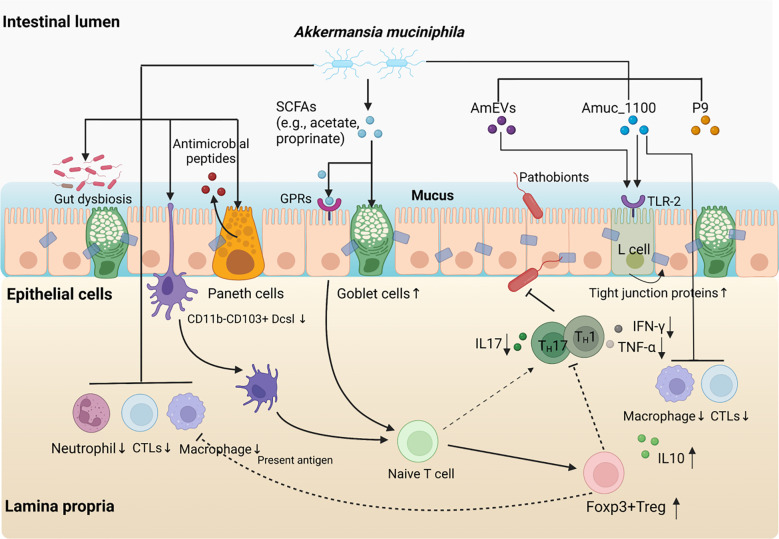
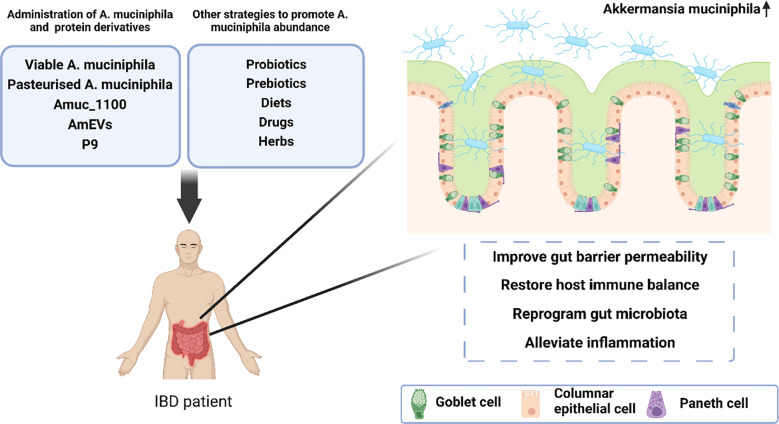
Inflammatory bowel diseases, including Crohn’s disease and ulcerative colitis, is a chronic relapsing gastrointestinal inflammatory disease mediated by dysregulated immune responses to resident intestinal microbiota. Current conventional approaches including aminosalicylates, corticosteroids, immunosuppressive agents, and biological therapies are focused on reducing intestinal inflammation besides inducing and maintaining disease remission, and managing complications. However, these therapies are not curative and are associated with various limitations, such as drug resistance, low responsiveness and adverse events. Recent accumulated evidence has revealed the involvement of mucin-degrading bacterium Akkermansia muciniphila ( A. muciniphila ) in the regulation of host barrier function and immune response, and how reduced intestinal colonisation of probiotic A. muciniphila can contribute to the process and development of inflammatory bowel diseases, suggesting that it may be a potential target and promising strategy for the therapy of inflammatory bowel disease. In this review, we summarise the current knowledge of the role of A. muciniphila in IBD, especially focusing on the related mechanisms, as well as the strategies based on supplementation with A. muciniphila , probiotics and prebiotics, natural diets, drugs, and herbs to promote its colonisation in the gut, and holds promise for A. muciniphila -targeted and -based therapies in the treatment of inflammatory bowel disease.
Overview
The claims and statistics of this paper haven’t been checked yet.
Free: it reads the open-access text and checks the first 5 claims that cite a source we can check. Create a free account to check every claim.
Integrity signals
Registry
Cites
Statistics
Figures
Verification
Claims the paper makes
The claims and statistics of this paper haven’t been checked yet.
Free: it reads the open-access text and checks the first 5 claims that cite a source we can check. Create a free account to check every claim.
Claims other papers make about this one
Each is checked against this paper’s own text: does it say what the citing paper says it does?
The source backs part of the claim, not all of it — or backs it for a different population, condition or comparison.
In the citing paper
“Prebiotics have been shown to increase mucosal immunity by increasing IgA antibody production.”
From Unveiling the therapeutic symphony of probiotics, prebiotics, and postbiotics in gut-immune harmony (2024) · cites this paper as [19]
Experimental — accuracy not yet measuredThe source backs part of the claim, not all of it — or backs it for a different population, condition or comparison.
In the citing paper
“In the gut-associated lymphoid tissue, prebiotics can regulate the function of immune cells including T cells and dendritic cells.”
From Unveiling the therapeutic symphony of probiotics, prebiotics, and postbiotics in gut-immune harmony (2024) · cites this paper as [19]
Experimental — accuracy not yet measuredThe source backs part of the claim, not all of it — or backs it for a different population, condition or comparison.
In the citing paper
“They aid in keeping the immune system in check and avoiding overactivation.”
From Unveiling the therapeutic symphony of probiotics, prebiotics, and postbiotics in gut-immune harmony (2024) · cites this paper as [19]
Experimental — accuracy not yet measuredThe source backs part of the claim, not all of it — or backs it for a different population, condition or comparison.
In the citing paper
“The gut microbiota’s interaction with the gut-associated lymphoid tissue (GALT) and the host immune system is a major mediator of these effects.”
From Unveiling the therapeutic symphony of probiotics, prebiotics, and postbiotics in gut-immune harmony (2024) · cites this paper as [19]
Experimental — accuracy not yet measuredThe source backs part of the claim, not all of it — or backs it for a different population, condition or comparison.
In the citing paper
“Systemic impacts on immune responses may result from prebiotics’ ability to alter the makeup of gut microbiota.”
From Unveiling the therapeutic symphony of probiotics, prebiotics, and postbiotics in gut-immune harmony (2024) · cites this paper as [19]
Experimental — accuracy not yet measured
6 more claims about this paper
Create a free account to see every claim other papers make about this one.
Self-check
Percentages, sums and reported differences re-computed from the paper’s own numbers.
The self-check needs the paper’s full text.
Citations
Cites
The Microbial Metabolites, Short-Chain Fatty Acids, Regulate Colonic T reg Cell Homeostasis
Smith, P. M., Howitt, M. R., Panikov, N., Michaud, M., Gallini, C. A., Bohlooly-Y, M., Glickman, J. N., & Garrett, W. S. (2013) · Science · doi:10.1126/science.1241165 · Cited by 5,413
Cross-talk between Akkermansia muciniphila and intestinal epithelium controls diet-induced obesity
Everard, A., Belzer, C., Geurts, L., Ouwerkerk, J. P., Druart, C., Bindels, L. B., Guiot, Y., Derrien, M., Muccioli, G. G., Delzenne, N. M., et al. (2013) · Proceedings of the National Academy of Sciences · doi:10.1073/pnas.1219451110 · Cited by 4,511
Gut microbiota, metabolites and host immunity
Rooks, M. G., & Garrett, W. S. (2016) · Nature reviews. Immunology · doi:10.1038/nri.2016.42 · Cited by 3,409
Plovier, H., Everard, A., Druart, C., Depommier, C., Van Hul, M., Geurts, L., Chilloux, J., Ottman, N., Duparc, T., Lichtenstein, L., et al. (2017) · Nature Medicine · doi:10.1038/nm.4236 · Cited by 2,204
The inner of the two Muc2 mucin-dependent mucus layers in colon is devoid of bacteria
Johansson, M. E. V., Phillipson, M., Petersson, J., Velcich, A., Holm, L., & Hansson, G. C. (2008) · Proceedings of the National Academy of Sciences · doi:10.1073/pnas.0803124105 · Cited by 2,200
Akkermansia muciniphila gen. nov., sp. nov., a human intestinal mucin-degrading bacterium
Derrien, M., Vaughan, E. E., Plugge, C. M., & de Vos, W. M. (2004) · International Journal of Systematic and Evolutionary Microbiology · doi:10.1099/ijs.0.02873-0 · Cited by 2,094
Prebiotic effects: metabolic and health benefits
Roberfroid, M., Gibson, G. R., Hoyles, L., McCartney, A. L., Rastall, R., Rowland, I., Wolvers, D., Watzl, B., Szajewska, H., Stahl, B., et al. (2010) · British Journal of Nutrition · doi:10.1017/s0007114510003363 · Cited by 2,085
Shin, N.-R., Lee, J.-C., Lee, H.-Y., Kim, M.-S., Whon, T. W., Lee, M.-S., & Bae, J.-W. (2014) · Gut · doi:10.1136/gutjnl-2012-303839 · Cited by 1,550
Png, C. W., Lindén, S. K., Gilshenan, K. S., Zoetendal, E. G., McSweeney, C. S., Sly, L. I., McGuckin, M. A., & Florin, T. H. J. (2010) · American Journal of Gastroenterology · doi:10.1038/ajg.2010.281 · Cited by 1,364
Homeostatic Immunity and the Microbiota
Belkaid, Y., & Harrison, O. J. (2017) · Immunity · doi:10.1016/j.immuni.2017.04.008 · Cited by 1,261
Cited by
Role of gut microbiota in infectious and inflammatory diseases
Maciel-Fiuza, M. F., Muller, G. C., Campos, D. M. S., do Socorro Silva Costa, P., Peruzzo, J., Bonamigo, R. R., Veit, T., & Vianna, F. S. L. (2023) · Frontiers in Microbiology · doi:10.3389/fmicb.2023.1098386 · Cited by 233
The influence of Akkermansia muciniphila on intestinal barrier function
Mo, C., Lou, X., Xue, J., Shi, Z., Zhao, Y., Wang, F., & Chen, G. (2024) · Gut Pathogens · doi:10.1186/s13099-024-00635-7 · Cited by 226
“…biological barrier is comprised of tens of thousands of bacteria Therefore, the regulation of the intestinal microbiota and the treatment of mucosal inflammation are of paramount importance, alongside conventional therapies such as aminosalicylates, corticosteroids, and immunosuppres-sants [5, 6].”
BackgroundUnveiling the therapeutic symphony of probiotics, prebiotics, and postbiotics in gut-immune harmony
Zhou, P., Chen, C., Patil, S., & Dong, S. (2024) · Frontiers in Nutrition · doi:10.3389/fnut.2024.1355542 · Cited by 193
Akkermansia muciniphila : A promising probiotic against inflammation and metabolic disorders
Zhao, Y., Yang, H., Wu, P., Yang, S., Xue, W., Xu, B., Zhang, S., Tang, B., & Xu, D. (2024) · Virulence · doi:10.1080/21505594.2024.2375555 · Cited by 165
“Although the probiotic properties of A. muciniphila have been widely recognized in metabolic diseases, its therapeutic potential in intestinal inflammatory diseases remains controversial [62].”
BackgroundWang, Y., Li, C., Li, J., Zhang, S., Zhang, Q., Duan, J., & Guo, J. (2024) · Acta Pharmaceutica Sinica B · doi:10.1016/j.apsb.2024.06.002 · Cited by 134
“It not only grows by degrading MUC2 but also stimulates the secretion of this protein and maintains mucus production 9 .”
BackgroundSelf-citationAkkermansia muciniphila in neuropsychiatric disorders: friend or foe?
Lei, W., Cheng, Y., Gao, J., Liu, X., Shao, L., Kong, Q., Zheng, N., Ling, Z., & Hu, W. (2023) · Frontiers in Cellular and Infection Microbiology · doi:10.3389/fcimb.2023.1224155 · Cited by 112
“Initial investigations have indicated that P9 may play a crucial role in balancing proinflammatory and anti-inflammatory responses in the GIT, leading to a decrease in the production of proinflammatory cytokines and an increase in the production of anti-inflammatory cytokines (Zheng et al., 2022).”
BackgroundInchingolo, F., Inchingolo, A. D., Palumbo, I., Trilli, I., Guglielmo, M., Mancini, A., Palermo, A., Inchingolo, A. M., & Dipalma, G. (2024) · International Journal of Molecular Sciences · doi:10.3390/ijms25021055 · Cited by 127
“The presence of this bacterium has been associated with improved body weight management, improving insulin sensitivity, and reducing inflammation [95].”
BackgroundLuo, Y., Fu, S., Liu, Y., Kong, S., Liao, Q., Lin, L., & Li, H. (2024) · Journal of Ethnopharmacology · doi:10.1016/j.jep.2024.117990 · Cited by 93
Self-citationProbiotics in inflammatory bowel disease: microbial modulation and therapeutic prospects
Vallejos, O. P., Bueno, S. M., & Kalergis, A. M. (2025) · Trends in Molecular Medicine · doi:10.1016/j.molmed.2024.12.005 · Cited by 99
Peña-Durán, E., García-Galindo, J. J., López-Murillo, L. D., Huerta-Huerta, A., Balleza-Alejandri, L. R., Beltrán-Ramírez, A., Anaya-Ambriz, E. J., & Suárez-Rico, D. O. (2025) · International Journal of Molecular Sciences · doi:10.3390/ijms26041773 · Cited by 85
“…symbiotic gut microbiota This imbalance exacerbates immune and metabolic dysfunction, contributing to diseases such as Crohn’s disease, ulcerative colitis, and various metabolic and cardiovascular conditions [3,114,115]. plays a crucial role in maintaining overall health through various mechanisms.”
Zhang, H., Pan, Y., Jiang, Y., Chen, M., Ma, X., Yu, X., Ren, D., & Jiang, B. (2024) · npj Science of Food · doi:10.1038/s41538-024-00339-x · Cited by 76
“IL-10 correlates positively with Akkermansia muciniphila abundance in the gut microbiome 16 .”
Mechanism of Action and Therapeutic Implications of Nrf2/HO-1 in Inflammatory Bowel Disease
Yuan, L., Wang, Y., Li, N., Yang, X., Sun, X., Tian, H., & Zhang, Y. (2024) · Antioxidants · doi:10.3390/antiox13081012 · Cited by 94
“Classical strategies for treating IBD include aminosalicylates, corticosteroids, immunosuppressants, and biotherapy, focusing on reducing intestinal mucosal inflammation, inducing and prolonging disease remission and managing complications [5].”
BackgroundLi, J., Luo, T., Wang, D., Zhao, Y., Jin, Y., Yang, G., & Zhang, X. (2024) · Journal of Advanced Research · doi:10.1016/j.jare.2024.01.035 · Cited by 73
Self-citationXie, H., Yu, S. B., Tang, M., Xun, Y., Shen, Q., & Wu, G. (2025) · Frontiers in Cellular and Infection Microbiology · doi:10.3389/fcimb.2025.1608025 · Cited by 92
Zhang, Y., Wang, Y., Zhang, X., Wang, P., Shi, F., Zhang, Z., Wang, R., Wu, D., & She, J. (2024) · ACS Nano · doi:10.1021/acsnano.4c07658 · Cited by 63
Altered gut microbiota of obesity subjects promotes colorectal carcinogenesis in mice
Kang, X., Ng, S.-K., Liu, C., Lin, Y., Zhou, Y., Kwong, T. N. Y., Ni, Y., Lam, T. Y. T., Wu, W. K. K., Wei, H., et al. (2023) · EBioMedicine · doi:10.1016/j.ebiom.2023.104670 · Cited by 62
Health Effects and Therapeutic Potential of the Gut Microbe Akkermansia muciniphila
Aja, E., Zeng, A.-P., Gray, W. R., Connelley, K. K., Chaganti, A., & Jacobs, J. P. (2025) · Nutrients · doi:10.3390/nu17030562 · Cited by 62
“One study showed that the colonization of mice with A. muciniphila increased the number of colonic goblet cells and upregulated genes encoding mucin, including muc1, muc5, and muc13 [79].”
InfluentialTingler, A. M., & Engevik, M. A. (2025) · Infection and Immunity · doi:10.1128/iai.00503-24 · Cited by 68
Fang, X., Feng, J., Zhu, X., Feng, D., & Zheng, L. (2024) · Molecular Therapy · doi:10.1016/j.ymthe.2024.02.021 · Cited by 51
Li, C., Deng, L., Pu, M., Ye, X., & Lü, Q. (2024) · Journal of Ethnopharmacology · doi:10.1016/j.jep.2024.118680 · Cited by 47
Zhang, S., Zhou, R., Xie, X., Xiong, S., Li, L., & Li, Y. (2024) · Carbohydrate Polymers · doi:10.1016/j.carbpol.2024.122905 · Cited by 46
Krueger, M. E., Boles, J. S., Simon, Z. D., Alvarez, S. D., McFarland, N. R., Okun, M. S., Zimmermann, E. M., Forsmark, C. E., & Tansey, M. G. (2025) · npj Parkinson's Disease · doi:10.1038/s41531-025-00894-4 · Cited by 57
Kong, J., Xiang, Q., Ge, W., Wang, Y., Xu, F., & Shi, G. (2024) · Journal of Ethnopharmacology · doi:10.1016/j.jep.2023.117691 · Cited by 41
Quraishi, M. N., Cheesbrough, J., Rimmer, P. J., Mullish, B. H., Sharma, N. K., Efstathiou, E., Acharjee, A., Gkoutus, G., Patel, A. M., Marchesi, J. R., et al. (2024) · Journal of Crohn s and Colitis · doi:10.1093/ecco-jcc/jjae189 · Cited by 45
“67,68 While this observation warrants further investigation, it is possible that the increased abundance of A. muciniphila is a manifestation of its intrinsic resistance to vancomycin rather than a direct therapeutic effect.”
Hu, J., Mei, Y., Zhang, H., Li, J., Zhang, M., Li, Y., Yang, W., Liu, Y., & Liang, Y. (2024) · International Journal of Biological Macromolecules · doi:10.1016/j.ijbiomac.2024.130959 · Cited by 45
Self-citationAkkermansia muciniphila extracellular vesicles have a protective effect against hypertension
Kim, J. Y., Kim, C.-W., Oh, S. Y., Jang, S., Olarinoye, Z. Y., Kim, B. A., Hong, S., & Kim, I. (2024) · Hypertension Research · doi:10.1038/s41440-024-01627-5 · Cited by 41
“Therefore, the alle-viation of hypertension in SHR by AmEVs can be interpreted as a result of the anti-in fl ammatory propensity of Th cell polarization [38, 39].”
Exploring the Role of the Gut Microbiota in Modulating Colorectal Cancer Immunity
Shakhpazyan, N. K., Михалева, Л. М., Bedzhanyan, A. L., Владиславовна, Г. З., Mikhalev, A. I., Midiber, K. Y., Pechnikova, V. V., & Biryukov, A. E. (2024) · Cells · doi:10.3390/cells13171437 · Cited by 37
The role of Akkermansia muciniphila in maintaining health: a bibliometric study
Gao, F., Cheng, C., Li, R., Chen, Z., Tang, K., & Du, G. (2025) · Frontiers in Medicine · doi:10.3389/fmed.2025.1484656 · Cited by 53
Zhang, X., Cui, Q., Li, Y., Zhu, J., Mao, Y., Yin, R. H., Shao, H., Wang, W., Sun, X., Zhang, Z., et al. (2025) · Gut Microbes · doi:10.1080/19490976.2025.2531210 · Cited by 38
Gut Microbiota Modulation in IBD: From the Old Paradigm to Revolutionary Tools
Murgiano, M., Bartocci, B., Puca, P., Vincenzo, F. D., GAUDIO, A. D., Papa, A., Cammarota, G., Gasbarrini, A., Scaldaferri, F., & Lopetuso, L. R. (2025) · International Journal of Molecular Sciences · doi:10.3390/ijms26073059 · Cited by 31
“Different administration methods for A. muciniphila have been explored, including viable, pasteurized forms, and through specific components such as AmEVs, Amuc_1100, and P9 [165].”
Characterization and Preliminary Safety Evaluation of Akkermansia muciniphila PROBIO
Ma, X., Tian, M., Yu, X., Liu, M., Li, B., Ren, D., & Wang, W. (2024) · Foods · doi:10.3390/foods13030442 · Cited by 30
Fecal Microbiota Characteristics in Constipation-Predominant and Mixed-Type Irritable Bowel Syndrome
Vladimirovna, G. M., Dmitrievna, S. Y., Burakova, I. Y., Morozova, P., Lagutina, S. N., Chizhkov, P. A., Korneeva, O. S., & Syromyatnikov, M. (2024) · Microorganisms · doi:10.3390/microorganisms12071414 · Cited by 29
“Many studies highlight the potential of A. muciniphila as a therapeutic agent for improving gut health and treating various gastrointestinal disorders [61–63].”
BackgroundAkkermansia muciniphila and osteoporosis: emerging role of gut microbiota in skeletal homeostasis
Gong, Y., Ma, X., Huang, J., Zhang, P., Hai, Y., Song, Y., Song, M. S., Li, Y., Wen, H., & Dong, W. (2025) · Frontiers in Microbiology · doi:10.3389/fmicb.2025.1665101 · Cited by 27
“(b) Generating SCFAs to stabilize the mucosal microenvironment (Zheng et al., 2023).”
Wu, X., Yu, D., Ma, Y., Fang, X., & Sun, P. (2025) · International Journal of Biological Macromolecules · doi:10.1016/j.ijbiomac.2025.142442 · Cited by 32
Li, G., Rong, J., Xu, X., Kwak, E., Wang, S., Qu, G., Lin, S., & Peng, G. (2025) · ACS Nano · doi:10.1021/acsnano.5c02307 · Cited by 24
Ye, W.-Y., & Cai, Y. (2025) · Journal of Translational Medicine · doi:10.1186/s12967-025-07149-z · Cited by 34
“Consequently, this process effectively limits oxidant accumulation at its source [53, 54].”
Miao, Y., Wang, M., Sun, H. X., Zhang, Y., Zhou, W., Yang, W., Duan, L., Niu, L., Li, Z., Chen, J., et al. (2024) · Biochimica et Biophysica Acta (BBA) - Molecular Cell Research · doi:10.1016/j.bbamcr.2024.119751 · Cited by 25
Ye, R., Guo, J., Yang, Z., Wang, Z., Chen, Y., Huang, J., & Dong, Y. (2025) · ACS Nano · doi:10.1021/acsnano.5c00355 · Cited by 27
Magadán‐Corpas, P., Pérez‐Valero, Á., Ye, S., Sordon, S., Huszcza, E., Popłoński, J., Villar, C. J., & Lombó, F. (2024) · International Journal of Molecular Sciences · doi:10.3390/ijms25063236 · Cited by 26
“This species is a mucin-degrading bacteria reported to release monosaccharides, amino acids, and SCFAs into the environment, stimulating beneficial intestinal bacteria metabolic functions and contributing to the alleviation of microbial dysbiosis due to IBD [54–56].”
BackgroundThe Role of Akkermansia muciniphila in Disease Regulation
Ding, Y., Hou, Y., & Lao, X. (2025) · Probiotics and Antimicrobial Proteins · doi:10.1007/s12602-025-10642-y · Cited by 22
“It has good anti-inflammatory effects [30, 31], and is closely related to the occurrence and treatment of colon cancer, lung cancer, prostate cancer, and other tumors, especially positively correlated with the efficacy of PD-1 checkpoint inhibitors [16, 32, 33].”
Liu, Y., Gao, J., Chen, L., Chen, Y., Jiang, J., Chen, H., & Ma, L. (2025) · Cellular and Molecular Life Sciences · doi:10.1007/s00018-025-05834-2 · Cited by 25
“The deficiency of Akkermansiaceae has been closely associated with IBD, as it enhances intestinal barrier function by modulating host immunity and increasing goblet cell mucin secretion [64].”
Self-citationWu, C., Yang, J., Ye, C., Wu, H., Shu, W., Li, R., Wang, S., Lü, Y., Chen, H., Zhang, Z., et al. (2024) · Heliyon · doi:10.1016/j.heliyon.2024.e34528 · Cited by 18
Xu, J., Li, J., Xue, G., Huang, C.-T., Peng, Y., Xu, H., Li, Y., Xu, J., Hu, J., Liao, Y., et al. (2025) · Advanced Science · doi:10.1002/advs.202509073 · Cited by 27
Self-citationZhu, Y., Yang, X., Song, X., Jia, Y., Zhang, Y., & Zhu, L. Y. (2024) · Environmental Science & Technology · doi:10.1021/acs.est.4c01511 · Cited by 18
Han, L., Liu, X., Lan, Y., Hua, Y., Fan, Z., & Li, Y. (2024) · Frontiers in Immunology · doi:10.3389/fimmu.2024.1416185 · Cited by 21
Lei, L., Deng, D., Xu, W., Yue, M., Wu, D., Fu, K., & Shi, Z. (2024) · Ecotoxicology and Environmental Safety · doi:10.1016/j.ecoenv.2024.116912 · Cited by 17
Gut microbiota contributes to obstructive sleep apnea-induced hypertension by gut-heart axis in mice
Zhang, X., Yin, Y., Chen, Y., Lin, L., Shen, S., Fang, F., & Wang, Q. (2025) · International Immunopharmacology · doi:10.1016/j.intimp.2025.114667 · Cited by 15
Wang, Z., Pang, S., Zhang, K.-W., Li, P., Li, P.-G., & Yang, C. (2024) · Frontiers in Nutrition · doi:10.3389/fnut.2024.1367086 · Cited by 15
“…bacterium, regulates host barrier function and immune response, highlighting its anti-inflammatory effects and its potential as a promising strategy for the therapy of inflammatory bowel disease by addressing reduced intestinal colonization that contributes to the development of such diseases (22).”
BackgroundMendes‐Frias, A., Moreira, M., Vieira, M. C., Gaifem, J., Costa, P., Lopes, L., & Silvestre, R. (2024) · Frontiers in Cellular and Infection Microbiology · doi:10.3389/fcimb.2024.1367998 · Cited by 15
Protective effect of a newly probiotic Lactobacillus reuteri LY2-2 on DSS-induced colitis
Yang, Y., Qiao, Y., Liu, G., Yi, G., Liu, H., Zhang, T., & Tong, M. (2024) · European Journal of Nutrition · doi:10.1007/s00394-024-03535-3 · Cited by 15
“As previously reported, the increased Peptostreptococcales-Tissierellales was closely associated with inflammation [62 ], while the Akker-mansia muciniphila was related to improve IBD [63 ].”
Dietary content and eating behavior in ulcerative colitis: a narrative review and future perspective
Qin, L., & Lv, W. (2025) · Nutrition Journal · doi:10.1186/s12937-025-01075-y · Cited by 17
Akkermansia muciniphila extracellular vesicles: Function and theranostic potential in disease
Wang, Y.-D., Lin, W., Wu, S., He, X., Ou, Z., & Zheng, L. (2025) · LabMed discovery. · doi:10.1016/j.lmd.2025.100060 · Cited by 16
Yao, Y., Pei, Z., Dai, Y., Chen, Y., Chang, Z., Wang, H., Zhao, J., Zhang, H., Zhai, Q., Lu, W., et al. (2025) · Advanced Science · doi:10.1002/advs.202506576 · Cited by 22
Dysbiosis in inflammatory bowel diseases: egg, not chicken
Stange, E. F. (2024) · Frontiers in Medicine · doi:10.3389/fmed.2024.1395861 · Cited by 15
Du, S., Sun, R., Wang, M., Fang, Y., Wu, Y., Yuan, B., & Jin, Y. (2024) · International Journal of Biological Macromolecules · doi:10.1016/j.ijbiomac.2024.138497 · Cited by 17
Decoding the impact of gut microbiota on heart failure
Zhao, S., Dan, L.-X., Huang, R. S., Shen, Z., Huang, D., Wu, P., & Ma, Z. (2025) · Genes & Diseases · doi:10.1016/j.gendis.2025.101592 · Cited by 18
Moutusy, S. I., & Ohsako, S. (2024) · International Journal of Molecular Sciences · doi:10.3390/ijms25063372 · Cited by 16
Jain, S., & Safo, S. E. (2024) · Briefings in Bioinformatics · doi:10.1093/bib/bbae339 · Cited by 20
The functional landscape of the appendix microbiome under conditions of health and disease
Sagor, M. S., Islam, T., Tamanna, N. T., Bappy, M. K. I., Danishuddin, M., Haque, M. A., & Lackner, M. K. (2025) · Gut Pathogens · doi:10.1186/s13099-025-00696-2 · Cited by 18
Huang, C., Huang, C., Tsai, H.-Y., Liao, Y.-C., Lin, C.-M., Chen, P.-C., Liou, J.-S., Hsu, C., Chiu, S., Chen, C., et al. (2024) · Journal of Functional Foods · doi:10.1016/j.jff.2024.106110 · Cited by 12
Intestinal Akkermansia muciniphila is Beneficial to Functional Recovery Following Ischemic Stroke
Li, K., Ding, W., Li, X., Gao, H., Wang, S., Li, T., Zhao, H., & Zhang, S. (2024) · Journal of Neuroimmune Pharmacology · doi:10.1007/s11481-024-10146-6 · Cited by 20
“In inflammatory bowel diseases (IBD), AKK is involved in regulating the interactions between gut microbiota and the immune sys - tem, and reducing intestinal colonization of AKK alters the process and development of IBD (Liu et al. 2022 ; Zheng et al. 2022 ).”
Liu, C., Zeng, H., Ouyang, J., Wen, S., Zhou, F., Jiang, R., Zhang, X., Wang, Z., Huang, J., & Liu, Z. (2024) · Food Research International · doi:10.1016/j.foodres.2024.115436 · Cited by 12
Han, H., Xiong, H., Liu, Z., Liu, X., Wang, H., Kou, J., Yi, D., Shi, Y. Q., Wu, H., & Qiao, J. (2025) · Frontiers in Microbiology · doi:10.3389/fmicb.2025.1542522 · Cited by 15
“UC has become a global health problem seriously affecting the quality of life of patients (Zheng et al., 2023).”
Jin, Y., Niu, Z., Feng, M., Che, H., & Liang, Z. (2025) · Antioxidants · doi:10.3390/antiox14060737 · Cited by 14
“It is currently considered a promising novel probiotic for the treatment of IBD [45].”
Lü, Q., Xia, W., Yang, F., Chen, H., & Li, C. (2025) · International Immunopharmacology · doi:10.1016/j.intimp.2025.115165 · Cited by 13
Facchin, S., Calgaro, M., Pandolfo, M., Buda, A., Barberio, B., Zingone, F., Vitulo, N., & Savarino, E. V. (2025) · Digestive and Liver Disease · doi:10.1016/j.dld.2025.11.014 · Cited by 20
Butyrate prevents chemotherapy-induced gastrointestinal toxicity and microbial dysbiosis
Cheatham, S. M., Rehman, Z., Arastonejad, M., Kane, R., Ahmad, N., Luffman, N., Harada, H., Zhang, Y., Tyc, K. M., Gewirtz, D. A., et al. (2025) · Scientific Reports · doi:10.1038/s41598-025-30385-8 · Cited by 13
Altered intestinal microbiota enhances adenoid hypertrophy by disrupting the immune balance
Liu, W., Jiang, H., Liu, X., Zheng, Y., Liu, Y., Pan, F., Yu, F., Li, Z., Gu, M., Du, Q., et al. (2023) · Frontiers in Immunology · doi:10.3389/fimmu.2023.1277351 · Cited by 13
Self-citationHe, Q., Zhang, T., Zhang, W., Feng, C., Kwok, L. Y., Zhang, H., & Sun, Z. (2024) · Food & Function · doi:10.1039/d4fo00462k · Cited by 12
Self-citationZakerska‐Banaszak, O., Ladziak, K., Kruszka, D., Maciejewski, K., Wolko, Ł., Krela‐Kaźmierczak, I., Zawada, A. E., Vestergaard, M. V., Dobrowolska, A., & Skrzypczak-Zielińska, M. (2025) · Journal of Gastroenterology · doi:10.1007/s00535-025-02280-6 · Cited by 12
Pyroptosis in ulcerative colitis: biomarkers and therapeutic targets
Cruz, H., Shah, P., Wohlgemuth, N., Ketchum, R., Nassif, I. I., & Hu, C.-A. A. (2025) · Journal of Biomedical Science · doi:10.1186/s12929-025-01206-x · Cited by 15
“Additionally, certain microbial metabolites like butyrate can suppress IEC pyroptosis by inhibiting the cGAS-STING-NLRP3 pathway, highlighting the complex regulatory role of the microbiome in modulating epithelial cell death and intestinal inflammation [26, 27].”
Gut microbiome in atypical depression
Busch, A., Roy, S., Helbing, D. L., Čolić, L., Opel, N., Besteher, B., Walter, M., Bauer, M. W., & Refisch, A. (2024) · Journal of Affective Disorders · doi:10.1016/j.jad.2024.01.060 · Cited by 13
Bezzio, C., Cavalli, C. A. M., Franchellucci, G., Buono, A. D., Gabbiadini, R., Scalvini, D., Manara, S. A. A. M., Narcisi, A., Armuzzi, A., & Saibeni, S. (2024) · Therapeutic Advances in Gastroenterology · doi:10.1177/17562848241299564 · Cited by 14
“67”
Liu, Q., Yin, Y., Fan, S., Qiu, W., Pan, D., Du, M., Zheng, X., & Tu, M. (2024) · Food Bioscience · doi:10.1016/j.fbio.2024.105733 · Cited by 10
The Gut Microbiome and Colistin Resistance: A Hidden Driver of Antimicrobial Failure
Miftode, I.-L., Vâţă, A., Miftode, R.-Ş., Oancea, A. F., Pasare, M. A., Părângă, T. G., Miftode, E. G., Mititiuc, I. L., & Radu, V. D. (2025) · International Journal of Molecular Sciences · doi:10.3390/ijms26188899 · Cited by 15
“…linked to upregulation of tight junction proteins and modulation of IL-22 signaling, suggesting not only the gut microbiota’s role as a reservoir of colistin resistance, but also its potential as a therapeutic target for restoring colonization resistance against multidrug-resistant organisms [139].”
Revolutionizing IBD therapy: Insights into contemporary treatment strategies
Kushwaha, P., Qureshi, R., Khan, N., & Mukhopadhyay, S. (2025) · International Reviews of Immunology · doi:10.1080/08830185.2025.2563522 · Cited by 14
“These commensal bacteria help to regulate the intestinal barrier and the immune responses of host [106].”
Scarlata, G. G. M., Morano, D., Ismaiel, A., Spagnuolo, R., Luzza, F., Dumitrascu, D. L., & Abenavoli, L. (2025) · Current Issues in Molecular Biology · doi:10.3390/cimb47100847 · Cited by 13
Piazzesi, A., Pane, S., Russo, A., CHIERICO, F. D., Francalanci, P., Cotugno, N., Rossi, P., Locatelli, F., Palma, P., & Putignani, L. (2023) · Frontiers in Cellular and Infection Microbiology · doi:10.3389/fcimb.2023.1281440 · Cited by 11
“…the Dorea genus (Figure 3B) and speci fi cally the species Dorea formicigenerans (Figure 3E), were both signi fi cantly reduced in the patient compared with CTRLs, as was the genus Collinsella (Figure 3C) and the famously anti-in fl ammatory Akkermansia municiphila (Figure 3F) (Zheng et al., 2022).”
ResultYu, H., Zhang, Y., Chen, J., Jiang, S., Zheng, Y., Xu, Y., Li, Y., Kong, J., Yu, X., & Du, H. (2025) · Free Radical Biology and Medicine · doi:10.1016/j.freeradbiomed.2025.03.039 · Cited by 10
Hwang, H.-G., Park, J.-W., Lee, H. J., Ko, M. Y., Ka, M., Lee, Y. K., Choi, J., In, S.-A., Lee, Y.-E., Lee, S., et al. (2025) · Gut Microbes · doi:10.1080/19490976.2025.2508424 · Cited by 11
The role of purinergic signaling in acupuncture-mediated relief of neuropathic and inflammatory pain
Huo, M., Zhang, Q., Si, Y., Zhang, Y., Chang, H., Zhou, M., Zhang, D., & Fang, Y. (2024) · Purinergic Signalling · doi:10.1007/s11302-024-09985-y · Cited by 11
“IBD refers to two major forms of chronic inflammatory diseases of the gastrointestinal tract, including ulcerative colitis (UC) and Crohn’s disease (CD), both of which often exhibit a relapsing disease course in patients [137, 138].”
Lim, J. J., Goedken, M. J., Jin, Y., Gu, H., & Cui, J. Y. (2024) · Toxicological Sciences · doi:10.1093/toxsci/kfae047 · Cited by 10
Modulation of Gut Microbial Biomarkers and Metabolites in Cancer Management by Tea Compounds
Leung, H. K. M., Lo, E. K. K., Zhang, F., Felicianna, Ismaiah, M. J., Chen, C., & El-Nezami, H. S. (2024) · International Journal of Molecular Sciences · doi:10.3390/ijms25126348 · Cited by 12
“On the other hand, QUE and kaempferol also increased Akkermansia , which consumes H 2 S to produce cysteine and limit the damaging effects posed to the host [199].”
BackgroundTeng, Y., Li, J., Yan, C., Wang, A., Ren, X., & Xia, X. (2024) · Food Bioscience · doi:10.1016/j.fbio.2024.104605 · Cited by 9
Self-citationBellanco, A., Requena, T., & Martínez‐Cuesta, M. C. (2025) · Food and Chemical Toxicology · doi:10.1016/j.fct.2025.115236 · Cited by 14
Effect of Fermented Foods on Inflammatory Bowel Disease: A Focus on the MAPK and NF-kβ Pathways
Cruz-Valencia, R., Santiago‐López, L., Mojica, L., Hernández‐Mendoza, A., Vallejo‐Córdoba, B., Sáyago‐Ayerdi, S. G., Beltrán‐Barrientos, L. M., & González-Córdova, A. F. (2025) · ACS Food Science & Technology · doi:10.1021/acsfoodscitech.4c00628 · Cited by 8
Yin, J., You, Y., Mao, J., Qi, J., Zhang, X., & Hong, Y. (2025) · Toxicology and Applied Pharmacology · doi:10.1016/j.taap.2025.117455 · Cited by 8
From Exposure to Dysfunction: The Intestinal Toxicity of Per- and Polyfluoroalkyl Substances
Brunetti, K., Galletti, G. S., Catalani, E., Cervia, D., & Quondam, S. D. (2025) · Toxics · doi:10.3390/toxics14010039 · Cited by 8
“In particular, the reduction in beneficial genera such as Akkermansia muciniphila may impair mucus turnover and mucosal regeneration, whereas the expansion of Proteobacteria enhances systemic LPS release [103–105].”
The interplay mechanisms between gut microbiota and ferroptosis in inflammatory bowel disease
Shi, Z., Zhang, S., Zhai, H., Wu, Q., Li, Y., Xu, H., & Zhang, S. (2026) · Frontiers in Immunology · doi:10.3389/fimmu.2026.1753617 · Cited by 11
Pourtau, L., Wauquier, F., Boutin-Wittrant, L., Gaudout, D., Moras, B., Vignault, A., Vaysse, C., Richard, T., Courtois, A., Krisa, S., et al. (2024) · Pharmaceutics · doi:10.3390/pharmaceutics16030336 · Cited by 12
“Recent evidence shows that patients with an IBD have a reduced level of Akkermensia. muciniphila, suggesting that these bacteria may contribute to the process and development of IBDs [83].”
BackgroundCicchinelli, S., Gemma, S., Pignataro, G., Piccioni, A., Ojetti, V., Gasbarrini, A., Franceschi, F., & Candelli, M. (2024) · Pharmaceuticals · doi:10.3390/ph17040490 · Cited by 9
Kang, N., Fan, Z., Li, Y., Shen, J., Shen, Y., Fang, Z., Li, B., Yang, B. K., & Wang, J. (2025) · Nutrients · doi:10.3390/nu17050780 · Cited by 9
“Consequently, the role of Akkermansia in IBD pathogenesis is influenced by various factors, including host genetics, gut microbiota composition, environmental conditions, and microbial interactions [51,52].”
Proteus mirabilis exacerbates ulcerative colitis by inhibiting mucin production
Jiang, Z., Li, P., Qiu, K., Liao, Y., Chen, X., Xuan, J., Wang, F., Ma, H., Wang, Y., & Zhu, M. (2025) · Frontiers in Microbiology · doi:10.3389/fmicb.2025.1556953 · Cited by 14
Demystifying the role of postbiotics in inflammation mediated metabolic disorders: an updated review
Doke, R. R., Chande, K., Dingare, S. H., Vinchurkar, K., & Singh, S. K. (2025) · Food Science and Biotechnology · doi:10.1007/s10068-025-01952-6 · Cited by 13
“Beyond Lactobacillus species, heat-killed Akkermansia Muciniphila is essential for gut health as it helps maintain the integrity of the intestinal barrier (Zheng et al., 2023).”
The Role of Gut Microbiota and Its Metabolites in Mitigating Radiation Damage
Zhu, H., Yan, X., Shi, H. S., Chen, Y., Huang, C., Zhou, Y., Yan, S., Zhang, N., Wang, J., Zhang, J., et al. (2025) · Microorganisms · doi:10.3390/microorganisms13092151 · Cited by 10
“Studies in animal models have shown that supplementation with these bacteria reduces intestinal permeability and attenuates inflammation following radiation exposure [125,126].”
Drug-mediated disruption of the aging gut microbiota and mucosal immune system
Totleben, L., Thomas, J. G., & Austin, D. L. (2025) · Frontiers in Aging · doi:10.3389/fragi.2025.1603847 · Cited by 11
Ariaee, A., Wardill, H. R., Wignall, A. D., Elz, A. S., Wright, L., Prestidge, C. A., & Joyce, P. M. (2024) · Advanced Therapeutics · doi:10.1002/adtp.202400305 · Cited by 6
Deng, L.-M., Feng, Z., Li, X., Fan, L., Wu, X., Tavakoli, S., Zhu, Y., Ye, H., & Wu, K. (2025) · Scientific Reports · doi:10.1038/s41598-025-90011-5 · Cited by 7
Fang, L., Peng, H., Tan, Z., Deng, N., & Peng, X. (2025) · Journal of Inflammation Research · doi:10.2147/jir.s504827 · Cited by 8
Mai, X., Wu, J., Tian, Z., Liu, L., Zhuang, X., Liu, Z., Wan, R., Li, B., Shi, Y., Li, B., et al. (2025) · The Journal of Nutritional Biochemistry · doi:10.1016/j.jnutbio.2025.109984 · Cited by 8
Metadata
- Authors
- Zheng, M., Han, R., Yuan, Y., Xing, Y., Zhang, W., Sun, Z., Liu, Y., Li, J., & Mao, T.
- Affiliations
- University of Bristol (GB)
- Beijing University of Chinese Medicine (CN)
- Tianjin Nankai Hospital (CN)
- Corresponding author
- Li, Junxiang
- Mao, Tangyou
- Venue
- Frontiers in Immunology
- Publisher
- Frontiers Media SA
- Published
- 2023-01-06
- Volume
- 13
- Pages
- 1089600-1089600
- ISSN
- 1664-3224 (ISSN-L)
- PMC
- PMC9853388
- OpenAlex
- W4313641460
- Cited by
- 241
- References
- 89
- Citations by year
- 2026: 75 · 2025: 93 · 2024: 65 · 2023: 8
- FWCI
- 6.35
- Type
- journal article
- Language
- en
- Open access
- gold
- doi.org
- Licence
- Locations
- Frontiers in Immunology (publishedVersion, cc-by)
- PubMed Central (publishedVersion, cc-by)
- PubMed (publishedVersion)
- DOAJ (DOAJ: Directory of Open Access Journals) (submittedVersion, cc-by-sa)
- Funders
- National Natural Science Foundation of China
- Topics
- Life Sciences › Biochemistry, Genetics and Molecular Biology › Molecular Biology › Gut microbiota and health
- Health Sciences › Medicine › Gastroenterology › Inflammatory Bowel Disease
- Life Sciences › Agricultural and Biological Sciences › Food Science › Probiotics and Fermented Foods
- Keywords
- Akkermansia muciniphila, inflammatory bowel disease, Crohn's disease, ulcerative colitis, gut microbiota, mucin degradation, intestinal barrier function, host immune response, probiotics, prebiotics, dietary intervention, herbal medicine, targeted therapy, intestinal inflammation
- MeSH terms
- Akkermansia, Chronic Disease, Humans, Inflammatory Bowel Diseases, Probiotics, Verrucomicrobia
About these checks
Registry, retraction, Cites and statistics results are computed, not judged, with one exception: a printed reference that no index lists is read once by a model before it counts as a citation error. Claims are extracted by a model and kept only when their quote appears verbatim in the text; each cited source is then checked, with a model’s help, for whether it says what the claim relies on. Those verdicts can be wrong — read the claim’s quote and the cited source before relying on one.
Statistics and arithmetic are recomputed, not judged.
Confidence bands are shown only for fields calibrated on our annotated test set. None is calibrated yet, so no band is shown.
What counts as a claim ›How we measure confidence ›How we check this ›
Are you an author, or do you see a problem with this page? Request a review
Data sources
Bibliographic data: Semantic Scholar, OpenAlex, Crossref.
Contains information from the Semantic Scholar Academic Graph Datasets, made available under the ODC Attribution License (ODC-BY 1.0).
Semantic Scholar’s data is described in: Kinney, R., et al. (2023). The Semantic Scholar Open Data Platform. arXiv:2301.10140.
