

The DOI matches its Crossref record; 4 of the 4 references it cites were found in a registry or an index.
Nanoparticle-Based Drug Delivery in Cancer Therapy and Its Role in Overcoming Drug Resistance
Overview
The claims and statistics of this paper haven’t been checked yet.
Run the check — free, no account needed. It reads the open-access text and checks the sources it cites.
Integrity signals
Registry
Cites
Statistics
Figures
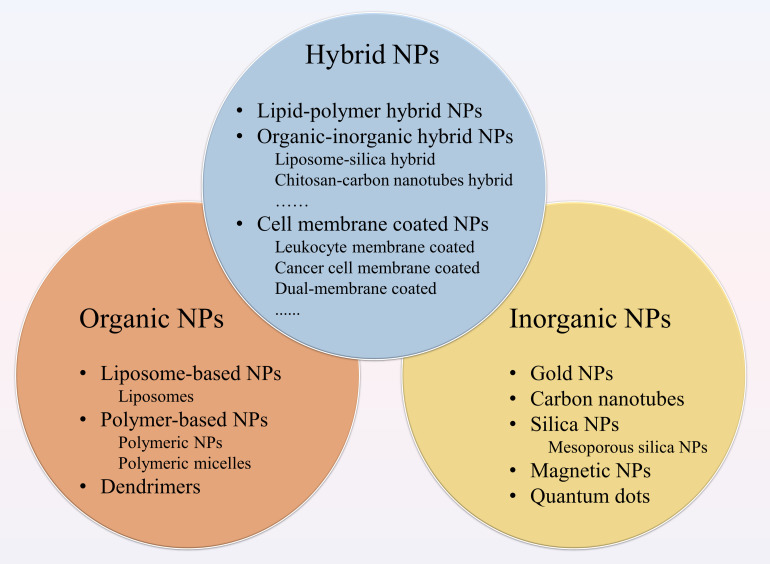
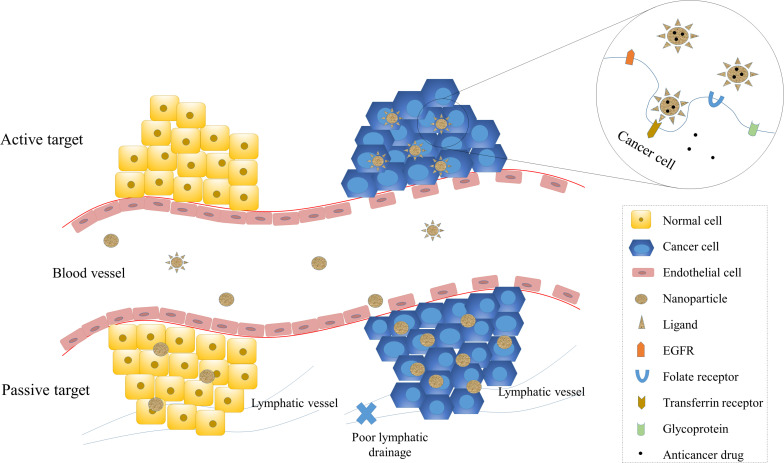
Verification
Claims the paper makes
The claims and statistics of this paper haven’t been checked yet.
Run the check — free, no account needed. It reads the open-access text and checks the sources it cites.
Claims other papers make about this one
Each is checked against this paper’s own text: does it say what the citing paper says it does?
The cited source says what the claim attributes to it.
In the citing paper
“In order to overcome those drawbacks, nanotechnology has been widely embraced to develop effective targeting drug loading systems.138”
From Current Advances in Chitosan Nanoparticles Based Oral Drug Delivery for Colorectal Cancer Treatment (2022) · cites this paper as [138]
Self-check
Percentages, sums and reported differences re-computed from the paper’s own numbers.
The self-check needs the paper’s full text.
Citations
Cites
Siegel, R. L., Miller, K. D., & Jemal, A. (2020) · CA: A Cancer Journal for Clinicians · doi:10.3322/caac.21590 · Cited by 20,444
Recent advances with liposomes as pharmaceutical carriers
Torchilin, V. P. (2005) · Nature Reviews Drug Discovery · doi:10.1038/nrd1632 · Cited by 5,282
Immunological aspects of cancer chemotherapy
Zitvogel, L., Apetoh, L., Ghiringhelli, F., & Kroemer, G. (2008) · Nature Reviews Immunology · doi:10.1038/nri2216 · Cited by 1,712
Polymeric mixed micelles as nanomedicines: Achievements and perspectives
Cagel, M., Tesan, F. C., Bernabeu, E., Salgueiro, M. J., Zubillaga, M. B., Moretton, M. A., & Chiappetta, D. A. (2017) · European Journal of Pharmaceutics and Biopharmaceutics · doi:10.1016/j.ejpb.2016.12.019 · Cited by 417
Research works printed but not linked: 176
- Acharya, 2011, PLGA nanoparticles containing various anticancer agents and tumour delivery by EPR effect., Adv. Drug Deliv. Rev., 63, 170, 10.1016/j.addr.2010.10.008 · DOI
- Agarwal, 2003, Ovarian cancer: strategies for overcoming resistance to chemotherapy., Nat. Rev. Cancer, 3, 502, 10.1038/nrc1123 · DOI
- Alexis, 2008, HER-2-targeted nanoparticle-affibody bioconjugates for cancer therapy., ChemMedChem, 3, 1839, 10.1002/cmdc.200800122 · DOI
- Alimoradi, 2018, Nitric oxide-releasing nanoparticles improve doxorubicin anticancer activity., Int. J. Nanomed., 13, 7771, 10.2147/ijn.s187089 · DOI
- Allen, 2000, Extensive contribution of the multidrug transporters P-glycoprotein and Mrp1 to basal drug resistance., Cancer Res., 60, 5761
- Almeida, 2014, Amine-modified hyaluronic acid-functionalized porous silicon nanoparticles for targeting breast cancer tumors., Nanoscale, 6, 10377, 10.1039/c4nr02187h · DOI
- Amreddy, 2018, Recent advances in nanoparticle-based cancer drug and gene delivery., Adv. Cancer Res., 137, 115, 10.1016/bs.acr.2017.11.003 · DOI
- Amreddy, 2015, Tumor-targeted and pH-controlled delivery of doxorubicin using gold nanorods for lung cancer therapy., Int. J. Nanomed., 10, 6773, 10.2147/ijn.s93237 · DOI
- Apte, 2019, VEGF in signaling and disease: beyond discovery and development., Cell, 176, 1248, 10.1016/j.cell.2019.01.021 · DOI · Paper page
- Bahrami, 2017, Nanoparticles and targeted drug delivery in cancer therapy., Immunol. Lett., 190, 64, 10.1016/j.imlet.2017.07.015 · DOI
- Bai, 2013, Nanoparticle-mediated drug delivery to tumor neovasculature to combat P-gp expressing multidrug resistant cancer., Biomaterials, 34, 6163, 10.1016/j.biomaterials.2013.04.062 · DOI
- Balasubramanian, 2014, Curcumin and 5-fluorouracil-loaded, folate- and transferrin-decorated polymeric magnetic nanoformulation: a synergistic cancer therapeutic approach, accelerated by magnetic hyperthermia., Int. J. Nanomed., 9, 437, 10.2147/ijn.s49882 · DOI
- Basoglu, 2018, Magnetic nanoparticle-mediated gene therapy to induce Fas apoptosis pathway in breast cancer., Cancer Gene Ther, 25, 141, 10.1038/s41417-018-0017-2 · DOI
- Bauleth-Ramos, 2017, Nutlin-3a and cytokine co-loaded spermine-modified acetalated dextran nanoparticles for cancer chemo-immunotherapy., Adv. Funct. Mater., 27, 10.1002/adfm.201703303 · DOI
- Bertrand, 2014, Cancer nanotechnology: the impact of passive and active targeting in the era of modern cancer biology., Adv. Drug Deliv. Rev., 66, 2, 10.1016/j.addr.2013.11.009 · DOI
- Braunová, 2017, Tumor-targeted micelle-forming block copolymers for overcoming of multidrug resistance., J. Control Release, 245, 41, 10.1016/j.jconrel.2016.11.020 · DOI
- Carita, 2018, Recent advances and perspectives in liposomes for cutaneous drug delivery., Curr. Med. Chem., 25, 606, 10.2174/0929867324666171009120154 · DOI
- Carmeliet, 2000, Angiogenesis in cancer and other diseases., Nature, 407, 249, 10.1038/35025220 · DOI · Paper page
- Chen, 2009, Co-delivery of doxorubicin and Bcl-2 siRNA by mesoporous silica nanoparticles enhances the efficacy of chemotherapy in multidrug-resistant cancer cells., Small, 5, 2673, 10.1002/smll.200900621 · DOI
- Chen, 2017, Co-delivery of paclitaxel and anti-survivin siRNA via redox-sensitive oligopeptide liposomes for the synergistic treatment of breast cancer and metastasis., Int. J. Pharm., 529, 102, 10.1016/j.ijpharm.2017.06.071 · DOI
- Chen, 2015, In vivo delivery of miRNAs for cancer therapy: challenges and strategies., Adv. Drug Deliv. Rev., 81, 128, 10.1016/j.addr.2014.05.009 · DOI
- Chen, 2010, Nanoparticles modified with tumor-targeting scFv deliver siRNA and miRNA for cancer therapy., Mol. Ther., 18, 1650, 10.1038/mt.2010.136 · DOI
- Cheng, 2019, Supramolecular Nanomachines as Stimuli-Responsive Gatekeepers on Mesoporous Silica Nanoparticles for Antibiotic and Cancer Drug Delivery., Theranostics, 9, 3341, 10.7150/thno.34576 · DOI
- Cheng, 2018, Overcoming STC2 mediated drug resistance through drug and gene co-delivery by PHB-PDMAEMA cationic polyester in liver cancer cells., Mater. Sci. Eng. C Mater. Biol. Appl., 83, 210, 10.1016/j.msec.2017.08.075 · DOI · Paper page
- Cheng, 2013, Surface functionalized gold nanoparticles for drug delivery., J. Biomed. Nanotechnol., 9, 1362, 10.1166/jbn.2013.1536 · DOI
- Cheow, 2011, Factors affecting drug encapsulation and stability of lipid-polymer hybrid nanoparticles., Colloids Surf. B Biointerfaces, 85, 214, 10.1016/j.colsurfb.2011.02.033 · DOI
- Chintamani, Singh, 2005, Role of p-glycoprotein expression in predicting response to neoadjuvant chemotherapy in breast cancer–a prospective clinical study., World J. Surg. Oncol., 3, 10.1186/1477-7819-3-61 · DOI
- Choi, 2019, Binary Targeting of siRNA to Hematologic Cancer Cells In Vivo using Layer-by-Layer Nanoparticles., Adv. Funct. Mater., 29, 10.1002/adfm.201900018 · DOI
- Choi, 2008, Novel cationic solid lipid nanoparticles enhanced p53 gene transfer to lung cancer cells., Eur. J. Pharm. Biopharm., 68, 545, 10.1016/j.ejpb.2007.07.011 · DOI
- Cirillo, 2019, Combining Carbon Nanotubes and Chitosan for the Vectorization of Methotrexate to Lung Cancer Cells., Materials, 12, 10.3390/ma12182889 · DOI
- Colapicchioni, 2015, Killing cancer cells using nanotechnology: novel poly(I:C) loaded liposome-silica hybrid nanoparticles., J. Mater. Chem. B, 3, 7408, 10.1039/c5tb01383f · DOI
- Cortes, 2010, Nanoparticle albumin-bound (nab (TM))-paclitaxel: improving efficacy and tolerability by targeted drug delivery in metastatic breast cancer., EJC Suppl., 8, 1, 10.1016/s1359-6349(10)70002-1 · DOI
- Cui, 2017, Enhanced intracellular delivery and controlled drug release of magnetic PLGA nanoparticles modified with transferrin., Acta Pharmacol. Sin., 38, 943, 10.1038/aps.2017.45 · DOI
- Cun, 2019, Tumor-Associated Fibroblast-Targeted Regulation and Deep Tumor Delivery of Chemotherapeutic Drugs with a Multifunctional Size-Switchable Nanoparticle., ACS Appl. Mater. Interfaces, 11, 39545, 10.1021/acsami.9b13957 · DOI
- Cuvier, 1992, Doxorubicin-loaded nanospheres bypass tumor cell multidrug resistance., Biochem. Pharmacol., 44, 509, 10.1016/0006-2952(92)90443-m · DOI
- Dadwal, 2018, Nanoparticles as carriers for drug delivery in cancer., Artif. Cells Nanomed. Biotechnol., 46, 295, 10.1080/21691401.2018.1457039 · DOI
- Danhier, 2010, To exploit the tumor microenvironment: passive and active tumor targeting of nanocarriers for anti-cancer drug delivery., J. Control Release, 148, 135, 10.1016/j.jconrel.2010.08.027 · DOI
- Davis, 2010, Evidence of RNAi in humans from systemically administered siRNA via targeted nanoparticles., Nature, 464, 1067, 10.1038/nature08956 · DOI
- Decuzzi, 2009, Intravascular delivery of particulate systems: does geometry really matter?, Pharm. Res., 26, 235, 10.1007/s11095-008-9697-x · DOI
- Dehaini, 2017, Erythrocyte-platelet hybrid membrane coating for enhanced nanoparticle functionalization., Adv. Mater., 29, 10.1002/adma.201606209 · DOI
- Desgrosellier, 2010, Integrins in cancer: biological implications and therapeutic opportunities., Nat. Rev. Cancer, 10, 9, 10.1038/nrc2748 · DOI
- Devalapally, 2007, Paclitaxel and ceramide co-administration in biodegradable polymeric nanoparticulate delivery system to overcome drug resistance in ovarian cancer., Int. J. Cancer, 121, 1830, 10.1002/ijc.22886 · DOI
- Dienst, 2005, Specific occlusion of murine and human tumor vasculature by VCAM-1-targeted recombinant fusion proteins., J. Natl. Cancer Inst., 97, 733, 10.1093/jnci/dji130 · DOI
- Eloy, 2016, Co-loaded paclitaxel/rapamycin liposomes: development, characterization and in vitro and in vivo evaluation for breast cancer therapy., Colloids Surf. B Biointerfaces, 141, 74, 10.1016/j.colsurfb.2016.01.032 · DOI
- Fan, 2010, Co-delivery of PDTC and doxorubicin by multifunctional micellar nanoparticles to achieve active targeted drug delivery and overcome multidrug resistance., Biomaterials, 31, 5634, 10.1016/j.biomaterials.2010.03.066 · DOI
- Fang, 2018, Cell Membrane Coating Nanotechnology., Adv. Mater., 30, 10.1002/adma.201706759 · DOI · Paper page
- Farokhzad, 2009, Impact of nanotechnology on drug delivery., ACS Nano, 3, 16, 10.1021/nn900002m · DOI
- Fontana, Delivery of therapeutics with nanoparticles: what’s new in cancer immunotherapy?, Wiley Interdiscip. Rev. Nanomed. Nanobiotechnol., 9, 10.1002/wnan.1421 · DOI
- Fontana, Multistaged Nanovaccines Based on Porous Silicon@Acetalated Dextran@Cancer Cell Membrane for Cancer Immunotherapy., Adv. Mater., 29, 10.1002/adma.201603239 · DOI
- Gao, 2019, Biodegradable, pH-Sensitive Hollow Mesoporous Organosilica Nanoparticle (HMON) with Controlled Release of Pirfenidone and Ultrasound-Target-Microbubble-Destruction (UTMD) for Pancreatic Cancer Treatment., Theranostics, 9, 6002, 10.7150/thno.36135 · DOI
- Gao, 2017, iRGD-modified lipid-polymer hybrid nanoparticles loaded with isoliquiritigenin to enhance anti-breast cancer effect and tumor-targeting ability., Int. J. Nanomed., 12, 4147, 10.2147/ijn.s134148 · DOI
- Geisberg, 2010, Mechanisms of anthracycline cardiotoxicity and strategies to decrease cardiac damage., Curr. Hypertens. Rep., 12, 404, 10.1007/s11906-010-0146-y · DOI
- Guo, 2015, Erythrocyte Membrane-Enveloped Polymeric Nanoparticles as Nanovaccine for Induction of Antitumor Immunity against Melanoma., ACS Nano, 9, 6918, 10.1021/acsnano.5b01042 · DOI
- Hajizadeh, 2020, Silencing of HIF-1α/CD73 axis by siRNA-loaded TAT-chitosan-spion nanoparticles robustly blocks cancer cell progression., Eur. J. Pharmacol., 882, 10.1016/j.ejphar.2020.173235 · DOI
- Han, 2020, Preparation, Characterization, and Pharmacokinetic Study of a Novel Long-Acting Targeted Paclitaxel Liposome with Antitumor Activity., Int. J. Nanomed., 15, 553, 10.2147/ijn.s228715 · DOI
- Han, 2007, Functionalized gold nanoparticles for drug delivery., Nanomedicine, 2, 113, 10.2217/17435889.2.1.113 · DOI
- He, 2019, Cancer Cell Membrane Decorated Silica Nanoparticle Loaded with miR495 and Doxorubicin to Overcome Drug Resistance for Effective Lung Cancer Therapy., Nanoscale Res. Lett., 14, 10.1186/s11671-019-3143-3 · DOI
- Hood, 2002, Tumor regression by targeted gene delivery to the neovasculature., Science, 296, 2404, 10.1126/science.1070200 · DOI
- Hoopes, 2017, Hypo-fractionated radiation, magnetic nanoparticle hyperthermia and a viral immunotherapy treatment of spontaneous canine cancer., Proc. SPIE Int. Soc. Opt. Eng., 10066, 10.1117/12.2256213 · DOI
- Hrkach, 2012, Preclinical development and clinical translation of a PSMA-targeted docetaxel nanoparticle with a differentiated pharmacological profile., Sci. Transl. Med., 4, 10.1126/scitranslmed.3003651 · DOI
- Hu, 2010, Half-antibody functionalized lipid-polymer hybrid nanoparticles for targeted drug delivery to carcinoembryonic antigen presenting pancreatic cancer cells., Mol. Pharm., 7, 914, 10.1021/mp900316a · DOI
- Hu, 2015, Engineering the lipid layer of lipid-PLGA hybrid nanoparticles for enhanced in vitro cellular uptake and improved stability., Acta Biomater., 28, 149, 10.1016/j.actbio.2015.09.032 · DOI
- Hua, 2013, The use of lipid-based nanocarriers for targeted pain therapies., Front. Pharmacol., 4, 10.3389/fphar.2013.00143 · DOI
- Iwase, 2012, Preparation and in vivo evaluation of liposomal everolimus for lung carcinoma and thyroid carcinoma., Biol. Pharm. Bull., 35, 975, 10.1248/bpb.35.975 · DOI
- Jain, 1994, Barriers to drug delivery in solid tumors., Sci. Am., 271, 58, 10.1038/scientificamerican0794-58 · DOI
- Jiang, 2019, Erythrocyte-cancer hybrid membrane-camouflaged melanin nanoparticles for enhancing photothermal therapy efficacy in tumors., Biomaterials, 192, 292, 10.1016/j.biomaterials.2018.11.021 · DOI
- Jiang, 2016, Progress and perspective of inorganic nanoparticle-based siRNA delivery systems., Expert. Opin. Drug Deliv., 13, 547, 10.1517/17425247.2016.1134486 · DOI
- Jing, 2019, Role of hypoxia in cancer therapy by regulating the tumor microenvironment., Mol. Cancer, 18, 10.1186/s12943-019-1089-9 · DOI · Paper page
- Kalyane, 2019, Employment of enhanced permeability and retention effect (EPR): nanoparticle-based precision tools for targeting of therapeutic and diagnostic agent in cancer., Mater. Sci. Eng. C Mater. Biol. Appl., 98, 1252, 10.1016/j.msec.2019.01.066 · DOI
- Kamaly, 2012, Targeted polymeric therapeutic nanoparticles: design, development and clinical translation., Chem. Soc. Rev., 41, 2971, 10.1039/c2cs15344k · DOI
- Khiste, 2020, Ceramide-rubusoside nanomicelles, a potential therapeutic approach to target cancers carrying p53 missense mutations., Mol. Cancer Ther., 19, 564, 10.1158/1535-7163.mct-19-0366 · DOI
- Kipp, 2004, The role of solid nanoparticle technology in the parenteral delivery of poorly water-soluble drugs., Int. J. Pharm., 284, 109, 10.1016/j.ijpharm.2004.07.019 · DOI
- Kong, 2015, Inhibition of Multidrug Resistance of Cancer Cells by Co-Delivery of DNA Nanostructures and Drugs Using Porous Silicon Nanoparticles@Giant Liposomes., Adv. Funct. Mater., 25, 3330, 10.1002/adfm.201500594 · DOI
- Kundu, 2019, pH-responsive and targeted delivery of curcumin via phenylboronic acid-functionalized ZnO nanoparticles for breast cancer therapy., J. Adv. Res., 18, 161, 10.1016/j.jare.2019.02.036 · DOI
- Legge, 2019, Targeted magnetic nanoparticle hyperthermia for the treatment of oral cancer., J. Oral Pathol. Med., 48, 803, 10.1111/jop.12921 · DOI
- Lei, 2019, Polydopamine-coated mesoporous silica nanoparticles for multi-responsive drug delivery and combined chemo-photothermal therapy., Mater. Sci. Eng. C Mater. Biol. Appl., 105, 10.1016/j.msec.2019.110103 · DOI
- Lemière, 2015, Cell-sized liposomes that mimic cell motility and the cell cortex., Methods Cell Biol., 128, 271, 10.1016/bs.mcb.2015.01.013 · DOI
- Li, 2018, Tailoring porous silicon for biomedical applications: from drug delivery to cancer immunotherapy., Adv. Mater., 30, 10.1002/adma.201703740 · DOI
- Li, 2016, Overcoming ABC transporter-mediated multidrug resistance: molecular mechanisms and novel therapeutic drug strategies., Drug Resist. Updat., 27, 14, 10.1016/j.drup.2016.05.001 · DOI · Paper page
- Li, 2019, In vivo β-catenin attenuation by the integrin α5-targeting nano-delivery strategy suppresses triple negative breast cancer stemness and metastasis., Biomaterials, 188, 160, 10.1016/j.biomaterials.2018.10.019 · DOI
- Lia, 2009, Selective matrix metalloproteinase inhibitors for cancer., Curr. Med. Chem., 16, 3805, 10.2174/092986709789178037 · DOI
- Lim, 2018, Recent advances in pH-sensitive polymeric nanoparticles for smart drug delivery in cancer therapy., Curr. Drug Targets, 19, 300, 10.2174/1389450117666160602202339 · DOI
- Litman, 2000, The multidrug-resistant phenotype associated with overexpression of the new ABC half-transporter. MXR (ABCG2)., J. Cell Sci., 113, 2011, 10.1242/jcs.113.11.2011 · DOI
- Liu, 2019, Cancer cell membrane-cloaked mesoporous silica nanoparticles with a pH-sensitive gatekeeper for cancer treatment., Colloids Surf. B Biointerfaces, 175, 477, 10.1016/j.colsurfb.2018.12.038 · DOI
- Liu, 2015, Dihydroartemisinin and transferrin dual-dressed nano-graphene oxide for a pH-triggered chemotherapy., Biomaterials, 62, 35, 10.1016/j.biomaterials.2015.05.036 · DOI
- Long, 2018, Image-guided photo-therapeutic nanoporphyrin synergized HSP90 inhibitor in patient-derived xenograft bladder cancer model., Nanomedicine, 14, 789, 10.1016/j.nano.2017.12.014 · DOI
- Low, 2009, Folate-targeted therapeutic and imaging agents for cancer., Curr. Opin. Chem. Biol., 13, 256, 10.1016/j.cbpa.2009.03.022 · DOI
- Luan, 2018, A tumor vascular-targeted interlocking trimodal nanosystem that induces and exploits hypoxia., Adv. Sci., 5, 10.1002/advs.201800034 · DOI
- Luo, 2013, The toxicity and pharmacokinetics of carbon nanotubes as an effective drug carrier., Curr. Drug Metab., 14, 879, 10.2174/138920021131400110 · DOI
- Madani, 2011, A new era of cancer treatment: carbon nanotubes as drug delivery tools., Int. J. Nanomed., 6, 2963, 10.2147/ijn.s16923 · DOI
- Maeda, 2001, The enhanced permeability and retention (EPR) effect in tumor vasculature: the key role of tumor-selective macromolecular drug targeting., Adv. Enzyme Regul., 41, 189, 10.1016/s0065-2571(00)00013-3 · DOI · Paper page
- Mandriota, 2019, Design and application of cisplatin-loaded magnetic nanoparticle clusters for smart chemotherapy., ACS Appl. Mater. Interfaces, 11, 1864, 10.1021/acsami.8b18717 · DOI
- Mansour, 2003, A new approach for the treatment of malignant melanoma: enhanced antitumor efficacy of an albumin-binding doxorubicin prodrug that is cleaved by matrix metalloproteinase 2., Cancer Res., 63, 4062
- Meng, 2015, Use of a lipid-coated mesoporous silica nanoparticle platform for synergistic gemcitabine and paclitaxel delivery to human pancreatic cancer in mice., ACS Nano, 9, 3540, 10.1021/acsnano.5b00510 · DOI
- Meng, 2016, Combination Therapy using Co-encapsulated Resveratrol and Paclitaxel in Liposomes for Drug Resistance Reversal in Breast Cancer Cells in vivo., Sci. Rep., 6, 10.1038/srep22390 · DOI
- Minko, 2004, Drug targeting to the colon with lectins and neoglycoconjugates., Adv. Drug Deliv. Rev., 56, 491, 10.1016/j.addr.2003.10.017 · DOI
- Misra, 2010, Cancer nanotechnology: application of nanotechnology in cancer therapy., Drug Discov. Today, 15, 842, 10.1016/j.drudis.2010.08.006 · DOI
- Misra, 2011, Coformulation of doxorubicin and curcumin in poly(D,L-lactide-co-glycolide) nanoparticles suppresses the development of multidrug resistance in K562 cells., Mol. Pharm., 8, 852, 10.1021/mp100455h · DOI
- Mottaghitalab, 2019, New insights into designing hybrid nanoparticles for lung cancer: diagnosis and treatment., J. Control Release, 295, 250, 10.1016/j.jconrel.2019.01.009 · DOI
- Murakami, 2011, Improving drug potency and efficacy by nanocarrier-mediated subcellular targeting., Sci. Transl. Med., 3, 10.1126/scitranslmed.3001385 · DOI
- Muralidharan, 2016, Folate receptor-targeted nanoparticle delivery of HuR-RNAi suppresses lung cancer cell proliferation and migration., J. Nanobiotechnol., 14, 10.1186/s12951-016-0201-1 · DOI
- Najafi-Hajivar, 2016, Overview on experimental models of interactions between nanoparticles and the immune system., Biomed. Pharmacother., 83, 1365, 10.1016/j.biopha.2016.08.060 · DOI
- Nanjwade, 2009, Dendrimers: emerging polymers for drug-delivery systems., Eur. J. Pharm. Sci., 38, 185, 10.1016/j.ejps.2009.07.008 · DOI
- Navarro, 2012, P-glycoprotein silencing with siRNA delivered by DOPE-modified PEI overcomes doxorubicin resistance in breast cancer cells., Nanomedicine, 7, 65, 10.2217/nnm.11.93 · DOI
- Nicholson, 2001, EGFR and cancer prognosis., Eur. J. Cancer, 37, S9, 10.1016/s0959-8049(01)00231-3 · DOI
- Nisato, 2003, alphav beta 3 and alphav beta 5 integrin antagonists inhibit angiogenesis in vitro., Angiogenesis, 6, 105, 10.1023/B:AGEN.0000011801.98187.f2 · DOI
- Obaid, 2015, Cancer targeting with biomolecules: a comparative study of photodynamic therapy efficacy using antibody or lectin conjugated phthalocyanine-PEG gold nanoparticles., Photochem. Photobiol. Sci., 14, 737, 10.1039/c4pp00312h · DOI
- O’Brien, 2004, Reduced cardiotoxicity and comparable efficacy in a phase III trial of pegylated liposomal doxorubicin HCl (CAELYX/Doxil) versus conventional doxorubicin for first-line treatment of metastatic breast cancer., Ann. Oncol., 15, 440, 10.1093/annonc/mdh097 · DOI
- Orleth, 2016, Simultaneous targeting of VEGF-receptors 2 and 3 with immunoliposomes enhances therapeutic efficacy., J. Drug Target, 24, 80, 10.3109/1061186x.2015.1056189 · DOI
- Palazzolo, 2018, The clinical translation of organic nanomaterials for cancer therapy: a focus on polymeric nanoparticles, micelles, liposomes and exosomes., Curr. Med. Chem., 25, 4224, 10.2174/0929867324666170830113755 · DOI
- Pan, 2013, Programmable nanoparticle functionalization for in vivo targeting., FASEB J., 27, 255, 10.1096/fj.12-218081 · DOI
- Park, 2009, Multifunctional nanoparticles for combined doxorubicin and photothermal treatments., ACS Nano, 3, 2919, 10.1021/nn900215k · DOI
- Parodi, 2013, Synthetic nanoparticles functionalized with biomimetic leukocyte membranes possess cell-like functions., Nat. Nanotechnol., 8, 61, 10.1038/nnano.2012.212 · DOI
- Patil, 2010, The use of nanoparticle-mediated targeted gene silencing and drug delivery to overcome tumor drug resistance., Biomaterials, 31, 358, 10.1016/j.biomaterials.2009.09.048 · DOI
- Paulis, 2013, Dendritic cell-based nanovaccines for cancer immunotherapy., Curr. Opin. Immunol., 25, 389, 10.1016/j.coi.2013.03.001 · DOI
- Pelicano, 2006, Glycolysis inhibition for anticancer treatment., Oncogene, 25, 4633, 10.1038/sj.onc.1209597 · DOI
- Perica, 2014, Nanoscale artificial antigen presenting cells for T cell immunotherapy., Nanomedicine, 10, 119, 10.1016/j.nano.2013.06.015 · DOI
- Perrault, 2009, Mediating tumor targeting efficiency of nanoparticles through design., Nano Lett., 9, 1909, 10.1021/nl900031y · DOI
- Prabha, 2004, Nanoparticle-mediated wild-type p53 gene delivery results in sustained antiproliferative activity in breast cancer cells., Mol. Pharm., 1, 211, 10.1021/mp049970 · DOI
- Qin, 2018, Multifunctional micelle delivery system for overcoming multidrug resistance of doxorubicin., J. Drug Target, 26, 289, 10.1080/1061186x.2017.1379525 · DOI
- Reddy, 2011, Combined treatment targeting HIF-1α and Stat3 is a potent strategy for prostate cancer therapy., Prostate, 71, 1796, 10.1002/pros.21397 · DOI
- Rey, 2017, Targeting Hypoxia-inducible factors for antiangiogenic cancer therapy., Trends Cancer, 3, 529, 10.1016/j.trecan.2017.05.002 · DOI
- Riley, 2017, Gold nanoparticle-mediated photothermal therapy: applications and opportunities for multimodal cancer treatment., Wiley Interdiscip. Rev. Nanomed. Nanobiotechnol., 9, 10.1002/wnan.1449 · DOI
- Ruoslahti, 2002, Specialization of tumour vasculature., Nat. Rev. Cancer, 2, 83, 10.1038/nrc724 · DOI
- Saad, 2008, Co-delivery of siRNA and an anticancer drug for treatment of multidrug-resistant cancer., Nanomedicine, 3, 761, 10.2217/17435889.3.6.761 · DOI
- Samadian, 2016, Folate-conjugated gold nanoparticle as a new nanoplatform for targeted cancer therapy., J. Cancer Res. Clin. Oncol., 142, 2217, 10.1007/s00432-016-2179-3 · DOI
- Saneja, 2019, Gemcitabine and betulinic acid co-encapsulated PLGA-PEG polymer nanoparticles for improved efficacy of cancer chemotherapy., Mater. Sci. Eng. C Mater. Biol. Appl., 98, 764, 10.1016/j.msec.2019.01.026 · DOI
- Santi, 2017, Rational Design of a Transferrin-Binding Peptide Sequence Tailored to Targeted Nanoparticle Internalization., Bioconjug. Chem., 28, 471, 10.1021/acs.bioconjchem.6b00611 · DOI
- Satsangi, 2015, Synthesis of a novel, sequentially active-targeted drug delivery nanoplatform for breast cancer therapy., Biomaterials, 59, 88, 10.1016/j.biomaterials.2015.03.039 · DOI
- Schneider, 1998, ATP-binding-cassette (ABC) transport systems: functional and structural aspects of the ATP-hydrolyzing subunits/domains., FEMS Microbiol. Rev., 22, 1, 10.1111/j.1574-6976.1998.tb00358.x · DOI
- Semenza, 2007, Evaluation of HIF-1 inhibitors as anticancer agents., Drug Discov. Today, 12, 853, 10.1016/j.drudis.2007.08.006 · DOI · Paper page
- Shao, 2015, Nanoparticle-based immunotherapy for cancer., ACS Nano, 9, 16, 10.1021/nn5062029 · DOI
- Sherje, 2018, Dendrimers: a versatile nanocarrier for drug delivery and targeting., Int. J. Pharm., 548, 707, 10.1016/j.ijpharm.2018.07.030 · DOI
- Shi, 2011, Self-assembled targeted nanoparticles: evolution of technologies and bench to bedside translation., ACC Chem. Res., 44, 1123, 10.1021/ar200054n · DOI
- Sigismund, 2018, Emerging functions of the EGFR in cancer., Mol. Oncol., 12, 3, 10.1002/1878-0261.12155 · DOI
- Singh, 2018, Reversal of drug resistance by planetary ball milled (PBM) nanoparticle loaded with resveratrol and docetaxel in prostate cancer., Cancer Lett., 427, 49, 10.1016/j.canlet.2018.04.017 · DOI
- Soe, 2019, Transferrin-conjugated polymeric nanoparticle for receptor-mediated delivery of doxorubicin in Doxorubicin-resistant breast cancer cells., Pharmaceutics, 11, 10.3390/pharmaceutics11020063 · DOI
- Soma, 2000, Reversion of multidrug resistance by co-encapsulation of doxorubicin and cyclosporin A in polyalkylcyanoacrylate nanoparticles., Biomaterials, 21, 1, 10.1016/s0142-9612(99)00125-8 · DOI
- Su, 2013, Lipid-polymer nanoparticles encapsulating doxorubicin and 2′-deoxy-5-azacytidine enhance the sensitivity of cancer cells to chemical therapeutics., Mol. Pharm., 10, 1901, 10.1021/mp300675c · DOI
- Sui, 2011, COX-2 contributes to P-glycoprotein-mediated multidrug resistance via phosphorylation of c-Jun at Ser63/73 in colorectal cancer., Carcinogenesis, 32, 667, 10.1093/carcin/bgr016 · DOI
- Susa, 2009, Doxorubicin loaded Polymeric Nanoparticulate Delivery System to overcome drug resistance in osteosarcoma., BMC Cancer, 9, 10.1186/1471-2407-9-399 · DOI
- Sykes, 2014, Investigating the impact of nanoparticle size on active and passive tumor targeting efficiency., ACS Nano, 8, 5696, 10.1021/nn500299p · DOI
- Tang, 2020, Design, preparation and evaluation of different branched biotin modified liposomes for targeting breast cancer., Eur. J. Med. Chem., 193, 10.1016/j.ejmech.2020.112204 · DOI
- Tang, 2020, The PI3K/mTOR dual inhibitor BEZ235 nanoparticles improve radiosensitization of hepatoma cells through apoptosis and regulation DNA repair pathway., Nanoscale Res. Lett., 15, 10.1186/s11671-020-3289-z · DOI
- Vadde, 2017, Role of hypoxia-inducible factors (HIF) in the maintenance of stemness and malignancy of colorectal cancer., Crit. Rev. Oncol. Hematol., 113, 22, 10.1016/j.critrevonc.2017.02.025 · DOI
- van Vlerken, 2010, Augmentation of therapeutic efficacy in drug-resistant tumor models using ceramide coadministration in temporal-controlled polymer-blend nanoparticle delivery systems., AAPS J., 12, 171, 10.1208/s12248-010-9174-4 · DOI
- Venturoli, 2005, Ficoll and dextran vs. globular proteins as probes for testing glomerular permselectivity: effects of molecular size, shape, charge, and deformability., Am. J. Physiol. Renal. Physiol., 288, F605, 10.1152/ajprenal.00171.2004 · DOI
- Viktorsson, 2005, Apoptotic pathways and therapy resistance in human malignancies., Adv. Cancer Res., 94, 143, 10.1016/s0065-230x(05)94004-9 · DOI
- Wang, Erythrocyte-Cancer Hybrid Membrane Camouflaged Hollow Copper Sulfide Nanoparticles for Prolonged Circulation Life and Homotypic-Targeting Photothermal/Chemotherapy of Melanoma., ACS Nano, 12, 5241, 10.1021/acsnano.7b08355 · DOI
- Wang, Overcoming Ovarian Cancer Drug Resistance with a Cold Responsive Nanomaterial., ACS Cent. Sci., 4, 567, 10.1021/acscentsci.8b00050 · DOI
- Wang, Targeted production of reactive oxygen species in mitochondria to overcome cancer drug resistance., Nat. Commun., 9, 10.1038/s41467-018-02915-8 · DOI
- Wang, 2020, Tumor- and mitochondria-targeted nanoparticles eradicate drug resistant lung cancer through mitochondrial pathway of apoptosis., J. Nanobiotechnol., 18, 10.1186/s12951-019-0562-3 · DOI
- Wang, 2017, Core shell lipid-polymer hybrid nanoparticles with combined docetaxel and molecular targeted therapy for the treatment of metastatic prostate cancer., Sci. Rep., 7, 10.1038/s41598-017-06142-x · DOI
- Wang, 2017, Sensitivity to antitubulin chemotherapeutics is potentiated by a photoactivable nanoliposome., Biomaterials, 141, 50, 10.1016/j.biomaterials.2017.06.034 · DOI
- Wang, 2006, Co-delivery of drugs and DNA from cationic core-shell nanoparticles self-assembled from a biodegradable copolymer., Nat. Mater., 5, 791, 10.1038/nmat1737 · DOI
- Wong, 2011, Multistage nanoparticle delivery system for deep penetration into tumor tissue., Proc. Natl. Acad. Sci. U.S.A., 108, 2426, 10.1073/pnas.1018382108 · DOI
- Xia, 2005, Effects of hypoxia on expression of P-gp and mutltidrug resistance protein in human lung adenocarcinoma A549 cell line., J. Huazhong Univ. Sci. Technolog. Med. Sci., 25, 279, 10.1007/bf02828142 · DOI
- Xiao, 2018, A drug-delivering-drug strategy for combined treatment of metastatic breast cancer., Nanomedicine, 14, 2678, 10.1016/j.nano.2018.06.012 · DOI
- Xu, 2019, Mesoporous silica nanoparticles for protein protection and delivery., Front. Chem., 7, 10.3389/fchem.2019.00290 · DOI
- Yang, 2014, Evading immune cell uptake and clearance requires PEG grafting at densities substantially exceeding the minimum for brush conformation., Mol. Pharm., 11, 1250, 10.1021/mp400703d · DOI
- Yang, 2018, Cancer cell membrane-coated adjuvant nanoparticles with mannose modification for effective anticancer vaccination., ACS Nano, 12, 5121, 10.1021/acsnano.7b09041 · DOI
- Yari, 2019, Surface modification of liposomes by a lipopolymer targeting prostate specific membrane antigen for theranostic delivery in prostate cancer., Materials, 12, 10.3390/ma12050756 · DOI
- Yoon, 2018, Engineering nanoparticle strategies for effective cancer immunotherapy., Biomaterials, 178, 597, 10.1016/j.biomaterials.2018.03.036 · DOI
- Yu, 2018, A degradable triple temperature-, pH-, and redox-responsive drug system for cancer chemotherapy., J. Biomed. Mater. Res. A, 106, 3203, 10.1002/jbm.a.36515 · DOI
- Zang, 2017, Nanoparticles for tumor immunotherapy., Eur. J. Pharm. Biopharm., 115, 243, 10.1016/j.ejpb.2017.03.013 · DOI
- Zhang, 2017, Receptor-mediated surface charge inversion platform based on porous silicon nanoparticles for efficient cancer cell recognition and combination therapy., ACS Appl. Mater. Interfaces, 9, 10034, 10.1021/acsami.7b02196 · DOI
- Zhang, 2017, Design of nanocarriers for nanoscale drug delivery to enhance cancer treatment using hybrid polymer and lipid building blocks., Nanoscale, 9, 1334, 10.1039/c6nr08486a · DOI
- Zhang, 2019, Nanoparticle therapy for prostate cancer: overview and perspectives., Curr. Top. Med. Chem., 19, 57, 10.2174/1568026619666190125145836 · DOI
- Zhang, 2019, pH and redox dual-responsive nanoparticles based on disulfide-containing poly(β-amino ester) for combining chemotherapy and COX-2 inhibitor to overcome drug resistance in breast cancer., J. Nanobiotechnol., 17, 10.1186/s12951-019-0540-9 · DOI
- Zhang, 2018, Hypoxia-inducible factor-1α/interleukin-1β signaling enhances hepatoma epithelial-mesenchymal transition through macrophages in a hypoxic-inflammatory microenvironment., Hepatology, 67, 1872, 10.1002/hep.29681 · DOI · Paper page
- Zhang, 2008, Self-assembled lipid–polymer hybrid nanoparticles: a robust drug delivery platform., ACS Nano, 2, 1696, 10.1021/nn800275r · DOI
- Zhao, 2019, Co-Delivery of Curcumin and Paclitaxel by “Core-Shell” targeting amphiphilic copolymer to reverse resistance in the treatment of ovarian cancer., Int. J. Nanomed., 14, 9453, 10.2147/ijn.s224579 · DOI
- Zhao, 2015, Co-delivery of HIF1α siRNA and gemcitabine via biocompatible lipid-polymer hybrid nanoparticles for effective treatment of pancreatic cancer., Biomaterials, 46, 13, 10.1016/j.biomaterials.2014.12.028 · DOI
- Zhao, 2016, Doxorubicin and resveratrol co-delivery nanoparticle to overcome doxorubicin resistance., Sci. Rep., 6, 10.1038/srep35267 · DOI
- Zhou, 2018, Stimuli-responsive polymeric micelles for drug delivery and cancer therapy., Int. J. Nanomed., 13, 2921, 10.2147/ijn.s158696 · DOI
- Zylberberg, 2016, Pharmaceutical liposomal drug delivery: a review of new delivery systems and a look at the regulatory landscape., Drug Deliv., 23, 3319, 10.1080/10717544.2016.1177136 · DOI
Cited by
Sorted by citations
Emran, T. B., Shahriar, A., Mahmud, A. R., Rahman, T., Abir, M. H., Siddiquee, M. F. R., Ahmed, H., Rahman, N., Nainu, F., Wahyudin, E., et al. (2022) · Frontiers in Oncology · doi:10.3389/fonc.2022.891652 · Cited by 606
Current Advances in Chitosan Nanoparticles Based Oral Drug Delivery for Colorectal Cancer Treatment
Choukaife, H., Seyam, S., Alallam, B., Doolaanea, A. A., & Alfatama, M. (2022) · International Journal of Nanomedicine · doi:10.2147/ijn.s375229 · Cited by 127
Clinical therapies and nano drug delivery systems for urinary bladder cancer
Jain, P., Kathuria, H., & Momin, M. (2021) · Pharmacology & Therapeutics · doi:10.1016/j.pharmthera.2021.107871 · Cited by 89
Exosome-mediated delivery of siRNA molecules in cancer therapy: triumphs and challenges
Ubanako, P., Mirza, S., Ruff, P., & Penny, C. (2024) · Frontiers in Molecular Biosciences · doi:10.3389/fmolb.2024.1447953 · Cited by 68
PLGA-Based Co-Delivery Nanoformulations: Overview, Strategies, and Recent Advances
Stevanović, M. M., Qian, K., Huang, L., & Vukomanović, M. (2025) · Pharmaceutics · doi:10.3390/pharmaceutics17121613 · Cited by 42
Metadata
- Authors
- Yao, Y., Zhou, Y., Liu, L., Xu, Y., Chen, Q., Wang, Y., Wu, S., Deng, Y., Zhang, J., & Shao, A.
- Venue
- Frontiers in Molecular Biosciences
- Publisher
- Frontiers Media SA
- Published
- 2020-08-20
- Volume
- 7
- ISSN
- 2296-889X
- PMC
- PMC7468194
- Cited by
- 1,451
- References
- 4
- Funders
- National Natural Science Foundation of China
- National Basic Research Program of China
About these checks
Registry, retraction, Cites and statistics results are computed, not judged, with one exception: a printed reference that no index lists is read once by a model before it counts as a citation error. Claims are extracted by a model and kept only when their quote appears verbatim in the text; each cited source is then checked, with a model’s help, for whether it says what the claim relies on. Those verdicts can be wrong — read the claim’s quote and the cited source before relying on one.
Statistics and arithmetic are recomputed, not judged.
Confidence bands are shown only for fields calibrated on our annotated test set. None is calibrated yet, so no band is shown.
What counts as a claim ›How we measure confidence ›How we check this ›
Are you an author, or do you see a problem with this page? Request a review
