

The DOI matches its Crossref record; 239 of the 266 references it cites were found in a registry or an index; none of the 216 sources its claims cite is checked for support yet.
Nanotechnology: A Promising Approach for Delivery of Neuroprotective Drugs
Open accessAbstract
Central nervous system (CNS) disorders especially neurodegenerative disorders are the major challenge for public health and demand the great attention of researchers to protect people against them. In past few decades, different treatment strategies have been adopted, but their therapeutic efficacy are not enough and have only shown partial mitigation of symptoms. Blood-brain barrier (BBB) and blood-cerebrospinal fluid barrier (BSCFB) guard the CNS from harmful substances and pose as the major challenges in delivering drugs into CNS for treatment of CNS complications such as Alzheimer's disease (AD), Parkinson's disease (PD), Huntington's disease (HD), stroke, epilepsy, brain tumors, multiple sclerosis (MS), and encephalitis, etc. Nanotechnology has come out as an exciting and promising new platform of treating neurological disorders and has shown great potential to overcome problems related to the conventional treatment approaches. Molecules can be nanoengineered to carry out multiple specific functions such as to cross the BBB, target specific cell or signaling pathway, respond to endogenous stimuli, and act as a vehicle for gene delivery, support nerve regeneration and cell survival. In present review, the role of nanocarrier systems such as liposomes, micelles, solid lipid nanoparticles (SLNPs), dendrimers, and nanoemulsions for delivery of various neurotherapeutic agents has been discussed, besides this, their mechanism of action, and nanoformulation of different neuroprotective agents like curcumin, edaravone, nerve growth factors in CNS disorders like Alzheimer's, Parkinsonism, epilepsy, stroke, and brain tumors has been reviewed.
Overview
AI snapshot
Written from the paper’s full text.
TL;DR
This narrative review argues that nanotechnology-based carriers—liposomes, micelles, solid lipid nanoparticles, polymeric nanoparticles, dendrimers, and nanoemulsions—can help overcome the blood-brain barrier and deliver neuroprotective agents for CNS disorders. It surveys preclinical and clinical examples across Alzheimer’s disease, Parkinson’s disease, Huntington’s disease, multiple sclerosis, brain tumors, epilepsy, and stroke, while emphasizing unresolved toxicity and translation barriers.
Key findings
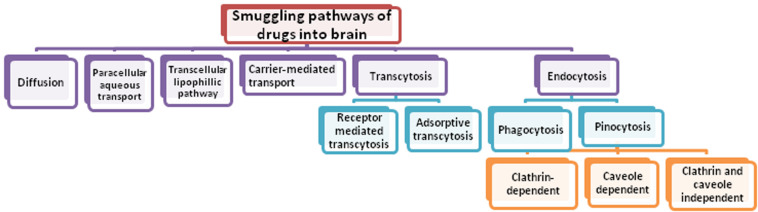
- Nanocarriers are proposed to cross the BBB/BCSFB via mechanisms including endocytosis/transcytosis, P-gp efflux inhibition, tight-junction permeation, and surfactant-mediated membrane effects; the review cites nanocarrier size ranges such as micelles 10–100 nm, polymeric nanoparticles 10–100 nm, liposomes 10–1000 nm depending on type, and nanoemulsions 100–500 nm.
- Disease-specific applications include curcumin nanoformulations for AD/PD/HD/stroke, NGF-loaded nanoparticles, edaravone lipid nanosystems, and nanocarriers for brain tumors and epilepsy; for stroke, the review states ischemic stroke contributes 87% of total stroke and hemorrhagic stroke 13% (10% intracerebral, 3% hemorrhagic).
- Reported quantitative examples include NanoCurc at 25 mg/kg intraperitoneally twice daily in athymic mice, curcumin-loaded polysorbate 80-modified cerasomes at 15 mg curcumin/kg in a PD mouse model, xenon-loaded liposomes at 7–14 mg/kg reducing infarct size in a rat stroke model, and nitrendipine-associated dementia reduction up to 50% over 2 years in HD.
- The global burden context cited is that in 2016 neurological disorders were the leading cause of DALYs [276 million (95% UI 247–308)] and the second leading cause of deaths [9.0 million (8.8–9.4)].
Methods
- Narrative review; no primary experiments or systematic review/meta-analysis are described.
- Synthesizes published literature on nanocarrier systems for CNS drug delivery, including tables of FDA-approved nanoformulated drugs, pharmacokinetic/biopharmaceutical properties, safety profiles, and disease-specific applications.
- Main analysis is descriptive: compares nanocarrier types, proposed mechanisms of BBB crossing, and preclinical/clinical outcomes for neuroprotective agents such as curcumin, nerve growth factors, and edaravone.
Limitations
- Stated: insufficient data exist to prove nanomedicines are better than conventional neurotherapeutics; nanocarriers may cause oxidative stress, amino acid disturbance, BBB disruption, neuroinflammation, excitotoxicity, DNA damage, and allergic responses.
- Stated: clinical translation is limited by unclear fate of nanocarriers, systemic toxicity, biocompatibility, RES elimination, aggregation, limited drug loading, and high clearance; more toxicology, mechanism, pharmacokinetic, and non-invasive route studies are needed.
- Evident: as a narrative review, it lacks a systematic search strategy or formal quality assessment and relies heavily on cited preclinical studies, so efficacy and safety claims are not independently validated by primary data in this paper.
Model-written summary. Check it against the paper before relying on it.
Integrity signals
Registry
Cites
Statistics
Figures
Verification
Claims the paper makes
174 Not checked yet · 20 Own interpretation · 20 No basis given
None of the sources cited for this claim have been checked yet.
In the paper
“Nanocarrier based brain targeted delivery can be accomplished via receptor-mediated, transporter-mediated and pharmacological disruption of BBB.”
§ Nanotechnology: A Promising Approach for Delivery of Neuroprotective Drugs > Introduction
What the sources say
plaindirect- Asserted: passes — The authors put it forward as true.
- Checkable: passes — It can be checked against evidence.
- Load-bearing: passes — The paper’s conclusions depend on it.
- Based: passes — The paper gives a reason why it holds.
None of the sources cited for this claim have been checked yet.
In the paper
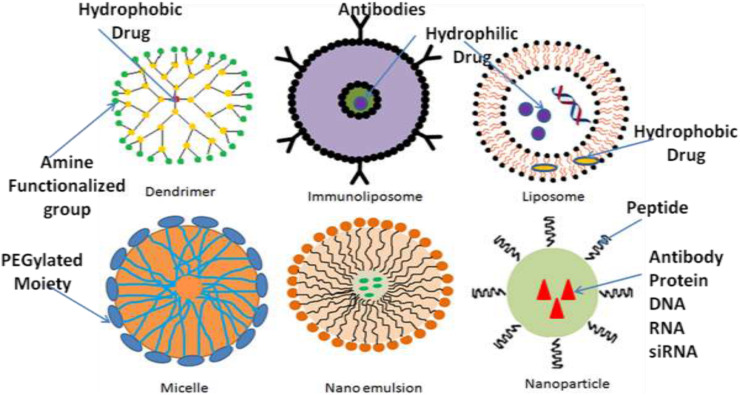
“Various nanodrug system such as polymers, micelles, liposomes, dendrimers, nanocrystals, SLNPs have been used to improve efficacy, safety physiological properties pharmacokinetics, and pharmacodynamics of drugs (Figure 2) (Shegokar and Müller, 2010; Chan and Kwok, 2011; Gao et al., 2012; Thomas et al., 2013).”
§ Nanotechnology: A Promising Approach for Delivery of Neuroprotective Drugs > Introduction
What the sources say
- Not checked yetcites Shegokar and Müller, 2010
- Not checked yetcites Chan and Kwok, 2011
- Not checked yetcites Gao et al., 2012 source
plaindirect- Asserted: passes — The authors put it forward as true.
- Checkable: passes — It can be checked against evidence.
- Load-bearing: unclear — It is unclear whether the paper’s conclusions depend on it.
- Based: passes — The paper gives a reason why it holds.
A conclusion the paper draws from its own results — it cites no other source for it, so there is none to check. The quote shows it is in the paper.
In the paper
“Nanotechnology-based approaches for site-specific delivery of therapeutics and other compounds across the BBB may potentially be engineered to carry out particular functions as needed.”
§ Nanotechnology: A Promising Approach for Delivery of Neuroprotective Drugs > Nano Approaches Toward CNS Drug Delivery
hedgedconditional- Asserted: passes — The authors put it forward as true.
- Checkable: passes — It can be checked against evidence.
- Load-bearing: passes — The paper’s conclusions depend on it.
- Based: passes — The paper gives a reason why it holds.
In the paper
“ATP-binding cassette (ABC) transporters present over the endothelial cells and restrict the therapeutic drug entry also along with neurotoxic agents/metabolites/hormones/mediators.”
§ Nanotechnology: A Promising Approach for Delivery of Neuroprotective Drugs > Introduction
What the sources say
- Not checked yetcites Alyautdin et al., 2014 source
plaindirect- Asserted: passes — The authors put it forward as true.
- Checkable: passes — It can be checked against evidence.
- Load-bearing: passes — The paper’s conclusions depend on it.
- Based: passes — The paper gives a reason why it holds.
The paper states this without a source or data behind it here, so there is nothing to check it against. The quote shows it is in the paper.
In the paper
“The size, surface area, surface charge and morphology of nanocarriers have a remarkable impact on their passage across CNS barriers.”
§ Nanotechnology: A Promising Approach for Delivery of Neuroprotective Drugs > Introduction
boosteddirect- Asserted: passes — The authors put it forward as true.
- Checkable: passes — It can be checked against evidence.
- Load-bearing: passes — The paper’s conclusions depend on it.
- Based: unclear — It is unclear why the paper says it holds.
None of the sources cited for this claim have been checked yet.
In the paper
“A wide range of pharmaceutical nanocarriers including liposomes, PNPs, SLNs, micelles, dendrimers, and some others have been developed (Rajadhyaksha et al., 2011; Wong et al., 2012; Ozkizilcik et al., 2017).”
§ Nanotechnology: A Promising Approach for Delivery of Neuroprotective Drugs > Nano Approaches Toward CNS Drug Delivery
What the sources say
plain- Asserted: passes — The authors put it forward as true.
- Checkable: passes — It can be checked against evidence.
- Load-bearing: unclear — It is unclear whether the paper’s conclusions depend on it.
- Based: passes — The paper gives a reason why it holds.
In the paper
“The average size of human cells is 10–20 μm, where as the minimal diameter of blood capillaries are 6–9 μm, due to their nano size ranges nanomaterials get easily transported and internalizes by brain capillary endothelial cells via endocytosis and transcytosis mechanism of transport (Vilella et al., 2014).”
§ Nanotechnology: A Promising Approach for Delivery of Neuroprotective Drugs > Introduction
What the sources say
- Not checked yetcites Vilella et al., 2014 source
plaindirect- Asserted: passes — The authors put it forward as true.
- Checkable: passes — It can be checked against evidence.
- Load-bearing: passes — The paper’s conclusions depend on it.
- Based: passes — The paper gives a reason why it holds.
In the paper
“In the last few decades, nanomedicines have shown great potential toward CNS drug delivery owing to its nanosize range, their unique physic-chemical properties and ability to exploit surface engineered biocompatible and biodegradable nanomaterials (Kaur et al., 2008).”
§ Nanotechnology: A Promising Approach for Delivery of Neuroprotective Drugs > Nano Approaches Toward CNS Drug Delivery
What the sources say
- Not checked yetcites Kaur et al., 2008 source
plaindirect- Asserted: passes — The authors put it forward as true.
- Checkable: passes — It can be checked against evidence.
- Load-bearing: passes — The paper’s conclusions depend on it.
- Based: passes — The paper gives a reason why it holds.
In the paper
“Also the presence of Tight junctions (TJ) in endothelial membranes creates high transendothelial electrical resistance (TEER) (>1000 W cm2) in cerebral microcapillaries (Gloor et al., 2001).”
§ Nanotechnology: A Promising Approach for Delivery of Neuroprotective Drugs > Introduction
What the sources say
- Not checked yetcites Gloor et al., 2001 source
plaindirect- Asserted: passes — The authors put it forward as true.
- Checkable: passes — It can be checked against evidence.
- Load-bearing: passes — The paper’s conclusions depend on it.
- Based: passes — The paper gives a reason why it holds.
None of the sources cited for this claim have been checked yet.
In the paper
“One of the most common challenge is the difficulty in delivering agents such as drugs, nucleic acids, proteins, imaging agents and other macromolecules to the CNS across the peripheral barriers, namely blood-brain barrier (BBB) and blood-cerebrospinal fluid barrier (BCSFB), particularly the BBB (Pathan et al., 2009; Wong et al., 2012).”
§ Nanotechnology: A Promising Approach for Delivery of Neuroprotective Drugs > Introduction
What the sources say
plaindirect- Asserted: passes — The authors put it forward as true.
- Checkable: passes — It can be checked against evidence.
- Load-bearing: passes — The paper’s conclusions depend on it.
- Based: passes — The paper gives a reason why it holds.
- It may state two separate claims as one. 111
- Probably not a substantial claim. 39
- The quote only partly states this claim. 2
None of the sources cited for this claim have been checked yet.
In the paper
“Among these methods, nanotechnology-based drug delivery is a quite new as compare to conventional methods and promising approach in the field of neuro disorders, as nanocarriers have been proved efficacious in effectively traversing the BBB or BCSFB and thus effectively delivering drugs within the CNS to the target site (Silva, 2005; Jain, 2007; Wong et al., 2012; Li et al., 2017).”
§ Nanotechnology: A Promising Approach for Delivery of Neuroprotective Drugs > Introduction
What the sources say
- Not checked yetcites Silva, 2005
- Not checked yetcites Jain, 2007
- Not checked yetcites Wong et al., 2012
boosteddirect- Asserted: passes — The authors put it forward as true.
- Checkable: passes — It can be checked against evidence.
- Load-bearing: passes — The paper’s conclusions depend on it.
- Based: passes — The paper gives a reason why it holds.
It may state two separate claims as one.
- Rests on an assumption: Results from preclinical models (mice, cell lines) are predictive of therapeutic outcomes in humans for CNS nanomedicines.
A conclusion the paper draws from its own results — it cites no other source for it, so there is none to check. The quote shows it is in the paper.
In the paper
“Targeted delivery of the drug is a promising approach to minimize the side effects of a therapeutic agent.”
§ Nanotechnology: A Promising Approach for Delivery of Neuroprotective Drugs > Introduction
plainconditional- Asserted: passes — The authors put it forward as true.
- Checkable: passes — It can be checked against evidence.
- Load-bearing: passes — The paper’s conclusions depend on it.
- Based: fails — The paper may give no reason why it holds.
Probably not a substantial claim. The paper may give no reason why it holds.
A conclusion the paper draws from its own results — it cites no other source for it, so there is none to check. The quote shows it is in the paper.
In the paper
“Although it is quite difficult to say which nanoparticulate drug delivery system is having more potential and safe among listed nanocarriers such as polymers, micelles, liposomes, dendrimers, nanocrystals, SLNPs, the size, shape, composition, surface charge, monomers molar ratio, solubility of drug, their physiochemical properties and further their release in different acidic and basic environment”
§ Nanotechnology: A Promising Approach for Delivery of Neuroprotective Drugs > Introduction
plaincorrelational- Asserted: passes — The authors put it forward as true.
- Checkable: passes — It can be checked against evidence.
- Load-bearing: fails — The paper’s conclusions may not depend on it.
- Based: fails — The paper may give no reason why it holds.
Probably not a substantial claim. The paper’s conclusions may not depend on it. The paper may give no reason why it holds.
In the paper
“Nanotechnology is an innovative, promising and cutting edge approach for delivering neurotherapeutics across BBB.”
§ Nanotechnology: A Promising Approach for Delivery of Neuroprotective Drugs > Nano Approaches Toward CNS Drug Delivery
What the sources say
- Not checked yetcites Kaur et al., 2008
plain- Asserted: passes — The authors put it forward as true.
- Checkable: fails — It may be too vague to check against evidence.
- Load-bearing: passes — The paper’s conclusions depend on it.
- Based: passes — The paper gives a reason why it holds.
Probably not a substantial claim. It may be too vague to check against evidence.
- Rests on an assumption: Results from preclinical models (mice, cell lines) are predictive of therapeutic outcomes in humans for CNS nanomedicines.
In the paper
“As compared to non-polymeric micelles, polymeric micelles are considered more stable having long duration of action and high biodistribution (Ozkizilcik et al., 2017).”
§ Nanotechnology: A Promising Approach for Delivery of Neuroprotective Drugs > Nano Approaches Toward CNS Drug Delivery > Micelles
What the sources say
- Not checked yetcites Ozkizilcik et al., 2017
plaindirect- Asserted: passes — The authors put it forward as true.
- Checkable: passes — It can be checked against evidence.
- Load-bearing: unclear — It is unclear whether the paper’s conclusions depend on it.
- Based: passes — The paper gives a reason why it holds.
It may state two separate claims as one.
In the paper
“The complexity of BBB, the existence of high levels of efflux transport proteins including P-glycoproteins (P-gp) and Multidrug Resistant Protein-1 (MRP-1), and the expression of metabolic enzymes limits the entry of drug inside the brain (Tajes et al., 2014).”
§ Nanotechnology: A Promising Approach for Delivery of Neuroprotective Drugs > Introduction
What the sources say
- Not checked yetcites Tajes et al., 2014
plaindirect- Asserted: passes — The authors put it forward as true.
- Checkable: passes — It can be checked against evidence.
- Load-bearing: passes — The paper’s conclusions depend on it.
- Based: passes — The paper gives a reason why it holds.
It may state two separate claims as one.
In the paper
“They have a core-shell structural design with size ranging from 10 to 100 nm consisting outer hydrophilic environment mostly made up of polyethylene glycol (PEG) and inner hydrophobic core synthesized by means of molecules such as polycaprolactone, polypropylene glycols, phospholipids, and fatty acids, thus they allow loading of hydrophobic drugs (Torchilin, 2007).”
§ Nanotechnology: A Promising Approach for Delivery of Neuroprotective Drugs > Nano Approaches Toward CNS Drug Delivery > Micelles
What the sources say
- Not checked yetcites Torchilin, 2007
plaindirect- Asserted: passes — The authors put it forward as true.
- Checkable: passes — It can be checked against evidence.
- Load-bearing: unclear — It is unclear whether the paper’s conclusions depend on it.
- Based: passes — The paper gives a reason why it holds.
It may state two separate claims as one.
None of the sources cited for this claim have been checked yet.
In the paper
“The current neurotherapeutics are associated with two major limitations i.e., before entering into brain cells they are pose to limited entry via BBB as insufficient entry in brain as well as of limited access to immune cells to brain (Misra et al., 2003; Nagpal et al., 2013).”
§ Nanotechnology: A Promising Approach for Delivery of Neuroprotective Drugs > Introduction
What the sources say
- Not checked yetcites Misra et al., 2003
- Not checked yetcites Nagpal et al., 2013
plaindirect- Asserted: passes — The authors put it forward as true.
- Checkable: passes — It can be checked against evidence.
- Load-bearing: passes — The paper’s conclusions depend on it.
- Based: passes — The paper gives a reason why it holds.
It may state two separate claims as one.
A conclusion the paper draws from its own results — it cites no other source for it, so there is none to check. The quote shows it is in the paper.
In the paper
“The selection of an appropriate nanocarrier system is a prerequisite for effective delivery of drug to CNS across BBB.”
§ Nanotechnology: A Promising Approach for Delivery of Neuroprotective Drugs > Introduction
plaindirect- Asserted: passes — The authors put it forward as true.
- Checkable: passes — It can be checked against evidence.
- Load-bearing: passes — The paper’s conclusions depend on it.
- Based: passes — The paper gives a reason why it holds.
Probably not a substantial claim.
In the paper
“The drug, the pharmacologically active component to be delivered, itself constitutes one part of the nanoengineered complex while remaining complex is intended to accomplish other key functions such as encapsulating the active drug protection against enzymatic degradation, drug release at specific pH, ability to cross the BBB, and targeting specific brain cells (Silva, 2008).”
§ Nanotechnology: A Promising Approach for Delivery of Neuroprotective Drugs > Nano Approaches Toward CNS Drug Delivery
What the sources say
- Not checked yetcites Silva, 2008
plain- Asserted: passes — The authors put it forward as true.
- Checkable: passes — It can be checked against evidence.
- Load-bearing: passes — The paper’s conclusions depend on it.
- Based: passes — The paper gives a reason why it holds.
It may state two separate claims as one.
None of the sources cited for this claim have been checked yet.
In the paper
“Decorating the delivery system with BBB receptor ligands, coupling antibodies, peptides or aptamers with BBB receptor ligand delivery system, and transporter ligands coupled micelle delivery are some of the approaches for nanocarriers based brain targeting (Guo et al., 2012; Gao et al., 2013).”
§ Nanotechnology: A Promising Approach for Delivery of Neuroprotective Drugs > Introduction
What the sources say
- Not checked yetcites Guo et al., 2012
- Not checked yetcites Gao et al., 2013
plain- Asserted: passes — The authors put it forward as true.
- Checkable: passes — It can be checked against evidence.
- Load-bearing: unclear — It is unclear whether the paper’s conclusions depend on it.
- Based: passes — The paper gives a reason why it holds.
It may state two separate claims as one.
In the paper
“Most of the drugs used in neural diseases are lipophilic in nature having molecular weight greater 400–500 Da and not able to cross the BBB in pharmacologically significant quantity (Fischer et al., 1998)”
§ Nanotechnology: A Promising Approach for Delivery of Neuroprotective Drugs > Introduction
What the sources say
- Not checked yetcites Fischer et al., 1998
plaindirect- Asserted: passes — The authors put it forward as true.
- Checkable: passes — It can be checked against evidence.
- Load-bearing: passes — The paper’s conclusions depend on it.
- Based: passes — The paper gives a reason why it holds.
It may state two separate claims as one.
In the paper
“SLNs are preferred more over PNPs due to numerous advantages such as low intrinsic cytotoxicity, physical stability, shielding of labile drugs from degradation, controlled release which provide them potentiality to be used as a brain drug delivery system, especially for brain tumors”
§ Nanotechnology: A Promising Approach for Delivery of Neuroprotective Drugs > Nano Approaches Toward CNS Drug Delivery > Solid-Lipid Nanoparticles
What the sources say
- Not checked yetcites Laquintana et al., 2009
plaindirect- Asserted: passes — The authors put it forward as true.
- Checkable: passes — It can be checked against evidence.
- Load-bearing: passes — The paper’s conclusions depend on it.
- Based: passes — The paper gives a reason why it holds.
It may state two separate claims as one.
In the paper
“They observed that transferring receptor mediated PLGA nanoparticles have better biodistribution in brain via intranasal administration and not affected by P-gP pump efflux enhacing functionalized nanoparticles concentration in the basolateral side after 24 h via receptor mediated endocytosis (Cayero-Otero et al., 2019).”
§ Nanotechnology: A Promising Approach for Delivery of Neuroprotective Drugs > Nano Approaches Toward CNS Drug Delivery > Polymeric Nanoparticles
What the sources say
- Not checked yetcites Cayero-Otero et al., 2019
plaindirect- Asserted: passes — The authors put it forward as true.
- Checkable: passes — It can be checked against evidence.
- Load-bearing: passes — The paper’s conclusions depend on it.
- Based: passes — The paper gives a reason why it holds.
It may state two separate claims as one.
In the paper
“They consists a core of dense polymer matrix to encapsulate the lipophillic drugs and a hydrophilic corona to provide steric stability to NPs.”
§ Nanotechnology: A Promising Approach for Delivery of Neuroprotective Drugs > Nano Approaches Toward CNS Drug Delivery > Polymeric Nanoparticles
What the sources say
- Not checked yetcites Sahoo et al., 2017
plaindirect- Asserted: passes — The authors put it forward as true.
- Checkable: passes — It can be checked against evidence.
- Load-bearing: unclear — It is unclear whether the paper’s conclusions depend on it.
- Based: passes — The paper gives a reason why it holds.
It may state two separate claims as one.
None of the sources cited for this claim have been checked yet.
In the paper
“These are small spherical vesicles composed of the hydrophilic compartment at the center enclosed by a single or multiple phospholipid bilayers due to which they morphologically resemble with the cell membrane and are used as a strategic approach for drug delivery, proteins and peptides (Martins et al., 2007; Wong et al., 2012; Ozkizilcik et al., 2017).”
§ Nanotechnology: A Promising Approach for Delivery of Neuroprotective Drugs > Nano Approaches Toward CNS Drug Delivery > Liposomes
What the sources say
- Not checked yetcites Martins et al., 2007
- Not checked yetcites Wong et al., 2012
- Not checked yetcites Ozkizilcik et al., 2017
plain- Asserted: passes — The authors put it forward as true.
- Checkable: passes — It can be checked against evidence.
- Load-bearing: fails — The paper’s conclusions may not depend on it.
- Based: passes — The paper gives a reason why it holds.
Probably not a substantial claim. The paper’s conclusions may not depend on it. It may state two separate claims as one.
None of the sources cited for this claim have been checked yet.
In the paper
“These are aqueous colloidal nanocarriers system which are composed of physiological lipid (triglycerides, fatty acids, steroids, and waxes, etc.), dispersed in water or in an aqueous surfactant solution and possess the ability to get solidify upon cooling”
§ Nanotechnology: A Promising Approach for Delivery of Neuroprotective Drugs > Nano Approaches Toward CNS Drug Delivery > Solid-Lipid Nanoparticles
What the sources say
- Not checked yetcites Barchet and Amiji, 2009
- Not checked yetcites Mukherjee et al., 2009
plain- Asserted: passes — The authors put it forward as true.
- Checkable: passes — It can be checked against evidence.
- Load-bearing: fails — The paper’s conclusions may not depend on it.
- Based: passes — The paper gives a reason why it holds.
Probably not a substantial claim. The paper’s conclusions may not depend on it.
In the paper
“This approach has also been used for delivery of small interfering RNA (siRNA) against epithelial growth factor receptor (EGFR) and demonstrated the knock-down of EGFR expression and increased survival of mice implanted intracranially with brain tumors (Pardridge, 2007).”
§ Nanotechnology: A Promising Approach for Delivery of Neuroprotective Drugs > Nano Approaches Toward CNS Drug Delivery > Liposomes
What the sources say
- Not checked yetcites Pardridge, 2007
boosteddirect- Asserted: passes — The authors put it forward as true.
- Checkable: passes — It can be checked against evidence.
- Load-bearing: unclear — It is unclear whether the paper’s conclusions depend on it.
- Based: passes — The paper gives a reason why it holds.
It may state two separate claims as one.
None of the sources cited for this claim have been checked yet.
In the paper
“The residence time of these NPs in systemic circulation can be increased by the surface modification either with physical adsorption or covalent binding of hydrophilic polymers such as PEGs and polysaccharides, whereas the inclusion of tissue-specific ligands facilitates targeted delivery to the brain (Mohamed and Van Der Walle, 2008; Wilson et al., 2008).”
§ Nanotechnology: A Promising Approach for Delivery of Neuroprotective Drugs > Nano Approaches Toward CNS Drug Delivery > Polymeric Nanoparticles
What the sources say
- Not checked yetcites Mohamed and Van Der Walle, 2008 source
- Not checked yetcites Wilson et al., 2008
plaindirect- Asserted: passes — The authors put it forward as true.
- Checkable: passes — It can be checked against evidence.
- Load-bearing: passes — The paper’s conclusions depend on it.
- Based: passes — The paper gives a reason why it holds.
It may state two separate claims as one.
In the paper
“Liposomes are considered as the first generation of the novel colloidal nanocarriers which were successfully proven themselves as a drug carrier system in the 70’s (Bawarski et al., 2008).”
§ Nanotechnology: A Promising Approach for Delivery of Neuroprotective Drugs > Nano Approaches Toward CNS Drug Delivery > Liposomes
What the sources say
- Not checked yetcites Bawarski et al., 2008
plaindirect- Asserted: passes — The authors put it forward as true.
- Checkable: passes — It can be checked against evidence.
- Load-bearing: fails — The paper’s conclusions may not depend on it.
- Based: passes — The paper gives a reason why it holds.
Probably not a substantial claim. The paper’s conclusions may not depend on it.
In the paper
“In mice, the intravenous administration of these modified micelles after loading with a fluorescent dye or neuroleptic drug haloperidol, resulted in improved delivery of the fluorescent dye to the brain and drastic increase in the neuroleptic effect of haloperidol (Kabanov et al., 1989).”
§ Nanotechnology: A Promising Approach for Delivery of Neuroprotective Drugs > Nano Approaches Toward CNS Drug Delivery > Micelles
What the sources say
- Not checked yetcites Kabanov et al., 1989
plaindirect- Asserted: passes — The authors put it forward as true.
- Checkable: passes — It can be checked against evidence.
- Load-bearing: passes — The paper’s conclusions depend on it.
- Based: passes — The paper gives a reason why it holds.
It may state two separate claims as one.
None of the sources cited for this claim have been checked yet.
In the paper
“Modification of SLNs with PEG increases penetration to BBB and enhances drug delivery to the CNS as demonstrated by a comparative study of SLNs and PEG-modified SLNs loaded with antitumor drugs like camptothecin and doxorubicin”
§ Nanotechnology: A Promising Approach for Delivery of Neuroprotective Drugs > Nano Approaches Toward CNS Drug Delivery > Solid-Lipid Nanoparticles
What the sources say
- Not checked yetcites Blasi et al., 2007
- Not checked yetcites Wong et al., 2007
boosteddirect- Asserted: passes — The authors put it forward as true.
- Checkable: passes — It can be checked against evidence.
- Load-bearing: passes — The paper’s conclusions depend on it.
- Based: passes — The paper gives a reason why it holds.
It may state two separate claims as one.
In the paper
“The drug to be delivered may be encapsulated, adsorbed or chemically linked to the surface of the NPs (Sahoo et al., 2017).”
§ Nanotechnology: A Promising Approach for Delivery of Neuroprotective Drugs > Nano Approaches Toward CNS Drug Delivery > Polymeric Nanoparticles
What the sources say
- Not checked yetcites Sahoo et al., 2017
hedgedcorrelational- Asserted: passes — The authors put it forward as true.
- Checkable: passes — It can be checked against evidence.
- Load-bearing: unclear — It is unclear whether the paper’s conclusions depend on it.
- Based: passes — The paper gives a reason why it holds.
It may state two separate claims as one.
In the paper
“The class of pluronic (also known as Poloxamers) block copolymers is of particular interest as they have an ability to hinder drug efflux transporters, for instance, inhibition of P-gp efflux transporters widely expressed on BBB and enhance drug shipment to the CNS (Batrakova and Kabanov, 2008).”
§ Nanotechnology: A Promising Approach for Delivery of Neuroprotective Drugs > Nano Approaches Toward CNS Drug Delivery > Micelles
What the sources say
- Not checked yetcites Batrakova and Kabanov, 2008 source
plaindirect- Asserted: passes — The authors put it forward as true.
- Checkable: passes — It can be checked against evidence.
- Load-bearing: passes — The paper’s conclusions depend on it.
- Based: passes — The paper gives a reason why it holds.
It may state two separate claims as one.
In the paper
“These are reversible structures due to presence of non-covalent interactions such as van der walls forces and hydrogen bonding between molecules (Ramos-Cabrer and Campos, 2013).”
§ Nanotechnology: A Promising Approach for Delivery of Neuroprotective Drugs > Nano Approaches Toward CNS Drug Delivery > Liposomes
What the sources say
- Not checked yetcites Ramos-Cabrer and Campos, 2013
plaindirect- Asserted: passes — The authors put it forward as true.
- Checkable: passes — It can be checked against evidence.
- Load-bearing: fails — The paper’s conclusions may not depend on it.
- Based: passes — The paper gives a reason why it holds.
Probably not a substantial claim. The paper’s conclusions may not depend on it.
In the paper
“For instance, Zhang et al. (2012) studied transferrin-modified cyclo-(Arg-Gly-Asp-d-Phe-Lys)-Paclitaxel conjugate-loaded micelle and demonstrated the increased uptake by the brain microvascular endothelial cells in vitro in addition to the lengthened retention in glioma tumor in vivo and no considerable toxicity was noticed.”
§ Nanotechnology: A Promising Approach for Delivery of Neuroprotective Drugs > Nano Approaches Toward CNS Drug Delivery > Micelles
What the sources say
- Not checked yetcites Zhang et al., 2012
boosteddirect- Asserted: passes — The authors put it forward as true.
- Checkable: passes — It can be checked against evidence.
- Load-bearing: unclear — It is unclear whether the paper’s conclusions depend on it.
- Based: passes — The paper gives a reason why it holds.
It may state two separate claims as one.
In the paper
“Polymeric nanoparticles are solid colloidal dispersion of biodegradable and biocompatible polymers such as poly (alkylcyanoacrylate) (PACA), polyesters such as poly (lactide) (PLA), poly (D,L-lactide-co-glycolic acid) (PLGA), and several others such as natural proteins and polysaccharides with size range 10–100 nm (Kumari et al., 2010).”
§ Nanotechnology: A Promising Approach for Delivery of Neuroprotective Drugs > Nano Approaches Toward CNS Drug Delivery > Polymeric Nanoparticles
What the sources say
- Not checked yetcites Kumari et al., 2010
plain- Asserted: passes — The authors put it forward as true.
- Checkable: passes — It can be checked against evidence.
- Load-bearing: fails — The paper’s conclusions may not depend on it.
- Based: passes — The paper gives a reason why it holds.
Probably not a substantial claim. The paper’s conclusions may not depend on it.
In the paper
“It has been established that coating of poly (n-butylcyanoacrilate) (PBCA) NPs with 1% polysorbate 80 (PS80) amplified the concentration of rivastigmine or tacrine drug inside the brain as compared with free drug and selectively targeted to the CNS for AD reducing the hepatic or gastrointestinal side-effects coupled with conventional treatment approach (Wilson et al., 2008).”
§ Nanotechnology: A Promising Approach for Delivery of Neuroprotective Drugs > Nano Approaches Toward CNS Drug Delivery > Polymeric Nanoparticles
What the sources say
- Not checked yetcites Wilson et al., 2008
boosteddirect- Asserted: passes — The authors put it forward as true.
- Checkable: passes — It can be checked against evidence.
- Load-bearing: passes — The paper’s conclusions depend on it.
- Based: passes — The paper gives a reason why it holds.
It may state two separate claims as one.
In the paper
“The external hydrophilic shell provides stability to micelles in an aqueous environment and prolongs their circulation time in bloodstream, thus protecting it from reticulo-endothelial system (RES) and further facilitate their accumulation in specific region having leaky vasculature (Park et al., 2008).”
§ Nanotechnology: A Promising Approach for Delivery of Neuroprotective Drugs > Nano Approaches Toward CNS Drug Delivery > Micelles
What the sources say
- Not checked yetcites Park et al., 2008
plaindirect- Asserted: passes — The authors put it forward as true.
- Checkable: passes — It can be checked against evidence.
- Load-bearing: passes — The paper’s conclusions depend on it.
- Based: passes — The paper gives a reason why it holds.
It may state two separate claims as one.
A conclusion the paper draws from its own results — it cites no other source for it, so there is none to check. The quote shows it is in the paper.
In the paper
“The possible mechanism of their delivery across BBB may be endocytosis, transcytosis which takes place in the endothelial cells lining the blood capillaries in brain or permeation through the tight junctions between endothelial cells.”
§ Nanotechnology: A Promising Approach for Delivery of Neuroprotective Drugs > Nano Approaches Toward CNS Drug Delivery > Solid-Lipid Nanoparticles
hedgedconditional- Asserted: passes — The authors put it forward as true.
- Checkable: passes — It can be checked against evidence.
- Load-bearing: passes — The paper’s conclusions depend on it.
- Based: passes — The paper gives a reason why it holds.
It may state two separate claims as one.
In the paper
“Conjugation of prednisolone-loaded liposomes with mAbs that will be recognized by cell surface receptors in the targeted tissue called immunoliposomes, demonstrated further improvement in distribution of liposomes inside brain and high efficacy against experimental autoimmune encephalomyelitis (Schmidt et al., 2003).”
§ Nanotechnology: A Promising Approach for Delivery of Neuroprotective Drugs > Nano Approaches Toward CNS Drug Delivery > Liposomes
What the sources say
- Not checked yetcites Schmidt et al., 2003
boosteddirect- Asserted: passes — The authors put it forward as true.
- Checkable: passes — It can be checked against evidence.
- Load-bearing: passes — The paper’s conclusions depend on it.
- Based: passes — The paper gives a reason why it holds.
It may state two separate claims as one.
In the paper
“For instance, specific ligand transferrin (T7) and non-specific cell penetrating peptide (TAT) conjugated doxorubicin encapsulated liposomes demonstrated high availability across BBB and specific cell targeting to the brain glioma (Zong et al., 2014).”
§ Nanotechnology: A Promising Approach for Delivery of Neuroprotective Drugs > Nano Approaches Toward CNS Drug Delivery > Liposomes
What the sources say
- Not checked yetcites Zong et al., 2014
boosteddirect- Asserted: passes — The authors put it forward as true.
- Checkable: passes — It can be checked against evidence.
- Load-bearing: unclear — It is unclear whether the paper’s conclusions depend on it.
- Based: passes — The paper gives a reason why it holds.
It may state two separate claims as one.
None of the sources cited for this claim have been checked yet.
In the paper
“They have 3-D symmetrical architecture possessing an inner core from which a number of hyper-branches, known as “generations,” having various chemical functional groups at the peripheral terminal surface arise due to which they can be easily functionalized with different ligands”
§ Nanotechnology: A Promising Approach for Delivery of Neuroprotective Drugs > Nano Approaches Toward CNS Drug Delivery > Dendrimers
What the sources say
- Not checked yetcites Tripathy and Das, 2013
- Not checked yetcites Xu et al., 2013
- Not checked yetcites Leiro et al., 2018
plain- Asserted: passes — The authors put it forward as true.
- Checkable: passes — It can be checked against evidence.
- Load-bearing: fails — The paper’s conclusions may not depend on it.
- Based: passes — The paper gives a reason why it holds.
Probably not a substantial claim. The paper’s conclusions may not depend on it. It may state two separate claims as one.
In the paper
“Caveolae are flask-shaped plasma membrane invaginations and caveolin protein, present in three isoforms in mammalian cells: caveolin-1, caveolin-2, and caveolin-3 play a dominating role in this transportation pathway”
§ Nanotechnology: A Promising Approach for Delivery of Neuroprotective Drugs > Mechanism of Action of Drug Release
What the sources say
- Not checked yetcites Kou et al., 2013
plaindirect- Asserted: passes — The authors put it forward as true.
- Checkable: passes — It can be checked against evidence.
- Load-bearing: unclear — It is unclear whether the paper’s conclusions depend on it.
- Based: passes — The paper gives a reason why it holds.
It may state two separate claims as one.
None of the sources cited for this claim have been checked yet.
In the paper
“Three distinct steps are involved in overall transcytosis process: endocytosis of the nanocarrier at the plasma membrane, trafficking of intracellular vesicles toward the opposite surface followed by exocytosis”
§ Nanotechnology: A Promising Approach for Delivery of Neuroprotective Drugs > Mechanism of Action of Drug Release
What the sources say
- Not checked yetcites Rappoport, 2008
- Not checked yetcites Pardridge, 2012 source
- Not checked yetcites Georgieva et al., 2014
plain- Asserted: passes — The authors put it forward as true.
- Checkable: passes — It can be checked against evidence.
- Load-bearing: passes — The paper’s conclusions depend on it.
- Based: passes — The paper gives a reason why it holds.
It may state two separate claims as one.
None of the sources cited for this claim have been checked yet.
In the paper
“Surface charge like positive nature of the nanomaterials interacts with the negative surface charge of endothelial cells of brain, due to electrostatic interactions between carrier and cells, secondly lipophillic nature of nanocarriers also enhance and facilitates adsorption process”
§ Nanotechnology: A Promising Approach for Delivery of Neuroprotective Drugs > Mechanism of Action of Drug Release
What the sources say
- Not checked yetcites Markoutsa et al., 2011
- Not checked yetcites Lien et al., 2012
plaindirect- Asserted: passes — The authors put it forward as true.
- Checkable: passes — It can be checked against evidence.
- Load-bearing: passes — The paper’s conclusions depend on it.
- Based: passes — The paper gives a reason why it holds.
It may state two separate claims as one.
In the paper
“The adsorbed drug–carrier conjugates is endocytosized by the cells, at times followed by exocytosis, and further penetration of the nano carrier into the cells or brain parenchyma occurs.”
§ Nanotechnology: A Promising Approach for Delivery of Neuroprotective Drugs > Mechanism of Action of Drug Release
What the sources say
- Not checked yetcites Vilella et al., 2014
hedgeddirect- Asserted: passes — The authors put it forward as true.
- Checkable: passes — It can be checked against evidence.
- Load-bearing: passes — The paper’s conclusions depend on it.
- Based: passes — The paper gives a reason why it holds.
It may state two separate claims as one.
The paper states this without a source or data behind it here, so there is nothing to check it against. The quote shows it is in the paper.
In the paper
“Since the entry of foreign entities in CNS is strictly prohibited by BBB, only selective one gets access to the brain.”
§ Nanotechnology: A Promising Approach for Delivery of Neuroprotective Drugs > Mechanism of Action of Drug Release
plaindirect- Asserted: passes — The authors put it forward as true.
- Checkable: passes — It can be checked against evidence.
- Load-bearing: passes — The paper’s conclusions depend on it.
- Based: fails — The paper may give no reason why it holds.
Probably not a substantial claim. The paper may give no reason why it holds. It may state two separate claims as one.
A conclusion the paper draws from its own results — it cites no other source for it, so there is none to check. The quote shows it is in the paper.
In the paper
“Transcytosis process especially the receptor-mediated transcytosis across BBB is an attractive strategy to deliver drugs into CNS. It requires vector for the delivery of nanocarrier between the apical and basolateral surface in polarized cells.”
§ Nanotechnology: A Promising Approach for Delivery of Neuroprotective Drugs > Mechanism of Action of Drug Release
plain- Asserted: passes — The authors put it forward as true.
- Checkable: passes — It can be checked against evidence.
- Load-bearing: passes — The paper’s conclusions depend on it.
- Based: passes — The paper gives a reason why it holds.
It may state two separate claims as one.
None of the sources cited for this claim have been checked yet.
In the paper
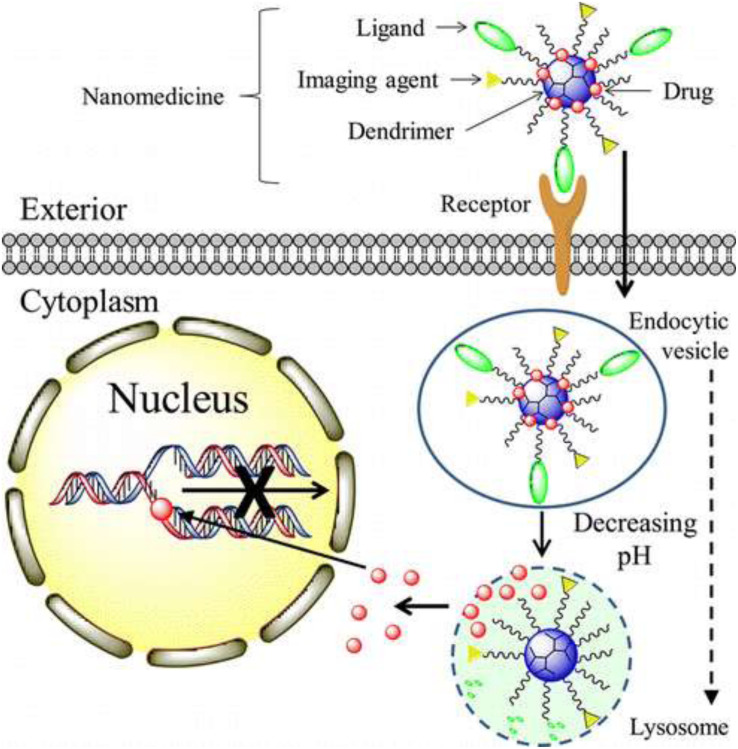
“As the nanocarrier binds with a specific receptor on the cell membrane, it triggers the polymerization of clathrin-1, a cytosolic protein underneath the plasma membrane forming an inward budding leading to the internalization of cargo”
§ Nanotechnology: A Promising Approach for Delivery of Neuroprotective Drugs > Mechanism of Action of Drug Release
What the sources say
- Not checked yetcites Rappoport, 2008
- Not checked yetcites Pucadyil and Schmid, 2009
- Not checked yetcites Mellman, 1992
plaindirect- Asserted: passes — The authors put it forward as true.
- Checkable: passes — It can be checked against evidence.
- Load-bearing: passes — The paper’s conclusions depend on it.
- Based: passes — The paper gives a reason why it holds.
It may state two separate claims as one.
In the paper
“they were tested it against AD and found their high ability to cross BBB with significant biocompatibility showing memory protection in transgenic mice model of Alzheimer disease via synapse protection”
§ Nanotechnology: A Promising Approach for Delivery of Neuroprotective Drugs > Nano Approaches Toward CNS Drug Delivery > Dendrimers
What the sources say
- Not checked yetcites Aso et al., 2019
plaindirect- Asserted: passes — The authors put it forward as true.
- Checkable: passes — It can be checked against evidence.
- Load-bearing: passes — The paper’s conclusions depend on it.
- Based: passes — The paper gives a reason why it holds.
It may state two separate claims as one.
In the paper
“cisaconityl linkage, an acid-sensitive linkage, in PAMAM-PEG-Doxorubicin (DOX) conjugates followed an acid-triggered release kinetics which gradually increases with increasing degree of PEGylation and simultaneously imparts following properties to the conjugates: reduced hepatic and splenic accumulation, prolonged circulation time, and enhanced tumor buildup”
§ Nanotechnology: A Promising Approach for Delivery of Neuroprotective Drugs > Nano Approaches Toward CNS Drug Delivery > Dendrimers
What the sources say
- Not checked yetcites Zhu et al., 2010a, b
plaindirect- Asserted: passes — The authors put it forward as true.
- Checkable: passes — It can be checked against evidence.
- Load-bearing: unclear — It is unclear whether the paper’s conclusions depend on it.
- Based: passes — The paper gives a reason why it holds.
It may state two separate claims as one.
The paper states this without a source or data behind it here, so there is nothing to check it against. The quote shows it is in the paper.
In the paper
“Besides delivery of therapeutic drugs, nanotechnology has also gained the interest of researchers for delivery of radiocontrast agents, imaging agents for diagnosis purpose.”
§ Nanotechnology: A Promising Approach for Delivery of Neuroprotective Drugs > Applications of Nanotechnology in CNS Disorders
plaincorrelational- Asserted: passes — The authors put it forward as true.
- Checkable: passes — It can be checked against evidence.
- Load-bearing: fails — The paper’s conclusions may not depend on it.
- Based: passes — The paper gives a reason why it holds.
Probably not a substantial claim. The paper’s conclusions may not depend on it.
The paper states this without a source or data behind it here, so there is nothing to check it against. The quote shows it is in the paper.
In the paper
“Molecules are nano-engineered so that they have an ability to traverse the BBB, target the specific cell or signaling pathway, act as a carrier for gene delivery.”
§ Nanotechnology: A Promising Approach for Delivery of Neuroprotective Drugs > Applications of Nanotechnology in CNS Disorders
plaindirect- Asserted: passes — The authors put it forward as true.
- Checkable: passes — It can be checked against evidence.
- Load-bearing: passes — The paper’s conclusions depend on it.
- Based: fails — The paper may give no reason why it holds.
Probably not a substantial claim. The paper may give no reason why it holds. It may state two separate claims as one.
In the paper
“The rapid uptake, decreases inflammatory cytokines and nitric oxide levels suggested that dendrimers formulation are having high efficacy as compare to free drug”
§ Nanotechnology: A Promising Approach for Delivery of Neuroprotective Drugs > Nano Approaches Toward CNS Drug Delivery > Dendrimers
What the sources say
- Not checked yetcites Sharma et al., 2017
hedgeddirect- Asserted: passes — The authors put it forward as true.
- Checkable: passes — It can be checked against evidence.
- Load-bearing: passes — The paper’s conclusions depend on it.
- Based: passes — The paper gives a reason why it holds.
It may state two separate claims as one.
In the paper
“This pathway is similar to the clathrin-mediated pathway in most of the aspects but there is possibility to escape lysosomal delivery which is a key factor that makes it different from the clathrin-mediated pathway”
§ Nanotechnology: A Promising Approach for Delivery of Neuroprotective Drugs > Mechanism of Action of Drug Release
What the sources say
- Not checked yetcites Mcintosh et al., 2002
hedgeddirect- Asserted: passes — The authors put it forward as true.
- Checkable: passes — It can be checked against evidence.
- Load-bearing: passes — The paper’s conclusions depend on it.
- Based: passes — The paper gives a reason why it holds.
It may state two separate claims as one.
In the paper
“fabrication of nanoemulsions with oils that are rich in omega-3 polyunsaturated fatty acids (PUFA) imparts specific properties to nanocarriers for overcoming biological barrier, including the BBB, therefore help in achieving the rapid distribution of drugs to peripheral sites, especially the brain”
§ Nanotechnology: A Promising Approach for Delivery of Neuroprotective Drugs > Nano Approaches Toward CNS Drug Delivery > Nanoemulsions
What the sources say
- Not checked yetcites Shah et al., 2013
plaindirect- Asserted: passes — The authors put it forward as true.
- Checkable: passes — It can be checked against evidence.
- Load-bearing: passes — The paper’s conclusions depend on it.
- Based: passes — The paper gives a reason why it holds.
It may state two separate claims as one.
In the paper
“Recently, their use as drug delivery system has been promoted heavily to tackle several problems associated with conventional delivery systems such as low bioavailability, poor targetability, and penetrability across BBB”
§ Nanotechnology: A Promising Approach for Delivery of Neuroprotective Drugs > Nano Approaches Toward CNS Drug Delivery > Nanoemulsions
What the sources say
- Not checked yetcites Lovelyn and Attama, 2011
plaindirect- Asserted: passes — The authors put it forward as true.
- Checkable: passes — It can be checked against evidence.
- Load-bearing: passes — The paper’s conclusions depend on it.
- Based: passes — The paper gives a reason why it holds.
It may state two separate claims as one.
None of the sources cited for this claim have been checked yet.
In the paper
“Nanoemulsions are either oil-in-water (O/W) or water-in-oil (W/O) colloidal particulate systems that are composed of edible oils, surface-active agents (surfactants) and water, having a size range 100–500 nm”
§ Nanotechnology: A Promising Approach for Delivery of Neuroprotective Drugs > Nano Approaches Toward CNS Drug Delivery > Nanoemulsions
What the sources say
- Not checked yetcites Sarker, 2005
- Not checked yetcites Lovelyn and Attama, 2011
plain- Asserted: passes — The authors put it forward as true.
- Checkable: passes — It can be checked against evidence.
- Load-bearing: fails — The paper’s conclusions may not depend on it.
- Based: passes — The paper gives a reason why it holds.
Probably not a substantial claim. The paper’s conclusions may not depend on it.
The paper states this without a source or data behind it here, so there is nothing to check it against. The quote shows it is in the paper.
In the paper
“They get entry into the brain either by passive, gradient-dependent (passive targeting) or active, energy-dependent (active targeting) pathways.”
§ Nanotechnology: A Promising Approach for Delivery of Neuroprotective Drugs > Mechanism of Action of Drug Release
plaindirect- Asserted: passes — The authors put it forward as true.
- Checkable: passes — It can be checked against evidence.
- Load-bearing: passes — The paper’s conclusions depend on it.
- Based: passes — The paper gives a reason why it holds.
It may state two separate claims as one.
In the paper
“pathology of PD is not just limited to a particular part of the brain but it involves various other regions of the brain, neurotransmitters such as imbalance in ACh and dopamine, and protein aggregates other than Lewy bodies”
§ Nanotechnology: A Promising Approach for Delivery of Neuroprotective Drugs > Applications of Nanotechnology in CNS Disorders > Parkinson’s Disease
What the sources say
- Not checked yetcites Kalia and Lang, 2015
plain- Asserted: passes — The authors put it forward as true.
- Checkable: passes — It can be checked against evidence.
- Load-bearing: unclear — It is unclear whether the paper’s conclusions depend on it.
- Based: passes — The paper gives a reason why it holds.
It may state two separate claims as one.
The paper states this without a source or data behind it here, so there is nothing to check it against. The quote shows it is in the paper.
In the paper
“The manifestations of PD involve motor symptoms like tremor, speech, writing changes and non-motor symptoms like cognitive, behavioral, and autonomic changes.”
§ Nanotechnology: A Promising Approach for Delivery of Neuroprotective Drugs > Applications of Nanotechnology in CNS Disorders > Parkinson’s Disease
plain- Asserted: passes — The authors put it forward as true.
- Checkable: passes — It can be checked against evidence.
- Load-bearing: fails — The paper’s conclusions may not depend on it.
- Based: passes — The paper gives a reason why it holds.
Probably not a substantial claim. The paper’s conclusions may not depend on it. It may state two separate claims as one.
In the paper
“It was demonstrated that PEG stabilized nanomicelles composed of phospholipids inhibit Aβ aggregation and attenuate Aβ-induced neurotoxicity in SHSY-5Y human neuroblastoma cell line in vitro”
§ Nanotechnology: A Promising Approach for Delivery of Neuroprotective Drugs > Applications of Nanotechnology in CNS Disorders > Alzheimer’s Disease
What the sources say
- Not checked yetcites Pai et al., 2006
boosteddirect- Asserted: passes — The authors put it forward as true.
- Checkable: passes — It can be checked against evidence.
- Load-bearing: passes — The paper’s conclusions depend on it.
- Based: passes — The paper gives a reason why it holds.
It may state two separate claims as one.
In the paper
“On the other hand ability of fullerene for neuroprotection, in vitro as well as in vivo, against Aβ toxicity has not been proved, yet its ability to inhibit Aβ peptide fibrillization and prevention of Aβ-induced cognitive impairments after intraventricular administration suggests its beneficial role in AD treatment”
§ Nanotechnology: A Promising Approach for Delivery of Neuroprotective Drugs > Applications of Nanotechnology in CNS Disorders > Alzheimer’s Disease
What the sources say
- Not checked yetcites Podolski et al., 2007
hedgedconditional- Asserted: passes — The authors put it forward as true.
- Checkable: passes — It can be checked against evidence.
- Load-bearing: passes — The paper’s conclusions depend on it.
- Based: passes — The paper gives a reason why it holds.
It may state two separate claims as one.
In the paper
“The prevalence rate of MS ranges 2–150 per 100,000 people and females are more susceptible than males”
§ Nanotechnology: A Promising Approach for Delivery of Neuroprotective Drugs > Applications of Nanotechnology in CNS Disorders > Multiple Sclerosis
What the sources say
- Not checked yetcites Jones et al., 2008
plaincorrelational- Asserted: passes — The authors put it forward as true.
- Checkable: passes — It can be checked against evidence.
- Load-bearing: fails — The paper’s conclusions may not depend on it.
- Based: passes — The paper gives a reason why it holds.
Probably not a substantial claim. The paper’s conclusions may not depend on it. It may state two separate claims as one.
The paper states this without a source or data behind it here, so there is nothing to check it against. The quote shows it is in the paper.
In the paper
“Multiple sclerosis (MS) is a progressive autoimmune and inflammatory disease. It is a multifactorial disease in which body’s immune cells attack on the nervous system.”
§ Nanotechnology: A Promising Approach for Delivery of Neuroprotective Drugs > Applications of Nanotechnology in CNS Disorders > Multiple Sclerosis
plaindirect- Asserted: passes — The authors put it forward as true.
- Checkable: passes — It can be checked against evidence.
- Load-bearing: fails — The paper’s conclusions may not depend on it.
- Based: passes — The paper gives a reason why it holds.
Probably not a substantial claim. The paper’s conclusions may not depend on it. It may state two separate claims as one.
The paper states this without a source or data behind it here, so there is nothing to check it against. The quote shows it is in the paper.
In the paper
“Nitrendipine is a calcium channel blocker that declines the incidences of dementia (upto 50%) in HD in a period of 2 years.”
§ Nanotechnology: A Promising Approach for Delivery of Neuroprotective Drugs > Applications of Nanotechnology in CNS Disorders > Huntington Disease
plaindirect- Asserted: passes — The authors put it forward as true.
- Checkable: passes — It can be checked against evidence.
- Load-bearing: fails — The paper’s conclusions may not depend on it.
- Based: fails — The paper may give no reason why it holds.
Probably not a substantial claim. The paper’s conclusions may not depend on it. The paper may give no reason why it holds.
The paper states this without a source or data behind it here, so there is nothing to check it against. The quote shows it is in the paper.
In the paper
“It involves various pathogenic mechanisms leading to demyelination of myelinated axons which results into slow conduction of nerve signal.”
§ Nanotechnology: A Promising Approach for Delivery of Neuroprotective Drugs > Applications of Nanotechnology in CNS Disorders > Multiple Sclerosis
plaindirect- Asserted: passes — The authors put it forward as true.
- Checkable: passes — It can be checked against evidence.
- Load-bearing: fails — The paper’s conclusions may not depend on it.
- Based: passes — The paper gives a reason why it holds.
Probably not a substantial claim. The paper’s conclusions may not depend on it. It may state two separate claims as one.
In the paper
“Alzheimer’s disease is a slowly progressive neurodegenerative disorder, and is the main culprit for dementia syndrome.”
§ Nanotechnology: A Promising Approach for Delivery of Neuroprotective Drugs > Applications of Nanotechnology in CNS Disorders > Alzheimer’s Disease
What the sources say
- Not checked yetcites Sloane et al., 2002
plaindirect- Asserted: passes — The authors put it forward as true.
- Checkable: passes — It can be checked against evidence.
- Load-bearing: fails — The paper’s conclusions may not depend on it.
- Based: passes — The paper gives a reason why it holds.
Probably not a substantial claim. The paper’s conclusions may not depend on it. It may state two separate claims as one.
In the paper
“The nanoliposomal formulation of curcumin enhanced its bioavailability without disturbing its ability of inhibiting Aβ aggregation”
§ Nanotechnology: A Promising Approach for Delivery of Neuroprotective Drugs > Applications of Nanotechnology in CNS Disorders > Alzheimer’s Disease
What the sources say
- Not checked yetcites Taylor et al., 2011
plaindirect- Asserted: passes — The authors put it forward as true.
- Checkable: passes — It can be checked against evidence.
- Load-bearing: passes — The paper’s conclusions depend on it.
- Based: passes — The paper gives a reason why it holds.
It may state two separate claims as one.
In the paper
“Brains of HD patients and mouse models of HD demonstrates accumulation of mutant HTT in striatal astrocytes which ultimately leads to age-dependent HD-like pathology and premature mortality”
§ Nanotechnology: A Promising Approach for Delivery of Neuroprotective Drugs > Applications of Nanotechnology in CNS Disorders > Huntington Disease
What the sources say
- Not checked yetcites Bradford et al., 2009
boosteddirect- Asserted: passes — The authors put it forward as true.
- Checkable: passes — It can be checked against evidence.
- Load-bearing: unclear — It is unclear whether the paper’s conclusions depend on it.
- Based: passes — The paper gives a reason why it holds.
It may state two separate claims as one.
In the paper
“It is diagnosed on the basis of clinical findings, magnetic resonance imaging (MRI) and examination of Cerebrospinal fluid (CSF)”
§ Nanotechnology: A Promising Approach for Delivery of Neuroprotective Drugs > Applications of Nanotechnology in CNS Disorders > Multiple Sclerosis
What the sources say
- Not checked yetcites Khare et al., 2014
plain- Asserted: passes — The authors put it forward as true.
- Checkable: passes — It can be checked against evidence.
- Load-bearing: fails — The paper’s conclusions may not depend on it.
- Based: passes — The paper gives a reason why it holds.
Probably not a substantial claim. The paper’s conclusions may not depend on it.
In the paper
“Since the increased level of metal ions, such as copper, also contributes in the pathology of AD, use of chelating agents is another approach for AD management”
§ Nanotechnology: A Promising Approach for Delivery of Neuroprotective Drugs > Applications of Nanotechnology in CNS Disorders > Alzheimer’s Disease
What the sources say
- Not checked yetcites Lovell et al., 1998
plaindirect- Asserted: passes — The authors put it forward as true.
- Checkable: passes — It can be checked against evidence.
- Load-bearing: passes — The paper’s conclusions depend on it.
- Based: passes — The paper gives a reason why it holds.
It may state two separate claims as one.
In the paper
“The PEG and polyethyleimine nanogels complexes with antisense oligonucleotides demonstrated the efficient crossing of BBB in vitro and also delivered the oligonucleotides to the brain, when injected intravenously, more efficaciously particularly when the gels were functionalized with insulin or Tf molecules”
§ Nanotechnology: A Promising Approach for Delivery of Neuroprotective Drugs > Applications of Nanotechnology in CNS Disorders > Parkinson’s Disease
What the sources say
- Not checked yetcites Vinogradov et al., 2004
boosteddirect- Asserted: passes — The authors put it forward as true.
- Checkable: passes — It can be checked against evidence.
- Load-bearing: passes — The paper’s conclusions depend on it.
- Based: passes — The paper gives a reason why it holds.
It may state two separate claims as one.
In the paper
“Microemulsion nanoparticles loaded with copper chelator d-penicillamine were found to have capability of crossing the BBB and dissolving the pre-existing Aβ aggregates in vitro”
§ Nanotechnology: A Promising Approach for Delivery of Neuroprotective Drugs > Applications of Nanotechnology in CNS Disorders > Alzheimer’s Disease
What the sources say
- Not checked yetcites Cui et al., 2005
plaindirect- Asserted: passes — The authors put it forward as true.
- Checkable: passes — It can be checked against evidence.
- Load-bearing: passes — The paper’s conclusions depend on it.
- Based: passes — The paper gives a reason why it holds.
It may state two separate claims as one.
The paper states this without a source or data behind it here, so there is nothing to check it against. The quote shows it is in the paper.
In the paper
“The degeneration of nervous tissue in AD starts years back of the actual appearance of the symptoms of the disease.”
§ Nanotechnology: A Promising Approach for Delivery of Neuroprotective Drugs > Applications of Nanotechnology in CNS Disorders > Alzheimer’s Disease
plain- Asserted: passes — The authors put it forward as true.
- Checkable: passes — It can be checked against evidence.
- Load-bearing: fails — The paper’s conclusions may not depend on it.
- Based: fails — The paper may give no reason why it holds.
Probably not a substantial claim. The paper’s conclusions may not depend on it. The paper may give no reason why it holds.
The paper states this without a source or data behind it here, so there is nothing to check it against. The quote shows it is in the paper.
In the paper
“Being hydrophilic, this drug has permeability issues and thus poorly crosses BBB.”
§ Nanotechnology: A Promising Approach for Delivery of Neuroprotective Drugs > Applications of Nanotechnology in CNS Disorders > Huntington Disease
plaindirect- Asserted: passes — The authors put it forward as true.
- Checkable: passes — It can be checked against evidence.
- Load-bearing: passes — The paper’s conclusions depend on it.
- Based: passes — The paper gives a reason why it holds.
It may state two separate claims as one.
In the paper
“Parkinson’s disease, illustrated by loss of dopaminergic neurons in the substantia nigra of the midbrain and the generation of α-synuclein aggregates (Lewy bodies), is the next most common neurodegenerative disorder worldwide after AD.”
§ Nanotechnology: A Promising Approach for Delivery of Neuroprotective Drugs > Applications of Nanotechnology in CNS Disorders > Parkinson’s Disease
What the sources say
- Not checked yetcites Kalia and Lang, 2015
plain- Asserted: passes — The authors put it forward as true.
- Checkable: passes — It can be checked against evidence.
- Load-bearing: fails — The paper’s conclusions may not depend on it.
- Based: passes — The paper gives a reason why it holds.
Probably not a substantial claim. The paper’s conclusions may not depend on it. It may state two separate claims as one.
In the paper
“mPEG PLGA nanoparticles of size range 70 nm i.e., Schisantherin A (SA) was used against Parkinson diseases (PD) in zebrafish larvae where SA encapsuled in nanoparticles formulation that extended SA circulation in the blood stream and consequently an increased brain uptake and reported as potentially efficacious for the treatment of PD”
§ Nanotechnology: A Promising Approach for Delivery of Neuroprotective Drugs > Applications of Nanotechnology in CNS Disorders > Parkinson’s Disease
What the sources say
- Not checked yetcites Chen et al., 2017
plaindirect- Asserted: passes — The authors put it forward as true.
- Checkable: passes — It can be checked against evidence.
- Load-bearing: passes — The paper’s conclusions depend on it.
- Based: passes — The paper gives a reason why it holds.
It may state two separate claims as one.
None of the sources cited for this claim have been checked yet.
In the paper
“This problem can be addressed by the nanotechnological approach, as it has shown great potential to reverse or limit the disease states, promote the functional regeneration of damaged neurons, provide neuroprotection and facilitate the delivery of drugs overcoming the BBB”
§ Nanotechnology: A Promising Approach for Delivery of Neuroprotective Drugs > Applications of Nanotechnology in CNS Disorders > Parkinson’s Disease
What the sources say
- Not checked yetcites Modi et al., 2010
- Not checked yetcites Soursou et al., 2015
plaindirect- Asserted: passes — The authors put it forward as true.
- Checkable: passes — It can be checked against evidence.
- Load-bearing: passes — The paper’s conclusions depend on it.
- Based: passes — The paper gives a reason why it holds.
It may state two separate claims as one.
The paper states this without a source or data behind it here, so there is nothing to check it against. The quote shows it is in the paper.
In the paper
“Oxidative damage, another key factor in the pathology of AD, suggests the applications of antioxidants in AD management.”
§ Nanotechnology: A Promising Approach for Delivery of Neuroprotective Drugs > Applications of Nanotechnology in CNS Disorders > Alzheimer’s Disease
hedgeddirect- Asserted: passes — The authors put it forward as true.
- Checkable: passes — It can be checked against evidence.
- Load-bearing: passes — The paper’s conclusions depend on it.
- Based: passes — The paper gives a reason why it holds.
It may state two separate claims as one.
In the paper
“Fullerene derivatives, the potent free-radical scavengers, have been found to possess neuroprotective action against glutamate receptors induced excitotoxicity.”
§ Nanotechnology: A Promising Approach for Delivery of Neuroprotective Drugs > Applications of Nanotechnology in CNS Disorders > Alzheimer’s Disease
What the sources say
- Not checked yetcites Podolski et al., 2007
plaindirect- Asserted: passes — The authors put it forward as true.
- Checkable: passes — It can be checked against evidence.
- Load-bearing: passes — The paper’s conclusions depend on it.
- Based: passes — The paper gives a reason why it holds.
It may state two separate claims as one.
None of the sources cited for this claim have been checked yet.
In the paper
“There are evidences which suggest mutual interplay of microglial, astrocyte and T-cells beside demyelination”
§ Nanotechnology: A Promising Approach for Delivery of Neuroprotective Drugs > Applications of Nanotechnology in CNS Disorders > Multiple Sclerosis
What the sources say
- Not checked yetcites Khare et al., 2014
- Not checked yetcites Ojha and Kumar, 2018
hedgedcorrelational- Asserted: passes — The authors put it forward as true.
- Checkable: passes — It can be checked against evidence.
- Load-bearing: fails — The paper’s conclusions may not depend on it.
- Based: passes — The paper gives a reason why it holds.
Probably not a substantial claim. The paper’s conclusions may not depend on it.
A conclusion the paper draws from its own results — it cites no other source for it, so there is none to check. The quote shows it is in the paper.
In the paper
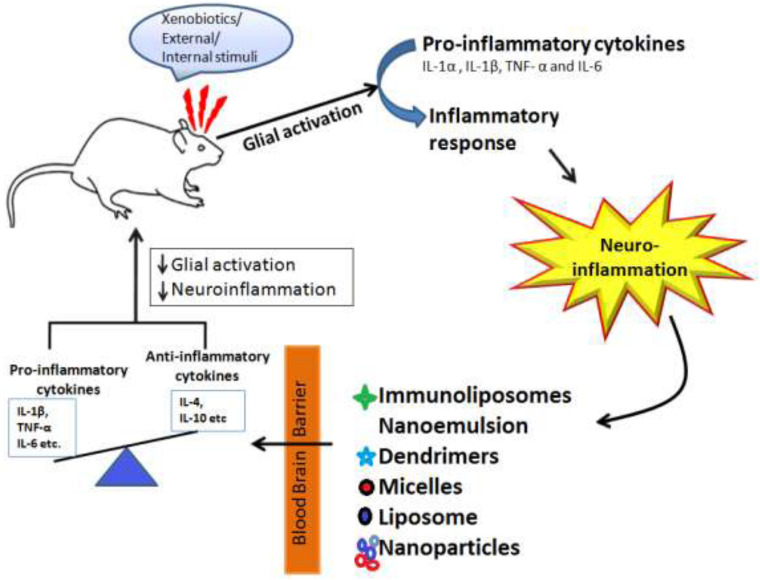
“when an external stumuli or in diseased conditions glial activation occurs which leads to neuroinflammation and leads to imbalance between pro-inflammatory and (IL-1β, TNF-α, and IL-6) and anti-inflammatory cytokines (IL-4, IL-10, etc.), here the authors are showing through schematic representation that drugs loaded with nanoformulations such as immunoliposomes, dendrimers, micelles, liposomes, a”
§ Nanotechnology: A Promising Approach for Delivery of Neuroprotective Drugs > Applications of Nanotechnology in CNS Disorders
plaindirect- Asserted: passes — The authors put it forward as true.
- Checkable: passes — It can be checked against evidence.
- Load-bearing: passes — The paper’s conclusions depend on it.
- Based: passes — The paper gives a reason why it holds.
It may state two separate claims as one.
In the paper
“It occurs due to monogenic mutation in the exon 1 of huntingtin gene which leads to polyglutamine (poly Q) expansion and causes misfolding and aggregation of huntingtin protein (HTT) in the brain”
§ Nanotechnology: A Promising Approach for Delivery of Neuroprotective Drugs > Applications of Nanotechnology in CNS Disorders > Huntington Disease
What the sources say
- Not checked yetcites Bates et al., 2015 source
plaindirect- Asserted: passes — The authors put it forward as true.
- Checkable: passes — It can be checked against evidence.
- Load-bearing: unclear — It is unclear whether the paper’s conclusions depend on it.
- Based: passes — The paper gives a reason why it holds.
It may state two separate claims as one.
In the paper
“Amyloid-β plaques and Tau protein hyper-phosphorylation are considered as hallmarks of AD”
§ Nanotechnology: A Promising Approach for Delivery of Neuroprotective Drugs > Applications of Nanotechnology in CNS Disorders > Alzheimer’s Disease
What the sources say
- Not checked yetcites Kumar and Singh, 2015 source
plaincorrelational- Asserted: passes — The authors put it forward as true.
- Checkable: passes — It can be checked against evidence.
- Load-bearing: fails — The paper’s conclusions may not depend on it.
- Based: passes — The paper gives a reason why it holds.
Probably not a substantial claim. The paper’s conclusions may not depend on it. It may state two separate claims as one.
The paper states this without a source or data behind it here, so there is nothing to check it against. The quote shows it is in the paper.
In the paper
“Fullerenols have ability to clear free radicals and reduce oxidative burden to cell.”
§ Nanotechnology: A Promising Approach for Delivery of Neuroprotective Drugs > Applications of Nanotechnology in CNS Disorders > Huntington Disease
plaindirect- Asserted: passes — The authors put it forward as true.
- Checkable: passes — It can be checked against evidence.
- Load-bearing: passes — The paper’s conclusions depend on it.
- Based: passes — The paper gives a reason why it holds.
It may state two separate claims as one.
The paper states this without a source or data behind it here, so there is nothing to check it against. The quote shows it is in the paper.
In the paper
“Huntington disease (HD) is described by preferential loss of neurons in striatum and other brain regions leading to progressive motor, cognitive, and psychiatric manifestations.”
§ Nanotechnology: A Promising Approach for Delivery of Neuroprotective Drugs > Applications of Nanotechnology in CNS Disorders > Huntington Disease
plaindirect- Asserted: passes — The authors put it forward as true.
- Checkable: passes — It can be checked against evidence.
- Load-bearing: fails — The paper’s conclusions may not depend on it.
- Based: passes — The paper gives a reason why it holds.
Probably not a substantial claim. The paper’s conclusions may not depend on it.
In the paper
“The in vitro study demonstrated the ability of phytochemical curcumin to reduce Aβ oligomerization and cytotoxicity, but poor bioavailability was shown when injected into mice”
§ Nanotechnology: A Promising Approach for Delivery of Neuroprotective Drugs > Applications of Nanotechnology in CNS Disorders > Alzheimer’s Disease
What the sources say
- Not checked yetcites Yang et al., 2005 source
boosteddirect- Asserted: passes — The authors put it forward as true.
- Checkable: passes — It can be checked against evidence.
- Load-bearing: passes — The paper’s conclusions depend on it.
- Based: passes — The paper gives a reason why it holds.
It may state two separate claims as one.
In the paper
“The conventional gene delivery studies involve viral vectors, but they were commonly associated with toxicity and immunogenicity problems while nanotechnological approach was found to be devoid of such type of problems”
§ Nanotechnology: A Promising Approach for Delivery of Neuroprotective Drugs > Applications of Nanotechnology in CNS Disorders > Parkinson’s Disease
What the sources say
- Not checked yetcites Witt and Marks, 2011
plaincorrelational- Asserted: passes — The authors put it forward as true.
- Checkable: passes — It can be checked against evidence.
- Load-bearing: passes — The paper’s conclusions depend on it.
- Based: passes — The paper gives a reason why it holds.
It may state two separate claims as one.
In the paper
“Jin et al reported their antagonistic behavior on glutamate receptors and therefore they can be implicated for neuroprotective use”
§ Nanotechnology: A Promising Approach for Delivery of Neuroprotective Drugs > Applications of Nanotechnology in CNS Disorders > Huntington Disease
What the sources say
- Not checked yetcites Jin et al., 2000
plaindirect- Asserted: passes — The authors put it forward as true.
- Checkable: passes — It can be checked against evidence.
- Load-bearing: passes — The paper’s conclusions depend on it.
- Based: passes — The paper gives a reason why it holds.
It may state two separate claims as one.
None of the sources cited for this claim have been checked yet.
In the paper
“They are among the most challenging disease to treat due to poor prognosis, diagnosis, high recurrence rate, and availability of limited number of convenient methods to transport anti-cancer drugs across BBB in effective concentration”
§ Nanotechnology: A Promising Approach for Delivery of Neuroprotective Drugs > Applications of Nanotechnology in CNS Disorders > Tumor
What the sources say
- Not checked yetcites Sanai and Berger, 2008
- Not checked yetcites Özdemir et al., 2017
plaindirect- Asserted: passes — The authors put it forward as true.
- Checkable: passes — It can be checked against evidence.
- Load-bearing: passes — The paper’s conclusions depend on it.
- Based: passes — The paper gives a reason why it holds.
It may state two separate claims as one.
None of the sources cited for this claim have been checked yet.
In the paper
“Brain tumors, like other body parts tumors, may be benign, originating and residing within the brain, or metastatic, originating from a tumor outside the CNS, among which glioblastoma multiforme (GBM) – a malignant glioma, is the most prevalent.”
§ Nanotechnology: A Promising Approach for Delivery of Neuroprotective Drugs > Applications of Nanotechnology in CNS Disorders > Tumor
What the sources say
- Not checked yetcites Sanai and Berger, 2008
- Not checked yetcites Özdemir et al., 2017
plain- Asserted: passes — The authors put it forward as true.
- Checkable: passes — It can be checked against evidence.
- Load-bearing: fails — The paper’s conclusions may not depend on it.
- Based: passes — The paper gives a reason why it holds.
Probably not a substantial claim. The paper’s conclusions may not depend on it. It may state two separate claims as one.
In the paper
“Current treatments available are just palliative, involving united approaches of surgical debulking with radiotherapy and chemotherapy, which are not sufficient for the complete treatment, and also the reversal to the tumor state again is most common”
§ Nanotechnology: A Promising Approach for Delivery of Neuroprotective Drugs > Applications of Nanotechnology in CNS Disorders > Tumor
What the sources say
- Not checked yetcites Özdemir et al., 2017
plain- Asserted: passes — The authors put it forward as true.
- Checkable: passes — It can be checked against evidence.
- Load-bearing: passes — The paper’s conclusions depend on it.
- Based: passes — The paper gives a reason why it holds.
It may state two separate claims as one.
The paper states this without a source or data behind it here, so there is nothing to check it against. The quote shows it is in the paper.
In the paper
“For imaging purpose, NPs as contrast agents offer detailed cellular and molecular imaging and thus provide information for efficient surgical removal of gliomas.”
§ Nanotechnology: A Promising Approach for Delivery of Neuroprotective Drugs > Applications of Nanotechnology in CNS Disorders > Tumor
plaindirect- Asserted: passes — The authors put it forward as true.
- Checkable: passes — It can be checked against evidence.
- Load-bearing: unclear — It is unclear whether the paper’s conclusions depend on it.
- Based: passes — The paper gives a reason why it holds.
It may state two separate claims as one.
None of the sources cited for this claim have been checked yet.
In the paper
“Fullerenols, hydroxyl functional group possessing fullerene derivatives, have been demonstrated to act as an antioxidant and free radical scavenger, due to which they are capable of reducing glutamate, N-methyl-d-aspartate (NMDA), Amino-3-hydroxyl-5-methyl-4-isoxazole-propionate (AMPA), and kainite induced excitotoxicity and apoptosis.”
§ Nanotechnology: A Promising Approach for Delivery of Neuroprotective Drugs > Nanotechnology Based Delivery of Neuroprotective Drugs
What the sources say
- Not checked yetcites Jin et al., 2000
- Not checked yetcites Dugan et al., 2001
boosteddirect- Asserted: passes — The authors put it forward as true.
- Checkable: passes — It can be checked against evidence.
- Load-bearing: passes — The paper’s conclusions depend on it.
- Based: passes — The paper gives a reason why it holds.
It may state two separate claims as one.
In the paper
“xenon gas, a small molecule that can readily cross the BBB and has favorable neuroprotective properties, was loaded into liposomes and administered for up to 5 h after stroke onset with an optimal dosage range of 7–14 mg/kg and found to diminish infarct size in a rat model”
§ Nanotechnology: A Promising Approach for Delivery of Neuroprotective Drugs > Applications of Nanotechnology in CNS Disorders > Stroke
What the sources say
- Not checked yetcites Peng et al., 2013
plaindirect- Asserted: passes — The authors put it forward as true.
- Checkable: passes — It can be checked against evidence.
- Load-bearing: passes — The paper’s conclusions depend on it.
- Based: passes — The paper gives a reason why it holds.
It may state two separate claims as one.
In the paper
“Despite the wide medicinal applications of curcumin, its clinical implication is hindered due to low solubility, physico-chemical instability, poor bioavailability, rapid metabolism, and poor pharmacokinetic (Chattopadhyay et al., 2008).”
§ Nanotechnology: A Promising Approach for Delivery of Neuroprotective Drugs > Nanotechnology Based Delivery of Neuroprotective Drugs > Curcumin
What the sources say
- Not checked yetcites Chattopadhyay et al., 2008
plaindirect- Asserted: passes — The authors put it forward as true.
- Checkable: passes — It can be checked against evidence.
- Load-bearing: passes — The paper’s conclusions depend on it.
- Based: passes — The paper gives a reason why it holds.
It may state two separate claims as one.
None of the sources cited for this claim have been checked yet.
In the paper
“The ability of these nano-structures to inhibit glutamate channels without affecting GABA (A) or taurine receptors as well as their capability to lower the glutamate-mediated intracellular calcium concentrations are the suggested mechanisms for fullerenol mediated neuroprotection (Jin et al., 2000; Dugan et al., 2001).”
§ Nanotechnology: A Promising Approach for Delivery of Neuroprotective Drugs > Nanotechnology Based Delivery of Neuroprotective Drugs
What the sources say
- Not checked yetcites Jin et al., 2000
- Not checked yetcites Dugan et al., 2001
hedgedconditional- Asserted: passes — The authors put it forward as true.
- Checkable: passes — It can be checked against evidence.
- Load-bearing: passes — The paper’s conclusions depend on it.
- Based: passes — The paper gives a reason why it holds.
It may state two separate claims as one.
In the paper
“Ischemic stroke, contributing 87% of total stroke, comprising of lacunar, cardioembolic and cryptogenic stroke, and the hemorrhagic stroke, having 13% contribution to the total stroke, comprising of 10% intracerebral and 3% hemorrhagic stroke”
§ Nanotechnology: A Promising Approach for Delivery of Neuroprotective Drugs > Applications of Nanotechnology in CNS Disorders > Stroke
What the sources say
- Not checked yetcites Sacco et al., 2013 source
plain- Asserted: passes — The authors put it forward as true.
- Checkable: passes — It can be checked against evidence.
- Load-bearing: fails — The paper’s conclusions may not depend on it.
- Based: passes — The paper gives a reason why it holds.
Probably not a substantial claim. The paper’s conclusions may not depend on it. It may state two separate claims as one.
In the paper
“Epilepsy, a CNS disorder, is characterized by an abnormal increase in brain electrical activity that may be either limited to the focal area or spread throughout the brain, resulting in partial or generalized seizures, respectively”
§ Nanotechnology: A Promising Approach for Delivery of Neuroprotective Drugs > Applications of Nanotechnology in CNS Disorders > Epilepsy
What the sources say
- Not checked yetcites Jabir et al., 2015
plaindirect- Asserted: passes — The authors put it forward as true.
- Checkable: passes — It can be checked against evidence.
- Load-bearing: fails — The paper’s conclusions may not depend on it.
- Based: passes — The paper gives a reason why it holds.
Probably not a substantial claim. The paper’s conclusions may not depend on it. It may state two separate claims as one.
In the paper
“Gefitinib can inhibit EGFR signaling and block the autophosphorylation of critical tyrosine residues on EGFR whereas GOLPH3 siRNA downregulate GLOPH3 expression”
§ Nanotechnology: A Promising Approach for Delivery of Neuroprotective Drugs > Applications of Nanotechnology in CNS Disorders > Tumor
What the sources say
- Not checked yetcites Ye et al., 2019
plaindirect- Asserted: passes — The authors put it forward as true.
- Checkable: passes — It can be checked against evidence.
- Load-bearing: passes — The paper’s conclusions depend on it.
- Based: passes — The paper gives a reason why it holds.
It may state two separate claims as one.
In the paper
“Exhibit non-toxicity in human neuroblastoma SK-N-SH cells and protect from H2O2- induced rise in ROS.”
§ Nanotechnology: A Promising Approach for Delivery of Neuroprotective Drugs > Nanotechnology Based Delivery of Neuroprotective Drugs > Curcumin
What the sources say
- Not checked yetcites Doggui et al., 2012
plaindirect- Asserted: passes — The authors put it forward as true.
- Checkable: passes — It can be checked against evidence.
- Load-bearing: passes — The paper’s conclusions depend on it.
- Based: passes — The paper gives a reason why it holds.
It may state two separate claims as one.
A conclusion the paper draws from its own results — it cites no other source for it, so there is none to check. The quote shows it is in the paper.
In the paper
“Owing to the ability of glioma cells to aggressively infiltrate normal brain tissue and survive from the exposure to current adjuvant therapies, it is extremely important to construct specific targeted nanoplatforms capable of delivering imaging agents directly into invasive tumor cells.”
§ Nanotechnology: A Promising Approach for Delivery of Neuroprotective Drugs > Applications of Nanotechnology in CNS Disorders > Tumor
plaindirect- Asserted: passes — The authors put it forward as true.
- Checkable: passes — It can be checked against evidence.
- Load-bearing: passes — The paper’s conclusions depend on it.
- Based: fails — The paper may give no reason why it holds.
Probably not a substantial claim. The paper may give no reason why it holds. It may state two separate claims as one.
In the paper
“DNA-carrier gold NPs based barcode assay is highly sensitive assay to detect biomarkers in CSF or diseased brain. Since radio diagnosis is a gold technique for detection of MS, this diagnostic assay may be highly useful in diagnosis of MS”
§ Nanotechnology: A Promising Approach for Delivery of Neuroprotective Drugs > Applications of Nanotechnology in CNS Disorders > Multiple Sclerosis
What the sources say
- Not checked yetcites Georganopoulou et al., 2005
hedgedconditional- Asserted: passes — The authors put it forward as true.
- Checkable: passes — It can be checked against evidence.
- Load-bearing: passes — The paper’s conclusions depend on it.
- Based: passes — The paper gives a reason why it holds.
It may state two separate claims as one.
In the paper
“Being a natural antioxidant, curcumin has been found to possess many pharmacological activities including anti-inflammatory, antimicrobial, anticancer, the neuroprotective effect in neurodegenerative disorders (Table 5), in both preclinical and clinical studies.”
§ Nanotechnology: A Promising Approach for Delivery of Neuroprotective Drugs > Nanotechnology Based Delivery of Neuroprotective Drugs > Curcumin
What the sources say
- Not checked yetcites Chattopadhyay et al., 2008
plaindirect- Asserted: passes — The authors put it forward as true.
- Checkable: passes — It can be checked against evidence.
- Load-bearing: passes — The paper’s conclusions depend on it.
- Based: passes — The paper gives a reason why it holds.
It may state two separate claims as one.
In the paper
“ciliary neurotrophic factor (CNTF) loaded microcapsules demonstrated in situ sustained delivery of CNTF upon encapsulation into polymers. This formulation was found to be devoid of any immune response and cytotoxic effect”
§ Nanotechnology: A Promising Approach for Delivery of Neuroprotective Drugs > Applications of Nanotechnology in CNS Disorders > Multiple Sclerosis
What the sources say
- Not checked yetcites Aebischer et al., 1996
boosteddirect- Asserted: passes — The authors put it forward as true.
- Checkable: passes — It can be checked against evidence.
- Load-bearing: passes — The paper’s conclusions depend on it.
- Based: passes — The paper gives a reason why it holds.
It may state two separate claims as one.
In the paper
“Able to prevent the induction of the redox-sensitive/transcription factor Nrf2 in the presence of H2O2, indicative approach to protect neurons against oxidative injury that is usually observed in AD”
§ Nanotechnology: A Promising Approach for Delivery of Neuroprotective Drugs > Nanotechnology Based Delivery of Neuroprotective Drugs > Curcumin
What the sources say
- Not checked yetcites Doggui et al., 2012
hedgeddirect- Asserted: passes — The authors put it forward as true.
- Checkable: passes — It can be checked against evidence.
- Load-bearing: passes — The paper’s conclusions depend on it.
- Based: passes — The paper gives a reason why it holds.
It may state two separate claims as one.
In the paper
“Cerium oxide nanoparticles were demonstrated to possess antioxidant properties that supported cell survival and reduced the production of free radicals, as well as, were found to be non-toxic to neuronal (HT22) and macrophage (RAW164) cell lines”
§ Nanotechnology: A Promising Approach for Delivery of Neuroprotective Drugs > Applications of Nanotechnology in CNS Disorders > Stroke
What the sources say
- Not checked yetcites Schubert et al., 2006
boosteddirect- Asserted: passes — The authors put it forward as true.
- Checkable: passes — It can be checked against evidence.
- Load-bearing: passes — The paper’s conclusions depend on it.
- Based: passes — The paper gives a reason why it holds.
It may state two separate claims as one.
In the paper
“Methotrexate conjugated to polyether-copolyester (PEPE) dendrimers demonstrated improved cytotoxicity against U87 and U343 cancer cell lines in culture and this nanoformulation was able to overcome acquired resistance to the drug”
§ Nanotechnology: A Promising Approach for Delivery of Neuroprotective Drugs > Applications of Nanotechnology in CNS Disorders > Tumor
What the sources say
- Not checked yetcites Dhanikula et al., 2008
boosteddirect- Asserted: passes — The authors put it forward as true.
- Checkable: passes — It can be checked against evidence.
- Load-bearing: passes — The paper’s conclusions depend on it.
- Based: passes — The paper gives a reason why it holds.
It may state two separate claims as one.
In the paper
“They observed controlled drug release kinetics along with higher diffusion of drug across BBB as compared to bulk drug in a rat model of gliosarcoma”
§ Nanotechnology: A Promising Approach for Delivery of Neuroprotective Drugs > Applications of Nanotechnology in CNS Disorders > Tumor
What the sources say
- Not checked yetcites Brigger et al., 2002
plaindirect- Asserted: passes — The authors put it forward as true.
- Checkable: passes — It can be checked against evidence.
- Load-bearing: passes — The paper’s conclusions depend on it.
- Based: passes — The paper gives a reason why it holds.
It may state two separate claims as one.
In the paper
“The nanotechnological approach has shown great potential to overcome the major hurdles in stroke management and has provided a useful platform for the development of novel therapeutic methods for treatment”
§ Nanotechnology: A Promising Approach for Delivery of Neuroprotective Drugs > Applications of Nanotechnology in CNS Disorders > Stroke
What the sources say
- Not checked yetcites Sarmah et al., 2017
plaindirect- Asserted: passes — The authors put it forward as true.
- Checkable: passes — It can be checked against evidence.
- Load-bearing: passes — The paper’s conclusions depend on it.
- Based: passes — The paper gives a reason why it holds.
It may state two separate claims as one.
In the paper
“However, these problems can be solved by developing efficient delivery system, and the nano-technological approach has provided a platform to handle all the hurdles for the efficient delivery and action of curcumin (Naksuriya et al., 2014).”
§ Nanotechnology: A Promising Approach for Delivery of Neuroprotective Drugs > Nanotechnology Based Delivery of Neuroprotective Drugs > Curcumin
What the sources say
- Not checked yetcites Naksuriya et al., 2014
plaindirect- Asserted: passes — The authors put it forward as true.
- Checkable: passes — It can be checked against evidence.
- Load-bearing: passes — The paper’s conclusions depend on it.
- Based: passes — The paper gives a reason why it holds.
It may state two separate claims as one.
The paper states this without a source or data behind it here, so there is nothing to check it against. The quote shows it is in the paper.
In the paper
“Stroke, an acute CNS disorder, is characterized by the disruption to the vasculature supplying the brain, resulting into sudden symptoms, within seconds to hours, which usually depends on the fraction of the brain involved and the severity.”
§ Nanotechnology: A Promising Approach for Delivery of Neuroprotective Drugs > Applications of Nanotechnology in CNS Disorders > Stroke
plaindirect- Asserted: passes — The authors put it forward as true.
- Checkable: passes — It can be checked against evidence.
- Load-bearing: fails — The paper’s conclusions may not depend on it.
- Based: passes — The paper gives a reason why it holds.
Probably not a substantial claim. The paper’s conclusions may not depend on it.
In the paper
“Thus, effective neuroprotection and promotion of vascular regeneration in the ischemic brain have been achieved by treatment with VEGF loaded transferrin-modified liposomes (Tf-LPs).”
§ Nanotechnology: A Promising Approach for Delivery of Neuroprotective Drugs > Nanotechnology Based Delivery of Neuroprotective Drugs > Growth Factors
What the sources say
- Not checked yetcites Zhao et al., 2010
plaindirect- Asserted: passes — The authors put it forward as true.
- Checkable: passes — It can be checked against evidence.
- Load-bearing: passes — The paper’s conclusions depend on it.
- Based: passes — The paper gives a reason why it holds.
It may state two separate claims as one.
- Rests on an assumption: VEGF participates in post-ischemic brain repair via promoting neurogenesis and cerebral angiogenesis and is potentially useful to attenuate ischemic brain injury.
A conclusion the paper draws from its own results — it cites no other source for it, so there is none to check. The quote shows it is in the paper.
In the paper
“The increased surface area results in an augmented chemical reactivity of the nanoparticles which then increase the production of ROS and ultimately leads to toxicity, such as neuroinflammation, excitotoxicity, DNA damage and allergic responses.”
§ Nanotechnology: A Promising Approach for Delivery of Neuroprotective Drugs > Obstacles to Clinical Translation
plaindirect- Asserted: passes — The authors put it forward as true.
- Checkable: passes — It can be checked against evidence.
- Load-bearing: unclear — It is unclear whether the paper’s conclusions depend on it.
- Based: passes — The paper gives a reason why it holds.
It may state two separate claims as one.
In the paper
“Aggregation inhibition of Aβ”
§ Nanotechnology: A Promising Approach for Delivery of Neuroprotective Drugs > Nanotechnology Based Delivery of Neuroprotective Drugs > Curcumin
What the sources say
- Not checked yetcites Mourtas et al., 2014
plaindirect- Asserted: passes — The authors put it forward as true.
- Checkable: passes — It can be checked against evidence.
- Load-bearing: unclear — It is unclear whether the paper’s conclusions depend on it.
- Based: passes — The paper gives a reason why it holds.
It may state two separate claims as one.
In the paper
“They found that curcumin encapsulated NPs successfully destroyed amyloid aggregates along with anti-oxidative property and non-cytotoxicity (Mathew et al., 2012).”
§ Nanotechnology: A Promising Approach for Delivery of Neuroprotective Drugs > Nanotechnology Based Delivery of Neuroprotective Drugs > Curcumin
What the sources say
- Not checked yetcites Mathew et al., 2012
plaindirect- Asserted: passes — The authors put it forward as true.
- Checkable: passes — It can be checked against evidence.
- Load-bearing: passes — The paper’s conclusions depend on it.
- Based: passes — The paper gives a reason why it holds.
It may state two separate claims as one. The quote only partly states this claim.
In the paper
“Confirmed significant cytosolic and mitochondrial fractions in cells, indicating mitochondria-targeting chemotherapeutics”
§ Nanotechnology: A Promising Approach for Delivery of Neuroprotective Drugs > Nanotechnology Based Delivery of Neuroprotective Drugs > Curcumin
What the sources say
- Not checked yetcites Marrache and Dhar, 2012
boostedcorrelational- Asserted: passes — The authors put it forward as true.
- Checkable: passes — It can be checked against evidence.
- Load-bearing: unclear — It is unclear whether the paper’s conclusions depend on it.
- Based: passes — The paper gives a reason why it holds.
It may state two separate claims as one.
In the paper
“Improved neurobehavioral activity and reduced cytokine levels (tumor necrosis factor alpha (TNF-α) and IL-1β) and reduces oxidative stress”
§ Nanotechnology: A Promising Approach for Delivery of Neuroprotective Drugs > Nanotechnology Based Delivery of Neuroprotective Drugs > Curcumin
What the sources say
- Not checked yetcites Ahmad et al., 2016
plaindirect- Asserted: passes — The authors put it forward as true.
- Checkable: passes — It can be checked against evidence.
- Load-bearing: passes — The paper’s conclusions depend on it.
- Based: passes — The paper gives a reason why it holds.
It may state two separate claims as one.
In the paper
“Furthermore, they observed improved behavior disorder along with dopamine depletion after treatment with CPC NPs (15 mg curcumin/kg) (Nisi Zhang et al., 2018).”
§ Nanotechnology: A Promising Approach for Delivery of Neuroprotective Drugs > Nanotechnology Based Delivery of Neuroprotective Drugs > Curcumin
What the sources say
- Not checked yetcites Nisi Zhang et al., 2018
plaindirect- Asserted: passes — The authors put it forward as true.
- Checkable: passes — It can be checked against evidence.
- Load-bearing: passes — The paper’s conclusions depend on it.
- Based: passes — The paper gives a reason why it holds.
It may state two separate claims as one.
In the paper
“Stabilize NGF and enhance neuronal differentiation”
§ Nanotechnology: A Promising Approach for Delivery of Neuroprotective Drugs > Nanotechnology Based Delivery of Neuroprotective Drugs > Growth Factors
What the sources say
- Not checked yetcites Marcus et al., 2015
plaindirect- Asserted: passes — The authors put it forward as true.
- Checkable: passes — It can be checked against evidence.
- Load-bearing: unclear — It is unclear whether the paper’s conclusions depend on it.
- Based: passes — The paper gives a reason why it holds.
It may state two separate claims as one.
- Rests on an assumption: NGFs are needed for development and phenotype maintenance of neurons in the peripheral nervous system and for functional integrity of neurons in the CNS, and have therapeutic potential for various CNS disorders.
In the paper
“In vivo, intraperitoneal (IP) injection of NanoCurcTM at a dose of 25 mg/kg twice daily in athymic mice demonstrated significant curcumin levels in the brain and resulted in decreased levels of H2O2, and caspases activities in brain along with increased glutathione concentrations (Ray et al., 2011).”
§ Nanotechnology: A Promising Approach for Delivery of Neuroprotective Drugs > Nanotechnology Based Delivery of Neuroprotective Drugs > Curcumin
What the sources say
- Not checked yetcites Ray et al., 2011
boosteddirect- Asserted: passes — The authors put it forward as true.
- Checkable: passes — It can be checked against evidence.
- Load-bearing: passes — The paper’s conclusions depend on it.
- Based: passes — The paper gives a reason why it holds.
It may state two separate claims as one.
In the paper
“Solid-LNS showed elevated cellular uptake and better neuroprotective effect compared to EDR in SH-SY5Y695 cell line (Parikh et al., 2017).”
§ Nanotechnology: A Promising Approach for Delivery of Neuroprotective Drugs > Nanotechnology Based Delivery of Neuroprotective Drugs > Edaravone
What the sources say
- Not checked yetcites Parikh et al., 2017
plaindirect- Asserted: passes — The authors put it forward as true.
- Checkable: passes — It can be checked against evidence.
- Load-bearing: passes — The paper’s conclusions depend on it.
- Based: passes — The paper gives a reason why it holds.
It may state two separate claims as one.
- Rests on an assumption: No oral formulation of edaravone is currently available; only an intravenous liquid formulation is commercially available.
In the paper
“Interacted with amyloid protein/peptide and simultaneously diminish amyloid fibrillation and dissolve amyloid fibrils by acting as artificial molecular chaperones”
§ Nanotechnology: A Promising Approach for Delivery of Neuroprotective Drugs > Nanotechnology Based Delivery of Neuroprotective Drugs > Curcumin
What the sources say
- Not checked yetcites Palmal et al., 2014
plaindirect- Asserted: passes — The authors put it forward as true.
- Checkable: passes — It can be checked against evidence.
- Load-bearing: passes — The paper’s conclusions depend on it.
- Based: passes — The paper gives a reason why it holds.
It may state two separate claims as one.
A conclusion the paper draws from its own results — it cites no other source for it, so there is none to check. The quote shows it is in the paper.
In the paper
“Although, nanoparticles functionalized with specific ligands provide successful drug targeting, but their extremely small size and the large surface area may cause problems like particle aggregation, interparticular friction, limited drug loading and high clearance rate sufficient to preclude their use in diagnosis and drug delivery.”
§ Nanotechnology: A Promising Approach for Delivery of Neuroprotective Drugs > Obstacles to Clinical Translation
hedgedconditional- Asserted: passes — The authors put it forward as true.
- Checkable: passes — It can be checked against evidence.
- Load-bearing: unclear — It is unclear whether the paper’s conclusions depend on it.
- Based: passes — The paper gives a reason why it holds.
It may state two separate claims as one.
In the paper
“Early diagnosis, effective targeting, and as a therapeutic agent(s) of cerebrovascular amyloid”
§ Nanotechnology: A Promising Approach for Delivery of Neuroprotective Drugs > Nanotechnology Based Delivery of Neuroprotective Drugs > Curcumin
What the sources say
- Not checked yetcites Jaruszewski et al., 2014 source
plaindirect- Asserted: passes — The authors put it forward as true.
- Checkable: passes — It can be checked against evidence.
- Load-bearing: passes — The paper’s conclusions depend on it.
- Based: passes — The paper gives a reason why it holds.
It may state two separate claims as one.
In the paper
“They reported better stability, longer circulation time, and higher permeation of nanoformulation of curcumin as compared to bulk curcumin.”
§ Nanotechnology: A Promising Approach for Delivery of Neuroprotective Drugs > Nanotechnology Based Delivery of Neuroprotective Drugs > Curcumin
What the sources say
- Not checked yetcites Nisi Zhang et al., 2018
plaindirect- Asserted: passes — The authors put it forward as true.
- Checkable: passes — It can be checked against evidence.
- Load-bearing: passes — The paper’s conclusions depend on it.
- Based: passes — The paper gives a reason why it holds.
It may state two separate claims as one.
In the paper
“They observed neuroprotection against impaired blood–brain barrier in regions of injury. These nanoparticles diffuses effectively through the brain parenchyma (Joseph et al., 2018).”
§ Nanotechnology: A Promising Approach for Delivery of Neuroprotective Drugs > Nanotechnology Based Delivery of Neuroprotective Drugs > Curcumin
What the sources say
- Not checked yetcites Joseph et al., 2018
plaindirect- Asserted: passes — The authors put it forward as true.
- Checkable: passes — It can be checked against evidence.
- Load-bearing: passes — The paper’s conclusions depend on it.
- Based: passes — The paper gives a reason why it holds.
It may state two separate claims as one.
In the paper
“Treatment of Aβ-induced cytotoxicity in AD”
§ Nanotechnology: A Promising Approach for Delivery of Neuroprotective Drugs > Nanotechnology Based Delivery of Neuroprotective Drugs > Curcumin
What the sources say
- Not checked yetcites Mulik et al., 2010
plaindirect- Asserted: passes — The authors put it forward as true.
- Checkable: passes — It can be checked against evidence.
- Load-bearing: passes — The paper’s conclusions depend on it.
- Based: passes — The paper gives a reason why it holds.
The quote only partly states this claim.
In the paper
“The composition of nanocarrier is the key determinant of its properties, and may be responsible for oxidative stress, amino acid disturbance and BBB disruption that cause neurotoxicity in the brain (Sharma and Sharma, 2007).”
§ Nanotechnology: A Promising Approach for Delivery of Neuroprotective Drugs > Obstacles to Clinical Translation
What the sources say
- Not checked yetcites Sharma and Sharma, 2007
hedgedconditional- Asserted: passes — The authors put it forward as true.
- Checkable: passes — It can be checked against evidence.
- Load-bearing: unclear — It is unclear whether the paper’s conclusions depend on it.
- Based: passes — The paper gives a reason why it holds.
It may state two separate claims as one.
In the paper
“Though, oral bioavailability of EDR is very less, yet, it has shown great potential for AD, cerebral aneurysm via oral administration in preclinical studies (Hudson et al., 2013).”
§ Nanotechnology: A Promising Approach for Delivery of Neuroprotective Drugs > Nanotechnology Based Delivery of Neuroprotective Drugs > Edaravone
What the sources say
- Not checked yetcites Hudson et al., 2013
plaincorrelational- Asserted: passes — The authors put it forward as true.
- Checkable: passes — It can be checked against evidence.
- Load-bearing: passes — The paper’s conclusions depend on it.
- Based: passes — The paper gives a reason why it holds.
It may state two separate claims as one.
- Rests on an assumption: No oral formulation of edaravone is currently available; only an intravenous liquid formulation is commercially available.
In the paper
“Although, a number of nanomedicine are in its infancy in the preclinical and clinical studies, and still sufficient data required to prove them as a better approach over conventional neurotherapeutics (Dinda and Pattnaik, 2013).”
§ Nanotechnology: A Promising Approach for Delivery of Neuroprotective Drugs > Obstacles to Clinical Translation
What the sources say
- Not checked yetcites Dinda and Pattnaik, 2013
plain- Asserted: passes — The authors put it forward as true.
- Checkable: passes — It can be checked against evidence.
- Load-bearing: unclear — It is unclear whether the paper’s conclusions depend on it.
- Based: passes — The paper gives a reason why it holds.
It may state two separate claims as one.
A conclusion the paper draws from its own results — it cites no other source for it, so there is none to check. The quote shows it is in the paper.
In the paper
“The main issue for bench to bedside translation of nanoformulations is toxicity which has to be dealt carefully.”
§ Nanotechnology: A Promising Approach for Delivery of Neuroprotective Drugs > Future Perspectives
plaindirect- Asserted: passes — The authors put it forward as true.
- Checkable: passes — It can be checked against evidence.
- Load-bearing: passes — The paper’s conclusions depend on it.
- Based: fails — The paper may give no reason why it holds.
Probably not a substantial claim. The paper may give no reason why it holds.
A conclusion the paper draws from its own results — it cites no other source for it, so there is none to check. The quote shows it is in the paper.
In the paper
“Nanomedicines have been implicated to address the problems related to treatment of neurological disorder and have a cutting edge over the conventional CNS therapy.”
§ Nanotechnology: A Promising Approach for Delivery of Neuroprotective Drugs > Conclusion
plaindirect- Asserted: passes — The authors put it forward as true.
- Checkable: passes — It can be checked against evidence.
- Load-bearing: passes — The paper’s conclusions depend on it.
- Based: fails — The paper may give no reason why it holds.
Probably not a substantial claim. The paper may give no reason why it holds. It may state two separate claims as one.
A conclusion the paper draws from its own results — it cites no other source for it, so there is none to check. The quote shows it is in the paper.
In the paper
“Nanocarriers have enabled targeted delivery of chemotherapeutics as well as antisense gene therapy, in malignant brain tumors, ensuing in remarkable inhibition of disease progression in vitro as well as in vivo study.”
§ Nanotechnology: A Promising Approach for Delivery of Neuroprotective Drugs > Conclusion
plaindirect- Asserted: passes — The authors put it forward as true.
- Checkable: passes — It can be checked against evidence.
- Load-bearing: passes — The paper’s conclusions depend on it.
- Based: fails — The paper may give no reason why it holds.
Probably not a substantial claim. The paper may give no reason why it holds. It may state two separate claims as one.
A conclusion the paper draws from its own results — it cites no other source for it, so there is none to check. The quote shows it is in the paper.
In the paper
“Fortunately, a small number of these promising preclinical studies have been successfully translated to the clinic for effective patient care.”
§ Nanotechnology: A Promising Approach for Delivery of Neuroprotective Drugs > Conclusion
plaindirect- Asserted: passes — The authors put it forward as true.
- Checkable: passes — It can be checked against evidence.
- Load-bearing: passes — The paper’s conclusions depend on it.
- Based: fails — The paper may give no reason why it holds.
Probably not a substantial claim. The paper may give no reason why it holds.
A conclusion the paper draws from its own results — it cites no other source for it, so there is none to check. The quote shows it is in the paper.
In the paper
“In models of AD, PD and stroke, different nanoscalic approaches have been identified to cure neurological disorders such as inhibition of Aβ oligomerization, reduce reactive oxygen species, and enhance functional neuronal networks.”
§ Nanotechnology: A Promising Approach for Delivery of Neuroprotective Drugs > Conclusion
plaindirect- Asserted: passes — The authors put it forward as true.
- Checkable: passes — It can be checked against evidence.
- Load-bearing: passes — The paper’s conclusions depend on it.
- Based: fails — The paper may give no reason why it holds.
Probably not a substantial claim. The paper may give no reason why it holds. It may state two separate claims as one.
A conclusion the paper draws from its own results — it cites no other source for it, so there is none to check. The quote shows it is in the paper.
In the paper
“Even though, several nanoformulations have shown great efficacy in preclinical and clinical studies, their clinical translation from bench to bedside is not very successful due to inadequate information about their final fate in terms of toxicity, and other problems like aggregation and rapid clearance due to nano-size.”
§ Nanotechnology: A Promising Approach for Delivery of Neuroprotective Drugs > Future Perspectives
plaindirect- Asserted: passes — The authors put it forward as true.
- Checkable: passes — It can be checked against evidence.
- Load-bearing: passes — The paper’s conclusions depend on it.
- Based: passes — The paper gives a reason why it holds.
Probably not a substantial claim. It may state two separate claims as one.
A conclusion the paper draws from its own results — it cites no other source for it, so there is none to check. The quote shows it is in the paper.
In the paper
“Nanocarriers such as nanoparticles, liposomes, nanopharmaceuticals, nanotubes, nanoemulsions, nanosensors, dendrimers, and micelles, etc. are having high prospective in neuroprotection as theranostics.”
§ Nanotechnology: A Promising Approach for Delivery of Neuroprotective Drugs > Conclusion
plaincorrelational- Asserted: passes — The authors put it forward as true.
- Checkable: passes — It can be checked against evidence.
- Load-bearing: passes — The paper’s conclusions depend on it.
- Based: fails — The paper may give no reason why it holds.
Probably not a substantial claim. The paper may give no reason why it holds.
A conclusion the paper draws from its own results — it cites no other source for it, so there is none to check. The quote shows it is in the paper.
In the paper
“Nanotechnology has been implicated in the development of nanoformulations of various neuroprotective drugs such as curcumin, nerve growth factors, and edaravone, etc. but still limited data are provided related to their adverse effects.”
§ Nanotechnology: A Promising Approach for Delivery of Neuroprotective Drugs > Conclusion
plaincorrelational- Asserted: passes — The authors put it forward as true.
- Checkable: passes — It can be checked against evidence.
- Load-bearing: passes — The paper’s conclusions depend on it.
- Based: fails — The paper may give no reason why it holds.
Probably not a substantial claim. The paper may give no reason why it holds. It may state two separate claims as one.
The paper relies on this without support.
Results from preclinical models (mice, cell lines) are predictive of therapeutic outcomes in humans for CNS nanomedicines.
“In mice, the intravenous administration of these modified micelles after loading with a fluorescent dye or neuroleptic drug haloperidol, resulted in improved delivery of the fluorescent dye to the brain and drastic increase in the neuroleptic effect of haloperidol (Kabanov et al., 1989).”
The paper relies on this without support.
Conventional treatment approaches cannot completely treat Alzheimer disease, and orally administered drugs such as tacrine and rivastigmine are unable to treat the disease.
“The conventional treatment approaches are not able for complete treatment of disease, thus the inability of orally administered drugs such as tacrine, rivastigmine, etc. to treat the disease, opens the door for the application of nanotechnology for AD treatment.”
The paper relies on this without support.
Current medication treatments for Parkinson disease do not cure nor alleviate progression, and available drugs cannot cross the blood-brain barrier.
“The current medication treatments available for PD do not cure nor alleviate the progression of the disease but aim to provide the symptomatic relief to the patients, and beside this, the inability of available drugs to cross BBB is another challenge for treating PD.”
The paper relies on this without support.
Symptomatic and protective treatment strategies are available for Huntington disease but none are efficacious to completely cure the disease.
“Symptomatic and protective treatment strategies are available for HD but none of them are efficacious to completely cure the disease.”
The paper relies on this without support.
Current treatment methods for epilepsy are almost failures due to hurdles such as inability of drugs to cross the blood-brain barrier, drug resistance, and recurrence after drug discontinuation.
“The current treatment methods, having the aim of diminishing the seizure frequency and severity while producing the minimum toxic effects to the brain and other tissues of the body, are almost failures due to various hurdles, such as the inability of drugs to cross BBB, drug resistance and recurrence of disease after drug discontinuation.”
The paper relies on this without support.
Stroke is among the principal causes of mortality and morbidity due to challenges in drug treatment, demanding development of new therapeutic approaches.
“It is among the principal cause of mortality and morbidity, regardless of the availability of a number of treatment approaches, due to various challenges in drug treatment, which demands the development of new therapeutic approaches.”
The paper relies on this without support.
NGFs are needed for development and phenotype maintenance of neurons in the peripheral nervous system and for functional integrity of neurons in the CNS, and have therapeutic potential for various CNS disorders.
“Various growth factors among which, Nerve growth factors (NGFs) are most essential, are needed for the development and phenotype maintenance of neurons in the peripheral nervous system and for the functional integrity of neurons in the CNS. NGFs have great therapeutic potential for various CNS disorders (Table 6).”
The paper relies on this without support.
VEGF participates in post-ischemic brain repair via promoting neurogenesis and cerebral angiogenesis and is potentially useful to attenuate ischemic brain injury.
“Vascular endothelial growth factor (VEGF) was considered as a potentially useful therapeutic agent to attenuate ischemic brain injury, as it has been shown to participate in the process of post-ischemic brain repair via promoting neurogenesis and cerebral angiogenesis.”
The paper relies on this without support.
No oral formulation of edaravone is currently available; only an intravenous liquid formulation is commercially available.
“No oral formulation of the EDR is currently available in the market and liquid formulation for the purpose of intravenous infusion is the only commercially available formulation.”
The paper relies on this without support.
The blood-brain barrier and blood-cerebrospinal fluid barrier are the main physiological barriers and a bottleneck for successful treatment of CNS disorders and brain tumors.
“BBB and BCSFB is the main physiological barrier which possess big bottleneck for the successful treatment of CNS disorders and brain tumors, complex anatomical structure, unique microenvironment, and their selectivity toward any foreign compound including drug is treated as a biggest challenge toward CNS drug delivery.”
Claims other papers make about this one
Each is checked against this paper’s own text: does it say what the citing paper says it does?
In the citing paper
“In the last decade, micro and nanospheres, polymeric micelles, nanocapsules and, in general, nanoparticulate systems have been shown to have an effect in improving the specific targeting of bioactive compounds, decreasing their systemic toxicity, improving the therapeutic efficiency rate and protecting active substances against biochemical degradation [217,218].”
From Multi-Target Mechanisms of Phytochemicals in Alzheimer’s Disease: Effects on Oxidative Stress, Neuroinflammation and Protein Aggregation (2022) · cites this paper as [218]
Self-check
Percentages, sums and reported differences re-computed from the paper’s own numbers.
Each contradiction between two passages listed here was confirmed by an independent check.
Rated minor: it would not touch a result — a value no result rests on, a p-value that stays on the same side of the significance level, or a conflict that is clerical, resolved elsewhere in the paper, or outside its own findings.
In the paper
§ Nanotechnology: A Promising Approach for Delivery of Neuroprotective Drugs > Applications of Nanotechnology in CNS Disorders > Epilepsy
“liposomal muscimol formulation (Kohane et al., 2002) has been reported to suppress focal seizures”
§ Nanotechnology: A Promising Approach for Delivery of Neuroprotective Drugs > References
“Kohane D. S. Holmes G. L. Chau Y. Zurakowski D. Langer R. Cha B. H. (2002). Effectiveness of muscimol-containing microparticles against pilocarpine-induced focal seizures.”
Rated minor: it would not touch a result — a value no result rests on, a p-value that stays on the same side of the significance level, or a conflict that is clerical, resolved elsewhere in the paper, or outside its own findings.
In the paper
§ Nanotechnology: A Promising Approach for Delivery of Neuroprotective Drugs > Applications of Nanotechnology in CNS Disorders > Epilepsy
“Solid lipid nanoparticles loaded with carbamazepine (Samia et al., 2012)”
§ Nanotechnology: A Promising Approach for Delivery of Neuroprotective Drugs > References
“Samia O. Hanan R. Kamal E. T. (2012). Carbamazepine mucoadhesive nanoemulgel (mneg) as brain targeting delivery system via the olfactory mucosa.”
Rated minor: it would not touch a result — a value no result rests on, a p-value that stays on the same side of the significance level, or a conflict that is clerical, resolved elsewhere in the paper, or outside its own findings.
In the paper
§ Nanotechnology: A Promising Approach for Delivery of Neuroprotective Drugs > Applications of Nanotechnology in CNS Disorders > Multiple Sclerosis
“In a preclinical study, ciliary neurotrophic factor (CNTF) loaded microcapsules demonstrated in situ sustained delivery of CNTF upon encapsulation into polymers. This formulation was found to be devoid of any immune response and cytotoxic effect (Aebischer et al., 1996).”
§ Nanotechnology: A Promising Approach for Delivery of Neuroprotective Drugs > References
“Aebischer P. Schluep M. Déglon N. Joseph J.-M. Hirt L. Heyd B. (1996). Intrathecal delivery of cntf using encapsulated genetically modifiedxenogeneic cells in amyotrophic lateral sclerosis patients.”
Rated minor: it would not touch a result — a value no result rests on, a p-value that stays on the same side of the significance level, or a conflict that is clerical, resolved elsewhere in the paper, or outside its own findings.
In the paper
§ Nanotechnology: A Promising Approach for Delivery of Neuroprotective Drugs > Introduction
“| Block copolymeric micelles | Pilocarpine | Ocular | Improved miotic activity | Matsumura et al., 2004 |”
§ Nanotechnology: A Promising Approach for Delivery of Neuroprotective Drugs > References
“Matsumura Y. Hamaguchi T. Ura T. Muro K. Yamada Y. Shimada Y. (2004). Phase I clinical trial and pharmacokinetic evaluation of NK911, a micelle-encapsulated doxorubicin.”
Rated minor: it would not touch a result — a value no result rests on, a p-value that stays on the same side of the significance level, or a conflict that is clerical, resolved elsewhere in the paper, or outside its own findings.
In the paper
§ Nanotechnology: A Promising Approach for Delivery of Neuroprotective Drugs > Introduction
“| Block copolymeric micelles | Doxorubicin | IV | Improved systemic exposure, decreased clearance | Pepic et al., 2004 |”
§ Nanotechnology: A Promising Approach for Delivery of Neuroprotective Drugs > References
“Pepic I. Jalsenjak N. Jalsenjak I. (2004). Micellar solutions of triblock copolymer surfactants with pilocarpine.”
Citations
Cites
1 retracted
Ahmad, N., Ahmad, I., Umar, S., Iqbal, Z., Samim, M., & Ahmad, F. J. (2014) · Drug Delivery · doi:10.3109/10717544.2014.941076 · Cited by 70
RetractedKalia, L. V., & Lang, A. E. (2015) · The Lancet · doi:10.1016/s0140-6736(14)61393-3 · Cited by 6,184
Feigin, V. L., Nichols, E., Alam, T., Bannick, M. S., Beghi, E., Blake, N., Culpepper, W. J., Dorsey, E. R., Elbaz, A., Ellenbogen, R. G., et al. (2019) · The Lancet Neurology · doi:10.1016/s1474-4422(18)30499-x · Cited by 5,644
Doxil® — The first FDA-approved nano-drug: Lessons learned
Barenholz, Y. (. (2012) · Journal of Controlled Release · doi:10.1016/j.jconrel.2012.03.020 · Cited by 4,792 · cited 1×
“Among such attempts, polyethylene glycol (PEG) coating on liposomes is a successful attempt to avoid RES recognition of nanocarrier system (Barenholz, 2012; Wong et al., 2012).”
BackgroundBiodegradable polymeric nanoparticles based drug delivery systems
Kumari, A., Yadav, S. K., & Yadav, S. C. (2009) · Colloids and Surfaces B Biointerfaces · doi:10.1016/j.colsurfb.2009.09.001 · Cited by 3,755
Sacco, R. L., Kasner, S. E., Broderick, J. P., Caplan, L. R., Connors, J. J. (., Culebras, A., Elkind, M. S. V., George, M. G., Hamdan, A. D., Higashida, R. T., et al. (2013) · Stroke · doi:10.1161/str.0b013e318296aeca · Cited by 3,569
Nanoparticles in Medicine: Therapeutic Applications and Developments
Zhang, L., Gu, F., Chan, J. M., Wang, A. Z., Langer, R., & Farokhzad, O. C. (2007) · Clinical Pharmacology & Therapeutics · doi:10.1038/sj.clpt.6100400 · Cited by 2,685
Nanoparticle-Based Medicines: A Review of FDA-Approved Materials and Clinical Trials to Date
Bobo, D., Robinson, K. J., Islam, J., Thurecht, K. J., & Corrie, S. R. (2016) · Pharmaceutical Research · doi:10.1007/s11095-016-1958-5 · Cited by 2,586
Yang, F., Lim, G. P., Begum, A. N., Ubeda, O. J., Simmons, M. R., Ambegaokar, S. S., Chen, P. P., Kayed, R., Glabe, C. G., Frautschy, S. A., et al. (2005) · Journal of Biological Chemistry · doi:10.1074/jbc.m404751200 · Cited by 2,336
Copper, iron and zinc in Alzheimer's disease senile plaques
Lovell, M. A., Robertson, J. D., Teesdale, W. J., Campbell, J. L., & Markesbery, W. R. (1998) · Journal of the Neurological Sciences · doi:10.1016/s0022-510x(98)00092-6 · Cited by 2,120
Research works printed but not linked: 5
- 2017, FDA Approved Drugs.
- 2017, Our Product: Zilretta (triamcinolone acetonide extended. (release)Formulation).
- 2017, Novel drug approvals for 2017.
- Özdemir, 2017, Nanotechnology Methods for Neurological Diseases and Brain Tumors: Drug Delivery Across the Blood–Brain Barrier.
- Xu, 2014, Dendrimer advances for the central nervous system delivery of therapeutics., ACS Chem. Neurosci., 5, 2, 10.1021/cn400182z · DOI
Cited by
Sorted by citations
Items 301–303 of 303
Nanohybrid cerasomes as silica lipid carriers for targeted therapeutics
Sabale, V., Dhage, R., Chawade, S., Kaithwas, A., Jiwankar, M. N., & Sabale, P. (2026) · Discover Industrial Chemistry and Materials · doi:10.1007/s44508-026-00018-7
“Additionally, the cerasome may serve as a size-regulated transporter for a variety of functional nucleic acids, including tiny interfering RNAs and aptamers [8, 83].”
Intranasal Drug Delivery for CNS Diseases: Challenges, Advances, and Future Directions
Chouhan, S. S., Parashar, A. K., Mahajan, T., Sharma, Y., & Saraogi, G. K. (2026) · Current Pharmacology Reports · doi:10.1007/s40495-026-00477-8
“Intranasal administration of exosomes has shown thera - peutic potential in several neurological conditions, including ischemic stroke, traumatic brain injury, spinal cord injury, perinatal brain damage, Parkinson’s disease, autism, and cognitive disorders [62].”
Das, K. K., Debnath, B., & Sen, S. (2026) · Journal of drug targeting · doi:10.1080/1061186x.2026.2741698
Metadata
- Authors
- Naqvi, S., Panghal, A., & Flora, S. J. S.
- Affiliations
- National Institute of Pharmaceutical Education and Research (IN)
- Corresponding author
- Naqvi, Saba
- Flora, S. J. S.
- Venue
- Frontiers in Neuroscience
- Publisher
- Frontiers Media SA
- Published
- 2020-06-09
- Volume
- 14
- Pages
- 494-494
- ISSN
- 1662-453X (ISSN-L)
- PMC
- PMC7297271
- OpenAlex
- W3034784818
- Semantic Scholar
- b1d3e7286cd7fd921787c7f05d42c7db87bc73a2
- Cited by
- 305
- References
- 266
- Citations by year
- 2026: 24 · 2025: 61 · 2024: 66 · 2023: 61 · 2022: 54 · 2021: 32 · 2020: 7
- FWCI
- 2.58
- Type
- journal article
- Language
- en
- Open access
- gold
- doi.org
- Licence
- Locations
- Frontiers in Neuroscience (publishedVersion, cc-by)
- PubMed Central (publishedVersion, cc-by)
- PubMed (publishedVersion)
- DOAJ (DOAJ: Directory of Open Access Journals) (submittedVersion, cc-by-sa)
- Funders
- All India Council for Technical Education
- Topics
- Physical Sciences › Materials Science › Biomaterials › Nanoparticle-Based Drug Delivery
- Life Sciences › Pharmacology, Toxicology and Pharmaceutics › Pharmaceutical Science › Advanced Drug Delivery Systems
- Life Sciences › Neuroscience › Neurology › Barrier Structure and Function Studies
- Keywords
- nanotechnology, drug delivery, neuroprotection, blood-brain barrier, blood-CSF barrier, nanocarriers, liposomes, micelles, solid lipid nanoparticles, dendrimers, nanoemulsions, neurodegenerative diseases, Alzheimer's disease, Parkinson's disease, epilepsy, stroke, brain tumors, curcumin, edaravone, nerve growth factor, gene delivery, nerve regeneration
About these checks
Registry, retraction, Cites and statistics results are computed, not judged, with one exception: a printed reference that no index lists is read once by a model before it counts as a citation error. Claims are extracted by a model and kept only when their quote appears verbatim in the text; each cited source is then checked, with a model’s help, for whether it says what the claim relies on. Those verdicts can be wrong — read the claim’s quote and the cited source before relying on one.
A language model drew the claims from the paper on 2026-10-10, under version 3 of the claim definition (model deepseek-v4.1-flash, prompt extract-v3).
A second model labelled each claim on 2026-10-10 (model jev-1.13-20260917, definition revision gold-guideline-v0.2).
Statistics and arithmetic are recomputed, not judged.
Confidence bands are shown only for fields calibrated on our annotated test set. None is calibrated yet, so no band is shown.
What counts as a claim ›How we measure confidence ›How we check this ›
Are you an author, or do you see a problem with this page? Request a review
