

Targeting CLDN18.2 in cancers of the gastrointestinal tract: New drugs and new indications
Open accessThe DOI matches its Crossref record; 102 of the 102 references it cites were found in a registry or an index.
Abstract
Cancers of the gastrointestinal (GI) tract greatly contribute to the global cancer burden and cancer-related death. Claudin-18.2(CLDN18.2), a transmembrane protein, is a major component of tight junctions and plays an important role in the maintenance of barrier function. Its characteristic widespread expression in tumour tissues and its exposed extracellular loops make it an ideal target for researchers to develop targeted strategies and immunotherapies for cancers of the GI tract. In the present review, we focus on the expression pattern of CLDN18.2 and its clinical significance in GI cancer. We also discuss the tumour-promoting and/or tumour-inhibiting functions of CLDN18.2, the mechanisms regulating its expression, and the current progress regarding the development of drugs targeting CLDN18.2 in clinical research.
Overview
The claims and statistics of this paper haven’t been checked yet.
Free: it reads the open-access text and checks the first 5 claims that cite a source we can check. Create a free account to check every claim.
Integrity signals
Registry
Cites
Statistics
Figures
Verification
Claims the paper makes
The claims and statistics of this paper haven’t been checked yet.
Free: it reads the open-access text and checks the first 5 claims that cite a source we can check. Create a free account to check every claim.
Claims other papers make about this one
Each is checked against this paper’s own text: does it say what the citing paper says it does?
The source backs part of the claim, not all of it — or backs it for a different population, condition or comparison.
In the citing paper
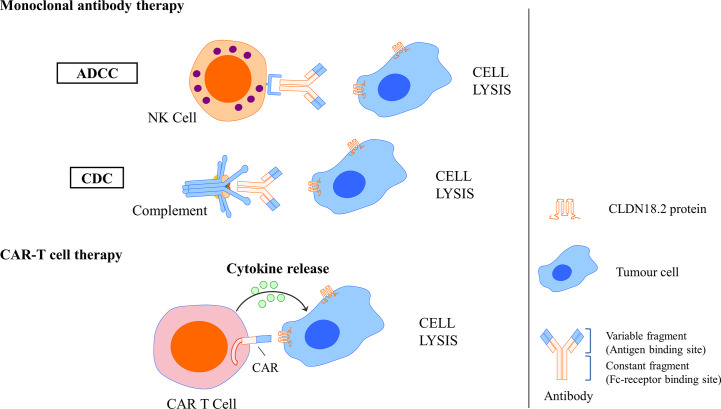
“Several CLDN18.2-targeting therapies have demonstrated efficacy in clinical trials for GI cancers, including antibodies, antibody-drug conjugates (ADC), and CAR-T cells (64–66).”
From Mechanisms of Resistance to Oncogenic KRAS Inhibition in Pancreatic Cancer (2024) · cites this paper as [66]
Experimental — accuracy not yet measured
Self-check
Percentages, sums and reported differences re-computed from the paper’s own numbers.
The self-check needs the paper’s full text.
Citations
Cites
Untangling the ErbB signalling network
Yarden, Y., & Sliwkowski, M. X. (2001) · Nature Reviews Molecular Cell Biology · doi:10.1038/35052073 · Cited by 6,974 · cited 2×
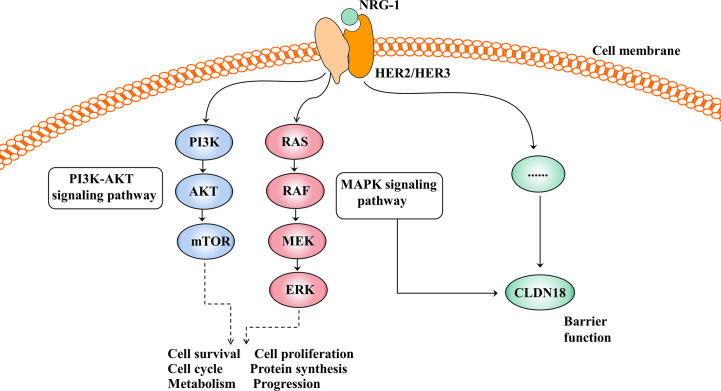
“3 HER2/HER3 signalling pathway The HER family consists of four membrane-bound tyrosine kinase receptors with similar structures: HER1 (EGFR), HER2, HER3, and HER4 (63).”
BackgroundComprehensive molecular characterization of gastric adenocarcinoma
The Cancer Genome Atlas Research Network (2014) · Nature · doi:10.1038/nature13480 · Cited by 6,498
The widespread regulation of microRNA biogenesis, function and decay
Krol, J., Loedige, I., & Filipowicz, W. (2010) · Nature Reviews Genetics · doi:10.1038/nrg2843 · Cited by 4,672 · cited 1×
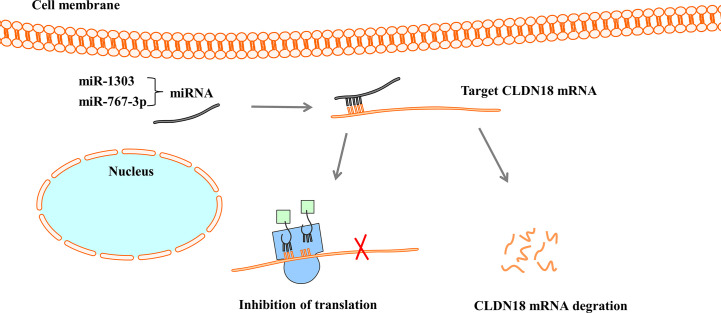
“4 MicroRNA MicroRNAs (miRNAs) are a large family of small endogenous regulatory RNAs that regulate posttranscriptional regulators of gene expression (67, 68).”
BackgroundChimeric antigen receptor–modified T cells in chronic lymphoid leukemia
Porter, D. L., Levine, B. L., Kalos, M., Bagg, A., & June, C. H. (2011) · New England Journal of Medicine · doi:10.1056/nejmoa1103849 · Cited by 3,565
CAR-T cell therapy: current limitations and potential strategies
Sterner, R. C., & Sterner, R. M. (2021) · Blood Cancer Journal · doi:10.1038/s41408-021-00459-7 · Cited by 2,926
Lu, T. X., & Rothenberg, M. E. (2018) · Journal of Allergy and Clinical Immunology · doi:10.1016/j.jaci.2017.08.034 · Cited by 2,425
Kalos, M., Levine, B. L., Porter, D. L., Katz, S., Grupp, S. A., Bagg, A., & June, C. H. (2011) · Science Translational Medicine · doi:10.1126/scitranslmed.3002842 · Cited by 2,388
Furuse, M., Fujita, K., Hiiragi, T., Fujimoto, K., & Tsukita, S. (1998) · The Journal of Cell Biology · doi:10.1083/jcb.141.7.1539 · Cited by 2,095
Global Burden of 5 Major Types of Gastrointestinal Cancer
Arnold, M., Abnet, C. C., Neale, R. E., Vignat, J., Giovannucci, E. L., McGlynn, K. A., & Bray, F. (2020) · Gastroenterology · doi:10.1053/j.gastro.2020.02.068 · Cited by 2,027 · cited 1×
“4 million cancer-related deaths worldwide in 2018; these numbers correspond to over one-quarter (26%) of global cancer cases and over one-third (35%) of all cancer-related deaths (1).”
BackgroundBispecific antibodies: a mechanistic review of the pipeline
Labrijn, A. F., Janmaat, M. L., Reichert, J. M., & Parren, P. W. H. I. (2019) · Nature Reviews Drug Discovery · doi:10.1038/s41573-019-0028-1 · Cited by 1,303
Cited by
Mechanisms of Resistance to Oncogenic KRAS Inhibition in Pancreatic Cancer
Dilly, J., Hoffman, M. T., Abbassi, L., Li, Z., Paradiso, F., Parent, B. D., Hennessey, C. J., Jordan, A. C., Morgado, M., Dasgupta, S., et al. (2024) · Cancer Discovery · doi:10.1158/2159-8290.cd-24-0177 · Cited by 308
“2-targeting therapies have demonstrated efficacy in clinical trials for GI cancers, including antibodies, antibody-drug conjugates (ADC), and CAR-T cells (64–66).”
BackgroundClaudin 18.2 as a novel therapeutic target
Nakayama, I., Qi, C., Chen, Y., Nakamura, Y., Shen, L., & Shitara, K. (2024) · Nature Reviews Clinical Oncology · doi:10.1038/s41571-024-00874-2 · Cited by 210
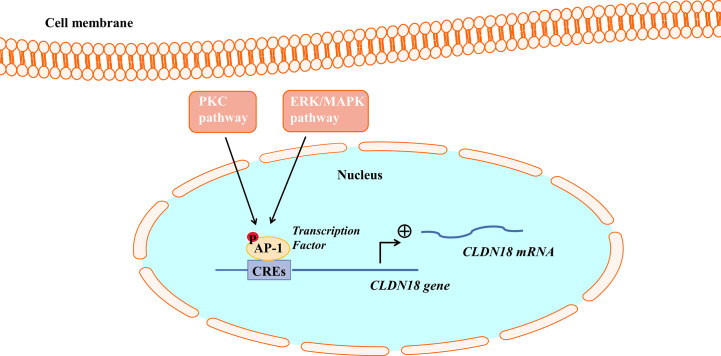
“The downstream target, activator protein AP-1, has been shown to enhance the translation of claudin 18.2 mRNAs in gastric, pancreatic and bile duct cancer cells 68–70”
InfluentialRecent Advancement in mRNA Vaccine Development and Applications
Al Fayez, N., Nassar, M. S., Alshehri, A. A., Alnefaie, M. K., Almughem, F. A., Alshehri, B. Y., Alawad, A. O., & Tawfik, E. A. (2023) · Pharmaceutics · doi:10.3390/pharmaceutics15071972 · Cited by 167
Fassan, M., Kuwata, T., Matkowskyj, K. A., Röcken, C., & Rüschoff, J. (2024) · Modern Pathology · doi:10.1016/j.modpat.2024.100589 · Cited by 72
Claudin 18.2 as a New Biomarker in Gastric Cancer—What Should We Know?
Mathias-Machado, M. C., de Jesus, V. H. F., Jacome, A. A. D. A., Donadio, M. D. S., Aruquipa, M. P. S., de Farias, J. P. F., Cunha, R., Silva, L. M. D., & Peixoto, R. D. (2024) · Cancers · doi:10.3390/cancers16030679 · Cited by 84
“…in the TJs [25,32–34] and regulates the permeability to both Na+ and H+ in gastric acid by functioning as a barrier in the gastric mucosa [35], playing a role in cellular polarity, retaining a barrier function, as well as promoting resistance to gastric acid [36]. gastric epithelial cells, CLDN18.”
BackgroundLiu, J., Yang, J., Sun, Y., Gong, J., Yue, J., Pan, Y., Sun, M., Song, R., Xiao, X., Tazbirkova, A., et al. (2025) · Nature Medicine · doi:10.1038/s41591-025-03783-8 · Cited by 82
“2 expression occurs in approximately 80% of gastric cancers and 60% of pancreatic ductal adenocarcinomas 10 .”
Zolbetuximab for Claudin18.2-positive gastric or gastroesophageal junction cancer
Kubota, Y., & Shitara, K. (2024) · Therapeutic Advances in Medical Oncology · doi:10.1177/17588359231217967 · Cited by 72
“42 In addition, the HER2/HER3 signaling pathway has been associated with CLDN18 expression in preclinical studies of acute respiratory distress syndrome (ARDS), although this pertains CLDN18.”
BackgroundResultInfluentialNucleic acid-based drugs for patients with solid tumours
Huayamares, S. G., Loughrey, D., Kim, H., Dahlman, J. E., & Sorscher, E. J. (2024) · Nature Reviews Clinical Oncology · doi:10.1038/s41571-024-00883-1 · Cited by 61
“The claudin 18.2 protein has exposed extracellular loops 109 , making it a promising target for nucleic acid-based therapeutic strategies that lead to the expression of anti-claudin 18.2 antibodies.”
InfluentialAngerilli, V., Ghelardi, F., Nappo, F., Grillo, F., Parente, P., Lonardi, S., Luchini, C., Pietrantonio, F., Ugolini, C., Vanoli, A., et al. (2024) · Pathology - Research and Practice · doi:10.1016/j.prp.2024.155145 · Cited by 51
Liu, S., Zhang, Z., Jiang, L., Zhang, M., Zhang, C., & Shen, L. (2024) · Cell Communication and Signaling · doi:10.1186/s12964-023-01406-8 · Cited by 56
“2 is an intercellular tight junction protein [4], the mechanism by which it mediates adhesion between CAFs and tumor cells deserves to be clarified.”
BackgroundResultState of the Art in CAR-T Cell Therapy for Solid Tumors: Is There a Sweeter Future?
Amorós-Pérez, B., Rivas-Pardo, B., del Moral, M. G., Subiza, J. L., & Martínez-Naves, E. (2024) · Cells · doi:10.3390/cells13090725 · Cited by 40
“2 a popular target for immunotherapy [74].”
Claudin 1, 4, 6 and 18 isoform 2 as targets for the treatment of cancer (Review)
Katoh, M., & Katoh, M. (2024) · International Journal of Molecular Medicine · doi:10.3892/ijmm.2024.5424 · Cited by 38
Emerging targets in gastric and pancreatic cancer: Focus on claudin 18.2
Tojjari, A., Idrissi, Y. A., & Saeed, A. (2024) · Cancer Letters · doi:10.1016/j.canlet.2024.217362 · Cited by 46
Tight junctional protein family, Claudins in cancer and cancer metastasis
JI, W., Zhuang, X., Jiang, W. G., & Martin, T. A. (2025) · Frontiers in Oncology · doi:10.3389/fonc.2025.1596460 · Cited by 21
“Knockdown of CLDN11 resulted in an increased invasion of cSCC cells (75).”
Antibody-drug conjugates: the clinical development in gastric cancer
Zhu, Y., Zhou, M., Kong, W., & Li, C. F. (2023) · Frontiers in Oncology · doi:10.3389/fonc.2023.1211947 · Cited by 21
Immunotherapy of gastric cancer: Present status and future perspectives
Triantafillidis, J. K., Konstadoulakis, M. M., & Papalois, A. E. (2024) · World Journal of Gastroenterology · doi:10.3748/wjg.v30.i8.779 · Cited by 23
“Its exposure as an extracellular anchor makes it an ideal target for immunotherapy in digestive system cancers[93].”
McHugh, K. E., Pai, R. K., Grant, R. C., Gallinger, S., Davison, J., Ma, C., & Pai, R. K. (2025) · Modern Pathology · doi:10.1016/j.modpat.2025.100712 · Cited by 19
Claudin18.2 as a Promising Therapeutic Target in Gastric Cancer
Poniewierska-Baran, A., Plewa, P., Żabicka, Z., & Pawlik, A. (2025) · Cells · doi:10.3390/cells14161285 · Cited by 17
“Furthermore, the studies had varying numbers of participants, with one study including almost ten times more patients than the other [21,22].”
Zhao, Y., Li, Y., Wang, S., Han, J., Lu, M., Xu, Y., Qiao, W., Cai, M., Yi, X., Hu, Y., et al. (2025) · Cancers · doi:10.3390/cancers17060998 · Cited by 16
“Claudin (CLDN) family proteins are crucial for the formation of tight junctions [1–3].”
High, P. C., Guernsey-Biddle, C., Subramanian, S., Jacob, J., & Carmon, K. S. (2024) · Pharmaceutics · doi:10.3390/pharmaceutics16070890 · Cited by 17
CLDN18.2-Targeted Therapy in Gastrointestinal Cancers
Wiscovitch, A. D., Mendez, R. J. S., & Chuy, J. W. (2025) · Cancers · doi:10.3390/cancers17233764 · Cited by 22
“CAR T-cell therapy involves genetically modifying cytotoxic T-cells to have a CAR that recognizes specific tumor antigens [16].”
Dark horse target Claudin18.2 opens new battlefield for pancreatic cancer
Xu, Q., Jia, C., Ou, Y., Zeng, C., & Jia, Y. (2024) · Frontiers in Oncology · doi:10.3389/fonc.2024.1371421 · Cited by 18
“Claudin18 also has different effects in tumors, acting as a tumor suppressant in gastric and lung cancers, but playing a promoting role in other gastrointestinal tumors, such as pancreatic cancer, colorectal cancer, and esophageal cancer (31).”
BackgroundThe preclinical discovery and development of zolbetuximab for the treatment of gastric cancer
Zeng, Y., Lockhart, A. C., & Jin, R. U. (2024) · Expert Opinion on Drug Discovery · doi:10.1080/17460441.2024.2370332 · Cited by 16
“2 expression positivity, varying from as low as 17% to as high as 87% [101] and a variety of methodologies have been employed [102].”
The role of CLDN18.2 in gastric cancer prognosis: a systematic review and meta-analysis
de Moraes, F. C. A., Sobreira, L. E. R., Souza, M. E. C., & Burbano, R. M. R. (2024) · Biomarkers · doi:10.1080/1354750x.2024.2422965 · Cited by 14
“…promoting the loss of epithelial integrity and increased cellular invasiveness (hayashi et al. 2012). such fusions have been associated with poorer prognosis, including a higher propensity for metastasis and more aggressive tumor progression (chen et al. 2023). currently, patients with clDN18.”
Hashimoto, T., Iida, N., Nakamura, Y., Nonomura, N., Morizane, C., Iwata, H., Okano, S., Yamagami, W., Yamazaki, N., Kadowaki, S., et al. (2025) · Cancer Science · doi:10.1111/cas.70100 · Cited by 18
Heteroaryl Group Containing Trisubstituted Alkenes: Synthesis and Anti‐Tumor Activity
Li, J., Gu, A., & Li, M. (2024) · Chemistry & Biodiversity · doi:10.1002/cbdv.202401469 · Cited by 14
DR30318, a novel tri-specific T cell engager for Claudin 18.2 positive cancers immunotherapy
Ma, Z., Zhou, Z., Duan, W., Yao, G., Sheng, S., Zong, S., Zhang, X., Li, C., Liu, Y., Ou, F., et al. (2024) · Cancer Immunology Immunotherapy · doi:10.1007/s00262-024-03673-x · Cited by 14
CAR-T therapy for gastrointestinal cancers: current status, challenges, and future directions
Li, W., Huang, Y., Zhou, X., Cheng, B., Wang, H., & Wang, Y. (2024) · Brazilian Journal of Medical and Biological Research · doi:10.1590/1414-431x2024e13640 · Cited by 17
“A recent study by Chen et al. (8) reported the development of a CLDN18.”
BackgroundAntibody-drug conjugates targeting the cadherin, claudin and nectin families of adhesion molecules
Katoh, M., Loriot, Y., Nakayama, I., Hamada, A., Shitara, K., & Katoh, M. (2025) · Frontiers in Molecular Medicine · doi:10.3389/fmmed.2025.1661016 · Cited by 14
Biomarker-oriented chemo-immunotherapy for advanced gastric cancer
Kono, K., Nakajima, S., & Mimura, K. (2024) · International Journal of Clinical Oncology · doi:10.1007/s10147-024-02525-z · Cited by 12
“2-positive GC have been registered on ClinicalTrials.gov [55, 56, 61].”
Advances and Challenges in Pluripotent Stem Cell‐Based Whole‐Cell Vaccines for Cancer Treatment
Wan, G., Huang, J., Xu, R., & Jin, M. (2025) · Medicine Bulletin · doi:10.1002/mdb2.70002 · Cited by 12
Management of peritoneal gastric metastasis: An update
Mariani, A., Triantafyllou, E., Képénékian, V., Zaanan, A., Gléhen, O., & Karoui, M. (2025) · European Journal of Surgical Oncology · doi:10.1016/j.ejso.2025.109731 · Cited by 8
Kim, N. I., Koo, J. Y., Kim, S. S., Lee, J. Y., Lee, J. S., Bang, H. J., Bae, W. K., Yoon, T. M., Moon, K., Lee, J.-H., et al. (2025) · BMC Cancer · doi:10.1186/s12885-025-13940-4 · Cited by 10
Rogers, J. E., & Ajani, J. A. (2024) · Current Oncology · doi:10.3390/curroncol31020057 · Cited by 8
“2 will remain a target of interest for further drug development and is currently undergoing many exploration trials [24–41].”
BackgroundLai, S., Luo, S., Huang, Q., Lin, S., Huang, X., Xue, H., Cai, Y., Xu, X., & Weng, X. (2024) · Pharmacogenomics · doi:10.1080/14622416.2024.2344438 · Cited by 7
Development and Characterization of 4A7: A High-Affinity Monoclonal Antibody Targeting Claudin18.2
Wu, Y., Tian, J., Zhou, Y., Zhang, R., Gao, X., & Luo, L. (2025) · ImmunoTargets and Therapy · doi:10.2147/itt.s494696 · Cited by 6
“31,32 ADCs and bispecific antibodies can overcome the limitations of monoclonal antibody therapy by redirecting immune cells or delivering cytotoxic payloads to tumors.”
Claudin 18.2 in cancer research and treatment: a pathologist’s perspective
Murtazaalieva, G., Baldwin, A., Fassan, M., & Deshpande, V. (2025) · Journal of Clinical Pathology · doi:10.1136/jcp-2025-210328 · Cited by 6
Emerging Roles of Small Extracellular Vesicles in Gastrointestinal Cancer Research and Therapy
Schneider, N., Hermann, P. C., Eiseler, T., & Seufferlein, T. T. W. (2024) · Cancers · doi:10.3390/cancers16030567 · Cited by 7
“…Claudin 18-2 or tumor associated vessels), immunotherapy (e.g., anti-programmed death protein 1/ligand 1 (PD1/PD-L1), or anti-cytotoxic T-lymphocyte-associated protein 4 (CTLA4) monoclonal antibodies (mAbs) significantly improved the outcome of gastric cancer patients in recent years [62,68,69].”
BackgroundNovel Claudin18.2-Targeted Therapies in Gastrointestinal Tumors
Ye, W., Xu, M., Gu, Y., & Ou, W. (2025) · ACS Omega · doi:10.1021/acsomega.5c06506 · Cited by 7
Martínez‐Ciarpaglini, C., Ortega, M., Pérez‐Buira, S., Bolea, A., Guerra, B. C., Bellido, C. H., Piñero, P. T., Naranjo‐Hans, D., Lucas, B. P.-D., Quiceno, H., et al. (2025) · Archiv für Pathologische Anatomie und Physiologie und für Klinische Medicin · doi:10.1007/s00428-025-04247-7 · Cited by 5
“2, mediates cancer cell death through antibody-dependent cellular cytotoxicity and complement-dependent cytotoxicity [4, 5].”
An, L., Huo, Y., Xiao, N., Su, S., & Wang, K. (2024) · Heliyon · doi:10.1016/j.heliyon.2024.e34008 · Cited by 5
“Cancer cells can be identified and attacked by exploiting the patient ’ s own immune system [11].”
BackgroundClaudin18.2 positive gastric cancer: biology, tumor microenvironment, and therapeutic strategies
Xie, Y., Guan, P., Liu, D., Peng, Z., Zhang, X., Shen, L., & Chen, Y. (2026) · Journal of Hematology & Oncology · doi:10.1186/s13045-026-01803-9 · Cited by 5
“Preclinical studies also reported increased infiltration of CD8 + T cells in mice treated with Zolbetuximab, suggesting that the drug may enhance the antitumor immune response [89, 163, 164].”
Chimeric antigen receptor (CAR)-NK cell therapy in gastrointestinal (GI) cancers; a new arena
Alkhathami, A. G., Ahmed, A. T., Hussn, A., RenukaJyothi, S., Panigrahi, R., Al‐Hetty, H. R. A. K., Negi, H., Jassal, P., Hammady, F. J., & Salih, S. A. (2025) · Experimental Cell Research · doi:10.1016/j.yexcr.2025.114683 · Cited by 3
Emerging therapeutic advancements in pancreatic cancer: a contemporary review
Malla, M., Sakr, Y., Gupta, G., Akce, M., & El‐Rayes, B. F. (2025) · Discover Oncology · doi:10.1007/s12672-025-03027-8 · Cited by 8
“2), primarily located in the gastric epithelium, contributes to the tight junctions that seal the spaces between epithelial cells, maintaining selective permeability and preventing the leakage of ions and molecules and thereby preserving the environment necessary for proper gastric function [97].”
de Moraes, F. C. A., Matheus, G. T. F. U., de Assumpção, P. P., & Burbano, R. M. R. (2025) · Archiv für Pathologische Anatomie und Physiologie und für Klinische Medicin · doi:10.1007/s00428-025-04306-z · Cited by 3
“2 on the cell surface, thus making it a potential therapeutic target for monoclonal antibodies [17, 18].”
Molecular Pathology of Gastroesophageal Cancer
Stachler, M. D., & Jin, R. U. (2024) · Clinics in Laboratory Medicine · doi:10.1016/j.cll.2023.08.005 · Cited by 5
Maeda, K., Uehara, T., Hosoda, W., Kuraishi, Y., & Ota, H. (2024) · Pathology - Research and Practice · doi:10.1016/j.prp.2024.155537 · Cited by 3
Yin, H., Luo, R., Lv, J., Mao, W., & Shi, H. (2024) · European Radiology · doi:10.1007/s00330-024-11186-5 · Cited by 2
“2 could be indicative of broader changes in gene expression and cellular signaling pathways that regulate glucose metabolism, and cell growth [25], which may indirectly affect [ 18 F]FDG uptake.”
CLDN18.2: a potential nanotherapeutic target for cholangiocarcinoma
Huang, Y., Ye, Y., Yi, T., Yuan, C., & Li, D. (2025) · Frontiers in Pharmacology · doi:10.3389/fphar.2025.1559558 · Cited by 6
“This protein is not found in gastric stem cells and plays a role in maintaining barrier function and protecting against gastric acid (Chen et al., 2023).”
Wang, J., Lou, K., He, H., Zhang, Y., He, H., 徐巧玲, 吴娜静, Wang, Y., Li, Q., Wang, Y., et al. (2025) · International Journal of Radiation Oncology*Biology*Physics · doi:10.1016/j.ijrobp.2025.09.022 · Cited by 2
Zhou, T., Yan, J., Zhang, Y., Mao, G., Hu, T., Shi, S., Shao, F., Xu, J., Zhang, Y., Wang, Y., et al. (2026) · Gut · doi:10.1136/gutjnl-2025-335790 · Cited by 4
Ushimaru, Y., Yamamoto, K., Kudo, T., Sakai, D., Yanagimoto, Y., Masuike, Y., Yamamoto, K., Matsuura, N., Sugase, T., Kanemura, T., et al. (2026) · Japanese Journal of Clinical Oncology · doi:10.1093/jjco/hyag024 · Cited by 2
Claudin18.2 promote gastric cancer proliferation by activating MCM2/5
Zheng, B., Fu, M., Lou, F., He, Y., Zhao, L., Huang, X., Xie, X., Tan, W., Chen, Q., Zhang, W., et al. (2026) · Scientific Reports · doi:10.1038/s41598-026-39540-1 · Cited by 6
“Conversely, other studies, including one using clone 43–14 A in a large Caucasian cohort, found no association between increased CLDN18.”
Prognostic Value of Intratumoral Expression of Claudin 18.2 in Resected Pancreatic Cancer
Yoshino, J., Blomstrand, H., Fjellander, S., Svensson, J., Halimi, A., Kesti, E., Seppänen, H. E., Vilhav, C., Ohlund, D., Haglund, C. H., et al. (2026) · Annals of Surgical Oncology · doi:10.1245/s10434-026-20191-5 · Cited by 2
“10 Recently, the SPOT-LIGHT randomized phase 3 trial demonstrated the efficacy of targeting CLDN18.”
CLDN18: Clinical, Pathological, and Genetic Signatures with Drug Screening in Gastric Adenocarcinoma
Hur, J. Y., Min, K., Noh, Y., Won, Y., Yeo, Y., Kim, D., Son, B. K., Kwon, M. J., & Pyo, J. (2024) · Current Medicinal Chemistry · doi:10.2174/0109298673288604240408065715 · Cited by 2
Zhang, S. (2024) · American Journal of Cancer Research · doi:10.62347/pnkh7683 · Cited by 3
Self-citationYan, L., Ma, J., Wang, Y., Li, Y., Gu, C., Fei, J., Yang, J., Li, J., & Dai, P. (2026) · Journal of Translational Medicine · doi:10.1186/s12967-026-08408-3 · Cited by 1
“2 mRNA [75].”
Pan, X., Cao, X., Ni, J., & Ying, J. (2026) · Targetome · doi:10.48130/targetome-0026-0033 · Cited by 1
Current status of immunotherapy in gastric cancer
Ji, K., & Ji, J. (2023) · Holistic Integrative Oncology · doi:10.1007/s44178-023-00055-8 · Cited by 1
“With the refinement of molecular subtypes of gastric cancer, clinical studies on targeted therapy and immunotherapy have gradually been carried out [15].”
BackgroundClaudine 18.2 : nouvelle cible thérapeutique dans les cancers digestifs
Blondet, L., Cervantes, B., Renaud, F., Cohen, R., André, T., & Samaille, T. (2024) · Bulletin du Cancer · doi:10.1016/j.bulcan.2024.10.006 · Cited by 3
A Comprehensive Study of the Oncogenic Function of Claudin-18 in Various Human CancersPreprint
Hou, X., Chen, D., & Wang, Y. (2023) · Research Square · doi:10.21203/rs.3.rs-3222820/v1
Overcoming immunotherapeutic drug resistance in pancreatic and colon cancers
Tavakoli, M., Raza, H., Ukwade, D., Nwachukwu, D., Mohamed, S., & Ali, S. (2025) · Elsevier eBooks · doi:10.1016/b978-0-443-24742-2.00028-9
The Role of Biomarkers in Upper Gastrointestinal Cancers
Baudoux, N., & Aubin, F. (2025) · Canadian oncology today. · doi:10.58931/cot.2025.2133
Liu, S., Zhang, Z., Jiang, L., Zhang, M., Zhang, C., & Shen, L. (2024) · Figshare · doi:10.6084/m9.figshare.24979621
Liu, S., Zhang, Z., Jiang, L., Zhang, M., Zhang, C., & Shen, L. (2024) · Figshare · doi:10.6084/m9.figshare.24980090
Inhibition of miR-1303 suppresses the development of esophageal cancer by targeting CLDN18
Shi, X., Lin, C., Zhang, Z., Zhou, N., Jiao, Z., & Wang, T. (2026) · The International Journal of Biological Markers · doi:10.1177/03936155261416110
王, 昱. (2026) · Advances in Clinical Medicine · doi:10.12677/acm.2026.162607
Unravelling the pathogenesis and therapeutic approaches of pancreatic ductal adenocarcinoma
Roy, I., & Thakur, R. (2026) · Clinical & Translational Oncology · doi:10.1007/s12094-026-04289-6 · Cited by 1
“2 CAR T-cell therapy (CT041) demonstrating a positive impact on patients with metastatic PDAC [72].”
Valentová, I., Sadilkova, L. K., Bammert, L., Waldmeier, L., Beerli, R. R., Procházková, I., Jabůrek, F., Spitzová, T., Kohelová, E., Räsänen, K., et al. (2026) · BMC Cancer · doi:10.1186/s12885-026-16185-x
“2 was described as a pan-can-cer target [14] and its mRNA or protein expression at significant levels has been reported in primary or metastatic malignancies of gastric, esophageal [14, 15], pancreatic [14–16], ovarian [14, 17], liver, colorectal [14] and lung [18] origin.”
Ratre, Y. K., Ghritlahre, N., Pande, B., Sahu, T. A., Sahithi, L. S., Swarnkar, S., & Verma, H. K. (2026) · World Journal of Gastroenterology · doi:10.3748/wjg.v32.i22.115807
Emerging role of antibody–drug conjugates in gastrointestinal malignancies
Khan, U., & Shah, M. A. (2026) · Cancer · doi:10.1002/cncr.70419
Hausmann, J., Lang, F., Muslu, Ö., Kress, L., Landry, J. J. M., Suchan, M., Nubbemeyer, A., Kuner, R., Weber, D. F., Schrörs, B., et al. (2026) · bioRxiv (Cold Spring Harbor Laboratory) · doi:10.64898/2026.06.29.734488
Pein, R., Illyés, I., Kenessey, I., Pesti, A., Lotz, G., Kiss, A., & Borka, K. (2026) · Archiv für Pathologische Anatomie und Physiologie und für Klinische Medicin · doi:10.1007/s00428-026-04635-7
Innovative pathological and therapeutic approaches for poorly cohesive gastric cancer
Muratore, M., Sullo, F. G., Bittoni, A., Cardisciani, L., Valgiusti, M., Bartolini, G., Esposito, L., Molinari, C., Câmara, R., & Passardi, A. (2026) · Frontiers in Oncology · doi:10.3389/fonc.2026.1842715
Prevalence of claudin 18.2 in gastric cancer patients from India
Kaur, J., Wagh, G., Patil, R. S., John, G., Kaushal, R. K., Yadav, S., Mehta, A., Khandare, M., BHARGAVA, P. G., Ramaswamy, A., et al. (2026) · South Asian Journal of Cancer · doi:10.25259/sajc_45_2025
Antibody–drug conjugates in gastric cancer: from targeted cytotoxicity to immune modulation
Su, H., Yang, C., & Ge, J. (2026) · Frontiers in Immunology · doi:10.3389/fimmu.2026.1928576
“2-directed ADCs, remain in early clinical or pre-clinical development (52 – 54).”
Claudin 18.2: from a tight junction protein to a breakthrough target in solid tumor immunotherapy
Bahrami, M., Makoui, M. H., Bodaghi, A. B., & Vahid, M. R. (2026) · Biomarkers · doi:10.1080/1354750x.2026.2749578
Yü, W., Wei, S., Wan, S., Chen, Y., & Huang, Q. (2026) · Frontiers in Pharmacology · doi:10.3389/fphar.2026.2001935
Toyran, T., Erdoğan, K. E., Topal, U., Parsak, C. K., Köşeci, T., Arslan, Y. K., & Açıkalın, A. (2026) · Current Issues in Molecular Biology · doi:10.3390/cimb48111134
Metadata
- Authors
- Chen, J., Xu, Z., Hu, C., Zhang, S., Zi, M., Yuan, L., & Cheng, X.
- Affiliations
- Zhejiang Cancer Hospital (CN)
- Corresponding author
- Cheng, Xiangdong
- Venue
- Frontiers in Oncology
- Publisher
- Frontiers Media SA
- Published
- 2023-03-10
- Volume
- 13
- Pages
- 1132319-1132319
- ISSN
- 2234-943X (ISSN-L)
- PMC
- PMC10036590
- OpenAlex
- W4323860370
- Cited by
- 78
- References
- 102
- Citations by year
- 2026: 20 · 2025: 22 · 2024: 32 · 2023: 4
- FWCI
- 3.63
- Type
- journal article
- Language
- en
- Open access
- gold
- doi.org
- Licence
- Locations
- Frontiers in Oncology (publishedVersion, cc-by)
- PubMed Central (publishedVersion, cc-by)
- PubMed (publishedVersion)
- DOAJ (DOAJ: Directory of Open Access Journals) (submittedVersion, cc-by-sa)
- Funders
- National Natural Science Foundation of China (82074245, 81973634)
- Natural Science Foundation of Zhejiang Province (HDMY22H160008)
- Medical Science and Technology Project of Zhejiang Province (2022KY114, WKJ-ZJ-2104)
- Postdoctoral Research Foundation of China (2022M713203)
- Topics
- Health Sciences › Medicine › Oncology › Gastric Cancer Management and Outcomes
- Life Sciences › Neuroscience › Neurology › Barrier Structure and Function Studies
- Health Sciences › Medicine › Oncology › Cancer Immunotherapy and Biomarkers
- Keywords
- claudin 18.2, gastrointestinal cancer, targeted therapy, immunotherapy, tight junctions, drug development
About these checks
Registry, retraction, Cites and statistics results are computed, not judged, with one exception: a printed reference that no index lists is read once by a model before it counts as a citation error. Claims are extracted by a model and kept only when their quote appears verbatim in the text; each cited source is then checked, with a model’s help, for whether it says what the claim relies on. Those verdicts can be wrong — read the claim’s quote and the cited source before relying on one.
Statistics and arithmetic are recomputed, not judged.
Confidence bands are shown only for fields calibrated on our annotated test set. None is calibrated yet, so no band is shown.
What counts as a claim ›How we measure confidence ›How we check this ›
Are you an author, or do you see a problem with this page? Request a review
Data sources
Bibliographic data: Semantic Scholar, OpenAlex, Crossref.
Contains information from the Semantic Scholar Academic Graph Datasets, made available under the ODC Attribution License (ODC-BY 1.0).
Semantic Scholar’s data is described in: Kinney, R., et al. (2023). The Semantic Scholar Open Data Platform. arXiv:2301.10140.
