

The DOI matches its Crossref record; 136 of the 140 references it cites were found in a registry or an index.
DNA Repair Pathways in Cancer Therapy and Resistance
Open accessAbstract
DNA repair pathways are triggered to maintain genetic stability and integrity when mammalian cells are exposed to endogenous or exogenous DNA-damaging agents. The deregulation of DNA repair pathways is associated with the initiation and progression of cancer. As the primary anti-cancer therapies, ionizing radiation and chemotherapeutic agents induce cell death by directly or indirectly causing DNA damage, dysregulation of the DNA damage response may contribute to hypersensitivity or resistance of cancer cells to genotoxic agents and targeting DNA repair pathway can increase the tumor sensitivity to cancer therapies. Therefore, targeting DNA repair pathways may be a potential therapeutic approach for cancer treatment. A better understanding of the biology and the regulatory mechanisms of DNA repair pathways has the potential to facilitate the development of inhibitors of nuclear and mitochondria DNA repair pathways for enhancing anticancer effect of DNA damage-based therapy.
Overview
The claims and statistics of this paper haven’t been checked yet.
Run the check — free, no account needed. It reads the open-access text and checks the sources it cites.
Integrity signals
Registry
Cites
Statistics
Figures
Verification
Claims the paper makes
The claims and statistics of this paper haven’t been checked yet.
Run the check — free, no account needed. It reads the open-access text and checks the sources it cites.
Claims other papers make about this one
Each is checked against this paper’s own text: does it say what the citing paper says it does?
The source backs part of the claim, not all of it — or backs it for a different population, condition or comparison.
In the citing paper
“One possible explanation for the observed difference between cSNVs and dbSNVs could be system-wide alterations in cancer cells, which are often characterized by increased replication stress, altered DNA repair mechanisms or changes in chromatin structure (85,86).”
From G-quadruplex-mediated genomic instability drives SNVs in cancer (2024) · cites this paper as [86]
Experimental — accuracy not yet measured
Self-check
Percentages, sums and reported differences re-computed from the paper’s own numbers.
The self-check needs the paper’s full text.
Citations
Cites
Hallmarks of Cancer: The Next Generation
Hanahan, D., & Weinberg, R. A. (2011) · Cell · doi:10.1016/j.cell.2011.02.013 · Cited by 66,590 · cited 1×
“If the damage is not corrected, it will cause genomic instability and mutation, which is one of the cancer hallmarks (Hanahan and Weinberg, 2011).”
BackgroundMGMT Gene Silencing and Benefit from Temozolomide in Glioblastoma
Hegi, M. E., Diserens, A.-C., Gorlia, T., Hamou, M.-F., de Tribolet, N., Weller, M., Kros, J. M., Hainfellner, J. A., Mason, W., Mariani, L., et al. (2005) · New England Journal of Medicine · doi:10.1056/nejmoa043331 · Cited by 7,405 · cited 1×
“Clinical study indicated that patients with glioblastoma containing a methylated MGMT promoter obtained more benefits from TMZ than those who did not have a methylated MGMT promoter (Hegi et al., 2005).”
BackgroundTargeting the DNA repair defect in BRCA mutant cells as a therapeutic strategy
Farmer, H., McCabe, N., Lord, C. J., Tutt, A. N. J., Johnson, D. A., Richardson, T. B., Santarosa, M., Dillon, K. J., Hickson, I., Knights, C., et al. (2005) · Nature · doi:10.1038/nature03445 · Cited by 6,683 · cited 1×
“In 2005, two pre-clinical researches published in nature indicated that BRCA1 or BRCA2 deficient cells highly sensitized to PARP inhibition (Farmer et al., 2005; Bryant et al., 2005).”
BackgroundMismatch repair deficiency predicts response of solid tumors to PD-1 blockade
Le, D. T., Durham, J. N., Smith, K. N., Wang, H., Bartlett, B. R., Aulakh, L. K., Lu, S., Kemberling, H., Wilt, C., Luber, B. S., et al. (2017) · Science · doi:10.1126/science.aan6733 · Cited by 6,645 · cited 1×
“For example,MMRhas been reported as a critical biomarker of response to immune checkpoint inhibitors in cancer (Le et al., 2017).”
BackgroundThe DNA-damage response in human biology and disease
Jackson, S. P., & Bartek, J. (2009) · Nature · doi:10.1038/nature08467 · Cited by 6,092
Specific killing of BRCA2-deficient tumours with inhibitors of poly(ADP-ribose) polymerase
Bryant, H. E., Schultz, N., Thomas, H. D., Parker, K. M., Flower, D., Lopez, E., Kyle, S., Meuth, M., Curtin, N. J., & Helleday, T. (2005) · Nature · doi:10.1038/nature03443 · Cited by 5,198
Olaparib for Metastatic Breast Cancer in Patients with a Germline BRCA Mutation
Robson, M., Im, S.-A., Senkus, E., Xu, B., Domchek, S. M., Masuda, N., Delaloge, S., Li, W., Tung, N., Armstrong, A., et al. (2017) · New England Journal of Medicine · doi:10.1056/nejmoa1706450 · Cited by 3,294 · cited 1×
“Several clinical trials using PARPi including Olaparib, Veliparib, Rucaparib (Table 1) as monotherapy for the treatment of patients with germline BRCA1/2 mutation tumors including advanced breast cancer, ovarian cancer, pancreatic cancer and prostate cancer presented significantly antitumor effect (Kaufman et al., 201…”
PARP inhibitors: Synthetic lethality in the clinic
Lord, C. J., & Ashworth, A. (2017) · Science · doi:10.1126/science.aam7344 · Cited by 3,013 · cited 1×
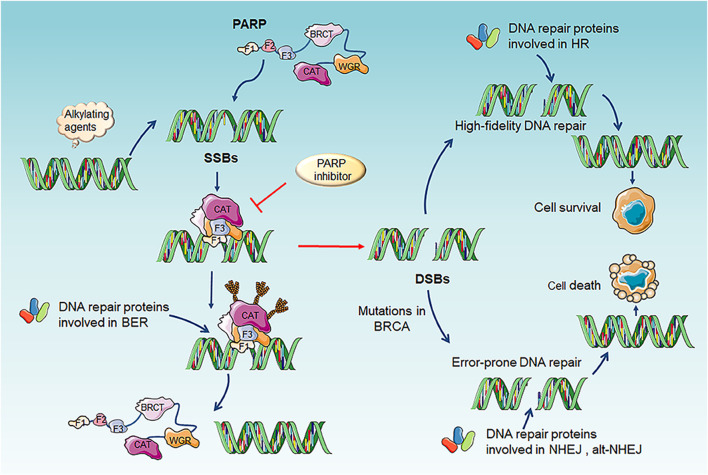
“Finally, it converted SSBs into DSBs and impelled cell death in HR-deficiency tumor, for example BRCA1/2 mutations, RAD51 deficiency (Figure 2) (Konecny and Kristeleit, 2016; Brown et al., 2017; Lord and Ashworth, 2017; Oplustil O’Connor et al., 2016).”
BackgroundMaintenance Olaparib in Patients with Newly Diagnosed Advanced Ovarian Cancer
Moore, K., Colombo, N., Scambia, G., Kim, B.-G., Oaknin, A., Friedlander, M., Lisyanskaya, A., Floquet, A., Leary, A., Sonke, G. S., et al. (2018) · New England Journal of Medicine · doi:10.1056/nejmoa1810858 · Cited by 2,870
Maintenance Olaparib for Germline BRCA -Mutated Metastatic Pancreatic Cancer
Golan, T., Hammel, P., Reni, M., Van Cutsem, E., Macarulla, T., Hall, M. J., Park, J.-O., Hochhauser, D., Arnold, D., Oh, D.-Y., et al. (2019) · New England Journal of Medicine · doi:10.1056/nejmoa1903387 · Cited by 2,302 · cited 1×
“Several clinical trials using PARPi including Olaparib, Veliparib, Rucaparib (Table 1) as monotherapy for the treatment of patients with germline BRCA1/2 mutation tumors including advanced breast cancer, ovarian cancer, pancreatic cancer and prostate cancer presented significantly antitumor effect (Kaufman et al., 201…”
Olaparib Monotherapy in Patients With Advanced Cancer and a Germline BRCA1/2 Mutation
Kaufman, B., Shapira‐Frommer, R., Schmutzler, R. K., Audeh, M. W., Friedlander, M. L., Balmañà, J., Mitchell, G., Fried, G., Stemmer, S. M., Hubert, A., et al. (2014) · Journal of Clinical Oncology · doi:10.1200/jco.2014.56.2728 · Cited by 1,734 · cited 1×
“Several clinical trials using PARPi including Olaparib, Veliparib, Rucaparib (Table 1) as monotherapy for the treatment of patients with germline BRCA1/2 mutation tumors including advanced breast cancer, ovarian cancer, pancreatic cancer and prostate cancer presented significantly antitumor effect (Kaufman et al., 201…”
Targeting the DNA Damage Response in Cancer
O’Connor, M. J. (2015) · Molecular Cell · doi:10.1016/j.molcel.2015.10.040 · Cited by 1,602
Screening for the Lynch syndrome (hereditary nonpolyposis colorectal cancer)
Hampel, H., Frankel, W. L., Martin, E., Arnold, M., Khanduja, K., Kuebler, P., Nakagawa, H., Sotamaa, K., Prior, T. W., Westman, J., et al. (2005) · New England Journal of Medicine · doi:10.1056/nejmoa043146 · Cited by 1,408
The ATM–Chk2 and ATR–Chk1 Pathways in DNA Damage Signaling and Cancer
Smith, J., Tho, L. M., Xu, N., & Gillespie, D. A. (2010) · Advances in cancer research · doi:10.1016/b978-0-12-380888-2.00003-0 · Cited by 1,331 · cited 1×
“Activation of these pathways is essential for the proper regulation of checkpoint and DNA repair (Smith et al., 2010).”
BackgroundMitochondrial metabolism and cancer
Porporato, P. E., Filigheddu, N., Pedro, J. M. B., Kroemer, G., & Galluzzi, L. (2017) · Cell Research · doi:10.1038/cr.2017.155 · Cited by 1,323 · cited 1×
“mtDNA Repair Pathway Recently, the exploration of novel anticancer strategies aiming at the differences in mitochondrial function and structure between normal cells and cancer cells has received intensive attention (Porporato et al., 2018).”
BackgroundHickson, I., Zhao, Y., Richardson, C. J., Green, S. J., Martin, N. M. B., Orr, A. I., Reaper, P. M., Jackson, S. P., Curtin, N. J., & Smith, G. C. M. (2004) · Cancer Research · doi:10.1158/0008-5472.can-04-2727 · Cited by 1,220 · cited 1×
“…been reported that human tumor cells treated with KU-55933, a specific inhibitor of the ATM kinase, could sensitize tumor cells to the cytotoxic effects of IR and DNA DSBs-inducing chemotherapeutic agents such as etoposide, doxorubicin, and camptothecin (Hickson et al., 2004; Hoey et al., 2018).”
BackgroundState-of-the-art strategies for targeting the DNA damage response in cancer
Pilié, P. G., Tang, C., Mills, G. B., & Yap, T. A. (2019) · Nature Reviews Clinical Oncology · doi:10.1038/s41571-018-0114-z · Cited by 1,189 · cited 13×
“In order to prevent this situation, cells have evolved a series of mechanisms called DNA damage response (DDR) in order to deal with such lesions.”
BackgroundInfluentialPARP inhibitor upregulates PD-L1 expression and enhances cancer-associated immunosuppression
Jiao, S., Xia, W., Yamaguchi, H., Wei, Y., Chen, M.-K., Hsu, J.-M., Hsu, J. L., Yu, W.-H., Du, Y., Lee, H.-H., et al. (2017) · Clinical Cancer Research · doi:10.1158/1078-0432.ccr-16-3215 · Cited by 981 · cited 1×
“Preclinical studies have also revealed that suppression of PARP induced PD-L1 expression and consequently caused immunosuppression (Jiao et al., 2017).”
BackgroundVeliparib with First-Line Chemotherapy and as Maintenance Therapy in Ovarian Cancer
Coleman, R. L., Fleming, G. F., Brady, M. F., Swisher, E. M., Steffensen, K. D., Friedlander, M. L., Okamoto, A., Moore, K. N., Ben-Baruch, N. E., Werner, T. L., et al. (2019) · New England Journal of Medicine · doi:10.1056/nejmoa1909707 · Cited by 915 · cited 1×
“PAPR1 inhibitors in combination with IR or with other different anticancer agents are currently undergoing clinical trials for treatment of patients with BRCA1/2 mutation or HRR-deficiency advanced solid tumors, which shown promising clinical activity (Bang et al., 2017; Wilson et al., 2017; Loibl et al., 2018; Colema…”
BackgroundPantelidou, C., Sonzogni, O., De Oliveria Taveira, M., Mehta, A. K., Kothari, A., Wang, D., Visal, T., Li, M. K., Pinto, J., Castrillon, J. A., et al. (2019) · Cancer Discovery · doi:10.1158/2159-8290.cd-18-1218 · Cited by 743
Loibl, S., O'Shaughnessy, J., Untch, M., Sikov, W., Rugo, H., McKee, M., Huober, J., Golshan, M., von Minckwitz, G., Maag, D., et al. (2018) · The Lancet Oncology · doi:10.1016/s1470-2045(18)30111-6 · Cited by 676 · cited 1×
“…clinical trials for treatment of patients with BRCA1/2 mutation or HRR-deficiency advanced solid tumors, which shown promising clinical activity (Bang et al., 2017; Wilson et al., 2017; Loibl et al., 2018; Coleman et al., 2019; Farago et al., 2019; Konstantinopoulos et al., 2019; Liu et al., 2019).”
ATM and ATR as therapeutic targets in cancer
Weber, A. M., & Ryan, A. J. (2014) · Pharmacology & Therapeutics · doi:10.1016/j.pharmthera.2014.12.001 · Cited by 676 · cited 2×
“It has been reported that human tumor cells treated with KU-55933, a specific inhibitor of the ATM kinase, could sensitize tumor cells to the cytotoxic effects of IR and DNA DSBs-inducing chemotherapeutic agents such as etoposide, doxorubicin, and camptothecin (Hickson et al., 2004; Hoey et al., 2018).”
BackgroundTargeting DNA Repair in Cancer: Beyond PARP Inhibitors
Brown, J. S., O’Carrigan, B., Jackson, S. P., & Yap, T. A. (2016) · Cancer Discovery · doi:10.1158/2159-8290.cd-16-0860 · Cited by 642
Inactivation of DNA repair triggers neoantigen generation and impairs tumour growth
Germano, G., Lamba, S., Rospo, G., Barault, L., Magrì, A., Maione, F., Russo, M., Crisafulli, G., Bartolini, A., Lerda, G., et al. (2017) · Nature · doi:10.1038/nature24673 · Cited by 638 · cited 1×
“Alterations in genes encoding MMR proteins often contribute to frameshift mutations, resulting in neoantigen generation (Germano et al., 2017).”
BackgroundTherapeutic opportunities within the DNA damage response
Pearl, L. H., Schierz, A. C., Ward, S. E., Al-Lazikani, B., & Pearl, F. M. G. (2015) · Nature Reviews Cancer · doi:10.1038/nrc3891 · Cited by 587 · cited 1×
“Numerous studies have indicated that certain cancers are associated with the defect or mutation in the proteins of nuclear or mitochondrial DNA repair pathways (Pearl et al., 2015; Cerrato et al., 2016).”
BackgroundTeo, M. Y., Seier, K., Ostrovnaya, I., Regazzi, A. M., Kania, B. E., Moran, M. M., Cipolla, C. K., Bluth, M. J., Chaim, J., Al-Ahmadie, H., et al. (2018) · Journal of Clinical Oncology · doi:10.1200/jco.2017.75.7740 · Cited by 544
DNA Damage ResponsePreprint
Giglia‐Mari, G., Zotter, A., & Vermeulen, W. (2010) · Cold Spring Harbor Perspectives in Biology · doi:10.1101/cshperspect.a000745 · Cited by 525 · cited 1×
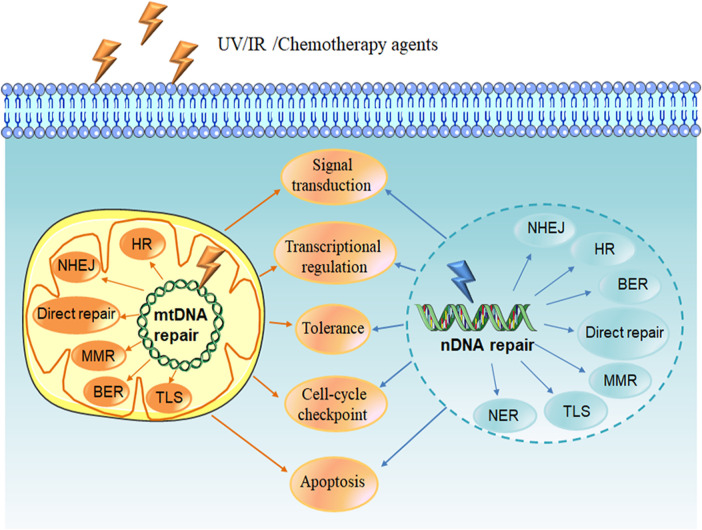
“DDR is a complex network that functions in different ways to target various DNA lesions, including signal transduction, transcriptional regulation, cell-cycle checkpoints, induction of apoptosis, damage tolerance processes, and multiple DNA repair pathways (Figure 1) (Giglia-Mari et al., 2011; Tian et al., 2015).”
BackgroundKim, G. S., Ison, G., McKee, A. E., Zhang, H., Tang, S.-H., Gwise, T., Sridhara, R., Lee, E. Y., Tzou, A., Philip, R., et al. (2015) · Clinical Cancer Research · doi:10.1158/1078-0432.ccr-15-0887 · Cited by 508 · cited 1×
“BRCA-mutated ovarian cancer following three or more prior lines of chemotherapy (Kim et al., 2015).”
BackgroundPD-1 Blockade in Tumors with Mismatch-Repair Deficiency
(2015) · New England Journal of Medicine · doi:10.1056/nejmc1510353 · Cited by 426
Gogola, E., Duarte, A. A., de Ruiter, J. R., Wiegant, W. W., Schmid, J. A., de Bruijn, R., James, D. I., Llobet, S. G., Vis, D. J., Annunziato, S., et al. (2018) · Cancer Cell · doi:10.1016/j.ccell.2018.05.008 · Cited by 386
Down-Regulation of Rad51 and Decreased Homologous Recombination in Hypoxic Cancer Cells
Bindra, R. S., Schaffer, P. J., Meng, A. X., Woo, J. M. P., Måseide, K., Roth, M. E., Lizardi, P. M., Hedley, D. W., Bristow, R. G., & Glazer, P. M. (2004) · Molecular and Cellular Biology · doi:10.1128/mcb.24.19.8504-8518.2004 · Cited by 368 · cited 1×
“Frontiers in Pharmacology | www.frontiersin.org February 2021 | Volume 11 | Article 6292662 Li et al. DNA Repair in Cancer Therapy induced by hypoxia, suggesting that the hypoxic tumor microenvironment can suppress the HRR pathway to cause genetic instability (Bindra et al., 2004; Lu et al., 2011).”
BackgroundWin, A. K., Young, J., Lindor, N., Tucker, K., Ahnen, D., Young, G., Buchanan, D., Clendenning, M., Giles, G., Winship, I., et al. (2012) · Journal of Clinical Oncology · doi:10.1200/jco.2011.39.5590 · Cited by 324 · cited 1×
“People who carry an MMR gene mutation have the increased risk of a wide variety of cancers than their noncarrier relatives (Win et al., 2012).”
BackgroundDurant, S. T., Zheng, L., Wang, Y., Chen, K., Zhang, L., Zhang, T., Yang, Z., Riches, L. C., Trinidad, A. G., Fok, J. H. L., et al. (2018) · Science Advances · doi:10.1126/sciadv.aat1719 · Cited by 316 · cited 1×
“Preclinical study demonstrated that ATM inhibitor AZD1390 enhanced the radiosensitivity of tumor cells and extended animal survival in preclinical brain tumor models (Durant et al., 2018).”
BackgroundTargeting DNA damage response in cancer therapy
Hosoya, N., & Miyagawa, K. (2014) · Cancer Science · doi:10.1111/cas.12366 · Cited by 309
Binabaj, M. M., Bahrami, A., Shahidsales, S., Joodi, M., Joudi-Mashhad, M., Hassanian, S., Anvari, K., & Avan, A. (2018) · Journal of Cellular Physiology · doi:10.1002/jcp.25896 · Cited by 283
Decreased Expression of the DNA Mismatch Repair Gene Mlh1 under Hypoxic Stress in Mammalian Cells
Mihaylova, V. T., Bindra, R. S., Yuan, J., Hegan, D. C., Narayanan, L., Jensen, R. B., Giordano, F. J., Johnson, R. S., Rockwell, S., & Glazer, P. M. (2003) · Molecular and Cellular Biology · doi:10.1128/mcb.23.9.3265-3273.2003 · Cited by 281 · cited 1×
“It has been reported that hypoxic circumstance can result in the reduction of MLH1 expression, a core protein in the MMR pathway (Mihaylova et al., 2003).”
BackgroundJette, N., & Lees‐Miller, S. P. (2014) · Progress in Biophysics and Molecular Biology · doi:10.1016/j.pbiomolbio.2014.12.003 · Cited by 281 · cited 1×
“DNA-dependent protein kinase (DNA-PK), a member of the PI3K-related protein kinase (PIKK) family, is involved in DSBs repair pathway via non-homologous end joining (NHEJ) (Jette and Lees-Miller, 2015).”
BackgroundQuigley, D. A., Alumkal, J. J., Wyatt, A. W., Kothari, V., Foye, A., Lloyd, P., Aggarwal, R. R., Kim, W. B., Lu, E., Schwartzman, J. A., et al. (2017) · Cancer Discovery · doi:10.1158/2159-8290.cd-17-0146 · Cited by 279
Bang, Y., Xu, R.-H., Chin, K., Lee, K.-W., Park, S., Rha, S., Shen, L., Qin, S., Xu, N., Im, S., et al. (2017) · The Lancet Oncology · doi:10.1016/s1470-2045(17)30682-4 · Cited by 270 · cited 1×
“…clinical trials for treatment of patients with BRCA1/2 mutation or HRR-deficiency advanced solid tumors, which shown promising clinical activity (Bang et al., 2017; Wilson et al., 2017; Loibl et al., 2018; Coleman et al., 2019; Farago et al., 2019; Konstantinopoulos et al., 2019; Liu et al.,…”
MethodKonstantinopoulos, P. A., Barry, W. T., Birrer, M., Westin, S. N., Cadoo, K. A., Shapiro, G. I., Mayer, E. L., O'Cearbhaill, R. E., Coleman, R. L., Kochupurakkal, B., et al. (2019) · The Lancet Oncology · doi:10.1016/s1470-2045(18)30905-7 · Cited by 263 · cited 2×
“…clinical trials for treatment of patients with BRCA1/2 mutation or HRR-deficiency advanced solid tumors, which shown promising clinical activity (Bang et al., 2017; Wilson et al., 2017; Loibl et al., 2018; Coleman et al., 2019; Farago et al., 2019; Konstantinopoulos et al., 2019; Liu et al., 2019).”
BackgroundJin, M. H., & Oh, D. (2019) · Pharmacology & Therapeutics · doi:10.1016/j.pharmthera.2019.07.002 · Cited by 260 · cited 1×
“A large of ATM inhibitors, including KU-55933, KU-60019, KU59403, CP-466722, AZ31, AZ32, AZD0156, and AZD1390, have been developed and their antitumor effects have been investigated (Jin and Oh, 2019).”
BackgroundPan-cancer analysis of bi-allelic alterations in homologous recombination DNA repair genes
Riaz, N., Blecua, P., Lim, R. S., Shen, R., Higginson, D. S., Weinhold, N., Norton, L., Weigelt, B., Powell, S. N., & Reis-Filho, J. S. (2017) · Nature Communications · doi:10.1038/s41467-017-00921-w · Cited by 249 · cited 1×
“Two important homologous recombination (HR) DNA repair-related genes, BRCA1 and BRCA2 germline mutant confer the genetic predisposition to breast, ovarian cancer and pancreatic cancer (Riaz et al., 2017).”
BackgroundSquatrito, M., Brennan, C., Helmy, K. Y., Huse, J. T., Petrini, J. H. J., & Holland, E. C. (2010) · Cancer Cell · doi:10.1016/j.ccr.2010.10.034 · Cited by 242 · cited 1×
“For example, the defect in the ATM–Chk2–p53 pathway, which plays a crucial role in DNA double-strand breaks repair, promoted glioblastoma multiforme (GBM) formation and contributed to GBMs radiation resistance (Squatrito et al., 2010).”
BackgroundBiomarker-Guided Development of DNA Repair Inhibitors
Cleary, J. M., Aguirre, A. J., Shapiro, G. I., & D’Andrea, A. D. (2020) · Molecular Cell · doi:10.1016/j.molcel.2020.04.035 · Cited by 239
Combination Olaparib and Temozolomide in Relapsed Small-Cell Lung Cancer
Farago, A. F., Yeap, B. Y., Stanzione, M., Hung, Y. P., Heist, R. S., Marcoux, J. P., Zhong, J., Rangachari, D., Barbie, D. A., Phat, S., et al. (2019) · Cancer Discovery · doi:10.1158/2159-8290.cd-19-0582 · Cited by 237 · cited 1×
“PAPR1 inhibitors in combination with IR or with other different anticancer agents are currently undergoing clinical trials for treatment of patients with BRCA1/2 mutation or HRR-deficiency advanced solid tumors, which shown promising clinical activity (Bang et al., 2017; Wilson et al., 2017; Loibl et al., 2018; Colema…”
BackgroundKonecny, G. E., & Kristeleit, R. S. (2016) · British Journal of Cancer · doi:10.1038/bjc.2016.311 · Cited by 228 · cited 3×
“Nuclear DNA (nDNA) repair systems are divided into the following major pathways: 1) direct reversal, which mainly repairs the lesion induced by alkylating agents, 2) base excision repair (BER), aiming at DNA breaks (SSBs) and non-bulky impaired DNA bases, 3) nucleotide excision repair (NER), correcting bulky, helix-di…”
Backgroundter Brugge, P., Kristel, P., van der Burg, E., Boon, U., de Maaker, M., Lips, E. H., Mulder, L., de Ruiter, J., Moutinho, C., Gevensleben, H., et al. (2016) · JNCI Journal of the National Cancer Institute · doi:10.1093/jnci/djw148 · Cited by 225
Foote, K. M., Blades, K., Cronin, A. S., Fillery, S. M., Guichard, S. S., Hassall, L. A., Hickson, I., Jacq, X., Jewsbury, P. J., McGuire, T. M., et al. (2013) · Journal of Medicinal Chemistry · doi:10.1021/jm301859s · Cited by 223
ATM Kinase Inhibition Preferentially Sensitizes p53-Mutant Glioma to Ionizing Radiation
Biddlestone-Thorpe, L., Sajjad, M., Rosenberg, E., Beckta, J. M., Valerie, N. C. K., Tokarz, M. E., Adams, B. R., Wagner, A. F., Khalil, A. A., Gilfor, D., et al. (2013) · Clinical Cancer Research · doi:10.1158/1078-0432.ccr-12-3408 · Cited by 219 · cited 1×
“KU-60019, an improved ATM kinase inhibitor, acts as a highly effective radio-sensitizer in human glioma cells (Biddlestone-Thorpe et al., 2013).”
BackgroundOliver, T. G., Mercer, K. L., Sayles, L. C., Burke, J. R., Mendus, D., Lovejoy, K. S., Cheng, M.-H., Subramanian, A., Mu, D., Powers, S., et al. (2010) · Genes & Development · doi:10.1101/gad.1897010 · Cited by 213
Cheng, Y., Ren, X., Gowda, A. S., Shan, Y., Zhang, L., Yuan, Y.-S., Patel, R., Wu, H., Huber-Keener, K., Yang, J. W., et al. (2013) · Cell Death & Disease · doi:10.1038/cddis.2013.254 · Cited by 205
Self-citationDNA damage response – A double-edged sword in cancer prevention and cancer therapy
Tian, H., Gao, Z., Li, H., Zhang, B., Wang, G., Zhang, Q., Pei, D., & Zheng, J. (2014) · Cancer Letters · doi:10.1016/j.canlet.2014.12.038 · Cited by 189 · cited 1×
“DDR is a complex network that functions in different ways to target various DNA lesions, including signal transduction, transcriptional regulation, cell-cycle checkpoints, induction of apoptosis, damage tolerance processes, and multiple DNA repair pathways (Figure 1) (Giglia-Mari et al., 2011; Tian et al., 2015).”
BackgroundN6-Methylation of Adenosine of FZD10 mRNA Contributes to PARP Inhibitor Resistance
Fukumoto, T., Zhu, H., Nacarelli, T., Karakashev, S. V., Fatkhutdinov, N., Wu, S., Liu, P., Kossenkov, A. V., Showe, L. C., Jean, S., et al. (2019) · Cancer Research · doi:10.1158/0008-5472.can-18-3592 · Cited by 181
USP1 Is Required for Replication Fork Protection in BRCA1-Deficient Tumors
Lim, K. S., Li, H., Roberts, E. A., Gaudiano, E. F., Clairmont, C. S., Sambel, L. A., Ponnienselvan, K., Liu, J., Yang, C., Kozono, D., et al. (2018) · Molecular Cell · doi:10.1016/j.molcel.2018.10.045 · Cited by 174
Preclinical Evaluation of the WEE1 Inhibitor MK-1775 as Single-Agent Anticancer Therapy
Guertin, A. D., Li, J., Liu, Y., Hurd, M. S., Schuller, A., Long, B., Hirsch, H., Feldman, I., Benita, Y., Toniatti, C., et al. (2013) · Molecular Cancer Therapeutics · doi:10.1158/1535-7163.mct-13-0025 · Cited by 171 · cited 1×
“Inhibition of WEE1 causes aberrant DNA replication and replication-dependent DNA damage in cells by suppressing CDK2 (Guertin et al., 2013).”
BackgroundLiu, J. F., Barry, W., Birrer, M., Lee, J., Buckanovich, R. J., Fleming, G., Rimel, B., Buss, M., Nattam, S., Hurteau, J. A., et al. (2019) · Annals of Oncology · doi:10.1093/annonc/mdz018 · Cited by 165 · cited 1×
“PAPR1 inhibitors in combination with IR or with other different anticancer agents are currently undergoing clinical trials for treatment of patients with BRCA1/2 mutation or HRR-deficiency advanced solid tumors, which shown promising clinical activity (Bang et al., 2017; Wilson et al., 2017; Loibl et al., 2018; Colema…”
BackgroundMa, J., Benítez, J. A., Li, J., Miki, S., de Albuquerque, C. P., Galatro, T. F. D. A., Orellana, L., Zanca, C., Reed, R., Boyer, A. D., et al. (2019) · Cancer Cell · doi:10.1016/j.ccell.2019.01.020 · Cited by 162
DNA damage related crosstalk between the nucleus and mitochondria
Saki, M. R., & Prakash, A. (2016) · Free Radical Biology and Medicine · doi:10.1016/j.freeradbiomed.2016.11.050 · Cited by 153 · cited 1×
“…| Article 6292661 REVIEW published: 08 February 2021 doi: 10.3389/fphar.2020.629266 TLS and double-strand break repair (DSBR), can repair damaged DNA to maintain mitochondria genetic integrity, protect mtDNA against oxidative damage, and promote cell survival (Ohta, 2006; Saki and Prakash, 2017).”
BackgroundInfluentialDNA-PK inhibition by NU7441 sensitizes breast cancer cells to ionizing radiation and doxorubicin
Ciszewski, W. M., Tavecchio, M., Dastych, J., & Curtin, N. J. (2013) · Breast Cancer Research and Treatment · doi:10.1007/s10549-013-2785-6 · Cited by 153 · cited 1×
“They could inhibit DSBs repair pathway and enhance the sensitivity of cancer cells to ionizing radiation or/and chemo-potentiation such as doxorubicin (Ciszewski et al., 2014).”
BackgroundHuang, F., & Mazin, A. V. (2014) · PLoS ONE · doi:10.1371/journal.pone.0100993 · Cited by 143 · cited 1×
“…HR RAD51 Combination with radiation in glioma stem cells; combination with clinically approved anticancer agents in breast cancer cell Huang and Mazin (2014), King et al. (2017) AG-14361 BER PARP1 Combination with lestaurtinib in breast cancer cells Vazquez-Ortiz et al. (2014) A-966492 BER…”
BackgroundAbrogation of radioresistance in glioblastoma stem‐like cells by inhibition of ATM kinase
Carruthers, R., Ahmed, S. U., Strathdee, K. E., Gomez-Roman, N., Amoah-Buahin, E., Watts, C., & Chalmers, A. J. (2014) · Molecular Oncology · doi:10.1016/j.molonc.2014.08.003 · Cited by 139
Hypoxia-Induced Epigenetic Regulation and Silencing of the BRCA1 Promoter
Lü, Y., Chu, A., Turker, M. S., & Glazer, P. M. (2011) · Molecular and Cellular Biology · doi:10.1128/mcb.01121-10 · Cited by 138 · cited 1×
“induced by hypoxia, suggesting that the hypoxic tumor microenvironment can suppress the HRR pathway to cause genetic instability (Bindra et al., 2004; Lu et al., 2011).”
BackgroundRanson, M., Middleton, M., Bridgewater, J., Lee, S., Dawson, M., Jowle, D., Halbert, G., Waller, S., McGrath, H., Gumbrell, L., et al. (2006) · Clinical Cancer Research · doi:10.1158/1078-0432.ccr-05-2198 · Cited by 135 · cited 2×
“…as well as PaTrin-2), another pseudo-substrate tested in clinical trials, has been shown to increase the therapeutic index of methylating agent temozolomide in nude mice bearing A375M human melanoma xenografts and patients with advanced solid tumors (Middleton et al., 2002; Ranson et al., 2006).”
BackgroundCerrato, A., Morra, F., & Celetti, A. (2016) · Journal of Experimental & Clinical Cancer Research · doi:10.1186/s13046-016-0456-2 · Cited by 132 · cited 1×
“Numerous studies have indicated that certain cancers are associated with the defect or mutation in the proteins of nuclear or mitochondrial DNA repair pathways (Pearl et al., 2015; Cerrato et al., 2016).”
BackgroundCombined Inhibition of STAT3 and DNA Repair in Palbociclib-Resistant ER-Positive Breast Cancer
Kettner, N. M., Vijayaraghavan, S., Durak, M. G., Bui, T. N., Kohansal, M., Ha, M. J., Liu, B., Rao, X., Wang, J., Yi, M., et al. (2019) · Clinical Cancer Research · doi:10.1158/1078-0432.ccr-18-3274 · Cited by 128 · cited 1×
“Abnormal DNA repair activity was found in CDK4/ 6 inhibitors palbociclib-resistant breast cancer cells, whereas PARP inhibitors, olaparib and niraparib treatment could significantly inhibit palbociclib-resistant cancer cell viability (Kettner et al., 2019).”
BackgroundSelf-citationHenneman, L., van Miltenburg, M. H., Michalak, E. M., Braumuller, T. M., Jaspers, J. E., Drenth, A. P., de Korte‐Grimmerink, R., Gogola, E., Szuhai, K., Schlicker, A., et al. (2015) · Proceedings of the National Academy of Sciences · doi:10.1073/pnas.1500223112 · Cited by 126
RAD51 Is a Selective DNA Repair Target to Radiosensitize Glioma Stem Cells
King, H., Brend, T., Payne, H. L., Wright, A., Ward, T., Patel, K., Egnuni, T., Stead, L. F., Patel, A., Wurdak, H., et al. (2017) · Stem Cell Reports · doi:10.1016/j.stemcr.2016.12.005 · Cited by 121
Improvement of chemotherapy efficacy by inactivation of a DNA-repair pathway.
Middleton, M., & Margison, G. (2003) · The Lancet Oncology · doi:10.1016/s1470-2045(03)00959-8 · Cited by 114 · cited 1×
“Thus, the protective effect of MGMT could diminish the cytotoxic effects of alkylating agents (Middleton and Margison, 2003), suggesting that MGMT activity is likely to be a useful marker of the sensitivity of cancer cells to alkylating agents.”
BackgroundChowdhury, S., Surhland, C., Sanchez, Z., Chaudhary, P., Kumar, S., Lee, S., Peña, L., Waring, M., Sitharaman, B., & Naidu, M. (2014) · Nanomedicine: Nanotechnology, Biology and Medicine · doi:10.1016/j.nano.2014.08.001 · Cited by 103
Teng, P.-N., Bateman, N. W., Darcy, K. M., Hamilton, C. A., Maxwell, G. L., Bakkenist, C. J., & Conrads, T. P. (2015) · Gynecologic Oncology · doi:10.1016/j.ygyno.2014.12.035 · Cited by 102
Conditional Targeting of the DNA Repair Enzyme hOGG1 into Mitochondria
Rachek, L. I., Grishko, V. I., Musiyenko, S. I., Kelley, M. R., LeDoux, S. P., & Wilson, G. L. (2002) · Journal of Biological Chemistry · doi:10.1074/jbc.m208770200 · Cited by 95 · cited 2×
“8-OxoG-recognizing DNA glycosylase 1 (OGG1) is an important DNA glycosylase for repair of 8oxoguanine (8-oxoG), which is one of the major DNA lesions both of the nDNA and mtDNA, especially in mtDNA (Rachek et al., 2002).”
BackgroundO’Connor, L. O., Rulten, S. L., Cranston, A. N., Odedra, R., Brown, H., Jaspers, J. E., Jones, L., Knights, C., Evers, B., Ting, A. K. T., et al. (2016) · Cancer Research · doi:10.1158/0008-5472.can-15-3240 · Cited by 93
Inactivation of O6-alkylguanine DNA alkyltransferase as a means to enhance chemotherapy.
Rabik, C., Njoku, M., & Dolan, M. (2006) · Cancer Treatment Reviews · doi:10.1016/j.ctrv.2006.03.004 · Cited by 92 · cited 2×
“…high MGMT expression in tumor cell is associated with the resistance to 1,3- bis- (2-chloroethyl) -1- nitrosourea (BCNU) and temozolomide (TMZ) (Happold et al., 2018; Hsu et al., 2018), which target the O6-position of guanine, resulting in cytotoxic and mutagenic DNA adducts (Rabik et al., 2006).”
BackgroundDefective homologous recombination DNA repair as therapeutic target in advanced chordoma
Gröschel, S., Hübschmann, D., Raimondi, F., Horak, P., Warsow, G., Fröhlich, M., Klink, B., Gieldon, L., Hutter, B., Kleinheinz, K., et al. (2019) · Nature Communications · doi:10.1038/s41467-019-09633-9 · Cited by 92
Intrinsic Resistance to Immune Checkpoint Blockade in a Mismatch Repair–Deficient Colorectal Cancer
Gurjao, C., Liu, D., Hofree, M., AlDubayan, S. H., Wakiro, I., Su, M.-J., Felt, K. D., Gjini, E., Brais, L. K., Rotem, A., et al. (2019) · Cancer Immunology Research · doi:10.1158/2326-6066.cir-18-0683 · Cited by 92 · cited 1×
“On the contrary, researchers also found that colorectal cancer (CRC) patient with DNA mismatch repair deficiency (dMMR)/a high-level of microsatellite instability (MSI-H) exhibited intrinsic resistance to immune checkpoint immune checkpoint inhibitor (Gurjao et al., 2019).”
BackgroundMGMT-activated DUB3 stabilizes MCL1 and drives chemoresistance in ovarian cancer
Wu, X., Luo, Q., Zhao, P., Chang, W., Wang, Y., Shu, T., Ding, F., Li, B., & Liu, Z. (2019) · Proceedings of the National Academy of Sciences · doi:10.1073/pnas.1814742116 · Cited by 89 · cited 1×
“Based on lines of pre-clinical Lomeguatrib (PaTrin-2) Direct repair MGMT Pancreatic cancer cells; combination with HDACis in ovarian cancer Wu et al. (2019), Shi et al. (2020) Lucanthone BER APE1 Glioblastoma multiforme (GBM) cell Chowdhury et al. (2015) CRT0044876 BER APE1 Colon cancer cell lines…”
MethodTargeting the DNA damage response for cancer therapy
Powell, S. N., & Bindra, R. S. (2009) · DNA repair · doi:10.1016/j.dnarep.2009.04.011 · Cited by 86 · cited 1×
“Many inhibitors aiming at both ATM and DNA-PK have been reported to have great potential as a chemo- and radiotherapy sensitizing agents in cancer therapy (Powell and Bindra, 2009).”
BackgroundOhta, S. (2006) · Oncogene · doi:10.1038/sj.onc.1209602 · Cited by 83 · cited 1×
“…| Article 6292661 REVIEW published: 08 February 2021 doi: 10.3389/fphar.2020.629266 TLS and double-strand break repair (DSBR), can repair damaged DNA to maintain mitochondria genetic integrity, protect mtDNA against oxidative damage, and promote cell survival (Ohta, 2006; Saki and Prakash, 2017).”
BackgroundInfluentialWatson, Z. L., Yamamoto, T. M., McMellen, A., Kim, H., Hughes, C. J., Wheeler, L., Post, M., Behbakht, K., & Bitler, B. (2019) · Clinical Epigenetics · doi:10.1186/s13148-019-0758-2 · Cited by 80
Zhao, H.-L., Wang, S., Song, C.-W., Zha, Y.-H., & Li, L. (2016) · World Journal of Surgical Oncology · doi:10.1186/s12957-016-1012-4 · Cited by 79 · cited 6×
“Lucanthone combination with radiation and TMZ in GBM patients was tested in phase Ⅱ clinical trial (NCT01587144).”
BackgroundInfluentialSelf-citationWilson, R. H., Evans, T. J., Middleton, M. R., Molife, L. R., Spicer, J. F., Dieras, V. C., Roxburgh, P., Giordano, H., Jaw‐Tsai, S., Goble, S. M., et al. (2017) · British Journal of Cancer · doi:10.1038/bjc.2017.36 · Cited by 78 · cited 1×
“PAPR1 inhibitors in combination with IR or with other different anticancer agents are currently undergoing clinical trials for treatment of patients with BRCA1/2 mutation or HRR-deficiency advanced solid tumors, which shown promising clinical activity (Bang et al., 2017; Wilson et al., 2017; Loibl et al., 2018; Colema…”
BackgroundAPC loss affects DNA damage repair causing doxorubicin resistance in breast cancer cells
Stefanski, C. D., Keffler, K., McClintock, S., Milac, L., & Prosperi, J. R. (2019) · Neoplasia · doi:10.1016/j.neo.2019.09.002 · Cited by 78 · cited 2×
“Inhibiting DNA repair kinases could also prevent doxorubicin (DOX) resistance in breast cancer cells (Stefanski et al., 2019).”
BackgroundMarzio, A., Puccini, J., Kwon, Y., Maverakis, N., Arbini, A., Sung, P., Bar‐Sagi, D., & Pagano, M. (2018) · Molecular Cell · doi:10.1016/j.molcel.2018.11.003 · Cited by 74 · cited 1×
“Another mechanism leading to resistance may restoration of HRR function or reconstruction of replication fork stability by increasing RAD51 expression or re-expressing BRCA1/2 (Ter Brugge et al., 2016; Quigley et al., 2017; Clements et al., 2018; Lim et al., 2018; Marzio et al., 2019).”
BackgroundGao, X., Wang, J., Li, M., Wang, J., Lv, J., Zhang, L., Sun, C., Ji, J., Yang, W., Zhao, Z., et al. (2019) · Journal of Cellular and Molecular Medicine · doi:10.1111/jcmm.14560 · Cited by 73 · cited 1×
“Base Excision Repair A number of investigations have shown that inhibition of BER pathway can enhance the sensitivity of cancer cells to alkylating agents and radiotherapy (Neijenhuis et al., 2005; Gao et al., 2019).”
BackgroundMorgado-Palacin, I., Day, A., Murga, M., Lafarga, V., Antón, M. E., Tubbs, A., Chen, H.-T., Ergen, A. V., Anderson, R., Bhandoola, A., et al. (2016) · Science Signaling · doi:10.1126/scisignal.aad8243 · Cited by 73 · cited 1×
“AZD0156, a newly discovered ATM inhibitor, has the potential to promote the survival of leukemia-bearing mice and now is under clinical trial (Morgado-Palacin et al., 2016).”
BackgroundShinohara, E., Geng, L., Tan, J., Chen, H., Shir, Y., Edwards, E., Halbrook, J., Kesicki, E., Kashishian, A., & Hallahan, D. (2005) · Cancer Research · doi:10.1158/0008-5472.can-04-4250 · Cited by 71
Clements, K. E., Thakar, T., Nicolae, C. M., Liang, X., Wang, H., & Moldovan, G. (2018) · Nucleic Acids Research · doi:10.1093/nar/gky657 · Cited by 71
Tran, T. Q., Gabra, M. B. I., Lowman, X. H., Yang, Y., Reid, M. A., Pan, M., O'Connor, T. R., & Kong, M. (2017) · PLoS Biology · doi:10.1371/journal.pbio.2002810 · Cited by 65 · cited 1×
“Lack of glutamine led to DNA alkylation damage by inhibiting ALKBH activity and increased the sensitivity of cancer cells to alkylating agents (Tran et al., 2017).”
BackgroundTemporal DNA-PK activation drives genomic instability and therapy resistance in glioma stem cells
Wang, Y., Xu, H., Liu, T., Huang, M., Butter, P.-P., Li, C., Zhang, L., Kao, G. D., Gong, Y., Maity, A. M., et al. (2018) · JCI Insight · doi:10.1172/jci.insight.98096 · Cited by 65
Liu, L., Cai, S., Han, C., Banerjee, A. T., Wu, D., Cui, T., Xie, G., Zhang, J., Zhang, X., McLaughlin, E. M., et al. (2019) · Molecular Cancer Therapeutics · doi:10.1158/1535-7163.mct-19-0242 · Cited by 64
Wang, L.-E., Yin, M., Dong, Q., Stewart, D., Merriman, K., Amos, C., Spitz, M., & Wei, Q. (2011) · Journal of Clinical Oncology · doi:10.1200/jco.2010.34.3616 · Cited by 63 · cited 2×
“Cisplatin-resistant tumor cells exhibited higher level of DNA damage repair related genes and DRC, inhibition of NER pathway significantly enhanced the sensitivity of tumor cells to cisplatin (Oliver,Mercer, 2010;Wang et al., 2011).”
BackgroundKim, Y. S., Kim, S. H., Cho, J., Kim, J. W., Chang, J.-H., Kim, D. S., Lee, K. S., & Suh, C. (2012) · International Journal of Radiation Oncology, Biology, Physics · doi:10.1016/j.ijrobp.2011.12.086 · Cited by 61 · cited 6×
“Lucanthone combination with radiation and TMZ in GBM patients was tested in phase Ⅱ clinical trial (NCT01587144).”
BackgroundInfluentialClementi, E., Inglin, L., Beebe, E., Gsell, C., Garajovà, Z., & Markkanen, E. (2020) · BMC Biology · doi:10.1186/s12915-020-00771-x · Cited by 60 · cited 1×
“DNA repair pathways play an important role in the maintenance of genome stability and integrity through correcting the impaired DNA that may contribute to carcinogenesis (Clementi et al., 2020).”
BackgroundMuralidharan, S. V., Bhadury, J., Nilsson, L. M., Green, L. C., McLure, K. G., & Nilsson, J. A. (2016) · Oncogene · doi:10.1038/onc.2015.521 · Cited by 59
DNA Mismatch Repair Deficiency and Immune Checkpoint Inhibitors in Gastrointestinal Cancers
Bañobre, J. R., & Goel, A. (2018) · Gastroenterology · doi:10.1053/j.gastro.2018.11.071 · Cited by 58 · cited 2×
“Frontiers in Pharmacology | www.frontiersin.org February 2021 | Volume 11 | Article 6292668 Li et al. DNA Repair in Cancer Therapy and clinical evidence, the US Food and drug Administration (FDA) has approved anti-PD-1 antibodies for the treatment of patients with MMR-deficient (Ruiz-Bañobre and Goel, 2019).”
BackgroundAlao, J. P., & Sunnerhagen, P. (2009) · Radiation Oncology · doi:10.1186/1748-717x-4-51 · Cited by 55 · cited 1×
“…cells Muralidharan et al. (2016) AZ20 HR ATR Colorectal adenocarcinoma tumor cells Foote et al. (2013) CGK733 HR ATM/ATR Human breast cancer cells Alao and Sunnerhagen (2009) NU7026 NHEJ DNA-PK Combination with carbon ion irradiation in non-small cell lung cancer cell Ma et al. (2015) NU7441…”
Backgroundmi RNA ‐106a and prostate cancer radioresistance: a novel role for LITAF in ATM regulation
Hoey, C., Ray, J., Jeon, J., Huang, X., Taeb, S., Ylanko, J., Andrews, D. W., Boutros, P. C., & Liu, S. K. (2018) · Molecular Oncology · doi:10.1002/1878-0261.12328 · Cited by 50
DNA‐PKcs Deficiency Inhibits Glioblastoma Cell‐Derived Angiogenesis After Ionizing Radiation
Liu, Y., Zhang, L., Liu, Y., Sun, C., Zhang, H., Miao, G., Di, C. X., Zhou, X. H., Zhou, R., & Wang, Z. (2014) · Journal of Cellular Physiology · doi:10.1002/jcp.24841 · Cited by 50 · cited 1×
“It has been reported that DNA-PK activity plays a role in chemo-radiotherapy resistance (Wang Y. et al., 2018; Stefanski et al., 2019; Alikarami et al., 2017; Liu et al., 2015).”
BackgroundTsai, A. K., Khan, A. Y., Worgo, C. E., Wang, L., Liang, Y.-Y., & Davila, E. (2017) · Cancer immunology research · doi:10.1158/2326-6066.cir-17-0009 · Cited by 47 · cited 1×
“recently found that NU7441 combination with a multikinase inhibitor regorafenib altered immune microenvironment of melanomas and enhanced the efficacy of various immunotherapies (Tsai et al., 2017).”
BackgroundEssential Role of DNA Base Excision Repair on Survival in an Acidic Tumor Microenvironment
Seo, Y., & Kinsella, T. J. (2009) · Cancer Research · doi:10.1158/0008-5472.can-09-0624 · Cited by 46
Wise, H. C., Iyer, G., Moore, K., Temkin, S., Gordon, S., Aghajanian, C., & Grisham, R. (2019) · Scientific Reports · doi:10.1038/s41598-019-54796-6 · Cited by 45 · cited 2×
“Frontiers in Pharmacology | www.frontiersin.org February 2021 | Volume 11 | Article 6292666 Li et al. DNA Repair in Cancer Therapy topoisomerase inhibitors in ovarian cancer xenografts (Wise et al., 2019).”
BackgroundMitochondrial DNA repair through OGG1 activity attenuates breast cancer progression and metastasis
Yuzefovych, L. V., Kahn, A. G., Schuler, M. A., Eide, L., Arora, R., Wilson, G., Tan, M., & Rachek, L. (2015) · Cancer Research · doi:10.1158/0008-5472.can-15-0692 · Cited by 45 · cited 2×
“Recently, researchers also proved that overexpression of mitochondrial OGG1 decreased breast cancer progression and metastasis (Yuzefovych et al., 2016).”
BackgroundMGMT Expression Predicts PARP-Mediated Resistance to Temozolomide
Erice, O., Smith, M. P., White, R., Goicoechea, I., Barriuso, J., Jones, C., Margison, G. P., Acosta, J. C., Wellbrock, C., & Arozarena, I. (2015) · Molecular Cancer Therapeutics · doi:10.1158/1535-7163.mct-14-0810 · Cited by 44 · cited 1×
“Combination of temozolomide with PARP inhibitors (PARPi) in MGMT-positive cancer cells enhanced the anticancer effects (Erice et al., 2015; Jue et al., 2017).”
BackgroundVeliparib in combination with radiotherapy for the treatment of MGMT unmethylated glioblastoma
Jue, T. R., Nozue, K., Lester, A., Joshi, S. M., Schröder, L. B. W., Whittaker, S. P., Nixdorf, S., Rapkins, R. W., Khasraw, M., & McDonald, K. L. (2017) · Journal of Translational Medicine · doi:10.1186/s12967-017-1164-1 · Cited by 44
Middleton, M., Thatcher, N., McMurry, T., McElhinney, R. S., Donnelly, D., & Margison, G. (2002) · International Journal of Cancer · doi:10.1002/ijc.10532 · Cited by 43 · cited 1×
“…as well as PaTrin-2), another pseudo-substrate tested in clinical trials, has been shown to increase the therapeutic index of methylating agent temozolomide in nude mice bearing A375M human melanoma xenografts and patients with advanced solid tumors (Middleton et al., 2002; Ranson et al., 2006).”
BackgroundMontaldi, A. P., & Sakamoto-Hojo, E. (2013) · Clinical and Experimental Medicine (Testo stampato) · doi:10.1007/s10238-012-0201-x · Cited by 42 · cited 1×
“Combined treatment with chemotherapeutic alkylating agent such as TMZ and BCNU could reinforce the cytotoxicity of alkylating agent by targeting BER pathway (Liu et al., 2003; Montaldi and Sakamoto-Hojo, 2013).”
BackgroundContribution of Mitochondrial DNA Repair to Cell Resistance from Oxidative Stress*
Grishko, V., Rachek, L., Spitz, D., Wilson, G., & Ledoux, S. (2005) · Journal of Biological Chemistry · doi:10.1074/jbc.m413022200 · Cited by 41
Shokolenko, I., Alexeyev, M., Robertson, F., Ledoux, S., & Wilson, G. (2003) · DNA Repair · doi:10.1016/s1568-7864(03)00019-3 · Cited by 41
Viel, T., Monfared, P., Schelhaas, S., Fricke, I. B., Kuhlmann, M. T., Fraefel, C., & Jacobs, A. H. (2013) · Molecular Therapy · doi:10.1038/mt.2012.278 · Cited by 40 · cited 1×
“Several studies in animal models have suggested that the therapy of MGMT gene silence was able to overcome TMZ resistance and increase tumor cell death (Viel et al., 2013).”
BackgroundSunada, S., Kanai, H., Lee, Y., Yasuda, T., Hirakawa, H., Liu, C., Fujimori, A., Uesaka, M., & Okayasu, R. (2016) · Cancer Science · doi:10.1111/cas.12998 · Cited by 38
Anti-tumor activity and mechanistic characterization of APE1/Ref-1 inhibitors in bladder cancer
Fishel, M., Xia, H., McGeown, J., McIlwain, D. W., Elbanna, M., Craft, A. A., Kaimakliotis, H. Z., Sandusky, G., Zhang, C., Pili, R., et al. (2019) · Molecular Cancer Therapeutics · doi:10.1158/1535-7163.mct-18-1166 · Cited by 37
Ma, H.-Y., Takahashi, A., Yoshida, Y., Adachi, A., Kanai, T., Ohno, T., & Nakano, T. (2015) · Radiation Oncology · doi:10.1186/s13014-015-0536-z · Cited by 37 · cited 1×
“…Human breast cancer cells Alao and Sunnerhagen (2009) NU7026 NHEJ DNA-PK Combination with carbon ion irradiation in non-small cell lung cancer cell Ma et al. (2015) NU7441 NHEJ DNA-PK Combination with radiotherapy in non-small cell lung cancer cell Sunada et al. (2016) Abbreviations: MGMT,…”
MethodHypoxia-driven splicing into noncoding isoforms regulates the DNA damage response
Memon, D., Dawson, K., Smowton, C., Wei, X., Dive, C., & Miller, C. J. (2016) · npj Genomic Medicine · doi:10.1038/npjgenmed.2016.20 · Cited by 36
Acidic cellular microenvironment modifies carcinogen-induced DNA damage and repair
Shi, Q., Maas, L. M., Veith, C., van Schooten, F., & Godschalk, R. (2016) · Archives of Toxicology · doi:10.1007/s00204-016-1907-4 · Cited by 36 · cited 1×
“Study in human pulmonary epithelial cells has found that the acidic conditions delayed DNA damaging compounds benzo[a]pyrene (B[a]P) metabolism and inhibited NER capacity, ultimately enhanced B[a]P-induced DNA damage (Shi et al., 2017).”
BackgroundNU7441 Enhances the Radiosensitivity of Liver Cancer Cells
Yang, C., Wang, Q., Liu, X., Cheng, X., Jiang, X., Zhang, Y., Feng, Z., & Zhou, P. (2016) · Cellular Physiology and Biochemistry · doi:10.1159/000445551 · Cited by 35 · cited 4×
“Alexander K. Tsai et al. recently found that NU7441 combination with a multikinase inhibitor regorafenib altered immune microenvironment of melanomas and enhanced the efficacy of various immunotherapies (Tsai et al., 2017).”
InfluentialHappold, C., Stojcheva, N., Silginer, M., Weiss, T., Roth, P., Reifenberger, G., & Weller, M. (2018) · Journal of Neurochemistry · doi:10.1111/jnc.14326 · Cited by 34
Alikarami, F., Safa, M., Faranoush, M., Hayat, P., & Kazemi, A. (2017) · Biomedicine & Pharmacotherapy · doi:10.1016/j.biopha.2017.08.022 · Cited by 33
Neboori, H. J., Haffty, B. G., Wu, H., Yang, Q., Aly, A., Goyal, S., Schiff, D. S., Moran, M. S., Golhar, R., Chen, C., et al. (2012) · International Journal of Radiation Oncology*Biology*Physics · doi:10.1016/j.ijrobp.2012.01.089 · Cited by 31
DNA-Dependent Protein Kinase As Molecular Target for Radiosensitization of Neuroblastoma Cells
Dolman, M. E. M., van der Ploeg, I., Köster, J., Bate-Eya, L. T., Versteeg, R., Caron, H. N., & Molenaar, J. J. (2015) · PLoS ONE · doi:10.1371/journal.pone.0145744 · Cited by 29 · cited 3×
“Based on lines of pre-clinical Lomeguatrib (PaTrin-2) Direct repair MGMT Pancreatic cancer cells; combination with HDACis in ovarian cancer Wu et al. (2019), Shi et al. (2020) Lucanthone BER APE1 Glioblastoma multiforme (GBM) cell Chowdhury et al. (2015) CRT0044876 BER APE1 Colon cancer cell lines Seo and Kinsella (20…”
MethodInhibition of Rad51 sensitizes breast cancer cells with wild-type PTEN to olaparib.
Zhao, Q., Guan, J., Zhang, Z.-W., Lv, J., Wang, Y., Liu, L.-K., Zhou, Q., & Mao, W. (2017) · Biomedicine & pharmacotherapy = Biomedecine & pharmacotherapie · doi:10.1016/j.biopha.2017.07.090 · Cited by 27
Ueta, E., Sasabe, E., Yang, Z., Osaki, T., & Yamamoto, T. (2008) · Cancer Science · doi:10.1111/j.1349-7006.2008.00918.x · Cited by 26 · cited 1×
“Ueta E et al demonstrated that downregulation of the mtDNA repair-associated molecules, mitochondrial transcription factor A (mtTFA) and Polγ by using inhibitors of PI3K/Akt signaling in oral squamous cell carcinoma cells (OSC) increased the susceptibility of radio-sensitive OSC cells and radio-resistant OSC cells to…”
BackgroundMGMT expression affects the gemcitabine resistance of pancreatic cancer cells
Shi, Y., Wang, Y., Qian, J., Yan, X., Han, Y. K., Yao, N., & Ma, J. (2020) · Life Sciences · doi:10.1016/j.lfs.2020.118148 · Cited by 26
Glucose starvation impairs DNA repair in tumour cells selectively by blocking histone acetylation.
Ampferl, R., Rodemann, H., Mayer, C., Höfling, T., & Dittmann, K. (2017) · Radiotherapy and Oncology · doi:10.1016/j.radonc.2017.10.020 · Cited by 24
Neijenhuis, S., Begg, A., & Vens, C. (2005) · doi:10.1016/j.radonc.2005.06.020 · Cited by 24
Benedetto, A. D., Ercolani, C., Mottolese, M., Sperati, F., Pizzuti, L., Vici, P., Terrenato, I., Shaaban, A. M., Humphries, M. P., Lauro, L. D., et al. (2017) · Scientific Reports · doi:10.1038/s41598-017-07366-7 · Cited by 23
Synthetic lethality: the road to novel therapies for breast cancer
Dhillon, K. K., Bajrami, I., Taniguchi, T., & Lord, C. J. (2016) · Endocrine Related Cancer · doi:10.1530/erc-16-0228 · Cited by 22 · cited 1×
“Based on the concept of “synthetic lethality”-targeting either gene alone in a synthetic lethal pair is tolerated, but simultaneous targeting both genes is lethal, researchers applied PARPi to BRCA mutation tumors (Dhillon et al., 2016).”
BackgroundBET bromodomain inhibitors synergize with ATR inhibitors in melanoma
Muralidharan, S. V., Einarsdottir, B. O., Bhadury, J., Lindberg, M. F., Wu, J., Campeau, E., Bagge, R. O., Stierner, U. K., Ny, L., Nilsson, L. M., et al. (2017) · Cell Death and Disease · doi:10.1038/cddis.2017.383 · Cited by 21
Vázquez-Ortíz, G., Chisholm, C. L., Xu, X., Lahusen, T. J., Li, C., Sakamuru, S., Huang, R., Thomas, C. J., Xia, M., & Deng, C. (2014) · Breast Cancer Research · doi:10.1186/bcr3682 · Cited by 21
Lee, A., Youssef, I., Osborn, V., Safdieh, J. J., Becker, D., & Schreiber, D. (2018) · Journal of clinical neuroscience · doi:10.1016/j.jocn.2018.02.009 · Cited by 18 · cited 3×
“This review is available at UKnowledge: https://uknowledge.uky.edu/toxicology_facpub/99 DNA Repair Pathways in Cancer Therapy and Resistance Lan-ya Li1,2, Yi-di Guan1, Xi-sha Chen1, Jin-ming Yang3 and Yan Cheng1* 1Department of Pharmacy, The Second Xiangya Hospital, Central South University, Changsha, China, 2Xiangya…”
BackgroundInfluentialPrognostic value of MGMT promoter status in non-resectable glioblastoma after adjuvant therapy.
Iaccarino, C., Orlandi, E., Ruggeri, F., Nicoli, D., Torricelli, F., Maggi, M., Cerasti, D., Pisanello, A., Pedrazzi, G., Froio, E., et al. (2015) · Clinical neurology and neurosurgery (Dutch-Flemish ed. Print) · doi:10.1016/j.clineuro.2015.01.029 · Cited by 18
Maki, Y., Murakami, J., Asaumi, J., Tsujigiwa, H., Nagatsuka, H., Kokeguchi, S., Fukui, K., Kawai, N., Yanagi, Y., Kuroda, M., et al. (2005) · Oral Oncology · doi:10.1016/j.oraloncology.2005.05.011 · Cited by 18
Hsu, S.-H., Chen, S.-H., Kuo, C., & Chang, J.-Y. (2018) · Biochemical Pharmacology · doi:10.1016/j.bcp.2018.10.029 · Cited by 16 · cited 1×
“…high MGMT expression in tumor cell is associated with the resistance to 1,3- bis- (2-chloroethyl) -1- nitrosourea (BCNU) and temozolomide (TMZ) (Happold et al., 2018; Hsu et al., 2018), which target the O6-position of guanine, resulting in cytotoxic and mutagenic DNA adducts (Rabik et al., 2006).”
BackgroundOleinick, N., Biswas, T., Patel, R., Tao, M., Patel, R. B., Weeks, L., Sharma, N., Dowlati, A., Gerson, S., Fu, P., et al. (2016) · Radiotherapy and Oncology · doi:10.1016/j.radonc.2016.10.007 · Cited by 16
The combination of A-966492 and Topotecan for effective radiosensitization on glioblastoma spheroids
Koosha, F., Neshasteh‐Riz, A., Takavar, A., Eyvazzadeh, N., Mazaheri, Z., Eynali, S., & Mousavi, M. (2017) · Biochemical and Biophysical Research Communications · doi:10.1016/j.bbrc.2017.08.018 · Cited by 13
MGMT Inhibition Suppresses Survivin Expression in Pancreatic Cancer
Bobustuc, G., Patel, A., Thompson, M., Srivenugopal, K., Frick, J., Weese, J., & Konduri, S. (2015) · Pancreas · doi:10.1097/mpa.0000000000000299 · Cited by 12
Wang, B.-S., Qiao, L., Wang, Y., Zeng, J., Chen, D.-X., Guo, H.-L., & Zhang, Y.-L. (2018) · Oncology Report · doi:10.3892/or.2018.6724 · Cited by 10
Research works printed but not linked: 3
- Anderson, 1980, The presence of nuclear and mitochondrial uracil-DNA glycosylase in extracts of human KB cells, Nucleic Acids Res, 4, 875
- Liu, 2003, Blockage of abasic site repair enhances antitumor efficacy of 1,3-bis-(2-chloroethyl)-1-nitrosourea in colon tumor xenografts, Mol. Cancer Ther, 10, 1061
- Luo, 2004, Inhibition of the human apurinic/apyrimidinic endonuclease (APE1) repair activity and sensitization of breast cancer cells to DNA alkylating agents with lucanthone, Anticancer Res, 4, 2127
Cited by
Sorted by citations
Trends in kinase drug discovery: targets, indications and inhibitor design
Attwood, M. M., Fabbro, D., Sokolov, A. V., Knapp, S., & Schiöth, H. B. (2021) · Nature Reviews Drug Discovery · doi:10.1038/s41573-021-00252-y · Cited by 850
Understanding and targeting resistance mechanisms in cancer
Lei, Z., Qin, T., Teng, Q., Wurpel, J. N. D., Zeng, L., Pan, Y., & Chen, Z. (2023) · MedComm · doi:10.1002/mco2.265 · Cited by 406
Battling Chemoresistance in Cancer: Root Causes and Strategies to Uproot Them
Ramos, A., Sadeghi, S., & Tabatabaeian, H. (2021) · International Journal of Molecular Sciences · doi:10.3390/ijms22179451 · Cited by 309
“Moreover, abnormal DNA repair activity was found in palbociclib (CDK4/6 inhibitor)-resistant breast cancer cells, whereas PARP inhibitors, olaparib and niraparib treatment could significantly inhibit palbociclib resistance in cancer cells [98,99].”
BackgroundTargeted Therapy and Mechanisms of Drug Resistance in Breast Cancer
Kinnel, B., Singh, S. K., Oprea‐Ilies, G., & Singh, R. (2023) · Cancers · doi:10.3390/cancers15041320 · Cited by 209
“A combination therapy clinical study has looked into the use of PARP inhibitor Niraparib and anti-PD-1 antibody pembrolizumab in patients with TNBC or ovarian cancer (NCT02657889) [29].”
BackgroundDNA Damage Response in Cancer Therapy and Resistance: Challenges and Opportunities
Jurkovičová, D., Neophytou, C. M., Gašparović, A. Č., & Gonçalves, A. C. (2022) · International Journal of Molecular Sciences · doi:10.3390/ijms232314672 · Cited by 175
Metadata
- Authors
- Li, L.-Y., Guan, Y.-D., Chen, X.-S., Yang, J.-M., & Cheng, Y.
- Affiliations
- Central South University (CN)
- Corresponding author
- Cheng, Yan
- ORCID
- Cheng, Yan
- Venue
- Frontiers in Pharmacology
- Publisher
- Frontiers Media SA
- Published
- 2021-02-08
- Volume
- 11
- Pages
- 629266-629266
- ISSN
- 1663-9812 (ISSN-L)
- PMC
- PMC7898236
- OpenAlex
- W3127551105
- Cited by
- 383
- References
- 140
- Citations by year
- 2026: 40 · 2025: 81 · 2024: 86 · 2023: 93 · 2022: 69 · 2021: 14
- FWCI
- 7.08
- Type
- journal article
- Language
- en
- Open access
- gold
- doi.org
- Licence
- Locations
- Frontiers in Pharmacology (publishedVersion, cc-by)
- PubMed Central (publishedVersion, cc-by)
- PubMed (publishedVersion)
- UKnowledge (University of Kentucky) (submittedVersion, cc-by)
- DOAJ (DOAJ: Directory of Open Access Journals) (submittedVersion)
- Funders
- National Natural Science Foundation of China (81422051 81472593 31401208)
- Topics
- Life Sciences › Biochemistry, Genetics and Molecular Biology › Molecular Biology › DNA Repair Mechanisms
- Health Sciences › Medicine › Oncology › PARP inhibition in cancer therapy
- Health Sciences › Medicine › Oncology › Cancer-related Molecular Pathways
- Keywords
- DNA repair pathways, DNA damage response, cancer therapy, chemoresistance, ionizing radiation, DNA-damaging agents, DNA repair inhibitors, mitochondrial DNA repair, tumor sensitivity
About these checks
Registry, retraction, Cites and statistics results are computed, not judged, with one exception: a printed reference that no index lists is read once by a model before it counts as a citation error. Claims are extracted by a model and kept only when their quote appears verbatim in the text; each cited source is then checked, with a model’s help, for whether it says what the claim relies on. Those verdicts can be wrong — read the claim’s quote and the cited source before relying on one.
Statistics and arithmetic are recomputed, not judged.
Confidence bands are shown only for fields calibrated on our annotated test set. None is calibrated yet, so no band is shown.
What counts as a claim ›How we measure confidence ›How we check this ›
Are you an author, or do you see a problem with this page? Request a review
