

The DOI matches its Crossref record; 136 of the 140 references it cites were found in a registry or an index.
DNA Repair Pathways in Cancer Therapy and Resistance
Open accessAbstract
DNA repair pathways are triggered to maintain genetic stability and integrity when mammalian cells are exposed to endogenous or exogenous DNA-damaging agents. The deregulation of DNA repair pathways is associated with the initiation and progression of cancer. As the primary anti-cancer therapies, ionizing radiation and chemotherapeutic agents induce cell death by directly or indirectly causing DNA damage, dysregulation of the DNA damage response may contribute to hypersensitivity or resistance of cancer cells to genotoxic agents and targeting DNA repair pathway can increase the tumor sensitivity to cancer therapies. Therefore, targeting DNA repair pathways may be a potential therapeutic approach for cancer treatment. A better understanding of the biology and the regulatory mechanisms of DNA repair pathways has the potential to facilitate the development of inhibitors of nuclear and mitochondria DNA repair pathways for enhancing anticancer effect of DNA damage-based therapy.
Overview
The claims and statistics of this paper haven’t been checked yet.
Run the check — free, no account needed. It reads the open-access text and checks the sources it cites.
Integrity signals
Registry
Cites
Statistics
Figures
Verification
Claims the paper makes
The claims and statistics of this paper haven’t been checked yet.
Run the check — free, no account needed. It reads the open-access text and checks the sources it cites.
Claims other papers make about this one
Each is checked against this paper’s own text: does it say what the citing paper says it does?
The source backs part of the claim, not all of it — or backs it for a different population, condition or comparison.
In the citing paper
“One possible explanation for the observed difference between cSNVs and dbSNVs could be system-wide alterations in cancer cells, which are often characterized by increased replication stress, altered DNA repair mechanisms or changes in chromatin structure (85,86).”
From G-quadruplex-mediated genomic instability drives SNVs in cancer (2024) · cites this paper as [86]
Experimental — accuracy not yet measured
Self-check
Percentages, sums and reported differences re-computed from the paper’s own numbers.
The self-check needs the paper’s full text.
Citations
Cites
Hallmarks of Cancer: The Next Generation
Hanahan, D., & Weinberg, R. A. (2011) · Cell · doi:10.1016/j.cell.2011.02.013 · Cited by 66,590 · cited 1×
“If the damage is not corrected, it will cause genomic instability and mutation, which is one of the cancer hallmarks (Hanahan and Weinberg, 2011).”
BackgroundMGMT Gene Silencing and Benefit from Temozolomide in Glioblastoma
Hegi, M. E., Diserens, A.-C., Gorlia, T., Hamou, M.-F., de Tribolet, N., Weller, M., Kros, J. M., Hainfellner, J. A., Mason, W., Mariani, L., et al. (2005) · New England Journal of Medicine · doi:10.1056/nejmoa043331 · Cited by 7,405 · cited 1×
“Clinical study indicated that patients with glioblastoma containing a methylated MGMT promoter obtained more benefits from TMZ than those who did not have a methylated MGMT promoter (Hegi et al., 2005).”
BackgroundTargeting the DNA repair defect in BRCA mutant cells as a therapeutic strategy
Farmer, H., McCabe, N., Lord, C. J., Tutt, A. N. J., Johnson, D. A., Richardson, T. B., Santarosa, M., Dillon, K. J., Hickson, I., Knights, C., et al. (2005) · Nature · doi:10.1038/nature03445 · Cited by 6,683 · cited 1×
“In 2005, two pre-clinical researches published in nature indicated that BRCA1 or BRCA2 deficient cells highly sensitized to PARP inhibition (Farmer et al., 2005; Bryant et al., 2005).”
BackgroundMismatch repair deficiency predicts response of solid tumors to PD-1 blockade
Le, D. T., Durham, J. N., Smith, K. N., Wang, H., Bartlett, B. R., Aulakh, L. K., Lu, S., Kemberling, H., Wilt, C., Luber, B. S., et al. (2017) · Science · doi:10.1126/science.aan6733 · Cited by 6,645 · cited 1×
“For example,MMRhas been reported as a critical biomarker of response to immune checkpoint inhibitors in cancer (Le et al., 2017).”
BackgroundThe DNA-damage response in human biology and disease
Jackson, S. P., & Bartek, J. (2009) · Nature · doi:10.1038/nature08467 · Cited by 6,092
Specific killing of BRCA2-deficient tumours with inhibitors of poly(ADP-ribose) polymerase
Bryant, H. E., Schultz, N., Thomas, H. D., Parker, K. M., Flower, D., Lopez, E., Kyle, S., Meuth, M., Curtin, N. J., & Helleday, T. (2005) · Nature · doi:10.1038/nature03443 · Cited by 5,198
Olaparib for Metastatic Breast Cancer in Patients with a Germline BRCA Mutation
Robson, M., Im, S.-A., Senkus, E., Xu, B., Domchek, S. M., Masuda, N., Delaloge, S., Li, W., Tung, N., Armstrong, A., et al. (2017) · New England Journal of Medicine · doi:10.1056/nejmoa1706450 · Cited by 3,294 · cited 1×
“Several clinical trials using PARPi including Olaparib, Veliparib, Rucaparib (Table 1) as monotherapy for the treatment of patients with germline BRCA1/2 mutation tumors including advanced breast cancer, ovarian cancer, pancreatic cancer and prostate cancer presented significantly antitumor effect (Kaufman et al., 201…”
PARP inhibitors: Synthetic lethality in the clinic
Lord, C. J., & Ashworth, A. (2017) · Science · doi:10.1126/science.aam7344 · Cited by 3,013 · cited 1×
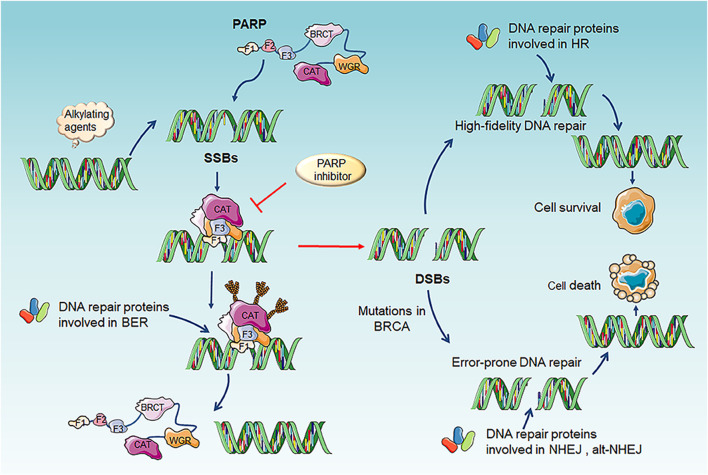
“Finally, it converted SSBs into DSBs and impelled cell death in HR-deficiency tumor, for example BRCA1/2 mutations, RAD51 deficiency (Figure 2) (Konecny and Kristeleit, 2016; Brown et al., 2017; Lord and Ashworth, 2017; Oplustil O’Connor et al., 2016).”
BackgroundMaintenance Olaparib in Patients with Newly Diagnosed Advanced Ovarian Cancer
Moore, K., Colombo, N., Scambia, G., Kim, B.-G., Oaknin, A., Friedlander, M., Lisyanskaya, A., Floquet, A., Leary, A., Sonke, G. S., et al. (2018) · New England Journal of Medicine · doi:10.1056/nejmoa1810858 · Cited by 2,870
Maintenance Olaparib for Germline BRCA -Mutated Metastatic Pancreatic Cancer
Golan, T., Hammel, P., Reni, M., Van Cutsem, E., Macarulla, T., Hall, M. J., Park, J.-O., Hochhauser, D., Arnold, D., Oh, D.-Y., et al. (2019) · New England Journal of Medicine · doi:10.1056/nejmoa1903387 · Cited by 2,302 · cited 1×
“Several clinical trials using PARPi including Olaparib, Veliparib, Rucaparib (Table 1) as monotherapy for the treatment of patients with germline BRCA1/2 mutation tumors including advanced breast cancer, ovarian cancer, pancreatic cancer and prostate cancer presented significantly antitumor effect (Kaufman et al., 201…”
Research works printed but not linked: 3
- Anderson, 1980, The presence of nuclear and mitochondrial uracil-DNA glycosylase in extracts of human KB cells, Nucleic Acids Res, 4, 875
- Liu, 2003, Blockage of abasic site repair enhances antitumor efficacy of 1,3-bis-(2-chloroethyl)-1-nitrosourea in colon tumor xenografts, Mol. Cancer Ther, 10, 1061
- Luo, 2004, Inhibition of the human apurinic/apyrimidinic endonuclease (APE1) repair activity and sensitization of breast cancer cells to DNA alkylating agents with lucanthone, Anticancer Res, 4, 2127
Cited by
Sorted by citations
Trends in kinase drug discovery: targets, indications and inhibitor design
Attwood, M. M., Fabbro, D., Sokolov, A. V., Knapp, S., & Schiöth, H. B. (2021) · Nature Reviews Drug Discovery · doi:10.1038/s41573-021-00252-y · Cited by 850
Understanding and targeting resistance mechanisms in cancer
Lei, Z., Qin, T., Teng, Q., Wurpel, J. N. D., Zeng, L., Pan, Y., & Chen, Z. (2023) · MedComm · doi:10.1002/mco2.265 · Cited by 406
Battling Chemoresistance in Cancer: Root Causes and Strategies to Uproot Them
Ramos, A., Sadeghi, S., & Tabatabaeian, H. (2021) · International Journal of Molecular Sciences · doi:10.3390/ijms22179451 · Cited by 309
“Moreover, abnormal DNA repair activity was found in palbociclib (CDK4/6 inhibitor)-resistant breast cancer cells, whereas PARP inhibitors, olaparib and niraparib treatment could significantly inhibit palbociclib resistance in cancer cells [98,99].”
BackgroundTargeted Therapy and Mechanisms of Drug Resistance in Breast Cancer
Kinnel, B., Singh, S. K., Oprea‐Ilies, G., & Singh, R. (2023) · Cancers · doi:10.3390/cancers15041320 · Cited by 209
“A combination therapy clinical study has looked into the use of PARP inhibitor Niraparib and anti-PD-1 antibody pembrolizumab in patients with TNBC or ovarian cancer (NCT02657889) [29].”
BackgroundDNA Damage Response in Cancer Therapy and Resistance: Challenges and Opportunities
Jurkovičová, D., Neophytou, C. M., Gašparović, A. Č., & Gonçalves, A. C. (2022) · International Journal of Molecular Sciences · doi:10.3390/ijms232314672 · Cited by 175
Understanding and overcoming multidrug resistance in cancer
Ge, M., Chen, X.-Y., Huang, P., Fleishman, J. S., Yang, D., Wu, Z., Ke, Z., & Chen, Z. (2025) · Nature Reviews Clinical Oncology · doi:10.1038/s41571-025-01059-1 · Cited by 145
“The types of DNA damage and corresponding repair systems have been comprehensively discussed elsewhere 193 .”
Self-citationNuclear-Mitochondrial Interactions
Walker, B. R., & Moraes, C. T. (2022) · Biomolecules · doi:10.3390/biom12030427 · Cited by 143
“Other repair pathways, such as mismatch repair, translesion synthesis, and single- and double-strand break repairs, are less efficient or have not been shown to occur in mitochondria [224,225].”
BackgroundMYC and therapy resistance in cancer: risks and opportunities
Donati, G., & Amati, B. B. (2022) · Molecular Oncology · doi:10.1002/1878-0261.13319 · Cited by 104
AXL signaling in cancer: from molecular insights to targeted therapies
Yadav, M., Sharma, A., Patne, K., Tabasum, S., Suryavanshi, J., Rawat, L., Machaalani, M., Eid, M., Singh, R. P., Choueiri, T. K., et al. (2025) · Signal Transduction and Targeted Therapy · doi:10.1038/s41392-024-02121-7 · Cited by 99
“169 Targeting AXL signaling presents a promising approach to enhance cell death by promoting DNA damage-induced activation of DDR pathways.”
Of the many cellular responses activated by TP53, which ones are critical for tumour suppression?
Thomas, A., Kelly, G. L., & Strasser, A. (2022) · Cell Death and Differentiation · doi:10.1038/s41418-022-00996-z · Cited by 102
Emerging nanotechnology-based therapeutics to combat multidrug-resistant cancer
Yadav, P., Ambudkar, S. V., & Prasad, N. R. (2022) · Journal of Nanobiotechnology · doi:10.1186/s12951-022-01626-z · Cited by 109
“Enhanced DNA repair pathways and chromatin dynamics are known to be associated with the development of MDR in tumor cells [9, 17, 19].”
BackgroundŠevčíková, A., Izoldova, N., Števurková, V., Kasperova, B., Chovanec, M., Čierniková, S., & Mego, M. (2022) · International Journal of Molecular Sciences · doi:10.3390/ijms23010488 · Cited by 109
“However, cancer cells can trigger the repair of damaged DNA by removal of chemotherapy-induced DNA lesions leading to resistance to anticancer therapy and increased cancer cell survival [19].”
BackgroundThe role of extracellular vesicles in the transfer of drug resistance competences to cancer cells
Xavier, C. P. R., Belisario, D. C., Rebelo, R., Assaraf, Y. G., Giovannetti, E., Kopecka, J., & Vasconcelos, M. H. (2022) · Drug Resistance Updates · doi:10.1016/j.drup.2022.100833 · Cited by 98
Can Cisplatin Therapy Be Improved? Pathways That Can Be Targeted
Ali, R., Aouida, M., Sulaiman, A. A., Madhusudan, S., & Ramotar, D. (2022) · International Journal of Molecular Sciences · doi:10.3390/ijms23137241 · Cited by 92
“It has been suggested that cisplatin tumour cytotoxicity is based on the formation of ICLs, which can prevent DNA synthesis and RNA transcription elongation, and the mechanisms of resistance to the drug stem from tumour cells exploiting multiple DNA repair pathways to process ICL lesions [53].”
BackgroundMethodDNA Damage and Its Role in Cancer Therapeutics
Moon, J., Kitty, I., Renata, K., Qin, S., Zhao, F., & Kim, W. (2023) · International Journal of Molecular Sciences · doi:10.3390/ijms24054741 · Cited by 100
“If the cancer cell cannot restore and activate the DNA damage response (DDR), the affected cancer cell dies [7,8].”
BackgroundThe Promise of Nanoparticles-Based Radiotherapy in Cancer Treatment
Haque, M., Shakil, M. S., & Mahmud, K. M. (2023) · Cancers · doi:10.3390/cancers15061892 · Cited by 88
“Three different types of sensor protein complexes are responsible for the recruitment, as well as activation, of these three proteins of the PI3K family at damaged DNA sites, i.e., MRE11/RAD50/NBS1 (MRN) for ATM, RPA/ATRIP for ATR, and KU70–KU80/86 for DNA-PK [55].”
BackgroundInfluentialZinc finger proteins: guardians of genome stability
Kamaliyan, Z., & Clarke, T. L. (2024) · Frontiers in Cell and Developmental Biology · doi:10.3389/fcell.2024.1448789 · Cited by 77
“Given that cells which harbor mutations in BRCA1/2 are de fi cient in homologous recombination repair, these cancer cells are exquisitely sensitive to this treatment, a concept known as synthetic lethality (Bryant et al., 2005; Farmer et al., 2005; Li et al., 2021; Baxter et al., 2022).”
BackgroundBioactivity and Development of Small Non-Platinum Metal-Based Chemotherapeutics
Ferraro, M., Piccolo, M., Misso, G., Santamaria, R., & Irace, C. (2022) · Pharmaceutics · doi:10.3390/pharmaceutics14050954 · Cited by 67
“Consequently, DNA repair pathways are now believed to be reasonable druggable targets for enhancing tumour sensitivity to cancer therapies [60].”
BackgroundTherapeutic strategies of dual-target small molecules to overcome drug resistance in cancer therapy
Ye, J., Wu, J., & Liu, B. (2023) · Biochimica et Biophysica Acta (BBA) - Reviews on Cancer · doi:10.1016/j.bbcan.2023.188866 · Cited by 63
Nanotechnology in cancer treatment: revolutionizing strategies against drug resistance
Sabir, S., Thani, A. S. B., & Abbas, Q. (2025) · Frontiers in Bioengineering and Biotechnology · doi:10.3389/fbioe.2025.1548588 · Cited by 74
Schiff bases and their metal complexes to target and overcome (multidrug) resistance in cancer
Podolski-Renić, A., Gašparović, A. Č., Valente, A., López, Ó., Nunes, J. H. B., Kowol, C. R., Heffeter, P., & Filipović, N. R. (2024) · European Journal of Medicinal Chemistry · doi:10.1016/j.ejmech.2024.116363 · Cited by 54
Ubiquitination Links DNA Damage and Repair Signaling to Cancer Metabolism
Koo, S.-Y., Park, E., Noh, H.-J., Jo, S.-M., Ko, B.-K., Shin, H.-J., & Lee, C. (2023) · International Journal of Molecular Sciences · doi:10.3390/ijms24098441 · Cited by 60
Drug repurposing: A novel strategy to target cancer stem cells and therapeutic resistance
Ajmeera, D., & Ajumeera, R. (2023) · Genes & Diseases · doi:10.1016/j.gendis.2022.12.013 · Cited by 67
“Any processes interfering with the DNA damage mechanisms can reverse the drug-induced damage as most chemotherapy drugs directly or indirectly act by damaging DNA and affect the efficacy of DNA-damaging cytotoxic drugs.(92) For example, cisplatin causes harmful DNA crosslinks, leading to apoptosis.”
BackgroundEpigenetic Regulation in Chromium-, Nickel- and Cadmium-Induced Carcinogenesis
Zhao, L., Islam, R., Wang, Y.-F., Zhang, X., & Liu, L.-Z. (2022) · Cancers · doi:10.3390/cancers14235768 · Cited by 73
Lau, C.-H., Seow, K., & Chen, K.-H. (2022) · International Journal of Molecular Sciences · doi:10.3390/ijms23158125 · Cited by 50
“Given the lack of a contrast template strand, NHEJ is a faster but error-prone mechanism of DNA repair [9,15].”
BackgroundTo, K. K. W., Huang, Z., Zhang, H., Ashby, C. R., & Fu, L. (2024) · Drug Resistance Updates · doi:10.1016/j.drup.2024.101058 · Cited by 46
Unboxing the molecular modalities of mutagens in cancer
Kumari, S., Sharma, S., Advani, D., Khosla, A., Kumar, P., & Ambasta, R. K. (2021) · Environmental Science and Pollution Research · doi:10.1007/s11356-021-16726-w · Cited by 115
“Abundant published evidence suggested that alteration in tumor DNA repair can be the therapeutic target, and its deficiency is linked with clinical biomarkers (Li et al. 2021)S.”
BackgroundWang, Z., & Yang, L. (2024) · Pharmacological Research · doi:10.1016/j.phrs.2024.107150 · Cited by 49
Mitochondrial DNA-targeted therapy: A novel approach to combat cancer
Lin, Y., Yang, B., Huang, Y., Zhang, Y., Yu, J., Ma, L., & Shen, Y. (2023) · Cell Insight · doi:10.1016/j.cellin.2023.100113 · Cited by 53
Glioblastoma Stem Cells—Useful Tools in the Battle against Cancer
Rodriguez, S. M. B., Staicu, G.-A., Sevastre, A.-S., Baloi, C., Ciubotaru, V. G., Dricu, A., & Tătăranu, L. G. (2022) · International Journal of Molecular Sciences · doi:10.3390/ijms23094602 · Cited by 54
“Targeting the DNA repairing pathways could increase the sensitivity of tumor to various cancer therapies [17].”
BackgroundDrug resistance mechanisms in cancers: Execution of pro-survival strategies
Dhanyamraju, P. K. (2023) · Journal of Biomedical Research · doi:10.7555/jbr.37.20230248 · Cited by 56
Breathing new insights into the role of mutant p53 in lung cancer
Chen, T., Ashwood, L. M., Kondrashova, O., Strasser, A., Kelly, G. L., & Sutherland, K. D. (2024) · Oncogene · doi:10.1038/s41388-024-03219-6 · Cited by 49
Beyond the Double-Strand Breaks: The Role of DNA Repair Proteins in Cancer Stem-Cell Regulation
Nathansen, J., Meyer, F., Müller, L., Schmitz, M., Borgmann, K., & Dubrovska, A. (2021) · Cancers · doi:10.3390/cancers13194818 · Cited by 51
WEE1 Inhibition in Cancer Therapy: Mechanisms, Synergies, Preclinical Insights, and Clinical Trials.
Thangaretnam, K., Islam, M. O., Lv, J.-L., Elrifai, A., Perloff, A., Soutto, H. L., Peng, D., & Chen, Z. (2025) · Critical reviews in oncology/hematology · doi:10.1016/j.critrevonc.2025.104710 · Cited by 41
Roehrig, A., Hirsch, T. Z., Pire, A., Morcrette, G., Gupta, B., Marcaillou, C., Imbeaud, S., Chardot, C., Gonzales, E. M., Jacquemin, E., et al. (2024) · Nature Communications · doi:10.1038/s41467-024-47280-x · Cited by 43
“8g), two features associated with chemotherapy resistance 26,27 .”
BackgroundCarlsen, L., & El‐Deiry, W. S. (2022) · Frontiers in Oncology · doi:10.3389/fonc.2022.998388 · Cited by 42
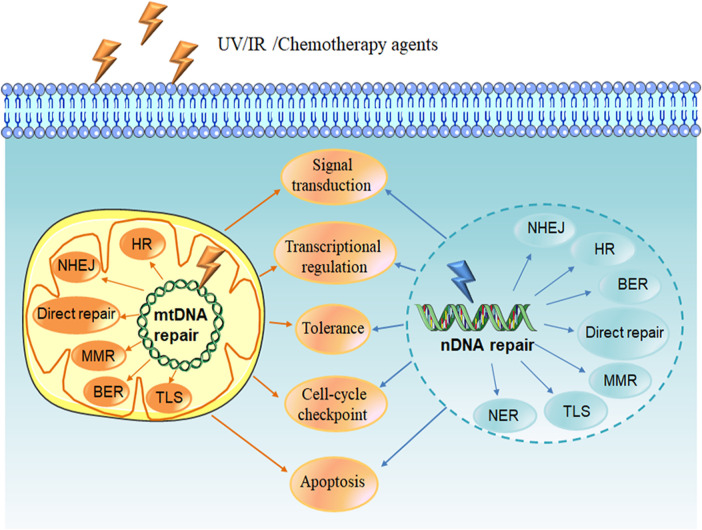
“Activation of these pathways results in cell cycle arrest, DNA repair, senescence, and/or apoptosis depending on the extent of DNA damage (Figure 1) (15).”
BackgroundCellular Responses to Widespread DNA Replication Stress
Nickoloff, J. A., Jaiswal, A. S., Sharma, N., Williamson, E. A., Tran, M. T., Arris, D., Yang, M., & Hromas, R. (2023) · International Journal of Molecular Sciences · doi:10.3390/ijms242316903 · Cited by 46
“…truly a double-edged sword: it maintains genome stability and suppresses tumorigenesis, but tumor cells can hijack the DDR to upregulate DNA repair and promote tumor cell survival in response to oncogenic stress and stress induced by genotoxic (DNA-damaging) chemotherapy and radiotherapy [15–21].”
BackgroundResearch Progress on the Anticancer Activities and Mechanisms of Polysaccharides From Ganoderma
Wang, M., & Yu, F. (2022) · Frontiers in Pharmacology · doi:10.3389/fphar.2022.891171 · Cited by 38
Dual Approaches in Oncology: The Promise of siRNA and Chemotherapy Combinations in Cancer Therapies
Sousa, C., & Videira, M. (2025) · Onco · doi:10.3390/onco5010002 · Cited by 39
“Drug repair mechanisms, mutations in drug targets, and the activation of alternative survival pathways [25–27].”
CK2 and the Hallmarks of Cancer
Firnau, M.-B., & Brieger, A. (2022) · Biomedicines · doi:10.3390/biomedicines10081987 · Cited by 44
“The MMR system repairs base-base mismatches and insertion/deletion loops (IDLs) [466] which arise either during DNA replication or are caused by DNA damage [487].”
BackgroundInfluentialNanomedicines for Overcoming Cancer Drug Resistance
Hu, T., Gong, H., Xu, J., Huang, Y., Wu, F., & He, Z. (2022) · Pharmaceutics · doi:10.3390/pharmaceutics14081606 · Cited by 61
Insights into therapy resistance in cervical cancer
George, I. A., Chauhan, R., Dhawale, R. E., Iyer, R., Limaye, S. A., Sankaranarayanan, R., Venkataramanan, R., & Kumar, P. (2022) · Advances in Cancer Biology - Metastasis · doi:10.1016/j.adcanc.2022.100074 · Cited by 52
Lagunas-Rangel, F., Liu, W., & Schiöth, H. (2022) · International Journal of Environmental Research and Public Health · doi:10.3390/ijerph19042064 · Cited by 35
“Meanwhile, DNA-PK activity, involved in double-strand repair through the non-homologous end joining (NHEJ) pathway, plays a role in chemoresistance and its inhibition enhances the sensitivity of cancer cells to different chemotherapeutic drugs [53].”
BackgroundPolónia, B. R. G., Xavier, C. P. R., Kopecka, J., Riganti, C., & Vasconcelos, M. H. (2023) · Cytokine & Growth Factor Reviews · doi:10.1016/j.cytogfr.2023.05.001 · Cited by 39
“…cells may contribute to drug resistance by enhancing mechanisms to evade cell death [42,43], exacerbating DNA damage response and repair mechanisms [44], altering the expression of several microRNAs (miRNAs) [45,46] and increasing the expression of the multidrug resistant (MDR) ATP-binding…”
microRNAs in cancer chemoresistance: The sword and the shield
Mondal, P., & Meeran, S. (2021) · Non-coding RNA Research · doi:10.1016/j.ncrna.2021.12.001 · Cited by 34
“ERCC1 is associated with resistance of platinum-based agents, whereas high expression of RRM1 is associated with cisplatin, docetaxel, and gemcitabine resistance [10,18].”
BackgroundRoles of NRF2 in DNA damage repair
Li, J., Xu, C. S., & Liu, Q. (2023) · Cellular Oncology · doi:10.1007/s13402-023-00834-5 · Cited by 36
“The DNA repair capacity of tumor cells is associated with drug resistance in chemoradiotherapy, targeted therapy, and immunotherapy [93, 94].”
BackgroundRitter, A., Kreis, N., Roth, S., Friemel, A., Safdar, B. K., Hoock, S. C., Wildner, J. M., Allert, R., Louwen, F., Solbach, C., et al. (2023) · Journal of Experimental & Clinical Cancer Research · doi:10.1186/s13046-022-02592-y · Cited by 46
Zhao, X., Singhal, A., Park, S., Kong, J., Bachelder, R. E., & Ideker, T. (2024) · Cancer Discovery · doi:10.1158/2159-8290.cd-23-0641 · Cited by 35
The UHRF protein family in epigenetics, development, and carcinogenesis
Unoki, M., & Sasaki, H. (2022) · Proceedings of the Japan Academy. Series B, Physical and biological sciences · doi:10.2183/pjab.98.021 · Cited by 31
Biegała, Ł., Gajek, A., Marczak, A., & Rogalska, A. (2023) · Cells · doi:10.3390/cells12071038 · Cited by 28
cGAS in nucleus: The link between immune response and DNA damage repair
Song, J.-X., Villagomes, D., Zhao, H., & Zhu, M. (2022) · Frontiers in Immunology · doi:10.3389/fimmu.2022.1076784 · Cited by 33
Advances in Development of Selective Antitumor Inhibitors That Target PARP-1
Liu, F., Chen, J., Li, X., Liu, R., Zhang, Y., Gao, C., & Shi, D. (2023) · Journal of Medicinal Chemistry · doi:10.1021/acs.jmedchem.3c00865 · Cited by 34
Curcumin modulates cell type-specific miRNA networks to induce cytotoxicity in ovarian cancer cells.
Ravindran, F., Mhatre, A., Koroth, J., Narayan, S., & Choudhary, B. (2023) · Life Science · doi:10.1016/j.lfs.2023.122224 · Cited by 29
The AKT inhibitor, MK-2206, attenuates ABCG2-mediated drug resistance in lung and colon cancer cells
Gao, H.-L., Cui, Q.-B., Wang, J.-Q., Ashby, C., Chen, Y.-C., Shen, Z.-R., & Chen, Z.-S. (2023) · Frontiers in Pharmacology · doi:10.3389/fphar.2023.1235285 · Cited by 29
“, lysosomes) and 8) evasion of the host immune response (Zhitomirsky and Assaraf, 2016; Rathore et al., 2017; Kaur et al., 2020; Li et al., 2020;Wang et al., 2021a; Wang et al., 2021b; Ni et al., 2021; Meng et al., 2022).”
BackgroundGreen Tea Epigallocatechin-3-Gallate Regulates Autophagy in Male and Female Reproductive Cancer
Hung, S. W., Li, Y., Chen, X., Chu, K. O., Zhao, Y., Liu, Y., Guo, X. W., Man, G. C. W., & Wang, C. C. (2022) · Frontiers in Pharmacology · doi:10.3389/fphar.2022.906746 · Cited by 33
Self-citationShen, H., Wang, H., Mo, J., Zhang, J., Xu, C., Sun, F., Ou, X., Zhu, X., Du, L., Ju, H., et al. (2024) · Bioactive Materials · doi:10.1016/j.bioactmat.2024.03.024 · Cited by 26
“Therefore, inhibiting DNA repair could be a promising therapeutic approach to overcome the tumor radioresistance and recurrence [13 – 15].”
BackgroundRecent developments in photodynamic therapy and its application against multidrug resistant cancers
Bhattacharya, D., Mukhopadhyay, M., Shivam, K., Tripathy, S., Patra, R., & Pramanik, A. (2023) · Biomedical Materials · doi:10.1088/1748-605x/ad02d4 · Cited by 35
“However, there are few cases of clinical studies where there is no connection observed between CP resistance and XRCC1 or genotypic relevance [164, 165].”
BackgroundSignaling pathway dysregulation in breast cancer
Ryspayeva, D., Seyhan, A. A., MacDonald, W., Purcell, C., Roady, T. J., Ghandali, M., Verovkina, N., El‐Deiry, W. S., Taylor, M. S., & Graff, S. L. (2025) · Oncotarget · doi:10.18632/oncotarget.28701 · Cited by 31
Transmembrane nuclease NUMEN/ENDOD1 regulates DNA repair pathway choice at the nuclear periphery
Chen, B., Ge, T., Jian, M., Chen, L., Fang, Z., He, Z., Huang, C., An, Y., Yin, S., Xiong, Y., et al. (2023) · Nature Cell Biology · doi:10.1038/s41556-023-01165-1 · Cited by 27
Mukherjee, S., Dutta, A., & Chakraborty, A. (2022) · Archives of Biochemistry and Biophysics · doi:10.1016/j.abb.2022.109302 · Cited by 26
Xeroderma Pigmentosum: Gene Variants and Splice Variants
Martens, M. C., Emmert, S., & Boeckmann, L. (2021) · Genes · doi:10.3390/genes12081173 · Cited by 28
“Since abnormal function of DNA repair pathways is associated with the initiation and progression of cancer [53], further research should be conducted on the influence of alternative splice variants of XP genes on cancer risk.”
BackgroundThe Dysregulation of MicroRNAs in the Development of Cervical Pre-Cancer—An Update
Choi, P.-W., Liu, T.-L., Wong, C.-W., Liu, S.-K., Lum, Y., & Ming, W. (2022) · International Journal of Molecular Sciences · doi:10.3390/ijms23137126 · Cited by 25
Hidden Targets in RAF Signalling Pathways to Block Oncogenic RAS Signalling
Nolan, A. A., Aboud, N. K., Kölch, W., & Matallanas, D. (2021) · Genes · doi:10.3390/genes12040553 · Cited by 29
“Despite the headlines made by targeted therapies, DNA damaging chemotherapy is still the mainstay of cancer treatment and augmenting its efficacy could reduce side effects and increase responses [64].”
BackgroundKrishnaraj, J., Yamamoto, T., & Ohki, R. (2023) · Cancers · doi:10.3390/cancers15133399 · Cited by 22
“Following chemoradiotherapy, p53-induced DNA repair enzymes help cancer cells to evade DNA damage-induced apoptosis or cell cycle arrest and permit uncontrolled proliferation [110,111].”
BackgroundDas, P. K., Matada, G. S. P., Pal, R., Maji, L., Dhiwar, P. S., Manjushree, B. V., & Viji, M. P. (2024) · European Journal of Medicinal Chemistry · doi:10.1016/j.ejmech.2024.116535 · Cited by 30
Ma, B., Li, Q., Mi, Y.-Q., Zhang, J.-J., Tan, W.-Q., & Guo, Z.-Y. (2023) · International Journal of Biological Macromolecules · doi:10.1016/j.ijbiomac.2023.128590 · Cited by 23
Pathways to healing: Plants with therapeutic potential for neurodegenerative diseases
Tyler, S. E. B., & Tyler, L. D. K. (2023) · IBRO Neuroscience Reports · doi:10.1016/j.ibneur.2023.01.006 · Cited by 33
“Most drugs targeted to DNA damage are in development for anti-cancer therapy, aiming to kill the cancerous cells (Li et al., 2021).”
Xia, N., Yang, N., Shan, Q., Wang, Z., Liu, X., Chen, Y., Lu, J., Huang, W., & Wang, Z. (2022) · Journal of Cellular and Molecular Medicine · doi:10.1111/jcmm.17254 · Cited by 26
Sidi, S., Pascottini, O. B., Angel-Velez, D., Azari-Dolatabad, N., Pavani, K., Residiwati, G., Meese, T., van Nieuwerburgh, F., Bawa, E. K., Voh, A. A., et al. (2022) · Antioxidants · doi:10.3390/antiox11020344 · Cited by 23
“In the same line, the DNA repair pathway was upregulated in the lycopene group, indicating stimulation to maintain genetic stability and integrity when the embryos were exposed to endogenous or exogenous DNA-damaging agents, such as ROS [61].”
BackgroundSolta, A., Boettiger, K., Kovács, I., Lang, C., Megyesfalvi, Z., Ferk, F., Mišík, M., Hoetzenecker, K., Aigner, C., Kowol, C., et al. (2023) · Clinical Cancer Research · doi:10.1158/1078-0432.ccr-23-1795 · Cited by 22
“DNA-repair mechanisms such as BER are known to be involved in resistance to chemotherapy in a wide variety of cancer cells (68).”
Lai, H.-H., Hung, L.-Y., Yen, C., Hung, H.-C., Chen, R.-Y., Ku, Y., Lo, H., Tsai, H., Lee, Y.-P., Yang, T.-H., et al. (2022) · Journal of Pathology · doi:10.1002/path.6001 · Cited by 22
“Current examples of DNA repair inhibitors commonly used in combination with chemotherapy or radiotherapy include inhibitors for DNA damage sensors poly-ADP ribose polymerase (PARP) and DNA-dependent protein kinase (DNA-PK) and the DNA repair enzyme APE1 endonuclease [2].”
BackgroundTargeting Replication Stress Response Pathways to Enhance Genotoxic Chemo- and Radiotherapy
Nickoloff, J. A. (2022) · Molecules · doi:10.3390/molecules27154736 · Cited by 30
“, low oxygen and nutrient levels, attack by the immune system); gain cell migratory functions that drive invasion and metastasis; develop resistance to intrinsic oncogenic stress reflecting dysregulated DNA replication [29,30]; and develop resistance to extrinsic stress from genotoxic therapeutics [15,31].”
BackgroundChen, M., Ma, Y., & Chang, W. (2022) · International Journal of Biological Sciences · doi:10.7150/ijbs.72482 · Cited by 26
“Many pharmacological inhibitors of DNA damage repair have been identified and are used in clinical studies for cancer therapy (150).”
BackgroundTherapy resistance in prostate cancer: mechanism, signaling and reversal strategies
Thakur, N., Singh, P., Bagri, A., Srivastava, S., Dwivedi, V., Singh, A., Jaiswal, S. K., & Dholpuria, S. (2024) · Exploration of Targeted Anti-tumor Therapy · doi:10.37349/etat.2024.00266 · Cited by 22
Schostak, M., Bradbury, A. R., Briganti, A., de Castro, D. G., Gomella, L. G., Mateo, J., Penault-Llorca, F. M., Stenzinger, A., Wyatt, A. W., & Bjartell, A. S. (2023) · European Urology Oncology · doi:10.1016/j.euo.2023.08.004 · Cited by 26
Editorial: Chemo-Radiation-Resistance in Cancer Therapy
Lin, X., Kong, D., & Chen, Z.-S. (2022) · Frontiers in Pharmacology · doi:10.3389/fphar.2022.904063 · Cited by 21
G-quadruplex-mediated genomic instability drives SNVs in cancer
Richl, T., Kuper, J., & Kisker, C. (2024) · Nucleic Acids Research · doi:10.1093/nar/gkae098 · Cited by 20
“One possible explanation for the observed difference be-tween cSNVs and dbSNVs could be system-wide alterations in cancer cells, which are often characterized by increased replication stress, altered DNA repair mechanisms or changes in chromatin structure ( 85 ,86 ).”
BackgroundTargeted Hyperbranched Nanoparticles for Delivery of Doxorubicin in Breast Cancer Brain Metastasis
Lim, M., Fletcher, N. L., Saunus, J. M., Reed, A. E. M., Chittoory, H., Simpson, P. T., Thurecht, K. J., & Lakhani, S. R. (2023) · Molecular Pharmaceutics · doi:10.1021/acs.molpharmaceut.3c00558 · Cited by 21
Hassel, J. C., Zimmer, L., Sickmann, T., Eigentler, T., Meier, F. E., Mohr, P., Pukrop, T., Roesch, A., Vordermark, D., Wendl, C. M., et al. (2023) · Cancers · doi:10.3390/cancers15133448 · Cited by 21
Cognitive dysfunction in chemobrain: Molecular mechanisms and therapeutic implications
Kim, H., Rashid, M. A., Poleschuk, M., Ullah, F., Lee, S., Kim, S., Qin, B., Zheng, X., & Jang, M.-H. (2025) · Biomedicine & Pharmacotherapy · doi:10.1016/j.biopha.2025.118581 · Cited by 25
Emerging innovations in theranostics for pancreatic neuroendocrine tumors
Karimi, A., Bogdani, C., O’Dwyer, E., & Siolas, D. (2025) · npj Precision Oncology · doi:10.1038/s41698-025-00938-1 · Cited by 23
Karoii, D. H., Bavandi, S., Djamali, M., & Abroudi, A. S. (2024) · Discover Oncology · doi:10.1007/s12672-024-01399-x · Cited by 19
Su, P., Tian, Y., Zhang, Y., Huang, H., Chen, M., Cao, C., Kang, W., Liu, Y., & Yu, J. (2024) · Cancer Cell International · doi:10.1186/s12935-024-03453-8 · Cited by 22
“These mechanisms include epigenetic alterations, epithelial-mesenchymal transition, drug efflux, enhanced DNA repair and impaired apoptosis [30–32].”
BackgroundMatarrese, P., Signore, M., Ascione, B., Fanelli, G., Paggi, M. G., & Abbruzzese, C. (2024) · Journal of Translational Medicine · doi:10.1186/s12967-024-05501-3 · Cited by 23
“Since DNA damage response (DDR) may contribute to the hypersensitivity or resistance of cancer cells to genotoxic agents [51], and CPZ shows a synergy with TMZ [36], we investigated the effects of CPZ on DNA repair pathways.”
BackgroundShi, J., Shen, Y. H., & Zhang, J. (2024) · Cancer Drug Resistance · doi:10.20517/cdr.2024.81 · Cited by 13
Lee, S., Kim, J., Jeong, E., & Myung, K. (2025) · DNA repair · doi:10.1016/j.dnarep.2025.103887 · Cited by 16
Nguyen, H. M., Nguyen, T. Y. N., Le, N. T. H., Le, T. N. T., Chau, N. T. N., Le, T. M. H., & Nguyen, B. Q. H. (2024) · Heliyon · doi:10.1016/j.heliyon.2024.e39229 · Cited by 16
“In cancer cells, the induction of DNA damage response protects against genetic instability and promotes tumor growth [49].”
BackgroundChitosan nanocarriers: A promising approach for glioblastoma therapy.
Sarkar, P., Manna, A., Bera, S., Sen, O., Das, P., Nandi, G., & Manna, S. (2025) · Carbohydrate Polymers · doi:10.1016/j.carbpol.2025.123823 · Cited by 17
The hallmarks of oncogenic signaling: From pathways to resistance in cancer therapy
Tufail, M., Gong, K., Ijaz, B., Patel, H. H., Lui, W., Wang, X., & Li, J. (2026) · Drug Resistance Updates · doi:10.1016/j.drup.2026.101355 · Cited by 16
Wang, A., Zhang, Y., Fan, Y., Zhao, Z., Lv, Z., Guo, Y., Li, M., Chen, Y., Hu, L., Ji, D., et al. (2025) · Journal of the American Chemical Society · doi:10.1021/jacs.5c02826 · Cited by 17
Masi, M., Poppi, L., Previtali, V., Nelson, S. R., Wynne, K. J., Varignani, G., Falchi, F., Veronesi, M., Albanesi, E., Tedesco, D., et al. (2025) · Cell Death Discovery · doi:10.1038/s41420-025-02382-3 · Cited by 19
“Increasing literature data correlate DNA repair pathways deregulation with cancer initiation and progression [30] and DNA repair mechanisms play a pivotal role in modulating cancer risk, progression and therapeutic response [31].”
Elevated PAF1-RAD52 axis confers chemoresistance to human cancers
Rauth, S., Ganguly, K., Atri, P., Parte, S. C., Nimmakayala, R. K., Varadharaj, V., Nallasamy, P., Vengoji, R., Ogunleye, A. O., Lakshmanan, I., et al. (2023) · Cell Reports · doi:10.1016/j.celrep.2023.112043 · Cited by 17
“Chemotherapeutic agents directly or indirectly induce DNA damage to induce tumor cell death; 44,45 thus, DNA-damage-repairing potential profoundly affects the sensitivity of tumor cells to chemotherapies.”
BackgroundSatapathy, S., Das, C. K., Aggarwal, P., Sood, A. K., Parihar, A. S., Singh, S. K., & Mittal, B. R. (2022) · The Prostate · doi:10.1002/pros.24450 · Cited by 16
“Being tumor‐suppressor genes, their alterations lead to more aggressive disease, while a defective DNA repair mechanism can also theoretically sensitize to chemotherapy and radiation.(9,19,20) However, the impact of DDR‐associated alterations on treatment outcomes in the setting of mCRPC has been quite inconsistent.”
BackgroundTan, L., Huang, Z., Chen, Z.-R., Chen, S., Ye, Y.-L., Chen, T., & Chen, Z.-F. (2021) · Journal of chemotherapy · doi:10.1080/1120009x.2021.2009990 · Cited by 16
Ye, Q., Zhou, X., Ren, H., Han, F., Lin, R., & Li, J. (2023) · Frontiers in Pharmacology · doi:10.3389/fphar.2023.1274336 · Cited by 15
“However, cancer cells, especially resistant cells, are known to possess more robust phenotypes of antagonizing DNA damage via innate DNA repair or adaptive repair pathways (Jiang et al., 2020; Li et al., 2020).”
BackgroundAlradwan, I. A., Zhi, P., Zhang, T., Lip, H., Zetrini, A., He, C., Henderson, J. T., Rauth, A. M., & Wu, X. Y. (2024) · Journal of Controlled Release · doi:10.1016/j.jconrel.2024.11.061 · Cited by 15
Lucchesi, C. A., Vasilatis, D. M., Mantrala, S., Chandrasekar, T., Mudryj, M. M., & Ghosh, P. (2023) · International Journal of Molecular Sciences · doi:10.3390/ijms241411395 · Cited by 19
Chemotherapy and Physical Therapeutics Modulate Antigens on Cancer Cells
Szlasa, W., Janicka, N., Sauer, N., Michel, O., Nowak, B., Saczko, J., & Kulbacka, J. (2022) · Frontiers in Immunology · doi:10.3389/fimmu.2022.889950 · Cited by 15
Extracellular Vesicles in Ovarian Cancer: From Chemoresistance Mediators to Therapeutic Vectors
Barathan, M., Fuad, N. D. M., Jaafar, F., & Abdullah, N. A. H. (2024) · Biomedicines · doi:10.3390/biomedicines12081806 · Cited by 14
“HR plays a crucial role in DNA damage repair and is particularly significant in OC, especially in high-grade serous ovarian carcinoma (HGSOC) [65].”
BackgroundSong, Z., Wang, L., Ouyang, M., Xing, S., Liu, S., Sun, L., & Yu, H. (2024) · PLoS ONE · doi:10.1371/journal.pone.0306969 · Cited by 15
“Chemotherapy can induce DNA damage to trigger the DNA repair mechanism, for which can activate the cell cycle checkpoints and arrest cell cycle to repair the damage [29].”
Background
Metadata
- Authors
- Li, L.-Y., Guan, Y.-D., Chen, X.-S., Yang, J.-M., & Cheng, Y.
- Affiliations
- Central South University (CN)
- Corresponding author
- Cheng, Yan
- ORCID
- Cheng, Yan
- Venue
- Frontiers in Pharmacology
- Publisher
- Frontiers Media SA
- Published
- 2021-02-08
- Volume
- 11
- Pages
- 629266-629266
- ISSN
- 1663-9812 (ISSN-L)
- PMC
- PMC7898236
- OpenAlex
- W3127551105
- Cited by
- 383
- References
- 140
- Citations by year
- 2026: 40 · 2025: 81 · 2024: 86 · 2023: 93 · 2022: 69 · 2021: 14
- FWCI
- 7.08
- Type
- journal article
- Language
- en
- Open access
- gold
- doi.org
- Licence
- Locations
- Frontiers in Pharmacology (publishedVersion, cc-by)
- PubMed Central (publishedVersion, cc-by)
- PubMed (publishedVersion)
- UKnowledge (University of Kentucky) (submittedVersion, cc-by)
- DOAJ (DOAJ: Directory of Open Access Journals) (submittedVersion)
- Funders
- National Natural Science Foundation of China (81422051 81472593 31401208)
- Topics
- Life Sciences › Biochemistry, Genetics and Molecular Biology › Molecular Biology › DNA Repair Mechanisms
- Health Sciences › Medicine › Oncology › PARP inhibition in cancer therapy
- Health Sciences › Medicine › Oncology › Cancer-related Molecular Pathways
- Keywords
- DNA repair pathways, DNA damage response, cancer therapy, chemoresistance, ionizing radiation, DNA-damaging agents, DNA repair inhibitors, mitochondrial DNA repair, tumor sensitivity
About these checks
Registry, retraction, Cites and statistics results are computed, not judged, with one exception: a printed reference that no index lists is read once by a model before it counts as a citation error. Claims are extracted by a model and kept only when their quote appears verbatim in the text; each cited source is then checked, with a model’s help, for whether it says what the claim relies on. Those verdicts can be wrong — read the claim’s quote and the cited source before relying on one.
Statistics and arithmetic are recomputed, not judged.
Confidence bands are shown only for fields calibrated on our annotated test set. None is calibrated yet, so no band is shown.
What counts as a claim ›How we measure confidence ›How we check this ›
Are you an author, or do you see a problem with this page? Request a review
