

The DOI matches its Crossref record.
Genome-wide analysis of the Thaumatin-like gene family in Qingke (Hordeum vulgare L. var. nudum) uncovers candidates involved in plant defense against biotic and abiotic stresses
Abstract
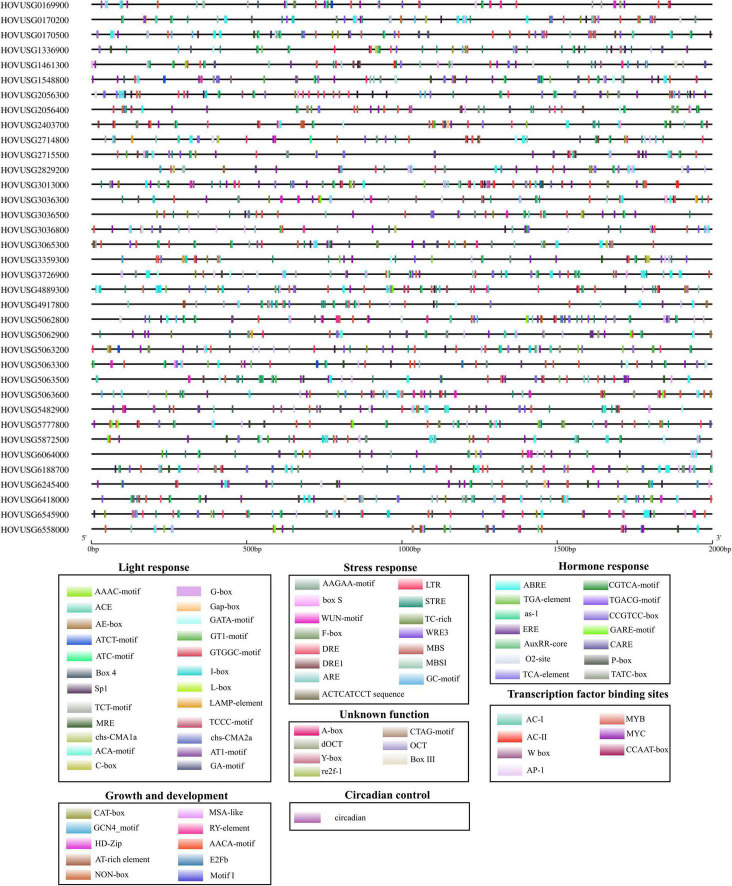
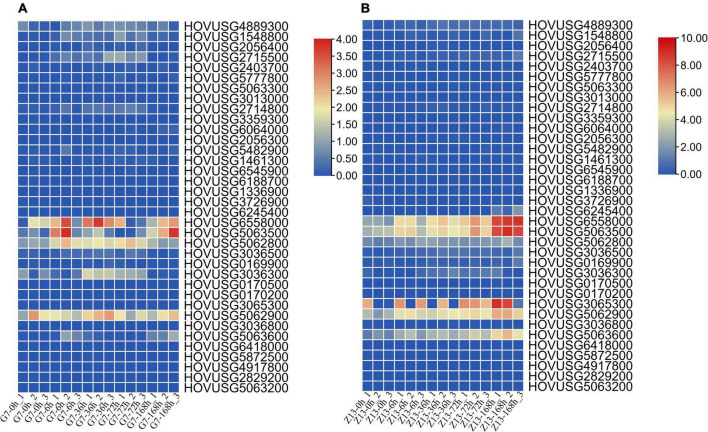
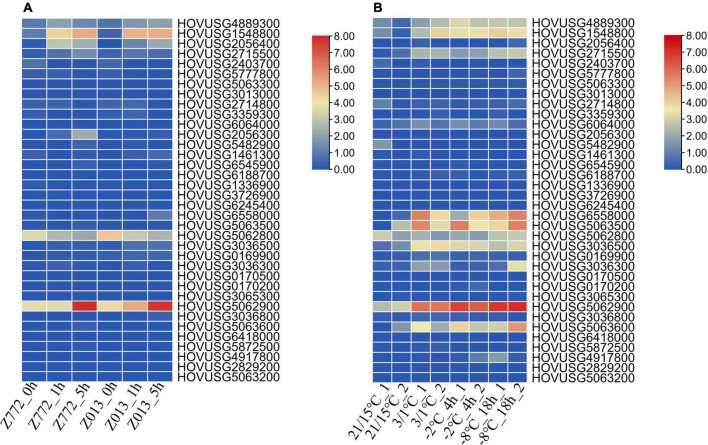
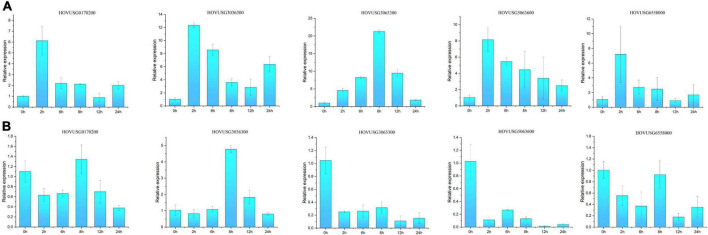
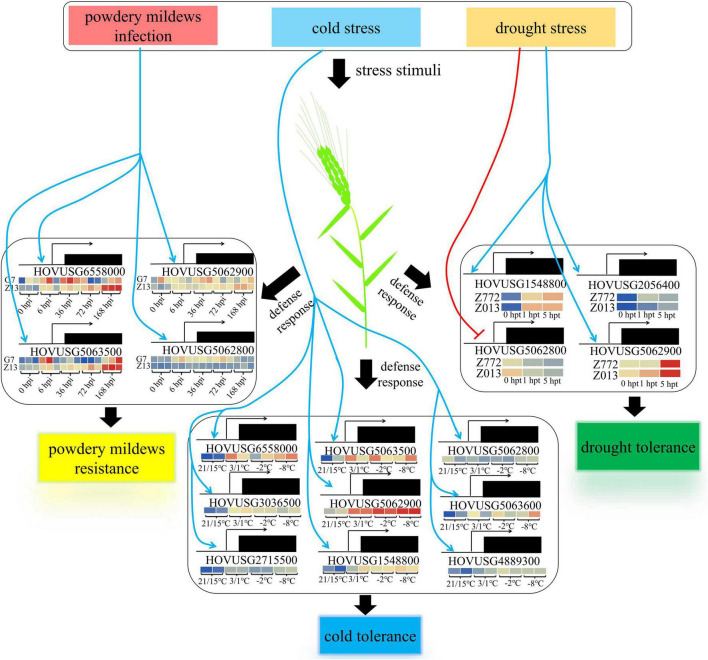
Thaumatin-like proteins (TLPs) participate in the defense responses of plants as well as their growth and development processes, including seed germination. Yet the functioning of TLP family genes, in addition to key details of their encoded protein products, has not been thoroughly investigated for Qingke ( Hordeum vulgare L. var. nudum ). Here, a total of 36 TLP genes were identified in the genome of Qingke via HMM profiling. Of them, 25 TLPs contained a signal peptide at the N-terminus, with most proteins predicted to localize in the cytoplasm or outer membrane. Sequence alignment and motif analysis revealed that the five REDDD residues required for β-1,3-glucanase activity were conserved in 21 of the 36 Qingke TLPs. Phylogenetically, the TLPs in plants are clustered in 10 major groups. Our analysis of gene structure did not detect an intron in 15 Qingke TLPs whereas the other 21 did contain 1–7 introns. A diverse set of cis -acting motifs were found in the promoters of the 36 TLPs , including elements related to light, hormone, and stress responses, growth and development, circadian control, and binding sites of transcription factors, thus suggesting a multifaceted role of TLPs in Qingke. Expression analyses revealed the potential involvement of TLPs in plant defense against biotic and abiotic stresses. Taken together, the findings of this study deepen our understanding of the TLP family genes in Qingke, a staple food item in Tibet, which could strengthen future investigations of protein function in barley and its improved genetic engineering.
Overview
The claims and statistics of this paper haven’t been checked yet.
Run the check — free, no account needed. It reads the open-access text and checks the sources it cites.
Integrity signals
Registry
Cites
Statistics
Figures
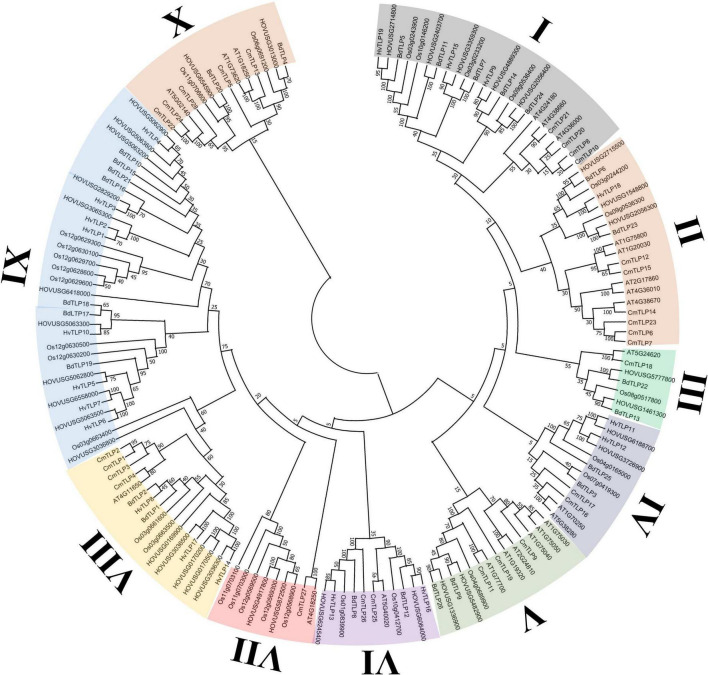
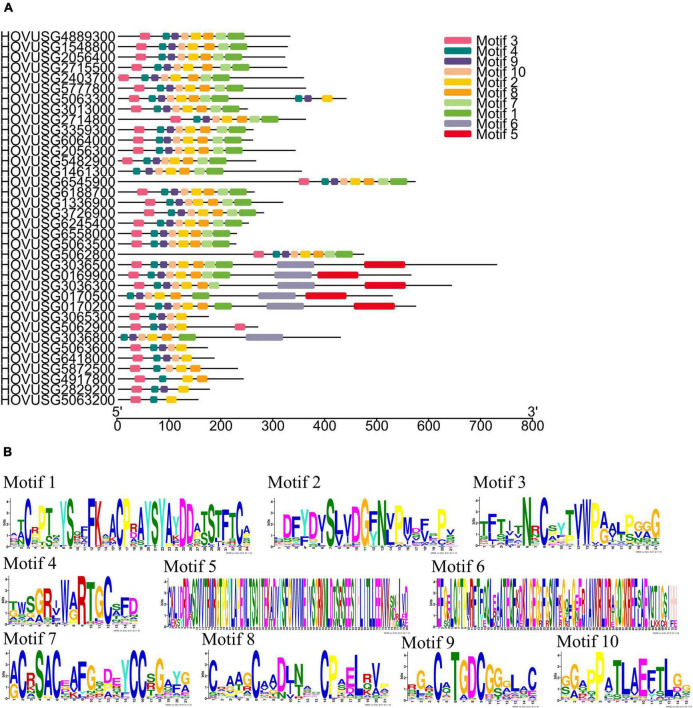
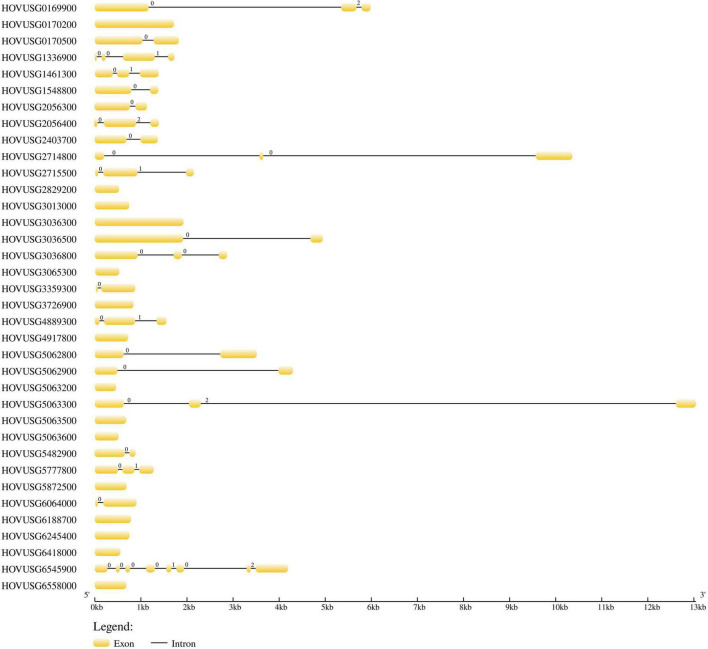
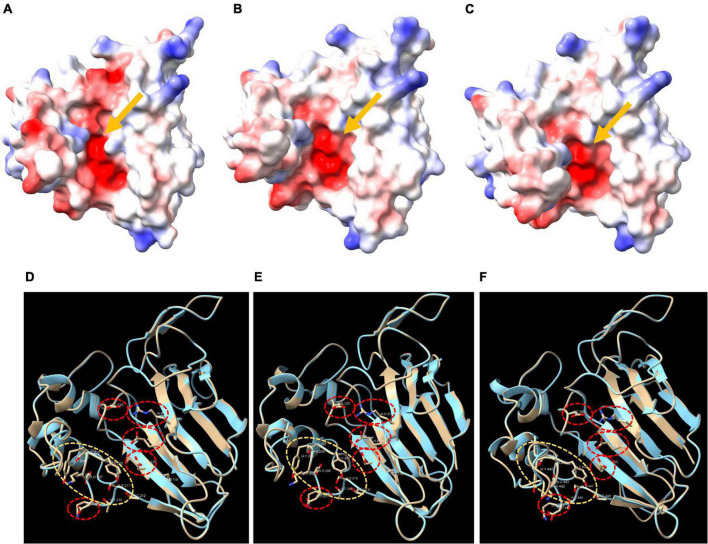
Verification
Claims the paper makes
The claims and statistics of this paper haven’t been checked yet.
Run the check — free, no account needed. It reads the open-access text and checks the sources it cites.
Claims other papers make about this one
Each is checked against this paper’s own text: does it say what the citing paper says it does?
In the citing paper
“These disulfide bonds confer remarkable stability to heat, enzymatic digestion, and acidic conditions, allowing TLPs to retain their allergenic properties even after cooking or processing [167].”
From Pollen–Food Allergy Syndrome: Allergens, Clinical Insights, Diagnostic and Therapeutic Challenges (2024) · cites this paper as [167]
Self-check
Percentages, sums and reported differences re-computed from the paper’s own numbers.
The self-check needs the paper’s full text.
Citations
Cites
No references could be resolved yet.
Research works printed but not linked: 61
- Abad, 1996, Antifungal activity of tobacco osmotin has specificity and involves plasma membrane permeabilization., Plant. Sci., 118, 11, 10.1016/0168-9452(96)04420-2 · DOI
- Ali, 2017, Identification and comparative analysis of Brassica juncea pathogenesis-related genes in response to hormonal, biotic and abiotic stresses., Acta Physiol. Plant., 39, 10.1007/s11738-017-2565-8 · DOI
- Almagro Armenteros, 2019, SignalP 5.0 improves signal peptide predictions using deep neural networks., Nat. Biotechnol., 37, 420, 10.1038/s41587-019-0036-z · DOI
- Bailey, 2015, The MEME suite., Nucl. Acids Res., 43, W39, 10.1093/nar/gkv416 · DOI
- Bolger, 2014, Trimmomatic: a flexible trimmer for Illumina sequence data., Bioinformatics, 30, 2114, 10.1093/bioinformatics/btu170 · DOI · Paper page
- Brandazza, 2004, Plant stress proteins of the thaumatin-like family discovered in animals., FEBS Lett., 571, 3, 10.1016/j.febslet.2004.07.003 · DOI
- Cai, 2018, Selection of appropriate reference genes for the detection of rhythmic gene expression via quantitative real-time PCR in Tibetan hulless barley., PLoS One, 13, 10.1371/journal.pone.0190559 · DOI
- Chen, 2020, TBtools: an integrative toolkit developed for interactive analyses of big biological data., Mol. Plant, 13, 1194, 10.1016/j.molp.2020.06.009 · DOI
- Chowdhury, 2017, Overexpression of a new osmotin-like protein gene (SindOLP) confers tolerance against biotic and abiotic stresses in sesame., Front. Plant Sci., 8, 10.3389/fpls.2017.00410 · DOI
- Cornelissen, 1986, A tobacco mosaic virus-induced tobacco protein is homologous to the sweet-tasting protein thaumatin., Nature, 321, 531, 10.1038/321531a0 · DOI
- Durrant, 2004, Systemic acquired resistance., Annu. Rev. Phytopathol., 42, 185, 10.1146/annurev.phyto.42.040803.140421 · DOI · Paper page
- Faillace, 2019, Genome-wide analysis and evolution of plant thaumatin-like proteins: a focus on the origin and diversification of osmotins., Mol. Genet. Genom., 294, 1137, 10.1007/s00438-019-01554-y · DOI
- Fils-Lycaon, 1996, A cherry protein and its gene, abundantly expressed in ripening fruit, have been identified as thaumatin-like., Plant Physiol., 111, 269, 10.1104/pp.111.1.269 · DOI
- Finn, 2011, HMMER web server: interactive sequence similarity searching., Nucl. Acids Res., 39, W29, 10.1093/nar/gkr367 · DOI · Paper page
- Ghosh, 2008, Crystal structure analysis of NP24-I: a thaumatin-like protein., Planta, 228, 883, 10.1007/s00425-008-0790-5 · DOI
- Grenier, 1999, Some thaumatin-like proteins hydrolyse polymeric beta-1,3-glucans., Plant J., 19, 473, 10.1046/j.1365-313x.1999.00551.x · DOI
- Hu, 2015, GSDS 2.0: an upgraded gene feature visualization server., Bioinformatics, 31, 1296, 10.1093/bioinformatics/btu817 · DOI
- Huet, 2013, High-resolution structure of a papaya plant-defense barwin-like protein solved by in-house sulfur-SAD phasing., Acta Crystallogr. D Biol. Crystallogr., 69, 2017, 10.1107/s0907444913018015 · DOI
- Iqbal, 2020, Thaumatin-like protein (TLP) gene family in barley: Genome-wide exploration and expression analysis during germination, Genes, 11, 10.3390/genes11091080 · DOI
- Jones, 2006, The plant immune system., Nature, 444, 323, 10.1038/nature05286 · DOI · Paper page
- Jwa, 2017, Convergent evolution of pathogen effectors toward reactive oxygen species signaling networks in plants., Front. Plant Sci., 8, 10.3389/fpls.2017.01687 · DOI
- Kim, 2019, Graph-based genome alignment and genotyping with HISAT2 and HISAT-genotype., Nat. Biotechnol., 37, 907, 10.1038/s41587-019-0201-4 · DOI · Paper page
- Kirino, 2020, Thaumatin-like proteins and a cysteine protease inhibitor secreted by the pine wood nematode Bursaphelenchus xylophilus induce cell death in Nicotiana benthamiana., PLoS One, 15, 10.1371/journal.pone.0241613 · DOI
- Kuwabara, 2002, Abscisic acid- and cold-induced thaumatin-like protein in winter wheat has an antifungal activity against snow mould, Microdochium nivale., Physiol. Plant, 115, 101, 10.1034/j.1399-3054.2002.1150112.x · DOI
- Lescot, 2002, PlantCARE, a database of plant cis-acting regulatory elements and a portal to tools for in silico analysis of promoter sequences., Nucl. Acids Res., 30, 325, 10.1093/nar/30.1.325 · DOI
- Liang, 2017, Dehydration induced transcriptomic responses in two Tibetan hulless barley (Hordeum vulgare var. nudum) accessions distinguished by drought tolerance., BMC Genom., 18, 10.1186/s12864-017-4152-1 · DOI
- Lin, 2018, Phenolic profiles, β-glucan contents, and antioxidant capacities of colored Qingke (Tibetan hulless barley) cultivars., J. Cereal Sci., 81, 69, 10.1016/j.jcs.2018.04.001 · DOI
- Liu, 2010, The superfamily of thaumatin-like proteins: its origin, evolution, and expression towards biological function., Plant Cell Rep., 29, 419, 10.1007/s00299-010-0826-8 · DOI
- Liu, 2020, Genome-wide identification, characterization and expression analysis of the TLP gene family in melon (Cucumis melo L.)., Genomics, 112, 2499, 10.1016/j.ygeno.2020.02.001 · DOI
- Menu-Bouaouiche, 2003, A molecular basis for the endo-β1,3-glucanase activity of the thaumatin-like proteins from edible fruits., Biochimie, 85, 123, 10.1016/S0300-9084(03)00058-0 · DOI
- Misra, 2016, A thaumatin-like protein of Ocimum basilicum confers tolerance to fungal pathogen and abiotic stress in transgenic Arabidopsis., Sci. Rep., 6, 10.1038/srep25340 · DOI
- Mistry, 2020, Pfam: the protein families database in 2021., Nucl. Acids Res., 49, D412, 10.1093/nar/gkaa913 · DOI · Paper page
- Munis, 2010, A thaumatin-like protein gene involved in cotton fiber secondary cell wall development enhances resistance against Verticillium dahliae and other stresses in transgenic tobacco., Biochem. Biophys. Res. Commun., 393, 38, 10.1016/j.bbrc.2010.01.069 · DOI
- Ngou, 2021, Mutual potentiation of plant immunity by cell-surface and intracellular receptors., Nature, 592, 110, 10.1038/s41586-021-03315-7 · DOI
- Pertea, 2015, StringTie enables improved reconstruction of a transcriptome from RNA-seq reads., Nat. Biotechnol., 33, 290, 10.1038/nbt.3122 · DOI
- Pfaffl, 2002, Relative expression software tool (REST) for group-wise comparison and statistical analysis of relative expression results in real-time PCR., Nucl. Acids Res., 30, 10.1093/nar/30.9.e36 · DOI
- Rajam, 2007, Thaumatin gene confers resistance to fungal pathogens as well as tolerance to abiotic stresses in transgenic tobacco plants., Biol. Plant., 51, 135, 10.1007/s10535-007-0026-8 · DOI
- Sahu, 2019, Plant-mSubP: a computational framework for the prediction of single- and multi-target protein subcellular localization using integrated machine-learning approaches., AoB Plants, 12, 10.1093/aobpla/plz068 · DOI
- Sakamoto, 2006, Lentinula edodes tlg1 encodes a thaumatin-like protein that is involved in lentinan degradation and fruiting body senescence., Plant Physiol., 141, 793, 10.1104/pp.106.076679 · DOI
- Sharma, 2022, Molecular characterization revealed the role of thaumatin-like proteins of bread wheat in stress response., Front. Plant Sci., 12, 10.3389/fpls.2021.807448 · DOI · Paper page
- Shatters, 2006, Phylogenetic and structural relationships of the pr5 gene family reveal an ancient multigene family conserved in plants and select animal taxa., J. Mol. Evolut., 63, 12, 10.1007/s00239-005-0053-z · DOI
- Singh, 2013, Characterization of a pathogen induced thaumatin-like protein gene AdTLP from Arachis diogoi, a wild peanut., PLoS One, 8, 10.1371/journal.pone.0083963 · DOI
- Singh, 2017, Redox-dependent interaction between thaumatin-like protein and β-glucan influences malting quality of barley., Proc. Natl. Acad. Sci. U S A., 114, 7725, 10.1073/pnas.1701824114 · DOI
- Su, 2021, Analysis of the thaumatin-like genes of Rosa chinensis and functional analysis of the role of RcTLP6 in salt stress tolerance., Planta, 254, 10.1007/s00425-021-03778-y · DOI
- Subramanian, 2019, Evolview v3: a webserver for visualization, annotation, and management of phylogenetic trees., Nucl. Acids Res., 47, W270, 10.1093/nar/gkz357 · DOI
- Tamura, 2021, MEGA11: molecular evolutionary genetics analysis version 11., Mol. Biol. Evolut., 38, 3022, 10.1093/molbev/msab120 · DOI
- Tattersall, 1997, Identification and characterization of a fruit-specific, thaumatin-like protein that accumulates at very high levels in conjunction with the onset of sugar accumulation and berry softening in grapes., Plant Physiol., 114, 759, 10.1104/pp.114.3.759 · DOI
- Wang, 2017, Isolation and characterization of two distinct Class II PR4 genes from the oriental lily hybrid Sorbonne., Russ. J. Plant Physiol., 64, 707, 10.1134/S1021443717050132 · DOI
- Wang, 2021, Single-molecule real-time sequencing of the full-length transcriptome of purple garlic (Allium sativum L. cv. Leduzipi) and identification of serine O-acetyltransferase family proteins involved in cysteine biosynthesis., J. Sci. Food Agric., 2021, 10.1002/jsfa.11627 · DOI
- Wang, 2010, Characterization of a pathogenesis-related thaumatin-like protein gene TaPR5 from wheat induced by stripe rust fungus., Physiol. Plant, 139, 27, 10.1111/j.1399-3054.2009.01338.x · DOI
- Wel, 1972, Isolation and characterization of thaumatin I and II, the sweet-tasting proteins from Thaumatococcus daniellii Benth., Eur. J. Biochem., 31, 221, 10.1111/j.1432-1033.1972.tb02522.x · DOI
- Wu, 2011, iLoc-Plant: a multi-label classifier for predicting the subcellular localization of plant proteins with both single and multiple sites., Mol. Biosyst., 7, 3287, 10.1039/c1mb05232b · DOI
- Xiao, 2019, Cell wall proteome analysis of banana fruit softening using iTRAQ technology., J. Proteom., 209, 10.1016/j.jprot.2019.103506 · DOI
- Yuan, 2017, Transcriptome profiles reveal cold acclimation and freezing tolerance of susceptible and tolerant hulless barley genotypes., Acta Physiol. Plant., 39, 10.1007/s11738-017-2566-7 · DOI
- Yuan, 2018, Gene coexpression network analysis combined with metabonomics reveals the resistance responses to powdery mildew in Tibetan hulless barley., Sci. Rep., 8, 10.1038/s41598-018-33113-7 · DOI
- Yuan, Pattern-recognition receptors are required for NLR-mediated plant immunity., Nature, 592, 105, 10.1038/s41586-021-03316-6 · DOI
- Yuan, PTI-ETI crosstalk: an integrative view of plant immunity., Curr. Opin. Plant Biol., 62, 10.1016/j.pbi.2021.102030 · DOI
- Zeng, 2018, Origin and evolution of qingke barley in Tibet., Nat. Commun., 9, 10.1038/s41467-018-07920-5 · DOI
- Zeng, 2020, An improved high-quality genome assembly and annotation of Tibetan hulless barley., Sci. Data, 7, 10.1038/s41597-020-0480-0 · DOI
- Zhang, 2022, Genome-wide characterization and expression analysis of pathogenesis-related 1 (PR-1) gene family in tea plant (Camellia sinensis (L.) O. Kuntze) in response to blister-blight disease stress., Int. J. Mol. Sci., 23, 10.3390/ijms23031292 · DOI
- Zhang, 2021, Genome-Wide identification of the thaumatin-like protein family genes in gossypium barbadense and analysis of their responses to verticillium dahliae infection., Plants, 10, 10.3390/plants10122647 · DOI
Cited by
Sorted by citations
Pollen–Food Allergy Syndrome: Allergens, Clinical Insights, Diagnostic and Therapeutic Challenges
Haidar, L., Bănărescu, C. F., Uța, C., Moldovan, S. I., Zimbru, E.-L., Zimbru, R.-I., Ciurariu, E., Georgescu, M., & Panaitescu, C. (2024) · Applied Sciences · doi:10.3390/app15010066 · Cited by 21
Metadata
- Authors
- Wang, L., Xu, Z., Yin, W., Xu, K., Wang, S., Shang, Q., Sa, W., Liang, J., & Wang, L.
- Venue
- Frontiers in Plant Science
- Publisher
- Frontiers Media SA
- Published
- 2022-08-17
- Volume
- 13
- ISSN
- 1664-462X
- PMC
- PMC9428612
- Cited by
- 26
- References
- 0
- Funders
- Natural Science Foundation of Qinghai
About these checks
Registry, retraction, Cites and statistics results are computed, not judged, with one exception: a printed reference that no index lists is read once by a model before it counts as a citation error. Claims are extracted by a model and kept only when their quote appears verbatim in the text; each cited source is then checked, with a model’s help, for whether it says what the claim relies on. Those verdicts can be wrong — read the claim’s quote and the cited source before relying on one.
Statistics and arithmetic are recomputed, not judged.
Confidence bands are shown only for fields calibrated on our annotated test set. None is calibrated yet, so no band is shown.
What counts as a claim ›How we measure confidence ›How we check this ›
Are you an author, or do you see a problem with this page? Request a review
