

The DOI matches its Crossref record; 121 of the 122 references it cites were found in a registry or an index.
Emotion Regulation in Current and Remitted Depression: A Systematic Review and Meta-Analysis
Open accessAbstract
Background Major Depressive Disorder (MDD) is a highly prevalent, recurrent and potentially chronic disorder. Identifying risk factors and underlying mechanisms to inform preventive and therapeutic interventions is therefore imperative. Emotion regulation is a proposed factor in the development and maintenance of MDD. The aim of the present review was to summarize and synthesize research on self-reported emotion regulation strategy use and emotion regulation abilities in adults diagnosed with current and remitted MDD. Methods Seventy-two eligible studies were retrieved from databases through a systematic literature search. Group differences between individuals with current MDD, remitted MDD and healthy controls were calculated using meta-analytic procedures. Meta-regression analyses investigated potential moderator effects on emotion regulation difficulties. Results Results indicated that individuals with current MDD report higher maladaptive emotion regulation strategy use for avoidance (Hedges’ g = 1.3), rumination (g = 2.1) and suppression (g = 1.1) compared to healthy controls. Also, they reported lower adaptive emotion regulation strategy use for acceptance (g =-1.0), problem solving (g = -1.0) and reappraisal (g = -0.7). Individuals with current MDD reported limited general emotion regulation abilities, indicated by higher alexithymia (g =1.45), lower emotional awareness (g =-0.95), emotional clarity (g = -1.50) and emotional tolerance (g =-1.89). Similar results were found in individuals with remitted MDD for avoidance (g = 1.0), rumination (g = 1.1), suppression (g = 0.6) and general emotion regulation abilities. However, no difference was found between individuals with remitted MDD and healthy controls for adaptive emotion regulation strategies. Meta-regression analyses suggest that age of illness onset, comorbid anxiety and duration of remission influence emotion regulation. Conclusion The present review and meta-analysis indicates that individuals with current and remitted MDD have difficulties with emotion regulation compared to individuals who have never been depressed. Although depressive symptoms improve, emotion regulation difficulties may continue, and could be a contributing factor to relapse. Our findings inform future research on emotion regulation and psychotherapeutic interventions.
Overview
The claims and statistics of this paper haven’t been checked yet.
Run the check — free, no account needed. It reads the open-access text and checks the sources it cites.
Integrity signals
Registry
Cites
Statistics
Figures
Verification
Claims the paper makes
The claims and statistics of this paper haven’t been checked yet.
Run the check — free, no account needed. It reads the open-access text and checks the sources it cites.
Claims other papers make about this one
Each is checked against this paper’s own text: does it say what the citing paper says it does?
The source backs part of the claim, not all of it — or backs it for a different population, condition or comparison.
In the citing paper
“Difficulties in emotion regulation strategy use play a central role in the development, maintenance, and treatment of depression and anxiety disorders [27–29].”
From Emotion Regulation as a Mechanism of Mindfulness in Individual Cognitive-Behavioral Therapy for Depression and Anxiety Disorders (2024) · cites this paper as [29]
Experimental — accuracy not yet measuredThe source backs part of the claim, not all of it — or backs it for a different population, condition or comparison.
In the citing paper
“The first pathway to mitigating anxiety and depression symptoms involves reducing perseverative and avoidant emotion regulation strategies, such as rumination, avoidance, and suppression, which are known to maintain and exacerbate internalizing psychopathology [29, 58–62].”
From Emotion Regulation as a Mechanism of Mindfulness in Individual Cognitive-Behavioral Therapy for Depression and Anxiety Disorders (2024) · cites this paper as [29]
Experimental — accuracy not yet measured
Self-check
Percentages, sums and reported differences re-computed from the paper’s own numbers.
The self-check needs the paper’s full text.
Citations
Cites
Statistical Power Analysis for the Behavioral Sciences
Muller, K. E., & Cohen, J. (1989) · Technometrics · doi:10.2307/1270020 · Cited by 99,603
The CES-D Scale: A Self-Report Depression Scale for Research in the General Population
Radloff, L. S. (1977) · Applied Psychological Measurement · doi:10.1177/014662167700100306 · Cited by 53,267 · cited 3×
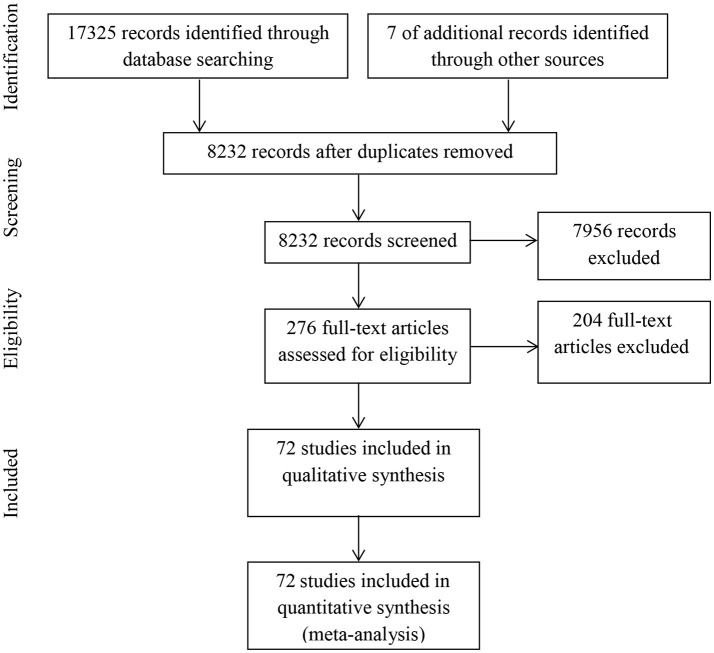
“Depression symptom checklists used Frontiers in Psychology | www.frontiersin.org 7 May 2018 | Volume 9 | Article 756 FIGURE 1 | Flow chart of study selection. were mainly Beck Depression Index (BDI-II; N = 41; Beck et al., 1996), followed by the Center for Epidemiologic Studies Depression Scale (CES-D; N = 2; Radloff,…”
Liberati, A., Altman, D. G., Tetzlaff, J., Mulrow, C., Gøtzsche, P. C., Ioannidis, J. P. A., Clarke, M., Devereaux, P. J., Kleijnen, J., & Moher, D. (2009) · PLoS Medicine · doi:10.1371/journal.pmed.1000100 · Cited by 28,164 · cited 1×
“Methods followed the principles presented by the Preferred Reporting Items for Systematic Reviews and Meta-Analyses (PRISMA) statement (Liberati et al., 2009).”
(1998) · The Journal of Clinical Psychiatry · Cited by 19,139
Borenstein, M., Hedges, L. V., Higgins, J. P. T., & Rothstein, H. R. (2009) · doi:10.1002/9780470743386 · Cited by 14,225
Gross, J. J., & John, O. P. (2003) · Journal of Personality and Social Psychology · doi:10.1037/0022-3514.85.2.348 · Cited by 11,929 · cited 5×
“Reappraisal is a form of cognitive change that involves interpretation of a potentially emotion-eliciting situation in a way that changes its emotional impact (Gross and John, 2003).”
MethodInfluentialAssessing coping strategies: A theoretically based approach.
Carver, C. S., Scheier, M. F., & Weintraub, J. K. (1989) · Journal of Personality and Social Psychology · doi:10.1037/0022-3514.56.2.267 · Cited by 11,507 · cited 1×
“, 1993), followed by one study reporting two trials involving the Avoidance subscale of the Need for Affect Scale (NAS-AVOIDANCE; Maio and Esses, 2001), one study reporting two trials using Avoidance subscale of the COPE (COPE-AVOIDANCE; Carver et al., 1989), one study reporting two trials using Avoidance subscale of…”
(1998) · PubMed · Cited by 10,216
The emerging field of emotion regulation: an integrative review
Gross, J. J. (1998) · Review of General Psychology · doi:10.1037/1089-2680.2.3.271 · Cited by 9,916 · cited 3×
“It is often associated with anxiety disorders, involving behaviors that make it less likely that one will end up in a situation that will give rise to undesirable emotions (Gross, 1998a).”
Gratz, K. L., & Roemer, L. (2004) · Journal of Psychopathology and Behavioral Assessment · doi:10.1023/b:joba.0000007455.08539.94 · Cited by 8,942 · cited 4×
“Total scores of questionnaires measuring general emotion regulation abilities (e.g., Gratz and Roemer, 2004) were pooled into one effect size.”
Influential
Research works printed but not linked: 9
- 2013, Diagnostic and Statistical Manual of Mental Disorders
- Beck, 1996, Beck Depression Inventory-II (BDI-II) Manual
- 2014, Comprehensive Meta-Analysis (Version 3).
- 2014, EndNote X8 (Version 8.0.1)
- Farb, 2014, Mindfulness interventions and emotion regulation, 548
- First, 2002, Structured Clinical Interview for DSM-IV-TR Axis I Disorders, Research Version, Patient Edition.
- Margraf, 2006, Diagnostisches Interview Bei Psychischen Störungen [Diagnostic Interview for Mental Disorders].
- Thompson, 2010, Development of emotion regulation, 38
- 1998, Schedules for Clinical Assessment in Neuropsychiatry.
Cited by
Sorted by citations
Items 201–300 of 337
Nazeer, R., & Singh, D. (2025) · International Conference Trends Material Science and Inventive Materials · doi:10.1109/ictmim65579.2025.10988175 · Cited by 4
Meneo, D., Baldi, E., Benz, F., & Fabris, M. A. (2025) · Cogent Mental Health · doi:10.1080/28324765.2025.2541697 · Cited by 6
Chen, M., Huang, L., Qin, Q., Li, J., Zhang, J., Ma, J., & Song, H. (2025) · Frontiers in Psychology · doi:10.3389/fpsyg.2025.1678275 · Cited by 5
“…self-eÿcacy theory (Bandura et al., 2003), individuals with higher RESE tend to use adaptive cognitive strategies to regulate negative emotions, while those with lower RESE face greater diÿculty disengaging from negative stimuli post-ES, thus exacerbating depressive symptoms (Visted et al., 2018).”
Vizioli, N. A. (2022) · Revista Iberoamericana ConCiencia. · doi:10.32654/concienciaepg.7-2.6 · Cited by 4
Lotfi, M., Amin, M., & Shiasy, Y. (2021) · Iranian Journal of Psychiatry and Clinical Psychology · doi:10.32598/ijpcp.27.2.2359.2 · Cited by 5
Ots, P., Keller, A. C., Altrock, E., van Zon, S. K. R., & Brouwer, S. (2022) · Scandinavian Journal of Work Environment & Health · doi:10.5271/sjweh.4069 · Cited by 5
“People with depression more often use rumination, avoidance, and suppression when confronted with difficult internal or external situations ( 25).”
Shimasaki, A., Deguchi, A., Ishii, Y., Seki, T., Iwata, Y., Tamada, Y., Honyashiki, M., Fujimura, Y., Inoue, T., & Masuya, J. (2023) · PLoS ONE · doi:10.1371/journal.pone.0289559 · Cited by 5
Eichler, E., Hager, M., Baeuml, J., & Berking, M. (2025) · Journal of Affective Disorders · doi:10.1016/j.jad.2025.120205 · Cited by 5
Edisherashvili, N., Saks, K., Kallas, K., Pedaste, M., & Leijen, Ä. (2025) · Review of Education · doi:10.1002/rev3.70110 · Cited by 5
SBT-Net: a tri-cue guided multimodal fusion framework for depression recognition
Huo, Y., Chan, W. H., Nuar, A. N. A., & Gao, H. (2025) · BioData Mining · doi:10.1186/s13040-025-00498-x · Cited by 5
“Depression is a common and serious mental health problem [1, 2], which affects a wide to the high heterogeneity and hidden nature of depression, many patients fail to receive timely diagnosis and treatment, resulting in worsening of their condition and even serious consequences [7].”
Validación del Cognitive Emotion Regulation Questionnaire (CERQ) en una muestra mexicana
Pérez, V. R., Alcázar-Olán, R., & Torres, C. E. C. (2022) · Revista Iberoamericana de Psicología · doi:10.33881/2027-1786.rip.15201 · Cited by 2
Wittkamp, M. F., Krkovic, K., & Lincoln, T. M. (2023) · British Journal of Clinical Psychology · doi:10.1111/bjc.12415 · Cited by 11
Kolobaric, A., Mizuno, A. N., Yang, X., George, C. J., Seidman, A. J., Aizenstein, H. J., Kovács, M., & Karim, H. T. (2023) · Journal of Psychiatric Research · doi:10.1016/j.jpsychires.2023.03.026 · Cited by 3
Social decision-making in major depressive disorder: A three-level meta-analysis
Wang, T., Zeng, J., Peng, P., & Yin, Q. (2024) · Journal of Psychiatric Research · doi:10.1016/j.jpsychires.2024.06.026 · Cited by 3
Hanetz‐Gamliel, K., & Dollberg, D. G. (2025) · Stress and Health · doi:10.1002/smi.70025 · Cited by 5
Korenblik, V., Kőrösi, A., Brul, S., Bockting, C., Nieuwdorp, M., & Lok, A. (2025) · BMJ Open · doi:10.1136/bmjopen-2025-108423 · Cited by 3
Research on Sexting and Emotion Regulation Difficulties: A review and Commentary
Dodaj, A., & Sesar, K. (2019) · International Journal of Developmental Science · doi:10.3233/dev-190276 · Cited by 4
Cognitive–Behavioral Treatment for Anxiety and Depression in Parkinson’s Disease
Reynolds, G., Piers, R. J., & Cronin‐Golomb, A. (2023) · Oxford University Press eBooks · doi:10.1093/oso/9780197564295.003.0010 · Cited by 3
Buerke, M. L., & Capron, D. W. (2024) · Archives of Suicide Research · doi:10.1080/13811118.2024.2350018 · Cited by 4
“…levels of depression, however, make it more difficult to differentiate reflection and brooding from each other (Whitmer & Gotlib, 2013), which may be due to depression’s interference with the problem-solving nature of reflection (Bishop & Gagne, 2018; Lawlor et al., 2020; Visted et al., 2018).”
Girard, M., Dugal, C., Hébert, M., & Godbout, N. (2024) · Journal of Sex & Marital Therapy · doi:10.1080/0092623x.2024.2415031 · Cited by 3
“…that childhood interpersonal trauma is associated with higher affective disturbances throughout more depressive symptoms (Li et al., 2020), as yielding this internalized difficulty may be indicative of impaired affect regulation (Girard et al., 2021; Joormann & Gotlib, 2010; Visted et al., 2018).”
Keleynikov, M., Lassri, D., Cohen, N., & Benatov, J. (2024) · Psychology and Psychotherapy Theory Research and Practice · doi:10.1111/papt.12563 · Cited by 4
“…mentalizing (the ability to infer behaviour as an expression of mental states), and therefore might provide maladaptive models of emotional expression and regulation as well as impaired capacity to self-reflect to their children (Granat et al., 2017; Schultheis et al., 2019; Visted et al., 2018).”
Research Progress on Cognitive Neural Mechanism of Rumination
李, 欣. (2022) · Advances in Social Sciences · doi:10.12677/ass.2022.1110587 · Cited by 2
Liu, P., Shen, Q., Chen, H., Yuan, C., Zhu, T., Hu, Y., Xiong, Y., Zhao, Y., Xu, J., & Tan, S. (2024) · Asian Journal of Psychiatry · doi:10.1016/j.ajp.2024.104190 · Cited by 2
Rodríguez, M. G., González, M., & Rovella, A. T. (2024) · Diversitas · doi:10.15332/22563067.10216 · Cited by 2
“En respuesta a las emociones negativas, las personas emplean la reevaluación positiva con menos frecuencia (Aldao et al., 2010; Visted et al., 2018), de manera que esta última se relaciona negativamente con los síntomas de ansiedad y de depresión (Aldao et al., 2010; Boden et al., 2012) y…”
BackgroundReview of Emotion Regulation in Late Life Mood Disorders
Patrick, R. E., Dickinson, R. A., Gregg, A. P., Kaufman, J. R., Maciarz, J., Merrill, J. G., Williams, L. A., & Weisenbach, S. L. (2024) · Journal of Psychiatry and Brain Science · doi:10.20900/jpbs.20240008 · Cited by 2
“This includes both greater use of maladaptive strategies (e.g., avoidance, rumination, and suppression) and less frequent use of more adaptive strategies (e.g., reappraisal, acceptance, and problem solving) [21].”
Nyoni, P., Tomita, A. M., Mkhwanazi, S., & Gibbs, A. (2024) · International Journal of Social Psychiatry · doi:10.1177/00207640241306062 · Cited by 2
“Studies conducted in USA and Europe found those with major mental health disorders that is anxiety, PTS and depression to struggle to regulate their emotions (Etkin et al., 2010; Shepherd & Wild, 2014; Visted et al., 2018).”
Michel, C. A., Schmidt, M. F., Mann, J. J., Herzog, S., Ochsner, K. N., Davachi, L., & Schneck, N. (2025) · Molecular Psychiatry · doi:10.1038/s41380-025-02982-6 · Cited by 2
“Impaired emotion regulation is also well documented in depression [4 – 6].”
Schmidt, M., Leiße, P., Haferburg, T., & Sappok, T. (2025) · International Journal of Developmental Disabilities · doi:10.1080/20473869.2025.2522855 · Cited by 2
Petersen, J. Z., Kjærstad, H. L., Iversen, A. E., Bjertrup, A. J., Rasmussen, K. H. E., Fares‐Otero, N. E., Prisco, M. D., Vieta, E., Vinberg, M., Kessing, L. V., et al. (2025) · Journal of Affective Disorders · doi:10.1016/j.jad.2025.120405 · Cited by 2
Tian, Y., Ding, H., & Yue, W. (2026) · Humanities and Social Sciences Communications · doi:10.1057/s41599-026-06568-7 · Cited by 3
“…experiencing or causing an event), blaming others (blaming others for an event), rumination (repeatedly thinking about feelings and thoughts related to a negative event), and catastrophizing (focusing directly on the terrifying aspects of an experience; Garnefski et al., 2001; Visted et al., 2018).”
Montanari, S., Callovini, T., Bartolucci, G., Marcelli, I., Autullo, G., Koukopoulos, A. E., Moccia, L., Pepe, M., Kotzalidis, G. D., Nicola, M. D., et al. (2026) · Child Abuse & Neglect · doi:10.1016/j.chiabu.2026.107979 · Cited by 2
Akkuş, K., & Peker, M. (2026) · The Journal of Psychology · doi:10.1080/00223980.2026.2689174 · Cited by 2
Effect of Mindfulness-Based Cognitive Therapy on Symptoms of Depression: A Systematic Review
Fiddaroini, F. N., Yusuf, A., & Rachmawati, P. D. (2020) · STRADA JURNAL ILMIAH KESEHATAN · doi:10.30994/sjik.v9i2.383 · Cited by 2
“Depression affects cognitive processes (Kircanski et al., 2012), emotional process (Visted et al., 2018), and self-attachment (MacBeth & Gumley, 2012) by increasing the recurrence risk of depression.”
Emotion Regulation: a Psychophysiological Review
Гаджиева, Г. И., & Kosonogov, V. (2023) · Психиатрия психотерапия и клиническая психология · doi:10.34883/pi.2023.14.1.005 · Cited by 2
FAKTOR-FAKTOR RISIKO DEPRESI PADA IBU PASCABERSALIN
Amna, Z., & Khairani, M. (2024) · Jurnal Ilmu Keluarga dan Konsumen · doi:10.24156/jikk.2024.17.1.28 · Cited by 21
Brancati, G. E., Rosa, U. D., Acierno, D., Caruso, V., Dominicis, F. D., Petrucci, A., Moriconi, M., Elefante, C., Gemignani, S., Medda, P., et al. (2024) · Journal of Affective Disorders · doi:10.1016/j.jad.2024.03.167 · Cited by 2
King, F. K., Perry, M. S., Papadelis, C. L., & Cooper, C. M. (2024) · Epilepsy & Behavior · doi:10.1016/j.yebeh.2024.109869 · Cited by 2
Montoya-Pérez, K. S., & Blázquez, F. P. (2024) · CES Psicología · doi:10.21615/cesp.7027 · Cited by 2
“En este sentido, en un metaanálisis sobre el papel de la regulación emocional en episodios de depresión mayor, Visted et al. (2018) encontraron que este trastorno se acompaña de altos niveles de estrategias de regulación emocional desadaptativas.”
Spinoni, M., Scarpelli, S., Benedetti, I. D. P., Med, C., Ciolli, P., Rech, F., Gennaro, L. D., & Grano, C. (2024) · Journal of Sleep Research · doi:10.1111/jsr.14423 · Cited by 2
“…is often associated with more emotional dysregulation, including higher levels of alexithymia (Honkalampi et al., 2020; Radetzki et al., 2021; Visted et al., 2018), and in depressive individuals, nightmares could also reflect failures in adaptive emotional strategies (Levin & Nielsen, 2007).”
Desregulación Emocional Como Factor del Trastorno Obsesivo Compulsivo: Una Revisión Sistemática
Calle, F. P. M., & Ortiz, G. G. R. (2025) · Revista Multidisciplinaria Investigación Contemporánea · doi:10.58995/redlic.rmic.v3.n2.a106 · Cited by 4
Time in remission from depression predicts cognitive-affective regulation dynamics in everyday life
Farrukh, U., Zapetis, S. L., Li, J., Xu, E. P., & Stange, J. P. (2025) · Journal of Clinical and Experimental Neuropsychology · doi:10.1080/13803395.2025.2549369 · Cited by 2
“Beyond affect itself, engagement in dysregulated cognitive strategies such as perseverative cognition, which includes worry and rumination, remains elevated in the remitted state of depression (Stange et al., 2017a; Visted et al., 2018).”
Longuechaud, C., VILLENEUVE, F. V., BULTEAU, F., VALOT, I., Douet, M., Bulteau, S., Deschamps, T., & Sauvaget, A. (2026) · Minerva Psychiatry · doi:10.23736/s2724-6612.26.02669-2 · Cited by 2
PENGEMBANGAN ASIPP (ALAT ASESMEN IBU POSTPARTUM) MENGGUNAKAN PEMODELAN RASCH
Ardiyanti, D., & Dinni, S. M. (2019) · Jurnal Psikologi · doi:10.14710/jp.18.2.116-136 · Cited by 5
Cognitive Reappraisal and Subjective Well-Being: Mediating Effect of Depression and Anxiety
何, 佳. (2022) · Advances in Psychology · doi:10.12677/ap.2022.1212520 · Cited by 2
ACTIVITY OF THE MIRROR NEURON SYSTEM IN PEOPLE WITH DEPRESSIVE SYMPTOMS
Karimova, E., Smolskaya, D. V., & Naratkina, A. A. (2023) · Журнал высшей нервной деятельности им И П Павлова · doi:10.31857/s0044467723020053 · Cited by 2
Тукаєв, С., Pravda, O., Danylov, S., Komarenko, V., Vysokov, N. V., Toleukhanov, D., Tarasenko, A., Mashtalerchuk, K., Кравченко, В. И., Ferreira, J. M. A., et al. (2023) · Signal Processing Symposium (SPSympo) · doi:10.23919/spsympo57300.2023.10302704 · Cited by 1
“Emotional problems are an integral part of many neuropsychiatric disorders (depression [1], emotional burnout [2; 3; 4], alexithymia [5; 6]).”
BackgroundMoumne, S., Petrovic, J., & Heath, N. L. (2024) · Psychological Reports · doi:10.1177/00332941241287420 · Cited by 2
“Conversely, dif fi - culties regulating emotion have been linked to mental health disorders (e.g., depression, anxiety; Everaert & Joormann, 2019; Ouellet et al., 2019; Visted et al., 2018).”
Krzikalla, C., Buhlmann, U., Andor, T., & Nexhmedin Morina, B. (2024) · Cognitive Therapy and Research · doi:10.1007/s10608-024-10545-2 · Cited by 1
“As such, brooding rumination (vs. reflection) has shown stronger associations with poor mental health (Rickerby et al., 2022; Treynor et al., 2003a; Visted et al., 2018).”
Wenyan, H., Yang, H., Qiao, H., Hua, Y., Zhang, N., Teng, C., & Ma, H. (2025) · BMC Psychiatry · doi:10.1186/s12888-025-06694-7 · Cited by 1
The impact of personality traits on the return of major depression: a case–control study
Altaweel, N., Upthegrove, R., & Marwaha, S. (2025) · Frontiers in Psychology · doi:10.3389/fpsyg.2025.1454673 · Cited by 1
Umegaki, Y., Yoshinaga, N., & Kobori, O. (2025) · International Journal of Cognitive Behavioral Therapy · doi:10.1007/s41811-025-00255-2 · Cited by 1
“…brooding and depression, align with existing theories positing reciprocal associations between rumination and depression (e.g., RST [Nolen-Hoeksema, 1991], emotion regulation theories [Joormann & Stanton, 2016; Visted et al., 2018], and the self-focused attention account [Mor & Winquist, 2002]).”
Kaluve, A. M., & Graham, B. M. (2025) · Journal of Affective Disorders · doi:10.1016/j.jad.2025.119705 · Cited by 2
Péris-Baquero, Ó., Moreno, J. D., Martínez‐García, L., González, J. P., & Osma, J. (2025) · Clinical Psychology & Psychotherapy · doi:10.1002/cpp.70154 · Cited by 1
Shin, M., & Kim, J. (2025) · Clinical Gerontologist · doi:10.1080/07317115.2025.2595031 · Cited by 1
“A comprehensive meta-analysis of 72 studies found that individuals with major depressive disorder often exhibit reduced general emotion regulation abilities and are more likely to rely on maladaptive strategies such as avoidance, rumination and suppression (Visted et al., 2018).”
Moral emotions in mental health: regulation and mediation
Wang, A. L. (2026) · Frontiers in Psychology · doi:10.3389/fpsyg.2025.1718674 · Cited by 3
Wang, J., Chai, Y. C., & Yao, Z. (2026) · Behavioral Sciences · doi:10.3390/bs16020263 · Cited by 1
Asché, L., Pakos, J., Schrage, H., Schuder, J., Jung, L., Sanchez, D., Selaskowski, B., Wiebe, A., Philipsen, A., & Braun, N. (2026) · JMIR Human Factors · doi:10.2196/85351 · Cited by 1
“Nevertheless, previous research has shown that individuals with MDD, even when remitted, still tend to suppress emotions, which could also manifest in lower scores [62].”
Smiling your way to happiness or misery? Experimental tests of competing perspectives
Coles, N. A., Dang, A., & Takayanagi, J. F. G. B. (2026) · Journal of Experimental Social Psychology · doi:10.1016/j.jesp.2026.104895 · Cited by 1
Naranjo, V. M., Bianchi, J. M., & Hofmann, S. G. (2026) · SAGE Open · doi:10.1177/21582440261425401 · Cited by 1
“These results align with Visted et al.’s (2018) systematic review and meta-analysis, which concluded that despite improvements in reported emotional symptoms, difficulties in emotion regulation persisted, posing a risk for future relapses, suggesting a complex relationship between emotion…”
Pacheco-Romero, A. M., Zetsche, U., Neumann, P., Sánchez-López, Á., Vázquez, C., Koster, E. H. W., & Hoorelbeke, K. (2026) · Behavior Therapy · doi:10.1016/j.beth.2026.03.004 · Cited by 1
Herzog, E., Wolf, S., Studnitz, T., Frei, A. K., Seiffer, B., Welkerling, J., Zeibig, J., Sudeck, G., Müller, C., Günak, M. M., et al. (2026) · Depression and Anxiety · doi:10.1155/da/9949037 · Cited by 1
Sahlin, H., Gustafsson, U., Eklund, J. H., & Salomonsson, S. (2026) · Counselling and Psychotherapy Research · doi:10.1002/capr.70149 · Cited by 1
Emotion Talk in Psychotherapy: A Systematic Review of Conversation Analytic Studies
Zhang, S., Huang, T., Li, H., & Chen, L. (2026) · Clinical Psychology & Psychotherapy · doi:10.1002/cpp.70297 · Cited by 2
Usui, Y., Ono, M., Nibuya, R., Kikkawa, M., Ito, S., Morishita, C., Honyashiki, M., Tamada, Y., Inoue, T., & Masuya, J. (2024) · Neuropsychiatric Disease and Treatment · doi:10.2147/ndt.s469417 · Cited by 1
Zhang, M., Huang, N., Hu, B., Chen, C., & Guo, J. (2024) · Current Psychology · doi:10.1007/s12144-024-06696-w · Cited by 1
“However, research has also shown that the interaction of reappraisal and chronic disease had statistically insignificant effect sizes (Visted et al., 2018).”
Liu, X., Zhou, A., Jin, Z., Han, Z. R., Qian, J., & Wang, H. (2025) · Frontiers in Psychiatry · doi:10.3389/fpsyt.2024.1447040 · Cited by 1
Steil, R., Preiss, H., Rueger, M. S., Ehring, T. W., Nexhmedin Morina, B., Kuck, S., Mewes, R., Giesebrecht, J., Johow, J., Weise, C., et al. (2025) · European Journal of Psychotraumatology · doi:10.1080/20008066.2025.2538264 · Cited by 1
“A systematic meta-analysis has found limited emotion regulation abilities in patients with depression (Visted et al., 2018).”
Implementing a Trauma-Informed Intervention in a County Jail: Feasibility Study of STAIR
Renn, T., Herod, L., Tripodi, S. J., & Bedard, L. E. (2025) · Research on Social Work Practice · doi:10.1177/10497315251367332 · Cited by 1
“Inability to regulate emotions further exacerbates the challenges faced by incarcerated individuals with mental health challenges, such as depression or anxiety (Visted et al., 2018).”
Miskowiak, K. W., Kjærstad, H. L., Lystlund, S., Sankar, A., Kessing, L. V., & Vinberg, M. (2025) · Acta Psychiatrica Scandinavica · doi:10.1111/acps.70025 · Cited by 1
“Indeed, avoidance is considered a maladaptive emotion regulation strategy associated with poor long-term mental B D t y p e II , n health and depressive symptoms [19].”
Bayraktarlı, E., & Kılıç, N. (2022) · Nesne Psikoloji Dergisi · doi:10.7816/nesne-10-25-08 · Cited by 4
Binge Eating Disorder and Major Depressive Disorder
Fu, K. (2021) · Advances in Social Science, Education and Humanities Research/Advances in social science, education and humanities research · doi:10.2991/assehr.k.210617.060
Köhler, S., Weilnhammer, V. A., Walter, H., Erk, S., Sterzer, P., & Guhn, A. (2021) · Neuropsychobiology · doi:10.1159/000518996
Saveliev, I., & Shahar, N. (2022) · PsyArXiv (OSF Preprints) · doi:10.31234/osf.io/ctp6y
Interventions for major depressive disorder: the role of automatic emotion regulation
Qu, J., Campanella, S., & Yuan, J. (2023) · Stress and Brain · doi:10.26599/sab.2022.9060030
Rahmatullah, B. (2022) · COMSERVA Jurnal Penelitian dan Pengabdian Masyarakat · doi:10.59141/comserva.v2i08.463
Barooti, M., Chinaveh, M., & Saedi, S. (2024) · doi:10.61838/kman.jayps.5.3.5
Hassan, S. S., & Saber, E. H. (2024) · Tanta Scientific Nursing Journal · doi:10.21608/tsnj.2024.346129
Michel, C. A., Schmidt, M. F., Mann, J. J., Herzog, S., Ochsner, K. N., Davachi, L., & Schneck, N. (2024) · Research Square · doi:10.21203/rs.3.rs-4298308/v1
Egli, S., Badenbach, T., van Emmerik, A., Stefan, A. M., & Kopf‐Beck, J. (2024) · doi:10.31219/osf.io/67vhn
Nagel, L. C., Cavallini, A. Q., Tesky, V. A., Schall, A., Katerinis, K. C., Meidinger, C., Arens, E. A., & Stangier, U. (2024) · Geriatric Nursing · doi:10.1016/j.gerinurse.2024.07.014 · Cited by 1
Rumination as a Transdiagnostic Risk Factor to Psychopathology
Kovács, L. N. (2023) · Eötvös Loránd Tudományegyetem · doi:10.15476/elte.2022.072
Sumalrot, T., Ngamseesan, J., & Pattanaseri, K. (2024) · Siriraj Medical Journal/San Sirirat · doi:10.33192/smj.v76i9.269285
McLeish, A. C., Hartson, K. R., Hart, J. L., & Walker, K. L. (2024) · Psychology and Psychotherapy Theory Research and Practice · doi:10.1111/papt.12560 · Cited by 1
Hannoon, N., El-Khodary, B., & Zhang, Z. (2024) · European Journal of Psychotraumatology · doi:10.1080/20008066.2024.2433834
Other Psychiatric Comorbidities and Borderline Personality Disorder
Salavati, M., & Selby, E. A. (2024) · Springer eBooks · doi:10.1007/978-3-031-75503-3_16
Priego-Ojeda, M., Ursu, A., Blanch, À., & Guiu, G. F. (2025) · Journal of Personality Assessment · doi:10.1080/00223891.2025.2496258 · Cited by 1
“The relationship between emotion regulation strategies and psychopathology have been explored and supported by past research (Aldao et al., 2010; Everaert & Joormann, 2019; Garnefski & Kraaij, 2006b; Gross & Jazaieri, 2014; Liu & Thompson, 2017; Visted et al., 2018).”
Gruffy, A., Moka, A., & Daches, S. (2025) · Journal of Affective Disorders · doi:10.1016/j.jad.2025.119539
Understanding depression and emotion regulation in jobseekers: an expectancy-value perspective
Torre, J. M., Pavani, J., & Dauvier, B. (2025) · Personality and Individual Differences · doi:10.1016/j.paid.2025.113359
Seidman, A. J., George, C. J., & Kovács, M. (2025) · Clinical Psychological Science · doi:10.1177/21677026251338752
Tan, M., Rizvi, S. J., Hurt-Thaut, C., & Thaut, M. H. (2025) · PLOS mental health. · doi:10.1371/journal.pmen.0000361
“This aligns with findings that individuals with depression have a diminished hedonic capacity, suggesting a persistent deficit in experiencing pleasure [28,29].”
Knorr, A. C., Wallace, G. T., Schatten, H. T., Prince, M. A., Boudreaux, E. D., Miller, I. W., Camargo, C. A., Conner, B. T., & Arias, S. A. (2025) · Journal of Psychiatric Research · doi:10.1016/j.jpsychires.2025.10.007
“Research underscores the role of emotion dysregulation in depression (Joormann and Stanton, 2016; Visted et al., 2018), NSSI (Knorr et al., 2019; Wolff et al., 2019; Zielinski et al., 2018), and suicide risk (Rogante et al., 2024; Turton et al., 2021).”
Köten, E. (2025) · Kafkas Üniversitesi Sosyal Bilimler Enstitüsü Dergisi · doi:10.56597/kausbed.1717162
Broeder, C., Pasteuning, J., Broeders, T. A. A., Linsen, F., Schoonheim, M. M., Sep, M. S. C., & Vinkers, C. H. (2026) · Neurobiology of Stress · doi:10.1016/j.ynstr.2026.100817
“…functional disturbances in emotion regulation and cognitive processing (Dotson et al., 2020; Gruhn et al., 2020; Masson et al., 2016; Nagy et al., 2021; Visted et al., 2018; Wang et al., 2024), which can both be disrupted under stress (Langer et al., 2025; Shields et al., 2016; Wessa et al., 2024).”
Sanwald, S., Widenhorn‐Müller, K., Montag, C., & Kiefer, M. (2022) · Figshare · doi:10.6084/m9.figshare.19144947
Schmitz, M., Back, S. N., Seitz, K. I., Harbrecht, N. K., Streckert, L., Schulz, A., Herpertz, S. C., & Bertsch, K. (2024) · Figshare · doi:10.6084/m9.figshare.26568196
Wisting, L., Johnson, S. U., Bulik, C. M., Andreassen, O. A., Rø, Ø., & Bang, L. (2021) · Figshare · doi:10.6084/m9.figshare.13524867
Self-regulatory contributions to depressive symptoms in a community sample of youth
Abraham, E. H., & McAuley, T. (2025) · Personalized Medicine in Psychiatry · doi:10.1016/j.pmip.2025.100163
Hu, Y., Yang, Y., He, Z., Wang, D., Xu, F., Zhu, X., & Wang, K. (2024) · Figshare · doi:10.6084/m9.figshare.25485830
Bırni, G., & Eryılmaz, A. (2025) · European Journal of Psychology and Educational Research · doi:10.12973/ejper.8.4.277
Metadata
- Authors
- Visted, E., Vøllestad, J., Nielsen, M. B., & Schanche, E.
- Affiliations
- Haukeland University Hospital (NO)
- University of Bergen (NO)
- National Institute of Occupational Health (NO)
- Corresponding author
- Visted, Endre
- Venue
- Frontiers in Psychology
- Publisher
- Frontiers Media SA
- Published
- 2018-05-18
- Volume
- 9
- Pages
- 756-756
- ISSN
- 1664-1078 (ISSN-L)
- PMC
- PMC5968125
- OpenAlex
- W2800418807
- Cited by
- 337
- References
- 122
- Citations by year
- 2026: 54 · 2025: 48 · 2024: 61 · 2023: 42 · 2022: 38 · 2021: 31 · 2020: 25 · 2019: 32 · 2018: 6
- FWCI
- 3.74
- Type
- journal article
- Language
- en
- Open access
- gold
- doi.org
- Locations
- Frontiers in Psychology (publishedVersion, cc-by)
- Europe PMC (PubMed Central) (publishedVersion, cc-by)
- PubMed Central (publishedVersion, cc-by)
- PubMed (publishedVersion)
- NORA - Norwegian Open Research Archives (submittedVersion, cc-by)
- DOAJ (DOAJ: Directory of Open Access Journals) (submittedVersion, cc-by-sa)
- NORA - Norwegian Open Research Archives (submittedVersion, other-oa)
- Funders
- L. Meltzers Høyskolefond (7183, 16545)
- Universitetet i Bergen
- Topics
- Social Sciences › Psychology › Experimental and Cognitive Psychology › Anxiety, Depression, Psychometrics, Treatment, Cognitive Processes
- Social Sciences › Psychology › Clinical Psychology › Child and Adolescent Psychosocial and Emotional Development
- Life Sciences › Neuroscience › Cognitive Neuroscience › Neural and Behavioral Psychology Studies
- Keywords
- emotion regulation, major depressive disorder, remitted depression, maladaptive emotion regulation, rumination, avoidance, emotional suppression, cognitive reappraisal, acceptance, alexithymia, emotional awareness, emotional clarity, emotional tolerance, relapse risk, anxiety comorbidity, remission duration
About these checks
Registry, retraction, Cites and statistics results are computed, not judged, with one exception: a printed reference that no index lists is read once by a model before it counts as a citation error. Claims are extracted by a model and kept only when their quote appears verbatim in the text; each cited source is then checked, with a model’s help, for whether it says what the claim relies on. Those verdicts can be wrong — read the claim’s quote and the cited source before relying on one.
Statistics and arithmetic are recomputed, not judged.
Confidence bands are shown only for fields calibrated on our annotated test set. None is calibrated yet, so no band is shown.
What counts as a claim ›How we measure confidence ›How we check this ›
Are you an author, or do you see a problem with this page? Request a review
