

The DOI matches its Crossref record; 121 of the 122 references it cites were found in a registry or an index.
Emotion Regulation in Current and Remitted Depression: A Systematic Review and Meta-Analysis
Open accessAbstract
Background Major Depressive Disorder (MDD) is a highly prevalent, recurrent and potentially chronic disorder. Identifying risk factors and underlying mechanisms to inform preventive and therapeutic interventions is therefore imperative. Emotion regulation is a proposed factor in the development and maintenance of MDD. The aim of the present review was to summarize and synthesize research on self-reported emotion regulation strategy use and emotion regulation abilities in adults diagnosed with current and remitted MDD. Methods Seventy-two eligible studies were retrieved from databases through a systematic literature search. Group differences between individuals with current MDD, remitted MDD and healthy controls were calculated using meta-analytic procedures. Meta-regression analyses investigated potential moderator effects on emotion regulation difficulties. Results Results indicated that individuals with current MDD report higher maladaptive emotion regulation strategy use for avoidance (Hedges’ g = 1.3), rumination (g = 2.1) and suppression (g = 1.1) compared to healthy controls. Also, they reported lower adaptive emotion regulation strategy use for acceptance (g =-1.0), problem solving (g = -1.0) and reappraisal (g = -0.7). Individuals with current MDD reported limited general emotion regulation abilities, indicated by higher alexithymia (g =1.45), lower emotional awareness (g =-0.95), emotional clarity (g = -1.50) and emotional tolerance (g =-1.89). Similar results were found in individuals with remitted MDD for avoidance (g = 1.0), rumination (g = 1.1), suppression (g = 0.6) and general emotion regulation abilities. However, no difference was found between individuals with remitted MDD and healthy controls for adaptive emotion regulation strategies. Meta-regression analyses suggest that age of illness onset, comorbid anxiety and duration of remission influence emotion regulation. Conclusion The present review and meta-analysis indicates that individuals with current and remitted MDD have difficulties with emotion regulation compared to individuals who have never been depressed. Although depressive symptoms improve, emotion regulation difficulties may continue, and could be a contributing factor to relapse. Our findings inform future research on emotion regulation and psychotherapeutic interventions.
Overview
The claims and statistics of this paper haven’t been checked yet.
Run the check — free, no account needed. It reads the open-access text and checks the sources it cites.
Integrity signals
Registry
Cites
Statistics
Figures
Verification
Claims the paper makes
The claims and statistics of this paper haven’t been checked yet.
Run the check — free, no account needed. It reads the open-access text and checks the sources it cites.
Claims other papers make about this one
Each is checked against this paper’s own text: does it say what the citing paper says it does?
The source backs part of the claim, not all of it — or backs it for a different population, condition or comparison.
In the citing paper
“Difficulties in emotion regulation strategy use play a central role in the development, maintenance, and treatment of depression and anxiety disorders [27–29].”
From Emotion Regulation as a Mechanism of Mindfulness in Individual Cognitive-Behavioral Therapy for Depression and Anxiety Disorders (2024) · cites this paper as [29]
Experimental — accuracy not yet measuredThe source backs part of the claim, not all of it — or backs it for a different population, condition or comparison.
In the citing paper
“The first pathway to mitigating anxiety and depression symptoms involves reducing perseverative and avoidant emotion regulation strategies, such as rumination, avoidance, and suppression, which are known to maintain and exacerbate internalizing psychopathology [29, 58–62].”
From Emotion Regulation as a Mechanism of Mindfulness in Individual Cognitive-Behavioral Therapy for Depression and Anxiety Disorders (2024) · cites this paper as [29]
Experimental — accuracy not yet measured
Self-check
Percentages, sums and reported differences re-computed from the paper’s own numbers.
The self-check needs the paper’s full text.
Citations
Cites
Statistical Power Analysis for the Behavioral Sciences
Muller, K. E., & Cohen, J. (1989) · Technometrics · doi:10.2307/1270020 · Cited by 99,603
The CES-D Scale: A Self-Report Depression Scale for Research in the General Population
Radloff, L. S. (1977) · Applied Psychological Measurement · doi:10.1177/014662167700100306 · Cited by 53,267 · cited 3×
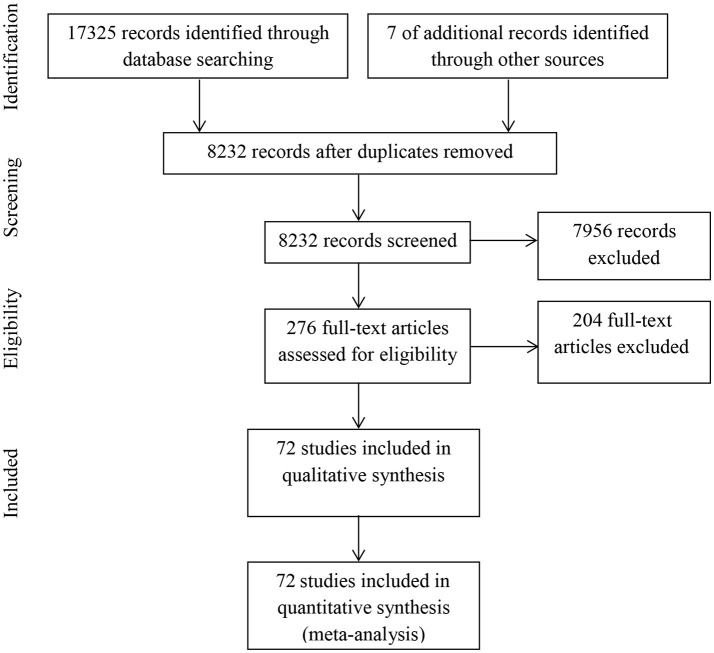
“Depression symptom checklists used Frontiers in Psychology | www.frontiersin.org 7 May 2018 | Volume 9 | Article 756 FIGURE 1 | Flow chart of study selection. were mainly Beck Depression Index (BDI-II; N = 41; Beck et al., 1996), followed by the Center for Epidemiologic Studies Depression Scale (CES-D; N = 2; Radloff,…”
Liberati, A., Altman, D. G., Tetzlaff, J., Mulrow, C., Gøtzsche, P. C., Ioannidis, J. P. A., Clarke, M., Devereaux, P. J., Kleijnen, J., & Moher, D. (2009) · PLoS Medicine · doi:10.1371/journal.pmed.1000100 · Cited by 28,164 · cited 1×
“Methods followed the principles presented by the Preferred Reporting Items for Systematic Reviews and Meta-Analyses (PRISMA) statement (Liberati et al., 2009).”
(1998) · The Journal of Clinical Psychiatry · Cited by 19,139
Borenstein, M., Hedges, L. V., Higgins, J. P. T., & Rothstein, H. R. (2009) · doi:10.1002/9780470743386 · Cited by 14,225
Gross, J. J., & John, O. P. (2003) · Journal of Personality and Social Psychology · doi:10.1037/0022-3514.85.2.348 · Cited by 11,929 · cited 5×
“Reappraisal is a form of cognitive change that involves interpretation of a potentially emotion-eliciting situation in a way that changes its emotional impact (Gross and John, 2003).”
MethodInfluentialAssessing coping strategies: A theoretically based approach.
Carver, C. S., Scheier, M. F., & Weintraub, J. K. (1989) · Journal of Personality and Social Psychology · doi:10.1037/0022-3514.56.2.267 · Cited by 11,507 · cited 1×
“, 1993), followed by one study reporting two trials involving the Avoidance subscale of the Need for Affect Scale (NAS-AVOIDANCE; Maio and Esses, 2001), one study reporting two trials using Avoidance subscale of the COPE (COPE-AVOIDANCE; Carver et al., 1989), one study reporting two trials using Avoidance subscale of…”
(1998) · PubMed · Cited by 10,216
The emerging field of emotion regulation: an integrative review
Gross, J. J. (1998) · Review of General Psychology · doi:10.1037/1089-2680.2.3.271 · Cited by 9,916 · cited 3×
“It is often associated with anxiety disorders, involving behaviors that make it less likely that one will end up in a situation that will give rise to undesirable emotions (Gross, 1998a).”
Gratz, K. L., & Roemer, L. (2004) · Journal of Psychopathology and Behavioral Assessment · doi:10.1023/b:joba.0000007455.08539.94 · Cited by 8,942 · cited 4×
“Total scores of questionnaires measuring general emotion regulation abilities (e.g., Gratz and Roemer, 2004) were pooled into one effect size.”
InfluentialYou want to measure coping but your protocol’ too long: Consider the brief cope
Carver, C. S. (1997) · International Journal of Behavioral Medicine · doi:10.1207/s15327558ijbm0401_6 · Cited by 7,361 · cited 1×
“Individual studies reported data from the subscale “Task Oriented” from the questionnaire CISS, the Planning subscale from the CERQ, and the Active Coping and Planning subscales of the Brief COPE (Carver, 1997).”
Mindfulness: A proposed operational definition.
Bishop, S. R., Lau, M., Shapiro, S., Carlson, L., Anderson, N. D., Carmody, J., Segal, Z. V., Abbey, S., Speca, M., Velting, D., et al. (2004) · Clinical Psychology: Science and Practice · doi:10.1093/clipsy.bph077 · Cited by 7,234
Emotion-regulation strategies across psychopathology: A meta-analytic review
Aldao, A., Nolen-Hoeksema, S., & Schweizer, S. (2010) · Clinical Psychology Review · doi:10.1016/j.cpr.2009.11.004 · Cited by 6,686 · cited 11×
“Studies show that people with MDD report avoiding more emotional experiences than never-depressed controls (Svaldi et al., 2012; Brockmeyer et al., 2015), and that avoidance of emotional experiences is associated with symptoms of depression (Aldao et al., 2010).”
InfluentialAcceptance and commitment therapy: model, processes and outcomes
Hayes, S. C., Luoma, J. B., Bond, F. W., Masuda, A., & Lillis, J. (2006) · Behaviour Research and Therapy · doi:10.1016/j.brat.2005.06.006 · Cited by 6,587 · cited 2×
“Acceptance has been proposed as an active ingredient in the third-wave cognitive behavioral interventions of Mindfulness-Based Cognitive Therapy (Segal et al., 2013) and Acceptance and Commitment Therapy (Hayes et al., 2006).”
The Development and Validation of a Scale to Measure Self-Compassion
NEFF, K. D. (2003) · Self and Identity · doi:10.1080/15298860309027 · Cited by 6,436 · cited 1×
“Closely related to acceptance is self-compassion, which can be considered an emotion regulation strategy in which painful or distressing feelings are not avoided, but held in awareness with kindness, understanding and a sense of shared humanity (Neff, 2003).”
The PHQ-9: A New Depression Diagnostic and Severity Measure
Kroenke, K., & Spitzer, R. L. (2002) · Psychiatric Annals · doi:10.3928/0048-5713-20020901-06 · Cited by 5,898 · cited 3×
“Depression symptom checklists used Frontiers in Psychology | www.frontiersin.org 7 May 2018 | Volume 9 | Article 756 FIGURE 1 | Flow chart of study selection. were mainly Beck Depression Index (BDI-II; N = 41; Beck et al., 1996), followed by the Center for Epidemiologic Studies Depression Scale (CES-D; N = 2; Radloff,…”
MethodA psychobiological model of temperament and character
Cloninger, C. R. (1993) · Archives of General Psychiatry · doi:10.1001/archpsyc.1993.01820240059008 · Cited by 5,458 · cited 1×
“Eight studies reported in total 10 trials using the subscale Harm Avoidance from the Temperament and Character Inventory (TCI-HA; Cloninger et al., 1993), followed by one study reporting two trials involving the Avoidance subscale of the Need for Affect Scale (NAS-AVOIDANCE; Maio and Esses, 2001), one study reporting…”
MethodBagby, R. M., Parker, J. D. A., & Taylor, G. J. (1994) · Journal of Psychosomatic Research · doi:10.1016/0022-3999(94)90005-1 · Cited by 5,293
Nolen-Hoeksema, S., Wisco, B. E., & Lyubomirsky, S. (2008) · Perspectives on Psychological Science · doi:10.1111/j.1745-6924.2008.00088.x · Cited by 5,172 · cited 1×
“Rumination increases the valence and duration of depressed mood, and makes people vulnerable to onset and relapse of depressive episodes (Nolen-Hoeksema et al., 2008).”
Statistical Methods for Meta-Analysis.
Freeman, P. R., Hedges, L. V., & Olkin, I. (1986) · Biometrics · doi:10.2307/2531069 · Cited by 4,840
Gross, J. J. (1998) · Journal of Personality and Social Psychology · doi:10.1037//0022-3514.74.1.224 · Cited by 4,671 · cited 3×
“It is often associated with anxiety disorders, involving behaviors that make it less likely that one will end up in a situation that will give rise to undesirable emotions (Gross, 1998a).”
Responses to depression and their effects on the duration of depressive episodes
Nolen-Hoeksema, S. (1991) · Journal of Abnormal Psychology · doi:10.1037/0021-843x.100.4.569 · Cited by 4,529 · cited 1×
“Rumination is a strategy of attentional deployment, referring to focusing one’s attention toward negative emotions and on the implications of these emotions (Nolen-Hoeksema, 1991).”
EMOTION REGULATION: A THEME IN SEARCH OF DEFINITION
Thompson, R. A. (1994) · Monographs of the Society for Research in Child Development · doi:10.1111/j.1540-5834.1994.tb01276.x · Cited by 4,227 · cited 1×
“The theoretical rationale for the significance of general emotion regulation abilities has been articulated by several authors (e.g., Thompson, 1994; Gratz and Roemer, 2004; Berking and Znoj, 2008; Hofmann and Kashdan, 2010).”
Bond, F. W., Hayes, S. C., Baer, R. A., Carpenter, K. M., Guenole, N., Orcutt, H. K., Waltz, T., & Zettle, R. D. (2011) · Behavior Therapy · doi:10.1016/j.beth.2011.03.007 · Cited by 3,950
Rush, A. J., Trivedi, M. H., Ibrahim, H. M., Carmody, T. J., Arnow, B., Klein, D. N., Markowitz, J. C., Ninan, P. T., Kornstein, S., Manber, R., et al. (2003) · Biological Psychiatry · doi:10.1016/s0006-3223(02)01866-8 · Cited by 3,829 · cited 1×
“The majority of trials used BDI-II as a self-report index of depressive symptoms (n = 15), and individual studies used CES-D, PHQ, and the Quick Inventory of Depressive Symptomatology-Self Report (QIDS-SR; Rush et al., 2003).”
Rumination reconsidered: a psychometric analysis.
Treynor, W., Gonzalez, R., & Nolen-Hoeksema, S. (2003) · Cognitive Therapy and Research · doi:10.1023/a:1023910315561 · Cited by 3,808 · cited 2×
“The majority of studies applied the Ruminative Response Scale from the Response Styles Questionnaire (RRS; N = 34; Nolen-Hoeksema and Morrow, 1991; Treynor et al., 2003).”
Nolen-Hoeksema, S., & Morrow, J. (1991) · Journal of Personality and Social Psychology · doi:10.1037/0022-3514.61.1.115 · Cited by 3,276
The Epidemiology of Depression Across Cultures
Kessler, R. C., & Bromet, E. J. (2013) · Annual Review of Public Health · doi:10.1146/annurev-publhealth-031912-114409 · Cited by 2,657 · cited 1×
“Further, MDD is associated with reduced functioning, lower quality of life and increased risk of suicide (Wittchen et al., 2000; Kessler and Bromet, 2013).”
Utility of a new procedure for diagnosing mental disorders in primary care. The PRIME-MD 1000 study
Spitzer, R. L. (1994) · JAMA · doi:10.1001/jama.272.22.1749 · Cited by 2,648
Cognitive impairment in depression: a systematic review and meta-analysis
Rock, P. L., Roiser, J. P., Riedel, W. J., & Blackwell, A. D. (2014) · Psychological Medicine · doi:10.1017/s0033291713002535 · Cited by 2,161 · cited 1×
“Our finding may be seen in relation to prior reviews (Hammar and Årdal, 2009) and meta-analyses (Rock et al., 2013) showing that attentional and executive deficits continue after remission fromMDD.”
Measuring experiential avoidance: A preliminary test of a working model
Hayes, S. C., Strosahl, K., Wilson, K. G., Bissett, R. T., Pistorello, J., Toarmino, D., Polusny, M. A., Dykstra, T. A., Batten, S. V., Bergan, J., et al. (2004) · The Psychological Record · doi:10.1007/bf03395492 · Cited by 2,140
Webb, T. L., Miles, E., & Sheeran, P. (2012) · Psychological Bulletin · doi:10.1037/a0027600 · Cited by 2,006 · cited 4×
“In general, reappraisal is more effective than suppression (Augustine and Hemenover, 2009; Webb et al., 2012), and acceptance of negative emotions is a more effective strategy compared to rumination and suppression (Kohl”
InfluentialPsychometric properties of the Impact of Event Scale—Revised
Creamer, M., Bell, R., & Failla, S. (2003) · Behaviour Research and Therapy · doi:10.1016/j.brat.2003.07.010 · Cited by 1,947 · cited 1×
“Individual studies reported data from the Avoidance subscale from the Impact of Event Scale-Revised (IES-RAVOIDANCE; Creamer et al., 2003), the Harm Avoidance subscale of the Tridimensional Personality Questionnaire (TPQHA; Otter et al.”
Utility of a New Procedure for Diagnosing Mental Disorders in Primary Care: The PRIME-MD 1000 Study
Spitzer, R. L. (1994) · JAMA · doi:10.1001/jama.1994.03520220043029 · Cited by 1,873 · cited 3×
“, 1998), both MINI and SCID I (n = 2), the Schedules for Clinical Assessment in Neuropsychiatry (SCAN; n = 2; World Health Organization, 1998) and individual studies using the Diagnostic Interview for Mental Disorders (DIMD; Margraf and Schneider, 2006) and the Primary Care Evaluation of Mental Disorders (PRIMEMD; Spi…”
MethodExploring compassion: A meta-analysis of the association between self-compassion and psychopathology
MacBeth, A., & Gumley, A. (2012) · Clinical Psychology Review · doi:10.1016/j.cpr.2012.06.003 · Cited by 1,838 · cited 2×
“Studies suggest that self-reported selfcompassion is negatively associated with symptoms of depression (MacBeth and Gumley, 2012), and that self-compassion may be a protective factor for the development of new episodes of MDD (Ehret et al., 2015).”
Emotion Regulation: A Theme in Search of Definition
Thompson, R. A. (1994) · Monographs of the Society for Research in Child Development · doi:10.2307/1166137 · Cited by 1,366
Emotion regulation in depression: Relation to cognitive inhibition
Joormann, J., & Gotlib, I. H. (2009) · Cognition & Emotion · doi:10.1080/02699930903407948 · Cited by 1,356 · cited 1×
“Consequently, they have problems recovering from negative emotions, resulting in sustained depressed mood (Joormann and Gotlib, 2010).”
Teasdale, J. D., Segal, Z., & Williams, J. M. G. (1995) · Behaviour Research and Therapy · doi:10.1016/0005-7967(94)e0011-7 · Cited by 1,349 · cited 1×
“It could also be that total time spent in depressive states will be a maintaining factor, in that depressogenic schemata are easily activated by sad mood (Teasdale et al., 1995).”
Wegner, D. M., & Zanakos, S. (1994) · Journal of Personality · doi:10.1111/j.1467-6494.1994.tb00311.x · Cited by 1,245 · cited 1×
“Individual studies reported data from the White Bear Suppression Inventory (WBSI; Wegner and Zanakos, 1994), the subscales suppressing negative and positive emotions from the Emotion Acceptance Questionnaire (EAQ; Beblo et al.”
Ferrari, A. J., Somerville, A. J., Baxter, A. J., Norman, R., Patten, S. B., Vos, T., & Whiteford, H. A. (2013) · Psychological Medicine · doi:10.1017/s0033291712001511 · Cited by 1,230 · cited 2×
“Epidemiological studies show that MDD is a highly prevalent (Ferrari et al., 2013), recurrent (Mueller et al., 1999), and potentially chronic disorder (Kessing et al., 2004).”
Emotion Regulation and Psychopathology
Sheppes, G., Suri, G., & Gross, J. J. (2015) · Annual Review of Clinical Psychology · doi:10.1146/annurev-clinpsy-032814-112739 · Cited by 1,214
Child sexual abuse and subsequent psychopathology: results from the National Comorbidity Survey
Molnar, B. E., Buka, S. L., & Kessler, R. C. (2001) · American Journal of Public Health · doi:10.2105/ajph.91.5.753 · Cited by 1,193 · cited 2×
“Early onset of MDD can be associated with the exposure of early life stress (Molnar et al., 2001).”
The Cognitive Emotion Regulation Questionnaire
Garnefski, N., & Kraaij, V. (2007) · European Journal of Psychological Assessment · doi:10.1027/1015-5759.23.3.141 · Cited by 1,039
Mindfulness-based cognitive therapy for depression
Kumari, D., & Satyapal, N. (2024) · Industrial Psychiatry Journal · doi:10.4103/ipj.ipj_127_24 · Cited by 1,005
The Extended Process Model of Emotion Regulation: Elaborations, Applications, and Future Directions
Gross, J. J. (2015) · Psychological Inquiry · doi:10.1080/1047840x.2015.989751 · Cited by 996 · cited 2×
“Deficiencies in emotional awareness and clarity may lead to difficulties in the identification of a feeling and failure of emotion regulation (Gross, 2015).”
Assessment of multidimensional coping: Task, emotion, and avoidance strategies.
Endler, N. S., & Parker, J. D. A. (1994) · Psychological Assessment · doi:10.1037/1040-3590.6.1.50 · Cited by 982 · cited 1×
“, 2004), and the Avoidance subscale of Coping Inventory for Stressful Situations (CISS-AVOIDANCE; Endler and Parker, 1994).”
Emotion Regulation Flexibility
Aldao, A., Sheppes, G., & Gross, J. J. (2015) · Cognitive Therapy and Research · doi:10.1007/s10608-014-9662-4 · Cited by 981 · cited 1×
“Therefore, flexibility in selection and implementation of emotion regulation strategies in line with the person’s own goals and values may be more important than the use of specific strategies per se (Aldao et al., 2015).”
Koster, E. H. W., De Lissnyder, E., Derakshan, N., & De Raedt, R. (2011) · Clinical Psychology Review · doi:10.1016/j.cpr.2010.08.005 · Cited by 916 · cited 1×
“Rumination has also been shown to affect executive functions such as working memory (Watkins and Brown, 2002; Joormann et al., 2011; Meiran et al., 2011) attention (Donaldson et al., 2007) and cognitive control (Koster et al., 2011).”
The inventory for depressive symptomatology (IDS): Preliminary findings
Rush, A. J., Giles, D. E., Schlesser, M. A., Fulton, C. L., Weissenburger, J. E., & Burns, C. (1986) · Psychiatry Research · doi:10.1016/0165-1781(86)90060-0 · Cited by 908 · cited 4×
“…Epidemiologic Studies Depression Scale (CES-D; N = 2; Radloff, 1977), the Patient Health Questionnaire (PHQ; N = 2; Kroenke and Spitzer, 2002), and individual studies using the Internal State Scale (ISS; Bauer et al., 1991) and the Inventory of Depressive Symptomatology (IDS; Rush et al., 1986).”
MethodInfluentialRecurrence after recovery from major depressive disorder during 15 years of observational follow-up
Mueller, T. I., Leon, A. C., Keller, M. B., Solomon, D. A., Endicott, J., Coryell, W., Warshaw, M., & Maser, J. D. (1999) · American Journal of Psychiatry · doi:10.1176/ajp.156.7.1000 · Cited by 897 · cited 2×
“Given the high relapse rate after recovery of depression (Mueller et al., 1999), emotion regulation difficulties may be a factor that makes people recovered from depression vulnerable to later recurrent episodes.”
Perkowski, R., & Perkowski, A. (2000) · Cited by 889
Criticizing and reassuring oneself: an exploration of forms, styles and reasons in female students
Gilbert, P., Clarke, M., Hempel, S., Miles, J. N. V., & Irons, C. (2004) · British Journal of Clinical Psychology · doi:10.1348/014466504772812959 · Cited by 877 · cited 1×
“(2015) utilized the subscale Reassurance from the questionnaire Forms of Self-Criticizing/Attacking and Self-Reassuring Scale (FSCRS-REASSURE; Gilbert et al., 2004).”
Specificity of cognitive emotion regulation strategies: a transdiagnostic examination
Aldao, A., & Nolen-Hoeksema, S. (2010) · Behaviour Research and Therapy · doi:10.1016/j.brat.2010.06.002 · Cited by 860
Examining emotion regulation in depression: A review and future directions
Joormann, J., & Stanton, C. H. (2016) · Behaviour Research and Therapy · doi:10.1016/j.brat.2016.07.007 · Cited by 749 · cited 15×
“However, the reviews of Liu and Thompson (2017) and Joormann and Stanton (2016) seem not to be based on systematic literature searches, as no such procedures were reported.”
InfluentialDepression is strongly associated with alexithymia in the general population
Honkalampi, K. M., Hintikka, J., Tanskanen, A. J., Lehtonen, J., & Viinamäki, H. T. (2000) · Journal of Psychosomatic Research · doi:10.1016/s0022-3999(99)00083-5 · Cited by 663 · cited 2×
“, alexithymia) is associated with symptoms of depression (Honkalampi et al., 2000).”
Wells, A., & Davies, M. I. (1994) · Behaviour Research and Therapy · doi:10.1016/0005-7967(94)90168-6 · Cited by 640 · cited 1×
“Three studies applied the Reappraisal subscale from the Thought Control Questionnaire (TCQ-REAPPRAISAL; Wells and Davies, 1994).”
Development and preliminary evaluation of the Social Problem-Solving Inventory.
D’Zurilla, T. J., & Nezu, A. M. (1990) · Psychological Assessment · doi:10.1037/1040-3590.2.2.156 · Cited by 634 · cited 1×
“, 1989), one study reporting two trials using Avoidance subscale of the Social ProblemSolving Inventory (SPSI-AVOIDANCE; D’Zurilla and Nezu, 1990) and two studies reporting three trials using the Cognitive Behavioral Avoidance Scale (CBAS; Ottenbreit and Dobson, 2004).”
MethodGratz, K. L., & Gunderson, J. G. (2006) · Behavior Therapy · doi:10.1016/j.beth.2005.03.002 · Cited by 618
The structure of common emotion regulation strategies: A meta-analytic examination
Naragon-Gainey, K., McMahon, T. P., & Chacko, T. P. (2017) · Psychological Bulletin · doi:10.1037/bul0000093 · Cited by 588 · cited 5×
“Finally, limited emotional tolerance, i.e., being easily overwhelmed by emotions, may lead to increased use of maladaptive emotion regulation strategies to avoid or suppress emotions (Naragon-Gainey et al., 2017).”
InfluentialEhring, T., Tuschen-Caffier, B., Schnülle, J., Fischer, S., & Gross, J. J. (2010) · Emotion · doi:10.1037/a0019010 · Cited by 587
Acceptability and suppression of negative emotion in anxiety and mood disorders.
Campbell-Sills, L., Barlow, D. H., Brown, T. A., & Hofmann, S. G. (2006) · Emotion · doi:10.1037/1528-3542.6.4.587 · Cited by 579 · cited 3×
“Another maladaptive strategy that has been associated with MDD is suppression (Campbell-Sills et al., 2006).”
When are adaptive strategies most predictive of psychopathology?
Aldao, A., & Nolen-Hoeksema, S. (2012) · Journal of Abnormal Psychology · doi:10.1037/a0023598 · Cited by 505
The Need for Affect: Individual Differences in the Motivation to Approach or Avoid Emotions
Maio, G. R., & Esses, V. M. (2001) · Journal of Personality · doi:10.1111/1467-6494.694156 · Cited by 499 · cited 1×
“, 1993), followed by one study reporting two trials involving the Avoidance subscale of the Need for Affect Scale (NAS-AVOIDANCE; Maio and Esses, 2001), one study reporting two trials using Avoidance subscale of the COPE (COPE-AVOIDANCE; Carver et al.”
Cognitive functioning in major depression – a summary
Hammar, Å. (2009) · Frontiers in Human Neuroscience · doi:10.3389/neuro.09.026.2009 · Cited by 491
Watkins, E. R., & Moulds, M. L. (2005) · Emotion · doi:10.1037/1528-3542.5.3.319 · Cited by 487 · cited 1×
“Despite rumination being associated with negative outcomes, currently and remitted MDD individuals report positive beliefs about the usefulness of the strategy (Watkins and Moulds, 2005b).”
Rumination and executive function in depression: an experimental study
Watkins, E. R. (2002) · Journal of Neurology Neurosurgery & Psychiatry · doi:10.1136/jnnp.72.3.400 · Cited by 458 · cited 4×
“Rumination has also been shown to affect executive functions such as working memory (Watkins and Brown, 2002; Joormann et al., 2011; Meiran et al., 2011) attention (Donaldson et al.”
InfluentialAvoidance and depression: the construction of the Cognitive–Behavioral Avoidance Scale
Ottenbreit, N. D., & Dobson, K. S. (2004) · Behaviour Research and Therapy · doi:10.1016/s0005-7967(03)00140-2 · Cited by 457 · cited 1×
“, 1989), one study reporting two trials using Avoidance subscale of the Social ProblemSolving Inventory (SPSI-AVOIDANCE; D’Zurilla and Nezu, 1990) and two studies reporting three trials using the Cognitive Behavioral Avoidance Scale (CBAS; Ottenbreit and Dobson, 2004).”
MethodWilliams, J. M. G., Crane, C., Barnhofer, T., Brennan, K., Duggan, D. S., Fennell, M. J. V., Hackmann, A., Krusche, A., Muse, K., Von Rohr, I. R., et al. (2014) · Journal of Consulting and Clinical Psychology · doi:10.1037/a0035036 · Cited by 420 · cited 1×
“Previous studies have shown that treatment of depression using Mindfulness-Based Cognitive Therapy (MBCT) have better effect on individuals with an early onset in comparison to individuals with later onset (Williams et al., 2014).”
Independent Assessment of Manic and Depressive Symptoms by Self-rating
Bauer, M. S. (1991) · Archives of General Psychiatry · doi:10.1001/archpsyc.1991.01810330031005 · Cited by 408
Svaldi, J., Griepenstroh, J., Tuschen-Caffier, B., & Ehring, T. (2012) · Psychiatry Research · doi:10.1016/j.psychres.2011.11.009 · Cited by 408 · cited 1×
“Studies show that people with MDD report avoiding more emotional experiences than never-depressed controls (Svaldi et al., 2012; Brockmeyer et al., 2015), and that avoidance of emotional experiences is associated with symptoms of depression (Aldao et al., 2010).”
Self-compassion as an emotion regulation strategy in major depressive disorder
Diedrich, A., Grant, M., Hofmann, S. G., Hiller, W., & Berking, M. (2014) · Behaviour Research and Therapy · doi:10.1016/j.brat.2014.05.006 · Cited by 396 · cited 1×
“Recently, self-compassion has been suggested as an important emotion regulation strategy that is particularly effective when coping with depressed mood (Diedrich et al., 2014).”
Emotion Regulation in Depression
Joormann, J., & Vanderlind, W. M. (2014) · Clinical Psychological Science · doi:10.1177/2167702614536163 · Cited by 390
On Assessing Individual Differences in Rumination on Sadness
Conway, M. A., Csank, P. A. R., Holm, S. L., & Blake, C. K. (2000) · Journal of Personality Assessment · doi:10.1207/s15327752jpa7503_04 · Cited by 389 · cited 1×
“Two studies reported data from the Rumination on Sadness Scale (RSS; Conway et al., 2000), and one study reported data from the subscale Rumination from Leahy Emotional Schema Scale (LESS-RUMINATION; Leahy, 2002).”
Rumination and attention in major depression
Donaldson, C., Lam, D., & Mathews, A. (2007) · Behaviour Research and Therapy · doi:10.1016/j.brat.2007.07.002 · Cited by 337 · cited 2×
“Rumination has also been shown to affect executive functions such as working memory (Watkins and Brown, 2002; Joormann et al., 2011; Meiran et al., 2011) attention (Donaldson et al., 2007) and cognitive control (Koster et al., 2011).”
Emotion regulation: a transdiagnostic perspective on a new RDoC domain
Fernandez, K. C., Jazaieri, H., & Gross, J. J. (2016) · Cognitive Therapy and Research · doi:10.1007/s10608-016-9772-2 · Cited by 329 · cited 3×
“Difficulties Recently, emotion regulation has been proposed as a transdiagnostic factor for the development of psychopathology (Fernandez et al., 2016).”
InfluentialBerking, M., Ebert, D., Cuijpers, P., & Hofmann, S. G. (2013) · Psychotherapy and Psychosomatics · doi:10.1159/000348448 · Cited by 328
Characteristics of emotion regulation in recovered depressed versus never depressed individuals
Ehring, T. W., Fischer, S., Schnülle, J., Bösterling, A., & Tuschen‐Caffier, B. (2008) · Personality and Individual Differences · doi:10.1016/j.paid.2008.01.013 · Cited by 328 · cited 1×
“For example, one study indicated that previously depressed individuals report limited general emotion regulation abilities compared to never-depressed individuals (Ehring et al., 2008).”
On the relative effectiveness of affect regulation strategies: A meta-analysis
Augustine, A. A., & Hemenover, S. H. (2008) · Cognition & Emotion · doi:10.1080/02699930802396556 · Cited by 324
Leahy, R. L. (2002) · Cognitive and Behavioral Practice · doi:10.1016/s1077-7229(02)80048-7 · Cited by 306
Wittchen, H.-U., Carter, R. M., Pfister, H., Montgomery, S. A., & Kessler, R. C. (2000) · International Clinical Psychopharmacology · doi:10.1097/00004850-200015060-00002 · Cited by 299 · cited 1×
“Further, MDD is associated with reduced functioning, lower quality of life and increased risk of suicide (Wittchen et al., 2000; Kessler and Bromet, 2013).”
Emotion regulation predicts symptoms of depression over five years
Berking, M., Wirtz, C. M., Svaldi, J., & Hofmann, S. G. (2014) · Behaviour Research and Therapy · doi:10.1016/j.brat.2014.03.003 · Cited by 288
Examining emotion regulation as an outcome, mechanism, or target of psychological treatments
Gratz, K. L., Weiss, N. H., & Tull, M. T. (2015) · Current Opinion in Psychology · doi:10.1016/j.copsyc.2015.02.010 · Cited by 288 · cited 1×
“However, it has been argued that the view of emotion regulation as having primarily to do with discrete strategies to modulate emotional experience is too narrow (Gratz et al., 2015).”
Rumination and social problem-solving in depression
Watkins, E. R., & Baracaia, S. F. (2002) · Behaviour Research and Therapy · doi:10.1016/s0005-7967(01)00098-5 · Cited by 288 · cited 1×
“The first relevant studies to be published on the topic of this metaanalysis were from 2002 (Watkins and Baracaia, 2002; Watkins and Brown, 2002).”
Thompson, R. J., Mata, J., Jaeggi, S. M., Buschkuehl, M., Jonides, J., & Gotlib, I. H. (2010) · Behaviour Research and Therapy · doi:10.1016/j.brat.2010.01.007 · Cited by 288 · cited 1×
“Two studies reported data from the Problem Focused and Problem Solving subscales of the COPE (Thompson et al., 2010).”
Berking, M., & Znoj, H. (2008) · Zeitschrift für Psychiatrie Psychologie und Psychotherapie · doi:10.1024/1661-4747.56.2.141 · Cited by 268
Kessing, L. V., Hansen, M. G., Andersen, P. K., & Angst, J. (2004) · Acta Psychiatrica Scandinavica · doi:10.1046/j.1600-0447.2003.00266.x · Cited by 258 · cited 2×
“Epidemiological studies show that MDD is a highly prevalent (Ferrari et al., 2013), recurrent (Mueller et al., 1999), and potentially chronic disorder (Kessing et al., 2004).”
Examining risk and resilience factors for depression: The role of self-criticism and self-compassion
Ehret, A. M., Joormann, J., & Berking, M. (2014) · Cognition & Emotion · doi:10.1080/02699931.2014.992394 · Cited by 245 · cited 3×
“In addition, emotion regulation difficulties seem to persist after individuals are remitted from MDD (Ehret et al., 2015; Halvorsen et al., 2015).”
Emotion Regulation and Psychopathology
(2004) · The Regulation of Emotion · doi:10.4324/9781410610898-23 · Cited by 240
Editorial overview: New directions in the science of emotion regulation
Tull, M. T., & Aldao, A. (2015) · Current Opinion in Psychology · doi:10.1016/j.copsyc.2015.03.009 · Cited by 225 · cited 5×
“General emotion regulation abilities have been suggested as complementary processes that likely influence the selection and successful implementation of emotion regulation strategies (Tull and Aldao, 2015).”
InfluentialLiu, D. Y., & Thompson, R. J. (2017) · Clinical Psychology Review · doi:10.1016/j.cpr.2017.07.004 · Cited by 220 · cited 16×
“However, the reviews of Liu and Thompson (2017) and Joormann and Stanton (2016) seem not to be based on systematic literature searches, as no such procedures were reported.”
InfluentialSaarijãrvi, S., Salminen, J. K., & Toikka, T. (2001) · Journal of Psychosomatic Research · doi:10.1016/s0022-3999(01)00257-4 · Cited by 212 · cited 4×
“Empirical studies indicate that general emotion regulation abilities including emotional clarity, awareness and tolerance are negatively associated with development of psychopathology (Saarijärvi et al., 2001) and use ofmaladaptive emotion regulation strategies (Jeffries et al., 2016).”
InfluentialJoormann, J., Levens, S. M., & Gotlib, I. H. (2011) · Psychological Science · doi:10.1177/0956797611415539 · Cited by 209 · cited 2×
“Rumination has also been shown to affect executive functions such as working memory (Watkins and Brown, 2002; Joormann et al., 2011; Meiran et al., 2011) attention (Donaldson et al.”
Meiran, N., Diamond, G. M., Toder, D., & Nemets, B. (2011) · Psychiatry Research · doi:10.1016/j.psychres.2010.04.044 · Cited by 203 · cited 2×
“Rumination has also been shown to affect executive functions such as working memory (Watkins and Brown, 2002; Joormann et al., 2011; Meiran et al., 2011) attention (Donaldson et al.”
The Affective Style Questionnaire: Development and Psychometric Properties
Hofmann, S. G., & Kashdan, T. B. (2010) · Journal of Psychopathology and Behavioral Assessment · doi:10.1007/s10862-009-9142-4 · Cited by 203 · cited 1×
“The theoretical rationale for the significance of general emotion regulation abilities has been articulated by several authors (e.g., Thompson, 1994; Gratz and Roemer, 2004; Berking and Znoj, 2008; Hofmann and Kashdan, 2010).”
Increased suppression of negative and positive emotions in major depression
Beblo, T., Fernando, S. C., Klocke, S., Griepenstroh, J., Aschenbrenner, S., & Drießen, M. (2012) · Journal of Affective Disorders · doi:10.1016/j.jad.2012.03.019 · Cited by 182 · cited 1×
“Individual studies indicate that people with MDD suppress both positive (Beblo et al., 2012) and negative emotions (Campbell-Sills et al., 2006) more than healthy controls.”
Sad as a Matter of Choice? Emotion-Regulation Goals in Depression
Millgram, Y., Joormann, J., Huppert, J. D., & Tamir, M. (2015) · Psychological Science · doi:10.1177/0956797615583295 · Cited by 177 · cited 1×
“Moreover, when individuals with MDD (Millgram et al., 2015) and dysphoria (Quigley and Dobson, 2014) are instructed to use reappraisal, they have no difficulties in doing so, and gain same beneficial reductions in negative affect as healthy controls.”
Cognitive aspects of chronic depression.
Riso, L. P., du Toit, P. L., Blandino, J. A., Penna, S., Dacey, S., Duin, J. S., Pacoe, E. M., Grant, M. M., & Ulmer, C. S. (2003) · Journal of Abnormal Psychology · doi:10.1037/0021-843x.112.1.72 · Cited by 169 · cited 1×
“Only one study reported comorbid personality disorders (Riso et al., 2003).”
Neural substrates of trait ruminations in depression.
Mandell, D., Siegle, G. J., Shutt, L. S., Feldmiller, J., & Thase, M. E. (2014) · Journal of Abnormal Psychology · doi:10.1037/a0035834 · Cited by 144 · cited 1×
“One study reported data from eight questionnaires and subscales measuring rumination, including the RRS and the RSS (Mandell et al., 2014).”
How effective are acceptance strategies? A meta-analytic review of experimental results
Kohl, A., Rief, W., & Glombiewski, J. A. (2012) · Journal of Behavior Therapy and Experimental Psychiatry · doi:10.1016/j.jbtep.2012.03.004 · Cited by 136
Emotion Regulation Therapy: An Integrative Approach to Treatment-Resistant Anxiety Disorders
Mennin, D. S. (2006) · Journal of Contemporary Psychotherapy · doi:10.1007/s10879-006-9012-2 · Cited by 134 · cited 1×
“In the recent years, interventions have been developed specifically to enhance emotion regulation in anxiety disorders (Mennin, 2006), personality disorders (Gratz andGunderson, 2006), and inpatient treatment for MDD (Berking et al.”
Rude, S. S., & McCarthy, C. J. (2003) · Cognition & Emotion · doi:10.1080/02699930302283 · Cited by 133 · cited 1×
“Similarly, a study by Rude and McCarthy (2003) found that individuals remitted from MDD reported lower emotional clarity compared to never-depressed individuals.”
Rumination in Clinical Depression: A Type of Emotional Suppression?
Liverant, G. I., Kamholz, B. W., Sloan, D. M., & Brown, T. A. (2010) · Cognitive Therapy and Research · doi:10.1007/s10608-010-9304-4 · Cited by 112 · cited 1×
“Further, self-reported habitual use of suppression is associated with symptoms of depression (Aldao et al., 2010), and with increased rumination (Liverant et al., 2011).”
Positive beliefs about rumination in depression—a replication and extension
Watkins, E. R., & Moulds, M. L. (2005) · Personality and Individual Differences · doi:10.1016/j.paid.2004.12.006 · Cited by 109 · cited 2×
“Despite rumination being associated with negative outcomes, currently and remitted MDD individuals report positive beliefs about the usefulness of the strategy (Watkins and Moulds, 2005b).”
The Role of Distress Tolerance in the Use of Specific Emotion Regulation Strategies
Jeffries, E. R., McLeish, A. C., Kraemer, K. M., Avallone, K. M., & Fleming, J. B. (2016) · Behavior Modification · doi:10.1177/0145445515619596 · Cited by 105 · cited 3×
“Poor general emotion regulation abilities may lead to more frequent and inflexible use of maladaptive emotion regulation strategies like avoidance, suppression and rumination (Jeffries et al., 2016; Naragon-Gainey et al., 2017).”
Reduced awareness of others’ emotions in unipolar depressed patients
Donges, U.-S., Kersting, A., Dannlowski, U., Lalee-Mentzel, J., Arolt, V., & Suslow, T. (2005) · Journal of Nervous & Mental Disease · doi:10.1097/01.nmd.0000161683.02482.19 · Cited by 89 · cited 2×
“Compared to healthy controls, currently depressed individuals report having limited emotional awareness (Donges et al., 2005), clarity of negative feelings (Thompson et al., 2015), and more alexithymia (Loas et al., 1998; Nandrino et al., 2012).”
Aker, M., Harmer, C. J., & Landrø, N. I. (2014) · BMC Psychiatry · doi:10.1186/s12888-014-0334-4 · Cited by 72 · cited 1×
“…to healthy controls, people who have recovered from depression report using more maladaptive emotion regulation strategies, including rumination (Aker et al., 2014; Halvorsen et al., 2015), suppression (Watkins and Moulds, 2009), and avoidance (Brockmeyer et al., 2012), although the findings on…”
Emotional clarity as a function of neuroticism and major depressive disorder.
Thompson, R. J., Kuppens, P., Mata, J., Jaeggi, S. M., Buschkuehl, M., Jonides, J., & Gotlib, I. H. (2015) · Emotion · doi:10.1037/emo0000067 · Cited by 70 · cited 2×
“Compared to healthy controls, currently depressed individuals report having limited emotional awareness (Donges et al., 2005), clarity of negative feelings (Thompson et al., 2015), and more alexithymia (Loas et al., 1998; Nandrino et al., 2012).”
Thought Control Strategies, Thought Suppression, and Rumination in Depression
Watkins, E. R., & Moulds, M. L. (2009) · International Journal of Cognitive Therapy · doi:10.1521/ijct.2009.2.3.235 · Cited by 64 · cited 2×
“…report using more maladaptive emotion regulation strategies, including rumination (Aker et al., 2014; Halvorsen et al., 2015), suppression (Watkins and Moulds, 2009), and avoidance (Brockmeyer et al., 2012), although the findings on suppression are somewhat contradictory (Joormann and…”
Halvorsen, M., Hagen, R., Hjemdal, O., Eriksen, M. S., Sørli, Å. J., Waterloo, K., Eisemann, M., & Wang, C. E. A. (2015) · Cognitive Therapy and Research · doi:10.1007/s10608-014-9638-4 · Cited by 62 · cited 3×
“Compared to healthy controls, people who have recovered from depression report using more maladaptive emotion regulation strategies, including rumination (Aker et al., 2014; Halvorsen et al., 2015), suppression (Watkins and Moulds, 2009), and avoidance (Brockmeyer et al.”
Donofry, S. D., Roecklein, K. A., Wildes, J. E., Miller, M. A., & Erickson, K. I. (2016) · Neuroscience & Biobehavioral Reviews · doi:10.1016/j.neubiorev.2016.07.011 · Cited by 60 · cited 1×
“One potential mechanism in the development and maintenance of depression is difficulties with emotion regulation (Donofry et al., 2016).”
Kamholz, B. W., Hayes, A. M., Carver, C. S., Gulliver, S. B., & Perlman, C. A. (2006) · Cognitive Therapy and Research · doi:10.1007/s10608-006-9013-1 · Cited by 59
Bloch, L., Moran, E. K., & Kring, A. M. (2010) · Cited by 58
An examination of trait, spontaneous and instructed emotion regulation in dysphoria
Quigley, L., & Dobson, K. S. (2013) · Cognition & Emotion · doi:10.1080/02699931.2013.848786 · Cited by 56 · cited 2×
“, 2015) and dysphoria (Quigley and Dobson, 2014) are instructed to use reappraisal, they have no difficulties in doing so, and gain same beneficial reductions in negative affect as healthy controls.”
Nandrino, J.-L., Berna, G., Hot, P., Dodin, V., Latrée, J., Decharles, S., & Sequeira, H. (2012) · Journal of Psychosomatic Research · doi:10.1016/j.jpsychores.2011.11.003 · Cited by 52 · cited 1×
“Compared to healthy controls, currently depressed individuals report having limited emotional awareness (Donges et al., 2005), clarity of negative feelings (Thompson et al., 2015), and more alexithymia (Loas et al., 1998; Nandrino et al., 2012).”
Cloninger's Tridimensional Personality Questionnaire: Reliability in an english sample
Otter, C., Huber, J., & BONNER, A. B. (1995) · Personality and Individual Differences · doi:10.1016/0191-8869(94)00199-3 · Cited by 49 · cited 1×
“, 2003), the Harm Avoidance subscale of the Tridimensional Personality Questionnaire (TPQHA; Otter et al., 1995), the Avoidance and Action Questionnaire (AAQ; Hayes et al.”
Anhedonia, Alexithymia and Locus of Control in Unipolar Major Depressive Disorders
Loas, G., Dhee-Perot, Chaperot, Fremaux, Gayant, & Boyer (1998) · Psychopathology · doi:10.1159/000029041 · Cited by 44 · cited 1×
“Compared to healthy controls, currently depressed individuals report having limited emotional awareness (Donges et al., 2005), clarity of negative feelings (Thompson et al., 2015), and more alexithymia (Loas et al., 1998; Nandrino et al., 2012).”
Brockmeyer, T., Kulessa, D., Hautzinger, M., Bents, H., & Backenstraß, M. (2015) · Journal of Affective Disorders · doi:10.1016/j.jad.2015.01.045 · Cited by 37 · cited 3×
“Studies show that people with MDD report avoiding more emotional experiences than never-depressed controls (Svaldi et al., 2012; Brockmeyer et al., 2015), and that avoidance of emotional experiences is associated with symptoms of depression (Aldao et al., 2010).”
Mood regulation expectancies and emotion avoidance in depression vulnerability
Brockmeyer, T., Holtforth, M. G., Pfeiffer, N., Backenstraß, M., Friederich, H., & Bents, H. (2012) · Personality and Individual Differences · doi:10.1016/j.paid.2012.03.018 · Cited by 30 · cited 2×
“…emotion regulation strategies, including rumination (Aker et al., 2014; Halvorsen et al., 2015), suppression (Watkins and Moulds, 2009), and avoidance (Brockmeyer et al., 2012), although the findings on suppression are somewhat contradictory (Joormann and Stanton, 2016; Liu and Thompson, 2017).”
Beblo, T., Scheulen, C., Fernando, S. C., Griepenstroh, J., Aschenbrenner, S., Rodewald, K., & Drießen, M. (2011) · Zeitschrift für Psychiatrie Psychologie und Psychotherapie · doi:10.1024/1661-4747/a000063 · Cited by 20
Ebert, D. D., Hopfinger, L., Bockting, C., & Berking, M. (2017) · Behavior Therapy · doi:10.1016/j.beth.2017.03.003 · Cited by 18 · cited 1×
“A recent study with individuals with remitted MDD showed that higher general emotion regulation abilities following in-treatment predicted lower depressive symptoms at follow-up (Ebert et al., 2017).”
Social Problem-Solving and Vulnerability to Depression in a Clinical Sample
Bates, G. W., & Lavery, B. J. (2003) · Psychological Reports · doi:10.2466/pr0.2003.92.3c.1277 · Cited by 10
Research works printed but not linked: 9
- 2013, Diagnostic and Statistical Manual of Mental Disorders
- Beck, 1996, Beck Depression Inventory-II (BDI-II) Manual
- 2014, Comprehensive Meta-Analysis (Version 3).
- 2014, EndNote X8 (Version 8.0.1)
- Farb, 2014, Mindfulness interventions and emotion regulation, 548
- First, 2002, Structured Clinical Interview for DSM-IV-TR Axis I Disorders, Research Version, Patient Edition.
- Margraf, 2006, Diagnostisches Interview Bei Psychischen Störungen [Diagnostic Interview for Mental Disorders].
- Thompson, 2010, Development of emotion regulation, 38
- 1998, Schedules for Clinical Assessment in Neuropsychiatry.
Cited by
Sorted by citations
The role of emotion regulation in the characterization, development and treatment of psychopathology
Lincoln, T. M., Schulze, L., & Renneberg, B. (2022) · Nature Reviews Psychology · doi:10.1038/s44159-022-00040-4 · Cited by 234
Eisenstadt, M., Liverpool, S., Infanti, E., Ciuvat, R. M., & Carlsson, C. (2021) · JMIR Mental Health · doi:10.2196/31170 · Cited by 212
“Difficulties with emotion regulation are linked with increased stress [28,29], and represent an established risk factor for a range of mental health disorders such as depression [26] and bipolar disorder [30].”
Training emotion regulation through real-time fMRI neurofeedback of amygdala activity
Herwig, U., Lutz, J., Scherpiet, S., Scheerer, H., Kohlberg, J., Opialla, S., Preuss, A., Steiger, V. R., Sulzer, J. S., Weidt, S., et al. (2018) · NeuroImage · doi:10.1016/j.neuroimage.2018.09.068 · Cited by 140
Pettorruso, M., Valle, S., Cavic, E., Martinotti, G., Giannantonio, M. D., & Grant, J. E. (2020) · Psychiatry Research · doi:10.1016/j.psychres.2020.113036 · Cited by 140
Everaert, J., Bronstein, M. V., Castro, A. A., Cannon, T. D., & Joormann, J. (2019) · Behaviour Research and Therapy · doi:10.1016/j.brat.2019.103510 · Cited by 119
Metadata
- Authors
- Visted, E., Vøllestad, J., Nielsen, M. B., & Schanche, E.
- Affiliations
- Haukeland University Hospital (NO)
- University of Bergen (NO)
- National Institute of Occupational Health (NO)
- Corresponding author
- Visted, Endre
- Venue
- Frontiers in Psychology
- Publisher
- Frontiers Media SA
- Published
- 2018-05-18
- Volume
- 9
- Pages
- 756-756
- ISSN
- 1664-1078 (ISSN-L)
- PMC
- PMC5968125
- OpenAlex
- W2800418807
- Cited by
- 337
- References
- 122
- Citations by year
- 2026: 54 · 2025: 48 · 2024: 61 · 2023: 42 · 2022: 38 · 2021: 31 · 2020: 25 · 2019: 32 · 2018: 6
- FWCI
- 3.74
- Type
- journal article
- Language
- en
- Open access
- gold
- doi.org
- Locations
- Frontiers in Psychology (publishedVersion, cc-by)
- Europe PMC (PubMed Central) (publishedVersion, cc-by)
- PubMed Central (publishedVersion, cc-by)
- PubMed (publishedVersion)
- NORA - Norwegian Open Research Archives (submittedVersion, cc-by)
- DOAJ (DOAJ: Directory of Open Access Journals) (submittedVersion, cc-by-sa)
- NORA - Norwegian Open Research Archives (submittedVersion, other-oa)
- Funders
- L. Meltzers Høyskolefond (7183, 16545)
- Universitetet i Bergen
- Topics
- Social Sciences › Psychology › Experimental and Cognitive Psychology › Anxiety, Depression, Psychometrics, Treatment, Cognitive Processes
- Social Sciences › Psychology › Clinical Psychology › Child and Adolescent Psychosocial and Emotional Development
- Life Sciences › Neuroscience › Cognitive Neuroscience › Neural and Behavioral Psychology Studies
- Keywords
- emotion regulation, major depressive disorder, remitted depression, maladaptive emotion regulation, rumination, avoidance, emotional suppression, cognitive reappraisal, acceptance, alexithymia, emotional awareness, emotional clarity, emotional tolerance, relapse risk, anxiety comorbidity, remission duration
About these checks
Registry, retraction, Cites and statistics results are computed, not judged, with one exception: a printed reference that no index lists is read once by a model before it counts as a citation error. Claims are extracted by a model and kept only when their quote appears verbatim in the text; each cited source is then checked, with a model’s help, for whether it says what the claim relies on. Those verdicts can be wrong — read the claim’s quote and the cited source before relying on one.
Statistics and arithmetic are recomputed, not judged.
Confidence bands are shown only for fields calibrated on our annotated test set. None is calibrated yet, so no band is shown.
What counts as a claim ›How we measure confidence ›How we check this ›
Are you an author, or do you see a problem with this page? Request a review
