

The DOI matches its Crossref record; 121 of the 122 references it cites were found in a registry or an index.
Emotion Regulation in Current and Remitted Depression: A Systematic Review and Meta-Analysis
Open accessAbstract
Background Major Depressive Disorder (MDD) is a highly prevalent, recurrent and potentially chronic disorder. Identifying risk factors and underlying mechanisms to inform preventive and therapeutic interventions is therefore imperative. Emotion regulation is a proposed factor in the development and maintenance of MDD. The aim of the present review was to summarize and synthesize research on self-reported emotion regulation strategy use and emotion regulation abilities in adults diagnosed with current and remitted MDD. Methods Seventy-two eligible studies were retrieved from databases through a systematic literature search. Group differences between individuals with current MDD, remitted MDD and healthy controls were calculated using meta-analytic procedures. Meta-regression analyses investigated potential moderator effects on emotion regulation difficulties. Results Results indicated that individuals with current MDD report higher maladaptive emotion regulation strategy use for avoidance (Hedges’ g = 1.3), rumination (g = 2.1) and suppression (g = 1.1) compared to healthy controls. Also, they reported lower adaptive emotion regulation strategy use for acceptance (g =-1.0), problem solving (g = -1.0) and reappraisal (g = -0.7). Individuals with current MDD reported limited general emotion regulation abilities, indicated by higher alexithymia (g =1.45), lower emotional awareness (g =-0.95), emotional clarity (g = -1.50) and emotional tolerance (g =-1.89). Similar results were found in individuals with remitted MDD for avoidance (g = 1.0), rumination (g = 1.1), suppression (g = 0.6) and general emotion regulation abilities. However, no difference was found between individuals with remitted MDD and healthy controls for adaptive emotion regulation strategies. Meta-regression analyses suggest that age of illness onset, comorbid anxiety and duration of remission influence emotion regulation. Conclusion The present review and meta-analysis indicates that individuals with current and remitted MDD have difficulties with emotion regulation compared to individuals who have never been depressed. Although depressive symptoms improve, emotion regulation difficulties may continue, and could be a contributing factor to relapse. Our findings inform future research on emotion regulation and psychotherapeutic interventions.
Overview
The claims and statistics of this paper haven’t been checked yet.
Run the check — free, no account needed. It reads the open-access text and checks the sources it cites.
Integrity signals
Registry
Cites
Statistics
Figures
Verification
Claims the paper makes
The claims and statistics of this paper haven’t been checked yet.
Run the check — free, no account needed. It reads the open-access text and checks the sources it cites.
Claims other papers make about this one
Each is checked against this paper’s own text: does it say what the citing paper says it does?
The source backs part of the claim, not all of it — or backs it for a different population, condition or comparison.
In the citing paper
“Difficulties in emotion regulation strategy use play a central role in the development, maintenance, and treatment of depression and anxiety disorders [27–29].”
From Emotion Regulation as a Mechanism of Mindfulness in Individual Cognitive-Behavioral Therapy for Depression and Anxiety Disorders (2024) · cites this paper as [29]
Experimental — accuracy not yet measuredThe source backs part of the claim, not all of it — or backs it for a different population, condition or comparison.
In the citing paper
“The first pathway to mitigating anxiety and depression symptoms involves reducing perseverative and avoidant emotion regulation strategies, such as rumination, avoidance, and suppression, which are known to maintain and exacerbate internalizing psychopathology [29, 58–62].”
From Emotion Regulation as a Mechanism of Mindfulness in Individual Cognitive-Behavioral Therapy for Depression and Anxiety Disorders (2024) · cites this paper as [29]
Experimental — accuracy not yet measured
Self-check
Percentages, sums and reported differences re-computed from the paper’s own numbers.
The self-check needs the paper’s full text.
Citations
Cites
Statistical Power Analysis for the Behavioral Sciences
Muller, K. E., & Cohen, J. (1989) · Technometrics · doi:10.2307/1270020 · Cited by 99,603
The CES-D Scale: A Self-Report Depression Scale for Research in the General Population
Radloff, L. S. (1977) · Applied Psychological Measurement · doi:10.1177/014662167700100306 · Cited by 53,267 · cited 3×
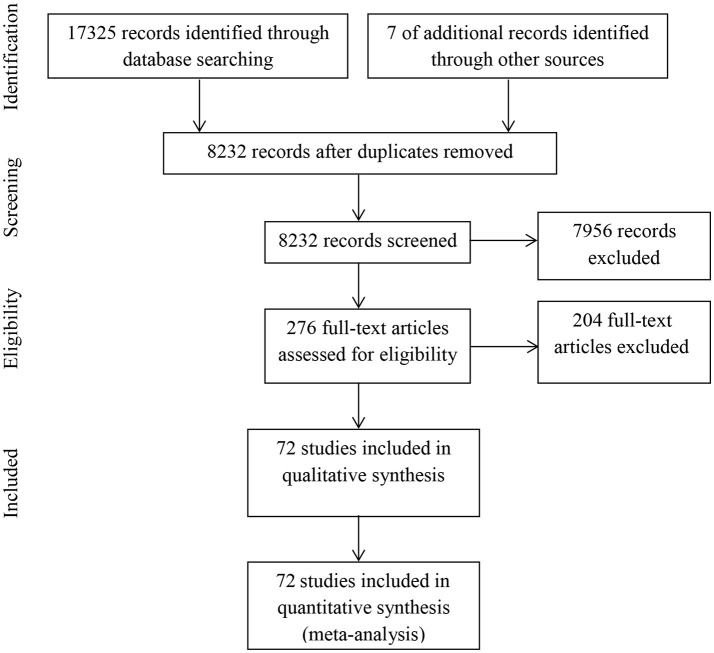
“Depression symptom checklists used Frontiers in Psychology | www.frontiersin.org 7 May 2018 | Volume 9 | Article 756 FIGURE 1 | Flow chart of study selection. were mainly Beck Depression Index (BDI-II; N = 41; Beck et al., 1996), followed by the Center for Epidemiologic Studies Depression Scale (CES-D; N = 2; Radloff,…”
Liberati, A., Altman, D. G., Tetzlaff, J., Mulrow, C., Gøtzsche, P. C., Ioannidis, J. P. A., Clarke, M., Devereaux, P. J., Kleijnen, J., & Moher, D. (2009) · PLoS Medicine · doi:10.1371/journal.pmed.1000100 · Cited by 28,164 · cited 1×
“Methods followed the principles presented by the Preferred Reporting Items for Systematic Reviews and Meta-Analyses (PRISMA) statement (Liberati et al., 2009).”
(1998) · The Journal of Clinical Psychiatry · Cited by 19,139
Borenstein, M., Hedges, L. V., Higgins, J. P. T., & Rothstein, H. R. (2009) · doi:10.1002/9780470743386 · Cited by 14,225
Gross, J. J., & John, O. P. (2003) · Journal of Personality and Social Psychology · doi:10.1037/0022-3514.85.2.348 · Cited by 11,929 · cited 5×
“Reappraisal is a form of cognitive change that involves interpretation of a potentially emotion-eliciting situation in a way that changes its emotional impact (Gross and John, 2003).”
MethodInfluentialAssessing coping strategies: A theoretically based approach.
Carver, C. S., Scheier, M. F., & Weintraub, J. K. (1989) · Journal of Personality and Social Psychology · doi:10.1037/0022-3514.56.2.267 · Cited by 11,507 · cited 1×
“, 1993), followed by one study reporting two trials involving the Avoidance subscale of the Need for Affect Scale (NAS-AVOIDANCE; Maio and Esses, 2001), one study reporting two trials using Avoidance subscale of the COPE (COPE-AVOIDANCE; Carver et al., 1989), one study reporting two trials using Avoidance subscale of…”
(1998) · PubMed · Cited by 10,216
The emerging field of emotion regulation: an integrative review
Gross, J. J. (1998) · Review of General Psychology · doi:10.1037/1089-2680.2.3.271 · Cited by 9,916 · cited 3×
“It is often associated with anxiety disorders, involving behaviors that make it less likely that one will end up in a situation that will give rise to undesirable emotions (Gross, 1998a).”
Gratz, K. L., & Roemer, L. (2004) · Journal of Psychopathology and Behavioral Assessment · doi:10.1023/b:joba.0000007455.08539.94 · Cited by 8,942 · cited 4×
“Total scores of questionnaires measuring general emotion regulation abilities (e.g., Gratz and Roemer, 2004) were pooled into one effect size.”
Influential
Research works printed but not linked: 9
- 2013, Diagnostic and Statistical Manual of Mental Disorders
- Beck, 1996, Beck Depression Inventory-II (BDI-II) Manual
- 2014, Comprehensive Meta-Analysis (Version 3).
- 2014, EndNote X8 (Version 8.0.1)
- Farb, 2014, Mindfulness interventions and emotion regulation, 548
- First, 2002, Structured Clinical Interview for DSM-IV-TR Axis I Disorders, Research Version, Patient Edition.
- Margraf, 2006, Diagnostisches Interview Bei Psychischen Störungen [Diagnostic Interview for Mental Disorders].
- Thompson, 2010, Development of emotion regulation, 38
- 1998, Schedules for Clinical Assessment in Neuropsychiatry.
Cited by
Sorted by citations
The role of emotion regulation in the characterization, development and treatment of psychopathology
Lincoln, T. M., Schulze, L., & Renneberg, B. (2022) · Nature Reviews Psychology · doi:10.1038/s44159-022-00040-4 · Cited by 234
Eisenstadt, M., Liverpool, S., Infanti, E., Ciuvat, R. M., & Carlsson, C. (2021) · JMIR Mental Health · doi:10.2196/31170 · Cited by 212
“Difficulties with emotion regulation are linked with increased stress [28,29], and represent an established risk factor for a range of mental health disorders such as depression [26] and bipolar disorder [30].”
Training emotion regulation through real-time fMRI neurofeedback of amygdala activity
Herwig, U., Lutz, J., Scherpiet, S., Scheerer, H., Kohlberg, J., Opialla, S., Preuss, A., Steiger, V. R., Sulzer, J. S., Weidt, S., et al. (2018) · NeuroImage · doi:10.1016/j.neuroimage.2018.09.068 · Cited by 140
Pettorruso, M., Valle, S., Cavic, E., Martinotti, G., Giannantonio, M. D., & Grant, J. E. (2020) · Psychiatry Research · doi:10.1016/j.psychres.2020.113036 · Cited by 140
Everaert, J., Bronstein, M. V., Castro, A. A., Cannon, T. D., & Joormann, J. (2019) · Behaviour Research and Therapy · doi:10.1016/j.brat.2019.103510 · Cited by 119
MacNamara, A., Joyner, K. J., & Klawohn, J. (2022) · International Journal of Psychophysiology · doi:10.1016/j.ijpsycho.2022.03.008 · Cited by 122
Tanhan, A. (2019) · Journal of Positive School Psychology · doi:10.47602/jpsp.v3i2.172 · Cited by 93
Villalobos, D., Pacios, J., & Vázquez, C. (2021) · Frontiers in Psychology · doi:10.3389/fpsyg.2021.628416 · Cited by 106
“Based on the centrality of emotional components in depression, there has been abundant research addressing the etiological analysis of depression from the perspective of emotion dysregulation (Joormann and Stanton, 2016; Visted et al., 2018).”
BackgroundPsychiatric Aspects of Obesity: A Narrative Review of Pathophysiology and Psychopathology
Weiss, F., Barbuti, M., Carignani, G., Calderone, A., Santini, F., Maremmani, I., & Perugi, G. (2020) · Journal of Clinical Medicine · doi:10.3390/jcm9082344 · Cited by 103
“Similarly, a recent meta-analysis has shown that individuals who ever had MDD exhibit poorer emotion regulation capabilities relative to subjects who have never been depressed [65].”
ResultRumination in major depressive and bipolar disorder – a meta-analysis
Kovács, L. N., Takács, Z. K., Tóth, Z., Simon, E., Schmelowszky, Á., & Kökönyei, G. (2020) · Journal of Affective Disorders · doi:10.1016/j.jad.2020.07.131 · Cited by 98
Positive emotion in daily life: Emotion regulation and depression.
Vanderlind, W. M., Everaert, J., & Joormann, J. (2021) · Emotion · doi:10.1037/emo0000944 · Cited by 99
“Most research on depression narrowly focuses on the regulation of negative emotion (Liu & Thompson, 2017; Visted et al., 2018), but individual differences in ER may also help in our understanding of low levels of positive emotion.”
BackgroundRai, S., Griffiths, K. R., Breukelaar, I. A., Barreiros, A. R., Chen, W., Boyce, P., Hazell, P., Foster, S. L., Malhi, G. S., Harris, A. W. F., et al. (2021) · Translational Psychiatry · doi:10.1038/s41398-021-01660-9 · Cited by 80
Jahangard, L., Sadeghi, A., Ahmadpanah, M., Holsboer‐Trachsler, E., Bahmani, D. S., Haghighi, M., & Brand, S. (2018) · Journal of Psychiatric Research · doi:10.1016/j.jpsychires.2018.09.016 · Cited by 82
Mohammed, A., Kosonogov, V., & Lyusin, D. (2021) · International Journal of Psychophysiology · doi:10.1016/j.ijpsycho.2021.06.007 · Cited by 75
Mindfulness-based interventions for anxiety and depression
Bhattacharya, S., & Hofmann, S. G. (2023) · Clinics in Integrated Care · doi:10.1016/j.intcar.2023.100138 · Cited by 81
Sadeghi Bahmani, D., Razazian, N., Motl, R. W., Farnia, V., Alikhani, M., Pühse, U., Gerber, M., & Brand, S. (2020) · Multiple Sclerosis and Related Disorders · doi:10.1016/j.msard.2019.101380 · Cited by 65
Self-compassion and emotion regulation: testing a mediation model
Paucsik, M., Nardelli, C., Bortolon, C., Shankland, R., Leys, C., & Baeyens, C. (2022) · Cognition & Emotion · doi:10.1080/02699931.2022.2143328 · Cited by 81
“Several meta-analyses have shown the importance of ER strategies and skills to reduce the risk of several mental disorders (e.g. Aldao & Nolen-Hoeksema, 2010; Visted et al., 2018; Webb et al., 2012).”
BackgroundActing as we feel: Which emotional responses to the climate crisis motivate climate action
Kovács, L. N., Jordan, G., Berglund, F., Holden, B., Niehoff, E., Pohl, F., Younssi, M., Zevallos, I., Ágoston, C., Varga, A., et al. (2024) · Journal of Environmental Psychology · doi:10.1016/j.jenvp.2024.102327 · Cited by 76
Maternal Depression in Early Childhood and Developmental Vulnerability at School Entry
Wall‐Wieler, E., Roos, L. L., & Gotlib, I. H. (2020) · PEDIATRICS · doi:10.1542/peds.2020-0794 · Cited by 56
“27 The fi nding in this study that children ’ s exposure to maternal depression is associated with problematic functioning in these 2 domains at as early as 5 years of age extends the literature and offers insight into the origins of these psychosocial dif fi culties.”
BackgroundEmotion dysregulation in autism: A meta-analysis
McDonald, R. G., Cargill, M. I., Khawar, S., & Kang, E. (2024) · Autism · doi:10.1177/13623613241257605 · Cited by 56
“…disorders (e.g. Cai et al., 2018; Conner, White, et al., 2020), it is important to continue to expand the literature to include other significant associations that have been established in TD literature, including depression and ADHD (Bodalski et al., 2019; Uhl et al., 2019; Visted et al., 2018).”
The impact of traumatic childhood experiences on interoception: disregarding one’s own body
Schmitz, M., Back, S. N., Seitz, K. I., Harbrecht, N. K., Streckert, L., Schulz, A., Herpertz, S. C., & Bertsch, K. (2023) · Borderline Personality Disorder and Emotion Dysregulation · doi:10.1186/s40479-023-00212-5 · Cited by 68
Wisting, L., Johnson, S. U., Bulik, C. M., Andreassen, O. A., Rø, Ø., & Bang, L. (2021) · BMC Psychiatry · doi:10.1186/s12888-020-03013-0 · Cited by 49
“acterized by persistent feeling of sadness and hopelessness, loss of interest in previously enjoyed interests [1], and emotion regulation difficulties [2].”
BackgroundHallford, D. J., Rusanov, D., Yeow, J., & Barry, T. J. (2022) · Clinical Psychology & Psychotherapy · doi:10.1002/cpp.2786 · Cited by 46
“Indeed, higher rumination (Visted et al., 2018) and impaired executive functioning (Rock et al., 2014) do appear to be characteristics of remitted depression suggesting they persist once a person no longer meets criteria for major depression and may disrupt access to specific autobiographical…”
BackgroundAttentional control, rumination and recurrence of depression
Figueroa, C. A., DeJong, H., Mocking, R. J. T., Fox, E., Rive, M. M., Schene, A. H., Stein, A. L., & Ruhé, H. G. (2019) · Journal of Affective Disorders · doi:10.1016/j.jad.2019.05.072 · Cited by 45
Simon, J. J., Stopyra, M. A., & Friederich, H. (2019) · Journal of Clinical Medicine · doi:10.3390/jcm8071047 · Cited by 46
“Comorbid depression is associated with increased emotion regulation difficulties [104] and researchers have not clearly determined how these comorbidities, particularly mood disorders, interact with the neural processing of emotional stimuli in patients with AN.”
BackgroundHua, Z., & Ma, D. (2022) · International Journal of Environmental Research and Public Health · doi:10.3390/ijerph19084676 · Cited by 44
Palagini, L., Cipollone, G., Moretto, U., Masci, I., Tripodi, B., Caruso, D., & Perugi, G. (2018) · Psychiatry Research · doi:10.1016/j.psychres.2018.11.056 · Cited by 41
Burchert, S., Kerber, A., Zimmermann, J., & Knaevelsrud, C. (2021) · PLoS ONE · doi:10.1371/journal.pone.0244955 · Cited by 41
“Emotion regulation difficulties seem to play a major role in the course of major depression [85].”
BackgroundBraniecka, A., Hanć, M., Wołkowicz, I., Chrzczonowicz‐Stępień, A., Mikołajonek, A., & Lipiec, M. (2019) · Brain and Behavior · doi:10.1002/brb3.1213 · Cited by 41
Oliva, V., Prisco, M. D., Fico, G., Possidente, C., Fortea, L., Montejo, L., Anmella, G., Hidalgo‐Mazzei, D., Grande, I., Murru, A., et al. (2023) · Acta Psychiatrica Scandinavica · doi:10.1111/acps.13618 · Cited by 48
“11,12”
ResultPuente-Martínez, A., Páez, D., Ubillos-Landa, S., & Costa-Dutra, S. D. (2018) · Frontiers in Psychology · doi:10.3389/fpsyg.2018.01592 · Cited by 35
“Forms of affect regulation were also related to well-being (Koval et al., 2014; Visted et al., 2018).”
BackgroundNordgren, L., Monell, E., Birgegård, A., Bjureberg, J., & Hesser, H. (2019) · Journal of Psychopathology and Behavioral Assessment · doi:10.1007/s10862-019-09765-8 · Cited by 38
“…as measured by the DERS have also been found to be associated with different kinds of psychopathology such as personality disorders, posttraumatic stress disorders, depression and anxiety (e.g., Gratz et al. 2006; Sloan et al. 2017; Tull and Roemer 2007; Villalta et al. 2018; Visted et al. 2018).”
BackgroundSachs‐Ericsson, N., Carr, D. C., Sheffler, J., Preston, T. J., Kiosses, D. N., & Hajcak, G. (2019) · Aging & Mental Health · doi:10.1080/13607863.2019.1698516 · Cited by 49
Meaning in life as a protective factor against depression
Tomás, M. B., Sevilla, M. D. G., Moliner, A.-R., & Sanchis-Sanchis, A. (2023) · Frontiers in Psychology · doi:10.3389/fpsyg.2023.1180082 · Cited by 38
“Overall, difficulties in ER appears to be a contributing factor in both the onset and recurrence of depressive episodes (Visted et al., 2018).”
BackgroundResultCognitive mechanisms underlying depressive disorders in ADHD: A systematic review
Mayer, J. S., Bernhard, A., Fann, N., Boxhoorn, S., Hartman, C. A., Reif, A., & Freitag, C. M. (2021) · Neuroscience & Biobehavioral Reviews · doi:10.1016/j.neubiorev.2020.12.018 · Cited by 48
Hernández, C., Rivera Ottenberger, D., Moessner, M., Crosby, R. D., & Ditzen, B. (2019) · Computers in Human Behavior · doi:10.1016/j.chb.2019.02.027 · Cited by 37
Why Do People With Depression Use Faulty Emotion Regulation Strategies?
Yoon, S., & Rottenberg, J. A. (2019) · Emotion Review · doi:10.1177/1754073919890670 · Cited by 39
Schanche, E., Vøllestad, J., Visted, E., Svendsen, J. L., Osnes, B., Binder, P. E., Franer, P., & Sørensen, L. (2020) · BMC Psychology · doi:10.1186/s40359-020-00417-1 · Cited by 46
Self-citationBoecking, B., von Sass, J., Sieveking, A., Schaefer, C. J., Brüeggemann, P., Rose, M., & Mazurek, B. (2020) · PLoS ONE · doi:10.1371/journal.pone.0234807 · Cited by 38
“Emotional tension—which was primarily associated with affective pain perceptions—may similarly be addressed by applied emotion regulation interventions [93, 94, 95].”
BackgroundPilkington, P. D., Karantzas, G. C., Faustino, B., & Pizarro‐Campagna, E. (2023) · Clinical Psychology & Psychotherapy · doi:10.1002/cpp.2914 · Cited by 51
Li, J., Liu, J., Zhong, Y., Wang, H., Yan, B., Zheng, K., Lei, W., Lu, H., & Baojuan Li, A. (2021) · Neuroscience · doi:10.1016/j.neuroscience.2021.08.033 · Cited by 36
Neural basis of positive and negative emotion regulation in remitted depression
van Kleef, R. S., Marsman, J.-B. C., van Valen, E., Bockting, C., Aleman, A., & van Tol, M. (2022) · NeuroImage Clinical · doi:10.1016/j.nicl.2022.102988 · Cited by 37
“rumination and expressive suppression but lower use of cognitive reappraisal (Aldao et al., 2010; Joormann et al., 2007; Joormann and Michael, 2014; Visted et al., 2018).”
BackgroundHuh, H. J., Kim, K. H., Lee, H.-K., Jeong, B. R., Hwang, J. H., & Chae, J. (2021) · Psychiatry Investigation · doi:10.30773/pi.2020.0208 · Cited by 39
Cui, X., Zhang, S., Yu, S., Ding, Q., & Li, X. (2024) · Behaviour Research and Therapy · doi:10.1016/j.brat.2024.104549 · Cited by 37
Addington, E. L., Cheung, E. O., Bassett, S. M., Kwok, I., Schuette, S., Shiu, E. W., Yang, D., Cohn, M., Leykin, Y., Saslow, L. R., et al. (2019) · Journal of Affective Disorders · doi:10.1016/j.jad.2019.07.049 · Cited by 36
“Given that depression is associated with alexithymia and deficits in emotional awareness or clarity (Visted et al., 2018), it is conceivable that daily emotion reporting contributed to improvements in these facets of emotion regulation.”
BackgroundSaito, E., Tebbett-Mock, A. A., & McGee, M. (2020) · Journal of Child and Adolescent Psychopharmacology · doi:10.1089/cap.2019.0149 · Cited by 35
“…recently published systematic review and meta-analysis concluded that patients with MDD use maladaptive emotion regulation strategies more often, use adaptive emotion regulation strategies less often, and have lower emotion regulation ability compared with healthy controls (Visted et al. 2018).”
Keller, M., Zweerings, J., Klasen, M., Zvyagintsev, M., Iglesias, J., Quiñones, R. M., & Mathiak, K. (2021) · Frontiers in Psychiatry · doi:10.3389/fpsyt.2021.715898 · Cited by 36
Deguchi, A., Masuya, J., Naruse, M., Morishita, C., Higashiyama, M., Tanabe, H., Inoue, T., & Ichiki, M. (2021) · Neuropsychiatric Disease and Treatment · doi:10.2147/ndt.s332603 · Cited by 34
“gesting an association between depressive rumination and depression.(11) In a 30-day follow-up study of college stu-”
BackgroundExecutive control under stress: Relation to reappraisal ability and depressive symptoms
Quinn, M. E., & Joormann, J. (2020) · Behaviour Research and Therapy · doi:10.1016/j.brat.2020.103634 · Cited by 34
Pruessner, L., Timm, C., Kalmar, J., Bents, H., Barnow, S., & Mander, J. (2024) · Depression and Anxiety · doi:10.1155/2024/9081139 · Cited by 37
“The fi rst pathway to mitigating anxiety and depression symptoms involves reducing perseverative and avoidant emotion regulation strategies, such as rumination, avoidance, and suppression, which are known to maintain and exacerbate internalizing psychopathology [29, 58 – 62].”
BackgroundSahib, A., Chen, J., Cárdenas, D., Calear, A. L., & Wilson, C. (2024) · Journal of Affective Disorders · doi:10.1016/j.jad.2024.08.056 · Cited by 34
LeBlanc, S., Uzun, B., & Aydemir, A. (2019) · Current Psychology · doi:10.1007/s12144-019-00383-x · Cited by 31
Tsai, Y., Li, C., & Juan, C.-H. (2023) · Frontiers in Psychiatry · doi:10.3389/fpsyt.2023.1073984 · Cited by 32
Difficulties in Emotion Regulation and Problematic Pornography Use: The Mediating Role of Loneliness
Cardoso, J., Ramos, C., Brito, J., & Almeida, T. C. (2023) · International Journal of Sexual Health · doi:10.1080/19317611.2023.2224807 · Cited by 34
“…as their implications for interpersonal relationships and the development of psychopathological symptoms (Aldao et al., 2016; Victor & Klonsky, 2016; Visted et al., 2018), future research could expand on our work to other mental health constructs (e.g., anxiety, depression, boredom, well-being).”
BackgroundThe role of emotion regulation in perinatal depression and anxiety: a systematic review
Verhelst, P., Sels, L., Lemmens, G. M. D., & Verhofstadt, L. (2024) · BMC Psychology · doi:10.1186/s40359-024-02033-9 · Cited by 37
“These findings are consistent with previous research in (non) perinatal samples [33, 35, 37, 56, 65–67].”
ResultKumar, G., Das, T., & Singh, K. (2024) · Neural Computing and Applications · doi:10.1007/s00521-024-09437-z · Cited by 29
“Studies have revealed that patients with depression exhibit abnormal emotions closely linked with emotion regulation, which are reflected in their facial expressions [9, 10].”
Chung, Y. S., Poppe, A. B., Novotny, S. E., Epperson, C. N., Hedy Kober, A., Granger, D. A., Blumberg, H. P., Ochsner, K. N., Gross, J. J., Pearlson, G. D., et al. (2019) · Psychoneuroendocrinology · doi:10.1016/j.psyneuen.2019.104398 · Cited by 32
“Difficulty in emotion regulation is a proposed factor in the development and maintenance of Major Depressive Disorder (Visted et al., 2018).”
BackgroundJahangard, L., Shayganfard, M., Ghiasi, F., Salehi, I., Haghighi, M., Ahmadpanah, M., Bahmani, D. S., & Brand, S. (2020) · Journal of Psychiatric Research · doi:10.1016/j.jpsychires.2020.05.014 · Cited by 29
Suicidality in People With Obsessive-Compulsive Symptoms or Personality Traits
Bowen, R., Rahman, H., Dong, L. Y., Khalaj, S., Baetz, M., Peters, E. M., & Balbuena, L. (2019) · Frontiers in Psychiatry · doi:10.3389/fpsyt.2018.00747 · Cited by 29
“The recurring thoughts were also recorded verbatim (79).”
BackgroundValidation of an Emotion Regulation Training Program on Mental Well-Being
LeBlanc, S., Uzun, B., Aydemir, A., & Mohiyeddini, C. (2019) · Psychological Reports · doi:10.1177/0033294119878399 · Cited by 27
Riboldi, I., Crocamo, C., Callovini, T., Capogrosso, C. A., Piacenti, S., Calabrese, A., Paioni, S. L., Moretti, F., Bartoli, F., & Carrà, G. (2022) · Brain Sciences · doi:10.3390/brainsci12091155 · Cited by 31
“In addition, it has been suggested that decreased emotion-regulation ability, known to be associated with depressive symptoms [32], is a key component of individual academic well-being [33].”
BackgroundȘtefan, S., & Hofmann, S. G. (2019) · Clinical Psychology in Europe · doi:10.32872/cpe.v1i3.32941 · Cited by 32
McKinnon, A., Kuyken, W., Hayes, R. A., Werner‐Seidler, A., Watson, P., Dalgleish, T., & Schweizer, S. (2020) · Journal of Affective Disorders · doi:10.1016/j.jad.2020.06.061 · Cited by 27
Depressive symptoms in youth with ADHD: the role of impairments in cognitive emotion regulation
Mayer, J. S., Brandt, G. A., Medda, J. E., Basten, U., Grimm, O., Reif, A., & Freitag, C. M. (2022) · European Archives of Psychiatry and Clinical Neuroscience · doi:10.1007/s00406-022-01382-z · Cited by 36
“This finding is consistent with the depression literature [40, 87].”
BackgroundResultInfluentialVarela, J. J., Hernández, C., Berger, C., de Souza, S. B., & Pacheco, E. (2022) · Computers in Human Behavior · doi:10.1016/j.chb.2022.107268 · Cited by 23
Altaweel, N., Upthegrove, R., Surtees, A. D. R., Durdurak, B. B., & Marwaha, S. (2023) · Frontiers in Psychiatry · doi:10.3389/fpsyt.2023.1176355 · Cited by 24
“These studies, whilst limited in range and number, suggest emotional dysregulation deficits may be important in the genesis, manifestation (59) and outcomes of depression, such as relapse (60).”
BackgroundDirection of Dependence Between Specific Symptoms of Depression: A Non-Gaussian Approach
Velázquez, R. G., Jokela, M. M., & Rosenström, T. H. (2019) · Clinical Psychological Science · doi:10.1177/2167702619875410 · Cited by 24
Prefrontal-amygdala emotion regulation and depression in multiple sclerosis
Meyer‐Arndt, L., Kuchling, J., Brasanac, J., Hermann, A., Asseyer, S., Bellmann–Strobl, J., Paul, F., Gold, S. M., & Weygandt, M. (2022) · Brain Communications · doi:10.1093/braincomms/fcac152 · Cited by 24
“The clinical importance of emotion regulation was indicated by studies showing that persons with depression engage more frequently in less efficient strategies (such as rumination) and appear less able to use efficient ones (such as reinterpreting and distancing).(15,20,21) The clinical importance of PFC and amygdala…”
BackgroundThe power of emotion regulation: how managing sadness influences depression and anxiety?
Zaid, S. M., Hutagalung, F. D., Hamid, H. S. A., & Taresh, S. M. (2025) · BMC Psychology · doi:10.1186/s40359-025-02354-3 · Cited by 23
“These two disorders are accompanied by the persistence of negative emotions, such as sadness along with difficulties in regulating these emotions [27].”
Facial Emotion Recognition and Executive Functions in Insomnia Disorder: An Exploratory Study
de Almondes, K. M., Júnior, F. W. N. H., Leonardo, M. E. M., & Alves, N. T. (2020) · Frontiers in Psychology · doi:10.3389/fpsyg.2020.00502 · Cited by 23
Thompson, R. J., Bailen, N. H., & English, T. (2021) · Clinical Psychological Science · doi:10.1177/2167702621992082 · Cited by 36
Labella, M. H., Klein, N. D., Yeboah, G., Bailey, C., Doane, A. N., Kaminer, D., Bravo, A. J., & Cross‐Cultural Addictions Study Team (2023) · Aggressive Behavior · doi:10.1002/ab.22111 · Cited by 32
“…and depressive symptoms in young adulthood (e.g., Ttofi et al., 2011), as well as links between depression and emotion regulation (Hu et al., 2014; Visted et al., 2018), rumination (Olatunji et al., 2013; Zhou et al., 2020), and distress tolerance (Lass & Winer, 2020, Williams et al., 2013).”
Atta, M. H. R., El-Gueneidy, M., & Lachine, O. A. R. (2024) · BMC Psychology · doi:10.1186/s40359-024-01949-6 · Cited by 31
Emotion regulation in emerging adult gamblers and its mediating role with depressive symptomology
Marchica, L. A., Mills, D. J., Keough, M. T., Montreuil, T. C., & Derevensky, J. L. (2019) · Journal of Affective Disorders · doi:10.1016/j.jad.2019.07.078 · Cited by 22
Differential effects of stress-related and stress-unrelated humor in remitted depression
Braniecka, A., Wołkowicz, I., Orylska, A., Antosik-Wójcińska, A., Chrzczonowicz-Stępień, A., & Bolek, E. (2022) · Scientific Reports · doi:10.1038/s41598-022-11515-y · Cited by 7
Yaroslavsky, I., Bush, A. H., & France, C. M. (2020) · Development and Psychopathology · doi:10.1017/s095457942000098x · Cited by 25
Metacognitions and brooding predict depressive symptoms in a community adolescent sample
Pedersen, H., Grønnæss, I., Bendixen, M., Hagen, R., & Kennair, L. E. O. (2022) · BMC Psychiatry · doi:10.1186/s12888-022-03779-5 · Cited by 22
“Further, meta-analyses have shown that there is a robust positive association between rumination and depression [5, 51, 67].”
BackgroundMachine learning models for predicting depression in Korean young employees
Kim, S., Gil, M., & Min, E. J. (2023) · Frontiers in Public Health · doi:10.3389/fpubh.2023.1201054 · Cited by 24
Mechanisms underpinning the mental health impact of arts engagement
Fancourt, D. E., Stringaris, A. K., & Sacco, P. L. (2026) · Nature Reviews Psychology · doi:10.1038/s44159-026-00545-2 · Cited by 23
Understanding bipolar disorder within a biopsychosocial emotion dysregulation framework
Koenders, M. A., Dodd, A., Karl, A., Green, M. J., Elzinga, B. M., & Wright, K. A. (2020) · Journal of Affective Disorders Reports · doi:10.1016/j.jadr.2020.100031 · Cited by 23
“There is some indication of greater self-reported ehavioural inhibition in those with BD compared to HC’s and MDD paients ( Meyer et al., 2001 ; Weinstock et al., 2018 ; Yechiam et al., 2008 ). hese studies examined self-reported passive avoidance of threat.”
BackgroundInfluentialEmotion regulation profiles and symptoms of depression and anxiety
Reichler, A. G., Preece, D. A., & Gross, J. J. (2025) · Journal of Affective Disorders · doi:10.1016/j.jad.2025.119548 · Cited by 22
Gillespie, M. L., & Rao, U. (2022) · Journal of Child and Family Studies · doi:10.1007/s10826-022-02296-z · Cited by 25
“, perseveration) and subsequent EF deficits (Kavanaugh et al., 2019; Visted et al., 2018).”
BackgroundAssociating Flexible Regulation of Emotional Expression With Psychopathological Symptoms
González‐Escamilla, G., Dörfel, D., Becke, M., Trefz, J., Bonanno, G. A., & Groppa, S. (2022) · Frontiers in Behavioral Neuroscience · doi:10.3389/fnbeh.2022.924305 · Cited by 27
“…in patients with various psychiatric disorders, also pointing to dysregulation in neural emotion regulation networks (Taylor and Liberzon, 2007; Gaebler et al., 2014; Rabinak et al., 2014; Wackerhagen et al., 2017, 2018; Fitzgerald et al., 2019; Khodadadifar et al., 2022; Poon et al., 2022).”
BackgroundWeihs, K., McConnell, M. H., Wiley, J., Crespi, C. M., Sauer-Zavala, S., & Stanton, A. (2019) · Psycho-Oncology · doi:10.1002/pon.5037 · Cited by 18
“Preliminary evidence shows changes in ER and coping processes mediate the effects of psychotherapy for resolution of depression, but more rigorously designed studies are needed to establish causal priority.(22,25,26) To our knowledge, these mediating targets have not been tested in preventive interventions.”
BackgroundRohr, C. S., Bray, S., & Dewey, D. (2021) · Development and Psychopathology · doi:10.1017/s0954579421001449 · Cited by 21
“top-down modulation of visual processing and visual recognition especially in relationship to working 6 memory (67, 68) and conflict processing (50), and has been shown to be altered in major depressive 7 disorder (67), another condition in which issues with BR are readily apparent (69).”
BackgroundMechler, J., Lindqvist, K., Falkenström, F., Carlbring, P., Andersson, G., & Philips, B. (2020) · Frontiers in Psychiatry · doi:10.3389/fpsyt.2020.00671 · Cited by 19
A systematic review and meta-analysis of the effect of emotion regulation on cortisol
Mikkelsen, M. B., Tramm, G., Zachariae, R. H., Gravholt, C. H., & O’Toole, M. S. (2020) · Comprehensive Psychoneuroendocrinology · doi:10.1016/j.cpnec.2020.100020 · Cited by 24
Phillips, A., Halligan, S. L., Lavi, I., Macleod, J., Robinson, S., Wilkins, D., & Hiller, R. M. (2023) · Trauma Violence & Abuse · doi:10.1177/15248380231196107 · Cited by 21
“This corroborates findings within the general population, which indicates strong ties between maltreatment and emotion dysregulation, and mental health problems (e.g., Gruhn & Compas, 2020; Visted et al., 2018; Weiss et al., 2022).”
ResultRegli, J., Bahmani, D. S., Rigotti, V., Stanga, Z. G., Ülgür, I. I., Fichter, C., Lang, U. E., Brühl, A. B., & Brand, S. (2024) · Journal of Clinical Medicine · doi:10.3390/jcm13154372 · Cited by 20
“Accordingly, Visted, et al. [105] speculated that poor emotion regulation and more limited social competencies might be latent risk factors for relapses of depressive episodes.”
BackgroundSanwald, S., Widenhorn‐Müller, K., Gahr, M., Kammer, T., Schönfeldt‐Lecuona, C., Montag, C., & Kiefer, M. (2022) · BMC Psychiatry · doi:10.1186/s12888-021-03677-2 · Cited by 20
“Previous studies suggest that two emotion regulation strategies, high suppression and low reappraisal, are associated with current (suppression and reappraisal) as well as remitted (only suppression) depression [41].”
BackgroundResultAlawadhi, Y. T., Smith, M. R., & King, K. M. (2022) · Journal of Clinical Psychology · doi:10.1002/jclp.23458 · Cited by 20
Depression core network-based individualized targeting for transcranial magnetic stimulation
Raij, T. T., Komulainen, E., Aydogan, D. B., Pamilo, S., Isometsä, E. T., & Raij, T. (2023) · Brain stimulation · doi:10.1016/j.brs.2023.03.005 · Cited by 23
“Mood is a prevalent emotional state that is coupled to more fleeting emotions, linking the two fundamental MDD symptoms with emotion regulation, and accumulating evidence points to dysfunctional emotion regulation strategies in MDD [21].”
Patterns and Longitudinal Changes in Negative Emotions of People with Depression on Sina Weibo
Yao, X., Yu, G., Tian, X., & Tang, J. (2019) · Telemedicine Journal and e-Health · doi:10.1089/tmj.2019.0108 · Cited by 19
Ruminative Inertia, Emotion Regulation, and Depression: A Daily-Diary Study
Bean, C. A. L., Heggeness, L. F., & Ciesla, J. A. (2021) · Behavior Therapy · doi:10.1016/j.beth.2021.04.004 · Cited by 25
Shi, X., Qi, H., Wang, S., Li, Z., Li, Z., & Fan, F. (2021) · Frontiers in Psychiatry · doi:10.3389/fpsyt.2021.748064 · Cited by 20
Cui, X., Ding, Q., Yu, S., Zhang, S., & Li, X. (2024) · Clinical Psychology Review · doi:10.1016/j.cpr.2024.102480 · Cited by 18
Letzen, J. E., Boissoneault, J., Sevel, L. S., & Robinson, M. E. (2019) · Brain Imaging and Behavior · doi:10.1007/s11682-019-00076-w · Cited by 17
Validity of retrospectively-reported depressive episodes
Birk, S. L., Olino, T. M., Klein, D. N., & Seeley, J. R. (2020) · Journal of Affective Disorders · doi:10.1016/j.jad.2020.08.067 · Cited by 17
“Retrospective reports of depressive disorders assessed via diagnostic interviews are extensively used in studies of risk, course and outcome, epidemiology, and genetics (e.g., Bonde, 2008; Flemming & Offord, 1990; Hartman et al., 2019; Hölzel et al., 2011; Lewinsohn et al., 1994; Liu et al., 2019; Middeldorp et al., 2…”
MethodArrivillaga, C., Elhai, J. D., Rey, L., & Extremera, N. (2023) · Cyberpsychology Journal of Psychosocial Research on Cyberspace · doi:10.5817/cp2023-3-2 · Cited by 22
Feldmann, L., Zsigo, C., Mörtl, I., Bartling, J., Wachinger, C., Oort, F. J., Schulte‐Körne, G., & Greimel, E. (2023) · Journal of Affective Disorders · doi:10.1016/j.jad.2023.08.087 · Cited by 19
Metadata
- Authors
- Visted, E., Vøllestad, J., Nielsen, M. B., & Schanche, E.
- Affiliations
- Haukeland University Hospital (NO)
- University of Bergen (NO)
- National Institute of Occupational Health (NO)
- Corresponding author
- Visted, Endre
- Venue
- Frontiers in Psychology
- Publisher
- Frontiers Media SA
- Published
- 2018-05-18
- Volume
- 9
- Pages
- 756-756
- ISSN
- 1664-1078 (ISSN-L)
- PMC
- PMC5968125
- OpenAlex
- W2800418807
- Cited by
- 337
- References
- 122
- Citations by year
- 2026: 54 · 2025: 48 · 2024: 61 · 2023: 42 · 2022: 38 · 2021: 31 · 2020: 25 · 2019: 32 · 2018: 6
- FWCI
- 3.74
- Type
- journal article
- Language
- en
- Open access
- gold
- doi.org
- Locations
- Frontiers in Psychology (publishedVersion, cc-by)
- Europe PMC (PubMed Central) (publishedVersion, cc-by)
- PubMed Central (publishedVersion, cc-by)
- PubMed (publishedVersion)
- NORA - Norwegian Open Research Archives (submittedVersion, cc-by)
- DOAJ (DOAJ: Directory of Open Access Journals) (submittedVersion, cc-by-sa)
- NORA - Norwegian Open Research Archives (submittedVersion, other-oa)
- Funders
- L. Meltzers Høyskolefond (7183, 16545)
- Universitetet i Bergen
- Topics
- Social Sciences › Psychology › Experimental and Cognitive Psychology › Anxiety, Depression, Psychometrics, Treatment, Cognitive Processes
- Social Sciences › Psychology › Clinical Psychology › Child and Adolescent Psychosocial and Emotional Development
- Life Sciences › Neuroscience › Cognitive Neuroscience › Neural and Behavioral Psychology Studies
- Keywords
- emotion regulation, major depressive disorder, remitted depression, maladaptive emotion regulation, rumination, avoidance, emotional suppression, cognitive reappraisal, acceptance, alexithymia, emotional awareness, emotional clarity, emotional tolerance, relapse risk, anxiety comorbidity, remission duration
About these checks
Registry, retraction, Cites and statistics results are computed, not judged, with one exception: a printed reference that no index lists is read once by a model before it counts as a citation error. Claims are extracted by a model and kept only when their quote appears verbatim in the text; each cited source is then checked, with a model’s help, for whether it says what the claim relies on. Those verdicts can be wrong — read the claim’s quote and the cited source before relying on one.
Statistics and arithmetic are recomputed, not judged.
Confidence bands are shown only for fields calibrated on our annotated test set. None is calibrated yet, so no band is shown.
What counts as a claim ›How we measure confidence ›How we check this ›
Are you an author, or do you see a problem with this page? Request a review
