

The dark side of beauty: an in-depth analysis of the health hazards and toxicological impact of synthetic cosmetics and personal care products
Open accessThe DOI matches its Crossref record; 173 of the 182 references it cites were found in a registry or an index, and 1 are not checked yet; 87 of the 179 sources its claims cite were checked for support.
Abstract
Over the past three decades, the popularity of cosmetic and personal care products has skyrocketed, largely driven by social media influence and the propagation of unrealistic beauty standards, especially among younger demographics. These products, promising enhanced appearance and self-esteem, have become integral to contemporary society. However, users of synthetic, chemical-based cosmetics are exposed to significantly higher risks than those opting for natural alternatives. The use of synthetic products has been associated with a variety of chronic diseases, including cancer, respiratory conditions, neurological disorders, and endocrine disruption. This review explores the toxicological impact of beauty and personal care products on human health, highlighting the dangers posed by various chemicals, the rise of natural ingredients, the intricate effects of chemical mixtures, the advent of nanotechnology in cosmetics, and the urgent need for robust regulatory measures to ensure safety. The paper emphasizes the necessity for thorough safety assessments, ethical ingredient sourcing, consumer education, and collaboration between governments, regulatory bodies, manufacturers, and consumers. As we delve into the latest discoveries and emerging trends in beauty product regulation and safety, it is clear that the protection of public health and well-being is a critical concern in this ever-evolving field.
Verified 2026-11-22 · 1 reference not checked yet
Overview
CoChat Summary
TL;DR
This narrative review argues that synthetic cosmetics and personal care products contain numerous toxic and genotoxic chemicals linked to cancer, endocrine disruption, reproductive and neurological disorders, and other chronic harms, while regulation remains inadequate. It calls for stricter pre-market safety assessment, testing of chemical mixtures and nanomaterials, scrutiny of “natural” ingredients, and greater consumer education.
Key findings
- Widespread exposure and concern: 90% of individuals use some personal care product daily; personal care market revenue was expected to reach US$205.50 billion in 2023; 78% of consumers worry about product risks; phthalates have been linked to developmental and reproductive challenges affecting approximately 10% of the population; chemical interactions may affect 30% of consumers who experience adverse reactions.
- Specific toxicological hazards: 1,4-dioxane was found in 47 of 82 cosmetic products, averaging 1.54 μg/g in children’s skincare products; heavy metals such as lead, arsenic, cadmium, and mercury are present in cosmetics; formaldehyde is classified by IARC as a known human carcinogen; coal tar dyes are banned in the USA for eye-area cosmetics; parabens and phthalates are associated with endocrine disruption and breast cancer concerns.
- Regulatory gaps: 65% of companies prioritize profit over meticulous safety evaluation, and only 15% of products undergo rigorous pre-market carcinogenicity testing; 88 chemicals in more than 73,000 cosmetic products have been identified as toxins causing headaches, dizziness, skin irritation, allergic reactions, cancer, and reproductive disorders; FDA does not require pre-market approval for most cosmetics, while the EU restricts CMR substances and parabens under Regulation No. 1004/2014.
- Mixtures, nanomaterials, and natural ingredients: chemical mixtures can produce synergistic or potentiating carcinogenic effects; nanoparticles (1–100 nm) may penetrate skin with unknown long-term consequences; natural ingredients are not automatically safe, with lavender and tea tree oil associated with hormone disruption in males and cinnamon essential oil showing MIC values of 2.9–4.8 mg/mL against cosmetic-associated microbes.
Methods
- Narrative literature review synthesizing toxicological, epidemiological, regulatory, and market literature on cosmetics and personal care products; no primary experimental data are generated.
- Draws on prior studies and reports, including a 2016 meta-analysis of reproductive disorders among cosmetologists and hairdressers and EuroMix biomonitoring data on phenols and phthalates in urine.
- Main analysis is thematic and descriptive, with a summary table of harmful ingredients and associated health risks; no systematic search strategy, inclusion criteria, or quantitative pooling is reported for the review itself.
Limitations
- Stated: additional research is needed on heavy metal exposure and chronic health problems; long-term repercussions of nanoparticle skin penetration are not well understood; there is a lack of standardized testing procedures and precise rules for evaluating ingredients; regulatory actions may lag behind new cosmetic compounds.
- Evident from the text: as a narrative review, it does not report a systematic search, screening, risk-of-bias assessment, or meta-analysis, so findings are selective and not quantitatively synthesized; many claims rely on secondary citations and market or advocacy figures without primary verification.
Model-written summary. Check it against the paper before relying on it.
Integrity signals
Registry
Cites
Statistics
Figures
Verification
Claims the paper makes
51 Valid · 31 Not valid · 87 Not checked · 34 Own results and interpretations
At least one cited source doesn’t support this claim or points to a different paper, and none confirmed it — see the verdicts below.
In the paper
“This concern arises when seemingly innocuous chemicals, each individually possessing a relatively low carcinogenic potential, converge within a cosmetic formulation to create a mixture that exhibits an unexpectedly elevated risk of inducing cancer (107).”
§ The dark side of beauty: an in-depth analysis of the health hazards and toxicological impact of synthetic cosmetics and personal care products > Mixture effects on human health
What the sources say
- Disputedcites [107] Bunse M Daniels R Gründemann C Heilmann J Kammerer DR Keusgen M. Essential oils as multicomponent mixtures and their potential for human health and well-being. Front Pharmacol. (2022) 13: 956541. doi: 10.3389/fphar.2022.956541, PMID: 36091825 PMC9449585 sourceExperimental — accuracy not yet measured
The Therapeutic Uses of EOs section reports the opposite pattern for an essential-oil mixture: safrole-containing oils or extracts showed an unexpected absence of carcinogenicity compared with the isolated substance. The Preclinical Data section also says that constituents may render an oil containing small amounts of carcinogens harmless. Neither passage describes a cosmetic formulation whose combined ingredients increase cancer risk. (LLM, conf=0.82)
Checked by a reasoning model — may be wrong.
plainstates a cause- Asserted: passes — The authors put it forward as true.
- Checkable: passes — It can be checked against evidence.
- Load-bearing: passes — The paper’s conclusions depend on it.
- Based: passes — The paper gives a reason why it holds.
- Disputed
The cited sources support only part of this claim — read each source’s verdict below.
In the paper
“Moreover, the interaction between naturally sourced and synthetic chemicals can potentiate their toxicity, affecting a notable 30% of consumers who experience adverse reactions (6).”
§ The dark side of beauty: an in-depth analysis of the health hazards and toxicological impact of synthetic cosmetics and personal care products > Introduction
What the sources say
- Partly supportedcites [6] Halla N Fernandes IP Heleno SA Costa P Boucherit-Otmani Z Boucherit K. Cosmetics preservation: a review on present strategies. Molecules. (2018) 23: 1571. doi: 10.3390/molecules23071571, PMID: 29958439 PMC6099538 sourceExperimental — accuracy not yet measured
Section 4.3 (page not provided) says preservatives can cause adverse effects in consumers. It does not say that interactions between naturally sourced and synthetic chemicals potentiate toxicity; Section 4.4.2 discusses synergy in antimicrobial activity, not consumer toxicity. Section 4.3 gives figures of 20% for contact dermatitis in the U.S. population and 6% for allergic contact dermatitis, not 30% of consumers experiencing adverse reactions. (LLM, conf=0.84)
plainstates a cause- Asserted: passes — The authors put it forward as true.
- Checkable: passes — It can be checked against evidence.
- Load-bearing: unclear — It is unclear whether the paper’s conclusions depend on it.
- Based: passes — The paper gives a reason why it holds.
- Partly supported
The sources with a verdict support this claim; the rest weren’t checked yet, have no full text we could read, or their verdicts aren’t rated yet.
In the paper
“The human body is exposed to various toxic metals through inhalation, ingestion, and skin such as arsenic (As) (28), cadmium (Cd) (29), chromium (Cr) (30), lead (Pb) (31), and mercury (Hg) (23).”
§ The dark side of beauty: an in-depth analysis of the health hazards and toxicological impact of synthetic cosmetics and personal care products > Ingredients in beauty and personal care products and their toxic and genotoxic effects on human health > Effects of chemicals ingredients to human health
What the sources say
- Supportedcites [28] Genchi G Sinicropi MS Lauria G Carocci A Catalano A. The effects of cadmium toxicity. Int J Environ Res Public Health. (2020) 17: 3782. doi: 10.3390/ijerph17113782, PMID: 32466586 PMC7312803 source
Citation (29) is attached to cadmium, not to the other metals. The Introduction states that cadmium is absorbed mainly through the respiratory tract, to a lesser extent through the gastrointestinal tract, and rarely through the skin. This supports the listed routes for cadmium, with the qualification that skin absorption is rare. (LLM, conf=0.93)
- Not checked — no full text of the sourcecites [29] Pratush A Kumar A Hu Z. Adverse effect of heavy metals (As, Pb, Hg, and Cr) on health and their bioremediation strategies: a review. Int Microbiol. (2018) 21: 97– 106. doi: 10.1007/s10123-018-0012-3, PMID: 30810952 source
- Supportedcites [30] Wani AL Ara A Usmani JA. Lead toxicity: a review. Interdiscip Toxicol. (2015) 8: 55– 64. doi: 10.1515/intox-2015-0009, PMID: 27486361 PMC4961898 source
Citation (31) is attached to lead, not to the other listed metals. The Pathophysiology section states that lead exposure occurs through inhalation, ingestion, or skin contact. (LLM, conf=0.94)
plainstates a cause- Asserted: passes — The authors put it forward as true.
- Checkable: passes — It can be checked against evidence.
- Load-bearing: passes — The paper’s conclusions depend on it.
- Based: passes — The paper gives a reason why it holds.
- Supported
The cited sources support only part of this claim — read each source’s verdict below.
In the paper
“Metals contained in products can travel into the bloodstream through dermal absorption and cause dangerous effects on the human body (32).”
§ The dark side of beauty: an in-depth analysis of the health hazards and toxicological impact of synthetic cosmetics and personal care products > Ingredients in beauty and personal care products and their toxic and genotoxic effects on human health > Effects of chemicals ingredients to human health
What the sources say
- Partly supportedcites [32] Petric D. Review of toxic chemicals in cosmetics. ScienceOpen Preprints. (2021). doi: 10.14293/S2199-1006.1.SOR-.PPKO7OD.v1 sourceExperimental — accuracy not yet measured
The HEAVY METALS section (page not provided) says that metals occur in personal care products and links several of them to harmful health effects. It does not say that metals in those products enter the bloodstream through dermal absorption; searches for that route and for bloodstream did not find support. (LLM, conf=0.87)
plainstates a cause- Asserted: passes — The authors put it forward as true.
- Checkable: passes — It can be checked against evidence.
- Load-bearing: passes — The paper’s conclusions depend on it.
- Based: passes — The paper gives a reason why it holds.
- Partly supported
The cited sources that could be checked couldn’t confirm or dispute this claim.
In the paper
“These heavy metals are mostly found in these products such as sunscreens, moisturizers, whitening toothpaste, nail polish, concealer, lipstick, and eyeliner (30).”
§ The dark side of beauty: an in-depth analysis of the health hazards and toxicological impact of synthetic cosmetics and personal care products > Ingredients in beauty and personal care products and their toxic and genotoxic effects on human health > Heavy metals
What the sources say
- Could not verifycites [30] Wani AL Ara A Usmani JA. Lead toxicity: a review. Interdiscip Toxicol. (2015) 8: 55– 64. doi: 10.1515/intox-2015-0009, PMID: 27486361 PMC4961898 sourceExperimental — accuracy not yet measured
The Introduction and Occupational exposure sections discuss lead in occupational settings and mention commercial products generally. Searches for the listed products and for cosmetics or personal-care products found no passage saying that heavy metals are found mostly in those products, or identifying any of the listed products as sources. (LLM, conf=0.75)
plainstates an association- Asserted: passes — The authors put it forward as true.
- Checkable: passes — It can be checked against evidence.
- Load-bearing: unclear — It is unclear whether the paper’s conclusions depend on it.
- Based: passes — The paper gives a reason why it holds.
- Could not verify
79 more claims · 40 with their cited sources checked
Create a free account to see all 203 claims and to verify the 4 references still open.
- It may state two separate claims as one. 73
- Probably not a substantial claim. 76
Self-check
Percentages, sums and reported differences re-computed from the paper’s own numbers.
Each contradiction between two passages listed here was confirmed by an independent check.
Rated minor: it would not touch a result — a value no result rests on, a p-value that stays on the same side of the significance level, or a conflict that is clerical, resolved elsewhere in the paper, or outside its own findings.
In the paper
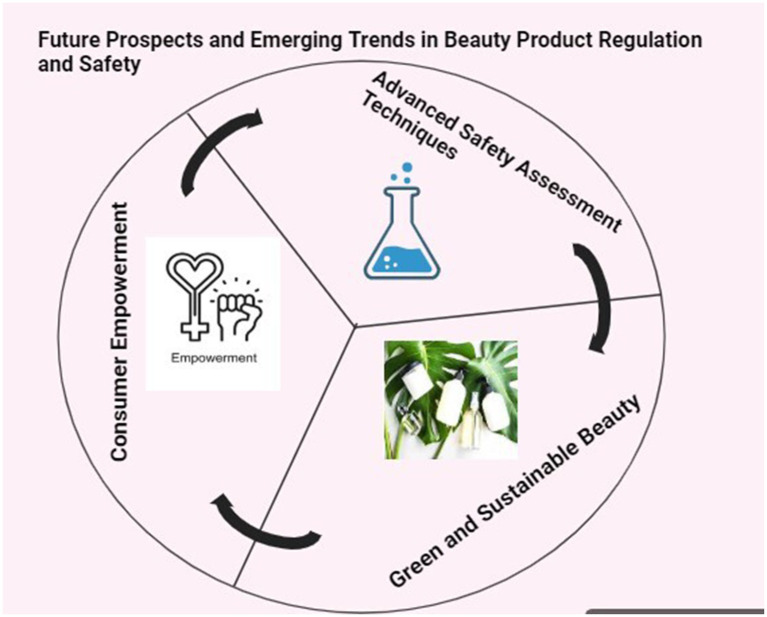
§ The dark side of beauty: an in-depth analysis of the health hazards and toxicological impact of synthetic cosmetics and personal care products > Future prospects and emerging trends in beauty product regulation and safety > Advanced safety assessment techniques
“An article in the journal Nature Biomedical Engineering (2022) described the development of a liver-on-a-chip model for assessing the metabolism of cosmetic compounds, holding promise for understanding how the body processes and eliminates ingredients, contributing to safety assessments (143).”
§ The dark side of beauty: an in-depth analysis of the health hazards and toxicological impact of synthetic cosmetics and personal care products > References
“143. Sun W Starly B Daly AC Burdick JA Groll J Skeldon G. The bioprinting roadmap. Biofabrication. (2020) 12: 022002.”
Rated minor: it would not touch a result — a value no result rests on, a p-value that stays on the same side of the significance level, or a conflict that is clerical, resolved elsewhere in the paper, or outside its own findings.
In the paper
§ The dark side of beauty: an in-depth analysis of the health hazards and toxicological impact of synthetic cosmetics and personal care products > Future prospects and emerging trends in beauty product regulation and safety > Advanced safety assessment techniques
“In a study published in the Journal of High-Throughput Screening (2021), HTS was used to assess the genotoxicity of cosmetic ingredients, showcasing the feasibility of evaluating a wide range of ingredients for DNA-damaging potential, a critical aspect of safety assessment (141).”
§ The dark side of beauty: an in-depth analysis of the health hazards and toxicological impact of synthetic cosmetics and personal care products > References
“141. K Naoghare P Myong Song J. Chip-based high throughput screening of herbal medicines. Comb Chem High Throughput Screen. (2010) 13: 923– 31.”
Rated minor: it would not touch a result — a value no result rests on, a p-value that stays on the same side of the significance level, or a conflict that is clerical, resolved elsewhere in the paper, or outside its own findings.
In the paper
§ The dark side of beauty: an in-depth analysis of the health hazards and toxicological impact of synthetic cosmetics and personal care products > Ingredients in beauty and personal care products and their toxic and genotoxic effects on human health > Parabens and phthalates
“A recent review of exposure to parabens and breast cancer by Hager et al., found that there is growing recognition that exposure to chemicals, such as parabens, may contribute to the development of breast cancer (71).”
§ The dark side of beauty: an in-depth analysis of the health hazards and toxicological impact of synthetic cosmetics and personal care products > References
“71. Wei F Mortimer M Cheng H Sang N Guo L-H. Parabens as chemicals of emerging concern in the environment and humans: a review.”
Rated minor: it would not touch a result — a value no result rests on, a p-value that stays on the same side of the significance level, or a conflict that is clerical, resolved elsewhere in the paper, or outside its own findings.
In the paper
§ The dark side of beauty: an in-depth analysis of the health hazards and toxicological impact of synthetic cosmetics and personal care products > Future prospects and emerging trends in beauty product regulation and safety > Advanced safety assessment techniques
“For instance, a study published in the Journal of Toxicology in Vitro (2022) demonstrated the effectiveness of a 3D human skin model in assessing the safety of various sunscreen formulations. The model accurately predicted skin compatibility, reducing the need for animal testing and providing more reliable safety assessments (137).”
§ The dark side of beauty: an in-depth analysis of the health hazards and toxicological impact of synthetic cosmetics and personal care products > References
“137. Ng WL Yeong WY. The future of skin toxicology testing–three-dimensional bioprinting meets microfluidics. Int J Bioprint. (2019) 5: 237.”
Citations
Cites
IOP Conference Series: Earth and Environmental Science
(2020) · IOP Conference Series Earth and Environmental Science · doi:10.1088/issn.1755-1315 · Cited by 12,764
Effects of Price, Brand, and Store Information on Buyers’ Product Evaluations
Dodds, W. B., Monroe, K. B., & Grewal, D. (1991) · Journal of Marketing Research · doi:10.1177/002224379102800305 · Cited by 5,853 · cited 1×
“Certification programs have emerged as powerful tools of consumer empowerment (155).”
BackgroundEndocrine-Disrupting Chemicals: An Endocrine Society Scientific Statement
Diamanti-Kandarakis, E., Bourguignon, J.-P., Giudice, L. C., Hauser, R., Prins, G. S., Soto, A. M., Zoeller, R. T., & Gore, A. C. (2009) · Endocrine Reviews · doi:10.1210/er.2009-0002 · Cited by 4,585 · cited 1×
“Equally vital is the advocacy for greater transparency in ingredient labeling, empowering consumers to make informed choices about the products they use (112).”
BackgroundEkor, M. (2014) · Frontiers in Pharmacology · doi:10.3389/fphar.2013.00177 · Cited by 3,919 · cited 1×
“However, many people are often not conscious of the reality that natural ingredients are a complex mixture of many chemical compounds and that these ingredients inappropriately usage may induce many toxic effects on the human body (94, 95).”
BackgroundThe effects of cadmium toxicity
Genchi, G., Sinicropi, M. S., Lauria, G., Carocci, A., & Catalano, A. (2020) · International Journal of Environmental Research and Public Health · doi:10.3390/ijerph17113782 · Cited by 2,722 · cited 1×
“The human body is exposed to various toxic metals through inhalation, ingestion, and skin such as arsenic (As) (28), cadmium (Cd) (29), chromium (Cr) (30), lead (Pb) (31), and mercury (Hg) (23).”
BackgroundWani, A. L., Ara, A., & Usmani, J. A. (2015) · Interdisciplinary Toxicology · doi:10.1515/intox-2015-0009 · Cited by 1,964 · cited 3×
“According to Ara et al. (30), acute lead poisoning causes many symptoms in the human body and affects the human body badly.”
BackgroundA review on endocrine disruptors and their possible impacts on human health
Kabir, E. R., Rahman, M. S., & Rahman, I. (2015) · Environmental Toxicology and Pharmacology · doi:10.1016/j.etap.2015.06.009 · Cited by 945 · cited 1×
“…protocols and detailed guidelines for evaluating ingredients, consumers frequently find themselves navigating a complex landscape of products that may carry hidden risks, while businesses frequently place a higher priority on profit margins and marketability than thorough safety analysis (10).”
BackgroundArsenic and human health effects: A review
Mohammed Abdul, K. S., Jayasinghe, S. S., Chandana, E. P. S., Jayasumana, C., & De Silva, P. M. C. S. (2015) · Environmental Toxicology and Pharmacology · doi:10.1016/j.etap.2015.09.016 · Cited by 907
Phthalates and other additives in plastics: human exposure and associated health outcomes
Meeker, J. D., Sathyanarayana, S., & Swan, S. H. (2009) · Philosophical Transactions of the Royal Society B: Biological Sciences · doi:10.1098/rstb.2008.0268 · Cited by 835
Phthalates and their impacts on human health
Wang, Y., & Qian, H. (2021) · Healthcare · doi:10.3390/healthcare9050603 · Cited by 633 · cited 1×
“Phthalates disrupt normal biological processes through their ability to mimic hormones in the body, primarily estrogen (63).”
Background
Research works printed but not linked: 12
- Artmonsky R. SELLERS OF DREAMS: Fifty years of the advertising of cosmetics 1920–1970. London: Artmonsky Arts (2020).
- Baki G. Introduction to cosmetic formulation and technology. Hoboken, New Jersey, United States: John Wiley & Sons (2022).
- Matta G Gjyli L. Mercury, lead and arsenic: impact on environment and human health. Chem Pharm Sci. (2016) 9: 718– 25.
- Ben-Nun L. Medical effects of cosmetics. Israel: Ben-Gurion University of the Negev Faculty of Health Sciences Beer-Sheva (2016).
- Pritchett TH Myers EA Brettell TA. Determination of preservatives in cosmetics and personal care products by LC–MS–MS. LCGC Suppl. (2015) 33:16–22. Available at: https://www.chromatographyonline.com/view/determination-preservatives-cosmetics-and-personal-care-products-lc-ms-ms
- Ramos KS Hassanin AA. Environmental oncology In: Bernicker EH, editor. Environmental oncology: theory impact, vol. 3. Berlin, Germany: Springer (2023)
- Harris N Schrenk LD Edelstein TJ Mekinda J. Art deco Chicago: designing modern America. Yale, United States: Yale University Press (2018).
- Wallack G. Rethinking FDA'S regulation of cosmetics. Harv J Legis. (2019) 56: 311.
- Mangtani N Bajpai N Sahasrabudhe S Wasule D. Importance of artificial intelligence and augmented reality in cosmetic and beauty industry post COVID 19. World J Pharmaceut Res. (2020) 9: 2296– 308.
- Alaba PAA Cañete ED Pantalan BSS Taguba JMC Yu LDI Faller EM. Toxic effects of paraben and its relevance in cosmetics: a review. Int J Res. (2022) 2582: 7421. Available at: https://www.researchgate.net/publication/361430716_Toxic_Effects_of_Paraben_and_its_Relevance_in_Cosmetics_A_Review
- Mali VG Upadhyay RS. A conceptual study on cosmetic toxicity wsr to Dushi Visha. J Ayurveda Integr Med Sci. (2022) 7: 54– 9. Available at: https://jaims.in/jaims/article/view/1904
- Dipakbhai PA Mahida RJJJoPS, Research. Review of natural resources used to hair dye and hair care products (2021) 13: 546– 52.
Cited by
Environmental Pollutants, Occupational Exposures, and Liver Disease
Beier, J. I., Luo, J., Vanderpuye, C.-M., Brizendine/Ames, P. M., Muddasani, P., Bolatimi, O. E., Heinig, S. A., Ekuban, F. A., Siddiqui, H., Ekuban, A., et al. (2025) · Seminars in Liver Disease · doi:10.1055/a-2540-2861 · Cited by 41
Nanotechnology-Enhanced Sunscreens: Balancing Efficacy, Safety, and Environmental Impact
Khobragade, R., Chaudhary, A. A., Ali, M. A. M., Kale, M. B., Raut, N., Ghive, P., Rudayni, H. A., Nagpurkar, K., Umekar, M. J., & Trivedi, R. (2025) · Pharmaceutics · doi:10.3390/pharmaceutics17081080 · Cited by 23
“As scientific knowledge and technologies have advanced, so too has the science of sunscreens, leading to improved formulations with respect to safety, efficacy, and aesthetic appeal [13].”
He, M., Hu, J., Deng, J., Chen, X., Singh, A. K., Nagime, P. V., Paliwal, H., Singh, S. K., & Olatunji, O. J. (2025) · Results in Chemistry · doi:10.1016/j.rechem.2025.102272 · Cited by 23
Advancements of paper-based microfluidics and organ-on-a-chip models in cosmetics hazards
Pai, S., Binu, A., Lavanya, G. S., Harikumar, M., Herga, S. K., Citartan, M., & Mani, N. K. (2025) · RSC Advances · doi:10.1039/d4ra07336c · Cited by 20
Potential Health Risk of Microplastic Exposures from Skin-Cleansing Products
(Popa), R. M. B., Rădulescu, C., Dulamă, I. D., Ştirbescu, R. M., Bucurică, I. A., Banica, A. L., & Stănescu, S. G. (2025) · Toxics · doi:10.3390/toxics13050354 · Cited by 18
“…examples of dangerous ingredients that have been restricted or forbidden in cosmetics, including carcinogens such as N-nitroso-diethanolamine, formaldehyde, preservatives, hormone-disrupting chemicals, antibiotics, phthalates, phenolics, heavy metals, and even some surfactants and fragrances [5].”
Current and Future Outlook of Research on Renewable Cosmetics Derived From Biomass
Ariyanta, H. A., Sholeha, N. A., & Fatrıasarı, W. (2025) · Chemistry & Biodiversity · doi:10.1002/cbdv.202402249 · Cited by 17
“Incontrast,natural ingredients tend to vary rather enormously with respect to growth conditions, harvest, and extraction [151].”
Smeu, A., Minda, D. I., Boru, C., Vlaia, L. L., Vlaia, V., Dehelean, C. A., Liga, S., Puenea, G., & Muntean, D.-L. (2025) · Life · doi:10.3390/life15060954 · Cited by 15
“Additionally, many compounds used in cosmetics have been categorized as substances with carcinogenic potential, among the most recognized being chemicals [4].”
Serra, M., Botelho, C., Almeida, H., Casas, A., Teixeira, J. A., & Barros, A. (2025) · Antioxidants · doi:10.3390/antiox14070784 · Cited by 22
Cosmeceutical Applications of Phlorotannins from Brown Seaweeds
Gunasekara, D. M. N. M., Wang, L., Herath, K. H. I. N. M., & Sanjeewa, K. K. A. (2025) · Phycology · doi:10.3390/phycology5020015 · Cited by 9
Sustainability in Cosmetic Dermatology: Moving Toward an Ecologically Responsible Future
Haykal, D., Flament, F., Payne, C. R., Schalka, S., Philippe, M., Rolland, O., Mora, P., Cartier, H., & Dréno, B. (2025) · Dermatology and Therapy · doi:10.1007/s13555-025-01488-x · Cited by 16
“Traditional cosmetic dermatology may contribute to environmental harm through the use of nonrecyclable or noncompostable packaging, disposable clinical materials, and ecotoxic chemical ingredients [10, 11].”
InfluentialPan, X., Yu, R., Wu, J., Li, W., Huang, R., Huang, W., Huang, Y., Wang, Y., & Zuo, H. (2025) · Aesthetic Plastic Surgery · doi:10.1007/s00266-025-05077-3 · Cited by 15
“Therefore, to maintain healthy hair, it is recommended to take appropriate protective measures, such as reducing exposure to polluted air and UV radiation and using hair care products containing harmful chemicals with caution [68].”
The impact of perfumes and cosmetic products on human health: a narrative review
AlBlooshi, S. (2025) · Frontiers in Toxicology · doi:10.3389/ftox.2025.1646075 · Cited by 16
“This expanding fi eld of inquiry emphasizes the need to explore other conditions that may arise due to the complex interactions between cosmetic ingredients and the human body (Alnuqaydan, 2024).”
InfluentialEnsuring the Safe Use of Bee Products: A Review of Allergic Risks and Management
Matuszewska, E., Borysewicz, P., Królak, J., Juzwa-Sobieraj, M., & Matysiak, J. (2025) · International Journal of Molecular Sciences · doi:10.3390/ijms262412074 · Cited by 14
“Using synthetic, chemical-based cosmetics also carries the risk of side effects, such as skin sensitivity and allergies, and may even increase the chance of developing skin cancer and other tumours [6].”
Ngo, T. T. A., An, G. K., Dao, D. K., Nguyen, N. A., Phong, B. H., Nguyen, N. Y. V., & Nguyen, T. B. N. (2025) · Acta Psychologica · doi:10.1016/j.actpsy.2025.105768 · Cited by 38
Aladwan, S., Issa, R. A., Safadi, W. A., Alnsour, L., & Al‐Halaseh, L. K. (2025) · Journal of Cosmetic Dermatology · doi:10.1111/jocd.70132 · Cited by 8
“Additionally, unrealistic expectations created by advertising these products create expectations that are far more than what is possible to be delivered, which also adds to the frustration [22].”
Challenges and Opportunities of Cosmeceutical Regulations: A Global Perspective
Thakur, M., & Bala, R. (2025) · International Journal of Toxicology · doi:10.1177/10915818251399664 · Cited by 9
“29 As online commerce continues to grow, regulators and industry must work to create new mechanisms for monitoring, enforcement, and consumer protection online.”
Coumarins and the science of timeless beauty: A natural anti-skin aging solution
Mustafa, Y. F. (2025) · Fitoterapia · doi:10.1016/j.fitote.2025.107053 · Cited by 9
Quality by Design for the Nanoformulation of Cosmeceuticals
Leyva‐Gómez, G., Piñón‐Segundo, E., Urbán‐Morlán, Z., Magaña-Vergara, N. E., Quintanar‐Guerrero, D., Jaime-Escalante, B., & Mendoza‐Muñoz, N. (2026) · Pharmaceutics · doi:10.3390/pharmaceutics18010062 · Cited by 9
“This can pose serious environmental concerns.”
Bhadra, L., Tuck, K. L., Tanner, J., & Gundabala, V. (2025) · International Journal of Biological Macromolecules · doi:10.1016/j.ijbiomac.2025.148139 · Cited by 4
Microplastics in cosmetics and their impact on human health
Thomas, N. M., Shetye, S., Patil, A., Kulal, K. S., Patil, R. V., & Kamath, S. U. (2025) · Discover Applied Sciences · doi:10.1007/s42452-025-08016-8 · Cited by 7
“When heavy metal-containing compounds are used in cosmetic products in excess of the recommended amount, they have a range of detrimental impacts on human health [21].”
The Hidden Dangers: How Synthetic Organic Compounds Impact Health and the Environment
Jha, A., & Jha, M. (2024) · International Journal of Nursing Information · doi:10.58418/ijni.v3i2.104 · Cited by 18
“Prolonged use of such products can lead to skin irritation, allergies, and potential long-term health concerns (Alnuqaydan, 2024; Halla et al., 2018; Panico et al., 2019).”
Musielak, E., & Krajka‐Kuźniak, V. (2025) · Cosmetics · doi:10.3390/cosmetics12040172 · Cited by 8
“Adopting ESG principles in the supply chain aligns enzyme-based photoprotection with sustainability goals, meeting consumer demand for environmentally responsible skincare products [62].”
Prifti, E., & El-Osta, A. A. R. (2025) · BMJ Public Health · doi:10.1136/bmjph-2025-003564 · Cited by 3
Park, S., Baek, S., Shin, H.-J., Hwang, J. Y., Yoo, D. S., Seo, D. B., & Bae, S. (2025) · Pharmaceutics · doi:10.3390/pharmaceutics17121560 · Cited by 5
“Furthermore, given the toxicity concerns associated with synthetic drugs and the growing preference for natural, plant-derived compounds, the discovery of naturally occurring senomorphic agents has become an increasingly appealing direction in the field [41–43].”
Barone, A., Mancuso, A., Cristiano, M. C., Sacco, J., Silletta, A., Tolomeo, A. M., Fresta, M., & Paolino, D. (2025) · Journal of Drug Delivery Science and Technology · doi:10.1016/j.jddst.2025.107897 · Cited by 3
Dynamics of Endocrine Disruptor Exposure in Early Life: A Mother–Infant Hair Biomonitoring Study
Kalligiannaki, A., Baliou, S., Vakonaki, E., Panteris, E., Hatzidaki, E., & Tzatzarakis, M. (2026) · Toxics · doi:10.3390/toxics14020175 · Cited by 3
“…the sources of PBs, they are present in various cosmetic/personal-care product types (make-up, nail polish, body cream, sunscreen, hair dye, shower gel, hair spray, shampoo, body deodorant, and perfume) [64–68], and the primary routes of exposure to PBs are through dermal contamination [69].”
Shedding secrets: Are hair extensions a plastic pollutant hidden in plain sight?
Gonçalves, G. R. L., Snow, B., Wiredu, G., Abima, P. K. K., Amoako, C. G., Koomson, A. K., Nyarko, B. K., Oduro, G. Y., Ansah, J. W., & Narayanaswamy, B. E. (2026) · Journal of Hazardous Materials Plastics · doi:10.1016/j.hazmp.2026.100050 · Cited by 4
Inventory of possible endocrine disrupting chemicals used in cosmetic products
Bouwmeester, M., Eliesen, G. A. M., Pennings, J. L. A., et al. (2025) · Critical Reviews in Toxicology · doi:10.1080/10408444.2025.2539186 · Cited by 2
“The introduction of products marketed specifically for men, as well as the increased advertising via social media platforms aimed at young women, point to a widespread use of cosmetics, especially in adolescents and young adults (de Lacerda et al. 2013; Alnuqaydan 2024).”
Kaur, M., Jauhari, J., Ali, U., Garg, M., & Goel, M. (2025) · Biotechnology for Sustainable Materials · doi:10.1186/s44316-025-00049-8 · Cited by 2
“…containing petroleum and chemical-based ingredients, pose elevated health risks including allergies, carcinogenic effects, respiratory ailments, neurological impairments, and endocrine system disruptions with additional detrimental impact on the environment, particularly on aquatic ecosystems [1].”
Li, Y., Zhou, Z., Xu, H., Qi, R., Xu, J., Hu, Q., & Tang, Z. (2026) · Current Research in Toxicology · doi:10.1016/j.crtox.2026.100298 · Cited by 2
Stemming the Rising Tide of Early-Onset Cancers: Research Gaps and Public Health Actions
Terry, M. B., Tehranifar, P., & Kehm, R. D. (2025) · Annual Review of Public Health · doi:10.1146/annurev-publhealth-082024-063125 · Cited by 6
Tsehay, A., Sissay, M. M., & Mekonnen, H. (2025) · Discover Applied Sciences · doi:10.1007/s42452-025-07886-2 · Cited by 1
“This may reflect increased access to multiple cosmetic products, leading to overuse or synergetic effects that increase the risk of adverse events [24, 31].”
InfluentialKriengsaksri, K., Thongphichai, W., Uttarawichien, T., Khoochonthara, J., Towiwat, P., & Sukrong, S. (2025) · Molecules · doi:10.3390/molecules30244795 · Cited by 2
“Moreover, heightened consumer concern regarding harmful synthetic chemicals in these products [2] has prompted cosmetics and skincare companies to reformulate their products, replacing synthetic compounds with natural or plant-derived alternatives.”
Case Studies and Success Stories of Microbial Pigment Applications
Kumar, R., Madan, A., & Mitra, D. (2025) · CABI eBooks · doi:10.1079/9781836990505.0017 · Cited by 1
Noby, N., Elsayed, F., Agami, M. M., & Soliman, N. A.-M. (2026) · Frontiers in Microbiology · doi:10.3389/fmicb.2025.1747717 · Cited by 1
“However, recent studies have proved an association between synthetic food colorants and many health concerns (Barciela et al., 2023; Vieira Rubio et al., 2025; Alnuqaydan, 2024).”
Kasmiati, K., Alimin, A. W. F., Fatchurrachman, F., Alam, J. F., Syahrul, S., Aswin, A., Fahrurrozi, F., Iqbal, D. M., & Elmania, M. S. (2026) · New Zealand Journal of Marine and Freshwater Research · doi:10.1002/nzm2.70005 · Cited by 3
Suspect screening of plastic additives in baby skincare products
Liang, X., Cheng, Y., Tang, S., Liu, X., Li, J., Deng, Y., Tan, H., & Chen, D. (2026) · Environment International · doi:10.1016/j.envint.2026.110137 · Cited by 2
Stem Cells in Cosmetic Applications: Advancements, Challenges, and Future Directions
KarkonShayan, F., Saderi, N., Morshedi, I., Ghamari, B., & Shayan, S. K. (2026) · Journal of Cosmetic Dermatology · doi:10.1111/jocd.70866 · Cited by 1
Guo, N., Zhong, S., & Wang, Y. (2026) · Clinical Cosmetic and Investigational Dermatology · doi:10.2147/ccid.s578826 · Cited by 4
Irarrázaval, J., Feijoo, B., & Negredo, S. (2026) · Family and Consumer Sciences Research Journal · doi:10.1002/fcsr.70057 · Cited by 2
Toxic metals in Cosmetic and Personal Care Products: Occurrence, Concentrations, and Health Risks
Emenike, E. C., Iwuozor, K. O., Suleiman, K. O., Taiye, O. O., Okwor, U. D., Okiy, K. V., & Adeniyi, A. G. (2026) · Biological Trace Element Research · doi:10.1007/s12011-026-05220-4 · Cited by 2
“Numerous studies have also shown that these metals can induce allergic contact dermatitis and other skin disorders [91, 92].”
Chung, H. N., Kim, H. Y., Kim, J. W., Lee, J. D., Hwang, G., & Kim, K. (2026) · Sci · doi:10.3390/sci8080202 · Cited by 1
Da relação com a escrita à aprendizagem de formas discursivas
Dieb, M. (2024) · Revista Triângulo · doi:10.18554/rt.v16i3.7136 · Cited by 1
Ahda, M., Utomo, A. I. M., Salamah, N., et al. (2025) · Chemical Papers · doi:10.1007/s11696-025-04437-2 · Cited by 1
“However, the use of synthetic and chemical ingredients in cosmetics may pose risks and adverse effects (Alnuqaydan 2024).”
Torres‐Sánchez, L., Hernández‐Pérez, J. G., López, D. S., Romero-Romero, S., López‐Carrillo, L., Rodríguez‐Dorantes, M., & Vázquez‐Salas, R. A. (2025) · Journal of Exposure Science & Environmental Epidemiology · doi:10.1038/s41370-025-00772-4
“Sustained and synergistic exposure to a mixture of endocrine disruptors may be the explanation for these fi ndings [5].”
651Chapter 19 Medicinal and aromatic plants used in personal care products
Kahrizi, D., & Khanahmadi, M. (2025) · De Gruyter eBooks · doi:10.1515/9783111469713-019
Wahyuni, A. S., Maulana, F. A., Sukmawati, A., et al. (2025) · Tropical Journal of Natural Product Research · doi:10.26538/tjnpr/v9i8.13
Cosmetic Safety Practices and Adverse Effects Among Female Students: A Cross-Sectional StudyPreprint
Ali, I., Qasrawi, J., Sakhin, J., et al. (2025) · Research Square · doi:10.21203/rs.3.rs-6997761/v1
A Comprehensive Review on Preparation and Quality Evaluation of Shaving Cream
Santosh, K. N., Sanjay, F. V., Vitthal, V. P., et al. (2025) · International Journal of Advanced Research in Science Communication and Technology · doi:10.48175/ijarsct-29216
An investigation of urban experiencescape and restorative environment for wellness tourism
Khalid, R., Raza, M., & Prideaux, B. R. (2025) · International Journal of Spa and Wellness · doi:10.1080/24721735.2025.2569232 · Cited by 2
“Moreover, the results show that aesthetic opportunities seeking ancient beauty wisdom, makeovers, cosmetic procedures, and state-of-the-art practices (Alnuqaydan, 2024).”
263Green Avenues for Harnessing Dyes and Pigmentsdyes and pigments
Aravind, J. (2025) · De Gruyter eBooks · doi:10.1515/9783111673431-008
Percepções e hábitos de uso de cosméticos em gestantes de alto risco
Santos, G. M. D. M., Neta, A. I. D. O., Ruas, D. S., de Jesus, A. A., da Silva, B. S., Emídio, S. C. D., Silva, É. A. E., & Paraíso, A. F. (2025) · Journal of Nursing and Health · doi:10.15210/jonah.v15i3.29293
Unmasking Scent Authenticity: A Comparative Analysis of Original Versus Fake Perfumes
Hananeh, W. M., & Alajlouni, A. M. (2025) · Flavour and Fragrance Journal · doi:10.1002/ffj.70049
Toxic oversight: The global wake-up call from India’s DEG poisoning incidents
Verma, A. K. (2025) · Malque Health · doi:10.31893/health.2026003
“Weak pharmacovigilance, inadequate laboratory infrastructure, and fragmented oversight all contribute to the problem of subpar products going unnoticed in LMIC regulatory systems (Alnuqaydan, 2024; Malla et al., 2024; World Health Organization, 2023; Reddy, 2024; Sah et al., 2025).”
Supardi, R. R. S., & Hutabarat, S. M. D. (2025) · Rechtsidee · doi:10.21070/jihr.v13i1.1052
Pediatric Hair Cosmetics: Physiology, Safety, and Product Considerations
Cantu-Maltos, H., Bojalil-Álvarez, L., Orozco‐Covarrubias, L., García‐Romero, M. T., Palacios‐López, C. G., & Sáez‐de‐Ocariz, M. (2026) · Skin Appendage Disorders · doi:10.1159/000551190
Reda, Y. B., Sbhatu, D. B., & Gebreyohannes, G. (2026) · South African Journal of Botany · doi:10.1016/j.sajb.2026.02.048
Mohd, F. H. N., Kamarulbaharin, W. N. I. W., Saaidin, H., & Saliang, P. (2026) · International Journal of Education Psychology and Counseling · doi:10.35631/ijepc.1162050
Chelu, M., Popa, M., Anastasescu, M., Aricov, L., Cusu, J. P., Marinescu, G., Ștefan, L. M., Seciu‐Grama, A., Plangu, A., & Moreno, J. M. C. (2026) · Materials Today Communications · doi:10.1016/j.mtcomm.2026.115371
Yaşar, F., Budak, Y., & Uluözlü, Ö. D. (2026) · Journal of the Indian Chemical Society · doi:10.1016/j.jics.2026.102715
Ali, I., Qasrawi, J., Sakhin, J., & Nasasrah, Y. (2026) · Archives of Dermatological Research · doi:10.1007/s00403-026-04628-1 · Cited by 3
Evaluation of the skin irritation potential of Venusia Glo face wash using human patch test
Gala, M. Y. N., Muchhala, S., Bhureddy, S., et al. (2026) · Cosmoderma · doi:10.25259/csdm_230_2025
Lahmar, A., Salek, A., Waer, I., MESSAI, H., Baffoun, A., & Ghédira, L. C. (2026) · Marine Biotechnology · doi:10.1007/s10126-026-10633-2
“Several studies, indeed, has demonstrated the dangers inherent in synthetic additives, such as UV blockers and wetters, causing allergic reactions, endocrine disruption, and long term environmental impacts (Diamanti-Kandarakis et al. 2009; Alnuqaydan 2024; War-ner 2024).”
The Impact of Endocrine Disruptors in Cosmetic Products: A Systematic Review
Popa, F., Stanescu, C., Zavtoni, A.-M., & Zavtoni, M. (2026) · Cosmetics · doi:10.3390/cosmetics13030141
Aposu, L., Wuana, R. A., Itodo, A. U., & Ande, S. (2026) · Next research. · doi:10.1016/j.nexres.2026.101962
The role of epigenetic alterations in lung cancer progression
Kaushik, S., Khanna, S., Ghorawat, P., Baboo, P., Sharma, S., Panwar, R., Tak, J., & Srivastava, T. (2026) · Elsevier eBooks · doi:10.1016/b978-0-443-45146-1.00018-7
Cuidado Integral: Desenvolvimento de uma Escala para Mensuração na Indústria de Cosméticos
Bizarrias, F. S., Carvalho, M., Gabriel, M. L. D. D. S., et al. (2026) · Retail Management Review · doi:10.53946/rmrreview.v6irmr.84
Translational One Health Strategies for Nanoplastic Exposure Mitigation
Kumar, P. P., & Shree, K. C. R. (2026) · IGI Global eBooks · doi:10.4018/979-8-3373-4490-4.ch007
Nanotechnology and nanocosmetics
Kaul, S., Jain, N., Singh, S., Saifi, I., Triveni, & Nagaich, U. (2026) · Elsevier eBooks · doi:10.1016/b978-0-443-41499-2.00013-6
Pérez, R. A., Mateos‐Timoneda, M. A., Buitrago, J. O., & Bosch, B. M. (2026) · Elsevier eBooks · doi:10.1016/b978-0-443-41499-2.00001-x
Seferoğlu, E. G., & DEĞİRMEN, N. (2026) · Journal of Community Health · doi:10.1007/s10900-026-01606-6
Mayta‐Tovalino, F., Delgado-Cumpa, B., Mauricio‐Vilchez, C., Munive-Degregori, A., Quispe-Tasayco, L., Medina, J., & Espinoza‐Carhuancho, F. (2026) · Journal of Education and Health Promotion · doi:10.4103/jehp.jehp_1260_25
“[17,18] In recent years, cosmetic companies have decided to launch products incorporating probiotics in order to benefit the localized microbiota in the skin, which in turn can incorporate prebiotics and postbiotics.”
CPD: Safety of eye makeup and cosmetic procedures
Clarkson, D. (2026) · Optician · doi:10.12968/opti.2026.274.7067.16
Chalaris, M., Anastasiou, S., & Stasinopoulos, N. (2026) · Elsevier eBooks · doi:10.1016/b978-0-443-27500-5.00005-8
Gkika, D. A., Τσούπρας, Α., & Kyzas, G. Z. (2026) · Elsevier eBooks · doi:10.1016/b978-0-443-27500-5.00012-5
Aqeel, M., Khan, K. B., Sultan, H., Sohaib, A., & Deng, Y. (2026) · Journal of Near Infrared Spectroscopy · doi:10.1177/09670335261476947
Catarino, R. I. L., Sobral, B., Pimenta, A. M., Souto, M. R. S., & Silva, F. A. M. (2026) · Applied Sciences · doi:10.3390/app16178855
Akpe, P. U., Oghenetekevwe, E., & Onosemuode, C. (2026) · European Journal of Applied Science Engineering and Technology · doi:10.59324/ejaset.2026.4(5).03
Nantaba, F., Bouwman, H., Kylin, H., et al. (2026) · SSRN Electronic Journal · doi:10.2139/ssrn.7493459
Hisham, N. B. B., Ahmad, S. Z., Sedek, K. A., & Malik, M. I. A. (2026) · International Conference on Artificial Intelligence and Data Sciences (AiDAS) · doi:10.1109/aidas71914.2026.11712892
Metadata
- Authors
- Alnuqaydan, A. M.
- Affiliations
- Qassim University (SA)
- Corresponding author
- Alnuqaydan, Abdullah M.
- Venue
- Frontiers in Public Health
- Publisher
- Frontiers Media SA
- Published
- 2024-08-26
- Volume
- 12
- Pages
- 1439027-1439027
- ISSN
- 2296-2565 (ISSN-L)
- PMC
- PMC11381309
- OpenAlex
- W4401867773
- Cited by
- 84
- References
- 182
- Citations by year
- 2026: 40 · 2025: 42 · 2024: 1
- FWCI
- 6.45
- Type
- journal article
- Language
- en
- Open access
- gold
- doi.org
- Licence
- Locations
- Frontiers in Public Health (publishedVersion, cc-by)
- PubMed Central (publishedVersion, cc-by)
- PubMed (publishedVersion)
- DOAJ (DOAJ: Directory of Open Access Journals) (submittedVersion)
- Funders
- Qassim University (QU-APC-2024-, QU-APC-2024-9/1)
- Topics
- Health Sciences › Medicine › Dermatology › Contact Dermatitis and Allergies
- Physical Sciences › Environmental Science › Health, Toxicology and Mutagenesis › Effects and risks of endocrine disrupting chemicals
- Social Sciences › Business, Management and Accounting › Marketing › Consumer Perception and Purchasing Behavior
- Keywords
- cosmetic safety, personal care products, chemical mixtures, nanotechnology in cosmetics, endocrine disruption, cancer risk, respiratory diseases, neurological disorders, beauty standards, social media influence, cosmetic regulation, safety assessment, consumer education
- MeSH terms
- Beauty, Consumer Product Safety, Cosmetics, Humans
About these checks
Registry, retraction, Cites and statistics results are computed, not judged, with one exception: a printed reference that no index lists is read once by a model before it counts as a citation error. Claims are extracted by a model and kept only when their quote appears verbatim in the text; each cited source is then checked, with a model’s help, for whether it says what the claim relies on. Those verdicts can be wrong — read the claim’s quote and the cited source before relying on one.
The claim verdicts this report counts are experimental: their accuracy is not yet measured.
A language model drew the claims from the paper on 2026-10-10, under version 3 of the claim definition (model deepseek-v4.1-flash, prompt extract-v3).
A second model labelled each claim on 2026-10-10 (model jev-1.13-20260917, definition revision gold-guideline-v0.2).
Cited sources are checked with a language model’s help (gpt-6-sol).
Statistics and arithmetic are recomputed, not judged.
Confidence bands are shown only for fields calibrated on our annotated test set. None is calibrated yet, so no band is shown.
What counts as a claim ›How we measure confidence ›How we check this ›
Are you an author, or do you see a problem with this page? Request a review
Data sources
Bibliographic data: Semantic Scholar, OpenAlex, Crossref.
Contains information from the Semantic Scholar Academic Graph Datasets, made available under the ODC Attribution License (ODC-BY 1.0).
Semantic Scholar’s data is described in: Kinney, R., et al. (2023). The Semantic Scholar Open Data Platform. arXiv:2301.10140.
