

Heavy Metals in Crop Plants: Transport and Redistribution Processes on the Whole Plant Level
Open accessThe DOI matches its Crossref record; 118 of the 118 references it cites were found in a registry or an index.
Abstract
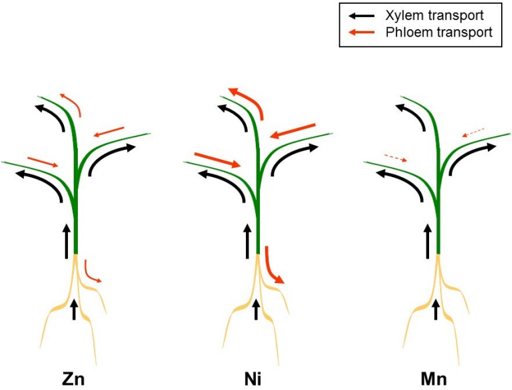
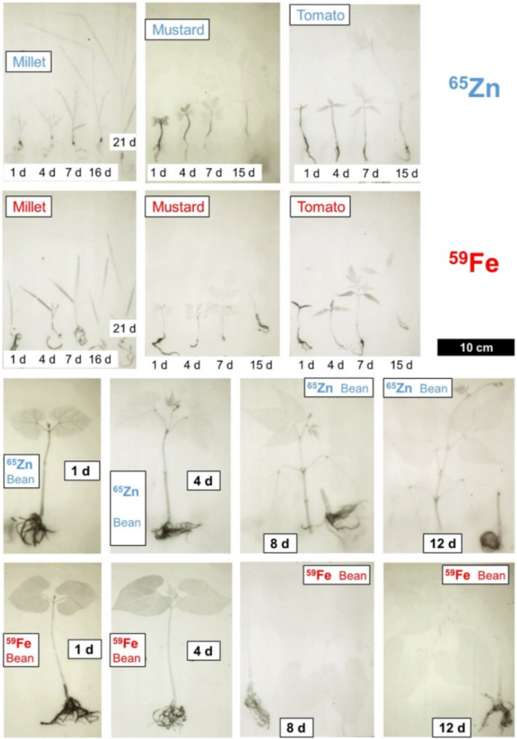
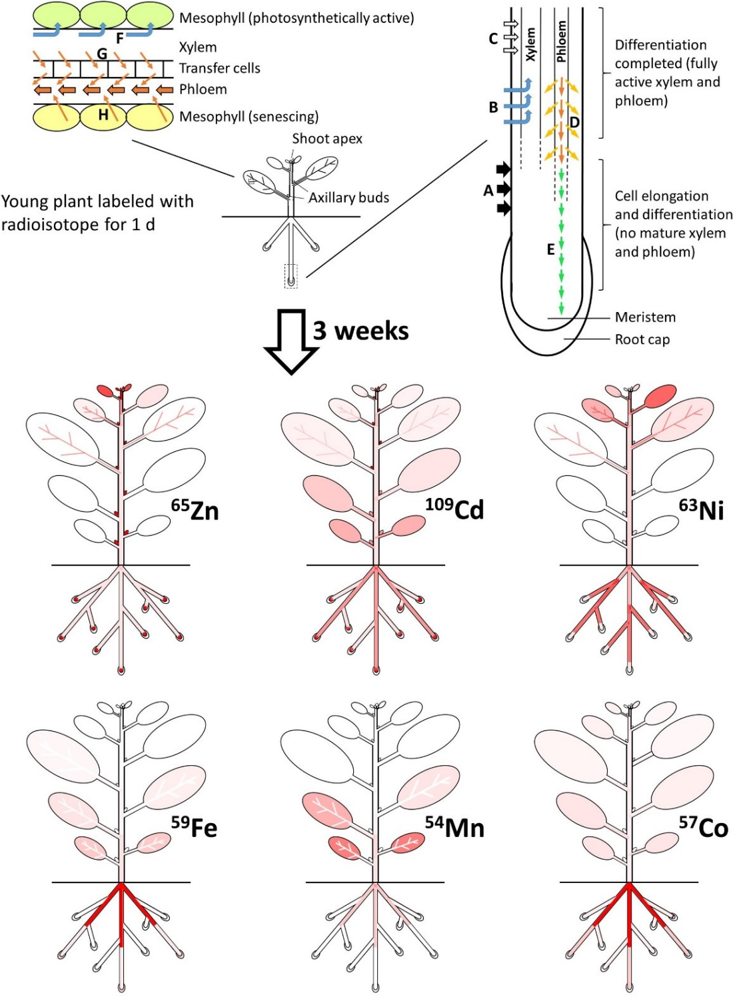
Copper, zinc, manganese, iron, nickel and molybdenum are essential micronutrients for plants. However, when present in excess they may damage the plant or decrease the quality of harvested plant products. Some other heavy metals such as cadmium, lead or mercury are not needed by plants and represent pollutants. The uptake into the roots, the loading into the xylem, the acropetal transport to the shoot with the transpiration stream and the further redistribution in the phloem are crucial for the distribution in aerial plant parts. This review is focused on long-distance transport of heavy metals via xylem and phloem and on interactions between the two transport systems. Phloem transport is the basis for the redistribution within the shoot and for the accumulation in fruits and seeds. Solutes may be transferred from the xylem to the phloem (e.g., in the small bundles in stems of cereals, in minor leaf veins). Nickel is highly phloem-mobile and directed to expanding plant parts. Zinc and to a lesser degree also cadmium are also mobile in the phloem and accumulate in meristems (root tips, shoot apex, axillary buds). Iron and manganese are characterized by poor phloem mobility and are retained in older leaves.
Overview
The claims and statistics of this paper haven’t been checked yet.
Free: it reads the open-access text and checks the first 5 claims that cite a source we can check. Create a free account to check every claim.
Integrity signals
Registry
Cites
Statistics
Figures
Verification
Claims the paper makes
The claims and statistics of this paper haven’t been checked yet.
Free: it reads the open-access text and checks the first 5 claims that cite a source we can check. Create a free account to check every claim.
Claims other papers make about this one
Each is checked against this paper’s own text: does it say what the citing paper says it does?
The source backs part of the claim, not all of it — or backs it for a different population, condition or comparison.
In the citing paper
“Enhancing the plant uptake and transport within plants of pollutants is key to improving the efficiency of phytoremediation; therefore, the redistribution mechanism of pollutants in plants needs to be fully understood (Hou 2023;Page & Feller, 2015;Verkleij et al. 2009).”
From Sustainable management of post-phytoremediation biomass (2025) · cites this paper as Page & Feller 2015
Experimental — accuracy not yet measured
Self-check
Percentages, sums and reported differences re-computed from the paper’s own numbers.
The self-check needs the paper’s full text.
Citations
Cites
Mineral Nutrition of Higher Plants
(1995) · Elsevier eBooks · doi:10.1016/b978-0-12-473542-2.x5000-7 · Cited by 19,181
Reactive oxygen species and antioxidant machinery in abiotic stress tolerance in crop plants
Gill, S. S., & Tuteja, N. (2010) · Plant Physiology and Biochemistry · doi:10.1016/j.plaphy.2010.08.016 · Cited by 11,663
Role of superoxide dismutases (SODs) in controlling oxidative stress in plants
Alscher, R. G. (2002) · Journal of Experimental Botany · doi:10.1093/jexbot/53.372.1331 · Cited by 2,771 · cited 1×
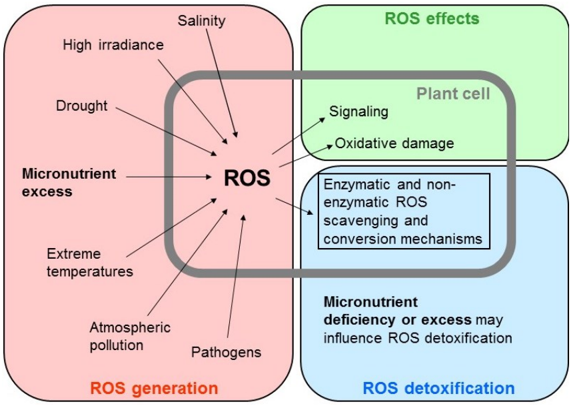
“Heavy metals present at elevated levels may cause an increased production of reactive oxygen species (ROS) in plant cells on one hand [42–51] and may be involved in the enzymatic detoxification of ROS on the other hand [2,3,42,52–54].”
BackgroundWhite, P. J., & Broadley, M. R. (2009) · New Phytologist · doi:10.1111/j.1469-8137.2008.02738.x · Cited by 2,178 · cited 2×
“, phytate, oxalate) must be considered when evaluating the bioavailability of essential heavy metals [90,91].”
BackgroundSalt, D. E., Smith, R. D., & Raskin, I. (1998) · Annual Review of Plant Physiology and Plant Molecular Biology · doi:10.1146/annurev.arplant.49.1.643 · Cited by 2,085
Toxic metal accumulation, responses to exposure and mechanisms of tolerance in plants
Clemens, S. (2006) · Biochimie · doi:10.1016/j.biochi.2006.07.003 · Cited by 2,021
Heavy metal hyperaccumulating plants: how and why do they do it? And what makes them so interesting
Rascio, N., & Navari-Izzo, F. (2011) · Plant Science · doi:10.1016/j.plantsci.2010.08.016 · Cited by 2,012
Dual action of the active oxygen species during plant stress responses
Dat, J., Vandenabeele, S., Vranov�, E., Van Montagu, M., Inz� *, D., & Van Breusegem, F. (2000) · Cellular and Molecular Life Sciences (CMLS) · doi:10.1007/s000180050041 · Cited by 1,904
Photooxidative stress in plants
Foyer, C. H., Lelandais, M., & Kunert, K. J. (1994) · Physiologia Plantarum · doi:10.1034/j.1399-3054.1994.920422.x · Cited by 1,799 · cited 1×
“Heavy metals present at elevated levels may cause an increased production of reactive oxygen species (ROS) in plant cells on one hand [42–51] and may be involved in the enzymatic detoxification of ROS on the other hand [2,3,42,52–54].”
BackgroundTrace elements in agroecosystems and impacts on the environment
He, Z. L., Yang, X. E., & Stoffella, P. J. (2005) · Journal of Trace Elements in Medicine and Biology · doi:10.1016/j.jtemb.2005.02.010 · Cited by 1,772
Research works printed but not linked: 2
- Fahn, A. Plant Anatomy, 3rd ed.; Pergamon Press: Oxford, UK, 1982; pp. 46-73.
- Jamil, M.; Zia, M.S.; Qasim, M. Contamination of agro-ecosystem and human health hazards from wastewater used for irrigation. J. Chem. Soc. Pak. 2010, 32, 370-378.
Cited by
Avellan, A., Yun, J., Zhang, Y., Spielman-Sun, E., Unrine, J. M., Thieme, J., Li, J., Lombi, E., Bland, G., & Lowry, G. V. (2019) · ACS Nano · doi:10.1021/acsnano.8b09781 · Cited by 617
Berni, R., Luyckx, M., Xu, X., Legay, S., Sergeant, K., Hausman, J.-F., Lutts, S., Cai, G., & Guerriero, G. (2019) · Environmental and Experimental Botany · doi:10.1016/j.envexpbot.2018.10.017 · Cited by 570
Gupta, N., Yadav, K. K., Kumar, V., Kumar, S., Chadd, R. P., & Kumar, A. (2019) · Science of The Total Environment · doi:10.1016/j.scitotenv.2018.10.047 · Cited by 441
A review on bioremediation approach for heavy metal detoxification and accumulation in plants
Yaashikaa, P. R., Kumar, P. S., Jeevanantham, S., & Saravanan, R. (2022) · Environmental Pollution · doi:10.1016/j.envpol.2022.119035 · Cited by 440
Nickel; whether toxic or essential for plants and environment - A review
Shahzad, B., Tanveer, M., Rehman, A., Cheema, S. A., Fahad, S., Rehman, S., & Sharma, A. (2018) · Plant Physiology and Biochemistry · doi:10.1016/j.plaphy.2018.10.014 · Cited by 403
Cadmium pollution of soil-rice ecosystems in rice cultivation dominated regions in China: A review
Zou, M., Zhou, S., Zhou, Y., Jia, Z., Guo, T., & Wang, J. (2021) · Environmental Pollution · doi:10.1016/j.envpol.2021.116965 · Cited by 374
Functions and strategies for enhancing zinc availability in plants for sustainable agriculture
Hamzah Saleem, M., Usman, K., Rizwan, M., Al Jabri, H., & Alsafran, M. (2022) · Frontiers in Plant Science · doi:10.3389/fpls.2022.1033092 · Cited by 355
Noor, I., Sohail, H., Sun, J., Nawaz, M. A., Li, G., Hasanuzzaman, M., & Liu, J. (2022) · Chemosphere · doi:10.1016/j.chemosphere.2022.135196 · Cited by 226
Molecular mechanisms of plant adaptive responses to heavy metals stress
Kosakivska, I. V., Babenko, L. M., Romanenko, K. O., Korotka, I. Y., & Potters, G. (2021) · Cell Biology International · doi:10.1002/cbin.11503 · Cited by 220
“It was established that MT1 and MT2 are predominantly synthesized in cells root and leaf, MT3—in leaves and fruits, and MT4—in mature seeds and cells of the embryo (Hegelund et al., 2012; Page & Feller, 2015).”
BackgroundAnalysis of Heavy Metal Impacts on Cereal Crop Growth and Development in Contaminated Soils
Vasilachi, I. C., Stoleru, V., & Gavrilescu, M. (2023) · Agriculture · doi:10.3390/agriculture13101983 · Cited by 210
“Antioxidants like ascorbic acid (vitamin C), glutathione, and enzymes such as SODs and catalase play a vital role in neutralizing ROS and safeguarding plant cells against oxidative stress (Figure 4) [162,163].”
Cadmium Uptake by Wheat (Triticum aestivum L.): An Overview
Abedi, T., & Mojiri, A. (2020) · Plants · doi:10.3390/plants9040500 · Cited by 208
“The main roles of heavy metals in plant metabolism are the basis of their involvement in reduction/oxidation procedures [4].”
BackgroundHeavy metal remediation and resistance mechanism of Aeromonas,Bacillus, and Pseudomonas: A review
Fakhar, A., Gul, B., Gurmani, A. R., Khan, S. M., Ali, S., Sultan, T., Chaudhary, H. J., Rafique, M., & Rizwan, M. (2022) · Critical Reviews in Environmental Science and Technology · doi:10.1080/10643389.2020.1863112 · Cited by 200
“In mesophyll cells, heavy metals are transferred toward phloem from xylem sap earlier (Page & Feller, 2015).”
BackgroundPhysiological and molecular mechanisms of metal accumulation in hyperaccumulator plants
Sytar, O., Ghosh, S., Malinska, H., Zivcak, M., & Brestic, M. (2020) · Physiologia Plantarum · doi:10.1111/ppl.13285 · Cited by 192
Liu, M., Zhang, L., Ser, S., Cumming, J., & Ku, K.-M. (2018) · Molecules · doi:10.3390/molecules23040900 · Cited by 163
“Calcium is phloem immobile, as is Mn, and the delivery of these to developing florets will be limited in relation to other mineral elements, such as Zn and P [35,36].”
BackgroundEffect of Heavy Metal Stress on Phenolic Compounds Accumulation in Winter Wheat Plants
Jańczak-Pieniążek, M., Cichoński, J., Michalik, P., & Chrzanowski, G. (2022) · Molecules · doi:10.3390/molecules28010241 · Cited by 183
“Therefore, these metals in low concentrations are of key importance for metabolic activity [8].”
BackgroundCadmium Isotope Fractionation in Soil–Wheat Systems
Wiggenhauser, M., Bigalke, M., Imseng, M., Müller, M., Keller, A., Murphy, K., Kreissig, K., Rehkämper, M., Wilcke, W., & Frossard, E. (2016) · Environmental Science & Technology · doi:10.1021/acs.est.6b01568 · Cited by 160
Wang, H., Li, X., Chen, Y., Li, Z., Hedding, D. W., Nel, W., Ji, J., & Chen, J. (2020) · The Science of The Total Environment · doi:10.1016/j.scitotenv.2020.139058 · Cited by 135
Al-Khayri, J. M., Banadka, A., Ramakrishnan, R., Nagella, P., Alessa, F. M., & Almaghasla, M. I. (2023) · Frontiers in Plant Science · doi:10.3389/fpls.2022.1047410 · Cited by 130
“The root cells retain Cd by insolubilization at the root surface and apoplast or avoid the release to the xylem by compartmentation in cells (Page and Feller, 2015).”
BackgroundZohra, E., Ikram, M., Omar, A. A., Hussain, M., Satti, S. H., Raja, N. I., Mashwani, Z., & Ehsan, M. (2021) · Green Processing and Synthesis · doi:10.1515/gps-2021-0047 · Cited by 111
New Molecular Mechanisms to Reduce Arsenic in Crops
Lindsay, E. R., & Maathuis, F. J. M. (2017) · Trends in Plant Science · doi:10.1016/j.tplants.2017.09.015 · Cited by 102
Responses of Physiological, Morphological and Anatomical Traits to Abiotic Stress in Woody Plants
Li, S., Lu, S., Wang, J., Chen, Z., Zhang, Y., Duan, J., Liu, P., Wang, X., & Guo, J. (2023) · Forests · doi:10.3390/f14091784 · Cited by 107
“Heavy metal stress also affects leaf morphological and anatomical structure, such as reduced leaf area and thickness [262,264,265] and decreased stomatal density [256,266].”
BackgroundImseng, M., Wiggenhauser, M., Keller, A., Müller, M., Rehkämper, M., Murphy, K., Kreissig, K., Frossard, E., Wilcke, W., & Bigalke, M. (2018) · Environmental Pollution · doi:10.1016/j.envpol.2018.09.149 · Cited by 89
Wu, Q., Leung, J. Y. S., Du, Y., Kong, D., Shi, Y., Wang, Y., & Xiao, T. (2019) · Environmental Pollution · doi:10.1016/j.envpol.2018.12.051 · Cited by 80
Nanotechnology in Agriculture: New Opportunities and Perspectives
Marchiol, L. (2018) · InTech eBooks · doi:10.5772/intechopen.74425 · Cited by 82
“The amount of micronutrients that can be absorbed by leaves is limited, and they are not transported to the roots via the phloem (basipetal flux) [48].”
BackgroundThe transfer of trace metals in the soil-plant-arthropod system
Tibbett, M., Green, I. D., Rate, A. W., Oliveira, V. H. D., & Whitaker, J. (2021) · The Science of The Total Environment · doi:10.1016/j.scitotenv.2021.146260 · Cited by 87
Çelik, Ö. (2018) · InTech eBooks · doi:10.5772/intechopen.72517 · Cited by 74
Nickel Availability in Soil as Influenced by Liming and Its Role in Soybean Nitrogen Metabolism
de Macedo, F. G., Bresolin, J. D., Santos, E. F., Furlan, F. F., da Silva, W. T. L., Polacco, J. C., & Lavres, J. (2016) · Frontiers in Plant Science · doi:10.3389/fpls.2016.01358 · Cited by 72
“For lightness (L) the nodules showed an inverse correlation to N accumulation in shoots and grains (Table 3).”
BackgroundXin, J., Ma, S., Li, Y., Zhao, C., & Tian, R. (2020) · Ecotoxicology and Environmental Safety · doi:10.1016/j.ecoenv.2020.111024 · Cited by 68
Wiggenhauser, M., Bigalke, M., Imseng, M., Keller, A., Archer, C., Wilcke, W., & Frossard, E. (2018) · New Phytologist · doi:10.1111/nph.15146 · Cited by 70
“4; Yamaji & Ma, 2014; Page & Feller, 2015).”
BackgroundInfluentialIslam, M. D., Hasan, M. M., Rahaman, A., Haque, P., Islam, M. S., & Rahman, M. M. (2020) · SN Applied Sciences · doi:10.1007/s42452-020-3123-3 · Cited by 74
Cadmium foliar application affects wheat Cd, Cu, Pb and Zn accumulation
Li, L., Zhang, Y., Ippolito, J. A., Xing, W., Qiu, K., & Wang, Y. (2020) · Environmental Pollution · doi:10.1016/j.envpol.2020.114329 · Cited by 60
Perković, S., Carsten, P., Vasić, F., & Helming, K. (2022) · Agronomy · doi:10.3390/agronomy12122945 · Cited by 71
Doolette, C. L., Read, T. L., Howell, N. R., Cresswell, T., & Lombi, E. (2020) · The Science of The Total Environment · doi:10.1016/j.scitotenv.2020.142369 · Cited by 64
The Role of Membrane Transporters in the Biofortification of Zinc and Iron in Plants
Krishna, T. P. A., Maharajan, T., & Ceasar, S. A. (2022) · Biological Trace Element Research · doi:10.1007/s12011-022-03159-w · Cited by 61
“Mineral nutrients are acquired from the soil solution into the root system and then exported to aerial parts and distributed to the whole plant [2].”
BackgroundOuyang, X., Ma, J., Liu, Y., Li, P., Wei, R., Chen, Q., Weng, L., Chen, Y., & Li, Y. (2023) · Journal of Hazardous Materials · doi:10.1016/j.jhazmat.2023.131421 · Cited by 59
Wei, R., Guo, Q., Yu, G., Kong, J., Li, S., Song, Z., Hu, J., Tian, L., Han, X., & Okoli, C. P. (2018) · Environmental Pollution · doi:10.1016/j.envpol.2018.01.103 · Cited by 57
Fischer, S., Hilger, T. H., Piepho, H., Jordan, I., & Cadisch, G. (2018) · The Science of The Total Environment · doi:10.1016/j.scitotenv.2018.12.181 · Cited by 65
Wang, M., Dinh, Q. T., Qi, M., Wang, M., Yang, W., Zhou, F., & Liang, D. (2019) · Plant and Soil · doi:10.1007/s11104-019-04346-w · Cited by 61
Praspaliauskas, M., Žaltauskaitė, J., Pedišius, N., & Striūgas, N. (2020) · Industrial Crops and Products · doi:10.1016/j.indcrop.2020.112396 · Cited by 54
Zhong, S., Li, X., Li, F., Huang, Y., Liu, T., Yin, H., Qiao, J., Chen, G., & Huang, F. (2021) · The Science of The Total Environment · doi:10.1016/j.scitotenv.2021.150633 · Cited by 57
Tong, J., Sun, M., Wang, Y., Zhang, Y., Rasheed, A., Li, M., Xia, X., He, Z., & Hao, Y. (2020) · International Journal of Molecular Sciences · doi:10.3390/ijms21239280 · Cited by 59
Phytoremediation of electroplating wastewater by vetiver grass (Chrysopogon zizanoides L.)
Nugroho, A. P., Butar, E. S. B., Priantoro, E. A., Sriwuryandari, L., Pratiwi, Z. B., & Sembiring, T. (2021) · Scientific Reports · doi:10.1038/s41598-021-93923-0 · Cited by 50
Yan, Y. M., Sun, Q., Yang, J., Zhang, X., & Guo, B. (2021) · Ecotoxicology and Environmental Safety · doi:10.1016/j.ecoenv.2020.111865 · Cited by 49
Jeon, S., Zhang, Y., Castillo, C., Nava, V., Ristroph, K. D., Therrien, B., Meza, L., Lowry, G. V., & Giraldo, J. P. (2023) · Small · doi:10.1002/smll.202304588 · Cited by 50
Ouyang, X., Ma, J., Zhang, R., Li, P., Gao, M. K., Sun, C., Weng, L., Chen, Y., Yan, S., & Li, Y. (2022) · Journal of Hazardous Materials · doi:10.1016/j.jhazmat.2022.128624 · Cited by 51
Extracellular Trapping of Soil Contaminants by Root Border Cells: New Insights into Plant Defense
Hawes, M. C., McLain, J. E., Ramírez‐Andreotta, M. D., Curlango‐Rivera, G., Flores-Lara, Y., & Brigham, L. A. (2016) · Agronomy · doi:10.3390/agronomy6010005 · Cited by 53
Guo, J., Ye, D., Zhang, X., Huang, H., Wang, Y., Zheng, Z., Li, T., & Yu, H. (2021) · Chemosphere · doi:10.1016/j.chemosphere.2021.132374 · Cited by 48
Heavy metal (loid)s phytotoxicity in crops and its mitigation through seed priming technology
Singhal, R. K., Kumar, M., Bose, B., Mondal, S., Srivastava, S., Dhankher, O. P., & Tripathi, R. D. (2022) · International Journal of Phytoremediation · doi:10.1080/15226514.2022.2068502 · Cited by 48
“Further, concentrations of HMs in the transpiration stream depend upon the xylem loading in roots, interactions with cell walls during acropetal transport and selective displacement from xylem sap (Page and Feller 2015).”
BackgroundAli, S., Ullah, M. I., Saeed, M. F., Khalid, S., Saqib, M., Arshad, M., Afzal, M., & Damalas, C. A. (2019) · Environmental Science and Pollution Research · doi:10.1007/s11356-019-04792-0 · Cited by 54
Sustainable management of post-phytoremediation biomass
Mukherjee, S., Leri, A. C., Bandaranayaka, C., Vázquez-Núñez, E., Barros, R., Khan, A. H. A., Zhou, P., Zhang, T., Bernal, M. P., Clemente, R., et al. (2025) · Energy, Ecology and Environment · doi:10.1007/s40974-025-00364-w · Cited by 45
“Enhancing the plant uptake and transport within plants of pollutants is key to improving the efficiency of phytore-mediation; therefore, the redistribution mechanism of pollutants in plants needs to be fully understood (Hou 2023; Page & Feller, 2015; Verkleij et al. 2009).”
Wild relatives of plants as sources for the development of abiotic stress tolerance in plants
Hossain, A., Maitra, S., Pramanick, B., Bhutia, K. L., Ahmad, Z., Moulick, D., Syed, M. A., Shankar, T., Adeel, M., Hassan, M. M., et al. (2021) · Elsevier eBooks · doi:10.1016/b978-0-323-85665-2.00011-x · Cited by 51
Cadmium toxicity: its’ uptake and retaliation by plant defence system and ja signaling
Kaushik, S., Ranjan, A., Sidhu, A., Singh, A. K., & Sirhindi, G. (2024) · BioMetals · doi:10.1007/s10534-023-00569-8 · Cited by 54
“Various metal chelating agents aid in the uptake and transport of Cd +2 within the internal system of plants which is further sequestrated in the subcellular compartments or cytosol (Page and Feller 2015).”
Kamaral, C., Neate, S. M., Gunasinghe, N., Milham, P. J., Paterson, D. J., Kopittke, P. M., & Seneweera, S. P. (2021) · Physiologia Plantarum · doi:10.1111/ppl.13612 · Cited by 52
Hu, C., Yang, Z., Chen, Y., Tang, J., Zeng, L., Peng, C., Chen, L., & Wang, J. (2024) · Environmental Geochemistry and Health · doi:10.1007/s10653-024-02190-1 · Cited by 49
“Studies have shown that the content of heavy metals in the aerial parts of plants is significantly lower than in their roots, indicating that upward transport is a limiting factor in the removal of soil heavy metals (Page & Feller, 2015; Rucińska-Sobkowiak, 2016).”
Nano iron (Fe) complex is an effective source of Fe for tobacco plants grown under low Fe supply
Bastani, S., Hajiboland, R., Khatamian, M., & Oskoui, M. S. (2018) · Journal of soil science and plant nutrition · doi:10.4067/s0718-95162018005001602 · Cited by 42
Yadav, K. K., Gupta, N., Prasad, S., Malav, L. C., Bhutto, J. K., Ahmad, A., Gacem, A., Jeon, B., Fallatah, A. M., Asghar, B. H., et al. (2023) · Marine Pollution Bulletin · doi:10.1016/j.marpolbul.2022.114569 · Cited by 54
Uptake of heavy metals by crops near a mining field: Pathways from roots and leaves
Liu, Y., Zhang, R., Pan, B., Qiu, H., Wang, J., Zhang, J., Niu, X., He, L., Qian, W., & Peijnenburg, W. J. G. M. (2023) · Chemosphere · doi:10.1016/j.chemosphere.2023.138215 · Cited by 51
Phytoremediation of Heavy Metals in Soil - Concepts, Advancements, and Future Directions
Sharma, S., Kumar, T., Das, D. K., Mittal, A. K., Verma, N., & Vashistha, V. K. (2025) · Journal of soil science and plant nutrition · doi:10.1007/s42729-024-02199-6 · Cited by 48
“Chelation and complexation mechanisms involve the production of molecules known as chelators, such as phytochelatins and metallothioneins (Page and Feller 2015).”
A tabulated review on distribution of heavy metals in various plants
Kumar, V., Sharma, A., Dhunna, G., Chawla, A., Bhardwaj, R., & Thukral, A. K. (2016) · Environmental Science and Pollution Research · doi:10.1007/s11356-016-7747-1 · Cited by 43
Hashim, T. A., Abbas, H., Farid, I. M., El-Husseiny, O., & Abbas, M. (2017) · Egyptian Journal of Soil Science · doi:10.21608/ejss.2016.281.1047 · Cited by 45
Infante, E. F., Dulfo, C. P., Dicen, G. P., Hseu, Z., & Navarrete, I. A. (2021) · Environmental Science and Pollution Research · doi:10.1007/s11356-020-12176-y · Cited by 44
Małecka, A., Konkolewska, A., Hańć, A., Ciszewska, L., Staszak, A. M., Jarmuszkiewicz, W., & Ratajczak, E. (2021) · Scientific Reports · doi:10.1038/s41598-021-01827-w · Cited by 44
Nickel tolerance, translocation and accumulation in a Cd/Zn co-hyperaccumulator plant Sedum alfredii
Ge, J., Wang, H., Lin, J., Tian, S., Zhao, J., Lin, X., & Lu, L. (2020) · Journal of Hazardous Materials · doi:10.1016/j.jhazmat.2020.123074 · Cited by 36
Nworie, O. E., Qin, J., & Lin, C. (2019) · Toxics · doi:10.3390/toxics7010003 · Cited by 39
“Manganese, zinc and nickel are readily transported via xylem to the shoot [28].”
BackgroundBiochar - Productive Technologies, Properties and Applications
Bartoli, M., Giorcelli, M., & Tagliaferro, A. (2022) · IntechOpen eBooks · doi:10.5772/intechopen.100763 · Cited by 40
Guo, J., Zhang, X., Ye, D., Huang, H., Wang, Y., Zheng, Z., Li, T., & Yu, H. (2020) · Ecotoxicology and Environmental Safety · doi:10.1016/j.ecoenv.2020.111323 · Cited by 37
Behtash, F., Abedini, F., Ahmadi, H., Mousavi, S. B., Aghaee, A., Morshedloo, M. R., & Lorenzo, J. M. (2022) · Antioxidants · doi:10.3390/antiox11091688 · Cited by 39
“Plants under manganese deficiency may encounter reduced cell elongation and biomass yield [40].”
BackgroundDong, Q., Wu, Y., Wang, H., Li, B., Huang, R., Li, H., Tao, Q., Li, Q., Tang, X., Xu, Q., et al. (2024) · Journal of Hazardous Materials · doi:10.1016/j.jhazmat.2024.133688 · Cited by 33
Perulli, G. D., Gaggìa, F., Sorrenti, G., Donati, I., Boini, A., Bresilla, K., Manfrini, L., Baffoni, L., Gioia, D. D., Grappadelli, L. C., et al. (2020) · Agricultural Water Management · doi:10.1016/j.agwat.2020.106403 · Cited by 34
Gao, T., Wang, H., Li, C., Zuo, M., Wang, X., Liu, Y., Yang, Y., Liu, Y., 姚广谦, Chang, G., et al. (2022) · International Journal of Environmental Research and Public Health · doi:10.3390/ijerph192315873 · Cited by 42
“The possible reason for more Pb in plant tissues than Cr and Ni, which are non-essential elements, is that Pb content is highest in the lead–zinc tailings, and plants cannot avoid taking up Pb when they are stressed [38].”
BackgroundYounas, H., Nazir, A., & Bareen, F.-E. (2024) · Plant and Soil · doi:10.1007/s11104-024-06944-9 · Cited by 36
“Plants grown in metalliferous soils could restrict the availability of Fe to plants (Page and Feller 2015).”
Barraza, F., Schreck, E., Uzu, G., Lévèque, T., Zouiten, C., Boidot, M., & Maurice, L. (2020) · Environmental Research · doi:10.1016/j.envres.2020.110241 · Cited by 35
Sari, S. H. J., Chien, M.-F., & Inoue, C. (2022) · Environmental and Experimental Botany · doi:10.1016/j.envexpbot.2022.105047 · Cited by 32
Crișan, I., Balestrini, R., & Pagliarani, C. (2024) · Plant Stress · doi:10.1016/j.stress.2024.100439 · Cited by 29
Potential use of Pennisetum purpureum for phytoremediation and bioenergy production: a mini review
Osman, N. A., Roslan, A. M., Ibrahim, M. F., & Hassan, M. A. (2020) · Asia-Pacific Journal of Molecular Biology and Biotechnology · doi:10.35118/apjmbb.2020.028.1.02 · Cited by 40
Imenšek, N., Sem, V., Kolar, M., Ivančič, A., & Kristl, J. (2021) · Plants · doi:10.3390/plants10040653 · Cited by 28
“results are in accordance with those reported by Page and Feller [65], who found that Fe is retained in roots in some cases due to insolubility or cell compartmentalization, which prevents its delivery to the xylem.”
ResultGuo, Y., Qiu, C., Long, S., Wang, H., & Wang, Y. (2019) · International Journal of Phytoremediation · doi:10.1080/15226514.2019.1683714 · Cited by 30
Vanisree, C. R., Sankhla, M. S., Singh, P., Jadhav, E. B., Verma, R. K., Awasthi, K. K., Awasthi, G., & Nagar, V. (2022) · IntechOpen eBooks · doi:10.5772/intechopen.101938 · Cited by 56
“Before the xylem sap comes to the mesophyll cells, TEs can likewise relocate to the phloem [78].”
BackgroundAdamczyk-Szabela, D., & Wolf, W. M. (2024) · International Journal of Molecular Sciences · doi:10.3390/ijms25073612 · Cited by 32
“Subsequently, they are transported via xylem and phloem to the upper parts of the plant [35].”
BackgroundLiñero, O., Cornu, J., de Diego, A., Bussière, S., Coriou, C., Thunot, S., Robert, T., & Nguyen, C. (2018) · Plant and Soil · doi:10.1007/s11104-017-3552-y · Cited by 24
“In literature, the xylem-to-phloem exchanges have been well established, in nodes for cereals and through the mesophyll cells arranged in rays in dicots (Kochian 1991; Page and Feller 2015; Yamaguchi et al. 2012; Yamaji and Ma 2014).”
BackgroundFeller, U., Anders, I., & Wei, S. (2019) · Plants · doi:10.3390/plants8090340 · Cited by 28
“Nickel is very mobile in plants and directed to growing plant parts (root system, youngest shoot organs) [4,16,18,20].”
BackgroundInfluentialSelf-citationOgugua, U. V., Kanu, S. A., & Ntushelo, K. (2022) · Heliyon · doi:10.1016/j.heliyon.2022.e12399 · Cited by 24
“According to prior studies by Page and Feller [48], GA3 reduced HM accumulation in rice seedlings and attenuated the adverse effects of HMs on broad bean and lupin plants.”
BackgroundZhao, X., Song, B., Riaz, M., Li, M., Lal, M. K., Adil, M. F., Huo, J., & Ishfaq, M. (2023) · Plant Physiology and Biochemistry · doi:10.1016/j.plaphy.2023.108277 · Cited by 23
Aucour, A.-M., Géraldine Sarret, B., Blommaert, H., & Wiggenhauser, M. (2023) · Metallomics · doi:10.1093/mtomcs/mfad016 · Cited by 24
Plant Secondary Metabolites and Abiotic Stress Tolerance: Overview and Implications
Rahman, A., Albadrani, G. M., Waraich, E. A., Awan, T. H., Yavaş, İ., & Hussain, S. (2023) · IntechOpen eBooks · doi:10.5772/intechopen.111696 · Cited by 28
Bioconcentration and translocation of elements from soil to vegetables and associated health risk
Ba, V. N., Thien, B. N., Phương, H. T., Loan, T. T. H., & Anh, T. T. (2024) · Journal of Food Composition and Analysis · doi:10.1016/j.jfca.2024.106296 · Cited by 32
Crossay, T., Cavaloc, Y., Majorel, C., Redecker, D., Medevielle, V., & Amir, H. (2020) · Rhizosphere · doi:10.1016/j.rhisph.2020.100204 · Cited by 21
Distinct redox signalling and nickel tolerance in Brassica juncea and Arabidopsis thaliana
Kolbert, Z., Oláh, D., Molnár, Á., Szőllősi, R., Erdei, L., & Ördög, A. (2019) · Ecotoxicology and Environmental Safety · doi:10.1016/j.ecoenv.2019.109989 · Cited by 20
Neri, A., Traversari, S., Andreucci, A. C., Francini, A., & Sebastiani, L. (2020) · Plants · doi:10.3390/plants10010054 · Cited by 21
Thongchai, A., Meeinkuirt, W., Taeprayoon, P., & Chelong, I.-A. (2021) · Scientific Reports · doi:10.1038/s41598-021-95467-9 · Cited by 20
Pandey, M., Tirkey, A., Tiwari, A., Lee, S. S., Dubey, R., Kim, K., & Pandey, S. K. (2022) · Sustainability · doi:10.3390/su142114539 · Cited by 21
“Soil contaminants enter the aerial parts of the plant through the xylem with the help of transpiration and accumulate in the vegetative tissue via the phloem [91].”
BackgroundYang, L., Kang, Y., Li, N., Wang, Y., Sun, H., Ao, T., Chen, L., & Chen, W. (2023) · The Science of The Total Environment · doi:10.1016/j.scitotenv.2023.169741 · Cited by 22
Adaptive and Tolerance Mechanisms in Herbaceous Plants Exposed to Cadmium
Mongkhonsin, B., Nakbanpote, W., Meesungnoen, O., & Prasad, M. N. V. (2019) · Elsevier eBooks · doi:10.1016/b978-0-12-814864-8.00004-8 · Cited by 25
Yip, K.-M., Xu, J., Zhou, S.-S., Lau, Y.-M., Chen, Q., Tang, Y., Yang, Z., Yao, Z., Ding, P., Chen, H., et al. (2019) · Journal of Agricultural and Food Chemistry · doi:10.1021/acs.jafc.9b01910 · Cited by 19
Some Physiological Effects of Nanofertilizers on Wheat-Aphid Interactions
Chamani, M., Naseri, B., Rafiee-Dastjerdi, H., Emaratpardaz, J., Ebadollahi, A., & Palla, F. (2023) · Plants · doi:10.3390/plants12142602 · Cited by 20
Effect of cadmium on the molecular and morpho-physiological traits ofPisum sativumL.
Al-Muwayhi, M. A. (2021) · Biotechnology & Biotechnological Equipment · doi:10.1080/13102818.2021.1978318 · Cited by 24
Peng, C., Song, H., Zhao, Z., Kuang, X., Wang, Y., Chen, S., Chai, Y., Bai, M., & Peng, L. (2023) · The Science of The Total Environment · doi:10.1016/j.scitotenv.2023.163844 · Cited by 17
Rahman, M. A., Harker, T., Lewis, W., & Islam, K. R. (2024) · Journal of Plant Nutrition · doi:10.1080/01904167.2024.2304166 · Cited by 17
“…forms that have entered the plant roots from the soil with mass flow of water via stems involves the xylem and phloem transport system, which varied by type, physical and chemical properties, and reactivity of the elements (Mclaughlin et al. 2011; Val � erie Page and Feller 2015; Rai et al. 2019).”
BackgroundZacchini, M. (2024) · Chemosphere · doi:10.1016/j.chemosphere.2024.142414 · Cited by 17
Singh, D., Prasanna, R., Sharma, V., Rajawat, M. V. S., Nishanth, S., & Saxena, A. K. (2020) · Elsevier eBooks · doi:10.1016/b978-0-12-818444-8.00008-0 · Cited by 17
Metadata
- Authors
- Page, V., & Feller, U.
- Affiliations
- University of Bern (CH)
- Corresponding author
- Feller, Urs
- ORCID
- Feller, Urs
- Venue
- Agronomy
- Publisher
- MDPI AG
- Published
- 2015-09-09
- Volume
- 5
- Issue
- 3
- Pages
- 447-463
- ISSN
- 2073-4395 (ISSN-L)
- OpenAlex
- W1578363155
- Cited by
- 307
- References
- 117
- Citations by year
- 2026: 44 · 2025: 40 · 2024: 41 · 2023: 34 · 2022: 38 · 2021: 32 · 2020: 33 · 2019: 18 · 2018: 16 · 2017: 5 · 2016: 5 · 2015: 1
- FWCI
- 10.89
- Type
- journal article
- Language
- en
- Open access
- gold
- dx.doi.org
- Licence
- Locations
- Agronomy (publishedVersion, cc-by)
- Bern Open Repository and Information System (University of Bern) (submittedVersion, cc-by)
- DOAJ (DOAJ: Directory of Open Access Journals) (submittedVersion, cc-by-sa)
- Open Access CRIS of the University of Bern
- Funders
- University of Bern
- Topics
- Life Sciences › Agricultural and Biological Sciences › Plant Science › Plant Micronutrient Interactions and Effects
- Physical Sciences › Environmental Science › Pollution › Heavy metals in environment
- Physical Sciences › Chemistry › Analytical Chemistry › Heavy Metals in Plants
- Keywords
- heavy metals, micronutrients, phloem transport, xylem loading, long-distance transport, phloem mobility, cadmium, nickel, zinc, iron, manganese, molybdenum, copper, lead, mercury, root-to-shoot translocation
About these checks
Registry, retraction, Cites and statistics results are computed, not judged, with one exception: a printed reference that no index lists is read once by a model before it counts as a citation error. Claims are extracted by a model and kept only when their quote appears verbatim in the text; each cited source is then checked, with a model’s help, for whether it says what the claim relies on. Those verdicts can be wrong — read the claim’s quote and the cited source before relying on one.
Statistics and arithmetic are recomputed, not judged.
Confidence bands are shown only for fields calibrated on our annotated test set. None is calibrated yet, so no band is shown.
What counts as a claim ›How we measure confidence ›How we check this ›
Are you an author, or do you see a problem with this page? Request a review
Data sources
Bibliographic data: Semantic Scholar, OpenAlex, Crossref.
Contains information from the Semantic Scholar Academic Graph Datasets, made available under the ODC Attribution License (ODC-BY 1.0).
Semantic Scholar’s data is described in: Kinney, R., et al. (2023). The Semantic Scholar Open Data Platform. arXiv:2301.10140.
