

Heavy Metals in Crop Plants: Transport and Redistribution Processes on the Whole Plant Level
Open accessThe DOI matches its Crossref record; 118 of the 118 references it cites were found in a registry or an index.
Abstract
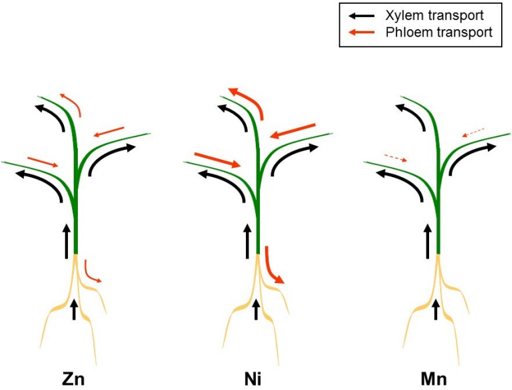
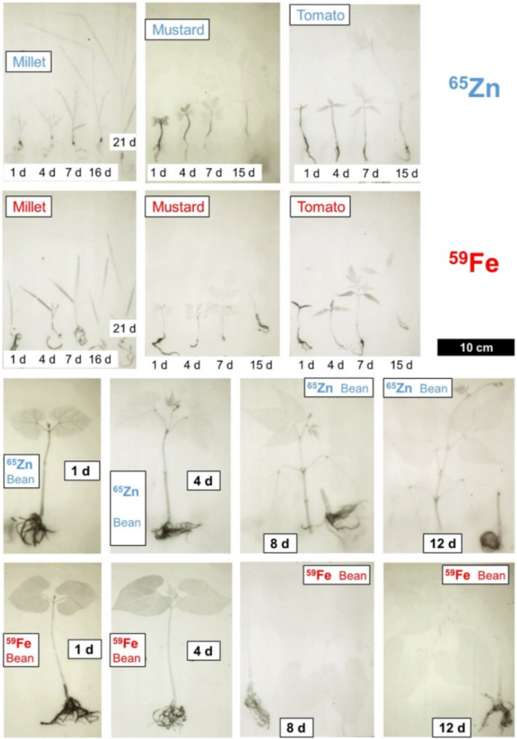
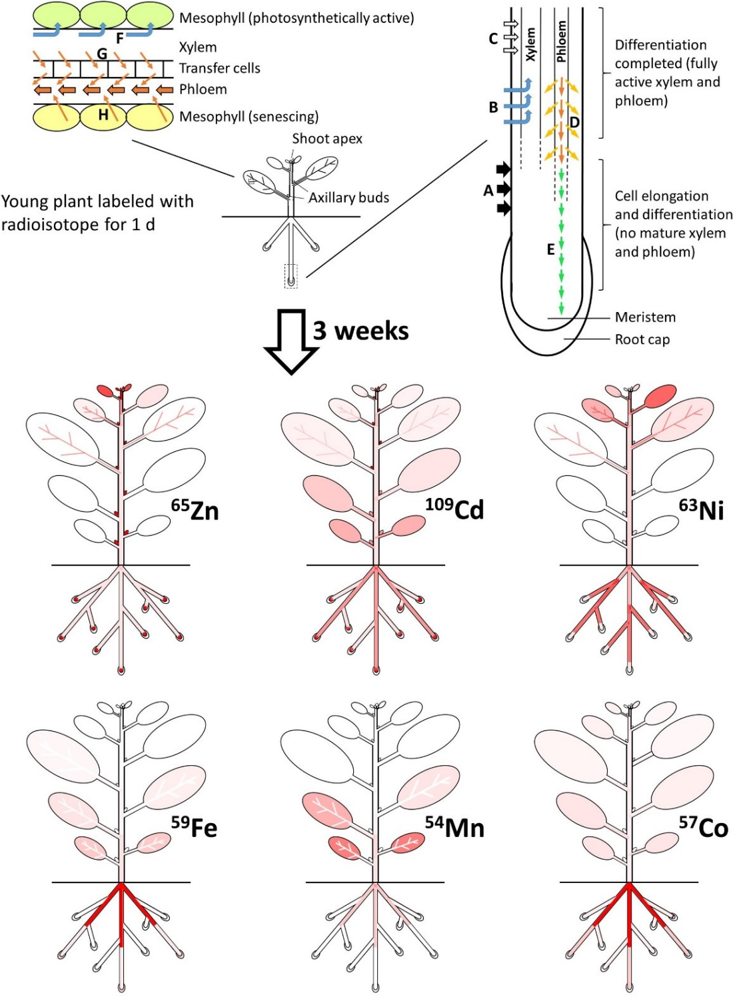
Copper, zinc, manganese, iron, nickel and molybdenum are essential micronutrients for plants. However, when present in excess they may damage the plant or decrease the quality of harvested plant products. Some other heavy metals such as cadmium, lead or mercury are not needed by plants and represent pollutants. The uptake into the roots, the loading into the xylem, the acropetal transport to the shoot with the transpiration stream and the further redistribution in the phloem are crucial for the distribution in aerial plant parts. This review is focused on long-distance transport of heavy metals via xylem and phloem and on interactions between the two transport systems. Phloem transport is the basis for the redistribution within the shoot and for the accumulation in fruits and seeds. Solutes may be transferred from the xylem to the phloem (e.g., in the small bundles in stems of cereals, in minor leaf veins). Nickel is highly phloem-mobile and directed to expanding plant parts. Zinc and to a lesser degree also cadmium are also mobile in the phloem and accumulate in meristems (root tips, shoot apex, axillary buds). Iron and manganese are characterized by poor phloem mobility and are retained in older leaves.
Overview
The claims and statistics of this paper haven’t been checked yet.
Free: it reads the open-access text and checks the first 5 claims that cite a source we can check. Create a free account to check every claim.
Integrity signals
Registry
Cites
Statistics
Figures
Verification
Claims the paper makes
The claims and statistics of this paper haven’t been checked yet.
Free: it reads the open-access text and checks the first 5 claims that cite a source we can check. Create a free account to check every claim.
Claims other papers make about this one
Each is checked against this paper’s own text: does it say what the citing paper says it does?
The source backs part of the claim, not all of it — or backs it for a different population, condition or comparison.
In the citing paper
“Enhancing the plant uptake and transport within plants of pollutants is key to improving the efficiency of phytoremediation; therefore, the redistribution mechanism of pollutants in plants needs to be fully understood (Hou 2023;Page & Feller, 2015;Verkleij et al. 2009).”
From Sustainable management of post-phytoremediation biomass (2025) · cites this paper as Page & Feller 2015
Experimental — accuracy not yet measured
Self-check
Percentages, sums and reported differences re-computed from the paper’s own numbers.
The self-check needs the paper’s full text.
Citations
Cites
Mineral Nutrition of Higher Plants
(1995) · Elsevier eBooks · doi:10.1016/b978-0-12-473542-2.x5000-7 · Cited by 19,181
Reactive oxygen species and antioxidant machinery in abiotic stress tolerance in crop plants
Gill, S. S., & Tuteja, N. (2010) · Plant Physiology and Biochemistry · doi:10.1016/j.plaphy.2010.08.016 · Cited by 11,663
Role of superoxide dismutases (SODs) in controlling oxidative stress in plants
Alscher, R. G. (2002) · Journal of Experimental Botany · doi:10.1093/jexbot/53.372.1331 · Cited by 2,771 · cited 1×
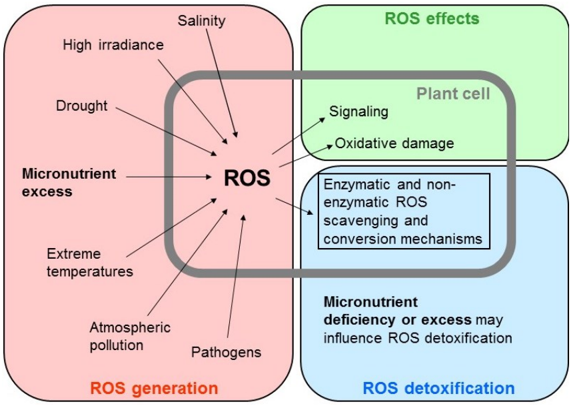
“Heavy metals present at elevated levels may cause an increased production of reactive oxygen species (ROS) in plant cells on one hand [42–51] and may be involved in the enzymatic detoxification of ROS on the other hand [2,3,42,52–54].”
BackgroundWhite, P. J., & Broadley, M. R. (2009) · New Phytologist · doi:10.1111/j.1469-8137.2008.02738.x · Cited by 2,178 · cited 2×
“, phytate, oxalate) must be considered when evaluating the bioavailability of essential heavy metals [90,91].”
BackgroundSalt, D. E., Smith, R. D., & Raskin, I. (1998) · Annual Review of Plant Physiology and Plant Molecular Biology · doi:10.1146/annurev.arplant.49.1.643 · Cited by 2,085
Toxic metal accumulation, responses to exposure and mechanisms of tolerance in plants
Clemens, S. (2006) · Biochimie · doi:10.1016/j.biochi.2006.07.003 · Cited by 2,021
Heavy metal hyperaccumulating plants: how and why do they do it? And what makes them so interesting
Rascio, N., & Navari-Izzo, F. (2011) · Plant Science · doi:10.1016/j.plantsci.2010.08.016 · Cited by 2,012
Dual action of the active oxygen species during plant stress responses
Dat, J., Vandenabeele, S., Vranov�, E., Van Montagu, M., Inz� *, D., & Van Breusegem, F. (2000) · Cellular and Molecular Life Sciences (CMLS) · doi:10.1007/s000180050041 · Cited by 1,904
Photooxidative stress in plants
Foyer, C. H., Lelandais, M., & Kunert, K. J. (1994) · Physiologia Plantarum · doi:10.1034/j.1399-3054.1994.920422.x · Cited by 1,799 · cited 1×
“Heavy metals present at elevated levels may cause an increased production of reactive oxygen species (ROS) in plant cells on one hand [42–51] and may be involved in the enzymatic detoxification of ROS on the other hand [2,3,42,52–54].”
BackgroundTrace elements in agroecosystems and impacts on the environment
He, Z. L., Yang, X. E., & Stoffella, P. J. (2005) · Journal of Trace Elements in Medicine and Biology · doi:10.1016/j.jtemb.2005.02.010 · Cited by 1,772
Research works printed but not linked: 2
- Fahn, A. Plant Anatomy, 3rd ed.; Pergamon Press: Oxford, UK, 1982; pp. 46-73.
- Jamil, M.; Zia, M.S.; Qasim, M. Contamination of agro-ecosystem and human health hazards from wastewater used for irrigation. J. Chem. Soc. Pak. 2010, 32, 370-378.
Cited by
Items 101–200 of 307
Ferreira, R. J., Rosa, T. R., Ribeiro, J., & Barthus, R. C. (2019) · Food Chemistry · doi:10.1016/j.foodchem.2019.126126 · Cited by 16
Sedlacko, E. M., Chaparro, J. M., Heuberger, A. L., Cath, T. Y., & Higgins, C. P. (2020) · The Science of The Total Environment · doi:10.1016/j.scitotenv.2020.140003 · Cited by 18
Sirgedaitė‐Šėžienė, V., Striganavičiūtė, G., Šilanskienė, M., Kniuipytė, I., Praspaliauskas, M., Vaškevičienė, I., Lemanas, E., & Vaitiekūnaitė, D. (2025) · Frontiers in Plant Science · doi:10.3389/fpls.2025.1617432 · Cited by 16
Plant Abiotic Stress Responses and Tolerance Mechanisms
Hussain, S., Awan, T. H., Waraich, E. A., & Awan, M. I. (2022) · IntechOpen eBooks · doi:10.5772/intechopen.102138 · Cited by 20
Baruah, M., Borgohain, A., Gogoi, R., Borah, N., Deka, D., Karak, T., & Saikia, J. (2023) · New Journal of Chemistry · doi:10.1039/d3nj00665d · Cited by 15
Mohan, D., Preetiva, B., Chaubey, A. K., Singsit, J. S., Mina, U., & Pittman, C. U. (2023) · Waste Management Bulletin · doi:10.1016/j.wmb.2023.10.004 · Cited by 16
INDUCTION OF CADMIUM STRESS TOLERANCE IN TRITICUM AESTIVUM L. BY ALFALFA LEAF EXTRACT
Perveen, S. (2016) · Applied Ecology and Environmental Research · doi:10.15666/aeer/1405_121136 · Cited by 17
Biophenolic Profile Modulations in Olive Tissues as Affected by Manganese Nutrition
Vidović, N., Pasković, I., Lukić, I., Žurga, P., Germek, V. M., Grozić, K., Cukrov, M., Marcelić, Š., Ban, D., Talhaoui, N., et al. (2021) · Plants · doi:10.3390/plants10081724 · Cited by 17
“It was previously published that Mn preferably accumulates in plant shoots than in roots [43,44], but its retention in the roots has been associated with Mn tolerance in some plants [45].”
BackgroundMelash, A. A., & Mengistu, D. K. (2020) · Advances in Agriculture · doi:10.1155/2020/7825413 · Cited by 15
Kaur, N., & Brraich, O. S. (2021) · Environmental Science and Pollution Research · doi:10.1007/s11356-021-16429-2 · Cited by 21
Rosa, A. C. G., Melo, E. S. D. P., Alves, A. D. S., Gondim, J. M. D. S., de Sousa, A. S., Cardoso, C. A. L., Viana, L. F., Carvalho, A. M. A., Machate, D. J., & do Nascimento, V. A. (2022) · International Journal of Environmental Research and Public Health · doi:10.3390/ijerph19020660 · Cited by 17
“In fact, concentrations of chemical elements as Fe, Se, Zn, Cu, Mn, Cd, Cu, Pb, As, Al and Ni found in the xylem sap, phloem sap and leaf apoplastic fluid of different plant species are different between them [52,58].”
BackgroundSingh, R., & Rathore, D. (2020) · Environmental Science and Pollution Research · doi:10.1007/s11356-020-08735-y · Cited by 14
Montemagno, A., Hissler, C., Bense, V., Teuling, A. J., Ziebel, J., & Pfister, L. (2022) · Biogeosciences · doi:10.5194/bg-19-3111-2022 · Cited by 19
Guo, Y., Xiao, Q., Zhao, X., Wu, Z., Dai, Z., Zhang, M., Qiu, C., Long, S., & Wang, Y. (2022) · Environmental Science and Pollution Research · doi:10.1007/s11356-022-22111-y · Cited by 16
“Within the shoot of rice, phloem transport is the basis for Cd redistribution and for the accumulation in fruits and seeds (Satoru et al. 2012; Page and Feller 2015).”
BackgroundPDF1.5 Enhances Adaptation to Low Nitrogen Levels and Cadmium Stress
Wu, Z., Liu, D., Yue, N., Song, H., Luo, J., & Zhang, Z. (2021) · International Journal of Molecular Sciences · doi:10.3390/ijms221910455 · Cited by 14
Yang, Y., Tian, L., Borch, T., Tariq, H., Li, T., Bai, Y., Su, Y., Tiraferri, A., Crittenden, J. C., & Liu, B. (2022) · ACS Sustainable Chemistry & Engineering · doi:10.1021/acssuschemeng.2c02170 · Cited by 15
Alhogbi, B. G., Al-Ansari, S. A., & El-Shahawi, M. S. (2023) · Processes · doi:10.3390/pr11092515 · Cited by 18
Ca-oxalate crystals are involved in cadmium storage in a high Cd accumulating cultivar of cacao
Blommaert, H., Castillo-Michel, H. A., Veronesi, G., Tucoulou, R., Beauchêne, J., Umaharan, P., Smolders, E., & Sarret, G. (2024) · Environmental and Experimental Botany · doi:10.1016/j.envexpbot.2024.105713 · Cited by 14
Peroni, P., Liu, Q., Lizarazu, W. Z., Xue, S., Yi, Z., von Cossel, M., Mastroberardino, R., Papazoglou, E. G., Monti, A., & Iqbal, Y. (2024) · Plants · doi:10.3390/plants13131866 · Cited by 18
A comparative analysis of heavy metal stress responses in different grain amaranth cultivars
Hunková, J., Lisinovičová, M., Lancíková, V., Szabóová, M., Kačírová, J., Mistríková, V., & Hricová, A. (2024) · Plant Stress · doi:10.1016/j.stress.2024.100619 · Cited by 14
Gutiérrez, D. M. N., Pollard, A. J., van der Ent, A., Cathelineau, ., Pons, M., Sánchez, J. A. C., & Echevarria, G. (2021) · Chemoecology · doi:10.1007/s00049-021-00338-4 · Cited by 15
Benedet, L., Conti, L. D., Lazzari, C. J. R., Júnior, V. M., Dick, D. P., Lourenzi, C. R., Lovato, P. E., Comin, J. J., Tiecher, T. L., Ricachenevsky, F. K., et al. (2019) · Water Air & Soil Pollution · doi:10.1007/s11270-019-4249-z · Cited by 16
“In the plant, Cu and Zn are adsorbed to different functional groups in the root cell wall, or compartmentalized in vacuoles, resulting in increased accumulation of both metals in the root system, but reducing translocation to shoots and toxicity to plants (Page and Feller 2015).”
BackgroundChakraborty, P., Ghosh, S., Banerjee, S., Bhattacharya, S., & Bhattacharyya, P. (2024) · Chemosphere · doi:10.1016/j.chemosphere.2024.142272 · Cited by 12
Uptake and toxicity of heavy metals: The protective frontiers of metal binding proteins
Kaur, R., Kaur, H., & Sharma, A. (2025) · Journal of Geochemical Exploration · doi:10.1016/j.gexplo.2025.107673 · Cited by 15
Wu, Z., Tang, Q., Wang, Y., Qiu, C., Long, S., Zhao, X., Hu, Z., & Guo, Y. (2021) · Journal of Natural Fibers · doi:10.1080/15440478.2021.2009400 · Cited by 12
“The bioconcentration factor exhibited the ability of the plant to absorb heavy metals from the soil and translocate to aboveground organs (Benáková et al. 2017; Hocking and McLaughlin 2000; Page and Feller 2015; Smykalova et al. 2010; Yoon et al. 2006).”
BackgroundAccumulation of cobalt and nickel in tissues of Clethra barbinervis in a metal dosing trial
Yamaguchi, T., Tomioka, R., & Takenaka, C. (2017) · Plant and Soil · doi:10.1007/s11104-017-3455-y · Cited by 14
“…plants, but it is regarded as a beneficial nutrient for enhancing the growth of root symbionts that require Co for N2 fixation and the retardation of leaf senescence via inhibition of ethylene biosynthesis (Palit et al. 1994; Broadley et al. 2012a; Pilon-Smits et al. 2009; Page and Feller 2015).”
BackgroundNozari, M., Esmaili‐Sari, A., Moradi, A. M., Bahramifar, N., & Taghavi, L. (2023) · Environmental Monitoring and Assessment · doi:10.1007/s10661-023-10916-4 · Cited by 11
“Heavy metals can be easily absorbed by cultivated plants and Environ Monit Assess (2023) 195:376 1 3 Page 3 of 26 376 Vol.: (0123456789) accumulated in internal organs as well as seeds and fruits (Page & Feller, 2015).”
BackgroundEl‐Keblawy, A. A., Almehdi, A. M., Elsheikh, E. A. E., Abouleish, M. Y., Sheteiwy, M. S. A., & Galal, T. M. (2024) · Scientific Reports · doi:10.1038/s41598-024-62622-x · Cited by 16
“Finally, plants may also secrete metal-binding agents such as metallothioneins, which bind to metals and prevent them from entering the roots 72,73 .”
BackgroundJiang, W., Jiang, P., You, S., Qiu, H. J., Liu, J., Zhang, X., & Chen, M. (2024) · Ecotoxicology and Environmental Safety · doi:10.1016/j.ecoenv.2024.117514 · Cited by 12
Stępień, A., Wojtkowiak, K., Pietrzak‐Fiećko, R., Zalewska, M., & Grzywińska‐Rąpca, M. (2019) · Chilean journal of agricultural research · doi:10.4067/s0718-58392019000400616 · Cited by 12
“Page and Feller (2015) observed low remobilization 620CHILEAN JOURNAL OF AGRICULTURAL RESEARCH 79(4) OCTOBER-DECEMBER 2019 of Fe and Mn from leaves to grain.”
BackgroundEspinosa-Vellarino, F. L., Garrido, I., Casimiro, I., Silva, A. C., Espinosa, F., & Ortega, A. (2024) · Plants · doi:10.3390/plants13050609 · Cited by 10
“Some examples of Plants 2024 , 13 , 609 2 of 24 essential HM arecopper (Cu), nickel (Ni), manganese (Mn), iron (Fe), and zinc (Zn), which are required by plants at low concentrations as micronutrients and have a role in plant metabolism pathways at optimal concentrations [6,8,9].”
BackgroundOsCOPT7 is involved in copper accumulation and transport through xylem
Guan, M. Y., Cao, Z., Yu, X., Xv, P., Lin, X., & Chen, M. X. (2024) · Journal of Hazardous Materials · doi:10.1016/j.jhazmat.2024.135245 · Cited by 14
Mauro, R. P., Distefano, M., Steingass, C. B., May, B., Giuffrida, F., Schweiggert, R. M., & Leonardi, C. (2024) · Scientia Horticulturae · doi:10.1016/j.scienta.2024.113597 · Cited by 11
Kandhil, U., Singh, G., Rani, A., Dang, A. S., Giri, S. K., Dhiman, S. S., Verma, N., & Kumar, A. T. (2025) · Plant Nano Biology · doi:10.1016/j.plana.2025.100201 · Cited by 11
Choudhary, M., Datta, S. P., Golui, D., Meena, M. C., Nogiya, M., Samal, S. K., Raza, M. B., Rahman, M. M., & Mishra, R. (2023) · Environmental Science and Pollution Research · doi:10.1007/s11356-023-29568-5 · Cited by 13
“Furthermore, heavy metal uptake and distribution in root, stem, shoot and seed or grains can vary depending on a variety of factors like water content, soil parameters, chemical characteristics of applied materials, plant types, climate, etc. (Page and Feller 2015).”
BackgroundPhotosynthetic variation and yield attributes of two mustard varieties against cadmium phytotoxicity
Irfan, M., Hasan, S. A., Hayat, S., & Ahmad, A. (2015) · Cogent Food & Agriculture · doi:10.1080/23311932.2015.1106186 · Cited by 10
“Screening of varieties based on Cd uptake and distribution or Cd sensitivity was tested in different crop plants (An, 2004; Arao et al., 2003; Page & Feller, 2015; Zhang et al., 2009).”
BackgroundThe phytoremediation potential of non-edible oil-producing plants for gold mine tailings
Andriya, N. N., Hamım, H., Sulistijorini, S., & Triadiati, T. (2019) · Biodiversitas Journal of Biological Diversity · doi:10.13057/biodiv/d201025 · Cited by 13
“The existence of heavy metals, especially non-essential heavy metals even in low quantities, can affect the growth and development of a plant (Page and Feller 2015).”
BackgroundMulenga, C., Phiri, D., Rodríguez, D. R. O., & Meincken, M. (2023) · ENVIRONMENTAL SYSTEMS RESEARCH · doi:10.1186/s40068-023-00310-x · Cited by 15
“They are then taken up by root hairs and translocated through apoplastic and symplastic pathways, depositing them into the xylem tissue for upward transportation (Luo et al. 2016) to different plant parts (Page and Feller 2015).”
BackgroundPoblaciones, M. J., García‐Latorre, C., Velázquez, R., & Broadley, M. R. (2024) · Horticulturae · doi:10.3390/horticulturae10080808 · Cited by 9
“These results may be explained by the fact that the delivery of Ca to developing florets is limited, while the reduced Na concentration in the floret may be part of a mechanism to contribute to the healthy mineral profile of broccoli [63,64].”
Cruz‐Cruz, C. A., García-Zárate, X. D. J., Spinoso‐Castillo, J. L., Peña-Rodríguez, R., Colorado‐Peralta, R., Sánchez‐Páez, R., & Bello, J. (2024) · Agronomy · doi:10.3390/agronomy14091880 · Cited by 11
Reis, G. A., Martins, M. V. A., dos Santos, L. M. G., Neto, S. A. V., Barbosa, F., Geraldes, M. C., Bergamaschi, S., Figueira, R. C. L., Patinha, C. A. D. F., da Silva, E. F., et al. (2025) · Archives of Environmental Contamination and Toxicology · doi:10.1007/s00244-025-01143-8 · Cited by 13
“Transport to other parts of the plant is facilitated by the vascular tissues (xylem and phloem), which move raw sap and processed sap, and enable the mobility of metals in solution (Page and Feller 2015; Cao et al. 2020).”
Justi, M., Silva, C. A., & Rosa, S. D. (2021) · Archives of Agronomy and Soil Science · doi:10.1080/03650340.2021.1893308 · Cited by 9
“In contrast, reduced Fe availability and uptake could lead to increased Zn and Cu uptake, due to the small amount of Fe in solution to inhibit or compete with these micronutrients (Page and Feller 2015).”
BackgroundYamaguchi, T., Tsukada, C., Takahama, K., Hirotomo, T., Tomioka, R., & Takenaka, C. (2018) · Trees · doi:10.1007/s00468-018-1797-6 · Cited by 11
Deng, T., Chen, J.-Q., Geng, K.-R., van der Ent, A., Tang, Y., Wen, D., Wang, X., Li, L., Du, R., Morel, J., et al. (2021) · Metallomics · doi:10.1093/mtomcs/mfab012 · Cited by 10
Ilyas, F., Ali, M. A., Modhish, A., Ahmed, N., Hussain, S., Bilal, M. Q., Arshad, M. A., Danish, S., Ghoneim, A. M., Ilyas, A., et al. (2022) · Australian Journal of Agricultural Research · doi:10.1071/cp21042 · Cited by 9
“Yamaji and Ma (2014) and Page and Feller (2015) showed that Zn moves in the direction of transpiration organs, e.g. leaves.”
BackgroundSalam, A. K., Rizki, D. O., Santa, I. M. T. D., Supriatin, S., Septiana, L. M., Sarno, S., & Niswati, A. (2022) · IOP Conference Series Earth and Environmental Science · doi:10.1088/1755-1315/1034/1/012045 · Cited by 15
Banerjee, A., & Roychoudhury, A. (2021) · Plant Cell Reports · doi:10.1007/s00299-021-02737-x · Cited by 9
Bi, X., Guo, H., Li, X., Jiang, D., Dong, H., Zhang, Y., An, M., Xia, Z., Wang, Z., & Wu, Y. (2022) · Journal of Agricultural and Food Chemistry · doi:10.1021/acs.jafc.2c03069 · Cited by 8
Majkowska-Gadomska, J., Kaliniewicz, Z., Francke, A., Sałata, A., & Jadwisieńczak, K. K. (2024) · Applied Sciences · doi:10.3390/app14114411 · Cited by 8
de Freitas, F., Solera, K., Lopes, V. J. S., Neyra, M. O. C., Cavalheiro, L., Moreno, M. I. C., Battirola, L. D., & de Andrade, R. L. T. (2024) · Environmental Science and Pollution Research · doi:10.1007/s11356-024-35407-y · Cited by 12
“Heavy metals are transported with the flow of transpiration in the xylem, from the roots to transpiring parts, such as photosynthetic leaves, in a process that, after release into the root xylem, free or chelated ions flow with the sap (Page and Feller 2015).”
Zhang, J., Shi, Q., Yates, R., Liu, Z., & Gan, J. (2025) · Environmental Science & Technology · doi:10.1021/acs.est.5c07872 · Cited by 8
Wang, J., Zhang, T., Gao, J., Li, B., Han, L., Ge, W., & Wang, Z. (2024) · Chemosphere · doi:10.1016/j.chemosphere.2024.142509 · Cited by 11
Evidence of cadmium transport via the phloem in cacao seedlings
Blommaert, H., Meese, C. D., Wiggenhauser, M., Sarret, G., & Smolders, E. (2024) · Plant and Soil · doi:10.1007/s11104-024-06753-0 · Cited by 9
“Split-root experiments have been used in the past to reveal the circulation of trace elements in plants (Mclaughlin et al. 2000; Haslett et al. 2001; Qin et al. 2013; Page and Feller 2015; Valentinuzzi et al. 2020; Wei et al. 2022).”
InfluentialLevel and speciation of nickel in some forages in relation to spatial and temporal fluctuations
Bashir, H., Ahmad, K., & Khan, Z. I. (2020) · Environmental Science and Pollution Research · doi:10.1007/s11356-020-08321-2 · Cited by 10
“It also works as a cofactor for an enzyme functioning in nitrogen metabolism (Page and Feller 2015).”
BackgroundBiosorption and Bioaccumulation of Pollutants for Environmental Remediation
Prasher, P., Mudila, H., & Sharma, M. (2021) · Microorganisms for sustainability · doi:10.1007/978-981-15-7455-9_15 · Cited by 8
Pham, J., Forget, A., Bridonneau, N., Mattana, G., Stavrinidou, E., Zrig, S., Piro, B., & Noël, V. (2022) · Electrochemistry Communications · doi:10.1016/j.elecom.2022.107270 · Cited by 8
Wu, Q., Wu, Y., & Ran, F. (2024) · Journal of Energy Storage · doi:10.1016/j.est.2024.110848 · Cited by 8
Tracing atmospherically deposited cadmium accumulation in rice using stable isotopes
Du, B., Xia, R., Obrist, D., Sun, Y., Wang, T., & Zhou, J. (2025) · Journal of Hazardous Materials · doi:10.1016/j.jhazmat.2025.138524 · Cited by 8
Elevated CO2 decreases micronutrient Zn but not Fe in vegetables – evidence from a meta-analysis
Wang, X., Zhang, S., Li, H., Laing, G. D., Odlare, M., & Škvařil, J. (2025) · Frontiers in Plant Science · doi:10.3389/fpls.2025.1509102 · Cited by 8
“This may be ascribed to the slower re-translocation of Zn within plants via phloem under elevated CO 2 , making it less easily redistributed to fruits after root uptake (Olsen and Palmgren, 2014; Page and Feller, 2015; Ujiie et al., 2019).”
Harnessing polyploidy and nitric oxide for improved arsenic tolerance in Oryza sativa
Shahid, M. Q., Sun, L., Hashim, M., Haider, F. U., Sarwar, S., Zhong, M., Yang, H., Ali, S., Liu, X., & Ghouri, F. (2025) · BMC Plant Biology · doi:10.1186/s12870-025-07642-z · Cited by 7
“Substantial dissimilarities between As levels in root and shoot compartments are attributed to the diverse array of transporters governing long-distance xylem-mediated transit, subject to the intricate inter-play of transport and potential recycling phenomena [60, 61].”
Heavy metals tolerance and toxic effects on plants: A review
Patra, D. K., Nayak, M., Pradhan, C. K., & Patra, H. K. (2026) · Chemistry and Ecology · doi:10.1080/02757540.2026.2661739 · Cited by 9
“Heavy metals are absorbed mainly through roots and transported via apoplastic and symplastic pathways to the xylem, enabling long-distance translocation from roots to shoots and, ultimately, edible tissues [3].”
Sharma, A., Pandey, H., Devadas, V. S., Kartha, B. D., & Vashishth, A. (2023) · Journal of Agriculture and Food Research · doi:10.1016/j.jafr.2023.100600 · Cited by 7
Bouzidi, A., & Krouma, A. (2024) · Environmental Science and Pollution Research · doi:10.1007/s11356-024-32350-w · Cited by 7
RetractedFiber Quality of Hemp (Cannabis sativa L.) Grown in Soil Irrigated by Landfill Leachate Water
Mendel, P., Vyhnánek, T., Braidot, E., Filippi, A., Trojan, V., Bjelková, M., Vaverková, M. D., Adamcová, D., Zloch, J., Brtnický, M., et al. (2020) · Journal of Natural Fibers · doi:10.1080/15440478.2020.1843101 · Cited by 9
“Especially zinc is accumulated in meristematic tissues, while nickel tends to accumulate in expanding plant parts, such as roots and upper portion of the stem (Page and Feller 2015).”
BackgroundToxic Metals in Crops: A Burgeoning Problem
Mishra, A. K., Singh, J., & Mishra, P. P. (2020) · Springer eBooks · doi:10.1007/978-981-15-8636-1_11 · Cited by 9
Applications of Nanotechnology in Agricultural Waste–Review Paper
Sukirtha, T. H., & Saranya, N. (2020) · Scholars Academic Journal of Biosciences · doi:10.36347/sajb.2020.v08i09.001 · Cited by 6
Balraju, W., Upadhyay, K. K., & Tripathi, S. K. (2023) · Water Air & Soil Pollution · doi:10.1007/s11270-023-06648-3 · Cited by 7
“Mn is easily moved from the roots to the shoots by the transpiration stream, but it is not easily moved from the leaves to other parts of the plant by the phloem (Page & Feller, 2015).”
BackgroundNagdalian, A. A., Блинов, А. В., Gvozdenko, A. A., Golik, A. B., Рехман, З. А., Rzhepakovsky, I. V., Kolesnikov, R. O., Avanesyan, S. S., Blinova, A. A., Pirogov, M. A., et al. (2024) · Nanomaterials · doi:10.3390/nano14110959 · Cited by 6
Banerjee, S., Ghosh, S., Jha, S., & Bhattacharyya, P. (2025) · Journal of environmental chemical engineering · doi:10.1016/j.jece.2025.116019 · Cited by 6
Ugya, A. Y., & Meguellati, K. (2022) · Journal of Ecological Engineering · doi:10.12911/22998993/147432 · Cited by 9
“The high removal rate of chloride from the landfi ll leachates is due to the presence of S. molesta and P. stratiotes (Page and Feller 2015).”
BackgroundSustainable Intensification: Agroecosystem and Plant Nutrient Management in a Changing Climate
Asante, K. O.-H., Aduhene-Chinbuah, J., Peprah, C. O., Agyeman, K., Frimpong, F., Danquah, E. O., & Bam, R. K. (2025) · Agricultural sciences. · doi:10.5772/intechopen.1007336 · Cited by 5
Nayak, S., Shivay, Y. S., Mandi, S., Nayak, P., Biswakarma, N., Gawdiya, S., Baral, K., Reddy, K. S., & Borate, R. B. (2025) · Journal of soil science and plant nutrition · doi:10.1007/s42729-025-02659-7 · Cited by 7
“Long-distance transport of Zn from root to shoot and shoot to grain is facilitated by the xylem and phloem (Page and Feller 2015; Sadeghzadeh 2013 ).”
Mn’s Key Roles in Plant Ecophysiology—A Comprehensive Review for Unstressed and Stress Conditions
Pessoa, C. C., Luís, I. C., Daccak, D. F., Legoinha, P., Ramalho, J. C., Lidon, F. C., & Silva, M. M. (2026) · Agronomy · doi:10.3390/agronomy16070709 · Cited by 7
Meng, H., Hu, S., Yang, Y., Chen, G., Chi, W., Cheng, K., & Liu, T. (2023) · Soil Security · doi:10.1016/j.soisec.2023.100114 · Cited by 7
Meléndez-Mori, J. B., Guerrero‐Abad, J. C., Tejada-Alvarado, J. J., Ayala-Tocto, R. Y., & Oliva, M. (2023) · Environmental Pollutants and Bioavailability · doi:10.1080/26395940.2023.2287710 · Cited by 5
Li, Z., Shang, Q., Zou, L., Xing, Z., Chen, G., Chen, Z., Zhou, J., & Liu, X. (2024) · Journal of the Science of Food and Agriculture · doi:10.1002/jsfa.13795 · Cited by 5
Characterizing pioneer plants for phytoremediation of mercury-contaminated urban soils
Soares, C. D. S., Lopes, V. J. S., de Freitas, F., Córdova, M. O., Cavalheiro, L., Battirola, L. D., & de Andrade, R. L. T. (2025) · International Journal of Environmental Science and Technology · doi:10.1007/s13762-024-06303-2 · Cited by 7
“…al. 2017; Zhao et al. 2023; Borovik 2024), has certain physiological aspects such as conductive tissues capable of the substance transport pro‑ cess (Page and Feller 2015), in addition to other adaptive mechanisms developed by plants to manage the effects of toxic substances on their metabolism…”
Thummajitsakul, S., Thongkerd, N., Pholmeesap, B., Phankham, P., & Silprasit, K. (2020) · Applied Environmental Research · doi:10.35762/aer.2020.42.1.3 · Cited by 5
“Generally, the mechanism of heavy metal translocation is an important factor for the distribution of heavy metals in plants [37].”
BackgroundTrace elements in Athyrium distentifolium from alpine vegetation in the Karkonosze, SW Poland
Kazienko, A., Torzewski, K., Wojtuń, B., Samecka-Cymerman, A., Mróz, L., & Kempers, A. J. (2020) · Environmental Monitoring and Assessment · doi:10.1007/s10661-020-08438-4 · Cited by 5
Mackowiak, T. J., Mischenko, I. C., Butler, M. J., & Richardson, J. B. (2021) · Journal of Soils and Sediments · doi:10.1007/s11368-021-02893-3 · Cited by 5
Kenny, C., Lucey, B., & Furey, A. (2020) · Wiley eBooks · doi:10.1002/9781119036685.ch12 · Cited by 6
Atmospheric dust is a global nutrient source for plants via foliar uptake
Lokshin, A., Palchan, D., Sternberg, M., Goren, T., Nakhavali, M., & Gross, A. (2026) · New Phytologist · doi:10.1111/nph.71112 · Cited by 5
“P posed a unique challenge due to its high mobility and rapid redistribution within plant tissues (Fern ´ andez & Brown, 2013; Page & Feller, 2015), which limited the detection of consistent concentration changes in the field.”
Guayjarernpanishk, W., & Sampanpanish, P. (2024) · Heliyon · doi:10.1016/j.heliyon.2024.e26590 · Cited by 6
“This finding is also similar to the research of Page and Feller [51], who analysed the transport and redistribution processes of heavy metals in crop plants.”
ResultInvestigation of phloem transport of foliar-absorbed Cd in wheat
Li, L., Wang, L., Ippolito, J. A., Xing, W., Ma, L., Qiu, K., & Jiang, J. (2025) · The Science of The Total Environment · doi:10.1016/j.scitotenv.2025.179496 · Cited by 5
Multi-pollutant contamination in agricultural root crops: The case of carrots
Chidewe, L. (2025) · Food Control · doi:10.1016/j.foodcont.2025.111665 · Cited by 5
Higueras-Valdivia, M., Silva‐Castro, G. A., Paniagua‐López, M., Romero‐Freire, A., & García-Romera, I. (2024) · Journal of Hazardous Materials Advances · doi:10.1016/j.hazadv.2024.100570 · Cited by 5
Samane, E. (2019) · Journal of Plant Growth Regulation · doi:10.1007/s00344-019-10053-8 · Cited by 5
Prado, R. D. M. (2021) · Springer eBooks · doi:10.1007/978-3-030-71262-4_18 · Cited by 5
ZINC PRIMING OF MAIZE SEED ENHANCES ROOTTOSHOOT Zn TRANSLOCATION BUT NOT OF ANALOGOUS HEAVY METALS
Kiran, A., Wakeel, A., Ishaq, R., Mubaraka, R., Ishfaq, M., & Mahmood, A. (2020) · The Journal of Animal and Plant Sciences · doi:10.36899/japs.2021.4.0301 · Cited by 6
Palawat, K., & Ramírez‐Andreotta, M. D. (2025) · Journal of Environmental Management · doi:10.1016/j.jenvman.2025.127515 · Cited by 4
“This may be related to plant physiological uptake patterns, where in general, plants partition and accumulate metal(loid)s to certain parts of their tissues such as the leaves or roots (Page and Feller, 2015; Singh et al., 2012).”
Biofortification strategies for enhancing metal and metalloid tolerance in crop plants
Garg, S., Kashyap, U., & Arora, P. (2025) · Discover Agriculture · doi:10.1007/s44279-025-00461-8 · Cited by 5
“Research shows the mobility rates for metals differ widely in plants when considering K, Na, Mg, P, and Cl as highly mobile, whereas Zn, Cu, Ni, and Fe have intermediate levels, and Ca, Mn, and Fe often demonstrate restricted remobili-zation rates [66].”
Arunrat, N., Sereenonchai, S., Sagulkiatpanya, T., & Oo, T. K. (2026) · Environmental Geochemistry and Health · doi:10.1007/s10653-026-03253-1 · Cited by 4
“This aligns with earlier reports that Zn and Mn exhibit higher phloem mobility, especially in younger tissues (Jiang et al., 2025; Page & Feller, 2015).”
Wang, Z., Qi, J., Yang, Y., & Li, C. (2024) · Ecotoxicology and Environmental Safety · doi:10.1016/j.ecoenv.2024.116921 · Cited by 3
CONTROLLING STRESS RESPONSES IN FRUIT CROPS THROUGH THE INFLUENCE OF PLANT HORMONES
Sanaullah, M. (2024) · Journal of Physical Biomedical and Biological Sciences · doi:10.64013/jpbab.v2024i1.18 · Cited by 10
Long, W., Luo, C., Sheng, J., & Lyu, L. (2025) · Trees Forests and People · doi:10.1016/j.tfp.2025.100911 · Cited by 3
de Oliveira, F. N., Morsch, L., Moura-Bueno, J. M., Tassinari, A., Trentin, E., Marques, A. C. R., Andreolli, T., Dias, B. G., Tabaldi, L. A., & Brunetto, G. (2025) · Horticulturae · doi:10.3390/horticulturae11070831 · Cited by 4
van der Ent, A., Nkrumah, P. N., Aarts, M. G. M., Baker, A. J. M., Degryse, F., Wawryk, C., & Kirby, J. K. (2021) · BMC Plant Biology · doi:10.1186/s12870-021-03190-4 · Cited by 5
“Zinc from mature leaves is redistributed via the phloem to young plant organs (Page and Feller 2015).”
BackgroundThe phytoremediation potential of several plants in heavy-metal-polluted tropical soils
Aini, S. N., Silva, G., Buchari, H., & Salam, A. K. (2023) · AIP conference proceedings · doi:10.1063/5.0116581 · Cited by 6
Uptake and preferential partitioning of zinc in different wheat species
Fan, Y., Wang, Z., Hu, S., Li, Q., Liu, F., Liu, G., Ma, M., & Liu, C. (2023) · Crop Science · doi:10.1002/csc2.20988 · Cited by 3
Ogugua, U. V., Kanu, S. A., & Ntushelo, K. (2023) · Heliyon · doi:10.1016/j.heliyon.2023.e18975 · Cited by 7
“The acropetal transfer to the shoot with the transpiration stream and subsequent redistribution in the phloem are critical for the distribution of nutrients and water uptake in the plant aerial tissues, beginning with root absorption and taking into the xylem and continuing in the phloem [5].”
BackgroundInfluential
Metadata
- Authors
- Page, V., & Feller, U.
- Affiliations
- University of Bern (CH)
- Corresponding author
- Feller, Urs
- ORCID
- Feller, Urs
- Venue
- Agronomy
- Publisher
- MDPI AG
- Published
- 2015-09-09
- Volume
- 5
- Issue
- 3
- Pages
- 447-463
- ISSN
- 2073-4395 (ISSN-L)
- OpenAlex
- W1578363155
- Cited by
- 307
- References
- 117
- Citations by year
- 2026: 44 · 2025: 40 · 2024: 41 · 2023: 34 · 2022: 38 · 2021: 32 · 2020: 33 · 2019: 18 · 2018: 16 · 2017: 5 · 2016: 5 · 2015: 1
- FWCI
- 10.89
- Type
- journal article
- Language
- en
- Open access
- gold
- dx.doi.org
- Licence
- Locations
- Agronomy (publishedVersion, cc-by)
- Bern Open Repository and Information System (University of Bern) (submittedVersion, cc-by)
- DOAJ (DOAJ: Directory of Open Access Journals) (submittedVersion, cc-by-sa)
- Open Access CRIS of the University of Bern
- Funders
- University of Bern
- Topics
- Life Sciences › Agricultural and Biological Sciences › Plant Science › Plant Micronutrient Interactions and Effects
- Physical Sciences › Environmental Science › Pollution › Heavy metals in environment
- Physical Sciences › Chemistry › Analytical Chemistry › Heavy Metals in Plants
- Keywords
- heavy metals, micronutrients, phloem transport, xylem loading, long-distance transport, phloem mobility, cadmium, nickel, zinc, iron, manganese, molybdenum, copper, lead, mercury, root-to-shoot translocation
About these checks
Registry, retraction, Cites and statistics results are computed, not judged, with one exception: a printed reference that no index lists is read once by a model before it counts as a citation error. Claims are extracted by a model and kept only when their quote appears verbatim in the text; each cited source is then checked, with a model’s help, for whether it says what the claim relies on. Those verdicts can be wrong — read the claim’s quote and the cited source before relying on one.
Statistics and arithmetic are recomputed, not judged.
Confidence bands are shown only for fields calibrated on our annotated test set. None is calibrated yet, so no band is shown.
What counts as a claim ›How we measure confidence ›How we check this ›
Are you an author, or do you see a problem with this page? Request a review
Data sources
Bibliographic data: Semantic Scholar, OpenAlex, Crossref.
Contains information from the Semantic Scholar Academic Graph Datasets, made available under the ODC Attribution License (ODC-BY 1.0).
Semantic Scholar’s data is described in: Kinney, R., et al. (2023). The Semantic Scholar Open Data Platform. arXiv:2301.10140.
