

The DOI matches its Crossref record; 4 of the 4 references it cites were found in a registry or an index.
Do Intestinal Unicellular Parasites Have a Role in the Inflammatory and Redox Status among the Severely Obese?
Abstract
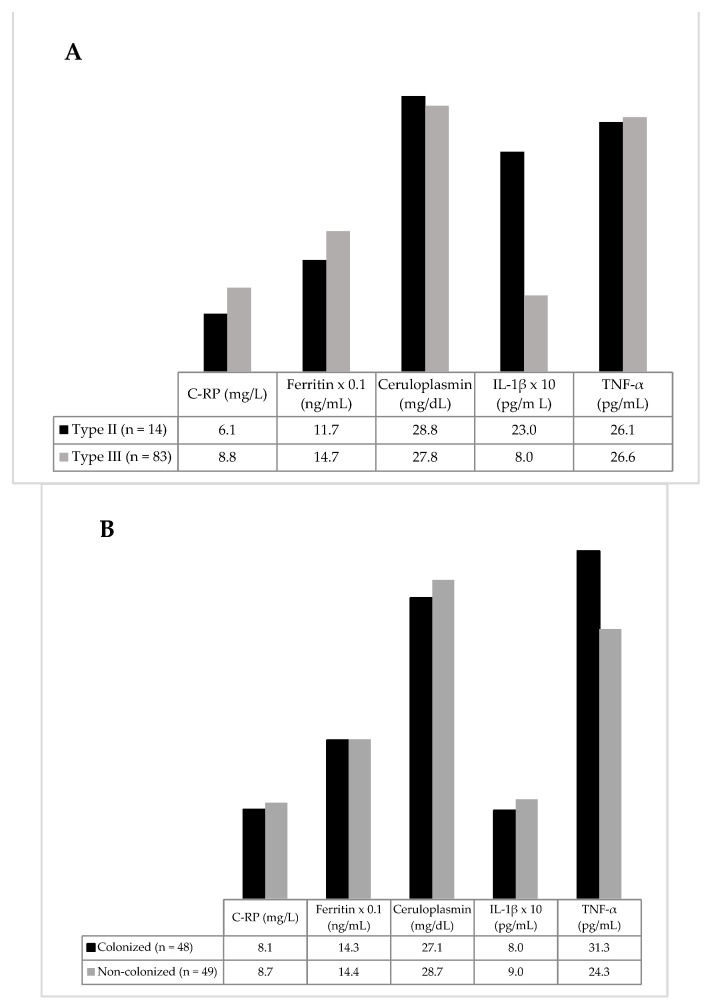
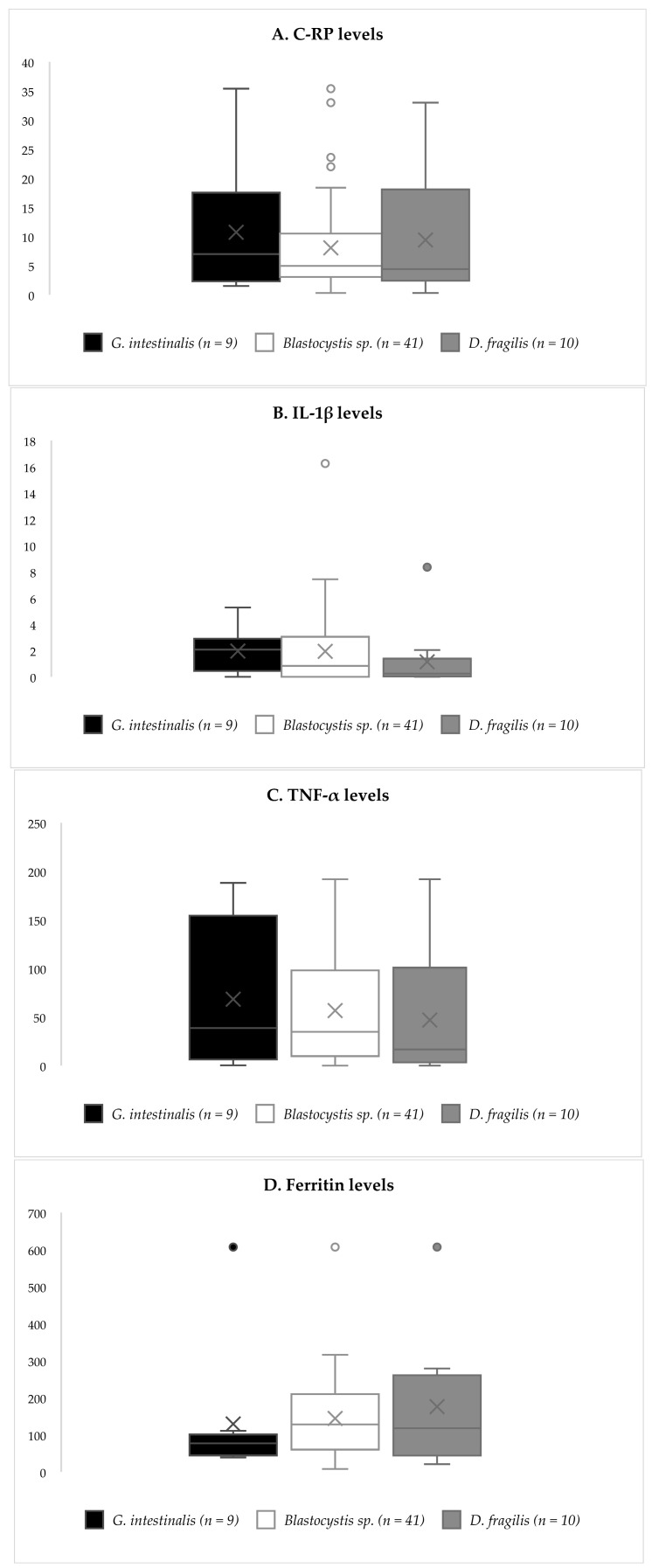
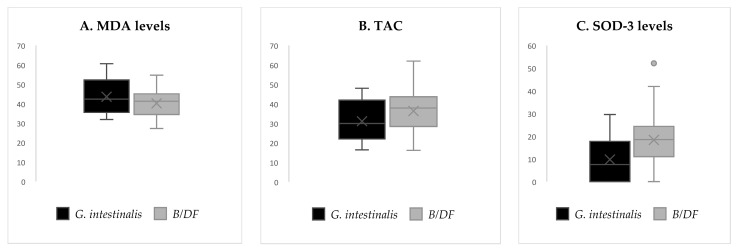
The diagnosis of obesity comprises subjects with totally different phenotypes and metabolic profiles. Systemic inflammation and oxidative stress derived from the white adipose tissue are suggested as the link between this disease and the development of insulin resistance and metabolic comorbidities. The presence of unicellular eukaryotic parasites colonizing the human gut ecosystem is a common circumstance, and yet their influence on the inflammatory and redox status of the obese host has not been assessed. Herein, a set of inflammatory and redox biomarkers were assessed together with a parasitological analysis of 97 severely obese subjects. Information was also collected on insulin resistance and on the antioxidant composition of the diet. The global prevalence of intestinal unicellular parasites was 49.5%, with Blastocystis sp. the most prevalent protozoan found (42.3%). Colonized subjects displayed a higher total antioxidant capacity and a trend towards higher extracellular superoxide dismutase activity, regardless of their insulin resistance status, along with lower reduced glutathione/oxidized glutathione (GSH/GSSG) ratios in plasma in the insulin-resistant subgroup. No changes in malondialdehyde levels, or in inflammatory cytokines in plasma, were found in regard to the colonization status. In conclusion, enteric eukaryotic unicellular parasites may play an important role in modulating the antioxidant defenses of an obese host, thus could have beneficial effects with respect to the development of systemic metabolic disorders.
Overview
The claims and statistics of this paper haven’t been checked yet.
Run the check — free, no account needed. It reads the open-access text and checks the sources it cites.
Integrity signals
Registry
Cites
Statistics
Figures
Verification
Claims the paper makes
The claims and statistics of this paper haven’t been checked yet.
Run the check — free, no account needed. It reads the open-access text and checks the sources it cites.
Claims other papers make about this one
Each is checked against this paper’s own text: does it say what the citing paper says it does?
In the citing paper
“In the interaction between G. intestinalis and the host immune system, secretory IgA (sIgA) plays an important protective role.”
From Parasites and allergies: a complex bidirectional relationship from evolutionary origins to modern therapeutics (2026) · cites this paper as Caudet et al. 2022
In the citing paper
“This immunoglobulin contributes to mucosal defense by limiting microbial and parasitic adhesion to intestinal epithelial cells, neutralizing toxins, supporting barrier integrity, and binding luminal antigens, including food allergens (Caudet et al. 2022; Garzon et al. 2021; Quintero et al. 2017).”
From Parasites and allergies: a complex bidirectional relationship from evolutionary origins to modern therapeutics (2026) · cites this paper as Caudet et al. 2022
Self-check
Percentages, sums and reported differences re-computed from the paper’s own numbers.
The self-check needs the paper’s full text.
Citations
Cites
Garvey, W. T., Mechanick, J. I., Brett, E. M., Garber, A. J., Hurley, D. L., Jastreboff, A. M., Nadolsky, K., Pessah-Pollack, R., & Plodkowski, R. (2016) · Endocrine Practice · doi:10.4158/ep161365.gl · Cited by 1,914
Martínez-González, M. A., García-Arellano, A., Toledo, E., Salas-Salvadó, J., Buil-Cosiales, P., Corella, D., Covas, M. I., Schröder, H., Arós, F., Gómez-Gracia, E., et al. (2012) · PLoS ONE · doi:10.1371/journal.pone.0043134 · Cited by 1,150
Oxidative stress in obesity: A critical component in human diseases
Marseglia, L., Manti, S., D’Angelo, G., Nicotera, A., Parisi, E., Di Rosa, G., Gitto, E., & Arrigo, T. (2014) · International Journal of Molecular Sciences · doi:10.3390/ijms16010378 · Cited by 933
Gomez-Arbelaez, D., Bellido, D., Castro, A. I., Ordoñez-Mayan, L., Carreira, J., Galban, C., Martinez-Olmos, M. A., Crujeiras, A. B., Sajoux, I., & Casanueva, F. F. (2017) · The Journal of Clinical Endocrinology & Metabolism · doi:10.1210/jc.2016-2385 · Cited by 214
Research works printed but not linked: 82
- Kelly, 2008, Global burden of obesity in 2005 and projections to 2030, Int. J. Obes., 32, 1431, 10.1038/ijo.2008.102 · DOI · Paper page
- Jakubiak, G.K., Osadnik, K., Lejawa, M., Osadnik, T., Goławski, M., Lewandowski, P., and Pawlas, N. (2021). “Obesity and Insulin Resistance” Is the Component of the Metabolic Syndrome Most Strongly Associated with Oxidative Stress. Antioxidants, 11. · DOI
- Gálvez, I., Navarro, M.C., Martín-Cordero, L., Otero, E., Hinchado, M.D., and Ortega, E. (2022). The Influence of Obesity and Weight Loss on the Bioregulation of Innate/Inflammatory Responses: Macrophages and Immunometabolism. Nutrients, 14. · DOI
- Xu, H., Li, X., Adams, H., Kubena, K., and Guo, S. (2018). Etiology of metabolic syndrome and dietary intervention. Int. J. Mol. Sci., 20. · DOI
- Kadomoto, S., Izumi, K., and Mizokami, A. (2021). Macrophage Polarity and Disease Control. Int. J. Mol. Sci., 23. · DOI
- Habanjar, O., Diab-Assaf, M., Caldefie-Chezet, F., and Delort, L. (2022). The Impact of Obesity, Adipose Tissue, and Tumor Microenvironment on Macrophage Polarization and Metastasis. Biology, 11. · DOI
- Hertiš Petek, T., Petek, T., Močnik, M., and Marčun Varda, N. (2022). Systemic Inflammation, Oxidative Stress and Cardiovascular Health in Children and Adolescents: A Systematic Review. Antioxidants, 11. · DOI
- Lewitt, 2014, The insulin-like growth factor system in obesity, insulin resistance and type 2 diabetes mellitus, J. Clin. Med., 3, 1561, 10.3390/jcm3041561 · DOI
- Zatterale, 2019, Chronic Adipose Tissue Inflammation Linking Obesity to Insulin Resistance and Type 2 Diabetes, Front. Physiol., 10, 1607, 10.3389/fphys.2019.01607 · DOI · Paper page
- Koliaki, C., and Katsilambros, N. (2022). Repositioning the Role of Tumor Necrosis Factor-Related Apoptosis-Inducing Ligand (TRAIL) on the TRAIL to the Development of Diabetes Mellitus: An Update of Experimental and Clinical Evidence. Int. J. Mol. Sci., 23. · DOI
- Tilg, 2020, The intestinal microbiota fuelling metabolic inflammation, Nat. Rev. Immunol., 20, 40, 10.1038/s41577-019-0198-4 · DOI · Paper page
- Mastrocola, R., Collotta, D., Gaudioso, G., Le Berre, M., Cento, A.S., Ferreira Alves, G., Chiazza, F., Verta, R., Bertocchi, I., and Manig, F. (2020). Effects of exogenous dietary advanced glycation end products on the cross-talk mechanisms linking microbiota to metabolic inflammation. Nutrients, 12. · DOI
- Amar, 2011, Intestinal mucosal adherence and translocation of commensal bacteria at the early onset of type 2 diabetes: Molecular mechanisms and probiotic treatment, EMBO Mol. Med., 3, 559, 10.1002/emmm.201100159 · DOI
- Shi, 2006, TLR4 links innate immunity and fatty acid–induced insulin resistance, J. Clin. Invest., 116, 3015, 10.1172/JCI28898 · DOI · Paper page
- McLaughlin, 2017, Role of innate and adaptive immunity in obesity-associated metabolic disease, J. Clin. Investig., 127, 5, 10.1172/JCI88876 · DOI
- Mailloux, R.J. (2020). An update on mitochondrial reactive oxygen species production. Antioxidants, 9. · DOI
- Brieger, 2012, Reactive oxygen species: From health to disease, Swiss Med. Wkly., 142, w13659
- Karaouzene, 2011, Effects of the association of aging and obesity on lipids, lipoproteins and oxidative stress biomarkers: A comparison of older with young men, Nutr. Metab. Cardiovasc. Dis., 21, 792, 10.1016/j.numecd.2010.02.007 · DOI · Paper page
- Bautista, 2011, Inflammation, oxidative stress, and obesity, Int. J. Mol. Sci., 12, 3117, 10.3390/ijms12053117 · DOI
- Houstis, 2006, Reactive oxygen species have a causal role in multiple forms of insulin resistance, Nature, 440, 944, 10.1038/nature04634 · DOI · Paper page
- Facchini, 2000, Hyperinsulinemia: The missing link among oxidative stress and age-related diseases?, Free. Radic. Biol. Med., 29, 1302, 10.1016/S0891-5849(00)00438-X · DOI
- Grattagliano, 2008, Oxidative stress-induced risk factors associated with the metabolic syndrome: A unifying hypothesis, J. Nutr. Biochem., 19, 491, 10.1016/j.jnutbio.2007.06.011 · DOI
- Kumar Rajendran, N., George, B.P., Chandran, R., Tynga, I.M., Houreld, N., and Abrahamse, H. (2019). The influence of light on reactive oxygen species and NF-κB in disease progression. Antioxidants, 8. · DOI
- Monserrat-Mesquida, M., Quetglas-Llabrés, M., Capó, X., Bouzas, C., Mateos, D., Pons, A., Tur, J.A., and Sureda, A. (2020). Metabolic syndrome is associated with oxidative stress and proinflammatory state. Antioxidants, 9. · DOI
- Albano, 2005, role of oxidative stress in the progression of non-alcoholic steatosis, Aliment. Pharmacol. Ther., 22, 71, 10.1111/j.1365-2036.2005.02601.x · DOI
- Narasimhan, 2010, Oxidative stress is independently associated with non-alcoholic fatty liver disease (NAFLD) in subjects with and without type 2 diabetes, Clin. Biochem., 43, 815, 10.1016/j.clinbiochem.2010.04.003 · DOI
- Ryan, 2012, Oxidative stress and inflammation interactions in human obesity, J. Physiol. Biochem., 68, 701, 10.1007/s13105-012-0154-2 · DOI
- Bryan, 2013, Redox-inflammatory synergy in the metabolic syndrome, Can. J. Physiol. Pharmacol., 91, 22, 10.1139/cjpp-2012-0295 · DOI
- Winer, 2009, Normalization of obesity-associated insulin resistance through immunotherapy, Nat. Med., 15, 921, 10.1038/nm.2001 · DOI · Paper page
- Wiria, 2012, Helminth infection in populations undergoing epidemiological transition: A friend or foe?, Seminars in Immunopathology, Volume 34, 889, 10.1007/s00281-012-0358-0 · DOI · Paper page
- Berbudi, 2016, Parasitic helminths and their beneficial impact on type 1 and type 2 diabetes, Diabetes. Metab. Res., 32, 238, 10.1002/dmrr.2673 · DOI
- Crowe, 2017, Parasite excretory-secretory products and their effects on metabolic syndrome, Parasite Immunol., 39, e12410, 10.1111/pim.12410 · DOI
- Mirza, 2012, Statin pleiotropy prevents rho kinase-mediated intestinal epithelial barrier compromise induced by B lastocystis cysteine proteases, Cell. Microbiol., 14, 1474, 10.1111/j.1462-5822.2012.01814.x · DOI
- Poirier, P., Wawrzyniak, I., Vivarès, C.P., Delbac, F., and El Alaoui, H. (2012). New insights into Blastocystis spp.: A potential link with irritable bowel syndrome. PLoS Pathog., 8. · DOI
- Long, 2001, Blastocystis hominis modulates immune responses and cytokine release in colonic epithelial cells, Parasitol. Res., 87, 1029, 10.1007/s004360100494 · DOI
- Lim, 2014, Differential regulation of proinflammatory cytokine expression by mitogen-activated protein kinases in macrophages in response to intestinal parasite infection, Infect. Immun., 82, 4789, 10.1128/IAI.02279-14 · DOI
- Chadwick, 2002, Activation of the mucosal immune system in irritable bowel syndrome, Gastroenterology, 122, 1778, 10.1053/gast.2002.33579 · DOI · Paper page
- Buret, 2002, Giardia lamblia disrupts tight junctional ZO-1 and increases permeability in non-transformed human small intestinal epithelial monolayers: Effects of epidermal growth factor, Parasitology, 125, 11, 10.1017/S0031182002001853 · DOI
- Cotton, 2015, Disruptions of Host Immunity and Inflammation by Giardia Duodenalis: Potential Consequences for Co-Infections in the Gastro-Intestinal Tract, Pathogens, 4, 764, 10.3390/pathogens4040764 · DOI
- Ozbilge, 2005, Evaluation of oxidative stress in cutaneous leishmaniasis, J. Dermatol., 32, 7, 10.1111/j.1346-8138.2005.tb00705.x · DOI
- Demirci, 2003, Serum iron, zinc and copper levels and lipid peroxidation in children with chronic giardiasis, J. Health Popul. Nutr., 21, 72
- Bosch, 2015, Oxidative stress control by apicomplexan parasites, BioMed Res. Int., 2015, 351289, 10.1155/2015/351289 · DOI
- Kilic, 2003, Serum malondialdehyde level in patients infected with Ascaris lumbricoides, World J. Gastroenterol., 9, 2332, 10.3748/wjg.v9.i10.2332 · DOI
- Caudet, 2021, Presence and significance of intestinal unicellular parasites in a morbidly obese population, Int. J. Obes., 46, 220, 10.1038/s41366-021-00980-6 · DOI
- Caudet, J., Trelis, M., Cifre, S., Soriano, J.M., Rico, H., and Merino-Torres, J.F. (2022). Interplay between Intestinal Bacterial Communities and Unicellular Parasites in a Morbidly Obese Population: A Neglected Trinomial. Nutrients, 14. · DOI
- Hotamisligil, 1993, Adipose expression of tumor necrosis factor-alpha: Direct role in obesity-linked insulin resistance, Science, 259, 87, 10.1126/science.7678183 · DOI · Paper page
- Bouzakri, 2007, MAP4K4 gene silencing in human skeletal muscle prevents tumor necrosis factor-α-induced insulin resistance, J. Biol. Chem., 282, 7783, 10.1074/jbc.M608602200 · DOI
- Owen, J.B., and Butterfield, D.A. (2010). Measurement of oxidized/reduced glutathione ratio. Protein Misfolding and Cellular Stress in Disease and Aging, Springer. · DOI
- Stuehr, 1999, Mammalian nitric oxide synthases, Biochim. Biophys. Acta (BBA)-Bioenerg., 1411, 217, 10.1016/S0005-2728(99)00016-X · DOI · Paper page
- Furukawa, 2017, Increased oxidative stress in obesity and its impact on metabolic syndrome, J. Clin. Invest., 114, 1752, 10.1172/JCI21625 · DOI · Paper page
- Hasan, 2002, Human secretory immune response to fatty acid-binding protein fraction from Giardia lamblia, Infect. Immun., 70, 2226, 10.1128/IAI.70.4.2226-2229.2002 · DOI
- Osuna, 1998, Secretory immune response to membrane antigens during Giardia lamblia infection in humans, Infect. Immun., 66, 756, 10.1128/IAI.66.2.756-759.1998 · DOI
- Bell, 1996, IgE, allergies and helminth parasites: A new perspective on an old conundrum, Immunol. Cell Biol., 74, 337, 10.1038/icb.1996.60 · DOI
- Hagel, 1998, Association between giardiasis and allergy, Ann. Allergy Asthma Immunol., 81, 261, 10.1016/S1081-1206(10)62823-2 · DOI
- Kemona, 2009, IFN-gamma, IL-5, IL-6 and IgE in patients infected with Giardia intestinalis, Folia Histochem. Cytobiol., 47, 93
- Perez, 1994, Evaluation of the immune response in symptomatic and asymptomatic human giardiasis, Arch. Med. Res., 25, 171
- Gray, 2013, Dientamoeba fragilis: A family cluster of disease associated with marked peripheral eosinophilia, Clin. Infect. Dis., 57, 845, 10.1093/cid/cit389 · DOI
- Santos, 1996, Some hematimetric findings in human Giardia lambia infection, Rev. Inst. Med. Trop. São Paulo, 38, 91, 10.1590/S0036-46651996000200002 · DOI
- Chen, 2016, Mysterious chronic urticaria caused by Blastocystis spp.?, Int. J. Dermatol., 55, 259, 10.1111/ijd.13064 · DOI
- Lupton, J.R., Brooks, J., Butte, N.F., Caballero, B., Flatt, J.P., and Fried, S.K. (2002). Dietary Reference Intakes for Energy, Carbohydrate, Fiber, Fat, Fatty Acids, Cholesterol, Protein, and Amino Acids, National Academy Press.
- Huang, 2009, A comprehensive definition for metabolic syndrome, Dis. Model. Mech., 2, 231, 10.1242/dmm.001180 · DOI
- Faria, 2014, Validation Study of Multi-Frequency Bioelectrical Impedance with Dual-Energy X-ray Absorptiometry Among Obese Patients, Obes. Surg., 24, 1476, 10.1007/s11695-014-1190-5 · DOI
- Autier, B., Gangneux, J., and Robert-Gangneux, F. (2020). Evaluation of the AllplexTM Gastrointestinal Panel—Parasite Assay for Protozoa Detection in Stool Samples: A Retrospective and Prospective Study. Microorganisms, 8. · DOI
- Kim, 2020, Detection of Intestinal Protozoa in Korean Patients Using BD MAX Enteric Parasite Panel and Seegene Allplex Gastrointestinal Parasite Assay, Lab. Med. Online, 10, 221, 10.3343/lmo.2020.10.3.221 · DOI
- Ascaso, 2001, Cuantificación de insulinorresistencia con los valores de insulina basal e índice HOMA en una población no diabética, Med. Clínica, 117, 530, 10.1016/S0025-7753(01)72168-9 · DOI
- Carretero, 2014, In vitro/in vivo screening of oxidative homeostasis and damage to DNA, protein, and lipids using UPLC/MS-MS, Anal. Bioanal. Chem., 406, 5465, 10.1007/s00216-014-7983-5 · DOI
- Verdon, 1995, Sample pretreatment with nitrate reductase and glucose-6-phosphate dehydrogenase quantitatively reduces nitrate while avoiding interference by NADP when the Griess reaction is used to assay for nitrite, Anal. Biochem., 224, 502, 10.1006/abio.1995.1079 · DOI
- Reeves, 2013, A positive association between T. gondii seropositivity and obesity, Front. Public Health, 1, 73, 10.3389/fpubh.2013.00073 · DOI
- Salem, 2021, Association between Toxoplasma gondii infection and metabolic syndrome in obese adolescents: A possible immune-metabolic link, Parasitol. Int., 83, 102343, 10.1016/j.parint.2021.102343 · DOI
- Brooks, 2010, Relation of C-reactive protein to abdominal adiposity, Am. J. Cardiol., 106, 56, 10.1016/j.amjcard.2010.02.017 · DOI
- Festa, 2001, The relation of body fat mass and distribution to markers of chronic inflammation, Int. J. Obes., 25, 1407, 10.1038/sj.ijo.0801792 · DOI
- Grossmann, 2015, Profile of the immune and inflammatory response in individuals with prediabetes and type 2 diabetes, Diabetes Care, 38, 1356, 10.2337/dc14-3008 · DOI · Paper page
- Savini, 2013, Obesity-associated oxidative stress: Strategies finalized to improve redox state, Int. J. Mol. Sci., 14, 10497, 10.3390/ijms140510497 · DOI
- Chandramathi, 2010, High levels of oxidative stress in rats infected with Blastocystis hominis, Parasitology, 137, 605, 10.1017/S0031182009991351 · DOI
- Wang, 2012, Dietary total antioxidant capacity is associated with diet and plasma antioxidant status in healthy young adults, J. Acad. Nutr. Diet., 112, 1626, 10.1016/j.jand.2012.06.007 · DOI
- Keaney, 2003, Obesity and Systemic Oxidative Stress, Arterioscler. Thromb. Vasc. Biol., 23, 434, 10.1161/01.ATV.0000058402.34138.11 · DOI · Paper page
- Olusi, 2002, Obesity is an independent risk factor for plasma lipid peroxidation and depletion of erythrocyte cytoprotectic enzymes in humans, Int. J. Obes., 26, 1159, 10.1038/sj.ijo.0802066 · DOI
- Ozata, 2002, Increased oxidative stress and hypozincemia in male obesity, Clin. Biochem., 35, 627, 10.1016/S0009-9120(02)00363-6 · DOI
- Hermsdorff, 2011, Dietary total antioxidant capacity is inversely related to central adiposity as well as to metabolic and oxidative stress markers in healthy young adults, Nutr. Metab., 8, 59, 10.1186/1743-7075-8-59 · DOI
- Esposito, 2006, Oxidative stress in the metabolic syndrome, J. Endocrinol. Invest., 29, 791, 10.1007/BF03347372 · DOI
- Tinahones, 2009, Oxidative stress in severely obese persons is greater in those with insulin resistance, Obesity, 17, 240, 10.1038/oby.2008.536 · DOI
- Maschirow, 2015, Inflammation, coagulation, endothelial dysfunction and oxidative stress in prediabetes—Biomarkers as a possible tool for early disease detection for rural screening, Clin. Biochem., 48, 581, 10.1016/j.clinbiochem.2015.02.015 · DOI
Cited by
Sorted by citations
Packi, K., Świerczewski, D., Klimczak, S., Ochab, D., Gałęziewska, J., Gromek, P., Kruczkowska, W., Płuciennik, E., Kałuzińska-Kołat, Ż., & Kołat, D. (2026) · Antonie van Leeuwenhoek · doi:10.1007/s10482-026-02425-4
Metadata
- Authors
- Caudet, J., Trelis, M., Cifre, S., Tapia, G., Soriano, J. M., Rodrigo, R., & Merino-Torres, J. F.
- Venue
- Antioxidants
- Publisher
- MDPI AG
- Published
- 2022-10-23
- Volume
- 11
- Issue
- 11
- Pages
- 2090
- ISSN
- 2076-3921
- PMC
- PMC9686585
- Cited by
- 6
- References
- 4
- Language
- en
- Funders
- La Fe Health Research Institute (2014/0396, 2015/0359)
About these checks
Registry, retraction, Cites and statistics results are computed, not judged, with one exception: a printed reference that no index lists is read once by a model before it counts as a citation error. Claims are extracted by a model and kept only when their quote appears verbatim in the text; each cited source is then checked, with a model’s help, for whether it says what the claim relies on. Those verdicts can be wrong — read the claim’s quote and the cited source before relying on one.
Statistics and arithmetic are recomputed, not judged.
Confidence bands are shown only for fields calibrated on our annotated test set. None is calibrated yet, so no band is shown.
What counts as a claim ›How we measure confidence ›How we check this ›
Are you an author, or do you see a problem with this page? Request a review
How to cite
Cite CoChat for the checks on this page, and the paper for its own findings.
- This page
- CoChat. (2026). Citation check: Do Intestinal Unicellular Parasites Have a Role in the Inflammatory and Redox Status among the Severely Obese? https://app.cochat.ai/papers/10.3390/antiox11112090
- The paper
- Caudet, J., Trelis, M., Cifre, S., Tapia, G., Soriano, J. M., Rodrigo, R., & Merino-Torres, J. F. (2022). Do Intestinal Unicellular Parasites Have a Role in the Inflammatory and Redox Status among the Severely Obese? Antioxidants. https://doi.org/10.3390/antiox11112090
