

Explainable Artificial Intelligence (XAI) for Intrusion Detection and Mitigation in Intelligent Connected Vehicles: A Review
Open accessThe DOI matches its Crossref record; 126 of the 126 references it cites were found in a registry or an index.
Abstract
The potential for an intelligent transportation system (ITS) has been made possible by the growth of the Internet of things (IoT) and artificial intelligence (AI), resulting in the integration of IoT and ITS—known as the Internet of vehicles (IoV). To achieve the goal of automatic driving and efficient mobility, IoV is now combined with modern communication technologies (such as 5G) to achieve intelligent connected vehicles (ICVs). However, IoV is challenged with security risks in the following five (5) domains: ICV security, intelligent device security, service platform security, V2X communication security, and data security. Numerous AI models have been developed to mitigate the impact of intrusion threats on ICVs. On the other hand, the rise in explainable AI (XAI) results from the requirement to inject confidence, transparency, and repeatability into the development of AI for the security of ICV and to provide a safe ITS. As a result, the scope of this review covered the XAI models used in ICV intrusion detection systems (IDSs), their taxonomies, and outstanding research problems. The results of the study show that XAI though in its infancy of application to ICV, is a promising research direction in the quest for improving the network efficiency of ICVs. The paper further reveals that XAI increased transparency will foster its acceptability in the automobile industry.
Overview
The claims and statistics of this paper haven’t been checked yet.
Free: it reads the open-access text and checks the first 5 claims that cite a source we can check. Create a free account to check every claim.
Integrity signals
Registry
Cites
Statistics
Figures
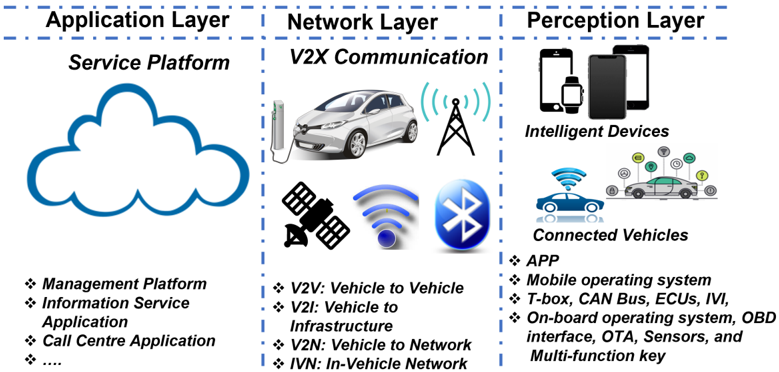
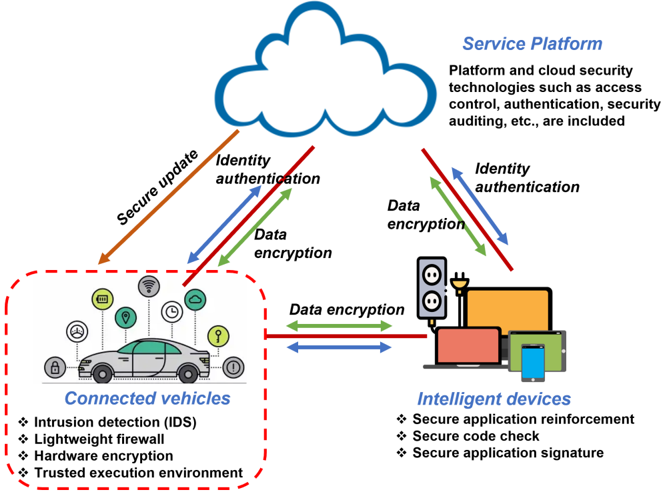
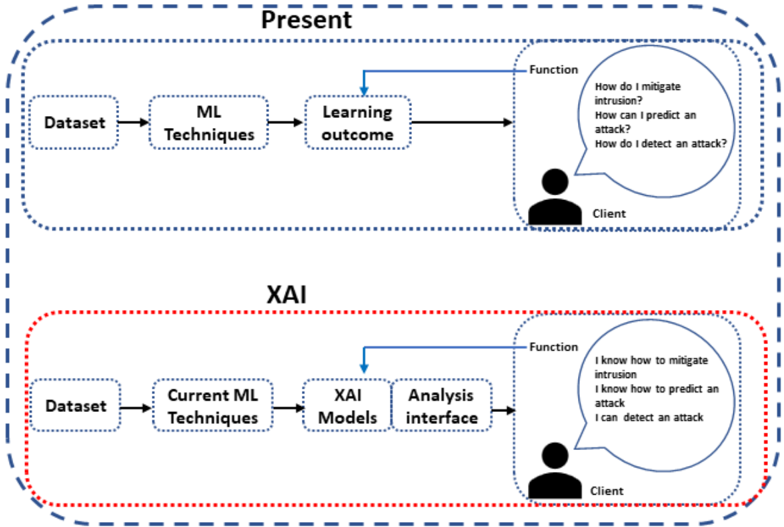
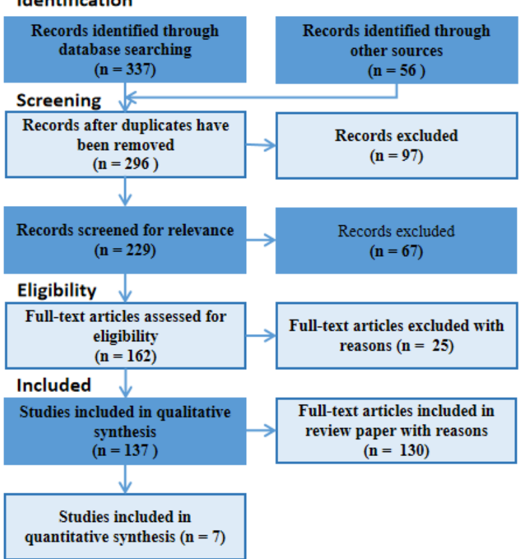
Verification
Claims the paper makes
The claims and statistics of this paper haven’t been checked yet.
Free: it reads the open-access text and checks the first 5 claims that cite a source we can check. Create a free account to check every claim.
Claims other papers make about this one
Each is checked against this paper’s own text: does it say what the citing paper says it does?
The source backs part of the claim, not all of it — or backs it for a different population, condition or comparison.
In the citing paper
“In cybersecurity practice, XAI has become critical not only for intrusion detection systems, where it helps reduce false positives and improve analyst trust, but also in IoT and IIoT networks, where it highlights abnormal device behavior, and in forensic and compliance contexts, where transparency is necessary to meet regulatory demands such as the EU AI Act (Nwakanma et al., 2023;Moustafa et al.,”
From Explainable AI: enhancing decision-making in the detection of cyber threats (2026) · cites this paper as Nwakanma et al., 2023
Experimental — accuracy not yet measured
Self-check
Percentages, sums and reported differences re-computed from the paper’s own numbers.
The self-check needs the paper’s full text.
Citations
Cites
Preferred reporting items for systematic reviews and meta-analyses: The PRISMA statement
Moher, D., Liberati, A., Tetzlaff, J., Altman, D. G., & the PRISMA Group* (2009) · Annals of Internal Medicine · doi:10.7326/0003-4819-151-4-200908180-00135 · Cited by 37,554
A Unified Approach to Interpreting Model Predictions
Lundberg, S., & Lee, S.-I. (2017) · arXiv · doi:10.48550/arxiv.1705.07874 · Cited by 23,707
"Why Should I Trust You?": Explaining the Predictions of Any Classifier
Ribeiro, M. T., Singh, S., & Guestrin, C. (2016) · Proceedings of the 22nd ACM SIGKDD International Conference on Knowledge Discovery and Data Mining · doi:10.1145/2939672.2939778 · Cited by 17,555
Arrieta, A. B., Díaz-Rodríguez, N., Del Ser, J., Bennetot, A., Tabik, S., Barbado, A., García, S., Gil-López, S., Molina, D., Benjamins, R., et al. (2019) · arXiv · doi:10.48550/arxiv.1910.10045 · Cited by 11,321
Barredo Arrieta, A., Díaz-Rodríguez, N., Del Ser, J., Bennetot, A., Tabik, S., Barbado, A., Garcia, S., Gil-Lopez, S., Molina, D., Benjamins, R., et al. (2020) · Information Fusion · doi:10.1016/j.inffus.2019.12.012 · Cited by 10,423
Grad-CAM: Visual Explanations from Deep Networks via Gradient-Based Localization
Selvaraju, R. R., Cogswell, M., Das, A., Vedantam, R., Parikh, D., & Batra, D. (2020) · International Journal of Computer Vision · doi:10.1007/s11263-019-01228-7 · Cited by 6,909
Peeking Inside the Black-Box: A Survey on Explainable Artificial Intelligence (XAI)
Adadi, A., & Berrada, M. (2018) · IEEE Access · doi:10.1109/access.2018.2870052 · Cited by 6,294
Survey of intrusion detection systems: Techniques, datasets and challenges
Khraisat, A., Gondal, I., Vamplew, P., & Kamruzzaman, J. (2019) · Cybersecurity · doi:10.1186/s42400-019-0038-7 · Cited by 2,024
Ahmad, Z., Shahid Khan, A., Wai Shiang, C., Abdullah, J., & Ahmad, F. (2021) · Transactions on Emerging Telecommunications Technologies · doi:10.1002/ett.4150 · Cited by 1,288
Autonomous vehicle perception: The technology of today and tomorrow
Van Brummelen, J., O’Brien, M., Gruyer, D., & Najjaran, H. (2018) · Transportation Research Part C: Emerging Technologies · doi:10.1016/j.trc.2018.02.012 · Cited by 869
Research works printed but not linked: 8
- 7. Mütze, F. Cooperative Intelligent Transport Systems (C-ITS) ; European Transport Safety Council: Brussels, Belgium, November 2017; pp. 1-12. Available online: https://etsc.eu/briefing-cooperative-intelligent-transport-systems-c-its/ (accessed on 8 January 2023).
- 12. Consortium, C.C. C-ITS: Cooperative Intelligent Transport Systems and Services. In Proceedings of the 16th Car 2 CAr Forum. Car 2 CAr Communication Consortium, Moses Lake, WA, USA, 28-29 September 2022. Available online: https://www.car-2-car. org/about-c-its/ (accessed on 11 January 2023).
- 30. Taparia, A. IoT 2022 in reveiew: The 10 most relevant IoT developments of the year. In Proceedings of the IoT Analytics: Market Insights for the Internet of Things, Hamburg, Germany, 9 January 2023. Available online: https://iot-analytics.com/iot-2022-inreview/ (accessed on 9 January 2023).
- 61. Tian, H. Introduction of IoV Security ; China Academy of Information and Communication Technology (CAICT): Beijing, China, 2017; pp. 1-59.
- 62. Mandal, S. Protecting Software-defined Vehicles with Cybersecurity Solutions. In Proceedings of the Connected Vehicle 2022 Summit: From ADAS to Autonomous Mobility, Bengaluru, India, 4-6 May 2022.
- 71. Slijepcevic, D.; Horst, F.; Lapuschkin, S.; Raberger, A.M.; Zeppelzauer, M.; Samek, W.; Breiteneder, C.; Schöllhorn, W.I.; Horsak, B. On the Explanation of Machine Learning Predictions in Clinical Gait Analysis. arXiv 2019 , arXiv:1912.07737. · arXiv
- 120. Heijden, R.W.V.D.; Lukaseder, T.; Kargl, F. VeReMi: A Dataset for Comparable Evaluation of Misbehavior Detection in VANETs. arXiv 2018 , arXiv:1804.06701. · arXiv
- 125. Goodfellow, I.; Bengio, Y.; Courville, A. Deep Learning ; MIT Press: Cambridge, MA, USA, 2016. Available online: http://www. deeplearningbook.org (accessed on 5 January 2023).
Cited by
Items 101–200 of 229
Alohali, M. A., Aljebreen, M., Aḥmad, N., Alahmari, S., Albouq, S. S., Alqazzaz, A., Alkhiri, H., & Said, Y. (2025) · Scientific Reports · doi:10.1038/s41598-025-10601-1 · Cited by 9
Explainable DNN for smart contract vulnerability detection in the Metaverse
Nkoro, E. C., Ahakonye, L. A. C., & Kim, D. (2025) · High-Confidence Computing · doi:10.1016/j.hcc.2025.100374 · Cited by 5
Self-citationThanh, D. H. (2026) · PLoS ONE · doi:10.1371/journal.pone.0346801 · Cited by 5
“Widely used post-hoc explanation techniques such as LIME and SHAP provide model-agnostic feature attri-butions [19,20], and broader surveys emphasize the importance of interpretability in security-critical ML systems [40,41], particularly in emerging industrial and operational settings [42].”
Islam, M. S., Ahmed, F., Ishtiaq, W., Hossain, M. A., Islam, M. S., & Tarek, M. M. (2026) · Journal on Information Security · doi:10.1186/s13635-026-00234-w · Cited by 5
“The avionics and applications of UAV were thoroughly described by Mohsan et al. and Hashim as, despite the promise of ML/DL, the power of the onboard system and processing has been a significant constraint to implementing sophisticated security solutions [27].”
Choudhuri, E. A. S. S. (2023) · International Journal on Recent and Innovation Trends in Computing and Communication · doi:10.17762/ijritcc.v11i11.10063 · Cited by 5
IoT-Aided Intelligent Irrigation System Using Edge Computing
Ayoade, I. A., Nwakanma, C. I., Alimi, S., Akinde, O. K., Adebisi, O. A., Oladeji, D., Ajayi, D. B., & Kayode, M. I. (2023) · International Conference on Multidisciplinary Engineering and Applied Science (ICMEAS) · doi:10.1109/icmeas58693.2023.10429854 · Cited by 5
“Despite numerous sensor-based smart irrigation systems developed over time, concerns persist regarding their reliability, particularly as data volume grows and the latency rate of IoT devices becomes a pertinent issue [10], [11].”
BackgroundSelf-citationDynamic Deployment of Mobile Roadside Units in Internet of Vehicles
Abdel-Hakim, A. E., Deabes, W. A., Bouazza, K. E., & Hedar, A.-R. (2024) · IEEE Access · doi:10.1109/access.2024.3481168 · Cited by 5
Detecting and explaining anomalies in industrial Internet of things systems using an autoencoder
Levshun, D., Levshun, D. S., & Kotenko, I. V. (2025) · Ontology of Designing · doi:10.18287/2223-9537-2025-15-1-96-113 · Cited by 7
“В данном случае большим подспорьем для операторов систем безопасности становится объяснимый ИИ ( ОИИ ) [5].”
Gupta, U. C., Pranav, A., Dubey, A., Modi, R. K., & Singh, A. (2025) · Springer eBooks · doi:10.1007/978-981-96-2355-6_15 · Cited by 5
Nageshwaran, V., & Ezekiel, S. (2026) · Electronics · doi:10.3390/electronics15122740 · Cited by 4
Explainable AI Intrusion Detection System: Improving Transparency and Trust in Cybersecurity
Onyilo, J., & Uzuegbu, V. C. (2025) · Nature Journal of Emerging Sciences Technologies and Innovations · doi:10.65752/e5fa2b27 · Cited by 8
Pawlicka, A., Pawlicki, M., Kozik, R., & Choraś, M. (2023) · IEEE ... International Conference on Data Mining workshops · doi:10.1109/icdmw60847.2023.00038 · Cited by 4
“The actions they take subsequently are based on enhanced, deeper understanding of how the system makes its decisions [24] [25].”
BackgroundAgrawal, R., & Sharma, K. (2024) · Revue d intelligence artificielle · doi:10.18280/ria.380321 · Cited by 8
Katbar, N. M., Hakeem, A., Ahmed, I., & Abbass, G. (2024) · Proceedings of the Bulgarian Academy of Sciences · doi:10.7546/crabs.2024.08.09 · Cited by 4
“Drone security is becoming increasingly popular with AI-based IE models [6].”
BackgroundEmerald, S. C., & Vengattaraman, T. (2025) · Engineering Technology & Applied Science Research · doi:10.48084/etasr.10070 · Cited by 4
Interpreting Intrusions - The Role of Explainability in AI-Based Intrusion Detection Systems
Pawlicki, M., Pawlicka, A., Śrutek, M., Kozik, R., & Choraś, M. (2023) · Lecture notes in networks and systems · doi:10.1007/978-3-031-41630-9_5 · Cited by 4
Integrated Explainable AI for Financial Risk Management: A Systematic Approach
Murthy, P. G., Gaur, S., -, T. J., Sivarethinamohan, R., Sharma, G., & Rathore, R. (2025) · IEEE International Conference on Interdisciplinary Approaches in Technology and Management for Social Innovation (IATMSI) · doi:10.1109/iatmsi64286.2025.10984539 · Cited by 4
“Their work demonstrated how much XAI improves cybersecurity by providing understandable insights into possible threats and their mitigation strategies [5].”
Nageshwaran, V., & Ezekiel, S. (2026) · doi:10.20944/preprints202606.0142.v1 · Cited by 4
Nauman, M. A., Akhtar, H. M. U., Gorbani, H., Hassan, M. H. U., & Fayyaz, M. A. B. (2025) · Frontiers in Big Data · doi:10.3389/fdata.2025.1688091 · Cited by 7
Zia, M. F., Ouameur, M. A., Bagaa, M., Massicotte, D., & Ksentini, A. (2026) · Computer Networks · doi:10.1016/j.comnet.2026.112142 · Cited by 3
EL-Alert: An Explainable Lightweight AST Model for Military Situational Awareness and Surveillance
Njoku, J. N., Nwakanma, C. I., Lee, J., & Kim, D.-S. (2024) · International Conference on Information and Communication Technology Convergence (ICTC) · doi:10.1109/ictc62082.2024.10826893 · Cited by 3
“EL-Alert incorporates multiple XAI techniques, including gradient-weighted class activation mapping (Grad-CAM) [8], [9] and integrated gradients (IG) [10], to enhance interpretability.”
Self-citationBEPCD: an ensemble learning-based intrusion detection framework for in-vehicle CAN bus
Xu, B., Cao, F., Li, X., Tian, S., Deng, W., & Yue, S. (2025) · PeerJ Computer Science · doi:10.7717/peerj-cs.3108 · Cited by 4
“…leads to suboptimal fusion of model-speci fi c strengths and lacks decision transparency — opaque aggregation in frameworks like DivaCAN ( Khan et al., 2024 ) and FFS-IDS ( Altalbe, 2023 ) obscures model contributions, hindering trust in safety-critical automotive systems ( Nwakanma et al., 2023 ).”
Chitnis, A., Chandre, P. R., & Pathan, S. (2023) · International Conference on Communication and Electronics Systems (ICCES) · doi:10.1109/icces57224.2023.10192764 · Cited by 3
Towards explainable artificial intelligence: history, present scenarios, and future trends
Okoro, E. M., Umagba, A. O., Abara, B. A., Isa, Z. S., & Buhari, A. (2024) · Elsevier eBooks · doi:10.1016/b978-0-323-95315-3.00006-1 · Cited by 4
An Explainable Deep Learning Intrusion Detection in IoT-Enabled Transportation Networks
Barthwal, A., & Raheja, S. (2023) · International Conference on Advances in Computation, Communication and Information Technology (ICAICCIT) · doi:10.1109/icaiccit60255.2023.10466149 · Cited by 3
“In an effort to allow teams to identify the model which will most effectively fulfil their particular security demands, we intend to analyze the performance of many different approaches with the goal to narrow down the benefits and drawbacks of each method [9].”
BackgroundPatel, T., Jhaveri, R. H., Sidana, S., & Benedetto, F. (2024) · International Conference and Utility Exhibition on Energy, Environment and Climate Change (ICUE) · doi:10.1109/icue63019.2024.10795550 · Cited by 3
Validating network attack concepts: A TCAV-driven approach
Robinson, R. R. R., Prasad, R. R., Thomas, C., & Balakrishnan, N. (2024) · Journal of Computer Virology and Hacking Techniques · doi:10.1007/s11416-024-00535-z · Cited by 2
Sangheethaa, S., & Korath, A. (2025) · Journal of Posthumanism · doi:10.63332/joph.v5i6.2300 · Cited by 3
On trust in autonomous shipping systems of critical information infrastructure
Баранов, Л. А., & Феодосьевич, М. И. (2025) · T-Comm - Телекоммуникации и Транспорт · doi:10.36724/2072-8735-2025-19-6-52-59 · Cited by 2
Rossberg, N., Kleinberg, B., O’Sullivan, B., Longo, L., & Visentin, A. (2026) · Computers in Human Behavior Reports · doi:10.1016/j.chbr.2026.101414 · Cited by 2
Awan, S. A., Abbasi, M. A., Burdi, A., Panhwar, A. O., & Sathio, A. A. (2026) · VFAST Transactions on Software Engineering · doi:10.21015/vtse.v14i1.2286 · Cited by 2
Sabitu, R. I., & Malekmohammadi, A. (2026) · Sensors · doi:10.3390/s26072044 · Cited by 4
Kavitha, P. N., Devi, G. N. R., Chitti, S., Sudhakar, G., Lakshmanarao, A., & G.Mahalakshmi (2026) · Discover Computing · doi:10.1007/s10791-026-10097-x · Cited by 2
Protecting Hybrid ITS Networks: A Comprehensive Security Approach
Severino, R., Simão, J., Datia, N., & Serrador, A. (2023) · Future Internet · doi:10.3390/fi15120388 · Cited by 2
X-HDNN: Explainable Hybrid DNN for Industrial Internet of Things Backdoor Attack Detection
Ahakonye, L. A. C., Nwakanma, C. I., Lee, J. M., & Kim, D. (2023) · International Conference on Information and Communication Technology Convergence (ICTC) · doi:10.1109/ictc58733.2023.10393379 · Cited by 2
“Additionally, an explainable artificial intelligence (XAI) technique, precisely the SHapley Additive exPlanations (SHAP), is employed to provide comprehensive interpretations of attack classifications, enhancing trustworthiness and model transparency [3], [4].”
MethodSelf-citationResearch on Camera Rotation Strategies for Active Visual Perception in the Self-Driving Vehicles
Kong, X., Shi, S., Yan, B., Si, S., Ni, J., Guo, D., Wang, P., Wang, L., & Xu, Y. (2024) · Actuators · doi:10.3390/act13080317 · Cited by 4
Leveraging Blockchain for IoT Network Security Enhancement: A Comprehensive Survey
Kadhum, A. N., & Al-Salih, A. M. (2024) · International Jordanian Cybersecurity Conference (IJCC) · doi:10.1109/ijcc64742.2024.10847277 · Cited by 2
“This is done by means of techniques in the class of feature attribution, model summarization, counterfactual justifications, and causal modeling for enhanced transparency and accountability [16].”
Cyber Threats: A Comparative Analysis for Detecting Threats Using ML Approach
Vandna, & Gupta, A. (2025) · Information systems engineering and management · doi:10.1007/978-3-031-90482-0_38 · Cited by 2
Феодосьевич, М. И. (2025) · Dependability · doi:10.21683/1729-2646-2025-25-2-39-47 · Cited by 2
Collaborative multi-agent XRL for threat detection in mobile edge network traffic
Saeed, M. Y., He, J., Zhu, N., Farhan, M., Almadhor, A. S., Gadekallu, T. R., & Iqbal, S. (2025) · Complex & Intelligent Systems · doi:10.1007/s40747-025-02079-1 · Cited by 2
“In network security, for example, XRL can provide explanations for why a particular traffic pattern is flagged as suspicious or why a certain action is recommended to mitigate a perceived threat [15].”
Automated CVE severity prediction using deep learning and explainable AI
Yasin, O., Al-Haija, Q. S. A., & AbuHour, Y. (2026) · Discover Computing · doi:10.1007/s10791-026-10028-w · Cited by 2
Human-Centric Enterprise Security: Advancing Access Control through AI-Driven AdministrationPreprint
Mariam, A., & Berrada, A. (2024) · doi:10.22541/au.170708972.23906177/v1 · Cited by 5
Human-Centric Enterprise Security: Advancing Access Control through AI-Driven AdministrationPreprint
Mariam, A., Berrada, A., & Nakamura, S. (2024) · OSF Preprints (OSF Preprints) · doi:10.31219/osf.io/6utz2 · Cited by 4
Ai Safety and Cyber Resilience in Iot-Blockchain Urban Systems for Sustainable Development: A ReviewPreprint
Rahim, F. A., Azmi, N. N., & Hassan, N. H. (2025) · SSRN Electronic Journal · doi:10.2139/ssrn.5180648 · Cited by 2
Deep Skin Cancer Lesions Classification Scheme
Amaizu, G. C., Ahakonye, L. A. C., Kim, D., & Lee, J. (2023) · International Conference on Information and Communication Technology Convergence (ICTC) · doi:10.1109/ictc58733.2023.10393179 · Cited by 2
“Nevertheless, their opaque nature hinders their adoption in clinical settings, making it challenging for medical professionals to comprehend and trust the model’s predictions [6], [7].”
BackgroundSelf-citationA Novel Approach to the Use of Explainability to Mine Network Intrusion Detection Rules
Uccello, F., Pawlicki, M., D’Antonio, S., Kozik, R., & Choraś, M. (2024) · Lecture notes in computer science · doi:10.1007/978-981-97-4982-9_6 · Cited by 1
Retracted: Towards Autonomous Intrusion Detection: Leveraging Artificial Intelligence
Rex, M. J., Chattopadhyay, S., Kumar, K., Shukla, R. P., Manwal, M., & Julee (2024) · International Conference on Computing, Communication and Networking Technologies (ICCCNT) · doi:10.1109/icccnt61001.2024.10724867 · Cited by 1
“They can also examine and adapt to new and rising threats, making them extra powerful in preventing and detecting cyber-attacks [3].”
BackgroundRetractedAn Explanatory Machine Learning Method for the Identification of DDoS Attacks in SDN Architectures
Rathore, H., & Ratnawat, R. (2024) · Asian Conference on Innovation in Technology (ASIANCON) · doi:10.1109/asiancon62057.2024.10838034 · Cited by 1
“Utilizing black-box AI to safeguard vital applications can give conception to significant concerns and inquiries regarding responsibility among users [9].”
A Hybrid Explainable AI Framework for Enhancing Trust and Transparency in Autonomous Vehicles
Shinde, R. K., Shinde, K. D., & Mehta, H. (2025) · International Conference on Emerging Smart Computing and Informatics (ESCI) · doi:10.1109/esci63694.2025.10987990 · Cited by 2
“Also, most current methodologies on XAI are mainly based on post-hoc explanation and do not use interpretability in the central designing of AV systems; thus, limiting their usage in real-time applications [18].”
Integrating Explainable AI in IoT for Enhancing Software Performance
Padmaja, C., & Kumar, T. K. (2025) · Advances in computational intelligence and robotics book series · doi:10.4018/979-8-3373-0370-3.ch011 · Cited by 1
Aljohani, A. M., & Elgendi, I. (2024) · International Journal of Network Security & Its Applications · doi:10.5121/ijnsa.2024.16205 · Cited by 1
“Another investigation in [16] offered a thorough analysis of XAI in intelligent connected cars (ICVs) for the purpose of intrusion detection and mitigation.”
BackgroundResource Allocation for RIS-ISAC Internet of Vehicles based on LSTM-DDPG
Li, X., Liu, X., Liang, C., Peng, L., Zhao, Y., & Huang, L. (2025) · IEEE Vehicular Technology Conference · doi:10.1109/vtc2025-spring65109.2025.11174372 · Cited by 1
Zabi Ur Rahaman, K., Giri, M., Gottumukkala, D. P., Babu, N., Anandan, B., & Rao, M. M. (2025) · International Conference on Computational Intelligence and Communication Networks (CICN) · doi:10.1109/cicn67655.2025.11368081 · Cited by 1
“To overcome from these problems, appropriate models need to be implemented over vehicle communication network to safeguard vehicle riding information from hackers [19].”
XGBoost vs. LightGBM: An XAI Approach to National Vehicle Fleet Analysis
Chango, W. G., Velasteguí-Izurieta, H., Naranjo, W. P. P., Monar, J. S. M., Lasso, R. M. M., Naranjo, S. I. L., López-Paredes, C. R., Ponce, J. E., Peñafiel, G. E. S., Orozco, Á. P. F., et al. (2026) · Computation · doi:10.3390/computation14040081 · Cited by 1
Uddin, A. A., Nayeem, A., & Bhuiyan, T. (2026) · Automation · doi:10.3390/automation7030080 · Cited by 1
Lee, J., Kim, K., & Lee, K. (2026) · Applied Sciences · doi:10.3390/app16147247 · Cited by 1
Crítica y redefinición de la planeación estratégica: hacia un enfoque adaptativo
Fonseca, F. R., Silva, H. F. C., & Avella, J. D. P. A. (2017) · Mundo FESC · doi:10.21512/jas.v5i1.2129 · Cited by 1
Designing a Standardized Process for Automotive Cyber Security Incident Management
Han, M., & Liu, J. (2023) · International Conference on Electrical, Mechanical and Computer Engineering (ICEMCE) · doi:10.1109/icemce60359.2023.10490855 · Cited by 1
A Hybrid SHAP-RNN Model for Predicting and Explaining DDoS Attacks on IoT Networks
Aljohani, A. M., & Elgendi, I. (2024) · doi:10.5121/csit.2024.140608 · Cited by 1
Exploring Explainable Ai: A Paradigm Shift in Building Transparent Intrusion Detection ModelsPreprint
Chinu, & Bansal, U. (2024) · SSRN Electronic Journal · doi:10.2139/ssrn.4691420
Fuzzy Artificial Intelligence as a Technique to Find Relative Desirability for Fake Review Detection
Firos, A., & Khanum, S. (2024) · Information systems engineering and management · doi:10.1007/978-3-031-65727-6_18
Ethical Considerations in Using Fuzzy Artificial Intelligence for Detecting Fake Reviews
Firos, A., & Khanum, S. (2024) · Advances in human and social aspects of technology book series · doi:10.4018/979-8-3693-4147-6.ch013
Explainable Artificial Intelligence Model for Electricity Usage Prediction in Nigeria
Alilu, G. E., Okorie, G. C., Ayoade, I. A., Obonna, U. O., Akinde, O. K., & Nwakanma, C. I. (2024) · IEEE Nigeria International Conference on Disruptive Technologies for Sustainable Development (NIGERCON) · doi:10.1109/nigercon62786.2024.10927260
“According to [11]–[14], an ML model’s prediction, f ( x ) , can be represented as the sum of its computed SHAP values, plus a fixed base value, such that:”
InfluentialSelf-citationBetween Cognitive Augmentation and Atrophy: AI’s Role in Reshaping Human Intelligence
Al-Abyadh, M., Noor, L. K., & Fawzi, A. (2025) · Interciencia · doi:10.59671/uk4mf · Cited by 1
Construction and Application of Attack Tactics and Tactics System for Intelligent Connected Vehicles
Wang, X., Li, R., Luo, L., Luo, W., Chen, L., Yuan, X., & Guo, B. (2025) · Communications in computer and information science · doi:10.1007/978-981-96-4509-1_30
A Research Survey on Network Intrusion Detection for AIoT
Luo, J., Xiao, K., Wang, G., & Li, M. (2025) · Communications in computer and information science · doi:10.1007/978-981-96-4509-1_4
Diabetes Prediction Using Machine Learning Technique in Health-Care Applications
Kumari, A., Naveena, & Manjula (2025) · Advances in computational intelligence and robotics book series · doi:10.4018/979-8-3373-0370-3.ch012
Practical Guidelines for Building Explainable, Efficient, and Robust Machine Learning SystemsPreprint
Zheng, H., & Ru, Z. (2025) · Engineering Archive (engrXiv) · doi:10.31224/4744
Xu, L. D. (2025) · Applied and Computational Engineering · doi:10.54254/2755-2721/2025.gl25197
A New Method to Detect Man-in-the-Middle Attack using Explainable Artificial IntelligencePreprint
Aljadir, T., García‐Magariño, I., Lacuesta, R., & Lloret, J. (2025) · doi:10.22541/au.175385008.80186552/v1
Unsupervised Cross-Domain Attack Traffic Classifier for Intelligent Connected Vehicle
He, Y., Xia, Y., Yan, T., Zhan, Y., Song, J., & Feng, Z. (2025) · IEEE Transactions on Industrial Electronics · doi:10.1109/tie.2025.3600524
“…FlexRay], vehicle-to-everything (V2X) communication (such as DSRC and C-V2X), and cloud connectivity via transmission control protocol/internet protocol (TCP/IP), which creates a broad and diverse attack surface that is vulnerable to both conventional network attacks and cyber-physical threats [2].”
Rawat, P. (2025) · SSRN Electronic Journal · doi:10.2139/ssrn.5590410
Artificial intelligence based approaches for vehicular cloud and vehicular fog networks: An overview
Mekki, T., & Jabri, I. (2025) · Computer Networks · doi:10.1016/j.comnet.2025.111829 · Cited by 4
LLM4AV: Hybrid LSTM-RAG Framework for Fault-Tolerant Decision-Making in Simulated AV Corner Cases
Khafagy, R. A., Tuli, E. A., Lee, J. M., & Kim, D.-S. (2025) · International Conference on Mobile, Military, Maritime IT Convergence (ICMIC) · doi:10.1109/icmic66299.2025.11257776
“Explainable AI (XAI) techniques, such as those discussed in [8], can further enhance the transparency and trustworthiness of these LLM-driven decisions by providing insights into the reasoning process.”
Self-citationSecuring IoT-Based Health and Environmental Data Using AI-Powered Cybersecurity Solutions
Chinnaraj, P., Praveena, V., Yarlagadda, N., Kashyap, R., Saurav, V., & Balamuralitharan, S. (2025) · IEEE Madhya Pradesh Section Conference (MPCON) · doi:10.1109/mpcon66082.2025.11256511
Graph-Based Intrusion Detection for CAN Bus Security: An Explainable AI Approach
Chowdhury, M. T. D., & Devnath, M. K. (2025) · Communications in computer and information science · doi:10.1007/978-3-032-11352-8_15
Analyzing the Role of LIME and SHAP in Explainable DoS Attack Detection for IoT Systems
Paul, A., Kumari, S., Navadia, N. R., & Sinha, S. (2025) · International Conference on Automation, Computing and Renewable Systems (ICACRS) · doi:10.1109/icacrs67045.2025.11324170
“The study [21] acknowledges that while AI-driven intrusion detection systems improve threat detection, their black-box character limits transparency and trust.”
Prasad, P. D. M. V., Saji, A., Niyazuddin, F., Hussain, S. Y., Khan, N. A., & Sharma, S. (2025) · IEEE International Conference on Information Technology, Electronics and Intelligent Communication Systems (ICITEICS) · doi:10.1109/iciteics64870.2025.11341471
“[14] examine the application of XAI in enhancing trust and security in critical AI-driven systems, demonstrating how interpretable models can increase operational transparency.”
Suza, S. G., & Yulianto, F. A. (2025) · International Conference on Intelligent Cybernetics Technology & Applications (ICICyTA) · doi:10.1109/icicyta68677.2025.11362823
“This mirrors emerging practice in secure autonomous systems, where transparency is critical [3] [9].”
Zhang, D., Luo, H., Jia, H., & Cao, Y. (2026) · Journal of King Saud University - Computer and Information Sciences · doi:10.1007/s44443-026-00520-0
Explainable and Privacy-Preserving Multi-Class Network Intrusion Detection Using SHAP and LightGBM
Dudi, K., Singh, M., Kumar, D., Kumar, N., & Sharmila, A. (2025) · International Conference on Advancement in Electronics & Communication Engineering (AECE) · doi:10.1109/aece67531.2025.11386640
Explainable AI (XAI) for transparent resource allocation in public safety communications networks
Alammar, M. M., Ayidh, A. A., Abbas, M., & Parayangat, M. (2026) · Scientific Reports · doi:10.1038/s41598-026-43440-9
“…safety networks, as it facilitates more informed decision-making and optimizes the use of available bandwidth and resources during emergencies 17 The integration of explainable AI enhances the resilience and responsiveness of PSNs, ultimately contributing to more efficient emergency…”
Explainable AI Models for Insider Threat Detection in Smart Healthcare Systems
Telrandhe, A. V., Puri, C., Nishane, D., & Katade, R. (2026) · International Conference on AI-Driven Smart Systems and Ubiquitous Computing (ICAUC) · doi:10.1109/icauc68182.2026.11441146
“Future studies should therefore be on standardizing longitudinal benchmarks to increase transferability [5, 8], Hybrids of time-NLP, such as BERT to increase accuracy by 5-10 percent [9], and human-in-the-loop to increase trust by 20 percent and ethical accountability [4, 13].”
InfluentialP, E. E., Mareeswari, V., Ibrahim, A. O., Nishanth Samson, I., Nasikethan, R., & Ghazali, R. (2025) · Journal of Soft Computing and Data Mining · doi:10.30880/jscdm.2025.06.03.002
X-WDS: Explainable AI Framework for Intrusion Detection in Smart Water Distribution Systems
Chandran, P., Sunil, K., V., A. B., Ananjana, K., Bijoy, B., & Ramesh, D. (2026) · International Conference on Computing, Communication, Control and Cyber-Physical Systems (I5CPS) · doi:10.1109/i5cps67958.2026.11452347
“While XAI has been applied in areas like intelligent vehicles [10] and industrial cyber physical systems [9], its use in smart WDS is still limited.”
Machine Learning in Intrusion Detection: A Ten-Year Retrospective Analysis
Vavousis, K. (2026) · Lecture notes in business information processing · doi:10.1007/978-3-032-18484-9_6
Integrating XAI and Blockchain to Enhance Security and Resilience in Industrial Operations
Ahakonye, L. A. C., Ibrahim, H., Nwakanma, C. I., Lee, J. M., & Kim, D. (2026) · International Conference on Artificial Intelligence in Information and Communication (ICAIIC) · doi:10.1109/icaiic68212.2026.11454389
“Explainable Artificial Intelligence (XAI) provides inter-pretable, human-aligned insights for complex industrial models through attribution techniques, surrogate explanations, and causal reasoning [6].”
Self-citationEnhancing Anomaly Detection in Autonomous Systems with Explainable AI
Alan, A., Kutlu, M., Skaik, R., & Almarshoud, M. (2026) · Journal of Physics Conference Series · doi:10.1088/1742-6596/3191/1/012013
“The approach also aligns with recent efforts in explainable artificial intelligence for transportation and network security [4, 5].”
InfluentialInterpretable Machine Learning Bridging Performance and Transparency in AI Systems
Sardana, G. M. (2026) · Advances in computational intelligence and robotics book series · doi:10.4018/407566
Palamarchuk, A. (2026) · Information Technology and Computer Engineering · doi:10.31649/vitce/1.2026.83
Explainable Intrusion Detection and Prevention Framework for Next-Generation Networks
Siam, A. A., Shohan, S., Faruqui, N., & Alazab, M. (2025) · IEEE International Conference on Signal Processing, Information, Communication and Systems (SPICSCON) · doi:10.1109/spicscon69221.2025.11503950
“Explainable artificial intelligence (XAI) also becomes a promising paradigm in such settings, delivering insights that can be understood without sacrificing high detection performance [5], [6].”
Alayed, W. M., Tahir, H., & Hassan, W. U. (2026) · IEEE Access · doi:10.1109/access.2026.3697999
“The integration of Explainable Artificial Intelligence (XAI) into federated IDS frameworks has gained significant attention as a means to enhance transparency, regulatory compliance, and analyst trust in automated security decisions [1], [4], [5], [17], [18], [19], [20], [21].”
InfluentialJoint Beam Switching and Beam Design for RIS-Assisted Multi-Base Station IoV
Lai, J., Wang, D., & Zhao, Y. (2026) · Applied Sciences · doi:10.3390/app16115399
Qader, M. Y., Abdulrahman, H., & Al-Azawi, M. A. N. (2026) · International Journal of Safety and Security Engineering · doi:10.18280/ijsse.160415
Interpretable and robust intrusion detection: A hybrid CBAM-CNN model with XAI techniques
Bello, S. A., Binbeshr, F., Ibrahimi, K., Shinwari, M. W., Imam, M., & Mahmoud, A. S. H. (2026) · Computers & Electrical Engineering · doi:10.1016/j.compeleceng.2026.111348
An Explainable AI-Based Cyber Threat Intelligence Framework for Priority-Driven Security Response
Chauhan, M., & Rathod, D. D. (2026) · Lecture notes in networks and systems · doi:10.1007/978-3-032-28964-3_17
Proceedings of 11th International Congress on Information and Communication Technology
Yang, X., Sherratt, R. S., Dey, N., & Joshi, A. (2026) · Lecture notes in networks and systems · doi:10.1007/978-3-032-28964-3
Triboelectric nanogenerators for vehicle intelligent cockpits
Tan, H., Lü, S., Meng, X., Zhang, H., Zhang, W., Sun, D., Lu, X., Wang, L., Zhang, H., & Yu, W. W. (2026) · FlexMat. · doi:10.1002/flm2.70112
Explainable Federated Learning and Quantum-based Secure Framework for V2X Communication
Mehta, D., Patel, C., Shah, M., Pathak, L., Vyas, T., -, A. N., Gupta, R., Tanwar, S., & Gupta, A. (2025) · IEEE Globecom Workshops (GC Wkshps) · doi:10.1109/gcwkshps68340.2025.11590988
“Thisresearch develops an innovative framework based on Federated Learning (FL) [4], along with quantum-assisted approaches [5], alongside Explainable Artificial Intelligence (XAI) [6] to strengthen IIoT system security.”
Blache, H., Saunier, N., Mellah, H., & Sansò, B. (2026) · International Journal of Intelligent Transportation Systems Research · doi:10.1007/s13177-026-00701-1
Metadata
- Authors
- Nwakanma, C. I., Ahakonye, L. A. C., Njoku, J. N., Odirichukwu, J. C., Okolie, S. A., Uzondu, C., Ndubuisi Nweke, C. C., & Kim, D.-S.
- Affiliations
- Kumoh National Institute of Technology (KR)
- Federal University of Technology Owerri (NG)
- Department of Big Data Solution Architecture, Conestoga College, Kitchener, ON N2G 4M4, Canada
- Corresponding author
- Kim, Dong-Seong
- ORCID
- Venue
- Applied Sciences
- Publisher
- MDPI AG
- Published
- 2023-01-17
- Volume
- 13
- Issue
- 3
- Pages
- 1252
- ISSN
- 2076-3417 (ISSN-L)
- OpenAlex
- W4317207036
- Cited by
- 202
- References
- 117
- Citations by year
- 2026: 44 · 2025: 60 · 2024: 67 · 2023: 30
- FWCI
- 22.35
- Type
- journal article
- Language
- en
- Open access
- gold
- doi.org
- Licence
- Locations
- Applied Sciences (publishedVersion, cc-by)
- DOAJ (DOAJ: Directory of Open Access Journals) (submittedVersion, cc-by-sa)
- Edge Hill University Research Information Repository (Edge Hill University) (submittedVersion, cc-by)
- Funders
- Priority Research Centers Program through the national research foundation of Korea (NRF) (2018R1A6A1A03024003, IITP-2023-2020-0-01612)
- ministry of education, science and technology (MEST) (2018R1A6A1A03024003, IITP-2023-2020-0-01612)
- ministry of science and information & communication technology (MSIT) (2018R1A6A1A03024003, IITP-2023-2020-0-01612)
- information technology research center support program (2018R1A6A1A03024003, IITP-2023-2020-0-01612)
- Institute for Information & communications Technology Planning & Evaluation (IITP) (2018R1A6A1A03024003, IITP-2023-2020-0-01612)
- Topics
- Physical Sciences › Computer Science › Computer Networks and Communications › Network Security and Intrusion Detection
- Physical Sciences › Computer Science › Artificial Intelligence › Explainable Artificial Intelligence (XAI)
- Physical Sciences › Computer Science › Artificial Intelligence › Adversarial Robustness in Machine Learning
- Keywords
- explainable AI, intrusion detection, intelligent connected vehicles, Internet of Vehicles, automotive cybersecurity, intrusion mitigation, intelligent transportation systems, Internet of Things security, 5G
About these checks
Registry, retraction, Cites and statistics results are computed, not judged, with one exception: a printed reference that no index lists is read once by a model before it counts as a citation error. Claims are extracted by a model and kept only when their quote appears verbatim in the text; each cited source is then checked, with a model’s help, for whether it says what the claim relies on. Those verdicts can be wrong — read the claim’s quote and the cited source before relying on one.
Statistics and arithmetic are recomputed, not judged.
Confidence bands are shown only for fields calibrated on our annotated test set. None is calibrated yet, so no band is shown.
What counts as a claim ›How we measure confidence ›How we check this ›
Are you an author, or do you see a problem with this page? Request a review
Data sources
Bibliographic data: Semantic Scholar, OpenAlex, Crossref.
Contains information from the Semantic Scholar Academic Graph Datasets, made available under the ODC Attribution License (ODC-BY 1.0).
Semantic Scholar’s data is described in: Kinney, R., et al. (2023). The Semantic Scholar Open Data Platform. arXiv:2301.10140.
