

Explainable Artificial Intelligence (XAI) for Intrusion Detection and Mitigation in Intelligent Connected Vehicles: A Review
Open accessThe DOI matches its Crossref record; 126 of the 126 references it cites were found in a registry or an index.
Abstract
The potential for an intelligent transportation system (ITS) has been made possible by the growth of the Internet of things (IoT) and artificial intelligence (AI), resulting in the integration of IoT and ITS—known as the Internet of vehicles (IoV). To achieve the goal of automatic driving and efficient mobility, IoV is now combined with modern communication technologies (such as 5G) to achieve intelligent connected vehicles (ICVs). However, IoV is challenged with security risks in the following five (5) domains: ICV security, intelligent device security, service platform security, V2X communication security, and data security. Numerous AI models have been developed to mitigate the impact of intrusion threats on ICVs. On the other hand, the rise in explainable AI (XAI) results from the requirement to inject confidence, transparency, and repeatability into the development of AI for the security of ICV and to provide a safe ITS. As a result, the scope of this review covered the XAI models used in ICV intrusion detection systems (IDSs), their taxonomies, and outstanding research problems. The results of the study show that XAI though in its infancy of application to ICV, is a promising research direction in the quest for improving the network efficiency of ICVs. The paper further reveals that XAI increased transparency will foster its acceptability in the automobile industry.
Overview
The claims and statistics of this paper haven’t been checked yet.
Free: it reads the open-access text and checks the first 5 claims that cite a source we can check. Create a free account to check every claim.
Integrity signals
Registry
Cites
Statistics
Figures
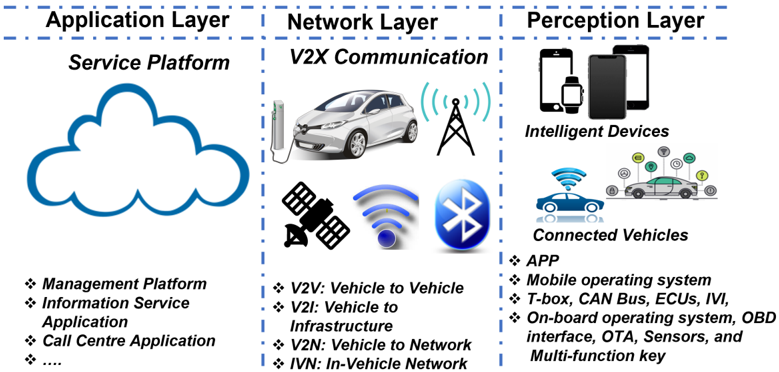
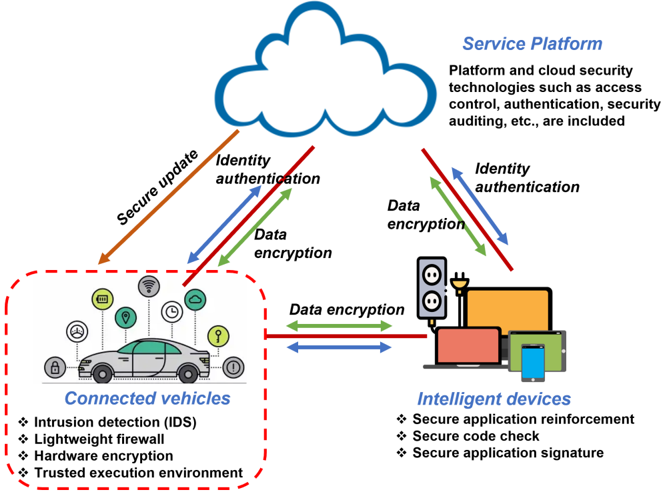
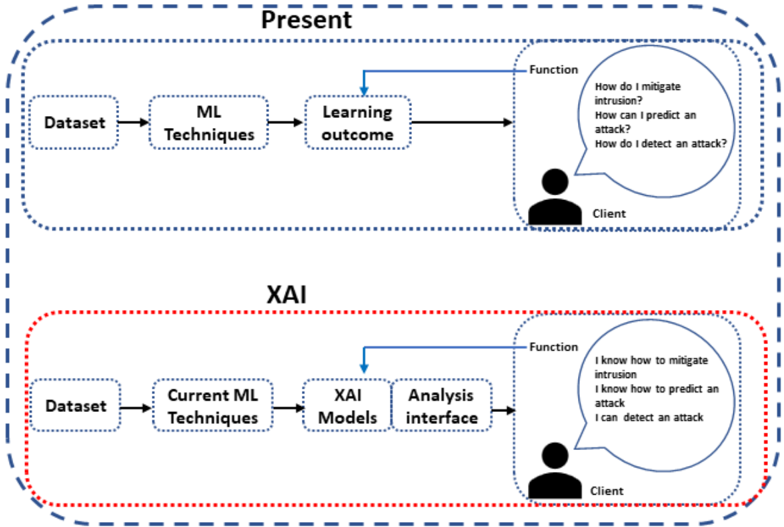
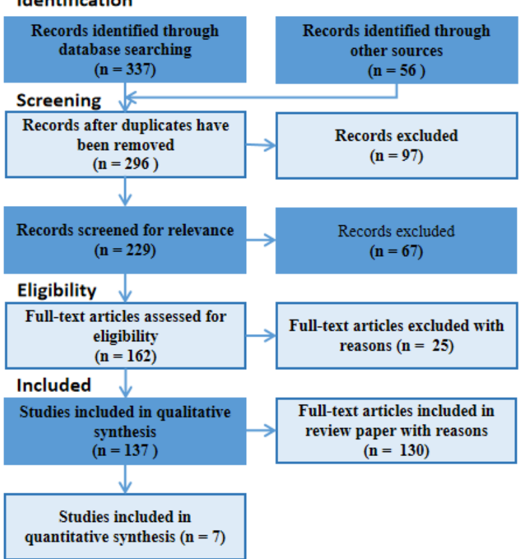
Verification
Claims the paper makes
The claims and statistics of this paper haven’t been checked yet.
Free: it reads the open-access text and checks the first 5 claims that cite a source we can check. Create a free account to check every claim.
Claims other papers make about this one
Each is checked against this paper’s own text: does it say what the citing paper says it does?
The source backs part of the claim, not all of it — or backs it for a different population, condition or comparison.
In the citing paper
“In cybersecurity practice, XAI has become critical not only for intrusion detection systems, where it helps reduce false positives and improve analyst trust, but also in IoT and IIoT networks, where it highlights abnormal device behavior, and in forensic and compliance contexts, where transparency is necessary to meet regulatory demands such as the EU AI Act (Nwakanma et al., 2023;Moustafa et al.,”
From Explainable AI: enhancing decision-making in the detection of cyber threats (2026) · cites this paper as Nwakanma et al., 2023
Experimental — accuracy not yet measured
Self-check
Percentages, sums and reported differences re-computed from the paper’s own numbers.
The self-check needs the paper’s full text.
Citations
Cites
Preferred reporting items for systematic reviews and meta-analyses: The PRISMA statement
Moher, D., Liberati, A., Tetzlaff, J., Altman, D. G., & the PRISMA Group* (2009) · Annals of Internal Medicine · doi:10.7326/0003-4819-151-4-200908180-00135 · Cited by 37,554
A Unified Approach to Interpreting Model Predictions
Lundberg, S., & Lee, S.-I. (2017) · arXiv · doi:10.48550/arxiv.1705.07874 · Cited by 23,707
"Why Should I Trust You?": Explaining the Predictions of Any Classifier
Ribeiro, M. T., Singh, S., & Guestrin, C. (2016) · Proceedings of the 22nd ACM SIGKDD International Conference on Knowledge Discovery and Data Mining · doi:10.1145/2939672.2939778 · Cited by 17,555
Arrieta, A. B., Díaz-Rodríguez, N., Del Ser, J., Bennetot, A., Tabik, S., Barbado, A., García, S., Gil-López, S., Molina, D., Benjamins, R., et al. (2019) · arXiv · doi:10.48550/arxiv.1910.10045 · Cited by 11,321
Barredo Arrieta, A., Díaz-Rodríguez, N., Del Ser, J., Bennetot, A., Tabik, S., Barbado, A., Garcia, S., Gil-Lopez, S., Molina, D., Benjamins, R., et al. (2020) · Information Fusion · doi:10.1016/j.inffus.2019.12.012 · Cited by 10,423
Grad-CAM: Visual Explanations from Deep Networks via Gradient-Based Localization
Selvaraju, R. R., Cogswell, M., Das, A., Vedantam, R., Parikh, D., & Batra, D. (2020) · International Journal of Computer Vision · doi:10.1007/s11263-019-01228-7 · Cited by 6,909
Peeking Inside the Black-Box: A Survey on Explainable Artificial Intelligence (XAI)
Adadi, A., & Berrada, M. (2018) · IEEE Access · doi:10.1109/access.2018.2870052 · Cited by 6,294
Survey of intrusion detection systems: Techniques, datasets and challenges
Khraisat, A., Gondal, I., Vamplew, P., & Kamruzzaman, J. (2019) · Cybersecurity · doi:10.1186/s42400-019-0038-7 · Cited by 2,024
Ahmad, Z., Shahid Khan, A., Wai Shiang, C., Abdullah, J., & Ahmad, F. (2021) · Transactions on Emerging Telecommunications Technologies · doi:10.1002/ett.4150 · Cited by 1,288
Autonomous vehicle perception: The technology of today and tomorrow
Van Brummelen, J., O’Brien, M., Gruyer, D., & Najjaran, H. (2018) · Transportation Research Part C: Emerging Technologies · doi:10.1016/j.trc.2018.02.012 · Cited by 869
Research works printed but not linked: 8
- 7. Mütze, F. Cooperative Intelligent Transport Systems (C-ITS) ; European Transport Safety Council: Brussels, Belgium, November 2017; pp. 1-12. Available online: https://etsc.eu/briefing-cooperative-intelligent-transport-systems-c-its/ (accessed on 8 January 2023).
- 12. Consortium, C.C. C-ITS: Cooperative Intelligent Transport Systems and Services. In Proceedings of the 16th Car 2 CAr Forum. Car 2 CAr Communication Consortium, Moses Lake, WA, USA, 28-29 September 2022. Available online: https://www.car-2-car. org/about-c-its/ (accessed on 11 January 2023).
- 30. Taparia, A. IoT 2022 in reveiew: The 10 most relevant IoT developments of the year. In Proceedings of the IoT Analytics: Market Insights for the Internet of Things, Hamburg, Germany, 9 January 2023. Available online: https://iot-analytics.com/iot-2022-inreview/ (accessed on 9 January 2023).
- 61. Tian, H. Introduction of IoV Security ; China Academy of Information and Communication Technology (CAICT): Beijing, China, 2017; pp. 1-59.
- 62. Mandal, S. Protecting Software-defined Vehicles with Cybersecurity Solutions. In Proceedings of the Connected Vehicle 2022 Summit: From ADAS to Autonomous Mobility, Bengaluru, India, 4-6 May 2022.
- 71. Slijepcevic, D.; Horst, F.; Lapuschkin, S.; Raberger, A.M.; Zeppelzauer, M.; Samek, W.; Breiteneder, C.; Schöllhorn, W.I.; Horsak, B. On the Explanation of Machine Learning Predictions in Clinical Gait Analysis. arXiv 2019 , arXiv:1912.07737. · arXiv
- 120. Heijden, R.W.V.D.; Lukaseder, T.; Kargl, F. VeReMi: A Dataset for Comparable Evaluation of Misbehavior Detection in VANETs. arXiv 2018 , arXiv:1804.06701. · arXiv
- 125. Goodfellow, I.; Bengio, Y.; Courville, A. Deep Learning ; MIT Press: Cambridge, MA, USA, 2016. Available online: http://www. deeplearningbook.org (accessed on 5 January 2023).
Cited by
Mersha, M., Lam, K., Wood, J., AlShami, A. K., & Kalita, J. (2024) · Neurocomputing · doi:10.1016/j.neucom.2024.128111 · Cited by 237
Friha, O., Amine Ferrag, M., Kantarci, B., Cakmak, B., Ozgun, A., & Ghoualmi-Zine, N. (2024) · IEEE Open Journal of the Communications Society · doi:10.1109/ojcoms.2024.3456549 · Cited by 189
Arreche, O., Guntur, T. R., & Abdallah, M. (2024) · Applied Sciences · doi:10.3390/app14104170 · Cited by 224
Mathew, D. E., Ebem, D. U., Ikegwu, A. C., Ukeoma, P. E., & Dibiaezue, N. F. (2025) · Neural Processing Letters · doi:10.1007/s11063-025-11732-2 · Cited by 168
Advanced Learning Technologies for Intelligent Transportation Systems: Prospects and Challenges
Khalil, R. A., Safelnasr, Z., Yemane, N., Kedir, M., Shafiqurrahman, A., & Saeed, N. (2024) · IEEE Open Journal of Vehicular Technology · doi:10.1109/ojvt.2024.3369691 · Cited by 168
“Training DL models on noisy data can exacerbate these inaccuracies, potentially leading to sub-optimal performance and unreliable predictions in real-world transportation applications.”
BackgroundShadi, M. R., Mirshekali, H., & Shaker, H. R. (2025) · Renewable and Sustainable Energy Reviews · doi:10.1016/j.rser.2025.115668 · Cited by 161
Kheddar, H., Himeur, Y., & Awad, A. I. (2023) · Journal of Network and Computer Applications · doi:10.1016/j.jnca.2023.103760 · Cited by 154
Advancing 6G: Survey for Explainable AI on Communications and Network Slicing
Sun, H., Liu, Y., Al-Tahmeesschi, A., Nag, A., Soleimanpour-Moghadam, M., Canberk, B., Arslan, H., & Ahmadi, H. (2025) · IEEE Open Journal of the Communications Society · doi:10.1109/ojcoms.2025.3534626 · Cited by 158
“Reference [201] provides a comprehensive overview of the security risks encountered by vehicular networks across multiple domains.”
Federated Learning-Based Misbehavior Detection for the 5G-Enabled Internet of Vehicles
Rani, P., Sharma, C., Ramesh, J. V. N., Verma, S., Sharma, R., Alkhayyat, A. H., & Kumar, S. (2023) · IEEE Transactions on Consumer Electronics · doi:10.1109/tce.2023.3328020 · Cited by 144
“Theauthor [57] presents an overview of current ML, DL, and Explainable Artificial intelligence (XAI) techniques [58].”
BackgroundKhan, N., Ahmad, K., Tamimi, A. A., Alani, M. M., Bermak, A., & Khalil, I. M. (2025) · Information · doi:10.3390/info16121036 · Cited by 140
Rawas, S. (2024) · Discover Artificial Intelligence · doi:10.1007/s44163-024-00118-3 · Cited by 119
“The transportation sector is witnessing the emergence of autonomous vehicles and intelligent traffic management systems, promising safer and more efficient mobility [5].”
InfluentialSecuring the Internet of Things in Artificial Intelligence Era: A Comprehensive Survey
Humayun, M., Tariq, N., Alfayad, M., Zakwan, M., Alwakid, G. N., & Assiri, M. (2024) · IEEE Access · doi:10.1109/access.2024.3365634 · Cited by 119
Tides of Blockchain in IoT Cybersecurity
Ahakonye, L. A. C., Nwakanma, C. I., & Kim, D. (2024) · Sensors · doi:10.3390/s24103111 · Cited by 121
“The ‘mentefacto conceptual design’ [81] and the meta-analysis (PRISMA) [82,83] served as inspiration for the creative reviewing methodologies used in this work.”
BackgroundMethodSelf-citationMahale, Y., Kolhar, S., & More, A. S. (2025) · Discover Applied Sciences · doi:10.1007/s42452-025-06681-3 · Cited by 117
“The XAI’s potential to improve the security of intelligent connected vehicles, like intrusion detection systems, is demonstrated in [71] to establish transparency in AI-based transportation systems.”
Quach, L.-D., Quoc, K. N., Quynh, A. N., Thai-Nghe, N., & Nguyen, T. G. (2023) · IEEE Access · doi:10.1109/access.2023.3296792 · Cited by 99
“XAI has created many successes in various fields, such as transportation systems that help reduce vehicle accidents with severe consequences [36]; The Healthcare system is based on clinically interpretable predictions to avoid the process of giving false support leading to deaths [37]; legal…”
BackgroundNazat, S., Li, L., & Abdallah, M. (2024) · IEEE Access · doi:10.1109/access.2024.3383431 · Cited by 104
Kim, M., Oh, I., Yim, K., Sahlabadi, M., & Shukur, Z. (2023) · IEEE Access · doi:10.1109/access.2023.3348409 · Cited by 90
A review of security attacks and intrusion detection in the vehicular networks
Nandy, T., Noor, R. M., Kolandaisamy, R. A. L., Idris, M. Y. I., & Bhattacharyya, S. (2024) · Journal of King Saud University - Computer and Information Sciences · doi:10.1016/j.jksuci.2024.101945 · Cited by 90
“Nwakanma et al. (Nwakanma, 2023) have comprehended intrusion detection and counterfeit for the Explainable Artificial Intelligence (XAI) in vehicular communication.”
Muthubalaji, S., Muniyaraj, N. K., Rao, S. P. V. S., Thandapani, K., Mohan, P. R., Somasundaram, T., & Farhaoui, Y. (2024) · Big Data Mining and Analytics · doi:10.26599/bdma.2023.9020022 · Cited by 76
Nikiforidis, K., Kyrtsoglou, A., Vafeiadis, T., Kotsiopoulos, T., Nizamis, A., Ioannidis, D., Votis, K., Tzovaras, D., & Sarigiannidis, P. G. (2024) · ICT Express · doi:10.1016/j.icte.2024.12.001 · Cited by 88
Detecting cyberthreats in Metaverse learning platforms using an explainable DNN
Nkoro, E. C., Nwakanma, C. I., Lee, J., & Kim, D. (2024) · Internet of Things · doi:10.1016/j.iot.2023.101046 · Cited by 63
Self-citationRana, K., & Khatri, N. (2024) · Computers & Electrical Engineering · doi:10.1016/j.compeleceng.2024.109237 · Cited by 73
Nazat, S., Arreche, O., & Abdallah, M. (2024) · Sensors · doi:10.3390/s24113515 · Cited by 63
“In [32], the authors reviewed different classifier models for anomaly detection in intelligent transportation systems and suggested the need for XAI to interpret them.”
BackgroundExplainable Data-Driven Digital Twins for Predicting Battery States in Electric Vehicles
Njoku, J. N., Nwakanma, C. I., & Kim, D. (2024) · IEEE Access · doi:10.1109/access.2024.3413075 · Cited by 63
“Explainability is not just a matter of user convenience but a critical requirement for diagnosing system issues, complying with safety regulations, and facilitating continuous system improvement based on actionable insights [14].”
BackgroundSelf-citationIhekoronye, V. U., Ajakwe, S. O., Lee, J., & Kim, D. (2024) · IEEE Internet of Things Journal · doi:10.1109/jiot.2024.3519633 · Cited by 63
“Additionally, XAI techniques can provide either local interpretations, explaining model decisions for specific data points, or global interpretations, ranking feature importance for overall model predictions [26].”
Self-citationSecurity and Privacy Issues and Solutions for UAVs in B5G Networks: A Review
Khan, M. A., Kumar, N., Alsamhi, S. H., Barb, G., Żywiołek, J., Ullah, I., Noor, F., Shah, J. A., & Almuhaideb, A. M. (2024) · IEEE Transactions on Network and Service Management · doi:10.1109/tnsm.2024.3487265 · Cited by 66
“On the other hand, unsupervised models can detect anomalies by understanding the expected behaviour of UAV communications and sorting deviations from them using auto-encoders and generative adversarial networks (GANs) [179].”
Quincozes, V. E., Quincozes, S. E., Kazienko, J. F., Gama, S. D., Cheikhrouhou, O., & Koubâa, A. (2024) · International Journal of Information Security · doi:10.1007/s10207-024-00828-w · Cited by 56
Zero-Trust Marine Cyberdefense for IoT-Based Communications: An Explainable Approach
Nkoro, E. C., Njoku, J. N., Nwakanma, C. I., Lee, J., & Kim, D. (2024) · Electronics · doi:10.3390/electronics13020276 · Cited by 63
“Major challenges within the introduction of AI in marine NIDS are outlined below: (i) The prevalence of false alarm rates, fake distress calls, and especially the lack of explanations regarding the black-box AI algorithms used to predict marine cyberattacks [6].”
Self-citationAlabdulatif, A. (2025) · Applied Sciences · doi:10.3390/app15147984 · Cited by 49
Explainable AI models for predicting drop coalescence in microfluidics device
Hu, J., Zhu, K., Cheng, S. L., Kovalchuk, N. M., Soulsby, A., Simmons, M. J. H., Matar, O. K., & Arcucci, R. (2024) · Chemical Engineering Journal · doi:10.1016/j.cej.2023.148465 · Cited by 59
“By employing XAI techniques, this integration enhances the trustworthiness and practical utility of our machine learning models [50].”
Pawlicki, M., Pawlicka, A., Kozik, R., & Choraś, M. (2024) · Neurocomputing · doi:10.1016/j.neucom.2024.127759 · Cited by 52
Explainable artificial intelligence models in intrusion detection systems
Al, S., & Sağıroğlu, Ş. (2025) · Engineering Applications of Artificial Intelligence · doi:10.1016/j.engappai.2025.110145 · Cited by 75
A comprehensive review of explainable AI in cybersecurity: Decoding the black box
Sharma, A., Rani, S., & Shabaz, M. (2025) · ICT Express · doi:10.1016/j.icte.2025.10.004 · Cited by 57
Cybersecurity in Electric and Flying Vehicles: Threats, Challenges, AI Solutions & Future Directions
Alqahtani, H., & Kumar, G. (2024) · ACM Computing Surveys · doi:10.1145/3697830 · Cited by 54
Saeed Alketbi, K., & Mehmood, A. (2025) · IEEE Access · doi:10.1109/access.2025.3587114 · Cited by 41
Wang, Y., Ma, W., Xu, H., Liu, Y., & Yin, P. (2023) · Applied Sciences · doi:10.3390/app13137429 · Cited by 41
Khan, H., Tejani, G. G., AlGhamdi, R. A., Alasmari, S., Sharma, N. K., & Sharma, S. K. (2025) · Scientific Reports · doi:10.1038/s41598-025-94445-9 · Cited by 47
“This is towards the development of innovative intrusion detection systems that leverage advances in artificial intelligence, edge computing, and federated learning (FL) to enhance the real-time security, reliability, and resilience of IoV networks 13 .”
Explainable AI for Federated Learning-Based Intrusion Detection Systems in Connected Vehicles
Taheri, R., Jafari, R., GEGOV, A. E., Arabikhan, F., & Ichtev, A. (2025) · Electronics · doi:10.3390/electronics14224508 · Cited by 41
Misconfiguration in O-RAN: Analysis of the impact of AI/ML
Yungaicela-Naula, N. M., Sharma, V., & Scott-Hayward, S. (2024) · Computer Networks · doi:10.1016/j.comnet.2024.110455 · Cited by 40
“…file exports, CLI, or GUI configurations; (ii) authentication data, such as PINs, passwords, cookies, and cryptographic keys; and (ii) data from system elements, such as UE information, RAN topology information, and ML databases, which contain critical information from the system [77].”
BackgroundA Comparative Study and Systematic Analysis of XAI Models and their Applications in Healthcare
Gupta, J., & Seeja, K. R. (2024) · Archives of Computational Methods in Engineering · doi:10.1007/s11831-024-10103-9 · Cited by 62
Detection of Unknown DDoS Attack Using Convolutional Neural Networks Featuring Geometrical Metric
Shieh, C., Nguyen, T.-T., & Horng, M. (2023) · Mathematics · doi:10.3390/math11092145 · Cited by 43
Ghoushchi, S. J., Haghshenas, S. S., Vahabzadeh, S., Guido, G., & Geem, Z. W. (2024) · Results in Engineering · doi:10.1016/j.rineng.2024.102626 · Cited by 45
Pawlicki, M., Pawlicka, A., Kozik, R., & Choraś, M. (2024) · Artificial Intelligence Review · doi:10.1007/s10462-024-10972-3 · Cited by 28
“…“black box” nature of AI (Haque et al. 2023 ), is especially concerning in high-stakes sectors such as cybersecurity, healthcare, and law enforcement, where decisions may have profound and irreversible impacts on the lives and welfare of individuals (Capuano et al. 2022 ; Nwakanma et al. 2023 ).”
Machine Learning Explainability for Intrusion Detection in the Industrial Internet of Things
Ahakonye, L. A. C., Nwakanma, C. I., Lee, J.-M., & Kim, D.-S. (2024) · IEEE Internet of Things Magazine · doi:10.1109/iotm.001.2300171 · Cited by 32
“XAI explainability is essential to enable trust and usability for decision-making [5] decision-making process of complex intrusion detection models.”
BackgroundMethodInfluentialSelf-citationOver-the-air upgrading for enhancing security of intelligent connected vehicles: a survey
Li, B., Hu, W., Da, L., Wu, Y., Wang, X., Li, Y., & Yuan, C. (2024) · Artificial Intelligence Review · doi:10.1007/s10462-024-10968-z · Cited by 36
Hassan, A., Nizam‐Uddin, N., Quddus, A., Hassan, S. R., Rehman, A. U., & Bharany, S. (2024) · Computers, materials & continua/Computers, materials & continua (Print) · doi:10.32604/cmc.2024.057877 · Cited by 55
Kumar, G., & Altalbe, A. A. (2024) · Environment Development and Sustainability · doi:10.1007/s10668-024-04790-4 · Cited by 32
Safeguarding the V2X Pathways: Exploring the Cybersecurity Landscape Through Systematic Review
Gularte, K. H. M., Vargas, J. A. R., da Costa, J. P. C. L., Silva, A., Santos, G. A., Yu-ming, W., Müller, C. A., Lipps, C., de Sousa, R. T., Filho, W. D. B. V., et al. (2024) · IEEE Access · doi:10.1109/access.2024.3402946 · Cited by 65
“References [9], [10], [17], [18], [19], [20], [22], [23], [24], [25], [26], [27], [28], [29], [30], [31], [32], [33], and [34] propose innovative solutions, from blockchain integration to AI-driven mechanisms, showcasing the dynamic nature of the field and the constant pursuit of fortifying V2X…”
BackgroundInfluentialEnhanced threat intelligence framework for advanced cybersecurity resilience
Alazab, M., Khurma, R. A., Arenas, M. G., Jatana, V., Baydoun, A., & Damaševičius, R. (2024) · Egyptian Informatics Journal · doi:10.1016/j.eij.2024.100521 · Cited by 30
A review of thermal array sensor-based activity detection in smart spaces using AI
Nwakanma, C. I., Anyanwu, G. O., Ahakonye, L. A. C., Lee, J., & Kim, D. (2023) · ICT Express · doi:10.1016/j.icte.2023.11.007 · Cited by 27
Self-citationBhukya, C. R., Thakur, P., Mudhivarthi, B. R., & Singh, G. K. (2023) · Sensors · doi:10.3390/s23198107 · Cited by 33
Trees Bootstrap Aggregation for Detection and Characterization of IoT-SCADA Network Traffic
Ahakonye, L. A. C., Nwakanma, C. I., Lee, J., & Kim, D. (2023) · IEEE Transactions on Industrial Informatics · doi:10.1109/tii.2023.3333438 · Cited by 23
Self-citationHossain, M. A., Ishtiaq, W., & Islam, M. S. (2025) · Security and Privacy · doi:10.1002/spy2.70164 · Cited by 20
“Lin et al. [18] introduce an innovative approach to address the issue of imbalanced datasets in UAV intrusion detection.”
Jang, J., Jeong, W., Kim, S. M., Lee, B., Lee, M. Y., & Moon, J. (2023) · Sustainability · doi:10.3390/su15086951 · Cited by 20
Neurosymbolic AI for network intrusion detection systems: A survey
Bizzarri, A., Yu, J., Jalaian, B. A., Riguzzi, F., & Bastian, N. D. (2025) · Journal of Information Security and Applications · doi:10.1016/j.jisa.2025.104205 · Cited by 27
Defending the Cloud: Understanding the Role of Explainable AI in Intrusion Detection Systems
Upadhyay, U., Kumar, A., Roy, S., Rawat, U., & Chaurasia, S. (2023) · International Conference on Security of Information and Networks (SIN) · doi:10.1109/sin60469.2023.10475080 · Cited by 25
“In the pursuit of enhancing the efficacy of intrusion detection within cloud environments, the integration of XAI techniques emerges as a pivotal avenue [36].”
BackgroundMitigating Cyber Threats: Machine Learning and Explainable AI for Phishing Detection
Akhtar, H. M. U., Nauman, M. A., Akhtar, N., Hameed, M., Hameed, S., & Tareen, M. Z. (2025) · VFAST Transactions on Software Engineering · doi:10.21015/vtse.v13i2.2129 · Cited by 18
Algarni, M., & Mishra, S. (2024) · Engineering Technology & Applied Science Research · doi:10.48084/etasr.7676 · Cited by 18
“This study focuses on advancing technology and ensuring ethical considerations in the deployment of AI [5, 6] by: Investigating XAI systems for smart city environments to ensure transparency and comprehension of AI-driven decisions.”
BackgroundJafari, S., & Byun, Y.-C. (2025) · Energy Reports · doi:10.1016/j.egyr.2025.07.027 · Cited by 19
Explainable SCADA-Edge Network Intrusion Detection System: Tree-LIME Approach
Nwakanma, C. I., Ahakonye, L. A. C., Jun, T., Lee, J. M., & Kim, D. (2023) · IEEE International Conference on Communications, Control, and Computing Technologies for Smart Grids (SmartGridComm) · doi:10.1109/smartgridcomm57358.2023.10333968 · Cited by 22
“However, black box techniques that cannot explain their inference methods and outcomes are a concern, as they lack transparency [6].”
BackgroundMethodInfluentialSelf-citationALmojel, F., & Mishra, S. (2024) · International Journal of Advanced Computer Science and Applications · doi:10.14569/ijacsa.2024.0150506 · Cited by 17
“The ability to detect and respond to threats promptly is critical [11] for minimizing the impact of cyberattacks on hospital operations and patient care.”
BackgroundEffective Intrusion Detection System Using Deep Learning for DDoS Attacks
Shaikh, J., Butt, Y. A., & Naqvi, H. F. (2024) · The Asian Bulletin of Big Data Management · doi:10.62019/abbdm.v4i1.113 · Cited by 17
“This AI-IDS synergy not only solves shortcomings in previous techniques but also drives the ongoing refining of IDS for strong cyber security (Nwakanma et al., 2023).”
BackgroundExplainable AI: enhancing decision-making in the detection of cyber threats
Prasad, P. W. C., Sayeed, M. S., Nguyen, D.-M., Hutabarat, D. P., & Mohiuddin, G. M. (2026) · Frontiers in Computer Science · doi:10.3389/fcomp.2026.1762332 · Cited by 16
Atoum, I. A. (2025) · International Journal of Advanced Computer Science and Applications · doi:10.14569/ijacsa.2025.0160283 · Cited by 16
“The lack of transparency in some AI systems can make it challenging to identify bias [52].”
Siqueira, L. P., Batista, C. L., Lui, P. H., Kazienko, J. F., Quincozes, S. E., Quincozes, V. E., Welfer, D., & Nomura, S. (2025) · Sensors · doi:10.3390/s25206261 · Cited by 15
“By incorporating interpretable models or post hoc explanation techniques, IDSs can offer insights into why a specific event was flagged as malicious, thus aligning cybersecurity practices with the ethical and operational values of next-generation healthcare systems [43].”
Izuazu, U. U., Nwakanma, C. I., Kim, D.-S., & Lee, J. M. (2025) · Discover Internet of Things · doi:10.1007/s43926-025-00100-0 · Cited by 15
“SHAP employs game theory to assign feature importance, providing global and local interpretations irrespective of DL model architecture [39].”
Self-citationEnsemble Learning Framework for Anomaly Detection in Autonomous Driving Systems
Nazat, S., Alayed, W. M., Li, L., & Abdallah, M. (2025) · Sensors · doi:10.3390/s25165105 · Cited by 15
“However, we emphasize that VeReMi and Sensor are widely used benchmark datasets in the autonomous driving and VANET anomaly detection literature [70–72].”
Collaborative Federated Learning-Based Model for Alert Correlation and Attack Scenario Recognition
Alkhpor, H. K., & Alserhani, F. (2023) · Electronics · doi:10.3390/electronics12214509 · Cited by 15
Hasan, M., Rozony, F. Z., Kamruzzaman, M., & Uddin, M. K. S. (2024) · GLOBAL MAINSTREAM JOURNAL · doi:10.62304/jieet.v3i04.193 · Cited by 18
Chiu, M., & Yang, L.-S. (2024) · Advanced Engineering Informatics · doi:10.1016/j.aei.2024.102583 · Cited by 15
Explainable Artificial Intelligence in Drones: A Brief Review
Banimelhem, O., & Al‐khateeb, B. (2023) · International Conference on Information and Communication Systems (ICICS) · doi:10.1109/icics60529.2023.10330543 · Cited by 16
“The intelligent transportation system is one of the fields which XAI is interested in [18].”
BackgroundNiture, N., & Abdellatif, I. (2024) · Multimedia Tools and Applications · doi:10.1007/s11042-024-19599-6 · Cited by 12
Rahmati, M. (2025) · IEEE Transactions on Engineering Management · doi:10.1109/tem.2025.3600381 · Cited by 12
“Runtime verification, in more formal terms, is addressed by Nwakanma et al. [10], who propose runtime models for system behavior verification in EV-related applications.”
Developing and validating an AI literacy scale for university students in Vietnam
Do, H. V., Bui, T. T., Hoa Tran, D., Nguyen, H. T., & Dinh, L. D. (2026) · IFLA Journal · doi:10.1177/03400352251385058 · Cited by 11
“Applications ranging from medical diagnostics, treatment, and surgical assistance to automated fi nancial transactions and economic forecasting have highlighted the groundbreaking impacts of AI (Beets et al., 2023; Nwakanma et al., 2023).”
Uccello, F., Pawlicki, M., D’Antonio, S., Kozik, R., & Choraś, M. (2025) · Computers, materials & continua/Computers, materials & continua (Print) · doi:10.32604/cmc.2025.062801 · Cited by 14
“Here, xAI finds a compelling application, as trust and clarity underpin robust cybersecurity strategies [6–9].”
Cybersecurity Advances in SCADA Systems
Al-Muntaser, B., Mohamed, M. A., Tuama, A. Y., & Rana, I. A. (2023) · International Journal of Advanced Computer Science and Applications · doi:10.14569/ijacsa.2023.0140835 · Cited by 10
“Understanding complicated relationships and attack pathways is made possible by graph-based techniques and explainable AI [30], [31].”
BackgroundBatra, I. (2024) · Journal of Electrical Systems · doi:10.52783/jes.2000 · Cited by 15
“An XAI system, for instance, can provide an explanation for why a self-driving car made an unexpected manoeuvre, thereby enhancing safety and decreasing the likelihood of accidents [65].”
BackgroundAn Endogenous Security Study of Telematics Box in Intelligent Connected Vehicles
Zhang, Z., Zhang, Y., Zhang, J., Xie, J., & Liu, S. (2024) · IEEE Embedded Systems Letters · doi:10.1109/les.2024.3432593 · Cited by 10
“To enhance the security of the T-Box, current mechanisms have employed a hardware security module (HSM), intrusion detection systems (IDSs), firewalls, and other functions that ensure a degree of safeguarding against threats [7], [8], [9].”
Alshudukhi, K. S., Ali, S., Humayun, M., & Alruwaili, O. (2025) · Computer Modeling in Engineering & Sciences · doi:10.32604/cmes.2025.073705 · Cited by 18
Isolation Forest Anomaly Detection in Vital Sign Monitoring for Healthcare
Yadav, K., Aswal, U. S., Saravanan, V., Dwivedi, S. P., Shalini, N., & Kumar, N. (2023) · International Conference on Artificial Intelligence for Innovations in Healthcare Industries (ICAIIHI) · doi:10.1109/icaiihi57871.2023.10488940 · Cited by 10
“Recall evaluates the algorithm's capacity to identify all oddities, precision assesses the accuracy of the optimistic predictions, along with the F1 score offers a fair evaluation of both precision and recall [21].”
BackgroundLarriva-Novo, X. A., Pérez-Miguel, L., Villagrá, V. A., Álvarez-Campana, M., Sánchez-Zas, C., & Jover, Ó. (2024) · Applied Sciences · doi:10.3390/app142411511 · Cited by 12
Chithanuru, V., & Ramaiah, M. (2025) · PeerJ Computer Science · doi:10.7717/peerj-cs.2630 · Cited by 9
“These techniques are also used in various fi elds like fraud detection ( Biswas et al., 2023 ; Zhou et al., 2023 ), cyber security ( Rjoub et al., 2023 ), smart cities ( Javed et al., 2023 ), Internet of Things ( Kök et al., 2023 ), and intelligent connected vehicles ( Nwakanma et al., 2023 ).”
Dakhole, M. R., Thombre, K. R., Gupta, K. R., & Umekar, M. J. (2025) · Annales Pharmaceutiques Françaises · doi:10.1016/j.pharma.2025.10.002 · Cited by 12
Pushparaj, S., Sanjai, M., Gopalakrishnan, R., & Radhamani, R. (2024) · International Conference on Communication and Electronics Systems (ICCES) · doi:10.1109/icces63552.2024.10859535 · Cited by 12
“AI-powered BMS can analyze data patterns to predict battery health and efficiency based on driver behaviour and the environment [6], [14], [17].”
Patel, T., Jhaveri, R. H., Thakker, D., Verma, S., & Ingle, P. Y. (2025) · ACM Symposium on Applied Computing · doi:10.1145/3672608.3707769 · Cited by 10
“Nwakanma et al. [17] discussed the application of XAI, in an intrusion detection system for intelligent connected vehicles, proposing a system that will make ML models more interpretable to realize the detection of anomalies and respond to threats in real-time.”
Automated and Explainable Denial of Service Analysis for AI‐Driven Intrusion Detection Systems
Yakubu, P. B., Santana, L., Rahouti, M., Xin, Y., Chehri, A., & Aledhari, M. (2026) · IET Information Security · doi:10.1049/ise2/7264961 · Cited by 11
Explainable Artificial Intelligence 101: Techniques, Applications and Challenges
Kurek, W., Pawlicki, M., Pawlicka, A., Kozik, R., & Choraś, M. (2023) · Lecture notes in computer science · doi:10.1007/978-981-99-4752-2_26 · Cited by 8
Izuazu, U. U., Kim, D., & Lee, J. M. (2023) · International Conference on Information and Communication Technology Convergence (ICTC) · doi:10.1109/ictc58733.2023.10392826 · Cited by 8
“In exploring model explainability, various approaches exist [11].”
BackgroundSelf-citationOkoronkwo, M. E., & Dike, U. A. (2025) · Futurity Philosophy. · doi:10.57125/fp.2025.03.30.05 · Cited by 7
Role of XAI in building a super smart society 5.0
Kiruthika, M., Moorthi, K., Devi, M. A., & Roseline, S. A. (2024) · Elsevier eBooks · doi:10.1016/b978-0-323-95315-3.00013-9 · Cited by 8
Carbon-Credit Monitoring and Prediction in Smart Factory using Explainable AI and Data Analytics
Nwakanma, C. I., Uwakwe, M., Ajere, I. U., Nkoro, E. C., Ahakonye, L. A. C., & Kim, D. (2023) · International Conference on Information and Communication Technology Convergence (ICTC) · doi:10.1109/ictc58733.2023.10393656 · Cited by 8
“SHAP [18] allows for insights into the output or basis for the performance of a machine learning or deep learning model.”
BackgroundSelf-citationMurad, N. M., Dawod, A. Y., Ahmed, S. R., Sekhar, R., & Shah, P. (2024) · Intelligent Automation & Soft Computing · doi:10.32604/iasc.2024.058624 · Cited by 6
“The ML-driven systems may detect unauthorized access attempts and transfer suspicious activities into additional authentication or recognize the seriousness of danger automatically to avoid that actor from Traditional Mode being able to peek at data [63].”
Secure and Explainable Federated Learning for IoT Intrusion Detection: A Comprehensive Survey
Bilal, M. A., Islam, I. U., Khan, M. J., Nisar, S., Farooq, M., & Khan, H. (2026) · IEEE Open Journal of the Communications Society · doi:10.1109/ojcoms.2026.3681580 · Cited by 5
“…explanation families extend beyond SHAP-style attribution to include rule lists, anchors, counterfactuals, prototypes, and influence-based explanations, each with different validity and leakage properties [33], [38], [76], [109], [110], [111], [112], [113], [114], [115], [116], [117], [118], [119].”
Review of Intrusion Detection Systems Taxonomy, Techniques, Methods and Future Research Directions
Mikuláš, M., & Kotuliak, I. (2024) · New Trends in Signal Processing (NTSP) · doi:10.23919/ntsp61680.2024.10726305 · Cited by 7
“There are studies focused on this topic but it is still quite significant problem to be solved [11], [12], [13], [34].”
BackgroundExplainable AI (XAI) for Security Decisions to Mitigate Cybersecurity Attacks
Sahito, S.-U.-R., Zareen, S., Safet, S., Talpur, K. R., Rabby, S. K. M. A. H., Bhutto, A., & Ali, S. (2025) · Journal of Advanced Research in Applied Sciences and Engineering Technology · doi:10.37934/araset.55.2.214223 · Cited by 6
Saragih, R., Wahyono, T., Sembiring, I., Wellem, T., & Yanto, B. (2025) · International Conference on Creative Communication and Innovative Technology (ICCIT) · doi:10.1109/iccit65724.2025.11167723 · Cited by 7
“The literature review (2022–2025) reveals a shift toward hybrid AI with XAI for realtime prediction [21], addressing the demand for accurate, transparent, and scalable urban systems [22].”
Explainable AI (XAI) for Network Operations and Troubleshooting
Aramide, O. O. (2025) · International Journal for Research Publication and Seminars · doi:10.36676/jrps.v16.i1.286 · Cited by 10
MetaHate: Text-based Hate Speech Detection for Metaverse Applications using Deep Learning
Njoku, J. N., Eneh, A. U., Nwakanma, C. I., Lee, J., & Kim, D. (2023) · International Conference on Information and Communication Technology Convergence (ICTC) · doi:10.1109/ictc58733.2023.10392437 · Cited by 6
“Among the techniques, Local Interpretable Model-Agnostic Explanations (LIME) stands out by offering insights into AI decision-making processes, thereby enhancing comprehension and facilitating positive interactions [10].”
MethodSelf-citationMachine Learning for Intrusion Detection Systems: A Systematic Literature Review
Stewart, D. E., Kolajo, T., & Daramola, O. (2024) · Lecture notes in networks and systems · doi:10.1007/978-3-031-73110-5_42 · Cited by 6
AIoT: The Integrating of Artificial Intelligence and the Internet of Things
Liu, W. (2025) · Applied and Computational Engineering · doi:10.54254/2755-2721/2025.20805 · Cited by 5
Metadata
- Authors
- Nwakanma, C. I., Ahakonye, L. A. C., Njoku, J. N., Odirichukwu, J. C., Okolie, S. A., Uzondu, C., Ndubuisi Nweke, C. C., & Kim, D.-S.
- Affiliations
- Kumoh National Institute of Technology (KR)
- Federal University of Technology Owerri (NG)
- Department of Big Data Solution Architecture, Conestoga College, Kitchener, ON N2G 4M4, Canada
- Corresponding author
- Kim, Dong-Seong
- ORCID
- Venue
- Applied Sciences
- Publisher
- MDPI AG
- Published
- 2023-01-17
- Volume
- 13
- Issue
- 3
- Pages
- 1252
- ISSN
- 2076-3417 (ISSN-L)
- OpenAlex
- W4317207036
- Cited by
- 202
- References
- 117
- Citations by year
- 2026: 44 · 2025: 60 · 2024: 67 · 2023: 30
- FWCI
- 22.35
- Type
- journal article
- Language
- en
- Open access
- gold
- doi.org
- Licence
- Locations
- Applied Sciences (publishedVersion, cc-by)
- DOAJ (DOAJ: Directory of Open Access Journals) (submittedVersion, cc-by-sa)
- Edge Hill University Research Information Repository (Edge Hill University) (submittedVersion, cc-by)
- Funders
- Priority Research Centers Program through the national research foundation of Korea (NRF) (2018R1A6A1A03024003, IITP-2023-2020-0-01612)
- ministry of education, science and technology (MEST) (2018R1A6A1A03024003, IITP-2023-2020-0-01612)
- ministry of science and information & communication technology (MSIT) (2018R1A6A1A03024003, IITP-2023-2020-0-01612)
- information technology research center support program (2018R1A6A1A03024003, IITP-2023-2020-0-01612)
- Institute for Information & communications Technology Planning & Evaluation (IITP) (2018R1A6A1A03024003, IITP-2023-2020-0-01612)
- Topics
- Physical Sciences › Computer Science › Computer Networks and Communications › Network Security and Intrusion Detection
- Physical Sciences › Computer Science › Artificial Intelligence › Explainable Artificial Intelligence (XAI)
- Physical Sciences › Computer Science › Artificial Intelligence › Adversarial Robustness in Machine Learning
- Keywords
- explainable AI, intrusion detection, intelligent connected vehicles, Internet of Vehicles, automotive cybersecurity, intrusion mitigation, intelligent transportation systems, Internet of Things security, 5G
About these checks
Registry, retraction, Cites and statistics results are computed, not judged, with one exception: a printed reference that no index lists is read once by a model before it counts as a citation error. Claims are extracted by a model and kept only when their quote appears verbatim in the text; each cited source is then checked, with a model’s help, for whether it says what the claim relies on. Those verdicts can be wrong — read the claim’s quote and the cited source before relying on one.
Statistics and arithmetic are recomputed, not judged.
Confidence bands are shown only for fields calibrated on our annotated test set. None is calibrated yet, so no band is shown.
What counts as a claim ›How we measure confidence ›How we check this ›
Are you an author, or do you see a problem with this page? Request a review
Data sources
Bibliographic data: Semantic Scholar, OpenAlex, Crossref.
Contains information from the Semantic Scholar Academic Graph Datasets, made available under the ODC Attribution License (ODC-BY 1.0).
Semantic Scholar’s data is described in: Kinney, R., et al. (2023). The Semantic Scholar Open Data Platform. arXiv:2301.10140.
