

The Role of Sex Differences in Bone Health and Healing
Open accessThe DOI matches its Crossref record; 98 of the 98 references it cites were found in a registry or an index.
Abstract
Fracture healing is a long-term and complex process influenced by a huge variety of factors. Among these, there is a sex/gender disparity. Based on significant differences observed in the outcome of bone healing in males and females, in the present review, we report the main findings, hypotheses and pitfalls that could lead to these differences. In particular, the role of sex hormones and inflammation has been reported to have a role in the observed less efficient bone healing in females in comparison with that observed in males. In addition, estrogen-induced cellular processes such as autophagic cell cycle impairment and molecular signals suppressing cell cycle progression seem also to play a role in female fracture healing delay. In conclusion, it seems conceivable that a complex framework of events could contribute to the female bias in bone healing, and we suggest that a reappraisal of the compelling factors could contribute to the mitigation of sex/gender disparity and improve bone healing outcomes.
Overview
The claims and statistics of this paper haven’t been checked yet.
Free: it reads the open-access text and checks the first 5 claims that cite a source we can check. Create a free account to check every claim.
Integrity signals
Registry
Cites
Statistics
Figures
Verification
Claims the paper makes
The claims and statistics of this paper haven’t been checked yet.
Free: it reads the open-access text and checks the first 5 claims that cite a source we can check. Create a free account to check every claim.
Claims other papers make about this one
Each is checked against this paper’s own text: does it say what the citing paper says it does?
The source backs part of the claim, not all of it — or backs it for a different population, condition or comparison.
In the citing paper
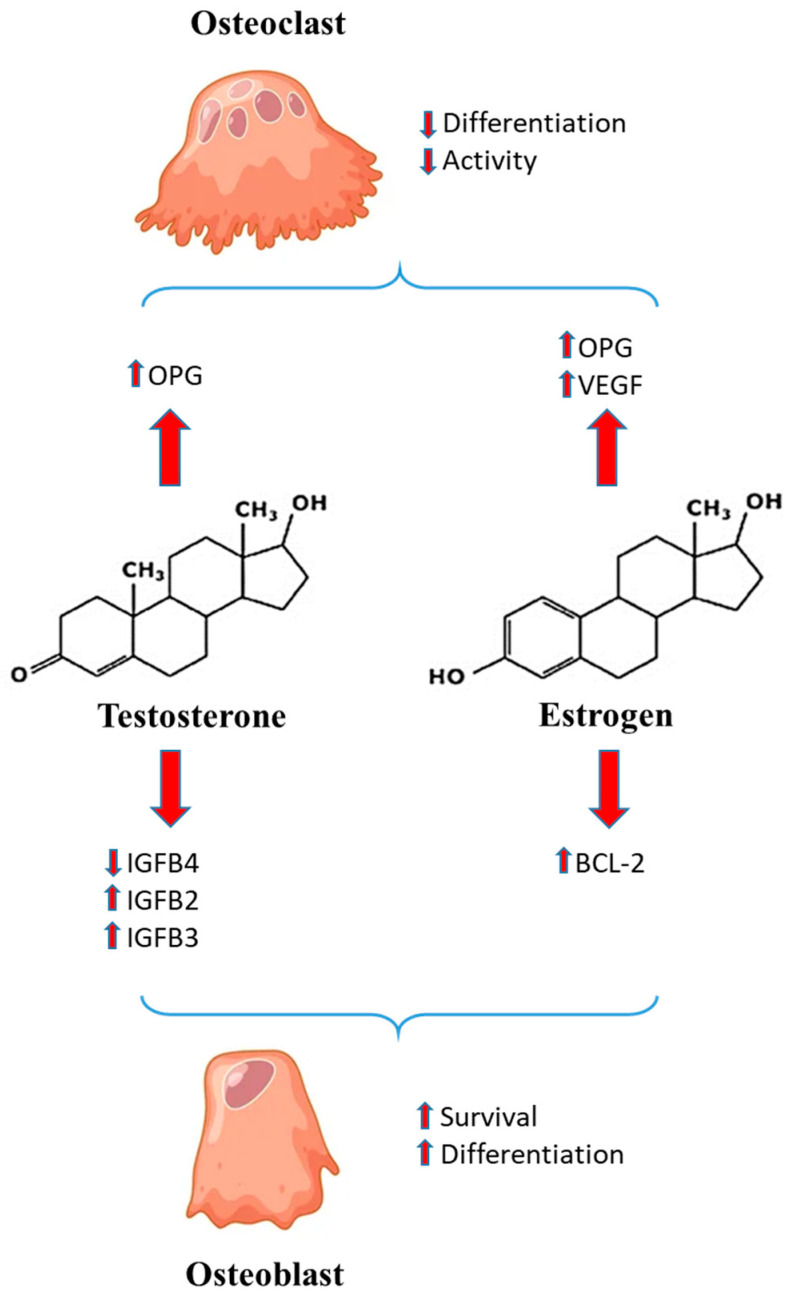
“In healthy conditions, estrogen leads to an increase in VEGF expression, which inhibits osteoclast differentiation and activity, and an increase in BCL-2, which promotes osteoblast survival and differentiation [92].”
From Osteoimmunology of Fracture Healing. (2024) · cites this paper as [92]
Experimental — accuracy not yet measuredThe source backs part of the claim, not all of it — or backs it for a different population, condition or comparison.
In the citing paper
“This low-E2-driven inflammation results in higher rates of delayed union or non-union in both post-menopausal women and aged or ovariectomized mice [92, 93, 95].”
From Osteoimmunology of Fracture Healing. (2024) · cites this paper as [92]
Experimental — accuracy not yet measured
1 more claim about this paper
Create a free account to see every claim other papers make about this one.
Self-check
Percentages, sums and reported differences re-computed from the paper’s own numbers.
The self-check needs the paper’s full text.
Citations
Cites
Epidemiology and outcomes of osteoporotic fractures
Cummings, S. R., & Melton, L. J. (2002) · The Lancet · doi:10.1016/s0140-6736(02)08657-9 · Cited by 3,821
Guidelines for the use and interpretation of assays for monitoring autophagy (4th edition) 1
Klionsky, D. J., Abdel-Aziz, A. K., Abdelfatah, S., Abdellatif, M., Abdoli, A., Abel, S., Abeliovich, H., Abildgaard, M. H., Abudu, Y. P., Acevedo-Arozena, A., et al. (2021) · Autophagy · doi:10.1080/15548627.2020.1797280 · Cited by 2,897
Estrogen Resistance Caused by a Mutation in the Estrogen-Receptor Gene in a Man
Smith, E. P., Boyd, J., Frank, G. R., Takahashi, H., Cohen, R. M., Specker, B., Williams, T. C., Lubahn, D. B., & Korach, K. S. (1994) · New England Journal of Medicine · doi:10.1056/nejm199410203311604 · Cited by 2,471
Fracture healing: mechanisms and interventions
Einhorn, T. A., & Gerstenfeld, L. C. (2015) · Nature Reviews Rheumatology · doi:10.1038/nrrheum.2014.164 · Cited by 1,807
Fracture healing under healthy and inflammatory conditions
Claes, L., Recknagel, S., & Ignatius, A. (2012) · Nature Reviews Rheumatology · doi:10.1038/nrrheum.2012.1 · Cited by 1,326
Acute Myocardial Infarction in Women: A Scientific Statement From the American Heart Association
Mehta, L. S., Beckie, T. M., DeVon, H. A., Grines, C. L., Krumholz, H. M., Johnson, M. N., Lindley, K. J., Vaccarino, V., Wang, T. Y., Watson, K. E., et al. (2016) · Circulation · doi:10.1161/cir.0000000000000351 · Cited by 1,244
The biology of fracture healing in long bones
McKibbin, B. (1978) · The Journal of Bone and Joint Surgery. British volume · doi:10.1302/0301-620x.60b2.350882 · Cited by 1,180
Effect of testosterone and estradiol in a man with aromatase deficiency
Carani, C., Qin, K., Simoni, M., Faustini-Fustini, M., Serpente, S., Boyd, J., Korach, K. S., & Simpson, E. R. (1997) · New England Journal of Medicine · doi:10.1056/nejm199707103370204 · Cited by 1,151
Nongenotropic, Sex-Nonspecific Signaling through the Estrogen or Androgen Receptors
Kousteni, S., Bellido, T., Plotkin, L. I., O'Brien, C. A., Bodenner, D. L., Han, L., Han, K., DiGregorio, G. B., Katzenellenbogen, J. A., Katzenellenbogen, B. S., et al. (2001) · Cell · doi:10.1016/s0092-8674(01)00268-9 · Cited by 1,113
Canonical Wnt/β-Catenin Signaling Prevents Osteoblasts from Differentiating into Chondrocytes
Hill, T. P., Später, D., Taketo, M. M., Birchmeier, W., & Hartmann, C. (2005) · Developmental Cell · doi:10.1016/j.devcel.2005.02.013 · Cited by 1,084
Cited by
Osteoimmunology of Fracture Healing.
Molitoris, K. H., Huang, M., & Baht, G. S. (2024) · Current Osteoporosis Reports · doi:10.1007/s11914-024-00869-z · Cited by 84
“It is well established that males and females have different outcomes in regard to bone fracture healing [92].”
BackgroundToxicity, Irritation, and Allergy of Metal Implants: Historical Perspective and Modern Solutions
Szczęsny, G., Kopeć, M., & Kowalewski, Z. L. (2025) · Coatings · doi:10.3390/coatings15030361 · Cited by 58
Sexual Dimorphism in the Musculoskeletal System: Sex Hormones and Beyond
Plotkin, L. I., Bruzzaniti, A., & Pianeta, R. (2024) · Journal of the Endocrine Society · doi:10.1210/jendso/bvae153 · Cited by 61
“Females reach puberty earlier and experience more rapid changes in bone and muscle than males, unlike men, who reach adulthood with more significant gains in muscle mass and bone mineral content (BMC), resulting in larger and stronger bones [2, 5, 13].”
BackgroundInfluentialBiz, C., Khamisy‐Farah, R., Puce, L., Szarpak, Ł., Converti, M., Ceylan, H. İ., Crimì, A., Bragazzi, N. L., & Ruggieri, P. (2024) · Biomedicines · doi:10.3390/biomedicines12050974 · Cited by 40
Donor Sex and Passage Conditions Influence MSC Osteogenic Response in Mineralized Collagen Scaffolds
Kolliopoulos, V., Tiffany, A. S., Polanek, M., & Harley, B. A. C. (2024) · Advanced Healthcare Materials · doi:10.1002/adhm.202400039 · Cited by 38
Sharafi, M. H., Nazari, A., Cheraghi, M., Souri, F., & Bakhshesh, M. (2025) · Osteoporosis International · doi:10.1007/s00198-025-07553-7 · Cited by 24
“Reduced sex hormones, particularly a reduction in estrogen, and oxidative stress and inflammatory factors contribute to bone material property impairments by influencing crosslink formation and collagen posttranslational modifications [128].”
Decoene, I., Svitina, H. M., Hamed, M. B., Economou, A., Stegen, S., Luyten, F. P., & Papantoniou, I. (2025) · Bone Research · doi:10.1038/s41413-025-00418-z · Cited by 22
“17 The role of systemic factors, such as immune cell activity, biological sex, and age have been well studied for both the early phase and the late remodeling phase, 18,19 but little is known about the factors that in fl uence the soft callus composition and kinetics.”
Wang, Z., Yan, H., Wang, M., Hu, Y., Zeng, H., Liu, H., Wang, H., Yang, C., Liu, J., Yu, A., et al. (2024) · Chemical Engineering Journal · doi:10.1016/j.cej.2024.157088 · Cited by 32
Trends in bioactivity: inducing and detecting mineralization of regenerative polymeric scaffolds
Nitschke, B. M., Beltran, F. O., Hahn, M. S., & Grunlan, M. A. (2024) · Journal of Materials Chemistry B · doi:10.1039/d3tb02674d · Cited by 18
Kolliopoulos, V., Tiffany, A., Polanek, M., & Harley, B. A. C. (2023) · doi:10.1101/2023.11.12.566781 · Cited by 17
Rejuvenating aged osteoprogenitors for bone repair
Reeves, J., Tournier, P., Becquart, P., Carton, R., Tang, Y., Vigilante, A., Fang, D., & Habib, S. J. (2024) · eLife · doi:10.7554/elife.104068.3 · Cited by 18
Miao, T., Li, X., Zhang, W.-H., Yang, F.-Y., & Wang, X. (2025) · PeerJ · doi:10.7717/peerj.19616 · Cited by 10
Sex-dependent variation in bone adaptation: from degeneration to regeneration
Chen, S., Patel, J., Katzmeyer, T., & Pei, M. (2025) · Journal of Orthopaedic Translation · doi:10.1016/j.jot.2025.04.011 · Cited by 13
“It has been observed that postmenopausal females have delayed fracture healing as compared to males due to reduced estrogen levels and greater inflammation [194].”
Chou, L.-H., Yang, T., Wong, P., & Chen, Y.-C. (2024) · Photodiagnosis and Photodynamic Therapy · doi:10.1016/j.pdpdt.2024.104436 · Cited by 11
Kārkle, A., Neimane, L., Zolovs, M., Dambergs, M. K., Meistere, D., Vaskevica, A., & Slaidina, A. (2025) · Diagnostics · doi:10.3390/diagnostics15050516 · Cited by 9
Connecting the dots: sex, depression, and musculoskeletal health
Newman, M. S., Donahue, H. J., & Neigh, G. N. (2024) · Journal of Clinical Investigation · doi:10.1172/jci180072 · Cited by 8
Timing of Radiographic Healing for Distal Femur Fractures Treated With Intramedullary Nails
Brodke, D. J., Devana, S. K., Hernandez, A., O’Hara, N. N., Burke, C. E., Gupta, J., McKibben, N. S., O’Toole, R. V., Morellato, J., Gillon, H., et al. (2024) · Journal of Orthopaedic Trauma · doi:10.1097/bot.0000000000002915 · Cited by 9
Characterization and effectiveness of a Fracture Liaison Services program in Colombia
Valladales‐Restrepo, L. F., Castro-Osorio, E. E., Ramírez-Osorio, J., Echeverri-Martínez, L. F., Sánchez-Ríos, V., Gaviria‐Mendoza, A., Machado‐Duque, M. E., & Machado‐Alba, J. E. (2023) · Archives of Osteoporosis · doi:10.1007/s11657-023-01331-w · Cited by 9
Diagnosis and therapeutic approach to bone health in patients with hypopituitarism
Kuliczkowska-Płaksej, J., Zdrojowy-Wełna, A., Jawiarczyk-Przybyłowska, A., Gojny, Ł., & Bolanowski, M. (2024) · Reviews in Endocrine and Metabolic Disorders · doi:10.1007/s11154-024-09878-w · Cited by 6
“Similarly, in vitro studies suggest that T or dihydrotestosterone act directly on osteoclast progenitors and mature osteoclasts to inhibit osteoclastogenesis and stimulate apoptosis [148, 150].”
Ritter, K., Baalmann, M., Dolderer, C., Ritz, U., & Schäfer, M. K. E. (2024) · Biomedicines · doi:10.3390/biomedicines12071399 · Cited by 5
“However, sex-specific effects have been reported in patients as well as in mice after TBI [64–67] or bone fracture [68,69].”
BackgroundPenna-Martinez, M., Kammerer, A., Stützle, P., Fees, S., Behr, S., Schaible, I., Schröder, K., Verboket, R. D., Neijhoft, J., Marzi, İ., et al. (2024) · Frontiers in Immunology · doi:10.3389/fimmu.2024.1488611 · Cited by 5
Yang, X., Hamiti, Y., Liu, K., Wang, S., Kadier, X., Xiong, D., & Yusufu, A. (2024) · Journal of Orthopaedic Surgery and Research · doi:10.1186/s13018-024-05200-1 · Cited by 5
“This observation aligns with previous studies suggesting that gender and anatomical location can significantly impact bone healing outcomes [19–21].”
Pianeta, R., Deosthale, P. J., Sanz, N., Kohler, R. K., Okpara, C., Arnett, M., Asad, I., Rogers, A., Gerbig, M., Essex, A. L., et al. (2024) · JBMR Plus · doi:10.1093/jbmrpl/ziae144 · Cited by 5
“14 Estrogens and androgens control osteoclasto-genesis by affecting the energy metabolism of preosteoclasts and modulating their apoptosis.”
Three-dimensional analysis of natural healing of mandibular bone cavities after cyst enucleation
Yang, Y., Kang, Y., Xie, S., Li, Z., Cai, Z., & Shan, X. (2025) · Clinical Oral Investigations · doi:10.1007/s00784-025-06162-2 · Cited by 5
“Similar findings were reported by Di Dio et al. [21] and Zhang et al. [23], who suggested that faster early-stage healing in women may be attributed to the role of sex hormones, particularly their promotion of neovascularization [26].”
Deep behavioral phenotyping tracks functional recovery following tibia fracture in mice
Layne, J. E., Snapper, D. M., Czachor, M. E., Lam, C., Matityahu, J. D., Lind, D. R. G., Huard, M., Huard, J., Morioka, K., Motzkin, J. C., et al. (2025) · Frontiers in Physiology · doi:10.3389/fphys.2025.1630155 · Cited by 5
Working, Z. M., Czachor, M. E., Nelson, A. L., O’Hara, K. M., Lancaster, K., Hellwinkel, J. E., Whitney, K. E., Marchand, L. S., Bzovskys, S., Dekeyser, G. J., et al. (2025) · PLoS Medicine · doi:10.1371/journal.pmed.1004640 · Cited by 7
“This is consistent with preclinical and clinical studies suggesting healing is broadly more robust in males compared to females [55,56].”
Circadian regulator PER1 inhibits osteoclastogenesis by activating inflammatory genes
Katoku-Kikyo, N., Vu, E. K., Mitchell, S., Karkache, I. Y., Patterson, E., Bradley, E. W., & Kikyo, N. (2026) · Journal of Bone and Mineral Research · doi:10.1093/jbmr/zjag025 · Cited by 6
VERA-BECERRA, A., Valdivia‐Gandur, I., Acuña-Mardones, P., Acevedo, F., Veuthey, C., & Beltrán, V. (2026) · In Vivo · doi:10.21873/invivo.14181 · Cited by 4
Bchini, S., Abdellaoui, S., Dergaa, I., Ceylan, H. İ., Triki, R., Farhani, Z., Moussaoui, D., Muntean, R. I., & Abderrahman, A. B. (2026) · Scientific Reports · doi:10.1038/s41598-026-41094-1 · Cited by 4
Tmem119 deficiency delays bone repair in mice
Matsumura, D., Kawao, N., Yamada, A., Okumoto, K., Ohira, T., Mizukami, Y., Goto, K., & Kaji, H. (2024) · Bone · doi:10.1016/j.bone.2024.117177 · Cited by 4
TGF-β1 Inhibits Osteogenesis via ZBTB16 Regulation in Periodontal Ligament
Moon, J., Yang, D., Kim, H.-S., Kim, M., & Kim, S.-H. (2025) · International Dental Journal · doi:10.1016/j.identj.2025.100941 · Cited by 3
Vignolo, S. M., Roth, D. M., Fraga, M. A. A., Wu, L., Cosgrove, J., Athirasala, A., Lin, A. S. P., Guldberg, R. E., & Bertassoni, L. E. (2026) · Acta Biomaterialia · doi:10.1016/j.actbio.2026.02.003 · Cited by 6
Agnes, C. J., Li, L., Bertrand, D. T., Murshed, M., Willie, B. M., & Tabrizian, M. (2025) · International Journal of Biological Macromolecules · doi:10.1016/j.ijbiomac.2025.140995 · Cited by 3
Chandrupatla, S. R., & Singh, J. A. (2025) · Journal of clinical rheumatology · doi:10.1097/rhu.0000000000002236 · Cited by 1
Griffin, K. H., Sagheb, I. S., Coonan, T. P., Wu, L., Rowland, D. J., Arzi, B., Lewis, J. S., & Leach, J. K. (2025) · Advanced Healthcare Materials · doi:10.1002/adhm.202502466 · Cited by 2
TSG-6 promotes healing of critical-sized bone defects in mice
Küppers, O., Ahmad, M., Dieterich, S., Bülow, J. M., Kölbl, C., Haffner‐Luntzer, M., Scharffetter‐Kochanek, K., Ignatius, A. A., & Fischer, V. (2025) · Frontiers in Immunology · doi:10.3389/fimmu.2025.1712152 · Cited by 2
Zhang, Q., Xie, Y., Jenkins, T., & Carson, J. A. (2025) · Sports Medicine and Health Science · doi:10.1016/j.smhs.2025.12.003 · Cited by 2
“While sex has influences on both bone and muscle mass regulation, 89,90 the effect of sex on circulating OC in published studies is equivocal.”
Smolle, C., Holzer-Geissler, J. C. J., Mandal, P., Schwaller, J., Petje, G., Rois, J., Kamolz, L., & Girsch, W. (2024) · Life · doi:10.3390/life14030318 · Cited by 6
“Some clinical studies could not detect any differences in osseous healing time at all [29,30].”
BackgroundLaggner, R., Gärtner, C., Ghanbari, E., Bur, F., Humenberger, M., & Haider, T. T. (2025) · Journal of Clinical Medicine · doi:10.3390/jcm14176161 · Cited by 2
Investigating Sex-Dependent Differences in Tensional Homeostasis
Sherif, N. E., Desai, D., Dunphy, J., Perez, M., Wilderotter, S., Smith, M. L., & Connizzo, B. K. (2024) · Proceedings of the World Congress on New Technologies · doi:10.11159/icbb24.121 · Cited by 1
Newton, L. J., Dobbin, N., Goodwin, P. C., & Crampton, J. S. (2025) · PLoS ONE · doi:10.1371/journal.pone.0317724 · Cited by 1
González-Vargas, P. M., Caramés, J., Riveiro, A., Thenier-Villa, J. L., Conde, C., & Pou, J. (2025) · Neurocirugía (English Edition) · doi:10.1016/j.neucie.2025.500675 · Cited by 1
Seth, I., Lim, B., Pan, T., Ragade, A., Ratnagandhi, A., Maxwell, M., McClure, V., Ross, R., & Rozen, W. M. (2025) · Australasian Journal of Plastic Surgery · doi:10.34239/ajops.144225 · Cited by 1
“23 The younger average age in the female cohort may also reflect differences in experience, which could influence injury mechanisms; however, this relationship requires further exploration.”
Correlation of Sex With Adverse Outcomes Following Total Hip Arthroplasty: A Matched Cohort Analysis
Ajjawi, I., Katsnelson, B. M., & Grauer, J. N. (2025) · JAAOS Global Research and Reviews · doi:10.5435/jaaosglobal-d-25-00104 · Cited by 1
Vaccalluzzo, M. S., Sapienza, M., Giardina, A., Sicurella, M. G., Raciti, F., Vescio, A., Pavone, V., & Testa, G. (2026) · Journal of Personalized Medicine · doi:10.3390/jpm16010034 · Cited by 1
Zúquete, J., Santos, S., Alves, M. F. R. P., Duarte, I. M. A., Naplocha, K., Olhero, S. M., & Miranda, G. S. (2026) · Additive manufacturing · doi:10.1016/j.addma.2026.105082 · Cited by 3
Effects of Cannabidiol on Bone Health: A Comprehensive Scoping Review
Shakir, S. A., & Chin, K. (2026) · Biomedicines · doi:10.3390/biomedicines14010208 · Cited by 1
“Sex is a key determinant of bone biology and may influence responses to pharmacological interventions [59].”
Xing, Y., Su, J., Lin, Y. Y., Huang, N., Zhang, S., Zhou, Y., Lu, J., Chen, W., He, K., Yuan, W., et al. (2026) · Aging Cell · doi:10.1111/acel.70575 · Cited by 1
“Sex differences in bone health and healing are well documented, and osteoporosis is particularly prevalent in postmenopausal females, in whom estrogen deficiency represents a major pathogenic driver of skeletal deterioration and impaired bone homeostasis (Ortona et al. 2023; Qi et al. 2017).”
Komrakova, M., Brunnert, F. N., Christian, A., Böker, K. O., Schilling, A. F., Roch, P. J., Hoffmann, D. B., Lehmann, W., & Sehmisch, S. (2026) · Calcified Tissue International · doi:10.1007/s00223-026-01585-9 · Cited by 1
“Despite previously reported sex differences in bone healing in humans [ 15, 40], the combined treatment in our rat experiments resulted in a hard, dense, and more compact but better-mineralized callus in both sexes.”
Pawelke, J., Vinayahalingam, V., Heiß, C., Khassawna, T. E., & Knapp, G. (2023) · International Journal of Molecular Sciences · doi:10.3390/ijms241814232 · Cited by 1
“In summary, sex differences in orthopedics and trauma surgery significantly impact the bone healing process [21].”
BackgroundBierer, B. E. (2024) · Journal of Bone and Joint Surgery · doi:10.2106/jbjs.24.00211 · Cited by 1
Nazzal, M. K., Battina, H. L., Tewari, N. P., Mostardo, S. L., Nagaraj, R. U., Zhou, D., Awosanya, O. D., Majety, S. K., Samson, S., Blosser, R. J., et al. (2024) · Aging · doi:10.18632/aging.206077 · Cited by 1
“Although the primary discussion regarding these differences typically focuses on the roles of estrogen and other sex hormones, sex-based differences in osteoblasts and BMEC responses to VEGF that result in divergent bone physiology have also been described [49].”
Sherif, N. E., Desai, D., Dunphy, J., Perez, M., Wilderotter, S., Smith, M. L., & Connizzo, B. K. (2024) · Journal of Biomedical Engineering and Biosciences · doi:10.11159/jbeb.2024.007
Rejuvenating aged osteoprogenitors for bone repairPreprint
Reeves, J., Tournier, P., Becquart, P., Carton, R., Tang, Y., Vigilante, A., Fang, D., & Habib, S. J. (2024) · eLife · doi:10.7554/elife.104068.2 · Cited by 3
Beaudoin, T. F., Ghayyad, K., Whitaker, E. A., Hirsch, D., Ahmed, A. A., Hawks, M. A., & Kachooei, A. R. (2024) · SurgiColl · doi:10.58616/001c.124925
Editorial for the Special Issue on “Multidisciplinary Insights on Bone Healing (Volume II)”
Anesi, A., & Bartolomeo, M. D. (2025) · Biology · doi:10.3390/biology14010032
“As the population ages and differences among sexes and age groups become more pronounced, the research on bone healing and damage mechanisms continues to advance, with evaluation conducted in both pre-clinical and clinical settings [1,2].”
Giaze, T. R., Mohamed, N., Hashim, S. A. S., Shuid, A. N., Soelaiman, I. N., Muhammad, N., Sidik, F. Z. J., & Jamal, J. A. (2025) · Pharmaceuticals · doi:10.3390/ph18050736
“Estrogen regulates vascular endothelial growth factor (VEGF) production and promotes osteoprotegerin (OPG) secretion to prevent osteoclast maturation, while also maintaining Bcl-2 levels to support osteoblast survival and reduce apoptosis [7].”
Isolation and Culture of Osteoblasts
Bourne, L. E., & Orriss, I. R. (2025) · Methods in molecular biology · doi:10.1007/978-1-0716-4306-8_1
Volumetric changes in the bone flap at one year follow up in patients undergoing craniotomy
Arora, H., Boruah, S., Yearley, A. G., Balagurunath, K. P., Patil, A., Huang, H., Sajed, S., Kilgallon, J. L., Gerstl, J. V. E., Hong, C. S., et al. (2025) · Neurosurgical Review · doi:10.1007/s10143-025-03610-1
González-Vargas, P. M., Caramés, J., Riveiro, A., Thenier-Villa, J. L., Conde, C., & Pou, J. (2025) · Neurocirugía · doi:10.1016/j.neucir.2025.500675
Shimabukuro, K., Wongratwanich, P., Konishi, M., Ramadhan, F. R., Nose, M., Ohtsuka, M., Nagasaki, T., Suei, Y., Nakamoto, T., & Kakimoto, N. (2025) · Oral Radiology · doi:10.1007/s11282-025-00867-6
“From a biological rationale, delayed bone remodeling due to cellular senescence as well as hormonal differences between sexes may account for the observed changes in CT values [32, 33].”
Afenigus, A. D., Tsegaye, D., Kassahun, B., Getnet, A., Gedfew, M., Woyraw, W., Gete, M., & Yitayew, F. M. (2025) · Research Connections · doi:10.1093/rescon/vmaf002
Zhang, Y., Hu, Y., & Li, X. (2025) · Medicine · doi:10.1097/md.0000000000046812
“[32,33] Women have higher estrogen levels, which contributes to maintaining bone mass and promoting bone development.”
Penna-Martinez, M., Klausner, L., Kammerer, A., Wang, M., Schaible, A., Verboket, R. D., Nau, C., Marzi, İ., & Henrich, D. M. (2026) · Cells · doi:10.3390/cells15030215
“Female rats were excluded from this study to avoid potential hormonal variations that could influence the interpretation of the results [9].”
Control Group Selection in Preclinical Rat Bone Defect Models: A Systematic Review
Reimann, L., Marchionatti, E., Steiner, A., Zeiter, S., & Constant, C. (2026) · Journal of Functional Biomaterials · doi:10.3390/jfb17020066
“The investigation of sex differences in femoral defect healing is limited despite early preclinical studies demonstrating relevant differences in bone healing between sexes [23].”
Risk factors affecting bone healing in orthopedic surgery: A clinical review
lbrahem, Z. T. (2026) · International Journal of Orthopaedics and Physiotherapy · doi:10.33545/26648989.2026.v8.i1a.38
Becquart, P., Tournier, P., Junyent, S., Ma, B., Liu, Y., Tang, Y., Chen, X., Fang, D., Kusumbe, A. P., & Habib, S. J. (2026) · npj Regenerative Medicine · doi:10.1038/s41536-026-00467-w · Cited by 1
“We focused on female mice because their delayed healing and higher fracture risk make them a stringent model for bone repair 43,44 .”
Aryal, R., Bhusal, R., Pandey, N. R., Banskota, A. K., & Banskota, B. (2026) · BMC Musculoskeletal Disorders · doi:10.1186/s12891-026-09756-3
“Recent data demonstrate that while mortality may not differ significantly between open and closed pelvic fractures with modern aggressive management, infection rates remain substantially elevated in open fractures [29].”
Safarova, S., Сафарова, С., & Taghiyeva, A. (2026) · Zaporozhye Medical Journal · doi:10.14739/2310-1210.2026.2.331070
Chidiac, A., Akl, C., Sadaka, R. M., Mrad, S., Navarrete-Hernández, J. D. J., Bourgi, R., Islas-Granillo, H., Cuevas‐Suárez, C. E., & Bassil, J. (2026) · Oral · doi:10.3390/oral6030054
“Estrogen deficiency enhances osteoclast activity and bone resorption by impairing osteoprotegerin (OPG) production, which normally binds RANKL and inhibits osteoclast activation [27,28].”
Sex Differences in Bone: Considerations for Biomaterial Design
Tiffany, A. S., & Kolliopoulos, V. (2026) · Springer eBooks · doi:10.1007/978-3-032-10745-9_14
Kobinger, S. (2026) · reposiTUm (TU Wien) · doi:10.34726/hss.2026.131835
Movassaghi, A., Williams, C., Bhatti, H. A., Smith, L. J., Lubert, J., & Sabesan, V. J. (2026) · Journal of Shoulder and Elbow Arthroplasty · doi:10.1016/j.jsea.2026.100047
“11,30 Froma biomechanicalperspective,successfulrTSAdepends on restoration of optimal muscle length — tension relationships, which are critical for joint stability, range of motion, and functional recovery.”
Sex differences in murine bone matrix maturation modulate osteoblast-endothelial interactions
Sharma, A., Emery, R. J., Pitsillides, A. A., & Clarkin, C. (2026) · Biology of Sex Differences · doi:10.1186/s13293-026-00960-3
Hubungan Indeks Massa Tubuh, Usia, Dan Jenis Kelamin Dengan Tipe Fraktur Pada Ekstremitas Bawah
Widyatmoko, Y. P., & Fithriyah, S. (2026) · UMS Library Center of Academic Activities (Universitas Surakarta)
García-Muñoz, J. I., Domenech‐Bendaña, A., Gimeno-Mallench, L., Ponce‐Mora, A., Fernández, Á. F., López-López, D., Nieto-Torres, J. L., & Bejarano, E. (2026) · International review of cytology · doi:10.1016/bs.ircmb.2026.07.006
Schultz, K., Wang, J. E., Manley, B., & Peek, K. J. (2026) · Archives of Orthopaedic and Trauma Surgery · doi:10.1007/s00402-026-06509-8
“There was also a greater proportion of males in the non-operative group, and gender-specific differences in healing potential may influence fracture healing [ 21].”
Saberian, E., Jenča, A., Zare‐Zardini, H., Jenča, A., Petrášová, A., Jenčová, J., & Wieckiewicz, M. A. (2026) · Dental and Medical Problems · doi:10.17219/dmp/211027
Sotoodeh, K., Fahimfar, N., Mogharrar, F., Hesari, E., Soltani, A., Khalagi, K., Nezamabadi, S. S., Sanjari, M., Shafiee, G., Meybodi, H. R. A., et al. (2026) · Research Square · doi:10.21203/rs.3.rs-11208342/v1
Newton, L. J., Dobbin, N., Goodwin, P., & Crampton, J. S. (2025) · doi:10.1371/journal.pone.0317724.r004
Metadata
- Authors
- Ortona, E., Pagano, M. T., Capossela, L., & Malorni, W.
- Affiliations
- Istituto Superiore di Sanità (IT)
- Agostino Gemelli University Polyclinic (IT)
- Università Cattolica del Sacro Cuore (IT)
- Corresponding author
- Ortona, Elena
- Venue
- Biology
- Publisher
- MDPI AG
- Published
- 2023-07-12
- Volume
- 12
- Issue
- 7
- Pages
- 993
- ISSN
- 2079-7737 (ISSN-L)
- PMC
- PMC10376157
- OpenAlex
- W4384202001
- Cited by
- 68
- References
- 98
- Citations by year
- 2026: 15 · 2025: 27 · 2024: 23 · 2023: 3
- FWCI
- 2.66
- Type
- journal article
- Language
- en
- Open access
- gold
- doi.org
- Licence
- Locations
- Biology (publishedVersion, cc-by)
- PubMed Central (publishedVersion, cc-by)
- PubMed (publishedVersion)
- DOAJ (DOAJ: Directory of Open Access Journals) (submittedVersion, cc-by-sa)
- IRIS Research product catalog (Sapienza University of Rome) (submittedVersion)
- Topics
- Health Sciences › Medicine › Orthopedics and Sports Medicine › Bone fractures and treatments
- Health Sciences › Medicine › Orthopedics and Sports Medicine › Bone health and osteoporosis research
- Health Sciences › Medicine › Public Health, Environmental and Occupational Health › Sex and Gender in Healthcare
- Keywords
- sex differences, fracture healing, bone regeneration, sex hormones, estrogen, inflammation, autophagy, cell cycle, gender disparities
About these checks
Registry, retraction, Cites and statistics results are computed, not judged, with one exception: a printed reference that no index lists is read once by a model before it counts as a citation error. Claims are extracted by a model and kept only when their quote appears verbatim in the text; each cited source is then checked, with a model’s help, for whether it says what the claim relies on. Those verdicts can be wrong — read the claim’s quote and the cited source before relying on one.
Statistics and arithmetic are recomputed, not judged.
Confidence bands are shown only for fields calibrated on our annotated test set. None is calibrated yet, so no band is shown.
What counts as a claim ›How we measure confidence ›How we check this ›
Are you an author, or do you see a problem with this page? Request a review
Data sources
Bibliographic data: Semantic Scholar, OpenAlex, Crossref.
Contains information from the Semantic Scholar Academic Graph Datasets, made available under the ODC Attribution License (ODC-BY 1.0).
Semantic Scholar’s data is described in: Kinney, R., et al. (2023). The Semantic Scholar Open Data Platform. arXiv:2301.10140.
