

From NAFLD to MAFLD: Aligning Translational In Vitro Research to Clinical Insights
Open accessThe DOI matches its Crossref record; 155 of the 156 references it cites were found in a registry or an index.
Abstract
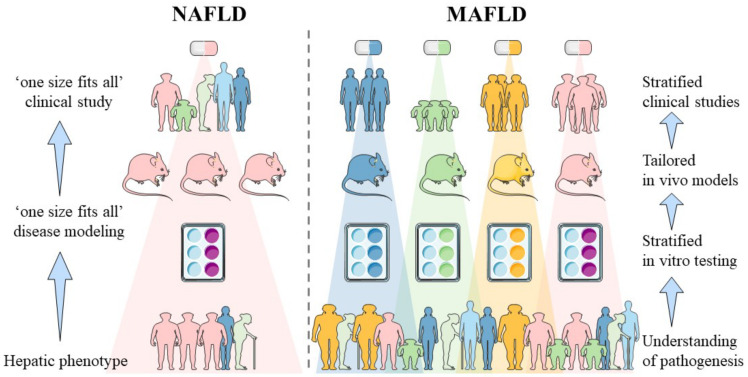
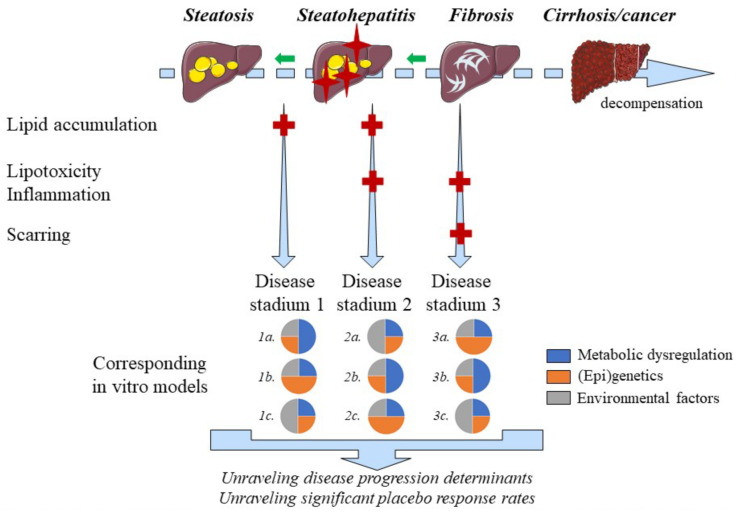
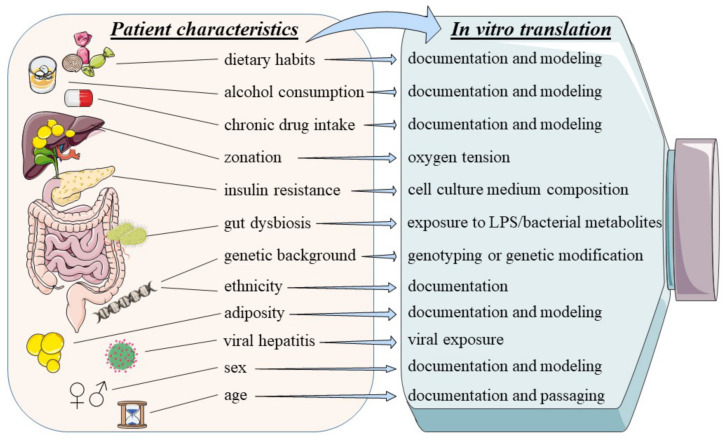
Although most same-stage non-alcoholic fatty liver disease (NAFLD) patients exhibit similar histologic sequelae, the underlying mechanisms appear to be highly heterogeneous. Therefore, it was recently proposed to redefine NAFLD to metabolic dysfunction-associated fatty liver disease (MAFLD) in which other known causes of liver disease such as alcohol consumption or viral hepatitis do not need to be excluded. Revised nomenclature envisions speeding up and facilitating anti-MAFLD drug development by means of patient stratification whereby each subgroup would benefit from distinct pharmacological interventions. As human-based in vitro research fulfils an irrefutable step in drug development, action should be taken as well in this stadium of the translational path. Indeed, most established in vitro NAFLD models rely on short-term exposure to fatty acids and use lipid accumulation as a phenotypic benchmark. This general approach to a seemingly ambiguous disease such as NAFLD therefore no longer seems applicable. Human-based in vitro models that accurately reflect distinct disease subgroups of MAFLD should thus be adopted in early preclinical disease modeling and drug testing. In this review article, we outline considerations for setting up translational in vitro experiments in the MAFLD era and allude to potential strategies to implement MAFLD heterogeneity into an in vitro setting so as to better align early drug development with future clinical trial designs.
Overview
The claims and statistics of this paper haven’t been checked yet.
Free: it reads the open-access text and checks the first 5 claims that cite a source we can check. Create a free account to check every claim.
Integrity signals
Registry
Cites
Statistics
Figures
Verification
Claims the paper makes
The claims and statistics of this paper haven’t been checked yet.
Free: it reads the open-access text and checks the first 5 claims that cite a source we can check. Create a free account to check every claim.
Self-check
Percentages, sums and reported differences re-computed from the paper’s own numbers.
The self-check needs the paper’s full text.
Citations
Cites
Younossi, Z. M., Koenig, A. B., Abdelatif, D., Fazel, Y., Henry, L., & Wymer, M. (2016) · Hepatology · doi:10.1002/hep.28431 · Cited by 10,781 · cited 1×
“20%) and the global increase in NAFLD prevalence is consistent with the alarming rise of obesity prevalence worldwide [78].”
BackgroundThe metabolic phenotype in obesity: Fat mass, body fat distribution, and adipose tissue function
Goossens, G. H. (2017) · Obesity Facts · doi:10.1159/000471488 · Cited by 8,481
Chalasani, N., Younossi, Z., Lavine, J. E., Charlton, M., Cusi, K., Rinella, M., Harrison, S. A., Brunt, E. M., & Sanyal, A. J. (2018) · Hepatology · doi:10.1002/hep.29367 · Cited by 7,239 · cited 1×
“Obesity is one of the most common and well described risk factors for NAFLD [77].”
BackgroundSontrop, J. M., Dixon, S. N., Garg, A. X., Buendia-Jimenez, I., Dohein, O., Huang, S.-H. S., & Clark, W. F. (2013) · American Journal of Nephrology · doi:10.1159/000350377 · Cited by 5,871
Eslam, M., Newsome, P. N., Sarin, S. K., Anstee, Q. M., Targher, G., Romero-Gomez, M., Zelber-Sagi, S., Wai-Sun Wong, V., Dufour, J.-F., Schattenberg, J. M., et al. (2020) · Journal of Hepatology · doi:10.1016/j.jhep.2020.03.039 · Cited by 4,472 · cited 1×
“Hence, a patient suffering from any other liver disease and who also meets the criteria for diagnosis of MAFLD, should be defined as having dual (or more) etiology fatty liver disease [119].”
BackgroundMAFLD: a consensus-driven proposed nomenclature for metabolic associated fatty liver disease
Eslam, M., Sanyal, A. J., George, J., Sanyal, A., Neuschwander-Tetri, B., Tiribelli, C., Kleiner, D. E., Brunt, E., Bugianesi, E., Yki-Järvinen, H., et al. (2020) · Gastroenterology · doi:10.1053/j.gastro.2019.11.312 · Cited by 3,286 · cited 6×
“Clinical studies report drug-response rates ranging from 20–40% with placebo effects accounting for 10 to 20% [7,8], suggesting the presence of certain effect modifiers.”
BackgroundMethodInfluentialEvolution of inflammation in nonalcoholic fatty liver disease: The multiple parallel hits hypothesis
Tilg, H., & Moschen, A. R. (2010) · Hepatology · doi:10.1002/hep.24001 · Cited by 2,548 · cited 10×
“In patients with metabolically unhealthy obesity, increased concentrations of IL-6 were found in VAT, suggesting increased pro-inflammatory activity of VAT [88,89].”
BackgroundInfluentialVilar-Gomez, E., Martinez-Perez, Y., Calzadilla-Bertot, L., Torres-Gonzalez, A., Gra-Oramas, B., Gonzalez-Fabian, L., Friedman, S. L., Diago, M., & Romero-Gomez, M. (2015) · Gastroenterology · doi:10.1053/j.gastro.2015.04.005 · Cited by 2,492 · cited 1×
“Weight loss through lifestyle modification, achieved through close follow-up by dieticians and physical activity, might be a cost-effective and efficient approach for treatment of NAFLD [9].”
BackgroundEkstedt, M., Hagström, H., Nasr, P., Fredrikson, M., Stål, P., Kechagias, S., & Hultcrantz, R. (2015) · Hepatology · doi:10.1002/hep.27368 · Cited by 2,287 · cited 1×
“On the other hand, since fibrosis is the most important determinant for disease-specific mortality in NAFLD [143], one might question the importance of detailed modeling of MAFLD subtypes in order to develop effective therapeutics.”
BackgroundHuman organoids: model systems for human biology and medicine
Kim, J., Koo, B.-K., & Knoblich, J. A. (2020) · Nature Reviews Molecular Cell Biology · doi:10.1038/s41580-020-0259-3 · Cited by 2,187 · cited 1×
“Organoids [31] - Cell–cell interactions - Preservation of functional and metabolic activity over several weeks - Recapitulate developmental phases of the liver - Higher cost - Require scaffolds - High variability due to lack of standardized protocols - Limited options for genetic modification - Limited representation…”
BackgroundWilliams, C. D., Stengel, J., Asike, M. I., Torres, D. M., Shaw, J., Contreras, M., Landt, C. L., & Harrison, S. A. (2011) · Gastroenterology · doi:10.1053/j.gastro.2010.09.038 · Cited by 2,148 · cited 2×
“NAFLD occurs more often in males, in whom higher liver pyruvate kinase levels positively correlate with NAFLD severity [33,34].”
BackgroundYan, H., Zhong, G., Xu, G., He, W., Jing, Z., Gao, Z., Huang, Y., Qi, Y., Peng, B., Wang, H., et al. (2012) · eLife · doi:10.7554/elife.00049 · Cited by 2,115 · cited 1×
“The liver cell lines HepG2 and Huh7 completely lack NTCP expression, which can be addressed by inducing constitutive expression of NTCP via reprogramming [140].”
BackgroundZhu, L., Baker, S. S., Gill, C., Liu, W., Alkhouri, R., Baker, R. D., & Gill, S. R. (2013) · Hepatology · doi:10.1002/hep.26093 · Cited by 1,708 · cited 2×
“Indeed, alcohol-producing microbiota such as Escherichia are more abundant in the stool of NASH patients [98].”
BackgroundRonksley, P. E., Brien, S. E., Turner, B. J., Mukamal, K. J., & Ghali, W. A. (2011) · BMJ · doi:10.1136/bmj.d671 · Cited by 1,610 · cited 1×
“These findings are consistent with the fact that moderate ethanol intake reduces the risk for several cardiovascular outcomes [126] and that the beneficial or detrimental effects of ethanol on different health aspects follow a ‘J-shaped’ curve [125].”
Boursier, J., Mueller, O., Barret, M., Machado, M., Fizanne, L., Araujo‐Perez, F., Guy, C. D., Seed, P. C., Rawls, J. F., David, L. A., et al. (2016) · Hepatology · doi:10.1002/hep.28356 · Cited by 1,483 · cited 1×
“Proteobacteria, Enterobacteria, Escherichia [98] and Bacteroides [99] have been found to be more abundant in the stool of adult NASH patients than in healthy individuals.”
BackgroundControlled synthesis of HBsAg in a differentiated human liver carcinoma-derived cell line
Aden, D. P., Fogel, A., Plotkin, S., Damjanov, I., & Knowles, B. B. (1979) · Nature · doi:10.1038/282615a0 · Cited by 1,317 · cited 1×
“Furthermore, commonly used human hepatic cell lines originate from sources from different sexes: HepG2 cells were isolated in 1975 from a hepatocellular blastoma from a 15-year old boy [39], whereas HepaRG cells were isolated from a HCC of a female patient [40].”
BackgroundKozlitina, J., Smagris, E., Stender, S., Nordestgaard, B. G., Zhou, H. H., Tybjærg-Hansen, A., Vogt, T. F., Hobbs, H. H., & Cohen, J. C. (2014) · Nature Genetics · doi:10.1038/ng.2901 · Cited by 1,234
Nonalcoholic Fatty Liver Disease 2020: The State of the Disease
Cotter, T. G., & Rinella, M. (2020) · Gastroenterology · doi:10.1053/j.gastro.2020.01.052 · Cited by 1,198 · cited 1×
“The prevalence of non-alcoholic fatty liver disease (NAFLD) has risen over past decades, closely paralleling the obesity pandemic, making it the number one chronic liver disease today [1].”
BackgroundA causal role for uric acid in fructose-induced metabolic syndrome
Nakagawa, T., Hu, H., Zharikov, S., Tuttle, K. R., Short, R. A., Glushakova, O., Ouyang, X., Feig, D. I., Block, E. R., Herrera-Acosta, J., et al. (2006) · American Journal of Physiology-Renal Physiology · doi:10.1152/ajprenal.00140.2005 · Cited by 1,104 · cited 1×
“Fructose intake is, however, associated with the development of features of the metabolic syndrome, such as elevated serum triglycerides and insulin resistance [53,54].”
BackgroundBlüher, M. (2020) · Endocrine Reviews · doi:10.1210/endrev/bnaa004 · Cited by 1,090
Ratziu, V., Harrison, S. A., Francque, S., Bedossa, P., Lehert, P., Serfaty, L., Romero-Gomez, M., Boursier, J., Abdelmalek, M., Caldwell, S., et al. (2016) · Gastroenterology · doi:10.1053/j.gastro.2016.01.038 · Cited by 1,035 · cited 1×
“, simtuzumab [144] and elafibranor [145], without satisfying results, it still seems the way to go.”
BackgroundGenetics and epigenetics of NAFLD and NASH: Clinical impact
Eslam, M., Valenti, L., & Romeo, S. (2018) · Journal of Hepatology · doi:10.1016/j.jhep.2017.09.003 · Cited by 971 · cited 1×
“Hitherto, the carriage of patatin-like phospholipase domain-containing protein 3 (PNPLA3) rs738409 appears to be the strongest genetic disease modifier [59].”
BackgroundRelationship of obesity and visceral adiposity with serum concentrations of CRP, TNF-α and IL-6
Park, H. S., Park, J. Y., & Yu, R. (2005) · Diabetes Research and Clinical Practice · doi:10.1016/j.diabres.2004.11.007 · Cited by 964
Anderson, E. L., Howe, L. D., Jones, H. E., Higgins, J. P. T., Lawlor, D. A., & Fraser, A. (2015) · PLOS ONE · doi:10.1371/journal.pone.0140908 · Cited by 898
Fructose consumption as a risk factor for non-alcoholic fatty liver disease
Ouyang, X., Cirillo, P., Sautin, Y., McCall, S., Bruchette, J. L., Diehl, A. M., Johnson, R. J., & Abdelmalek, M. F. (2008) · Journal of Hepatology · doi:10.1016/j.jhep.2008.02.011 · Cited by 863
Endpoints and clinical trial design for nonalcoholic steatohepatitis
Sanyal, A. J., Brunt, E. M., Kleiner, D. E., Kowdley, K. V., Chalasani, N., Lavine, J. E., Ratziu, V., & McCullough, A. (2011) · Hepatology · doi:10.1002/hep.24376 · Cited by 750
Histopathology of Pediatric Nonalcoholic Fatty Liver Disease * #
Schwimmer, J. B., Behling, C., Newbury, R., Deutsch, R., Nievergelt, C., Schork, N. J., & Lavine, J. E. (2005) · Hepatology · doi:10.1002/hep.20842 · Cited by 747 · cited 1×
“NAFLD prevalence positively correlates with aging [34,41,42]; however, pediatric NAFLD seems a distinct entity with a more severe phenotype [41].”
BackgroundAninat, C., Piton, A., Glaise, D., Le Charpentier, T., Langouët, S., Morel, F., Guguen-Guillouzo, C., & Guillouzo, A. (2006) · Drug Metabolism and Disposition · doi:10.1124/dmd.105.006759 · Cited by 703 · cited 1×
“Furthermore, commonly used human hepatic cell lines originate from sources from different sexes: HepG2 cells were isolated in 1975 from a hepatocellular blastoma from a 15-year old boy [39], whereas HepaRG cells were isolated from a HCC of a female patient [40].”
Backgroundvan Vliet‐Ostaptchouk, J. V., Nuotio, M.-L., Slagter, S. N., Doiron, D., Fischer, K., Foco, L., Gaye, A., Gögele, M., Heier, M., Hiekkalinna, T., et al. (2014) · BMC Endocrine Disorders · doi:10.1186/1472-6823-14-9 · Cited by 697 · cited 1×
“However, a subgroup of obese patients can be categorized as metabolically healthy and exhibit a significantly decreased risk of developing comorbidities [79,80].”
BackgroundMancina, R. M., Dongiovanni, P., Petta, S., Pingitore, P., Meroni, M., Rametta, R., Borén, J., Montalcini, T., Pujia, A., Wiklund, O., et al. (2016) · Gastroenterology · doi:10.1053/j.gastro.2016.01.032 · Cited by 676
Friedman, S. L., Ratziu, V., Harrison, S. A., Abdelmalek, M. F., Aithal, G. P., Caballeria, J., Francque, S., Farrell, G., Kowdley, K. V., Craxi, A., et al. (2018) · Hepatology · doi:10.1002/hep.29477 · Cited by 671 · cited 1×
“Remarkably, the phase II trial in which the dual C-C motif chemokine receptor (CCR) 2/5 antagonist cenicriviroc was evaluated showed a positive effect in men regarding fibrosis regression after one year, but not in women, although this was not necessarily associated with response to cenicriviroc [36].”
Backgroundvan Vliet‐Ostaptchouk, J. V., Nuotio, M.-L., Slagter, S. N., Doiron, D., Fischer, K., Foco, L., Gaye, A., Gögele, M., Heier, M., Hiekkalinna, T., et al. (2014) · NORA - Norwegian Open Research Archives · Cited by 620
The Natural Course of Non-Alcoholic Fatty Liver Disease
Calzadilla Bertot, L., & Adams, L. (2016) · International Journal of Molecular Sciences · doi:10.3390/ijms17050774 · Cited by 620
Visceral fat: A key mediator of steatohepatitis in metabolic liver disease†
van der Poorten, D., Milner, K., Hui, J., Hodge, A., Trenell, M. I., Kench, J. G., London, R., Peduto, T., Chisholm, D. J., & George, J. (2008) · Hepatology · doi:10.1002/hep.22350 · Cited by 607 · cited 1×
“Further, VAT area directly relates to hepatic inflammation and fibrosis development in NAFLD patients [84,85].”
BackgroundIncreased Hepatic and Circulating Interleukin-6 Levels in Human Nonalcoholic Steatohepatitis
Wieckowska, A., Papouchado, B. G., Li, Z., Lopez, R., Zein, N. N., & Feldstein, A. E. (2008) · The American Journal of Gastroenterology · doi:10.1111/j.1572-0241.2007.01774.x · Cited by 597 · cited 1×
“The degree of hepatitis and fibrosis positively correlates with both circulating and liver IL-6 concentrations [91].”
BackgroundPirola, C. J., Fernández Gianotti, T., Castaño, G. O., Mallardi, P., San Martino, J., Mora Gonzalez Lopez Ledesma, M., Flichman, D., Mirshahi, F., Sanyal, A. J., & Sookoian, S. (2015) · Gut · doi:10.1136/gutjnl-2014-306996 · Cited by 564 · cited 1×
“Liver miR-122 expression is 10-fold lower in NASH patients in comparison to simple steatosis, while in vitro its overexpression in transfected Huh7 cells results in higher alanine aminotransferase activity [68].”
BackgroundFatty Liver Disease Caused by High-Alcohol-Producing Klebsiella Pneumoniae
Yuan, J., Chen, C., Cui, J., Lu, J., Yan, C., Wei, X., Zhao, X., Li, N., Li, S., Xue, G., et al. (2019) · Cell Metabolism · doi:10.1016/j.cmet.2019.08.018 · Cited by 548 · cited 1×
“Another study found that in a cohort of Chinese NAFLD patients, up to 60% of the patients were associated with high-alcohol-producing Klebsiella pneumoniae [101].”
BackgroundModeling Steatohepatitis in Humans with Pluripotent Stem Cell-Derived Organoids
Ouchi, R., Togo, S., Kimura, M., Shinozawa, T., Koido, M., Koike, H., Thompson, W., Karns, R. A., Mayhew, C. N., McGrath, P. S., et al. (2019) · Cell Metabolism · doi:10.1016/j.cmet.2019.05.007 · Cited by 537 · cited 1×
“iPSC-derived hepatocyte-like, stellate cell-like and Kupffer cell-like cells Oleic acid and LPS Gut dysbiosis Obeticholic acid [23]”
BackgroundRich, N. E., Oji, S., Mufti, A. R., Browning, J. D., Parikh, N. D., Odewole, M., Mayo, H., & Singal, A. G. (2018) · Clinical Gastroenterology and Hepatology · doi:10.1016/j.cgh.2017.09.041 · Cited by 486
Oxygen: Modulator of metabolic zonation and disease of the liver
Jungermann, K., & Kietzmann, T. (2000) · Hepatology · doi:10.1002/hep.510310201 · Cited by 443 · cited 1×
“The liver exhibits metabolic zonation [107].”
Generation of induced pluripotent stem cells from urine
Zhou, T., Benda, C., Duzinger, S., Huang, Y., Li, X., Li, Y., Guo, X., Cao, G., Chen, S., Hao, L., et al. (2011) · Journal of the American Society of Nephrology · doi:10.1681/asn.2011010106 · Cited by 421
MAFLD identifies patients with significant hepatic fibrosis better than NAFLD
Yamamura, S., Eslam, M., Kawaguchi, T., Tsutsumi, T., Nakano, D., Yoshinaga, S., Takahashi, H., Anzai, K., George, J., & Torimura, T. (2020) · Liver International · doi:10.1111/liv.14675 · Cited by 401 · cited 1×
“Adopting the new MAFLD terminology seems to be more practical for identification of high-risk patients, as it was found to allow better identification of patients with significant hepatic fibrosis than when the NAFLD terminology was applied [146].”
MethodInborn Metabolic Diseases: Diagnosis and Treatment
(2012) · doi:10.1007/978-3-642-15720-2 · Cited by 377
Pirola, C. J., Gianotti, T. F., Burgueño, A. L., Rey-Funes, M., Loidl, C. F., Mallardi, P., Martino, J. S., Castaño, G. O., & Sookoian, S. (2013) · Gut · doi:10.1136/gutjnl-2012-302962 · Cited by 364 · cited 1×
“NASH patients exhibit significantly elevated levels of liver mitochondrial DNA methylation [70] and the latter is also involved in transdifferentiation of hepatic stellate cells to myofibroblasts, hence accompanying liver fibrosis [71].”
BackgroundEffect of ethanol on lipid metabolism
You, M., & Arteel, G. E. (2019) · Journal of Hepatology · doi:10.1016/j.jhep.2018.10.037 · Cited by 354 · cited 1×
“Ethanol induces transcriptional activity of SREBP-1c and carbohydrate-responsive element-binding protein thereby promoting lipogenesis [128].”
BackgroundPathological Features of Fatty Liver Disease
Yeh, M. M., & Brunt, E. M. (2014) · Gastroenterology · doi:10.1053/j.gastro.2014.07.056 · Cited by 346 · cited 1×
“As such, steatosis generally occurs in the pericentral regions where the oxygen concentration is relatively lower [109].”
BackgroundAltered gut microbial energy and metabolism in children with non-alcoholic fatty liver disease
Michail, S., Lin, M., Frey, M. R., Fanter, R., Paliy, O., Hilbush, B., & Reo, N. V. (2015) · FEMS Microbiology Ecology · doi:10.1093/femsec/fiu002 · Cited by 336 · cited 1×
“In stool samples of children with NAFLD, Gammaproteobacteria were found to be increased when compared to both obese and non-obese children without NAFLD [100].”
BackgroundSoft Drink Consumption Linked with Fatty Liver in the Absence of Traditional Risk Factors
Assy, N., Nasser, G., Kamayse, I., Nseir, W., Beniashvili, Z., Djibre, A., & Grosovski, M. (2008) · Canadian Journal of Gastroenterology · doi:10.1155/2008/810961 · Cited by 331
Fructose stimulated de novo lipogenesis is promoted by inflammation
Todoric, J., Di Caro, G., Reibe, S., Henstridge, D. C., Green, C. R., Vrbanac, A., Ceteci, F., Conche, C., McNulty, R., Shalapour, S., et al. (2020) · Nature Metabolism · doi:10.1038/s42255-020-0261-2 · Cited by 328 · cited 2×
“Fructose Diet No pharmacological intervention [17]”
BackgroundBell, C. C., Dankers, A. C. A., Lauschke, V. M., Sison-Young, R., Jenkins, R., Rowe, C., Goldring, C. E., Park, K., Regan, S. L., Walker, T., et al. (2018) · Toxicological Sciences · doi:10.1093/toxsci/kfx289 · Cited by 327 · cited 1×
“Spheroids [28,30] - Cell–cell interactions - Preservation of functional and metabolic activity over several weeks - Do not require scaffolds - Suitable for high-throughput purposes - Size heterogeneity (depending on procedure) - No representation of interorgan crosstalk”
BackgroundLean NAFLD: A Distinct Entity Shaped by Differential Metabolic Adaptation
Chen, F., Esmaili, S., Rogers, G. B., Bugianesi, E., Petta, S., Marchesini, G., Bayoumi, A., Metwally, M., Azardaryany, M. K., Coulter, S., et al. (2020) · Hepatology · doi:10.1002/hep.30908 · Cited by 327 · cited 2×
“Lean NAFLD patients often suffer from metabolic dysfunction and visceral adiposity [94], but also exhibit altered gut microbiota, higher secondary bile acid and FGF19 levels along with lower 7-alpha-hydroxy-4-cholesten-3-one compared to healthy persons and patients suffering from non-lean NAFLD [95].”
BackgroundPresence and significance of microvesicular steatosis in nonalcoholic fatty liver disease
Tandra, S., Yeh, M. M., Brunt, E. M., Vuppalanchi, R., Cummings, O. W., Ünalp-Arida, A., Wilson, L. A., & Chalasani, N. (2011) · Journal of Hepatology · doi:10.1016/j.jhep.2010.11.021 · Cited by 326 · cited 1×
“Concomitant exposure of FaO hepatoma cells to ethanol and free fatty acids reduces lipid droplet size compared to single treatments [130], which correlates with more advanced MAFLD histology [131].”
BackgroundSoft drink consumption is associated with fatty liver disease independent of metabolic syndrome
Abid, A., Taha, O., Nseir, W., Farah, R., Grosovski, M., & Assy, N. (2009) · Journal of Hepatology · doi:10.1016/j.jhep.2009.05.033 · Cited by 287
The PNPLA3 I148M variant modulates the fibrogenic phenotype of human hepatic stellate cells
Bruschi, F. V., Claudel, T., Tardelli, M., Caligiuri, A., Stulnig, T. M., Marra, F., & Trauner, M. (2017) · Hepatology · doi:10.1002/hep.29041 · Cited by 268
Shlomai, A., Schwartz, R. E., Ramanan, V., Bhatta, A., de Jong, Y. P., Bhatia, S. N., & Rice, C. M. (2014) · Proceedings of the National Academy of Sciences · doi:10.1073/pnas.1412631111 · Cited by 258 · cited 1×
“To address variation in susceptibility to infection, iPSC-derived hepatocyte-like cells were successfully applied [139].”
MethodLauschke, V. M., Hendriks, D. F. G., Bell, C. C., Andersson, T. B., & Ingelman-Sundberg, M. (2016) · Chemical Research in Toxicology · doi:10.1021/acs.chemrestox.6b00150 · Cited by 241 · cited 5×
“Bioprinting [26,32] - In vitro physiological liver environment - Cell–cell interactions - Vascularization - High cost - Complex experimental setup - Limitations concerning cell viability and structural integrity depending on printing method, requires large amounts of cells - Less suitable for high-throughput purposes”
BackgroundMethodInfluentialSex hormones and their receptors regulate liver energy homeostasis
Shen, M., & Shi, H. (2015) · International Journal of Endocrinology · doi:10.1155/2015/294278 · Cited by 239 · cited 1×
“As sex hormones such as estrogens and androgens are known to influence lipid metabolism [38], their inclusion in in vitro MAFLD models could be a first step towards sex-specific MAFLD models.”
BackgroundNovel human hepatic organoid model enables testing of drug-induced liver fibrosis in vitro
Leite, S. B., Roosens, T., El Taghdouini, A., Mannaerts, I., Smout, A. J., Najimi, M., Sokal, E., Noor, F., Chesne, C., & van Grunsven, L. A. (2016) · Biomaterials · doi:10.1016/j.biomaterials.2015.11.026 · Cited by 234 · cited 1×
“Similarly, in the same study it was found that repeated exposure of these spheroids for fourteen days to methotrexate, a drug indicated for neoplastic diseases and severe rheumatoid arthritis or psoriasis, leads to stellate cell activation [124].”
BackgroundDevelopmental origins of NAFLD: a womb with a clue
Wesolowski, S. R., Kasmi, K. C. E., Jonscher, K. R., & Friedman, J. E. (2017) · Nature Reviews Gastroenterology & Hepatology · doi:10.1038/nrgastro.2016.160 · Cited by 232 · cited 1×
“Juvenile NAFLD probably already starts with epigenetic alterations and possibly other maternal-driven exposures in utero [7,74].”
BackgroundFracanzani, A. L., Petta, S., Lombardi, R., Pisano, G., Russello, M., Consonni, D., Di Marco, V., Cammà, C., Mensi, L., Dongiovanni, P., et al. (2017) · Clinical Gastroenterology and Hepatology · doi:10.1016/j.cgh.2017.04.045 · Cited by 230 · cited 1×
“Interestingly, when compared to obese NAFLD patients, the prevalence of the SNP TM6SF2 rs58542926 seems to be higher in individuals suffering from lean NAFLD [95,96].”
BackgroundLipid zonation and phospholipid remodeling in nonalcoholic fatty liver disease
Hall, Z., Bond, N. J., Ashmore, T., Sanders, F., Ament, Z., Wang, X., Murray, A. J., Bellafante, E., Virtue, S., Vidal‐Puig, A., et al. (2017) · Hepatology · doi:10.1002/hep.28953 · Cited by 211 · cited 1×
“Although lipid zonation seems lost in NASH [110], future research should clarify whether certain MAFLD phenotypes are of ‘pediatric’ or ‘adult’ nature and how oxygen tension and nutrient supply could modify lipogenesis in certain cell types.”
BackgroundChoi, H. S. J., Brouwer, W. P., Zanjir, W. M. R., de Man, R. A., Feld, J. J., Hansen, B. E., Janssen, H. L. A., & Patel, K. (2020) · Hepatology · doi:10.1002/hep.30857 · Cited by 211 · cited 1×
“In patients exhibiting dual NASH/CHB etiology, disease progression is rapid, along with accelerated manifestation of advanced fibrosis, liver-related outcomes and death [118].”
BackgroundYounes, R., Govaere, O., Petta, S., Miele, L., Tiniakos, D., Burt, A., David, E., Vecchio, F. M., Maggioni, M., Cabibi, D., et al. (2022) · Gut · doi:10.1136/gutjnl-2020-322564 · Cited by 205 · cited 1×
“Importantly, lean NAFLD in white individuals may progress to end-stage liver disease without associated PNPLA3 rs738409 variant or progression to obesity, along with the full spectrum of metabolic comorbidities [97].”
BackgroundNonalcoholic fatty liver disease: another leap forward
Abdelmalek, M. F. (2021) · Nature Reviews Gastroenterology & Hepatology · doi:10.1038/s41575-020-00406-0 · Cited by 196 · cited 1×
“In addition, it has become clear that NAFLD should be better understood and that its pathogenesis is likely much more heterogenic than previously assumed [11].”
BackgroundCiardullo, S., & Perseghin, G. (2021) · Liver International · doi:10.1111/liv.14828 · Cited by 191 · cited 2×
“A recent cross-sectional study revealed that the NAFLD prevalence was 37.1% (95% CI, 34.0–40.4), whereas the MAFLD prevalence was slightly higher at 39.1% (95% CI, 36.3–42.1) in the general population of the United States of America [13].”
BackgroundInfluential3D Printing and Additive Manufacturing Technologies
(2019) · Springer eBooks · doi:10.1007/978-981-13-0305-0 · Cited by 190
Vorrink, S. U., Zhou, Y., Ingelman-Sundberg, M., & Lauschke, V. M. (2018) · Toxicological Sciences · doi:10.1093/toxsci/kfy058 · Cited by 187 · cited 1×
“Indeed, fourteen day-repeated exposure of primary human hepatocyte spheroids to acetaminophen resulted in hepatotoxicity and decreased cell viability [123].”
BackgroundOhtani, N., & Kawada, N. (2019) · Hepatology Communications · doi:10.1002/hep4.1331 · Cited by 187
Lipoprotein Metabolism, Dyslipidemia, and Nonalcoholic Fatty Liver Disease
Fisher, E., & Cohen, D. (2013) · Seminars in Liver Disease · doi:10.1055/s-0033-1358519 · Cited by 179 · cited 1×
“NAFLD patients typically exhibit serum lipid dysregulation characterized by increased levels of low-density lipoprotein (LDL) particles and a reduced amount of high-density lipoproteins (HDL) [4,5].”
BackgroundBody Fat Distribution and Risk of Incident and Regressed Nonalcoholic Fatty Liver Disease
Kim, D., Chung, G. E., Kwak, M.-S., Seo, H. B., Kang, J. H., Kim, W., Kim, Y. J., Yoon, J.-H., Lee, H.-S., & Kim, C. Y. (2016) · Clinical Gastroenterology and Hepatology · doi:10.1016/j.cgh.2015.07.024 · Cited by 174 · cited 1×
“To the contrary, larger areas of subcutaneous adipose tissue were found to associate with NAFLD regression in normal weight individuals [83].”
BackgroundZonation of glucose and fatty acid metabolism in the liver: Mechanism and metabolic consequences
Hijmans, B. S., Grefhorst, A., Oosterveer, M. H., & Groen, A. K. (2014) · Biochimie · doi:10.1016/j.biochi.2013.06.007 · Cited by 169 · cited 1×
“Hepatocytes located close to the portal triad (zone 1) are more involved in gluconeogenesis and fatty acid β-oxidation, while hepatocytes in the pericentral region (zone 3) are rather involved in glycolysis and lipogenesis [108].”
BackgroundKaji, H., Camci-Unal, G., Langer, R., & Khademhosseini, A. (2011) · Biochimica et Biophysica Acta (BBA) - General Subjects · doi:10.1016/j.bbagen.2010.07.002 · Cited by 161 · cited 1×
“Micropatterned co-cultures [26,29] - Phenotypic stability over several weeks - Controlled degree of homo- and heterotypic cell–cell contacts - Higher cost - Murine supporting cell line (3T3-J2) often used is a concern for physiological relevance - Interference of supporting cells with read-outs - No representation of…”
BackgroundHuman PNPLA3-I148M variant increases hepatic retention of polyunsaturated fatty acids
Luukkonen, P. K., Nick, A., Hölttä-Vuori, M., Thiele, C., Isokuortti, E., Lallukka-Brück, S., Zhou, Y., Hakkarainen, A., Lundbom, N., Peltonen, M., et al. (2019) · JCI Insight · doi:10.1172/jci.insight.127902 · Cited by 161 · cited 1×
“Previous in vitro and clinical research showed that PNPLA3 rs738409 has desaturating activity towards liver triglycerides, because it impairs hydrolysis/transacylation of poly-unsaturated fatty acids from diacylglycerols for synthesis of phosphatidylcholine [64].”
BackgroundEpigenetics in NAFLD/NASH: Targets and therapy
Sodum, N., Kumar, G., Bojja, S. L., Kumar, N., & Rao, C. M. (2021) · Pharmacological Research · doi:10.1016/j.phrs.2021.105484 · Cited by 158 · cited 1×
“mechanisms of NASH and other metabolic diseases [67].”
BackgroundDevelopment of an in vitro human liver system for interrogating nonalcoholic steatohepatitis
Feaver, R. E., Cole, B. K., Lawson, M. J., Hoang, S. A., Marukian, S., Blackman, B. R., Figler, R. A., Sanyal, A. J., Wamhoff, B. R., & Dash, A. (2016) · JCI Insight · doi:10.1172/jci.insight.90954 · Cited by 153 · cited 2×
“Stressed hepatocytes may accumulate lipids, which can easily be modelled in vitro using co-culture systems with macrophages and/or stellate cells [16].”
BackgroundNonalcoholic fatty liver disease in adolescents and young adults: The next frontier in the epidemic
Doycheva, I., Watt, K. D., & Alkhouri, N. (2017) · Hepatology · doi:10.1002/hep.29068 · Cited by 152
Three-dimensional perfused human in vitro model of non-alcoholic fatty liver disease
Kostrzewski, T., Cornforth, T., Snow, S. A., Ouro-Gnao, L., Rowe, C., Large, E. M., & Hughes, D. J. (2017) · World Journal of Gastroenterology · doi:10.3748/wjg.v23.i2.204 · Cited by 149 · cited 1×
“Primary hepatocytes Oleic acid and palmitic acid Diet Pioglitazone and metformin [14]”
BackgroundHe, Y., Hwang, S., Cai, Y., Kim, S., Xu, M., Yang, D., Guillot, A., Feng, D., Seo, W., Hou, X., et al. (2019) · Hepatology · doi:10.1002/hep.30645 · Cited by 149 · cited 1×
“Various other miRs have also been associated with NASH, such as miR-223, which is elevated in NASH liver biopsy samples [69].”
BackgroundLee-Montiel, F. T., George, S. M., Gough, A. H., Sharma, A. D., Wu, J., DeBiasio, R., Vernetti, L. A., & Taylor, D. L. (2017) · Experimental Biology and Medicine · doi:10.1177/1535370217703978 · Cited by 141 · cited 1×
“Furthermore, cells are commonly cultivated under 20–21% oxygen, while the partial oxygen tension in the liver ranges from 10–12% (periportal) to 3–5% (pericentral) [111].”
BackgroundCeccarelli, S., Panera, N., Mina, M., Gnani, D., De Stefanis, C., Crudele, A., Rychlicki, C., Petrini, S., Bruscalupi, G., Agostinelli, L., et al. (2015) · Oncotarget · doi:10.18632/oncotarget.5163 · Cited by 140 · cited 7×
“The best-known factor implicated in gut-related NASH is lipopolysaccharide (LPS) derived from Gram-negative bacteria [102].”
BackgroundInfluentialHan, M. A. T., Altayar, O., Hamdeh, S., Takyar, V., Rotman, Y., Etzion, O., Lefebvre, E., Safadi, R., Ratziu, V., Prokop, L. J., et al. (2019) · Clinical Gastroenterology and Hepatology · doi:10.1016/j.cgh.2018.06.011 · Cited by 135 · cited 1×
“Clinical studies report drug-response rates ranging from 20–40% with placebo effects accounting for 10 to 20% [7,8], suggesting the presence of certain effect modifiers.”
BackgroundPage, A., Paoli, P., Moran Salvador, E., White, S., French, J., & Mann, J. (2016) · Journal of Hepatology · doi:10.1016/j.jhep.2015.11.024 · Cited by 134 · cited 1×
“NASH patients exhibit significantly elevated levels of liver mitochondrial DNA methylation [70] and the latter is also involved in transdifferentiation of hepatic stellate cells to myofibroblasts, hence accompanying liver fibrosis [71].”
BackgroundAdinolfi, L., Rinaldi, L., Guerrera, B., Restivo, L., Marrone, A., Giordano, M., & Zampino, R. (2016) · International Journal of Molecular Sciences · doi:10.3390/ijms17060803 · Cited by 131 · cited 1×
“Similarly, fibrosis progression and development of HCC are accelerated in patients suffering from both NAFLD and chronic hepatitis C virus (HCV) infection [116].”
BackgroundHajifathalian, K., Torabi Sagvand, B., & McCullough, A. J. (2019) · Hepatology · doi:10.1002/hep.30226 · Cited by 128
Zhang, X., Wu, M., Liu, Z., Yuan, H., Wu, X., Shi, T., Chen, X., & Zhang, T. (2021) · BMJ Open · doi:10.1136/bmjopen-2020-042843 · Cited by 128 · cited 1×
“35% and although this increasing trend is observed worldwide, it is most pronounced in regions with a high-middle socio-demographic index [47].”
BackgroundToward More Accurate Nomenclature for Fatty Liver Diseases
Eslam, M., Sanyal, A. J., & George, J. (2019) · Gastroenterology · doi:10.1053/j.gastro.2019.05.064 · Cited by 126 · cited 1×
“Prohibiting ethanol consumption in clinical studies is far from practical, often does not reflect the daily situation and would narrow the definition of MAFLD [7,127].”
BackgroundWang, B., Zhuang, R., Luo, X., Li, Y., Pang, C., Feng, T., You, H. F., Zhai, Y., Ren, Y., Zhang, L., et al. (2015) · Hormone and Metabolic Research · doi:10.1055/s-0035-1559767 · Cited by 123 · cited 2×
“Contrarily, up to 30% of adult normal weight individuals are metabolically obese and display increased cardiometabolic risk [81,82].”
BackgroundVisceral Obesity Predicts Significant Fibrosis in Patients With Nonalcoholic Fatty Liver Disease
Yu, S. J., Kim, W., Kim, D., Yoon, J.-H., Lee, K., Kim, J. H., Cho, E. J., Lee, J.-H., Kim, H. Y., Kim, Y. J., et al. (2015) · Medicine · doi:10.1097/md.0000000000002159 · Cited by 122 · cited 1×
“Further, VAT area directly relates to hepatic inflammation and fibrosis development in NAFLD patients [84,85].”
BackgroundAnti-NASH Drug Development Hitches a Lift on PPAR Agonism
Boeckmans, J., Natale, A., Rombaut, M., Buyl, K., Rogiers, V., De Kock, J., Vanhaecke, T., & Rodrigues, R. M. (2019) · Cells · doi:10.3390/cells9010037 · Cited by 122
Self-citationGlobal epidemiology of lean non‐alcoholic fatty liver disease: A systematic review and meta‐analysis
Lu, F., Zheng, K. I., Rios, R. S., Targher, G., Byrne, C. D., & Zheng, M. (2020) · Journal of Gastroenterology and Hepatology · doi:10.1111/jgh.15156 · Cited by 115 · cited 1×
“Middle-aged patients in Asian countries show the highest prevalence of lean NAFLD [93].”
BackgroundEpigenetic regulation of hepatocellular carcinoma in non-alcoholic fatty liver disease
Tian, Y., Wong, V. W., Chan, H. L., & Cheng, A. S. L. (2013) · Seminars in Cancer Biology · doi:10.1016/j.semcancer.2013.08.010 · Cited by 113 · cited 6×
“Moreover, DNA methylation profiles could serve as a prognostic tool for NAFLD in the prevention of disease progression towards HCC [72].”
BackgroundInfluentialDown-regulation of SREBP-1c is associated with the development of burned-out NASH
Nagaya, T., Tanaka, N., Suzuki, T., Sano, K., Horiuchi, A., Komatsu, M., Nakajima, T., Nishizawa, T., Joshita, S., Umemura, T., et al. (2010) · Journal of Hepatology · doi:10.1016/j.jhep.2010.04.033 · Cited by 111 · cited 1×
“SREBP-1c levels, however, decrease in patients with NASH progression [129].”
BackgroundHarrison, S. A., Brunt, E. M., Qazi, R. A., Oliver, D. A., Neuschwander‐Tetri, B. A., DIBISCEGLIE, A., & Bacon, B. R. (2005) · Clinical Gastroenterology and Hepatology · doi:10.1016/s1542-3565(05)00246-6 · Cited by 107 · cited 1×
“In addition, hepatic steatosis due to metabolic factors, significantly hampers interferon-based treatment of HCV, suggesting the need for a holistic approach [132,133].”
BackgroundThe association of nonalcoholic steatohepatitis and tamoxifen in patients with breast cancer
Saphner, T., Triest‐Robertson, S., Li, H., & Holzman, P. (2009) · Cancer · doi:10.1002/cncr.24374 · Cited by 99
Glass, O., Filozof, C., Noureddin, M., Berner-Hansen, M., Schabel, E., Omokaro, S. O., Schattenberg, J. M., Barradas, K., Miller, V., Francque, S., et al. (2020) · Journal of Hepatology · doi:10.1016/j.jhep.2020.04.030 · Cited by 89 · cited 1×
“Consequently, one solution to avoid noise in clinical studies could be standardization of diet and exercise during anti-NAFLD treatment [10].”
BackgroundShadid, S., Abosi-Appeadu, K., De Maertelaere, A.-S., Defreyne, J., Veldeman, L., Holst, J. J., Lapauw, B., Vilsbøll, T., & T’Sjoen, G. (2020) · Diabetes Care · doi:10.2337/dc19-1061 · Cited by 82 · cited 1×
“Moreover, as gender-affirming hormone therapy has also been shown to lead to altered metabolic profiles [37], but little is known about the impact of such therapies on MAFLD development, in vitro models might prove useful to gain further insights on this topic.”
BackgroundExperimental liver models: From cell culture techniques to microfluidic organs‐on‐chip
Polidoro, M. A., Ferrari, E., Marzorati, S., Lleò, A., & Rasponi, M. (2021) · Liver International · doi:10.1111/liv.14942 · Cited by 82 · cited 2×
“Microfluidic devices [26,27] - In vitro physiological liver environment - Cell–cell interactions - Perfusion, shear stress - Zonation possible by managing flow rate of medium - Inclusion of interorgan crosstalk - High cost - High complexity - Requires specialized equipment - Less suitable for high-throughput purposes”
BackgroundMethodAfrica, J. A., Behling, C. A., Brunt, E. M., Zhang, N., Luo, Y., Wells, A., Hou, J., Belt, P. H., Kohil, R., Lavine, J. E., et al. (2018) · Clinical Gastroenterology and Hepatology · doi:10.1016/j.cgh.2017.02.030 · Cited by 81 · cited 2×
“steatosis occurs in the periportal region and can be azonal as well [44].”
BackgroundEffects of TM6SF2 E167K on hepatic lipid and very low-density lipoprotein metabolism in humans
Borén, J., Adiels, M., Björnson, E., Matikainen, N., Söderlund, S., Rämö, J., Ståhlman, M., Ripatti, P., Ripatti, S., Palotie, A., et al. (2020) · JCI Insight · doi:10.1172/jci.insight.144079 · Cited by 81
Hepatic Steatosis Is Prevalent in Stillborns Delivered to Women With Diabetes Mellitus
Patel, K. R., White, F. V., & Deutsch, G. H. (2015) · Journal of Pediatric Gastroenterology and Nutrition · doi:10.1097/mpg.0000000000000520 · Cited by 79 · cited 1×
“Nevertheless, it was demonstrated that stillborn babies from mothers suffering from diabetes (type I, II and gestational) often exhibit hepatic steatosis [75].”
BackgroundAyonrinde, O. T. (2021) · JHEP Reports · doi:10.1016/j.jhepr.2021.100261 · Cited by 75 · cited 1×
“Lean NAFLD patients often suffer from metabolic dysfunction and visceral adiposity [94], but also exhibit altered gut microbiota, higher secondary bile acid and FGF19 levels along with lower 7-alpha-hydroxy-4-cholesten-3-one compared to healthy persons and patients suffering from non-lean NAFLD [95].”
BackgroundModeling PNPLA3‐Associated NAFLD Using Human‐Induced Pluripotent Stem Cells
Tilson, S. G., Morell, C. M., Lenaerts, A., Park, S. B., Hu, Z., Jenkins, B., Koulman, A., Liang, T. J., & Vallier, L. (2021) · Hepatology · doi:10.1002/hep.32063 · Cited by 75
The interplay between hepatic stellate cells and hepatocytes in an in vitro model of NASH
Barbero-Becerra, V. J., Giraudi, P. J., Chávez-Tapia, N. C., Uribe, M., Tiribelli, C., & Rosso, N. (2015) · Toxicology in Vitro · doi:10.1016/j.tiv.2015.07.010 · Cited by 71 · cited 1×
“Huh7 and LX-2 cells Oleic acid and palmitic acid Diet-induced fibrosis No pharmacological intervention [25]”
BackgroundOgasawara, N., Kobayashi, M., Akuta, N., Kominami, Y., Fujiyama, S., Kawamura, Y., Sezaki, H., Hosaka, T., Suzuki, F., Saitoh, S., et al. (2017) · Journal of Medical Virology · doi:10.1002/jmv.24950 · Cited by 70 · cited 1×
“However, in patients with genotype 1 chronic hepatitis C infection, who suffer predominantly from metabolic steatosis, an increase compared to baseline in the liver steatosis marker controlled attenuation parameter (CAP) has been reported [135].”
BackgroundKetohexokinase inhibition improves NASH by reducing fructose-induced steatosis and fibrogenesis
Shepherd, E. L., Saborano, R., Northall, E., Matsuda, K., Ogino, H., Yashiro, H., Pickens, J., Feaver, R. E., Cole, B. K., Hoang, S. A., et al. (2021) · JHEP Reports · doi:10.1016/j.jhepr.2020.100217 · Cited by 70 · cited 1×
“This can be reversed by inhibiting ketohexokinase, which intervenes in the enzymatic phosphorylation of fructose to fructose-1-phosphate [56].”
BackgroundCirculating microbiota-derived metabolites: a “liquid biopsy?
Aragonès, G., Colom-Pellicer, M., Aguilar, C., Guiu-Jurado, E., Martínez, S., Sabench, F., Antonio Porras, J., Riesco, D., Del Castillo, D., Richart, C., et al. (2020) · International Journal of Obesity · doi:10.1038/s41366-019-0430-0 · Cited by 69 · cited 1×
“Indeed, one of the possibilities to more accurately model dysbiosis-driven MAFLD could be to expose human cell cultures to bacterial metabolites that are found at higher levels in the plasma of MAFLD patients, such as trimethylamine N-oxide, glycocholic acid and deoxycholic acid [106].”
BackgroundParental metabolic syndrome epigenetically reprograms offspring hepatic lipid metabolism in mice
De Jesus, D. F., Orime, K., Kaminska, D., Kimura, T., Basile, G., Wang, C.-H., Haertle, L., Riemens, R., Brown, N. K., Hu, J., et al. (2020) · Journal of Clinical Investigation · doi:10.1172/jci127502 · Cited by 68 · cited 1×
“Since epigenetic alterations can be passed to next generations or lost, one should keep track of the origin of stem cells, cell lines and primary cells used in both basic and translational MAFLD research [76].”
BackgroundDash, A., Figler, R. A., Sanyal, A. J., & Wamhoff, B. R. (2016) · Expert Opinion on Drug Metabolism & Toxicology · doi:10.1080/17425255.2017.1246534 · Cited by 67 · cited 1×
“Certain pharmaceuticals are known to induce liver steatosis and inflammation [120].”
BackgroundLiver Pyruvate Kinase Promotes NAFLD/NASH in Both Mice and Humans in a Sex-Specific Manner
Krishnan, K. C., Floyd, R. R., Sabir, S., Jayasekera, D. W., León‐Mimila, P., Jones, A. E., Cortez, A. A., Shravah, V., Péterfy, M., Stiles, L., et al. (2020) · Cellular and Molecular Gastroenterology and Hepatology · doi:10.1016/j.jcmgh.2020.09.004 · Cited by 66
PPAR agonists reduce steatosis in oleic acid-overloaded HepaRG cells
Rogue, A., Anthérieu, S., Vluggens, A., Umbdenstock, T., Claude, N., de la Moureyre-Spire, C., Weaver, R. J., & Guillouzo, A. (2014) · Toxicology and Applied Pharmacology · doi:10.1016/j.taap.2014.02.001 · Cited by 65 · cited 2×
“In vitro models using primary cells Primary hepatocytes Oleic acid and palmitic acid Diet Pioglitazone and metformin [14] Glucose, insulin, free fatty acids, TNF-α, IL-1β and TGF-β Diet Inflammation PPAR-agonists [15] Primary hepatocytes, stellate cells and macrophages Glucose, insulin, free fatty acids Diet Insulin r…”
Slaughter, V. L., Rumsey, J. W., Boone, R., Malik, D., Cai, Y., Sriram, N. N., Long, C. J., McAleer, C. W., Lambert, S., Shuler, M. L., et al. (2021) · Scientific Reports · doi:10.1038/s41598-021-92264-2 · Cited by 65 · cited 1×
“A recently proposed microfluidic device consisting of primary human hepatocytes and adipocytes was able to demonstrate indirect effects of adipose tissue on hepatocytes and seems promising for use in preclinical settings [92].”
BackgroundZheng, Q., Lin, W., Liu, C., Zhou, Y., Chen, T., Zhang, L., Zhang, X., Yu, S., Wu, Q., Jin, Z., et al. (2020) · BMC Public Health · doi:10.1186/s12889-020-08630-8 · Cited by 64 · cited 2×
“Contrarily, up to 30% of adult normal weight individuals are metabolically obese and display increased cardiometabolic risk [81,82].”
BackgroundWhat is the appropriate oxygen tension for in vitro culture?
Sullivan, M. H. F., Galea, P., & Latif, S. (2006) · Molecular Human Reproduction · doi:10.1093/molehr/gal081 · Cited by 62 · cited 1×
“This raises the question whether standard cultivation techniques for hepatic cells, whether or not for MAFLD research, should be revised [112].”
BackgroundJonas, M., Kurylowicz, A., Bartoszewicz, Z., Lisik, W., Jonas, M., Wierzbicki, Z., Chmura, A., Pruszczyk, P., & Puzianowska-Kuznicka, M. (2015) · International Journal of Molecular Sciences · doi:10.3390/ijms161025817 · Cited by 61 · cited 8×
“In patients with metabolically unhealthy obesity, increased concentrations of IL-6 were found in VAT, suggesting increased pro-inflammatory activity of VAT [88,89].”
BackgroundInfluentialHepatic Molecular Signatures Highlight the Sexual Dimorphism of Nonalcoholic Steatohepatitis (NASH)
Vandel, J., Dubois‐Chevalier, J., Gheeraert, C., Derudas, B., Raverdy, V., Thuillier, D., Gaal, L., Francque, S., Pattou, F., Staels, B., et al. (2021) · Hepatology · doi:10.1002/hep.31312 · Cited by 61 · cited 1×
“A recent transcriptomic study also points to the fact that NASH is a sexual dimorphic disorder that might lead to different drug responses between men and women [35].”
BackgroundParafati, M., Kirby, R. J., Khorasanizadeh, S., Rastinejad, F., & Malany, S. (2018) · Disease Models & Mechanisms · doi:10.1242/dmm.033530 · Cited by 60 · cited 1×
“Using iPSC-derived hepatic cells it was demonstrated that thapsigargin-mediated induction of ER-stress is an important driver of lipogenesis [113] and a pathway that should be considered when modeling steatosis-preceding inflammation.”
BackgroundCho, S.-A., Joo, H. J., Cho, J.-Y., Lee, S. H., Park, J. H., Hong, S. J., Yu, C. W., & Lim, D.-S. (2017) · PLOS ONE · doi:10.1371/journal.pone.0169289 · Cited by 59 · cited 1×
“Serum level of adiponectin, an anti-inflammatory and anti-lipogenic adipokine, is negatively correlated with VAT area [86] and was also found to be decreased in NASH patients [87].”
BackgroundKvist, A. J., Kanebratt, K. P., Walentinsson, A., Palmgren, H., O'Hara, M., Björkbom, A., Andersson, L. C., Ahlqvist, M., & Andersson, T. B. (2018) · Biochemical Pharmacology · doi:10.1016/j.bcp.2018.06.026 · Cited by 59
Health outcomes of a high fructose intake: the importance of physical activity
Tappy, L., & Rosset, R. (2019) · The Journal of Physiology · doi:10.1113/jp278246 · Cited by 59 · cited 1×
“Fructose intake is, however, associated with the development of features of the metabolic syndrome, such as elevated serum triglycerides and insulin resistance [53,54].”
BackgroundBell, C. C., Chouhan, B., Andersson, L. C., Andersson, H., Dear, J. W., Williams, D. P., & Söderberg, M. (2020) · Archives of Toxicology · doi:10.1007/s00204-020-02682-w · Cited by 58 · cited 1×
“Spheroids [28,30] - Cell–cell interactions - Preservation of functional and metabolic activity over several weeks - Do not require scaffolds - Suitable for high-throughput purposes - Size heterogeneity (depending on procedure) - No representation of interorgan crosstalk”
BackgroundGeneration of proliferating human adult hepatocytes using optimized 3D culture conditions
Rose, S., Ezan, F., Cuvellier, M., Bruyère, A., Legagneux, V., Langouët, S., & Baffet, G. (2021) · Scientific Reports · doi:10.1038/s41598-020-80019-4 · Cited by 57 · cited 1×
“Despite the recent advancements in the expansion of primary human hepatocytes in vitro [152], the contributions of diet, physical activity and ethanol intake on the NASH pathogenesis seem to largely impede their application in MAFLD research.”
BackgroundHuman hepatocyte systems for in vitro toxicology analysis
Kammerer, S., & Küpper, J. (2018) · Journal of Cellular Biotechnology · doi:10.3233/jcb-179012 · Cited by 55
Non-alcoholic fatty liver disease and hepatitis C infection.
Bondini, S., & Younossi, Z. M. (2006) · PubMed · Cited by 54
Human-based systems: Mechanistic NASH modelling just around the corner?
Boeckmans, J., Natale, A., Buyl, K., Rogiers, V., De Kock, J., Vanhaecke, T., & Rodrigues, R. M. (2018) · Pharmacological Research · doi:10.1016/j.phrs.2018.06.029 · Cited by 53 · cited 10×
“Considering the multi-faced pathogenesis of MAFLD, inter-species differences are likely to bias early basic and translational studies [2].”
BackgroundInfluentialSelf-citationMAFLD criteria overlooks a number of patients with severe steatosis: Is it clinically relevant?
Huang, J., Kumar, R., Wang, M.-F., Zhu, Y., & Lin, S. (2020) · Journal of Hepatology · doi:10.1016/j.jhep.2020.06.016 · Cited by 52 · cited 1×
“The diagnosis of MAFLD is made based on the presence of hepatic steatosis with at least one of three of the following features: (i) obesity/overweight, (ii) diabetes mellitus and/or (iii) evidence of metabolic dysregulation [7,12].”
BackgroundInfluentialNonalcoholic steatohepatitis is associated with an atherogenic lipoprotein subfraction profile
Corey, K. E., Misdraji, J., Gelrud, L., Zheng, H., Chung, R. T., & Krauss, R. M. (2014) · Lipids in Health and Disease · doi:10.1186/1476-511x-13-100 · Cited by 49
Mulder, J., Sharmin, S., Chow, T., Rodrigues, D. C., Hildebrandt, M. R., D’Cruz, R., Rogers, I. M., Ellis, J., & Rosenblum, N. D. (2019) · Pediatric Research · doi:10.1038/s41390-019-0618-y · Cited by 48
Racial Disparities in Diagnosis and Prognosis of Nonalcoholic Fatty Liver Disease
Samji, N. S., Snell, P. D., Singal, A. K., & Satapathy, S. K. (2020) · Clinical Liver Disease · doi:10.1002/cld.948 · Cited by 48 · cited 1×
“Important racial and ethnic disparities exist in NAFLD prevalence and risk for progression to end-stage liver disease [57].”
BackgroundGurevich, I., Burton, S. A., Munn, C., Ohshima, M., Goedland, M. E., Czysz, K., & Rajesh, D. (2020) · Biology Open · doi:10.1242/bio.055087 · Cited by 46 · cited 1×
“Donor NAFLD background Genetics No pharmacological intervention [21]”
BackgroundMetabolomics profiling of steatosis progression in HepaRG ® cells using sodium valproate
Cuykx, M., Claes, L., Rodrigues, R. M., Vanhaecke, T., & Covaci, A. (2018) · Toxicology Letters · doi:10.1016/j.toxlet.2017.12.015 · Cited by 43 · cited 1×
“Using stem cell-derived hepatocyte-like cells and HepaRG cultures, it has been shown that VPA-induced steatosis can be evaluated using in vitro cell models [121,122].”
BackgroundSelf-citationNonalcoholic Liver Disease in Children and Adolescents
Smith, S. K., & Perito, E. R. (2018) · Clinics in Liver Disease · doi:10.1016/j.cld.2018.07.001 · Cited by 43 · cited 2×
“Indeed, NASH-related cirrhosis has been reported already in children of eight years old [42].”
BackgroundThe Impact of Steatosis on Chronic Hepatitis C Progression and Response to Antiviral Treatments
Siphepho, P. Y., Liu, Y., Shabangu, C. S., Huang, J., Huang, C., Yeh, M., Yu, M., & Wang, S. (2021) · Biomedicines · doi:10.3390/biomedicines9101491 · Cited by 42 · cited 1×
“This adverse response to DAA treatment requires further investigation in the context of dual etiology fatty liver [136].”
BackgroundHuman hepatic in vitro models reveal distinct anti-NASH potencies of PPAR agonists
Boeckmans, J., Natale, A., Rombaut, M., Buyl, K., Cami, B., Boe, V. D., Heymans, A., Rogiers, V., Kock, J. D., Vanhaecke, T., et al. (2020) · Cell Biology and Toxicology · doi:10.1007/s10565-020-09544-2 · Cited by 41 · cited 3×
“HepaRG and HepG2 Glucose, insulin, free fatty acids, TNF-α, IL-1β and TGF-β Diet Inflammation PPAR-agonists [15]”
BackgroundSelf-citationA human pluripotent stem cell model for the analysis of metabolic dysfunction in hepatic steatosis
Sinton, M. C., Meseguer-Ripolles, J., Lucendo-Villarin, B., Wernig-Zorc, S., Thomson, J. P., Carter, R. N., Lyall, M. J., Walker, P. D., Thakker, A., Meehan, R. R., et al. (2021) · iScience · doi:10.1016/j.isci.2020.101931 · Cited by 40 · cited 1×
“iPSC-derived hepatocyte-like cells Lactate, pyruvate and octanoate Mitochondrial dysfunction No pharmacological intervention [19]”
BackgroundJeschke, M. G., Klein, D., Thasler, W. E., Bolder, U., Schlitt, H. J., Jauch, K., & Weiß, T. S. (2008) · Molecular Medicine · doi:10.2119/2007-00062.jeschke · Cited by 38 · cited 8×
“In patients with metabolically unhealthy obesity, increased concentrations of IL-6 were found in VAT, suggesting increased pro-inflammatory activity of VAT [88,89].”
BackgroundInfluentialBoeckmans, J., Buyl, K., Natale, A., Vandenbempt, V., Branson, S., Boe, V. D., Rogiers, V., Kock, J. D., Rodrigues, R. M., & Vanhaecke, T. (2019) · Pharmacological Research · doi:10.1016/j.phrs.2019.04.016 · Cited by 37 · cited 2×
“hSKP-HPC Glucose, insulin, free fatty acids, TNF-α, IL-1β and TGF-β Diet Inflammation Elafibranor [18]”
BackgroundSelf-citationInfections at the nexus of metabolic-associated fatty liver disease
Boeckmans, J., Rombaut, M., Demuyser, T., Declerck, B., Piérard, D., Rogiers, V., Kock, J. D., Waumans, L., Magerman, K., Cartuyvels, R., et al. (2021) · Archives of Toxicology · doi:10.1007/s00204-021-03069-1 · Cited by 37 · cited 1×
“The mechanisms of interplay between MAFLD and viral hepatitis are still unclear and need further elucidation, for which human-based in vitro methodologies may serve as a practical testing platform [137].”
BackgroundSelf-citationDuwaerts, C. C., Guillou, D. L., Her, C. L., Phillips, N., Willenbring, H., Mattis, A. N., & Maher, J. J. (2021) · Gastroenterology · doi:10.1053/j.gastro.2021.02.050 · Cited by 35 · cited 1×
“Donor NAFLD background Genetics No pharmacological intervention [22]”
BackgroundFatty liver and drugs: the two sides of the same coin.
Miele, L., Liguori, A., Marrone, G., Biolato, M., Araneo, C., Vaccaro, F. G., Gasbarrini, A., & Grieco, A. (2017) · PubMed · Cited by 34
Nobili, V., Mosca, A., Vito, R. D., Raponi, M., Scorletti, E., & Byrne, C. D. (2018) · Liver International · doi:10.1111/liv.13661 · Cited by 33 · cited 1×
“Pediatric NAFLD patients exhibit greater periportal inflammation, which is associated with hyperuricemia, while adult NAFLD mainly manifests in perivenous zones [43].”
BackgroundLeite, N. C., Salles, G. F., Cardoso, C. R. L., & Villela‐Nogueira, C. A. (2012) · Hepatology Research · doi:10.1111/j.1872-034x.2012.01106.x · Cited by 32 · cited 1×
“Serum level of adiponectin, an anti-inflammatory and anti-lipogenic adipokine, is negatively correlated with VAT area [86] and was also found to be decreased in NASH patients [87].”
BackgroundCharacterization of lipid and lipoprotein metabolism in primary human hepatocytes
Ling, J., Lewis, J., Douglas, D. N., Kneteman, N. M., & Vance, D. E. (2012) · Biochimica et Biophysica Acta (BBA) - Molecular and Cell Biology of Lipids · doi:10.1016/j.bbalip.2012.08.012 · Cited by 30
Rodrigues, R. M., Branson, S., Boe, V. D., Sachinidis, A., Rogiers, V., Kock, J. D., & Vanhaecke, T. (2015) · Archives of Toxicology · doi:10.1007/s00204-015-1483-z · Cited by 30 · cited 1×
“Using stem cell-derived hepatocyte-like cells and HepaRG cultures, it has been shown that VPA-induced steatosis can be evaluated using in vitro cell models [121,122].”
BackgroundSelf-citationDreval, K., Tryndyak, V., de Conti, A., Beland, F. A., & Pogribny, I. P. (2019) · Frontiers in Genetics · doi:10.3389/fgene.2019.00486 · Cited by 30 · cited 6×
“Moreover, DNA methylation profiles could serve as a prognostic tool for NAFLD in the prevention of disease progression towards HCC [72].”
BackgroundInfluentialDirect reprogramming of somatic cells into induced hepatocytes: Cracking the Enigma code
Rombaut, M., Boeckmans, J., Rodrigues, R. M., van Grunsven, L. A., Vanhaecke, T., & Kock, J. D. (2021) · Journal of Hepatology · doi:10.1016/j.jhep.2021.04.048 · Cited by 29 · cited 1×
“Although fully mature induced hepatocytes are difficult to obtain for clinical applications due to safety issues, their implementation in basic and translational pharmacological in vitro research seems eminent [153].”
BackgroundSelf-citationHepatic steatosis in HCV-infected persons in the direct-acting antiviral era
Stevenson, H. L., & Utay, N. S. (2016) · Tropical Diseases Travel Medicine and Vaccines · doi:10.1186/s40794-016-0038-5 · Cited by 27
Technological advancements for the development of stem cell-based models for hepatotoxicity testing
Natale, A., Vanmol, K., Arslan, A., Vlierberghe, S. V., Dubruel, P., Erps, J. V., Thienpont, H., Buzgo, M., Boeckmans, J., Kock, J. D., et al. (2019) · Archives of Toxicology · doi:10.1007/s00204-019-02465-y · Cited by 27 · cited 1×
“The use of primary human hepatocytes in translational MAFLD research, therefore, seems an attractive strategy [147].”
BackgroundSelf-citationSanyal, A. J., Abdelmalek, M. F., Diehl, A., Caldwell, S. H., Shiffman, M., Ghalib, R., Lawitz, E., Rockey, D. C., Schall, R. A., Jia, C., et al. (2017) · Journal of Hepatology · doi:10.1016/s0168-8278(17)30370-7 · Cited by 26 · cited 1×
“, simtuzumab [144] and elafibranor [145], without satisfying results, it still seems the way to go.”
BackgroundIn-vitro model systems to study Hepatitis C Virus
Ashfaq, U. A., Khan, S. N., Nawaz, Z., & Riazuddin, S. A. (2011) · Genetic Vaccines and Therapy · doi:10.1186/1479-0556-9-7 · Cited by 26 · cited 1×
“Whereas established techniques to include HCV in vitro exist [138], modeling CHB appears to be more difficult.”
Kiamehr, M., Alexanova, A., Viiri, L. E., Heiskanen, L., Vihervaara, T., Kauhanen, D., Ekroos, K., Laaksonen, R., Käkelä, R., & Aalto‐Setälä, K. (2018) · Journal of Cellular Physiology · doi:10.1002/jcp.27131 · Cited by 23
Ethanol and fatty acids impair lipid homeostasis in an in vitro model of hepatic steatosis
Vecchione, G., Grasselli, E., Compalati, A. D., Ragazzoni, M., Cortese, K., Gallo, G., Voci, A., & Vergani, L. (2016) · Food and Chemical Toxicology · doi:10.1016/j.fct.2016.02.004 · Cited by 22 · cited 1×
“Concomitant exposure of FaO hepatoma cells to ethanol and free fatty acids reduces lipid droplet size compared to single treatments [130], which correlates with more advanced MAFLD histology [131].”
BackgroundMAFLD: A holistic view to redefining fatty liver disease
Eslam, M., & George, J. (2021) · Journal of Hepatology · doi:10.1016/j.jhep.2020.12.027 · Cited by 20 · cited 1×
“MAFLD holds broad diagnostic criteria and might be too sensitive across the general population [141,142].”
BackgroundGraffmann, N., Ncube, A., Martins, S., Fiszl, A. R., Reuther, P., Bohndorf, M., Wruck, W., Beller, M., Czekelius, C., & Adjaye, J. (2020) · Biology Open · doi:10.1242/bio.054189 · Cited by 17
Kheder, R. K., Hobkirk, J., & Stover, C. M. (2016) · Frontiers in Cell and Developmental Biology · doi:10.3389/fcell.2016.00061 · Cited by 14
A new definition for non-alcoholic fatty liver disease
Poníachik, J., Roblero, J. P., Urzua, A. M., & Cattaneo, M. (2020) · Journal of Hepatology · doi:10.1016/j.jhep.2020.09.002 · Cited by 5 · cited 1×
“MAFLD holds broad diagnostic criteria and might be too sensitive across the general population [141,142].”
Background
Research works printed but not linked: 1
- Liu J. Perry R.C. Ngai C. Ginsberg H.N. Abstract 682: TM6SF2 is necessary for the late addition of lipid and secretion of fully-lipidated very low density lipoproteins from Hepg2 cell Arterioscler. Thromb. Vasc. Biol. 2018 36 A682
Cited by
Kocas‐Kilicarslan, Z. N., Cetin, Z., Faccioli, L. A. P., Motomura, T., Amirneni, S., Díaz‐Aragon, R., Florentino, R. M., Sun, Y., Plá-Palacín, I., Xia, M., et al. (2023) · Gastro Hep Advances · doi:10.1016/j.gastha.2023.09.011 · Cited by 15
Verhoeven, A., Gatzios, A., Rodrigues, R. M., Sanz-Serrano, J., Kock, J. D., Vinken, M., & Vanhaecke, T. (2025) · Toxicology · doi:10.1016/j.tox.2025.154263 · Cited by 8
Self-citationThe HepG2 Cell Line as a Model for Studying Metabolic Dysfunction-Associated Steatotic Liver Disease
Kotlyarova, A., Iskrina, A., & Kotlyarov, S. (2026) · International journal of molecular sciences · doi:10.3390/ijms27083399 · Cited by 10
Assessing Nutraceuticals for Hepatic Steatosis: A Standardized In Vitro Approach
Palasantzas, V. E. J. M., Struik, D., Bos, T., Withoff, S., Fu, J., Jonker, J. W., & Hoogerland, J. A. (2026) · Nutrients · doi:10.3390/nu18030388 · Cited by 6
Zeng, M., Chen, L., Li, Y., Mi, Y., & Xu, L. (2023) · Infectious Diseases & Immunity · doi:10.1097/id9.0000000000000085 · Cited by 5
Metadata
- Authors
- Gatzios, A., Rombaut, M., Buyl, K., De Kock, J., Rodrigues, R. M., Rogiers, V., Vanhaecke, T., & Boeckmans, J.
- Affiliations
- Vrije Universiteit Brussel (BE)
- Department of In Vitro Toxicology and Dermato-Cosmetology, Faculty of Medicine and Pharmacy, Vrije Universiteit Brussel, Laarbeeklaan 103, 1090 Brussels, Belgium
- Corresponding author
- Gatzios, Alexandra
- Boeckmans, Joost
- ORCID
- Venue
- Biomedicines
- Publisher
- MDPI AG
- Published
- 2022-01-12
- Volume
- 10
- Issue
- 1
- Pages
- 161
- ISSN
- 2227-9059 (ISSN-L)
- PMC
- PMC8773802
- OpenAlex
- W4205757434
- Cited by
- 15
- References
- 156
- Citations by year
- 2026: 9 · 2025: 3 · 2023: 3
- FWCI
- 0.24
- Type
- journal article
- Language
- en
- Open access
- gold
- doi.org
- Licence
- Locations
- Biomedicines (publishedVersion, cc-by)
- PubMed Central (publishedVersion, cc-by)
- PubMed (publishedVersion)
- DOAJ (DOAJ: Directory of Open Access Journals) (submittedVersion, cc-by-sa)
- VUBIR (Vrije Universiteit Brussel) (submittedVersion)
- Funders
- Research Foundation - Flanders (12H2216N, 1S73019N, G042019N)
- Topics
- Health Sciences › Medicine › Hepatology › Liver Disease Diagnosis and Treatment
- Life Sciences › Pharmacology, Toxicology and Pharmaceutics › Pharmacology › Drug-Induced Hepatotoxicity and Protection
- Health Sciences › Medicine › Hepatology › Liver physiology and pathology
- Keywords
- non-alcoholic fatty liver disease, disease heterogeneity, in vitro disease model, patient stratification, translational research, preclinical drug testing, disease nomenclature
About these checks
Registry, retraction, Cites and statistics results are computed, not judged, with one exception: a printed reference that no index lists is read once by a model before it counts as a citation error. Claims are extracted by a model and kept only when their quote appears verbatim in the text; each cited source is then checked, with a model’s help, for whether it says what the claim relies on. Those verdicts can be wrong — read the claim’s quote and the cited source before relying on one.
Statistics and arithmetic are recomputed, not judged.
Confidence bands are shown only for fields calibrated on our annotated test set. None is calibrated yet, so no band is shown.
What counts as a claim ›How we measure confidence ›How we check this ›
Are you an author, or do you see a problem with this page? Request a review
Data sources
Bibliographic data: Semantic Scholar, OpenAlex, Crossref.
Contains information from the Semantic Scholar Academic Graph Datasets, made available under the ODC Attribution License (ODC-BY 1.0).
Semantic Scholar’s data is described in: Kinney, R., et al. (2023). The Semantic Scholar Open Data Platform. arXiv:2301.10140.
