

Faecalibacterium prausnitzii Ameliorates Colorectal Tumorigenesis and Suppresses Proliferation of HCT116 Colorectal Cancer Cells
Open accessThe DOI matches its Crossref record; 46 of the 46 references it cites were found in a registry or an index.
Abstract
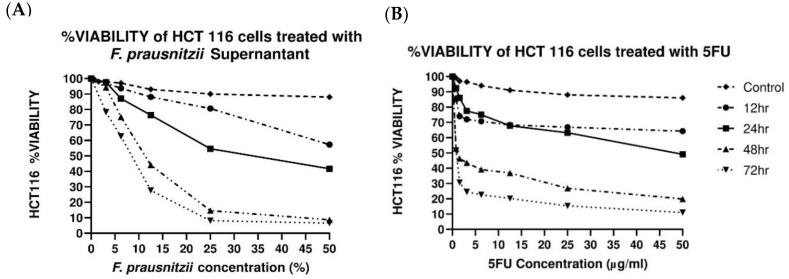
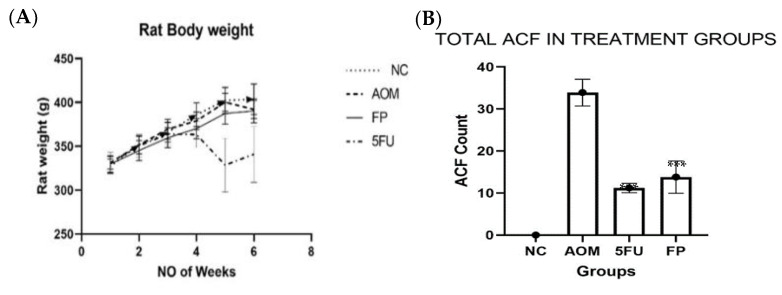
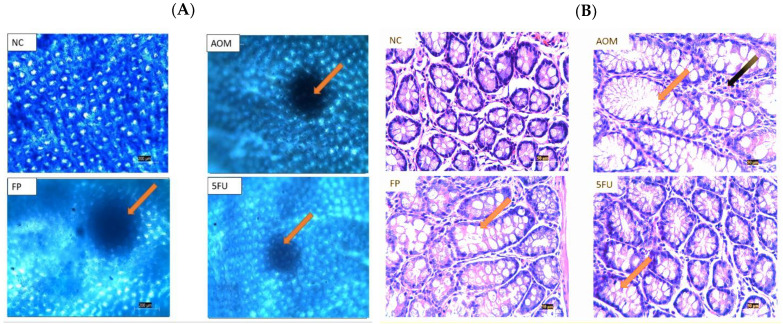
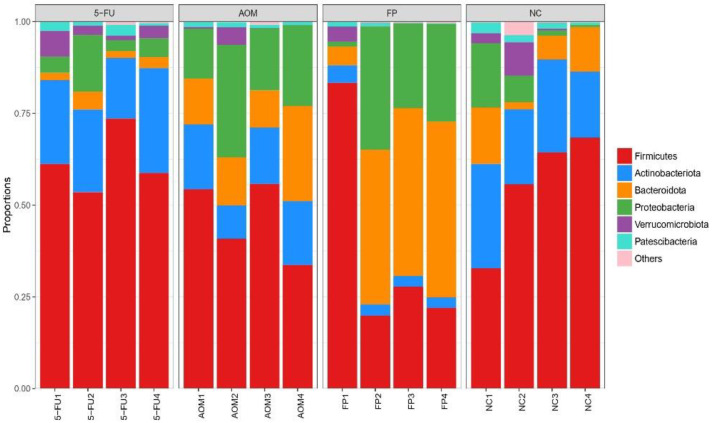
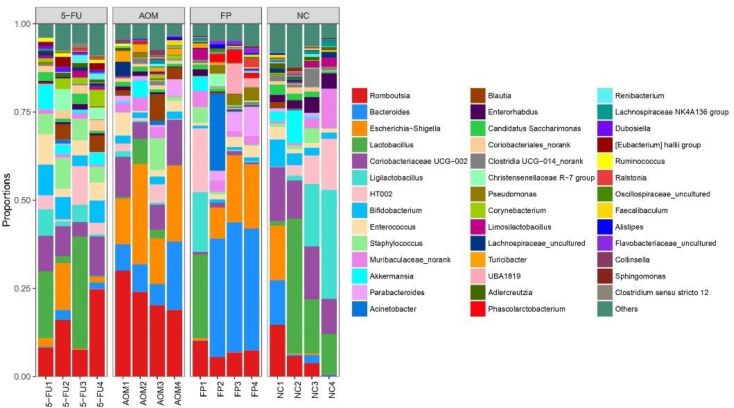
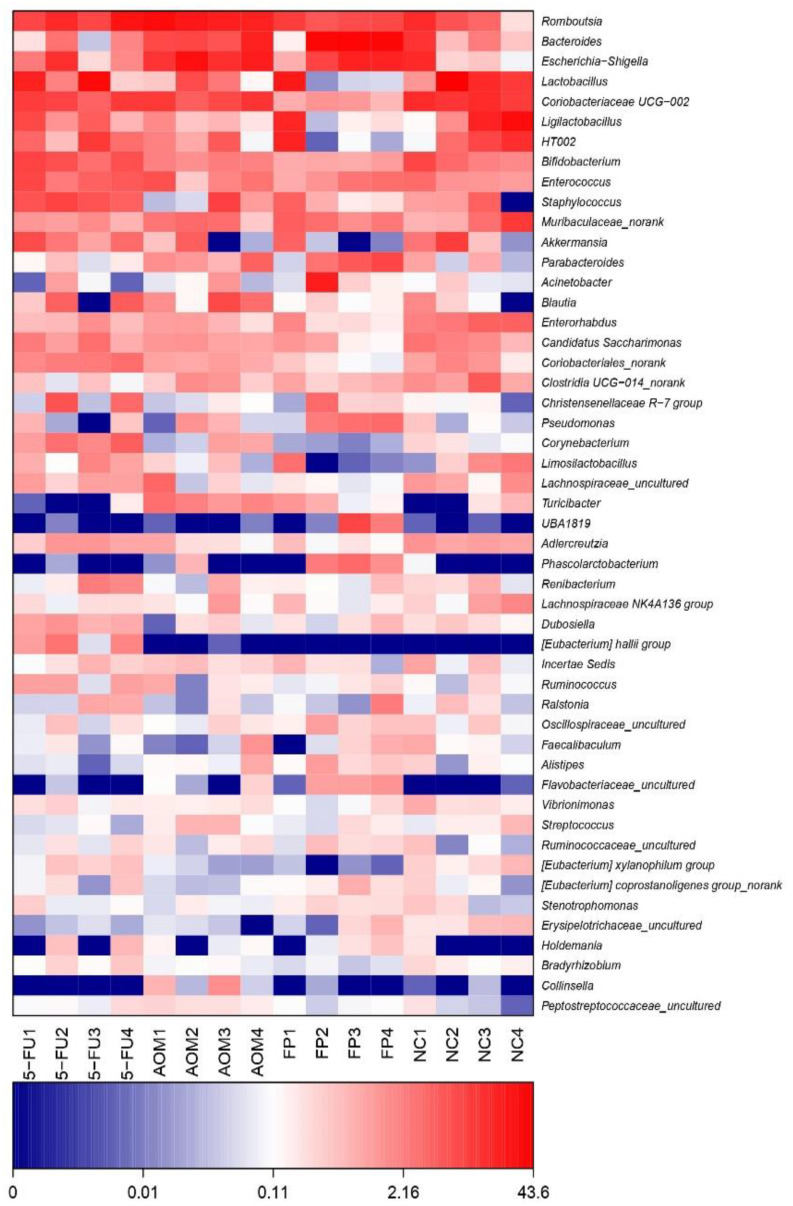
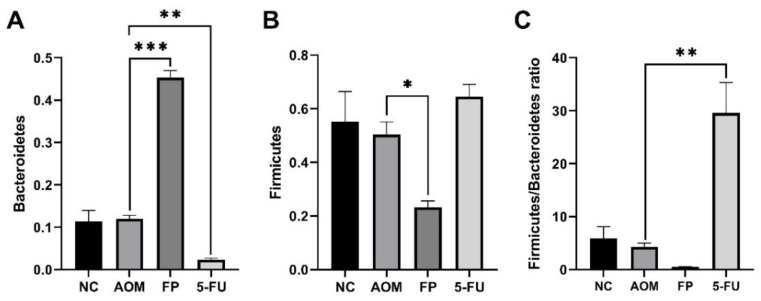
Faecalibacterium prausnitzii is one of the most abundant commensals of gut microbiota that is not commonly administered as a probiotic supplement. Being one of the gut’s major butyrate-producing bacteria, its clinical significance and uses are on the rise and it has been shown to have anti-inflammatory and gut microbiota-modulating properties in the treatment of inflammatory bowel illness, Crohn’s disease, and colorectal cancer. Colorectal cancer (CRC) is a silent killer disease that has become one of the leading causes of cancer-related death worldwide. This study aimed to evaluate the anti-tumorigenic and antiproliferative role of F. prausnitzii as well as to study its effects on the diversity of gut microbiota in rats. Findings showed that F. prausnitzii probiotic significantly reduced the colonic aberrant crypt foci frequency and formation in Azoxymethane (AOM)-induced CRC in rats. In addition, the administration of F. prausnitzii lowered the lipid peroxidation levels in the colon tissues. For in vitro 3-[4,5-dimethylthiazol-2-yl]-2,5-diphenyl tetrazolium bromide (MTT) assay, the cell-free supernatant of F. prausnitzii suppressed the growth of HCT116 colorectal cancer cells in a time/dose-dependent manner. 16S rRNA gene sequencing using rat stool samples showed that the administration of F. prausnitzii modulated the gut microbiota of the rats and enhanced its diversity. Hence, these findings suggest that F. prausnitzii as a probiotic supplement can be used in CRC prevention and management; however, more studies are warranted to understand its cellular and molecular mechanisms of action.
Overview
The claims and statistics of this paper haven’t been checked yet.
Free: it reads the open-access text and checks the first 5 claims that cite a source we can check. Create a free account to check every claim.
Integrity signals
Registry
Cites
Statistics
Figures
Verification
Claims the paper makes
The claims and statistics of this paper haven’t been checked yet.
Free: it reads the open-access text and checks the first 5 claims that cite a source we can check. Create a free account to check every claim.
Claims other papers make about this one
Each is checked against this paper’s own text: does it say what the citing paper says it does?
In the citing paper
“Indeed, F. prausnitzii exhibits immunomodulatory effects, and a high level of F. prausnitzii is associated with health, whereas low level is associated with disease, notably Inflammatory Bowel Disease (IBD)22,23 and cancer.24”
From Faecalibacterium prausnitzii strain EXL01 boosts efficacy of immune checkpoint inhibitors (2024) · cites this paper as [24]
Self-check
Percentages, sums and reported differences re-computed from the paper’s own numbers.
The self-check needs the paper’s full text.
Citations
Cites
1 retracted
Almagrami, A. A., Alshawsh, M. A., Saif-Ali, R., et al. (2014) · PLoS ONE · doi:10.1371/journal.pone.0096004 · Cited by 36
Self-citationRetractedSung, H., Ferlay, J., Siegel, R. L., Laversanne, M., Soerjomataram, I., Jemal, A., & Bray, F. (2021) · CA: A Cancer Journal for Clinicians · doi:10.3322/caac.21660 · Cited by 108,699
Parada Venegas, D., De la Fuente, M. K., Landskron, G., González, M. J., Quera, R., Dijkstra, G., Harmsen, H. J. M., Faber, K. N., & Hermoso, M. A. (2019) · Frontiers in Immunology · doi:10.3389/fimmu.2019.00277 · Cited by 3,820
Global colorectal cancer burden in 2020 and projections to 2040
Xi, Y., & Xu, P. (2021) · Translational Oncology · doi:10.1016/j.tranon.2021.101174 · Cited by 2,434
The Firmicutes/Bacteroidetes Ratio: A Relevant Marker of Gut Dysbiosis in Obese Patients?
Magne, F., Gotteland, M., Gauthier, L., Zazueta, A., Pesoa, S., Navarrete, P., & Balamurugan, R. (2020) · Nutrients · doi:10.3390/nu12051474 · Cited by 2,335 · cited 1×
“Previous studies revealed that a high Firmicutes/Bacteroidetes ratio is associated with CRC [42] and is considered a relevant marker of gut dysbiosis [43].”
Epidemiology of colorectal cancer: incidence, mortality, survival, and risk factors
Rawla, P., Sunkara, T., & Barsouk, A. (2019) · Gastroenterology Review · doi:10.5114/pg.2018.81072 · Cited by 2,323
Low counts of Faecalibacterium prausnitzii in colitis microbiota
Sokol, H., Seksik, P., Furet, J. P., Firmesse, O., Nion-Larmurier, I., Beaugerie, L., Cosnes, J., Corthier, G., Marteau, P., & Doré, J. (2009) · Inflammatory Bowel Diseases · doi:10.1002/ibd.20903 · Cited by 1,275
Faecalibacterium prausnitzii and human intestinal health
Miquel, S., Martín, R., Rossi, O., Bermúdez-Humarán, L., Chatel, J., Sokol, H., Thomas, M., Wells, J., & Langella, P. (2013) · Current Opinion in Microbiology · doi:10.1016/j.mib.2013.06.003 · Cited by 1,228
Faecalibacterium prausnitzii: from microbiology to diagnostics and prognostics
Lopez-Siles, M., Duncan, S. H., Garcia-Gil, L. J., & Martinez-Medina, M. (2017) · The ISME Journal · doi:10.1038/ismej.2016.176 · Cited by 874
Quévrain, E., Maubert, M. A., Michon, C., Chain, F., Marquant, R., Tailhades, J., Miquel, S., Carlier, L., Bermúdez-Humarán, L. G., Pigneur, B., et al. (2016) · Gut · doi:10.1136/gutjnl-2014-307649 · Cited by 841
Gut microbiota modulation: a novel strategy for prevention and treatment of colorectal cancer
Fong, W., Li, Q., & Yu, J. (2020) · Oncogene · doi:10.1038/s41388-020-1341-1 · Cited by 613
Gut Microbiota and Cancer: From Pathogenesis to Therapy
Vivarelli, S., Salemi, R., Candido, S., Falzone, L., Santagati, M., Stefani, S., Torino, F., Banna, G. L., Tonini, G., & Libra, M. (2019) · Cancers · doi:10.3390/cancers11010038 · Cited by 586
Role of aberrant crypt foci in understanding the pathogenesis of colon cancer
Bird, R. P. (1995) · Cancer Letters · doi:10.1016/0304-3835(95)03788-x · Cited by 570
Zhou, L., Zhang, M., Wang, Y., Dorfman, R. G., Liu, H., Yu, T., Chen, X., Tang, D., Xu, L., Yin, Y., et al. (2018) · Inflammatory Bowel Diseases · doi:10.1093/ibd/izy182 · Cited by 525
Criteria to Qualify Microorganisms as “Probiotic” in Foods and Dietary Supplements
Binda, S., Hill, C., Johansen, E., Obis, D., Pot, B., Sanders, M. E., Tremblay, A., & Ouwehand, A. C. (2020) · Frontiers in Microbiology · doi:10.3389/fmicb.2020.01662 · Cited by 519
Health-Promoting Components in Fermented Foods: An Up-to-Date Systematic Review
Melini, F., Melini, V., Luziatelli, F., Ficca, A. G., & Ruzzi, M. (2019) · Nutrients · doi:10.3390/nu11051189 · Cited by 392
The role of gut microbiota in cancer treatment: friend or foe?
Cheng, W. Y., Wu, C.-Y., & Yu, J. (2020) · Gut · doi:10.1136/gutjnl-2020-321153 · Cited by 384 · cited 1×
“It has been shown that the presence of certain bacteria in the gut can increase or decrease the risk of colon cancer [14].”
BackgroundMicrobiome and colorectal cancer: Roles in carcinogenesis and clinical potential
Saus, E., Iraola-Guzmán, S., Willis, J. R., Brunet-Vega, A., & Gabaldón, T. (2019) · Molecular Aspects of Medicine · doi:10.1016/j.mam.2019.05.001 · Cited by 350
Rebuilding the Gut Microbiota Ecosystem
Gagliardi, A., Totino, V., Cacciotti, F., Iebba, V., Neroni, B., Bonfiglio, G., Trancassini, M., Passariello, C., Pantanella, F., & Schippa, S. (2018) · International Journal of Environmental Research and Public Health · doi:10.3390/ijerph15081679 · Cited by 340
The critical role of Faecalibacterium prausnitzii in human health: An overview
Leylabadlo, H. E., Ghotaslou, R., Feizabadi, M. M., Farajnia, S., Moaddab, S. Y., Ganbarov, K., Khodadadi, E., Tanomand, A., Sheykhsaran, E., Yousefi, B., et al. (2020) · Microbial Pathogenesis · doi:10.1016/j.micpath.2020.104344 · Cited by 229
Faecalibacterium prausnitzii supernatant improves intestinal barrier function in mice DSS colitis
Carlsson, A. H., Yakymenko, O., Olivier, I., Håkansson, F., Postma, E., Keita, Å. V., & Söderholm, J. D. (2013) · Scandinavian Journal of Gastroenterology · doi:10.3109/00365521.2013.828773 · Cited by 219
Colorectal Cancer in the Young
Patel, S. G., & Ahnen, D. J. (2018) · Current Gastroenterology Reports · doi:10.1007/s11894-018-0618-9 · Cited by 200
Gut Microbiota Shapes the Efficiency of Cancer Therapy
Ma, W., Mao, Q., Xia, W., Dong, G., Yu, C., & Jiang, F. (2019) · Frontiers in Microbiology · doi:10.3389/fmicb.2019.01050 · Cited by 192
Kuugbee, E. D., Shang, X., Gamallat, Y., Bamba, D., Awadasseid, A., Suliman, M. A., Zang, S., Ma, Y., Chiwala, G., Xin, Y., et al. (2016) · Digestive Diseases and Sciences · doi:10.1007/s10620-016-4238-7 · Cited by 163
Colorectal cancer in the world: incidence, mortality and risk factors
Gandomani, H. S., yousefi, S. M., Aghajani, M., Mohammadian-Hafshejani, A., Tarazoj, A. A., Pouyesh, V., & Salehiniya, H. (2017) · Biomedical Research and Therapy · doi:10.15419/bmrat.v4i10.372 · Cited by 162
Ma, J., Sun, L., Liu, Y., Ren, H., Shen, Y., Bi, F., Zhang, T., & Wang, X. (2020) · BMC Microbiology · doi:10.1186/s12866-020-01739-1 · Cited by 150
Probiotics in the Treatment of Colorectal Cancer
Hendler, R., & Zhang, Y. (2018) · Medicines · doi:10.3390/medicines5030101 · Cited by 143
Yue, Y., Ye, K., Lü, J., Wang, X., Zhang, S., Liu, L., Yang, B., Nassar, K. S., Xu, X., Pang, X., et al. (2020) · Biomedicine & Pharmacotherapy · doi:10.1016/j.biopha.2020.110159 · Cited by 123
Colorectal cancer, screening and primary care: A mini literature review
Hadjipetrou, A., Anyfantakis, D., Galanakis, C., Kastanakis, M., & Kastanakis, S. (2017) · World Journal of Gastroenterology · doi:10.3748/wjg.v23.i33.6049 · Cited by 121
Faecalibacterium prausnitzii: A Next-Generation Probiotic in Gut Disease Improvement
He, X., Zhao, S., & Li, Y. (2021) · Canadian Journal of Infectious Diseases and Medical Microbiology · doi:10.1155/2021/6666114 · Cited by 116
Tie, J., Cohen, J. D., Lo, S. N., Wang, Y., Li, L., Christie, M., Lee, M., Wong, R., Kosmider, S., Skinner, I., et al. (2021) · International Journal of Cancer · doi:10.1002/ijc.33312 · Cited by 113
Clarke, J. M., Young, G. P., Topping, D. L., Bird, A. R., Cobiac, L., Scherer, B. L., Winkler, J. G., & Lockett, T. J. (2012) · Carcinogenesis · doi:10.1093/carcin/bgr254 · Cited by 98
Dubey, V., Ghosh, A. R., Bishayee, K., & Khuda-Bukhsh, A. R. (2016) · Journal of Functional Foods · doi:10.1016/j.jff.2016.02.032 · Cited by 89
Probiotics in the Treatment of Inflammatory Bowel Disease
Guandalini, S., & Sansotta, N. (2019) · Advances in experimental medicine and biology · doi:10.1007/5584_2018_319 · Cited by 85
Wang, Q., Wang, K., Wu, W., Lv, L., Bian, X., Yang, L., Wang, Q., Li, Y., Ye, J., Fang, D., et al. (2020) · Applied Microbiology and Biotechnology · doi:10.1007/s00253-020-10621-z · Cited by 76
Rabiei, N., Badi, S. A., Marvasti, F. E., Sattari, T. N., Vaziri, F., & Siadat, S. D. (2019) · Cytokine · doi:10.1016/j.cyto.2019.05.005 · Cited by 62
Dikeocha, I. J., Al-Kabsi, A. M., Eid, E. E. M., Hussin, S., & Alshawsh, M. A. (2021) · Nutrition Reviews · doi:10.1093/nutrit/nuab006 · Cited by 60
Self-citationvan der Meulen, M. P., Lansdorp‐Vogelaar, I., Goede, S. L., Kuipers, E. J., Dekker, E., Stoker, J., & van Ballegooijen, M. (2018) · Radiology · doi:10.1148/radiol.2017162359 · Cited by 59
Settlers of our inner surface – factors shaping the gut microbiota from birth to toddlerhood
Laursen, M. F., Bahl, M. I., & Licht, T. R. (2021) · FEMS Microbiology Reviews · doi:10.1093/femsre/fuab001 · Cited by 59
Benefits of using probiotics as adjuvants in anticancer therapy (Review)
Vivarelli, S., Falzone, L., Basile, M. S., Nicolosi, D., Genovese, C., Libra, M., & Salmeri, M. (2019) · World Academy of Sciences Journal · doi:10.3892/wasj.2019.13 · Cited by 57
The Protective Role of Probiotics against Colorectal Cancer
Ding, S., Hu, C., Fang, J., & Liu, G. (2020) · Oxidative Medicine and Cellular Longevity · doi:10.1155/2020/8884583 · Cited by 54
Chemoprevention of colonic aberrant crypt foci by Gynura procumbens in rats
Shwter, A. N., Abdullah, N. A., Alshawsh, M. A., Alsalahi, A., Hajrezaei, M., Almaqrami, A. A., Salem, S. D., & Abdulla, M. A. (2014) · Journal of Ethnopharmacology · doi:10.1016/j.jep.2013.12.044 · Cited by 53
Self-citationA Comparison Study of Age and Colorectal Cancer-Related Gut Bacteria
Zhang, Y., Zhang, Q., Wang, Y., Zhang, W., Hu, H., Wu, H., Sheng, X.-Z., Luo, K., Zhang, H., Wang, M., et al. (2021) · Frontiers in Cellular and Infection Microbiology · doi:10.3389/fcimb.2021.606490 · Cited by 43
Jafari, B., Nejad, R. A. K., Vaziri, F., & Siadat, S. D. (2019) · Biologia · doi:10.2478/s11756-019-00229-8 · Cited by 34
Chen, P., Yang, S., Hu, C., Zhao, Z., Liu, J., Cheng, Y., Wang, S., Qingying, C. H. E. N., Yu, P., Zhang, X., et al. (2017) · Current Molecular Medicine · doi:10.2174/1566524018666171205115516 · Cited by 21
Kwak, M. S., Cha, J. M., Shin, H. P., Jeon, J. W., & Yoon, J. Y. (2020) · Frontiers in Microbiology · doi:10.3389/fmicb.2020.01162 · Cited by 20
Cited by
Faecalibacterium: a bacterial genus with promising human health applications
Martín, R., Rios-Covian, D., Huillet, E., Auger, S., Khazaal, S., Bermúdez-Humarán, L. G., Sokol, H., Chatel, J.-M., & Langella, P. (2023) · FEMS Microbiology Reviews · doi:10.1093/femsre/fuad039 · Cited by 566
The microbial landscape of colorectal cancer
White, M. T., & Sears, C. L. (2024) · Nature Reviews Microbiology · doi:10.1038/s41579-023-00973-4 · Cited by 161
“Other microbial agents for CRC therapy being explored include Eubacterium callanderi 163 , C. butyricum 164 , Faecalibac-terium prausnitzii 165 and purified bacterial OMVs 166,167 .”
Lee, S. Y., Jhun, J., Woo, J. S., Lee, K. H., Hwang, S., Moon, J., Park, G., Choi, S. S., Kim, S. J., Jung, Y. J., et al. (2024) · Gut Microbes · doi:10.1080/19490976.2023.2300846 · Cited by 118
Dong, Y., Zhang, K., Wei, J., Ding, Y., Wang, X., Hou, H., Wu, J., Liu, T., Wang, B., & Cao, H. (2023) · Frontiers in Immunology · doi:10.3389/fimmu.2023.1158200 · Cited by 107
Faecalibacterium prausnitzii strain EXL01 boosts efficacy of immune checkpoint inhibitors
Bredon, M., Danne, C., Pham, H. P., Ruffié, P., Bessede, A., Rolhion, N., Creusot, L., Brot, L., Alonso, I., Langella, P., et al. (2024) · OncoImmunology · doi:10.1080/2162402x.2024.2374954 · Cited by 74
Metadata
- Authors
- Dikeocha, I. J., Al-Kabsi, A. M., Chiu, H.-T., & Alshawsh, M. A.
- Affiliations
- University of Cyberjaya (MY)
- Faculty of Medicine, University of Cyberjaya, Persiaran Bestari, Cyberjaya 63000, Malaysia
- National Cheng Kung University (TW)
- University of Malaya (MY)
- Corresponding author
- Alshawsh, Mohammed Abdullah
- Venue
- Biomedicines
- Publisher
- MDPI AG
- Published
- 2022-05-13
- Volume
- 10
- Issue
- 5
- Pages
- 1128
- ISSN
- 2227-9059 (ISSN-L)
- PMC
- PMC9138996
- OpenAlex
- W4280562196
- Semantic Scholar
- 2130739da4bf2d46acd06c831020fc813f30af0a
- Cited by
- 116
- References
- 46
- Citations by year
- 2026: 33 · 2025: 31 · 2024: 31 · 2023: 18 · 2022: 3
- FWCI
- 6.86
- Type
- journal article
- Language
- en
- Open access
- gold
- doi.org
- Licence
- Locations
- Biomedicines (publishedVersion, cc-by)
- PubMed Central (publishedVersion, cc-by)
- PubMed (publishedVersion)
- Adelaide Research & Scholarship (AR&S) (University of Adelaide) (submittedVersion, cc-by)
- DOAJ (DOAJ: Directory of Open Access Journals) (submittedVersion, cc-by-sa)
- Funders
- a research grant from the Universiti Malaya (ST015-2020, CRG/01/02/2020)
- a research grant from the University of Cyberjaya (ST015-2020, CRG/01/02/2020)
- Topics
- Life Sciences › Biochemistry, Genetics and Molecular Biology › Molecular Biology › Gut microbiota and health
- Life Sciences › Agricultural and Biological Sciences › Food Science › Probiotics and Fermented Foods
- Life Sciences › Biochemistry, Genetics and Molecular Biology › Biotechnology › Bacterial Cancer Therapy
- Keywords
- Faecalibacterium prausnitzii, colorectal cancer, colorectal carcinogenesis, HCT116 cells, cell proliferation, gut microbiota diversity, butyrate, aberrant crypt foci, lipid peroxidation, probiotics, cancer prevention
About these checks
Registry, retraction, Cites and statistics results are computed, not judged, with one exception: a printed reference that no index lists is read once by a model before it counts as a citation error. Claims are extracted by a model and kept only when their quote appears verbatim in the text; each cited source is then checked, with a model’s help, for whether it says what the claim relies on. Those verdicts can be wrong — read the claim’s quote and the cited source before relying on one.
Statistics and arithmetic are recomputed, not judged.
Confidence bands are shown only for fields calibrated on our annotated test set. None is calibrated yet, so no band is shown.
What counts as a claim ›How we measure confidence ›How we check this ›
Are you an author, or do you see a problem with this page? Request a review
Data sources
Bibliographic data: Semantic Scholar, OpenAlex, Crossref.
Contains information from the Semantic Scholar Academic Graph Datasets, made available under the ODC Attribution License (ODC-BY 1.0).
Semantic Scholar’s data is described in: Kinney, R., et al. (2023). The Semantic Scholar Open Data Platform. arXiv:2301.10140.
