

The Impact of Green Tea and Its Bioactive Compounds on Mood Disorder Symptomology and Brain Derived Neurotrophic Factor: A Systematic Review of Randomized Controlled Trials
Open accessThe DOI matches its Crossref record; 57 of the 59 references it cites were found in a registry or an index.
Abstract
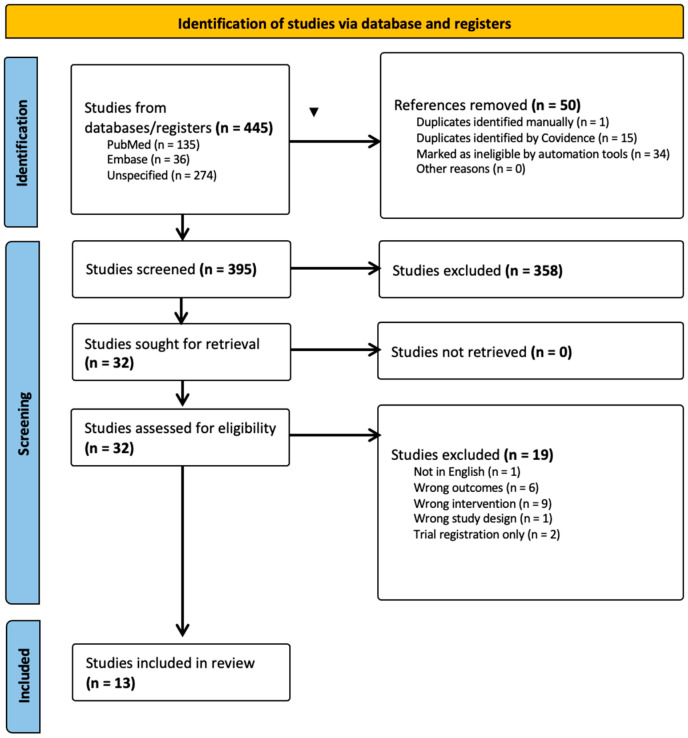
Background/Objectives: Mood disorders include symptoms of depression, anxiety, and or stress, and have increased in prevalence. Green tea and its bioactive components (epigallocatechin gallate [EGCG] and L-theanine) have been investigated for their health benefits and neuroprotective properties. As adults seek integrative and alternative treatment modalities, it is relevant to determine the effects of natural and non-pharmacological treatments on humans. This study aimed to assess current evidence from published randomized controlled trials testing the effects of green tea, green tea extracts, or its bioactive compounds on mood disorder symptomology and brain-derived neurotrophic factor (BDNF). Methods: We searched PubMed, Cochrane Library, PsycINFO, Embase, Google Scholar, and ClinicalTrials.gov, following the Preferred Reporting Items for Systematic Reviews and Meta-Analyses (PRISMA) checklist and utilizing predetermined inclusion and exclusion criteria. Results: A total of 445 studies were identified, 395 screened, and thirteen met inclusion criteria. Seven used one of the bioactive compounds found in green tea for intervention, while six used green tea extract, matcha, or traditional green tea. Mood disturbance was assessed with several tools, with studies reporting improvements in depressive (n = 4), anxiety (n = 6), stress (n = 5), and sleep (n = 1) symptoms. No studies found a statistically significant effect of green tea or its bioactive compounds on BDNF. Conclusions: Our findings suggest green tea, GTE, L-theanine, and EGCG may improve mood disorder symptomology, particularly symptoms of depression; no evidence to date reports effects on BDNF.
Overview
The claims and statistics of this paper haven’t been checked yet.
Free: it reads the open-access text and checks the first 5 claims that cite a source we can check. Create a free account to check every claim.
Integrity signals
Registry
Cites
Statistics
Figures
Verification
Claims the paper makes
The claims and statistics of this paper haven’t been checked yet.
Free: it reads the open-access text and checks the first 5 claims that cite a source we can check. Create a free account to check every claim.
Claims other papers make about this one
Each is checked against this paper’s own text: does it say what the citing paper says it does?
The source backs part of the claim, not all of it — or backs it for a different population, condition or comparison.
In the citing paper
“it is important to note that there are also other reviews on these topics that cite consistent conclusions (42, 59–62).”
From Effects of L-theanine on cognition, mood and sleep: evidence from human trials (2026) · cites this paper as [59]
Experimental — accuracy not yet measured
Self-check
Percentages, sums and reported differences re-computed from the paper’s own numbers.
The self-check needs the paper’s full text.
Citations
Cites
The PRISMA 2020 statement: An updated guideline for reporting systematic reviews
Page, M. J., McKenzie, J. E., Bossuyt, P. M., Boutron, I., Hoffmann, T. C., Mulrow, C. D., Shamseer, L., Tetzlaff, J. M., Akl, E. A., Brennan, S. E., et al. (2021) · BMJ · doi:10.1136/bmj.n71 · Cited by 108,283
McGuinness, L. A., & Higgins, J. P. T. (2021) · Research Synthesis Methods · doi:10.1002/jrsm.1411 · Cited by 5,579 · cited 1×
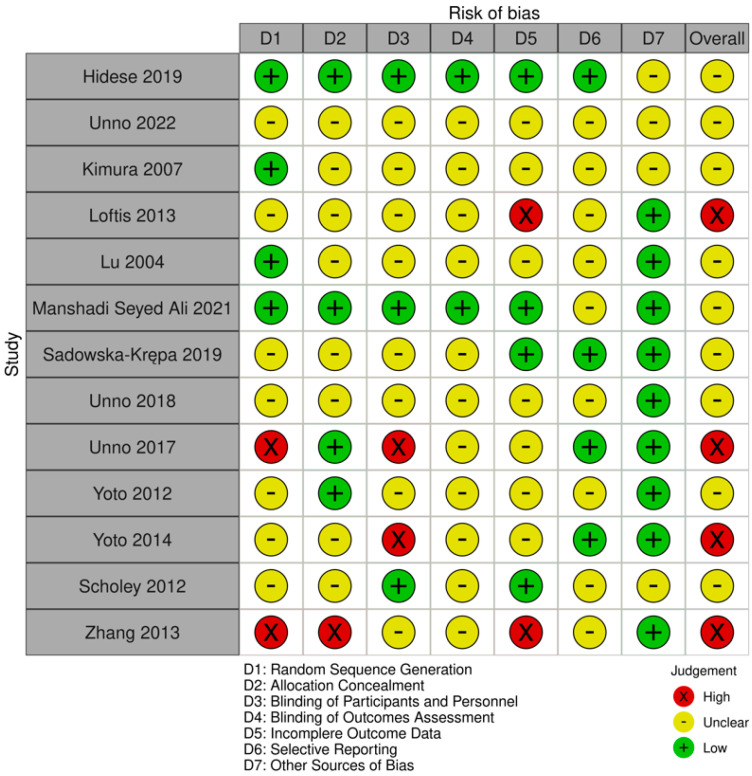
“Risk of bias for the included studies was assessed using the Cochrane Risk of Bias tool [37].”
Trk Receptors: Roles in Neuronal Signal Transduction
Huang, E. J., & Reichardt, L. F. (2003) · Annual Review of Biochemistry · doi:10.1146/annurev.biochem.72.121801.161629 · Cited by 2,537 · cited 1×
“A key component to the success of BDNF is the transmembrane receptor TrkB (tropomyosin receptor kinase B), which has been found to mediate the action of BDNF [32].”
Beneficial Effects of Green Tea—A Review
Cabrera, C., Artacho, R., & Giménez, R. (2006) · Journal of the American College of Nutrition · doi:10.1080/07315724.2006.10719518 · Cited by 1,904
The New Life Stage of Emerging Adulthood at Ages 18–29 Years: Implications for Mental Health
Arnett, J. J., Žukauskienė, R., & Sugimura, K. (2014) · The Lancet Psychiatry · doi:10.1016/s2215-0366(14)00080-7 · Cited by 1,896 · cited 1×
“Most recently, the prevalence of mood disorders was more than 40% in the “emerging adulthood” population, spanning 18–29 years of age [3].”
Green tea composition, consumption, and polyphenol chemistry
Graham, H. N. (1992) · Preventive Medicine · doi:10.1016/0091-7435(92)90041-f · Cited by 1,881 · cited 1×
“One alternative treatment that is already popular, being the second most consumed beverage in the world, only behind water, comes from the Camellia plant and is commonly known as tea [10].”
New insights into BDNF function in depression and anxiety
Martinowich, K., Manji, H., & Lu, B. (2007) · Nature Neuroscience · doi:10.1038/nn1971 · Cited by 1,221
Brunoni, A. R., Lopes, M., & Fregni, F. (2008) · International Journal of Neuropsychopharmacology · doi:10.1017/s1461145708009309 · Cited by 972 · cited 1×
“Serum BDNF is a potential biomarker of psychiatric illness and is reflective of brain-tissue BDNF levels [27], with increases in BDNF associated with improved depressive symptoms [28].”
Antidepressant-like effect of brain-derived neurotrophic factor (BDNF)
Siuciak, J. A., Lewis, D. R., Wiegand, S. J., & Lindsay, R. M. (1997) · Pharmacology Biochemistry and Behavior · doi:10.1016/s0091-3057(96)00169-4 · Cited by 841 · cited 1×
“Beyond its direct effects, studies have found that BDNF exhibits a level of neuromodulation on monoamines, with one rat study reporting that BDNF infusion into the midbrain increased serotonin, dopamine, and norepinephrine pathway activity in multiple forebrain areas [31].”
Saarelainen, T., Hendolin, P., Lucas, G., Koponen, E., Sairanen, M., MacDonald, E., Agerman, K., Haapasalo, A., Nawa, H., Aloyz, R., et al. (2003) · The Journal of Neuroscience · doi:10.1523/jneurosci.23-01-00349.2003 · Cited by 800 · cited 1×
“Signaling of BDNF through this receptor has been found to be necessary for antidepressant effects on behavior [34].”
A selective TrkB agonist with potent neurotrophic activities by 7,8-dihydroxyflavone
Jang, S.-W., Liu, X., Yepes, M., Shepherd, K. R., Miller, G. W., Liu, Y., Wilson, W. D., Xiao, G., Blanchi, B., Sun, Y. E., et al. (2010) · Proceedings of the National Academy of Sciences · doi:10.1073/pnas.0913572107 · Cited by 686 · cited 1×
“Other complementary approaches using flavonoids have found that they can activate TrkB and provide BDNF-dependent neuronal protection [33].”
Brain-Derived Neurotrophic Factor Signaling in Depression and Antidepressant Action
Castrén, E., & Monteggia, L. M. (2021) · Biological Psychiatry · doi:10.1016/j.biopsych.2021.05.008 · Cited by 540 · cited 1×
“Thus, antidepressants may be effective due to their ability to increase the expression of BDNF, improving neuronal plasticity [30].”
Sleep and anxiety: From mechanisms to interventions
Chellappa, S. L., & Aeschbach, D. (2022) · Sleep Medicine Reviews · doi:10.1016/j.smrv.2021.101583 · Cited by 509
Adachi, M., Barrot, M., Autry, A. E., Theobald, D., & Monteggia, L. M. (2008) · Biological Psychiatry · doi:10.1016/j.biopsych.2007.09.019 · Cited by 380 · cited 1×
“Mouse models have allowed researchers to investigate this effective partnership of BDNF and TrkB. Deletion of BDNF from the dentate gyrus cells of mice and TrkB from progenitor cells of dentate granule neurons both saw preventative effects of antidepressants [35].”
Potenza, M. A., Marasciulo, F. L., Tarquinio, M., Tiravanti, E., Colantuono, G., Federici, A., Kim, J.-A., Quon, M. J., & Montagnani, M. (2007) · American Journal of Physiology-Endocrinology and Metabolism · doi:10.1152/ajpendo.00698.2006 · Cited by 380 · cited 1×
“Of these catechins, epigallocatechin-3-gallate (EGCG) makes up around a third of the catechin weight alone [13].”
The key principles of cognitive behavioural therapy
Fenn, K., & Byrne, M. (2013) · InnovAiT: Education and inspiration for general practice · doi:10.1177/1755738012471029 · Cited by 363 · cited 1×
“These approaches aim to identify and mitigate maladaptive cognitive thoughts and events that affect behaviour, with the goal of achieving desired behaviour change [8].”
Mokra, D., Joskova, M., & Mokry, J. (2022) · International Journal of Molecular Sciences · doi:10.3390/ijms24010340 · Cited by 355 · cited 1×
“EGCG has been found to bind to cell surface receptors like 67-kDa laminin receptor (anti-tumor) and toll-like receptor (anti-inflammatory) [14], with other published studies reporting it has antioxidant, anticancer, antidiabetic, antimicrobial, and neuroprotective roles [15].”
l-theanine reduces psychological and physiological stress responses
Kimura, K., Ozeki, M., Juneja, L. R., & Ohira, H. (2007) · Biological Psychology · doi:10.1016/j.biopsycho.2006.06.006 · Cited by 349 · cited 1×
“A study performed in twelve male undergraduates taking a 200 mg L-theanine supplementation before and during a mental arithmetic task showed a significant reduction in their VAS perception of stress and their STAI state of anxiety compared to placebo [48].”
Antidepressant activity of curcumin: involvement of serotonin and dopamine system
Kulkarni, S. K., Bhutani, M. K., & Bishnoi, M. (2008) · Psychopharmacology · doi:10.1007/s00213-008-1300-y · Cited by 337 · cited 1×
“Serum BDNF is a potential biomarker of psychiatric illness and is reflective of brain-tissue BDNF levels [27], with increases in BDNF associated with improved depressive symptoms [28].”
Yokogoshi, H., Kobayashi, M., Mochizuki, M., & Terashima, T. (1998) · Neurochemical Research · doi:10.1023/a:1022490806093 · Cited by 229 · cited 1×
“…scores ( p = 0.007), trait anxiety scores ( p = 0.012) and Pittsburgh Sleep Quality Index scores ( p = 0.030) in patients with major depressive disorder [22] L-theanine crosses the blood brain barrier by ways of the leucine-preferring transport system, directly affecting brain metabolism [23].”
InfluentialHidese, S., Ogawa, S., Ota, M., Ishida, I., Yasukawa, Z., Ozeki, M., & Kunugi, H. (2019) · Nutrients · doi:10.3390/nu11102362 · Cited by 170 · cited 3×
“Intervention durations varied from single-session studies, e.g., [44–47] to 12 weeks [49].”
InfluentialAcute neurocognitive effects of epigallocatechin gallate (EGCG)
Scholey, A., Downey, L. A., Ciorciari, J., Pipingas, A., Nolidin, K., Finn, M., Wines, M., Catchlove, S., Terrens, A., Barlow, E., et al. (2012) · Appetite · doi:10.1016/j.appet.2011.11.016 · Cited by 150 · cited 1×
“…group showed significant improvements in PSQI subscale scores for sleep latency ( p = 0.0499), sleep disturbance ( p = 0.046), and use of sleep medication ( p = 0.047), suggesting L-theanine has the potential to reduce mood disturbance and improve sleep quality in stressed individuals [50].”
InfluentialBrain-derived neurotrophic factor and mental disorders
Lin, C.-C., & Huang, T.-L. (2020) · Biomedical Journal · doi:10.1016/j.bj.2020.01.001 · Cited by 143 · cited 2×
“The discovery of how these compounds act on neurobiology has led to a discussion surrounding BDNF. BDNF is a neurotrophin that modulates brain plasticity, with research showing its effects on psychiatric disorders [25].”
The acute effects of L‐theanine in comparison with alprazolam on anticipatory anxiety in humans
Lu, K., Gray, M. A., Oliver, C., Liley, D. T., Harrison, B. J., Bartholomeusz, C. F., Phan, K. L., & Nathan, P. J. (2004) · Human Psychopharmacology: Clinical and Experimental · doi:10.1002/hup.611 · Cited by 139 · cited 3×
“L-theanine reduced tension anxiety scores compared to placebo [40] ( p = 0.004), and matcha tea significantly lowered state anxiety [44] ( p = 0.03).”
InfluentialTalib, W. H., Awajan, D., Alqudah, A. M., Alsawwaf, R., Althunibat, R., AlRoos, M. A., Safadi, A. A., Asab, S. A., Hadi, R. W., & Kury, L. T. A. (2024) · Molecules · doi:10.3390/molecules29061373 · Cited by 134 · cited 1×
“EGCG has been found to bind to cell surface receptors like 67-kDa laminin receptor (anti-tumor) and toll-like receptor (anti-inflammatory) [14], with other published studies reporting it has antioxidant, anticancer, antidiabetic, antimicrobial, and neuroprotective roles [15].”
KAKUDA, T., NOZAWA, A., SUGIMOTO, A., & NIINO, H. (2002) · Bioscience, Biotechnology, and Biochemistry · doi:10.1271/bbb.66.2683 · Cited by 131 · cited 1×
“This interaction with glutamate is due to L-theanine’s structure resembling glutamate, which allows it to compete for glutamate receptors [20].”
Alam, M., Gulzar, M., Akhtar, S., Rashid, S., Zulfareen, Tanuja, Shamsi, A., & Hassan, M. I. (2024) · Molecular Biomedicine · doi:10.1186/s43556-024-00240-9 · Cited by 121 · cited 1×
“Regarding its neuroprotective effects, research suggests EGCG inhibits oxidative injury by preventing pro-oxidative enzymes and acting as a potent antioxidant, thus preventing neuroinflammation and potential neurotransmitter dysfunction [16].”
Yoto, A., Motoki, M., Murao, S., & Yokogoshi, H. (2012) · Journal of Physiological Anthropology · doi:10.1186/1880-6805-31-28 · Cited by 110 · cited 2×
“Similarly, [46] reported significant reductions in MADRS ( p 0.05) and HRSD-17 ( p 0.001) scores from 46 participants following the 5-week green tea consumption of 400 mg 3x/day.”
InfluentialMartinotti, G., Pettorruso, M., De Berardis, D., Varasano, P. A., Lucidi Pressanti, G., De Remigis, V., Valchera, A., Ricci, V., Di Nicola, M., Janiri, L., et al. (2016) · International Journal of Neuropsychopharmacology · doi:10.1093/ijnp/pyw003 · Cited by 99 · cited 1×
“Interestingly, antidepressants have been found to increase serum BDNF [56].”
Gliwińska, A., Czubilińska-Łada, J., Więckiewicz, G., Świętochowska, E., Badeński, A., Dworak, M., & Szczepańska, M. (2023) · Brain Sciences · doi:10.3390/brainsci13020163 · Cited by 93 · cited 1×
“BDNF has been found in high concentrations in the hippocampus and frontal cortex, where it exerts neuroprotective and neuroactivating properties on excitatory and inhibitory neurons [26].”
Ritsner, M. S., Gibel, A., Shleifer, T., Boguslavsky, I., Zayed, A., Maayan, R., Weizman, A., & Lerner, V. (2010) · The Journal of Clinical Psychiatry · doi:10.4088/jcp.09m05031yel · Cited by 85 · cited 1×
“Another 8-week study in schizophrenic patients found 400 mg/d of L-theanine to reduce anxiety symptoms and dysphoric mood, coupled with antipsychotic therapy [24].”
Stress-reducing function of matcha green tea in animal experiments and clinical trials
Unno, K., Furushima, D., Hamamoto, S., Iguchi, K., Yamada, H., Morita, A., Horie, H., & Nakamura, Y. (2018) · Nutrients · doi:10.3390/nu10101468 · Cited by 85 · cited 1×
“Rodent studies utilizing L-theanine from matcha found supporting results highlighting a reduction in stress-induced adrenal hypertrophy with L-theanine levels at 0.32 mg/kg or more [45].”
InfluentialNguyen, V. V., Zainal, N. H., & Newman, M. G. (2022) · Journal of Anxiety Disorders · doi:10.1016/j.janxdis.2022.102601 · Cited by 85 · cited 1×
“Around 47–88% of those with anxiety also experience depression, highlighting the dynamic interplay mood disorders have with one another [59].”
Hidese, S., Ota, M., Wakabayashi, C., Noda, T., Ozawa, H., Okubo, T., & Kunugi, H. (2017) · Acta Neuropsychiatrica · doi:10.1017/neu.2016.33 · Cited by 81 · cited 2×
“…scores ( p = 0.007), trait anxiety scores ( p = 0.012) and Pittsburgh Sleep Quality Index scores ( p = 0.030) in patients with major depressive disorder [22] L-theanine crosses the blood brain barrier by ways of the leucine-preferring transport system, directly affecting brain metabolism [23].”
InfluentialRitsner, M. S., Miodownik, C., Ratner, Y., Shleifer, T., Mar, M., Pintov, L., & Lerner, V. (2011) · The Journal of Clinical Psychiatry · doi:10.4088/jcp.09m05324gre · Cited by 74
Longitudinal multi-level biomarker analysis of BDNF in major depression and bipolar disorder
Schröter, K., Brum, M., Brunkhorst-Kanaan, N., Tole, F., Ziegler, C., Domschke, K., Reif, A., & Kittel-Schneider, S. (2020) · European Archives of Psychiatry and Clinical Neuroscience · doi:10.1007/s00406-019-01007-y · Cited by 68 · cited 1×
“The importance of BDNF and its implications for mental health have been studied, with reports of lower serum BDNF in patients with major depressive disorder [54,55].”
Sadowska-Krępa, E., Domaszewski, P., Pokora, I., Żebrowska, A., Gdańska, A., & Podgórski, T. (2019) · Journal of the International Society of Sports Nutrition · doi:10.1186/s12970-019-0280-0 · Cited by 62 · cited 1×
“Shaded white tea (192 mg caffeine, 223 mg catechins) significantly reduced total mood disturbance ( p 0.01) after three mental stress load tasks compared to Sagara (87 mg caffeine, 304 mg catechins), which also saw reductions in TMD scores but to a lesser degree ( p 0.1) [42].”
InfluentialSymptom Severity and Exclusion From Antidepressant Efficacy Trials
Zimmerman, M., Posternak, M. A., & Chelminski, I. (2002) · Journal of Clinical Psychopharmacology · doi:10.1097/00004714-200212000-00011 · Cited by 49 · cited 1×
“This has been proven to be somewhat problematic, as antidepressants have been found to be less useful in cases of mild to moderate depression, which constitutes the majority of individuals with depression [5].”
Hsieh, M.-T., Lin, C.-C., Lee, C.-T., & Huang, T.-L. (2019) · Journal of Clinical Medicine · doi:10.3390/jcm8050568 · Cited by 46 · cited 1×
“The importance of BDNF and its implications for mental health have been studied, with reports of lower serum BDNF in patients with major depressive disorder [54,55].”
Psychotherapy of Mood Disorders
Picardi, A., & Gaetano, P. (2014) · Clinical Practice and Epidemiology in Mental Health · doi:10.2174/1745017901410010140 · Cited by 43 · cited 2×
“Further animal studies have found suppression of adrenal hypertrophy and brain inflammation in mice that were provided a CE/TA (caffeine, EGCG, L-theanine, arginine) ratio of 2 to 8, as well as maintenance of Npas 4, typically reduced in depression and anxiety, at a CE/TA ratio of 4 [7,43].”
Cheng, S., & Lee, S. (2022) · International Journal of Molecular Sciences · doi:10.3390/ijms23126740 · Cited by 38 · cited 1×
“While none of the included RCTs assessed TrkB activity, animal studies have shown that exercise can enhance the BDNF/TrkB pathway [57], which may help explain why the single RCT in our review observed an upward trend in BDNF—potentially due to exercise rather than the GTE intervention.”
Zhang, Q., Yang, H., Wang, J., Li, A., Zhang, W., Cui, X., & Wang, K. (2013) · Nutrition Journal · doi:10.1186/1475-2891-12-84 · Cited by 36 · cited 2×
“Intervention durations varied from single-session studies, e.g., [44–47] to 12 weeks [49].”
InfluentialBaba, Y., Inagaki, S., Nakagawa, S., Kobayashi, M., Kaneko, T., & Takihara, T. (2021) · Nutrients · doi:10.3390/nu13051700 · Cited by 33 · cited 1×
“Mechanistically, L-theanine delays neuronal death, reduces glutamate excitotoxicity, and can promote neurogenesis [19].”
Han, Z., Wang, L., Zhu, H., Tu, Y., He, P., & Li, B. (2024) · Food Research International · doi:10.1016/j.foodres.2024.115191 · Cited by 32 · cited 1×
“Those with depression are more likely to experience sleep disorders [60].”
Schaffler, Y., Probst, T., Jesser, A., Humer, E. C., Pieh, C., Stippl, P., Haid, B., & Schigl, B. (2022) · Healthcare · doi:10.3390/healthcare10112228 · Cited by 32 · cited 1×
“While this approach is effective, barriers such as accessibility, stigma, and cost have led individuals to seek out alternative methods of treatment [9].”
Intake of green tea inhibited increase of salivary chromogranin A after mental task stress loads
Yoto, A., Murao, S., Nakamura, Y., & Yokogoshi, H. (2014) · Journal of Physiological Anthropology · doi:10.1186/1880-6805-33-20 · Cited by 31 · cited 2×
“Further animal studies have found suppression of adrenal hypertrophy and brain inflammation in mice that were provided a CE/TA (caffeine, EGCG, L-theanine, arginine) ratio of 2 to 8, as well as maintenance of Npas 4, typically reduced in depression and anxiety, at a CE/TA ratio of 4 [7,43].”
InfluentialAnti-stress effect of green tea with lowered caffeine on humans: a pilot study
Unno, K., Yamada, H., Iguchi, K., Ishida, H., Iwao, Y., Morita, A., & Nakamura, Y. (2017) · Biological & Pharmaceutical Bulletin · doi:10.1248/bpb.b17-00141 · Cited by 29 · cited 1×
“In 19 participants consuming low-caffeine green tea containing ~15 mg of theanine and 3.6 mg of arginine daily, subjective stress levels measured with VAS were significantly lower compared to placebo ( p = 0.0003) [41].”
InfluentialLoftis, J. M., Wilhelm, C., & Huckans, M. S. (2012) · Therapeutic Advances in Psychopharmacology · doi:10.1177/2045125312464103 · Cited by 29 · cited 2×
“The majority of the studies included healthy adults, with the exception of [38] those [39] that included men and women with psychiatric or depressive conditions.”
InfluentialGreen Tea, A Medicinal Food with Promising Neurological Benefits
Akbarialiabad, H., Dahri, M., Khazaei, M., Razmeh, S., & Zarshenas, M. M. (2020) · Current Neuropharmacology · doi:10.2174/1570159x18666200529152625 · Cited by 29 · cited 1×
“These findings are consistent with current reviews noting green tea and its neuroprotective effects, but more human trials are needed, as many studies utilize mouse models [53].”
The Role of Sleep Effort as a Mediator Between Anxiety and Depression
Borges, C. M. C., Ellis, J. G., & Marques, D. R. (2023) · Psychological Reports · doi:10.1177/00332941221149181 · Cited by 26 · cited 1×
“Depression, anxiety, and sleep disorders have been found to share a two-way, bidirectional relationship with one another [58].”
Green Tea Extracts Attenuate Brain Dysfunction in High-Fat-Diet-Fed SAMP8 Mice
Onishi, S., Meguro, S., Pervin, M., Kitazawa, H., Yoto, A., Ishino, M., Shimba, Y., Mochizuki, Y., Miura, S., Tokimitsu, I., et al. (2019) · Nutrients · doi:10.3390/nu11040821 · Cited by 24 · cited 1×
“The authors reported that the mice that consumed GTE had significantly higher memory retention, a significant increase in total brain weight, and a significant decrease in the accumulation of A β 1–42 in the cerebral cortex (all p 0.05) [17].”
InfluentialWhy Psychotropic Drugs Don't Cure Mental Illness—But Should They?
Ivanov, I., & Schwartz, J. M. (2021) · Frontiers in Psychiatry · doi:10.3389/fpsyt.2021.579566 · Cited by 23 · cited 1×
“Pharmacological interventions continue to relieve symptoms but lack resolutions relating to the underlying condition [6].”
Improvement of Depressed Mood with Green Tea Intake
Unno, K., Furushima, D., Tanaka, Y., Tominaga, T., Nakamura, H., Yamada, H., Taguchi, K., Goda, T., & Nakamura, Y. (2022) · Nutrients · doi:10.3390/nu14142949 · Cited by 21 · cited 2×
“L-theanine reduced tension anxiety scores compared to placebo [40] ( p = 0.004), and matcha tea significantly lowered state anxiety [44] ( p = 0.03).”
InfluentialShamabadi, A., Noor, S. F., Fallahpour, B., Basti, F. A., Ardakani, M. R. K., & Akhondzadeh, S. (2023) · Psychopharmacology · doi:10.1007/s00213-023-06458-9 · Cited by 20 · cited 1×
“This amino acid even has implications for inpatient treatment as well, with one study citing adjunctive L-theanine (400 mg/day) with risperidone in chronic schizophrenic patients found improvements in PANSS scores over an 8-week intervention [52].”
Ko, S., Jang, W. S., Jeong, J., Ahn, J. W., Kim, Y.-H., Kim, S., Chae, H. K., & Chung, S. (2021) · Scientific Reports · doi:10.1038/s41598-020-79287-x · Cited by 20 · cited 1×
“High-temperature processed green tea extract was found to prevent cognitive impairments and restore synaptic plasticity related to post-menopausal depression [18].”
Moshfeghinia, R., Sanaei, E., Mostafavi, S., Assadian, K., Sanaei, A., & Ayano, G. (2024) · BMC Psychiatry · doi:10.1186/s12888-024-06285-y · Cited by 17 · cited 2×
“Along with glutamate, studies suggest L-theanine increases gamma-aminobutyric acid (GABA), crucial for the promotion of stress reduction and relaxation, as well as modulation of serotonin and dopamine [21].”
Ali, D. M. S., Alireza, M. S., Reza, S. M., Zebardast, J., SeyedAlinaghi, S., Ali, R. S., Saeid, M. S., & Asadollahi‐Amin, A. (2020) · Chinese Herbal Medicines · doi:10.1016/j.chmed.2020.08.002 · Cited by 17 · cited 2×
“The majority of the studies included healthy adults, with the exception of [38] those [39] that included men and women with psychiatric or depressive conditions.”
Influential(2024) · MMWR Morbidity and Mortality Weekly Report · doi:10.15585/mmwr.mm7350a5 · Cited by 5
[Mood disorders in the DSM-5].
Spijker, J., & Claes, S. J. (2014) · PubMed · Cited by 4
Research works printed but not linked: 3
- Sekhon S. Gupta V. Mood Disorder StatPearls [Internet] StatPearls Publishing Treasure Island, FL, USA 2024 Available online: https://www.ncbi.nlm.nih.gov/books/NBK558911/ (accessed on 8 May 2023) 32644337
- Yamamoto T. Juneja L.R. Chu D.-C. Kim M. Chemistry and Applications of Green Tea CRC Press Boca Raton, FL, USA 1997
- Peng B. Liu Z. Lin Y. Lin H. Huang J.A. The ameliorative effect of L-theanine on chronic unpredictable mild stress-induced depression in rats J. Tea Sci. 2014 34 355 363
Cited by
Korsapati, A. R., Korsapati, H. R., & Peddireddy, V. (2025) · Trends in Food Science & Technology · doi:10.1016/j.tifs.2025.105355 · Cited by 8
Effects of L-theanine on cognition, mood and sleep: evidence from human trials
Cotter, J., & Kilpatrick, H. E. (2026) · Frontiers in Nutrition · doi:10.3389/fnut.2026.1922819
“…we centered this review on the most comprehensive (and therefore typically most recently published) systematic reviews of randomized controlled trials in these respective areas, it is important to note that there are also other reviews on these topics that cite consistent conclusions (42, 59–62).”
Cherek, M., Marzec, N., Krupa, N., Domańska, N., Galińska, D., Román, A. B., Marzec, A., Wardecki, S. M., Zajączkowska, J., & Praska, W. (2026) · International Journal of Innovative Technologies in Social Science · doi:10.31435/ijitss.2(50).2026.5805
Baik, I. (2026) · Nutrients · doi:10.3390/nu18162587
“…and L-theanine have been suggested as key components of green tea contributing to the neuroprotective effects and the alleviation of symptoms associated with depression, stress, and anxiety; however, their effects on serum BDNF levels remain unclear due to limited data [33].”
Zhang, L., Zhao, W., Song, Z., Zhang, J., Zeng, Y., Xie, J., Meng, Y.-M., Cheng, M., Zhang, D., & Li, S. (2026) · Journal of Alzheimer s Disease Reports · doi:10.1177/25424823261479949
“33 Another review noted that green tea poly-phenols possess neuroprotective properties that can inhibit the pathological progression of neurodegenerative diseases and are associated with a lower prevalence of cognitive decline and a reduced risk of Alzheimer ’ s disease.”
Metadata
- Authors
- Cavanah, A. M., Robinson, L. A., Mattingly, M. L., & Frugé, A. D.
- Affiliations
- Auburn University (US)
- Corresponding author
- Cavanah, Aidan M.
- Venue
- Biomedicines
- Publisher
- MDPI AG
- Published
- 2025-07-07
- Volume
- 13
- Issue
- 7
- Pages
- 1656
- ISSN
- 2227-9059 (ISSN-L)
- PMC
- PMC12292568
- OpenAlex
- W4412087884
- Semantic Scholar
- e401fb61e8bccabce4a3f4a59a892fdc12ec5504
- Cited by
- 7
- References
- 59
- Citations by year
- 2026: 6 · 2025: 1
- FWCI
- 1.20
- Type
- journal article
- Language
- en
- Open access
- gold
- doi.org
- Licence
- Locations
- Biomedicines (publishedVersion, cc-by)
- PubMed Central (publishedVersion, cc-by)
- PubMed (publishedVersion)
- DOAJ (DOAJ: Directory of Open Access Journals) (submittedVersion, cc-by-sa)
- Funders
- Malone-Zallen Graduate Research Fellowship at Auburn University
- Topics
- Life Sciences › Agricultural and Biological Sciences › Food Science › Tea Polyphenols and Effects
- Health Sciences › Medicine › Complementary and alternative medicine › Medicinal Plant Extracts Effects
- Life Sciences › Neuroscience › Biological Psychiatry › Tryptophan and brain disorders
- Keywords
- green tea, mood disorders, depression, anxiety, stress, brain-derived neurotrophic factor, epigallocatechin gallate, theanine, green tea extract, matcha, sleep, neuroprotection, non-pharmacological treatment
About these checks
Registry, retraction, Cites and statistics results are computed, not judged, with one exception: a printed reference that no index lists is read once by a model before it counts as a citation error. Claims are extracted by a model and kept only when their quote appears verbatim in the text; each cited source is then checked, with a model’s help, for whether it says what the claim relies on. Those verdicts can be wrong — read the claim’s quote and the cited source before relying on one.
Statistics and arithmetic are recomputed, not judged.
Confidence bands are shown only for fields calibrated on our annotated test set. None is calibrated yet, so no band is shown.
What counts as a claim ›How we measure confidence ›How we check this ›
Are you an author, or do you see a problem with this page? Request a review
Data sources
Bibliographic data: Semantic Scholar, OpenAlex, Crossref.
Contains information from the Semantic Scholar Academic Graph Datasets, made available under the ODC Attribution License (ODC-BY 1.0).
Semantic Scholar’s data is described in: Kinney, R., et al. (2023). The Semantic Scholar Open Data Platform. arXiv:2301.10140.
