

Collagen Bioinks for Bioprinting: A Systematic Review of Hydrogel Properties, Bioprinting Parameters, Protocols, and Bioprinted Structure Characteristics
Open accessThe DOI matches its Crossref record; 195 of the 196 references it cites were found in a registry or an index.
Abstract
Bioprinting is a modern tool suitable for creating cell scaffolds and tissue or organ carriers from polymers that mimic tissue properties and create a natural environment for cell development. A wide range of polymers, both natural and synthetic, are used, including extracellular matrix and collagen-based polymers. Bioprinting technologies, based on syringe deposition or laser technologies, are optimal tools for creating precise constructs precisely from the combination of collagen hydrogel and cells. This review describes the different stages of bioprinting, from the extraction of collagen hydrogels and bioink preparation, over the parameters of the printing itself, to the final testing of the constructs. This study mainly focuses on the use of physically crosslinked high-concentrated collagen hydrogels, which represents the optimal way to create a biocompatible 3D construct with sufficient stiffness. The cell viability in these gels is mainly influenced by the composition of the bioink and the parameters of the bioprinting process itself (temperature, pressure, cell density, etc.). In addition, a detailed table is included that lists the bioprinting parameters and composition of custom bioinks from current studies focusing on printing collagen gels without the addition of other polymers. Last but not least, our work also tries to refute the often-mentioned fact that highly concentrated collagen hydrogel is not suitable for 3D bioprinting and cell growth and development.
Overview
The claims and statistics of this paper haven’t been checked yet.
Free: it reads the open-access text and checks the first 5 claims that cite a source we can check. Create a free account to check every claim.
Integrity signals
Registry
Cites
Statistics
Figures
Verification
Claims the paper makes
The claims and statistics of this paper haven’t been checked yet.
Free: it reads the open-access text and checks the first 5 claims that cite a source we can check. Create a free account to check every claim.
Claims other papers make about this one
Each is checked against this paper’s own text: does it say what the citing paper says it does?
The cited source says what the claim attributes to it.
In the citing paper
“Among natural biomaterials, collagen is widely used due to its abundance in the extracellular matrix and inherent biocompatibility [10,11].”
Self-check
Percentages, sums and reported differences re-computed from the paper’s own numbers.
The self-check needs the paper’s full text.
Citations
Cites
3D bioprinting of tissues and organs
Murphy, S. V., & Atala, A. (2014) · Nature Biotechnology · doi:10.1038/nbt.2958 · Cited by 7,034
Collagen Structure and Stability
Shoulders, M. D., & Raines, R. T. (2009) · Annual Review of Biochemistry · doi:10.1146/annurev.biochem.77.032207.120833 · Cited by 3,923 · cited 1×
“Intriguingly, the supertwisted nature of collagen microfibrils is maintained through the non-helical telopeptide regions [35].”
BackgroundCollagens—structure, function, and biosynthesis
Gelse, K. (2003) · Advanced Drug Delivery Reviews · doi:10.1016/j.addr.2003.08.002 · Cited by 2,654 · cited 1×
“Most used bioinks in studies are made from type I collagen, which is the main component in the connective tissues of mammals [32,33].”
BackgroundInkjet Printing—Process and Its Applications
Singh, M., Haverinen, H. M., Dhagat, P., & Jabbour, G. E. (2010) · Advanced Materials · doi:10.1002/adma.200901141 · Cited by 2,375
Ricard-Blum, S. (2011) · Cold Spring Harbor Perspectives in Biology · doi:10.1101/cshperspect.a004978 · Cited by 2,305 · cited 1×
“They differentiate by the presence of the structural feature triple helix, which can range from most of their structure (96% for collagen I) to less than 10% (XII) [29].”
BackgroundFunctional and bioactive properties of collagen and gelatin from alternative sources: A review
Gómez-Guillén, M. C., Giménez, B., López-Caballero, M. E., & Montero, M. P. (2011) · Food Hydrocolloids · doi:10.1016/j.foodhyd.2011.02.007 · Cited by 2,052
Biomedical applications of collagen
Lee, C. H., Singla, A., & Lee, Y. (2001) · International Journal of Pharmaceutics · doi:10.1016/s0378-5173(01)00691-3 · Cited by 1,945 · cited 1×
“While collagen is the main structural protein of ECM and has a high affinity for adherent cells [13], collagen hydrogels are widely used in biomedical applications, from testing materials for 3D bioprinting [14–16], through general tissue models for in vitro cell studies, drug testing [17,18], to specialized tissue mo…”
BackgroundPrinting three-dimensional tissue analogues with decellularized extracellular matrix bioink
Pati, F., Jang, J., Ha, D.-H., Won Kim, S., Rhie, J.-W., Shim, J.-H., Kim, D.-H., & Cho, D.-W. (2014) · Nature Communications · doi:10.1038/ncomms4935 · Cited by 1,904 · cited 2×
“The group of natural bioinks is represented by protein-based bioinks, polysaccharides bioinks, and bioinks based on extracellular matrix (ECM) from decellularized tissues (dECM-based) [11].”
Background25th Anniversary Article: Engineering Hydrogels for Biofabrication
Malda, J., Visser, J., Melchels, F. P., Jüngst, T., Hennink, W. E., Dhert, W. J. A., Groll, J., & Hutmacher, D. W. (2013) · Advanced Materials · doi:10.1002/adma.201302042 · Cited by 1,901 · cited 1×
“These ECM-based hydrogels also create a group of physical hydrogels characterized by the reversible nature of crosslinking mechanism and suitability for bioprinting and excellent bioactivity [12].”
BackgroundInkjet Printing for Materials and Devices
Calvert, P. (2001) · Chemistry of Materials · doi:10.1021/cm0101632 · Cited by 1,822
Cited by
3D Bioprinting for Next-Generation Personalized Medicine
Lam, E. H. Y., Yu, F., Zhu, S., & Wang, Z. (2023) · International Journal of Molecular Sciences · doi:10.3390/ijms24076357 · Cited by 167
Advanced Strategies for 3D Bioprinting of Tissue and Organ Analogs Using Alginate Hydrogel Bioinks
Gao, Q., Kim, B.-S., & Gao, G. (2021) · Marine Drugs · doi:10.3390/md19120708 · Cited by 141
“However, the gelation time of thermal crosslinking is too long (>10 min) to maintain the 3D-printed structure, which limits its applications in building complex constructs [64].”
BackgroundTissue engineering applications of recombinant human collagen: a review of recent progress
Cao, L., Zhang, Z., Yuan, D., Yu, M., & Min, J. (2024) · Frontiers in Bioengineering and Biotechnology · doi:10.3389/fbioe.2024.1358246 · Cited by 108
Dental Materials Applied to 3D and 4D Printing Technologies: A Review
Cai, H., Xu, X., Lu, X., Zhao, M., Jia, Q., Jiang, H. B., & Kwon, J. (2023) · Polymers · doi:10.3390/polym15102405 · Cited by 95
Meniscus regeneration by 3D printing technologies: Current advances and future perspectives
Stocco, E., Porzionato, A., Rose, E. D., Barbon, S., De, R., & Macchi, V. (2022) · Journal of Tissue Engineering · doi:10.1177/20417314211065860 · Cited by 78
Recent development in multizonal scaffolds for osteochondral regeneration
Yu, L., Cavelier, S., Hannon, B., & Wei, M. (2023) · Bioactive Materials · doi:10.1016/j.bioactmat.2023.01.012 · Cited by 95
Collagen-Based Wound Dressings: Innovations, Mechanisms, and Clinical Applications
Alberts, A., Bratu, A. G., Niculescu, A.-G., & Grumezescu, A. M. (2025) · Gels · doi:10.3390/gels11040271 · Cited by 75
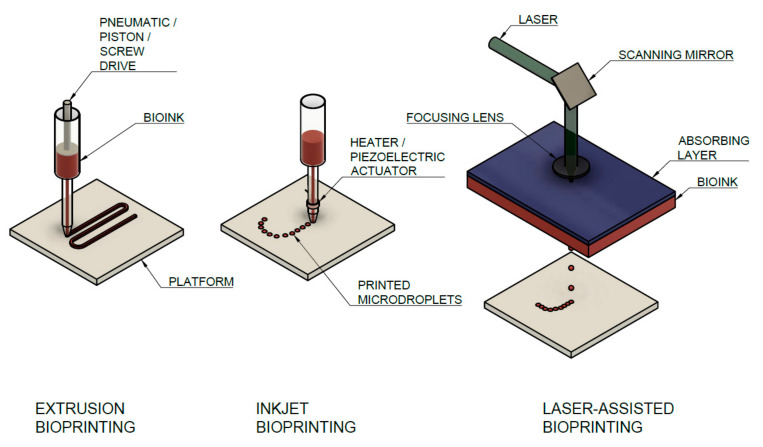
“The best instruments for producing accurate structures from the combination of Col hydrogel and cells are bioprinting technologies based on syringe deposition or laser technologies [152].”
Bioprinting and Intellectual Property: Challenges, Opportunities, and the Road Ahead
Kantaros, A., Ganetsos, T. K., Petrescu, F. I. T., & Alysandratou, E. (2025) · Bioengineering · doi:10.3390/bioengineering12010076 · Cited by 51
Advancements in 3D skin bioprinting: processes, bioinks, applications and sensor integration
Derman, İ. D., Rivera, T., Garriga-Cerda, L., Singh, Y. P., Saini, S., Abaci, H. E., & Ozbolat, I. T. (2024) · International Journal of Extreme Manufacturing · doi:10.1088/2631-7990/ad878c · Cited by 67
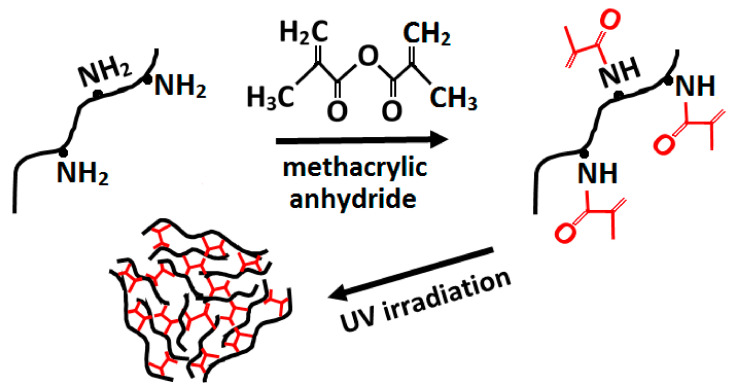
“Chemical crosslinking is not widely used in studies to increase collagen’s printability due to concerns related to biocompatibility, potential alterations to mechanical properties and cell responsiveness, and challenges in mimicking natural crosslinking mechanisms [211].”
Reynolds, D. S., de Lázaro, I., Blache, M. L., Liu, Y., Jeffreys, N. C., Doolittle, R. M., Grandidier, E., Olszewski, J. D., Dacus, M. T., Mooney, D. J., et al. (2023) · Advanced Materials · doi:10.1002/adma.202210748 · Cited by 45
Wei, Q., An, Y., Zhao, X., Li, M., & Zhang, J. (2024) · International Journal of Biological Macromolecules · doi:10.1016/j.ijbiomac.2024.131281 · Cited by 51
Allu, I., Sahi, A. K., Koppadi, M., Gundu, S., & Sionkowska, A. (2023) · Journal of Functional Biomaterials · doi:10.3390/jfb14100518 · Cited by 45
“…solutions (for instance, collagen in 0.5 M acetic acid) and correcting the pH of the resulting solution with 10 M NaOH solution. the resulting solution with 10 M NaOH Finally, the desired bioink may be prepared by combining the acquired mixture with decellularized liver ECM bioink [135,143–145].”
MethodInfluentialBiopolymers for Tissue Engineering: Crosslinking, Printing Techniques, and Applications
Patrocinio, D., Galván-Chacón, V., Gómez-Blanco, J. C., Miguel, S. P., Loureiro, J., Ribeiro, M. P., Coutinho, P., Pagador, J. B., & Sanchez-Margallo, F. M. (2023) · Gels · doi:10.3390/gels9110890 · Cited by 44
“However, the weak mechanical properties and constraints in sterilization are major challenges [43].”
BackgroundStocco, T. D., Silva, M. C. M., Corat, M. A. F., Lima, G. G., & Lobo, A. O. (2022) · International Journal of Nanomedicine · doi:10.2147/ijn.s353937 · Cited by 35
García‐Villén, F., Guembe, A., Rey, J. M., Zúñiga, T., Ruíz, S., del Burgo, L. S., Izco, J. M., Recalde, J. I., & Pedraz, J. L. (2023) · International Journal of Bioprinting · doi:10.18063/ijb.712 · Cited by 35
Brunel, L. G., Long, C. M., Christakopoulos, F., Cai, B., Johansson, P. K., Singhal, D., Enejder, A. M. K., Myung, D. J., & Heilshorn, S. C. (2024) · Acta Biomaterialia · doi:10.1016/j.actbio.2025.01.009 · Cited by 33
Štěpanovská, J., Otáhal, M., Hanzalek, K., Šupová, M., & Matějka, R. (2021) · Gels · doi:10.3390/gels7040252 · Cited by 36
“This is supported by the fact that gel crosslinking occurs as the temperature increases and the pH changes (increases to alkaline values) and is fastest around 37 °C [23].”
BackgroundMethodSelf-citationMukasheva, F., Moazzam, M., Yernaimanova, B., Shehzad, A., Zhanbassynova, A., Berillo, D. A., & Akilbekova, D. (2024) · Bioprinting · doi:10.1016/j.bprint.2024.e00341 · Cited by 39
The Impact of Gelatin and Fish Collagen on Alginate Hydrogel Properties: A Comparative Study
Wierzbicka, A., Bartniak, M., Waśko, J., Kolesińska, B., Grabarczyk, J., & Bociąga, D. (2024) · Gels · doi:10.3390/gels10080491 · Cited by 38
Hervás-Raluy, S., Wirthl, B., Guerrero, P. E., Rei, G. R., Nitzler, J., Coronado, E., de Mora, J. F., Schrefler, B. A., Gómez‐Benito, M. J., García‐Aznar, J. M., et al. (2023) · Computers in Biology and Medicine · doi:10.1016/j.compbiomed.2023.106895 · Cited by 35
Innovations and challenges in collagen and gelatin production through precision fermentation
Campos, S. D. M., Costa, G. D. S., Karp, S. G., Thomaz‐Soccol, V., & Soccol, C. R. (2025) · World Journal of Microbiology and Biotechnology · doi:10.1007/s11274-025-04276-z · Cited by 39
“The resulting tissue construct can be harvested and processed into cultivated meat products (Stepanovska et al. 2021).”
Ink-structing the future of vascular tissue engineering: a review of the physiological bioink design
Synofzik, J., Heene, S., Jonczyk, R., & Blume, C. A. (2024) · Bio-Design and Manufacturing · doi:10.1007/s42242-024-00270-w · Cited by 34
“Attempts to bioprint collagen by microextrusion, inkjet, and laser-assisted bioprinting [65] are limited by this material weakness.”
Huang, Y., Li, X., Poudel, A. J., Zhang, W., & Xiao, L. J. (2022) · Applied Materials Today · doi:10.1016/j.apmt.2022.101668 · Cited by 28
Progress in the Application of Hydrogels in Intervertebral Disc Repair: A Comprehensive Review
Chen, X., Jing, S., Xue, C., & Guan, X. (2024) · Current Pain and Headache Reports · doi:10.1007/s11916-024-01296-6 · Cited by 26
Point of care approaches to 3D bioprinting for wound healing applications
Wallace, E., Yue, Z., Dottori, M., Wood, F. M., Fear, M. W., Wallace, G. G., & Beirne, S. (2023) · Progress in Biomedical Engineering · doi:10.1088/2516-1091/acceeb · Cited by 26
“Although alginate lacks RGD peptides critical for in-vivo cell attachment [64, 66], it is able to crosslink rapidly into ECM-mimicking hydrogels with high mechanical strength in the presence of cations (e.g. Ca2+, Cu2+, Ba2+) [66, 75].”
BackgroundInfluentialZheng, L., Tseomashko, N. E., Voronova, А. A., Vasil’kov, A. Y., Hu, X., & Wang, X. (2024) · Collagen and Leather · doi:10.1186/s42825-024-00164-8 · Cited by 30
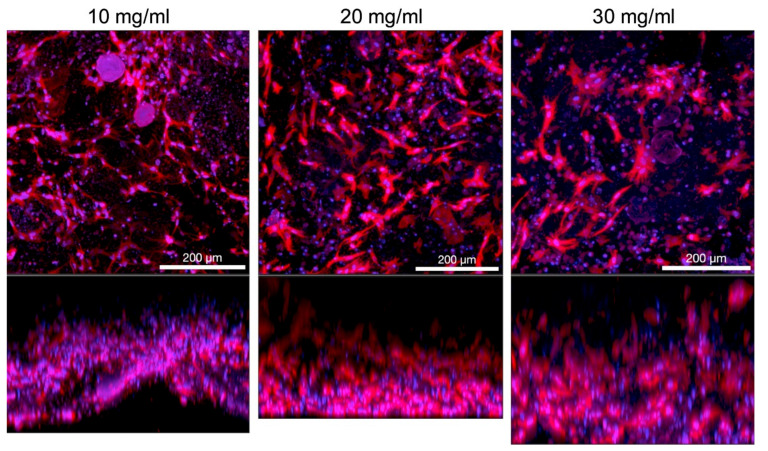
“The lower concentration limits printing to 1–2 mm high flat forms, while high-density single-component collagen bioink (> 20 mg/ mL) enables precise 3D structures [118].”
BackgroundKim, J., & Kim, G. (2023) · Chemical Engineering Journal · doi:10.1016/j.cej.2023.144979 · Cited by 21
3D bioprinting of natural materials and their AI-Enhanced printability: A review
Grira, S., Mozumder, M. S., Mourad, A. I., Ramadan, M., Khalifeh, H. A., & AlKhedher, M. A. (2025) · Bioprinting · doi:10.1016/j.bprint.2025.e00385 · Cited by 23
Towards resorbable 3D ‐printed scaffolds for craniofacial bone regeneration
Karanth, D., Song, K., Martin, M. L., Meyer, D. R., Dolce, C., Huang, Y. H., & Holliday, L. S. (2023) · Orthodontics and Craniofacial Research · doi:10.1111/ocr.12645 · Cited by 19
“Collagen hydrogels have many potential applications in the biomedical field, including as a drug delivery system, 28 in tissue repair and regeneration 33 and for 3D bioprinting.”
Advances in 3D Bioprinting: Materials, Processes, and Emerging Applications
Jose, S. A., Evtimow, A., & Menezes, P. L. (2026) · Micromachines · doi:10.3390/mi17030282 · Cited by 25
Khiari, Z. (2024) · Marine Drugs · doi:10.3390/md22030134 · Cited by 21
“On the topic of collagen-based bio-inks, Stepanovska et al. [159] recently conducted a systematic search of studies dealing with 3D bioprinting using collagen-based hydrogels, and it was found that Type I collagen-based hydrogels are the most widely utilized.”
Extrusion bioprinting: meeting the promise of human tissue biofabrication?
Holland, I. (2025) · Progress in Biomedical Engineering · doi:10.1088/2516-1091/adb254 · Cited by 26
“Where collagen is used, its chemistry and properties are often altered to enable printing [152] moving it away from the human ECM form.”
Kothandaraman, L., Balasubramanian, N. K., Palaniyappan, S., Dalaq, A. S., & Bodaghi, M. (2025) · Materials Today Communications · doi:10.1016/j.mtcomm.2025.113707 · Cited by 21
Mier, M. S. A., Bakırcı, E., Stahlhut, P., Blum, R., Dalton, P. D., & Villmann, C. (2023) · Advanced Biology · doi:10.1002/adbi.202300029 · Cited by 19
Advancements in 3D ‐printed artificial tendon
Alhaskawi, A., Zhou, H., Dong, Y., Zou, X., Ezzi, S. H. A., Kota, V. G., Abdulla, M. H. A. H., Tu, T., Alenikova, O., Abdalbary, S. A., et al. (2024) · Journal of Biomedical Materials Research Part B Applied Biomaterials · doi:10.1002/jbm.b.35364 · Cited by 16
Three-Dimensional Bioprinting: The Ultimate Pinnacle of Tissue Engineering
Arumugam, P., Kaarthikeyan, G., & Eswaramoorthy, R. (2024) · Cureus · doi:10.7759/cureus.58029 · Cited by 23
“Thus, the current research focuses on improving the biomimetic effect of high-concentration collagen bioinks [22].”
BackgroundCollagen-based materials in male genitourinary diseases and tissue regeneration
Li, F., XinHuang, Wang, R., Li, Y., Wu, L., Qiao, X., Zhong, Y., Gong, G., & Huang, W. (2024) · Collagen and Leather · doi:10.1186/s42825-024-00185-3 · Cited by 18
Kilian, D., Poddar, A., Desrochers, V., Heinemann, C., Halfter, N., Liu, S., Rother, S., Gelinsky, M., Hintze, V., & Lode, A. (2023) · Biomaterials Advances · doi:10.1016/j.bioadv.2023.213319 · Cited by 16
Bačáková, L., Chlupáč, J., Filová, E., Musı́lková, J., Tomšů, J., Wu, Y., Svobodová, L., Pražák, Š., & Brož, A. (2024) · Physiological Research · doi:10.33549/physiolres.935294 · Cited by 13
Rahman, T. T., Wood, N., Akib, Y. M., Qin, H., & Pei, Z. (2024) · Bioengineering · doi:10.3390/bioengineering11090862 · Cited by 13
“Biomaterials in tissue engineering studies mostly use type I collagen, which is the main component in the connective tissues of mammals [11,14–16].”
BackgroundŠupová, M., Suchý, T., Chlup, H., Štípek, J., Žitný, R., Landfeld, A., Skočilas, J., Žaloudková, M., Rýglová, Š., Braun, M., et al. (2022) · Journal of Food Engineering · doi:10.1016/j.jfoodeng.2022.111387 · Cited by 13
Advances in 3D Printed Scaffolds for Periodontal Regeneration
Daghrery, A., Soares, I. P. M., dos Reis‐Prado, A. H., Araújo, I. J. D. S., Dal‐Fabbro, R., & Bottino, M. C. (2026) · Current Oral Health Reports · doi:10.1007/s40496-025-00421-7 · Cited by 18
“For instance, collagen provides a structural framework and biochemical cues that support cell adhesion, proliferation, and tissue regeneration [ 31, 32 ].”
3D bioprinting: Advancing the future of food production layer by layer
Chandimali, N., Bak, S.-G., Park, E. H., Cheong, S. H., Park, S., & Lee, S. (2025) · Food Chemistry · doi:10.1016/j.foodchem.2025.142828 · Cited by 15
Development of a hyaluronic acid—collagen bioink for shear-induced fibers and cells alignment
Palladino, S., Schwab, A., Copes, F., D’Este, M., Candiani, G., & Mantovani, D. (2023) · Biomedical Materials · doi:10.1088/1748-605x/acfd77 · Cited by 13
“Nevertheless, given its enormous potential for many bioengineering applications, research focused to overcome its limits for the development of collagen-based bioinks [27].”
Timofticiuc, I.-A., Căruntu, A., Dragosloveanu, C. D. M., Scheau, A.-E., Bădărău, I. A., Periferakis, A., Dragosloveanu, Ş., Didilescu, A. C., Căruntu, C., & Scheau, C. (2025) · Journal of Functional Biomaterials · doi:10.3390/jfb16070240 · Cited by 15
“Biomaterials such as hydroxyapatite [235,236], polycaprolactone [237–239], poly-L-lactic acid [240,241], or collagen [242–244] are great candidates to replace or to be added to GelMA multicomponent hydrogels.”
Advancements and Challenges in 3D Printing for Wound Healing: Current Trends and Future Prospects
Gandhimathi, R., Chandrudu, J., Sripriya, D. T., Pavani, C., Jyothi, V. A., Sabarees, G., & Solomon, V. R. (2025) · Regenerative Engineering and Translational Medicine · doi:10.1007/s40883-025-00470-5 · Cited by 13
Immohr, M. B., Teichert, H. L., Adrego, F. D. S., Schmidt, V., Sugimura, Y., Bauer, S. J., Barth, M., Lichtenberg, A., & Akhyari, P. (2023) · Bioengineering · doi:10.3390/bioengineering10070787 · Cited by 9
“However, compared to hydrogels with physiological components of the ECM, such as collagen hydrogels, the processed gelatin/alginate hydrogel probably falls short in terms of biocompatibility [47].”
BackgroundKoo, Y., Kim, W., Hwangbo, H., Ryu, D., & Kim, G. (2026) · Advanced Functional Materials · doi:10.1002/adfm.202503933 · Cited by 8
Matějková, J., Kaňoková, D., Šupová, M., & Matějka, R. (2024) · Gels · doi:10.3390/gels10010066 · Cited by 8
“…cell culture concentration, and crosslinking method) as well as the parameters of the printing process (temperature, pressure, and speed of parts of the printing system parts), as they have a significant impact on the resulting structural strength and viability of the incorporated cells [5].”
BackgroundInfluentialDesign of magnetic kappa-carrageenan-collagen bioinks for 3D bioprinting
Almeida, D., Küppers, F., Gusmão, A., Manjua, A. C., Ferreira, C. F. R., Portugal, C. A. M., Silva, J. C., Sanjuan‐Alberte, P., & Ferreira, F. C. (2024) · Journal of Materials Science · doi:10.1007/s10853-024-10021-y · Cited by 11
“Collagen, as the most prevalent structural protein in the ECM of mammals, possesses great promise for the development of bioinks as it presents high biocompatibility, low immunogenicity 12 and, being a native component of ECM, can provide high tissue biomim-icry.”
Kaňoková, D., Matějka, R., Žaloudková, M., Zigmond, J., Šupová, M., & Matějková, J. (2024) · Gels · doi:10.3390/gels10050316 · Cited by 10
“This can be improved by using collagen with a high protein concentration (>10 mg/mL), but due to the solidification of the hydrogel, when the physical conditions (temperature, pH) change, the meltability of the material during printing is relatively high [16].”
BackgroundCurrent Status of Bioprinting Using Polymer Hydrogels for the Production of Vascular Grafts
Matějková, J., Kaňoková, D., & Matějka, R. (2024) · Gels · doi:10.3390/gels11010004 · Cited by 12
Advanced collagen-based scaffolds for cartilage and osteochondral regeneration: A review
Wang, L., Chen, X., Shi, S., Yang, X., Chen, H., & Xiao, J. (2025) · International Journal of Biological Macromolecules · doi:10.1016/j.ijbiomac.2025.143992 · Cited by 13
Emerging trends in polysaccharide based cryogel scaffold for skin tissue engineering
Patole, V., Ingavle, G. C., Behere, I., Nehere, T., Kolhe, P. R., Baheti, R., & Swami, D. (2024) · International Journal of Polymeric Materials · doi:10.1080/00914037.2024.2387028 · Cited by 7
“With this technique, collagen layers could be precisely deposited onto a cryogenic stage and then quickly frozen [93] .”
Stratified tissue biofabrication by rotational internal flow layer engineering
Holland, I., Shu, W., & Davies, J. A. (2023) · Biofabrication · doi:10.1088/1758-5090/ace2ed · Cited by 8
“This is due to a combination of low viscosity and extended thermal gelation time [21, 70], ultimately requiring a high level of self-support and temperature control when transitioning from a liquid to a gel [71, 72] a challenge prevalent throughout biofabrication, with technologies often requiring specific bioink hydr…”
BackgroundScaffolds Bioink for Three-Dimensional (3D) Bioprinting
An, J.-H., & Kim, H.-Y. (2025) · Food Science of Animal Resources · doi:10.5851/kosfa.2024.e120 · Cited by 9
“In addition, Stepanovska et al. (2021b) reported that collagen concentration and printability are positively correlated, regardless of cell viability, and that stable collagen scaffold printing is possible through parameters such as bioink temperature and appropriate printing conditions.”
Heo, G., Kim, W.-J., & Kim, G. (2025) · Virtual and Physical Prototyping · doi:10.1080/17452759.2025.2499440 · Cited by 9
Landau, S., Kieda, J., Khosravi, R., Okhovatian, S., Ramsay, K., Liu, C., Shakeri, A., Zhao, Y., Shen, K., Bar‐Am, O., et al. (2024) · Bioactive Materials · doi:10.1016/j.bioactmat.2024.10.008 · Cited by 13
First-in-kind 3D bioprinted human skin model using recombinant human collagen
Gudapati, H., Torigoe, R. M. S., Tahmasebifar, A., Purushothaman, K., & Wyles, S. P. (2025) · Archives of Dermatological Research · doi:10.1007/s00403-025-04236-5 · Cited by 8
Nabavi, S. F., & Garmestani, H. (2026) · Journal of Manufacturing Processes · doi:10.1016/j.jmapro.2025.12.035 · Cited by 7
Rheological characterization and print quality studies of gelatin/collagen I/PEGDA hydrogels
Bartholomew, K., & Mahapatro, A. (2024) · International Journal of Polymeric Materials · doi:10.1080/00914037.2024.2391964 · Cited by 8
“Bioinks must have a dominant storage modulus in order to maintain their shape after being bioprinted [35] .”
Integration of bioprinting advances and biomechanical strategies for in vitro lung modelling
Avery, K., & Chen, D. (2024) · Biofabrication · doi:10.1088/1758-5090/ad91e2 · Cited by 7
“ECM components are frequently incorporated through decellularized materials and collagen, and these materials are frequently derived from non-human tissues [74, 77].”
Polynucleotide HPTTM-Based Hydrogels Exhibit Scavenging Activity Against Reactive Oxygen Species
Colangelo, M. T., Belletti, S., Guizzardi, S., & Galli, C. (2025) · Antioxidants · doi:10.3390/antiox14091089 · Cited by 6
Perry, A. C., Lan, X., Ma, Z., Li, H., Chu, Y., Mulet‐Sierra, A., Kunze, M., Westover, L., Chen, L., Ansari, K., et al. (2025) · International Journal of Biological Macromolecules · doi:10.1016/j.ijbiomac.2025.143559 · Cited by 4
Krajewska, U., Chechlińska, M., & Kurzyk, A. (2026) · Biofabrication · doi:10.1088/1758-5090/ae2f02 · Cited by 14
Sustainable 3D printing of bone scaffolds using animal biowaste feedstocks
Dukle, A., & Sankar, M. R. (2025) · Next Sustainability · doi:10.1016/j.nxsust.2025.100099 · Cited by 6
Using Three-Dimensional Bioprinting to Generate Realistic Models of Wound Healing
Díaz, G. Y., da Silva, V. A., Kalantarnia, F., Scheck, K., Tschofen, S. A., Tuffs, S. W., & Willerth, S. M. (2025) · Advances in Wound Care · doi:10.1089/wound.2024.0138 · Cited by 8
Dang, Y. H., Dauzat, E., Istiak, A., Jackson, K., Songe, V., West, L., Kayes, M. I., Islam, M. S., & Faisal, T. R. (2025) · Annals of 3D Printed Medicine · doi:10.1016/j.stlm.2025.100212 · Cited by 4
Next-gen heart solutions: 3D bioprinting and AI in valve replacement therapy
Haddad, S., Karzoun, A. A., Raffoul, L., Mohamed, Y., Sultan, S., Abbas, A., & Zaino, B. (2025) · Annals of 3D Printed Medicine · doi:10.1016/j.stlm.2025.100219 · Cited by 3
Guo, Y., Huang, Z., Dai, D., Chen, L., Zou, M., Sun, C., & Li, Q. (2025) · Regenerative Therapy · doi:10.1016/j.reth.2025.08.010 · Cited by 3
“However, excessive crosslinking density may inhibit cellular activity, necessitating a balance between structural integrity and cell compatibility [83].”
A review of strategies for improving the mechanical properties of 3D bioprinted skin grafts
Shi, Z., Lv, H., Wang, Y., Zhao, D., & Han, D. (2025) · Journal of the mechanical behavior of biomedical materials/Journal of mechanical behavior of biomedical materials · doi:10.1016/j.jmbbm.2025.107223 · Cited by 3
Piretarighat, S., Keyhanvar, P., Azami-Aghdash, S., Salehi-Pourmehr, H., Şahin, F., Salehi, R., Keshel, S. H., Javadrashid, R., Naderpour, M., & Moghaddam, Y. J. (2025) · Multiscale and Multidisciplinary Modeling Experiments and Design · doi:10.1007/s41939-025-01106-5 · Cited by 7
“Another study examined various parameters affecting collagen hydrogel bioink constructs, confirming that multiple factors during preparation techniques and the printing stage influence the properties of 3D printed scaffolds (Stepanovska et al. 2021).”
Ye, M., Gao, J., Zheng, Z., Xin, D., Zhang, Z., Zhu, S., Zhang, Q., Zhang, Y., Xu, L., Shen, S., et al. (2026) · International Journal of Extreme Manufacturing · doi:10.1088/2631-7990/ae3347 · Cited by 4
“…related to cell function and maturation is upregulated, whereas in the microenvironment where the lumens are farther apart, the expression of genes related to angiogenesis is upregulated after 3 days of culture. bioactive property of collagen and introduces light sensitivity for gelation [22] .”
Saha, R. K., Hassan, M., Ali, M. R., Islam, M. M., & Das, A. (2026) · Biomedical Engineering Advances · doi:10.1016/j.bea.2026.100216 · Cited by 5
A comprehensive review on bioink based microfluidic devices
Chamate, K. P., Patil, B. D., Bhosale, N. V., Desai, N. V., Kadam, P. V., Chakraborty, A., & Badhe, R. V. (2024) · Bioprinting · doi:10.1016/j.bprint.2024.e00371 · Cited by 3
Fellin, C. R., Steiner, R., Yuan, X., & Jariwala, S. H. (2025) · Bioprinting · doi:10.1016/j.bprint.2025.e00422 · Cited by 3
Development of photoreactive collagen-based bioinks for stereolithography 3D bioprinting
Mahdavi, S. S., Noohi, P., Abdekhodaie, M. J., Baradaran‐Rafii, A., & Nekoofar, M. H. (2025) · International Journal of Polymeric Materials · doi:10.1080/00914037.2025.2475874 · Cited by 2
“[55,58] A potential strategy to address this limitation involves the addition of synthetic biomaterials like PEG to collagen-based bioinks.”
Ahmed, N., & Shirwaiker, R. A. (2025) · Manufacturing Letters · doi:10.1016/j.mfglet.2025.06.104 · Cited by 2
Jena, S., Kirti, A., Mayur, A., Sinha, A., Öz, T., Kujawska, M., & Verma, S. K. (2025) · Next research. · doi:10.1016/j.nexres.2025.101266 · Cited by 3
Sudhagar, J. K., Gayathri, C., Jayakumar, G. C., & Balaraman, M. (2026) · Cleaner Chemical Engineering · doi:10.1016/j.clce.2026.100222 · Cited by 2
3D bioprinting for reproducing the tumor microenvironment in cancer research models
Aoun, J., Oliveira, H., Fennell, S., Diab-Assaf, M., Caldefie‐Chezet, F., & Delort, L. (2026) · Current Research in Biotechnology · doi:10.1016/j.crbiot.2026.100385 · Cited by 6
Advances in biomimetic mineralized biomaterials for bone tissue engineering
Li, Z. X., Sun, W., Huang, S., Zhao, Y., Wu, X., Huang, C., & Yang, H. (2026) · Regenerative Biomaterials · doi:10.1093/rb/rbag093 · Cited by 3
3D printable nanocomposite hydrogels for biomedical applications
Eğe, H., Enguven, G., Gündüz, O., & Eğe, Z. R. (2023) · Elsevier eBooks · doi:10.1016/b978-0-323-99638-9.00018-6 · Cited by 3
Semisolid Extrusion Printing and 3D Bioprinting
Kulkarni, V. R., Zhang, K. H., Chakka, L. R. J., Aghda, N. H., Duggal, I., & Maniruzzaman, M. (2023) · AAPS advances in the pharmaceutical sciences series · doi:10.1007/978-3-031-46015-9_8 · Cited by 3
Fernández, P. A., Comín, R., Cáceres, M. V., Salvatierra, N. A., & Cid, M. P. (2024) · World Congress on Medical Physics and Biomedical Engineering, September 7 - 12, 2009, Munich, Germany · doi:10.1007/978-3-031-51723-5_4 · Cited by 2
The therapeutic application of hydrogels in chronic pain
Pan, Z., Liu, G., Liao, J.-X., Zhang, W.-J., & Liu, X.-P. (2025) · Journal of Drug Delivery Science and Technology · doi:10.1016/j.jddst.2025.106829 · Cited by 2
Nano-Based Bioinks for Biomedical Applications
Municoy, S., Antezana, P. E., Genovés, S., Giorgi, E. D., Sofrás, F. M. S., Santo‐Orihuela, P. L., Marzi, M. C. D., & Desimone, M. F. (2025) · Nanotechnology in the life sciences · doi:10.1007/978-3-031-86508-4_6 · Cited by 3
Advanced dECM-based bioprinting strategy for tissue regeneration
Cui, X., liu, D., Lü, X., Wang, W., Du, S., Wang, Z., Wei, R., Li, M., Chao, B., & wang, Y. (2026) · Materials Today Advances · doi:10.1016/j.mtadv.2026.100733 · Cited by 6
Aerosol Jet Printing in Biotechnologies
D’Angelo, P., & Tarabella, G. (2026) · Bioengineering · doi:10.3390/bioengineering13080918 · Cited by 1
“A recent systematic review by Stepanovska et al. shows that collagen is widely used as a base hydrogel in cell-containing bioinks, often employed in extrusion, or laser-based printing systems, especially when high-fidelity scaffolds with good cell viability are sought [78].”
Development of bioinks for skin regeneration and wound healing: A review
Saberi, A., Yazdian, F. A., Hosseini, A., Esmaeilian, A., Mirshafiei, M., Rashedi, H., Rahdar, A., & Baino, F. (2026) · Heliyon · doi:10.1016/j.heliyon.2026.e45205 · Cited by 3
Hervás-Raluy, S., Wirthl, B., Guerrero, P. E., Rei, G. R., Nitzler, J., Coronado, E., de Mora, J. F., Schrefler, B. A., Gómez‐Benito, M. J., García‐Aznar, J. M., et al. (2022) · bioRxiv (Cold Spring Harbor Laboratory) · doi:10.1101/2022.09.26.509452 · Cited by 1
Design of Magnetic κ-Carrageenan-Collagen Bioinks for 3D BioprintingPreprint
Almeida, D., Küppers, F., Gusmão, A., Manjua, A. C., Ferreira, C. F. R., Portugal, C. A. M., Silva, J. C., Sanjuan‐Alberte, P., & Ferreira, F. C. (2024) · Research Square · doi:10.21203/rs.3.rs-4138126/v1 · Cited by 1
Antunes, B. S. L., Pedrini, F., Komatsu, D., Asami, J., Dicko, C., & Duek, E. A. R. (2026) · International Journal of Biological Macromolecules · doi:10.1016/j.ijbiomac.2026.154129
Stratified tissue biofabrication by rotational internal flow layer engineeringPreprint
Holland, I., Shu, W., & Davies, J. A. (2022) · bioRxiv (Cold Spring Harbor Laboratory) · doi:10.1101/2022.12.06.519250
Kaňoková, D., Matějková, J., Šupová, M., & Matějka, R. (2024) · World Congress on Medical Physics and Biomedical Engineering, September 7 - 12, 2009, Munich, Germany · doi:10.1007/978-3-031-62520-6_46
Vascular Grafts Derived from Decellularized Tissues Modified with 3D Bioprinting
Matějka, R., Kaňoková, D., Šupová, M., Matějková, J., & Chlupáč, J. (2024) · World Congress on Medical Physics and Biomedical Engineering, September 7 - 12, 2009, Munich, Germany · doi:10.1007/978-3-031-62520-6_45
Costan, S. A., Hallerbach, K., Kim, S., Camp, C., Kim, M., & Riedel-Kruse, I. H. (2025) · bioRxiv (Cold Spring Harbor Laboratory) · doi:10.1101/2025.06.04.657808
Šupová, M., Rýglová, Š., Suchý, T., Žaloudková, M., & Braun, M. (2025) · Gels · doi:10.3390/gels11090695
“Based on our previous experience, not all collagen isolates are capable of gelling [27], a process that appears to depend on various factors, including the type, origin, animal species, age and sex of the source animal and the collagen isolation method applied.”
Freeze-dried and imprinted collagen scaffolds in tendon engineering
Sallent, I., Chaniotaki, L., & Zeugolis, D. I. (2025) · Biomaterials Advances · doi:10.1016/j.bioadv.2025.214681
Metadata
- Authors
- Stepanovska, J., Supova, M., Hanzalek, K., Broz, A., & Matejka, R.
- Affiliations
- Department of Biomedical Technology, Faculty of Biomedical Engineering, Czech Technical University in Prague, Sitna 3105, 272 01 Kladno, Czech Republic
- Department of Composites and Carbon Materials, Institute of Rock Structure and Mechanics, Czech Academy of Sciences, 182 09 Prague, Czech Republic
- Czech Technical University in Prague (CZ)
- Department of Biomaterials and Tissue Engineering, Institute of Physiology of the Czech Academy of Sciences, Videnska 1083, 142 20 Prague, Czech Republic
- Venue
- Biomedicines
- Publisher
- MDPI AG
- Published
- 2021-09-01
- Volume
- 9
- Issue
- 9
- Pages
- 1137
- ISSN
- 2227-9059 (ISSN-L)
- PMC
- PMC8468019
- OpenAlex
- W3198590026
- Semantic Scholar
- d5a5bee18fa032666bb1df48ad8a1e273e070d8a
- Cited by
- 112
- References
- 196
- Citations by year
- 2026: 24 · 2025: 32 · 2024: 29 · 2023: 18 · 2022: 7 · 2021: 2
- FWCI
- 1.18
- Type
- journal article
- Language
- en
- Open access
- gold
- doi.org
- Licence
- Locations
- Biomedicines (publishedVersion, cc-by)
- Europe PMC (PubMed Central) (publishedVersion, other-oa)
- PubMed Central (publishedVersion, cc-by)
- PubMed (publishedVersion)
- DOAJ (DOAJ: Directory of Open Access Journals) (submittedVersion, cc-by-sa)
- Funders
- Ministerstvo Zdravotnictví Ceské Republiky (NV19-02-00068)
- České Vysoké Učení Technické v Praze (SGS20/201/OHK4/3T/17)
- Topics
- Physical Sciences › Engineering › Biomedical Engineering › 3D Printing in Biomedical Research
- Physical Sciences › Materials Science › Biomaterials › Hydrogels: synthesis, properties, applications
- Life Sciences › Biochemistry, Genetics and Molecular Biology › Cell Biology › Cellular Mechanics and Interactions
- Keywords
- collagen gel, 3D bioprinting, physically crosslinked hydrogels, cell viability, laser-assisted bioprinting, cell scaffolds, hydrogel stiffness, extracellular matrix
About these checks
Registry, retraction, Cites and statistics results are computed, not judged, with one exception: a printed reference that no index lists is read once by a model before it counts as a citation error. Claims are extracted by a model and kept only when their quote appears verbatim in the text; each cited source is then checked, with a model’s help, for whether it says what the claim relies on. Those verdicts can be wrong — read the claim’s quote and the cited source before relying on one.
Statistics and arithmetic are recomputed, not judged.
Confidence bands are shown only for fields calibrated on our annotated test set. None is calibrated yet, so no band is shown.
What counts as a claim ›How we measure confidence ›How we check this ›
Are you an author, or do you see a problem with this page? Request a review
Data sources
Bibliographic data: Semantic Scholar, OpenAlex, Crossref.
Contains information from the Semantic Scholar Academic Graph Datasets, made available under the ODC Attribution License (ODC-BY 1.0).
Semantic Scholar’s data is described in: Kinney, R., et al. (2023). The Semantic Scholar Open Data Platform. arXiv:2301.10140.
