

Collagen Bioinks for Bioprinting: A Systematic Review of Hydrogel Properties, Bioprinting Parameters, Protocols, and Bioprinted Structure Characteristics
Open accessThe DOI matches its Crossref record; 195 of the 196 references it cites were found in a registry or an index.
Abstract
Bioprinting is a modern tool suitable for creating cell scaffolds and tissue or organ carriers from polymers that mimic tissue properties and create a natural environment for cell development. A wide range of polymers, both natural and synthetic, are used, including extracellular matrix and collagen-based polymers. Bioprinting technologies, based on syringe deposition or laser technologies, are optimal tools for creating precise constructs precisely from the combination of collagen hydrogel and cells. This review describes the different stages of bioprinting, from the extraction of collagen hydrogels and bioink preparation, over the parameters of the printing itself, to the final testing of the constructs. This study mainly focuses on the use of physically crosslinked high-concentrated collagen hydrogels, which represents the optimal way to create a biocompatible 3D construct with sufficient stiffness. The cell viability in these gels is mainly influenced by the composition of the bioink and the parameters of the bioprinting process itself (temperature, pressure, cell density, etc.). In addition, a detailed table is included that lists the bioprinting parameters and composition of custom bioinks from current studies focusing on printing collagen gels without the addition of other polymers. Last but not least, our work also tries to refute the often-mentioned fact that highly concentrated collagen hydrogel is not suitable for 3D bioprinting and cell growth and development.
Overview
The claims and statistics of this paper haven’t been checked yet.
Free: it reads the open-access text and checks the first 5 claims that cite a source we can check. Create a free account to check every claim.
Integrity signals
Registry
Cites
Statistics
Figures
Verification
Claims the paper makes
The claims and statistics of this paper haven’t been checked yet.
Free: it reads the open-access text and checks the first 5 claims that cite a source we can check. Create a free account to check every claim.
Claims other papers make about this one
Each is checked against this paper’s own text: does it say what the citing paper says it does?
The cited source says what the claim attributes to it.
In the citing paper
“Among natural biomaterials, collagen is widely used due to its abundance in the extracellular matrix and inherent biocompatibility [10,11].”
Self-check
Percentages, sums and reported differences re-computed from the paper’s own numbers.
The self-check needs the paper’s full text.
Citations
Cites
3D bioprinting of tissues and organs
Murphy, S. V., & Atala, A. (2014) · Nature Biotechnology · doi:10.1038/nbt.2958 · Cited by 7,034
Collagen Structure and Stability
Shoulders, M. D., & Raines, R. T. (2009) · Annual Review of Biochemistry · doi:10.1146/annurev.biochem.77.032207.120833 · Cited by 3,923 · cited 1×
“Intriguingly, the supertwisted nature of collagen microfibrils is maintained through the non-helical telopeptide regions [35].”
BackgroundCollagens—structure, function, and biosynthesis
Gelse, K. (2003) · Advanced Drug Delivery Reviews · doi:10.1016/j.addr.2003.08.002 · Cited by 2,654 · cited 1×
“Most used bioinks in studies are made from type I collagen, which is the main component in the connective tissues of mammals [32,33].”
BackgroundInkjet Printing—Process and Its Applications
Singh, M., Haverinen, H. M., Dhagat, P., & Jabbour, G. E. (2010) · Advanced Materials · doi:10.1002/adma.200901141 · Cited by 2,375
Ricard-Blum, S. (2011) · Cold Spring Harbor Perspectives in Biology · doi:10.1101/cshperspect.a004978 · Cited by 2,305 · cited 1×
“They differentiate by the presence of the structural feature triple helix, which can range from most of their structure (96% for collagen I) to less than 10% (XII) [29].”
BackgroundFunctional and bioactive properties of collagen and gelatin from alternative sources: A review
Gómez-Guillén, M. C., Giménez, B., López-Caballero, M. E., & Montero, M. P. (2011) · Food Hydrocolloids · doi:10.1016/j.foodhyd.2011.02.007 · Cited by 2,052
Biomedical applications of collagen
Lee, C. H., Singla, A., & Lee, Y. (2001) · International Journal of Pharmaceutics · doi:10.1016/s0378-5173(01)00691-3 · Cited by 1,945 · cited 1×
“While collagen is the main structural protein of ECM and has a high affinity for adherent cells [13], collagen hydrogels are widely used in biomedical applications, from testing materials for 3D bioprinting [14–16], through general tissue models for in vitro cell studies, drug testing [17,18], to specialized tissue mo…”
BackgroundPrinting three-dimensional tissue analogues with decellularized extracellular matrix bioink
Pati, F., Jang, J., Ha, D.-H., Won Kim, S., Rhie, J.-W., Shim, J.-H., Kim, D.-H., & Cho, D.-W. (2014) · Nature Communications · doi:10.1038/ncomms4935 · Cited by 1,904 · cited 2×
“The group of natural bioinks is represented by protein-based bioinks, polysaccharides bioinks, and bioinks based on extracellular matrix (ECM) from decellularized tissues (dECM-based) [11].”
Background25th Anniversary Article: Engineering Hydrogels for Biofabrication
Malda, J., Visser, J., Melchels, F. P., Jüngst, T., Hennink, W. E., Dhert, W. J. A., Groll, J., & Hutmacher, D. W. (2013) · Advanced Materials · doi:10.1002/adma.201302042 · Cited by 1,901 · cited 1×
“These ECM-based hydrogels also create a group of physical hydrogels characterized by the reversible nature of crosslinking mechanism and suitability for bioprinting and excellent bioactivity [12].”
BackgroundInkjet Printing for Materials and Devices
Calvert, P. (2001) · Chemistry of Materials · doi:10.1021/cm0101632 · Cited by 1,822
Hinton, T. J., Jallerat, Q., Palchesko, R. N., Park, J. H., Grodzicki, M. S., Shue, H.-J., Ramadan, M. H., Hudson, A. R., & Feinberg, A. W. (2015) · Science Advances · doi:10.1126/sciadv.1500758 · Cited by 1,805 · cited 1×
“The FRESH method (Freeform reversible embedding of suspended hydrogels) utilizes a support hydrogel as temporary, thermo-reversible support that can be washed away after printing [15].”
Method3D bioprinting for engineering complex tissues
Mandrycky, C., Wang, Z., Kim, K., & Kim, D.-H. (2016) · Biotechnology Advances · doi:10.1016/j.biotechadv.2015.12.011 · Cited by 1,754
Current advances and future perspectives in extrusion-based bioprinting
Ozbolat, I. T., & Hospodiuk, M. (2016) · Biomaterials · doi:10.1016/j.biomaterials.2015.10.076 · Cited by 1,572
Bioinks for 3D bioprinting: an overview
Gungor-Ozkerim, P. S., Inci, I., Zhang, Y. S., Khademhosseini, A., & Dokmeci, M. R. (2018) · Biomaterials Science · doi:10.1039/c7bm00765e · Cited by 1,428 · cited 2×
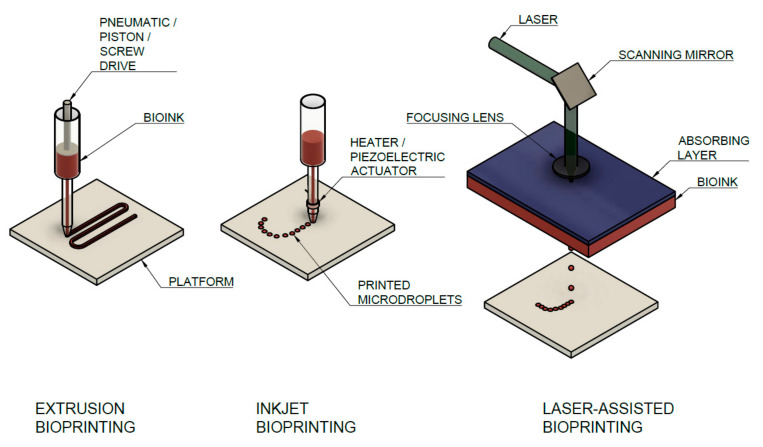
“, microextrusion, inkjet, and laser-assisted bioprinting (LaBP) [5].”
MethodCollagen density promotes mammary tumor initiation and progression
Provenzano, P. P., Inman, D. R., Eliceiri, K. W., Knittel, J. G., Yan, L., Rueden, C. T., White, J. G., & Keely, P. J. (2008) · BMC Medicine · doi:10.1186/1741-7015-6-11 · Cited by 1,361
The Collagen Suprafamily: From Biosynthesis to Advanced Biomaterial Development
Sorushanova, A., Delgado, L. M., Wu, Z., Shologu, N., Kshirsagar, A., Raghunath, R., Mullen, A. M., Bayon, Y., Pandit, A., Raghunath, M., et al. (2019) · Advanced Materials · doi:10.1002/adma.201801651 · Cited by 1,151 · cited 1×
“The most abundant are collagen types I–III, constituting 80–90% of total body collagen [31].”
BackgroundThe bioink: A comprehensive review on bioprintable materials
Hospodiuk, M., Dey, M., Sosnoski, D., & Ozbolat, I. T. (2017) · Biotechnology Advances · doi:10.1016/j.biotechadv.2016.12.006 · Cited by 1,118 · cited 4×
“The cell-laden polymers are called bioinks [3], usually constituted by biomaterials, biochemical molecules, living cells, or any mixture [4].”
BackgroundInfluentialBioink properties before, during and after 3D bioprinting
Hölzl, K., Lin, S., Tytgat, L., Van Vlierberghe, S., Gu, L., & Ovsianikov, A. (2016) · Biofabrication · doi:10.1088/1758-5090/8/3/032002 · Cited by 1,070 · cited 1×
“Laser-assisted printing allows printing materials with relatively high viscosity up to 300 mPa·s and high cell density at a very good resolution [69].”
BackgroundThe role of matrix stiffness in regulating cell behavior†
Wells, R. G. (2008) · Hepatology · doi:10.1002/hep.22193 · Cited by 1,059
Inkjet printing of viable mammalian cells
Xu, T., Jin, J., Gregory, C., Hickman, J. J., & Boland, T. (2005) · Biomaterials · doi:10.1016/j.biomaterials.2004.04.011 · Cited by 1,035
Cross-linking in Hydrogels - A Review
Maitra, J., & Shukla, V. K. (2014) · American Journal of Polymer Science · Cited by 903
3D printing of composite calcium phosphate and collagen scaffolds for bone regeneration
Inzana, J. A., Olvera, D., Fuller, S. M., Kelly, J. P., Graeve, O. A., Schwarz, E. M., Kates, S. L., & Awad, H. A. (2014) · Biomaterials · doi:10.1016/j.biomaterials.2014.01.064 · Cited by 840 · cited 1×
“While collagen is the main structural protein of ECM and has a high affinity for adherent cells [13], collagen hydrogels are widely used in biomedical applications, from testing materials for 3D bioprinting [14–16], through general tissue models for in vitro cell studies, drug testing [17,18], to specialized tissue mo…”
BackgroundFolk, J. E. (1980) · Annual Review of Biochemistry · doi:10.1146/annurev.bi.49.070180.002505 · Cited by 835
Laser assisted bioprinting of engineered tissue with high cell density and microscale organization
Guillotin, B., Souquet, A., Catros, S., Duocastella, M., Pippenger, B., Bellance, S., Bareille, R., Rémy, M., Bordenave, L., Amédée, J., et al. (2010) · Biomaterials · doi:10.1016/j.biomaterials.2010.05.055 · Cited by 832
(2008) · Springer eBooks · doi:10.1007/978-0-387-73906-9 · Cited by 827
Antigenicity and immunogenicity of collagen
Lynn, A. K., Yannas, I. V., & Bonfield, W. (2004) · Journal of Biomedical Materials Research Part B: Applied Biomaterials · doi:10.1002/jbm.b.30096 · Cited by 823 · cited 2×
“However, low immunogenicity can be obtained only by using high purity collagen solutions when the protein is derived from collagen-containing tissues [23].”
BackgroundBlaeser, A., Duarte Campos, D. F., Puster, U., Richtering, W., Stevens, M. M., & Fischer, H. (2016) · Advanced Healthcare Materials · doi:10.1002/adhm.201500677 · Cited by 808
Design and Fabrication of Human Skin by Three-Dimensional Bioprinting
Lee, V., Singh, G., Trasatti, J. P., Bjornsson, C., Xu, X., Tran, T. N., Yoo, S.-S., Dai, G., & Karande, P. (2014) · Tissue Engineering Part C: Methods · doi:10.1089/ten.tec.2013.0335 · Cited by 725 · cited 3×
“microvalve 52 The potential of 3D bioprinting for tissue engineering using human skin as a prototypical example [21]”
BackgroundInkjet printing for high-throughput cell patterning
Roth, E. A., Xu, T., Das, M., Gregory, C., Hickman, J. J., & Boland, T. (2004) · Biomaterials · doi:10.1016/j.biomaterials.2003.10.052 · Cited by 714 · cited 3×
“02 Applying high-throughput inkjet printing to control cellular attachment and proliferation by precise, automated deposition of collagen [14]”
BackgroundMethodCrosslinking biopolymers for biomedical applications
Reddy, N., Reddy, R., & Jiang, Q. (2015) · Trends in Biotechnology · doi:10.1016/j.tibtech.2015.03.008 · Cited by 683
Research on the printability of hydrogels in 3D bioprinting
He, Y., Yang, F., Zhao, H., Gao, Q., Xia, B., & Fu, J. (2016) · Scientific Reports · doi:10.1038/srep29977 · Cited by 654 · cited 1×
“The optimum viscosity should be chosen particularly because of the impaired cell viability during shear stress-induced deformation during deposition [70].”
BackgroundTissue Stiffness Dictates Development, Homeostasis, and Disease Progression
Handorf, A. M., Zhou, Y., Halanski, M. A., & Li, W.-J. (2015) · Organogenesis · doi:10.1080/15476278.2015.1019687 · Cited by 645
Lysine post-translational modifications of collagen
Yamauchi, M., & Sricholpech, M. (2012) · Essays in Biochemistry · doi:10.1042/bse0520113 · Cited by 626 · cited 1×
“The crosslinking profiles of collagen in various tissues (skin, bone, tendon, cartilage) are different due to the differences in lysine hydroxylation on telopeptide and helical collagen parts [42].”
BackgroundMichael, S., Sorg, H., Peck, C.-T., Koch, L., Deiwick, A., Chichkov, B., Vogt, P. M., & Reimers, K. (2013) · PLoS ONE · doi:10.1371/journal.pone.0057741 · Cited by 623
Antoine, E. E., Vlachos, P. P., & Rylander, M. N. (2014) · Tissue Engineering Part B: Reviews · doi:10.1089/ten.teb.2014.0086 · Cited by 611
Bio-ink properties and printability for extrusion printing living cells
Chung, J. H. Y., Naficy, S., Yue, Z., Kapsa, R., Quigley, A., Moulton, S. E., & Wallace, G. G. (2013) · Biomaterials Science · doi:10.1039/c3bm00012e · Cited by 610
Skin tissue generation by laser cell printing
Koch, L., Deiwick, A., Schlie, S., Michael, S., Gruene, M., Coger, V., Zychlinski, D., Schambach, A., Reimers, K., Vogt, P. M., et al. (2012) · Biotechnology and Bioengineering · doi:10.1002/bit.24455 · Cited by 609
Thermal Inkjet Printing in Tissue Engineering and Regenerative Medicine
Cui, X., Boland, T., D.D'Lima, D., & K. Lotz, M. (2012) · Recent Patents on Drug Delivery & Formulation · doi:10.2174/187221112800672949 · Cited by 581
Lee, W., Debasitis, J. C., Lee, V. K., Lee, J.-H., Fischer, K., Edminster, K., Park, J.-K., & Yoo, S.-S. (2009) · Biomaterials · doi:10.1016/j.biomaterials.2008.12.009 · Cited by 578 · cited 4×
“The speed of inkjet-based printers is given by the switching rate of the deposition actuator when the throughput rate is up to 30 kHz (piezocrystals) [145], 1 kHz (microvalves) [17].”
BackgroundMethodInfluentialRajan, N., Habermehl, J., Coté, M.-F., Doillon, C. J., & Mantovani, D. (2006) · Nature Protocols · doi:10.1038/nprot.2006.430 · Cited by 577 · cited 2×
“A unique extraction process is needed based on the source of collagen and the type of tissue [44].”
BackgroundFormation of perfused, functional microvascular tubes in vitro
Chrobak, K. M., Potter, D. R., & Tien, J. (2006) · Microvascular Research · doi:10.1016/j.mvr.2006.02.005 · Cited by 553
Chang, R., Nam, J., & Sun, W. (2008) · Tissue Engineering Part A · doi:10.1089/ten.a.2007.0004 · Cited by 549 · cited 2×
“On the other hand, the shear stress on the nozzle tip wall and applied pressure cause a significant decrease in the number of living cells when the cell density is high [71].”
BackgroundEvaluation of hydrogels for bio‐printing applications
Murphy, S. V., Skardal, A., & Atala, A. (2013) · Journal of Biomedical Materials Research Part A · doi:10.1002/jbm.a.34326 · Cited by 543 · cited 1×
“Evaluation and comparison of 12 hydrogels to determine suitability for bioprinting [101]”
BackgroundProcessing of collagen based biomaterials and the resulting materials properties
Meyer, M. (2019) · BioMedical Engineering OnLine · doi:10.1186/s12938-019-0647-0 · Cited by 539 · cited 1×
“Aldimines can spontaneously undergo an Amadori rearrangement to produce ketoimines, such as other types of immature collagen crosslinks [36,40].”
BackgroundCell and organ printing 1: Protein and cell printers
Wilson, W. C., & Boland, T. (2003) · The Anatomical Record Part A: Discoveries in Molecular, Cellular, and Evolutionary Biology · doi:10.1002/ar.a.10057 · Cited by 531 · cited 1×
“piezocrystal 15 Using of thermosensitive gels for generating 3D constructs [98]”
MethodViability and electrophysiology of neural cell structures generated by the inkjet printing method
Xu, T., Gregory, C. A., Molnar, P., Cui, X., Jalota, S., Bhaduri, S. B., & Boland, T. (2006) · Biomaterials · doi:10.1016/j.biomaterials.2006.01.048 · Cited by 520 · cited 3×
“While collagen is the main structural protein of ECM and has a high affinity for adherent cells [13], collagen hydrogels are widely used in biomedical applications, from testing materials for 3D bioprinting [14–16], through general tissue models for in vitro cell studies, drug testing [17,18], to specialized tissue mo…”
BackgroundMethodSpectroscopic Characterization of Collagen Cross-Links in Bone
Paschalis, E. P., Verdelis, K., Doty, S. B., Boskey, A. L., Mendelsohn, R., & Yamauchi, M. (2001) · Journal of Bone and Mineral Research · doi:10.1359/jbmr.2001.16.10.1821 · Cited by 517 · cited 1×
“Enzymatic crosslinks, which make up most protein–protein crosslinks, exist as a natural product in collagen [38,39].”
BackgroundLaser Printing of Skin Cells and Human Stem Cells
Koch, L., Kuhn, S., Sorg, H., Gruene, M., Schlie, S., Gaebel, R., Polchow, B., Reimers, K., Stoelting, S., Ma, N., et al. (2010) · Tissue Engineering Part C: Methods · doi:10.1089/ten.tec.2009.0397 · Cited by 476
Current Status of Bioinks for Micro-Extrusion-Based 3D Bioprinting
Panwar, A., & Tan, L. (2016) · Molecules · doi:10.3390/molecules21060685 · Cited by 472 · cited 1×
“However, the use of appropriate bioink provides cell-binding sites that are desirable for cell attachment, spreading, growth, and differentiation [6].”
BackgroundKeriquel, V., Oliveira, H., Rémy, M., Ziane, S., Delmond, S., Rousseau, B., Rey, S., Catros, S., Amédée, J., Guillemot, F., et al. (2017) · Scientific Reports · doi:10.1038/s41598-017-01914-x · Cited by 447
Direct‐write bioprinting three‐dimensional biohybrid systems for future regenerative therapies
Chang, C. C., Boland, E. D., Williams, S. K., & Hoying, J. B. (2011) · Journal of Biomedical Materials Research Part B: Applied Biomaterials · doi:10.1002/jbm.b.31831 · Cited by 445 · cited 1×
“While collagen is the main structural protein of ECM and has a high affinity for adherent cells [13], collagen hydrogels are widely used in biomedical applications, from testing materials for 3D bioprinting [14–16], through general tissue models for in vitro cell studies, drug testing [17,18], to specialized tissue mo…”
BackgroundBioprinting Technology: A Current State-of-the-Art Review
Dababneh, A. B., & Ozbolat, I. T. (2014) · Journal of Manufacturing Science and Engineering · doi:10.1115/1.4028512 · Cited by 427
Fluid shear stress threshold regulates angiogenic sprouting
Galie, P. A., Nguyen, D.-H. T., Choi, C. K., Cohen, D. M., Janmey, P. A., & Chen, C. S. (2014) · Proceedings of the National Academy of Sciences · doi:10.1073/pnas.1310842111 · Cited by 421 · cited 1×
“, in protein signalling and expression [72], maturation of certain cell phenotypes [73], or stem cell differentiation [74].”
BackgroundBioprinting three-dimensional cell-laden tissue constructs with controllable degradation
Wu, Z., Su, X., Xu, Y., Kong, B., Sun, W., & Mi, S. (2016) · Scientific Reports · doi:10.1038/srep24474 · Cited by 418 · cited 1×
“While collagen is the main structural protein of ECM and has a high affinity for adherent cells [13], collagen hydrogels are widely used in biomedical applications, from testing materials for 3D bioprinting [14–16], through general tissue models for in vitro cell studies, drug testing [17,18], to specialized tissue mo…”
BackgroundMethods for the treatment of collagenous tissues for bioprostheses
Khor, E. (1997) · Biomaterials · doi:10.1016/s0142-9612(96)00106-8 · Cited by 415
Gough, J. E., Scotchford, C. A., & Downes, S. (2002) · Journal of Biomedical Materials Research · doi:10.1002/jbm.10145 · Cited by 406
Smart biomaterials design for tissue engineering and regenerative medicine
Furth, M. E., Atala, A., & Van Dyke, M. E. (2007) · Biomaterials · doi:10.1016/j.biomaterials.2007.07.042 · Cited by 397 · cited 1×
“Still, only a few of them have features to create an ideal bioink [7].”
BackgroundChemically modified collagen: A natural biomaterial for tissue replacement
Nimni, M. E., Cheung, D., Strates, B., Kodama, M., & Sheikh, K. (1987) · Journal of Biomedical Materials Research · doi:10.1002/jbm.820210606 · Cited by 392
Weadock, K. S., Miller, E. J., Bellincampi, L. D., Zawadsky, J. P., & Dunn, M. G. (1995) · Journal of Biomedical Materials Research · doi:10.1002/jbm.820291108 · Cited by 385
Cell and organ printing 2: Fusion of cell aggregates in three‐dimensional gels
Boland, T., Mironov, V., Gutowska, A., Roth, E. A., & Markwald, R. R. (2003) · The Anatomical Record Part A: Discoveries in Molecular, Cellular, and Evolutionary Biology · doi:10.1002/ar.a.10059 · Cited by 382
Sorkio, A., Koch, L., Koivusalo, L., Deiwick, A., Miettinen, S., Chichkov, B., & Skottman, H. (2018) · Biomaterials · doi:10.1016/j.biomaterials.2018.04.034 · Cited by 381
Biofabrication of tissue constructs by 3D bioprinting of cell-laden microcarriers
Levato, R., Visser, J., Planell, J. A., Engel, E., Malda, J., & Mateos-Timoneda, M. A. (2014) · Biofabrication · doi:10.1088/1758-5082/6/3/035020 · Cited by 380
Three-Dimensional BioAssembly Tool for Generating Viable Tissue-Engineered Constructs
Smith, C. M., Stone, A. L., Parkhill, R. L., Stewart, R. L., Simpkins, M. W., Kachurin, A. M., Warren, W. L., & Williams, S. K. (2004) · Tissue Engineering · doi:10.1089/1076327042500274 · Cited by 373
Collagen as a carrier for on-site delivery of antibacterial drugs
Ruszczak, Z. (2003) · Advanced Drug Delivery Reviews · doi:10.1016/j.addr.2003.08.007 · Cited by 367 · cited 2×
“Isolation by pepsin digestion involves depolymerization of collagen by removing amino and carboxyl-terminal telopeptides that can elicit immunogenic and allergenic reactions [52].”
BackgroundInkjet printing biomaterials for tissue engineering: bioprinting
Saunders, R. E., & Derby, B. (2014) · International Materials Reviews · doi:10.1179/1743280414y.0000000040 · Cited by 365
3D Bioprinting of Spatially Heterogeneous Collagen Constructs for Cartilage Tissue Engineering
Rhee, S., Puetzer, J. L., Mason, B. N., Reinhart-King, C. A., & Bonassar, L. J. (2016) · ACS Biomaterials Science & Engineering · doi:10.1021/acsbiomaterials.6b00288 · Cited by 364 · cited 4×
“, for cell-laden scaffolds for skin substitutes [92] or heterogenous collagen constructs for cartilage tissue engineering [54].”
BackgroundMethodInfluentialMulti‐nozzle deposition for construction of 3D biopolymer tissue scaffolds
Khalil, S., Nam, J., & Sun, W. (2005) · Rapid Prototyping Journal · doi:10.1108/13552540510573347 · Cited by 351
Cross-linking of collagen and elastin. Properties of lysyl oxidase
Siegel, R. C., Pinnell, S. R., & Martin, G. R. (1970) · Biochemistry · doi:10.1021/bi00825a004 · Cited by 345
Effects of Disturbed Flow on Endothelial Cells
Chien, S. (2008) · Annals of Biomedical Engineering · doi:10.1007/s10439-007-9426-3 · Cited by 344 · cited 1×
“, in protein signalling and expression [72], maturation of certain cell phenotypes [73], or stem cell differentiation [74].”
BackgroundGao, G., Yonezawa, T., Hubbell, K., Dai, G., & Cui, X. (2015) · Biotechnology Journal · doi:10.1002/biot.201400635 · Cited by 340
Laser-based direct-write techniques for cell printing
Schiele, N. R., Corr, D. T., Huang, Y., Raof, N. A., Xie, Y., & Chrisey, D. B. (2010) · Biofabrication · doi:10.1088/1758-5082/2/3/032001 · Cited by 334
Current methods of collagen cross-linking: Review
Adamiak, K., & Sionkowska, A. (2020) · International Journal of Biological Macromolecules · doi:10.1016/j.ijbiomac.2020.06.075 · Cited by 333
Inkjet Printing of Highly Loaded Particulate Suspensions
Derby, B., & Reis, N. (2003) · MRS Bulletin · doi:10.1557/mrs2003.230 · Cited by 327 · cited 2×
“Inkjet bioprinting systems are also limited by the viscosity of the bioink (3–30 mPa·s in the case of a thermo/piezo actuator [68], 1–200 mPa·s for microvalve controlled printers [75]), so highly concentrated collagen or high cell densities (>1 mil.”
BackgroundCollagen: Structure and Mechanics, an Introduction
Fratzl, P. (2008) · Collagen · doi:10.1007/978-0-387-73906-9_1 · Cited by 307 · cited 1×
“When the pH is further adjusted to around neutral (adding of alkali or by dialysis process), together with physiological temperature, fibril formation occurs spontaneously resulting in collagen reconstruction in vitro [49,50].”
BackgroundLayer by Layer Three-dimensional Tissue Epitaxy by Cell-Laden Hydrogel Droplets
Moon, S., Hasan, S. K., Song, Y. S., Xu, F., Keles, H. O., Manzur, F., Mikkilineni, S., Hong, J. W., Nagatomi, J., Haeggstrom, E., et al. (2010) · Tissue Engineering Part C: Methods · doi:10.1089/ten.tec.2009.0179 · Cited by 305
Towards artificial tissue models: past, present, and future of 3D bioprinting
Arslan-Yildiz, A., Assal, R. E., Chen, P., Guven, S., Inci, F., & Demirci, U. (2016) · Biofabrication · doi:10.1088/1758-5090/8/1/014103 · Cited by 301 · cited 1×
“The cell-laden polymers are called bioinks [3], usually constituted by biomaterials, biochemical molecules, living cells, or any mixture [4].”
BackgroundLaser Printing of Pluripotent Embryonal Carcinoma Cells
Ringeisen, B. R., Kim, H., Barron, J. A., Krizman, D. B., Chrisey, D. B., Jackman, S., Auyeung, R. Y. C., & Spargo, B. J. (2004) · Tissue Engineering · doi:10.1089/107632704323061843 · Cited by 295
Lee, W., Lee, V., Polio, S., Keegan, P., Lee, J., Fischer, K., Park, J., & Yoo, S. (2010) · Biotechnology and Bioengineering · doi:10.1002/bit.22613 · Cited by 289 · cited 3×
“/mL, when higher cell densities cause clogging of the dispenser due to cell accumulation and sedimentation [76].”
BackgroundMethodHaugh, M. G., Jaasma, M. J., & O'Brien, F. J. (2009) · Journal of Biomedical Materials Research Part A · doi:10.1002/jbm.a.31955 · Cited by 281
Baltazar, T., Merola, J., Catarino, C., Xie, C. B., Kirkiles-Smith, N. C., Lee, V., Hotta, S., Dai, G., Xu, X., Ferreira, F. C., et al. (2020) · Tissue Engineering Part A · doi:10.1089/ten.tea.2019.0201 · Cited by 274 · cited 1×
“The fabrication of an implantable multilayered vascularized bioengineered skin graft using 3D bioprinting [95]”
MethodDelgado, L. M., Bayon, Y., Pandit, A., & Zeugolis, D. I. (2015) · Tissue Engineering Part B: Reviews · doi:10.1089/ten.teb.2014.0290 · Cited by 272
pH effects on collagen fibrillogenesis in vitro: Electrostatic interactions and phosphate binding
Li, Y., Asadi, A., Monroe, M. R., & Douglas, E. P. (2009) · Materials Science and Engineering: C · doi:10.1016/j.msec.2009.01.001 · Cited by 271 · cited 4×
“During collagen gelation, a lag phase exists, where the primary aggregates of molecules are nucleated followed by microfibrillar aggregation (coil-to-helix transition) induced by changes in ionic strength, pH and by raising temperature up to 37 ◦C until the equilibrium is reached [50].”
BackgroundInfluentialYu, Y., Zhang, Y., Martin, J. A., & Ozbolat, I. T. (2013) · Journal of Biomechanical Engineering · doi:10.1115/1.4024575 · Cited by 267
Review of 3D printable hydrogels and constructs
Li, H., Tan, C., & Li, L. (2018) · Materials & Design · doi:10.1016/j.matdes.2018.08.023 · Cited by 251 · cited 3×
“Therefore, it is recommended to use hydrogels with low concentrations but high viscosity to maintain the shape of the 3D constructs [61].”
BackgroundMethodInfluentialDiamantides, N., Wang, L., Pruiksma, T., Siemiatkoski, J., Dugopolski, C., Shortkroff, S., Kennedy, S., & Bonassar, L. J. (2017) · Biofabrication · doi:10.1088/1758-5090/aa780f · Cited by 250 · cited 3×
“The stiffness can also be improved by increasing the storage modulus before extrusion, leading to better printability [63].”
BackgroundInfluentialVozzi, G., Previti, A., De Rossi, D., & Ahluwalia, A. (2002) · Tissue Engineering · doi:10.1089/107632702320934182 · Cited by 249
Elastic Moduli of Collagen Gels Can Be Predicted from Two-Dimensional Confocal Microscopy
Yang, Y.-L., Leone, L. M., & Kaufman, L. J. (2009) · Biophysical Journal · doi:10.1016/j.bpj.2009.07.035 · Cited by 234
Collagen-based bioinks for hard tissue engineering applications: a comprehensive review
Marques, C. F., Diogo, G. S., Pina, S., Oliveira, J. M., Silva, T. H., & Reis, R. L. (2019) · Journal of Materials Science: Materials in Medicine · doi:10.1007/s10856-019-6234-x · Cited by 233 · cited 1×
“All methods are considered as additive biomanufacturing technologies when complex shapes with internal structures without molds or shaping tools are produced [84].”
MethodDuarte Campos, D. F., Blaeser, A., Korsten, A., Neuss, S., Jäkel, J., Vogt, M., & Fischer, H. (2015) · Tissue Engineering Part A · doi:10.1089/ten.tea.2014.0231 · Cited by 229 · cited 1×
“The structure and stiffness of printable hydrogel matrices under different conditions [96]”
BackgroundMicrovalve-based bioprinting – process, bio-inks and applications
Ng, W. L., Lee, J. M., Yeong, W. Y., & Win Naing, M. (2017) · Biomaterials Science · doi:10.1039/c6bm00861e · Cited by 229 · cited 7×
“The energy created by irradiating the absorber layer with the laser beam causes the layer to evaporate, creating pressure that ejects droplets of bioink onto the platform [75].”
BackgroundMethodInfluentialConcentrated collagen hydrogels as dermal substitutes
Helary, C., Bataille, I., Abed, A., Illoul, C., Anglo, A., Louedec, L., Letourneur, D., Meddahi-Pellé, A., & Giraud-Guille, M. M. (2010) · Biomaterials · doi:10.1016/j.biomaterials.2009.09.073 · Cited by 227 · cited 1×
“, heat sensitivity, degradation), and the commonly occurring shrinkage (contraction) of collagen scaffolds in response to cellular activity [24,25].”
BackgroundPore size variable type I collagen gels and their interaction with glioma cells
Yang, Y.-L., Motte, S., & Kaufman, L. J. (2010) · Biomaterials · doi:10.1016/j.biomaterials.2010.03.039 · Cited by 224
Advancing bioinks for 3D bioprinting using reactive fillers: a review
Heid, S., & Boccaccini, A. R. (2020) · Acta Biomaterialia · doi:10.1016/j.actbio.2020.06.040 · Cited by 224
Miron-Mendoza, M., Seemann, J., & Grinnell, F. (2010) · Biomaterials · doi:10.1016/j.biomaterials.2010.04.064 · Cited by 223
Influence of Type I Collagen Surface Density on Fibroblast Spreading, Motility, and Contractility
Gaudet, C., Marganski, W. A., Kim, S., Brown, C. T., Gunderia, V., Dembo, M., & Wong, J. Y. (2003) · Biophysical Journal · doi:10.1016/s0006-3495(03)74752-3 · Cited by 221 · cited 1×
“High-density collagen constructs are considered not always desirable because the increased stiffness of the constructs can affect the ability of cells to store ECM, limit cell proliferation, and limit the ability to differentiate and diffuse waste products [57].”
BackgroundTOUYAMA, R., TAKEDA, Y., INOUE, K., KAWAMURA, I., YATSUZUKA, M., IKUMOTO, T., SHINGU, T., YOKOI, T., & INOUYE, H. (1994) · Chemical and Pharmaceutical Bulletin · doi:10.1248/cpb.42.668 · Cited by 221
Park, J. Y., Choi, J.-C., Shim, J.-H., Lee, J.-S., Park, H., Kim, S. W., Doh, J., & Cho, D.-W. (2014) · Biofabrication · doi:10.1088/1758-5082/6/3/035004 · Cited by 213 · cited 2×
“The behaviour of chondrocytes and osteoblasts to hyaluronic acid and type I collagen hydrogels [100]”
BackgroundMethodCollagen Structure: The Madras Triple Helix and the Current Scenario
Bhattacharjee, A., & Bansal, M. (2005) · IUBMB Life (International Union of Biochemistry and Molecular Biology: Life) · doi:10.1080/15216540500090710 · Cited by 210 · cited 1×
“The amino acid composition of collagen and the position of individual amino acids in α-helix are essential factors that influence the stability of the triple helix [45].”
BackgroundSchmidt, M., Dornelles, R. C. P., Mello, R. D. O., Kubota, E. H., Mazutti, M. A., Kempka, A. P., & Demiate, I. M. (2016) · International Food Research Journal · Cited by 208
Koide, M., Osaki, K., Konishi, J., Oyamada, K., Katakura, T., Takahashi, A., & Yoshizato, K. (1993) · Journal of Biomedical Materials Research · doi:10.1002/jbm.820270111 · Cited by 202
Pan, T., Song, W., Cao, X., & Wang, Y. (2016) · Journal of Materials Science & Technology · doi:10.1016/j.jmst.2016.01.007 · Cited by 201
Chondrogenic differentiation of human mesenchymal stem cells in collagen type I hydrogels
Nöth, U., Rackwitz, L., Heymer, A., Weber, M., Baumann, B., Steinert, A., Schütze, N., Jakob, F., & Eulert, J. (2007) · Journal of Biomedical Materials Research Part A · doi:10.1002/jbm.a.31254 · Cited by 191 · cited 1×
“, heat sensitivity, degradation), and the commonly occurring shrinkage (contraction) of collagen scaffolds in response to cellular activity [24,25].”
BackgroundThe arrival of commercial bioprinters – Towards 3D bioprinting revolution!
Choudhury, D., Anand, S., & Naing, M. W. (2024) · International Journal of Bioprinting · doi:10.18063/ijb.v4i2.139 · Cited by 189
3D bioprinting of structural proteins
Włodarczyk-Biegun, M. K., & del Campo, A. (2017) · Biomaterials · doi:10.1016/j.biomaterials.2017.04.019 · Cited by 185 · cited 3×
“The printability of 3D structure by microextrusion is further limited by the long crosslinking process and gelation, which cause swelling [56].”
BackgroundThe role of collagen crosslinks in ageing and diabetes - the good, the bad, and the ugly
Snedeker, J. G. (2014) · Muscles, Ligaments and Tendons Journal · doi:10.11138/mltj/2014.4.3.303 · Cited by 180
Kim, Y. B., Lee, H., & Kim, G. H. (2016) · ACS Applied Materials & Interfaces · doi:10.1021/acsami.6b11669 · Cited by 179 · cited 2×
“Extrusion 10× DMEM 3, 5, 7 1 genipin solution 10 10 35 110– 300 310 A printing strategy with optimal condition including a safe cross-linking procedure for obtaining a 3D porous cell-block composed of a biocompatible collagen bioink [94]”
MethodA Mathematical Model on the Resolution of Extrusion Bioprinting for the Development of New Bioinks
Suntornnond, R., Tan, E. Y. S., An, J., & Chua, C. (2016) · Materials · doi:10.3390/ma9090756 · Cited by 171
Liu, D., Wei, G., Li, T., Hu, J., Lu, N., Regenstein, J. M., & Zhou, P. (2015) · Food Chemistry · doi:10.1016/j.foodchem.2014.09.147 · Cited by 170
Corneal bioprinting utilizing collagen‐based bioinks and primary human keratocytes
Duarte Campos, D. F., Rohde, M., Ross, M., Anvari, P., Blaeser, A., Vogt, M., Panfil, C., Yam, G. H., Mehta, J. S., Fischer, H., et al. (2019) · Journal of Biomedical Materials Research Part A · doi:10.1002/jbm.a.36702 · Cited by 169 · cited 1×
“A freeform and cell-friendly drop-on-demand bioprinting strategy for creating corneal stromal 3D models as suitable implants [102]”
MethodCollagen and gelatin from marine by-products
Regenstein, J. M., & Zhou, P. (2007) · Elsevier eBooks · doi:10.1533/9781845692087.2.279 · Cited by 163 · cited 1×
“Organic acid solutions can solubilize the uncrosslinked collagens and break some interchain cross-linkages of collagen, such as the reducible aldimine condensation crosslinks, leading to further solubilization of collagen during extraction [48].”
BackgroundThree-dimensional bioprinting of rat embryonic neural cells
Lee, W., Pinckney, J., Lee, V., Lee, J.-H., Fischer, K., Polio, S., Park, J.-K., & Yoo, S.-S. (2009) · NeuroReport · doi:10.1097/wnr.0b013e32832b8be4 · Cited by 162 · cited 1×
“6 A direct cell printing technique to pattern neural cells in a three-dimensional (3D) multilayered collagen gel [103]”
MethodViscoll collagen solution as a novel bioink for direct 3D bioprinting
Osidak, E. O., Karalkin, P. A., Osidak, M. S., Parfenov, V. A., Sivogrivov, D. E., Pereira, F. D. A. S., Gryadunova, A. A., Koudan, E. V., Khesuani, Y. D., Kasyanov, V. A., et al. (2019) · Journal of Materials Science Materials in Medicine · doi:10.1007/s10856-019-6233-y · Cited by 161 · cited 7×
“• To increase storage modulus, the collagen concentration [62] or cell density must be increased [87].”
BackgroundInfluentialYeo, M., Lee, J.-S., Chun, W., & Kim, G. H. (2016) · Biomacromolecules · doi:10.1021/acs.biomac.5b01764 · Cited by 159
Lee, H. J., Kim, Y. B., Ahn, S. H., Lee, J., Jang, C. H., Yoon, H., Chun, W., & Kim, G. H. (2015) · Advanced Healthcare Materials · doi:10.1002/adhm.201500193 · Cited by 158 · cited 1×
“At the same time, proper mechanical, rheological, chemical, and biological characteristics should be provided [8].”
BackgroundAlexander, B., Daulton, T. L., Genin, G. M., Lipner, J., Pasteris, J. D., Wopenka, B., & Thomopoulos, S. (2012) · Journal of The Royal Society Interface · doi:10.1098/rsif.2011.0880 · Cited by 155 · cited 1×
“Collagen microfibrils can be defined as an assembly of five individual collagen molecules arranged in parallel along their axial direction via covalent bonds, further associated into fibrils (100–200 nm in diameter), being additionally assembled into collagen fibers [34].”
Backgroundd’Angelo, M., Benedetti, E., Tupone, M. G., Catanesi, M., Castelli, V., Antonosante, A., & Cimini, A. (2019) · Cells · doi:10.3390/cells8091036 · Cited by 155
Chandran, P. L., & Barocas, V. H. (2004) · Journal of Biomechanical Engineering · doi:10.1115/1.1688774 · Cited by 153
Exploiting Advanced Hydrogel Technologies to Address Key Challenges in Regenerative Medicine
Foyt, D. A., Norman, M. D. A., Yu, T. T. L., & Gentleman, E. (2018) · Advanced Healthcare Materials · doi:10.1002/adhm.201700939 · Cited by 150
Effect of concentration and temperature on the rheological behavior of collagen solution
Lai, G., Li, Y., & Li, G. (2008) · International Journal of Biological Macromolecules · doi:10.1016/j.ijbiomac.2007.12.010 · Cited by 150 · cited 1×
“Except for higher collagen concentration [54,64], the storage modulus can be enlarged by an increase of NaCl concentration in solution [65] and temperature [64].”
BackgroundIn situ prevascularization designed by laser-assisted bioprinting: effect on bone regeneration
Kérourédan, O., Hakobyan, D., Rémy, M., Ziane, S., Dusserre, N., Fricain, J., Delmond, S., Thébaud, N., & Devillard, R. (2019) · Biofabrication · doi:10.1088/1758-5090/ab2620 · Cited by 150
Non-affine deformations in polymer hydrogels
Wen, Q., Basu, A., Janmey, P. A., & Yodh, A. G. (2012) · Soft Matter · doi:10.1039/c2sm25364j · Cited by 148
Bhagwat, P. K., & Dandge, P. B. (2016) · Biocatalysis and Agricultural Biotechnology · doi:10.1016/j.bcab.2016.06.010 · Cited by 148 · cited 1×
“Most used bioinks in studies are made from type I collagen, which is the main component in the connective tissues of mammals [32,33].”
BackgroundKreger, S. T., Bell, B. J., Bailey, J., Stites, E., Kuske, J., Waisner, B., & Voytik‐Harbin, S. L. (2010) · Biopolymers · doi:10.1002/bip.21431 · Cited by 147
Sun, H., Zhou, J., Huang, Z., Qu, L., Lin, N., Liang, C., Dai, R., Tang, L., & Tian, F. (2017) · International Journal of Nanomedicine · doi:10.2147/ijn.s128030 · Cited by 144
Bioprinting of Collagen: Considerations, Potentials, and Applications
Lee, J. M., Suen, S. K. Q., Ng, W. L., Ma, W. C., & Yeong, W. Y. (2021) · Macromolecular Bioscience · doi:10.1002/mabi.202000280 · Cited by 141 · cited 1×
“In the first two groups, the material is deposited through the nozzle, when the final structure is created in the resolution which is given: (1) flow rate ratio between the extrudate and printing platform, (2) the nozzle size (3) height of the nozzle above the platform [85].”
BackgroundRen, X., Wang, F., Chen, C., Gong, X., Yin, L., & Yang, L. (2016) · BMC Musculoskeletal Disorders · doi:10.1186/s12891-016-1130-8 · Cited by 138 · cited 1×
“250 Collagen type II hydrogel/chondrocyte constructs fabricated using a bioprinter with three different total cell seeding densities in collagen type II pre-gel [97]”
MethodThermally-controlled extrusion-based bioprinting of collagen
Moncal, K. K., Özbolat, V., Datta, P., Heo, D. N., & Ozbolat, I. T. (2019) · Journal of Materials Science Materials in Medicine · doi:10.1007/s10856-019-6258-2 · Cited by 136 · cited 1×
“3, 6 10 Pluronic F127 On ice 37 37 50–85 1000 Optimization of bioprinting time and extrusion profile to fabricate 3D collagen constructs [89]”
MethodMaximising the value of marine by-products
Shahidi, F. (2007) · Woodhead Publishing Limited eBooks · doi:10.1533/9781845692087 · Cited by 132
Characterization of Methacrylated Type-I Collagen as a Dynamic, Photoactive Hydrogel
Gaudet, I. D., & Shreiber, D. I. (2012) · Biointerphases · doi:10.1007/s13758-012-0025-y · Cited by 128
Thermally labile domains in the collagen molecule
Miles, C. A., & Bailey, A. J. (2001) · Micron · doi:10.1016/s0968-4328(00)00034-2 · Cited by 126
High density cell seeding affects the rheology and printability of collagen bioinks
Diamantides, N., Dugopolski, C., Blahut, E., Kennedy, S., & Bonassar, L. J. (2019) · Biofabrication · doi:10.1088/1758-5090/ab3524 · Cited by 125 · cited 3×
“• To increase storage modulus, the collagen concentration [62] or cell density must be increased [87].”
BackgroundDesiccation Tolerance in Human Cells
Puhlev, I., Guo, N., Brown, D. R., & Levine, F. (2001) · Cryobiology · doi:10.1006/cryo.2001.2324 · Cited by 124
Xu, J., Zheng, S., Hu, X., Li, L., Li, W., Parungao, R., Wang, Y., Nie, Y., Liu, T., & Song, K. (2020) · Polymers · doi:10.3390/polym12061237 · Cited by 124
Engineering inkjet bioprinting processes toward translational therapies
Angelopoulos, I., Allenby, M. C., Lim, M., & Zamorano, M. (2020) · Biotechnology and Bioengineering · doi:10.1002/bit.27176 · Cited by 122
Enzymatic and non-enzymatic crosslinks found in collagen and elastin and their chemical synthesis
Gaar, J., Naffa, R., & Brimble, M. A. (2020) · Organic Chemistry Frontiers · doi:10.1039/d0qo00624f · Cited by 120 · cited 3×
“The biosynthesis and maturation of collagen occur via multistep intracellular and extracellular processes, including forming several covalent crosslinks to stabilize collagen structure, confer thermal stability, and provide biochemical properties to tissues [36].”
BackgroundSmith, C. M., Christian, J. J., Warren, W. L., & Williams, S. K. (2007) · Tissue Engineering · doi:10.1089/ten.2006.0101 · Cited by 116 · cited 3×
“12/10 90/250 The use of 3D direct-write cell deposition system to construct spatially organized viable structures [77]”
BackgroundMethodNovel 3D collagen scaffolds fabricated by indirect printing technique for tissue engineering
Liu, C. Z., Xia, Z. D., Han, Z. W., Hulley, P. A., Triffitt, J. T., & Czernuszka, J. T. (2008) · Journal of Biomedical Materials Research Part B: Applied Biomaterials · doi:10.1002/jbm.b.30975 · Cited by 116 · cited 1×
“Collagen is usually printed in preprepared molds or inside other materials that serve as support or are further stabilized after printing by crosslinking [21] due to its low mechanical stability [83].”
BackgroundA cryogenic direct-plotting system for fabrication of 3D collagen scaffolds for tissue engineering
Kim, G., Ahn, S., Yoon, H., Kim, Y., & Chun, W. (2009) · Journal of Materials Chemistry · doi:10.1039/b914187a · Cited by 113
Collagen and its modifications—crucial aspects with concern to its processing and analysis
Rýglová, Š., Braun, M., & Suchý, T. (2017) · Macromolecular Materials and Engineering · doi:10.1002/mame.201600460 · Cited by 106 · cited 1×
“The facts mentioned above follow that by extraction/isolation, the original collagen is more or less transformed or altered [53].”
BackgroundLee, J., Yeo, M., Kim, W.-J., Koo, Y., & Kim, G. (2017) · International Journal of Biological Macromolecules · doi:10.1016/j.ijbiomac.2017.10.105 · Cited by 104 · cited 1×
“5-10 35–37 220 150 The effect of crosslinking agent on physical properties and cellular activity [91]”
BackgroundKérourédan, O., Bourget, J., Rémy, M., Crauste–Manciet, S., Kalisky, J., Catros, S., Thébaud, N., & Devillard, R. (2019) · Journal of Materials Science Materials in Medicine · doi:10.1007/s10856-019-6230-1 · Cited by 102
Hydrogel-based reinforcement of 3D bioprinted constructs
Melchels, F. P. W., Blokzijl, M. M., Levato, R., Peiffer, Q. C., Ruijter, M. D., Hennink, W. E., Vermonden, T., & Malda, J. (2016) · Biofabrication · doi:10.1088/1758-5090/8/3/035004 · Cited by 101
Inkjet–Spray Hybrid Printing for 3D Freeform Fabrication of Multilayered Hydrogel Structures
Yoon, S., Park, J. A., Lee, H., Yoon, W., Hwang, D. S., & Jung, S. (2018) · Advanced Healthcare Materials · doi:10.1002/adhm.201800050 · Cited by 95
Chahal, D., Ahmadi, A., & Cheung, K. C. (2012) · Biotechnology and Bioengineering · doi:10.1002/bit.24562 · Cited by 90
Combined experimental and computational characterization of crosslinked collagen-based hydrogels
Valero, C., Amaveda, H., Mora, M., & García-Aznar, J. M. (2018) · PLOS ONE · doi:10.1371/journal.pone.0195820 · Cited by 90
A 3D bioprinter platform for mechanistic analysis of tumoroids and chimeric mammary organoids
Reid, J. A., Palmer, X.-L., Mollica, P. A., Northam, N., Sachs, P. C., & Bruno, R. D. (2019) · Scientific Reports · doi:10.1038/s41598-019-43922-z · Cited by 89
Cross-linking of collagen with laccases and tyrosinases
Jus, S., Stachel, I., Schloegl, W., Pretzler, M., Frieß, W., Meyer, M., Birner‐Gruenberger, R., & Guebitz, G. M. (2011) · Materials Science and Engineering C · doi:10.1016/j.msec.2011.03.007 · Cited by 88
Koob, T. J., & Hernandez, D. J. (2002) · Biomaterials · doi:10.1016/s0142-9612(01)00096-5 · Cited by 87
Fibril Microstructure Affects Strain Transmission Within Collagen Extracellular Matrices
Roeder, B. A., Kokini, K., & Voytik‐Harbin, S. L. (2009) · Journal of Biomechanical Engineering · doi:10.1115/1.3005331 · Cited by 86
Pre-set extrusion bioprinting for multiscale heterogeneous tissue structure fabrication
Kang, D., Ahn, G., Kim, D., Kang, H.-W., Yun, S., Yun, W.-S., Shim, J.-H., & Jin, S. (2018) · Biofabrication · doi:10.1088/1758-5090/aac70b · Cited by 85 · cited 1×
“200, 250, 400, 610, 840 - Heterogenous tissue structure fabrication [88]”
Safety of Corneal Collagen Cross-linking With UV-A and Riboflavin in Progressive Keratoconus
Goldich, Y., Marcovich, A. L., Barkana, Y., Avni, I., & Zadok, D. (2010) · Cornea · doi:10.1097/ico.0b013e3181bd9f8c · Cited by 85
Kurniawan, N. A., Wong, L. H., & Rajagopalan, R. (2012) · Biomacromolecules · doi:10.1021/bm2015812 · Cited by 85
Polymer chemistry and hydrogel systems
Schacht, E. H. (2004) · Journal of Physics: Conference Series · doi:10.1088/1742-6596/3/1/004 · Cited by 84
Yoon, H., Lee, J.-S., Yim, H., Kim, G., & Chun, W. (2016) · RSC Advances · doi:10.1039/c5ra19532b · Cited by 83 · cited 2×
“25–60 150 180 - Fabrication of 3D cell-laden scaffolds for better skin tissue regeneration [92]”
BackgroundAssessment of hydrogels for bioprinting of endothelial cells
Benning, L., Gutzweiler, L., Tröndle, K., Riba, J., Zengerle, R., Koltay, P., Zimmermann, S., Stark, G. B., & Finkenzeller, G. (2018) · Journal of Biomedical Materials Research Part A · doi:10.1002/jbm.a.36291 · Cited by 82
Laser-assisted bioprinting to deal with tissue complexity in regenerative medicine
Guillemot, F., Guillotin, B., Fontaine, A., Ali, M., Catros, S., Kériquel, V., Fricain, J., Rémy, M., Bareille, R., & Amédée, J. (2011) · MRS Bulletin · doi:10.1557/mrs.2011.272 · Cited by 76
A cell-printing approach for obtaining hASC-laden scaffolds by using a collagen/polyphenol bioink
Yeo, M. G., & Kim, G. (2017) · Biofabrication · doi:10.1088/1758-5090/aa6997 · Cited by 74 · cited 1×
“4 2 Tannic acid On ice 30 30 140– 600 310 Study of metabolic activity, cell viability and proliferation of cell-laden collagen structures [90]”
BackgroundRing‐opening polymerization of genipin and its long‐range crosslinking effect on collagen hydrogel
Mu, C., Zhang, K., Lin, W. J., & Li, D. (2012) · Journal of Biomedical Materials Research Part A · doi:10.1002/jbm.a.34338 · Cited by 73
Bourget, J., Kérourédan, O., Medina, M., Rémy, M., Thébaud, N., Bareille, R., Chassande, O., Amédée, J., Catros, S., & Devillard, R. (2016) · BioMed Research International · doi:10.1155/2016/3569843 · Cited by 71
Role of Biomechanical Forces in Stem Cell Vascular Lineage Differentiation
Potter, C. M. F., Lao, K. H., Zeng, L., & Xu, Q. (2014) · Arteriosclerosis Thrombosis and Vascular Biology · doi:10.1161/atvbaha.114.303423 · Cited by 67 · cited 1×
“, in protein signalling and expression [72], maturation of certain cell phenotypes [73], or stem cell differentiation [74].”
Background3D CELL BIOPRINTING FOR REGENERATIVE MEDICINE RESEARCH AND THERAPIES
KHATIWALA, C., LAW, R., SHEPHERD, B., DORFMAN, S., & CSETE, M. (2012) · Gene Therapy and Regulation · doi:10.1142/s1568558611000301 · Cited by 66
Chuang, C.-H., Lin, R.-Z., Melero-Martin, J. M., & Chen, Y.-C. (2018) · Artificial Cells, Nanomedicine, and Biotechnology · doi:10.1080/21691401.2018.1499660 · Cited by 63
Bax, D. V., Davidenko, N., Hamaia, S. W., Farndale, R. W., Best, S. M., & Cameron, R. E. (2019) · Acta Biomaterialia · doi:10.1016/j.actbio.2019.09.046 · Cited by 63
Gribova, V., Crouzier, T., & Picart, C. (2011) · Journal of Materials Chemistry · doi:10.1039/c1jm11372k · Cited by 61
Tian, Z., Wu, K., Liu, W., Shen, L., & Li, G. (2015) · Spectrochimica Acta Part A Molecular and Biomolecular Spectroscopy · doi:10.1016/j.saa.2015.01.003 · Cited by 58
Eyre, D. R., Weis, M., & Rai, J. (2019) · Journal of Biological Chemistry · doi:10.1074/jbc.ra118.007202 · Cited by 58 · cited 1×
“Enzymatic crosslinks, which make up most protein–protein crosslinks, exist as a natural product in collagen [38,39].”
BackgroundOptimizing cell encapsulation condition in ECM-Collagen I hydrogels to support 3D neuronal cultures
Lam, D., Enright, H. A., Peters, S. K. G., Moya, M. L., Soscia, D. A., Pico, J. E. C., Alvarado, J. A., Kulp, K. S., Wheeler, E. K., & Fischer, N. O. (2019) · Journal of Neuroscience Methods · doi:10.1016/j.jneumeth.2019.108460 · Cited by 58
History and Trends of 3D Bioprinting
Thayer, P., Martinez, H., & Gatenholm, E. (2020) · Methods in molecular biology · doi:10.1007/978-1-0716-0520-2_1 · Cited by 56 · cited 1×
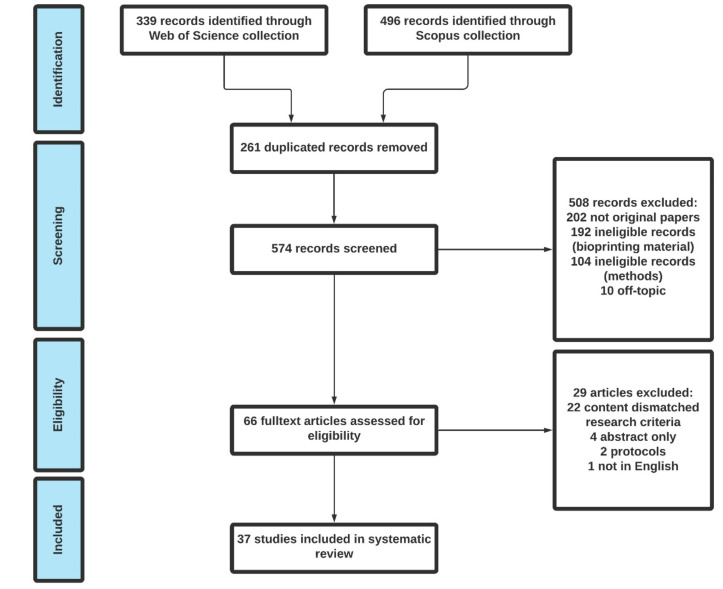
“The literature searches were undertaken in March 2021 and were limited to articles published after 2000, when the first bioprinter system was described [28].”
MethodComparison of micro-dispensing performance between micro-valve and piezoelectric printhead
Sun, J., Ng, J. H., Fuh, J. Y. H., Wong, Y. S., Loh, H. T., & Xu, Q. (2009) · Microsystem Technologies · doi:10.1007/s00542-009-0905-3 · Cited by 55
Naffa, R., Maidment, C., Ahn, M., Ingham, B., Hinkley, S. F. R., & Norris, G. E. (2019) · International Journal of Biological Macromolecules · doi:10.1016/j.ijbiomac.2019.01.151 · Cited by 55 · cited 1×
“However, they have recently been detected also in the skin [41].”
BackgroundEffect of laser fluence on yeast cell viability in laser-assisted cell transfer
Lin, Y., Huang, Y. H., Wang, G., Tzeng, T.-R. J., & Chrisey, D. B. (2009) · Journal of Applied Physics · doi:10.1063/1.3202388 · Cited by 51
Hermanson, G. T. (2013) · Elsevier eBooks · doi:10.1016/b978-0-12-382239-0.00005-4 · Cited by 48
Matsuo, N., Tanaka, S., Yoshioka, H., Koch, M., Gordon, M. K., & Ramirez, F. (2008) · Connective Tissue Research · doi:10.1080/03008200801913502 · Cited by 46 · cited 1×
“, collagen XXIV as a marker of osteoblast differentiation and bone formation) [30].”
BackgroundCytocompatibility testing of hydrogels toward bioprinting of mesenchymal stem cells
Benning, L., Gutzweiler, L., Tröndle, K., Riba, J., Zengerle, R., Koltay, P., Zimmermann, S., Stark, G. B., & Finkenzeller, G. (2017) · Journal of Biomedical Materials Research Part A · doi:10.1002/jbm.a.36179 · Cited by 44
Nyambat, B., Manga, Y. B., Chen, C., Gankhuyag, U., Andi Pratomo, W. P., Satapathy, M. K., & Chuang, E. (2020) · International Journal of Molecular Sciences · doi:10.3390/ijms21144864 · Cited by 42
Effects of NaCl on the rheological behavior of collagen solution
Duan, L., Li, J., Li, C., & Li, G. (2013) · Korea-Australia Rheology Journal · doi:10.1007/s13367-013-0014-9 · Cited by 41 · cited 1×
“Except for higher collagen concentration [54,64], the storage modulus can be enlarged by an increase of NaCl concentration in solution [65] and temperature [64].”
BackgroundEngineering of nanometer-sized cross-linked hydrogels for biomedical applications
Oh, J. K. (2010) · Canadian Journal of Chemistry · doi:10.1139/v09-158 · Cited by 39
Gerriets, J. E., Curwin, S. L., & Last, J. A. (1993) · Journal of Biological Chemistry · doi:10.1016/s0021-9258(19)74427-5 · Cited by 38 · cited 1×
“Other types of collagen crosslinks are rather more tissue-specific than animal species-specific [43].”
BackgroundSaddiq, Z. A., Barbenel, J. C., & Grant, M. H. (2008) · Journal of Biomedical Materials Research Part A · doi:10.1002/jbm.a.32007 · Cited by 38
Moldovan, F. (2019) · Procedia Manufacturing · doi:10.1016/j.promfg.2019.02.188 · Cited by 36 · cited 1×
“Bioprinting of polymers allows the generation of complex structures with characteristics similar to biological mass or extracellular matter, which increases the possibility of tissue creation [2].”
Background(2020) · Methods in molecular biology · doi:10.1007/978-1-0716-0520-2 · Cited by 31
Jessop, Z. M., Gao, N., Manivannan, S., Al‐Sabah, A., & Whitaker, I. S. (2018) · Elsevier eBooks · doi:10.1016/b978-0-08-101103-4.00034-x · Cited by 27
Silva, L. P. (2018) · Wiley eBooks · doi:10.1002/9783527813704.ch15 · Cited by 27
Rheological and Microstructural Evaluation of Collagen-Based Scaffolds Crosslinked with Fructose
Sánchez‐Cid, P., Jiménez‐Rosado, M., Puyana, V. M. P., Guerrero, A. F., & Romero, A. (2021) · Polymers · doi:10.3390/polym13040632 · Cited by 27
Pamfil, D., Schick, C. H., & Vasile, C. (2014) · Industrial & Engineering Chemistry Research · doi:10.1021/ie5016848 · Cited by 26
Park, T.-M., Kang, D., Jang, I., Yun, W., Shim, J., Jeong, Y. H., Kwak, J.-Y., Yoon, S., & Jin, S. (2017) · International Journal of Molecular Sciences · doi:10.3390/ijms18112348 · Cited by 26 · cited 1×
“Preparation a cancer microtissue array in a multi-well format by continuous deposition of collagen-suspended Hela cells on a fibroblast-layered nanofibrous membrane via inkjet printing [99]”
MethodAbelardo, E. (2018) · Elsevier eBooks · doi:10.1016/b978-0-08-101103-4.00009-0 · Cited by 20
Cell bioprinting as a potential high-throughput method for fabricating cell-based biosensors (CBBs)
Xu, F., Moon, S., Emre, A. E., Lien, C., Turali, E. S., & Demirci, U. (2009) · Proceedings of IEEE Sensors/Proceedings of IEEE Sensors ... · doi:10.1109/icsens.2009.5398245 · Cited by 18
3D Printing for Tissue Engineering Applications
Hacıoglu, A., Yılmazer, H., & Üstündağ, C. B. (2018) · Journal of Polytechnic · doi:10.2339/politeknik.389596 · Cited by 17 · cited 1×
“The own extrusion is driven pneumatically or mechanically by a piston or by a screw [86].”
BackgroundMatějka, R., Koňařík, M., Štěpanovská, J., Lipensky, J. F., Chlupáč, J., Turek, D., Pražák, Š., Brož, A., Šimůnková, Z., Mrázová, I., et al. (2020) · Applied Sciences · doi:10.3390/app10165473 · Cited by 12 · cited 1×
“The protocol of harvesting and their characterisation is described more in our study [82].”
MethodOuellette, R. J., & Rawn, J. D. (2015) · Elsevier eBooks · doi:10.1016/b978-0-12-801889-7.00028-5 · Cited by 8
Gr, T. S. P., ., H., Zaman, N., Alamelu, B., Dhamankar, V., Chu, C., Perotta, E., & Kadiyala, I. (2018) · Asian Journal of Pharmaceutical Technology and Innovation · Cited by 7
UV Light as a Tool for Surface Modification of Polymeric Biomaterials
Sionkowska, A. (2013) · Key engineering materials · doi:10.4028/www.scientific.net/kem.583.80 · Cited by 5
Tissue-Specific Bioink from Xenogeneic Sources for 3D Bioprinting of Tissue Constructs
Yeleswarapu, S., Chameettachal, S., Bera, A. K., & Pati, F. (2020) · IntechOpen eBooks · doi:10.5772/intechopen.89695 · Cited by 5 · cited 1×
“Using decellularized extracellular matrix is associated with the risk of immunological rejection, limiting the possibility of such material in clinical applications [26].”
BackgroundCell proliferation in bioprinted cell-laden collagen droplets
Xu, F., Emre, A. E., Turali, E. S., Hasan, S. K., Moon, S., Nagatomi, J., Khademhosseini, A., & Demirci, U. (2009) · IEEE Annual Northeast Bioengineering Conference (NEBEC) · doi:10.1109/nebc.2009.4967727 · Cited by 4
Cited by
3D Bioprinting for Next-Generation Personalized Medicine
Lam, E. H. Y., Yu, F., Zhu, S., & Wang, Z. (2023) · International Journal of Molecular Sciences · doi:10.3390/ijms24076357 · Cited by 167
Advanced Strategies for 3D Bioprinting of Tissue and Organ Analogs Using Alginate Hydrogel Bioinks
Gao, Q., Kim, B.-S., & Gao, G. (2021) · Marine Drugs · doi:10.3390/md19120708 · Cited by 141
“However, the gelation time of thermal crosslinking is too long (>10 min) to maintain the 3D-printed structure, which limits its applications in building complex constructs [64].”
BackgroundTissue engineering applications of recombinant human collagen: a review of recent progress
Cao, L., Zhang, Z., Yuan, D., Yu, M., & Min, J. (2024) · Frontiers in Bioengineering and Biotechnology · doi:10.3389/fbioe.2024.1358246 · Cited by 108
Dental Materials Applied to 3D and 4D Printing Technologies: A Review
Cai, H., Xu, X., Lu, X., Zhao, M., Jia, Q., Jiang, H. B., & Kwon, J. (2023) · Polymers · doi:10.3390/polym15102405 · Cited by 95
Meniscus regeneration by 3D printing technologies: Current advances and future perspectives
Stocco, E., Porzionato, A., Rose, E. D., Barbon, S., De, R., & Macchi, V. (2022) · Journal of Tissue Engineering · doi:10.1177/20417314211065860 · Cited by 78
Metadata
- Authors
- Stepanovska, J., Supova, M., Hanzalek, K., Broz, A., & Matejka, R.
- Affiliations
- Department of Biomedical Technology, Faculty of Biomedical Engineering, Czech Technical University in Prague, Sitna 3105, 272 01 Kladno, Czech Republic
- Department of Composites and Carbon Materials, Institute of Rock Structure and Mechanics, Czech Academy of Sciences, 182 09 Prague, Czech Republic
- Czech Technical University in Prague (CZ)
- Department of Biomaterials and Tissue Engineering, Institute of Physiology of the Czech Academy of Sciences, Videnska 1083, 142 20 Prague, Czech Republic
- Venue
- Biomedicines
- Publisher
- MDPI AG
- Published
- 2021-09-01
- Volume
- 9
- Issue
- 9
- Pages
- 1137
- ISSN
- 2227-9059 (ISSN-L)
- PMC
- PMC8468019
- OpenAlex
- W3198590026
- Cited by
- 112
- References
- 196
- Citations by year
- 2026: 24 · 2025: 32 · 2024: 29 · 2023: 18 · 2022: 7 · 2021: 2
- FWCI
- 1.18
- Type
- journal article
- Language
- en
- Open access
- gold
- doi.org
- Licence
- Locations
- Biomedicines (publishedVersion, cc-by)
- Europe PMC (PubMed Central) (publishedVersion, other-oa)
- PubMed Central (publishedVersion, cc-by)
- PubMed (publishedVersion)
- DOAJ (DOAJ: Directory of Open Access Journals) (submittedVersion, cc-by-sa)
- Funders
- Ministerstvo Zdravotnictví Ceské Republiky (NV19-02-00068)
- České Vysoké Učení Technické v Praze (SGS20/201/OHK4/3T/17)
- Topics
- Physical Sciences › Engineering › Biomedical Engineering › 3D Printing in Biomedical Research
- Physical Sciences › Materials Science › Biomaterials › Hydrogels: synthesis, properties, applications
- Life Sciences › Biochemistry, Genetics and Molecular Biology › Cell Biology › Cellular Mechanics and Interactions
- Keywords
- collagen gel, 3D bioprinting, physically crosslinked hydrogels, cell viability, laser-assisted bioprinting, cell scaffolds, hydrogel stiffness, extracellular matrix
About these checks
Registry, retraction, Cites and statistics results are computed, not judged, with one exception: a printed reference that no index lists is read once by a model before it counts as a citation error. Claims are extracted by a model and kept only when their quote appears verbatim in the text; each cited source is then checked, with a model’s help, for whether it says what the claim relies on. Those verdicts can be wrong — read the claim’s quote and the cited source before relying on one.
Statistics and arithmetic are recomputed, not judged.
Confidence bands are shown only for fields calibrated on our annotated test set. None is calibrated yet, so no band is shown.
What counts as a claim ›How we measure confidence ›How we check this ›
Are you an author, or do you see a problem with this page? Request a review
Data sources
Bibliographic data: Semantic Scholar, OpenAlex, Crossref.
Contains information from the Semantic Scholar Academic Graph Datasets, made available under the ODC Attribution License (ODC-BY 1.0).
Semantic Scholar’s data is described in: Kinney, R., et al. (2023). The Semantic Scholar Open Data Platform. arXiv:2301.10140.
