

Management of Neuroinflammatory Responses to AAV-Mediated Gene Therapies for Neurodegenerative Diseases
Open accessThe DOI matches its Crossref record; 91 of the 92 references it cites were found in a registry or an index.
Abstract
Recently, adeno-associated virus (AAV)-mediated gene therapies have attracted clinical interest for treating neurodegenerative diseases including spinal muscular atrophy (SMA), Canavan disease (CD), Parkinson’s disease (PD), and Friedreich’s ataxia (FA). The influx of clinical findings led to the first approved gene therapy for neurodegenerative disorders in 2019 and highlighted new safety concerns for patients. Large doses of systemically administered AAV stimulate host immune responses, resulting in anti-capsid and anti-transgene immunity with implications for transgene expression, treatment longevity, and patient safety. Delivering lower doses directly to the central nervous system (CNS) is a promising alternative, resulting in higher transgene expression with decreased immune responses. However, neuroinflammatory responses after CNS-targeted delivery of AAV are a critical concern. Reported signs of AAV-associated neuroinflammation in preclinical studies include dorsal root ganglion (DRG) and spinal cord pathology with mononuclear cell infiltration. In this review, we discuss ways to manage neuroinflammation, including choice of AAV capsid serotypes, CNS-targeting routes of delivery, genetic modifications to the vector and/or transgene, and adding immunosuppressive strategies to clinical protocols. As additional gene therapies for neurodegenerative diseases enter clinics, tracking biomarkers of neuroinflammation will be important for understanding the impact immune reactions can have on treatment safety and efficacy.
Overview
The claims and statistics of this paper haven’t been checked yet.
Free: it reads the open-access text and checks the first 5 claims that cite a source we can check. Create a free account to check every claim.
Integrity signals
Registry
Cites
Statistics
Figures
Verification
Claims the paper makes
The claims and statistics of this paper haven’t been checked yet.
Free: it reads the open-access text and checks the first 5 claims that cite a source we can check. Create a free account to check every claim.
Claims other papers make about this one
Each is checked against this paper’s own text: does it say what the citing paper says it does?
The source backs part of the claim, not all of it — or backs it for a different population, condition or comparison.
In the citing paper
“TLR2 detects the capsid proteins of extracellular viral particles, while TLR9 detects unmethylated CpG motifs within single-stranded viral DNA genomes present in endosomes (Perez et al., 2020; Wright, 2020).”
From Gene Therapy-Associated Uveitis (GTAU): Understanding and mitigating the adverse immune response in retinal gene therapy (2025) · cites this paper as Perez et al., 2020
Experimental — accuracy not yet measuredThe source backs part of the claim, not all of it — or backs it for a different population, condition or comparison.
In the citing paper
“However, targeting the CNS through systemic administration remains challenging and requires vector doses 10-to 100-times higher than those used to target the liver 2,3 .”
From AAV vectors trigger DNA damage response-dependent pro-inflammatory signalling in human iPSC-derived CNS models and mouse brain (2025) · cites this paper as [3]
Experimental — accuracy not yet measuredThe source backs part of the claim, not all of it — or backs it for a different population, condition or comparison.
In the citing paper
“since various AAV vectors themselves can increase both astrocytic and microglial markers (Ciron et al., 2006; Perez et al., 2020)”
From The neuronal retromer can regulate both neuronal and microglial phenotypes of Alzheimer's disease (2022) · cites this paper as Perez et al., 2020
Experimental — accuracy not yet measured
Self-check
Percentages, sums and reported differences re-computed from the paper’s own numbers.
The self-check needs the paper’s full text.
Citations
Cites
1 retracted
Foust, K. D., Wang, X., McGovern, V. L., Braun, L., Bevan, A. K., Haidet, A. M., Le, T. T., Morales, P. R., Rich, M. M., Burghes, A. H. M., et al. (2010) · Nature Biotechnology · doi:10.1038/nbt.1610 · Cited by 688 · cited 9×
“IT delivery of AAV is being tested across several clinical trials for SMA (NCT03381729), GAN (NCT03770572), MPS II (NCT0356604), and others.”
ResultInfluentialRetractedGlutamate neurotoxicity and diseases of the nervous system
CHOI, D. (1988) · Neuron · doi:10.1016/0896-6273(88)90162-6 · Cited by 7,972
The Blood-Brain Barrier in Health and Chronic Neurodegenerative Disorders
Zlokovic, B. V. (2008) · Neuron · doi:10.1016/j.neuron.2008.01.003 · Cited by 3,280 · cited 1×
“Similarly, differences in blood-brain barrier permeability between healthy animals and models of neurodegenerative diseases could result in different AAV biodistribution in the CNS, possibly contributing to discrepancies in translating findings from mouse models of disease into toxicology studies using larger, healthy…”
BackgroundToll-Like Receptor Signaling Pathways
Kawasaki, T., & Kawai, T. (2014) · Frontiers in Immunology · doi:10.3389/fimmu.2014.00461 · Cited by 3,233
Single-Dose Gene-Replacement Therapy for Spinal Muscular Atrophy
Mendell, J. R., Al-Zaidy, S., Shell, R., Arnold, W. D., Rodino-Klapac, L. R., Prior, T. W., Lowes, L., Alfano, L., Berry, K., Church, K., et al. (2017) · New England Journal of Medicine · doi:10.1056/nejmoa1706198 · Cited by 2,381 · cited 3×
“Similarly, several preclinical studies and clinical trials [5,42] evaluated safety and efficacy data with no significant findings in support of the U.”
BackgroundManno, C. S., Pierce, G. F., Arruda, V. R., Glader, B., Ragni, M., Rasko, J. J. E., Ozelo, M. C., Hoots, K., Blatt, P., Konkle, B., et al. (2006) · Nature Medicine · doi:10.1038/nm1358 · Cited by 2,163 · cited 1×
“Although the overall immunogenicity of AAV-based gene therapies is well characterized [6,7,9], immunogenicity from CNS-directed AAV delivery has not been widely investigated.”
BackgroundHow neuroinflammation contributes to neurodegeneration
Ransohoff, R. M. (2016) · Science · doi:10.1126/science.aag2590 · Cited by 1,967 · cited 1×
“Neuroinflammation is already a feature of many neurodegenerative diseases such as AD, Parkinson’s disease (PD), and multiple sclerosis (MS) [27].”
BackgroundNovel adeno-associated viruses from rhesus monkeys as vectors for human gene therapy
Gao, G.-P., Alvira, M. R., Wang, L., Calcedo, R., Johnston, J., & Wilson, J. M. (2002) · Proceedings of the National Academy of Sciences · doi:10.1073/pnas.182412299 · Cited by 1,520 · cited 1×
“In 2002, AAV 7, 8, 9 and rh10 were discovered in primates [55].”
BackgroundIntravascular AAV9 preferentially targets neonatal neurons and adult astrocytes
Foust, K. D., Nurre, E., Montgomery, C. L., Hernandez, A., Chan, C. M., & Kaspar, B. K. (2009) · Nature Biotechnology · doi:10.1038/nbt.1515 · Cited by 1,456 · cited 1×
“Of the common capsids currently available, AAV9 has emerged as the most widely used for CNS gene therapy applications due to its enhanced spread across CNS structures and its ability to penetrate the BBB even after peripheral administration in neonatal animals [61,62].”
BackgroundHumoral Immunity Due to Long-Lived Plasma Cells
Slifka, M. K., Antia, R., Whitmire, J. K., & Ahmed, R. (1998) · Immunity · doi:10.1016/s1074-7613(00)80541-5 · Cited by 1,245 · cited 1×
“In addition to managing systemically circulating antibodies, difficult to eliminate long-lived plasma cells may be reactivated by AAV treatment, secreting additional antibodies [97,98].”
Background
Research works printed but not linked: 9
- Corti M. Norman S. Coleman K. Liberati C. Elder M. Escolar M. Clement N. Clever B. Byrne B. Gao G. Immune Blockade in CNS Gene Therapy Improves Safety and Clinical Outcome Molecular Therapy Cell Press Cambridge, MA, USA 2018 Volume 26 32
- Nair J. Freeman D. Jr. Davis I. McParland T. Pope M. Perez B. Rodriguez-Lebron E. Coleman K. Subramony S. Byrne B. AAV9 Biodistribution with Different Routes of CNS Administration in Rodents Molecular Therapy Cell Press Cambridge, MA, USA 2019 Volume 27 259
- Perez B.A. Coleman K.E. Wichman M.B. Futch K.N. Mandolini K.E. Cravey L.D. Nair J. Cloutier D.A. Lynch D. Byrne B.J. Management of Preexisting Immunity to AAV9 in Friedreich’s Ataxia Molecular Therapy Cell Press Cambridge, MA, USA 2019 Volume 27 140
- Letizia A. Chan Y.K. Graveline A. Church G. Engineering AAV Vectors to Reduce CD8+ T Cell Responses Following Intramuscular Injection in Mice Molecular Therapy Cell Press Cambridge, MA, USA 2019 Volume 27 301
- Chan Y.K. Wang S. Letizia A. Chan Y. Lim E. Graveline A. Verdera H.C. Alphonse P. Xue Y. Chiang J. Reducing AAV-Mediated Immune Responses and Pathology in a Subretinal Pig Model by Engineering the Vector Genome Molecular Therapy Cell Press Cambridge, MA, USA 2019 Volume 27 298
- Saade D. Bhurucha-Goebel D. Foley A.R. Neuhaus S.B. Soldatos A. Hu Y. Hewitt M. Calcedo del Hoyo R. Jacobson S. Liebovitch E. Review of CSF and Peripheral Immune Responses Following Intrathecal Gene Transfer for Giant Axonal Neuropathy Molecular Therapy Cell Press Cambridge, MA, USA 2018 Volume 26 456 457
- Bharucha-Goebel D. Saade D. Soldatos A. Kang E. Del Calcedo R. Hu Y. Liebovitch E. Jacobson S. Rybin D. Foley A.R. Immune Analysis Following Intrathecal Gene Transfer: 3-Year Data from Clinical Intrathecal Gene Transfer Trial for Patients with Giant Axonal Neuropathy Molecular Therapy Cell Press Cambridge, MA, USA 2019 Volume 27 298 299
- Kuntz N. Shieh P.B. Smith B. Bonnemann C.G. Dowling J.J. Lawson M.W. Muller-Felber W. Noursalehi M. Rico S. Servais L. Aspiro Phase 1/2 Gene Therapy Trial in X-Linked Myotubular Myopathy (Xlmtm): Preliminary Safety and Efficacy Findings Molecular Therapy Cell Press Cambridge, MA, USA 2018 Volume 26 4
- Pfizer Presents Initial Clinical Data on Phase 1B Gene Therapy Study for Duchenne Muscular Dystrophy (DMD) Available online: https://investors.pfizer.com/investor-news/press-release-details/2019/Pfizer-Presents-Initial-Clinical-Data-on-Phase-1b-Gene-Therapy-Study-for-Duchenne-Muscular-Dystrophy-DMD/default.aspx (accessed on 28 January 2020)
Cited by
Adeno-Associated Virus-Induced Dorsal Root Ganglion Pathology
Hordeaux, J., Buza, E. L., Dyer, C., Goode, T., Mitchell, T. W., Richman, L., Denton, N., Hinderer, C., Katz, N., Schmid, R., et al. (2020) · Human Gene Therapy · doi:10.1089/hum.2020.167 · Cited by 257
Overcoming innate immune barriers that impede AAV gene therapy vectors
Muhuri, M., Maeda, Y., Ma, H., Ram, S., Fitzgerald, K. A., Tai, P. W. L., & Gao, G. (2021) · Journal of Clinical Investigation · doi:10.1172/jci143780 · Cited by 212
A Historical Review of Brain Drug Delivery
Pardridge, W. M. (2022) · Pharmaceutics · doi:10.3390/pharmaceutics14061283 · Cited by 219
Durability of transgene expression after rAAV gene therapy
Muhuri, M., Lévy, D., Schulz, M., McCarty, D. M., & Gao, G. (2022) · Molecular Therapy · doi:10.1016/j.ymthe.2022.03.004 · Cited by 172
“Mutation status may affect the risk of an immune response, given that those with null mutations (cross-reactive immunological material [CRIM] negative) are more likely to recognize the transgenic protein as foreign and develop more severe antibody andT cell responses than individualswho express the endogenous protein…”
BackgroundNovel AAV capsids for intravitreal gene therapy of photoreceptor disorders
Pavlou, M., Schön, C., Occelli, L. M., Rossi, A., Meumann, N., Boyd, R. F., Bartoe, J. T., Siedlecki, J., Gerhardt, M. J., Babutzka, S., et al. (2021) · EMBO Molecular Medicine · doi:10.15252/emmm.202013392 · Cited by 135
“…combined with other technologies, such as rational design-based modification of immunogenic residues at the capsid surface or optimisation of the 12 of 19 EMBO Molecular Medicine 13: e13392 | 2021 ª 2021 The Authors AAV2 genome in order to mitigate any risk of immune responses (Perez et al, 2020).”
Todd, N., Angolano, C., Ferran, C., Devor, A., Borsook, D., & McDannold, N. (2020) · Journal of Controlled Release · doi:10.1016/j.jconrel.2020.05.040 · Cited by 112
Pathogenesis of α-Synuclein in Parkinson’s Disease: From a Neuron-Glia Crosstalk Perspective
Yi, S., Wang, L., Wang, H., Ho, M. S.-C., & Zhang, S. (2022) · International Journal of Molecular Sciences · doi:10.3390/ijms232314753 · Cited by 103
“Deliver protect genes such as GDNF to CNS AAV delivery Recent preclinical and clinical findings point to significant immune reactions and neuroinflammation associated with vectors [413].”
BackgroundLuo, M., Lee, L. K. C., Peng, B., Choi, C. H. J., Tong, W. Y., & Voelcker, N. H. (2022) · Advanced Science · doi:10.1002/advs.202201740 · Cited by 92
Zheng, X., Wu, B., Liu, Y., Simmons, S., Kim, K., Clarke, G. S., Ashiq, A., Park, J. C., Li, J., Wang, Z., et al. (2024) · Cell · doi:10.1016/j.cell.2024.04.050 · Cited by 95
Prasad, S., Dimmock, D. P., Greenberg, B., Walia, J. S., Sadhu, C., Tavakkoli, F., & Lipshutz, G. S. (2022) · Human Gene Therapy · doi:10.1089/hum.2022.138 · Cited by 81
“General immunosuppressants such as corticosteroids are most often used and have been combined with other drugs that specifically inhibit the function of B cells and/or T cells.14,16,19–21 Initial human clinical trials of CNS-targeted AAV gene therapy focused on intraparenchymal delivery, which used lower doses of the…”
BackgroundInfluentialBlood-based biomarkers of inflammation in amyotrophic lateral sclerosis
Staats, K. A., Borchelt, D., Tansey, M. G., & Wymer, J. P. (2022) · Molecular Neurodegeneration · doi:10.1186/s13024-022-00515-1 · Cited by 82
“For CNS bioavailable gene therapies this can include the neuroinflammatory response [91].”
BackgroundFischell, J. M., & Fishman, P. S. (2021) · Frontiers in Neuroscience · doi:10.3389/fnins.2021.747726 · Cited by 67
Cas9-directed immune tolerance in humans—a model to evaluate regulatory T cells in gene therapy?
Wagner, D. L., Peter, L., & Schmueck-Henneresse, M. (2021) · Gene Therapy · doi:10.1038/s41434-021-00232-2 · Cited by 63
Current and emerging treatment modalities for spinocerebellar ataxias
Ghanekar, S. D., Kuo, S., Staffetti, J. S., & Zesiewicz, T. A. (2022) · Expert Review of Neurotherapeutics · doi:10.1080/14737175.2022.2029703 · Cited by 74
Stanton, A. C., Lagerborg, K. A., Tellez, L., Krunnfusz, A., King, E. M., Ye, S. H., Solomon, I. H., Tabebordbar, M., & Sabeti, P. C. (2022) · Med · doi:10.1016/j.medj.2022.11.002 · Cited by 71
Tukov, F. F., Mansfield, K. G., Milton, M., Meseck, E. K., Penraat, K. A., Chand, D. H., & Hartmann, A. (2022) · Human Gene Therapy · doi:10.1089/hum.2021.255 · Cited by 57
“Although several other factors, including vector dose, route of administration, and age at dosing, may play a role in AAV9-mediated microscopic DRG findings in NHPs, activation of the innate immune response in transduced cells was not excluded.(38,39,42,43) In fact, the sense probes for onasemnogene abeparvovec perfor…”
BackgroundFuture Prospects of Gene Therapy for Friedreich’s Ataxia
Ocana-Santero, G., Díaz‐Nido, J., & Herranz-Martín, S. (2021) · International Journal of Molecular Sciences · doi:10.3390/ijms22041815 · Cited by 61
“Then, to carry out immunomodulation strategies to avoid or reduce the immune response, such as the use of peri-procedural corticosteroids and immunosuppressive agents like rituximab and rapamycin [68].”
BackgroundInfluentialGranger, K. T., & Barnett, J. H. (2021) · Drug Discovery Today · doi:10.1016/j.drudis.2021.01.019 · Cited by 55
Huang, L., Wan, J., Wu, Y., Tian, Y., Yao, Y., Yao, S., Ji, X., Wang, S., Su, Z., & Xu, H. (2021) · Life Sciences · doi:10.1016/j.lfs.2021.119142 · Cited by 48
Current approaches to facilitate improved drug delivery to the central nervous system
Markowicz-Piasecka, M., Darłak, P., Markiewicz, A., Sikora, J., Adla, S. K., Bagina, S., & Huttunen, K. M. (2022) · European Journal of Pharmaceutics and Biopharmaceutics · doi:10.1016/j.ejpb.2022.11.003 · Cited by 53
D’souza, A. A., Nozohouri, S., Bleier, B. S., & Amiji, M. M. (2022) · Pharmaceutical Research · doi:10.1007/s11095-022-03433-5 · Cited by 52
“The most commonly accessed invasive delivery to the brain include intracerebroventricular, intrathecal—cisterna magna (IT-CM) or intrathecal – lumbar (IT-L) administrations [55, 56].”
BackgroundTranslational Approaches for Brain Delivery of Biologics via Cerebrospinal Fluid
Sadekar, S., Bowen, M., Cai, H., Jamalian, S., Rafidi, H., Shatz-Binder, W., Lafrance‐Vanasse, J., Chan, P., Meilandt, W. J., Oldendorp, A., et al. (2022) · Clinical Pharmacology & Therapeutics · doi:10.1002/cpt.2531 · Cited by 49
Campos, L., Arokiaraj, C. M., Chuapoco, M. R., Chen, X., Goeden, N., Gradinaru, V., & Fox, A. S. (2023) · Current Research in Neurobiology · doi:10.1016/j.crneur.2023.100086 · Cited by 44
Adeno-associated virus vectors and neurotoxicity—lessons from preclinical and human studies
Stone, D., Aubert, M., & Jerome, K. R. (2023) · Gene Therapy · doi:10.1038/s41434-023-00405-1 · Cited by 45
Ilyinskii, P. O., Michaud, A. M., Rizzo, G. L., Roy, C. J., Leung, S. S., Elkins, S. L., Capela, T., Chowdhury, A., Li, L., Chandler, R. J., et al. (2021) · Molecular Therapy - Methods & Clinical Development · doi:10.1016/j.omtm.2021.06.015 · Cited by 39
“The application of ImmTOR to gene therapy is designed to address one of the key limitations of systemic AAV gene therapy, namely, the inability to retreat patients due to the formation of Nabs.(28,40,46) The inability to re-treat is of particular concern for liver-directed gene therapy of metabolic diseases, as the li…”
MethodInfluentialGougeon, M.-L., Poirier-Beaudouin, B., Ausseil, J., Zérah, M., Artaud, C., Heard, J.-M., Deiva, K., & Tardieu, M. (2021) · Frontiers in Immunology · doi:10.3389/fimmu.2021.655478 · Cited by 38
“Neuroinflammatory responses after CNS-targeted delivery of AAV are a critical concern (28).”
BackgroundClinical Trials for Gene Therapy in Lysosomal Diseases With CNS Involvement
Sevin, C., & Deiva, K. (2021) · Frontiers in Molecular Biosciences · doi:10.3389/fmolb.2021.624988 · Cited by 44
“, using miRNA target sequences), optimizing the dosing and route of administration, and modifying capsid surface epitopes through capsid engineering to evade and manage immune response [for review, see (Chan et al., 2017; Piguet et al., 2017; Deverman et al., 2018; Perez et al., 2020)].”
MethodLee, H.-J., Woo, H., Lee, H.-E., Jeon, H., Ryu, K.-Y., Nam, J. H., Jeon, S. G., Park, H., Lee, J.-S., Han, K.-M., et al. (2020) · Free Radical Biology and Medicine · doi:10.1016/j.freeradbiomed.2020.08.030 · Cited by 36
Gene and Cell-Based Therapies for Parkinson's Disease: Where Are We?
Buttery, P. C., & Barker, R. A. (2020) · Neurotherapeutics · doi:10.1007/s13311-020-00940-4 · Cited by 44
Gene-Targeting Therapeutics for Neurological Disease: Lessons Learned from Spinal Muscular Atrophy
Ravi, B., Chan-Cortés, M. H., & Sumner, C. J. (2021) · Annual Review of Medicine · doi:10.1146/annurev-med-070119-115459 · Cited by 39
Onasemnogene abeparvovec for the treatment of spinal muscular atrophy
McMillan, H. J., Proud, C. M., Farrar, M. A., Alexander, I. E., Muntoni, F., & Servais, L. (2022) · Expert Opinion on Biological Therapy · doi:10.1080/14712598.2022.2066471 · Cited by 39
“This difference could contribute to adverse events [80].”
BackgroundSong, R., Pekrun, K., Khan, T. A., Zhang, F., Paşca, S. P., & Kay, M. A. (2022) · Molecular Therapy - Methods & Clinical Development · doi:10.1016/j.omtm.2022.09.002 · Cited by 36
“These data suggest that the transwell BBB model will allow us to select for BBB-penetrating capsids with different preferences in transducing different types of cells in the CNS.”
BackgroundInfluentialZhan, W., Muhuri, M., Tai, P. W. L., & Gao, G. (2021) · Frontiers in Immunology · doi:10.3389/fimmu.2021.673699 · Cited by 37
AAV vectors trigger DNA damage responses and STING-dependent inflammation in human CNS cells
Costa-Verdera, H., Meneghini, V., Fitzpatrick, Z., Alezz, M. A., Fabyanic, E., Huang, X., Dzhashiashvili, Y., Ahiya, A., Mangiameli, E., Valeri, E., et al. (2024) · doi:10.21203/rs.3.rs-4171795/v1 · Cited by 32
Costa-Verdera, H., Meneghini, V., Fitzpatrick, Z., Abou Alezz, M., Fabyanic, E., Huang, X., Dzhashiashvili, Y., Ahiya, A., Mangiameli, E., Valeri, E., et al. (2025) · Nature Communications · doi:10.1038/s41467-025-58778-3 · Cited by 32
Self-citationBattling Neurodegenerative Diseases with Adeno-Associated Virus-Based Approaches
Mijanović, O., Branković, A., Borovjagin, A. V., Butnaru, D. V., Bezrukov, E. A., Sukhanov, R. B., Shpichka, A. I., Timashev, P. S., & Ulasov, I. V. (2020) · Viruses · doi:10.3390/v12040460 · Cited by 33
“However, the remaining critical concern of the direct CNS-delivery is AAV-associated neuroinflammation, manifested in preclinical studies by the dorsal root ganglion (DRG) and spinal cord pathology with mononuclear cell infiltration [47].”
BackgroundUpdate on the Treatment of Ataxia: Medication and Emerging Therapies
Perlman, S. (2020) · Neurotherapeutics · doi:10.1007/s13311-020-00941-3 · Cited by 33
“neuroinflammatory response as it impacts safety and efficacy remains a challenge [45].”
BackgroundThe neuronal retromer can regulate both neuronal and microglial phenotypes of Alzheimer's disease
Qureshi, Y. H., Berman, D. E., Marsh, S. E., Klein, R. L., Patel, V. M., Simoes, S., Kannan, S., Petsko, G. A., Stevens, B., & Small, S. A. (2022) · Cell Reports · doi:10.1016/j.celrep.2021.110262 · Cited by 31
Bahlakeh, G., Rahbarghazi, R., Mohammadnejad, D., Abedelahi, A., & Karimipour, M. (2021) · Cell & Bioscience · doi:10.1186/s13578-021-00694-2 · Cited by 37
In vivo peptide-based delivery of a gene-modifying enzyme into cells of the central nervous system
Allen, J. K., Sutherland, T. C., Prater, A. R., Geoffroy, C. G., & Pellois, J. (2022) · Science Advances · doi:10.1126/sciadv.abo2954 · Cited by 32
Gene-based therapeutics for rare genetic neurodevelopmental psychiatric disorders
Davidson, B. L., Gao, G., Berry‐Kravis, E., Bradbury, A. M., Bönnemann, C. G., Buxbaum, J. D., Corcoran, G. R., Gray, S. J., Gray‐Edwards, H. L., Kleiman, R. J., et al. (2022) · Molecular Therapy · doi:10.1016/j.ymthe.2022.05.014 · Cited by 32
Purdy, R., John, M., Bray, A., Clare, A. J., Copland, D. A., Chan, Y. K., Henderson, R. H., Nerinckx, F., Leroy, B. P., Yang, P., et al. (2025) · Progress in Retinal and Eye Research · doi:10.1016/j.preteyeres.2025.101354 · Cited by 24
“TLR2 detects the capsid proteins of extracellular viral particles, while TLR9 detects unmethylated CpG motifs within single-stranded viral DNA genomes present in endosomes (Perez et al., 2020; Wright, 2020).”
Self-citationAAV Vector-Mediated Antibody Delivery (A-MAD) in the Central Nervous System
Marino, M., & Holt, M. G. (2022) · Frontiers in Neurology · doi:10.3389/fneur.2022.870799 · Cited by 26
“, Spinal Muscular Atrophy Type I (NCT02122952); Duchenne Muscular Dystrophy (NCT03368742); and Mucopolysaccharidosis (NCT03315182) (100)], potential concerns linked to off-target transduction of peripheral organs and immune responses to the AAV capsid and/or the transgene cannot be completely”
BackgroundZhu, L., Tan, B., Dwight, S. S., Beahm, B. J., Wilsey, M., Crawford, B. E., Schweighardt, B., Cook, J. W., Wechsler, T., & Mueller, W. F. (2022) · Molecular Therapy — Methods & Clinical Development · doi:10.1016/j.omtm.2022.09.015 · Cited by 27
“ICV dosing allows for lower vector loads than systemic administration (IV) and may minimize potential safety issues seen in systemic dosing.(16)”
BackgroundNeuronal Replenishment via Hydrogel-Rationed Delivery of Reprogramming Factors
Mahmoudi, N., Wang, Y., Moriarty, N., Ahmed, N. Y., Dehorter, N., Lisowski, L., Harvey, A. R., Parish, C. L., Williams, R. J., & Nisbet, D. R. (2024) · ACS Nano · doi:10.1021/acsnano.3c11337 · Cited by 25
Suriano, C. M., Kumar, N., Verpeut, J. L., Ma, J., Jung, C., Dunn, C. E., Carvajal, B. V., Nguyen, A. V., & Boulanger, L. M. (2024) · Molecular Therapy · doi:10.1016/j.ymthe.2024.03.036 · Cited by 21
“59 A growing number of studies have identi fi ed localized cell death or suppression of neurogenesis associated with AAV-mediated gene delivery in the nervous system (e.g., Xiong et al., 36,37,60 – 63 Hinderer et al., 36,37,60 – 63 Guo et al., 36,37,60 – 63 Chan et al., 36,37,60 – 63 Savani et al.,…”
Revolution of AAV in Drug Discovery: From Delivery System to Clinical Application
Yin, L., He, H., Zhang, H., Shang, Y., Fu, C., Wu, S., & Jin, T. (2025) · Journal of Medical Virology · doi:10.1002/jmv.70447 · Cited by 27
“In recent years, AAV ‐ mediated gene therapy has gained clinical interest for treating SMA (NCT02122952; NCT03306277, NCT03381729), AD (NCT03634007) [156].”
Pal, A., Goel, F., & Garg, V. K. (2025) · Neurogenetics · doi:10.1007/s10048-025-00828-5 · Cited by 20
“Viral vectors such as adeno-associated viruses (AAVs) can be used to introduce functional versions of these genes into the exaggerated neurons [30].”
Gene delivery to the hypoglossal motor system: preclinical studies and translational potential
Doyle, B. M., Singer, M. L., Curado, T. F., Rana, S. D., Benevides, E. S., Byrne, B. J., Polotsky, V. Y., & Fuller, D. D. (2021) · Gene Therapy · doi:10.1038/s41434-021-00225-1 · Cited by 25
Self-citationNotarte, K. I., Catahay, J. A., Macasaet, R., Liu, J., Velasco, J. V., Peligro, P. J., Vallo, J., Goldrich, N., Lahoti, L., Zhou, J., et al. (2023) · Journal of Medical Virology · doi:10.1002/jmv.29305 · Cited by 21
“28,78 Plasmapheresis, 65,71,81 – 84 18 Severe hemophilia A (congenital factor VIII deficiency with factor VIII activity 1 IU/dL) without antibodies to adeno ‐ associated virus serotype 5 (AAV5) • For patients with ALT elevations, give a starting dose of prednisone 60mg daily for 2 weeks or another…”
BackgroundHocquemiller, M., Giersch, L., Mei, X., Gross, A. L., Randle, A. N., Gray‐Edwards, H. L., Hudson, J. A., Todeasa, S. H., Stoica, L., Martin, D. R., et al. (2022) · Molecular Therapy — Methods & Clinical Development · doi:10.1016/j.omtm.2022.10.004 · Cited by 20
“In support of the latter hypothesis, spinal cord and DRG abnormalities have been reported in toxicology studies in NHPs using combined systemic and intrathecal administration of a human frataxin (FXN)-encoding AAV9 vector, whereas no abnormalities were found in two NHPs treated with a similar dose of a cynomolgus-spec…”
Gene Therapy for Rare Neurological Disorders
Flotte, T. R., & Gessler, D. J. (2022) · Clinical Pharmacology & Therapeutics · doi:10.1002/cpt.2543 · Cited by 23
“However, currently, it is unclear if these MRI changes are attributable to the rAAV vector, the neurosurgical procedure, or the treated neurodegenerative disease itself.(39) With mounting evidence that early treatment might positively correlate with functional recovery, the question about the therapeutic window become…”
BackgroundHeller, G., Bradbury, A. M., Sands, M. S., & Bongarzone, E. R. (2022) · Molecular Therapy · doi:10.1016/j.ymthe.2022.09.017 · Cited by 23
Genetic therapies for neurological disorders
FitzPatrick, L., & Bird, A. P. (2021) · Human Genetics · doi:10.1007/s00439-021-02399-5 · Cited by 21
Adeno-Associated Viruses for Modeling Neurological Diseases in Animals: Achievements and Prospects
Lunev, E. A., Karan, A. A., Egorova, T. V., & Bardina, M. V. (2022) · Biomedicines · doi:10.3390/biomedicines10051140 · Cited by 17
“The toxi effects of AAVs were discuss d in detail in many reviews of gene therapy preclinical and clinical studies [10,52].”
BackgroundViral Vector-Based Gene Therapy for Epilepsy: What Does the Future Hold?
Bettegazzi, B., Cattaneo, S., Simonato, M., Zucchini, S., & Soukupovà, M. (2023) · Molecular Diagnosis & Therapy · doi:10.1007/s40291-023-00687-6 · Cited by 21
“Pre-clinical studies in neurodegenerative disorders reported that infiltration by innate immune cells interferes with AAV vectors and compromises the gene therapy effect after intracere-broventricular, intra-cisterna magna, intrathecal, and intra-parenchymal injections [74, 75].”
BackgroundGene Therapy for Neuronopathic Mucopolysaccharidoses: State of the Art
de Castro, M. J., del Toro, M., Giugliani, R., & Couce, M. L. (2021) · International Journal of Molecular Sciences · doi:10.3390/ijms22179200 · Cited by 17
“However, it requires an invasive neurosurgical technique guided by intraoperative radiological monitoring [46].”
MethodCali, M. P., Pereira, L. M. B., Teodoro, M. D., Sellani, T. A., Rodrigues, E. G., & Carlos, R. M. (2020) · Journal of Inorganic Biochemistry · doi:10.1016/j.jinorgbio.2020.111314 · Cited by 16
Santoscoy, M. C., Espinoza, P., de la Cruz, D., Mahamdeh, M., Starr, J. R., Patel, N. J., & Maguire, C. A. (2023) · Molecular Therapy — Methods & Clinical Development · doi:10.1016/j.omtm.2023.05.001 · Cited by 15
“Due to the larger size of the human brain, the biodistribution of therapeutics requires multiple burr holes for intracranial injections into the brain parenchyma.(17) Thus, the ability of AAV vectors to spread within the striatum and CNS is highly desired.”
BackgroundSalegio, E. A., Hancock, K., & Korszen, S. (2023) · Frontiers in Molecular Neuroscience · doi:10.3389/fnmol.2023.1248271 · Cited by 12
“toxicity has been observed in the DRG of NHPs following AAV administration into the CSF (Hinderer et al., 2018; Hordeaux et al., 2018; Perez et al., 2020) and this creates concern for the potential implications of a similar toxicity occurring in humans.”
BackgroundOwusu-Yaw, B. S., Zhang, Y., Garrett, L., Yao, A., Shing, K., Batista, A. R., Sena‐Esteves, M., Upadhyay, J., Kegel-Gleason, K. B., & Todd, N. (2024) · Pharmaceutics · doi:10.3390/pharmaceutics16060710 · Cited by 18
“The FUS-mediated delivery of ss-AAV9-U6-miR10150-CBA-GFP led to the transduction of neurons and astrocytes in wild-type and zQ175 HD mice.”
BackgroundPre-clinical development of AP4B1 gene replacement therapy for hereditary spastic paraplegia type 47
Wiseman, J. P., Scarrott, J. M., Alves-Cruzeiro, J., Saffari, A., Böger, C., Karyka, E., Dawes, E., Davies, A. K., Marchi, P. M., Graves, E. J., et al. (2024) · EMBO Molecular Medicine · doi:10.1038/s44321-024-00148-5 · Cited by 15
“…the DRG in NHPs have been reported as a safety concern for AAV-mediated CNS gene therapy; these are mild-to-moderate in most cases and are characterised by mononuclear cell in fi ltrates, neuronal degeneration and secondary axonopathies of the spinal cord (Perez et al, 2020; Hordeaux et al, 2020).”
Bennet, B. M., Pardo, I. D. R., Assaf, B. T., Buza, E. L., Cramer, S. D., Crawford, L. K., Engelhardt, J. A., Galbreath, E. J., Grubor, B., Morrison, J. P., et al. (2023) · Toxicologic Pathology · doi:10.1177/01926233231213851 · Cited by 12
“60,185 Decreased cellularity presents (Figure 8) as either loss of neurons (“decreased cellularity, neuron”) of a specific size 36 or a particular molecular phenotype, 49 which may result in greater distance between neurons (often with concurrent SGC and/or leukocyte changes, as described below).”
Mucopolysaccharidosis type IIIB: a current review and exploration of the AAV therapy landscape
Rouse, C. J., Jensen, V. N., & Heldermon, C. D. (2023) · Neural Regeneration Research · doi:10.4103/1673-5374.377606 · Cited by 16
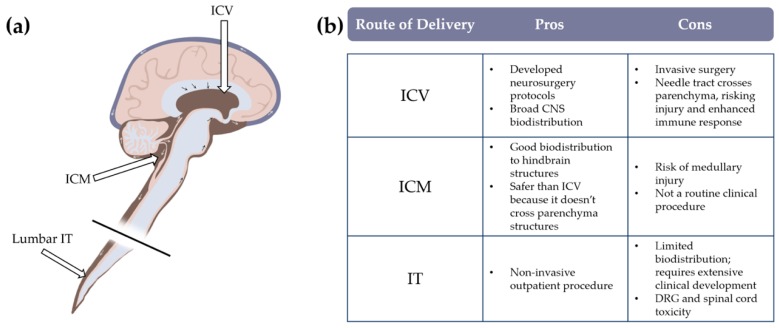
“The intracisternal magna route does not traverse parenchyma structures and reaches the CSF flow increasing transduction but comes with risk of medullary injury and is not a routine procedure currently (Perez et al., 2020; Sadekar et al., 2022).”
Bolon, B. N., Buza, E. L., Galbreath, E. J., Wicks, J. R., Cargnin, F., & Hordeaux, J. (2024) · Toxicologic Pathology · doi:10.1177/01926233241300314 · Cited by 13
Blay, E., Hardyman, E., & Morovic, W. (2023) · Molecular Therapy — Methods & Clinical Development · doi:10.1016/j.omtm.2023.101132 · Cited by 11
Antioxidants in Inflammatory Diseases
Firdous, S. M., Pal, S., Mandal, S., & Sindhu, R. K. (2024) · Wiley eBooks · doi:10.1002/9781394270576.ch3 · Cited by 13
Emerging therapies in hereditary ataxias
Eisel, M. L. S., Burns, M., Ashizawa, T., Byrne, B. J., Corti, M., & Subramony, S. H. (2024) · Trends in Molecular Medicine · doi:10.1016/j.molmed.2024.07.008 · Cited by 11
“Immune responses to gene therapy can lead to serious adverse events, such as cardiac, hepatic, platelet, and renal abnormalities; loss of transgene ef fi cacy; and inability to dose individuals who have naturally occurring immunity to the viral vectors or who have had previous gene therapy [44,45].”
Self-citationMinno, G. D., Miesbach, W., Castaman, G., & Peyvandi, F. (2024) · Haematologica · doi:10.3324/haematol.2023.284622 · Cited by 21
Nanoparticle and Gene Therapy Strategies for Site‐Specific Pain Management: A Review
Nagaraj, K. (2025) · Advanced Therapeutics · doi:10.1002/adtp.202500356 · Cited by 14
Sword, J., Fomitcheva, I. V., & Kirov, S. A. (2024) · Journal of Cerebral Blood Flow & Metabolism · doi:10.1177/0271678x241257887 · Cited by 11
“78,79 Yet, while some studies showed no adverse effect of AAV introduction to the brain, 80,81 others reported AAV-induced astro-glial and microglial reactivity suggestive of a mild inflammatory reaction but without neuronal loss.”
Targeting mitochondrial dynamics: A promising approach for intracerebral hemorrhage therapy
Liu, M., Li, B., Yin, Z., Yin, L., Luo, Y., Zeng, Q., Zhang, D., Wu, A., & Chen, L. (2024) · Life Sciences · doi:10.1016/j.lfs.2024.123317 · Cited by 11
Parkinson's disease and microRNAs - Lessons from model organisms and human studies
Evans, B., Furlong, H. A., & de Lencastre, A. (2021) · Experimental Gerontology · doi:10.1016/j.exger.2021.111585 · Cited by 9
Anti-apoptotic Splicing Variant of AIMP2 Recover Mutant SOD1-Induced Neuronal Cell Death
Kook, M. G., Byun, M. R., Lee, S. M., Lee, M. H., Lee, D. H., Lee, H. B., Lee, E. J., Baek, K., Kim, S., Kang, K., et al. (2022) · Molecular Neurobiology · doi:10.1007/s12035-022-03073-1 · Cited by 8
Casy, W., Garza, I. T., Chen, X., Dong, T., Hu, Y., Kanchwala, M., Trygg, C. B., Shyng, C., Xing, C., Bunnell, B. A., et al. (2023) · Genes · doi:10.3390/genes14081660 · Cited by 8
“Preclinical studies of AAV9 CNS gene therapy include systemic (intravenous, IV), intrathecal (IT), intraparenchymal, intra-cisterna magna (ICM), and intracerebroventricular (ICV) routes of administration (reviewed in [39]).”
BackgroundTeo, S., Bossio, A., Stamatakou, E., Vargas, P. P., Jones, M. E., Schuhmacher, L.-N., & Salinas, P. C. (2023) · Developmental Cell · doi:10.1016/j.devcel.2023.07.012 · Cited by 8
“Given that AAV injections into the brain could elicit neuroinflammation, 62 we also examined possible changes in astrocytes (glial fibrillary acidic protein [GFAP]-positive) and microglia (Iba1-positive), which increase during inflammation.”
Toxicologic Neuropathology of Novel Biotherapeutics
Bangari, D. S., Lanigan, L. G., Cramer, S. D., Grieves, J. L., Meisner, R., Rogers, A. B., Galbreath, E. J., & Bolon, B. N. (2023) · Toxicologic Pathology · doi:10.1177/01926233241230542 · Cited by 7
AAV8 vector induced gliosis following neuronal transgene expression
McLeod, F., McDermott, E., Mak, S., Walsh, D. A., Turnbull, M., LeBeau, F. E. N., Jackson, A., Trevelyan, A. J., & Clowry, G. J. (2024) · Frontiers in Neuroscience · doi:10.3389/fnins.2024.1287228 · Cited by 10
Muramatsu, S., Hwu, W., & Gidoni-Ben-Zeev, B. (2021) · Current Gene Therapy · doi:10.2174/1566523221666210922155413 · Cited by 6
A survival analysis of ventricular access devices for delivery of cerliponase alfa
Craven, C. L., Gissen, P., Bower, R., Lee, L., Aquilina, K., & Thompson, D. N. P. (2021) · Journal of Neurosurgery Pediatrics · doi:10.3171/2021.7.peds21129 · Cited by 7
Lee, H. H. C., Latzer, I. T., Bertoldi, M., Gao, G., Pearl, P. L., Şahin, M., & Rotenberg, A. (2024) · Journal of Inherited Metabolic Disease · doi:10.1002/jimd.12735 · Cited by 8
Yang, Z., Jiang, X., & Gao, J. (2024) · International Journal of Pharmaceutics · doi:10.1016/j.ijpharm.2024.125069 · Cited by 5
Liu, Z., & Song, S. (2026) · Molecular Therapy — Nucleic Acids · doi:10.1016/j.omtn.2026.102911 · Cited by 7
“274,284”
A survival analysis of ventricular access devices for delivery of cerliponase alfa
Craven, C. L., Gissen, P., Bower, R., Lee, L., Aquilina, K., & Thompson, D. N. P. (2022) · UCL Discovery (University College London) · Cited by 5
AYDIN, M. Ş., & Yiğit, E. N. (2023) · TURKISH JOURNAL OF MEDICAL SCIENCES · doi:10.55730/1300-0144.5702 · Cited by 6
“Studies in which AAVs were applied at high doses of IT, IG, or systemically reported no damage to the DRG [5, 14, 21], but pathological damage or toxicity has also been shown to occur [22, 23].”
BackgroundTyszkiewicz, C. M., Hwang, S., DaSilva, J. K., Kovi, R. C., Fader, K. A., Sirivelu, M. P., Liu, J., Somps, C. J., Cook, J. C., Liu, C., et al. (2024) · NeuroToxicology · doi:10.1016/j.neuro.2024.02.001 · Cited by 5
Park, J., Won, J., Jeon, C., Lim, K. S., Choi, W. S., Park, S.-H., Seo, J., Cho, J., Seong, J. B., Yeo, H.-G., et al. (2022) · Experimental Neurobiology · doi:10.5607/en22027 · Cited by 5
“Intracisternal injection via suboccipital puncture with a manual stereotactic (non-stereotactic) and stereotactic method is widely used for drug distribution through CSF flow into the brain [7], since this method has several advantages.”
MethodZhang, T., Li, J., & Zhao, G. (2021) · DNA and Cell Biology · doi:10.1089/dna.2021.0529 · Cited by 4
“AAV-mediated gene therapy in vivo has high transduction efficiency (Colella et al. , 2018), and successfully applied in degenerative neuropathy (Piguet et al. , 2017; Perez et al. , 2020).”
Biomarkers of immune dysregulation and posttreatment inflammation in spinal muscular atrophy
Jordan, S. C., Bakhtiari, M., Bhasin, S. S., Verma, S., & Bhasin, M. (2025) · Proceedings of the National Academy of Sciences · doi:10.1073/pnas.2506976122 · Cited by 6
“AAV9 has been associated with activation of Toll - like recep tor signaling, capsid antigen presentation, and production of anti - AAV neutralizing antibodies, particularly in neonates and young children ( 14 , 15 ).”
Dou, D., Lu, J., Chen, X., & Zhang, X. (2025) · Pharmaceutical Research · doi:10.1007/s11095-025-03931-2 · Cited by 4
“Inflammatory Response Monitoring There is a necessity for additional tools and methodologies to identify and evaluate immune responses of the central nervous system in both animal models and humans, particularly in the context of gene therapy aimed at this system [94].”
Navigating the Hurdles of Intra-Articular AAV Gene Therapy
Li, W., Thornton, O. R., Feng, S. L., & Li, C. (2025) · International Journal of Molecular Sciences · doi:10.3390/ijms262010123 · Cited by 2
“More than ninety percent of humans have been exposed to AAV, and approximately fifty percent carry neutralizing antibodies [68].”
Canavan Disease and Recent Advances
Dirik, M. A., Şanlıdağ, B., Dırık, E., & Bulakbaşı, N. (2021) · Cyprus Journal of Medical Sciences · doi:10.5152/cjms.2021.953 · Cited by 3
Preclinical nerve conduction: Nerve battery options for primate studies
Metea, M. R., Palmero‐Soler, E., & Crum, L. (2022) · Journal of Pharmacological and Toxicological Methods · doi:10.1016/j.vascn.2022.107187 · Cited by 2
Blood-to-Brain Drug Delivery Using Nanocarriers
Hu, Y., Gaillard, P. J., Rip, J., & Hammarlund‐Udenaes, M. (2022) · AAPS advances in the pharmaceutical sciences series · doi:10.1007/978-3-030-88773-5_16 · Cited by 2
Applications and Developments of Gene Therapy Drug Delivery Systems for Neurological Disorders
Nguyen, N. H., Nguyen‐Thi, P., Nguyen, T. T., Bui, V. K. H., Nguyen, N. T. T., & Giau, V. V. (2024) · Advanced Therapeutics · doi:10.1002/adtp.202400269 · Cited by 3
Adeno-associated viral vector targeted evolution for neurofibromatosis gene delivery
Henshey, B., Carneiro, A., Lei, K., Schaffer, D. V., & Boulis, N. M. (2025) · Trends in Molecular Medicine · doi:10.1016/j.molmed.2025.01.004 · Cited by 3
Evaluating Readministration of Adeno-Associated Virus for Gene Therapy
Arjomandnejad, M., & Keeler, A. M. (2022) · Human Gene Therapy · doi:10.1089/hum.2022.29204.mar · Cited by 2
Immunology of cell and gene therapy approaches for neurologic diseases
Widner, H. (2024) · Handbook of clinical neurology · doi:10.1016/b978-0-323-90120-8.00018-6 · Cited by 1
Donfrancesco, A. D., Adelizzi, A., Giri, A., Duchi, R., Boito, S., Barandalla, M., Massaro, G., Santanatoglia, C., Cappellozza, E., Perota, A., et al. (2025) · Gene Therapy · doi:10.1038/s41434-025-00551-8 · Cited by 2
Verkuyl, C. E., Belotserkovsky, A., Zerbes, T., Williams, D., Krishnan, M. R., Zhu, S., Grunnesjoe, S., Eid, S., Zhang, C., Zhao, W., et al. (2025) · PLoS ONE · doi:10.1371/journal.pone.0336578 · Cited by 1
Metadata
- Authors
- Perez, B. A., Shutterly, A., Chan, Y. K., Byrne, B. J., & Corti, M.
- Affiliations
- University of Florida (US)
- AavantiBio, Inc., Gainesville, FL 32601, USA
- Harvard University (US)
- Corresponding author
- Corti, Manuela
- Venue
- Brain Sciences
- Publisher
- MDPI AG
- Published
- 2020-02-22
- Volume
- 10
- Issue
- 2
- Pages
- 119
- ISSN
- 2076-3425 (ISSN-L)
- PMC
- PMC7071492
- OpenAlex
- W3007981561
- Cited by
- 112
- References
- 92
- Citations by year
- 2026: 10 · 2025: 14 · 2024: 17 · 2023: 14 · 2022: 29 · 2021: 21 · 2020: 7
- FWCI
- 2.53
- Type
- journal article
- Language
- en
- Open access
- gold
- dx.doi.org
- Licence
- Locations
- Brain Sciences (publishedVersion, cc-by)
- PubMed Central (publishedVersion, cc-by)
- PubMed (publishedVersion)
- DOAJ (DOAJ: Directory of Open Access Journals) (submittedVersion, cc-by-sa)
- Funders
- National Institutes of Health (5T32DK074367-04)
- Topics
- Life Sciences › Biochemistry, Genetics and Molecular Biology › Genetics › Virus-based gene therapy research
- Life Sciences › Biochemistry, Genetics and Molecular Biology › Molecular Biology › RNA Interference and Gene Delivery
- Health Sciences › Medicine › Genetics (clinical) › Neurogenetic and Muscular Disorders Research
- Keywords
- adeno-associated virus, AAV gene therapy, neuroinflammation, neurodegenerative diseases, spinal muscular atrophy, Canavan disease, Parkinson's disease, Friedreich's ataxia, immunosuppression, dorsal root ganglia, myelopathy, mononuclear cell infiltration, neuroinflammation biomarkers
About these checks
Registry, retraction, Cites and statistics results are computed, not judged, with one exception: a printed reference that no index lists is read once by a model before it counts as a citation error. Claims are extracted by a model and kept only when their quote appears verbatim in the text; each cited source is then checked, with a model’s help, for whether it says what the claim relies on. Those verdicts can be wrong — read the claim’s quote and the cited source before relying on one.
Statistics and arithmetic are recomputed, not judged.
Confidence bands are shown only for fields calibrated on our annotated test set. None is calibrated yet, so no band is shown.
What counts as a claim ›How we measure confidence ›How we check this ›
Are you an author, or do you see a problem with this page? Request a review
Data sources
Bibliographic data: Semantic Scholar, OpenAlex, Crossref.
Contains information from the Semantic Scholar Academic Graph Datasets, made available under the ODC Attribution License (ODC-BY 1.0).
Semantic Scholar’s data is described in: Kinney, R., et al. (2023). The Semantic Scholar Open Data Platform. arXiv:2301.10140.
