

Demystifying the New Dilemma of Brain Rot in the Digital Era: A Review
Open accessThe DOI matches its Crossref record; 55 of the 55 references it cites were found in a registry or an index.
Abstract
Background/Objectives: The widespread phenomenon of “brain rot”, named the Oxford Word of the Year 2024, refers to the cognitive decline and mental exhaustion experienced by individuals, particularly adolescents and young adults, due to excessive exposure to low-quality online materials, especially on social media. The present study is exploratory and interpretative in nature, aiming to investigate the phenomenon of “brain rot”, with a focus on its key pillars, psychological factors, digital behaviors, and the cognitive impact resulting from the overconsumption of low-quality digital content. Methods: This study employs a rapid review approach, examining research published between 2023 and 2024 across PubMed, Google Scholar, PsycINFO, Scopus, and Web of Science. It explores the causes and effects of brain rot, focusing on the overuse of social media, video games, and other digital platforms. Results: The findings reveal that brain rot leads to emotional desensitization, cognitive overload, and a negative self-concept. It is associated with negative behaviors, such as doomscrolling, zombie scrolling, and social media addiction, all linked to psychological distress, anxiety, and depression. These factors impair executive functioning skills, including memory, planning, and decision-making. The pervasive nature of digital media, driven by dopamine-driven feedback loops, exacerbates these effects. Conclusions: The study concludes by offering strategies to prevent brain rot, such as controlling screen time, curating digital content, and engaging in non-digital activities. Given the increasing prevalence of digital engagement, it is essential to explore a variety of strategies, including mindful technology use, to support cognitive health and emotional well-being. The results can guide various stakeholders—policymakers, practitioners, researchers, educators, and parents or caregivers—in addressing the pervasive impact of brain rot and promoting a balanced approach to technology use that fosters cognitive resilience among adolescents and young adults.
Overview
The claims and statistics of this paper haven’t been checked yet.
Free: it reads the open-access text and checks the first 5 claims that cite a source we can check. Create a free account to check every claim.
Integrity signals
Registry
Cites
Statistics
Figures
Verification
Claims the paper makes
The claims and statistics of this paper haven’t been checked yet.
Free: it reads the open-access text and checks the first 5 claims that cite a source we can check. Create a free account to check every claim.
Claims other papers make about this one
Each is checked against this paper’s own text: does it say what the citing paper says it does?
The source backs part of the claim, not all of it — or backs it for a different population, condition or comparison.
In the citing paper
“Grounded in neuroscientific evidence, brain rot manifests as mental exhaustion and a measurable decline in cognitive functions and attentional capacity resulting from prolonged exposure to excessive digital content [31–33].”
From Students’ struggle with digital addiction: the truth of brain rot (2025) · cites this paper as [33]
Experimental — accuracy not yet measuredThe source backs part of the claim, not all of it — or backs it for a different population, condition or comparison.
In the citing paper
“One of the key drivers of Instagram addiction lies in its design elements, which are purposefully crafted to exploit cognitive and emotional vulnerabilities.”
From The Scrolling Paradox: Analyzing Instagram Addiction Patterns in The Digital Age (2025) · cites this paper as Yousef et al. 2025
Experimental — accuracy not yet measuredThe source backs part of the claim, not all of it — or backs it for a different population, condition or comparison.
In the citing paper
“Our identification of Instagram's design elements as primary addiction drivers (36.6% of themes) aligns with Yousef et al. (2025) and Fabio & Iaconis (2024), who emphasized how algorithm-driven content and push notifications trigger dopaminergic reward systems.”
From The Scrolling Paradox: Analyzing Instagram Addiction Patterns in The Digital Age (2025) · cites this paper as Yousef et al. (2025)
Experimental — accuracy not yet measuredThe cited source says what the claim attributes to it.
In the citing paper
“Features such as infinite scrolling, algorithm-driven content, and push notifications are engineered to trigger the brain's dopaminergic reward system, encouraging users to continue engaging with the platform (Yousef et al. 2025;Fabio & Iaconis 2024).”
From The Scrolling Paradox: Analyzing Instagram Addiction Patterns in The Digital Age (2025) · cites this paper as Yousef et al. 2025
Self-check
Percentages, sums and reported differences re-computed from the paper’s own numbers.
The self-check needs the paper’s full text.
Citations
Cites
Sweller, J., Ayres, P., & Kalyuga, S. (2011) · doi:10.1007/978-1-4419-8126-4 · Cited by 5,531
Sweller, J. (2011) · Psychology of Learning and Motivation · doi:10.1016/b978-0-12-387691-1.00002-8 · Cited by 4,856
Sweller, J. (2012) · Encyclopedia of the Sciences of Learning · doi:10.1007/978-1-4419-1428-6_446 · Cited by 4,405
Evidence summaries: the evolution of a rapid review approach
Khangura, S., Konnyu, K., Cushman, R., Grimshaw, J., & Moher, D. (2012) · Systematic Reviews · doi:10.1186/2046-4053-1-10 · Cited by 1,232 · cited 1×
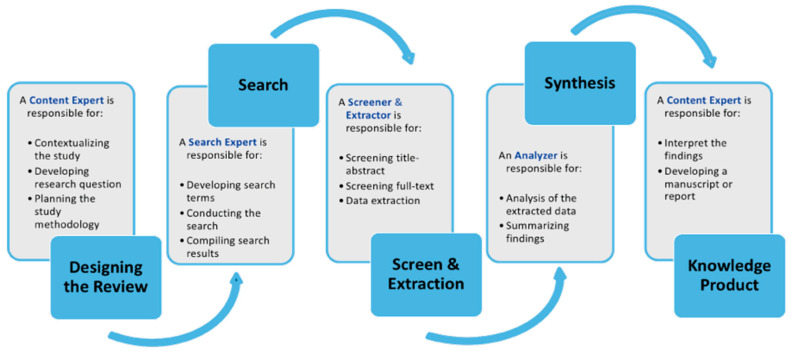
“To provide a thorough understanding of “brain rot” and its association with digital behavior, cognitive functions, and mitigation strategies, we conducted a rapid review [21].”
A scoping review of rapid review methods
Tricco, A. C., Antony, J., Zarin, W., Strifler, L., Ghassemi, M., Ivory, J., Perrier, L., Hutton, B., Moher, D., & Straus, S. E. (2015) · BMC Medicine · doi:10.1186/s12916-015-0465-6 · Cited by 1,146 · cited 3×
“…and quality appraisal, in order to present insights faster, without compromising Rapid reviews are particularly useful when resources or time are constrained, with a view to offering a brief summary of current evidence while maintaining transparency and minimizing bias [22,23]. relevance.”
The “online brain”: How the Internet may be changing our cognition
Firth, J., Torous, J., Stubbs, B., Firth, J. A., Steiner, G. Z., Smith, L., Alvarez‐Jimenez, M., Gleeson, J., Vancampfort, D., Armitage, C. J., et al. (2019) · World Psychiatry · doi:10.1002/wps.20617 · Cited by 694
Thoreau, H. D., & Carew, T. (1854) · doi:10.5962/bhl.title.146169 · Cited by 590 · cited 1×
“Thoreau’s reference, though unrelated to technology, captures the essence of the condition of a gradual atrophy in the capacity to think critically, concentrate, and be in the world appropriately [11,12].”
Chen, P., Yang, D., Metwally, A. H. S., Lavonen, J., & Wang, X. (2023) · International Journal of STEM Education · doi:10.1186/s40594-023-00434-7 · Cited by 275
Self-citationNeophytou, E., Manwell, L. A., & Eikelboom, R. (2021) · International Journal of Mental Health and Addiction · doi:10.1007/s11469-019-00182-2 · Cited by 231
For You, or For"You"?: Everyday LGBTQ+ Encounters with TikTok
Simpson, E., & Semaan, B. (2021) · Proceedings of the ACM on Human-Computer Interaction · doi:10.1145/3432951 · Cited by 230 · cited 2×
“The algorithm, for example, behind the “For You Page” on TikTok encourages an endless loop of consumption that can promote desensitization and shortened attention spans [5].”
Research works printed but not linked: 2
- Oxford University Press Brain Rot Named Oxford Word of the Year 2024 Oxford University Press Available online: https://corp.oup.com/news/brain-rot-named-oxford-word-of-the-year-2024/ (accessed on 9 December 2024)
- Farahany N.A. The Battle for Your Brain: Defending the Right to Think Freely in the Age of Neurotechnology St. Martin’s Press New York, NY, USA 2023
Cited by
‘Brain Rot’ Among University Students in the Digital Age: A Phenomenological Study
Özbay, Ö. (2026) · Current Psychiatry Reports · doi:10.1007/s11920-025-01658-w · Cited by 26
Athanasoula, D., Salpa, A., Apergi, F.-S., & Vlachos, I. I. (2025) · Nutrients · doi:10.3390/nu17203288 · Cited by 13
“Past research generally indicates that passive social media use is more detrimental to mental health than active use [62].”
FOMO-driven binge-scrolling and eudaimonic wellbeing
Zeba, F., Hollebeek, L. D., Kesharwani, A., Shaheen, M., & Arvola, R. (2026) · Journal of Retailing and Consumer Services · doi:10.1016/j.jretconser.2026.104752 · Cited by 10
Diao, R., Yao, J., & Li, J. (2025) · BMC Psychology · doi:10.1186/s40359-025-03534-x · Cited by 6
GENERATIVE ARTIFICIAL INTELLIGENCE AND BRAIN ROT FROM AN ADVERTISING PERSPECTIVE
Çeber, B. (2025) · The Turkish Online Journal of Design Art and Communication · doi:10.7456/tojdac.1674327 · Cited by 7
Students’ struggle with digital addiction: the truth of brain rot
Gül, M. (2025) · BMC Psychology · doi:10.1186/s40359-025-03880-w · Cited by 4
“Grounded in neuroscientific evidence, brain rot manifests as mental exhaustion and a measurable decline in cognitive functions and attentional capacity resulting from prolonged exposure to excessive digital content [31–33].”
Dombak, K., Yayla, İ. E., Makas, S., Çelik, E., Sahranç, Ü., & Kaya, M. (2025) · Healthcare · doi:10.3390/healthcare14010008 · Cited by 5
Zerrouk, D., Kassab, K., Asri, A. E., & Zarrouq, B. (2026) · BMC Psychology · doi:10.1186/s40359-026-04354-3 · Cited by 8
“Interestingly, it has also been confirmed that brain rot is associated with some specific negative digital behaviors, including doomscroll-ing, zombie scrolling, and SMA, all of which were linked to psychological distress, anxiety, and depression [100].”
Andrei, A., & Enea, V. (2025) · Scandinavian Journal of Psychology · doi:10.1111/sjop.70031 · Cited by 5
Students’ perceptions of the impact of interactive technology on engagement in STEM classes
Ragab, K., Martínez-Jiménez, E., & Fernández-Ahumada, E. (2025) · Contemporary Educational Technology · doi:10.30935/cedtech/17408 · Cited by 2
Jia, W., Liu, L., Wang, X., Han, T., Yan, G., & Ma, Y. (2025) · BMC Psychology · doi:10.1186/s40359-025-03782-x · Cited by 3
“” This term describes the presumed deterioration of an individual’s cognitive and psychological state, particularly due to excessive consumption of trivial, fragmented, and non-challenging online content [13].”
The Cognitive Cost of Brain Rot: Indirect Effects on Depression via Burnout, Stress, and Anxiety
Batmaz, H., Özsağır, C. B., & Şekkeli, H. A. (2026) · Psychological Reports · doi:10.1177/00332941261450856 · Cited by 2
Schoetensack, C., Ogden, R., Goncikowska, K., Witowska, J., Giner-Domínguez, G., Chappuis, S., Klegr, T., Valenzuela, R., Papastamatelou, J., Wittmann, M., et al. (2026) · Computers in Human Behavior · doi:10.1016/j.chb.2026.109083 · Cited by 3
de Menezes, W. J., de Castilho, G. M., & de Souza, W. C. (2025) · Caderno Pedagógico · doi:10.54033/cadpedv22n8-285 · Cited by 3
The Scrolling Paradox: Analyzing Instagram Addiction Patterns in The Digital Age
Balcıoğlu, Y. S., Bayraktar, Ü., & Güven, E. (2025) · İmgelem · doi:10.53791/imgelem.1685011 · Cited by 3
Internet pitstops: YouTube as a place for reimagining social time with nostalgia
Srirachanikorn, R. (2025) · Time & Society · doi:10.1177/0961463x251358588 · Cited by 3
“Recent studies that systematically reviewed the ‘ brain rot ’ phenomenon built its case by linking prolonged digital media consumption with existing problems such as mental fog, anxiety, and poor emotional wellbeing (Yazgan, 2025; Yousef et al., 2025).”
Ünsal, F., & Korkmaz, Z. (2026) · Psikiyatride Guncel Yaklasimlar - Current Approaches in Psychiatry · doi:10.18863/pgy.1644556 · Cited by 5
Screen Use Measurement Tools: A Mapping of Instruments, Gaps, and Future Directions
Shaleha, R. R. A., Roque, N. A., Andrews, H. J., Calfee, K., & Lee, S. (2026) · Cyberpsychology Behavior and Social Networking · doi:10.1177/21522715261417288 · Cited by 3
“16,17 Rapid reviews are a type of knowledge synthesis that simpli fi es or streamlines systematic review protocols to provide timely, actionable insights, particularly in rapidly changing research areas such as digital technology and health.”
Götzfried, A., & Heitmayer, M. (2026) · Computers in Human Behavior Artificial Humans · doi:10.1016/j.chbah.2026.100255 · Cited by 8
Italian Brainrot e Inteligencia Artificial Generativa. El hiperengagement de lo absurdo en TikTok
Delgado, F. O., & Delgado-Laguna, I. (2026) · Revista Latina de Comunicación Social · doi:10.4185/rlcs-2027-2581 · Cited by 1
Tian, Y., Gong, J. K., Chan, T. J., Mustafa, S. E., Lin, Y. Q., Zuo, Y., Zhang, Y. F., Chen, M. H., & Yuan, D. F. (2026) · Journal of Internet Commerce · doi:10.1080/15332861.2026.2622619 · Cited by 1
“For instance, Yousef et al. (2025) pointed out that brain rot, as a form of individuals’ tiredness, leads to the deterioration of executive functioning skills.”
Reflexia: AI-Assisted Reflection on Personal Media Consumption
Mamonova, S., & Jones, B. (2026) · CHI Conference Extended Abstracts on Human Factors in Computing Systems (CHI EA) · doi:10.1145/3772363.3798688 · Cited by 1
Schiavo, G., & Andrao, M. (2026) · CHI Conference on Human Factors in Computing Systems · doi:10.1145/3772318.3791483 · Cited by 5
“To date, the terms Brainrot and Italian Brainrot remain largely unexplored in academic literature, despite their relevance to studies of digital youth culture [2], media virality [74], and AI-generated content [33].”
Gendelman, L., Peleg, O., & Hadar, E. (2026) · Nutrients · doi:10.3390/nu18101497 · Cited by 1
“For instance, in Israel, their usage rates more than double those of older adults [19].”
Putri, F. (2025) · Jurnal Pendidikan Guru Sekolah Dasar · doi:10.47134/pgsd.v2i4.1845 · Cited by 1
Problematic Social Media Use and Anxiety: A Literature Review and Conceptual ModelPreprint
Sahu, A., Shukla, V., Gillespie, K. M., Tobin, S. J., & Bartlett, S. E. (2025) · Research Square · doi:10.21203/rs.3.rs-8225360/v1 · Cited by 2
Tadros, E., Sohn, A., Zhao, J., & Chartock, A. (2025) · Journal of Marital and Family Therapy · doi:10.1111/jmft.70071 · Cited by 1
Gerdan, G., Akgül, Ö., & Gürlük, Y. O. (2025) · Addictive Behaviors · doi:10.1016/j.addbeh.2025.108509
Chai, Y., Zou, F., & Wang, Y. (2025) · Behavioral Sciences · doi:10.3390/bs15111500
“Extending Veziroglu-Celik et al. (2023)—who linked early screen time to poorer later ToM—recent research explores the cognitive-neural mechanisms: Chronic exposure to fast-paced, fragmented digital content impairs prefrontal cortex functioning (Mallawaarachchi et al., 2024; Yousef et al., 2025).”
Jalšovská, A., & Spálová, L. (2025) · Media & Marketing Identity · doi:10.34135/mmidentity-2025-26
“Brain Rot” as a Challenge for Media Education: Proposal of Activities for an Educational Course
Majerský, M., & Kačínová, V. (2025) · Media & Marketing Identity · doi:10.34135/mmidentity-2025-71
Political Risks in Artificial Intelligence: A Comparative Analysis
Vasilenko, A. V. (2025) · Russia & World: Sc. Dialogue · doi:10.53658/rw2025-4-4(18)-225-238
Brain Rot as a Mediator of Social Media Use, Mental Well-Being, and Employee Productivity
Ihsan, A. M. N., Sudiarti, S., Syarief, A. H., Wildan, A., & Hakim, A. (2026) · Jurnal Ilmiah Bisnis dan Ekonomi Asia · doi:10.32815/jibeka.v20i1.2421 · Cited by 4
“Such overstimulation contributes to diminished focus and weakened information processing, characteristics commonly associated with brain rot (5,19).”
InfluentialPeng, R. X., & Wang, R. Y. (2026) · Computers in Human Behavior Reports · doi:10.1016/j.chbr.2026.100976
Ahmad, D. N., Marhento, G., A’ini, Z. F., Masruroh, A., Tambunan, N. S., Setyowati, L., & Sanjayanti, A. (2026) · Jurnal Penelitian Pendidikan IPA · doi:10.29303/jppipa.v12i2.14304 · Cited by 1
Reversal of the Flynn Effect and Cognitive Laziness
Balon, R. (2026) · Annals of Clinical Psychiatry · doi:10.1177/10401237261438653
Laera, R. (2026) · Research Square · doi:10.21203/rs.3.rs-9255100/v1
A Quantitative Study on Social Media Use and Academic Performance
Mirza, Q. U. A. Z. Z., Kanwal, R., Ashraf, H., Jhanjhi, N., & Saepudin, S. (2025) · International Conference on Mathematics, Actuarial Science, Computer Science and Statistics (MACS) · doi:10.1109/macs68476.2025.11453362 · Cited by 2
Sundareswaran, S., & Athuraliya, B. (2026) · International Conference on Artificial Intelligence in Information and Communication (ICAIIC) · doi:10.1109/icaiic68212.2026.11454178
“This population experiences a specific crisis with shorter attention spans and a dysfunctional working memory, which Yousef et al. (2025) refer to as Brain Rot, a kind of cognitive exhaustion caused by the overconsumption of digital data in the form of a short-form content [1].”
Günaydın, N., Cengiz, M. A., Şekerci, Y., & Dünder, E. (2026) · Frontiers in Psychology · doi:10.3389/fpsyg.2026.1775425 · Cited by 1
Batmaz, H. (2026) · Brain and Behavior · doi:10.1002/brb3.71472
“Yousef et al. ( 2025 ) emphasized that when these elements combine, social media and short digital content cause excessive executive outputs such as attention, memory, and decision-making, and this process accelerates compulsive processes such as “doomscrolling” and “zombie scrolling,” highlighting…”
Tunca, S., Balcıoğlu, Y. S., KAMANLI, A. İ., Bilgen, A., & YILMAZ, C. (2026) · Journal of Behavioral Addictions · doi:10.1556/2006.2025.00241 · Cited by 2
Speculative Game Design Addressing the “Brain Rot” Phenomenon Among Adolescents
Liao, D., Zhuang, Y., Qin, Z., & Yu, R. (2026) · Lecture notes in computer science · doi:10.1007/978-3-032-30083-6_16
Ome, E. H., Ahmed, S., Chowdhury, M., Taposhi, U. J., Chowdhury, F., & Nujhat, M. (2026) · ACM SIGCAS/SIGCHI Conference on Computing and Sustainable Societies (COMPASS) · doi:10.1145/3811242.3827546
Cognitive Hormesis and Somatic Maintenance: A Systems-Based Perspective on Human AgingPreprint
Kyriazis, M. (2026) · Qeios · doi:10.32388/53lwve
Cope, O., & Binder, J. F. (2026) · Springer eBooks · doi:10.1007/978-3-031-52643-5_255-1
AI Dependency and Brain Rot Among Nursing Students: A Mixed-Methods Study
Sağlam, R., & Kalanlar, B. (2026) · AJN American Journal of Nursing · doi:10.1097/ajn.0000000000000364 · Cited by 1
Doomscrolling vs. Screen Time: Mental Health Risks for College Students
Rana, E. S., Leviyah, X., Randle, T. S., & Smith, Z. R. (2026) · Journal of College Student Mental Health · doi:10.1080/28367138.2026.2721339
Rogayan, D. V., & Yektie Nurprayoga, L. M. (2026) · International Journal of Education Reports · doi:10.62503/ijer.1.1.45-58
“Public interest in this discourse has surged; Yousef et al. (2025) reported a 230% rise in the term brain rot's usage between 2023 and 2024, the year Oxford University Press named it Word of the Year.”
Weubel, D., Bauer, H., Karsay, K., Festl, R., & Camerini, A.-L. (2026) · Social Science & Medicine · doi:10.1016/j.socscimed.2026.119746
Hendrayani, P. F. A., Wibowo, M. P., & Merle, P. F. (2026) · Entertainment Computing · doi:10.1016/j.entcom.2026.101222
Zhan, W., Ge, J., & Wang, Y. (2026) · Journal of Medical Internet Research · doi:10.2196/92310
“This is particularly true for college students, who are navigating a critical developmental period characterized by heightened neuroplasticity, identity formation, and social role transition [1,2].”
Goyanes, M., & Trifiro, B. M. (2026) · Social Science Quarterly · doi:10.1111/ssqu.70200
A respite in the chaos. Meditation as a response to the brainrot.
Betlejewska, J. (2026) · International journal of education & well-being. · doi:10.62416/ijwb-71
Adiasto, K., Pauw, L. S., Salo, K. I., & Milek, A. (2026) · Computers in Human Behavior Reports · doi:10.1016/j.chbr.2026.101332
Lestari, T., Jatnika, R., Agustiani, H., Purba, F. D., & Asriadi, M. (2026) · Human Behavior and Emerging Technologies · doi:10.1155/hbe2/7571166
El‐Nasr, M. S. (2026) · Computer · doi:10.1109/mc.2026.3654310
Brainrot content strategies and their impact on generation Z’s brand engagement
Nguyen, T.-T., & Dang, T.-T. (2026) · Qualitative Market Research An International Journal · doi:10.1108/qmr-02-2026-0050
Weng, Z., Mi, Y., Chen, X., & Li, Q. (2026) · Frontiers in Psychology · doi:10.3389/fpsyg.2026.1747252
“…critical predictor of cognitive load; higher task difficulty consumes more psychological resources and elevates cognitive load, impairing individual psychological functioning and Well-Being (Darling-Hammond et al., 2020; Ekin et al., 2025; Howard et al., 2020; Pyke et al., 2025; Yousef et al., 2025).”
Impact of social media on the psychological well-being of adolescents and young adults in Delhi
Kumar, K., & Dhall, M. (2026) · International Journal of Community Medicine and Public Health · doi:10.18203/2394-6040.ijcmph20263621
Dijital Çağda Dikkat Ekonomisi ve Beyin Çürümesi: Halkla İlişkiler Bağlamında Teorik Bir İnceleme
Taşkıran, İ. B. (2026) · Uluslararası Ekonomi İşletme ve Politika Dergisi · doi:10.29216/ueip.1864592
From iconoclasm to visual literacy in social media. A pharmacological approach to gaze education
Belgrano, M. (2026) · Educational Philosophy and Theory · doi:10.1080/00131857.2026.2733632
Lesigang, J., Vetter, M., Voracek, M., & Pietschnig, J. (2026) · Intelligence & Cognitive Abilities · doi:10.65550/001c.171910
Thích Nhất Hạnh’s Interbeing and Mindfulness in the Digital Age: Toward Mindful Technology
Hoang, T. T. D. (2026) · Millah Journal of Religious Studies · doi:10.20885/millah.vol25.iss2.art3
“People gradually lose their sense of agency, becoming objects of the “attention economy” (Bentes, 2025; Ngiam et al., 2026; Piłat -Borcuch, n.d.; Yousef et al., 2025).”
Kottler, J. A. (2026) · Oxford University Press eBooks · doi:10.1093/9780197842300.003.0001
Patients Who Test Our Patience
Kottler, J. A. (2026) · Oxford University Press eBooks · doi:10.1093/9780197842300.003.0008
Toward Creativity and Personal Growth
Kottler, J. A. (2026) · Oxford University Press eBooks · doi:10.1093/9780197842300.003.0014
Hardships of Therapeutic Practice
Kottler, J. A. (2026) · Oxford University Press eBooks · doi:10.1093/9780197842300.003.0006
Lies We Tell Ourselves and Others
Kottler, J. A. (2026) · Oxford University Press eBooks · doi:10.1093/9780197842300.003.0011
Preface to the Seventh Edition
Kottler, J. A. (2026) · Oxford University Press eBooks · doi:10.1093/9780197842300.002.0004
Personal and Professional Lives
Kottler, J. A. (2026) · Oxford University Press eBooks · doi:10.1093/9780197842300.003.0003
Being Imperfect, Living with Failure
Kottler, J. A. (2026) · Oxford University Press eBooks · doi:10.1093/9780197842300.003.0007
How Clients Change Their Therapists
Kottler, J. A. (2026) · Oxford University Press eBooks · doi:10.1093/9780197842300.003.0005
Kottler, J. A. (2026) · Oxford University Press eBooks · doi:10.1093/9780197842300.003.0015
Self-Care Prospects and Realities: Becoming Models for Our Clients
Kottler, J. A. (2026) · Oxford University Press eBooks · doi:10.1093/9780197842300.003.0012
Pervasive Myths, Unexplained Mysteries, and Secrets of the Profession
Kottler, J. A. (2026) · Oxford University Press eBooks · doi:10.1093/9780197842300.003.0010
On Being a Student, Client, or Supervisee
Kottler, J. A. (2026) · Oxford University Press eBooks · doi:10.1093/9780197842300.005.0001
On Being a Therapeutic Storyteller and Listener
Kottler, J. A. (2026) · Oxford University Press eBooks · doi:10.1093/9780197842300.003.0004
Struggles for Power and Influence
Kottler, J. A. (2026) · Oxford University Press eBooks · doi:10.1093/9780197842300.003.0002
Kottler, J. A. (2026) · Oxford University Press eBooks · doi:10.1093/9780197842300.003.0009
Alternative Therapeutic Delivery Systems
Kottler, J. A. (2026) · Oxford University Press eBooks · doi:10.1093/9780197842300.003.0013
Kottler, J. A. (2026) · Oxford University Press eBooks · doi:10.1093/9780197842300.002.0005
Popov, M. Y. (2026) · S S Korsakov Journal of Neurology and Psychiatry · doi:10.17116/jnevro202612609241
Brain Rot as an Emerging Concept in Nursing: A Concept Analysis for Nursing Management
Hashish, E. A. A., & Yasin, R. (2026) · Journal of Nursing Management · doi:10.1155/jonm/7646151
Mudrenko, I., Sadivnychyi, V., Kovalova, T., Пономаренко, Н., Sadivnycha, M., & Yehorova, A. (2026) · Eastern Ukrainian Medical Journal · doi:10.21272/eumj.2026;14(3);768-778
Metadata
- Authors
- Yousef, A. M. F., Alshamy, A., Tlili, A., & Metwally, A. H. S.
- Affiliations
- Sultan Qaboos University (OM)
- Beijing Normal University (CN)
- Helwan University (EG)
- Corresponding author
- Yousef, Ahmed Mohamed Fahmy
- Venue
- Brain Sciences
- Publisher
- MDPI AG
- Published
- 2025-03-07
- Volume
- 15
- Issue
- 3
- Pages
- 283
- ISSN
- 2076-3425 (ISSN-L)
- PMC
- PMC11939997
- OpenAlex
- W4408170606
- Cited by
- 86
- References
- 53
- Citations by year
- 2026: 65 · 2025: 21
- FWCI
- 21.70
- Type
- journal article
- Language
- en
- Open access
- gold
- doi.org
- Licence
- Locations
- Brain Sciences (publishedVersion, cc-by)
- PubMed Central (publishedVersion, cc-by)
- PubMed (publishedVersion)
- DOAJ (DOAJ: Directory of Open Access Journals) (submittedVersion, cc-by-sa)
- Topics
- Social Sciences › Sociology and Political Science › Impact of Technology on Adolescents
- Social Sciences › Communication › Digital Media and Philosophy
- Social Sciences › Education › Child Development and Digital Technology
- Keywords
- brain rot, cognitive decline, excessive social media use, cognitive overload, emotional desensitization, doomscrolling, social media addiction, video games, executive function, screen time, adolescents, young adults, anxiety and depression, cognitive resilience, mindful technology use
About these checks
Registry, retraction, Cites and statistics results are computed, not judged, with one exception: a printed reference that no index lists is read once by a model before it counts as a citation error. Claims are extracted by a model and kept only when their quote appears verbatim in the text; each cited source is then checked, with a model’s help, for whether it says what the claim relies on. Those verdicts can be wrong — read the claim’s quote and the cited source before relying on one.
Statistics and arithmetic are recomputed, not judged.
Confidence bands are shown only for fields calibrated on our annotated test set. None is calibrated yet, so no band is shown.
What counts as a claim ›How we measure confidence ›How we check this ›
Are you an author, or do you see a problem with this page? Request a review
Data sources
Bibliographic data: Semantic Scholar, OpenAlex, Crossref.
Contains information from the Semantic Scholar Academic Graph Datasets, made available under the ODC Attribution License (ODC-BY 1.0).
Semantic Scholar’s data is described in: Kinney, R., et al. (2023). The Semantic Scholar Open Data Platform. arXiv:2301.10140.
