

Hallucinogen persisting perception disorder: etiology, clinical features, and therapeutic perspectives.
Open accessThe DOI matches its Crossref record; 82 of the 84 references it cites were found in a registry or an index.
Abstract
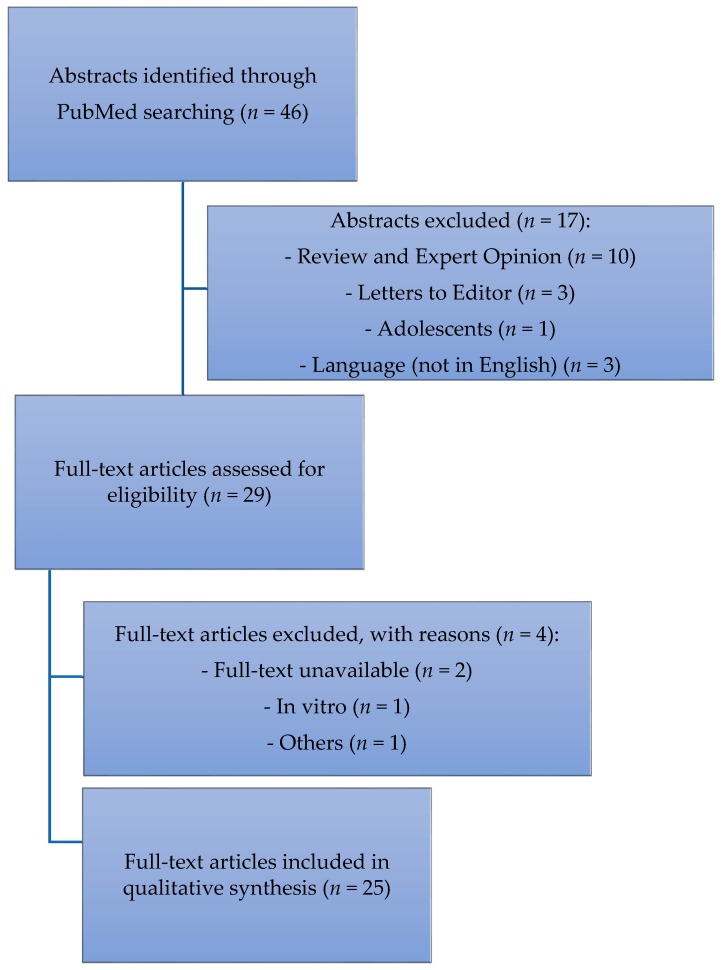
Hallucinogen Persisting Perception Disorder (HPPD) is a rare, and therefore, poorly understood condition linked to hallucinogenic drugs consumption. The prevalence of this disorder is low; the condition is more often diagnosed in individuals with a history of previous psychological issues or substance misuse, but it can arise in anyone, even after a single exposure to triggering drugs. The aims of the present study are to review all the original studies about HPPD in order to evaluate the following: (1) the possible suggested etiologies; (2) the possible hallucinogens involved in HPPD induction; (3) the clinical features of both HPPD I and II; (4) the possible psychiatric comorbidities; and (5) the available and potential therapeutic strategies. We searched PubMed to identify original studies about psychedelics and Hallucinogen Persisting Perception Disorder (HPPD). Our research yielded a total of 45 papers, which have been analyzed and tabled to provide readers with the most updated and comprehensive literature review about the clinical features and treatment options for HPPD.
Overview
The claims and statistics of this paper haven’t been checked yet.
Free: it reads the open-access text and checks the first 5 claims that cite a source we can check. Create a free account to check every claim.
Integrity signals
Registry
Cites
Statistics
Figures
Verification
Claims the paper makes
The claims and statistics of this paper haven’t been checked yet.
Free: it reads the open-access text and checks the first 5 claims that cite a source we can check. Create a free account to check every claim.
Claims other papers make about this one
Each is checked against this paper’s own text: does it say what the citing paper says it does?
The source backs part of the claim, not all of it — or backs it for a different population, condition or comparison.
In the citing paper
“Arguably, the most notorious cause of HPPD is lysergic acid diethylamide (LSD), although the condition can also arise from substances such as mescaline, psilocybin, ibogaine, ayahuasca, ketamine, 3,4-methylenedioxymethamphetamine (MDMA or ecstasy), cannabis, and even alcohol.3–5”
From Pharmacological Treatment of Hallucinogen Persisting Perception Disorder (HPPD): A Systematic Review (2025) · cites this paper as [3]
Experimental — accuracy not yet measuredThe source backs part of the claim, not all of it — or backs it for a different population, condition or comparison.
In the citing paper
“An earlier review by Martinotti and colleagues3 was also based on 16 articles. The authors mentioned efficacy for an even wider range of pharmacological agents and recommended combining several different medications to treat HPPD and any underlying or new comorbid disorders.”
From Pharmacological Treatment of Hallucinogen Persisting Perception Disorder (HPPD): A Systematic Review (2025) · cites this paper as [3]
Experimental — accuracy not yet measuredThe cited source says what the claim attributes to it.
In the citing paper
“Pharmacological interventions are all experimental and practice-based.”
From Pharmacological Treatment of Hallucinogen Persisting Perception Disorder (HPPD): A Systematic Review (2025) · cites this paper as [3]
The cited source says what the claim attributes to it.
In the citing paper
“Case reports and small-scale pharmacological studies show promising results with antipsychotics, antidepressants, antiepileptics, and benzodiazepines.”
From Pharmacological Treatment of Hallucinogen Persisting Perception Disorder (HPPD): A Systematic Review (2025) · cites this paper as [3]
The cited source says what the claim attributes to it.
In the citing paper
“The efficacy of these medications, however, remains unclear.3–5”
From Pharmacological Treatment of Hallucinogen Persisting Perception Disorder (HPPD): A Systematic Review (2025) · cites this paper as [3]
3 more claims about this paper
Create a free account to see every claim other papers make about this one.
Self-check
Percentages, sums and reported differences re-computed from the paper’s own numbers.
The self-check needs the paper’s full text.
Citations
Cites
Diagnostic and Statistical Manual of Mental Disorders
American Psychiatric Association (2013) · doi:10.1176/appi.books.9780890425596 · Cited by 116,369
Thalamic Relay Functions and Their Role in Corticocortical Communication
Guillery, R. W., & Sherman, S. M. (2002) · Neuron · doi:10.1016/s0896-6273(01)00582-7 · Cited by 636
Novel psychoactive substances of interest for psychiatry
Schifano, F., Orsolini, L., Duccio Papanti, G., & Corkery, J. M. (2015) · World Psychiatry · doi:10.1002/wps.20174 · Cited by 321
Amanita muscaria: chemistry, biology, toxicology, and ethnomycology
Michelot, D., & Melendez-Howell, L. M. (2003) · Mycological Research · doi:10.1017/s0953756203007305 · Cited by 260 · cited 1×
“) [22]; San Pedro cactus and Peyote (mescaline) [16,23]; ketamine [24]; dextromethorphan [25]; MDMA and MDA [26]; and cannabis and synthetic cannabinoids [27–33].”
BackgroundCinosi, E., Martinotti, G., Simonato, P., Singh, D., Demetrovics, Z., Roman-Urrestarazu, A., Bersani, F. S., Vicknasingam, B., Piazzon, G., Li, J.-H., et al. (2015) · BioMed Research International · doi:10.1155/2015/968786 · Cited by 234 · cited 1×
“This is consistent with the rapid and vast diffusion of these novel psychoactive compounds, nowadays easily available without specific cultural filters and references [91,92].”
BackgroundSelf-citationCaton, C. L. M., Drake, R. E., Hasin, D. S., Dominguez, B., Shrout, P. E., Samet, S., & Schanzer, W. B. (2005) · Archives of General Psychiatry · doi:10.1001/archpsyc.62.2.137 · Cited by 231 · cited 1×
“In fact, as in the vast majority of induced psychoses, visual hallucinations are notably more common than auditory [3].”
BackgroundHallucinogen persisting perception disorder: what do we know after 50 years?
Halpern, J. (2003) · Drug and Alcohol Dependence · doi:10.1016/s0376-8716(02)00306-x · Cited by 219 · cited 3×
“The main consideration that has to be done with respect to HPPD is its rare and unpredictable nature [16]: current prevalence estimates are unknown, but DSM-5 suggests 4.”
BackgroundClinical applications of hallucinogens: a review
Garcia-Romeu, A., Kersgaard, B., & Addy, P. H. (2016) · Experimental and Clinical Psychopharmacology · doi:10.1037/pha0000084 · Cited by 201 · cited 2×
“The effectiveness of Benzodiazepines may be related to their activity on the cortical serotonergic-inhibitory inter-neurons with GABAergic outputs [2,4].”
BackgroundThe Psychopharmacology of Hallucinogens
Abraham, H., Aldridge, A. M., & Gogia, P. (1996) · Neuropsychopharmacology · doi:10.1016/0893-133x(95)00136-2 · Cited by 173 · cited 2×
“In one study, haloperidol was noted to reduce hallucinations, but an exacerbation of flashbacks in the early phases of treatment was highlighted as well [1,69].”
BackgroundThe Relation Between Migraine, Typical Migraine Aura and “Visual Snow”
Schankin, C. J., Maniyar, F. H., Sprenger, T., Chou, D. E., Eller, M., & Goadsby, P. J. (2014) · Headache: The Journal of Head and Face Pain · doi:10.1111/head.12378 · Cited by 171 · cited 1×
“Recent research highlighted a brain dysfunction in patients with visual snow, located mainly in the right lingual gyrus [44], perhaps implying LSD involvement.”
Background
Research works printed but not linked: 8
- Hofmann A. LSD: My Problem Child McGraw-Hill New York, NY, USA 1980
- Lerner A.G. Flashbacks and Hppd (Hallucinogenic Persisting Perception Disorder): Clinical Aspects and Pharmacological Treatment Proceedings of the First World Congress of the World Association on Dual Disorders Madrid, Spain 23–26 March 2017
- Stahl S.M. Stahl’s Essential Psychopharmacology 1st ed. Cambridge University Press New York, NY, USA 1996
- Goodman C. Bor O. Lev-Ran S. Synthetic Cannabis Substances (SPS) Use and Hallucinogen Persisting Perception Disorder (HPPD): Two case reports Isr. J. Psychiatry Relat. Sci. 2014 51 277 280 25841224
- Kolb L. Burris B.C. Griffitshs S. Propanolol and Clonidine in the Treatment of Post Traumatic Disorders of War van der Kolk B.A. Post Traumatic Stress Disorder: Psychological and Biological Sequelae American Psychiatric Press Washington, DC, USA 1984
- Noushad F. Al Hillawi Q. Siram V. Arif M. 25 years of Hallucinogen Persisting Perception Disorder—A diagnostic challenge Br. J. Med. Pract. 2015 8 a805
- Aicardi J. Epilepsy: A Comprehensive Textbook 2nd ed. Wolters Kluwer Health/Lippincott Williams & Wilkins Philadelphia, PA, USA 2008
- Martinotti G. Ferro F. The exogenous model of induced psychotic experience in addiction Res. Adv. Psychiatry 2015 2 81 82
Cited by
Items 101–180 of 180
McConnell, A., He, W., McConnell, H. W., Sperandei, S., & Sowman, P. F. (2025) · Journal of Psychedelic Studies · doi:10.1556/2054.2024.00408 · Cited by 7
Psychedelics for treating psychiatric disorders: Are they safe?
Thakur, M. (2022) · Current Psychiatry · doi:10.12788/cp.0309 · Cited by 4
Creton, S., Boulanger, G., Pereon, T., Batail, J.-M. V., & Drapier, D. (2024) · Brain stimulation · doi:10.1016/j.brs.2023.12.015 · Cited by 4
“The epidemiology, phenomenology, and treatment of HPPD remain poorly understood [2] and long-term prognosis is unpredictable [1].”
BackgroundLima, G., Soares, C., Teixeira, M., & Castelo-Branco, M. S. (2024) · British Journal of Clinical Pharmacology · doi:10.1111/bcp.16264 · Cited by 3
Hallucinogen-Persisting Perception Disorder in a 16-Year-Old Adolescent
Mori-Kreiner, A., Aggarwal, A., & Bordoloi, M. (2025) · Psychopharmacology Bulletin · doi:10.64719/pb.4525 · Cited by 3
Steroids, Dissociatives, Club Drugs, Inhalants, and Hallucinogens
Khan, M., Semaan, A., & Thomas, A. A. (2020) · Springer eBooks · doi:10.1007/978-3-030-33404-8_13 · Cited by 3
Anxiety-related Symptoms following the Sporadic Use of Ecstasy – A Case Study
Majić, T., Brandt, L., & Montag, C. (2021) · Journal of Psychoactive Drugs · doi:10.1080/02791072.2021.2006372 · Cited by 3
“differential diagnosis, as HPPD might also be associated with symptoms of depression and anxiety (Martinotti et al. 2018).”
BackgroundClub Drugs and Psychiatric Outcomes: A Descriptive Case Series from Spain
Montemitro, C., Mosca, A., Chiappini, S., Miuli, A., Schifano, F., Montaño, M. J. G., del Villar, C. M., Allegretti, R., Marrangone, C., Petta, G. D., et al. (2024) · Pharmaceuticals · doi:10.3390/ph17101387 · Cited by 3
“[4,37] 3.”
ResultSelf-citationFreudenreich, O. (2019) · Current clinical psychiatry · doi:10.1007/978-3-030-29450-2_4 · Cited by 3
Symptom specificity of ayahuasca's effect on depressive symptoms
Gilbert, C., Earleywine, M., Mian, M. N., & Altman, B. R. (2021) · Journal of Psychedelic Studies · doi:10.1556/2054.2021.00165 · Cited by 4
Classical Hallucinogens As Antidepressant Drugs: A Cautionary Approach
SANTOS, R. G. D., Rossi, G. N., Hallak, J. E. C., Öngür, D., & Dursun, S. M. (2022) · Current Neuropharmacology · doi:10.2174/1570159x20666220425133824 · Cited by 3
“…observed in the recreational context (but not reported in any of the recent clinical trials) (such as hallucinogen persisting perception disorder, serotonin syndrome, and psychotic disorders) will occur in the clinical context if those drugs are used by hundreds or thousands of patients [12-14].”
BackgroundHallucinogen-Induced Persisting Perception Disorder: A Case Report
Ayyub, J., Nandennagari, S., Edelbaum, D., Agbo, J., Nagendran, D., & Tamayo, L. (2023) · Cureus · doi:10.7759/cureus.46262 · Cited by 2
“The prognosis is worse for type II [2, 3].”
BackgroundMethodKamaeva, A. S., Kiryanova, E. A., & Tabeeva, G. R. (2023) · Neurology neuropsychiatry Psychosomatics · doi:10.14412/2074-2711-2023-5-65-71 · Cited by 2
Hadley, M., Halliday, A., & Stone, J. M. (2023) · Journal of Psychoactive Drugs · doi:10.1080/02791072.2023.2287081 · Cited by 2
“…exogenous agonism of the 5-HT2A receptor may lead to dysfunction of 5-HT2A receptor-expressing GABAergic inter-neurons, reducing inhibition of neural firing leading to overactivity in areas such as the thalamus and primary visual cortex (H. D. Abraham and Aldridge 1993; Martinotti et al. 2018).”
The psychedelic renaissance: psilocybin, a breakthrough for treatment resistant depression?
Norman, T. R. (2025) · Exploration of neuroscience · doi:10.37349/en.2025.1006105 · Cited by 2
Lewis, D. M. (2019) · Addictive Disorders & Their Treatment · doi:10.1097/adt.0000000000000178 · Cited by 2
“Literature suggests HPPD is more frequently diagnosed in individuals who have history of previous psychological issues.(19) Given the overlap of HPPD symptoms in association with so many different mental disorders, it is difficult for researchers and treating physicians to separate what symptoms attribute to HPPD, spe…”
BackgroundHallucinogen Persisting Perception Disorder Following Recreational Dextromethorphan Use
Rymowicz, R., & Tsuang, T. (2021) · Addictive Disorders & Their Treatment · doi:10.1097/adt.0000000000000287 · Cited by 2
“Successful treatment with presynaptic a2 adrenergic agonists, benzodiazepines, antipsychotics, anticonvulsants, antidepressants, naltrexone, calcium channel blockers, and beta blockers have been reported.(4) In this paper, we present the case of a 20-year-old male with HPPD symptoms for 2 years, likely attributed to a…”
BackgroundHallucinogen-Related Disorders
Kim, K. K., & Roberts, D. E. (2021) · Psychiatry update · doi:10.1007/978-3-030-86430-9_5 · Cited by 4
Ferenstein, G. (2021) · SSRN Electronic Journal · doi:10.2139/ssrn.3910688 · Cited by 2
Husain, M. I., Umer, M., & Mulsant, B. H. (2022) · Expert Opinion on Drug Safety · doi:10.1080/14740338.2022.2063274 · Cited by 2
Scarlatti, F. (2023) · PsyArXiv (OSF Preprints) · doi:10.31234/osf.io/gfuet · Cited by 2
Comment on ‘visual snow syndrome and migraine: a review’
Bobat, H., Healy, D., & Lochhead, J. (2023) · Eye · doi:10.1038/s41433-023-02789-1 · Cited by 2
Bowden‐Jones, O., & Abdulrahim, D. (2020) · Cambridge University Press eBooks · doi:10.1017/9781911623106.006 · Cited by 1
Neurocognitive Effects of Substance Abuse and Their Measurement with Neuropsychological Tests
López, N., Herrera, J., Flórez, Y., Castellanos, C. E., & Gargiulo, P. Á. (2024) · Springer eBooks · doi:10.1007/978-3-031-72219-6_38 · Cited by 1
Marzolla, M., Menga, A., Romeo, F., & Gatti, R. (2025) · Journal of Substance Use · doi:10.1080/14659891.2025.2494534 · Cited by 1
“…patient during recovery we hypothesized that they could be related to a temporary condition called Hallucinogen Persisting Perception Disorder (HPPD) (Martinotti et al., 2018), which, while primarily associated with psychedelics, has also been reported for MDMA and cannabinoids (Ford et al., 2022).”
Psykologisk behandling av vedvarende vansker etter bruk av psykedelika
Holmøy, B., & Andersen, K. A. A. (2025) · Tidsskrift for Norsk psykologforening · doi:10.52734/qaow7353 · Cited by 1
Psychedelics in psychiatric treatment: a literature review
Wolski, A., Szplit, E., Patalong, M., Cemaga, R., Kubicki, M., Kołodziej, P., Bruska, N. M., Błaszkowski, B., Bilyk, A., & Więckowska, K. (2026) · Quality in Sport · doi:10.12775/qs.2026.50.68013 · Cited by 1
Repetitive Transcranial Magnetic Stimulation in Addiction
Martinotti, G., Pettorruso, M., Montemitro, C., Ekhtiari, H., Hanlon, C. A., Spagnolo, P. A., Stein, E. A., & Giannantonio, M. D. (2020) · Springer eBooks · doi:10.1007/978-3-030-43356-7_11 · Cited by 1
Self-citationThe Clinical Challenge of Club Drugs and NPS
Bowden‐Jones, O., & Abdulrahim, D. (2020) · Cambridge University Press eBooks · doi:10.1017/9781911623106.005 · Cited by 1
Atualizações dos estudos com psilocibina nos transtornos psiquiátricos
Nieto, J. P. D. S. (2023) · Brazilian Journal of Health Review · doi:10.34119/bjhrv6n3-151 · Cited by 1
Perioperative considerations for patients exposed to hallucinogens
Emerick, T. D., Marshall, T., Martin, T. J., & Ririe, D. (2024) · Regional Anesthesia & Pain Medicine · doi:10.1136/rapm-2023-104851 · Cited by 1
A Brief History of NPS Production and Distribution
Bowden‐Jones, O., & Abdulrahim, D. (2020) · Cambridge University Press eBooks · doi:10.1017/9781911623106.003
Stimulant Drugs: Synthetic Cathinones
Bowden‐Jones, O., & Abdulrahim, D. (2020) · Cambridge University Press eBooks · doi:10.1017/9781911623106.011
Stimulant Drugs: Methamphetamine
Bowden‐Jones, O., & Abdulrahim, D. (2020) · Cambridge University Press eBooks · doi:10.1017/9781911623106.009
Classification Framework for Club Drugs and NPS
Bowden‐Jones, O., & Abdulrahim, D. (2020) · Cambridge University Press eBooks · doi:10.1017/9781911623106.004
Stimulant Drugs: Amphetamine-Type Stimulants
Bowden‐Jones, O., & Abdulrahim, D. (2020) · Cambridge University Press eBooks · doi:10.1017/9781911623106.008
Depressant Drugs: Gamma-Hydroxybutyrate (GHB) and Gamma-Butyrolactone (GBL)
Bowden‐Jones, O., & Abdulrahim, D. (2020) · Cambridge University Press eBooks · doi:10.1017/9781911623106.013
Depressant Drugs: Benzodiazepine NPS
Bowden‐Jones, O., & Abdulrahim, D. (2020) · Cambridge University Press eBooks · doi:10.1017/9781911623106.015
Bowden‐Jones, O., & Abdulrahim, D. (2020) · Cambridge University Press eBooks · doi:10.1017/9781911623106.007
Synthetic Cannabinoid Receptor Agonists (SCRAs)
Bowden‐Jones, O., & Abdulrahim, D. (2020) · Cambridge University Press eBooks · doi:10.1017/9781911623106.017
Stimulant Drugs: MDMA and Drugs with Similar Effects
Bowden‐Jones, O., & Abdulrahim, D. (2020) · Cambridge University Press eBooks · doi:10.1017/9781911623106.010
What Are Club Drugs and NPS and Why Are They Important?
Bowden‐Jones, O., & Abdulrahim, D. (2020) · Cambridge University Press eBooks · doi:10.1017/9781911623106.002 · Cited by 1
Depressant Drugs: Fentanyl, Fentanyl Analogues and Other Opioid NPS
Bowden‐Jones, O., & Abdulrahim, D. (2020) · Cambridge University Press eBooks · doi:10.1017/9781911623106.014
Bowden‐Jones, O., & Abdulrahim, D. (2020) · Cambridge University Press eBooks · doi:10.1017/9781911623106.019
Depressant Drugs: Introduction
Bowden‐Jones, O., & Abdulrahim, D. (2020) · Cambridge University Press eBooks · doi:10.1017/9781911623106.012
Depressant Drugs: Ketamine and Its Analogues
Bowden‐Jones, O., & Abdulrahim, D. (2020) · Cambridge University Press eBooks · doi:10.1017/9781911623106.016
Bowden‐Jones, O., & Abdulrahim, D. (2020) · Cambridge University Press eBooks · doi:10.1017/9781911623106.001
Bowden‐Jones, O., & Abdulrahim, D. (2020) · Cambridge University Press eBooks · doi:10.1017/9781911623106.018
Bowden‐Jones, O., & Abdulrahim, D. (2020) · Cambridge University Press eBooks · doi:10.1017/9781911623106.020
Colijn, M. A. (2022) · Pharmacopsychiatry · doi:10.1055/a-1882-6802
Passagere und anhaltende visuelle Phänomene in der Neurologie
Eren, O. E., & Straube, A. M. (2023) · Der Nervenarzt · doi:10.1007/s00115-023-01466-8
Hallucinogen-Persisting Perception Disorder (HPPD): A Teenage Boy with Hallucinations
Glisson, C. C. (2023) · Springer eBooks · doi:10.1007/978-3-031-16147-6_51
Klassieke psychedelica: veiligheid, neveneffecten en medicatie-interacties
Geleyn, E., Kuypers, K. P. C., Seynaeve, M., & Lemmens, G. M. D. (2023) · Tijdschrift voor Geneeskunde · doi:10.47671/tvg.79.23.049
Netter, D., & Steinmetz, F. P. (2024) · Springer eBooks · doi:10.1007/978-3-658-43431-1_16
Primjena psihodelika u psihijatriji
Slijepčević, M. K., Japranin, G., Salaj, T., & Rafaj, G. (2024) · Paviljon · doi:10.70856/p.1.1.6
Riga, V. D., Makhortykh, A. E., Galstyan, D. S., de Abreu, M. S., & Kalueff, A. V. (2025) · Behavioural Brain Research · doi:10.1016/j.bbr.2025.115677
Mécanismes d’action et perspectives thérapeutiques du LSD : état des lieux actuel
Bouloufa, A., Delcourte, S., & Haddjeri, N. (2025) · Biologie Aujourd hui · doi:10.1051/jbio/2025008
Pharmacotherapies for Hallucinogen Use Disorder
Spitz, N. A. (2025) · Springer eBooks · doi:10.1007/978-3-031-57159-6_75-1
Do College Students’ Views of Psychedelics Depend on the Context for Psychedelic Use?
Petrovitch, D. (2023) · ThinkTech (Texas Tech University)
Egy szer volt, hol nem... Tudatmódosító szerek használata
Kapitány‐Fövény, M. (2021) · Repository of the Academy's Library (Library of the Hungarian Academy of Sciences)
Psilocibina na Perturbação Depressiva Major
Freitas, L. C. B. (2025) · Portuguese National Funding Agency for Science, Research and Technology (RCAAP Project by FCT)
Recent Changes in Drug Abuse Scenario: The New/Novel Psychoactive Substances (NPS) Phenomenon
(2019) · University of Hertfordshire Research Archive (University of Hertfordshire)
Correlatos psicológicos de visão com pontos de luz numa amostra não-clínica
Pedro Manuel Tomaz de Carvalho Campos, P. M. T. D. C. (2019) · Portuguese National Funding Agency for Science, Research and Technology (RCAAP Project by FCT)
Psychedelics as a Therapeutic Opportunity or Threat: A Narrative Review
Liszka, P., Ogorek, A., Olejnik-Chlewicka, K. M., Puchalski, K. R., Zasiadła, M., Patrzykąt, K. M., Perediatkiewicz, J., Urbański, W., Łuczak, P. M., & Brodowski, J. (2025) · Cureus · doi:10.7759/cureus.99942
“Clinical descriptions and review papers indicate a predominance of visual symptoms: intensified after-images and trails, halos around objects, visual snow, distortions in size and shape and contrast disturbances such as unnaturally sharpened contours of surrounding objects [11,30].”
ALICE IN WONDERLAND SYNDROME IN THE LIGHT OF THE LATEST REPORTS – A LITERATURE REVIEW
Oskroba, K., Sokołowski, M., Kryślak, J., Solarz, A., & Szabelski, S. (2025) · International Journal of Innovative Technologies in Social Science · doi:10.31435/ijitss.4(48).2025.4317
Neurologic Complications of Drug and Alcohol Use
Goss, A. (2026) · CONTINUUM Lifelong Learning in Neurology · doi:10.1212/cont.0000000000001676
Böling, A., & Tamminen, T.-M. (2025) · Tampere University Institutional Repository (Tampere University)
Body, mind, and weather: mechanisms of interaction – a narrative review
Konieczny, K. (2026) · Postępy Psychiatrii i Neurologii · doi:10.5114/ppn.2026.159802
“Waszkiewicz also proposes the “flashback effect” hypothesis, suggesting that dormant viruses or toxins can be reactivated without re-exposure, potentially explaining the recurrence of psychopathological symptoms [40, 41].”
Sarangal, M. (2026) · American Journal of Psychiatry Residents Journal · doi:10.1176/appi.ajp-rj.2026.210302
Le LSD revisité : mécanismes d’action et potentiel en santé mentale
Bouloufa, A., Delcourte, S., Delannay, T., & Haddjeri, N. (2026) · L Encéphale · doi:10.1016/j.encep.2026.02.008
Psilocybin mushrooms are going mainstream, but scientific research and regulation lag behind
Karoly, H. C., & Hutchison, K. E. (2026) · The Conversation · doi:10.64628/aai.6g7fw5d5c
Joebstl, L. M., Lubahn, B., Kaya, E., Leistenschneider, G., Žuljević, M. F., Riemer, T. G., Masah, D. J., Marbin, D., Stöckigt, B., & Majić, T. (2026) · Journal of Psychopharmacology · doi:10.1177/02698811261493120 · Cited by 1
Koob, G. F., Arends, M. A., McCracken, M. L., & Moal, M. L. (2026) · Elsevier eBooks · doi:10.1016/b978-0-12-816791-5.00001-7
Ricci, V., Martinotti, G., Pettorruso, M., & Maina, G. (2026) · Journal of Psychoactive Drugs · doi:10.1080/02791072.2026.2689028
Self-citationBroman, M. J., Acharya, J. N., Ahmed, K., Armstrong, S. B., & Davis, A. K. (2026) · Current Addiction Reports · doi:10.1007/s40429-026-00774-8
“Furthermore, HPPD is estimated to affect 4.2% of users [ 68] and is associated with anxiety, depersonalization, and panic symptoms [69], leading to substantial psychological distress, functional impairment, and elevated suicide risk [68, 70].”
InfluentialHallucinogen Persisting Perception Disorder in a Young Adult Case Report
Notani, S., Srinivasa, V., Chaudhry, S., & Weiss, A. L. (2026) · Case Reports in Psychiatry · doi:10.1155/crps/6605265
Inserra, A., d’Andrea, G., Miuli, A., Balestra, M. R., Santangelo, M., & Pettorruso, M. (2026) · Clinical Neuropsychopharmacology and Addiction · doi:10.53941/cna.2026.100015
“…Disorder (HPPD), a condition characterized by the persistence or recurrence of perceptual disturbances following hallucinogen use, including visual trails, afterimages, halos, geometric visual phenomena, and other visual distortions [15–17], was also considered in the differential diagnosis.”
Self-citationGreenwald, M. S., Waade, P. T., Kafadar, E., Bond, K. A., Firisz, D., Nehrer, S. W., Ibragimova, S., & Powers, A. R. (2026) · Scientific Reports · doi:10.1038/s41598-026-71819-1
Lynn, S. J., McDonald, C. W., Sleight, F. G., & Mattson, R. E. (2023) · doi:10.3389/fnins.2023.1267611.s001
Metadata
- Authors
- Martinotti, G., Santacroce, R., Pettorruso, M., Montemitro, C., Spano, M., Lorusso, M., Di Giannantonio, M., & Lerner, A.
- Affiliations
- University of Hertfordshire (GB)
- Università Cattolica del Sacro Cuore (IT)
- University of Chieti-Pescara (IT)
- Department of Neuroscience, Imaging and Clinical Sciences, University “G. d’Annunzio”, 66100 Chieti, Italy
- Tel Aviv University (IL)
- Corresponding author
- Santacroce, Rita
- Venue
- Brain Sciences
- Publisher
- MDPI AG
- Published
- 2018-03-16
- Volume
- 8
- Issue
- 3
- Pages
- 47
- ISSN
- 2076-3425 (ISSN-L)
- PMC
- PMC5870365
- OpenAlex
- W2790481213
- Cited by
- 171
- References
- 84
- Citations by year
- 2026: 10 · 2025: 18 · 2024: 24 · 2023: 22 · 2022: 24 · 2021: 26 · 2020: 33 · 2019: 8 · 2018: 6
- FWCI
- 3.07
- Type
- journal article
- Language
- en
- Open access
- gold
- doi.org
- Licence
- Locations
- Brain Sciences (publishedVersion, cc-by)
- Europe PMC (PubMed Central) (publishedVersion, cc-by)
- PubMed Central (publishedVersion, cc-by)
- PubMed (publishedVersion)
- DOAJ (DOAJ: Directory of Open Access Journals) (submittedVersion, cc-by-sa)
- Institutional Research Information System University of Ferrara (University of Ferrara) (submittedVersion)
- Topics
- Social Sciences › Psychology › Clinical Psychology › Psychedelics and Drug Studies
- Life Sciences › Neuroscience › Cognitive Neuroscience › Hallucinations in medical conditions
- Health Sciences › Medicine › Psychiatry and Mental health › Schizophrenia research and treatment
- Keywords
- hallucinogen persisting perception disorder, HPPD, hallucinogens, psychedelics, etiology, clinical features, psychiatric comorbidity, substance abuse, treatment options
About these checks
Registry, retraction, Cites and statistics results are computed, not judged, with one exception: a printed reference that no index lists is read once by a model before it counts as a citation error. Claims are extracted by a model and kept only when their quote appears verbatim in the text; each cited source is then checked, with a model’s help, for whether it says what the claim relies on. Those verdicts can be wrong — read the claim’s quote and the cited source before relying on one.
Statistics and arithmetic are recomputed, not judged.
Confidence bands are shown only for fields calibrated on our annotated test set. None is calibrated yet, so no band is shown.
What counts as a claim ›How we measure confidence ›How we check this ›
Are you an author, or do you see a problem with this page? Request a review
Data sources
Bibliographic data: Semantic Scholar, OpenAlex, Crossref.
Contains information from the Semantic Scholar Academic Graph Datasets, made available under the ODC Attribution License (ODC-BY 1.0).
Semantic Scholar’s data is described in: Kinney, R., et al. (2023). The Semantic Scholar Open Data Platform. arXiv:2301.10140.
