

Hallucinogen persisting perception disorder: etiology, clinical features, and therapeutic perspectives.
Open accessThe DOI matches its Crossref record; 82 of the 84 references it cites were found in a registry or an index.
Abstract
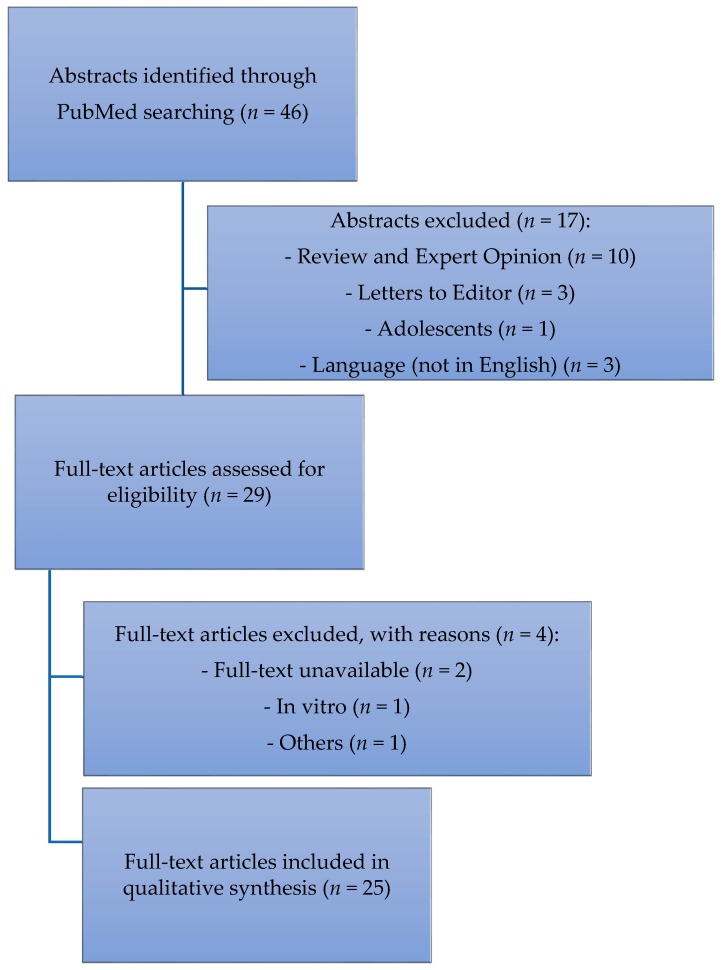
Hallucinogen Persisting Perception Disorder (HPPD) is a rare, and therefore, poorly understood condition linked to hallucinogenic drugs consumption. The prevalence of this disorder is low; the condition is more often diagnosed in individuals with a history of previous psychological issues or substance misuse, but it can arise in anyone, even after a single exposure to triggering drugs. The aims of the present study are to review all the original studies about HPPD in order to evaluate the following: (1) the possible suggested etiologies; (2) the possible hallucinogens involved in HPPD induction; (3) the clinical features of both HPPD I and II; (4) the possible psychiatric comorbidities; and (5) the available and potential therapeutic strategies. We searched PubMed to identify original studies about psychedelics and Hallucinogen Persisting Perception Disorder (HPPD). Our research yielded a total of 45 papers, which have been analyzed and tabled to provide readers with the most updated and comprehensive literature review about the clinical features and treatment options for HPPD.
Overview
The claims and statistics of this paper haven’t been checked yet.
Free: it reads the open-access text and checks the first 5 claims that cite a source we can check. Create a free account to check every claim.
Integrity signals
Registry
Cites
Statistics
Figures
Verification
Claims the paper makes
The claims and statistics of this paper haven’t been checked yet.
Free: it reads the open-access text and checks the first 5 claims that cite a source we can check. Create a free account to check every claim.
Claims other papers make about this one
Each is checked against this paper’s own text: does it say what the citing paper says it does?
The source backs part of the claim, not all of it — or backs it for a different population, condition or comparison.
In the citing paper
“Arguably, the most notorious cause of HPPD is lysergic acid diethylamide (LSD), although the condition can also arise from substances such as mescaline, psilocybin, ibogaine, ayahuasca, ketamine, 3,4-methylenedioxymethamphetamine (MDMA or ecstasy), cannabis, and even alcohol.3–5”
From Pharmacological Treatment of Hallucinogen Persisting Perception Disorder (HPPD): A Systematic Review (2025) · cites this paper as [3]
Experimental — accuracy not yet measuredThe source backs part of the claim, not all of it — or backs it for a different population, condition or comparison.
In the citing paper
“An earlier review by Martinotti and colleagues3 was also based on 16 articles. The authors mentioned efficacy for an even wider range of pharmacological agents and recommended combining several different medications to treat HPPD and any underlying or new comorbid disorders.”
From Pharmacological Treatment of Hallucinogen Persisting Perception Disorder (HPPD): A Systematic Review (2025) · cites this paper as [3]
Experimental — accuracy not yet measuredThe cited source says what the claim attributes to it.
In the citing paper
“Pharmacological interventions are all experimental and practice-based.”
From Pharmacological Treatment of Hallucinogen Persisting Perception Disorder (HPPD): A Systematic Review (2025) · cites this paper as [3]
The cited source says what the claim attributes to it.
In the citing paper
“Case reports and small-scale pharmacological studies show promising results with antipsychotics, antidepressants, antiepileptics, and benzodiazepines.”
From Pharmacological Treatment of Hallucinogen Persisting Perception Disorder (HPPD): A Systematic Review (2025) · cites this paper as [3]
The cited source says what the claim attributes to it.
In the citing paper
“The efficacy of these medications, however, remains unclear.3–5”
From Pharmacological Treatment of Hallucinogen Persisting Perception Disorder (HPPD): A Systematic Review (2025) · cites this paper as [3]
3 more claims about this paper
Create a free account to see every claim other papers make about this one.
Self-check
Percentages, sums and reported differences re-computed from the paper’s own numbers.
The self-check needs the paper’s full text.
Citations
Cites
Diagnostic and Statistical Manual of Mental Disorders
American Psychiatric Association (2013) · doi:10.1176/appi.books.9780890425596 · Cited by 116,369
Thalamic Relay Functions and Their Role in Corticocortical Communication
Guillery, R. W., & Sherman, S. M. (2002) · Neuron · doi:10.1016/s0896-6273(01)00582-7 · Cited by 636
Novel psychoactive substances of interest for psychiatry
Schifano, F., Orsolini, L., Duccio Papanti, G., & Corkery, J. M. (2015) · World Psychiatry · doi:10.1002/wps.20174 · Cited by 321
Amanita muscaria: chemistry, biology, toxicology, and ethnomycology
Michelot, D., & Melendez-Howell, L. M. (2003) · Mycological Research · doi:10.1017/s0953756203007305 · Cited by 260 · cited 1×
“) [22]; San Pedro cactus and Peyote (mescaline) [16,23]; ketamine [24]; dextromethorphan [25]; MDMA and MDA [26]; and cannabis and synthetic cannabinoids [27–33].”
BackgroundCinosi, E., Martinotti, G., Simonato, P., Singh, D., Demetrovics, Z., Roman-Urrestarazu, A., Bersani, F. S., Vicknasingam, B., Piazzon, G., Li, J.-H., et al. (2015) · BioMed Research International · doi:10.1155/2015/968786 · Cited by 234 · cited 1×
“This is consistent with the rapid and vast diffusion of these novel psychoactive compounds, nowadays easily available without specific cultural filters and references [91,92].”
BackgroundSelf-citationCaton, C. L. M., Drake, R. E., Hasin, D. S., Dominguez, B., Shrout, P. E., Samet, S., & Schanzer, W. B. (2005) · Archives of General Psychiatry · doi:10.1001/archpsyc.62.2.137 · Cited by 231 · cited 1×
“In fact, as in the vast majority of induced psychoses, visual hallucinations are notably more common than auditory [3].”
BackgroundHallucinogen persisting perception disorder: what do we know after 50 years?
Halpern, J. (2003) · Drug and Alcohol Dependence · doi:10.1016/s0376-8716(02)00306-x · Cited by 219 · cited 3×
“The main consideration that has to be done with respect to HPPD is its rare and unpredictable nature [16]: current prevalence estimates are unknown, but DSM-5 suggests 4.”
BackgroundClinical applications of hallucinogens: a review
Garcia-Romeu, A., Kersgaard, B., & Addy, P. H. (2016) · Experimental and Clinical Psychopharmacology · doi:10.1037/pha0000084 · Cited by 201 · cited 2×
“The effectiveness of Benzodiazepines may be related to their activity on the cortical serotonergic-inhibitory inter-neurons with GABAergic outputs [2,4].”
BackgroundThe Psychopharmacology of Hallucinogens
Abraham, H., Aldridge, A. M., & Gogia, P. (1996) · Neuropsychopharmacology · doi:10.1016/0893-133x(95)00136-2 · Cited by 173 · cited 2×
“In one study, haloperidol was noted to reduce hallucinations, but an exacerbation of flashbacks in the early phases of treatment was highlighted as well [1,69].”
BackgroundThe Relation Between Migraine, Typical Migraine Aura and “Visual Snow”
Schankin, C. J., Maniyar, F. H., Sprenger, T., Chou, D. E., Eller, M., & Goadsby, P. J. (2014) · Headache: The Journal of Head and Face Pain · doi:10.1111/head.12378 · Cited by 171 · cited 1×
“Recent research highlighted a brain dysfunction in patients with visual snow, located mainly in the right lingual gyrus [44], perhaps implying LSD involvement.”
Background
Research works printed but not linked: 8
- Hofmann A. LSD: My Problem Child McGraw-Hill New York, NY, USA 1980
- Lerner A.G. Flashbacks and Hppd (Hallucinogenic Persisting Perception Disorder): Clinical Aspects and Pharmacological Treatment Proceedings of the First World Congress of the World Association on Dual Disorders Madrid, Spain 23–26 March 2017
- Stahl S.M. Stahl’s Essential Psychopharmacology 1st ed. Cambridge University Press New York, NY, USA 1996
- Goodman C. Bor O. Lev-Ran S. Synthetic Cannabis Substances (SPS) Use and Hallucinogen Persisting Perception Disorder (HPPD): Two case reports Isr. J. Psychiatry Relat. Sci. 2014 51 277 280 25841224
- Kolb L. Burris B.C. Griffitshs S. Propanolol and Clonidine in the Treatment of Post Traumatic Disorders of War van der Kolk B.A. Post Traumatic Stress Disorder: Psychological and Biological Sequelae American Psychiatric Press Washington, DC, USA 1984
- Noushad F. Al Hillawi Q. Siram V. Arif M. 25 years of Hallucinogen Persisting Perception Disorder—A diagnostic challenge Br. J. Med. Pract. 2015 8 a805
- Aicardi J. Epilepsy: A Comprehensive Textbook 2nd ed. Wolters Kluwer Health/Lippincott Williams & Wilkins Philadelphia, PA, USA 2008
- Martinotti G. Ferro F. The exogenous model of induced psychotic experience in addiction Res. Adv. Psychiatry 2015 2 81 82
Cited by
A systematic study of microdosing psychedelics
Polito, V., & Stevenson, R. J. (2019) · PLoS ONE · doi:10.1371/journal.pone.0211023 · Cited by 235
Psychedelics in Psychiatry: Neuroplastic, Immunomodulatory, and Neurotransmitter Mechanisms
Inserra, A., De Gregorio, D., & Gobbi, G. (2021) · Pharmacological Reviews · doi:10.1124/pharmrev.120.000056 · Cited by 232
Microdosing psychedelics: personality, mental health, and creativity differences in microdosers
Anderson, T., Petranker, R., Rosenbaum, D., Weissman, C. R., Dinh-Williams, L.-A., Hui, K., Hapke, E., & Farb, N. A. S. (2019) · Psychopharmacology · doi:10.1007/s00213-018-5106-2 · Cited by 174
Case analysis of long-term negative psychological responses to psychedelics
Bremler, R., Katati, N., Shergill, P., Erritzøe, D., & Carhart-Harris, R. L. (2023) · Scientific Reports · doi:10.1038/s41598-023-41145-x · Cited by 137
“Given the historic spotlighting of enduring psychotic symptoms 52,53 and HPPD 54 after psychedelic-use, we felt particularly motivated to discover cases of these phenomena in the present study.”
BackgroundVisual snow syndrome: A clinical and phenotypical description of 1,100 cases
Puledda, F., Schankin, C. J., & Goadsby, P. J. (2020) · Neurology · doi:10.1212/wnl.0000000000008909 · Cited by 124
“Sudden onset of symptoms, n/N (%) 176/691 (26) 4/16 (25) 38/47 (81)”
New/emerging psychoactive substances and associated psychopathological consequences
Schifano, F., Napoletano, F., Chiappini, S., Guirguis, A., Corkery, J. M., Bonaccorso, S., Ricciardi, A., Scherbaum, N., & Vento, A. (2021) · Psychological Medicine · doi:10.1017/s0033291719001727 · Cited by 119
“With synthetic cannabinoids, similar to what being described for a range of remaining NPS (Schifano et al, 2015), the total or partial recurrence of perceptual disturbances that appeared during previous hallucinogenic intoxications, typically known as HallucinogenPersisting Perception Disorder (HPPD), may occur (Marti…”
BackgroundDoes Psychedelic Therapy Have a Transdiagnostic Action and Prophylactic Potential?
Kočárová, R., Horáček, J., & Carhart-Harris, R. (2021) · Frontiers in Psychiatry · doi:10.3389/fpsyt.2021.661233 · Cited by 96
Gregorio, D. D., Enns, J. P., Núñez, N. A., Posa, L., & Gobbi, G. (2018) · Progress in brain research · doi:10.1016/bs.pbr.2018.07.008 · Cited by 105
Raison, C. L., Jain, R., Penn, A., Cole, S. P., & Jain, S. (2022) · Frontiers in Psychiatry · doi:10.3389/fpsyt.2022.831092 · Cited by 100
Johnston, J. N., Kadriu, B., Allen, J., Gilbert, J. R., Henter, I. D., & Zarate, C. A. (2023) · Neuropharmacology · doi:10.1016/j.neuropharm.2023.109422 · Cited by 76
On the Relationship between Classic Psychedelics and Suicidality: A Systematic Review
Zeifman, R. J., Singhal, N., Breslow, L., & Weissman, C. R. (2021) · ACS Pharmacology & Translational Science · doi:10.1021/acsptsci.1c00024 · Cited by 73
Rosenblat, J. D., Husain, M. I., Lee, Y. L., McIntyre, R. S., Mansur, R. B., Castle, D. J., Offman, H., Parikh, S. V., Frey, B. N., Schaffer, A., et al. (2022) · The Canadian Journal of Psychiatry · doi:10.1177/07067437221111371 · Cited by 77
“For example, if a patient needs multiple doses per year for relapse prevention, or for treatment or relapse/recurrence, the threshold for use that may be associated with HPPD risk remains unclear.(99) Research in the 1960s also raised concerns about chromosomal damage and risk of cancer with LSD, but these findings ha…”
BackgroundPsychedelic therapy's transdiagnostic effects: A research domain criteria (RDoC) perspective
Kelly, J. R., Gillan, C. M., Prenderville, J., Kelly, C., Harkin, A., Clarke, G., & O'Keane, V. (2021) · Frontiers in Psychiatry · doi:10.3389/fpsyt.2021.800072 · Cited by 69
Sabé, M., Sulstarova, A., Glangetas, A., Pieri, M. D., Mallet, L., Curtis, L., Richard-Lepouriel, H., Penzenstadler, L. E., Seragnoli, F., Thorens, G., et al. (2024) · Molecular Psychiatry · doi:10.1038/s41380-024-02800-5 · Cited by 72
Müller, F., Kraus, E., Holze, F., Becker, A., Ley, L., Schmid, Y., Vizeli, P., Liechti, M. E., & Borgwardt, S. (2022) · Psychopharmacology · doi:10.1007/s00213-022-06066-z · Cited by 61
“Some findings suggest that mental disorders like major depression, bipolar disorder, psychosis, and polysubstance—which were exclusion criteria in our trials—are associated with HPPD (Halpern and Pope 2003; Lerner et al. 2014b; Martinotti et al. 2018).”
BackgroundInfluentialSafety pharmacology of acute LSD administration in healthy subjects
Holze, F., Caluori, T. V., Vizeli, P., & Liechti, M. E. (2022) · Psychopharmacology · doi:10.1007/s00213-021-05978-6 · Cited by 61
“However, the frequency and nature of flashbacks and risk factors are still unidentified (Halpern et al. 2016; Martinotti et al. 2018).”
BackgroundVisual Snow Syndrome: Proposed Criteria, Clinical Implications, and Pathophysiology
Metzler, A. I., & Robertson, C. E. (2018) · Current Neurology and Neuroscience Reports · doi:10.1007/s11910-018-0854-2 · Cited by 64
Review of otential sychedelic reatments for PTSD
Henner, R. L., Keshavan, M. S., & Hill, K. P. (2022) · Journal of the Neurological Sciences · doi:10.1016/j.jns.2022.120302 · Cited by 67
A framework for assessment of adverse events occurring in psychedelic-assisted therapies
Palitsky, R., Kaplan, D. M., Perna, J., Bosshardt, Z., Maples‐Keller, J. L., Levin-Aspenson, H. F., Zarrabi, A. J., Peacock, C., Mletzko, T., Rothbaum, B. O., et al. (2024) · Journal of Psychopharmacology · doi:10.1177/02698811241265756 · Cited by 49
“Some perceptual AEs overlap with but are not restricted to criteria for Hallucinogen Persisting Perceptual Disorder (Martinotti et al., 2018).”
On Perception and Consciousness in HPPD: A Systematic Review
Vis, P. J., Goudriaan, A. E., ter Meulen, B. C., & Blom, J. D. (2021) · Frontiers in Neuroscience · doi:10.3389/fnins.2021.675768 · Cited by 51
“Later studies described even more symptoms that are peculiarly left unmentioned in the DSM-5, such as acquired dyslexia, closed-eye hallucinations (comprising images and geometric patterns), derealization, distorted perception of distance, ghosted texts, achromatopsia, mouches volantes, negative afterimages, object fr…”
BackgroundMolecular and Functional Imaging Studies of Psychedelic Drug Action in Animals and Humans.
Cumming, P., Scheidegger, M., Dornbierer, D., Palner, M., Quednow, B. B., & Martin-Soelch, C. (2021) · Molecules · doi:10.3390/molecules26092451 · Cited by 43
“Finally, the phenomena of “flashbacks” and hallucinogen-persisting perception disorder (HPPD) sometimes occurring in LSD (1) users [21] may call for reassessing the notion that visual hallucinations are only due to acute pharmacological activation of serotonin receptors [22].”
BackgroundStimulant and hallucinogenic novel psychoactive substances; an update
Schifano, F., Vento, A. E., Scherbaum, N., & Guirguis, A. (2023) · Expert Review of Clinical Pharmacology · doi:10.1080/17512433.2023.2279192 · Cited by 42
“While the term ‘ hallucinogen ’ is used to describe a wide range of different types of psychoactive molecules [96], psychedelics (e.g. the subclass of hallucinogenic drugs whose primary effect is to trigger non-ordinary mental states and an apparent expansion of consciousness [97,98]) refer here…”
BackgroundRecent Changes in Drug Abuse Scenarios: The New/Novel Psychoactive Substances (NPS) Phenomenon
Schifano, F. (2018) · Brain Sciences · doi:10.3390/brainsci8120221 · Cited by 44
Strumila, R., Nobile, B., Korsakova, L., Lengvenytė, A., Olié, É., López‐Castromán, J., Guillaume, S., & Courtet, P. (2021) · Pharmaceuticals · doi:10.3390/ph14121213 · Cited by 49
Do psychedelics change beliefs?
McGovern, H. T., Leptourgos, P., Hutchinson, B. T., & Corlett, P. R. (2022) · Psychopharmacology · doi:10.1007/s00213-022-06153-1 · Cited by 41
“It comprises simple, often geometric, visual hallucinations (type I), sometimes with accompanying distress (type II) (Skryabin et al. 2018; Martinotti et al. 2018).”
BackgroundMosca, A., Chiappini, S., Miuli, A., Mancusi, G., Santovito, M. C., Carlo, F. D., Pettorruso, M., Corkery, J., Canessa, C., Martinotti, G., et al. (2022) · Current Neuropharmacology · doi:10.2174/1570159x21666221017085612 · Cited by 43
Self-citationvan Dongen, R. M., Alderliefste, G. J., Onderwater, G. L. J., Ferrari, M. D., & Terwindt, G. M. (2021) · European Journal of Neurology · doi:10.1111/ene.14914 · Cited by 32
“In early descriptions of patients with HPPD [14], visual snow was listed as one of the possible symptoms, but until recently the direct comparison between patients without a history of illicit drug use (VSS) and patients with visual snow after illicit drug use (HPPD) has not been made.”
BackgroundMiuli, A., Stigliano, G., Lalli, A., Coladonato, M., D’Angelo, L., Esposito, F., Cappello, C., Pettorruso, M., Martinotti, G., Schifano, F., et al. (2020) · Journal of Psychoactive Drugs · doi:10.1080/02791072.2020.1797250 · Cited by 36
Self-citationSafety pharmacology of acute psilocybin administration in healthy participants
Straumann, I., Holze, F., Becker, A., Ley, L., Halter, N., & Liechti, M. E. (2024) · Neuroscience Applied · doi:10.1016/j.nsa.2024.104060 · Cited by 32
“However, the frequency and nature of flashbacks and risk factors are still unidentified (Halpern et al., 2016; Martinotti et al., 2018).”
Hallucinogenic persisting perception disorder: a case series and review of the literature.
Ford, H., Fraser, C. L., Solly, E., Clough, M., Fielding, J., White, O., & Van Der Walt, A. (2022) · Frontiers in Neurology · doi:10.3389/fneur.2022.878609 · Cited by 28
Ricci, V., Salvo, G. D., & Maina, G. (2021) · Journal of Addictive Diseases · doi:10.1080/10550887.2021.1945398 · Cited by 29
“Moreover several studies describe a particular condition named “Hallucinogen persisting perception disorder” linked to the consumption of hallucinogenic drugs.(6) It should be noted that the heterogeneity of psychotic symptoms often makes it difficult to diagnose MAP.”
BackgroundDoyle, M. A., Ling, S., Lui, L. M. W., Fragnelli, P., Teopiz, K. M., Ho, R., Di Vincenzo, J. D., Rosenblat, J. D., Gillissie, E. S., Nogo, D., et al. (2022) · Expert Opinion on Drug Safety · doi:10.1080/14740338.2022.2063273 · Cited by 27
“Ergo, the evidence regarding the treatment of HPPD with antipsychotics is mixed, with some evidence suggesting antipsychotics may exacerbate symptoms in some cases [22,23,33,37,40,48].”
BackgroundHallucinogen persisting perception disorder: A literature review and three case reports
Skryabin, V. Y., Vinnikova, M., Nenastieva, A., & Alekseyuk, V. (2018) · Journal of Addictive Diseases · doi:10.1080/10550887.2019.1673655 · Cited by 25
“However, there is evidence suggesting that HPPD can also develop due to the use of serotonergic psychedelics, methylated amphetamines, dissociative anesthetics, and synthetic cannabinoids.(5) It has now been determined that the list of substances that induce HPPD include: LSD and its “synthetic analogue” – 25I-NBOMe,…”
BackgroundAbnormal Glutamatergic and Serotonergic Connectivity in Visual Snow Syndrome and Migraine with Aura
Puledda, F., Dipasquale, O., Gooddy, B. J. M., Karsan, N., Bose, P. R., Mehta, M. A., Williams, S., & Goadsby, P. J. (2023) · Annals of Neurology · doi:10.1002/ana.26745 · Cited by 27
“23 Further, lamotrigine, which has an inhibitory function on 5HT 2A receptors and is widely used in patients with typical migraine aura and HPPD, 76 has also shown anecdotal ef fi cacy in VSS. 7 However, a larger case series has shown that both citalopram and lamotrigine are mostly inert in patients…”
BackgroundVisual Snow: Updates on Pathology
Fraser, C. L. (2022) · Current Neurology and Neuroscience Reports · doi:10.1007/s11910-022-01182-x · Cited by 30
Bornemann, J. (2020) · Journal of Psychoactive Drugs · doi:10.1080/02791072.2020.1761573 · Cited by 31
COVID-19 Pandemic Impact on Substance Misuse: A Social Media Listening, Mixed Method Analysis
Arillotta, D., Guirguis, A., Corkery, J., Scherbaum, N., & Schifano, F. (2021) · Brain Sciences · doi:10.3390/brainsci11070907 · Cited by 28
“The qualitative analysis of both the whole r/Drugs subreddit and some related, most popular subreddits (r/HPPD; r/StackAdvice; r/Supplements) was conducted (see details in Table 1 and Table S2).”
BackgroundInfluentialSubstance-Related and Addictive Disorders
(2022) · American Psychiatric Association Publishing eBooks · doi:10.1176/appi.books.9780890425787.x16_substance_related_disorders · Cited by 26
Irvine, A., & Luke, D. P. (2022) · Journal of Psychedelic Studies · doi:10.1556/2054.2022.00195 · Cited by 25
Gattuso, J., Wilson, C., Hannan, A. J., & Renoir, T. (2023) · Journal of Neurochemistry · doi:10.1111/jnc.16017 · Cited by 20
“Nevertheless, the finding from Hesselgrave et al. (2021) now provides a rationale for human studies of patients with MDD to be pre-treated with ketanse-rin before psilocybin administration, particularly those prone to hal-lucinogenic side effects (Martinotti et al., 2018).”
Zhou, K., de Wied, D., Carhart-Harris, R. L., & Kettner, H. (2025) · PNAS Nexus · doi:10.1093/pnasnexus/pgae560 · Cited by 24
“Only into the late 1960s, following the popularization of LSD use, did Cohen and other medical professionals begin to warn against the risks of psychedelic use (43 – 48).”
Visual snow syndrome and migraine: a review
Silva, E., & Puledda, F. (2023) · Eye · doi:10.1038/s41433-023-02435-w · Cited by 24
“Nonetheless, both HPPD and VSS lack good therapeutic approaches, making management of these patients highly challenging [29].”
BackgroundVisual snow syndrome after start of citalopram—novel insights into underlying pathophysiology
Eren, O. E., Schöberl, F., Schankin, C. J., & Straube, A. M. (2020) · European Journal of Clinical Pharmacology · doi:10.1007/s00228-020-02996-9 · Cited by 24
Hallucinogen-persisting Perception Disorder in a 21-year-old Man
Kurtom, M., Henning, A., & Espiridion, E. D. (2019) · Cureus · doi:10.7759/cureus.4077 · Cited by 23
“Although any hallucinogen can warrant the symptoms, the phenomenon of HPPD is primarily seen after LSD (lysergic acid diethylamide) use [3].”
BackgroundPsychedelic renaissance: Revitalized potential therapies for psychiatric disorders
Rhee, T. G., Davoudian, P. A., Sanacora, G., & Wilkinson, S. T. (2023) · Drug Discovery Today · doi:10.1016/j.drudis.2023.103818 · Cited by 24
Barnett, B. S., Anand, A., Dewey, E. N., Smith, D. T., Nayak, S. M., Bruckman, D., & Weleff, J. (2024) · Psychedelic Medicine · doi:10.1089/psymed.2023.0027 · Cited by 24
Not All Cases of Visual Snows are Benign: Mimics of Visual Snow Syndrome
Hang, C., Leishangthem, L., & Yan, Y. (2021) · Neuropsychiatric Disease and Treatment · doi:10.2147/ndt.s338111 · Cited by 22
“The common substances causing HPPD include lysergic acid diethylamide (LSD), cannabis, synthetic cannabinoids, phencyclidine, ecstasy, psilocybin, mescaline, and cocaine.(18,32) In type 2 HPPD, which shows chronic and constant visual symptoms and appears in 0.”
BackgroundLysergic acid diethylamide induces increased signalling entropy in rats’ prefrontal cortex
Savino, A., & Nichols, C. D. (2021) · Journal of Neurochemistry · doi:10.1111/jnc.15534 · Cited by 22
“Nevertheless, in rare instances perceptual alterations can reoccur as “benign flashbacks” (Martinotti et al., 2018), also known as hallucinogen persisting perception disorder.”
Psychedelic public health: State of the field and implications for equity
Kuiper, H., Alley, C., Harris, Z., Rauch, C. K., Robbins, M., Rodríguez, P. G., Tomczak, P., Urrutia, J., & Magar, V. (2024) · Social Science & Medicine · doi:10.1016/j.socscimed.2024.117134 · Cited by 23
Psychedelics and schizophrenia: a double-edged sword
Sapienza, J., Martini, F., Comai, S., Cavallaro, R., Spangaro, M., Gregorio, D. D., & Bosia, M. (2024) · Molecular Psychiatry · doi:10.1038/s41380-024-02743-x · Cited by 20
“However, it is to note that literature on this topic is still controversial, hampering the strength of conclusions [172, 173].”
Psilocybin: From Psychiatric Pariah to Perceived Panacea
Fonzo, G. A., Wolfgang, A. S., Barksdale, B. R., Krystal, J. H., Carpenter, L. L., Kraguljac, N. V., Grzenda, A. L., McDonald, W. M., Widge, A. S., Rodríguez, C. I., et al. (2025) · American Journal of Psychiatry · doi:10.1176/appi.ajp.20230682 · Cited by 20
Pharmacologic Similarities and Differences Among Hallucinogens
Waters, K. (2021) · The Journal of Clinical Pharmacology · doi:10.1002/jcph.1917 · Cited by 21
Barral, E., Silva, E., García‐Azorín, D., Viana, M., & Puledda, F. (2023) · Diagnostics · doi:10.3390/diagnostics13020252 · Cited by 19
Schifano, F., Napoletano, F., Chiappini, S., Orsolini, L., Guirguis, A., Corkery, J., Bonaccorso, S., Ricciardi, A., Scherbaum, N., & Vento, A. E. (2019) · Current Addiction Reports · doi:10.1007/s40429-019-00249-z · Cited by 20
“[4]• Martinotti G, Santacroce R, Pettorruso M, Montemitro C, Spano MC, Lorusso M, et al.”
BackgroundBasedow, L. A., Riemer, T., Reiche, S., Kreutz, R. H., & Majić, T. (2021) · Frontiers in Pharmacology · doi:10.3389/fphar.2021.739966 · Cited by 20
“Reports of HPPD are rare andmost commonly related to the use of LSD, with only one case so far involving psilocybin and no reported cases involving ayahuasca or mescaline (Martinotti et al., 2018).”
BackgroundResultPsychedelic science in post-COVID-19 psychiatry
Kelly, J. R., Crockett, M. T., Alexander, L., Haran, M., Baker, A., Burke, L., Brennan, C., & O’Keane, V. (2021) · Irish Journal of Psychological Medicine · doi:10.1017/ipm.2020.94 · Cited by 16
“…also suggest that psychedelics lead to 5-HT2A receptor-mediated glutamate release (Ly et al. 2018), and a recent magnetic resonance spectroscopy study in healthy humans found that psilocybin administrationwas associatedwith increased glutamate in the medial prefrontal cortex (Mason et al. 2020).”
BackgroundScala, M., Fabbri, C., Fusar-Poli, P., Di Lorenzo, G., Ferrara, M., Amerio, A., Fusar-Poli, L., Pichiecchio, A., Asteggiano, C., Menchetti, M., et al. (2024) · CNS Spectrums · doi:10.1017/s1092852924002268 · Cited by 13
“40 However, it has also been reported after recreational psilocybin use, often together with alcohol and cannabis consumption.”
InfluentialPsychedelic Psychiatry and the Consult-Liaison Psychiatrist: A Primer
Barnett, B. S., & Greer, G. R. (2021) · Journal of the Academy of Consultation-Liaison Psychiatry · doi:10.1016/j.jaclp.2020.12.011 · Cited by 13
The Immunoseasonal Theory of Psychiatric Disorders
Waszkiewicz, N. (2023) · Journal of Clinical Medicine · doi:10.3390/jcm12144615 · Cited by 14
Acquired synaesthesia following 2C-B use
Yanakieva, S., Luke, D. P., Jansari, A. S., & Terhune, D. B. (2019) · Psychopharmacology · doi:10.1007/s00213-019-05242-y · Cited by 13
“HPPD is characterized by the sustained or recurrent experience of (primarily visual) perceptual distortions in the absence of recent drug use and may also have a serotonergic basis (Litjens et al. 2014; Martinotti et al. 2018).”
BackgroundInfluentialA Systematic Study of Microdosing PsychedelicsPreprint
Polito, V., & Stevenson, R. J. (2018) · PsyArXiv (OSF Preprints) · doi:10.31234/osf.io/cw9qs · Cited by 13
Deep CANALs: a deep learning approach to refining the canalization theory of psychopathology
Juliani, A., Safron, A., & Kanai, R. (2024) · Neuroscience of Consciousness · doi:10.1093/nc/niae005 · Cited by 15
“Indeed, when this canalization is disrupted, it can cause undesirable changes in visual perception such as hallucinogen-persistent perception disorder (Martinotti et al., 2018).”
Hallucinogen Persisting Perception Disorder After Ibogaine Treatment for Opioid Dependence
Knuijver, T., Belgers, M., Markus, W., Verkes, R., van Oosteren, T., & Schellekens, A. (2018) · Journal of Clinical Psychopharmacology · doi:10.1097/jcp.0000000000000966 · Cited by 12
“Serum AEA and 2-AG levels are increased after stress, and AEA levels are negatively associated to baseline anxiety and are significantly reduced in womenwith major depression.(10,11) Although we replicated the increase in 2-AG observed in basic studies, our results regarding AEAwere less consistent, because we observe…”
ResultOlofsson, M., Osika, W., Goldberg, S. B., Hendricks, P. S., Petrović, P., White, T. J. H., Stenfors, C. U. D., Chaturvedi, S., & Simonsson, O. (2025) · International Journal of Drug Policy · doi:10.1016/j.drugpo.2025.105105 · Cited by 12
“(Reported duration: for a few days to one week) However, other participants had prolonged perceptual disturbances, potentially suggestive of Hallucinogen Persisting Perceptual Disorder (Martinotti et al., 2018).”
Psychedelic medicine at a crossroads: Advancing an integrative approach to research and practice
Gobbi, G., Inserra, A., Greenway, K. T., Lifshitz, M., & Kirmayer, L. J. (2022) · Transcultural Psychiatry · doi:10.1177/13634615221119388 · Cited by 12
“Chronic hallucinogen use may be associated with persistent symptoms, including perceptual distortions in vision, hearing, touch, changes in sense of self and time perception, paranoia, mood changes (depression or mania) (Martinotti et al., 2018).”
BackgroundModzelewski, S., Stankiewicz, A., Waszkiewicz, N., & Łukasiewicz, K. (2025) · Neuropharmacology · doi:10.1016/j.neuropharm.2025.110402 · Cited by 11
“There are cases in the literature of HPPD that occurred years after exposure to psychedelics (Martinotti et al., 2018).”
Cross-validation of the ego dissolution scale: implications for studying psychedelics
Lynn, S. J., McDonald, C. W., Sleight, F. G., & Mattson, R. E. (2023) · Frontiers in Neuroscience · doi:10.3389/fnins.2023.1267611 · Cited by 11
CCNP Innovations in Neuropsychopharmacology Award
Gobbi, G. (2024) · Journal of Psychiatry and Neuroscience · doi:10.1503/jpn.240037 · Cited by 11
“170 Another serious concern with the use of psychedelics is the emergence of previously unknown traumatic experience; it can be difficult for the psycho therapist to discern if it is real or not.”
BackgroundWho takes the trip? Personality and hallucinogen use among college students and adolescents
Parnes, J. E., Kentopp, S. D., Conner, B. T., & Rebecca, R. (2020) · Drug and Alcohol Dependence · doi:10.1016/j.drugalcdep.2020.108263 · Cited by 10
Anthony, J., WINSTOCK, A. R., Ferris, J., & Nutt, D. J. (2020) · Drug Science Policy and Law · doi:10.1177/2050324520942345 · Cited by 11
“Hallucinogen persisting perception disorder is estimated to have an occurrence of 1/50,000 in regular users of psychedelic drugs (Halpern et al., 2016) and some case studies have reported symptoms lasting for months or years (Martinotti et al., 2018).”
BackgroundCălina, D. C., Carvalho, F. D., & Docea, A. O. (2021) · Elsevier eBooks · doi:10.1016/b978-0-323-85215-9.00022-2 · Cited by 11
Visual phenomena associated with migraine and their differential diagnosis
Eren, O. E., Wilhelm, H. M., Schankin, C. J., & Straube, A. M. (2021) · Deutsches Ärzteblatt international · doi:10.3238/arztebl.m2021.0287 · Cited by 14
Schetz, D., Schetz, A., & Kocić, I. (2022) · Biomedicine & Pharmacotherapy · doi:10.1016/j.biopha.2021.112295 · Cited by 9
Visual Snow: Updates and Narrative Review
Stern, J. I., & Robertson, C. E. (2023) · Current Pain and Headache Reports · doi:10.1007/s11916-023-01186-3 · Cited by 8
“…in this context, is often considered part of hallucinogen-persisting perception disorder (HPPD), a disorder of multiple different positive visual symptoms including illusions of movement, elementary and complex visual hallucinations, pal-inopsia, and flashes of light resembling photopsias [36, 37].”
Leveraging meditation research for the study of psychedelic-related adverse effects
Palitsky, R., Canby, N. K., Dam, N. T. V., Levin-Aspenson, H. F., Kaplan, D. M., Maples‐Keller, J. L., Raison, C. L., Grant, G. H., Dunlop, B. W., & Britton, W. B. (2024) · International Review of Psychiatry · doi:10.1080/09540261.2024.2420745 · Cited by 8
“This is likely to include clinical symptoms that are recognized among psychiatric disorders and diagnostic classifica tion systems such as the DSM5TR and ICD11 (e.g., hallucinogen persisting perception disorder, HPPD; Martinotti et al., 2018) but likely are not limited to these.”
Hallucinogen Use and Misuse in Older Adults
Redden, W. M., Paracha, S.-U.-R., & Sheheryar, Q. (2021) · Clinics in Geriatric Medicine · doi:10.1016/j.cger.2021.07.007 · Cited by 8
Club Drugs and Novel Psychoactive Substances: The Clinician's Handbook
Bowden‐Jones, O., & Abdulrahim, D. (2020) · Cambridge University Press eBooks · doi:10.1017/9781911623106 · Cited by 9
Psychedelics and Hallucinogens in Psychiatry: Finding New Pharmacological Targets
de Sousa, T. R., Rema, J., Machado, S. E. D. C., & Novais, F. (2021) · Current Topics in Medicinal Chemistry · doi:10.2174/1568026621666211201145800 · Cited by 8
Pathological Delta Oscillations in Hallucinogen Persisting Perception Disorder: A Case Report
Haslacher, D., Novkovic, N., Buthut, M., Heinz, A., & Soekadar, S. R. (2022) · Frontiers in Psychiatry · doi:10.3389/fpsyt.2022.867314 · Cited by 7
Wojciechowski, T. W. (2024) · Criminal Justice Studies · doi:10.1080/1478601x.2024.2317188 · Cited by 6
“This omission is problematic given the potential legal and long-term health consequences of hallucinogen use (Martinotti et al., 2018; Salas-Wright et al., 2021).”
BackgroundSwanson, L. R., Jungers, S., Varghese, R., Cullen, K. R., Evans, M. D., Nielson, J. L., & Schallmo, M. (2024) · Journal of Vision · doi:10.1167/jov.24.12.5 · Cited by 6
“There have been case reports of lasting visual changes after consumption of psychedelic drugs, a phenomenon known as hallucinogen persisting perceptual disorder (HPPD) (Martinotti et al., 2018).”
BackgroundLeistenschneider, G., Majić, T., Reiche, S., & Riemer, T. (2024) · Scientific Reports · doi:10.1038/s41598-024-82216-x · Cited by 7
López‐Arnau, R., Camarasa, J., Carbó, M., Nadal‐Gratacós, N., Puigseslloses, P., Espinosa‐Velasco, M., Urquizu, E., Escubedo, E., & Pubill, D. (2022) · Frontiers in Psychiatry · doi:10.3389/fpsyt.2022.990405 · Cited by 7
“This is an uncommon and poorly understood disorder in which individuals experience CNS malfunctions for up to a year after a single dose of a psychedelic drug, including visual distortions and hallucinations without being under the influence of a psychedelic drug (206).”
BackgroundPreliminary evidence of links between ayahuasca use and the corpus callosum
Simonsson, O., Bouso, J. C., Kurth, F., de Araújo, D. B., Gaser, C., Riba, J., & Eileen Luders, A. (2022) · Frontiers in Psychiatry · doi:10.3389/fpsyt.2022.1002455 · Cited by 6
Nutting, S., Bruinsma, T. J., Anderson, M. R., & Jolly, T. S. (2020) · International Journal of Mental Health and Addiction · doi:10.1007/s11469-020-00338-5 · Cited by 7
Psychedelics for Psychiatric Disorders: Promise, Not Panacea
Earleywine, M., & Herrmann, Z. M. (2022) · Psychiatric Annals · doi:10.3928/00485713-20220810-01 · Cited by 7
Blanton, A. M., Parikh, P., Zhou, S., Mohamed, M., Ufret-Vincenty, R. L., & Mancini, R. (2025) · American Journal of Ophthalmology Case Reports · doi:10.1016/j.ajoc.2025.102359 · Cited by 7
“29 – 31 The psychedelic effect of psilocybin occurs due to the active metabolite psilocin, yielded through dephosphorylation in the liver and intestinal mucosa, which binds agonistically to serotonin 5-HT-2A receptors.”
Žuljević, M. F., & Majić, T. (2025) · Current topics in behavioral neurosciences · doi:10.1007/7854_2025_610 · Cited by 5
Baxter, L., Puljević, C., Piatkowski, T. M., Ferris, J., Davies, E., Barratt, M. J., & WINSTOCK, A. R. (2024) · Journal of Psychopharmacology · doi:10.1177/02698811241254837 · Cited by 7
“While these effects tend to be transient (Carhart-Harris et al., 2016; Schmid et al., 2015), in some cases perceptual disturbances from the use of psychedelics may persist (Martinotti et al., 2018).”
BackgroundEvaluating the value and risks of psychedelics for psychiatric medicine: a clinical perspective
Marazziti, D., Weiss, F., Gurrieri, R., Russomanno, G., Gambini, M., Magnesa, A., Coccoglioniti, A., & Perugi, G. (2024) · Expert Review of Neurotherapeutics · doi:10.1080/14737175.2024.2445016 · Cited by 5
“Another controversial subtopic related to psychedelic medicine is HPPD, which is characterized by clinically significant perceptual phenomena similar to those experienced during the acute intake of hallucinogenic substances and persisting after the cessation of their use [121].”
Psychedelics in Psychiatry: Oh, What A Trip!
Fonzo, G. A., Nemeroff, C. B., & Kalin, N. H. (2025) · American Journal of Psychiatry · doi:10.1176/appi.ajp.20241025 · Cited by 5
Ordering Knowledge in the Markers of Psychiatric/Mental Disorders
Waszkiewicz, N. (2022) · Journal of Clinical Medicine · doi:10.3390/jcm11020284 · Cited by 6
„Visual snow“ bei „Hallucinogen Persisting Perception Disorder“
Schatten, H., Eter, N., & Mihailovic, N. (2020) · Der Ophthalmologe · doi:10.1007/s00347-020-01056-y · Cited by 5
Psychedelic-Assisted Therapies in Patients With Serious Illness: Opportunities and Challenges
Ljuslin, M., Nigam, K. B., Sholevar, R., Rinaldi, A. D., Schipper, S., Cloutier, A. A., Sanders, J. J., King, F., & Beaussant, Y. (2022) · Psychiatric Annals · doi:10.3928/00485713-20220810-06 · Cited by 5
Pharmacological Treatment of Hallucinogen Persisting Perception Disorder (HPPD): A Systematic Review
Neven, A., & Blom, J. D. (2025) · Harvard Review of Psychiatry · doi:10.1097/hrp.0000000000000439 · Cited by 4
Persistent Altered States: Psychological Treatment of Psychedelic Adverse Effects
Holmøy, B., & Andersen, K. A. A. (2025) · Tidsskrift for Norsk psykologforening · doi:10.52734/hgsn7664 · Cited by 4
Substance Use Disorders and Psychiatric Comorbidity
Ornell, F. R., Halpern, S. C., & DIEMEN, L. V. (2021) · Springer eBooks · doi:10.1007/978-3-030-62106-3_2 · Cited by 5
LSD: Mechanisms and relevance to the treatment of depression
Bouloufa, A., Delcourte, S., Delannay, T., Rovera, R., Lau, T., Moulédous, L., Dkhissi‐Benyahya, O., Guiard, B. P., & Haddjeri, N. (2025) · Neuroscience & Biobehavioral Reviews · doi:10.1016/j.neubiorev.2025.106407 · Cited by 5
How to set up a psychedelic study: Unique considerations for research involving human participants
Glennon, M. J., Bird, C., Yadav, P., Kleine, P., Suseelan, S., Boman-Markaki, C., Kotoula, V., Butler, M., Leech, R., Roseman, L., et al. (2026) · Neuroscience & Biobehavioral Reviews · doi:10.1016/j.neubiorev.2026.106657 · Cited by 5
Persistent aura, visual snow, and other visual symptoms
Robertson, C. E., & Digre, K. B. (2024) · Handbook of clinical neurology · doi:10.1016/b978-0-12-823357-3.00018-5 · Cited by 4
Metadata
- Authors
- Martinotti, G., Santacroce, R., Pettorruso, M., Montemitro, C., Spano, M., Lorusso, M., Di Giannantonio, M., & Lerner, A.
- Affiliations
- University of Hertfordshire (GB)
- Università Cattolica del Sacro Cuore (IT)
- University of Chieti-Pescara (IT)
- Department of Neuroscience, Imaging and Clinical Sciences, University “G. d’Annunzio”, 66100 Chieti, Italy
- Tel Aviv University (IL)
- Corresponding author
- Santacroce, Rita
- Venue
- Brain Sciences
- Publisher
- MDPI AG
- Published
- 2018-03-16
- Volume
- 8
- Issue
- 3
- Pages
- 47
- ISSN
- 2076-3425 (ISSN-L)
- PMC
- PMC5870365
- OpenAlex
- W2790481213
- Cited by
- 171
- References
- 84
- Citations by year
- 2026: 10 · 2025: 18 · 2024: 24 · 2023: 22 · 2022: 24 · 2021: 26 · 2020: 33 · 2019: 8 · 2018: 6
- FWCI
- 3.07
- Type
- journal article
- Language
- en
- Open access
- gold
- doi.org
- Licence
- Locations
- Brain Sciences (publishedVersion, cc-by)
- Europe PMC (PubMed Central) (publishedVersion, cc-by)
- PubMed Central (publishedVersion, cc-by)
- PubMed (publishedVersion)
- DOAJ (DOAJ: Directory of Open Access Journals) (submittedVersion, cc-by-sa)
- Institutional Research Information System University of Ferrara (University of Ferrara) (submittedVersion)
- Topics
- Social Sciences › Psychology › Clinical Psychology › Psychedelics and Drug Studies
- Life Sciences › Neuroscience › Cognitive Neuroscience › Hallucinations in medical conditions
- Health Sciences › Medicine › Psychiatry and Mental health › Schizophrenia research and treatment
- Keywords
- hallucinogen persisting perception disorder, HPPD, hallucinogens, psychedelics, etiology, clinical features, psychiatric comorbidity, substance abuse, treatment options
About these checks
Registry, retraction, Cites and statistics results are computed, not judged, with one exception: a printed reference that no index lists is read once by a model before it counts as a citation error. Claims are extracted by a model and kept only when their quote appears verbatim in the text; each cited source is then checked, with a model’s help, for whether it says what the claim relies on. Those verdicts can be wrong — read the claim’s quote and the cited source before relying on one.
Statistics and arithmetic are recomputed, not judged.
Confidence bands are shown only for fields calibrated on our annotated test set. None is calibrated yet, so no band is shown.
What counts as a claim ›How we measure confidence ›How we check this ›
Are you an author, or do you see a problem with this page? Request a review
Data sources
Bibliographic data: Semantic Scholar, OpenAlex, Crossref.
Contains information from the Semantic Scholar Academic Graph Datasets, made available under the ODC Attribution License (ODC-BY 1.0).
Semantic Scholar’s data is described in: Kinney, R., et al. (2023). The Semantic Scholar Open Data Platform. arXiv:2301.10140.
