

Empagliflozin Ameliorates Type 2 Diabetes-Induced Ultrastructural Remodeling of the Neurovascular Unit and Neuroglia in the Female db/db Mouse
Open accessThe DOI matches its Crossref record; 23 of the 23 references it cites were found in a registry or an index.
Abstract
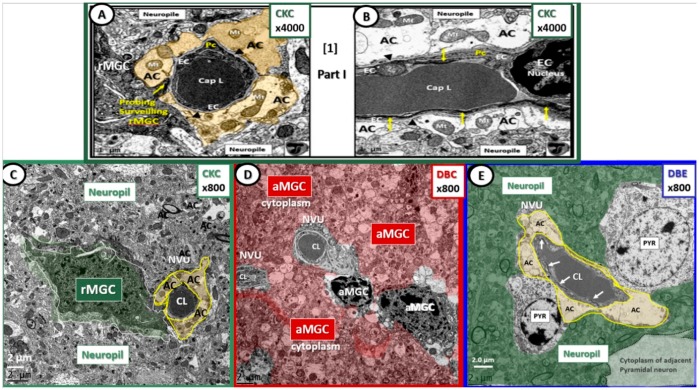
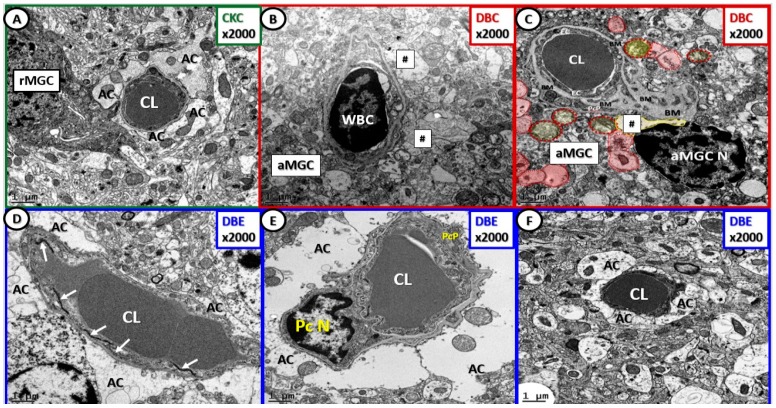
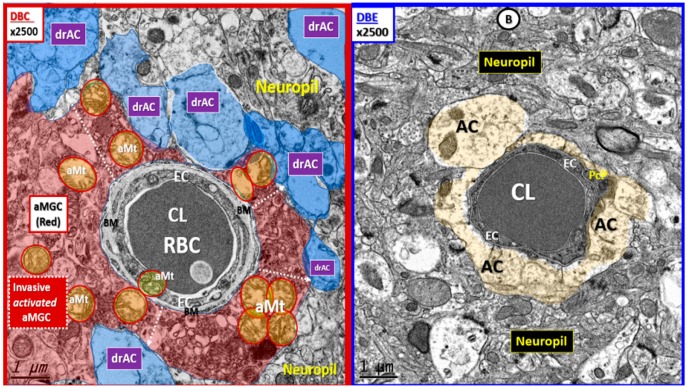
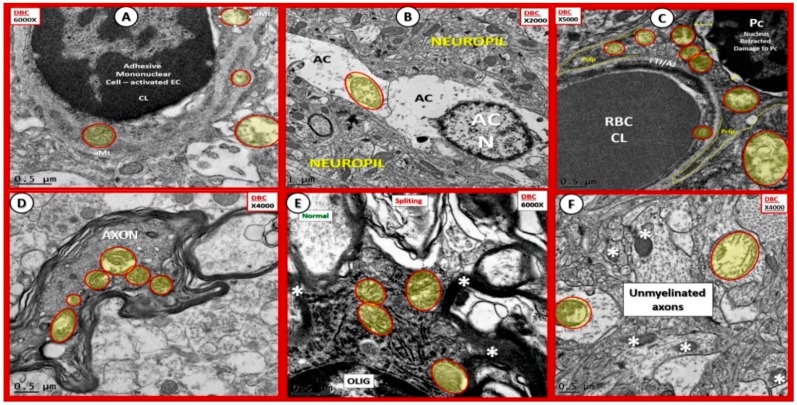
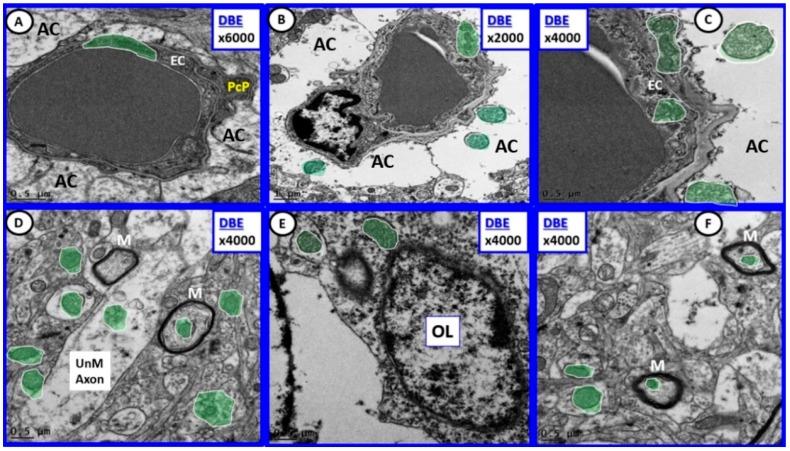
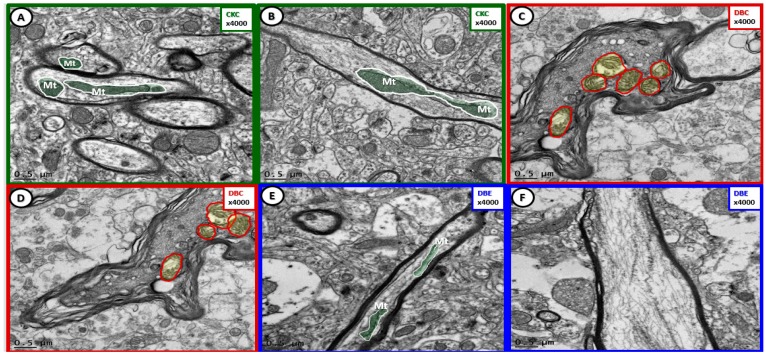
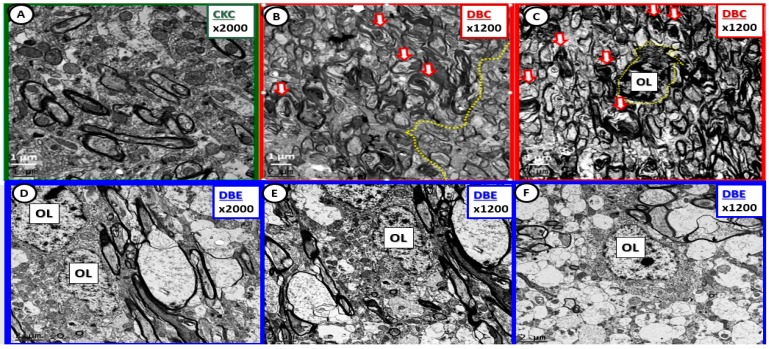
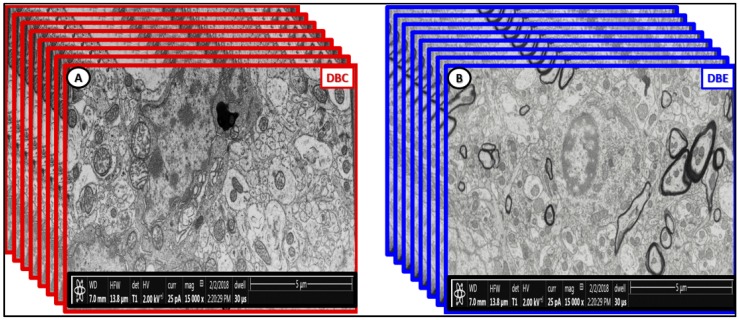
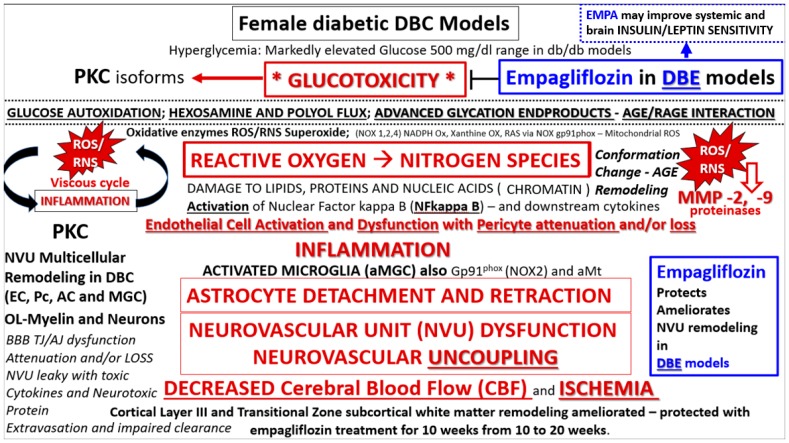
Type 2 diabetes is associated with diabetic cognopathy. Anti-hyperglycemic sodium glucose transporter 2 (SGLT2) inhibitors have shown promise in reducing cognitive impairment in mice with type 2 diabetes mellitus. We recently described marked ultrastructural (US) remodeling of the neurovascular unit (NVU) in type 2 diabetic db/db female mice. Herein, we tested whether the SGLT-2 inhibitor, empagliflozin (EMPA), protects the NVU from abnormal remodeling in cortical gray and subcortical white matter. Ten-week-old female wild-type and db/db mice were divided into lean controls (CKC, n = 3), untreated db/db (DBC, n = 3), and EMPA-treated db/db (DBE, n = 3). Empagliflozin was added to mouse chow to deliver 10 mg kg−1 day−1 and fed for ten weeks, initiated at 10 weeks of age. Brains from 20-week-old mice were immediately immersion fixed for transmission electron microscopic study. Compared to CKC, DBC exhibited US abnormalities characterized by mural endothelial cell tight and adherens junction attenuation and/or loss, pericyte attenuation and/or loss, basement membrane thickening, glia astrocyte activation with detachment and retraction from mural cells, microglia cell activation with aberrant mitochondria, and oligodendrocyte–myelin splitting, disarray, and axonal collapse. We conclude that these abnormalities in the NVU were prevented in DBE. Empagliflozin may provide neuroprotection in the diabetic brain.
Overview
The claims and statistics of this paper haven’t been checked yet.
Free: it reads the open-access text and checks the first 5 claims that cite a source we can check. Create a free account to check every claim.
Integrity signals
Registry
Cites
Statistics
Figures
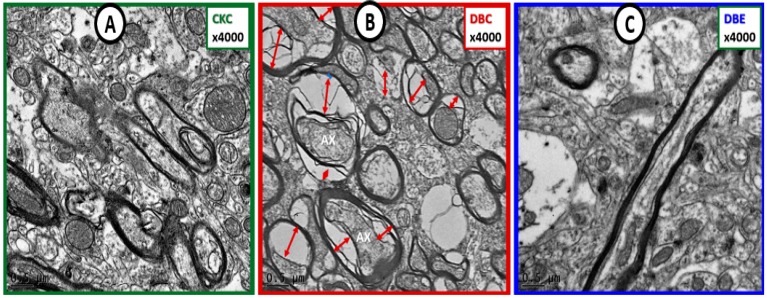
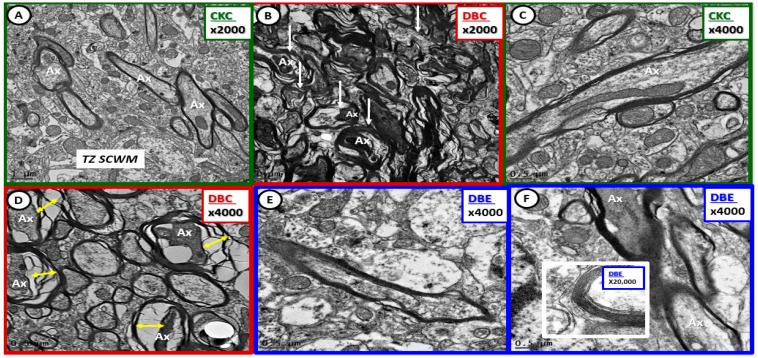
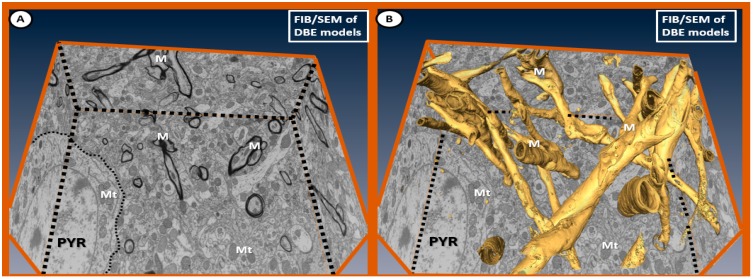
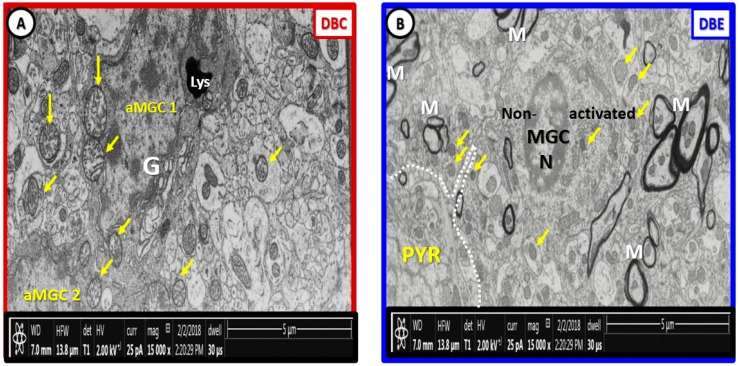
Verification
Claims the paper makes
The claims and statistics of this paper haven’t been checked yet.
Free: it reads the open-access text and checks the first 5 claims that cite a source we can check. Create a free account to check every claim.
Claims other papers make about this one
Each is checked against this paper’s own text: does it say what the citing paper says it does?
In the citing paper
“In a mouse model of T2DM, empagliflozin exerted a neuroprotective effect on neurovascular remodeling [49].”
From Neuroprotective effect of SGLT2 inhibitors. (2021) · cites this paper as [49]
In the citing paper
“In a mouse model of T2DM, empagliflozin had a protective effect, involving remodeling prevention on the neurovascular unit, the blood-brain barrier, pericytes, astrocytes, microglia, and oligodendrocytes [49].”
From Neuroprotective effect of SGLT2 inhibitors. (2021) · cites this paper as [49]
Self-check
Percentages, sums and reported differences re-computed from the paper’s own numbers.
The self-check needs the paper’s full text.
Citations
Cites
The Pathobiology of Diabetic Complications
Brownlee, M. (2005) · Diabetes · doi:10.2337/diabetes.54.6.1615 · Cited by 5,339 · cited 1×
“The resulting glucotoxic state in female diabetic db/db mice promotes oxidative/nitrosative stress and chronic inflammation, which is associated with multiple diabetic microvascular end-organ complications [8,20,21].”
BackgroundHearing loss and cognitive decline in older adults
Lin, F. R., Yaffe, K., Xia, J., Xue, Q.-L., Harris, T. B., Purchase-Helzner, E., Satterfield, S., Ayonayon, H. N., Ferrucci, L., Simonsick, E. M., et al. (2013) · JAMA Internal Medicine · doi:10.1001/jamainternmed.2013.1868 · Cited by 4,017
Diabetes mellitus and the risk of dementia: The Rotterdam Study
Ott, A., Stolk, R. P., van Harskamp, F., Pols, H. A. P., Hofman, A., & Breteler, M. M. B. (1999) · Neurology · doi:10.1212/wnl.53.9.1937 · Cited by 2,175
Type 2 Diabetes, APOE Gene, and the Risk for Dementia and Related Pathologies
Peila, R., Rodriguez, B. L., & Launer, L. J. (2002) · Diabetes · doi:10.2337/diabetes.51.4.1256 · Cited by 1,207
Molecular Understanding of Hyperglycemia's Adverse Effects for Diabetic Complications
Sheetz, M. J. (2002) · JAMA · doi:10.1001/jama.288.20.2579 · Cited by 1,002 · cited 1×
“The resulting glucotoxic state in female diabetic db/db mice promotes oxidative/nitrosative stress and chronic inflammation, which is associated with multiple diabetic microvascular end-organ complications [8,20,21].”
BackgroundRisk of Dementia among Persons with Diabetes Mellitus: A Population-based Cohort Study
Leibson, C. L., Rocca, W. A., Hanson, V. A., Cha, R., Kokmen, E., O'Brien, P. C., & Palumbo, P. J. (1997) · American Journal of Epidemiology · doi:10.1093/oxfordjournals.aje.a009106 · Cited by 700
Stranahan, A. M., Arumugam, T. V., Cutler, R. G., Lee, K., Egan, J. M., & Mattson, M. P. (2008) · Nature Neuroscience · doi:10.1038/nn2055 · Cited by 611
Impairment of long-term potentiation and spatial memory in leptin receptor-deficient rodents
Li, X.-L., Aou, S., Oomura, Y., Hori, N., Fukunaga, K., & Hori, T. (2002) · Neuroscience · doi:10.1016/s0306-4522(02)00162-8 · Cited by 440
Lin, B., Koibuchi, N., Hasegawa, Y., Sueta, D., Toyama, K., Uekawa, K., Ma, M., Nakagawa, T., Kusaka, H., & Kim-Mitsuyama, S. (2014) · Cardiovascular Diabetology · doi:10.1186/s12933-014-0148-1 · Cited by 423 · cited 6×
“Glucotoxicity is considered a central mechanism contributing to brain injury involving the microvascular NVU and its composite mural and neuroglia cells [8].”
InfluentialThe Translational Significance of the Neurovascular Unit
McConnell, H. L., Kersch, C. N., Woltjer, R. L., & Neuwelt, E. A. (2017) · Journal of Biological Chemistry · doi:10.1074/jbc.r116.760215 · Cited by 314
Research works printed but not linked: 1
- Hayden M.R. Grant D.G. Aroor A.R. DeMarco V.G. Ultrastructural Remodeling of The Neurovascular Unit in The Female Diabetic db/db Model—Part III: Oligodendrocyte and Myelin Neuroglia 2018 1 311 326 10.3390/neuroglia1020021 · DOI
Cited by
Neuroprotective effect of SGLT2 inhibitors.
Pawlos, A., Broncel, M., Woźniak, E., & Gorzelak-Pabiś, P. (2021) · Molecules · doi:10.3390/molecules26237213 · Cited by 304
“In a mouse model of T2DM, empagliflozin had a protective effect, involving remodeling prevention on the neurovascular unit, the blood-brain barrier, pericytes, astrocytes, microglia, and oligodendrocytes [49].”
BackgroundShao, Q., Meng, L., Lee, S., Tse, G., Gong, M., Zhang, Z., Zhao, J., Zhao, Y., Li, G., & Liu, T. (2019) · Cardiovascular Diabetology · doi:10.1186/s12933-019-0964-4 · Cited by 293
Hierro-Bujalance, C., Infante-Garcia, C., del Marco, A., Herrera, M., Carranza-Naval, M. J., Suarez, J., Alves-Martinez, P., Lubian-Lopez, S., & Garcia-Alloza, M. (2020) · Alzheimer's Research & Therapy · doi:10.1186/s13195-020-00607-4 · Cited by 181
“However, our observations are in accordance with other studies showing that EMP may reduce oxidative stress, astrocyte activation, and inflammation in diabetic models [18, 38].”
ResultHayden, M. R. (2023) · Medicina · doi:10.3390/medicina59030561 · Cited by 167
Self-citationAmin, E. F., Rifaai, R. A., & Abdellatif, R. (2020) · Fundamental and Clinical Pharmacology · doi:10.1111/fcp.12548 · Cited by 119
Wiciński, M., Wódkiewicz, E., Górski, K., Walczak, M., & Malinowski, B. (2020) · Pharmaceuticals · doi:10.3390/ph13110379 · Cited by 110
“SGLT2 inhibition utilizing EMP prevented NVU’s cell and myelin US remodeling consisting of attenuation or loss of EC tight and adherent junctions of the BBB and various aberration including ECs and cortical matter [61].”
BackgroundMethodVargas-Soria, M., García-Alloza, M., & Corraliza-Gómez, M. (2023) · Journal of Neuroinflammation · doi:10.1186/s12974-023-02740-x · Cited by 104
“These infiltrating microglia have an increased number of aberrant mitochondria, which might be responsible for their increased ROS production [224], and their somas have a shorter distance to the nearest microvessels compared to WT mice, which suggests hyperglycemia-induced, microglia-mediated vascular inflammation [2…”
BackgroundDong, M., Wen, S., & Zhou, L. (2022) · Diabetes, Metabolic Syndrome and Obesity: Targets and Therapy · doi:10.2147/dmso.s375559 · Cited by 90
“a recent study, EMPA was shown to traverse the damaged BBB and to improve ultrastructural remodeling of the neurovascular unit (NVU) and neuroglia in female diabetic mice.(87) Entesar et al also confirmed that EMPA exerted neuroprotective effects in hyperglycemic rats.”
ResultHayden, M. R. (2019) · Brain Sciences · doi:10.3390/brainsci9100262 · Cited by 102
“As a result of our findings regarding the AC detachment and adhesion of platelets, RBCs and leukocytes in the diabetic db/db models we can now demonstrate at least two morphological ultrastructural changes in the db/db diabetic model that could interfere with CBF that appear to be protected with empagliflozin [8].”
BackgroundMethodInfluentialSelf-citationMei, J., Li, Y., Niu, L., Liang, R., Tang, M., Cai, Q., Xu, J., Zhang, D., Yin, X., Liu, X., et al. (2024) · Translational Neurodegeneration · doi:10.1186/s40035-024-00431-y · Cited by 99
Motawi, T. K., Al-Kady, R. H., Abdelraouf, S. M., & Senousy, M. A. (2022) · Chemico-Biological Interactions · doi:10.1016/j.cbi.2022.110002 · Cited by 88
Anti-Inflammatory Properties of the SGLT2 Inhibitor Empagliflozin in Activated Primary Microglia
Heimke, M., Lenz, F., Rickert, U., Lucius, R., & Cossais, F. (2022) · Cells · doi:10.3390/cells11193107 · Cited by 78
“Recent studies have demonstrated potential cerebral anti-oxidative [18,66], vascular [17] and blood–brain barrier protective [67], as well as neuroprotective [18,66], properties of empagliflozin [16,68].”
BackgroundShin, A., Koo, B. K., Lee, J. Y., & Kang, E. H. (2024) · BMJ · doi:10.1136/bmj-2024-079475 · Cited by 69
“13 36-38 According to previous studies on metformin monotherapy versus no treatment, metformin was not associated with incident dementia.”
Lin, K.-J., Wang, T., Chen, S., Lin, K.-L., Liou, C., Lan, M., Chuang, Y., Chuang, J., Wang, P., Lee, J., et al. (2021) · Antioxidants · doi:10.3390/antiox10121935 · Cited by 66
Potential Therapeutic Effects of Sodium Glucose-linked Cotransporter 2 Inhibitors in Stroke
Hamed, F. A. A., & Elewa, H. F. (2020) · Clinical Therapeutics · doi:10.1016/j.clinthera.2020.09.008 · Cited by 64
Low, S., Goh, K. S., Ng, T. P., Moh, A., Ang, S. F., Wang, J., Ang, K., Tang, W. E., Lim, Z., Subramaniam, T., et al. (2022) · Journal of Alzheimer's Disease · doi:10.3233/jad-215678 · Cited by 46
“Beyond this established mechanism of action, however, recent studies on db/db or high-fat diet-fed mice have shown tantalizingly results on the direct positive effect of SGLT2ioncognition[2,12,18].”
InfluentialPark, H. J., Han, H., Oh, E.-Y., Kim, S., Park, K. H., Lee, J., & Park, J. (2019) · Scientific Reports · doi:10.1038/s41598-019-51648-1 · Cited by 53
The gut microbiota‐astrocyte axis: Implications for type 2 diabetic cognitive dysfunction
Li, Z.-H., Jiang, Y., Long, C., Peng, Q., & Yue, R. (2023) · CNS Neuroscience & Therapeutics · doi:10.1111/cns.14077 · Cited by 43
Hayden, M. R., & Banks, W. A. (2021) · International Journal of Molecular Sciences · doi:10.3390/ijms22115427 · Cited by 44
“Oligodendrocyte and neuronal axon myelin were markedly remodeled in the obese diabetic db/db models [42].”
BackgroundSelf-citationKatsenos, A. P., Davri, A. S., Simos, Y. V., Nikas, I. P., Bekiari, C., Paschou, S. A., Peschos, D., Konitsiotis, S., Vezyraki, P., & Tsamis, K. I. (2022) · Expert Opinion on Investigational Drugs · doi:10.1080/13543784.2022.2022122 · Cited by 40
Vascular Dementia: From Pathophysiology to Therapeutic Frontiers
Yang, H. (2025) · Journal of Clinical Medicine · doi:10.3390/jcm14186611 · Cited by 52
“Preclinical studies demonstrate that SGLT2 inhibitors can decrease senescent cell numbers through their activation of AMPK and inhibition of mTOR signaling pathways [144].”
Infante‐Garcia, C., & García-Alloza, M. (2019) · International Journal of Molecular Sciences · doi:10.3390/ijms20102533 · Cited by 45
“In addition, preclinical studies in diabetes animal models have shown exacerbated neurovascular damage, and ultrastructural abnormalities, characterized by mural endothelial cell tight and adherens junction or perycite attenuation or loss [54].”
BackgroundLi, R., Wang, B., Wu, C., Li, D., Wu, Y., Ye, L., Ye, L., Chen, X., Li, P., Yuan, Y., et al. (2021) · Cell Death and Disease · doi:10.1038/s41419-021-03407-2 · Cited by 41
Hanaguri, J., Yokota, H., Kushiyama, A., Kushiyama, S., Watanabe, M., Yamagami, S., & Nagaoka, T. (2022) · International Journal of Molecular Sciences · doi:10.3390/ijms23031362 · Cited by 38
“In the diabetic brain, the SGLT2i empagliflozin prevented glial activation in the neurovascular unit, suggesting that empagliflozin may provide neuroprotection in the diabetic brain via the protection of glial cells [26].”
BackgroundSodium-glucose cotransporter 2 inhibitors and neurological disorders: a scoping review
Tharmaraja, T., Ho, J. S. Y., Sia, C., Lim, N.-A., Chong, Y. F. V., Lim, A. Y. L., Rathakrishnan, R., Yeo, L. L. L., Sharma, V. K., & Tan, B. Y. (2022) · Therapeutic Advances in Chronic Disease · doi:10.1177/20406223221086996 · Cited by 42
Lardaro, A., Quarta, L., Pagnotta, S., Sodero, G., Mariani, S., Ben, M. D., Desideri, G., Ettorre, E., & Baratta, F. (2024) · Biomedicines · doi:10.3390/biomedicines12081750 · Cited by 39
“Moreover, the use of SGLT2i counteracts the aberrant neuronal remodeling consequent to glucotoxicity [43], promotes immature neurons generation and increases synaptic density [41].”
BackgroundHong, B., Bea, S., Ko, H. Y., Kim, W. J., Cho, Y. M., & Shin, J.-Y. (2024) · Annals of Internal Medicine · doi:10.7326/m23-3220 · Cited by 33
Repurposing SGLT2 Inhibitors for Neurological Disorders: A Focus on the Autism Spectrum Disorder
Nakhal, M. M., Aburuz, S., Sadek, B. S., & Akour, A. A. (2022) · Molecules · doi:10.3390/molecules27217174 · Cited by 33
“Anti-inflammatory Not applicable Yes [16] Yes [17] Yes [18] No [19] Oxidative stress inhibition Yes [20] Yes [21] Yes [22] Yes [23] Yes [24] Nervous system remodeling Not applicable Not applicable Not applicable Yes [25] Not applicable mTOR signaling reduction Not applicable Yes [26] Yes [26] Yes [27] Yes [28]”
Hayden, M. R., & Tyagi, S. (2021) · Medicina · doi:10.3390/medicina58010016 · Cited by 40
Self-citationMancinetti, F., Xenos, D., Fano, M. D., Mazzieri, A., Porcellati, F., Boccardi, V., & Mecocci, P. (2023) · Ageing Research Reviews · doi:10.1016/j.arr.2023.102018 · Cited by 37
Söderbom, G., & Zeng, B. (2020) · International review of neurobiology · doi:10.1016/bs.irn.2020.03.023 · Cited by 35
Hayden, M. R. (2022) · International Journal of Molecular Sciences · doi:10.3390/ijms23094820 · Cited by 34
“However, when thoracic aorta stiffening develops as in the hypertensive Ren2 and diabetic db/db preclinical models this protective elastic cushioning is diminished and/or lost, and these microvessels will respond to this injury in a response to injury wound healing response, which results in dysfunction and damage to…”
BackgroundSelf-citationyanchen, L., Cheng, X., & Dong, Q. (2024) · Cardiovascular Diabetology · doi:10.1186/s12933-024-02255-6 · Cited by 31
“The NVU’s cell and myelin ultra-structural remodeling, including endothelial cells (ECs) and cortical matter aberration as well as the attenuation or loss of EC tight and adherent junctions of the BBB, could be avoided by suppressing SGLT2 expression with empagliflozin (EMP) [53].”
BackgroundHayden, M. R. (2024) · Biomedicines · doi:10.3390/biomedicines12071463 · Cited by 36
“…though these NVU-imaged capillaries appeared to be intact without observable disruption, one cannot deny the escape or extrusion of their luminal electron-dense and homogeneous contents and RBCs to reside freely within the interstitial spaces of the adjacent neuropil (Figures 9–11) [13,15,83,84].”
BackgroundInfluentialSelf-citationCrosstalk between Alzheimer’s disease and diabetes: a focus on anti-diabetic drugs
Goodarzi, G., Tehrani, S. S., Fana, S. E., Moradi‐Sardareh, H., Panahi, G., Maniati, M., & Meshkani, R. (2023) · Metabolic Brain Disease · doi:10.1007/s11011-023-01225-3 · Cited by 30
He, Z., & Sun, J. (2024) · Neurobiology of Disease · doi:10.1016/j.nbd.2024.106772 · Cited by 35
Barloese, M. C. J., Bauer, C., Petersen, E. T., Hansen, C. S., Madsbad, S., & Siebner, H. R. (2022) · Frontiers in Endocrinology · doi:10.3389/fendo.2022.874007 · Cited by 38
“The neurovascular unit (NVU) consists of a set of cells that intimately interact to enable a temporal and spatial NVC and secures that local blood supply is rapidly aligned to moment-tomoment changes in regional neural activity and associated fluctuations in metabolic demand and waste production (45).”
BackgroundPiątkowska‐Chmiel, I., Herbet, M., Gawrońska‐Grzywacz, M., Pawłowski, K., Ostrowska-Leśko, M., & Dudka, J. (2023) · Psychopharmacology · doi:10.1007/s00213-023-06341-7 · Cited by 36
Gunawan, P. Y., Gunawan, P. A., & Hariyanto, T. I. (2024) · Diabetes Therapy · doi:10.1007/s13300-024-01538-1 · Cited by 32
Jiang, X. J., Li, J., Yao, X., Ding, H., Gu, A., & Zhou, Z. (2024) · Frontiers in Pharmacology · doi:10.3389/fphar.2024.1361651 · Cited by 32
The SGLT2 inhibitor Empagliflozin promotes post-stroke functional recovery in diabetic mice
Vercalsteren, E., Karampatsi, D., Buizza, C., Nyström, T., Klein, T., Paul, G., Patrone, C., & Darsalia, V. (2024) · Cardiovascular Diabetology · doi:10.1186/s12933-024-02174-6 · Cited by 25
“Indeed, SGLT2i improve remodeling of the neurovascular unit in T2D [88] and stroke [29].”
BackgroundAbdelsalam, R. M., Hamam, H. W., Eissa, N. M., El-Sahar, A. E., & Essam, R. M. (2024) · Molecular Neurobiology · doi:10.1007/s12035-024-04499-5 · Cited by 22
Hayden, M. R. (2019) · Brain Sciences · doi:10.3390/brainsci9040083 · Cited by 21
Self-citationYaribeygi, H., Hemmati, M. A., Nasimi, F. S., Pakdel, R., Jamialahmadi, T., & Sahebkar, A. (2023) · Behavioural Brain Research · doi:10.1016/j.bbr.2023.114830 · Cited by 27
Cozza, A., Chinigò, C., Filicetti, E., Greco, G. I., Lappano, R., Marinaro, C., Muglia, L., Soraci, L., Corsonello, A., Lattanzio, F., et al. (2025) · Ageing Research Reviews · doi:10.1016/j.arr.2025.102834 · Cited by 20
Liu, Y., Chen, D., Smith, A., Ye, Q., Gao, Y., & Zhang, W. (2021) · Journal of Cerebral Blood Flow & Metabolism · doi:10.1177/0271678x211006596 · Cited by 22
“The invasion of microglia cell to neurovascular unit (NVU) was observed in diabetic brain.47 The elongated cytoplasmic processes from ramified microglia are typically slide in between the intact astrocytes, surveilling damage signals in NVU.47 In T2DM, chronic inflammation has been characterized with increased blood c…”
BackgroundInfluentialThe Role of the Adrenal–Gut–Brain Axis on Comorbid Depressive Disorder Development in Diabetes
Mázala-de-Oliveira, T., da Silva, B. P. B., Campello‐Costa, P., & Carvalho, V. F. (2023) · Biomolecules · doi:10.3390/biom13101504 · Cited by 20
Tolédano, A., Rodríguez‐Casado, A., Álvarez, M., & Toledano‐Díaz, A. (2024) · Brain Sciences · doi:10.3390/brainsci14111101 · Cited by 21
Amer, R. M., Eltokhy, A. K., El‐Esawy, R. O., Barakat, A. N., Basha, E., El‐Deeb, O. S., Aboalsoud, A., Elgharabawy, N. M., & Ismail, R. (2022) · Molecules · doi:10.3390/molecules27123659 · Cited by 20
“[43], who proved the protective effect of empagliflozin against glucotoxicity induced in the brain of diabetic mice.”
BackgroundYang, Y. H., Zhou, Y., Wang, Y., Wei, X., Wang, T., & Ma, A. (2020) · Molecular and Cellular Probes · doi:10.1016/j.mcp.2020.101527 · Cited by 17
Empagliflozin reduces brain pathology in Alzheimer’s disease and type 2 diabetes
Hierro‐Bujalance, C., & García-Alloza, M. (2023) · Neural Regeneration Research · doi:10.4103/1673-5374.385865 · Cited by 18
“Likewise, microglia activation is reduced in db/ db mice (Hayden et al., 2019; Hierro-Bujalance et al., 2020) and, interestingly, long-term EMP treatment successfully reduces microglia burden in areas with no plaques when APP/PS1 and APP/ PS1xdb/db mice are analyzed (Hierro-Bujalance et al., 2020),…”
InfluentialAcetyl-CoA carboxylase activation disrupts iron homeostasis to drive ferroptosis
Han, Z., Han, S., Fang, X., Lu, M., Mao, Y., Shi, L., Song, J., Wang, T., Xiao, J., Xiang, L., et al. (2025) · Free Radical Biology and Medicine · doi:10.1016/j.freeradbiomed.2025.05.421 · Cited by 15
Sodium-Glucose Cotransporter 2 (SGLT2) Inhibitors: Harms or Unexpected Benefits?
Andreea, M. M., Surabhi, S., Popescu, R.-I., Ciobotaru, L. M., Nicolae, C., Emil, T., & Tiberiu, N. I. (2023) · Medicina · doi:10.3390/medicina59040742 · Cited by 19
“Empagliflozin demonstrated a neuroprotective impact on neurovascular remodeling in a mouse model of T2DM [41].”
BackgroundCo-expression network analysis of frontal cortex during the progression of Alzheimer’s disease
Beck, J. S., Madaj, Z., Cheema, C. T., Kara, B., Bennett, D. A., Schneider, J. A., Gordon, M. N., Ginsberg, S. D., Mufson, E. J., & Counts, S. (2022) · Cerebral Cortex · doi:10.1093/cercor/bhac001 · Cited by 12
Davri, A. S., Katsenos, A. P., Tulyaganova, G. K., Tzavellas, N. P., Simos, Y. V., Kanellos, F. S., Konitsiotis, S., Dounousi, E. C., Niaka, K., Bellou, S., et al. (2024) · Metabolic Brain Disease · doi:10.1007/s11011-024-01478-6 · Cited by 14
“…co-transporter 2 inhibitors (SGLT2i) have demonstrated their potential neuroprotective role in several studies (Lin et al. 2014; Millar et al. 2017; Hayden et al. 2019; Hierro-Bujalance et al. 2020; Abdel-latif et al. 2020; Katsenos et al. 2022; Michailidis et al. 2022; Zhao et al. 2022).”
InfluentialDapagliflozin Improves High‐Fat Diet‐Induced Cognitive Impairment in Female Mice
Chen, X., Fan, M., Xiao, Z., & Xiong, X. (2025) · Brain and Behavior · doi:10.1002/brb3.70361 · Cited by 13
“Although SGLT2is have been demonstrated to have beneficial effects on neurodegenerative diseases in rodent models (Hayden et al. 2019; Hierro-Bujalance et al. 2020; Ibrahim et al. 2022; Khan et al. 2021; Rizzo et al. 2022), their role in the hippocampus of…”
Chen, X., Huang, L., Cui, L., Xiao, Z., Xiong, X., & Chen, C. (2022) · The Journal of Physiology · doi:10.1113/jp283259 · Cited by 14
“…by evidence that SGLT2 inhibitors have neuroprotective properties in patients and animals with T2D, such as improving impaired cognitive function (Hayden et al., 2019; Hierro-Bujalance et al., 2020; Lin et al., 2014), and have further applications in many neurodegenerative diseases such as AD,…”
Translational research on cognitive impairment in chronic kidney disease
Wagner, C. A., Massy, Z. A., Capasso, G., Mattace-Raso, F., Pépin, M., Bobot, M., Zoccali, C., Ferreira, A. C., Hoorn, E. J., Silva, P. H. I., et al. (2024) · Nephrology Dialysis Transplantation · doi:10.1093/ndt/gfae229 · Cited by 16
Pan, J., Yang, H., Lu, J., Chen, L., Wen, T., Zhao, S., & Shi, L. (2025) · Neuroendocrinology · doi:10.1159/000543533 · Cited by 11
“SGLT2 inhibitors, a novel class of antidiabetic drugs [29], have demonstrated potential neuroprotective effects in multiple studies [30, 31], leading to a reduced risk of cognitive impairment and dementia.”
Song, K., Choi, J., Jeong, D., Shin, D., Ah, Y., Lee, K., & Choi, K. H. (2025) · Frontiers in Endocrinology · doi:10.3389/fendo.2025.1695075 · Cited by 15
Targeting Neurodegeneration with SGLT2is: From Molecular Mechanisms to Clinical Implications
Asadinejad, H., Taherkhani, S., Golboos, S. M., Azizi, Y., & Mohammadkhanizadeh, A. (2025) · Molecular Neurobiology · doi:10.1007/s12035-025-05457-5 · Cited by 11
Liu, T., Lin, Y., Yu, T., Wu, J., & Lai, C. (2025) · Diabetes Research and Clinical Practice · doi:10.1016/j.diabres.2025.112197 · Cited by 11
The Mechanism and Treatment of Cognitive Dysfunction in Diabetes: A Review
Hou, Y., Chen, Z., Cheng, J., Li, G., Yin, L., & Gao, J. (2024) · Experimental and Clinical Endocrinology & Diabetes · doi:10.1055/a-2480-7826 · Cited by 11
“SGLT2 inhibitors are relatively new hypoglycemic agents with anti-inflammatory properties that increase macrophage polarization, inhibit NLRP3 inflammasome activation [84], and ameliorate cog - nitive dysfunction [85].”
Zhang, Y., Liao, X., Xu, J., Yin, J., Li, S., Li, M., Shi, X., Zhang, S., Li, C., Xu, W., et al. (2024) · Biomedicines · doi:10.3390/biomedicines12122783 · Cited by 7
Zhang, S., Wang, F., Xie, L., Xu, J., Song, X., Tao, J., Chen, J., Ma, D., Yu, X., Shi, X., et al. (2024) · Journal of Diabetes Investigation · doi:10.1111/jdi.14306 · Cited by 8
“Animal studies showed that empagli fl ozin ameliorated cognitive decline by reducing cerebral oxidative stress, elevating cerebral brain-derived neurotrophic factor and conferring bene fi cial effects on the neurovascular unit 14,15 .”
Cognitive Benefits of Sodium-Glucose Co-Transporters-2 Inhibitors in the Diabetic Milieu
Yaribeygi, H., Maleki, M., Sathyapalan, T., Rizzo, M., & Sahebkar, A. (2023) · Current Medicinal Chemistry · doi:10.2174/0929867330666230202163513 · Cited by 10
Counts, S., Beck, J. S., Maloney, B., Malek‐Ahmadi, M. H., Ginsberg, S. D., Mufson, E. J., & Lahiri, D. K. (2025) · Alzheimer s & Dementia · doi:10.1002/alz.70019 · Cited by 7
Taguchi, Y., & Turki, T. (2020) · Frontiers in Genetics · doi:10.3389/fgene.2020.00695 · Cited by 6
d’Avila, J. C., Carlos, A. S., Vieira, R. L., Vergueiro, C., Lima, A. T., Silva, I. D. S., de Figueiredo, V. C., Chateaubriand, P. H., Moreno, A. M., Castro-Faria-Neto, H. C., et al. (2023) · Microcirculation · doi:10.1111/micc.12825 · Cited by 8
Hayden, M. R. (2019) · Adipobiology · doi:10.14748/adipo.v10.6539 · Cited by 8
“Empagliflozin treatment protected the BAT from differentiating to WAT and we know at least one of the mechanisms was by lowering the toxicities of hyperglycemia from a mean of 500 mg/dL range of glucose to a mean of around 200 mg/dL in the DBE as compared to the mean of 100 mg/dL in the CKC (16, 31).”
BackgroundMethodInfluentialSelf-citationArreguín-Cano, J. A., Santana-Delgado, S. A., Villegas‐Mercado, C. E., Orozco-Molina, G. G., Gonzalez-Acosta, A., & Bermúdez, M. (2026) · Frontiers in Clinical Diabetes and Healthcare · doi:10.3389/fcdhc.2026.1791782 · Cited by 7
Hendy, M. S., Mowaka, S., Elkady, E. F., El‐Zaher, A. A., & Ayoub, B. M. (2023) · Journal of Separation Science · doi:10.1002/jssc.202200921 · Cited by 5
Hayden, M. R. (2022) · Neuroglia · doi:10.3390/neuroglia3040008 · Cited by 4
“Importantly, both injury and disease including obesity and T2DM result in an evolutionarily conserved program, which plays an important role in the protection and the repair due to a response to injury CNS wound healing mechanism [20,37,38,62,128] with induction of both aMGCs and rACs.”
BackgroundSelf-citationTekin, B. G., & Pektaş, E. (2024) · Irish Journal of Medical Science (1971 -) · doi:10.1007/s11845-024-03638-0 · Cited by 3
Isawi, I. H., Al‐Sawalha, N. A., Mahmoud, F., Al-Khawaldeh, I., & Alzoubi, K. H. (2026) · Journal of Experimental Pharmacology · doi:10.2147/jep.s561692 · Cited by 2
BDNF Levels and Cognitive Function in Patients with Type 2 Diabetes Treated with SGLT2 Inhibitors
Şekerci, B. S., Demirhan, Ş., ÇALIŞICI, E., & Şekerci, A. (2025) · Bezmialem Science · doi:10.14235/bas.galenos.2024.38268 · Cited by 2
“In several animal studies with empagliflozin, inflammatory mediators and oxidative stress decreased, BDNF levels increased, cognitive functions improved and neuroprotective effects were found (16-18).”
El-Mezayen, N. S., Noah, A. A., & El-Ganainy, S. O. (2025) · European Journal of Pharmaceutical Sciences · doi:10.1016/j.ejps.2025.107251 · Cited by 3
Taguchi, Y.-H., & Turki, T. (2020) · bioRxiv (Cold Spring Harbor Laboratory) · doi:10.1101/2020.03.08.982405 · Cited by 1
Enache, I. I., Manea, M. M., Tuță, S., & Sîrbu, C. A. (2025) · Clinical Neurology and Neurosurgery · doi:10.1016/j.clineuro.2025.108981 · Cited by 2
Wahba, A. S., Mohamad, H. E., Abo–Elmatty, D. M., Mesbah, N. M., Wahba, N. S., Azzazy, A. S. E., & Sakr, A. T. (2025) · Behavioural Pharmacology · doi:10.1097/fbp.0000000000000835 · Cited by 1
Huang, Y., Yu, X., & Li, C. (2025) · CNS Drugs · doi:10.1007/s40263-025-01230-3 · Cited by 1
“Following SGLT2i treatment, pericyte loss after IS can be reversed [7, 118].”
Unraveling the Genetic Links: The Impacts of Antidiabetic Drugs on Stroke Risk
Chen, J., Wang, Y., Li, L., & Xu, J. (2025) · Reviews in Cardiovascular Medicine · doi:10.31083/rcm40051 · Cited by 1
“Specifically, empagliflozin was shown to mitigate the ultrastructural remodeling of the neurovascular unit and neuroglia induced by T2D, including the attenuation or loss of endothelial tight and adherens junctions within the blood‒brain barrier [51].”
Contemporary prospects for the use of sodium-glucose cotransporter-2 inhibitors
Kondratieva, A. R., Khazova, E. A., Lobanova, A. V., Sorokina, Y. А., Mosinа, A. A., & Занозина, О. В. (2024) · Perm Medical Journal · doi:10.17816/pmj41692-108 · Cited by 1
Александровна, П. В., Сысоев, Ю. И., Poveryaeva, M. A., Bunyat, A. V., Karev, V. E., Ивкин, Д. Ю., Суханов, Д. С., Шустов, Е. Б., & Оковитый, С. В. (2020) · Bulletin of Russian State Medical University · doi:10.24075/vrgmu.2020.034 · Cited by 9
(2020) · Вестник Российского государственного медицинского университета · doi:10.24075/brsmu.2020-03
Pericytes, a cell type contributing to autoimmunity and immune tolerance
Botía-Sánchez, M., Molina, M. L., Aparício, P., & Valdor, R. (2023) · Elsevier eBooks · doi:10.1016/b978-0-323-85841-0.00004-3
Low, S. K. M. (2022) · DR-NTU (Nanyang Technological University) · doi:10.32657/10356/171362
Pleiotropic Effects of Renal Disease Management: Role of SGLT2 Inhibitors
Calderón-Lojero, I. O., Valdez-Ortiz, R., & Sanchez-Pozos, K. A. (2025) · BENTHAM SCIENCE PUBLISHERS eBooks · doi:10.2174/9789815305692125010018
Li, Y., Xu, M., Tang, Y., Zhao, X., & Chen, M. (2026) · Current Diabetes Reviews · doi:10.2174/0115733998444053260211052025 · Cited by 1
Guo, X., Yang, T., Fang, Y., & Chen, J. (2026) · Neuropsychiatric Disease and Treatment · doi:10.2147/ndt.s599108 · Cited by 1
“156 Empagliflozin has been shown to ameliorate microvascular damage and NVU remodeling caused by diabetes 157 and also enhance endothelial cell function through various mechanisms, thus hindering the progression of atherosclerotic disease.”
Irisin upregulation as a contributory mechanism for the therapeutic benefits of SGLT-2 inhibitors
Noto, N. M., Martin, K., Fidelia, S., Parmar, M. S., Cubeddu, L. X., Gurusamy, N., & Speth, R. C. (2026) · Pharmacology & Therapeutics · doi:10.1016/j.pharmthera.2026.109090
Metadata
- Authors
- Hayden, M., Grant, D., Aroor, A., & DeMarco, V.
- Affiliations
- University of Missouri (US)
- Harry S. Truman Memorial Veterans' Hospital (US)
- Corresponding author
- Hayden, Melvin
- Venue
- Brain Sciences
- Publisher
- MDPI AG
- Published
- 2019-03-07
- Volume
- 9
- Issue
- 3
- Pages
- 57
- ISSN
- 2076-3425 (ISSN-L)
- PMC
- PMC6468773
- OpenAlex
- W2918545450
- Cited by
- 93
- References
- 23
- Citations by year
- 2026: 5 · 2025: 16 · 2024: 19 · 2023: 14 · 2022: 14 · 2021: 7 · 2020: 12 · 2019: 6
- FWCI
- 4.29
- Type
- journal article
- Language
- en
- Open access
- gold
- dx.doi.org
- Licence
- Locations
- Brain Sciences (publishedVersion, cc-by)
- Europe PMC (PubMed Central) (publishedVersion, cc-by)
- PubMed Central (publishedVersion, cc-by)
- PubMed (publishedVersion)
- DOAJ (DOAJ: Directory of Open Access Journals) (submittedVersion, cc-by-sa)
- Funders
- Excellence in Electron Microscopy issued by the University of Missouri Electron Microscopy Core and Office of Research (no number)
- Topics
- Life Sciences › Neuroscience › Neurology › Barrier Structure and Function Studies
- Life Sciences › Neuroscience › Neurology › Neurological Disease Mechanisms and Treatments
- Health Sciences › Medicine › Endocrinology, Diabetes and Metabolism › Diabetes Treatment and Management
- Keywords
- empagliflozin, type 2 diabetes, neurovascular unit, SGLT2 inhibitors, db/db mice, astrocyte activation, microglial activation, pericytes, endothelial tight junctions, basement membrane thickening, neuroprotection, female mice
About these checks
Registry, retraction, Cites and statistics results are computed, not judged, with one exception: a printed reference that no index lists is read once by a model before it counts as a citation error. Claims are extracted by a model and kept only when their quote appears verbatim in the text; each cited source is then checked, with a model’s help, for whether it says what the claim relies on. Those verdicts can be wrong — read the claim’s quote and the cited source before relying on one.
Statistics and arithmetic are recomputed, not judged.
Confidence bands are shown only for fields calibrated on our annotated test set. None is calibrated yet, so no band is shown.
What counts as a claim ›How we measure confidence ›How we check this ›
Are you an author, or do you see a problem with this page? Request a review
Data sources
Bibliographic data: Semantic Scholar, OpenAlex, Crossref.
Contains information from the Semantic Scholar Academic Graph Datasets, made available under the ODC Attribution License (ODC-BY 1.0).
Semantic Scholar’s data is described in: Kinney, R., et al. (2023). The Semantic Scholar Open Data Platform. arXiv:2301.10140.
