

The Hippo Signaling Pathway in Drug Resistance in Cancer
Open accessThe DOI matches its Crossref record; 186 of the 188 references it cites were found in a registry or an index.
Abstract
Chemotherapy represents one of the most efficacious strategies to treat cancer patients, bringing advantageous changes at least temporarily even to those patients with incurable malignancies. However, most patients respond poorly after a certain number of cycles of treatment due to the development of drug resistance. Resistance to drugs administrated to cancer patients greatly limits the benefits that patients can achieve and continues to be a severe clinical difficulty. Among the mechanisms which have been uncovered to mediate anti-cancer drug resistance, the Hippo signaling pathway is gaining increasing attention due to the remarkable oncogenic activities of its components (for example, YAP and TAZ) and their druggable properties. This review will highlight current understanding of how the Hippo signaling pathway regulates anti-cancer drug resistance in tumor cells, and currently available pharmacological interventions targeting the Hippo pathway to eradicate malignant cells and potentially treat cancer patients.
Overview
The claims and statistics of this paper haven’t been checked yet.
Free: it reads the open-access text and checks the first 5 claims that cite a source we can check. Create a free account to check every claim.
Integrity signals
Registry
Cites
Statistics
Figures
Verification
Claims the paper makes
The claims and statistics of this paper haven’t been checked yet.
Free: it reads the open-access text and checks the first 5 claims that cite a source we can check. Create a free account to check every claim.
Claims other papers make about this one
Each is checked against this paper’s own text: does it say what the citing paper says it does?
The cited source says what the claim attributes to it.
In the citing paper
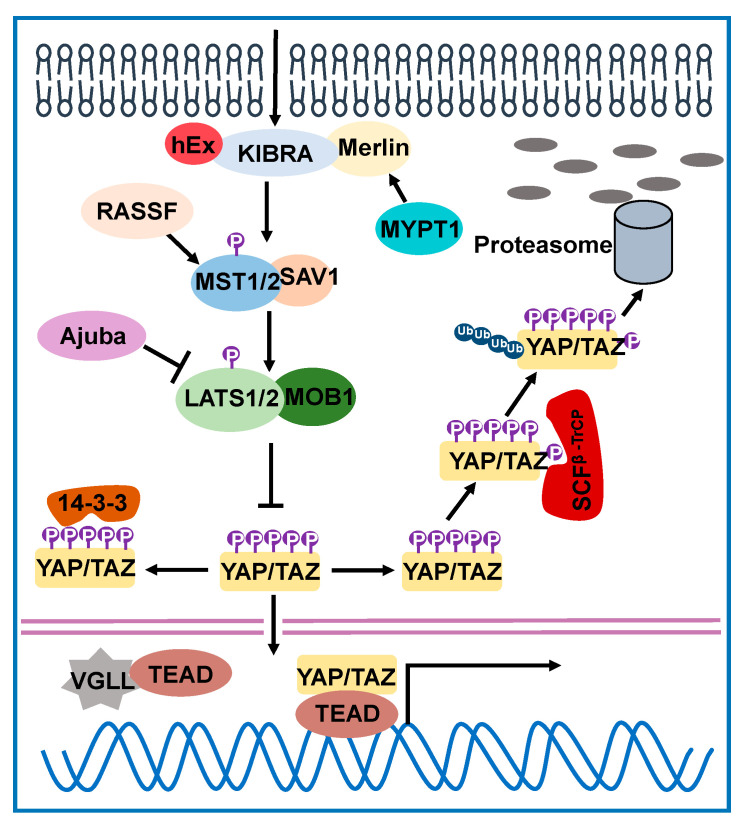
“Upon activation, YAP/TAZ bind to the TEAD family of transcriptional factors to induce the expression of genes that promote cell proliferation and inhibit apoptosis, leading to resistance to cancer therapy (Figure 1) [100].”
From Differential Response and Resistance to KRAS-Targeted Therapy (2025) · cites this paper as [100]
Self-check
Percentages, sums and reported differences re-computed from the paper’s own numbers.
The self-check needs the paper’s full text.
Citations
Cites
1 retracted
Yao, W., Zhu, S., Li, P., & Zhang, S. (2019) · Cancer Cell International · doi:10.1186/s12935-019-0812-3 · Cited by 18 · cited 2×
“gation factor 1 (MIEF1) via c-Jun N-terminal kinase (JNK) pathway, thus amplifying fatal mitochondrial stress [89].”
BackgroundRetractedHanahan, D., & Weinberg, R. A. (2000) · Cell · doi:10.1016/s0092-8674(00)81683-9 · Cited by 29,219
Siegel, R. L., Miller, K. D., & Jemal, A. (2019) · CA: A Cancer Journal for Clinicians · doi:10.3322/caac.21551 · Cited by 20,160
McDonagh, T. A., Metra, M., Adamo, M., Gardner, R. S., Baumbach, A., Böhm, M., Burri, H., Butler, J., Čelutkienė, J., Chioncel, O., et al. (2021) · European Heart Journal · doi:10.1093/eurheartj/ehab670 · Cited by 19,442
2016 ESC Guidelines for the diagnosis and treatment of acute and chronic heart failure
Ponikowski, P., Voors, A. A., Anker, S. D., Bueno, H., Cleland, J. G. F., Coats, A. J. S., Falk, V., González-Juanatey, J. R., Harjola, V.-P., Jankowska, E. A., et al. (2016) · European Heart Journal · doi:10.1093/eurheartj/ehw128 · Cited by 11,429
Cisplatin in cancer therapy: Molecular mechanisms of action
Dasari, S., & Bernard Tchounwou, P. (2014) · European Journal of Pharmacology · doi:10.1016/j.ejphar.2014.07.025 · Cited by 5,537
5-Fluorouracil: mechanisms of action and clinical strategies
Longley, D. B., Harkin, D. P., & Johnston, P. G. (2003) · Nature Reviews Cancer · doi:10.1038/nrc1074 · Cited by 5,332
Microtubules as a target for anticancer drugs
Jordan, M. A., & Wilson, L. (2004) · Nature Reviews Cancer · doi:10.1038/nrc1317 · Cited by 4,000 · cited 1×
“Disrupted mitotic spindles are not able to satisfy the spindle assembly check point, leading to mitotic arrest and eventually cell death, at least in in vitro models [50,51].”
BackgroundZhao, B., Wei, X., Li, W., Udan, R. S., Yang, Q., Kim, J., Xie, J., Ikenoue, T., Yu, J., Li, L., et al. (2007) · Genes & Development · doi:10.1101/gad.1602907 · Cited by 3,092
A view on drug resistance in cancer
Vasan, N., Baselga, J., & Hyman, D. M. (2019) · Nature · doi:10.1038/s41586-019-1730-1 · Cited by 2,770 · cited 1×
“Although combinations of multiple therapeutic agents have become the paradigm for cancer therapy as initial solutions to the resistance against single-agent treatment, drug resistance continues to be a huge obstacle [1].”
Background
Cited by
The Hippo signalling pathway and its implications in human health and diseases
Fu, M., Hu, Y., Lan, T., Guan, K.-L., Luo, T., & Luo, M. (2022) · Signal Transduction and Targeted Therapy · doi:10.1038/s41392-022-01191-9 · Cited by 742
“256 For example, YAP and TAZ overexpression or YAP nuclear translocation could decrease the ef fi cacy of cisplatin, 257 , doxorubicin, 258 5-fl uoracil 259,260 and Taxol, 261 while MST1 and LATS1/2 downregulation resulted in resistance to cisplatin 262 and 5-fl uoracil.”
BackgroundQKI shuttles internal m7G-modified transcripts into stress granules and modulates mRNA metabolism
Zhao, Z., Qing, Y., Dong, L., Han, L., Wu, D., Li, Y., Li, W., Xue, J., Zhou, K., Sun, M., et al. (2023) · Cell · doi:10.1016/j.cell.2023.05.047 · Cited by 188
Control of stem cell renewal and fate by YAP and TAZ
Driskill, J. H., & Pan, D. (2023) · Nature Reviews Molecular Cell Biology · doi:10.1038/s41580-023-00644-5 · Cited by 158
Messina, B., Sardo, F. L., Scalera, S., Memeo, L., Colarossi, C., Mare, M., Blandino, G., Ciliberto, G., Maugeri‐Saccà, M., & Bon, G. (2023) · Cell Death and Disease · doi:10.1038/s41419-023-05568-8 · Cited by 123
“As a result, the aberrant YAP/TAZ transcriptional activity was connected to invasion and distant dissemination [20–23], chemoresistance [24, 25], and maintenance/expansion of the cancer stem cell (CSCs) compartment [26–29].”
BackgroundKoltai, T., Reshkin, S. J., Carvalho, T. M. A., Molfetta, D. D., Greco, M. R., Alfarouk, K. O., & Cardone, R. A. (2022) · Cancers · doi:10.3390/cancers14102486 · Cited by 133
“found that this pathway plays a role in drug resistance [115,447].”
BackgroundTEAD Inhibition Overcomes YAP1/TAZ-Driven Primary and Acquired Resistance to KRASG12C Inhibitors
Edwards, A. C., Stalnecker, C. A., Jean Morales, A., Taylor, K. E., Klomp, J. E., Klomp, J. A., Waters, A. M., Sudhakar, N., Hallin, J., Tang, T. T., et al. (2023) · Cancer Research · doi:10.1158/0008-5472.can-23-2994 · Cited by 91
Razlansari, M., Jafarinejad, S., Rahdar, A., Shirvaliloo, M., Arshad, R., Fathi‐karkan, S., Mirinejad, S., Sargazi, S., Sheervalilou, R., Ajalli, N., et al. (2022) · Molecular and Cellular Biochemistry · doi:10.1007/s11010-022-04614-x · Cited by 63
The Role of MicroRNAs in Therapeutic Resistance of Malignant Primary Brain Tumors
Фанилевич, Г. И., Beylerli, O., Liang, Y., Xiang, H., Liu, C., Xu, X., Yuan, C., Ahmad, A., & Yang, G. (2021) · Frontiers in Cell and Developmental Biology · doi:10.3389/fcell.2021.740303 · Cited by 55
The regulatory networks of the Hippo signaling pathway in cancer development
Wang, M., Dai, M., Wang, D., Xiong, W., Zeng, Z., & Guo, C. J. (2021) · Journal of Cancer · doi:10.7150/jca.62402 · Cited by 48
TP53 Mutation Is a Prognostic Factor in Lower Grade Glioma and May Influence Chemotherapy Efficacy
Noor, H., Briggs, N., McDonald, K. L., Holst, J., & Vittorio, O. (2021) · Cancers · doi:10.3390/cancers13215362 · Cited by 49
Duan, J., Zhang, Y., Chen, R., Liang, L., Huo, Y., Lü, S., Zhao, J., Hu, C., Sun, Y., Yang, K., et al. (2023) · Cell Reports Medicine · doi:10.1016/j.xcrm.2023.101302 · Cited by 48
Regulation of Hippo signaling by metabolic pathways in cancer
Lee, U., Cho, E.-Y., & Jho, E. (2022) · Biochimica et Biophysica Acta (BBA) - Molecular Cell Research · doi:10.1016/j.bbamcr.2021.119201 · Cited by 35
The Impact of Cancer Stem Cells in Colorectal Cancer
Radu, P., Zurzu, M., Tigora, A., Paic, V., Bratucu, M., Garofil, D., Surlin, V., Munteanu, A. C., Coman, I. S., Popa, F., et al. (2024) · International Journal of Molecular Sciences · doi:10.3390/ijms25084140 · Cited by 30
Targeting the Hippo pathway in cancer: kidney toxicity as a class effect of TEAD inhibitors?
Paul, S., Sims, J., Pham, T., & Dey, A. (2024) · Trends in cancer · doi:10.1016/j.trecan.2024.10.004 · Cited by 35
Anticancer drugs: How to select small molecule combinations?
Nussinov, R., Yavuz, B. R., & Jang, H. (2024) · Trends in Pharmacological Sciences · doi:10.1016/j.tips.2024.04.012 · Cited by 31
Mechanobiology of Colorectal Cancer
Brás, M. M., Sousa, S. R., Carneiro, F., Radmacher, M., & Granja, P. L. (2022) · Cancers · doi:10.3390/cancers14081945 · Cited by 34
Wang, C.-H., Baskaran, R., Ng, S. S.-C., Wang, T., Li, C., Ho, T., Hsieh, D. J., Kuo, C., Chen, M., & Huang, C. (2023) · Journal of Cancer · doi:10.7150/jca.77322 · Cited by 26
“The remarkable oncogenic characteristics of the Hippo signaling pathway proteins, such YAP and TAZ, as well as their druggability, are gaining attention in recent researches in cancer drug resistance [17].”
BackgroundHow Phosphofructokinase-1 Promotes PI3K and YAP/TAZ in Cancer: Therapeutic Perspectives
Simula, L., Alifano, M., & Icard, P. (2022) · Cancers · doi:10.3390/cancers14102478 · Cited by 26
“are activated downstream of oncogenic pathways such as PI3K/AKT and WNT, and are also promoted by inactivation of suppressors, such as their key regulator known as the Hippo pathway [5,10,43,44].”
BackgroundTEAD Proteins Associate With DNA Repair Proteins to Facilitate Cellular Recovery From DNA Damage
Calses, P. C., Pham, V. C., Guarnaccia, A. D., Choi, M., Verschueren, E., Bakker, S. T., Pham, T. H., Hinkle, T., Liu, C., Chang, M. T., et al. (2023) · Molecular & Cellular Proteomics · doi:10.1016/j.mcpro.2023.100496 · Cited by 22
Liu, C., Song, Y., Li, D., & Wang, B. (2023) · International Immunopharmacology · doi:10.1016/j.intimp.2023.110586 · Cited by 22
Sa, P., Singh, P., Panda, S., Swain, R. K., Dash, R., & Sahoo, S. K. (2024) · Translational research · doi:10.1016/j.trsl.2024.03.004 · Cited by 25
Kim, J., Jin, H., Kim, J. S., Cho, S. Y., Moon, S., Wang, J., Mao, J., & No, K. T. (2024) · International Journal of Molecular Sciences · doi:10.3390/ijms25105358 · Cited by 23
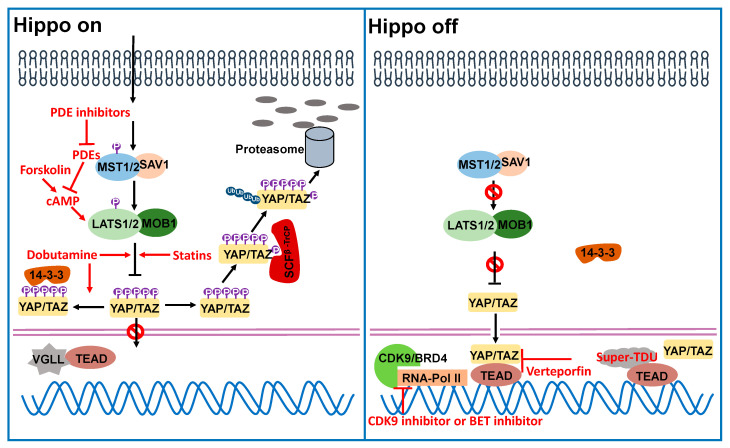
“The Hippo pathway has emerged as a promising target for cancer therapy because of its role in the development and progression of cancers, its potential to inhibit tumor growth and metastasis, and the development of targeted drugs that can inhibit this pathway [15,16].”
BackgroundDana, D., Das, T., Choi, A., Bhuiyan, A. I., Das, T. K., Talele, T. T., & Pathak, S. K. (2022) · Molecules · doi:10.3390/molecules27020347 · Cited by 19
Role of Hippo pathway dysregulation from gastrointestinal premalignant lesions to cancer
Schiavoni, G., Messina, B., Scalera, S., Memeo, L., Colarossi, C., Mare, M., Blandino, G., Ciliberto, G., Bon, G., & Maugeri‐Saccà, M. (2024) · Journal of Translational Medicine · doi:10.1186/s12967-024-05027-8 · Cited by 22
“High-throughput approaches have helped to outline the specific transcriptional programs dictated by YAP/TAZ activity, revealing the regulation of a variety of cancer-related cellular processes, such as invasion/ metastatic dissemination [5], stemness [7, 8] and chemoresistance [9].”
BackgroundHippo in Gastric Cancer: From Signalling to Therapy
Seeneevassen, L., Dubus, P. R., Gronnier, C., & Varon, C. (2022) · Cancers · doi:10.3390/cancers14092282 · Cited by 18
Kong, D., Jiang, Y., Miao, X., Wu, Z., Liu, H., & Gong, W. (2021) · Biochimica et Biophysica Acta (BBA) - Molecular Basis of Disease · doi:10.1016/j.bbadis.2021.166267 · Cited by 17
Jiang, Y., Qing, T., Qiao, X., Yang, Y., Chen, P., Han, M., Dong, K., Zhang, W., Xu, M., Wang, D., et al. (2025) · Frontiers in Immunology · doi:10.3389/fimmu.2025.1508730 · Cited by 21
“Dysregulation of this pathway is associated with invasion (114), metastasis (115), chemoresistance (116), and maintenance/expansion of tumor stem cell (CSCs) compartments in malignant tumors (117).”
Fard, D., Testa, E., Panzeri, V., Rizzolio, S., Bianchetti, G., Napolitano, V., Masciarelli, S., Fazi, F., Maulucci, G., Scicchitano, B. M., et al. (2023) · Cellular and Molecular Life Sciences · doi:10.1007/s00018-023-04756-1 · Cited by 16
Pal, A., Gonzalez-Malerva, L. G., Eaton, S., Xu, C., Zhang, Y., Grief, D., Sakala, L., Nwekwo, L., Zeng, J., Christensen, G., et al. (2023) · npj Breast Cancer · doi:10.1038/s41523-023-00582-7 · Cited by 22
Regulation of Tumor Microenvironment through YAP/TAZ under Tumor Hypoxia
Choi, S. H., & Kim, D. Y. (2024) · Cancers · doi:10.3390/cancers16173030 · Cited by 19
“Targeting TAZ signaling has emerged as a potential therapeutic strategy to improve the outcomes of ovarian cancer patients [75,76].”
BackgroundTargeting the Hippo/YAP Pathway: A Promising Approach for Cancer Therapy and Beyond
Bala, R., Madaan, R., Bedi, O., Singh, A., Taneja, A., Dwivedi, R., Figueroa‐González, G., Reyes‐Hernández, O. D., Granados, L. I. Q., Cortés, H., et al. (2025) · MedComm · doi:10.1002/mco2.70338 · Cited by 28
“Disrupting Hippo/YAP signaling enhances the sensitivity of different cancer cell types to cytotoxic drugs by altering drug transporter expression and metabolism [149, 150, 152].”
TFF3 drives Hippo dependent EGFR-TKI resistance in lung adenocarcinoma
Zhang, S., Tan, Y. Q., Zhang, X., Basappa, B., Zhu, T., Pandey, V., & Lobie, P. E. (2024) · Oncogene · doi:10.1038/s41388-024-03244-5 · Cited by 15
Prospect of exosomal circular RNAs in breast Cancer: presents and future
Zokaei, E., Darbeheshti, F., & Rezaei, N. (2022) · Molecular Biology Reports · doi:10.1007/s11033-022-07472-4 · Cited by 15
Singh, D., Patel, R., Aggarwal, A., Das, A., Sharma, S., Behera, B., Panigrahy, R., Kirane, A., Kharkwal, H., Kumar, P., et al. (2023) · Results in Chemistry · doi:10.1016/j.rechem.2023.101237 · Cited by 13
Dubois, F., Bazille, C., Levallet, J., Maille, E., Brosseau, S., Madelaine, J., Bergot, E., Zalcman, G., & Levallet, G. (2022) · Targeted Oncology · doi:10.1007/s11523-022-00900-2 · Cited by 18
miRNAs and the Hippo pathway in cancer: Exploring the therapeutic potential (Review)
Arora, T. K., Kausar, M. A., Aboelnaga, S. M. H., Anwar, S., Hussain, M., Sadaf, S., Kaur, S., Eisa, A. A., Shingatgeri, V., Najm, M. Z., et al. (2022) · Oncology Reports · doi:10.3892/or.2022.8346 · Cited by 12
Zhang, Z., Chen, L., Yang, Q., Tang, X., Li, J., Zhang, G., Wang, Y., & Huang, H. (2024) · The International Journal of Biochemistry & Cell Biology · doi:10.1016/j.biocel.2024.106570 · Cited by 12
Zatalian, N., Dalman, A., Afsharian, P., Hezavehei, M., & Gourabi, H. (2024) · Journal of Ovarian Research · doi:10.1186/s13048-024-01572-4 · Cited by 11
“Evidence suggests that the PI3K/Akt/mTOR and Hippo pathways are pivotal in conferring resistance of cancer cells to chemotherapy; hence, modulation of these pathways could represent a promising approach for cancer therapy [15, 16].”
Drug-Resistant Breast Cancer: Dwelling the Hippo Pathway to Manage the Treatment
Kaur, S., Najm, M. Z., Khan, M. A., Akhter, N., Shingatgeri, V., Sikenis, M., Sadaf, S., & Aloliqi, A. A. (2021) · Breast Cancer Targets and Therapy · doi:10.2147/bctt.s343329 · Cited by 13
Yang, L., Chen, L., Chen, T., Gao, X., & Xiong, Y. (2022) · Cellular Signalling · doi:10.1016/j.cellsig.2022.110538 · Cited by 10
A New Player in Neuroblastoma: YAP and Its Role in the Neuroblastoma Microenvironment
Shim, J., & Goldsmith, K. C. (2021) · Cancers · doi:10.3390/cancers13184650 · Cited by 11
A narrative review for the Hippo-YAP pathway in cancer survival and immunity: the Yin-Yang dynamics
Wang, R., & Zhu, G. (2022) · Translational Cancer Research · doi:10.21037/tcr-21-1843 · Cited by 9
“Many reviews have mentioned that it is yet unknown how to curb YAP/TAZ activation safely and effectively in human patients, and that YAP/TAZ inhibition may have unintended consequences (89,122).”
BackgroundSu, S.-C., Lin, C., Chen, M.-K., Lee, Y., Su, C., Bai, S., Jangir, H., Chuang, C., Chung, W., Chang, L., et al. (2025) · Neoplasia · doi:10.1016/j.neo.2025.101218 · Cited by 19
“Furthermore, dysregulation of Hippo signaling and subsequent activation of YAP/TAZ were functionally involved in the resistance mechanism to numerous targeted therapies, particularly against EGFR, MAPK, and CDK inhibitors [37].”
Balakrishnan, K., Chen, Y., & Dong, J. (2024) · Cancers · doi:10.3390/cancers16091781 · Cited by 12
Self-citationPalamaris, K., Levidou, G., Kordali, K., Masaoutis, C., Rontogianni, D. P., & Theocharis, S. E. (2023) · Biomedicines · doi:10.3390/biomedicines11071876 · Cited by 8
Li, J., Yu, Y., Zeng, R., Zou, Y., & Bu, J. (2025) · Biochimica et Biophysica Acta (BBA) - Molecular Basis of Disease · doi:10.1016/j.bbadis.2025.167665 · Cited by 7
Self-citationMisshapen Disruption Cooperates with RasV12 to Drive Tumorigenesis
Kong, D., Lu, J., Li, X., Zhao, S., Xu, W., Fang, J., Wang, X., & Ma, X. (2021) · Cells · doi:10.3390/cells10040894 · Cited by 8
“Given that human ortholog of Msn (MAP4K4) is overexpressed in various human cancers [46–50] and a number of Hippo pathway components regulate Hippo signaling in a negative feedback manner, including kibra, ex, wts [18,20,21,51], we utilized the Drosophila wing imaginal discs to explore whether Msn also functions as a…”
BackgroundMethodBystanders or active players: the role of extra centrosomes as signaling hubs
Purkerson, M. M., Amend, S. R., & Pienta, K. J. (2024) · Cancer and Metastasis Reviews · doi:10.1007/s10555-024-10224-4 · Cited by 8
“Dysregulation of the pathway ultimately leads to the expression of genes necessary for cancer cell survival, proliferation, and drug resistance [65–67].”
The Hippo pathway as an antitumor target: time to focus on
Koroleva, O. A., Kurkin, A. V., & Shtil, A. A. (2024) · Expert Opinion on Investigational Drugs · doi:10.1080/13543784.2024.2432395 · Cited by 7
“Due to the ability of YAP/TAZ-TEAD to maintain tumor cell persistence in the course of treatment [6,7], this mechanism has been considered an attractive therapeutic target [8].”
Evidence of Cooperation between Hippo Pathway and RAS Mutation in Thyroid Carcinomas
Carneiro, T. N. R., Bim, L. V., Buzatto, V. C., Galdeno, V., Asprino, P. F., Lee, E. A., Galante, P. A. F., & Cerutti, J. M. (2021) · Cancers · doi:10.3390/cancers13102306 · Cited by 7
Hurst, C. D., Cheng, G., Platt, F. M., Alder, O., Black, E. V. I., Burns, J. E., Brown, J., Jain, S., Roulson, J., & Knowles, M. A. (2022) · The Journal of Pathology Clinical Research · doi:10.1002/cjp2.261 · Cited by 7
“YAP can influence sensitivity to EGFR inhibition [92,93] and chemosensitivity [94], and can influence PD-L1 expression [61,93,95].”
BackgroundSlaninová, V., Héron‐Milhavet, L., Robin, M., Jeanson, L., Aissanou, A., Kantar, D., Tosi, D., Bréhélin, L., Gongora, C., & Djiane, A. (2024) · BMC Cancer · doi:10.1186/s12885-024-12316-4 · Cited by 8
“Hints towards this later role of YAP/TAZ, are suggested by the elevated YAP levels reported in many cancer cells following resistant clone selection (our own unpublished results, and [22, 38, 65].”
BackgroundDifferential Response and Resistance to KRAS-Targeted Therapy
Liu, Z., Lenz, H., Yu, J., & Zhang, L. (2025) · Molecular Carcinogenesis · doi:10.1002/mc.23908 · Cited by 7
“Two central downstream effectors of the Hippo signaling pathway include Yes ‐ associated protein (YAP) and transcriptional coactivator with PDZ ‐ binding motif (TAZ) [103].”
Jiang, D., Li, P., Lu, Y., Tao, J., Hao, X., Wang, X., Wu, W., Xu, J., Zhang, H., Li, X., et al. (2025) · Nature Communications · doi:10.1038/s41467-024-55255-1 · Cited by 7
Exploring Hippo YAP/TAZ Signaling: A Novel Avenue for Cardiovascular Disorders
Mithaiwala, A., & Godad, A. P. (2025) · Cell Biology International · doi:10.1002/cbin.70052 · Cited by 7
The Regulation and Function of Hippo/ YAP Pathway in Cancer
Ghosh, C., Kakar, R., Torkamboor, S., & Sun, Y. (2026) · The FASEB Journal · doi:10.1096/fj.202504622r · Cited by 7
“Overexpression of YAP/TAZ can diminish the efficacy of chemotherapy agents such as Taxol, 5-fluorouracil, doxorubicin, and cisplatin [189–191].”
Arici, M. K., & Tunçbağ, N. (2024) · Briefings in Bioinformatics · doi:10.1093/bib/bbae399 · Cited by 8
“On the other hand, the activation and inactivation in the components of the Hippo signaling pathway lead to drug resistance through rewiring in cell cycle cascades [83, 84].”
BackgroundSaha, S., Mahapatra, S., Khanra, S., Mishra, B., Swain, B., Malhotra, D., Saha, S., Panda, V. K., Kumari, K., Jena, S., et al. (2025) · Cancer Drug Resistance · doi:10.20517/cdr.2025.69 · Cited by 28
Yu, M., Xie, P., Yu, Q., Zhao, Y., Xu, W., Yang, Z., Wei, Y., Zhou, B., Liu, S., Dong, S.-Y., et al. (2025) · Journal of Hepatology · doi:10.1016/j.jhep.2025.09.018 · Cited by 7
Tian, Y., Bhattacharya, R., Yoo, S., Jiang, F., Park, E. Y. H., Granados, G. L., Shen, Y., Park, K., Kanıskan, H. Ü., Jin, J. J., et al. (2025) · iScience · doi:10.1016/j.isci.2025.112387 · Cited by 5
Wu, Y., Li, C. S., Meng, R. Y., Jin, H., Chai, O. H., & Kim, S. M. (2023) · Toxicology and Applied Pharmacology · doi:10.1016/j.taap.2023.116786 · Cited by 5
Ferroptosis by nanomaterials: targeting cancer stem cells and overcoming drug resistance
Wang, X., Luo, J., Zeng, X., & Yan, S. (2025) · Acta Materia Medica · doi:10.15212/amm-2024-0083 · Cited by 9
Yang, P., & Li, S. (2025) · Frontiers in Cell and Developmental Biology · doi:10.3389/fcell.2025.1610471 · Cited by 7
“For instance, (Ando et al., 2022; Thompson, 2020; Zeng and Dong, 2021).”
Hippo-YAP/TAZ signaling in gastric cancer: molecular pathogenesis and emerging therapeutic horizons
Kaur, M., Mungurere, R. F., Mitinje, N., Sethi, G. K., Kaur, A. S., & Mishra, A. (2026) · Medical Oncology · doi:10.1007/s12032-026-03246-1 · Cited by 6
“Drug resistance remains one of the major challenges in cancer treatment, including gastric cancer [106].”
Hippo pathway at the crossroads of stemness and therapeutic resistance in breast cancer
Schiavoni, G., Palmese, A., Scalera, S., Cipriani, L., Mascolo, D., Vici, P., Arcuri, T., Filomeno, L., Krasniqi, E., Blandino, G., et al. (2026) · Molecular Oncology · doi:10.1002/1878-0261.70232 · Cited by 4
“A wealth of subsequent studies has been instrumental in defining the involvement of dysregulated Hippo signaling in stemness [19,56 – 58], as well as in stemness-related processes such as mechanotransduction [59], distant dissemination [60,61] and resistance to chemo-therapies [62,63].”
Shan, A., Hlaing, K. S., Leelahavanichkul, A., & Amornphimoltham, P. (2025) · European Journal Of Oral Sciences · doi:10.1111/eos.13034 · Cited by 3
Cortes‐Dericks, L., & Galetta, D. (2025) · Cancers · doi:10.3390/cancers17060979 · Cited by 4
“…proliferation and the progression of various diseases, including cancer, and is believed to play a pivotal role in the development of chemoresistance [44], particularly Hippo-yes-associated protein (YAP)/transcriptional coactivator with PDZ-binding motif (TAZ) signaling in several solid cancers.”
Synthesis of Biogenic Nanomaterials, Their Characterization, and Applications
Kaur, S., Setia, G., Sikenis, M., & Kumar, S. (2024) · Environmental science and engineering · doi:10.1007/978-3-031-45956-6_3 · Cited by 3
Li, H., Ahmad, M., & Zhou, D. (2026) · Journal of Biochemical and Molecular Toxicology · doi:10.1002/jbt.70687 · Cited by 1
“YAP overexpression and hyper-active nuclear YAP localization have been documented in advanced‐stage, treatment‐refractory, cervical cancer tumors consistent with aggressive disease [23].”
Torres, O. K. M. R., Borges, A. L. A., da Costa, L. M., Colares, D. F., da Silveira, É. J. D., & Miguel, M. C. D. C. (2026) · Oral and Maxillofacial Surgery · doi:10.1007/s10006-026-01557-1 · Cited by 1
“The Hippo signaling pathway consists of a wide range of proteins acting in a cascade [8].”
Shi, Y., Liao, W., Bai, G., & Chen, B. (2026) · Frontiers in Physiology · doi:10.3389/fphys.2026.1790855 · Cited by 3
“At the signaling pathway level, aberrant activation of critical pathways including the Hippo pathway has also been implicated in mediating resistant phenotypes (Zeng and Dong, 2021).”
Signaling Pathways in Cancer Drug Resistance: Potential Targets for Therapeutic Intervention
Sajeev, A., Manickasamy, M. K., Vishwa, R., & Kunnumakkara, A. B. (2025) · Springer eBooks · doi:10.1007/978-981-96-7336-0_5 · Cited by 3
Cheng, Z., & Chen, L. (2021) · International Conference on Bioinformatics and Intelligent Computing (BIC) · doi:10.1145/3448748.3448991
“The Hippo signaling pathway is involved in the regulation of cell proliferation and programmed death, and thus in the formation of cancer [21].”
BackgroundThe Hippo pathway terminal effector TAZ/WWTR1 mediates oxaliplatin sensitivity in colon cancer cellsPreprint
Slaninová, V., Héron‐Milhavet, L., Robin, M., Jeanson, L., Kantar, D., Tosi, D., Bréhélin, L., Gongora, C., & Djiane, A. (2023) · bioRxiv (Cold Spring Harbor Laboratory) · doi:10.1101/2023.03.17.533075
“Hints towards this later role of YAP/TAZ, are suggested by the elevated YAP levels reported in many cancer cells following resistant clone selection (our own unpublished results, and (Kim and Kim, 2017; Nguyen and Yi, 2019; Zeng and Dong, 2021).”
BackgroundBiochemical Studies on Amphiregulin protein in Hepatitis C virus patients
Ramadan, E., Sayed, I. E. T. E., Badra, G., Refat, S., & Ismaiel, A. H. A. (2023) · Egyptian Journal of Chemistry · doi:10.21608/ejchem.2023.151042.6607
Hippo LATS Pathway in Cancer and Its Role as a Potential Target for Anti-cancer Drugs
Nabi, N., Taban, N., Muzaffar, M., Rashid, S. M., Khan, M. S., & Bhat, H. (2025) · Springer eBooks · doi:10.1007/978-981-96-2763-9_5
YAP signaling promotes resistance to MEK and AKT inhibition in NF1 -related MPNSTsPreprint
McGee, L. E., Grit, J. L., Essenburg, C. J., Agrusa, S., Tovar, E. A., Turner, L., Becker, K., Zbieg, J., Dey, A., Klomp, J. E., et al. (2025) · bioRxiv (Cold Spring Harbor Laboratory) · doi:10.1101/2025.06.16.659334 · Cited by 1
“In other RAS mutant or deregulated tumors, the Hippo pathway is now recognized as a key mechanism of resistance that offers an alternative target for treatment (20, 21, 32, 37).”
Zhang, L., Hu, F., Chi, Q., & Chen, B. (2025) · Computational Biology and Chemistry · doi:10.1016/j.compbiolchem.2025.108587
Cao, Z., Chen, Y., Chen, M., Fan, Q., Sun, H., Jin, D., Liu, Y., Xiong, Y., & Wang, D. (2025) · International Journal of Molecular Sciences · doi:10.3390/ijms26188935
“The Hippo signaling pathway serves as a pivotal regulator of cellular proliferation and survival, significantly influencing tumor advancement and the emergence of resistance to therapeutic drugs [33].”
Feng, D., Li, L., Wang, Q., Hao, J., Li, Y., Shu, R., Guo, T., Xie, X., Chen, J., Chen, J., et al. (2025) · Frontiers in Bioinformatics · doi:10.3389/fbinf.2025.1661601
“Functional validation confirmed these pathways as master regulators of chemoresistance acquisition in preclinical models (Nascimento et al., 2017; Zeng and Dong, 2021; Zhang et al., 2024).”
Saleepimol, P., Chaiyakitpattana, G., Ongnok, B., Phuwakanjana, P., Chokpanuwat, T., Chaiwijit, P., Changkeb, V., Yanukun, K., Thongsin, N., Wattanapanitch, M., et al. (2025) · European Journal of Pharmacology · doi:10.1016/j.ejphar.2025.178208
Liu, J., Liang, X., Wang, K., Zhang, C., Li, C., Zhao, L., Kuang, Y., Wang, M., Liu, J., Zhou, L., et al. (2025) · Cell Death Discovery · doi:10.1038/s41420-025-02773-6
Han, X., Xu, M., Jiamin, D., & Bao, J. (2025) · Leukemia & lymphoma/Leukemia and lymphoma · doi:10.1080/10428194.2025.2576561 · Cited by 2
“This discovery adds to the The reduction in both total and phosphorylated YAP following WTAP knockdown suggests WTAP maintains Hippo pathway activity, which gains significance given Hippo’s emerging role in drug resistance [26].”
Hong, X., Yang, M., Tang, X., Deng, M., Zhang, H., Zhao, H., Sun, Q., Yan, Z., Tu, X., Liu, X., et al. (2026) · Drug Design Development and Therapy · doi:10.21203/rs.3.rs-7874424/v1
Slaninová, V., Héron‐Milhavet, L., Robin, M., Jeanson, L., Aissanou, A., Kantar, D., Tosi, D., Bréhélin, L., Gongora, C., & Djiane, A. (2024) · Figshare · doi:10.6084/m9.figshare.26720019
Slaninová, V., Héron‐Milhavet, L., Robin, M., Jeanson, L., Aissanou, A., Kantar, D., Tosi, D., Bréhélin, L., Gongora, C., & Djiane, A. (2024) · Figshare · doi:10.6084/m9.figshare.26720022
Slaninová, V., Héron‐Milhavet, L., Robin, M., Jeanson, L., Aissanou, A., Kantar, D., Tosi, D., Bréhélin, L., Gongora, C., & Djiane, A. (2024) · Figshare · doi:10.6084/m9.figshare.26720025
Yu, W., & Jiang, L. (2026) · Breast Cancer Research · doi:10.1186/s13058-026-02288-7
“One emerging regulatory axis implicated in cancer progression and drug resistance is the Hippo signaling pathway [10].”
Targeting Multidrug Resistance in Cancer: Advances in Precision Medicine and Exosome Therapeutics
Saeed, M., Shoaib, A., Azmi, L., Arif, Y., Upadhyay, T. K., Gupta, R. C., & Aqil, F. (2026) · Springer eBooks · doi:10.1007/978-981-92-0477-9_20
Min, S., Lee, H., Kim, Y.-K., Park, C. H., Kim, S. Y., Seo, J., Jiang, G., Im, C. Y., & Jung, H. (2026) · Research Square · doi:10.21203/rs.3.rs-10587368/v1
Bartusik‐Aebisher, D., Wilk, I., George, B. P. A., & Aebisher, D. (2026) · Cells · doi:10.3390/cells15191776
“More broadly, YAP1/TAZ signalling has been implicated in damage tolerance and apoptosis avoidance across treatment-resistant cancers [116,117].”
Metadata
- Authors
- Zeng, R., & Dong, J.
- Affiliations
- Fred and Pamela Buffett Cancer Center (US)
- Corresponding author
- Dong, Jixin
- Venue
- Cancers
- Publisher
- MDPI AG
- Published
- 2021-01-16
- Volume
- 13
- Issue
- 2
- Pages
- 318
- ISSN
- 2072-6694 (ISSN-L)
- PMC
- PMC7830227
- OpenAlex
- W3121345014
- Cited by
- 89
- References
- 188
- Citations by year
- 2026: 10 · 2025: 24 · 2024: 17 · 2023: 15 · 2022: 13 · 2021: 10
- FWCI
- 1.80
- Type
- journal article
- Language
- en
- Open access
- gold
- doi.org
- Licence
- Locations
- Cancers (publishedVersion, cc-by)
- PubMed Central (publishedVersion, cc-by)
- PubMed (publishedVersion)
- DOAJ (DOAJ: Directory of Open Access Journals) (submittedVersion, cc-by-sa)
- Funders
- National Institutes of Health (R01 GM109066, P30 CA036727)
- Topics
- Life Sciences › Biochemistry, Genetics and Molecular Biology › Cell Biology › Hippo pathway signaling and YAP/TAZ
- Life Sciences › Biochemistry, Genetics and Molecular Biology › Cell Biology › Microtubule and mitosis dynamics
- Life Sciences › Biochemistry, Genetics and Molecular Biology › Molecular Biology › PI3K/AKT/mTOR signaling in cancer
- Keywords
- Hippo signaling pathway, drug resistance, chemoresistance, YAP, TAZ, cancer, pharmacological targeting, cancer cells
About these checks
Registry, retraction, Cites and statistics results are computed, not judged, with one exception: a printed reference that no index lists is read once by a model before it counts as a citation error. Claims are extracted by a model and kept only when their quote appears verbatim in the text; each cited source is then checked, with a model’s help, for whether it says what the claim relies on. Those verdicts can be wrong — read the claim’s quote and the cited source before relying on one.
Statistics and arithmetic are recomputed, not judged.
Confidence bands are shown only for fields calibrated on our annotated test set. None is calibrated yet, so no band is shown.
What counts as a claim ›How we measure confidence ›How we check this ›
Are you an author, or do you see a problem with this page? Request a review
Data sources
Bibliographic data: Semantic Scholar, OpenAlex, Crossref.
Contains information from the Semantic Scholar Academic Graph Datasets, made available under the ODC Attribution License (ODC-BY 1.0).
Semantic Scholar’s data is described in: Kinney, R., et al. (2023). The Semantic Scholar Open Data Platform. arXiv:2301.10140.
