

The Hippo Signaling Pathway in Drug Resistance in Cancer
Open accessThe DOI matches its Crossref record; 186 of the 188 references it cites were found in a registry or an index.
Abstract
Chemotherapy represents one of the most efficacious strategies to treat cancer patients, bringing advantageous changes at least temporarily even to those patients with incurable malignancies. However, most patients respond poorly after a certain number of cycles of treatment due to the development of drug resistance. Resistance to drugs administrated to cancer patients greatly limits the benefits that patients can achieve and continues to be a severe clinical difficulty. Among the mechanisms which have been uncovered to mediate anti-cancer drug resistance, the Hippo signaling pathway is gaining increasing attention due to the remarkable oncogenic activities of its components (for example, YAP and TAZ) and their druggable properties. This review will highlight current understanding of how the Hippo signaling pathway regulates anti-cancer drug resistance in tumor cells, and currently available pharmacological interventions targeting the Hippo pathway to eradicate malignant cells and potentially treat cancer patients.
Overview
The claims and statistics of this paper haven’t been checked yet.
Free: it reads the open-access text and checks the first 5 claims that cite a source we can check. Create a free account to check every claim.
Integrity signals
Registry
Cites
Statistics
Figures
Verification
Claims the paper makes
The claims and statistics of this paper haven’t been checked yet.
Free: it reads the open-access text and checks the first 5 claims that cite a source we can check. Create a free account to check every claim.
Claims other papers make about this one
Each is checked against this paper’s own text: does it say what the citing paper says it does?
The cited source says what the claim attributes to it.
In the citing paper
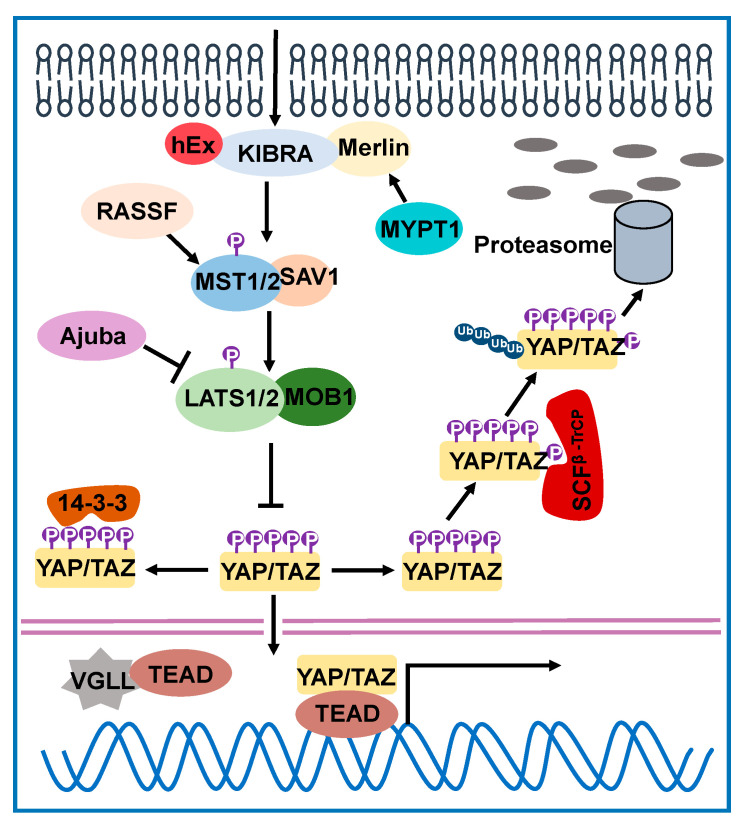
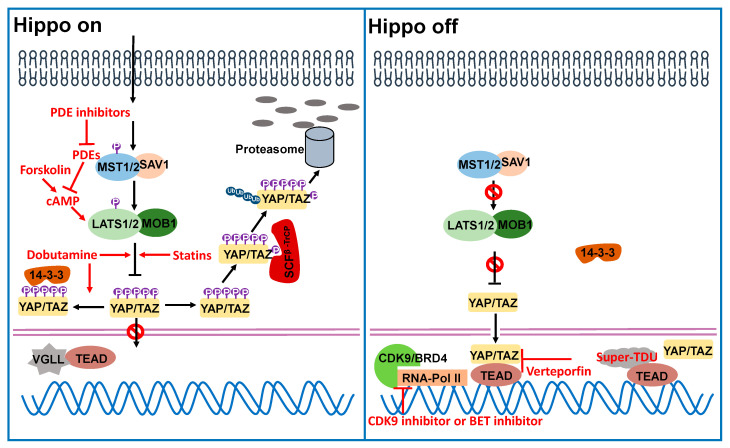
“Upon activation, YAP/TAZ bind to the TEAD family of transcriptional factors to induce the expression of genes that promote cell proliferation and inhibit apoptosis, leading to resistance to cancer therapy (Figure 1) [100].”
From Differential Response and Resistance to KRAS-Targeted Therapy (2025) · cites this paper as [100]
Self-check
Percentages, sums and reported differences re-computed from the paper’s own numbers.
The self-check needs the paper’s full text.
Citations
Cites
1 retracted
Yao, W., Zhu, S., Li, P., & Zhang, S. (2019) · Cancer Cell International · doi:10.1186/s12935-019-0812-3 · Cited by 18 · cited 2×
“gation factor 1 (MIEF1) via c-Jun N-terminal kinase (JNK) pathway, thus amplifying fatal mitochondrial stress [89].”
BackgroundRetractedHanahan, D., & Weinberg, R. A. (2000) · Cell · doi:10.1016/s0092-8674(00)81683-9 · Cited by 29,219
Siegel, R. L., Miller, K. D., & Jemal, A. (2019) · CA: A Cancer Journal for Clinicians · doi:10.3322/caac.21551 · Cited by 20,160
McDonagh, T. A., Metra, M., Adamo, M., Gardner, R. S., Baumbach, A., Böhm, M., Burri, H., Butler, J., Čelutkienė, J., Chioncel, O., et al. (2021) · European Heart Journal · doi:10.1093/eurheartj/ehab670 · Cited by 19,442
2016 ESC Guidelines for the diagnosis and treatment of acute and chronic heart failure
Ponikowski, P., Voors, A. A., Anker, S. D., Bueno, H., Cleland, J. G. F., Coats, A. J. S., Falk, V., González-Juanatey, J. R., Harjola, V.-P., Jankowska, E. A., et al. (2016) · European Heart Journal · doi:10.1093/eurheartj/ehw128 · Cited by 11,429
Cisplatin in cancer therapy: Molecular mechanisms of action
Dasari, S., & Bernard Tchounwou, P. (2014) · European Journal of Pharmacology · doi:10.1016/j.ejphar.2014.07.025 · Cited by 5,537
5-Fluorouracil: mechanisms of action and clinical strategies
Longley, D. B., Harkin, D. P., & Johnston, P. G. (2003) · Nature Reviews Cancer · doi:10.1038/nrc1074 · Cited by 5,332
Microtubules as a target for anticancer drugs
Jordan, M. A., & Wilson, L. (2004) · Nature Reviews Cancer · doi:10.1038/nrc1317 · Cited by 4,000 · cited 1×
“Disrupted mitotic spindles are not able to satisfy the spindle assembly check point, leading to mitotic arrest and eventually cell death, at least in in vitro models [50,51].”
BackgroundZhao, B., Wei, X., Li, W., Udan, R. S., Yang, Q., Kim, J., Xie, J., Ikenoue, T., Yu, J., Li, L., et al. (2007) · Genes & Development · doi:10.1101/gad.1602907 · Cited by 3,092
A view on drug resistance in cancer
Vasan, N., Baselga, J., & Hyman, D. M. (2019) · Nature · doi:10.1038/s41586-019-1730-1 · Cited by 2,770 · cited 1×
“Although combinations of multiple therapeutic agents have become the paradigm for cancer therapy as initial solutions to the resistance against single-agent treatment, drug resistance continues to be a huge obstacle [1].”
BackgroundElucidation of a universal size-control mechanism in Drosophila and mammals
Dong, J., Feldmann, G., Huang, J., Wu, S., Zhang, N., Comerford, S. A., Gayyed, M. F., Anders, R. A., Maitra, A., & Pan, D. (2007) · Cell · doi:10.1016/j.cell.2007.07.019 · Cited by 2,370
Self-citationConcepts of extracellular matrix remodelling in tumour progression and metastasis
Winkler, J., Abisoye-Ogunniyan, A., Metcalf, K. J., & Werb, Z. (2020) · Nature Communications · doi:10.1038/s41467-020-18794-x · Cited by 2,296
Hippo pathway in organ size control, tissue homeostasis, and cancer
Yu, F.-X., Zhao, B., & Guan, K.-L. (2015) · Cell · doi:10.1016/j.cell.2015.10.044 · Cited by 2,206
Huang, J., Wu, S., Barrera, J., Matthews, K., & Pan, D. (2005) · Cell · doi:10.1016/j.cell.2005.06.007 · Cited by 1,863 · cited 2×
“In contrast, when the Hippo pathway is off, Yki is translocated and accumulates in the nucleus, where it interacts with the transcriptional factor Sd to activate the expression of various genes, for example, cyclin E (a cell cycle regulator) and diap1 (inhibitor of apoptosis), thus accelerating cell proliferation and…”
BackgroundCell cycle proteins as promising targets in cancer therapy
Otto, T., & Sicinski, P. (2017) · Nature Reviews Cancer · doi:10.1038/nrc.2016.138 · Cited by 1,858
The Hippo pathway and human cancer
Harvey, K. F., Zhang, X., & Thomas, D. M. (2013) · Nature Reviews Cancer · doi:10.1038/nrc3458 · Cited by 1,842 · cited 1×
“Hyperactivation of YAP/TAZ could be caused by other signaling pathways that contain oncogenic mutations (for example, the WNT, Hedgehog, and Notch pathways), other than direct mutations of the Hippo pathway components [34].”
BackgroundDoxorubicin pathways: pharmacodynamics and adverse effects
Thorn, C. F., Oshiro, C., Marsh, S., Hernandez-Boussard, T., McLeod, H., Klein, T. E., & Altman, R. B. (2011) · Pharmacogenetics and Genomics · doi:10.1097/fpc.0b013e32833ffb56 · Cited by 1,648
Regulation of the Hippo-YAP Pathway by G-Protein-Coupled Receptor Signaling
Yu, F.-X., Zhao, B., Panupinthu, N., Jewell, J. L., Lian, I., Wang, L. H., Zhao, J., Yuan, H., Tumaneng, K., Li, H., et al. (2012) · Cell · doi:10.1016/j.cell.2012.06.037 · Cited by 1,628 · cited 3×
“Among the upstream regulators of the Hippo pathway, GPCR signaling acts in a particularly complex way in which it can either activate or inhibit the Hippo pathway dependent on the coupled G protein [44].”
BackgroundInfluentialLiu-Chittenden, Y., Huang, B., Shim, J. S., Chen, Q., Lee, S.-J., Anders, R. A., Liu, J. O., & Pan, D. (2012) · Genes & Development · doi:10.1101/gad.192856.112 · Cited by 1,452
A coordinated phosphorylation by Lats and CK1 regulates YAP stability through SCF β-TRCP
Zhao, B., Li, L., Tumaneng, K., Wang, C.-Y., & Guan, K.-L. (2010) · Genes & Development · doi:10.1101/gad.1843810 · Cited by 1,418 · cited 1×
“Phosphorylation of Ser397 on YAP (Ser311 on TAZ) primes phosphorylation of YAP on Ser400 (Ser314 on TAZ) by casein kinase 1 (CK1), leading to the recruitment of SCFβ -TrCP E3 ubiquitin ligase that mediates YAP/TAZ ubiquitination and proteasomal degradation [29,31].”
BackgroundFinn, R. S., Dering, J., Conklin, D., Kalous, O., Cohen, D. J., Desai, A. J., Ginther, C., Atefi, M., Chen, I., Fowst, C., et al. (2009) · Breast Cancer Research · doi:10.1186/bcr2419 · Cited by 1,398
The Hippo transducer TAZ confers cancer stem cell-related traits on breast cancer cells
Cordenonsi, M., Zanconato, F., Azzolin, L., Forcato, M., Rosato, A., Frasson, C., Inui, M., Montagner, M., Parenti, A. R., Poletti, A., et al. (2011) · Cell · doi:10.1016/j.cell.2011.09.048 · Cited by 1,381 · cited 2×
“A possible mechanism has emerged from another study on BCSCs, in which TAZ overexpression in BCSCs increased the activity of multidrug resistance (MDR) proteins [83].”
BackgroundGenome-wide association between YAP/TAZ/TEAD and AP-1 at enhancers drives oncogenic growth
Zanconato, F., Forcato, M., Battilana, G., Azzolin, L., Quaranta, E., Bodega, B., Rosato, A., Bicciato, S., Cordenonsi, M., & Piccolo, S. (2015) · Nature Cell Biology · doi:10.1038/ncb3216 · Cited by 1,219
The Hippo pathway in organ size control, tissue regeneration and stem cell self-renewal
Zhao, B., Tumaneng, K., & Guan, K.-L. (2011) · Nature Cell Biology · doi:10.1038/ncb2303 · Cited by 1,205
The emerging roles of YAP and TAZ in cancer
Moroishi, T., Hansen, C. G., & Guan, K.-L. (2015) · Nature Reviews Cancer · doi:10.1038/nrc3876 · Cited by 1,145
Wu, S., Huang, J., Dong, J., & Pan, D. (2003) · Cell · doi:10.1016/s0092-8674(03)00549-x · Cited by 1,098 · cited 2×
“During this process, Sav, phosphorylated by Hpo as well, facilitates the activation of Wts and Mats by functioning as a scaffold protein [8,9].”
BackgroundSelf-citationLiving with or without cyclins and cyclin-dependent kinases
Sherr, C. J., & Roberts, J. M. (2004) · Genes & Development · doi:10.1101/gad.1256504 · Cited by 1,089
Identification and validation of oncogenes in liver cancer using an integrative oncogenomic approach
Zender, L., Spector, M. S., Xue, W., Flemming, P., Cordon-Cardo, C., Silke, J., Fan, S.-T., Luk, J. M., Wigler, M., Hannon, G. J., et al. (2006) · Cell · doi:10.1016/j.cell.2006.05.030 · Cited by 1,065
Statin use and reduced cancer-related mortality
Nielsen, S. F., Nordestgaard, B. G., & Bojesen, S. E. (2012) · New England Journal of Medicine · doi:10.1056/nejmoa1201735 · Cited by 1,030
Justice, R. W., Zilian, O., Woods, D. F., Noll, M., & Bryant, P. J. (1995) · Genes & Development · doi:10.1101/gad.9.5.534 · Cited by 977 · cited 1×
“The Hippo signaling pathway was first discovered and determined as a key regulator of organ size in Drosophila melanogaster, following the identification of four tumor suppressors, Warts (Wts [2,3]), Salvador (Sav [4,5]), Hippo (Hpo [6–10]) and Mob-as-tumorsuppressor (Mats [11]).”
BackgroundInfluentialThe Drosophila Mst Ortholog, hippo, Restricts Growth and Cell Proliferation and Promotes Apoptosis
Harvey, K. F., Pfleger, C. M., & Hariharan, I. K. (2003) · Cell · doi:10.1016/s0092-8674(03)00557-9 · Cited by 976
Lei, Q.-Y., Zhang, H., Zhao, B., Zha, Z.-Y., Bai, F., Pei, X.-H., Zhao, S., Xiong, Y., & Guan, K.-L. (2008) · Molecular and Cellular Biology · doi:10.1128/mcb.01874-07 · Cited by 924
Transforming properties of YAP , a candidate oncogene on the chromosome 11q22 amplicon
Overholtzer, M., Zhang, J., Smolen, G. A., Muir, B., Li, W., Sgroi, D. C., Deng, C.-X., Brugge, J. S., & Haber, D. A. (2006) · Proceedings of the National Academy of Sciences · doi:10.1073/pnas.0605579103 · Cited by 885
The two faces of Hippo: targeting the Hippo pathway for regenerative medicine and cancer treatment
Johnson, R., & Halder, G. (2014) · Nature Reviews Drug Discovery · doi:10.1038/nrd4161 · Cited by 881 · cited 2×
“Th e regulators impact the activity of the Hippo pathway at various levels, including kinases and adaptor proteins t at directly regulate the activity of MST1/2 and LATS1/2, proteins associ ted with cell adhesions hat modulate MST1/2, LATS1/2 and YAP activitie , and a great any other proteins interacting with the c no…”
BackgroundThe Hippo Signaling Pathway in Development and Disease
Zheng, Y., & Pan, D. (2019) · Developmental Cell · doi:10.1016/j.devcel.2019.06.003 · Cited by 867 · cited 3×
“Like the Drosophila Hippo pathway, in mammalian cells the MST1/2-SAV1 complex phosphorylates and activates LATS1/2MOB1A/B complex, and the activated LATS1/2-MOB1A/B complex phosphorylates and inactivates yes-associated protein (YAP) and transcriptional coactivator with PDZbinding motif (TAZ), which are Yki orthologs i…”
BackgroundInfluentialTargeting the Hippo pathway in cancer, fibrosis, wound healing and regenerative medicine
Dey, A., Varelas, X., & Guan, K.-L. (2020) · Nature Reviews Drug Discovery · doi:10.1038/s41573-020-0070-z · Cited by 860 · cited 2×
“GPCRs, Cancers 2021, 13, 318 4 of 23 mechanical cues, actin remodeling regulators and signals transduced by the extracellular matrix and integrins can hypo-phosphorylate and activate YAP/TAZ through inactivating LATS1/2 or activating protein phosphatase 1 α (PP1A) [46,47].”
BackgroundTapon, N., Harvey, K. F., Bell, D. W., Wahrer, D. C. R., Schiripo, T. A., Haber, D. A., & Hariharan, I. K. (2002) · Cell · doi:10.1016/s0092-8674(02)00824-3 · Cited by 856
Demierre, M.-F., Higgins, P. D. R., Gruber, S. B., Hawk, E., & Lippman, S. M. (2005) · Nature Reviews Cancer · doi:10.1038/nrc1751 · Cited by 819
Xu, T., Wang, W., Zhang, S., Stewart, R. A., & Yu, W. (1995) · Development · doi:10.1242/dev.121.4.1053 · Cited by 799
Metabolic control of YAP and TAZ by the mevalonate pathway
Sorrentino, G., Ruggeri, N., Specchia, V., Cordenonsi, M., Mano, M., Dupont, S., Manfrin, A., Ingallina, E., Sommaggio, R., Piazza, S., et al. (2014) · Nature Cell Biology · doi:10.1038/ncb2936 · Cited by 776
β-Catenin-Driven Cancers Require a YAP1 Transcriptional Complex for Survival and Tumorigenesis
Rosenbluh, J., Nijhawan, D., Cox, A. G., Li, X., Neal, J. T., Schafer, E. J., Zack, T. I., Wang, X., Tsherniak, A., Schinzel, A. C., et al. (2012) · Cell · doi:10.1016/j.cell.2012.11.026 · Cited by 757
Hippo promotes proliferation arrest and apoptosis in the Salvador/Warts pathway
Udan, R. S., Kango-Singh, M., Nolo, R., Tao, C., & Halder, G. (2003) · Nature Cell Biology · doi:10.1038/ncb1050 · Cited by 747
Band Horwitz, S. (1992) · Trends in Pharmacological Sciences · doi:10.1016/0165-6147(92)90048-b · Cited by 740 · cited 1×
“Through binding β-tubulin, this plant-derived agent (originally extracted from the Pacific yew tree, Taxus brecifolia) suppresses microtubule dynamic instability that is critical for the spindle formation during mitosis [48,49].”
BackgroundStatin Use and Reduced Cancer-Related Mortality
(2013) · New England Journal of Medicine · doi:10.1056/nejmc1214827 · Cited by 720
Wu, S., Liu, Y., Zheng, Y., Dong, J., & Pan, D. (2008) · Developmental Cell · doi:10.1016/j.devcel.2008.01.007 · Cited by 640 · cited 1×
“Although lacking DNAbinding domains, Yki interacts with its DNA-binding partner Scalloped (Sd) to regulate gene transcription [14].”
BackgroundSelf-citationA Peptide Mimicking VGLL4 Function Acts as a YAP Antagonist Therapy against Gastric Cancer
Jiao, S., Wang, H., Shi, Z., Dong, A., Zhang, W., Song, X., He, F., Wang, Y., Zhang, Z., Wang, W., et al. (2014) · Cancer Cell · doi:10.1016/j.ccr.2014.01.010 · Cited by 602
Control of Cell Proliferation and Apoptosis by Mob as Tumor Suppressor, Mats
Lai, Z.-C., Wei, X., Shimizu, T., Ramos, E., Rohrbaugh, M., Nikolaidis, N., Ho, L.-L., & Li, Y. (2005) · Cell · doi:10.1016/j.cell.2004.12.036 · Cited by 568 · cited 1×
“The Hippo signaling pathway was first discovered and determined as a key regulator of organ size in Drosophila melanogaster, following the identification of four tumor suppressors, Warts (Wts [2,3]), Salvador (Sav [4,5]), Hippo (Hpo [6–10]) and Mob-as-tumorsuppressor (Mats [11]).”
BackgroundInfluentialThe Hippo effector YAP promotes resistance to RAF- and MEK-targeted cancer therapies
Lin, L., Sabnis, A. J., Chan, E., Olivas, V., Cade, L., Pazarentzos, E., Asthana, S., Neel, D., Yan, J. J., Lu, X., et al. (2015) · Nature Genetics · doi:10.1038/ng.3218 · Cited by 551
The Salvador partner Hippo promotes apoptosis and cell-cycle exit in Drosophila
Pantalacci, S., Tapon, N., & Léopold, P. (2003) · Nature Cell Biology · doi:10.1038/ncb1051 · Cited by 551 · cited 1×
“During this process, Sav, phosphorylated by Hpo as well, facilitates the activation of Wts and Mats by functioning as a scaffold protein [8,9].”
BackgroundClassifying BRAF alterations in cancer: new rational therapeutic strategies for actionable mutations
Dankner, M., Rose, A. A. N., Rajkumar, S., Siegel, P. M., & Watson, I. R. (2018) · Oncogene · doi:10.1038/s41388-018-0171-x · Cited by 550
Liu, C.-Y., Zha, Z.-Y., Zhou, X., Zhang, H., Huang, W., Zhao, D., Li, T., Chan, S. W., Lim, C. J., Hong, W., et al. (2010) · Journal of Biological Chemistry · doi:10.1074/jbc.m110.152942 · Cited by 525 · cited 1×
“Phosphorylation of Ser397 on YAP (Ser311 on TAZ) primes phosphorylation of YAP on Ser400 (Ser314 on TAZ) by casein kinase 1 (CK1), leading to the recruitment of SCFβ -TrCP E3 ubiquitin ligase that mediates YAP/TAZ ubiquitination and proteasomal degradation [29,31].”
BackgroundLoss of the FAT1 Tumor Suppressor Promotes Resistance to CDK4/6 Inhibitors via the Hippo Pathway
Li, Z., Razavi, P., Li, Q., Toy, W., Liu, B., Ping, C., Hsieh, W., Sanchez-Vega, F., Brown, D. N., Da Cruz Paula, A. F., et al. (2018) · Cancer Cell · doi:10.1016/j.ccell.2018.11.006 · Cited by 508 · cited 3×
“Doxorubicin Breast cancer and HCC [56–58,82] Lapatinib Breast cancer [74] CDK4/6 inhibitors Breast cancer [75] MST1 Downregulation Cisplatin Prostate cancer [85]”
BackgroundYin, F., Yu, J., Zheng, Y., Chen, Q., Zhang, N., & Pan, D. (2013) · Cell · doi:10.1016/j.cell.2013.08.025 · Cited by 504
Mutant Gq/11 Promote Uveal Melanoma Tumorigenesis by Activating YAP
Yu, F.-X., Luo, J., Mo, J.-S., Liu, G., Kim, Y. C., Meng, Z., Zhao, L., Peyman, G., Ouyang, H., Jiang, W., et al. (2014) · Cancer Cell · doi:10.1016/j.ccr.2014.04.017 · Cited by 463
Microtubule-targeted anticancer agents and apoptosis
Bhalla, K. N. (2003) · Oncogene · doi:10.1038/sj.onc.1207233 · Cited by 461 · cited 1×
“Disrupted mitotic spindles are not able to satisfy the spindle assembly check point, leading to mitotic arrest and eventually cell death, at least in in vitro models [50,51].”
BackgroundDonninger, H., Vos, M. D., & Clark, G. J. (2007) · Journal of Cell Science · doi:10.1242/jcs.010389 · Cited by 440
Lai, D., Ho, K. C., Hao, Y., & Yang, X. (2011) · Cancer Research · doi:10.1158/0008-5472.can-10-2711 · Cited by 416 · cited 2×
“Interestingly, as is demonstrated in the studies described above, knockdown of YAP/TAZ or overexpression of LATS2, RASSF1A or hEx is able to sensitize cancer cells to paclitaxel at low concentrations [53,54,80,82,83,87,90,92].”
BackgroundIn vivo regulation of Yorkie phosphorylation and localization
Oh, H., & Irvine, K. D. (2008) · Development · doi:10.1242/dev.015255 · Cited by 404
Zasadil, L. M., Andersen, K. A., Yeum, D., Rocque, G. B., Wilke, L. G., Tevaarwerk, A. J., Raines, R. T., Burkard, M. E., & Weaver, B. A. (2014) · Science Translational Medicine · doi:10.1126/scitranslmed.3007965 · Cited by 402
Identification of a Disease-Defining Gene Fusion in Epithelioid Hemangioendothelioma
Tanas, M. R., Sboner, A., Oliveira, A. M., Erickson-Johnson, M. R., Hespelt, J., Hanwright, P. J., Flanagan, J., Luo, Y., Fenwick, K., Natrajan, R., et al. (2011) · Science Translational Medicine · doi:10.1126/scitranslmed.3002409 · Cited by 401
Jia, J., Zhang, W., Wang, B., Trinko, R., & Jiang, J. (2003) · Genes & Development · doi:10.1101/gad.1134003 · Cited by 391
Paclitaxel Resistance: Molecular Mechanisms and Pharmacologic Manipulation
Yusuf, R., Duan, Z., Lamendola, D., Penson, R., & Seiden, M. (2003) · Current Cancer Drug Targets · doi:10.2174/1568009033333754 · Cited by 354 · cited 1×
“Resistance to paclitaxel can be attributed to a variety of reasons, including extensive drug efflux, inactivation of cell apoptosis machinery, and alterations of tubulin [52].”
BackgroundTAZ is required for metastatic activity and chemoresistance of breast cancer stem cells
Bartucci, M., Dattilo, R., Moriconi, C., Pagliuca, A., Mottolese, M., Federici, G., Benedetto, A. D., Todaro, M., Stassi, G., Sperati, F., et al. (2015) · Oncogene · doi:10.1038/onc.2014.5 · Cited by 350 · cited 3×
“Of note, a more pronounced paclitaxel- and doxorubicin-induced cytotoxicity was observed in TAZ-depleted BCSCs, in contrast to BSCS controls, revealing that TAZ contributes to drug resistance in breast cancer [82].”
BackgroundResultShar-pei mediates cell proliferation arrest during imaginal disc growth in Drosophila
Kango-Singh, M., Nolo, R., Tao, C., Verstreken, P., Hiesinger, P. R., Bellen, H. J., & Halder, G. (2002) · Development · doi:10.1242/dev.00168 · Cited by 348 · cited 1×
“The Hippo signaling pathway was first discovered and determined as a key regulator of organ size in Drosophila melanogaster, following the identification of four tumor suppressors, Warts (Wts [2,3]), Salvador (Sav [4,5]), Hippo (Hpo [6–10]) and Mob-as-tumorsuppressor (Mats [11]).”
BackgroundInfluentialThe Nf2 Tumor Suppressor, Merlin, Functions in Rac-Dependent Signaling
Shaw, R. J., Paez, J. G., Curto, M., Yaktine, A., Pruitt, W. M., Saotome, I., O'Bryan, J. P., Gupta, V., Ratner, N., Der, C. J., et al. (2001) · Developmental Cell · doi:10.1016/s1534-5807(01)00009-0 · Cited by 343
Therapeutic targeting of 3′,5′-cyclic nucleotide phosphodiesterases: inhibition and beyond
Baillie, G. S., Tejeda, G. S., & Kelly, M. P. (2019) · Nature Reviews Drug Discovery · doi:10.1038/s41573-019-0033-4 · Cited by 339
Protein kinase A activates the Hippo pathway to modulate cell proliferation and differentiation
Yu, F.-X., Zhang, Y., Park, H. W., Jewell, J. L., Chen, Q., Deng, Y., Pan, D., Taylor, S. S., Lai, Z.-C., & Guan, K.-L. (2013) · Genes & Development · doi:10.1101/gad.219402.113 · Cited by 337
Yes-associated protein (YAP) functions as a tumor suppressor in breast
Yuan, M., Tomlinson, V, Lara, R., Holliday, D., Chelala, C., Harada, T., Gangeswaran, R., Manson-Bishop, C., Smith, P., Danovi, S. A., et al. (2008) · Cell Death & Differentiation · doi:10.1038/cdd.2008.108 · Cited by 335
Touil, Y., Igoudjil, W., Corvaisier, M., Dessein, A.-F., Vandomme, J., Monté, D., Stechly, L., Skrypek, N., Langlois, C., Grard, G., et al. (2014) · Clinical Cancer Research · doi:10.1158/1078-0432.ccr-13-1854 · Cited by 332 · cited 1×
“Other colon cancer research has shown the c-Yes/YAP axis drives 5-FU resistance through the combined acquisition of cell quiescence and stemness [61].”
BackgroundFrom Cell Structure to Transcription: Hippo Forges a New Path
Edgar, B. A. (2006) · Cell · doi:10.1016/j.cell.2006.01.005 · Cited by 331
Wang, Z., Wu, Y., Wang, H., Zhang, Y., Mei, L., Fang, X., Zhang, X., Zhang, F., Chen, H., Liu, Y., et al. (2014) · Proceedings of the National Academy of Sciences · doi:10.1073/pnas.1319190110 · Cited by 316
The Hippo pathway transcriptional co-activator, YAP, is an ovarian cancer oncogene
Zhang, X., George, J., Deb, S., Degoutin, J. L., Takano, E. A., Fox, S. B., AOCS Study group, Bowtell, D. D. L., & Harvey, K. F. (2011) · Oncogene · doi:10.1038/onc.2011.8 · Cited by 309 · cited 3×
“YAP Hyperactivation or overexpression Paclitaxel Ovarian cancer [53] Cisplatin Ovarian cancer and HNSCC [54,55] Doxorubicin HCC [56–59] 5-Fluorouracil Colorectal cancer [60–62]”
BackgroundTranscriptional addiction in cancer cells is mediated by YAP/TAZ through BRD4
Zanconato, F., Battilana, G., Forcato, M., Filippi, L., Azzolin, L., Manfrin, A., Quaranta, E., Di Biagio, D., Sigismondo, G., Guzzardo, V., et al. (2018) · Nature Medicine · doi:10.1038/s41591-018-0158-8 · Cited by 306
ZEB1 turns into a transcriptional activator by interacting with YAP1 in aggressive cancer types
Lehmann, W., Mossmann, D., Kleemann, J., Mock, K., Meisinger, C., Brummer, T., Herr, R., Brabletz, S., Stemmler, M. P., & Brabletz, T. (2016) · Nature Communications · doi:10.1038/ncomms10498 · Cited by 305
Zhang, W., Gao, Y., Li, P., Shi, Z., Guo, T., Li, F., Han, X., Feng, Y., Zheng, C., Wang, Z., et al. (2014) · Cell Research · doi:10.1038/cr.2014.10 · Cited by 296
YAP Drives Growth by Controlling Transcriptional Pause Release from Dynamic Enhancers
Galli, G. G., Carrara, M., Yuan, W.-C., Valdes-Quezada, C., Gurung, B., Pepe-Mooney, B., Zhang, T., Geeven, G., Gray, N. S., de Laat, W., et al. (2015) · Molecular Cell · doi:10.1016/j.molcel.2015.09.001 · Cited by 290
He, C., Mao, D., Hua, G., Lv, X., Chen, X., Angeletti, P. C., Dong, J., Remmenga, S. W., Rodabaugh, K. J., Zhou, J., et al. (2015) · EMBO Molecular Medicine · doi:10.15252/emmm.201404976 · Cited by 275
Self-citationActin remodeling confers BRAF inhibitor resistance to melanoma cells through YAP / TAZ activation
Kim, M. H., Kim, J., Hong, H., Lee, S., Lee, J., Jung, E., & Kim, J. (2016) · The EMBO Journal · doi:10.15252/embj.201592081 · Cited by 265 · cited 4×
“In line with the previous study, this research provides a verification that YAP/TAZ knockdown reduces vemurafenib-resistant cell viability [77].”
BackgroundResultInfluentialThe LATS1 and LATS2 tumor suppressors: beyond the Hippo pathway
Furth, N., & Aylon, Y. (2017) · Cell Death & Differentiation · doi:10.1038/cdd.2017.99 · Cited by 260 · cited 1×
“Due to genomic deletions or mutations (relatively rare), epigenetic silencing, or transcriptional and post-transcriptional regulations, tumor suppressors LATS1/2 and MST1/2 could undergo loss-of-function [32,33].”
BackgroundAjuba LIM Proteins Are Negative Regulators of the Hippo Signaling Pathway
Das Thakur, M., Feng, Y., Jagannathan, R., Seppa, M. J., Skeath, J. B., & Longmore, G. D. (2010) · Current Biology · doi:10.1016/j.cub.2010.02.035 · Cited by 258
Microtubule dynamics as a target in oncology
Risinger, A. L., Giles, F. J., & Mooberry, S. L. (2009) · Cancer Treatment Reviews · doi:10.1016/j.ctrv.2008.11.001 · Cited by 248 · cited 1×
“Through binding β-tubulin, this plant-derived agent (originally extracted from the Pacific yew tree, Taxus brecifolia) suppresses microtubule dynamic instability that is critical for the spindle formation during mitosis [48,49].”
BackgroundGong, X., Litchfield, L. M., Webster, Y., Chio, L.-C., Wong, S. S., Stewart, T. R., Dowless, M., Dempsey, J., Zeng, Y., Torres, R., et al. (2017) · Cancer Cell · doi:10.1016/j.ccell.2017.11.006 · Cited by 236
Brodowska, K., Al-Moujahed, A., Marmalidou, A., Meyer zu Horste, M., Cichy, J., Miller, J. W., Gragoudas, E., & Vavvas, D. G. (2014) · Experimental Eye Research · doi:10.1016/j.exer.2014.04.011 · Cited by 220
Panciera, T., Citron, A., Di Biagio, D., Battilana, G., Gandin, A., Giulitti, S., Forcato, M., Bicciato, S., Panzetta, V., Fusco, S., et al. (2020) · Nature Materials · doi:10.1038/s41563-020-0615-x · Cited by 220
Wei, H., Wang, F., Wang, Y., Li, T., Xiu, P., Zhong, J., Sun, X., & Li, J. (2017) · Cancer Science · doi:10.1111/cas.13138 · Cited by 219
Odogwu, L., Mathieu, L., Blumenthal, G., Larkins, E., Goldberg, K. B., Griffin, N., Bijwaard, K., Lee, E. Y., Philip, R., Jiang, X., et al. (2018) · The Oncologist · doi:10.1634/theoncologist.2017-0642 · Cited by 218
Badouel, C., Gardano, L., Amin, N., Garg, A., Rosenfeld, R., Le Bihan, T., & McNeill, H. (2009) · Developmental Cell · doi:10.1016/j.devcel.2009.01.010 · Cited by 210
Mob as tumor suppressor is activated by Hippo kinase for growth inhibition in Drosophila
Wei, X., Shimizu, T., & Lai, Z. (2007) · The EMBO Journal · doi:10.1038/sj.emboj.7601630 · Cited by 205 · cited 1×
“These proteins comprise the core kinase cascade of the Drosophila Hippo signaling pathway, in which activated Hpo phosphorylates and activates Wts-Mats complex [8,12].”
BackgroundRASSF1A Is Part of a Complex Similar to the Drosophila Hippo/Salvador/Lats Tumor-Suppressor Network
Guo, C., Tommasi, S., Liu, L., Yee, J.-K., Dammann, R., & Pfeifer, G. P. (2007) · Current Biology · doi:10.1016/j.cub.2007.02.055 · Cited by 200
Statin drugs to reduce breast cancer recurrence and mortality
Beckwitt, C. H., Brufsky, A., Oltvai, Z. N., & Wells, A. (2018) · Breast Cancer Research · doi:10.1186/s13058-018-1066-z · Cited by 197
Role of the Tumor Suppressor RASSF1A in Mst1-Mediated Apoptosis
Oh, H. J., Lee, K.-K., Song, S. J., Jin, M. S., Song, M. S., Lee, J. H., Im, C. R., Lee, J.-O., Yonehara, S., & Lim, D.-S. (2006) · Cancer Research · doi:10.1158/0008-5472.can-05-2951 · Cited by 196
Overview of CDK9 as a target in cancer research
Morales, F., & Giordano, A. (2016) · Cell Cycle · doi:10.1080/15384101.2016.1138186 · Cited by 196
In vivo analysis of Yorkie phosphorylation sites
Oh, H., & Irvine, K. D. (2009) · Oncogene · doi:10.1038/onc.2009.43 · Cited by 195
Lin, M.-T., Chang, C.-C., Chen, S.-T., Chang, H.-L., Su, J.-L., Chau, Y.-P., & Kuo, M.-L. (2004) · Journal of Biological Chemistry · doi:10.1074/jbc.m402305200 · Cited by 194
The Role of Hippo Pathway in Cancer Stem Cell Biology.
Park, J. H., Shin, J. E., & Park, H. W. (2018) · PubMed · doi:10.14348/molcells.2018.2242 · Cited by 193
Tumorigenic transformation by CPI-17 through inhibition of a merlin phosphatase
Jin, H., Sperka, T., Herrlich, P., & Morrison, H. (2006) · Nature · doi:10.1038/nature04856 · Cited by 193
Control of microtubule stability by the RASSF1A tumor suppressor
Liu, L., Tommasi, S., Lee, D.-H., Dammann, R., & Pfeifer, G. P. (2003) · Oncogene · doi:10.1038/sj.onc.1206984 · Cited by 193 · cited 2×
“RASSF1A is epigenetically silenced by promoter DNA methylation in more than 50% of all solid tumors, and loss of it correlates with the acquisition of paclitaxel resistance in ovarian cancer and breast cancer patients [54,90,91].”
BackgroundRen, F., Zhang, L., & Jiang, J. (2010) · Developmental Biology · doi:10.1016/j.ydbio.2009.10.046 · Cited by 181 · cited 1×
“Wts also phosphorylates Yki on two additional sites, Ser111 and Ser250, which restrict Yki nuclear localization independent of 14-3-3 proteins [18].”
BackgroundBao, Y., Nakagawa, K., Yang, Z., Ikeda, M., Withanage, K., Ishigami-Yuasa, M., Okuno, Y., Hata, S., Nishina, H., & Hata, Y. (2011) · Journal of Biochemistry · doi:10.1093/jb/mvr063 · Cited by 172
A global perspective on vasoactive agents in shock
Annane, D., Ouanes-Besbes, L., Backer, D. D., Du, B., Gordon, A. C., Glenn Hernández, P., Olsen, K. M., Osborn, T. M., Peake, S., Russell, J. A., et al. (2018) · Intensive Care Medicine · doi:10.1007/s00134-018-5242-5 · Cited by 160
Hippo Signaling: Key Emerging Pathway in Cellular and Whole-Body Metabolism
Ardestani, A., Lupse, B., & Maedler, K. (2018) · Trends in Endocrinology & Metabolism · doi:10.1016/j.tem.2018.04.006 · Cited by 160
Regulation of Hippo signaling by actin remodeling
Seo, J., & Kim, J. (2018) · BMB Reports · doi:10.5483/bmbrep.2018.51.3.012 · Cited by 158 · cited 2×
“GPCRs, Cancers 2021, 13, 318 4 of 23 mechanical cues, actin remodeling regulators and signals transduced by the extracellular matrix and integrins can hypo-phosphorylate and activate YAP/TAZ through inactivating LATS1/2 or activating protein phosphatase 1 α (PP1A) [46,47].”
BackgroundLin, C.-H., Pelissier, F. A., Zhang, H., Lakins, J., Weaver, V. M., Park, C., & LaBarge, M. A. (2015) · Molecular Biology of the Cell · doi:10.1091/mbc.e15-07-0456 · Cited by 157 · cited 5×
“Either YAP/TAZ knockdown or disruption of the TEAD-YAP interaction with verteporfin enables the improvement of lapatinib sensitivity [74].”
BackgroundInfluentialVGLL4 targets a TCF4–TEAD4 complex to coregulate Wnt and Hippo signalling in colorectal cancer
Jiao, S., Li, C., Hao, Q., Miao, H., Zhang, L., Li, L., & Zhou, Z. (2017) · Nature Communications · doi:10.1038/ncomms14058 · Cited by 156
Frequent hypermethylation of MST1 and MST2 in soft tissue sarcoma
Seidel, C., Schagdarsurengin, U., Blümke, K., Würl, P., Pfeifer, G. P., Hauptmann, S., Taubert, H., & Dammann, R. (2007) · Molecular Carcinogenesis · doi:10.1002/mc.20317 · Cited by 155 · cited 1×
“Due to genomic deletions or mutations (relatively rare), epigenetic silencing, or transcriptional and post-transcriptional regulations, tumor suppressors LATS1/2 and MST1/2 could undergo loss-of-function [32,33].”
BackgroundMenendez, J. A., Vellon, L., Mehmi, I., Teng, P. K., Griggs, D. W., & Lupu, R. (2005) · Oncogene · doi:10.1038/sj.onc.1208238 · Cited by 154
Zhao, B., Li, L., & Guan, K. (2010) · Journal of Cell Science · doi:10.1242/jcs.069070 · Cited by 148
Huang, J.-M., Nagatomo, I., Suzuki, E., Mizuno, T., Kumagai, T., Berezov, A., Zhang, H., Karlan, B., Greene, M. I., & Wang, Q. (2013) · Oncogene · doi:10.1038/onc.2012.231 · Cited by 147
Organ Size Control: Lessons from Drosophila
Hariharan, I. K. (2015) · Developmental Cell · doi:10.1016/j.devcel.2015.07.012 · Cited by 145
Solassol, I., Pinguet, F., & Quantin, X. (2019) · Biomolecules · doi:10.3390/biom9110668 · Cited by 138
The Natural cAMP Elevating Compound Forskolin in Cancer Therapy: Is It Time?
Sapio, L., Gallo, M., Illiano, M., Chiosi, E., Naviglio, D., Spina, A., & Naviglio, S. (2017) · Journal of Cellular Physiology · doi:10.1002/jcp.25650 · Cited by 138
Extracellular Matrix Remodeling and Stiffening Modulate Tumor Phenotype and Treatment Response
Leight, J. L., Drain, A. P., & Weaver, V. M. (2017) · Annual Review of Cancer Biology · doi:10.1146/annurev-cancerbio-050216-034431 · Cited by 131
Lee, J. E., Park, H. S., Lee, D., Yoo, G., Kim, T., Jeon, H., Yeo, M., Lee, C. S., Moon, J. Y., Jung, S. S., et al. (2016) · Biochemical and Biophysical Research Communications · doi:10.1016/j.bbrc.2016.04.089 · Cited by 128 · cited 1×
“Addition of YAP inhibitor verteporfin phenocopies the effect of YAP knockdown [68,69].”
BackgroundMuñoz-Galván, S., Felipe‐Abrio, B., Verdugo‐Sivianes, E. M., Pérez, M., Jiménez-García, M. P., Suárez-Martínez, E., Estévez-García, P., & Carnero, A. (2020) · Molecular Cancer · doi:10.1186/s12943-020-1130-z · Cited by 122 · cited 3×
“Of importance, YAP inhibition by either peptide 17 or verteporfin dramatically restores platinum compound sensitivity and reduces stemness [93].”
BackgroundYAP promotes erlotinib resistance in human non-small cell lung cancer cells
Hsu, P.-C., You, B., Yang, Y.-L., Zhang, W.-Q., Wang, Y.-C., Xu, Z., Dai, Y., Liu, S., Yang, C.-T., Li, H., et al. (2016) · Oncotarget · doi:10.18632/oncotarget.10458 · Cited by 119 · cited 1×
“Addition of YAP inhibitor verteporfin phenocopies the effect of YAP knockdown [68,69].”
BackgroundCelli, J. P., Solban, N., Liang, A. Y., Pereira, S. P., & Hasan, T. G. (2011) · Lasers in Surgery and Medicine · doi:10.1002/lsm.21093 · Cited by 115
Merlin Is a Potent Inhibitor of Glioma Growth
Lau, Y.-K. I., Murray, L. B., Houshmandi, S. S., Yin, X., Gutmann, D. H., & Yu, Q. (2008) · Cancer Research · doi:10.1158/0008-5472.can-08-0190 · Cited by 111 · cited 2×
“Merlin re-expression in glioma cells confers 5-FU sensitivity, likely through downregulating cIAP1 and cIAP2 that inhibit caspase activity and apoptosis [96].”
BackgroundRen, A., Yan, G., You, B., & Sun, J. (2008) · Cancer Research · doi:10.1158/0008-5472.can-07-6248 · Cited by 106 · cited 3×
“Doxorubicin Breast cancer and HCC [56–58,82] Lapatinib Breast cancer [74] CDK4/6 inhibitors Breast cancer [75] MST1 Downregulation Cisplatin Prostate cancer [85]”
BackgroundMichy, T., Massias, T., Bernard, C., Vanwonterghem, L., Henry, M., Guidetti, M., Royal, G., Coll, J., Texier, I., Josserand, V., et al. (2019) · Cancers · doi:10.3390/cancers11111760 · Cited by 104
TAZ induces growth factor-independent proliferation through activation of EGFR ligand amphiregulin
Yang, N., Morrison, C. D., Liu, P., Miecznikowski, J., Bshara, W., Han, S., Zhu, Q., Omilian, A. R., Li, X., & Zhang, J. (2012) · Cell Cycle · doi:10.4161/cc.21386 · Cited by 104
YAP-Dependent AXL Overexpression Mediates Resistance to EGFR Inhibitors in NSCLC
Ghiso, E., Migliore, C., Ciciriello, V., Morando, E., Petrelli, A., Corso, S., De Luca, E., Gatti, G., Volante, M., & Giordano, S. (2017) · Neoplasia · doi:10.1016/j.neo.2017.10.003 · Cited by 103
Raj, N., & Bam, R. (2019) · Frontiers in Cell and Developmental Biology · doi:10.3389/fcell.2019.00159 · Cited by 100
Chen, M., Wang, M., Xu, S., Guo, X., & Jiang, J. (2015) · Oncotarget · doi:10.18632/oncotarget.6298 · Cited by 100 · cited 1×
“The hyperactivation of YAP can be induced by miR-181c-mediated downregulation of its upstream components MST1, LATS2, MOB1 and SAV1, and the downstream effectors of YAP (for example, Bcl-xL) abrogate gemcitabineinduced cell death [64].”
BackgroundOverexpression of Yes-associated protein confers doxorubicin resistance in hepatocellullar carcinoma
Huo, X., Zhang, Q., Liu, A. M., Tang, C., Gong, Y., Bian, J., Luk, J. M., Xu, Z., & Chen, J. (2012) · Oncology Reports · doi:10.3892/or.2012.2176 · Cited by 95 · cited 1×
“Overexpression of YAP/TAZ potentiates doxorubicin resistance in hepatocellular carcinoma (HCC) and conversely YAP/TAZ downregulation by RNA interference restores doxorubicin sensitivity [56,57] (Table 1).”
BackgroundEhsanian, R., Brown, M., Lu, H., Yang, X. P., Pattatheyil, A., Yan, B., Duggal, P., Chuang, R., Doondeea, J., Feller, S., et al. (2010) · Oncogene · doi:10.1038/onc.2010.339 · Cited by 94
Activation mechanisms of the Hippo kinase signaling cascade
Bae, S. J., & Luo, X. (2018) · Bioscience Reports · doi:10.1042/bsr20171469 · Cited by 92
Hippo pathway mediates resistance to cytotoxic drugs
Gujral, T. S., & Kirschner, M. W. (2017) · Proceedings of the National Academy of Sciences · doi:10.1073/pnas.1703096114 · Cited by 91
McEwan, D. G., Brunton, V. G., Baillie, G. S., Leslie, N. R., Houslay, M. D., & Frame, M. C. (2007) · Cancer Research · doi:10.1158/0008-5472.can-07-0097 · Cited by 91
Wang, M.-Y., Chen, P.-S., Prakash, E., Hsu, H.-C., Huang, H.-Y., Lin, M.-T., Chang, K.-J., & Kuo, M.-L. (2009) · Cancer Research · doi:10.1158/0008-5472.can-08-2524 · Cited by 90
Nuclear TAZ expression associates with the triple-negative phenotype in breast cancer
Díaz-Martín, J., López-García, M. Á., Romero-Pérez, L., Atienza-Amores, M. R., Pecero, M. L., Castilla, M. Á., Biscuola, M., Santón, A., & Palacios, J. (2015) · Endocrine-Related Cancer · doi:10.1530/erc-14-0456 · Cited by 86
The Hippo pathway in chemotherapeutic drug resistance
Zhao, Y., & Yang, X. (2015) · International Journal of Cancer · doi:10.1002/ijc.29293 · Cited by 86
Ikui, A. E., Yang, C. H., Matsumoto, T., & Horwitz, S. B. (2005) · Cell Cycle · doi:10.4161/cc.4.10.2061 · Cited by 81
Gavini, J., Dommann, N., Jakob, M. O., Keogh, A., Bouchez, L. C., Karkampouna, S., Julio, M. K., Medová, M., Zimmer, Y., Schläfli, A. M., et al. (2019) · Cell Death and Disease · doi:10.1038/s41419-019-1989-z · Cited by 80
YUAN, Y., LI, D., LI, H., WANG, L., TIAN, G., & DONG, Y. (2016) · Molecular Medicine Reports · doi:10.3892/mmr.2015.4550 · Cited by 79 · cited 1×
“One study revealed that overexpression of YAP contributes to EMT and gemcitabine resistance in pancreatic cancer cells, partly due to the activation of AKT [63] (Table 1).”
BackgroundLiu, N., Mei, L., Fan, X., Tang, C., Ji, X., Hu, X., Shi, W., Qian, Y., Hussain, M., Wu, J., et al. (2016) · Cancer Letters · doi:10.1016/j.canlet.2016.05.010 · Cited by 77
Verteporfin inhibits YAP-induced bladder cancer cell growth and invasion via Hippo signaling pathway
Dong, L., Lin, F., Wu, W., Liu, Y., & Huang, W. (2018) · International Journal of Medical Sciences · doi:10.7150/ijms.23460 · Cited by 75
Screening for YAP inhibitors identifies statins as modulators of fibrosis
Santos, D. M., Pantano, L., Pronzati, G., Grasberger, P., Probst, C. K., Black, K. E., Spinney, J. J., Hariri, L. P., Nichols, R., Lin, Y., et al. (2020) · American Journal of Respiratory Cell and Molecular Biology · doi:10.1165/rcmb.2019-0296oc · Cited by 72
Photodynamic therapy with verteporfin: A new treatment in ophthalmology
Michels, S., & Schmidt-Erfurth, U. (2001) · Seminars in Ophthalmology · doi:10.1076/soph.16.4.201.10298 · Cited by 70
Basu, D., Lettan, R., Damodaran, K., Strellec, S., Reyes-Mugica, M., & Rebbaa, A. (2014) · Molecular Cancer Therapeutics · doi:10.1158/1535-7163.mct-13-0918 · Cited by 69 · cited 1×
“A small molecule, C19, with remarkable inhibitory effects on the Hippo-YAP, Wnt and TGF-β pathways, was demonstrated to attenuate doxorubicin resistance in vitro and in vivo [58].”
BackgroundYAP1 Mediates Resistance to MEK1/2 Inhibition in Neuroblastomas with Hyperactivated RAS Signaling
Coggins, G. E., Farrel, A., Rathi, K. S., Hayes, C. M., Scolaro, L., Rokita, J. L., & Maris, J. M. (2019) · Cancer Research · doi:10.1158/0008-5472.can-19-1415 · Cited by 66 · cited 2×
“Lapatinib Breast cancer [74] CDK4/6 inhibitors Breast cancer [75] RAF inhibitors NSCLC and melanoma [76,77] MEK inhibitors NSCLC and neuroblastoma [76,78,79]”
BackgroundKIBRA Protein Phosphorylation Is Regulated by Mitotic Kinase Aurora and Protein Phosphatase 1
Xiao, L., Chen, Y., Ji, M. H., Volle, D. J., Lewis, R. E., Tsai, M.-Y., & Dong, J. (2011) · Journal of Biological Chemistry · doi:10.1074/jbc.m111.246850 · Cited by 66
Self-citationHu, Z., Rao, B., Chen, S., & Duanmu, J. (2010) · BMC Cancer · doi:10.1186/1471-2407-10-235 · Cited by 65
McGowan, M., Kleinberg, L., Halvorsen, A. R., Hell, Å., & Brustugun, O. T. (2017) · Genes & Cancer · doi:10.18632/genesandcancer.136 · Cited by 64
Bai, N., Zhang, C., Liang, N., Zhang, Z., Chang, A., Yin, J., Li, Z., Li, N., Tan, X., Luo, N., et al. (2013) · Cancer Biology & Therapy · doi:10.4161/cbt.24345 · Cited by 63 · cited 3×
“Moreover, overexpression of YAP pronouncedly increases sensitivity of HCC cells to cisplatin and doxorubicin [59].”
BackgroundInfluentialZhou, Q., Bauden, M. P., Andersson, R. E., Hu, D., Marko‐Varga, G., Xu, J., Sasor, A., Dai, H., Pawłowski, K., Hilmersson, K. S., et al. (2020) · Journal of Translational Medicine · doi:10.1186/s12967-020-02254-7 · Cited by 62
Zhang, L., Iyer, J., Chowdhury, A., Ji, M. H., Xiao, L., Yang, S., Chen, Y., Tsai, M.-Y., & Dong, J. (2012) · Journal of Biological Chemistry · doi:10.1074/jbc.m112.385518 · Cited by 59
Self-citationPan, W., Wang, Q., Zhang, Y., Zhang, N., Qin, J., Li, W., Wang, J., Wu, F., Cao, L., & Xu, G. (2016) · Cellular Physiology and Biochemistry · doi:10.1159/000445640 · Cited by 59
Statin attenuates cell proliferative ability via TAZ (WWTR1) in hepatocellular carcinoma
Higashi, T., Hayashi, H., Kitano, Y., Yamamura, K., Kaida, T., Arima, K., Taki, K., Nakagawa, S., Okabe, H., Nitta, H., et al. (2016) · Medical Oncology · doi:10.1007/s12032-016-0845-6 · Cited by 58
AJUBA increases the cisplatin resistance through hippo pathway in cervical cancer
Bi, L.-H., Ma, F., Tian, R. L., Zhou, Y., LAN, W.-G., Song, Q., & Cheng, X. (2017) · Gene · doi:10.1016/j.gene.2017.11.017 · Cited by 57 · cited 6×
“Growth factor amphiregulin (AREG) is an EGFR ligand and a target of YAP and TAZ.”
BackgroundInfluentialYAP1 is a potential biomarker for cetuximab resistance in head and neck cancer
Jerhammar, F., Johansson, A., Ceder, R., Welander, J., Jansson, A., Grafström, R., Söderkvist, P., & Roberg, K. B. (2014) · Oral Oncology · doi:10.1016/j.oraloncology.2014.06.003 · Cited by 54
Grieve, S., Hao, Y., & Yang, X. (2011) · Oncogene · doi:10.1038/onc.2011.318 · Cited by 53 · cited 3×
“In human breast cancer cells, hEx inhibits cell proliferation and sensitizes cells to paclitaxel, while knockdown of hEx confers paclitaxel resistance [92].”
BackgroundDrug-drug interactions in breast cancer patients treated with CDK4/6 inhibitors
Fogli, S., Re, M. D., Curigliano, G., van Schaik, R. H., Lancellotti, P., & Danesi, R. (2019) · Cancer Treatment Reviews · doi:10.1016/j.ctrv.2019.01.006 · Cited by 53
Sun, J., Wang, X., Tang, B., Liu, H., Zhang, M., Wang, Y., Ping, F., Ding, J., Shen, A., & Geng, M. (2018) · Theranostics · doi:10.7150/thno.23964 · Cited by 52
Functional significance of Hippo/YAP signaling for drug resistance in colorectal cancer
Song, R., Gu, D., Zhang, L., Zhang, X., Yu, B., Liu, B., & Xie, J. (2018) · Molecular Carcinogenesis · doi:10.1002/mc.22883 · Cited by 51 · cited 1×
“An elevated YAP level is noted as a major change in 5-FU resistant colorectal cancer cells, in comparison with nonresistant cells, and YAP knockdown enhances 5-FU toxicity in vitro and in vivo [60] (Table 1).”
BackgroundGrieve, S., & Yang, X. (2009) · Gene · doi:10.1016/j.gene.2009.09.008 · Cited by 48 · cited 1×
“For example, siRNA-induced LATS1/2 knockdown in HeLa cells and paclitaxel-sensitive ovarian cancer cells significantly attenuates cell death stimulated by paclitaxel treatment, indicating the functional role of LATS1/2 in mediating paclitaxelinduced cell apoptosis [86,87].”
BackgroundYAP1/TAZ drives ependymoma-like tumour formation in mice
Eder, N., Roncaroli, F., Domart, M., Horswell, S. D., Andreiuolo, F. D. M., Flynn, H. R., Lopes, A. T., Claxton, S., Kilday, J., Collinson, L., et al. (2020) · Nature Communications · doi:10.1038/s41467-020-16167-y · Cited by 46
Li, Y., Wang, S., Wei, X., Zhang, S., Song, Z., Chen, X., & Zhang, J. (2018) · Cancer Science · doi:10.1111/cas.13888 · Cited by 45
Hippo-YAP1 Is a Prognosis Marker and Potentially Targetable Pathway in Advanced Gallbladder Cancer
García, P., Rosa, L., Vargas-Salas, S., Weber, H. L., Espinoza, J. A., Suárez, F., Romero‐Calvo, I., Elgueta, N., Rivera, V., Nervi, B., et al. (2020) · Cancers · doi:10.3390/cancers12040778 · Cited by 45 · cited 1×
“Indeed, YAP inhibition by verteporfin and gemcitabine synergistically eradicate cells that were formerly resistant to gemcitabine [67].”
BackgroundOptimal treatment strategy for metastatic melanoma patients harboring BRAF-V600 mutations
Giunta, E. F., Falco, V. D., Napolitano, S., Argenziano, G., Brancaccio, G., Moscarella, E., Ciardiello, D., Ciardiello, F., & Troiani, T. (2020) · Therapeutic Advances in Medical Oncology · doi:10.1177/1758835920925219 · Cited by 44
Ji, D., Deeds, S., & Weinstein, E. J. (2007) · Oncology Reports · doi:10.3892/or.18.6.1499 · Cited by 43 · cited 1×
“The loss of LATS1 also induces a protective effect against paclitaxel in non-small cell lung cancer (NSCLC) cells [88].”
BackgroundHippo pathway contributes to cisplatin resistant-induced EMT in nasopharyngeal carcinoma cells
Li, S., Zhang, X., Zhang, R., Liang, Z., Liao, W., Du, Z., Gao, C., Liu, F., Fan, Y., & Hong, H. (2017) · Cell Cycle · doi:10.1080/15384101.2017.1356508 · Cited by 42 · cited 2×
“Overexpression of TAZ was reported to be positively associated with cisplatin resistance and epithelial-mesenchymal transition (EMT) in nasopharyngeal carcinoma [84].”
BackgroundRegulation of mitosis and taxane response by Daxx and Rassf1
Giovinazzi, S., Lindsay, C. R., Morozov, V. M., Escobar-Cabrera, E., Summers, M. K., Han, H. S., McIntosh, L. P., & Ishov, A. M. (2011) · Oncogene · doi:10.1038/onc.2011.211 · Cited by 39 · cited 5×
“On the contrary, in head and neck squamous cell carcinomas (HNSCC) cell lines, YAP knockdown by siRNA surprisingly enhances proliferation, migration and cisplatin resistance [55].”
BackgroundInfluentialOrth, M., Unger, K., Schötz, U., Belka, C., & Lauber, K. (2017) · Oncogene · doi:10.1038/onc.2017.304 · Cited by 39
Inhibition of YAP reverses primary resistance to EGFR inhibitors in colorectal cancer cells
Liu, B., Xia, H., Zhou, S., Liu, Q., Tang, Q., Bi, N., Zhou, J., Gong, Q., Nie, Y., & Bi, F. (2018) · Oncology Reports · doi:10.3892/or.2018.6630 · Cited by 38 · cited 13×
“Mounting studies have indicated that YAP overexpression enhances resistance to EGFR-TKIs (like the first-generation inhibitors gefitinib and erlotinib, second-generation inhibitor afatinib, and third-generation inhibitor osimertinib) in multiple lung cancer cell lines; whereas YAP knockdown restores EGFR-TKI sensitivi…”
BackgroundInfluentialTherapeutic options for advanced thyroid cancer
Jayarangaiah, A., Sidhu, G. S., Brown, J., Campbell, O., & McFarlane, S. I. (2019) · International Journal of Clinical Endocrinology and Metabolism · doi:10.17352/ijcem.000040 · Cited by 38
Statin use and mortality among ovarian cancer patients: A population‐based cohort study
Verdoodt, F., Hansen, M. K., Kjær, S. K., Pottegård, A., Friis, S., & Dehlendorff, C. (2017) · International Journal of Cancer · doi:10.1002/ijc.30738 · Cited by 37
Yang, S., Zhang, L., Chen, X., Chen, Y., & Dong, J. (2015) · Journal of Biological Chemistry · doi:10.1074/jbc.m114.624411 · Cited by 36
Self-citationTanaka, T., Higashi, M., Kimura, K., Wakao, J., Fumino, S., Iehara, T., Hosoi, H., Sakai, T., & Tajiri, T. (2016) · Journal of Pediatric Surgery · doi:10.1016/j.jpedsurg.2016.09.043 · Cited by 36 · cited 2×
“The MEK inhibitor trametinib is able to inhibit tumor cell growth in neuroblastoma with active ERK functions, suggesting a therapeutic treatment option for neuroblastoma patients [78].”
BackgroundmiR-363 confers taxane resistance in ovarian cancer by targeting the Hippo pathway member, LATS2
Mohamed, Z., Hassan, M. K., Okasha, S., Mitamura, T., Keshk, S., Konno, Y., Kato, T., El‐Khamisy, S. F., Ohba, Y., & Watari, H. (2018) · Oncotarget · doi:10.18632/oncotarget.25698 · Cited by 33
Inhibitory effects of dobutamine on human gastric adenocarcinoma
Zheng, H., Wu, L.-N., Xiao, H., Du, Q., & Liang, J.-F. (2014) · World Journal of Gastroenterology · doi:10.3748/wjg.v20.i45.17092 · Cited by 31
Regulation of sensitivity of tumor cells to antitubulin drugs by Cdk1-TAZ signalling
Zhao, Y., & Yang, X. (2015) · Oncotarget · doi:10.18632/oncotarget.4259 · Cited by 26 · cited 2×
“Hence, it is possible the final consequence of the conflict between CDK1-mediated TAZ inactivation and TAZ-induced paclitaxel resistance is that when TAZ is overexpressed in tumor cells and limited CDK1 molecules are not sufficient to completely phosphorylate and inhibit TAZ, then activated TAZ will cause paclitaxel r…”
BackgroundRASSF1A and the Taxol Response in Ovarian Cancer
Kassler, S., Donninger, H., Birrer, M. J., & Clark, G. J. (2012) · Molecular Biology International · doi:10.1155/2012/263267 · Cited by 25 · cited 4×
“RASSF1A is epigenetically silenced by promoter DNA methylation in more than 50% of all solid tumors, and loss of it correlates with the acquisition of paclitaxel resistance in ovarian cancer and breast cancer patients [54,90,91].”
BackgroundInfluentialWang, G., Dong, Y., Liu, H., Ji, N., Cao, J., Liu, A., Tang, X., & Ren, Y. T. (2019) · Oncology Letters · doi:10.3892/ol.2019.10697 · Cited by 25 · cited 1×
“MiR-873 downregulation in triple-negative breast cancer (TNBC) promotes gemcitabine resistance through elevating the level of zinc finger E-box binding homeobox 1 (ZEB1), which interacts with YAP to activate gene transcription [65,66].”
BackgroundLu, J., Roy, B., Anderson, M. A., Leggett, C. L., Levy, M. J., Pogue, B. W., Hasan, T. G., & Wang, K. K. (2019) · Journal of Biomedical Optics · doi:10.1117/1.jbo.24.11.118001 · Cited by 24
Wu, C., & Shemisa, K. (2017) · Case Reports in Cardiology · doi:10.1155/2017/7065759 · Cited by 24
Yamanaka, H., Oue, T., Uehara, S., & Fukuzawa, M. (2011) · Journal of Pediatric Surgery · doi:10.1016/j.jpedsurg.2010.11.010 · Cited by 23
Combinational inhibition of EGFR and YAP reverses 5-Fu resistance in colorectal cancer
Huang, C., Chen, Z., Chen, Y., Chen, L., Chen, L., Zhang, Y., Yuan, W., & Jeong, J.-H. (2020) · Journal of Cancer · doi:10.7150/jca.44775 · Cited by 22 · cited 1×
“Indeed, tumor YAP expression is positively correlated with the survival rate of colon cancer patients, and epidermal growth factor receptor (EGFR)/YAP signaling plays a critical role in promoting 5-FU resistance [62].”
BackgroundAntitumor activity of dobutamine on human osteosarcoma cells
Yin, J., Dong, Q., Zheng, M., Xu, X., Zou, G., Ma, G., & Li, K. (2016) · Oncology Letters · doi:10.3892/ol.2016.4479 · Cited by 19
Tan, S., Bian, X., Wu, B., & Chen, X. (2019) · OncoTargets and Therapy · doi:10.2147/ott.s217041 · Cited by 17 · cited 2×
“The tumor suppressor RASSF6 (another member in the RASSF family, along with RASSF1A), which is frequently downregulated in bladder cancer, regulates doxorubicin sensitivity via the Hippo pathway [95].”
BackgroundVerteporfin enhances the sensitivity of LOVO/TAX cells to taxol via YAP inhibition
Shi, G., Wang, H., Han, H., Gan, J., & Wang, H. (2018) · Experimental and Therapeutic Medicine · doi:10.3892/etm.2018.6447 · Cited by 15
TAZ-regulated expression of IL-8 is involved in chemoresistance of hepatocellular carcinoma cells
Zhang, H., Yu, Q., Lin, M. S., Huang, H., Liu, H., Zhang, N., Liu, N., Yang, J. J., Zhang, Y., & Huang, Q. (2020) · Archives of Biochemistry and Biophysics · doi:10.1016/j.abb.2020.108571 · Cited by 14 · cited 1×
“Overexpression of YAP/TAZ potentiates doxorubicin resistance in hepatocellular carcinoma (HCC) and conversely YAP/TAZ downregulation by RNA interference restores doxorubicin sensitivity [56,57] (Table 1).”
BackgroundExploration of a new drug that targets YAP
Fujii, M. (2012) · The Journal of Biochemistry · doi:10.1093/jb/mvs072 · Cited by 14
Synergistic enhancement of efficacy of platinum drugs with verteporfin in ovarian cancer cells
Dasari, V. R., Carey, D. J., & Gogoi, R. P. (2020) · BMC Cancer · doi:10.1186/s12885-020-06752-1 · Cited by 12
Phosphorylation of Merlin by Aurora A kinase appears necessary for mitotic progression
Mandati, V., Maestro, L. D., Dingli, F., Lombard, B., Loew, D., Molinié, N., Romero, S., Bouvard, D., Louvard, D., Gautreau, A. M., et al. (2019) · Journal of Biological Chemistry · doi:10.1074/jbc.ra118.006937 · Cited by 11
Dobutamine as palliative drug in home-care advanced cancer patients
Mercadante, S., & Simonetti, M. T. (1994) · Journal of Pain and Symptom Management · doi:10.1016/0885-3924(94)90205-4 · Cited by 3
Accessory Cell Competence of Human Glial Cells in Mitogenic Activation of Resting Peripheral T Cells
Cashman, N. R., BOULET, S., Cragg, L., BAMBRIDGE, L., & Antel, J. P. (1988) · Annals of the New York Academy of Sciences · doi:10.1111/j.1749-6632.1988.tb27149.x · Cited by 3
Cited by
The Hippo signalling pathway and its implications in human health and diseases
Fu, M., Hu, Y., Lan, T., Guan, K.-L., Luo, T., & Luo, M. (2022) · Signal Transduction and Targeted Therapy · doi:10.1038/s41392-022-01191-9 · Cited by 742
“256 For example, YAP and TAZ overexpression or YAP nuclear translocation could decrease the ef fi cacy of cisplatin, 257 , doxorubicin, 258 5-fl uoracil 259,260 and Taxol, 261 while MST1 and LATS1/2 downregulation resulted in resistance to cisplatin 262 and 5-fl uoracil.”
BackgroundQKI shuttles internal m7G-modified transcripts into stress granules and modulates mRNA metabolism
Zhao, Z., Qing, Y., Dong, L., Han, L., Wu, D., Li, Y., Li, W., Xue, J., Zhou, K., Sun, M., et al. (2023) · Cell · doi:10.1016/j.cell.2023.05.047 · Cited by 188
Control of stem cell renewal and fate by YAP and TAZ
Driskill, J. H., & Pan, D. (2023) · Nature Reviews Molecular Cell Biology · doi:10.1038/s41580-023-00644-5 · Cited by 158
Messina, B., Sardo, F. L., Scalera, S., Memeo, L., Colarossi, C., Mare, M., Blandino, G., Ciliberto, G., Maugeri‐Saccà, M., & Bon, G. (2023) · Cell Death and Disease · doi:10.1038/s41419-023-05568-8 · Cited by 123
“As a result, the aberrant YAP/TAZ transcriptional activity was connected to invasion and distant dissemination [20–23], chemoresistance [24, 25], and maintenance/expansion of the cancer stem cell (CSCs) compartment [26–29].”
BackgroundKoltai, T., Reshkin, S. J., Carvalho, T. M. A., Molfetta, D. D., Greco, M. R., Alfarouk, K. O., & Cardone, R. A. (2022) · Cancers · doi:10.3390/cancers14102486 · Cited by 133
“found that this pathway plays a role in drug resistance [115,447].”
Background
Metadata
- Authors
- Zeng, R., & Dong, J.
- Affiliations
- Fred and Pamela Buffett Cancer Center (US)
- Corresponding author
- Dong, Jixin
- Venue
- Cancers
- Publisher
- MDPI AG
- Published
- 2021-01-16
- Volume
- 13
- Issue
- 2
- Pages
- 318
- ISSN
- 2072-6694 (ISSN-L)
- PMC
- PMC7830227
- OpenAlex
- W3121345014
- Cited by
- 89
- References
- 188
- Citations by year
- 2026: 10 · 2025: 24 · 2024: 17 · 2023: 15 · 2022: 13 · 2021: 10
- FWCI
- 1.80
- Type
- journal article
- Language
- en
- Open access
- gold
- doi.org
- Licence
- Locations
- Cancers (publishedVersion, cc-by)
- PubMed Central (publishedVersion, cc-by)
- PubMed (publishedVersion)
- DOAJ (DOAJ: Directory of Open Access Journals) (submittedVersion, cc-by-sa)
- Funders
- National Institutes of Health (R01 GM109066, P30 CA036727)
- Topics
- Life Sciences › Biochemistry, Genetics and Molecular Biology › Cell Biology › Hippo pathway signaling and YAP/TAZ
- Life Sciences › Biochemistry, Genetics and Molecular Biology › Cell Biology › Microtubule and mitosis dynamics
- Life Sciences › Biochemistry, Genetics and Molecular Biology › Molecular Biology › PI3K/AKT/mTOR signaling in cancer
- Keywords
- Hippo signaling pathway, drug resistance, chemoresistance, YAP, TAZ, cancer, pharmacological targeting, cancer cells
About these checks
Registry, retraction, Cites and statistics results are computed, not judged, with one exception: a printed reference that no index lists is read once by a model before it counts as a citation error. Claims are extracted by a model and kept only when their quote appears verbatim in the text; each cited source is then checked, with a model’s help, for whether it says what the claim relies on. Those verdicts can be wrong — read the claim’s quote and the cited source before relying on one.
Statistics and arithmetic are recomputed, not judged.
Confidence bands are shown only for fields calibrated on our annotated test set. None is calibrated yet, so no band is shown.
What counts as a claim ›How we measure confidence ›How we check this ›
Are you an author, or do you see a problem with this page? Request a review
Data sources
Bibliographic data: Semantic Scholar, OpenAlex, Crossref.
Contains information from the Semantic Scholar Academic Graph Datasets, made available under the ODC Attribution License (ODC-BY 1.0).
Semantic Scholar’s data is described in: Kinney, R., et al. (2023). The Semantic Scholar Open Data Platform. arXiv:2301.10140.
