

The DOI matches its Crossref record; 74 of the 76 references it cites were found in a registry or an index.
DSCC_Net: Multi-Classification Deep Learning Models for Diagnosing of Skin Cancer Using Dermoscopic Images
Open accessAbstract
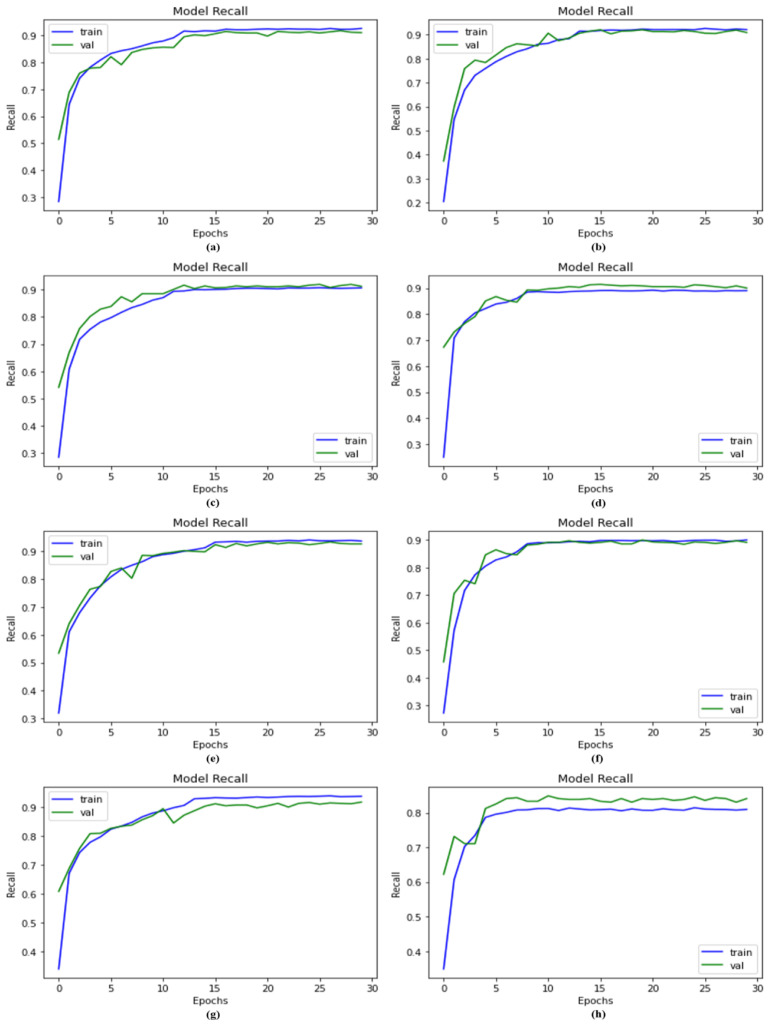
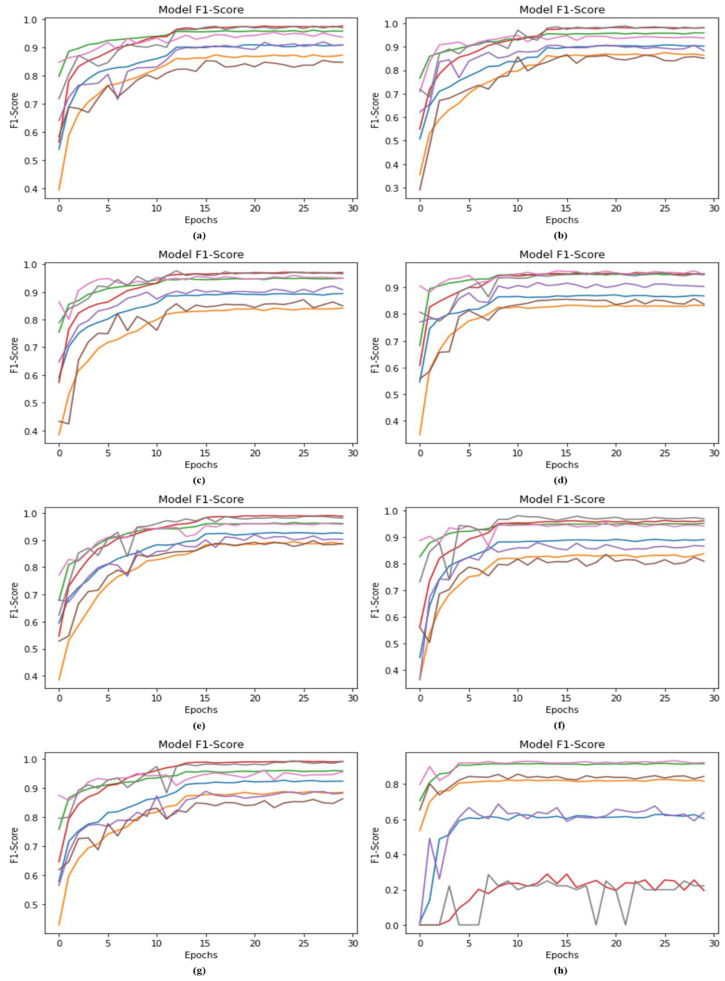
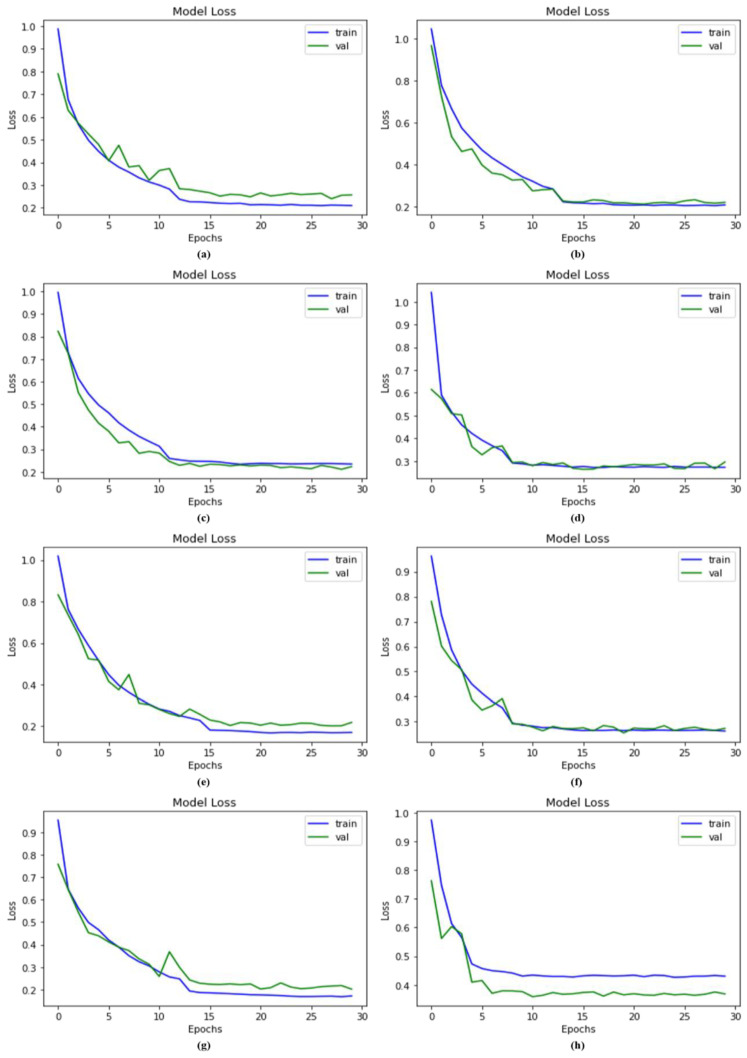
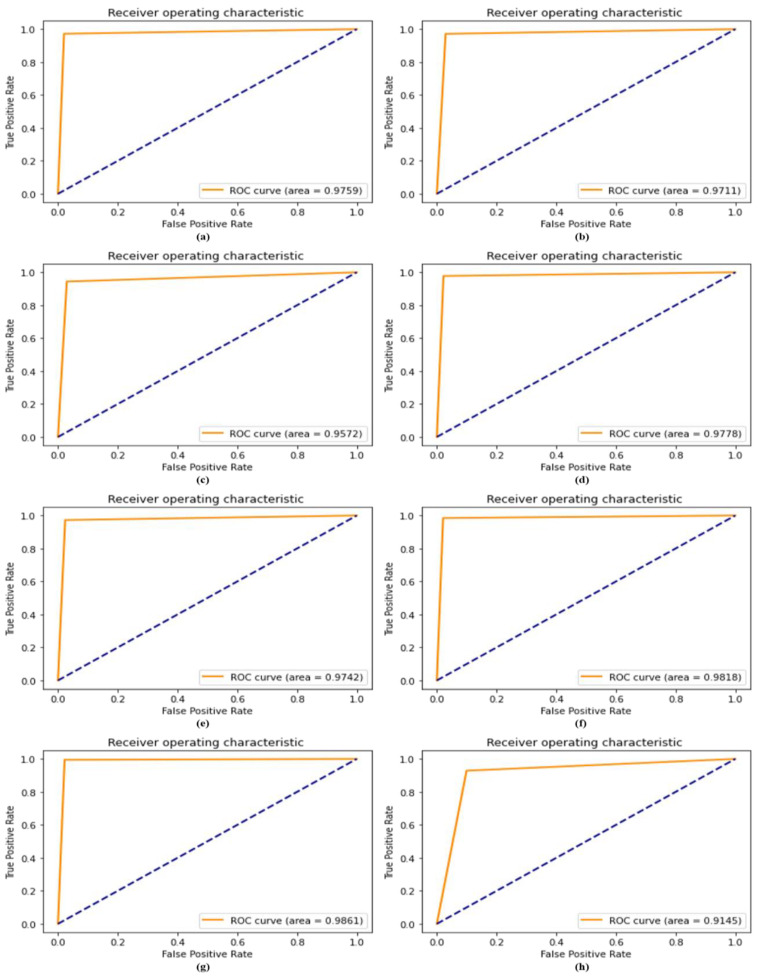
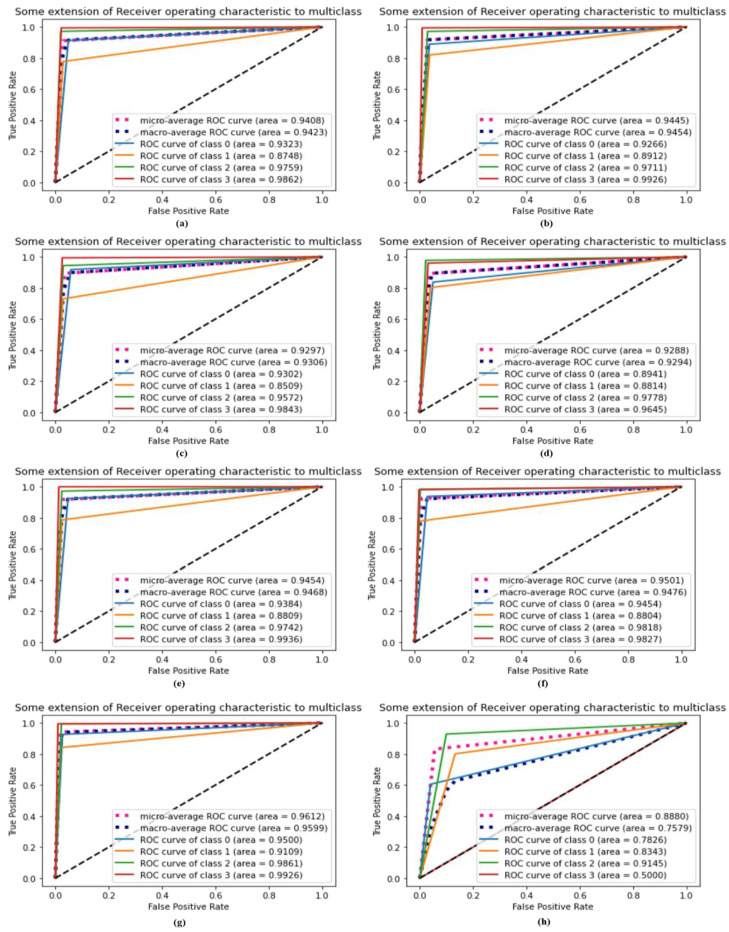
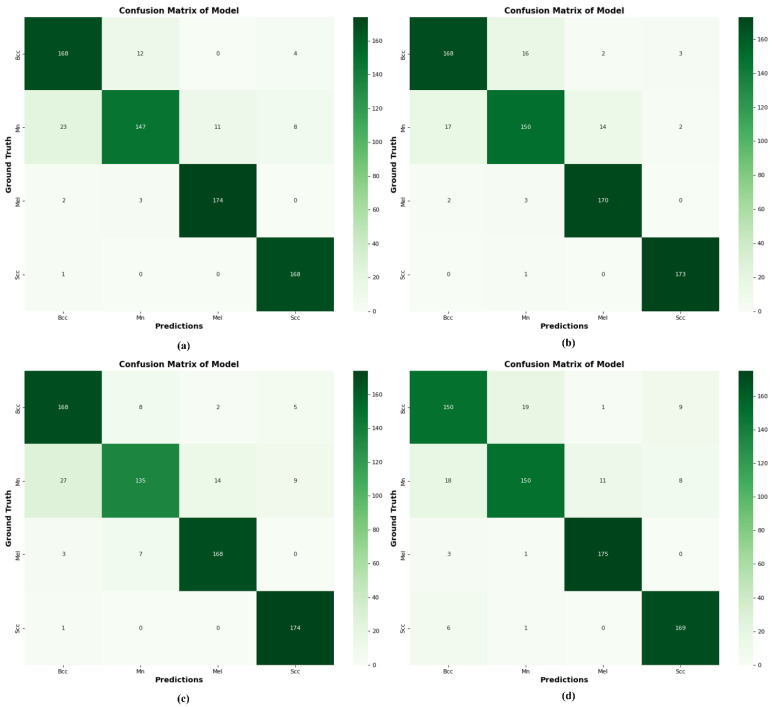
Skin cancer is one of the most lethal kinds of human illness. In the present state of the health care system, skin cancer identification is a time-consuming procedure and if it is not diagnosed initially then it can be threatening to human life. To attain a high prospect of complete recovery, early detection of skin cancer is crucial. In the last several years, the application of deep learning (DL) algorithms for the detection of skin cancer has grown in popularity. Based on a DL model, this work intended to build a multi-classification technique for diagnosing skin cancers such as melanoma (MEL), basal cell carcinoma (BCC), squamous cell carcinoma (SCC), and melanocytic nevi (MN). In this paper, we have proposed a novel model, a deep learning-based skin cancer classification network (DSCC_Net) that is based on a convolutional neural network (CNN), and evaluated it on three publicly available benchmark datasets (i.e., ISIC 2020, HAM10000, and DermIS). For the skin cancer diagnosis, the classification performance of the proposed DSCC_Net model is compared with six baseline deep networks, including ResNet-152, Vgg-16, Vgg-19, Inception-V3, EfficientNet-B0, and MobileNet. In addition, we used SMOTE Tomek to handle the minority classes issue that exists in this dataset. The proposed DSCC_Net obtained a 99.43% AUC, along with a 94.17%, accuracy, a recall of 93.76%, a precision of 94.28%, and an F1-score of 93.93% in categorizing the four distinct types of skin cancer diseases. The rates of accuracy for ResNet-152, Vgg-19, MobileNet, Vgg-16, EfficientNet-B0, and Inception-V3 are 89.32%, 91.68%, 92.51%, 91.12%, 89.46% and 91.82%, respectively. The results showed that our proposed DSCC_Net model performs better as compared to baseline models, thus offering significant support to dermatologists and health experts to diagnose skin cancer.
Overview
The claims and statistics of this paper haven’t been checked yet.
Run the check — free, no account needed. It reads the open-access text and checks the sources it cites.
Integrity signals
Registry
Cites
Statistics
Figures
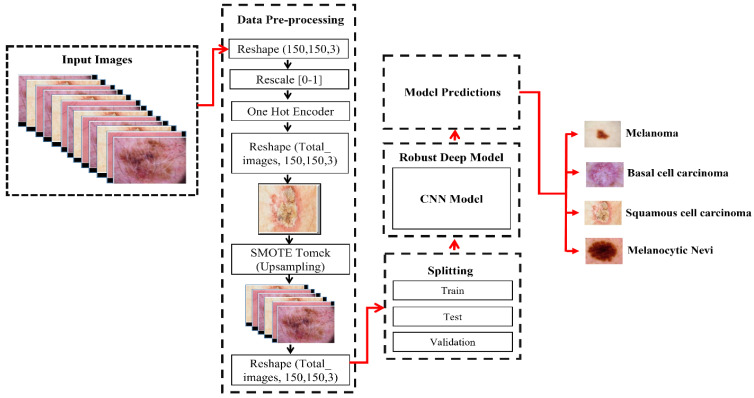
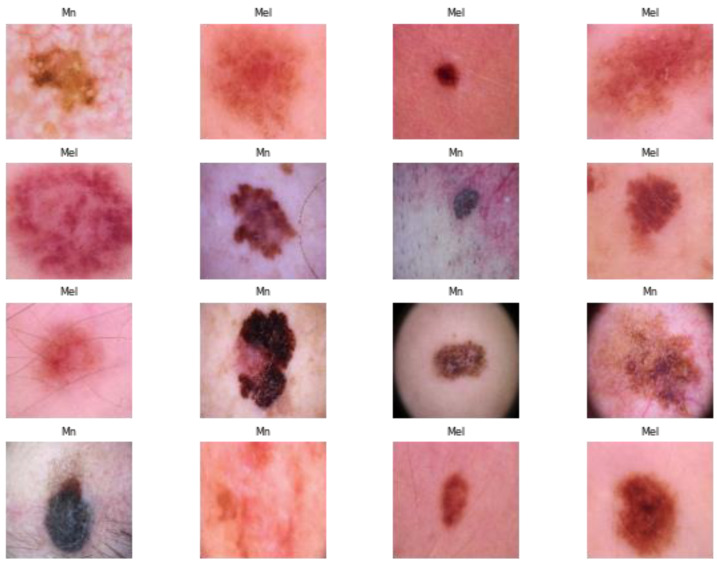
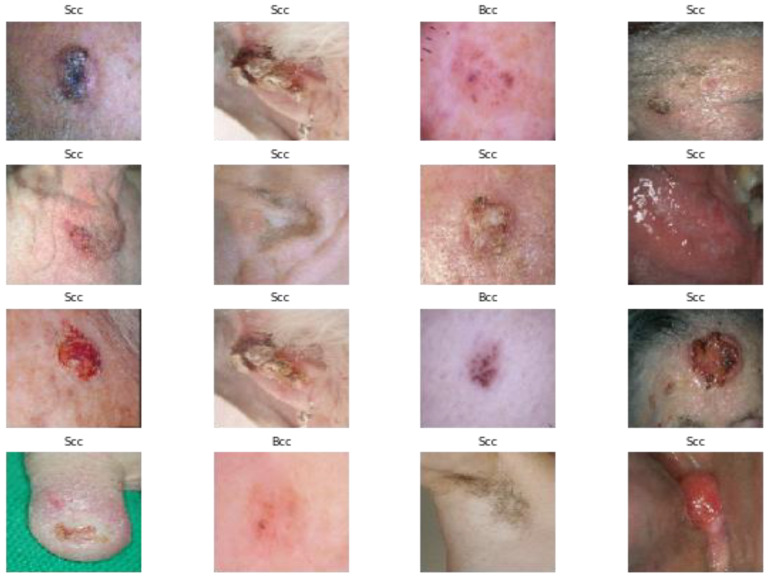
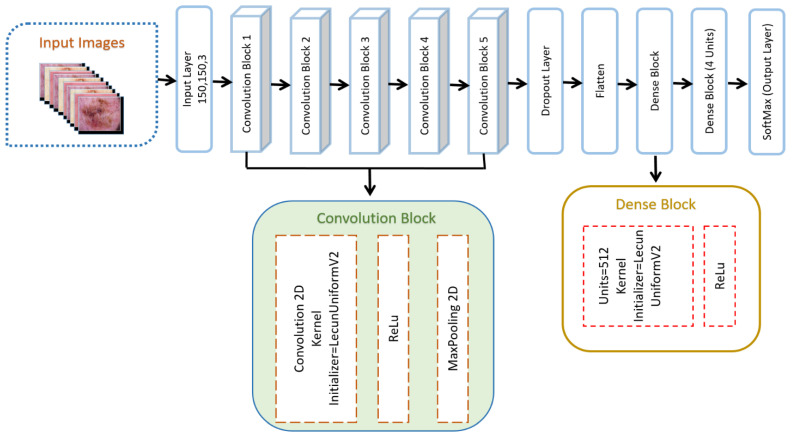
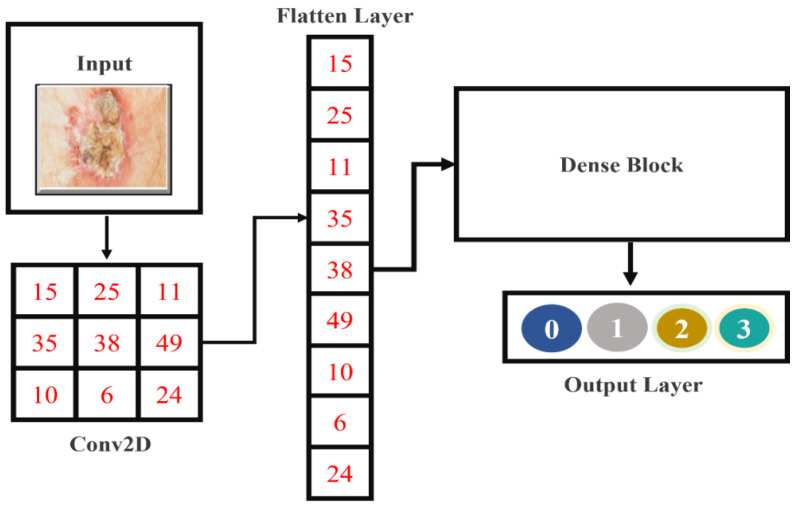
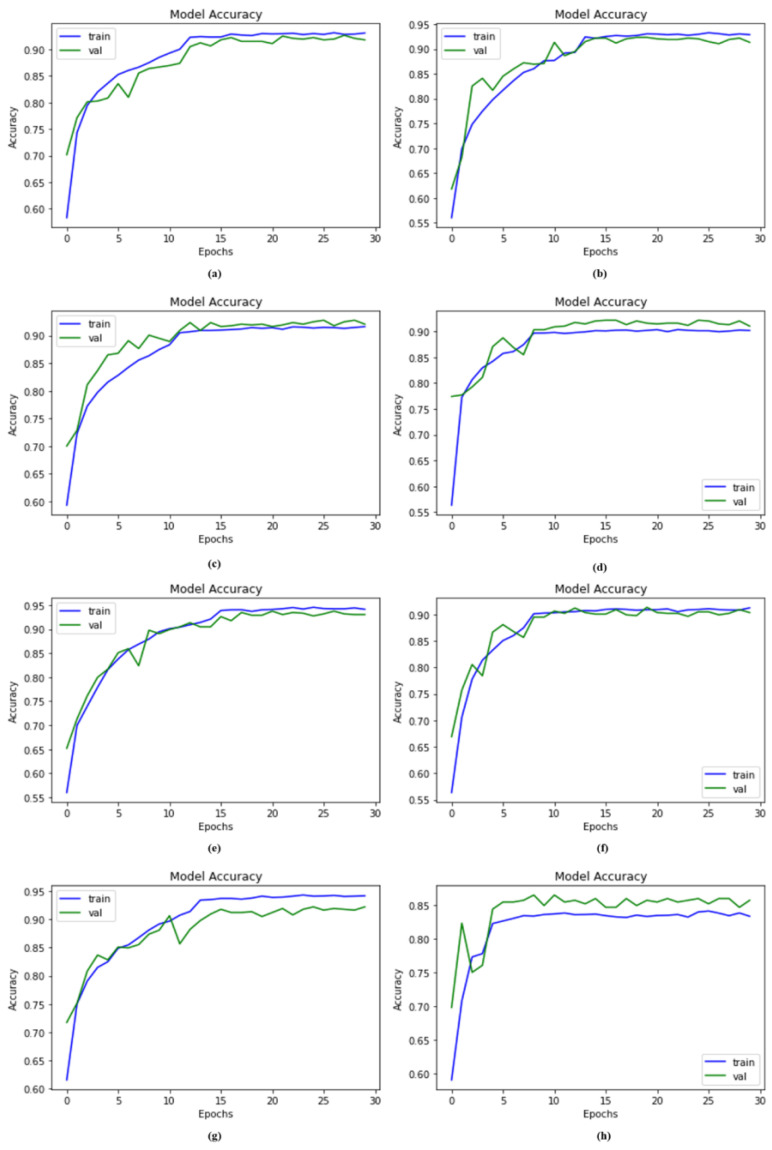
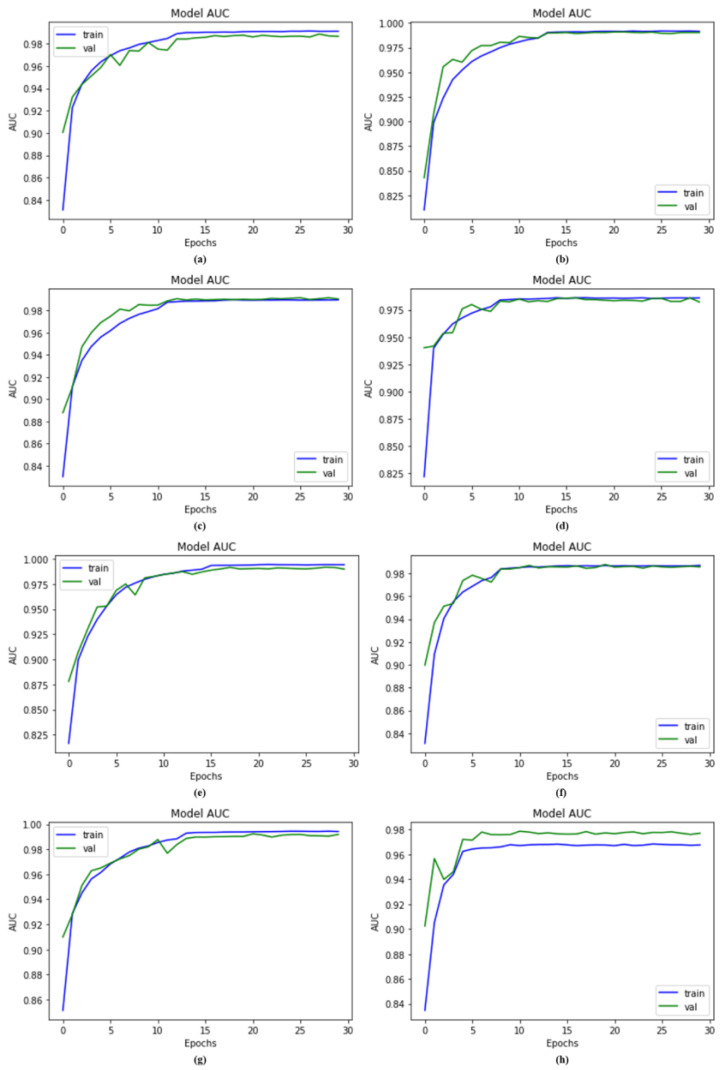
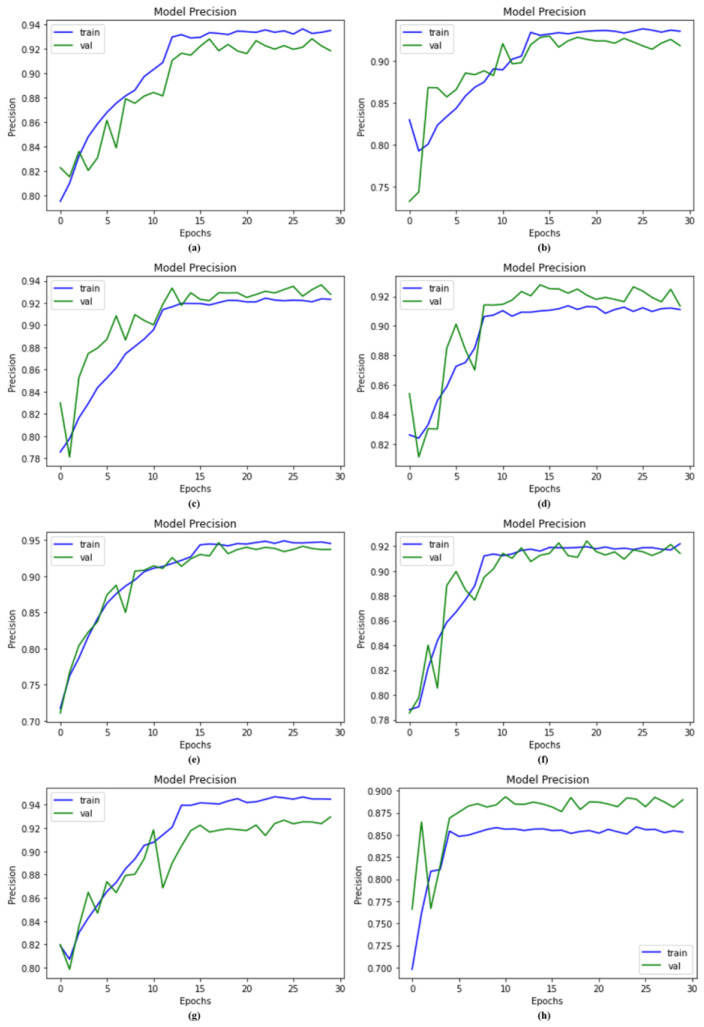
Verification
Claims the paper makes
The claims and statistics of this paper haven’t been checked yet.
Run the check — free, no account needed. It reads the open-access text and checks the sources it cites.
Claims other papers make about this one
Each is checked against this paper’s own text: does it say what the citing paper says it does?
The check wasn’t confident either way, so it gives no verdict — never disputed.
In the citing paper
“Data augmentation is typically treated as supplementary rather than integral (11, 12).”
From Interpretable multimodal fusion for skin lesion classification using dermoscopic images and patient metadata (2026) · cites this paper as [11]
Experimental — accuracy not yet measured
Self-check
Percentages, sums and reported differences re-computed from the paper’s own numbers.
The self-check needs the paper’s full text.
Citations
Cites
Dermatologist-level classification of skin cancer with deep neural networks
Esteva, A., Kuprel, B., Novoa, R. A., Ko, J., Swetter, S. M., Blau, H. M., & Thrun, S. (2017) · Nature · doi:10.1038/nature21056 · Cited by 14,362
Borderline-SMOTE : A New Over-Sampling Method in Imbalanced Data Sets Learning
Han, H., Wang, W.-Y., & Mao, B.-H. (2005) · Lecture notes in computer science · doi:10.1007/11538059_91 · Cited by 4,331
Tschandl, P., Rosendahl, C., & Kittler, H. (2018) · Scientific Data · doi:10.1038/sdata.2018.161 · Cited by 3,628
Incidence Estimate of Nonmelanoma Skin Cancer (Keratinocyte Carcinomas) in the US Population, 2012
Rogers, H. W., Weinstock, M. A., Feldman, S. R., & Coldiron, B. M. (2015) · JAMA Dermatology · doi:10.1001/jamadermatol.2015.1187 · Cited by 1,815
Haenssle, H. A., Fink, C., Schneiderbauer, R., Toberer, F., Buhl, T., Blum, A., Kalloo, A., Hassen, A. B. H., Thomas, L., Enk, A., et al. (2018) · Annals of Oncology · doi:10.1093/annonc/mdy166 · Cited by 1,571
Multi-grade brain tumor classification using deep CNN with extensive data augmentation
Sajjad, M., Khan, S., Muhammad, K., Wu, W., Ullah, A., & Baik, S. W. (2018) · Journal of Computational Science · doi:10.1016/j.jocs.2018.12.003 · Cited by 895
A methodological approach to the classification of dermoscopy images
Celebi, M. E., Kingravi, H. A., Uddin, B., Iyatomi, H., Aslandogan, Y. A., Stoecker, W. V., & Moss, R. H. (2007) · Computerized Medical Imaging and Graphics · doi:10.1016/j.compmedimag.2007.01.003 · Cited by 713
Ali, M. S., Miah, M. S., Haque, J., Rahman, M. M., & Islam, M. K. (2021) · Machine Learning with Applications · doi:10.1016/j.mlwa.2021.100036 · Cited by 415
Deep Learning, Sparse Coding, and SVM for Melanoma Recognition in Dermoscopy Images
Codella, N., Cai, J., Abedini, M., Garnavi, R., Halpern, A. C., & Smith, J. R. (2015) · Lecture notes in computer science · doi:10.1007/978-3-319-24888-2_15 · Cited by 400
Ali, K., Shaikh, Z. A., Khan, A. A., & Laghari, A. A. (2021) · Neuroscience Informatics · doi:10.1016/j.neuri.2021.100034 · Cited by 389
Research works printed but not linked: 3
- Le Duyen, N.T., Hieu, X.L., Lua, T.N., and Hoan, T.N. (2020). Transfer learning with class-weighted and focal loss function for automatic skin cancer classification. arXiv.
- Saksham, B., and Gomekar, A. (2019, January 6–8). Deep learning diagnosis of pigmented skin lesions. Proceedings of the 2019 10th International Conference on Computing, Communication and Networking Technologies (ICCCNT), Kanpur, India.
- Tomáš, M., Bajić, B., Yildirim, S., Hardeberg, J.Y., Lindblad, J., and Sladoje, N. (2018). Ensemble of convolutional neural networks for dermoscopic images classification. arXiv.
Cited by
Sorted by citations
A deep neural network using modified EfficientNet for skin cancer detection in dermoscopic images
Venugopal, V., Raj, N. I., Nath, M. K., & Stephen, N. S. (2023) · Decision Analytics Journal · doi:10.1016/j.dajour.2023.100278 · Cited by 135
Himel, G. M. S., Islam, M. M., Al-Aff, K. A., Karim, S. I., & Sikder, M. K. U. (2024) · International Journal of Biomedical Imaging · doi:10.1155/2024/3022192 · Cited by 118
Naeem, A., Anees, T., Khalil, M., Zahra, K., Naqvi, R. A., & Lee, S. W. (2024) · Mathematics · doi:10.3390/math12071030 · Cited by 107
Bibi, S., Khan, M. A., Shah, J. H., Damaševičius, R., Alasiry, A., Marzougui, M., Alhaisoni, M., & Masood, A. (2023) · Diagnostics · doi:10.3390/diagnostics13193063 · Cited by 88
“Melanocytes are the cells in which melanoma develops when these cells overgrow and form a malignant tumor [11].”
BackgroundKandhro, I. A., Manickam, S., Fatima, K., Uddin, M., Malik, U. A., Naz, A., & Dandoush, A. (2024) · Heliyon · doi:10.1016/j.heliyon.2024.e31488 · Cited by 82
Metadata
- Authors
- Tahir, M., Naeem, A., Malik, H., Tanveer, J., Naqvi, R. A., & Lee, S.-W.
- Affiliations
- National College of Business Administration and Economics (PK)
- University of Management and Technology (PK)
- Sejong University (KR)
- Sungkyunkwan University (KR)
- Corresponding author
- Naqvi, Rizwan Ali
- Lee, Seung-Won
- Venue
- Cancers
- Publisher
- MDPI AG
- Published
- 2023-04-06
- Volume
- 15
- Issue
- 7
- Pages
- 2179
- ISSN
- 2072-6694 (ISSN-L)
- PMC
- PMC10093058
- OpenAlex
- W4362665647
- Cited by
- 240
- References
- 76
- Citations by year
- 2026: 53 · 2025: 88 · 2024: 68 · 2023: 31
- FWCI
- 29.10
- Type
- journal article
- Language
- en
- Open access
- gold
- doi.org
- Licence
- Locations
- Cancers (publishedVersion, cc-by)
- PubMed Central (publishedVersion, cc-by)
- PubMed (publishedVersion)
- Funders
- Ministry of Science and ICT (MSIT) (NRF2022R1G1A1010226, NRF2021R1I1A2059735)
- Topics
- Health Sciences › Medicine › Oncology › Cutaneous Melanoma Detection and Management
- Physical Sciences › Computer Science › Artificial Intelligence › AI in cancer detection
- Health Sciences › Medicine › Dermatology › Nonmelanoma Skin Cancer Studies
- Keywords
- skin cancer classification, dermoscopic images, melanoma, basal cell carcinoma, squamous cell carcinoma, melanocytic nevi, convolutional neural networks, early detection, class imbalance, SMOTE-Tomek, ISIC 2020, HAM10000, dermis
About these checks
Registry, retraction, Cites and statistics results are computed, not judged, with one exception: a printed reference that no index lists is read once by a model before it counts as a citation error. Claims are extracted by a model and kept only when their quote appears verbatim in the text; each cited source is then checked, with a model’s help, for whether it says what the claim relies on. Those verdicts can be wrong — read the claim’s quote and the cited source before relying on one.
Statistics and arithmetic are recomputed, not judged.
Confidence bands are shown only for fields calibrated on our annotated test set. None is calibrated yet, so no band is shown.
What counts as a claim ›How we measure confidence ›How we check this ›
Are you an author, or do you see a problem with this page? Request a review
