

Casein Kinase 1α—A Target for Prostate Cancer Therapy?
Open accessThe DOI matches its Crossref record; 104 of the 106 references it cites were found in a registry or an index.
Abstract
The androgen receptor (AR) is a key driver of prostate cancer (PCa) and, as such, current mainstay treatments target this molecule. However, resistance commonly arises to these therapies and, therefore, additional targets must be evaluated to improve patient outcomes. Consequently, alternative approaches for indirectly targeting the AR are sought. AR crosstalk with other signalling pathways, including several protein kinase signalling cascades, has been identified as a potential route to combat therapy resistance. The casein kinase 1 (CK1) family of protein kinases phosphorylate a multitude of substrates, allowing them to regulate a diverse range of pathways from the cell cycle to DNA damage repair. As well as its role in several signalling pathways that are de-regulated in PCa, mutational data suggest its potential to promote prostate carcinogenesis. CK1α is one isoform predicted to regulate AR activity via phosphorylation and has been implicated in the progression of several other cancer types. In this review, we explore how the normal biological function of CK1 is de-regulated in cancer, the impact on signalling pathways and how this contributes towards prostate tumourigenesis, with a particular focus on the CK1α isoform as a novel therapeutic target for PCa.
Overview
The claims and statistics of this paper haven’t been checked yet.
Free: it reads the open-access text and checks the first 5 claims that cite a source we can check. Create a free account to check every claim.
Integrity signals
Registry
Cites
Statistics
Figures
Verification
Claims the paper makes
The claims and statistics of this paper haven’t been checked yet.
Free: it reads the open-access text and checks the first 5 claims that cite a source we can check. Create a free account to check every claim.
Claims other papers make about this one
Each is checked against this paper’s own text: does it say what the citing paper says it does?
The source backs part of the claim, not all of it — or backs it for a different population, condition or comparison.
In the citing paper
“in prostate cancer, cK1α depletion has shown promise in resensitising resistant tumors to hormonal therapies (liu J et al. 2023; lishman-walker and coffey 2024).”
From From serendipity to strategy: molecular glue degraders in cancer therapeutics (2025) · cites this paper as lishman-walker and coffey 2024
Experimental — accuracy not yet measured
Self-check
Percentages, sums and reported differences re-computed from the paper’s own numbers.
The self-check needs the paper’s full text.
Citations
Cites
Berman, H. M. (2000) · Nucleic Acids Research · doi:10.1093/nar/28.1.235 · Cited by 40,196
Cerami, E., Gao, J., Dogrusoz, U., Gross, B. E., Sumer, S. O., Aksoy, B. A., Jacobsen, A., Byrne, C. J., Heuer, M. L., Larsson, E., et al. (2012) · Cancer Discovery · doi:10.1158/2159-8290.cd-12-0095 · Cited by 17,455
Fast, scalable generation of high‐quality protein multiple sequence alignments using Clustal Omega
Sievers, F., Wilm, A., Dineen, D., Gibson, T. J., Karplus, K., Li, W., Lopez, R., McWilliam, H., Remmert, M., Söding, J., et al. (2011) · Molecular Systems Biology · doi:10.1038/msb.2011.75 · Cited by 15,355 · cited 2×
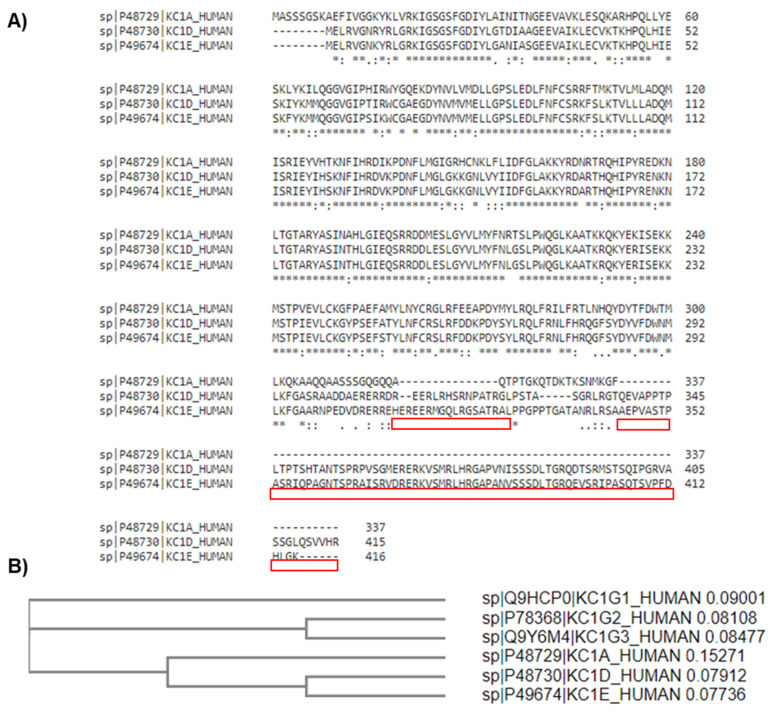
“Alignment performed using the Clustal Omega algorithm [12] .”
MethodIntegrative Analysis of Complex Cancer Genomics and Clinical Profiles Using the cBioPortal
Gao, J., Aksoy, B. A., Dogrusoz, U., Dresdner, G., Gross, B., Sumer, S. O., Sun, Y., Jacobsen, A., Sinha, R., Larsson, E., et al. (2013) · Science Signaling · doi:10.1126/scisignal.2004088 · Cited by 15,160
COSMIC: the Catalogue Of Somatic Mutations In Cancer
Tate, J. G., Bamford, S., Jubb, H. C., Sondka, Z., Beare, D. M., Bindal, N., Boutselakis, H., Cole, C. G., Creatore, C., Dawson, E., et al. (2019) · Nucleic Acids Research · doi:10.1093/nar/gky1015 · Cited by 4,867
The Molecular Taxonomy of Primary Prostate Cancer
Abeshouse, A., Ahn, J., Akbani, R., Ally, A., Amin, S., Andry, C. D., Annala, M., Aprikian, A., Armenia, J., Arora, A., et al. (2015) · Cell · doi:10.1016/j.cell.2015.10.025 · Cited by 3,110
Quantitative Phosphoproteomics Reveals Widespread Full Phosphorylation Site Occupancy During Mitosis
Olsen, J. V., Vermeulen, M., Santamaria, A., Kumar, C., Miller, M. L., Jensen, L. J., Gnad, F., Cox, J., Jensen, T. S., Nigg, E. A., et al. (2010) · Science Signaling · doi:10.1126/scisignal.2000475 · Cited by 1,479
A coordinated phosphorylation by Lats and CK1 regulates YAP stability through SCF β-TRCP
Zhao, B., Li, L., Tumaneng, K., Wang, C.-Y., & Guan, K.-L. (2010) · Genes & Development · doi:10.1101/gad.1843810 · Cited by 1,418 · cited 1×
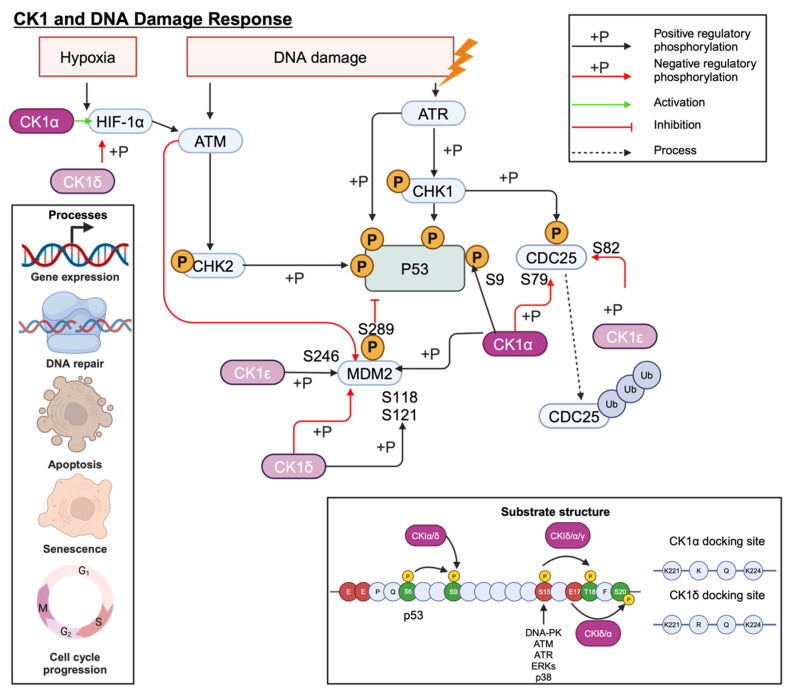
“This provides evidence for a functional role for CK1 α -mediated MDMX phosphorylation with S289 being identified as particularly important [45].”
BackgroundIntegrative molecular concept modeling of prostate cancer progression
Tomlins, S. A., Mehra, R., Rhodes, D. R., Cao, X., Wang, L., Dhanasekaran, S. M., Kalyana-Sundaram, S., Wei, J. T., Rubin, M. A., Pienta, K. J., et al. (2007) · Nature Genetics · doi:10.1038/ng1935 · Cited by 922
Karantanos, T., Corn, P. G., & Thompson, T. C. (2013) · Oncogene · doi:10.1038/onc.2013.206 · Cited by 866
Lenalidomide induces ubiquitination and degradation of CK1α in del(5q) MDS
Krönke, J., Fink, E. C., Hollenbach, P. W., MacBeth, K. J., Hurst, S. N., Udeshi, N. D., Chamberlain, P. P., Mani, D. R., Man, H. W., Gandhi, A. K., et al. (2015) · Nature · doi:10.1038/nature14610 · Cited by 863 · cited 1×
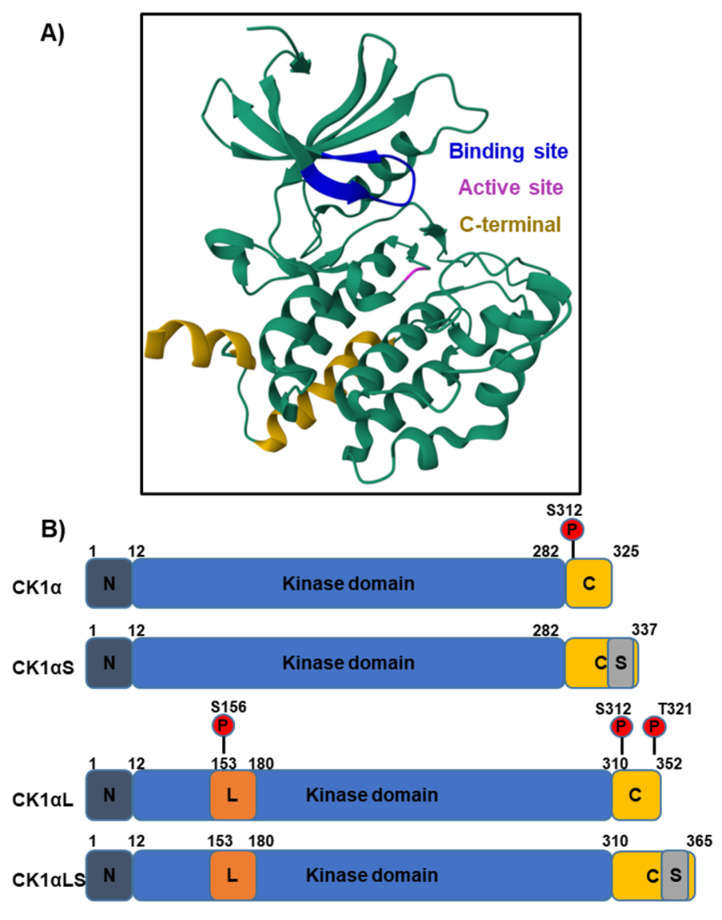
“The crystal structure of mammalian CK1 α when bound to small molecules has been resolved using X-ray diffraction, which will assist in the design of targeted agents [13,14].”
BackgroundBasu, S., Totty, N. F., Irwin, M. S., Sudol, M., & Downward, J. (2003) · Molecular Cell · doi:10.1016/s1097-2765(02)00776-1 · Cited by 843 · cited 1×
“Expression of ATM, a key molecule in double strand break repair, was shown to inversely correlate with CK1 α in patient samples using immunohistochemistry.”
MethodStructural basis of lenalidomide-induced CK1α degradation by the CRL4CRBN ubiquitin ligase
Petzold, G., Fischer, E. S., & Thomä, N. H. (2016) · Nature · doi:10.1038/nature16979 · Cited by 620 · cited 1×
“The crystal structure of mammalian CK1 α when bound to small molecules has been resolved using X-ray diffraction, which will assist in the design of targeted agents [13,14].”
BackgroundThe casein kinase 1 family: participation in multiple cellular processes in eukaryotes
Knippschild, U., Gocht, A., Wolff, S., Huber, N., Löhler, J., & Stöter, M. (2005) · Cellular Signalling · doi:10.1016/j.cellsig.2004.12.011 · Cited by 601 · cited 1×
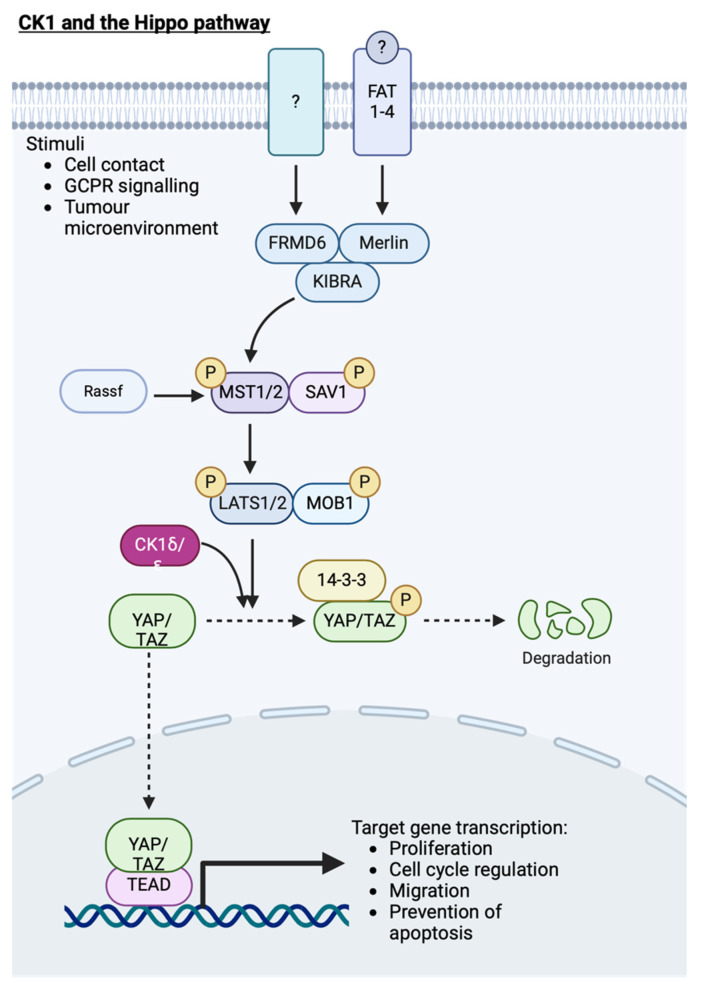
“LATS kinase, which phosphorylates YAP/TAZ to turn off transcriptional activity of their associated transcription factors when the Hippo pathway is active, is predicted to prime YAP for phosphorylation by CK1.”
BackgroundDaub, H., Olsen, J. V., Bairlein, M., Gnad, F., Oppermann, F. S., Körner, R., Greff, Z., Kéri, G., Stemmann, O., & Mann, M. (2008) · Molecular Cell · doi:10.1016/j.molcel.2008.07.007 · Cited by 594 · cited 1×
“This interaction is particularly important in the Wnt pathway which is often dysregulated in PCa [34].”
BackgroundNF‐κB signaling in inflammation and cancer
Zhang, T., Ma, C., Zhang, Z., Zhang, H., & Hu, H. (2021) · MedComm · doi:10.1002/mco2.104 · Cited by 574
FOXO Signaling Pathways as Therapeutic Targets in Cancer
Farhan, M., Wang, H., Gaur, U., Little, P. J., Xu, J., & Zheng, W. (2017) · International Journal of Biological Sciences · doi:10.7150/ijbs.20052 · Cited by 533
Mulholland, D. J., Kobayashi, N., Ruscetti, M., Zhi, A., Tran, L. M., Huang, J., Gleave, M., & Wu, H. (2012) · Cancer Research · doi:10.1158/0008-5472.can-11-3132 · Cited by 478 · cited 1×
“Currently, it is unknown what stimulates AGO2 phosphorylation by CK1 α [101].”
BackgroundToward a comprehensive characterization of a human cancer cell phosphoproteome
Zhou, H., Di Palma, S., Preisinger, C., Peng, M., Polat, A. N., Heck, A. J. R., & Mohammed, S. (2013) · Journal of Proteome Research · doi:10.1021/pr300630k · Cited by 438 · cited 1×
“An important example of such a protein is the RNA helicase DDX3.”
BackgroundAndrogen-targeted therapy in men with prostate cancer: evolving practice and future considerations
Crawford, E. D., Heidenreich, A., Lawrentschuk, N., Tombal, B., Pompeo, A. C. L., Mendoza-Valdes, A., Miller, K., Debruyne, F. M. J., & Klotz, L. (2019) · Prostate Cancer and Prostatic Diseases · doi:10.1038/s41391-018-0079-0 · Cited by 360 · cited 1×
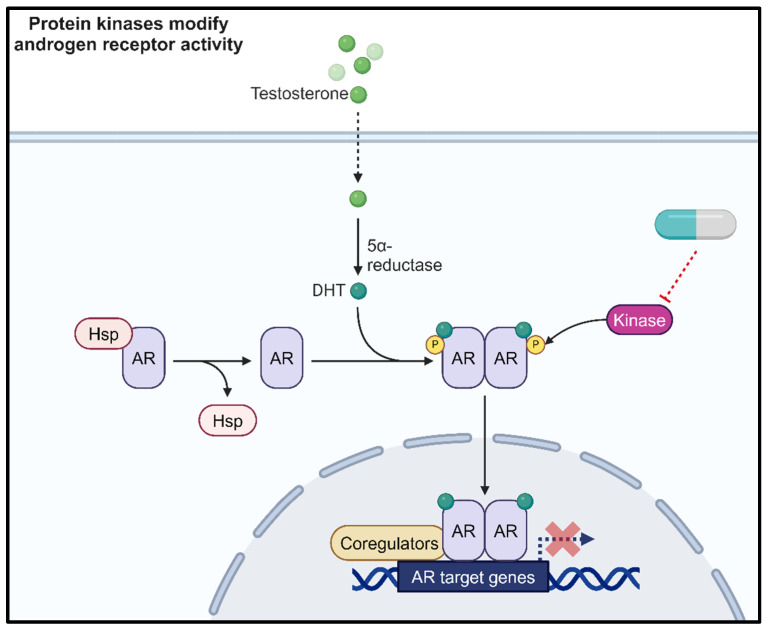
“A key driver of PCa is androgen receptor (AR) signalling (Figure 1); therefore, therapies targeting this pathway are central to the management of advanced PCa [2].”
BackgroundGross, S. D., & Anderson, R. A. (1998) · Cellular Signalling · doi:10.1016/s0898-6568(98)00042-4 · Cited by 306 · cited 1×
“The kinase domain of the CK1 family is highly conserved across eukaryotes; however, there is some variation within the N and C-terminals (Figure 2A) [10,11].”
BackgroundBeltran, H., Oromendia, C., Danila, D. C., Montgomery, B., Hoimes, C., Szmulewitz, R. Z., Vaishampayan, U., Armstrong, A. J., Stein, M., Pinski, J., et al. (2019) · Clinical Cancer Research · doi:10.1158/1078-0432.ccr-18-1912 · Cited by 290 · cited 1×
“Here, mutant RAS drives proteasome activity to further deplete FOXO levels, which can be reversed using Bortezomib, an FDA approved 26 S proteasome inhibitor.”
BackgroundThe CK1 Family: Contribution to Cellular Stress Response and Its Role in Carcinogenesis
Knippschild, U., Krüger, M., Richter, J., Xu, P., GarcÃa-Reyes, B., Peifer, C., Halekotte, J., Bakulev, V., & Bischof, J. (2014) · Frontiers in Oncology · doi:10.3389/fonc.2014.00096 · Cited by 272
Rena, G., Bain, J., Elliott, M., & Cohen, P. (2004) · EMBO reports · doi:10.1038/sj.embor.7400048 · Cited by 249
Two novel phosphorylation sites on FKHR that are critical for its nuclear exclusion
Rena, G. (2002) · The EMBO Journal · doi:10.1093/emboj/21.9.2263 · Cited by 239
Biological functions of casein kinase 1 isoforms and putative roles in tumorigenesis
Schittek, B., & Sinnberg, T. (2014) · Molecular Cancer · doi:10.1186/1476-4598-13-231 · Cited by 239
RNA Helicase DDX3 Is a Regulatory Subunit of Casein Kinase 1 in Wnt–β-Catenin Signaling
Cruciat, C.-M., Dolde, C., de Groot, R. E. A., Ohkawara, B., Reinhard, C., Korswagen, H. C., & Niehrs, C. (2013) · Science · doi:10.1126/science.1231499 · Cited by 206 · cited 2×
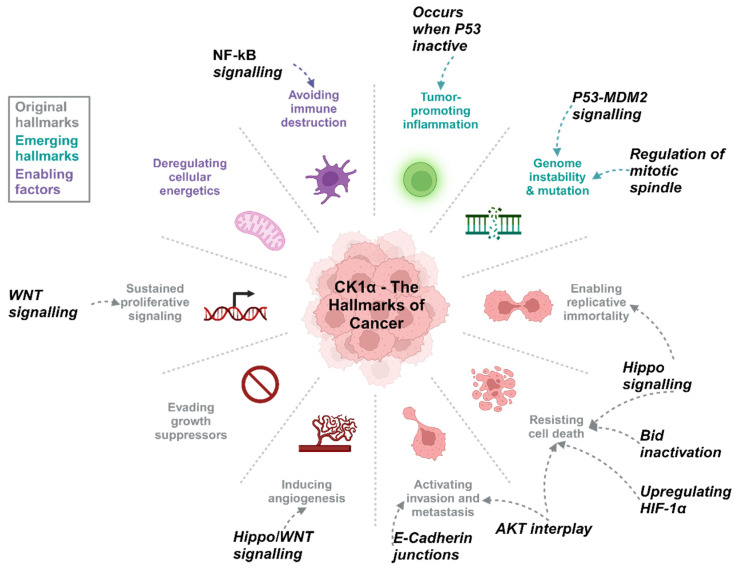
“In cancer (Figure 5) and other disease states, such as neurodegenerative diseases [8], these processes are affected by CK1 α de-regulation (Table 1) Furthermore, mutation of CSNK1A1 is most commonly associated with myelodysplastic syndromes (5q deletion syndrome) and therefore CK1 α has been…”
BackgroundDuan, S., Skaar, J. R., Kuchay, S., Toschi, A., Kanarek, N., Ben-Neriah, Y., & Pagano, M. (2011) · Molecular Cell · doi:10.1016/j.molcel.2011.09.005 · Cited by 194
Badura, L., Swanson, T., Adamowicz, W., Adams, J., Cianfrogna, J., Fisher, K., Holland, J., Kleiman, R., Nelson, F., Reynolds, L., et al. (2007) · The Journal of Pharmacology and Experimental Therapeutics · doi:10.1124/jpet.107.122846 · Cited by 176
Casein kinase 1α governs antigen-receptor-induced NF-κB activation and human lymphoma cell survival
Bidère, N., Ngo, V. N., Lee, J., Collins, C., Zheng, L., Wan, F., Davis, R. E., Lenz, G., Anderson, D. E., Arnoult, D., et al. (2009) · Nature · doi:10.1038/nature07613 · Cited by 173
Crosstalk between the Androgen Receptor and β-Catenin in Castrate-Resistant Prostate Cancer
Wang, G., Wang, J., & Sadar, M. D. (2008) · Cancer Research · doi:10.1158/0008-5472.can-08-1718 · Cited by 171 · cited 1×
“Given the evidence for APC Chd1 in regulating CK1 δ turnover, it would be interesting to see if CDC20 has a similar role in PCa.”
BackgroundZhang, L., Yang, S., Chen, X., Stauffer, S., Yu, F., Lele, S. M., Fu, K., Datta, K., Palermo, N., Chen, Y., et al. (2015) · Molecular and Cellular Biology · doi:10.1128/mcb.00102-15 · Cited by 161 · cited 2×
“Furthermore, kinase-dead CK1 α mutants were unable to stimulate MDMX activity, and CK1 inhibition greatly reduced MDMX However, as with all targeted therapies, the efficacy of such treatment will be dependent upon the molecular characteristics of each patient’s tumour. phosphorylation in MCF7 cells.”
BackgroundCasein kinase 1 and Wnt/β-catenin signaling
Cruciat, C. (2014) · Current Opinion in Cell Biology · doi:10.1016/j.ceb.2014.08.003 · Cited by 156 · cited 1×
“Given the evidence for APC Chd1 in regulating CK1 δ turnover, it would be interesting to see if CDC20 has a similar role in PCa.”
BackgroundGPS 6.0: an updated server for prediction of kinase-specific phosphorylation sites in proteins
Chen, M., Zhang, W., Gou, Y., Xu, D., Wei, Y., Liu, D., Han, C., Huang, X., Li, C., Ning, W., et al. (2023) · Nucleic Acids Research · doi:10.1093/nar/gkad383 · Cited by 153
COSMIC: the catalogue of somatic mutations in cancer
Bindal, N., Forbes, S. A., Beare, D. M., Gunasekaran, P., Leung, K., Kok, C. Y., Jia, M., Bamford, S., Cole, C. G., Ward, S. A., et al. (2011) · Genome biology · doi:10.1186/gb-2011-12-s1-p3 · Cited by 141
Knippschild, U., Wolff, S., Giamas, G., Brockschmidt, C., Wittau, M., Würl, P., Eismann, T., & Stöter, M. (2005) · Oncology Research and Treatment · doi:10.1159/000087137 · Cited by 135
Regulation of the androgen receptor by post-translational modifications
Coffey, K., & Robson, C. N. (2012) · Journal of Endocrinology · doi:10.1530/joe-12-0238 · Cited by 135 · cited 2×
“Deregulation of the proteins responsible for these modifications can result in aberrant AR activity [4].”
BackgroundSelf-citationVerras, M., Brown, J., Li, X., Nusse, R., & Sun, Z. (2004) · Cancer Research · doi:10.1158/0008-5472.can-04-2370 · Cited by 134 · cited 1×
“Given the evidence for APC Chd1 in regulating CK1 δ turnover, it would be interesting to see if CDC20 has a similar role in PCa.”
BackgroundThe DUF1669 domain of FAM83 family proteins anchor casein kinase 1 isoforms
Fulcher, L. J., Bozatzi, P., Tachie-Menson, T., Wu, K. Z. L., Cummins, T. D., Bufton, J. C., Pinkas, D. M., Dunbar, K., Shrestha, S., Wood, N. T., et al. (2018) · Science Signaling · doi:10.1126/scisignal.aao2341 · Cited by 131 · cited 10×
“The ubiquitous expression of these proteins, in addition to the expansive range of substrates, speaks to the diversity of this kinase family and their importance in a wide range of biological processes, including cell cycle regulation, DNA damage response (DDR), cell differentiation, immune response, apoptosis, and au…”
BackgroundInfluentialCasein kinase 1α: biological mechanisms and theranostic potential
Jiang, S., Zhang, M., Sun, J., & Yang, X. (2018) · Cell Communication and Signaling · doi:10.1186/s12964-018-0236-z · Cited by 130 · cited 1×
“As discussed later, there is evidence suggesting that CK1 α negatively regulates p53 signalling [45,46]; therefore, in the absence of p53 perhaps CK1 α acts as a tumour suppressor, and when the expression of CSNK1A1 is low, tumour survival is enhanced.”
BackgroundMilne, D., Rh, P., Campbell, D. G., & Dw, M. (1992) · PubMed · Cited by 122
Inflammation and NF-κB Signaling in Prostate Cancer: Mechanisms and Clinical Implications
Staal, J., & Beyaert, R. (2018) · Cells · doi:10.3390/cells7090122 · Cited by 117 · cited 2×
“Therefore, targeting CK1 α in combination with abiraterone could increase its efficacy and allow lower doses to be used.”
BackgroundCK1α Plays a Central Role in Mediating MDM2 Control of p53 and E2F-1 Protein Stability
Huart, A.-S., MacLaine, N. J., Meek, D. W., & Hupp, T. R. (2009) · Journal of Biological Chemistry · doi:10.1074/jbc.m109.052647 · Cited by 110 · cited 3×
“Steroid receptors, including AR, can inhibit NF-κ B and inflammatory markers are increased in PCa, suggesting that crosstalk between AR and the IKK proteins may contribute to altered NF-κ B signalling in PCa [98].”
BackgroundStadler, W. M., Vaughn, D. J., Sonpavde, G., Vogelzang, N. J., Tagawa, S. T., Petrylak, D. P., Rosen, P., Lin, C., Mahoney, J., Modi, S., et al. (2014) · Cancer · doi:10.1002/cncr.28519 · Cited by 105 · cited 1×
“Here, mutant RAS drives proteasome activity to further deplete FOXO levels, which can be reversed using Bortezomib, an FDA approved 26 S proteasome inhibitor.”
BackgroundFulcher, L. J., & Sapkota, G. P. (2020) · Biochemical Journal · doi:10.1042/bcj20200506 · Cited by 99 · cited 2×
“The kinase domain of the CK1 family is highly conserved across eukaryotes; however, there is some variation within the N and C-terminals (Figure 2A) [10,11].”
BackgroundBRAF and KRAS mutations in prostatic adenocarcinoma
Cho, N., Choi, M., Kim, B., Cho, Y., Moon, K. C., & Kang, G. H. (2006) · International Journal of Cancer · doi:10.1002/ijc.22071 · Cited by 94 · cited 1×
“Currently, it is unknown what stimulates AGO2 phosphorylation by CK1 α [101].”
BackgroundTherapeutic targeting of casein kinase 1δ in breast cancer
Rosenberg, L. H., Lafitte, M., Quereda, V., Grant, W. M., Chen, W., Bibian, M., Noguchi, Y., Fallahi, M., Yang, C., Chang, J. C., et al. (2015) · Science Translational Medicine · doi:10.1126/scitranslmed.aac8773 · Cited by 91 · cited 1×
“More extensive reviews of CK1 kinase functions are available elsewhere [11,42].”
BackgroundRegulation of p53-MDMX interaction by casein kinase 1 alpha
Chen, L., Li, C., Pan, Y., & Chen, J. (2005) · Molecular and Cellular Biology · doi:10.1128/mcb.25.15.6509-6520.2005 · Cited by 88 · cited 3×
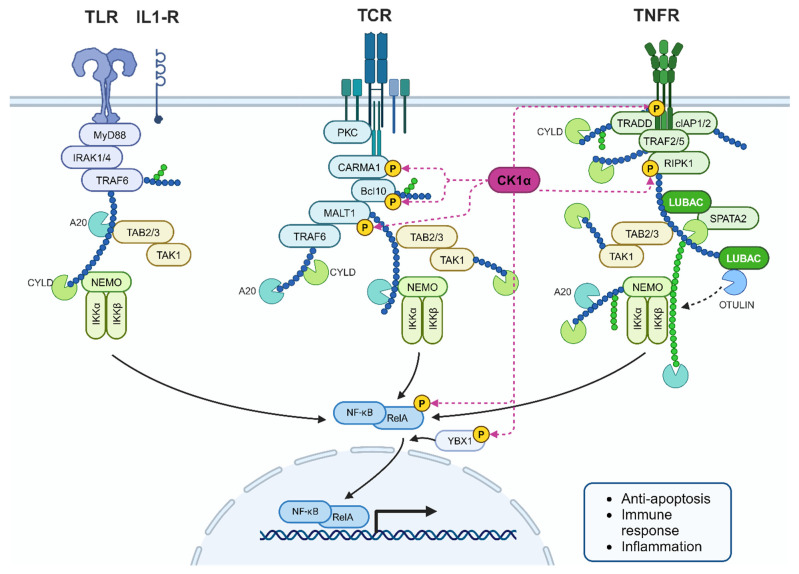
“Another component of the CBM complex is MALT1, which, when stimulated, is phosphorylated at S562 and S649, sites predicted to be CK1 α substrates.”
BackgroundLynch, R. L., Konicek, B. W., McNulty, A. M., Hanna, K. R., Lewis, J. E., Neubauer, B. L., & Graff, J. R. (2005) · Molecular Cancer Research · doi:10.1158/1541-7786.mcr-04-0163 · Cited by 87
Role of the DNA damage response in prostate cancer formation, progression and treatment
Zhang, W., van Gent, D. C., Incrocci, L., van Weerden, W. M., & Nonnekens, J. (2019) · Prostate Cancer and Prostatic Diseases · doi:10.1038/s41391-019-0153-2 · Cited by 84 · cited 1×
“Another component of the CBM complex is MALT1, which, when stimulated, is phosphorylated at S562 and S649, sites predicted to be CK1 α substrates.”
BackgroundLin, C.-C., Su, W., Yen, C.-J., Hsu, C., Su, W.-P., Yeh, K.-H., Lu, Y., Cheng, A.-L., Huang, D. C.-L., Fritsch, H., et al. (2014) · British Journal of Cancer · doi:10.1038/bjc.2014.195 · Cited by 80
Haddad, T. C., Suman, V. J., D’Assoro, A. B., Carter, J. M., Giridhar, K. V., McMenomy, B. P., Santo, K., Mayer, E. L., Karuturi, M. S., Morikawa, A., et al. (2023) · JAMA Oncology · doi:10.1001/jamaoncol.2022.7949 · Cited by 74
Deregulation of FoxO3a accelerates prostate cancer progression in TRAMP mice
Shukla, S., Bhaskaran, N., MacLennan, G. T., & Gupta, S. (2013) · The Prostate · doi:10.1002/pros.22698 · Cited by 71
Deregulation of FOXO3A during prostate cancer progression
Gupta (2009) · International Journal of Oncology · doi:10.3892/ijo_00000291 · Cited by 70
Targeting Casein Kinase 1 (CK1) in Hematological Cancers
Janovská, P., Normant, E., Miskin, H., & Bryja, V. (2020) · International Journal of Molecular Sciences · doi:10.3390/ijms21239026 · Cited by 66 · cited 2×
“…the importance of this kinase in biological functions and the de-regulation of these pathways in cancer and neurodegenerative diseases [5 – 9]. publications have highlighted the importance of this kinase in biological functions and the de-regulation of these pathways in cancer and…”
BackgroundFAM83D directs protein kinase CK1α to the mitotic spindle for proper spindle positioning
Fulcher, L. J., He, Z., Mei, L., Macartney, T., Wood, N. T., Prescott, A. R., Whigham, A., Varghese, J., Gourlay, R., Ball, G., et al. (2019) · EMBO Reports · doi:10.15252/embr.201847495 · Cited by 65 · cited 1×
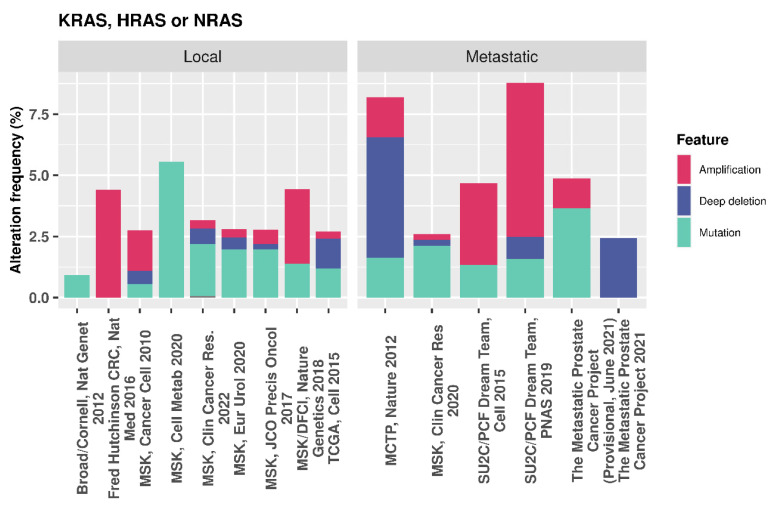
“…in RAS genes are relatively low in PCa [93], ranging from 2.25 to 9.68% of cases across various datasets on cBioPortal (Figure 11), it is thought that RAS de-regulation contributes towards metastasis and, in combination with PTEN loss, can accelerate cancer progression [94]. to 9.68% of…”
BackgroundInfluentialCasein kinase 1α–dependent feedback loop controls autophagy in RAS-driven cancers
Cheong, J. K., Zhang, F., Chua, P. J., Bay, B. H., Thorburn, A., & Virshup, D. M. (2015) · Journal of Clinical Investigation · doi:10.1172/jci78018 · Cited by 64 · cited 1×
“These short, non-coding RNAs carry out their function by associating with Argonaute (AGO) proteins to form the miRNA-induced silencing complex (miRISC) and target mRNAs with the appropriate complementary sequences for silencing.”
BackgroundChen, W. S., Alshalalfa, M., Zhao, S. G., Liu, Y., Mahal, B. A. V., Quigley, D. A., Wei, T., Davicioni, E., Rebbeck, T. R., Kantoff, P. W., et al. (2019) · Clinical Cancer Research · doi:10.1158/1078-0432.ccr-19-0404 · Cited by 60 · cited 1×
“In human T cells, siRNA-mediated knockdown of CK1 α reduces IL-2 production, consistent with decreased activation of an NF-κ B luciferase reporter, and introduction of kinase-dead mutant CK1 α increased T-cell receptor activity; evidence that CK1 α can negatively regulate NF-κ B signalling to…”
BackgroundHanna-Addams, S., Liu, S., Liu, H., Chen, S., & Wang, Z. (2020) · Proceedings of the National Academy of Sciences · doi:10.1073/pnas.1917112117 · Cited by 59
Dual IKZF2 and CK1α degrader targets acute myeloid leukemia cells
Park, S.-M., Miyamoto, D. K., Han, G. Y. Q., Chan, M., Curnutt, N. M., Tran, N. L., Velleca, A., Kim, J. H., Schurer, A., Chang, K., et al. (2023) · Cancer Cell · doi:10.1016/j.ccell.2023.02.010 · Cited by 56
Inhibition of CK1ε potentiates the therapeutic efficacy of CDK4/6 inhibitor in breast cancer
Dang, F., Nie, L., Zhou, J. R., Shimizu, K., Chu, C., Wu, Z., Fassl, A., Ke, S., Wang, Y., Zhang, J., et al. (2021) · Nature Communications · doi:10.1038/s41467-021-25700-6 · Cited by 55
Lacombe, J., Harris, A. F., Zenhausern, R., Karsunsky, S., & Zenhausern, F. (2020) · Frontiers in Bioengineering and Biotechnology · doi:10.3389/fbioe.2020.00932 · Cited by 54 · cited 8×
“The ubiquitous expression of these proteins, in addition to the expansive range of substrates, speaks to the diversity of this kinase family and their importance in a wide range of biological processes, including cell cycle regulation, DNA damage response (DDR), cell differentiation, immune response, apoptosis, and au…”
BackgroundInfluentialIsoform specific phosphorylation of p53 by protein kinase CK1
Venerando, A., Marin, O., Cozza, G., Bustos, V., Sarno, S., & Pinna, L. A. (2009) · Cellular and Molecular Life Sciences · doi:10.1007/s00018-009-0236-7 · Cited by 51 · cited 2×
“Together, these findings suggest that the kinase activity, rather than just the presence of CK1 α , contributes to CBM complex assembly and subsequent signalling [99].”
BackgroundLi, B., Orton, D., Neitzel, L. R., Astudillo, L., Shen, C., Long, J., Chen, X., Kirkbride, K. C., Doundoulakis, T., Guerra, M. L., et al. (2017) · Science Signaling · doi:10.1126/scisignal.aak9916 · Cited by 50
Four Casein Kinase I Isoforms Are Differentially Partitioned between Nucleus and Cytoplasm
Fu, Z., Chakraborti, T., Morse, S., Bennett, G. S., & Shaw, G. (2001) · Experimental Cell Research · doi:10.1006/excr.2001.5324 · Cited by 49
Zhang, J., Gross, S. D., Schroeder, M. D., & Anderson, R. A. (1996) · Biochemistry · doi:10.1021/bi9614444 · Cited by 49
Casein Kinase 1δ Is an APC/CCdh1 Substrate that Regulates Cerebellar Granule Cell Neurogenesis
Penas, C., Govek, E., Fang, Y., Ramachandran, V., Daniel, M. L., Wang, W., Maloof, M. E., Rahaim, R. J. J., Bibian, M., Kawauchi, D., et al. (2015) · Cell Reports · doi:10.1016/j.celrep.2015.03.016 · Cited by 46 · cited 1×
“In such cases, CK1 α inhibition could be a potential strategy to reactivate these tumour suppressors and regulate”
BackgroundIntegral analysis of p53 and its value as prognostic factor in sporadic colon cancer
Fariña Sarasqueta, A., Forte, G. I., Corver, W. E., de Miranda, N. F., Ruano, D., van Eijk, R., Oosting, J., Tollenaar, R. A., van Wezel, T., & Morreau, H. (2013) · BMC Cancer · doi:10.1186/1471-2407-13-277 · Cited by 45
Autophosphorylation of carboxy‐terminal residues inhibits the activity of protein kinase CK1α
Budini, M., Jacob, G., Jedlicki, A., Pérez, C., Allende, C. C., & Allende, J. E. (2008) · Journal of Cellular Biochemistry · doi:10.1002/jcb.22019 · Cited by 44 · cited 4×
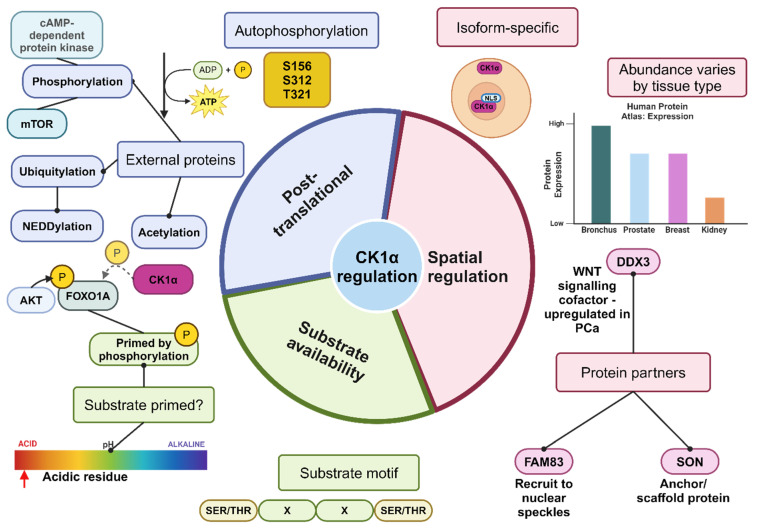
“The impact of substrate availability on kinase activity became evident when modelled in E. coli , as CK1 auto-phosphor-ylation rate varied dependent upon the levels of available substrate [25].”
BackgroundInfluentialBustos, V. H., Ferrarese, A., Venerando, A., Marin, O., Allende, J. E., & Pinna, L. A. (2006) · Proceedings of the National Academy of Sciences · doi:10.1073/pnas.0609424104 · Cited by 42 · cited 2×
“CK1 δ contains functional RXXL motifs, which APC Cdh1 uses to recognise substrates, resulting in ubiquitination and turnover of CK1 δ in cerebellar granule cell progenitors [79].”
BackgroundBurzio, V., Antonelli, M., Allende, C. C., & Allende, J. E. (2002) · Journal of Cellular Biochemistry · doi:10.1002/jcb.10263 · Cited by 42
Kinase domain autophosphorylation rewires the activity and substrate specificity of CK1 enzymes
Cullati, S. N., Chaikuad, A., Chen, J., Gebel, J., Tesmer, L. A., Zhubi, R., Navarrete-Perea, J., Guillen, R. X., Gygi, S. P., Hummer, G., et al. (2022) · Molecular Cell · doi:10.1016/j.molcel.2022.03.005 · Cited by 42 · cited 2×
“Specifically, when DDX3 is knocked down in the absence of wnt3a, CK1 activity is inhibited to a similar level as when treated with a CK1 inhibitor such as D4476, suggesting that DDX3 is essential for CK1 activity [35,36].”
BackgroundSeo, W. I., Park, S., Gwak, J., Ju, B. G., Chung, J. I., Kang, P. M., & Oh, S. (2017) · Biochemical and Biophysical Research Communications · doi:10.1016/j.bbrc.2017.03.158 · Cited by 41 · cited 1×
“…of CK1 α , increases PCa patients overexpressing CK1 α , this heightened level of p-ATM results in enhanced ATM turnover, which contributes to therapy resistance. p53 activity, suggesting that CK1 α plays a role in MDMX-mediated p53 inhibition, contrary to the reported p53 activation by CK1 δ / ε .”
ResultCasein kinase 1 is recruited to nuclear speckles by FAM83H and SON
Kuga, T., Kume, H., Adachi, J., Kawasaki, N., Maiko, S., Hoshino, I., Matsubara, H., Saito, Y., Nakayama, Y., & Tomonaga, T. (2016) · Scientific Reports · doi:10.1038/srep34472 · Cited by 39 · cited 1×
“These mechanisms are likely to work cooperatively rather than exclusively to modulate CK1 activity. exclusively to”
BackgroundManni, S., Carrino, M., Manzoni, M., Gianesin, K., Nunes, S. C., Costacurta, M., Tubi, L. Q., Macaccaro, P., Taiana, E., Cabrelle, A., et al. (2017) · Oncotarget · doi:10.18632/oncotarget.14654 · Cited by 36
Design and Development of IKZF2 and CK1α Dual Degraders
Miyamoto, D. K., Curnutt, N. M., Park, S., Stavropoulos, A., Kharas, M. G., & Woo, C. M. (2023) · Journal of Medicinal Chemistry · doi:10.1021/acs.jmedchem.3c01736 · Cited by 35
MALT1 Phosphorylation Controls Activation of T Lymphocytes and Survival of ABC-DLBCL Tumor Cells
Gehring, T., Erdmann, T., Rahm, M., Graß, C., Flatley, A., O’Neill, T. J., Woods, S., Meininger, I., Karayel, Ö., Kutzner, K., et al. (2019) · Cell Reports · doi:10.1016/j.celrep.2019.09.040 · Cited by 33 · cited 1×
“Therefore, targeting CK1 α in combination with abiraterone could increase its efficacy and allow lower doses to be used.”
BackgroundCasein Kinase 1α as a Regulator of Wnt-Driven Cancer
Shen, C., Nayak, A., Meléndez, R. A., Wynn, D. T., Jackson, J., Lee, E. N., Ahmed, Y. F., & Robbins, D. J. (2020) · International Journal of Molecular Sciences · doi:10.3390/ijms21165940 · Cited by 33 · cited 2×
“However, variants have also been described as CK1 α NI (no insert, CK1 α equivalent), CK1 α S, CK1 α L and CK1 α SN (CK1 α L with an N-terminal truncation) [17].”
BackgroundHuart, A.-S., MacLaine, N. J., Narayan, V., & Hupp, T. R. (2012) · PLoS ONE · doi:10.1371/journal.pone.0043391 · Cited by 32
Heuser, M., Meggendorfer, M., Cruz, M. M. A., Fabisch, J., Klesse, S., Köhler, L., Göhring, G., Ganster, C., Shirneshan, K., Gutermuth, A., et al. (2015) · Leukemia · doi:10.1038/leu.2015.49 · Cited by 30
A CK1 FRET biosensor reveals that DDX3X is an essential activator of CK1ε
Dolde, C. E., Bischof, J., Grüter, S., Montada, A., Halekotte, J., Peifer, C., Kalbacher, H., Baumann, U., Knippschild, U., & Suter, B. (2018) · Journal of Cell Science · doi:10.1242/jcs.207316 · Cited by 30
Bar, I., Merhi, A., Larbanoix, L., Constant, M., Haussy, S., Laurent, S., Canon, J.-L. R., & Delrée, P. (2018) · Oncotarget · doi:10.18632/oncotarget.25738 · Cited by 30
CK1α overexpression correlates with poor survival in colorectal cancer
Richter, J., Kretz, A.-L., Lemke, J., Fauler, M., Werner, J.-U., Paschke, S., Leithäuser, F., Henne-Bruns, D., Hillenbrand, A., & Knippschild, U. (2018) · BMC Cancer · doi:10.1186/s12885-018-4019-0 · Cited by 28
CK1 Is a Druggable Regulator of Microtubule Dynamics and Microtubule-Associated Processes
Roth, A., Gihring, A., Bischof, J., Pan, L., Oswald, F., & Knippschild, U. (2022) · Cancers · doi:10.3390/cancers14051345 · Cited by 27 · cited 1×
“In the presence of oncogenic RAS, the PI3K/AKT/mTOR pathway is up-regulated, resulting in increased CK1 α activity, which, in turn, reduces nuclear FOXO3a and decreases autophagy [91].”
BackgroundOncogenic RAS-induced CK1α drives nuclear FOXO proteolysis
Zhang, F., Virshup, D. M., & Cheong, J. K. (2017) · Oncogene · doi:10.1038/onc.2017.334 · Cited by 26 · cited 1×
“This results in hyperphosphorylated AGO2 to regulate association of target mRNAs with miRISC and influence resultant gene silencing.”
BackgroundYong, T. J. K., Gan, Y., Toh, B., & Sentry, J. W. (2000) · Biochimica et Biophysica Acta (BBA) - Gene Structure and Expression · doi:10.1016/s0167-4781(00)00146-9 · Cited by 26
CSNK1A1 mutations and gene expression analysis in myelodysplastic syndromes with del(5q)
Bello, E., Pellagatti, A., Shaw, J., Mecucci, C., Kušec, R., Killick, S., Giagounidis, A., Raynaud, S., Calasanz, M. J., Fenaux, P., et al. (2015) · British Journal of Haematology · doi:10.1111/bjh.13563 · Cited by 25 · cited 2×
“RNA-seq identified CSNK1D as widely overexpressed across the different breast cancer subtypes.”
BackgroundThe protein kinase CK1: Inhibition, activation, and possible allosteric modulation
Sunkari, Y. K., Meijer, L., & Flajolet, M. (2022) · Frontiers in Molecular Biosciences · doi:10.3389/fmolb.2022.916232 · Cited by 25
Expression and Localization of DDX3 in Prostate Cancer Progression and Metastasis
Vellky, J. E., Ricke, E. A., Huang, W., & Ricke, W. A. (2019) · American Journal Of Pathology · doi:10.1016/j.ajpath.2019.02.011 · Cited by 23 · cited 1×
“CK1 α plays a role in a range of biological processes within healthy cells, including cell proliferation, apoptosis and regulation of genome stability In cancer (Figure 5) and other disease states, such as neurodegenerative diseases [8], these processes are affected by CK1 α de-regulation (Table 1).”
BackgroundMicrotubules Depolymerization Caused by the CK1 Inhibitor IC261 May Be Not Mediated by CK1 Blockage
Stöter, M., Krüger, M., Banting, G. S., Henne‐Bruns, D., & Knippschild, U. (2014) · PLoS ONE · doi:10.1371/journal.pone.0100090 · Cited by 19
The CK1α Activator Pyrvinium Enhances the Catalytic Efficiency (kcat/Km) of CK1α
Shen, C., Li, B., Astudillo, L., Deutscher, M. P., Cobb, M. H., Capobianco, A. J., Lee, E. N., & Robbins, D. J. (2019) · Biochemistry · doi:10.1021/acs.biochem.9b00891 · Cited by 19
Liu, J., Zhao, Y., He, D., Jones, K. M., Tang, S., Allison, D. B., Zhang, Y., Chen, J., Zhang, Q., Wang, X., et al. (2023) · Cell Reports Medicine · doi:10.1016/j.xcrm.2023.101015 · Cited by 19
Casein kinase 1 and 2 phosphorylate Argonaute proteins to regulate miRNA‐mediated gene silencing
Shah, V. N., Neumeier, J., Huberdeau, M. Q., Zeitler, D. M., Bruckmann, A., Meister, G., & Simard, M. J. (2023) · EMBO Reports · doi:10.15252/embr.202357250 · Cited by 18 · cited 1×
“The interaction of CK1 α with co-factors or scaffolding proteins provides an opportunity for more precise targeting of CK1 than is currently possible with small-molecule inhibitors.”
BackgroundAquino-Perez, C., Burócziová, M., Jeníková, G., & Macůrek, L. (2021) · EMBO Reports · doi:10.15252/embr.202051847 · Cited by 17 · cited 1×
“…(Figure 11), it is thought that RAS de-regulation contributes towards metastasis and, in combination with PTEN loss, can accelerate cancer Given these findings in a proportion of PCas that have both PTEN loss and RAS activation, CK1 α activity may be repressing FOXO activity. progression [94].”
BackgroundKlement, K., Brückner, M., & Bernkopf, D. B. (2023) · Journal of Cell Science · doi:10.1242/jcs.261214 · Cited by 16 · cited 1×
“Given the evidence for APC Chd1 in regulating CK1 δ turnover, it would be interesting to see if CDC20 has a similar role in PCa.”
BackgroundHoang, A. T. N., Hoe, K., & Lee, S.-J. (2021) · PLoS ONE · doi:10.1371/journal.pone.0246264 · Cited by 15 · cited 1×
“More extensive reviews of CK1 kinase functions are available elsewhere [11,42].”
BackgroundTargeting the Hippo Pathway in Prostate Cancer: What’s New?
Coffey, K. (2021) · Cancers · doi:10.3390/cancers13040611 · Cited by 15 · cited 2×
“Whilst FOXO3a is the most highly expressed member of the FOXO family in PCa cell lines, its expression is reduced in the androgen-independent Impaired DDR is associated with more aggressive PCa, and the identification of crosstalk between AR and DNA-PKcs has ultimately resulted in an ongoing…”
BackgroundSelf-citationCasein Kinase 1α Regulates Testosterone Synthesis and Testis Development in Adult Mice
Guo, H., Zhang, D., Zhou, Y., Sun, L., Li, C., Luo, X., Liu, J., & Cui, S. (2023) · Endocrinology · doi:10.1210/endocr/bqad042 · Cited by 13 · cited 1×
“Difficulty in targeting CK1 will likely arise from the presence of multiple CK1 isoforms and splice variants, particularly as different isoforms can play opposing roles within the same signalling cascade.”
BackgroundGao, H., Lin, S., Han, X., Xu, H., Gao, Y., & Qin, Z. (2021) · Annals of Translational Medicine · doi:10.21037/atm-21-935 · Cited by 9 · cited 2×
“Furthermore, in LNCaP-AI cells, the level of pFOXO3a (Thr32) is increased and associated with reduced”
BackgroundMeng, Z., Böhm, T., Xu, P., Henne‐Bruns, D., Peifer, C., Witt, L., Knippschild, U., & Bischof, J. (2019) · Biochimica et Biophysica Acta (BBA) - Proteins and Proteomics · doi:10.1016/j.bbapap.2019.05.004 · Cited by 9 · cited 1×
“Although it is possible that the regulatory activity varies across different cell types depending upon the predominant CK1 isoform expressed.”
BackgroundBall, B. J., Borthakur, G. M., Stein, A. S., Chan, K. W. H., Thai, D. L., & Stein, E. M. (2022) · Journal of Clinical Oncology · doi:10.1200/jco.2022.40.16_suppl.7030 · Cited by 4
Hoang, L. N., & Lee, S.-J. (2023) · Cellular Signalling · doi:10.1016/j.cellsig.2023.110733 · Cited by 3 · cited 1×
“More extensive reviews of CK1 kinase functions are available elsewhere [11,42].”
BackgroundCasein Kinase 1A1 (CSNK1A1) Is Recurrently Mutated in MDS Patients with Deletion of Chromosome 5q
Heuser, M., Meggendorfer, M., Cruz, M. M. A., Koehler, L., Goehring, G., Ganster, C., Gutermuth, A., Panagiota, V., Fabisch, J., Haferlach, C., et al. (2014) · Blood · doi:10.1182/blood.v124.21.4643.4643 · Cited by 2 · cited 2×
“RNA-seq identified CSNK1D as widely overexpressed across the different breast cancer subtypes.”
BackgroundCK1δ/ε inhibition induces ULK1-mediated autophagy in tumorigenesis
Xue, V. W., Liu, S., Sun, Q., Ning, J., Li, H., Wang, W., Sayed, S., Zhao, X., Fu, L., & Lu, D. (2024) · Translational Oncology · doi:10.1016/j.tranon.2023.101863 · Cited by 2
Cited by
From serendipity to strategy: molecular glue degraders in cancer therapeutics
Darling, S., Bajrami, I., & West, S. C. (2025) · Critical Reviews in Biochemistry and Molecular Biology · doi:10.1080/10409238.2025.2564068 · Cited by 9
“…directed therapy. in prostate cancer, cK1α depletion has shown promise in resensitising resistant tumors to hormonal therapies (liu J et al. 2023; lishman-walker and coffey 2024). in addition, its involvement in supporting the survival of various solid tumors, including colorectal, kidney and…”
Patil, S. M., Jayaram, L., & Ramu, R. (2025) · Food Bioscience · doi:10.1016/j.fbio.2025.107775 · Cited by 2
Casein kinase 1α inhibition reduces prostate cancer cells viability: Role of the autophagy mechanism
Behrouj, H., Zabihi, S., Asl, M. A. T., Noorbakhsh, N., Movahedpour, A., Veisi, A., Zarezade, V., Sabaghan, M., & Azadbakht, O. (2026) · Urologic Oncology Seminars and Original Investigations · doi:10.1016/j.urolonc.2026.111052
Multifaceted roles of casein kinase 1 in health and disease: beyond cancer
Kim, S., & Oh, J. H. (2026) · BMB Reports · doi:10.5483/bmbrep.2025-0142
Metadata
- Authors
- Lishman-Walker, E., & Coffey, K.
- Affiliations
- Newcastle University (GB)
- Corresponding author
- Coffey, Kelly
- Venue
- Cancers
- Publisher
- MDPI AG
- Published
- 2024-07-02
- Volume
- 16
- Issue
- 13
- Pages
- 2436
- ISSN
- 2072-6694 (ISSN-L)
- PMC
- PMC11240421
- OpenAlex
- W4400241060
- Cited by
- 4
- References
- 106
- Citations by year
- 2026: 2 · 2025: 2
- FWCI
- 0.30
- Type
- journal article
- Language
- en
- Open access
- gold
- doi.org
- Licence
- Locations
- Cancers (publishedVersion, cc-by)
- PubMed Central (publishedVersion, cc-by)
- PubMed (publishedVersion)
- Newcastle University ePrints (Newcastle Univesity) (cc-by)
- Funders
- Movember-funded Prostate Cancer UK Career Development Fellowship (CDF12-006, RIA19-ST2-005)
- Prostate Cancer UK Research Innovation Award (CDF12-006, RIA19-ST2-005)
- Topics
- Life Sciences › Biochemistry, Genetics and Molecular Biology › Cancer Research › Prostate Cancer Treatment and Research
- Life Sciences › Biochemistry, Genetics and Molecular Biology › Cancer Research › Cancer Mechanisms and Therapy
- Life Sciences › Biochemistry, Genetics and Molecular Biology › Molecular Biology › PI3K/AKT/mTOR signaling in cancer
- Keywords
- CK1α, prostate cancer, androgen receptor, androgen receptor phosphorylation, treatment resistance, prostate carcinogenesis, protein kinase signalling, therapeutic target, tumourigenesis
About these checks
Registry, retraction, Cites and statistics results are computed, not judged, with one exception: a printed reference that no index lists is read once by a model before it counts as a citation error. Claims are extracted by a model and kept only when their quote appears verbatim in the text; each cited source is then checked, with a model’s help, for whether it says what the claim relies on. Those verdicts can be wrong — read the claim’s quote and the cited source before relying on one.
Statistics and arithmetic are recomputed, not judged.
Confidence bands are shown only for fields calibrated on our annotated test set. None is calibrated yet, so no band is shown.
What counts as a claim ›How we measure confidence ›How we check this ›
Are you an author, or do you see a problem with this page? Request a review
Data sources
Bibliographic data: Semantic Scholar, OpenAlex, Crossref.
Contains information from the Semantic Scholar Academic Graph Datasets, made available under the ODC Attribution License (ODC-BY 1.0).
Semantic Scholar’s data is described in: Kinney, R., et al. (2023). The Semantic Scholar Open Data Platform. arXiv:2301.10140.
