

Resistance to Anti-HER2 Therapies in Gastrointestinal Malignancies
Open accessThe DOI matches its Crossref record; 159 of the 165 references it cites were found in a registry or an index.
Abstract
Human epidermal growth factor 2 (HER2) is a tyrosine kinase receptor that interacts with multiple signaling pathways related to cellular growth and proliferation. Overexpression or amplification of HER2 is linked to various malignancies, and there have been decades of research dedicated to targeting HER2. Despite the landmark ToGA trial, progress in HER2-positive gastrointestinal malignancies has been hampered by drug resistance. This review examines current HER2 expression patterns and therapies for gastroesophageal, colorectal, biliary tract, and small bowel cancers, while dissecting potential resistance mechanisms that limit treatment effectiveness.
Overview
The claims and statistics of this paper haven’t been checked yet.
Free: it reads the open-access text and checks the first 5 claims that cite a source we can check. Create a free account to check every claim.
Integrity signals
Registry
Cites
Statistics
Figures
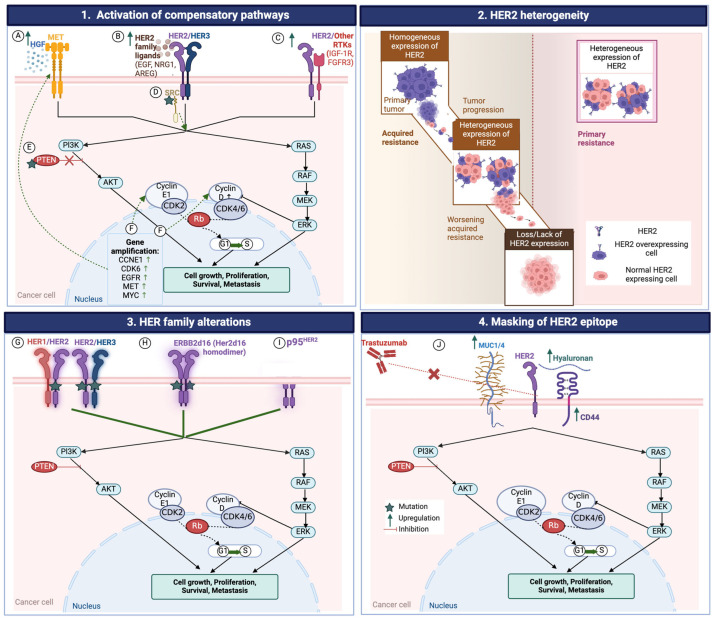
Verification
Claims the paper makes
The claims and statistics of this paper haven’t been checked yet.
Free: it reads the open-access text and checks the first 5 claims that cite a source we can check. Create a free account to check every claim.
Claims other papers make about this one
Each is checked against this paper’s own text: does it say what the citing paper says it does?
The cited source says what the claim attributes to it.
In the citing paper
“In HER2-amplified tumors, coexisting PIK3CA mutations may reduce the efficacy of HER2-targeted therapies, such as trastuzumab, by maintaining downstream PI3K/AKT signaling despite receptor inhibition [48].”
From Overcoming Resistance to Anti-EGFR Therapies: Mechanisms of Cetuximab and Panitumumab Resistance and Emerging Combination Strategies (2026) · cites this paper as [48]
Self-check
Percentages, sums and reported differences re-computed from the paper’s own numbers.
The self-check needs the paper’s full text.
Citations
Cites
Bang, Y.-J., Van Cutsem, E., Feyereislova, A., Chung, H. C., Shen, L., Sawaki, A., Lordick, F., Ohtsu, A., Omuro, Y., Satoh, T., et al. (2010) · The Lancet · doi:10.1016/s0140-6736(10)61121-x · Cited by 7,302 · cited 2×
“The addition of trastuzumab resulted in a significant survival benefit (median OS 13.8 months vs. 11.1 months; p = 0.046) (Table 1) [20].”
BackgroundInfluentialComprehensive molecular characterization of gastric adenocarcinoma
The Cancer Genome Atlas Research Network (2014) · Nature · doi:10.1038/nature13480 · Cited by 6,498 · cited 3×
“Multiple studies have identified common amplifications in CCNE1 , CDK6 , EGFR , MET , and MYC , and mutations in the PTEN and PIK3CA gene [63,107,108].”
BackgroundTargeting HER2-Positive Breast Cancer with Trastuzumab-DM1, an Antibody–Cytotoxic Drug Conjugate
Lewis Phillips, G. D., Li, G., Dugger, D. L., Crocker, L. M., Parsons, K. L., Mai, E., Blättler, W. A., Lambert, J. M., Chari, R. V. J., Lutz, R. J., et al. (2008) · Cancer Research · doi:10.1158/0008-5472.can-08-1776 · Cited by 1,676 · cited 1×
“In order to exert its antitumoral function, trastuzumab emtansine (T-DM1) binds to the HER2 receptor and is internalized by the target tumor cells [153].”
BackgroundGastric cancer: ESMO Clinical Practice Guideline for diagnosis, treatment and follow-up
Lordick, F., Carneiro, F., Cascinu, S., Fleitas, T., Haustermans, K., Piessen, G., Vogel, A., & Smyth, E. C. (2022) · Annals of Oncology · doi:10.1016/j.annonc.2022.07.004 · Cited by 1,503 · cited 2×
“The European Society of Medical Oncology (ESMO) recommends HER2 testing for metastatic GC, while the American Society of Clinical Oncology (ASCO) recommends HER2 testing on either primary or metastatic lesions for all patients with a diagnosed GC who are able to tolerate combination therapy [92,93].”
BackgroundThe ErbB/HER family of protein-tyrosine kinases and cancer
Roskoski, R. (2014) · Pharmacological Research · doi:10.1016/j.phrs.2013.11.002 · Cited by 1,353 · cited 1×
“[6,7].”
Loss of tumor suppressor PTEN function increases B7-H1 expression and immunoresistance in glioma
Parsa, A. T., Waldron, J. S., Panner, A., Crane, C. A., Parney, I. F., Barry, J. J., Cachola, K. E., Murray, J. C., Tihan, T., Jensen, M. C., et al. (2007) · Nature Medicine · doi:10.1038/nm1517 · Cited by 1,344
Trastuzumab deruxtecan in previously treated HER2-positive gastric cancer
Shitara, K., Bang, Y.-J., Iwasa, S., Sugimoto, N., Ryu, M.-H., Sakai, D., Chung, H.-C., Kawakami, H., Yabusaki, H., Lee, J., et al. (2020) · New England Journal of Medicine · doi:10.1056/nejmoa2004413 · Cited by 1,333 · cited 2×
“DESTINY-GASTRIC01 utilized T-DXd versus standard chemotherapy for HER2-positive advanced GC who progressed on prior therapies including trastuzumab, resulting in FDA approval [70].”
BackgroundMethodInfluentialAssessment of a HER2 scoring system for gastric cancer: results from a validation study
Hofmann, M., Stoss, O., Shi, D., Büttner, R., Van De Vijver, M., Kim, W., Ochiai, A., Rüschoff, J., & Henkel, T. (2008) · Histopathology · doi:10.1111/j.1365-2559.2008.03028.x · Cited by 1,187 · cited 1×
“A large-scale validation study established the current guidelines for HER2 testing in gastric cancer, which was then utilized for colorectal, biliary tract, and small bowel cancer [11].”
BackgroundOgitani, Y., Aida, T., Hagihara, K., Yamaguchi, J., Ishii, C., Harada, N., Soma, M., Okamoto, H., Oitate, M., Arakawa, S., et al. (2016) · Clinical Cancer Research · doi:10.1158/1078-0432.ccr-15-2822 · Cited by 1,177 · cited 1×
“This ADC utilizes a HER2-targeting antibody (trastuzumab) as a vehicle to deliver a topoisomerase I inhibitor (deruxtecan) directly to HER2-expressing cancer cells [53].”
BackgroundTargeting HER2-positive breast cancer: advances and future directions
Swain, S. M., Shastry, M., & Hamilton, E. (2023) · Nature Reviews Drug Discovery · doi:10.1038/s41573-022-00579-0 · Cited by 1,160 · cited 1×
“Tyrosine kinase inhibitors (TKIs) are orally administered small molecules that target the intracellular catalytic kinase domain of HER2 by competing with ATP, inhibiting phosphorylation and blocking downstream signaling cascades [44].”
BackgroundInsights into ErbB signaling from the structure of the ErbB2-pertuzumab complex
Franklin, M. C., Carey, K. D., Vajdos, F. F., Leahy, D. J., de Vos, A. M., & Sliwkowski, M. X. (2004) · Cancer Cell · doi:10.1016/s1535-6108(04)00083-2 · Cited by 1,120 · cited 1×
“This interaction blocks a binding pocket crucial for receptor dimerization, thereby inhibiting HER2 dimerization and downstream signaling [38].”
BackgroundSartore-Bianchi, A., Trusolino, L., Martino, C., Bencardino, K., Lonardi, S., Bergamo, F., Zagonel, V., Leone, F., Depetris, I., Martinelli, E., et al. (2016) · The Lancet Oncology · doi:10.1016/s1470-2045(16)00150-9 · Cited by 1,016 · cited 1×
“The combination yielded an ORR of 30%, with about 21 weeks of median progression-free survival [79].”
BackgroundRusnak, D. W., Lackey, K. E., Affleck, K., Wood, E. R., Alligood, K. J., Rhodes, N., Keith, B. R., Murray, D. M., Knight, W. B., Mullin, R. J., et al. (2001) · PubMed · Cited by 855
Sartore-Bianchi, A., Martini, M., Molinari, F., Veronese, S., Nichelatti, M., Artale, S., Di Nicolantonio, F., Saletti, P., De Dosso, S., Mazzucchelli, L., et al. (2009) · Cancer Research · doi:10.1158/0008-5472.can-08-2466 · Cited by 739 · cited 1×
“Similar to the resistance seen for EGFR therapies, the HERACLES-A study revealed PIK3CA and PTEN alterations at the progression of HER2-targeted therapies, suggestive of acquired resistance mechanisms to HER2 targeted treatment [126,164,165].”
ResultSrc in cancer: deregulation and consequences for cell behaviour
Frame, M. C. (2002) · Biochimica et Biophysica Acta (BBA) - Reviews on Cancer · doi:10.1016/s0304-419x(02)00040-9 · Cited by 683 · cited 1×
“Src is a proto-oncogene involved in multiple signaling cascades that are implicated in tumor growth and metastasis [135].”
BackgroundSatoh, T., Xu, R.-H., Chung, H. C., Sun, G.-P., Doi, T., Xu, J.-M., Tsuji, A., Omuro, Y., Li, J., Wang, J.-W., et al. (2014) · Journal of Clinical Oncology · doi:10.1200/jco.2013.53.6136 · Cited by 624 · cited 1×
“For second-line treatment, the T-ACT (trastuzumab with paclitaxel), GATSBY (T-DM1), and TyTan (lapatinib) trials all failed to demonstrate a significant survival benefit when compared to paclitaxel [66–68].”
BackgroundHerceptin acts as an anti-angiogenic cocktail
Izumi, Y., Xu, L., di Tomaso, E., Fukumura, D., & Jain, R. K. (2002) · Nature · doi:10.1038/416279b · Cited by 623 · cited 1×
“These intracellular mechanisms may include inhibiting HER2-mediated cell signaling pathways like AKT and ERK, suppressing HER2 cleavage, interfering with DNA damage repair processes and inhibiting angiogenesis by reducing VEGF production [27–37].”
BackgroundHER2 screening data from ToGA: targeting HER2 in gastric and gastroesophageal junction cancer
Van Cutsem, E., Bang, Y.-J., Feng-yi, F., Xu, J. M., Lee, K.-W., Jiao, S.-C., Chong, J. L., López-Sanchez, R. I., Price, T., Gladkov, O., et al. (2015) · Gastric Cancer · doi:10.1007/s10120-014-0402-y · Cited by 608 · cited 2×
“HER2 positivity is more frequently associated with the intestinal subtype and tumors arising from the gastroesophageal junction [62,63].”
BackgroundInfluentialMeric-Bernstam, F., Hurwitz, H., Raghav, K. P. S., McWilliams, R. R., Fakih, M., VanderWalde, A., Swanton, C., Kurzrock, R., Burris, H., Sweeney, C., et al. (2019) · The Lancet Oncology · doi:10.1016/s1470-2045(18)30904-5 · Cited by 573
Thuss-Patience, P. C., Shah, M. A., Ohtsu, A., Van Cutsem, E., Ajani, J. A., Castro, H., Mansoor, W., Chung, H. C., Bodoky, G., Shitara, K., et al. (2017) · The Lancet Oncology · doi:10.1016/s1470-2045(17)30111-0 · Cited by 547
Arnould, L., Gelly, M., Penault-Llorca, F., Benoit, L., Bonnetain, F., Migeon, C., Cabaret, V, Fermeaux, V, Bertheau, P., Garnier, J., et al. (2006) · British Journal of Cancer · doi:10.1038/sj.bjc.6602930 · Cited by 545 · cited 1×
“While the extracellular mechanisms of action of trastuzumab are well understood, including its immune effector functions such as CDC and CDCC, its intracellular actions are still being investigated [24–26].”
BackgroundJanjigian, Y. Y., Kawazoe, A., Bai, Y., Xu, J., Lonardi, S., Metges, J. P., Yanez, P., Wyrwicz, L. S., Shen, L., Ostapenko, Y., et al. (2023) · The Lancet · doi:10.1016/s0140-6736(23)02033-0 · Cited by 534 · cited 2×
“Interestingly, subgroup analysis revealed only patients with a combined positive score (CPS) ≥ 1, indicating PD-L1 positivity, had statistically improved mPFS (10.9 vs. 7.3 months) and mOS (20.0 vs. 15.7 months) [69].”
BackgroundMethodInfluentialSpector, N. L., & Blackwell, K. L. (2009) · Journal of Clinical Oncology · doi:10.1200/jco.2009.22.1507 · Cited by 497
Nakajima, M., Sawada, H., Yamada, Y., Watanabe, A., Tatsumi, M., Yamashita, J., Matsuda, M., Sakaguchi, T., Hirao, T., & Nakano, H. (1999) · Cancer · doi:10.1002/(sici)1097-0142(19990501)85:9%3c1894::aid-cncr3%3e3.0.co;2-j · Cited by 494 · cited 1×
“Prior research has also shown that co-amplification of both MET and HER2 led to significantly poorer overall survival when compared to overexpression of either alone in GC [110,111].”
BackgroundTabernero, J., Hoff, P. M., Shen, L., Ohtsu, A., Shah, M. A., Cheng, K., Song, C., Wu, H., Eng-Wong, J., Kim, K., et al. (2018) · The Lancet Oncology · doi:10.1016/s1470-2045(18)30481-9 · Cited by 490 · cited 1×
“In the first-line setting, the JACOB trial evaluated the addition of pertuzumab to the standard ToGA regimen, but there was no significant improvement in OS [65].”
MethodJiang, X., Zhou, J., Giobbie-Hurder, A., Wargo, J., & Hodi, F. S. (2013) · Clinical Cancer Research · doi:10.1158/1078-0432.ccr-12-2731 · Cited by 485 · cited 1×
“…that PD-L1 expression is regulated by both the MAPK and PI3K pathways as well as clinical studies illustrating enhanced antitumor immune response with T-DXd in breast cancer, suggests that patients with specific pathway alterations could benefit from combined PD-L1 and HER2 targeting [156–159].”
BackgroundJhawer, M., Goel, S., Wilson, A. J., Montagna, C., Ling, Y.-H., Byun, D.-S., Nasser, S., Arango, D., Shin, J., Klampfer, L., et al. (2008) · Cancer Research · doi:10.1158/0008-5472.can-07-5659 · Cited by 460 · cited 1×
“Similar to the resistance seen for EGFR therapies, the HERACLES-A study revealed PIK3CA and PTEN alterations at the progression of HER2-targeted therapies, suggestive of acquired resistance mechanisms to HER2 targeted treatment [126,164,165].”
ResultBartley, A. N., Washington, M. K., Colasacco, C., Ventura, C. B., Ismaila, N., Benson, A. B., Carrato, A., Gulley, M. L., Jain, D., Kakar, S., et al. (2017) · Journal of Clinical Oncology · doi:10.1200/jco.2016.69.4836 · Cited by 458 · cited 1×
“The European Society of Medical Oncology (ESMO) recommends HER2 testing for metastatic GC, while the American Society of Clinical Oncology (ASCO) recommends HER2 testing on either primary or metastatic lesions for all patients with a diagnosed GC who are able to tolerate combination therapy [92,93].”
BackgroundPietras, R. J., FENDLY, B. M., Chazin, V. R., Pegram, M. D., Howell, S. B., & Slamon, D. J. (1994) · PubMed · Cited by 437
Biologic and therapeutic role of HER2 in cancer
Ménard, S., Pupa, S. M., Campiglio, M., & Tagliabue, E. (2003) · Oncogene · doi:10.1038/sj.onc.1206779 · Cited by 432 · cited 1×
“HER2 is expressed in various normal tissues, including breast, gastrointestinal tract, kidney, and heart, and is primarily involved in cell growth [1].”
BackgroundWang, Z. (2017) · Methods in Molecular Biology · doi:10.1007/978-1-4939-7219-7_1 · Cited by 430 · cited 2×
“[6,7].”
BackgroundYamada, T., Yamaguchi, Y., Inukai, N., Okamoto, S., Mura, T., & Handa, H. (2006) · Molecular Cell · doi:10.1016/j.molcel.2005.11.024 · Cited by 406 · cited 1×
“Although definitive benefits have not yet been established for colorectal cancer, a phase II study has reported promising preliminary results for HER2-low gastroesophageal and gastric cancers [13,14].”
BackgroundRole of STATs as downstream signal transducers in Src family kinase-mediated tumorigenesis
Silva, C. M. (2004) · Oncogene · doi:10.1038/sj.onc.1208159 · Cited by 403 · cited 1×
“Once activated, Src upregulates signals such as AKT, ERK, and STAT3 to increase cell proliferation, and interacts with adhesion proteins to accelerate cell migration and cell-cycle progression [136].”
BackgroundPietras, R. J., Pegram, M. D., Finn, R. S., Maneval, D. A., & Slamon, D. J. (1998) · Oncogene · doi:10.1038/sj.onc.1202132 · Cited by 386
Genetic Predictors of Response to Systemic Therapy in Esophagogastric Cancer
Janjigian, Y. Y., Sanchez-Vega, F., Jonsson, P., Chatila, W. K., Hechtman, J. F., Ku, G. Y., Riches, J. C., Tuvy, Y., Kundra, R., Bouvier, N., et al. (2018) · Cancer Discovery · doi:10.1158/2159-8290.cd-17-0787 · Cited by 375
Cuello, M. A., Ettenberg, S. A., Clark, A. S., Keane, M., Posner, R. H., Nau, M. M., Dennis, P. A., & Lipkowitz, S. (2001) · PubMed · Cited by 370
Pietras, R. J., Poen, J. C., Gallardo, D., Wongvipat, P. N., Lee, H. J., & Slamon, D. J. (1999) · PubMed · Cited by 353
Müller, P., Kreuzaler, M., Khan, T., Thommen, D. S., Martin, K., Glatz, K., Savic, S., Harbeck, N., Nitz, U., Gluz, O., et al. (2015) · Science Translational Medicine · doi:10.1126/scitranslmed.aac4925 · Cited by 349
HER2 testing in gastric cancer: An update
Abrahao-Machado, L. F., & Scapulatempo-Neto, C. (2016) · World Journal of Gastroenterology · doi:10.3748/wjg.v22.i19.4619 · Cited by 310 · cited 2×
“It is worth nothing that there are limitations associated with IHC classification due to intratumoral heterogeneity, incomplete staining, and variability from subjective interpretation [12].”
BackgroundNRF2 activation by antioxidant antidiabetic agents accelerates tumor metastasis
Wang, H., Liu, X., Long, M., Huang, Y., Zhang, L., Zhang, R., Zheng, Y., Liao, X., Wang, Y., Liao, Q., et al. (2016) · Science Translational Medicine · doi:10.1126/scitranslmed.aad6095 · Cited by 286 · cited 1×
“Studies have shown that NRF2 can enhance progression and metastasis and lead to chemoradiotherapy resistance [138,139].”
BackgroundStavenhagen, J. B., Gorlatov, S., Tuaillon, N., Rankin, C. T., Li, H., Burke, S., Huang, L., Johnson, S., Bonvini, E., & Koenig, S. (2007) · Cancer Research · doi:10.1158/0008-5472.can-07-0696 · Cited by 284
Strickler, J. H., Cercek, A., Siena, S., André, T., Ng, K., Van Cutsem, E., Wu, C., Paulson, A. S., Hubbard, J. M., Coveler, A. L., et al. (2023) · The Lancet Oncology · doi:10.1016/s1470-2045(23)00150-x · Cited by 259 · cited 3×
“These studies resulted in the approval of trastuzumab in HER2-expressing G/GEJ cancers and the use of trastuzumab with pertuzumab in HER2-amplified/RAS-BRAF wild-type colorectal cancer (CRC) [21–23].”
BackgroundInfluentialMechanism of action of trastuzumab and scientific update
BASELGA, J. (2001) · Seminars in Oncology · doi:10.1016/s0093-7754(01)90276-3 · Cited by 258
Nordstrom, J. L., Gorlatov, S., Zhang, W., Yang, Y., Huang, L., Burke, S., Li, H., Ciccarone, V., Zhang, T., Stavenhagen, J., et al. (2011) · Breast Cancer Research · doi:10.1186/bcr3069 · Cited by 250
Varchetta, S., Gibelli, N., Oliviero, B., Nardini, E., Gennari, R., Gatti, G., Silva, L. S., Villani, L., Tagliabue, E., Ménard, S., et al. (2007) · Cancer Research · doi:10.1158/0008-5472.can-07-2068 · Cited by 240
Nakamura, Y., Okamoto, W., Kato, T., Esaki, T., Kato, K., Komatsu, Y., Yuki, S., Masuishi, T., Nishina, T., Ebi, H., et al. (2021) · Nature Medicine · doi:10.1038/s41591-021-01553-w · Cited by 231 · cited 2×
“Similarly, other trials using trastuzumab and pertuzumab, such as the phase II TRIUMPH trial, showed a similar ORR of 30% in tissue positive for HER2 amplification versus 28% in patients with ctDNA-positive HER2 amplification [18].”
BackgroundBang, Y. J., Giaccone, G., Im, S. A., Oh, D. Y., Bauer, T. M., Nordstrom, J. L., Li, H., Chichili, G. R., Moore, P. A., Hong, S., et al. (2017) · Annals of Oncology · doi:10.1093/annonc/mdx002 · Cited by 226 · cited 2×
“Margetuximab was engineered to enhance binding to the activating Fc γ receptor CD16A while reducing binding to the inhibitory Fc γ R CD32B, improving immune responses against HER2-overexpressing cells and potentially synergizing with checkpoint inhibitors [39–43].”
BackgroundKulukian, A., Lee, P., Taylor, J., Rosler, R., de Vries, P., Watson, D., Forero-Torres, A., & Peterson, S. (2020) · Molecular Cancer Therapeutics · doi:10.1158/1535-7163.mct-19-0873 · Cited by 222
Comparative molecular analyses of left-sided colon, right-sided colon, and rectal cancers
Salem, M. E., Weinberg, B. A., Xiu, J., El-Deiry, W. S., Hwang, J. J., Gatalica, Z., Philip, P. A., Shields, A. F., Lenz, H.-J., & Marshall, J. L. (2017) · Oncotarget · doi:10.18632/oncotarget.21169 · Cited by 216 · cited 1×
“Notably, HER2 amplification progressively increases in prevalence from the right-to left-sided CRC tumors [75] and is predominantly associated with tumors that are wild-type for KRAS and BRAF genes.”
BackgroundMakiyama, A., Sukawa, Y., Kashiwada, T., Kawada, J., Hosokawa, A., Horie, Y., Tsuji, A., Moriwaki, T., Tanioka, H., Shinozaki, K., et al. (2020) · Journal of Clinical Oncology · doi:10.1200/jco.19.03077 · Cited by 200 · cited 3×
“For second-line treatment, the T-ACT (trastuzumab with paclitaxel), GATSBY (T-DM1), and TyTan (lapatinib) trials all failed to demonstrate a significant survival benefit when compared to paclitaxel [66–68].”
BackgroundHER2-targeted therapies in gastric cancer
Zhu, Y., Zhu, X., Wei, X., Tang, C., & Zhang, W. (2021) · Biochimica et Biophysica Acta (BBA) - Reviews on Cancer · doi:10.1016/j.bbcan.2021.188549 · Cited by 200 · cited 1×
“Through its biparatopic binding mechanism, ZW25 induces HER2-receptor clustering, internalization, and down-regulation, effectively inhibiting both growth factor-dependent and -independent tumor cell proliferation [58].”
BackgroundTakegawa, N., Nonagase, Y., Yonesaka, K., Sakai, K., Maenishi, O., Ogitani, Y., Tamura, T., Nishio, K., Nakagawa, K., & Tsurutani, J. (2017) · International Journal of Cancer · doi:10.1002/ijc.30870 · Cited by 196 · cited 1×
“T-DXd has thus far impacted the treatment landscape of gastrointestinal cancers, notably GC [52].”
BackgroundLiquid biopsies to track trastuzumab resistance in metastatic HER2-positive gastric cancer
Wang, D.-S., Liu, Z.-X., Lu, Y.-X., Bao, H., Wu, X., Zeng, Z.-L., Liu, Z., Zhao, Q., He, C.-Y., Lu, J.-H., et al. (2019) · Gut · doi:10.1136/gutjnl-2018-316522 · Cited by 195 · cited 1×
“It should be noted that these findings were based on much smaller sample sizes [124,125].”
BackgroundPetricevic, B., Laengle, J., Singer, J., Sachet, M., Fazekas, J., Steger, G., Bartsch, R., Jensen-Jarolim, E., & Bergmann, M. (2013) · Journal of Translational Medicine · doi:10.1186/1479-5876-11-307 · Cited by 192 · cited 1×
“While the extracellular mechanisms of action of trastuzumab are well understood, including its immune effector functions such as CDC and CDCC, its intracellular actions are still being investigated [24–26].”
BackgroundNami, B., Maadi, H., & Wang, Z. (2018) · Cancers · doi:10.3390/cancers10100342 · Cited by 190
Nagatsuma, A. K., Aizawa, M., Kuwata, T., Doi, T., Ohtsu, A., Fujii, H., & Ochiai, A. (2015) · Gastric Cancer · doi:10.1007/s10120-014-0360-4 · Cited by 181 · cited 1×
“There are data to support that HER2 heterogeneity is linked with co-amplification of other receptor tyrosine kinases (RTK), such as EGFR, MET, and FGFR2, promoting resistance to HER2-directed therapy [63,102].”
BackgroundYoshino, T., Di Bartolomeo, M., Raghav, K., Masuishi, T., Loupakis, F., Kawakami, H., Yamaguchi, K., Nishina, T., Wainberg, Z., Elez, E., et al. (2023) · Nature Communications · doi:10.1038/s41467-023-38032-4 · Cited by 178 · cited 1×
“Median PFS and OS were 6.9 and 15.5 months, respectively [73].”
BackgroundInfluentialMET Activation Mediates Resistance to Lapatinib Inhibition of HER2 -Amplified Gastric Cancer Cells
Chen, C.-T., Kim, H., Liska, D., Gao, S., Christensen, J. G., & Weiser, M. R. (2012) · Molecular Cancer Therapeutics · doi:10.1158/1535-7163.mct-11-0754 · Cited by 178 · cited 2×
“This is supported by in vitro evidence, as the addition of HGF to MET-amplified, lapatinib-Cancers treated GC cells restored MAPK/AKT signaling [112,113].”
BackgroundSeo, S., Ryu, M.-H., Park, Y. S., Ahn, J. Y., Park, Y., Park, S. R., Ryoo, B.-Y., Lee, G. H., Jung, H.-Y., & Kang, Y.-K. (2019) · Gastric Cancer · doi:10.1007/s10120-018-0891-1 · Cited by 173 · cited 1×
“This concurrent loss of HER2-amplification and gain of heterogeneity were associated with poor response to HER2 therapy and shortened PFS [105].”
BackgroundHER2 Testing in Gastric Cancer
Albarello, L., Pecciarini, L., & Doglioni, C. (2011) · Advances in Anatomic Pathology · doi:10.1097/pap.0b013e3182026d72 · Cited by 172 · cited 1×
“In gastric cancer, there is increased heterogeneity, variations in HER2 expression, based on anatomic location and an incomplete basolateral membrane staining [9,10].”
BackgroundHaskins, J. W., Nguyen, D. X., & Stern, D. F. (2014) · Science Signaling · doi:10.1126/scisignal.2005770 · Cited by 167 · cited 1×
“NRG1-activated HER4 can interact with YAP1 to induce EMT and trastuzumab resistance in GC cell lines [142,144,145].”
BackgroundPietrantonio, F., Caporale, M., Morano, F., Scartozzi, M., Gloghini, A., Vita, F. D., Giommoni, E., Fornaro, L., Aprile, G., Melisi, D., et al. (2016) · International Journal of Cancer · doi:10.1002/ijc.30408 · Cited by 167 · cited 1×
“The disappearance of HER2 amplification is most commonly seen in IHC2+/FISH+ GC HER2-positive tumors [66,103–106].”
BackgroundRadiologic and Genomic Evolution of Individual Metastases during HER2 Blockade in Colorectal Cancer
Siravegna, G., Lazzari, L., Crisafulli, G., Sartore-Bianchi, A., Mussolin, B., Cassingena, A., Martino, C., Lanman, R. B., Nagy, R. J., Fairclough, S., et al. (2018) · Cancer Cell · doi:10.1016/j.ccell.2018.06.004 · Cited by 159 · cited 2×
“Similar to the resistance seen for EGFR therapies, the HERACLES-A study revealed PIK3CA and PTEN alterations at the progression of HER2-targeted therapies, suggestive of acquired resistance mechanisms to HER2 targeted treatment [126,164,165].”
BackgroundResultHER2 heterogeneity in gastric/gastroesophageal cancers: From benchside to practice
Grillo, F., Fassan, M., Sarocchi, F., Fiocca, R., & Mastracci, L. (2016) · World Journal of Gastroenterology · doi:10.3748/wjg.v22.i26.5879 · Cited by 156 · cited 1×
“While the reasons for HER2 heterogeneity are not clearly elucidated, hypotheses include the development of HER2-amplified neoplastic clones in a largely HER2-negative tumor or the partial silencing of HER2 expression in a homogeneous HER2-positive tumor [90].”
BackgroundEmerging Roles of MUC4 in Cancer: A Novel Target for Diagnosis and Therapy
Singh, A. P., Chaturvedi, P., & Batra, S. K. (2007) · Cancer Research · doi:10.1158/0008-5472.can-06-3114 · Cited by 150 · cited 1×
“The transmembrane subunit of MUC4 is believed to trigger HER2 phosphorylation through direct interaction with it [149,150].”
BackgroundImmunophenotype and molecular characterisation of adenocarcinoma of the small intestine
Overman, M. J., Pozadzides, J. V., Kopetz, S., Wen, S., Abbruzzese, J. L., Wolff, R. A., & Wang, H. (2009) · British Journal of Cancer · doi:10.1038/sj.bjc.6605449 · Cited by 144 · cited 1×
“The incidence of HER2 genetic alterations, including mutations and amplifications, varies among different studies, ranging from 1.7% to 12% [5,85,86].”
BackgroundInfluentialTGFα expression impairs Trastuzumab-induced HER2 downregulation
Valabrega, G., Montemurro, F., Sarotto, I., Petrelli, A., Rubini, P., Tacchetti, C., Aglietta, M., Comoglio, P. M., & Giordano, S. (2005) · Oncogene · doi:10.1038/sj.onc.1208478 · Cited by 142
Lee, S., de Boer, W. B., Fermoyle, S., Platten, M., & Kumarasinghe, P. M. (2011) · Histopathology · doi:10.1111/j.1365-2559.2011.04017.x · Cited by 140 · cited 1×
“In GC, studies have reported concordance rates ranging from 74.1% to 96.1% between the biopsy and surgical resection specimens [96–98].”
ResultInfluentialKim, J., Fox, C., Peng, S., Pusung, M., Pectasides, E., Matthée, E., Hong, Y. S., Do, I., Jang, J., Thorner, A. R., et al. (2014) · Journal of Clinical Investigation · doi:10.1172/jci75200 · Cited by 140 · cited 6×
“If PTEN function is lost, PI3K remains constitutively active regardless of HER2 inhibition [107].”
BackgroundInfluentialTao, S., Rojo de la Vega, M., Chapman, E., Ooi, A., & Zhang, D. D. (2018) · Molecular Carcinogenesis · doi:10.1002/mc.22745 · Cited by 135 · cited 1×
“Studies have shown that NRF2 can enhance progression and metastasis and lead to chemoradiotherapy resistance [138,139].”
BackgroundKim, M. A., Lee, H., Yang, H., Bang, Y., & Kim, W. H. (2011) · Histopathology · doi:10.1111/j.1365-2559.2011.04012.x · Cited by 135 · cited 1×
“In gastric cancer, there is increased heterogeneity, variations in HER2 expression, based on anatomic location and an incomplete basolateral membrane staining [9,10].”
BackgroundGijsen, M., King, P., Perera, T., Parker, P. J., Harris, A. L., Larijani, B., & Kong, A. H. (2010) · PLoS Biology · doi:10.1371/journal.pbio.1000563 · Cited by 133
Raghav, K., Loree, J. M., Morris, J. S., Overman, M. J., Yu, R., Meric-Bernstam, F., Menter, D., Korphaisarn, K., Kee, B., Muranyi, A., et al. (2019) · JCO Precision Oncology · doi:10.1200/po.18.00226 · Cited by 132 · cited 1×
“This molecular profile has significant clinical implications, including a higher incidence of central nervous system (CNS) metastases and diminished efficacy of anti-EGFR therapies, leading to poorer clinical outcomes [76].”
BackgroundKostova, V., Désos, P., Starck, J.-B., & Kotschy, A. (2021) · Pharmaceuticals · doi:10.3390/ph14050442 · Cited by 129 · cited 1×
“They contain a tumor-targeting antibody covalently bound to a cytotoxic drug (payload) via a synthetic linker [51].”
BackgroundKim, H.-P., Han, S.-W., Song, S., Jeong, E.-G., Lee, M.-Y., Hwang, D., Im, S., Bang, Y.-J., & Kim, T.-Y. (2013) · Oncogene · doi:10.1038/onc.2013.285 · Cited by 121 · cited 2×
“Pre-clinical studies with trastuzumab, lapatinib-, and afatinib-resistant GC cell lines revealed increased levels of mesenchymal markers, such as vimentin and testican-1, with a concurrent decrease in E-cadherin to promote an aggressive EMT phenotype [141–143].”
BackgroundGijsen, M., King, P., Perera, T., Parker, P. J., Harris, A. L., Larijani, B., & Kong, A. H. (2016) · PLoS Biology · doi:10.1371/journal.pbio.1002414 · Cited by 119
Wakatsuki, T., Yamamoto, N., Sano, T., Chìn, K., Kawachi, H., Takahari, D., Ogura, M., Ichimura, T., Nakayama, I., Osumi, H., et al. (2018) · Journal of Gastroenterology · doi:10.1007/s00535-018-1464-0 · Cited by 118 · cited 1×
“Patients with heterogeneous HER2-positive disease had significantly shorter progression-free survival (PFS) and overall survival (OS) than those with homogenous HER2 amplification [100].”
BackgroundSaeki, H., Oki, E., Kashiwada, T., Arigami, T., Makiyama, A., Iwatsuki, M., Narita, Y., Satake, H., Matsuda, Y., Sonoda, H., et al. (2018) · European Journal of Cancer · doi:10.1016/j.ejca.2018.09.024 · Cited by 117 · cited 1×
“The disappearance of HER2 amplification is most commonly seen in IHC2+/FISH+ GC HER2-positive tumors [66,103–106].”
BackgroundPark, S. R., Park, Y. S., Ryu, M., Ryoo, B., Woo, C. G., Jung, H., Lee, J. H., Lee, G. H., & Kang, Y. (2015) · European Journal of Cancer · doi:10.1016/j.ejca.2015.09.018 · Cited by 113 · cited 1×
“The GASTHER1 study reported that 5.7% of patients with HER2-negative advanced gastric cancer later developed HER2-positive metastatic lesions [91].”
BackgroundInfluentialERBB2 gene as a potential therapeutic target in small bowel adenocarcinoma
Laforest, A., Aparicio, T., Zaanan, A., Pittella-Silva, F., Didelot, A., Desbeaux, A., Corre, D. L., Benhaïm, L., Pallier, K., Aust, D. E., et al. (2014) · European Journal of Cancer · doi:10.1016/j.ejca.2014.04.007 · Cited by 106 · cited 2×
“HER2 amplification or overexpression can also be found, albeit to a lesser degree, in colorectal cancer, biliary tract cancers, and small bowel adenocarcinomas [2–5].”
BackgroundInfluentialKim, S. T., Banks, K. C., Pectasides, E., Kim, S. Y., Kim, K., Lanman, R. B., Talasaz, A., An, J., Choi, M. G., Lee, J. H., et al. (2018) · Annals of Oncology · doi:10.1093/annonc/mdy034 · Cited by 106 · cited 1×
“It is frequently amplified in HER2-positive GC, with rates varying between 11 and 40%, and associated with worse prognosis and poor treatment response to both trastuzumab and lapatinib [108,132,133].”
BackgroundCatenacci, D. V. T., Rosales, M. K., Chung, H. C., Yoon, H. H., Shen, L., Moehler, M. H., & Kang, Y. (2020) · Future Oncology · doi:10.2217/fon-2020-1007 · Cited by 104 · cited 2×
“Margetuximab was engineered to enhance binding to the activating Fc γ receptor CD16A while reducing binding to the inhibitory Fc γ R CD32B, improving immune responses against HER2-overexpressing cells and potentially synergizing with checkpoint inhibitors [39–43].”
BackgroundLing, H., Kuo, C.-C., Lin, B.-X., Huang, Y., & Lin, C. (2016) · Experimental Cell Research · doi:10.1016/j.yexcr.2016.11.024 · Cited by 100 · cited 1×
“NRG1-activated HER4 can interact with YAP1 to induce EMT and trastuzumab resistance in GC cell lines [142,144,145].”
BackgroundShi, J., Li, F., Yao, X., Mou, T., Xu, Z., Han, Z., Chen, S., Li, W., Yu, J., Qi, X., et al. (2018) · Oncogene · doi:10.1038/s41388-018-0204-5 · Cited by 93 · cited 1×
“NRG1-activated HER4 can interact with YAP1 to induce EMT and trastuzumab resistance in GC cell lines [142,144,145].”
BackgroundAn FGFR3 Autocrine Loop Sustains Acquired Resistance to Trastuzumab in Gastric Cancer Patients
Piro, G., Carbone, C., Cataldo, I., Nicolantonio, F. D., Giacopuzzi, S., Aprile, G., Simionato, F., Boschi, F., Zanotto, M., Mina, M. M., et al. (2016) · Clinical Cancer Research · doi:10.1158/1078-0432.ccr-16-0178 · Cited by 92 · cited 1×
“The increased levels of FGFR3 allowed for activation of PI3K/AKT, sustaining tumor growth and the EMT phenotype despite anti-HER2 therapy [131].”
BackgroundRugo, H. S., Im, S., Cardoso, F., Cortés, J., Curigliano, G., Musolino, A., Pegram, M. D., Bachelot, T., Wright, G. S., Saura, C., et al. (2022) · Journal of Clinical Oncology · doi:10.1200/jco.21.02937 · Cited by 92
El-Deiry, W. S., Vijayvergia, N., Xiu, J., Scicchitano, A., Lim, B., Yee, N. S., Harvey, H. A., Gatalica, Z., & Reddy, S. (2015) · Cancer Biology & Therapy · doi:10.1080/15384047.2015.1113356 · Cited by 91 · cited 1×
“In the landscape of CRCs, approximately 3–5% of cases exhibit HER2 amplification or protein overexpression [3].”
BackgroundLee, Y. Y., Kim, H., Kang, M. J., Cho, B.-K., Han, S., Kim, T., & Yi, E. C. (2013) · Experimental & Molecular Medicine · doi:10.1038/emm.2013.115 · Cited by 89 · cited 3×
“Multiple pre-clinical studies involving lapatinib-resistant GC cell lines demonstrated successful reversal of the resistance with MET inhibition [112–114].”
BackgroundAlbanell, J., & Baselga, J. (2001) · JNCI Journal of the National Cancer Institute · doi:10.1093/jnci/93.24.1830 · Cited by 87
Li, G., Zhao, L., Li, W., Fan, K., Qian, W., Hou, S., Wang, H., Dai, J., Wei, H., & Guo, Y. (2014) · Oncotarget · doi:10.18632/oncotarget.2135 · Cited by 83 · cited 1×
“Consequently, increased MUC4 levels cause HER2 activation and decreased trastuzumab binding, ultimately resulting in acquired resistance to HER2-directed therapy [152].”
BackgroundDesign and engineering of bispecific antibodies: insights and practical considerations
Madsen, A. V., Pedersen, L. E., Kristensen, P. K., & Goletz, S. (2024) · Frontiers in Bioengineering and Biotechnology · doi:10.3389/fbioe.2024.1352014 · Cited by 83 · cited 1×
“These molecules can range from simplistic structures with two linked antigen-binding fragments to more complex immunoglobulin G (IgG)-like formats, providing flexibility in targeting different cellular pathways [57].”
BackgroundGambardella, V., Gimeno-Valiente, F., Tarazona, N., Martínez‐Ciarpaglini, C., Roda, D., Fleitas, T., Tolosa, P., Cejalvo, J. M., Huerta, M., Roselló, S., et al. (2019) · Clinical Cancer Research · doi:10.1158/1078-0432.ccr-18-2421 · Cited by 81 · cited 2×
“Similarly, in vitro studies of lapatinib-Cancers and trastuzumab-resistant GC cell lines were found to have elevated NRF2 protein expression [140].”
BackgroundYagi, S., Wakatsuki, T., Yamamoto, N., Chìn, K., Takahari, D., Ogura, M., Ichimura, T., Nakayama, I., Osumi, H., Shinozaki, E., et al. (2018) · Gastric Cancer · doi:10.1007/s10120-018-0887-x · Cited by 81 · cited 1×
“Intratumoral heterogeneity is frequently seen in gastric cancer, with the incidence varying across studies from 30.0 to 75.4% [62,88,89].”
BackgroundInfluentialSweeney, C. J., Hainsworth, J. D., Bose, R., Burris, H. A., Kurzrock, R., Swanton, C., Friedman, C. F., Spigel, D. R., Szado, T., Schulze, K., et al. (2023) · Journal of Clinical Oncology · doi:10.1200/jco.22.02636 · Cited by 81 · cited 2×
“The MyPathway trial, a multi-basket study, included HER2-overexpressing or amplified biliary tract cancers and reported a median OS of 12.9 months, an ORR of 30.6%, with a median PFS of 4.7 months [78].”
BackgroundMethodInfluentialInflammation modulates the expression of the intestinal mucins MUC2 and MUC4 in gastric tumors
Mejías‐Luque, R., Lindén, S. K., Garrido, M., Tye, H., Najdovska, M., Jenkins, B. J., Iglesias, M., Ernst, M., & de Bolós, C. (2010) · Oncogene · doi:10.1038/onc.2009.467 · Cited by 77 · cited 1×
“The transmembrane subunit of MUC4 is believed to trigger HER2 phosphorylation through direct interaction with it [149,150].”
BackgroundWang, H., Wang, W., Xu, Y., Yang, Y., Chen, X., Quan, H., & Lou, L. (2017) · Cancer Science · doi:10.1111/cas.13253 · Cited by 77 · cited 1×
“Interestingly, HER2-targeted ADCs with different linkers, such as a protease-cleavable linker, namely T-DXd, were able to overcome this form of resistance [154].”
BackgroundRaghav, K. P. S., Siena, S., Takashima, A., Kato, T., Van Den Eynde, M., Di Bartolomeo, M., Komatsu, Y., Kawakami, H., Peeters, M., Andre, T., et al. (2023) · Journal of Clinical Oncology · doi:10.1200/jco.2023.41.16_suppl.3501 · Cited by 75 · cited 1×
“It utilizes two different dosing regimens with a promising preliminary result of ORR nearing 37.8% in the 5.4 mg/kg arm, with the majority of patients being HER2 IHC 3+ and RAS wild-type tumors [74].”
MethodInfluentialShi, M., Yang, Z., Hu, M., Liu, D., Hu, Y., Qian, L., Zhang, W., Chen, H., Guo, L., Yu, M., et al. (2013) · The Journal of Immunology · doi:10.4049/jimmunol.1202364 · Cited by 73 · cited 1×
“Preclinical studies with GC cell lines have indicated that MUC4 expression increases in response to catecholamine stimulation via the STAT3 and ERK pathways [151].”
BackgroundTHE MECHANISM OF ACTION OF THE TUMOUR SUPPRESSOR GENE PTEN
Hlobílková, A., Knillová, J., Bártek, J., Lukáš, J., & Kolář, Z. (2003) · Biomedical Papers · doi:10.5507/bp.2003.003 · Cited by 73 · cited 1×
“Additionally, PTEN plays a regulatory role in the ERK/MAPK pathway through the dephosphorylation of the focal adhesion kinase (FAK) [117].”
BackgroundTominaga, N., Gotoda, T., Hara, M., Hale, M. D., Tsuchiya, T., Matsubayashi, J., Kono, S., Kusano, C., Itoi, T., Fujimoto, K., et al. (2015) · Gastric Cancer · doi:10.1007/s10120-015-0502-3 · Cited by 72 · cited 1×
“However, evaluation based on the minimum five to eight tissue samples raises the concern of false negatives in tumors with HER2 heterogeneity [93–95].”
BackgroundParacrine Effect of NRG1 and HGF Drives Resistance to MEK Inhibitors in Metastatic Uveal Melanoma
Cheng, H., Terai, M., Kageyama, K., Ozaki, S., McCue, P. A., Sato, T., & Aplin, A. E. (2015) · Cancer Research · doi:10.1158/0008-5472.can-15-0370 · Cited by 72 · cited 1×
“NRG1 is expressed in multiple types of cancer cells and is implicated in therapy resistance to EGFR-targeting antibody cetuximab in CRC, RAF inhibitors in BRAF mutant melanoma, and MEK inhibitors in metastatic uveal melanoma [130].”
BackgroundSchrock, A. B., Pavlick, D., Klempner, S. J., Chung, J. H., Forcier, B., Welsh, A., Young, L., Leyland-Jones, B., Bordoni, R., Carvajal, R. D., et al. (2018) · Clinical Cancer Research · doi:10.1158/1078-0432.ccr-17-3103 · Cited by 71 · cited 1×
“Additionally, response to HER2-directed therapy coincided with decreased ctDNA allele fractions [16,18,19].”
BackgroundTakegawa, N., Yonesaka, K., Sakai, K., Ueda, H., Watanabe, S., Nonagase, Y., Okuno, T., Takeda, M., Maenishi, O., Tsurutani, J., et al. (2016) · Oncotarget · doi:10.18632/oncotarget.6498 · Cited by 70
Haaft, B. T., Pedregal, M., Prato, J., Klümpen, H., Moreno, V., & Lamarca, Á. (2024) · European Journal of Cancer · doi:10.1016/j.ejca.2024.113564 · Cited by 67 · cited 1×
“The highest amplification rates are seen in extrahepatic cholangiocarcinoma and gallbladder cancer at 20% and 17%, respectively, with the highest mutation rate in extrahepatic cholangiocarcinoma at 5.2% [81].”
BackgroundInfluentialZuo, Q., Liu, J. L., Zhang, J., Wu, M., Guo, L., & Liao, W. (2015) · Scientific Reports · doi:10.1038/srep11634 · Cited by 65 · cited 3×
“In vitro studies demonstrated that sensitivity to trastuzumab was restored to the resistant GC cells upon treatment with an IGFR1R inhibitor [121].”
BackgroundCenaj, O., Ligon, A. H., Hornick, J. L., & Sholl, L. M. (2019) · American Journal of Clinical Pathology · doi:10.1093/ajcp/aqz031 · Cited by 64 · cited 1×
“The concordance between IHC/FISH and the newer sequencing techniques is higher in colon cancer than gastric, with some studies showing rates as high as 80% in colon cancer [15–17].”
Double-balloon enteroscopy in small bowel tumors: A Chinese single-center study
Chen, W., Shan, G., Zhang, H., Li, L., Yue, M., Xiang, Z., Cheng, Y., Wu, C., Fang, Y., & Chen, L.-H. (2013) · World Journal of Gastroenterology · doi:10.3748/wjg.v19.i23.3665 · Cited by 62 · cited 1×
“The most prevalent subtype of SBA is duodenal adenocarcinoma (DA), which constitutes over 50% of SBA cases and accounts for 30% of small intestinal cancers [84].”
BackgroundLee, J. Y., Hong, M. E., Kim, S. T., Park, S. H., Kang, W. K., Kim, K.-M., & Lee, J. (2015) · Scientific Reports · doi:10.1038/srep09289 · Cited by 60 · cited 1×
“Similarly, higher copy number variation (CNV) for CCNE1 was associated with shorter survival in patients treated with trastuzumab [134].”
BackgroundJin, M. H., Nam, A., Park, J. E., Bang, J., Bang, Y., & Oh, D. (2017) · Molecular Cancer Therapeutics · doi:10.1158/1535-7163.mct-16-0669 · Cited by 59 · cited 1×
“Treatment with bosutinib, a Src tyrosine kinase inhibitor, prevented downstream signaling and restored trastuzumab-sensitivity in previously resistant GC and biliary tract cancer cell lines [137].”
BackgroundWu, L., Zhang, Y., Yang, Y., Lin, B., Zhu, M., Xu, J., Chen, Y., Wu, W., Chen, B., Chen, X., et al. (2023) · Advanced Science · doi:10.1002/advs.202303908 · Cited by 59 · cited 1×
“Other mechanistically novel therapeutics are also underway, such as bis-pecific antibody targeting both PD-1 and HER2, as alternative approach in treatment paradigm [161].”
BackgroundHER-Family Ligands Promote Acquired Resistance to Trastuzumab in Gastric Cancer
Sampera, A., Sánchez-Martín, F. J., Arpí, O., Visa, L., Iglesias, M., Menéndez, S., Gaye, É., Dalmases, A., Clavé, S., Gelabert‐Baldrich, M., et al. (2019) · Molecular Cancer Therapeutics · doi:10.1158/1535-7163.mct-19-0455 · Cited by 58 · cited 2×
“Additionally, multiple HER2-family ligands such as epidermal growth factor (EGF), amphiregulin (AREG), and neuregulin 1 (NRG1) are known to be overexpressed as well in trastuzumab-resistant GC cells [128].”
BackgroundMinimum biopsy set for HER2 evaluation in gastric and gastro-esophageal junction cancer
Gullo, I., Grillo, F., Molinaro, L., Fassan, M., Silvestri, A. D., Tinelli, C., Rugge, M., Fiocca, R., & Mastracci, L. (2015) · Endoscopy International Open · doi:10.1055/s-0034-1391359 · Cited by 57
Kubicka, S., Claas, C., Staab, S., Kühnel, F., Zender, L., Trautwein, C., Wagner, S., Rudolph, K. L., & Manns, M. P. (2002) · Digestive Diseases and Sciences · doi:10.1023/a:1013275706401 · Cited by 56 · cited 1×
“…transition factor protein (MET) is a member of the RTK family that is frequently overexpressed or co-amplified in HER2-positive GC. Rates of HER2 and MET co-expression range from 12% to 45% across varying pre-clinical studies and large scale next-generation sequencing studies [109].”
BackgroundWang, T., Hsieh, E., Henry, P., Hanna, W. M., Streutker, C., & Grin, A. (2014) · Human Pathology · doi:10.1016/j.humpath.2013.12.010 · Cited by 55
van Muyden, R. C. P. A., ter Harmsel, B. W. A., Smedts, F. M. M., Hermans, J., Kuijpers, J. C., Райхлин, Н. Т., Petrov, S., Lebedev, A., Ramaekers, F. C. S., Trimbos, J. B. M. Z., et al. (1999) · Cancer · doi:10.1002/(sici)1097-0142(19990501)85:9<1943::aid-cncr10>3.0.co;2-f · Cited by 54
Clinicopathological factors associated with HER2-positive gastric cancer
Wang, H., Liao, X., & Zhang, J. (2017) · Medicine · doi:10.1097/md.0000000000008437 · Cited by 53 · cited 2×
“The prognostic role of HER2 remains controversial, but a larger number of studies indicate that HER2 amplification is associated with more aggressive tumor behavior and a higher recurrence rate [2,64].”
BackgroundMezynski, J., Farrelly, A. M., Cremona, M., Carr, A., Morgan, C., Workman, J. A., Armstrong, P., McAuley, J., Madden, S. F., Fay, J., et al. (2021) · Journal of Translational Medicine · doi:10.1186/s12967-021-02842-1 · Cited by 49 · cited 1×
“…strategies, such as lapatinib with the PIK3 inhibitor copanlisib, which have shown synergistic effects against trastuzumab-resistant GC cell lines, underlining the potential and need for further clinical evaluation of combination strategies to overcome resistance to HER2 targeted therapies [166].”
BackgroundKim, C., Lee, C., Chon, H. J., Kim, J. H., Park, H. S., Heo, S. J., Kim, H. J., Kim, T. S., Kwon, W. S., Chung, H. C., et al. (2017) · Oncotarget · doi:10.18632/oncotarget.23054 · Cited by 47
Deguchi, Y., Okabe, H., Oshima, N., Hisamori, S., Minamiguchi, S., Muto, M., & Sakai, Y. (2016) · Gastric Cancer · doi:10.1007/s10120-016-0627-z · Cited by 47 · cited 3×
“Interestingly, while HER2 expression is notorious for its heterogeneity, several studies have indicated that PTEN deletion is homogenous in GI malignancy tissues, suggesting that it has the potential as a biomarker to evaluate the efficacy of HER2-directed therapy [122,123].”
BackgroundInfluentialHa, S. Y., Lee, J., Jang, J., Hong, J. Y., Do, I., Park, S. H., Park, J. O., Choi, M. G., Sohn, T. S., Bae, J. M., et al. (2014) · International Journal of Cancer · doi:10.1002/ijc.29159 · Cited by 47 · cited 1×
“Prior research has also shown that co-amplification of both MET and HER2 led to significantly poorer overall survival when compared to overexpression of either alone in GC [110,111].”
BackgroundCastagnoli, L., Ghedini, G. C., Koschorke, A., Triulzi, T., Dugo, M., Gasparini, P., Casalini, P., Palladini, A., Iezzi, M., Lamolinara, A., et al. (2017) · Oncogene · doi:10.1038/onc.2016.338 · Cited by 45 · cited 1×
“An increased HER2d16/HER2 ratio in GC cell lines is associated with an EMT-like phenotype of higher vimentin and lower E-cadherin expression [147,148].”
BackgroundSurvival of HER2-Positive Breast Cancer Cells: Receptor Signaling to Apoptotic Control Centers
Fink, M. Y., & Chipuk, J. E. (2013) · Genes & Cancer · doi:10.1177/1947601913488598 · Cited by 44 · cited 1×
“This dimerization leads to autophosphorylation of its tyrosine residues in the cytoplastic domain and the activation of two major intracellular signaling cascades—the mitogen-activated protein kinase (MAPK)/Ras and the phosphatidylinositol 3 ′ -kinase (PI3K)/AKT pathways [8].”
BackgroundBang, K., Cheon, J., Park, Y. S., Kim, H., Ryu, M., Park, Y., Moon, M., Lee, H., & Kang, Y. (2022) · Gastric Cancer · doi:10.1007/s10120-022-01298-6 · Cited by 44 · cited 1×
“HER2-rescued patients are those who were HER2-negative at time of diagnosis but became HER2-positive on repeat biopsy prior to starting first-line treatment [101].”
BackgroundOstwal, V. S., Mandavkar, S., BHARGAVA, P. G., Srinivas, S., Kapoor, A., Shetty, O. A., Kannan, S., Chaugule, D., Patil, R., Parulekar, M., et al. (2023) · Journal of Clinical Oncology · doi:10.1200/jco.23.01193 · Cited by 44 · cited 1×
“Conversely, the phase 2 TAB trial using trastuzumab with gemcitabine and cisplatin reported a median PFS of 7 months with a disease control rate of 80%, albeit with higher toxicity [82].”
BackgroundKawamoto, T., Ishige, K., Thomas, M. B., Yamashita‐Kashima, Y., Shu, S., Ishikura, N., Ariizumi, S., Yamamoto, M., Kurosaki, K., & Shoda, J. (2014) · Journal of Gastroenterology · doi:10.1007/s00535-014-0984-5 · Cited by 43 · cited 1×
“HER2-targeted therapies hold promise for biliary tract cancers, where HER2 expression and amplification rates are notably high at 23–32% and 17–23%, respectively [4], with a mutation rate of 6.2% according to meta-analyses [80].”
BackgroundInfluentialPark, J., Choi, Y., Ko, Y. S., Kim, Y.-H., Pyo, J., Jang, B. G., Kim, M. A., Lee, J., Chang, M. S., Park, J., et al. (2017) · Cancer Research and Treatment · doi:10.4143/crt.2016.580 · Cited by 43 · cited 2×
“Pre-clinical studies with trastuzumab, lapatinib-, and afatinib-resistant GC cell lines revealed increased levels of mesenchymal markers, such as vimentin and testican-1, with a concurrent decrease in E-cadherin to promote an aggressive EMT phenotype [141–143].”
BackgroundCasak, S. J., Horiba, M. N., Yuan, M., Cheng, J., Lemery, S. J., Shen, Y. L., Fu, W., Moore, J. N., Li, Y., Bi, Y., et al. (2023) · Clinical Cancer Research · doi:10.1158/1078-0432.ccr-23-1041 · Cited by 43 · cited 1×
“…advances in targeted therapies have been underscored by the MOUNTAINEER trial, a seminal phase II study that supported the FDA accelerated approval of tucatinib and trastuzumab as a second-line treatment for chemotherapy-refractory, HER2-positive, RAS wild-type unresectable, or metastatic CRC [72].”
BackgroundNiu, D., Li, L., Yu, Y., Zang, W., Li, Z., Zhou, L., Jia, L., Rao, G., Gao, L., Cheng, G., et al. (2020) · Pathology & Oncology Research · doi:10.1007/s12253-020-00844-w · Cited by 43 · cited 1×
“The concordance between IHC/FISH and the newer sequencing techniques is higher in colon cancer than gastric, with some studies showing rates as high as 80% in colon cancer [15–17].”
Acquired resistance mechanisms to afatinib in HER 2‐amplified gastric cancer cells
Yoshioka, T., Shien, K., Takeda, T., Takahashi, Y., Kurihara, E., Ogoshi, Y., Namba, K., Torigoe, H., Sato, H., Tomida, S., et al. (2019) · Cancer Science · doi:10.1111/cas.14089 · Cited by 42 · cited 2×
“In preclinical studies, trastuzumab-resistant, lapatinib-resistant, and afatinib-resistant GC cells were found to have a significant increase in the basal levels of phosphorylated Src and ERK1/2 when compared to sensitive GC cells [114,115,128].”
BackgroundResultHeregulin induces resistance to lapatinib‐mediated growth inhibition of HER 2‐amplified cancer cells
Sato, Y., Yashiro, M., & Takakura, N. (2013) · Cancer Science · doi:10.1111/cas.12290 · Cited by 39 · cited 3×
“HER3 and HER4 can form heterodimeric complexes with HER2 through the NRG1 ligand [129].”
BackgroundInfluentialRha, S. Y., Lee, C., Kim, H. S., Kang, B., Jung, M., Bae, W. K., Koo, D., Shin, S., Jeung, H., Zang, D. Y., et al. (2020) · Journal of Clinical Oncology · doi:10.1200/jco.2020.38.15_suppl.3081 · Cited by 39 · cited 1×
“This approach is currently being evaluated in trials such as SGNTUC-024 (NCT044307838) and KEYNOTE-811 (NCT03615326) as well as PANTHERA trial (NCT02901301), where combinations including pembrolizumab are showing potential PFS benefits in advanced GC [69,160].”
MethodChang, J., Xu, M., Wang, C., Huang, D., Zhang, Z., Chen, Z., Zhu, X., & Li, W. (2022) · Clinical Colorectal Cancer · doi:10.1016/j.clcc.2022.07.003 · Cited by 38 · cited 1×
“It is under investigation, in combination with chemotherapy, in the second-line setting of metastatic GC [50].”
BackgroundZhang, X., Park, J. S., Park, K. H., Kim, K. H., Jung, M., Chung, H. C., Rha, S. Y., & Kim, H. S. (2014) · Oncology · doi:10.1159/000366426 · Cited by 37 · cited 2×
“Gene mutation is the most common reason for loss of PTEN activity in GC, which is associated with shortened PFS and OS, as well as poor response to trastuzumab-based therapy [118–121].”
BackgroundInfluentialTakahashi, N., Furuta, K., Taniguchi, H., Sasaki, Y., Shoji, H., Honma, Y., Iwasa, S., Okita, N. T., Takashima, A., Kato, K., et al. (2015) · Oncotarget · doi:10.18632/oncotarget.6753 · Cited by 37 · cited 4×
“Multiple pre-clinical studies involving lapatinib-resistant GC cell lines demonstrated successful reversal of the resistance with MET inhibition [112–114].”
BackgroundInfluentialADAM10-mediated release of heregulin confers resistance to trastuzumab by activating HER3
Ebbing, E. A., Medema, J. P., Damhofer, H., Meijer, S. L., Krishnadath, K. K., Henegouwen, M. I. V. B., Bijlsma, M. F., & van Laarhoven, H. W. M. (2016) · Oncotarget · doi:10.18632/oncotarget.7200 · Cited by 37 · cited 1×
“Overexpression of EGFR and HER3 increases HER2–EGFR and HER2–HER3 heterodimer formation, allowing tumor cells to reactivate HER2 signaling with only a few HER2 molecules present [127].”
BackgroundIntratumoral and intertumoral heterogeneity of HER2 immunohistochemical expression in gastric cancer
Zhang, H., Wang, Y., Wang, Y., Wu, D., Lin, E., & Xia, Q. (2020) · Pathology - Research and Practice · doi:10.1016/j.prp.2020.153229 · Cited by 36 · cited 1×
“Intratumoral heterogeneity is frequently seen in gastric cancer, with the incidence varying across studies from 30.0 to 75.4% [62,88,89].”
BackgroundInfluentialERBB2 Pathway in Biliary Tract Carcinoma: Clinical Implications of a Targetable Pathway
Jacobi, O., Ross, J. S., Goshen‐Lago, T., Haddad, R., Moore, A., Sulkes, A., Brenner, B., & Ben‐Aharon, I. (2020) · Oncology Research and Treatment · doi:10.1159/000511919 · Cited by 35 · cited 1×
“HER2-targeted therapies hold promise for biliary tract cancers, where HER2 expression and amplification rates are notably high at 23–32% and 17–23%, respectively [4], with a mutation rate of 6.2% according to meta-analyses [80].”
BackgroundInfluentialRicotta, R., Verrioli, A., Ghezzi, S., Porcu, L., Grothey, A. F., Falcone, A., Cutsem, E. V., Argilés, G., Adenis, A., Ychou, M., et al. (2016) · ESMO Open · doi:10.1136/esmoopen-2016-000111 · Cited by 31 · cited 1×
“These studies resulted in the approval of trastuzumab in HER2-expressing G/GEJ cancers and the use of trastuzumab with pertuzumab in HER2-amplified/RAS-BRAF wild-type colorectal cancer (CRC) [21–23].”
BackgroundMET as resistance factor for afatinib therapy and motility driver in gastric cancer cells
Ebert, K., Mattes, J., Kunzke, T., Zwingenberger, G., & Luber, B. (2019) · PLoS ONE · doi:10.1371/journal.pone.0223225 · Cited by 31 · cited 1×
“Similarly, studies with afatinib-resistant GC cell lines were able to overcome the resistance through MET inhibition [115,116].”
ResultKanayama, K., Imai, H., Yoneda, M., HIROKAWA, Y. S., & Shiraishi, T. (2016) · Cancer Science · doi:10.1111/cas.12886 · Cited by 29 · cited 1×
“In GC, studies have reported concordance rates ranging from 74.1% to 96.1% between the biopsy and surgical resection specimens [96–98].”
ResultInfluentialOshima, Y., Tanaka, H., Murakami, H., Ito, Y., Furuya, T., Kondo, E., Kodera, Y., & Nakanishi, H. (2013) · Gastric Cancer · doi:10.1007/s10120-013-0290-6 · Cited by 27 · cited 1×
“Lapatinib and other TKIs are still effective as they bind to the intracellular domain of HER2 [146].”
BackgroundBekaii‐Saab, T., Cutsem, E. V., Tabernero, J. M., Siena, S., Yoshino, T., Nakamura, Y., Raghav, K. P. S., Cercek, A., Heinemann, V., Adelberg, D. E., et al. (2023) · Journal of Clinical Oncology · doi:10.1200/jco.2023.41.4_suppl.tps261 · Cited by 22 · cited 1×
“This endeavor, if successful, will also be an important addition to further improve upon the standard of care with HER2-directed therapies in earlier lines of treatment [77].”
BackgroundYin, Y., Yang, H., Liu, Z., Tan, J., Zhu, C., Chen, M., Zhou, R., Wang, L., & Qian, J. (2020) · Cancer Management and Research · doi:10.2147/cmar.s281765 · Cited by 21 · cited 1×
“Furthermore, pyrotinib is an orally administered, irreversible pan-HER TKI targeting EGFR, HER2, and HER4 [48,49].”
BackgroundPTEN deletion is rare but often homogeneous in gastric cancer
Mina, S., Bohn, B. A., Simon, R., Krohn, A., Reeh, M., Arnold, D., Bokemeyer, C., Sauter, G., Izbicki, J. R., Marx, A. H., et al. (2012) · Journal of Clinical Pathology · doi:10.1136/jclinpath-2011-200525 · Cited by 20 · cited 1×
“Interestingly, while HER2 expression is notorious for its heterogeneity, several studies have indicated that PTEN deletion is homogenous in GI malignancy tissues, suggesting that it has the potential as a biomarker to evaluate the efficacy of HER2-directed therapy [122,123].”
BackgroundA comprehensive appraisal of HER2 heterogeneity in HER2-amplified and HER2-low colorectal cancer
Hashimoto, T., Takayanagi, D., Yonemaru, J., Naka, T., Nagashima, K., Machida, E., Kohno, T., Yatabe, Y., Kanemitsu, Y., Hamamoto, R., et al. (2023) · British Journal of Cancer · doi:10.1038/s41416-023-02382-z · Cited by 20 · cited 1×
“Heterogeneity was noted in only 12% of HER2-amplifed and 2% of HER2-low tumors [99].”
BackgroundLack of HER2 Overexpression and Amplification in Small Intestinal Adenocarcinoma
Chan, O. T. M., Chen, Z. E., Chung, F., Kawachi, K., Phan, D. C., Himmelfarb, E. A., Lin, F., Perry, A., & Wang, H. L. (2010) · American Journal of Clinical Pathology · doi:10.1309/ajcpk6qhnnoemjim · Cited by 18 · cited 1×
“The incidence of HER2 genetic alterations, including mutations and amplifications, varies among different studies, ranging from 1.7% to 12% [5,85,86].”
BackgroundInfluentialSharaf, B., Abu‐Fares, H., Tamimi, F., Al-Sawajneh, S. F., Salama, O., Daoud, R., Alhajahjeh, A. A., Al-lababidi, S., & Abdel‐Razeq, H. (2023) · Breast Cancer Targets and Therapy · doi:10.2147/bctt.s415432 · Cited by 18 · cited 1×
“Although definitive benefits have not yet been established for colorectal cancer, a phase II study has reported promising preliminary results for HER2-low gastroesophageal and gastric cancers [13,14].”
BackgroundYokoyama, D., Hisamori, S., Deguchi, Y., Nishigori, T., Okabe, H., Kanaya, S., Manaka, D., Kadokawa, Y., Hata, H., Minamiguchi, S., et al. (2021) · Scientific Reports · doi:10.1038/s41598-021-88331-3 · Cited by 17
Catenacci, D. V. T., Strickler, J. H., Nakamura, Y., Shitara, K., Janjigian, Y. Y., Barzi, A., Bekaii‐Saab, T., Lenz, H., Chung, H. C., Tabernero, J. M., et al. (2022) · Journal of Clinical Oncology · doi:10.1200/jco.2022.40.4_suppl.tps371 · Cited by 17
ERBB2D16 Expression in HER2 Positive Gastric Cancer Is Associated With Resistance to Trastuzumab
Wang, S., Zhao, Y., Song, Y., Qiao, G., Di, Y., Zhao, J., Sun, P., Zheng, H., Huang, H., & Huang, H. (2022) · Frontiers in Oncology · doi:10.3389/fonc.2022.855308 · Cited by 15 · cited 1×
“An increased HER2d16/HER2 ratio in GC cell lines is associated with an EMT-like phenotype of higher vimentin and lower E-cadherin expression [147,148].”
BackgroundPrognostic Value of Expression of Cyclin E in Gastrointestinal Cancer
Huang, L., Ren, F., Tang, R., Feng, Z., & Chen, G. (2015) · Technology in Cancer Research & Treatment · doi:10.1177/1533034614568098 · Cited by 15 · cited 1×
“It is frequently amplified in HER2-positive GC, with rates varying between 11 and 40%, and associated with worse prognosis and poor treatment response to both trastuzumab and lapatinib [108,132,133].”
BackgroundLiu, Z., Shi, M., Li, X., Song, S., Liu, N., Du, H., Ye, J., Li, H., Zhang, Z., & Zhang, L. (2021) · Journal of Cancer Research and Clinical Oncology · doi:10.1007/s00432-021-03522-9 · Cited by 14 · cited 1×
“The prognostic role of HER2 remains controversial, but a larger number of studies indicate that HER2 amplification is associated with more aggressive tumor behavior and a higher recurrence rate [2,64].”
BackgroundKwon, H. J., Park, Y., Nam, S. K., Kang, E., Kim, K., Jeong, I., Kwak, Y., Yoon, J., Kim, T., Lee, K., et al. (2023) · Cancer Medicine · doi:10.1002/cam4.5769 · Cited by 14 · cited 3×
“It is frequently amplified in HER2-positive GC, with rates varying between 11 and 40%, and associated with worse prognosis and poor treatment response to both trastuzumab and lapatinib [108,132,133].”
BackgroundLiu, D., Kou, F., Gong, J., Wang, Z., Zhang, X., Li, J., Li, Y., Li, J., Zhou, J., Lu, M. S., et al. (2023) · Cancer Medicine · doi:10.1002/cam4.5830 · Cited by 13 · cited 1×
“Furthermore, pyrotinib is an orally administered, irreversible pan-HER TKI targeting EGFR, HER2, and HER4 [48,49].”
BackgroundZhang, J., Qiu, W., Zhang, W., Chen, Y., Shen, H., Zhu, H., Liang, X., & Shen, Z. (2023) · PubMed Central · Cited by 13
PD-L1 expression-related PI3K pathway correlates with immunotherapy efficacy in gastric cancer
Liu, L., Niu, L., Zheng, X., Xiao, F., Sun, H., Deng, W., & Cai, J. (2023) · Therapeutic Advances in Medical Oncology · doi:10.1177/17588359231205853 · Cited by 7 · cited 1×
“…that PD-L1 expression is regulated by both the MAPK and PI3K pathways as well as clinical studies illustrating enhanced antitumor immune response with T-DXd in breast cancer, suggests that patients with specific pathway alterations could benefit from combined PD-L1 and HER2 targeting [156–159].”
BackgroundWang, Z., Li, W., Wei, Y., An, L. K., Su, S., Xi, C., Wang, K., Hong, D., & Shi, Y. X. (2021) · Journal of Gastrointestinal Oncology · doi:10.21037/jgo-21-311 · Cited by 6 · cited 1×
“There are isolated reports in the literature describing the use of trastuzumab in combination with standard chemotherapy in the adjuvant and neoadjuvant settings, as well as with PD-1 inhibitors in advanced disease stages [83,87].”
BackgroundBraga, V. M., de Oliveira, M. B., Netto, C. C., Ibrahim, R. E., & Peixoto, R. D. (2015) · Case Reports in Oncology · doi:10.1159/000437257 · Cited by 5 · cited 2×
“There are isolated reports in the literature describing the use of trastuzumab in combination with standard chemotherapy in the adjuvant and neoadjuvant settings, as well as with PD-1 inhibitors in advanced disease stages [83,87].”
BackgroundJacobs, S. A., George, T. J., Kolevska, T., Wade, J. L., Zera, R. T., Buchschacher, G. L., Baghdadi, T. A., Shipstone, A., Lin, D., Yothers, G., et al. (2022) · Journal of Clinical Oncology · doi:10.1200/jco.2022.40.16_suppl.3564 · Cited by 5 · cited 1×
“The NSABP FC-11 phase II study explores the dual targeting of the MAPK pathway using neratinib, a pan-HER inhibitor, with trastuzumab versus cetuximab in metastatic colorectal patients, showing promising early results [155].”
Background
Research works printed but not linked: 1
- Phase 2 Study of ZW25 Plus First-Line Combination Chemotherapy in HER2-Expressing Gastrointestinal (GI) Cancers, Including Gastroesophageal Adenocarcinoma (GEA), Biliary Tract Cancer (BTC), and Colorectal Cancer (CRC) 2019 Available online: https://adisinsight.springer.com/trials/700306473 (accessed on 4 May 2024)
Cited by
Wang, P., Chao, W., & Lee, N.-R. (2024) · Taiwanese Journal of Obstetrics and Gynecology · doi:10.1016/j.tjog.2024.09.006 · Cited by 25
Miski, H., Krupa, K., Budzik, M. P., Deptała, A., & Badowska-Kozakiewicz, A. M. (2025) · Biomedicines · doi:10.3390/biomedicines13051153 · Cited by 7
“HER2 amplification is present in 3–5% of colorectal cancers and is associated with more aggressive tumor behavior and higher recurrence rates [38].”
Evolving precision: Updates in targeted therapy for cholangiocarcinoma
Tesini, G., Ibrahim, H., Rimassa, L., & Braconi, C. (2025) · Hepatology · doi:10.1097/hep.0000000000001541 · Cited by 7
Jiang, Q. J., Li, G., Li, H., Jiang, X., & Xiang, D. (2026) · Critical Reviews in Oncology/Hematology · doi:10.1016/j.critrevonc.2026.105152 · Cited by 4
Henrykowska, G., Bartusik-Aebisher, D., Dynarowicz, K., Ramesh, T. S., Smolak, B., & Aebisher, D. (2026) · Pharmaceuticals · doi:10.3390/ph19071041 · Cited by 1
“In HER2-amplified tumors, coexisting PIK3CA mutations may reduce the efficacy of HER2-targeted therapies, such as trastuzumab, by maintaining downstream PI3K/AKT signaling despite receptor inhibition [48].”
Metadata
- Authors
- Mo, C., Sterpi, M., Jeon, H., & Bteich, F.
- Affiliations
- Albert Einstein College of Medicine (US)
- Corresponding author
- Bteich, Fernand
- Venue
- Cancers
- Publisher
- MDPI AG
- Published
- 2024-08-15
- Volume
- 16
- Issue
- 16
- Pages
- 2854
- ISSN
- 2072-6694 (ISSN-L)
- PMC
- PMC11352490
- OpenAlex
- W4401643100
- Cited by
- 8
- References
- 165
- Citations by year
- 2026: 4 · 2025: 3 · 2024: 1
- FWCI
- 0.43
- Type
- journal article
- Language
- en
- Open access
- gold
- doi.org
- Licence
- Locations
- Cancers (publishedVersion, cc-by)
- PubMed Central (publishedVersion, cc-by)
- PubMed (publishedVersion)
- Topics
- Health Sciences › Medicine › Oncology › HER2/EGFR in Cancer Research
- Health Sciences › Medicine › Oncology › Gastric Cancer Management and Outcomes
- Health Sciences › Medicine › Pulmonary and Respiratory Medicine › Lung Cancer Treatments and Mutations
- Keywords
- HER2, HER2-targeted therapy, drug resistance, gastrointestinal cancer, HER2-positive gastric cancer, HER2-positive colorectal cancer, biliary tract cancer, small intestine neoplasms, HER2 overexpression, tyrosine kinase inhibitors, resistance mechanisms
About these checks
Registry, retraction, Cites and statistics results are computed, not judged, with one exception: a printed reference that no index lists is read once by a model before it counts as a citation error. Claims are extracted by a model and kept only when their quote appears verbatim in the text; each cited source is then checked, with a model’s help, for whether it says what the claim relies on. Those verdicts can be wrong — read the claim’s quote and the cited source before relying on one.
Statistics and arithmetic are recomputed, not judged.
Confidence bands are shown only for fields calibrated on our annotated test set. None is calibrated yet, so no band is shown.
What counts as a claim ›How we measure confidence ›How we check this ›
Are you an author, or do you see a problem with this page? Request a review
Data sources
Bibliographic data: Semantic Scholar, OpenAlex, Crossref.
Contains information from the Semantic Scholar Academic Graph Datasets, made available under the ODC Attribution License (ODC-BY 1.0).
Semantic Scholar’s data is described in: Kinney, R., et al. (2023). The Semantic Scholar Open Data Platform. arXiv:2301.10140.
