

The Role of KRAS Mutations in Colorectal Cancer: Biological Insights, Clinical Implications, and Future Therapeutic Perspectives
Open accessThe DOI matches its Crossref record; 84 of the 84 references it cites were found in a registry or an index; 33 of the 112 sources its claims cite were checked for support.
Abstract
Background/Objectives: Colorectal cancer (CRC) remains a leading cause of cancer mortality globally, with KRAS mutations occurring in 30–40% of cases, contributing to poor prognosis and resistance to anti-EGFR therapy. This review explores the biological significance, clinical implications, and therapeutic targeting of KRAS mutations in CRC. Methods: A comprehensive analysis of the existing literature and clinical trials was performed, highlighting the role of KRAS mutations in CRC pathogenesis, their impact on prognosis, and recent advancements in targeted therapies. Specific attention was given to emerging therapeutic strategies and resistance mechanisms. Results: KRAS mutations drive tumor progression through persistent activation of MAPK/ERK and PI3K/AKT signaling pathways. These mutations influence the tumor microenvironment, cancer stem cell formation, macropinocytosis, and cell competition. KRAS-mutant CRC exhibits poor responsiveness to anti-EGFR monoclonal antibodies and demonstrates primary and acquired resistance to KRAS inhibitors. Recent breakthroughs include the development of KRAS G12C inhibitors (sotorasib and adagrasib) and promising agents targeting G12D mutations. However, response rates in CRC remain suboptimal compared to other cancers, necessitating combination therapies and novel approaches, such as vaccines, nucleic acid-based therapeutics, and macropinocytosis inhibitors. Conclusions: KRAS mutations are central to CRC pathogenesis and present a significant therapeutic challenge. Advances in KRAS-targeted therapies offer hope for improved outcomes, but resistance mechanisms and organ-specific differences limit efficacy. Continued efforts in personalized treatment strategies and translational research are critical for overcoming these challenges and improving patient survival.
Overview
CoChat Summary
TL;DR
KRAS mutations occur in roughly 30–40% of colorectal cancers and drive MAPK/ERK and PI3K/AKT signaling, poor prognosis, and resistance to anti-EGFR antibodies. Although KRASG12C inhibitors such as sotorasib and adagrasib are breakthroughs, their efficacy in colorectal cancer remains limited, so combination therapies, G12D/G12X/SOS1 inhibitors, vaccines, peptides, and nucleic acid therapeutics are under development.
Key findings
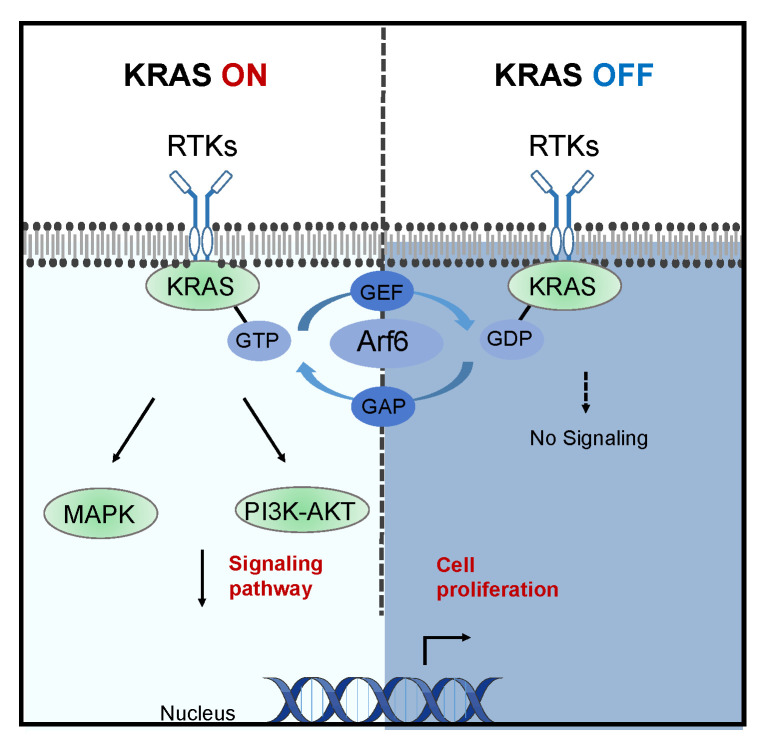
- KRAS mutations are found in 30–40% of colorectal cancer cases and are associated with persistent activation of MAPK/ERK and PI3K/AKT pathways, poor prognosis, and resistance to anti-EGFR monoclonal antibodies such as panitumumab and cetuximab.
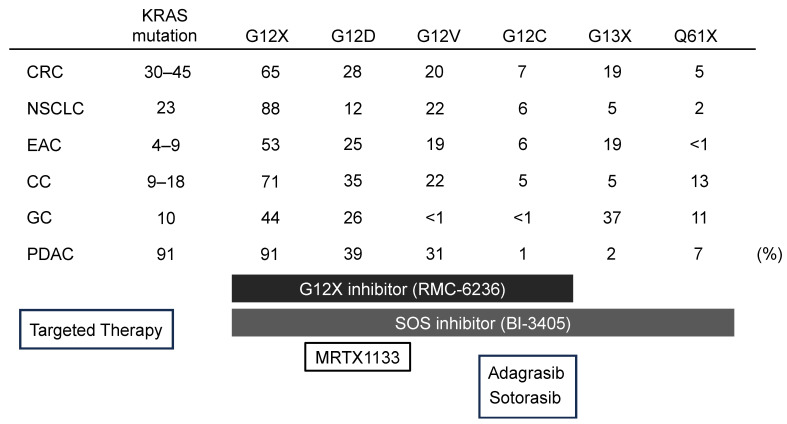
- In colorectal cancer, KRASG12C inhibitors have an overall response rate of only around 10%; KRASG12C mutations occur in only 3–4% of colorectal cancer cases, whereas G12D is found in 28% of colorectal cancers and 39% of pancreatic cancers.
- Sotorasib showed a 33.3% response rate, 57.9% stable disease rate, and 91.2% disease control rate in non-small cell lung cancer; adagrasib showed a 42.9% response rate. In KRASG12C-mutant colorectal cancer, combination KRASG12C plus EGFR inhibition produced a 43% response rate (12/28 patients) versus 22% (10/45 patients) with KRASG12C inhibitor monotherapy.
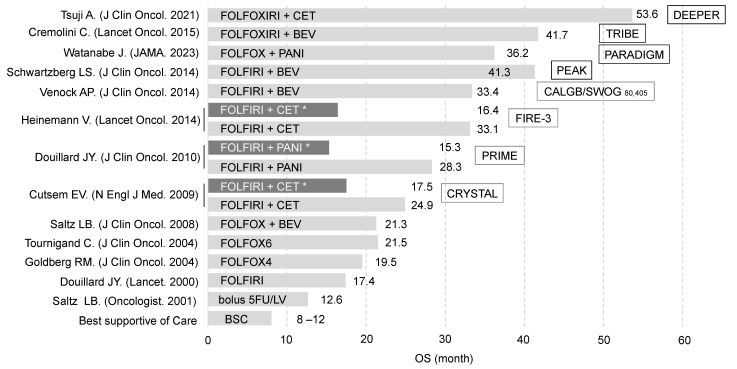
- RAS-mutant colorectal cancer patients continue to have poor outcomes, with overall survival remaining at 15–17 months despite advances in systemic therapy.
Methods
- This is a narrative review, not an original research study; it synthesizes prior biological, clinical, and therapeutic literature on KRAS-mutant colorectal cancer.
- No primary sample, dataset, or statistical analysis is reported; the paper draws on cited clinical trials, preclinical studies, and mechanistic reports.
- The review covers KRAS biology, clinical testing, resistance mechanisms, and emerging therapeutic strategies including small-molecule inhibitors, peptides, vaccines, metabolic targeting, and oligonucleotide therapeutics.
Limitations
- Stated in the paper: RAS mutation testing cannot achieve 100% accuracy because of testing method sensitivity, sample quality, and tumor cell content; there are no guidelines defining the threshold level of mutant RAS that impacts treatment efficacy, and it remains unclear which RAS mutant types have the highest clinical utility.
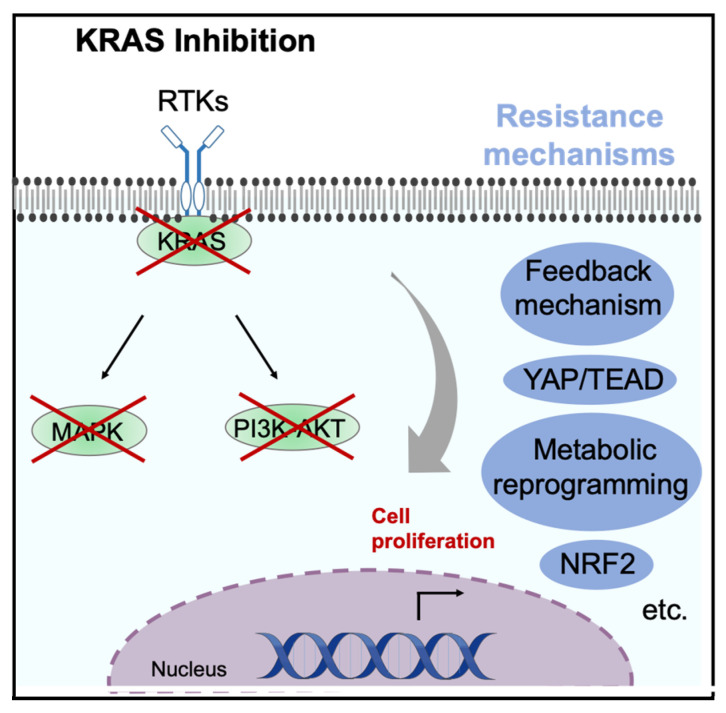
- Stated in the paper: resistance to KRAS-targeted therapy is common, with primary and acquired resistance mechanisms including feedback pathway activation, KRAS independence, organ-specific sensitivity, EMT, secondary mutations, and bypass signaling.
- Evident from the text: as a narrative review, it does not describe a systematic search strategy, risk-of-bias assessment, or meta-analysis, and it presents no original patient-level data.
Model-written summary. Check it against the paper before relying on it.
Integrity signals
Registry
Cites
Statistics
Figures
Verification
Claims the paper makes
20 Valid · 4 Not valid · 55 Not checked · 28 Own results and interpretations
At least one cited source doesn’t support this claim or points to a different paper, and none confirmed it — see the verdicts below.
In the paper
“pulmonary metastases have shown a markedly higher discordance rate (approximately 30%) compared to other sites [54,55]”
§ The Role of KRAS Mutations in Colorectal Cancer: Biological Insights, Clinical Implications, and Future Therapeutic Perspectives > 5. Challenges and Limitations of Current Treatment > 5.2. Challenges in the Interpretation of RAS Mutations
What the sources say
- Disputedcites [54] Santini D. Loupakis F. Vincenzi B. Floriani I. Stasi I. Canestrari E. Rulli E. Maltese P.E. Andreoni F. Masi G. High concordance of KRAS status between primary colorectal tumors and related metastatic sites: Implications for clinical practice Oncologist 2008 13 1270 1275 10.1634/theoncologist.2008-0181 19056857 sourceExperimental — accuracy not yet measured
The Results report seven lung metastases, but none of the four discordant cases involved the lung: three involved the liver and one the peritoneum. The reported pulmonary discordance rate in this sample was therefore 0%, not approximately 30% or higher than at other sites. (LLM, conf=0.92)
Checked by a reasoning model — may be wrong.
- Not checked yetcites [55] Italiano A. Hostein I. Soubeyran I. Fabas T. Benchimol D. Evrard S. Gugenheim J. Becouarn Y. Brunet R. Fonck M. KRAS and BRAF mutational status in primary colorectal tumors and related metastatic sites: Biological and clinical implications Ann. Surg. Oncol. 2010 17 1429 1434 10.1245/s10434-009-0864-z 20049644 source
plainstates an association- Asserted: passes — The authors put it forward as true.
- Checkable: passes — It can be checked against evidence.
- Load-bearing: unclear — It is unclear whether the paper’s conclusions depend on it.
- Based: passes — The paper gives a reason why it holds.
- Disputed
The cited sources support only part of this claim — read each source’s verdict below.
In the paper
“discordance in KRAS mutation status is rare in distant organ metastases (less than 10%) [52,53]”
§ The Role of KRAS Mutations in Colorectal Cancer: Biological Insights, Clinical Implications, and Future Therapeutic Perspectives > 5. Challenges and Limitations of Current Treatment > 5.2. Challenges in the Interpretation of RAS Mutations
What the sources say
- Not checked yetcites [52] Watanabe T. Kobunai T. Yamamoto Y. Matsuda K. Ishihara S. Nozawa K. Iinuma H. Shibuya H. Eshima K. Heterogeneity of KRAS status may explain the subset of discordant KRAS status between primary and metastatic colorectal cancer Dis. Colon. Rectum 2011 54 1170 1178 10.1097/DCR.0b013e31821d37a3 21825899 source
- Partly supportedcites [53] Knijn N. Mekenkamp L.J. Klomp M. Vink-Börger M.E. Tol J. Teerenstra S. Meijer J.W. Tebar M. Riemersma S. van Krieken J.H. KRAS mutation analysis: A comparison between primary tumours and matched liver metastases in 305 colorectal cancer patients Br. J. Cancer 2011 104 1020 1026 10.1038/bjc.2011.26 21364579 PMC3065268 sourceExperimental — accuracy not yet measured
The Results section ('Concordance of KRAS status in primary tumours and corresponding liver metastases') reports 96.4% concordance (3.6% discordance, 11/305; clinically relevant in only 2.0%), and the Abstract Conclusion repeats this, so the '<10%' magnitude is supported — but strictly for liver metastases. The claim generalises to 'distant organ metastases', which the source explicitly refuses: the Discussion states 'The results of our study are only valid for liver metastases and cannot be extrapolated to other metastatic locations', and notes molecular patterns may differ between metastatic sites (Klein, 2009). The same Discussion also reports 25% discordance for lymph node metastases, concluding they are unsuitable for KRAS testing, further limiting the generalisation. (LLM, conf=0.82)
plain- Asserted: passes — The authors put it forward as true.
- Checkable: passes — It can be checked against evidence.
- Load-bearing: unclear — It is unclear whether the paper’s conclusions depend on it.
- Based: passes — The paper gives a reason why it holds.
The sources with a verdict support this claim; the rest weren’t checked yet, have no full text we could read, or their verdicts aren’t rated yet.
In the paper
“Found in 30–40% of cases”
- Also stated in: § 4. Clinical Significance of KRAS Mutations (Role in Practice and Therapeutics) · hedged
“Approximately 30–40% of colorectal cancer cases harbor KRAS mutations”
§ The Role of KRAS Mutations in Colorectal Cancer: Biological Insights, Clinical Implications, and Future Therapeutic Perspectives > Abstract
What the sources say
- Not checked yetcites [45] Watanabe T. Yoshino T. Uetake H. Yamazaki K. Ishiguro M. Kurokawa T. Saijo N. Ohashi Y. Sugihara K. KRAS mutational status in Japanese patients with colorectal cancer: Results from a nationwide, multicenter, cross-sectional study Jpn. J. Clin. Oncol. 2013 43 706 712 10.1093/jjco/hyt062 23657052 source
- Supportedcites [46] Andreyev H.J. Norman A.R. Cunningham D. Oates J.R. Clarke P.A. Kirsten ras mutations in patients with colorectal cancer: The multicenter “RASCAL” study J. Natl. Cancer Inst. 1998 90 675 684 10.1093/jnci/90.9.675 9586664 source
The RASCAL study's headline prevalence is 37.7% for Ki-ras codon 12/13 mutations, stated in the abstract Results and in the section 'Status of the Ki-ras Gene at Codons 12 and 13 (Table 3)' (835 of 2214 patients, based on 2721 patients from 22 groups in 13 countries). Subgroup rates in 'Ki-ras and Histology (Table 4)' span 30.7% (poorly differentiated) to 41.3% (moderately differentiated) and 33.9-39.8% across Dukes' stages, and predisposing-condition groups in 'Ki-ras and Predisposing Causes' run 30.6-34.5%, all consistent with a 30-40% band. The paper reports a point estimate rather than the range verbatim, but the cited prevalence falls squarely within what our copy states for colorectal cancer cases. (LLM, conf=0.85)
plain- Asserted: passes — The authors put it forward as true.
- Checkable: passes — It can be checked against evidence.
- Load-bearing: unclear — It is unclear whether the paper’s conclusions depend on it.
- Based: passes — The paper gives a reason why it holds.
- Also stated in: § 4. Clinical Significance of KRAS Mutations (Role in Practice and Therapeutics) · hedged
The cited sources support only part of this claim — read each source’s verdict below.
In the paper
“the efficacy of RAS inhibitors remains low in colorectal cancer, with an overall response rate of only around 10% [44]”
§ The Role of KRAS Mutations in Colorectal Cancer: Biological Insights, Clinical Implications, and Future Therapeutic Perspectives > 4. Clinical Significance of KRAS Mutations (Role in Practice and Therapeutics)
What the sources say
- Partly supportedcites [44] Akhave N.S. Biter A.B. Hong D.S. Mechanisms of Resistance to KRAS(G12C)-Targeted Therapy Cancer Discov. 2021 11 1345 1352 10.1158/2159-8290.CD-20-1616 33820777 PMC8178176 sourceExperimental — accuracy not yet measured
The “Proof of therapeutic targeting of KRASG12C” section reports colorectal cancer overall response rates of 7.1% for sotorasib and 17% in preliminary adagrasib results, consistent with a low response rate around 10%. These figures concern KRASG12C inhibitors in patients with advanced, previously treated disease; they do not establish that rate for RAS inhibitors generally or for all colorectal cancer. (LLM, conf=0.85)
plain- Asserted: passes — The authors put it forward as true.
- Checkable: passes — It can be checked against evidence.
- Load-bearing: passes — The paper’s conclusions depend on it.
- Based: passes — The paper gives a reason why it holds.
- Partly supported
The cited sources support only part of this claim — read each source’s verdict below.
In the paper
“Adagrasib also showed promising results with a response rate of 42.9% [44]”
§ The Role of KRAS Mutations in Colorectal Cancer: Biological Insights, Clinical Implications, and Future Therapeutic Perspectives > 4. Clinical Significance of KRAS Mutations (Role in Practice and Therapeutics)
What the sources say
- Partly supportedcites [44] Akhave N.S. Biter A.B. Hong D.S. Mechanisms of Resistance to KRAS(G12C)-Targeted Therapy Cancer Discov. 2021 11 1345 1352 10.1158/2159-8290.CD-20-1616 33820777 PMC8178176 sourceExperimental — accuracy not yet measured
Our copy supports that adagrasib showed promising activity in KRASG12C NSCLC, but the magnitude it reports differs: the 'Proof of therapeutic targeting of KRASG12C' section gives ORR and DCR of 45% and 96% in NSCLC (and 17% and 96% in CRC) from preliminary results presented at the EORTC-NCI-AACR Annual Symposium 2020 for the ongoing Phase I/II trial NCT03785249, while the Introduction summarizes both agents' early-phase tumor response rates as 'approximating 30–40%'. The specific figure of 42.9% attributed to this source appears nowhere in our copy (searched: 42.9%, adagrasib overall response rate NSCLC, Table 1 agent summary), so the qualitative claim holds but the numeric value does not. Our copy also frames that adagrasib number as preliminary conference data, with no complete responses and responses lasting only 4–6 months, which the citing sentence omits. (LLM, conf=0.75)
plain- Asserted: passes — The authors put it forward as true.
- Checkable: passes — It can be checked against evidence.
- Load-bearing: unclear — It is unclear whether the paper’s conclusions depend on it.
- Based: passes — The paper gives a reason why it holds.
- Partly supported
57 more claims · 14 with their cited sources checked
Create a free account to see all 107 claims and to verify the 79 references still open.
- It may state two separate claims as one. 41
- Probably not a substantial claim. 9
Claims other papers make about this one
Each is checked against this paper’s own text: does it say what the citing paper says it does?
The cited source says what the claim attributes to it.
In the citing paper
“Mutations in RAS, importantly, the KRAS-mutated tumors, are associated with around forty percent of CRCs [12,18,19], while NRAS is less frequent but remains a clinically relevant contributor to tumor heterogeneity.”
From Overcoming Resistance to Anti-EGFR Therapies: Mechanisms of Cetuximab and Panitumumab Resistance and Emerging Combination Strategies (2026) · cites this paper as [12]
Self-check
Percentages, sums and reported differences re-computed from the paper’s own numbers.
Each contradiction between two passages listed here was confirmed by an independent check.
Rated major: it would touch a result — a value a result rests on, reported and recomputed p-values on opposite sides of the significance level, two passages that conflict with no sign which is right, or a cited work retracted before this paper was published.
In the paper
§ The Role of KRAS Mutations in Colorectal Cancer: Biological Insights, Clinical Implications, and Future Therapeutic Perspectives > 5. Challenges and Limitations of Current Treatment > 5.3. Resistance in RAS-Targeted Therapy
“the response rate of KRASG12C inhibitors in colorectal cancer is approximately 40%”
§ The Role of KRAS Mutations in Colorectal Cancer: Biological Insights, Clinical Implications, and Future Therapeutic Perspectives > 5. Challenges and Limitations of Current Treatment > 5.3. Resistance in RAS-Targeted Therapy
“the response rate in lung cancer is approximately 40%, whereas in colorectal cancer, it is around 10–20%”
Rated minor: it would not touch a result — a value no result rests on, a p-value that stays on the same side of the significance level, or a conflict that is clerical, resolved elsewhere in the paper, or outside its own findings.
In the paper
§ The Role of KRAS Mutations in Colorectal Cancer: Biological Insights, Clinical Implications, and Future Therapeutic Perspectives > 4. Clinical Significance of KRAS Mutations (Role in Practice and Therapeutics)
“KRASG12C mutations are present in only 3–4% of colorectal cancer cases”
§ The Role of KRAS Mutations in Colorectal Cancer: Biological Insights, Clinical Implications, and Future Therapeutic Perspectives > 6. Future Strategies and Perspectives > 6.2. Development of Targeted Therapies for Mutations Beyond KRASG12C
“this mutation is relatively rare in gastrointestinal cancers, occurring in only 7% of colorectal cancers and 1% of pancreatic cancers”
Citations
Cites
Sung, H., Ferlay, J., Siegel, R. L., Laversanne, M., Soerjomataram, I., Jemal, A., & Bray, F. (2021) · CA: A Cancer Journal for Clinicians · doi:10.3322/caac.21660 · Cited by 108,699
Tournigand, C., André, T., Achille, E., Lledo, G., Flesh, M., Mery-Mignard, D., Quinaux, E., Couteau, C., Buyse, M., Ganem, G., et al. (2004) · Journal of Clinical Oncology · doi:10.1200/jco.2004.05.113 · Cited by 2,915 · cited 1×
“However, with treatments such as FOLFOX or FOLFIRI, which combine 5-FU, oxaliplatin, and irinotecan, survival has been extended to approximately 20 months [36].”
The Genomic Landscapes of Human Breast and Colorectal Cancers
Wood, L. D., Parsons, D. W., Jones, S., Lin, J., Sjöblom, T., Leary, R. J., Shen, D., Boca, S. M., Barber, T., Ptak, J., et al. (2007) · Science · doi:10.1126/science.1145720 · Cited by 2,833 · cited 1×
“[3].”
The PI3K Pathway in Human Disease
Fruman, D. A., Chiu, H., Hopkins, B. D., Bagrodia, S., Cantley, L. C., & Abraham, R. T. (2017) · Cell · doi:10.1016/j.cell.2017.07.029 · Cited by 2,749 · cited 1×
“In the GTP-bound state, KRAS activates downstream effectors, initiating multiple signaling pathways, including the RAF kinase family and phosphatidylinositol 3-kinase (PI3K), which promote various cellular functions [8,9] (Figure 1).”
Whole genomes redefine the mutational landscape of pancreatic cancer
Initiative, A. P. C. G., Waddell, N., Pajic, M., Patch, A.-M., Chang, D. K., Kassahn, K. S., Bailey, P., Johns, A. L., Miller, D., Nones, K., et al. (2015) · Nature · doi:10.1038/nature14169 · Cited by 2,642 · cited 1×
“For example, G12V is frequently identified in pancreatic ductal adenocarcinomas and is associated with aggressive disease biology [16,21].”
K-Ras(G12C) inhibitors allosterically control GTP affinity and effector interactions
Ostrem, J. M., Peters, U., Sos, M. L., Wells, J. A., & Shokat, K. M. (2013) · Nature · doi:10.1038/nature12796 · Cited by 2,557 · cited 1×
“While G12C and G12D have garnered significant attention due to the development of novel small molecule inhibitors [19,20], other substitutions remain relatively underexplored in terms of direct targeted therapies.”
The Clinical KRAS(G12C) Inhibitor AMG 510 Drives Anti-Tumour Immunity
Canon, J., Rex, K., Saiki, A. Y., Mohr, C., Cooke, K., Bagal, D., Gaida, K., Holt, T., Knutson, C. G., Koppada, N., et al. (2019) · Nature · doi:10.1038/s41586-019-1694-1 · Cited by 2,277 · cited 1×
“While G12C and G12D have garnered significant attention due to the development of novel small molecule inhibitors [19,20], other substitutions remain relatively underexplored in terms of direct targeted therapies.”
Panitumumab–FOLFOX4 Treatment and RAS Mutations in Colorectal Cancer
Douillard, J.-Y., Oliner, K. S., Siena, S., Tabernero, J., Burkes, R., Barugel, M., Humblet, Y., Bodoky, G., Cunningham, D., Jassem, J., et al. (2013) · New England Journal of Medicine · doi:10.1056/nejmoa1305275 · Cited by 2,263 · cited 1×
“The most frequently detected mutations in codons 12 and 13—namely G12V (incidence: 20–25%), G12S (5–7%), G12R (3–5%), G12A (3–5%), and G13D (15–20%)—are also clinically relevant, with their prevalence varying by tumor type [16–18].”
Drugging the undruggable RAS: Mission Possible?
Cox, A. D., Fesik, S. W., Kimmelman, A. C., Luo, J., & Der, C. J. (2014) · Nature Reviews Drug Discovery · doi:10.1038/nrd4389 · Cited by 1,997 · cited 3×
“For example, G12V is frequently identified in pancreatic ductal adenocarcinomas and is associated with aggressive disease biology [16,21].”
COSMIC: somatic cancer genetics at high-resolution
Forbes, S. A., Beare, D., Boutselakis, H., Bamford, S., Bindal, N., Tate, J., Cole, C. G., Ward, S., Dawson, E., Ponting, L., et al. (2017) · Nucleic Acids Research · doi:10.1093/nar/gkw1121 · Cited by 1,922 · cited 1×
“Moreover, G12S and G12A occur in both colorectal and lung cancers at lower but still significant frequencies [16,17].”
Cited by
Advances in Cancer Treatment Through Nanotheranostics and Emerging Therapies
Akpe, V., & Cock, I. E. (2025) · Journal of Nanotheranostics · doi:10.3390/jnt6040029 · Cited by 31
“It has been demonstrated that IL-10 can induce upregulation of TIM-3 on human T cells, leading to functional exhaustion and suppression of antitumor immunity [275].”
Kyrochristou, I. D., Lianos, G. D., Kyrochristou, G. D., Anagnostopoulos, G. C., Bali, C. D., Boussios, S., Mitsis, M. C., Schizas, D., & Vlachos, K. (2025) · Biomedicines · doi:10.3390/biomedicines13082038 · Cited by 21
“KRAS mutations are one of the most studied groups of molecular signatures and targets in CRC patients, as they are extremely often (42% of CRC patients have KRAS mutations) [45].”
Cancer Metastasis: Therapeutic Challenges and Opportunities
Garemilla, S. S. S., Kadambala, M. C., Gampa, S. C., Chinthala, S., & Garimella, S. V. (2025) · Medical Oncology · doi:10.1007/s12032-025-03072-x · Cited by 15
“For example, in colorectal cancer liver metastases, regionally heterogeneous KRAS mutations are linked to significantly poorer survival (18 vs 37 months), reflecting how divergent subclones adapt to different organ microenvironment [44].”
Emerging nano-immunotherapeutic strategies achieve metastatic colorectal cancer precision therapy
Jiang, S., Zhang, Z., Mao, Y., Xia, X., Luo, J., Zhang, Y., & Yuan, Y. (2026) · Journal of Nanobiotechnology · doi:10.1186/s12951-025-03933-7 · Cited by 13
“…metastasectomy to consolidate systemic antitumor immunity (NCT04486378) [54]. mRNA-5671/V941, in contrast, delivers mRNA encoding shared KRAS mutations (G12C, G12D, G12V, G13D) and is being evaluated with pembrolizumab in KRAS-mutant colorectal cancer and other solid tumors (NCT03948763) [55].”
Tang, N., Sun, W., Zhang, J., Ma, X., & Wang, Y. (2025) · Food and Chemical Toxicology · doi:10.1016/j.fct.2025.115543 · Cited by 10
Diversity by Design: Real-World Data to Enhance Representation in Clinical Cancer Research
Vo, T. T., Kim, S. H., Jaksa, A. A., Bates, B. A., Zhou, W., Stewart, M. D., & Burcu, M. (2025) · Clinical Cancer Research · doi:10.1158/1078-0432.ccr-25-1255 · Cited by 10
Drugging the undruggable: Chemical and biological insights into molecular glues in the pipeline
Metwally, K. A., Yahya, G., & Abo-Dya, N. E. (2025) · European Journal of Medicinal Chemistry · doi:10.1016/j.ejmech.2025.118132 · Cited by 10
Prognostic gene expression profile of colorectal cancer
Saadh, M. J., Allela, O. Q. B., Kareem, R. A., Baldaniya, L., Ballal, S., Vashishth, R., Parmar, M., Sameer, H. N., Hamad, A. K., Athab, Z. H., et al. (2025) · Gene · doi:10.1016/j.gene.2025.149433 · Cited by 6
Multi Omics Integration in Colorectal Cancer: From Molecular Insights to Precision Oncology
Liu, Z., Ang, M. Y., & Kue, C. S. (2026) · Cancers · doi:10.3390/cancers18101504 · Cited by 7
“[12,13], PI3K–AKT pathway (PIK3CA mutations in ~15–20”
Gong, Y., Wu, J., & Hu, Y. (2026) · Cancer Gene Therapy · doi:10.1038/s41417-025-00993-7 · Cited by 5
“For instance, in colorectal cancer, m 6 A modi fi cation of KRAS enhances tumor proliferation by stabilizing its mRNA [26], while in lung cancer, m 6 A-modi fi ed KRAS upregulates protein expression, thereby activating the downstream MAPK signaling pathway [27].”
Effect of Race and Tumor Subsite on Survival Outcome in Early- and Late-Onset Colorectal Cancer
Hsieh, M., Stoffel, E. M., Purrington, K. S., Wu, X., Ahn, J., Patil, S., Wen, S., Jawla, M., Mabvakure, B. M., & Rozek, L. S. (2026) · Cancers · doi:10.3390/cancers18020180 · Cited by 3
“For example, somatic mutations in KRAS , BRAF , and PIK3CA have been shown to confer resistance to EGFR inhibition and are associated with increased mortality in CRC patients [36–39].”
Diaz, F. C., Waldrup, B., Carranza, F., Manjarrez, S., & Velazquez-Villarreal, E. I. (2026) · Cancers · doi:10.3390/cancers18020239 · Cited by 2
Lv, Y., Zhao, Z., Di, W., Liu, L., Chen, Y., Wei, S., Ji, Y., & Zhong, J. (2026) · Critical Reviews in Oncology/Hematology · doi:10.1016/j.critrevonc.2026.105150 · Cited by 4
Oyelami, M., Mgbeke, O. E., Obadiah, A. A., Egbeyemi, A., & Marshall, E. (2026) · Clinical Medicine Insights Oncology · doi:10.1177/11795549261417367 · Cited by 3
Voutsadakis, I. A. (2025) · Pharmacogenomics · doi:10.1080/14622416.2025.2479414 · Cited by 4
İlhan, N., Dane, F., Göker, E., Uygun, K., Orhan, B., Okutur, K., Ünek, İ. T., Işıkdoğan, A., Bilici, A. E., Zengin, N., et al. (2025) · Medicina · doi:10.3390/medicina61040694 · Cited by 7
“…undergo KRAS mutation testing since anti-EGFR therapies such as cetuximab and panitumumab are effective only in patients with wild-type KRAS [39,40] In previous studies, the predominant mutations in codons 12 and 13 of the KRAS gene—namely, G12D, G12V, and G13D—accounted for approximately…”
Osotprasit, S., Suwansa‐ard, S., Cummins, S. F., Wang, T., Samrit, T., Chaiwichien, A., Smith, S. J., Changklungmoa, N., & Kueakhai, P. (2025) · International Journal of Molecular Sciences · doi:10.3390/ijms262110514 · Cited by 6
“This information is crucial for the development of future targeted therapeutic strategies [59].”
Nanoarchitectonics for Sensors
Ariga, K. (2025) · Journal of Inorganic and Organometallic Polymers and Materials · doi:10.1007/s10904-025-04079-7 · Cited by 2
“We are developing a variety of functional materials and systems to address issues relating to energy [1–5], environment [6–10] and biomedical issues [11–15].”
Rao, B. H., Boušková, V., Heczko, L., Holý, P., Šeborová, K., Liška, V., Vyčítal, O., Fiala, O., Souček, P., & Hlaváč, V. (2025) · Laboratory Investigation · doi:10.1016/j.labinv.2025.104274 · Cited by 3
Prognostic Impact of RAS and TP53 Mutation Profiles in Metastatic Colorectal Cancer
Duygulu, M. E., Karaman, E., Karakullukçu, S., & Munğan, S. (2026) · Medicina · doi:10.3390/medicina62010136 · Cited by 2
“Studies have shown that KRAS and NRAS mutations are associated with reduced response to anti-EGFR therapies [18,19].”
Hua, L., Wei, X., Wu, J., Fang, X., Chen, G., Zhan, M., Chu, J., Wang, C., Jiang, Q., Xu, H. Y., et al. (2026) · Sensors and Actuators B Chemical · doi:10.1016/j.snb.2026.139586 · Cited by 2
Korram, P., & Satapathy, T. (2026) · Biomaterials and Living Medicine for Pharmaceutics · doi:10.1016/j.bioliv.2026.100002 · Cited by 3
Personalized therapy in metastatic colorectal cancer: biomarker-driven use of biologics
Sullo, F. G., Gallio, C., Matteucci, L., Bittoni, A., Muratore, M., Esposito, L., Ceredi, B., Gallo, G., Ulivi, P., Rapposelli, I. G., et al. (2025) · Expert Opinion on Biological Therapy · doi:10.1080/14712598.2025.2556911 · Cited by 4
“The most common one is G12D (about 30–36% of mutated cases) followed by G12V, while G12C accounts for about 3% of total mutations [50–54].”
Henrykowska, G., Bartusik-Aebisher, D., Dynarowicz, K., Ramesh, T. S., Smolak, B., & Aebisher, D. (2026) · Pharmaceuticals · doi:10.3390/ph19071041 · Cited by 1
“They cycle between active state (GTP bound) and inactive state (GDP bound) and work as downstream effectors within the mitogen-activated protein kinase (MAPK) pathway [12].”
Elm, L., Gerlitz, N., Hochholzer, A., Papadopoulos, T., & Levidou, G. (2025) · International Journal of Molecular Sciences · doi:10.3390/ijms26135938 · Cited by 1
“There, YAP/TAZ activation enables transcriptional programs that bypass receptor tyrosine kinase (RTK) inhibition, thereby diminishing the efficacy of small-molecule inhibitors [20,21].”
Yang, W., Deng, H., Pan, T., Zhang, X.-K., Li, P., & Wang, S. (2025) · Journal of Cancer · doi:10.7150/jca.114067 · Cited by 1
“KRAS mutations, which are present in approximately 90% of PC cases, drive tumor progression through constitutive MAPK/ERK and PI3K/AKT signaling, influencing the TME and promoting tumor stemness [33,34].”
Parente, P., Angerilli, V., Grillo, F., Ambrosio, M. R., Petrelli, F., Gasparello, J., Antoci, F., Pilozzi, E., Scarpino, S., Adotti, F., et al. (2025) · Cancers · doi:10.3390/cancers17172721 · Cited by 1
“CRCs are characterized by heterogeneity in both pathogenesis and molecular pathways, leading to different histological features, incidence, sidedness, and outcomes [3].”
Zhang, H., & Zhang, Z. (2025) · Microchemical Journal · doi:10.1016/j.microc.2025.115624 · Cited by 1
KRAS G12A Identifies a High-Risk Subset in Resected Stage II–III Colorectal Cancer
Momma, T., Okayama, H., Hayashishita, S., Yamaguchi, D., Fujii, A., Katagata, M., Matsumoto, T., Ujiie, D., Chida, S., Saze, Z., et al. (2025) · Cancers · doi:10.3390/cancers17223599 · Cited by 1
“Approximately 40% of CRCs harbor KRAS mutations, and their presence is a well-established negative predictor of benefit from epidermal growth factor receptor (EGFR)-targeted therapy in metastatic CRC (mCRC) [4,6,10].”
Guo, L., Wang, Y., Yang, C., Qi, W., & Wang, S. (2025) · Scientific Reports · doi:10.1038/s41598-025-26317-1 · Cited by 1
Morouei, R. J., & Mortazavi, R. (2025) · The Cancer Review · doi:10.61882/tcr.202501.02.03 · Cited by 1
Ryu, S., Baig, M. H., Panwar, U., Dong, J.-J., Jo, Y. S., Kim, C. J., Nale, S. D., Park, J., Ha, J., Moon, B., et al. (2026) · Computers in Biology and Medicine · doi:10.1016/j.compbiomed.2025.111437 · Cited by 1
Bao, Q., Chen, H., Wu, J., Wang, Y., Chen, X., Lin, Z., Xu, Y., & Chen, J. (2026) · APOPTOSIS · doi:10.1007/s10495-026-02347-6 · Cited by 1
Wilsdon, D. W., Park, Y., Harper, K., & Moyana, T. N. (2026) · Cancers · doi:10.3390/cancers18121917 · Cited by 3
“Since KRAS mutations are commonly associated with resistance to anti-EGFR therapies, it is possible that targeted treatments that specifically target these mutations can be effective in such patients [50,51].”
ADCs for colorectal carcinoma: decoding clinical evidence for molecular design innovation
Wu, X., Du, F., Liu, Z., Zhang, B. H., Tong, J., Liu, Y., & Xia, T. (2026) · SLAS DISCOVERY · doi:10.1016/j.slasd.2026.100320 · Cited by 1
Seraphine, C., MacLeod, A., Thornsberry, T., Dharmadhikari, S., Martinez, B., Gable, C., Chambers, A., Jaganathan, V. L., Littlefield, A., & Galandiuk, S. (2026) · Cancers · doi:10.3390/cancers18132049 · Cited by 1
“…40% of CRC cases, are among the most consequential oncogenic drivers in this disease, promoting constitutive activation of the MAPK/ERK and PI3K/AKT pathways, suppressing anti-tumor immune signaling and contributing to the immunosuppressive TME that undermines the checkpoint blockade [94].”
Bandegi, M., Biltekin, E., Akay, Y. M., & Akay, M. (2026) · International Journal of Molecular Sciences · doi:10.3390/ijms27146238 · Cited by 3
“Activation of KRAS alterations supports tumor-cell proliferation, survival, migration/invasion, and metastatic progression by maintaining downstream RAF/MEK/ERK and PI3K/AKT signaling [6,7].”
Suzuki, K., Kachi, S., Hamaguchi, R., Morikawa, H., & Wada, H. (2026) · Frontiers in Oncology · doi:10.3389/fonc.2026.1867616 · Cited by 1
Targeting KRAS G12D Mutations: Advances in Small Molecule Inhibitors and PROTAC Technology
Kargbo, R. B. (2025) · ACS Medicinal Chemistry Letters · doi:10.1021/acsmedchemlett.5c00179 · Cited by 1
Liu, Z., Ang, M. Y., & Kue, C. S. (2026) · doi:10.2196/preprints.95204 · Cited by 1
Targeting KRAS G12D and G10 Mutations with Novel Small Molecule Inhibitors
Kargbo, R. B. (2025) · ACS Medicinal Chemistry Letters · doi:10.1021/acsmedchemlett.5c00264
RAS oncogenes in Venezuelan colorectal cancer: detection methods and mutational profile review
Ramírez, C. D., Rodríguez-Carrascal, D., & Puche, R. (2025) · Academia oncology. · doi:10.20935/acadonco7791
Yue, P., Hon, C. T., Zhao, X., Ali, F., Sun, J., & Kou, J. (2025) · Anti-Cancer Drugs · doi:10.1097/cad.0000000000001773
“Despite the recent emergence of KRAS G12C inhibitors, resistance typically develops within months via secondary KRAS mutations or bypass signaling activation, underscoring the need for alternative strategies that target broader KRAS-mutant contexts beyond a single allele [23,27].”
Dual-State KRAS G12C Inhibitors as Emerging Therapeutics for Brain and Lung Metastases
Renner, A. C., & Kargbo, R. B. (2025) · ACS Medicinal Chemistry Letters · doi:10.1021/acsmedchemlett.5c00662
Exploring New Horizons and Emerging Topics in Squamous Anal Cancer and Colorectal Cancer
Danks, R. (2025) · EMJ Oncology · doi:10.33590/emjoncol/puyu5693
Introduction the different molecular aspects of tumor biomarkers and viral therapy of various tumors
Ennaji, M. M. (2025) · Elsevier eBooks · doi:10.1016/b978-0-443-30225-1.00051-8
Diaz, F. C., Waldrup, B., Carranza, F., Manjarrez, S., & Velazquez-Villarreal, E. I. (2025) · medRxiv · doi:10.64898/2025.12.13.25342208
Minadakis, G., & Spyrou, G. M. (2025) · Briefings in Bioinformatics · doi:10.1093/bib/bbaf688
“However, despite its significance, KRAS has historically been classified as an ‘undruggable’ target due to the biochemical properties of its protein structure and the lack of accessible binding [13, 14].”
Ramos, E. M., Ayala, C. H. A., Rúa, K. A. P., Cárdenas, Á. R., Gaviria, G. C. R., Salgado, C. M. C., Calle, N. E. D., Granda, D. C., Cordoba, A. H., Patiño, J. C. H., et al. (2026) · medRxiv · doi:10.64898/2026.01.21.26344030
Wang, J., Pei, Q., & Yu, N. (2026) · World Journal of Gastrointestinal Oncology · doi:10.4251/wjgo.v18.i3.114379
An Overview of Metastatic Organotropism: Mechanisms and Emerging Therapeutic Targets
Al-Janabi, I. I. (2026) · Al-Rafidain Journal of Medical Sciences · doi:10.54133/ajms.v10i2.2774
“Mutations in KRAS and p53 enhancing cancer cells’ survival, proliferation, and invasiveness are strongly associated with aggressive disease and a higher incidence of liver metastases [49,50].”
Hidden in the Noise: Low-Variant Allele Frequency Mutations and Their Impact on Precision Oncology
Knebel, P., Harris, J., Steveson, I., Kearns, B., Todeschini, A. S., Perrett, L., Anderson, D., Beltran, E., Leary, B. S., Settle, J., et al. (2026) · Journal of Genome Biotechnology and Genetics · doi:10.3390/jgbg1010004
Basumatary, M., Basumatary, P., Barman, S., & Das, G. (2026) · Structural Chemistry · doi:10.1007/s11224-026-02790-w · Cited by 2
JOSD2 deubiquitinating enzyme: Structure, function, and potential as a therapeutic target
Li, Z., Hu, J., Wang, L., Liu, Y., Teng, J., Wei, S., & Wang, L. (2026) · Cellular Signalling · doi:10.1016/j.cellsig.2026.112568
Putriana, S., Parewangi, M. L., Bakri, S., Zainuddin, A. A., Rasyid, H., & Minhajat, R. (2026) · F1000Research · doi:10.12688/f1000research.179304.1
Zhou, X.-L., Chen, F., & Guo, K.-B. (2026) · World Journal of Clinical Oncology · doi:10.5306/wjco.119152
Kimsa‐Dudek, M., Synowiec‐Wojtarowicz, A., Kruszniewska‐Rajs, C., Krawczyk, A., Kimsa-Furdzik, M., & Kosowska, A. (2026) · International Journal of Radiation Biology · doi:10.1080/09553002.2026.2679140
“Mutations in the protooncogene KRAS occur in approximately 30–40% of colon cancer cases and are associated with a poor prognosis and a high resistance to treat-ment (Takeda et al. 2025).”
Kounatidis, D. C., Vallianou, N. G., Panagopoulos, F., Bampiolakis, A., Stamatopoulos, V., Dalamaga, Μ., Mourouzis, I. S., & Pantos, C. I. (2026) · Biomolecules · doi:10.3390/biom16060831
“Clinically, KRAS-mutant CRC is linked to resistance to anti-EGFR monoclonal antibodies and limited responsiveness to targeted therapies [83].”
Sze, T. Y., & Cheah, P. (2026) · Journal of Nature and Science of Medicine · doi:10.4103/jnsm.jnsm_377_25
Zhang, Y.-J., Feng, J.-Q., Zeng, L.-J., Li, J., Chen, L.-J., Yan, H., & Cai, Z. (2026) · Chinese Chemical Letters · doi:10.1016/j.cclet.2026.113081
Aguiari, G., Bianchi, N., & Franzese, O. (2026) · Cells · doi:10.3390/cells15121074
A systematic scoping review of the molecular pathogenesis of digestive system cancers (2013–2025)
Tan, S. H., Subramaniam, S., Lai, W. H., Razali, F., Tiong, L. L., Voon, P. J., & Sim, E. U. (2026) · Discover Oncology · doi:10.1007/s12672-026-05374-6
“These mutations have been linked to constitutive activation of downstream signalling pathways, contributing to resistance to anti-EGFR therapies in CRC [1, 55].”
Kulyaba, N. O., Bdzhola, A. V., Stasyshyn, A. R., Filonenko, V. V., & Bidiuk, D. (2026) · Biopolymers and Cell · doi:10.7124/bc.000b36
Sitholumusa, M. U. I., Deng, S., Li, Z., Zhang, Y. F., Li, M., Chen, B., Zhao, J., Sun, C., & Kai, G. (2026) · Clinical Traditional Medicine and Pharmacology · doi:10.1016/j.ctmp.2026.200295 · Cited by 2
Co-clinical CT radiomics pipeline to establish candidate imaging biomarkers for colorectal cancer
Connor, K., Prior, O., Shiels, L. P., Connolly, C., Miller, I. S., Crean, R., Murphy, S., McGuinness, G., Monreal‐Agüero, C., Serna, G., et al. (2026) · European Journal of Radiology · doi:10.1016/j.ejrad.2026.113038 · Cited by 1
Harnessing tumor-agnostic biomarkers for precision medicine in lymphoma
Lee, Y., Lim, N.-A., Kwan, R. L. Y., & Chan, J. H. (2026) · Cancer Treatment and Research Communications · doi:10.1016/j.ctarc.2026.101312 · Cited by 1
Colorectal cancer liver metastases: mechanism and therapy
Liu, S., Ban, L.-X., Zhang, W., Sun, Y., Wang, K., Man, Y., & Zhang, Y. (2026) · Frontiers in Immunology · doi:10.3389/fimmu.2026.1861130
“The RAS gene family comprises KRAS , NRAS , and HRAS , with KRAS being the most frequently mutated subtype in CRC. KRAS mutations occur in approximately 30-50% of CRC cases, whereas NRAS mutations are found in 3-5% of patients (45).”
BUKHARI, R. Z., Li, Z., Li, F., & Hu, H. (2026) · Journal of Gastroenterology and Hepatology · doi:10.1111/jgh.70534
Elmahdi, M. H., Hosain, A., & Bayoumi, H. (2026) · Egyptian Journal of Pathology · doi:10.4103/egjp.egjp_2_26 · Cited by 1
Rogacz, Z., Pacuła, W., Janas, W., Markiewka, M., Wala, P., Madej, M., & Strzałka‐Mrozik, B. (2026) · Cancers · doi:10.3390/cancers18152507
“Under these conditions, β -blockers may inhibit adrenergic stimulation of EGFR and enhance the therapeutic efficacy of anti-EGFR monoclonal antibodies, such as cetuximab and panitu-mumab [77,80,81].”
Saulis, G., Vitkin, E. I., Saulė, R., Wise, J., Gulbinas, A., Dambrauskas, Ž., Ivanauskienė, S., Žilinskas, J., Poškienė, L., & Golberg, A. (2026) · Cancer Medicine · doi:10.1002/cam4.71922
“These findings highlight the interplay between MAPK signaling and therapeutic resistance, particularly in KRAS-mutant tumors [46].”
Tarun, M. T. I., Ebrahim, H. Y., & Sayed, K. A. E. (2026) · Nutrients · doi:10.3390/nu18162623
“…KRAS G12C mutation represents ~11% of KRAS mutations in CRC, and is only common in 3% of overall CRC cases [6], whereas the KRAS G13D mutation constitutes a clinically relevant subtype that may exhibit differential responsiveness to anti-EGFR therapy compared with other KRAS - mutant subtypes [7].”
Kulmambetova, G., Tarlykov, P., Auganova, D., Гусмаулемова, А., Kurentay, B., & Mamlin, M. (2026) · Frontiers in Medicine · doi:10.3389/fmed.2026.1884372
“KRAS mutations are detected in approximately 40–50% of colorectal cancer cases and are considered early molecular events in carcinogenesis (7, 8).”
KRAS G12C-mutated Metastatic Colorectal Cancer: Current Therapeutic Strategies and Future Directions
Sagawa, T., Nagashima, H., & Fujikawa, K. (2026) · Journal of Gastrointestinal Cancer · doi:10.1007/s12029-026-01547-2
Wei, S., Yu, S., & Lan, Y. (2026) · Frontiers in Medicine · doi:10.3389/fmed.2026.1900343
Agalgave, V. C., Gaikwad, K. N., Deepika, B., V, Bhandurge, P. J., Malabade, S., Pote, S., & Patil, H. (2026) · Chemical Physics Impact · doi:10.1016/j.chphi.2026.101146
KRAS in Colorectal Cancer: Tumorigenesis, Surgical Implications and Evolving Treatment Target
Iftikhar, S., Xiao, A. H., Jin, Z., & Aly, E. H. (2026) · Current Oncology · doi:10.3390/curroncol33090514
“When active, RAS proteins can trigger a number of transduction cascades, particularly the mitogen-activated protein kinase pathway (MAPK) [15,16].”
Sutar, A. D., & Shukla, R. (2026) · Elsevier eBooks · doi:10.1016/b978-0-443-44185-1.00011-2 · Cited by 1
A ferroptosis nanoplatform for overcoming radioresistance in KRAS-mutant colorectal cancer
Deng, L., Zhang, P., Qin, X., Tang, L., Liu, R., Li, F., 肖江卫, & Zhao, M. (2026) · Biomaterials · doi:10.1016/j.biomaterials.2026.124596
Lu, M. (2026) · Advances in Clinical Medicine · doi:10.12677/acm.2026.16103519
Bokhari, B. T. (2026) · Journal of Pharmaceutical Innovation · doi:10.1007/s12247-026-11139-z
“The extensive unmet clinical need, com - bined with advances in drug discovery and development approaches and a growing understanding of signal transduction pathways, has spurred renewed efforts to develop therapies against RAS-driven cancers and RAS proteins directly [11 ].”
Metadata
- Authors
- Takeda, M., Yoshida, S., Inoue, T., Sekido, Y., Hata, T., Hamabe, A., Ogino, T., Miyoshi, N., Uemura, M., Yamamoto, H., Doki, Y., & Eguchi, H.
- Affiliations
- The University of Osaka (JP)
- Corresponding author
- Takeda, Mitsunobu
- ORCID
- Venue
- Cancers
- Publisher
- MDPI AG
- Published
- 2025-01-27
- Volume
- 17
- Issue
- 3
- Pages
- 428
- ISSN
- 2072-6694 (ISSN-L)
- PMC
- PMC11816235
- OpenAlex
- W4406867792
- Semantic Scholar
- 2803fdbec8d915a47df49692d27cd1e6edb65e91
- Cited by
- 82
- References
- 84
- Citations by year
- 2026: 52 · 2025: 30
- FWCI
- 9.59
- Type
- journal article
- Language
- en
- Open access
- gold
- doi.org
- Licence
- Locations
- Cancers (publishedVersion, cc-by)
- PubMed Central (publishedVersion, cc-by)
- PubMed (publishedVersion)
- Funders
- Japan Society for the Promotion of Science (23K08128)
- Topics
- Health Sciences › Medicine › Oncology › Colorectal Cancer Treatments and Studies
- Life Sciences › Biochemistry, Genetics and Molecular Biology › Molecular Biology › Protein Kinase Regulation and GTPase Signaling
- Health Sciences › Medicine › Pathology and Forensic Medicine › Genetic factors in colorectal cancer
- Keywords
- KRAS mutation, colorectal cancer, ERK signaling, PI3K/Akt signaling, tumor microenvironment, cancer stem cells, macropinocytosis, cell competition, anti-EGFR therapy resistance, KRAS inhibitors, KRAS G12C inhibitors, sotorasib, adagrasib, KRAS G12D, combination therapy, cancer vaccines, nucleic acid therapeutics
About these checks
Registry, retraction, Cites and statistics results are computed, not judged, with one exception: a printed reference that no index lists is read once by a model before it counts as a citation error. Claims are extracted by a model and kept only when their quote appears verbatim in the text; each cited source is then checked, with a model’s help, for whether it says what the claim relies on. Those verdicts can be wrong — read the claim’s quote and the cited source before relying on one.
The claim verdicts this report counts are experimental: their accuracy is not yet measured.
A language model drew the claims from the paper on 2026-10-06, under version 3 of the claim definition (model deepseek-v4.1-flash, prompt extract-v3).
A second model labelled each claim on 2026-10-06 (model jev-1.13-20260917, definition revision gold-guideline-v0.2).
Cited sources are checked with a language model’s help (gpt-6-sol and qwen3.8-omni-flash).
Statistics and arithmetic are recomputed, not judged.
Confidence bands are shown only for fields calibrated on our annotated test set. None is calibrated yet, so no band is shown.
What counts as a claim ›How we measure confidence ›How we check this ›
Are you an author, or do you see a problem with this page? Request a review
Data sources
Bibliographic data: Semantic Scholar, OpenAlex, Crossref.
Contains information from the Semantic Scholar Academic Graph Datasets, made available under the ODC Attribution License (ODC-BY 1.0).
Semantic Scholar’s data is described in: Kinney, R., et al. (2023). The Semantic Scholar Open Data Platform. arXiv:2301.10140.
