

iPSC Preparation and Epigenetic Memory: Does the Tissue Origin Matter?
Open accessThe DOI matches its Crossref record; 127 of the 127 references it cites were found in a registry or an index.
Abstract
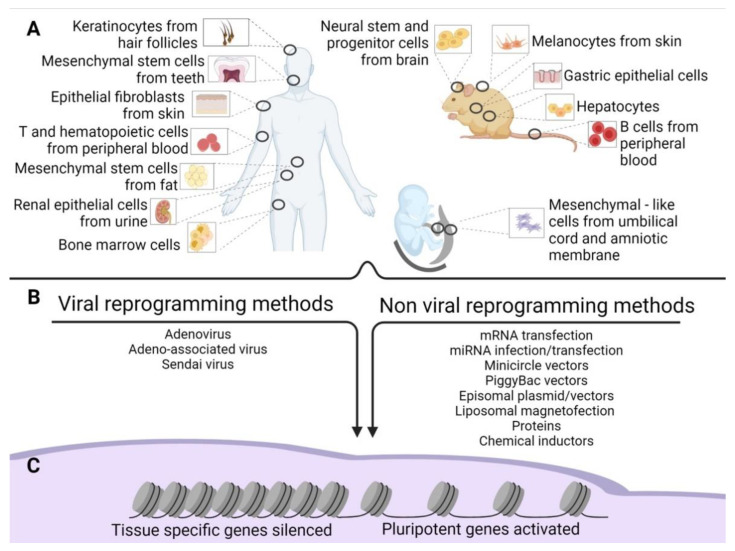
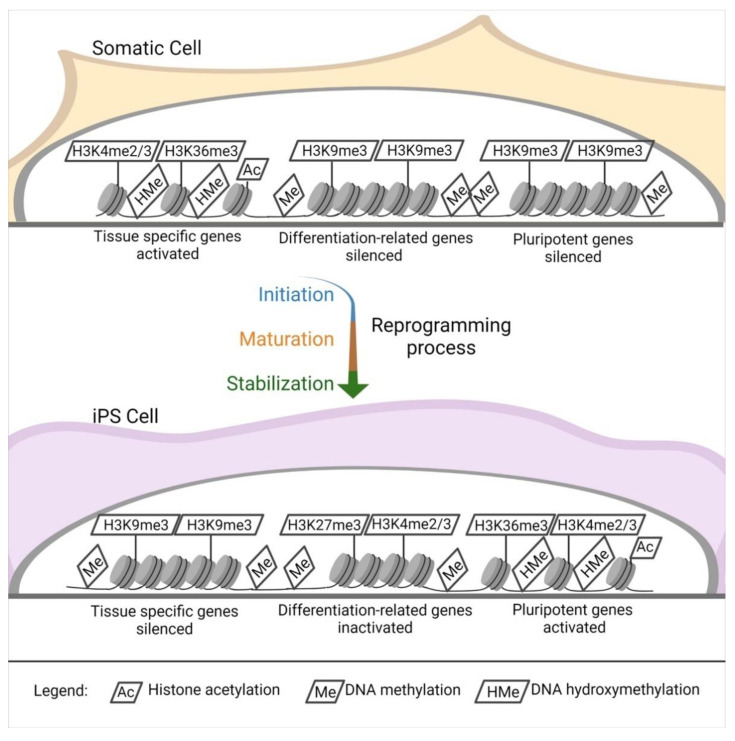
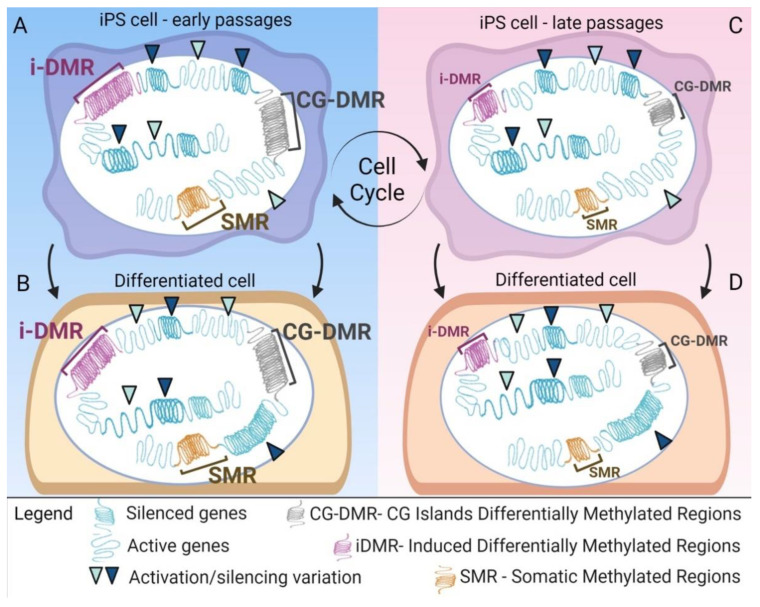
The production of induced pluripotent stem cells (iPSCs) represent a breakthrough in regenerative medicine, providing new opportunities for understanding basic molecular mechanisms of human development and molecular aspects of degenerative diseases. In contrast to human embryonic stem cells (ESCs), iPSCs do not raise any ethical concerns regarding the onset of human personhood. Still, they present some technical issues related to immune rejection after transplantation and potential tumorigenicity, indicating that more steps forward must be completed to use iPSCs as a viable tool for in vivo tissue regeneration. On the other hand, cell source origin may be pivotal to iPSC generation since residual epigenetic memory could influence the iPSC phenotype and transplantation outcome. In this paper, we first review the impact of reprogramming methods and the choice of the tissue of origin on the epigenetic memory of the iPSCs or their differentiated cells. Next, we describe the importance of induction methods to determine the reprogramming efficiency and avoid integration in the host genome that could alter gene expression. Finally, we compare the significance of the tissue of origin and the inter-individual genetic variation modification that has been lightly evaluated so far, but which significantly impacts reprogramming.
Overview
The claims and statistics of this paper haven’t been checked yet.
Free: it reads the open-access text and checks the first 5 claims that cite a source we can check. Create a free account to check every claim.
Integrity signals
Registry
Cites
Statistics
Figures
Verification
Claims the paper makes
The claims and statistics of this paper haven’t been checked yet.
Free: it reads the open-access text and checks the first 5 claims that cite a source we can check. Create a free account to check every claim.
Claims other papers make about this one
Each is checked against this paper’s own text: does it say what the citing paper says it does?
The cited source says what the claim attributes to it.
In the citing paper
“Reprogramming may also partially erase or leave residual aspects of donorspecific epigenetic memory (Scesa et al. 2021;Li and Darabi 2022;Poetsch et al. 2022).”
From Primary cell cultures versus immortalized cell lines: critical comparative insights into biological fidelity and translational applications (2026) · cites this paper as Scesa et al. 2021
The cited source says what the claim attributes to it.
In the citing paper
“Moreover, the reprogramming technique used for obtaining clonal iPSCs modifies the primary epigenetic marks present in patient’s fibroblasts [474].”
From Revisiting the Pathogenesis of X-Linked Adrenoleukodystrophy (2025) · cites this paper as [474]
Self-check
Percentages, sums and reported differences re-computed from the paper’s own numbers.
The self-check needs the paper’s full text.
Citations
Cites
Takahashi, K., & Yamanaka, S. (2006) · Cell · doi:10.1016/j.cell.2006.07.024 · Cited by 26,673 · cited 11×
“02% in reprogramming [3], while further attempts by other groups achieved an efficiency of 0.”
BackgroundMethodInfluentialInduction of Pluripotent Stem Cells from Adult Human Fibroblasts by Defined Factors
Takahashi, K., Tanabe, K., Ohnuki, M., Narita, M., Ichisaka, T., Tomoda, K., & Yamanaka, S. (2007) · Cell · doi:10.1016/j.cell.2007.11.019 · Cited by 20,221
Embryonic Stem Cell Lines Derived from Human Blastocysts
Thomson, J. A., Itskovitz-Eldor, J., Shapiro, S. S., Waknitz, M. A., Swiergiel, J. J., Marshall, V. S., & Jones, J. M. (1998) · Science · doi:10.1126/science.282.5391.1145 · Cited by 15,926 · cited 1×
“in 1998 [2], where they described the derivation of pluripotent stem cells from the human blastocyst and depicted their characteristics such as retention of normal karyotypes, high expression levels of telomerase activity, high proliferation, and differentiation capability.”
BackgroundInduced Pluripotent Stem Cell Lines Derived from Human Somatic Cells
Yu, J., Vodyanik, M. A., Smuga-Otto, K., Antosiewicz-Bourget, J., Frane, J. L., Tian, S., Nie, J., Jonsdottir, G. A., Ruotti, V., Stewart, R., et al. (2007) · Science · doi:10.1126/science.1151526 · Cited by 10,310
In vitro reprogramming of fibroblasts into a pluripotent ES-cell-like state
Wernig, M., Meissner, A., Foreman, R., Brambrink, T., Ku, M., Hochedlinger, K., Bernstein, B. E., & Jaenisch, R. (2007) · Nature · doi:10.1038/nature05944 · Cited by 2,676
Warren, L., Manos, P. D., Ahfeldt, T., Loh, Y.-H., Li, H., Lau, F., Ebina, W., Mandal, P. K., Smith, Z. D., Meissner, A., et al. (2010) · Cell Stem Cell · doi:10.1016/j.stem.2010.08.012 · Cited by 2,662
Epigenetic memory in induced pluripotent stem cells
Kim, K., Doi, A., Wen, B., Ng, K., Zhao, R., Cahan, P., Kim, J., Aryee, M. J., Ji, H., Ehrlich, L. I. R., et al. (2010) · Nature · doi:10.1038/nature09342 · Cited by 2,313 · cited 3×
“It was postulated that iPSCs might retain donor cell-specific transcriptome, along with DNA methylation states [93,94].”
BackgroundResultGeneration of Mouse Induced Pluripotent Stem Cells Without Viral Vectors
Okita, K., Nakagawa, M., Hyenjong, H., Ichisaka, T., & Yamanaka, S. (2008) · Science · doi:10.1126/science.1164270 · Cited by 2,009 · cited 2×
“Instead of using a single plasmid for every Yamanaka factor, which is laborious and less efficient, as only a few cells receive all the plasmids, some groups use polycystronic plasmids to obtain a “3+1 delivery” of the reprogramming factors (with Oct4, Klf4, and Sox2, carried by one plasmid, and c-Myc by the other) [1…”
BackgroundMethodNaive and Primed Pluripotent States
Nichols, J., & Smith, A. (2009) · Cell Stem Cell · doi:10.1016/j.stem.2009.05.015 · Cited by 1,859 · cited 1×
“In a recent work [126], a robust meta-analysis approach that integrates RNA sequencing (RNA-seq) data and a genome-wide microarray was performed, indicating that there are at least three distinct naive-like pluripotent states that are found in the preimplantation embryo [127].”
BackgroundpiggyBac transposition reprograms fibroblasts to induced pluripotent stem cells
Woltjen, K., Michael, I. P., Mohseni, P., Desai, R., Mileikovsky, M., Hämäläinen, R., Cowling, R., Wang, W., Liu, P., Gertsenstein, M., et al. (2009) · Nature · doi:10.1038/nature07863 · Cited by 1,814 · cited 1×
“05% of the total transfected cells [40,41].”
Cited by
Induced pluripotent stem cells (iPSCs): molecular mechanisms of induction and applications
Cerneckis, J., Cai, H., & Shi, Y. (2024) · Signal Transduction and Targeted Therapy · doi:10.1038/s41392-024-01809-0 · Cited by 452
“, 115 – 119 Viral vectors can be classi fi ed as either integrating or non-integrating non-integrating lentiviral or retroviral delivery of the reprogramming”
BackgroundPoetsch, M. S., Strano, A., & Guan, K. (2022) · Stem Cells · doi:10.1093/stmcls/sxac020 · Cited by 144
Vascular organoids: unveiling advantages, applications, challenges, and disease modelling strategies
Naderi‐Meshkin, H., Cornelius, V. A., Eleftheriadou, M., Potel, K. N., Setyaningsih, W. A. W., & Margariti, A. (2023) · Stem Cell Research & Therapy · doi:10.1186/s13287-023-03521-2 · Cited by 108
Zeng, C. (2023) · International Journal of Molecular Sciences · doi:10.3390/ijms241814349 · Cited by 96
The paths and challenges of “off-the-shelf” CAR-T cell therapy: an overview of clinical trials
Moradi, V., Omidkhoda, A., & Ahmadbeigi, N. (2023) · Biomedicine & Pharmacotherapy · doi:10.1016/j.biopha.2023.115888 · Cited by 80
Stem Cells and Their Derivatives—Implications for Alveolar Bone Regeneration: A Comprehensive Review
Hollý, D., Klein, M., Mazreku, M., Zamborský, R., Polák, Š., Danišovič, Ľ., & Csöbönyeiová, M. (2021) · International Journal of Molecular Sciences · doi:10.3390/ijms222111746 · Cited by 81
Tumorigenicity risk of iPSCs in vivo: nip it in the bud
Zhong, C., Liu, M., Pan, X., & Zhu, H. (2022) · Precision Clinical Medicine · doi:10.1093/pcmedi/pbac004 · Cited by 83
Hemberger, M., & Dean, W. (2023) · Physiological Reviews · doi:10.1152/physrev.00001.2023 · Cited by 50
Stem cell therapy: a revolutionary cure or a pandora's box
Marei, H. E. S. (2025) · Stem Cell Research & Therapy · doi:10.1186/s13287-025-04334-1 · Cited by 69
“Though patient-specific, iPSC-derived cells may retain immunogenic markers depending on insufficient reprogramming or epigenetic memory [90].”
Rare diseases of epigenetic origin: Challenges and opportunities
Fu, M. P., Merrill, S. M., Sharma, M., Gibson, W. T., Turvey, S. E., & Kobor, M. S. (2023) · Frontiers in Genetics · doi:10.3389/fgene.2023.1113086 · Cited by 41
Kaye, J., Reisine, T., & Finkbeiner, S. M. (2022) · Faculty Reviews · doi:10.12703/r/11-16 · Cited by 40
Clinical translation of human iPSC technologies: advances, safety concerns, and future directions
Dhaiban, S., Chandran, S., Noshi, M., & Sajini, A. A. (2025) · Frontiers in Cell and Developmental Biology · doi:10.3389/fcell.2025.1627149 · Cited by 63
“…cells using retroviral and lentiviral systems, giving rise to induced pluripotent stem cells (iPSCs) that closely resemble ESCs in gene expression and differentiation potential, without the ethical limitations of embryo-derived cells (Takahashi et al., 2007; Park et al., 2008b; Scesa et al., 2021).”
Polit, L. D., Eidhof, I., McNeill, R. V., Warre-Cornish, K. M., Ohki, C. M. Y., Walter, N. M., Sala, C., Verpelli, C., Radtke, F., Galderisi, S., et al. (2023) · Neuroscience Applied · doi:10.1016/j.nsa.2023.101125 · Cited by 35
Yin, X., Li, Q., Shu, Y., Wang, H., Thomas, B., Maxwell, J. T., & Zhang, Y. (2024) · Journal of Biomedical Science · doi:10.1186/s12929-024-01035-4 · Cited by 45
“Also, mature cells differentiated from reprogrammed USCs need thorough evaluation through genetic, biological, and functional assessments [151].”
BackgroundThe developmental and evolutionary origins of cellular pluripotency in the vertebrate neural crest
Schock, E. N., York, J. R., & LaBonne, C. (2022) · Seminars in Cell and Developmental Biology · doi:10.1016/j.semcdb.2022.04.008 · Cited by 28
Phenotypic plasticity as a facilitator of microbial evolution
Santiago, E. R., Moreno, D. F., & Açar, M. (2022) · Environmental Epigenetics · doi:10.1093/eep/dvac020 · Cited by 28
Targeting the redox system for cardiovascular regeneration in aging
Allemann, M., Lee, P., Beer, J. H., & Saravi, S. S. S. (2023) · Aging Cell · doi:10.1111/acel.14020 · Cited by 25
“To this end, hiPSCs have been engineered to control reactivation of the cell cycle and to remove aging memory by epi - genetic manipulation (Scesa et al., 2021 ).”
MethodPanferov, E., Dodina, M., Reshetnikov, V. V., Ryapolova, A., Ivanov, R. A., Karabelsky, A. V., & Minskaia, E. (2025) · International Journal of Molecular Sciences · doi:10.3390/ijms26125617 · Cited by 28
Cancer cells as a new source of induced pluripotent stem cells
Shamsian, A., Sahebnasagh, R., Norouzy, A., Hussein, S. H., Ghahremani, M. H., & Azizi, Z. (2022) · Stem Cell Research & Therapy · doi:10.1186/s13287-022-03145-y · Cited by 25
Thomas, J. J., Harp, K. O., Bashi, A., Hood, J. L., Botchway, F. A., Wilson, M. D., Thompson, W. E., Stiles, J. K., & Driss, A. (2022) · Frontiers in Immunology · doi:10.3389/fimmu.2022.1082414 · Cited by 23
“As such, we do speculate the possibility that our SCA-hiPSCs retained their chronic inflammatory characteristics and thus could be used for further disease modeling (58, 59).”
BackgroundA comprehensive analysis of induced pluripotent stem cell (iPSC) production and applications
Matiukhova, M., Ryapolova, A., Andriianov, V. S., Reshetnikov, V. V., Zhuravleva, S., Ivanov, R. A., Karabelsky, A. V., & Minskaia, E. (2025) · Frontiers in Cell and Developmental Biology · doi:10.3389/fcell.2025.1593207 · Cited by 30
Khatun, M., Lundin, K., Naillat, F., Loog, L., Saarela, U., Tuuri, T., Salumets, A., Piltonen, T., & Tapanainen, J. S. (2023) · Stem Cell Reviews and Reports · doi:10.1007/s12015-023-10627-w · Cited by 23
“Although iPSCs were shown to possess, to some extent, various epigenetic and transcriptional differences compared to hESCs, these dissimilarities do not appear to have a functional impact on cellular differentiation in PCOS vs. non-PCOS con - trols [173].”
BackgroundOssanna, R., Veronese, S., Sierra, L. A. Q., Conti, A., Conti, G., & Sbarbati, A. (2023) · Biomedicines · doi:10.3390/biomedicines11061587 · Cited by 23
“Indeed, stem cells and their differentiated derivates are increasingly used in a number of cell-based therapies and are being studied worldwide, with the hope of healing the cell loss condition correlated to various diseases [5].”
BackgroundPerrottelli, A., Marzocchi, F. F., Caporusso, E., Giordano, G. M., Giuliani, L., Melillo, A., Pezzella, P., Bucci, P., Mucci, A., & Galderisi, S. (2024) · Journal of Psychiatry and Neuroscience · doi:10.1503/jpn.230112 · Cited by 20
“245 Studies that investigated the mechanisms underlying the reprogramming processes have also highlighted 2 major factors related to residual epigenetic memory of the somatic donor cells, specifically residual DNA methylation of their tissue of origin, namely that the genetic background of indi…”
BackgroundProgesterone receptor is constitutively expressed in induced Pluripotent Stem Cells (iPSCs)
Manganelli, M., Mazzoldi, E. L., Ferraro, R. M., Pinelli, M., Parigi, M., Aghel, S. A. M., Bugatti, M., Collo, G., Stocco, G., Vermi, W., et al. (2024) · Stem Cell Reviews and Reports · doi:10.1007/s12015-024-10776-6 · Cited by 17
“These reprogramming methods included the delivery of transgenes by using non-integrating viral approaches as the Sendai virus, or non-viral methods such as episomal vectors, mini-circle DNA vectors, piggy-Bac transposons, synthetic mRNAs, or recombinant cell-penetrating proteins [2, 3].”
Bekhite, M. M., & Schulze, P. C. (2021) · Cells · doi:10.3390/cells10123483 · Cited by 25
Tang, C., & Zhang, Y. (2024) · Pathology - Research and Practice · doi:10.1016/j.prp.2024.155518 · Cited by 20
Diané, A., Mu-u-min, R., & Al-Siddiqi, H. (2025) · Cell and Tissue Research · doi:10.1007/s00441-025-03952-8 · Cited by 17
“Moreover, keratinocytes from the ectoderm lineage reprogram more quickly than fibroblasts, indicating that the source of the tissue influences the reprogramming efficiency (Aoi et al. 2008; Maherali et al. 2008; Phetfong et al. 2016, Scesa et al. 2021).”
How leaky is the gut in Parkinson’s disease?
Derkinderen, P., Cossais, F., Kulcsárová, K., Škorvánek, M., Montaigne, L. S., Coron, E., Leclair‐Visonneau, L., Cerri, S., Pellegrini, C., & Rolli‐Derkinderen, M. (2025) · EBioMedicine · doi:10.1016/j.ebiom.2025.105796 · Cited by 24
“…on the expression levels of TJs proteins in PD. reprogramming ef fi ciency), which may limit their utility for the evaluation of IEB function in PD. 91 Aside from organoids, in vivo assessment of IEB integrity has also been successfully achieved using confocal laser endo-microscopy (CLE), a novel…”
Isotopic Tracing of Nucleotide Sugar Metabolism in Human Pluripotent Stem Cells
Conte, F., Noga, M. J., van Scherpenzeel, M., Veizaj, R., Scharn, R., Sam, J.-E. S. J. B. , Palumbo, C., van den Brandt, F. C. A., Freund, C., Soares, E., et al. (2023) · Cells · doi:10.3390/cells12131765 · Cited by 16
Musgrove, L., Russell, F. D., & Ventura, T. (2024) · Critical Reviews in Food Science and Nutrition · doi:10.1080/10408398.2024.2342480 · Cited by 19
“Some commentators suggest iPSCs may have the benefit of greater differentiation potential, through epigenetic or other means, if the original cell type is of the same lineage (Scesa, Adami, and Bottai 2021; Watanabe et al. 2011).”
Human organoids and organ-on-chips in coeliac disease research
Simpson, H. L., Smits, E., Moerkens, R., Wijmenga, C., Mooiweer, J., Jonkers, I. H., & Withoff, S. (2024) · Trends in Molecular Medicine · doi:10.1016/j.molmed.2024.10.003 · Cited by 16
Differentiation of Human Induced Pluripotent Stem Cells into Keratinocytes
Koch, P. J., Webb, S., Gugger, J. A., Salois, M. N., & Koster, M. I. (2022) · Current Protocols · doi:10.1002/cpz1.408 · Cited by 14
“Newer approaches utilize non-integrating vector systems or RNA reprogramming technologies that do not result in permanent modifications of the genomic DNA (Brouwer, Zhou, & Nadif Kasri, 2016; Scesa, Adami, & Bottai, 2021; Schambach, Cantz, Baum, & Cathomen, 2010).”
Kao, C., Mills, J. A., Burke, C. J., Morse, B. A., & Marques, B. F. (2023) · Biology · doi:10.3390/biology12050677 · Cited by 13
Induced Pluripotent Stem Cells in Disease Biology and the Evidence for Their In Vitro Utility
Adegunsoye, A., Gonzales, N. M., & Gilad, Y. (2023) · Annual Review of Genetics · doi:10.1146/annurev-genet-022123-090319 · Cited by 16
Vo, Q. D., Nakamura, K., Saito, Y., Akagi, S., Miyoshi, T., & Yuasa, S. (2025) · International Journal of Molecular Sciences · doi:10.3390/ijms26114984 · Cited by 13
“iPSC lines exhibit notable line-to-line and batch-to-batch variability in their differentiation efficiency and cardiomyocyte phenotypes, stemming from genetic background, epigenetic memory, and reprogramming-related changes [154,155].”
Cohen, B. M., & Sonntag, K. (2024) · EBioMedicine · doi:10.1016/j.ebiom.2024.105238 · Cited by 13
“31 For this reason, studying iPSC-derived brain cells does not model ageing.”
BackgroundRevisiting the Pathogenesis of X-Linked Adrenoleukodystrophy
Bougnères, P., & Le Stunff, C. (2025) · Genes · doi:10.3390/genes16050590 · Cited by 15
Recent advances and future prospects in direct cardiac reprogramming
Xie, Y., Handel, B. V., Li, Q., & Ardehali, R. (2023) · Nature Cardiovascular Research · doi:10.1038/s44161-023-00377-w · Cited by 12
“It has become evident that fibroblasts derived from diverse developmental origins exhibit distinct responses and characteristics during cell fate conversion, potentially highlighting the influence of the cells’ unique epigenetic memory on the process 11”
BackgroundIntegrating Mitochondrial Biology into Innovative Cell Therapies for Neurodegenerative Diseases
Ore, A., Angelastro, J. M., & Giulivi, C. (2024) · Brain Sciences · doi:10.3390/brainsci14090899 · Cited by 16
Current Status and Progress in Stem Cell Therapy for Intracerebral Hemorrhage
Ding, N., Luo, R., Zhang, Q., Li, H., Zhang, S., Chen, H., & Hu, R. (2023) · Translational Stroke Research · doi:10.1007/s12975-023-01216-7 · Cited by 13
“Additionally, this process typically requires several weeks [58].”
Roy, N. S., Kumari, M., Alam, K., Bhattacharya, A., Kaity, S., Kaur, K., Ravichandiran, V., & Roy, S. (2024) · Progress in Biomedical Engineering · doi:10.1088/2516-1091/ad9dcb · Cited by 12
“Among these changes, the transition of MEF from a mesenchymal to an epithelial state is crucial for the initial stages of reprogramming [150]. iPSC production was inhibited by induction of EMT by TGF-β or Snail1.”
Re-Recognizing the Cellular Origin of the Primary Epithelial Tumors of the Liver
Feng, J., Zhu, R., Yin, Y., Wang, S., Zhou, L., Lv, F., & Zhao, D. (2021) · Journal of Hepatocellular Carcinoma · doi:10.2147/jhc.s334935 · Cited by 9
Cell and tissue reprogramming: Unlocking a new era in medical drug discovery
Sen, C. K., Friday, A. J., & Roy, S. (2025) · Pharmacological Reviews · doi:10.1016/j.pharmr.2025.100077 · Cited by 11
Proteomic and Transcriptomic Landscapes of Alström and Bardet–Biedl Syndromes
Smyczyńska, U., Stańczak, M., Kuljanin, M., Włodarczyk, A., Stoczyńska-Fidelus, E., Taha, J., Pawlik, B., Borowiec, M., Mancias, J. D., Mlynarski, W. M., et al. (2022) · Genes · doi:10.3390/genes13122370 · Cited by 10
“This is probably related to the fact that reprogrammed epithelial cells, unlike the frequently used fibroblasts, do not need to perform the mesenchymal-epithelial transition on the way to iPSc [23,24].”
BackgroundExploring the Tumor-Associated Risk of Mesenchymal Stem Cell Therapy in Veterinary Medicine
Jeung, S.-Y., Kim, S., Ah, J.-G., Seo, S., Jan, U., Lee, H., & Lee, J. I. (2024) · Animals · doi:10.3390/ani14070994 · Cited by 11
“The reprogramming methods for iPSCs are broadly classified into viral and non-viral methods [54].”
MethodMathew, S., Oerter, S., Reitenbach, E., Gätzner, S., Höchner, A., Jahnke, H., Piontek, J., Neuhaus, W., Brachner, A., Metzger, M., et al. (2025) · Advanced Biology · doi:10.1002/adbi.202400442 · Cited by 9
Cell Reprogramming, Transdifferentiation, and Dedifferentiation Approaches for Heart Repair
Almeida, M., Inácio, J. M., Vital, C. M., Rodrigues, M., Araújo, B. C., & Belo, J. A. (2025) · International Journal of Molecular Sciences · doi:10.3390/ijms26073063 · Cited by 8
“…factor in stem cell research, as conflicting results on its influence on iPSC-derived CM differentiation and maturation have been reported [17,33,57–60]. iPSCs derived from somatic cells of cardiac origin exhibit an enhanced capacity for cardiac re-differentiation due to the upregulation of key…”
Silva, S. M., Chalmel, F., Errico, A., Papageorgiou, K., Richer, G., Peng, É. C. S., Rolland, A. D., Tilleman, K., T'Sjoen, G. G., Dando, I., et al. (2025) · Human Reproduction Open · doi:10.1093/hropen/hoaf043 · Cited by 8
“In contrast, cells from primary tissue better preserve the epigenetic state of the original organ, maintaining specialized functions and cellular identity (Kim et al. , 2010; Ivanov et al. , 2016; Scesa et al. , 2021).”
iPSC-based model of Vogt-Koyanagi-Harada disease for phenotype recapitulation and drug screening
Li, W., Tan, J., He, S., Yue, Y., Liu, H., Li, R., Wang, X., Wang, G., Fan, W., Zhao, C., et al. (2022) · Clinical Immunology · doi:10.1016/j.clim.2022.109205 · Cited by 9
CTCF deletion alters the pluripotency and DNA methylation profile of human iPSCs
Puri, D., Maaßen, C., Baranda, M. V., Zeevaert, K., Hahnfeld, L., Hauser, A., Fornero, G., Mabrouk, M. H. E., & Wagner, W. (2023) · Frontiers in Cell and Developmental Biology · doi:10.3389/fcell.2023.1302448 · Cited by 7
“…have shown that while the tissue source used to generate the iPSCs may affect the propensity of targeted differentiation due to epigenetic memory (Scesa et al., 2021), this can be overcome by altering the epigenetic state of the iPSCs to improve the ef fi ciency and fi delity of iPSC…”
Xu, W., Yi, F., Liao, H., Zhu, C., Zou, X., Dong, Y., Zhou, W., Sun, Z., & Yin, J. (2025) · Frontiers in Bioscience-Landmark · doi:10.31083/fbl28283 · Cited by 7
“Furthermore, iPSCs can be utilized for disease modeling, drug screening, and gene editing, offering extensive application potential in disease research [27].”
Wehbe, Z., Ghanjati, F., & Flotho, C. (2021) · Cells · doi:10.3390/cells10092335 · Cited by 8
Personalized Models of Biological Barriers and Their Diseases: Recent Progress with Organs‐On‐Chips
Buck, F., Bugter, J., Yorukoglu, G., Dastjerd, M. K., & Winkler, T. E. (2026) · Advanced Biology · doi:10.1002/adbi.202500536 · Cited by 10
“…patterns [ 11 ]. iPSCs may also retain epigenetic memory linked to the donor cell or its reprogramming, which may, for example, create bias toward/against certain differentiation lineages even between iPSC lines from the same donor, and can supersede disease-specific genetic backgrounds [ 18, 19 ].”
Kuzma-Hunt, A. G., Shah, V., DiMarco, S., Russell, K. A., Betts, D. H., & Koch, T. G. (2023) · Stem Cells and Development · doi:10.1089/scd.2022.0300 · Cited by 7
NSC Physiological Features in Spinal Muscular Atrophy: SMN Deficiency Effects on Neurogenesis
Adami, R., & Bottai, D. (2022) · International Journal of Molecular Sciences · doi:10.3390/ijms232315209 · Cited by 6
Self-citationThe role of iPSC research for insight into inherited arrhythmia conditions
Josvai, M. B., Anderson, C. L., & Eckhardt, L. L. (2025) · Heart Rhythm · doi:10.1016/j.hrthm.2025.03.2005 · Cited by 4
Disc-Derived Induced Pluripotent Stem Cells and Environmental Cues for Nucleus Pulposus Regeneration
Laagland, L. T., Poramba‐Liyanage, D. W., Desprat, R., Riemers, F. M., Warmerdam, C. C., Soubeyrand, M., Bensadoun, P., Ito, K., Milhavet, O., Camus, A., et al. (2025) · Tissue Engineering Part A · doi:10.1177/19373341251359106 · Cited by 7
Gather, F., Ihrig‐Biedert, I., Kohlhas, P., Krutenko, T., Peitz, M., Brüstle, O., Pautz, A., & Kleinert, H. (2022) · Cell Communication and Signaling · doi:10.1186/s12964-022-00855-x · Cited by 7
Bell, M., & Krasnodembskaya, A. D. (2025) · Stem Cells Translational Medicine · doi:10.1093/stcltm/szaf040 · Cited by 4
Kuebler, B., Selvitella, S., Arán, B., Raya, A. A., & Veiga, A. (2026) · Frontiers in Immunology · doi:10.3389/fimmu.2025.1719056 · Cited by 4
Klingenstein, S., Kleger, A., Liebau, S., & Klingenstein, M. (2025) · Stem Cells and Development · doi:10.1089/scd.2025.0082 · Cited by 6
“148,150 Therefore, when planning reprogramming strategies, especially for directed differentiation, it is advisable to align the somatic source with the target lineage whenever feasible.”
Brain organoids and genome editing: A new era in understanding human brain development and disorders
Zhou, M., Cao, Y., Yue, K., Wu, W., Xie, Y., Hu, D., Zhao, J., Xu, F., Guo, J., Li, Z., et al. (2025) · Neural Regeneration Research · doi:10.4103/nrr.nrr-d-24-01546 · Cited by 3
“The iPSCs could even retain epigenetic information from patients, such as DNA methylation, acetylation, and specific gene expression, which are crucial for personalized research (Doi et al., 2009; Kim et al., 2010; Noguchi et al., 2018; Scesa et al., 2021).”
Capuzzo, A. M., Ossanna, R., Sierra, L. A. Q., Virla, F., Negri, A., Conti, A., Sbarbati, A., & Veronese, S. (2023) · Biochemistry · doi:10.5772/intechopen.110572 · Cited by 4
Salazar-Noratto, G. E., Nations, C. C., Stevens, H. Y., Xu, M., Gaynard, S., Dooley, C., de Nijs, N., McDonagh, K., Shen, S., Willimon, S. C., et al. (2023) · Stem Cells Translational Medicine · doi:10.1093/stcltm/szad018 · Cited by 3
“To mitigate any transcriptomic or epigenetic differences resulting from culture conditions, 46 all iPSC lines were grown, validated, and differentiated under the exact same conditions, in the same lab.”
In Vitro Cell Line Culture for Brain Research and Its Limitations
Dabhekar, S. V., Dhokne, M. D., Dalal, V., Lokhande, S., Taksande, B. G., Nakhate, K. T., Umekar, M. J., & Mangrulkar, S. V. (2024) · Springer eBooks · doi:10.1007/978-981-97-2859-6_11 · Cited by 6
Ariyasinghe, N. R., Gupta, D., Escopete, S. S., Rai, D., Stotland, A. B., Sundararaman, N., Ngu, B., Dabke, K., McCarthy, L., Santos, R. D. S., et al. (2024) · International Journal of Molecular Sciences · doi:10.3390/ijms26010187 · Cited by 4
“However, prior work has shown that residual imprinting is reduced with iPSC passaging [101], and our lines have been passaged at least 25x, which may minimize this concern, though it is worth considering nonetheless.”
González-Fernández, V., & Sevilla, A. (2022) · Cells · doi:10.3390/cells11172714 · Cited by 2
“Proof of that, is the work presented in this Special Issue by Jacob Mark and collaborators where they explored the generation of induced pluripotent mesenchymal stem cells (iP-MSCs) for autologous transplantation after irradiation treatment because of certain carcinomas [15].”
BackgroundMethodInfluentialGeneration of Induced Pluripotent Stem Cells from Erythroid Progenitor Cells
Aksoy, Z. B., & Akçalı, K. C. (2024) · Methods in molecular biology · doi:10.1007/978-1-0716-3995-5_9 · Cited by 3
Induction of human stem cells into ameloblasts by reaggregation strategy
Lin, C., Liu, S., Huang, M., Zhang, Y., & Hu, X. (2024) · Stem Cell Research & Therapy · doi:10.1186/s13287-024-03948-1 · Cited by 2
Neuronal reprogramming: approaches, challenges, and prospects
Sentyabreva, A. V. (2024) · Morphology · doi:10.17816/morph.637000 · Cited by 2
Lodola, F., Giusti, V. C. D., Maniezzi, C., Martone, D., Stadiotti, I., Sommariva, E., & Maione, A. S. (2021) · Biology · doi:10.3390/biology10080730 · Cited by 3
Suali, L., Chia, Y., Rustin, C., Lem, F. F., Ching, X. J., Mansur, M. A. B., Henry, Z. A., Chan, M. K. S., Wong, M. B. F., & Pan, S. Y. (2026) · Biotechnic & Histochemistry · doi:10.1080/10520295.2026.2714776 · Cited by 2
“Reprogramming may also partially erase or leave residual aspects of donor-specific epigenetic memory (Scesa et al. 2021; Li and Darabi 2022; Poetsch et al. 2022).”
Study Models for Non-Syndromic Hearing Loss
Hoyau, V., Leclere, J.-C., & Moisan, S. (2025) · Cells · doi:10.3390/cells14211658 · Cited by 1
“Unlike human embryonic stem cells, iPSCs do not raise ethical concerns [95].”
Repurposing medications to prevent psychosis
Cohen, B. M., McPhie, D. L., Sonntag, K., Lopes, C., & Babb, S. M. (2025) · npj Mental Health Research · doi:10.1038/s44184-025-00169-z · Cited by 2
Shan, X., Li, Q., Wang, M., Niu, Y., Sun, Z., Ma, X., Wang, T., Tong, X., Zhang, J., & Niu, D. (2025) · Functional & Integrative Genomics · doi:10.1007/s10142-025-01756-1 · Cited by 1
dos Santos, C. S., Magalhães, A. C., Pinto, R., Carrilho, C., Pereira, C., Miguel, F., Borges, P., Santos, L. L., & Pereira, L. (2025) · Genes · doi:10.3390/genes16121403 · Cited by 2
“In fact, their cellular reprogramming is incomplete, and the cell type-specific epigenetic pattern from the tissue of origin can persist in reprogrammed iPSCs [121].”
Lin, W., Qian, Y., Jiang, S., Zhou, H., & Chen, G. (2025) · Brain Network Disorders · doi:10.1016/j.bnd.2025.09.001 · Cited by 1
Nguyen, H. T., Напиерала, М., & Napierala, J. S. (2026) · Stem Cell Research & Therapy · doi:10.1186/s13287-025-04861-x · Cited by 1
“It is also evident that hiPSCs have a higher efficiency of differentiation towards the cell lineages of their somatic origin [28].”
Wu, C.-E., Huang, C.-C., Hsiao, Y., Hsu, C., Chen, T.-H., Chen, M., & Ho, H. (2026) · Frontiers in Endocrinology · doi:10.3389/fendo.2026.1682793 · Cited by 4
“Furthermore, epigenetic modi fi cations, such as aberrant DNA methylation of the AR gene promoter and genes within VEGF signaling pathway, may be preserved during the iPSC reprogramming process as ‘ epigenetic memory ’ (42 – 44).”
Ariyasinghe, N. R., Gupta, D., Escopete, S., Stotland, A. B., Sundararaman, N., Ngu, B., Dabke, K., Rai, D., McCarthy, L., Santos, R. D. S., et al. (2022) · The FASEB Journal · doi:10.1096/fasebj.2022.36.s1.r2677 · Cited by 1
Chowdhury, M. M., Zimmerman, S. E., Leeson, H. C., Nefzger, C. M., Mar, J. C., Laslett, A. L., Polo, J. M., Wolvetang, E. J., & Cooper-White, J. J. (2023) · bioRxiv (Cold Spring Harbor Laboratory) · doi:10.1101/2023.02.27.530366
Induced Pluripotent Stem Cells in Epithelial Lamellar Keratoplasty
Bojić, S., Figueiredo, F. C., & Lako, M. (2023) · Essentials in ophthalmology/Essentials ophthalmology · doi:10.1007/978-3-031-32408-6_16
Gavrilov, N. S., Ignatyeva, N. V., Medvedeva, E. V., & Timashev, P. S. (2024) · Genes and Cells · doi:10.17816/gc633492
Reprogramming of DPSC to Induced Pluripotent Stem Cells
Yıldırım, S. (2024) · Springer eBooks · doi:10.1007/978-1-0716-4244-3_8
Ethical Consideration of Stem Cell Transplantation
Arias, L. G. J. (2024) · Biochemistry · doi:10.5772/intechopen.1007415
Sun, Y., Hu, X., Huang, X., Zhou, W., Lan, S., Zhang, H., Wu, G., & Lei, L. (2025) · Cell Proliferation · doi:10.1111/cpr.70052
“However, iPSCs do not possess the ability to develop into complete organisms [61].”
Quality control programmes for induced pluripotent stem cell-derived medicinal products
Melnikova, E. V., Анатольевна, Р. О., Семенова, И. С., & Меркулов, В. А. (2025) · Biological Products Prevention Diagnosis Treatment · doi:10.30895/2221-996x-2025-25-2-127-140
Niceforo, A., Jin, Y., Ramakrishnan, S., Lindner-Jackson, M., Qiang, L., & Fischer, I. (2025) · bioRxiv (Cold Spring Harbor Laboratory) · doi:10.1101/2025.06.27.661961
“Furthermore, efforts are underway to guide the directed differentiation of iPSCs into specific neural cell types and enhance their integration into host tissue, aiming to maximize their therapeutic potential for SCI treatment 47,48 .”
Problems and prospects for studying cancers on models of induced pluripotent stem cells
Kokaev, R. I., Islaev, A. A.-K., Galamatova, K. A., Vakhaeva, K. M., Tabalaeva, S. G., Bubaeva, Z. K.-P., Dudagova, R. M., Tazbaeva, R. S., Shapiyanova, M. T., Kodzaeva, I. A., et al. (2025) · Perm Medical Journal · doi:10.17816/pmj42342-57
MicroRNA profiles of four induced pluripotent stem cell lines derived from distinct tissues
Trakarnsanga, K., Vorasan, N., Tantarungsee, N., Wattanapanitch, M., Vatanashevanopakorn, C., Suktitipat, B., & Metheetrairut, C. (2025) · BMC Research Notes · doi:10.1186/s13104-025-07437-3
“While iPSC lines have each been demonstrated to possess ESC-like properties, several studies still observed certain different characteristics and varying differentiation potential among iPSC lines [2–8].”
Andriianov, V. S., Malyutina, A., Panferov, E., Karabelsky, A. V., Ivanov, R. A., Minskaia, E., & Reshetnikov, V. V. (2025) · International Journal of Molecular Sciences · doi:10.3390/ijms26199432
“Disadvantages of iPSCs compared to ESCs sometimes include the retention of certain methylation patterns (the so-called epigenetic memory) and residual gene expression from the somatic cells from which they were obtained [202,203].”
Induced Pluripotent Stem Cells: A Unique Model for Studying the Human Brain in Health and Disease
Novosadova, E. V., & Grivennikov, I. A. (2025) · Neurochemical Journal · doi:10.1134/s1819712425700692
AI in multi-omics analysis in stem cell research
Ghosh, B., Das, G., Pal, S., Khatua, S., & Ghosh, Z. (2026) · Progress in molecular biology and translational science · doi:10.1016/bs.pmbts.2026.01.014
Lugo, F. S., Abuhantash, M. A., Suárez, G. M., Haideri, S. S., Tomiyama, L., Luc, G., Niidate, M., Sun, L., Barrameda, N. I., Ramirez, T. G., et al. (2026) · Regenerative Medicine · doi:10.1080/17460751.2026.2634720
“For example, iPSCs derived from fibroblasts typically show flatter, more spread-out colonies, while those derived from peripheral blood cells, especially lymphoid origin, tend to have a denser and more compact morphology [21,22].”
Epigenetics and metabolic involvement in regeneration: An overview
Premjanu, N., & Muthuvel, R. (2026) · Elsevier eBooks · doi:10.1016/b978-0-443-27765-8.00018-7
From mice to clinical relevance: humanizing neuroscience with human-based model systems
Bak, A., van Loo, K. M. J., Kronenberg‐Versteeg, D., & Koch, H. (2026) · Frontiers in Cellular Neuroscience · doi:10.3389/fncel.2026.1776439
“Generally, various factors influence the variability of reprogramming efficiency and cellular phenotype (Volpato and Webber, 2020), including the induction method, inter-individual genetic variation, and cell source origin tissue (Scesa et al., 2021).”
Bisht, S., Varshney, P., & Gupta, A. (2026) · Targets · doi:10.3390/targets4020012 · Cited by 1
“ASC-derived organoids, in particular, have emerged as powerful tools for modeling cellular aging because they retain donor-specific genetic, epigenetic, and transcriptional signatures, including age-associated chromatin states and transcriptional programs [62].”
Metadata
- Authors
- Scesa, G., Adami, R., & Bottai, D.
- Affiliations
- University of Milan (IT)
- Corresponding author
- Bottai, Daniele
- Venue
- Cells
- Publisher
- MDPI AG
- Published
- 2021-06-11
- Volume
- 10
- Issue
- 6
- Pages
- 1470
- ISSN
- 2073-4409 (ISSN-L)
- PMC
- PMC8230744
- OpenAlex
- W3166417300
- Semantic Scholar
- ef1c09feb72f382592b6ff03a5c4a4c7e74a9913
- Cited by
- 110
- References
- 127
- Citations by year
- 2026: 17 · 2025: 30 · 2024: 19 · 2023: 23 · 2022: 16 · 2021: 5
- FWCI
- 1.65
- Type
- journal article
- Language
- en
- Open access
- gold
- doi.org
- Licence
- Locations
- Cells (publishedVersion, cc-by)
- PubMed Central (publishedVersion, cc-by)
- PubMed (publishedVersion)
- Archivio Istituzionale della Ricerca (Universita Degli Studi Di Milano) (submittedVersion, other-oa)
- DOAJ (DOAJ: Directory of Open Access Journals) (submittedVersion, cc-by-sa)
- Topics
- Life Sciences › Biochemistry, Genetics and Molecular Biology › Molecular Biology › Pluripotent Stem Cells Research
- Life Sciences › Biochemistry, Genetics and Molecular Biology › Molecular Biology › Epigenetics and DNA Methylation
- Life Sciences › Biochemistry, Genetics and Molecular Biology › Genetics › Animal Genetics and Reproduction
- Keywords
- induced pluripotent stem cells, epigenetic memory, tissue of origin, reprogramming efficiency, chromosomal integration, iPSC differentiation, tumorigenicity, immune rejection, regenerative medicine
- MeSH terms
- Animals, Humans, DNA Methylation, Epigenesis, Genetic, Induced Pluripotent Stem Cells, Cellular Reprogramming
About these checks
Registry, retraction, Cites and statistics results are computed, not judged, with one exception: a printed reference that no index lists is read once by a model before it counts as a citation error. Claims are extracted by a model and kept only when their quote appears verbatim in the text; each cited source is then checked, with a model’s help, for whether it says what the claim relies on. Those verdicts can be wrong — read the claim’s quote and the cited source before relying on one.
Statistics and arithmetic are recomputed, not judged.
Confidence bands are shown only for fields calibrated on our annotated test set. None is calibrated yet, so no band is shown.
What counts as a claim ›How we measure confidence ›How we check this ›
Are you an author, or do you see a problem with this page? Request a review
Data sources
Bibliographic data: Semantic Scholar, OpenAlex, Crossref.
Contains information from the Semantic Scholar Academic Graph Datasets, made available under the ODC Attribution License (ODC-BY 1.0).
Semantic Scholar’s data is described in: Kinney, R., et al. (2023). The Semantic Scholar Open Data Platform. arXiv:2301.10140.
