

iPSC Preparation and Epigenetic Memory: Does the Tissue Origin Matter?
Open accessThe DOI matches its Crossref record; 127 of the 127 references it cites were found in a registry or an index.
Abstract
The production of induced pluripotent stem cells (iPSCs) represent a breakthrough in regenerative medicine, providing new opportunities for understanding basic molecular mechanisms of human development and molecular aspects of degenerative diseases. In contrast to human embryonic stem cells (ESCs), iPSCs do not raise any ethical concerns regarding the onset of human personhood. Still, they present some technical issues related to immune rejection after transplantation and potential tumorigenicity, indicating that more steps forward must be completed to use iPSCs as a viable tool for in vivo tissue regeneration. On the other hand, cell source origin may be pivotal to iPSC generation since residual epigenetic memory could influence the iPSC phenotype and transplantation outcome. In this paper, we first review the impact of reprogramming methods and the choice of the tissue of origin on the epigenetic memory of the iPSCs or their differentiated cells. Next, we describe the importance of induction methods to determine the reprogramming efficiency and avoid integration in the host genome that could alter gene expression. Finally, we compare the significance of the tissue of origin and the inter-individual genetic variation modification that has been lightly evaluated so far, but which significantly impacts reprogramming.
Overview
The claims and statistics of this paper haven’t been checked yet.
Free: it reads the open-access text and checks the first 5 claims that cite a source we can check. Create a free account to check every claim.
Integrity signals
Registry
Cites
Statistics
Figures
Verification
Claims the paper makes
The claims and statistics of this paper haven’t been checked yet.
Free: it reads the open-access text and checks the first 5 claims that cite a source we can check. Create a free account to check every claim.
Claims other papers make about this one
Each is checked against this paper’s own text: does it say what the citing paper says it does?
The cited source says what the claim attributes to it.
In the citing paper
“Reprogramming may also partially erase or leave residual aspects of donorspecific epigenetic memory (Scesa et al. 2021;Li and Darabi 2022;Poetsch et al. 2022).”
From Primary cell cultures versus immortalized cell lines: critical comparative insights into biological fidelity and translational applications (2026) · cites this paper as Scesa et al. 2021
The cited source says what the claim attributes to it.
In the citing paper
“Moreover, the reprogramming technique used for obtaining clonal iPSCs modifies the primary epigenetic marks present in patient’s fibroblasts [474].”
From Revisiting the Pathogenesis of X-Linked Adrenoleukodystrophy (2025) · cites this paper as [474]
Self-check
Percentages, sums and reported differences re-computed from the paper’s own numbers.
The self-check needs the paper’s full text.
Citations
Cites
Takahashi, K., & Yamanaka, S. (2006) · Cell · doi:10.1016/j.cell.2006.07.024 · Cited by 26,673 · cited 11×
“02% in reprogramming [3], while further attempts by other groups achieved an efficiency of 0.”
BackgroundMethodInfluentialInduction of Pluripotent Stem Cells from Adult Human Fibroblasts by Defined Factors
Takahashi, K., Tanabe, K., Ohnuki, M., Narita, M., Ichisaka, T., Tomoda, K., & Yamanaka, S. (2007) · Cell · doi:10.1016/j.cell.2007.11.019 · Cited by 20,221
Embryonic Stem Cell Lines Derived from Human Blastocysts
Thomson, J. A., Itskovitz-Eldor, J., Shapiro, S. S., Waknitz, M. A., Swiergiel, J. J., Marshall, V. S., & Jones, J. M. (1998) · Science · doi:10.1126/science.282.5391.1145 · Cited by 15,926 · cited 1×
“in 1998 [2], where they described the derivation of pluripotent stem cells from the human blastocyst and depicted their characteristics such as retention of normal karyotypes, high expression levels of telomerase activity, high proliferation, and differentiation capability.”
BackgroundInduced Pluripotent Stem Cell Lines Derived from Human Somatic Cells
Yu, J., Vodyanik, M. A., Smuga-Otto, K., Antosiewicz-Bourget, J., Frane, J. L., Tian, S., Nie, J., Jonsdottir, G. A., Ruotti, V., Stewart, R., et al. (2007) · Science · doi:10.1126/science.1151526 · Cited by 10,310
In vitro reprogramming of fibroblasts into a pluripotent ES-cell-like state
Wernig, M., Meissner, A., Foreman, R., Brambrink, T., Ku, M., Hochedlinger, K., Bernstein, B. E., & Jaenisch, R. (2007) · Nature · doi:10.1038/nature05944 · Cited by 2,676
Warren, L., Manos, P. D., Ahfeldt, T., Loh, Y.-H., Li, H., Lau, F., Ebina, W., Mandal, P. K., Smith, Z. D., Meissner, A., et al. (2010) · Cell Stem Cell · doi:10.1016/j.stem.2010.08.012 · Cited by 2,662
Epigenetic memory in induced pluripotent stem cells
Kim, K., Doi, A., Wen, B., Ng, K., Zhao, R., Cahan, P., Kim, J., Aryee, M. J., Ji, H., Ehrlich, L. I. R., et al. (2010) · Nature · doi:10.1038/nature09342 · Cited by 2,313 · cited 3×
“It was postulated that iPSCs might retain donor cell-specific transcriptome, along with DNA methylation states [93,94].”
BackgroundResultGeneration of Mouse Induced Pluripotent Stem Cells Without Viral Vectors
Okita, K., Nakagawa, M., Hyenjong, H., Ichisaka, T., & Yamanaka, S. (2008) · Science · doi:10.1126/science.1164270 · Cited by 2,009 · cited 2×
“Instead of using a single plasmid for every Yamanaka factor, which is laborious and less efficient, as only a few cells receive all the plasmids, some groups use polycystronic plasmids to obtain a “3+1 delivery” of the reprogramming factors (with Oct4, Klf4, and Sox2, carried by one plasmid, and c-Myc by the other) [1…”
BackgroundMethodNaive and Primed Pluripotent States
Nichols, J., & Smith, A. (2009) · Cell Stem Cell · doi:10.1016/j.stem.2009.05.015 · Cited by 1,859 · cited 1×
“In a recent work [126], a robust meta-analysis approach that integrates RNA sequencing (RNA-seq) data and a genome-wide microarray was performed, indicating that there are at least three distinct naive-like pluripotent states that are found in the preimplantation embryo [127].”
BackgroundpiggyBac transposition reprograms fibroblasts to induced pluripotent stem cells
Woltjen, K., Michael, I. P., Mohseni, P., Desai, R., Mileikovsky, M., Hämäläinen, R., Cowling, R., Wang, W., Liu, P., Gertsenstein, M., et al. (2009) · Nature · doi:10.1038/nature07863 · Cited by 1,814 · cited 1×
“05% of the total transfected cells [40,41].”
Generation of Human Induced Pluripotent Stem Cells by Direct Delivery of Reprogramming Proteins
Kim, D., Kim, C.-H., Moon, J.-I., Chung, Y.-G., Chang, M.-Y., Han, B.-S., Ko, S., Yang, E., Cha, K. Y., Lanza, R., et al. (2009) · Cell stem cell · doi:10.1016/j.stem.2009.05.005 · Cited by 1,814
Generation of Induced Pluripotent Stem Cells Using Recombinant Proteins
Zhou, H., Wu, S., Joo, J. Y., Zhu, S., Han, D. W., Lin, T., Trauger, S., Bien, G., Yao, S., Zhu, Y., et al. (2009) · Cell stem cell · doi:10.1016/j.stem.2009.04.005 · Cited by 1,788
Induced pluripotent stem cells generated without viral integration
Stadtfeld, M., Nagaya, M., Utikal, J., Weir, G., & Hochedlinger, K. (2008) · Science · doi:10.1126/science.1162494 · Cited by 1,683
Hotspots of aberrant epigenomic reprogramming in human induced pluripotent stem cells
Lister, R., Pelizzola, M., Kida, Y. S., Hawkins, R. D., Nery, J. R., Hon, G., Antosiewicz-Bourget, J., O’Malley, R., Castanon, R., Klugman, S., et al. (2011) · Nature · doi:10.1038/nature09798 · Cited by 1,549 · cited 8×
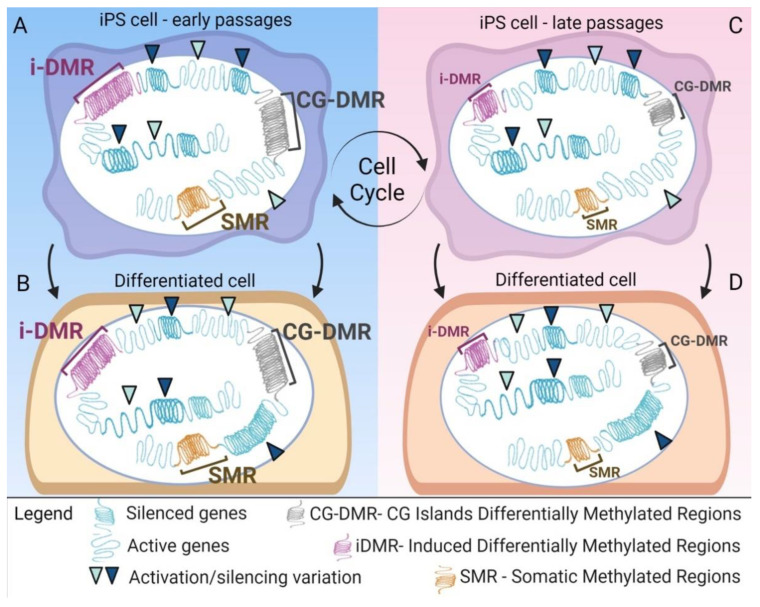
“Moreover, even if iPSCs have insufficient reprogramming capacity due to progenitor somatic cell methylation, iDMR induced differently from both the starting and ending points of the reprogramming are present [95].”
BackgroundInfluentialFUSAKI, N., BAN, H., NISHIYAMA, A., SAEKI, K., & HASEGAWA, M. (2009) · Proceedings of the Japan Academy Series B · doi:10.2183/pjab.85.348 · Cited by 1,411 · cited 2×
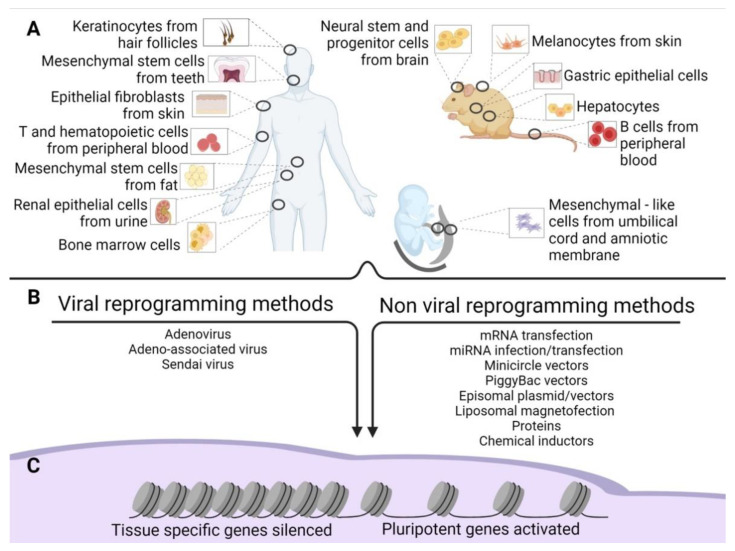
“Sendai viral vectors were successfully used to reprogram fibroblast cells [24], as well as blood [25,26] and renal epithelial cells in the urine [27].”
BackgroundMethodPluripotent stem cells induced from mouse somatic cells by small-molecule compounds.
Hou, P., Li, Y., Zhang, X., Liu, C., Guan, J., Li, H., Zhao, T., Ye, J., Yang, W., Liu, K., et al. (2013) · Science · doi:10.1126/science.1239278 · Cited by 1,402 · cited 2×
“Interestingly, they found that small molecule (sm) iPSCs could be generated using only one gene of the OSKM, namely Oct4, with the addition of CHIR99021, tranylcypromine (VC6T), VPA, and 616452 [8,60].”
BackgroundVirus-free induction of pluripotency and subsequent excision of reprogramming factors
Kaji, K., Norrby, K., Paca, A., Mileikovsky, M., Mohseni, P., & Woltjen, K. (2009) · Nature · doi:10.1038/nature07864 · Cited by 1,251
Highly Efficient miRNA-Mediated Reprogramming of Mouse and Human Somatic Cells to Pluripotency
Anokye-Danso, F., Trivedi, C. M., Juhr, D., Gupta, M., Cui, Z., Tian, Y., Zhang, Y., Yang, W., Gruber, P. J., Epstein, J. A., et al. (2011) · Cell Stem Cell · doi:10.1016/j.stem.2011.03.001 · Cited by 1,209 · cited 1×
“Interestingly, some miRNAs could reprogram cells at high efficiency even in the absence of co-transfection with OSKM, bringing the efficiency of reprogramming for BJ-1 fibroblasts up to 10% [38].”
BackgroundPolo, J. M., Liu, S., Figueroa, M. E., Kulalert, W., Eminli, S., Tan, K. Y., Apostolou, E., Stadtfeld, M., Li, Y., Shioda, T., et al. (2010) · Nature Biotechnology · doi:10.1038/nbt.1667 · Cited by 1,198 · cited 6×
“Later successful reprogramming was conducted on cells obtained from different tissues, which allowed researchers to show a differentiation bias towards the lineage of the somatic cell of origin due to a significant difference in epigenetic patterns between parental cells [94,107].”
BackgroundResultInfluentialDoi, A., Park, I.-H., Wen, B., Murakami, P., Aryee, M. J., Irizarry, R., Herb, B., Ladd-Acosta, C., Rho, J., Loewer, S., et al. (2009) · Nature Genetics · doi:10.1038/ng.471 · Cited by 1,177 · cited 1×
“These include an intergenic DMR (IG-DMR) and intragenic differential methylation in the Glt2 promoter [102,103].”
BackgroundEngineering adeno-associated virus vectors for gene therapy
Li, C., & Samulski, R. J. (2020) · Nature Reviews Genetics · doi:10.1038/s41576-019-0205-4 · Cited by 1,175 · cited 1×
“AAVs are associated with weak immune reactions, primarily deriving from innate responses to the viral genome [33,34].”
BackgroundGeneration of Pluripotent Stem Cells from Adult Mouse Liver and Stomach Cells
Aoi, T., Yae, K., Nakagawa, M., Ichisaka, T., Okita, K., Takahashi, K., Chiba, T., & Yamanaka, S. (2008) · Science · doi:10.1126/science.1154884 · Cited by 1,058 · cited 1×
“Examples include renal epithelial cells in the urine [27,76], mesenchymal stem cells from teeth and fat tissue [77], liver and stomach cells [78], melanocytes [79], neural stem and progenitor cells [80], and embryonic and extraembryonic tissue [81].”
BackgroundChin, M. H., Mason, M. J., Xie, W., Volinia, S., Singer, M., Peterson, C., Ambartsumyan, G., Aimiuwu, O., Richter, L., Zhang, J., et al. (2009) · Cell Stem Cell · doi:10.1016/j.stem.2009.06.008 · Cited by 1,035 · cited 1×
“These include an intergenic DMR (IG-DMR) and intragenic differential methylation in the Glt2 promoter [102,103].”
BackgroundBock, C., Kiskinis, E., Verstappen, G., Gu, H., Boulting, G., Smith, Z. D., Ziller, M., Croft, G. F., Amoroso, M. W., Oakley, D. H., et al. (2011) · Cell · doi:10.1016/j.cell.2010.12.032 · Cited by 1,009 · cited 2×
“Due to this significant work, it is possible to score different pluripotent human stem cells for their capacity to work in a particular framework, such as studying neural function in vitro [120].”
BackgroundMethodCopy number variation and selection during reprogramming to pluripotency
Hussein, S. M., Batada, N. N., Vuoristo, S., Ching, R. W., Autio, R., Närvä, E., Ng, S., Sourour, M., Hämäläinen, R., Olsson, C., et al. (2011) · Nature · doi:10.1038/nature09871 · Cited by 954
Mátés, L., Chuah, M. K. L., Belay, E., Jerchow, B., Manoj, N., Acosta-Sanchez, A., Grzela, D. P., Schmitt, A., Becker, K., Matrai, J., et al. (2009) · Nature Genetics · doi:10.1038/ng.343 · Cited by 948 · cited 1×
“Sleeping Beauty transposon vector differs from PiggyBac in its ability to integrate randomly into host genomes, thus showing no integration tendency with regard to specific genes and gene-regulatory elements [43].”
BackgroundDirect cell reprogramming is a stochastic process amenable to acceleration
Hanna, J., Saha, K., Pando, B., van Zon, J., Lengner, C. J., Creyghton, M. P., van Oudenaarden, A., & Jaenisch, R. (2009) · Nature · doi:10.1038/nature08592 · Cited by 938 · cited 1×
“This might represent a better substrate for the cellular silencing machinery [96,97].”
BackgroundMagnetofection: enhancing and targeting gene delivery by magnetic force in vitro and in vivo
Scherer, F., Anton, M., Schillinger, U., Henke, J., Bergemann, C., Krüger, A., Gänsbacher, B., & Plank, C. (2002) · Gene Therapy · doi:10.1038/sj.gt.3301624 · Cited by 932 · cited 1×
“The lipids are concentrated on the surface of the cells using a magnetic field [55].”
BackgroundMarked differences in differentiation propensity among human embryonic stem cell lines
Osafune, K., Caron, L., Borowiak, M., Martinez, R. J., Fitz-Gerald, C. S., Sato, Y., Cowan, C. A., Chien, K. R., & Melton, D. A. (2008) · Nature Biotechnology · doi:10.1038/nbt1383 · Cited by 816 · cited 1×
“This was despite the fact that a significant variation was observed for the differentiation efficiency of various human ES cell lines [119].”
BackgroundDirect Reprogramming of Terminally Differentiated Mature B Lymphocytes to Pluripotency
Hanna, J., Markoulaki, S., Schorderet, P., Carey, B. W., Beard, C., Wernig, M., Creyghton, M. P., Steine, E. J., Cassady, J. P., Foreman, R., et al. (2008) · Cell · doi:10.1016/j.cell.2008.03.028 · Cited by 814 · cited 1×
“More accessible sources are available, namely peripheral blood from which we can retrieve T cells [25], B cells [72], hematopoietic stem cells [73], and bone marrow cells.”
BackgroundHypoxia Enhances the Generation of Induced Pluripotent Stem Cells
Yoshida, Y., Takahashi, K., Okita, K., Ichisaka, T., & Yamanaka, S. (2009) · Cell Stem Cell · doi:10.1016/j.stem.2009.08.001 · Cited by 765
Direct reprogramming of genetically unmodified fibroblasts into pluripotent stem cells
Meissner, A., Wernig, M., & Jaenisch, R. (2007) · Nature Biotechnology · doi:10.1038/nbt1335 · Cited by 763 · cited 1×
“This might represent a better substrate for the cellular silencing machinery [96,97].”
BackgroundAberrant silencing of imprinted genes on chromosome 12qF1 in mouse induced pluripotent stem cells
Stadtfeld, M., Apostolou, E., Akutsu, H., Fukuda, A., Follett, P., Natesan, S., Kono, T., Shioda, T., & Hochedlinger, K. (2010) · Nature · doi:10.1038/nature09017 · Cited by 760 · cited 3×
“On the other hand, all the tested iPSC voided to do so [99].”
BackgroundInfluentialGeneration of induced pluripotent stem cells from human blood
Loh, Y.-H., Agarwal, S., Park, I.-H., Urbach, A., Huo, H., Heffner, G. C., Kim, K., Miller, J. D., Ng, K., & Daley, G. Q. (2009) · Blood · doi:10.1182/blood-2009-02-204800 · Cited by 626
Ban, H., Nishishita, N., Fusaki, N., Tabata, T., Saeki, K., Shikamura, M., Takada, N., Inoue, M., Hasegawa, M., Kawamata, S., et al. (2011) · Proceedings of the National Academy of Sciences · doi:10.1073/pnas.1103509108 · Cited by 605
Subramanyam, D., Lamouille, S., Judson, R. L., Liu, J. Y., Bucay, N., Derynck, R., & Blelloch, R. (2011) · Nature Biotechnology · doi:10.1038/nbt.1862 · Cited by 598 · cited 1×
“Their addition to Yamanaka factors increased up to 15-fold reprogramming efficiency for OSKM alone [37].”
Seki, T., Yuasa, S., Oda, M., Egashira, T., Yae, K., Kusumoto, D., Nakata, H., Tohyama, S., Hashimoto, H., Kodaira, M., et al. (2010) · Cell Stem Cell · doi:10.1016/j.stem.2010.06.003 · Cited by 584 · cited 3×
“Sendai viral vectors were successfully used to reprogram fibroblast cells [24], as well as blood [25,26] and renal epithelial cells in the urine [27].”
BackgroundMethodIncomplete DNA methylation underlies a transcriptional memory of somatic cells in human iPS cells
Ohi, Y., Qin, H., Hong, C., Blouin, L., Polo, J. M., Guo, T., Qi, Z., Downey, S. L., Manos, P. D., Rossi, D. J., et al. (2011) · Nature Cell Biology · doi:10.1038/ncb2239 · Cited by 571 · cited 4×
“They found a tight correlation between higher expression levels and lower promoter methylation of C9orf64, TRIM4 (tripartite motif-containing 4), and catechol O-methyltransferase (COMT) [98].”
BackgroundInfluentialRejuvenating senescent and centenarian human cells by reprogramming through the pluripotent state
Lapasset, L., Milhavet, O., Prieur, A., Besnard, E., Babled, A., Aït-Hamou, N., Leschik, J., Pellestor, F., Ramirez, J.-M., De Vos, J., et al. (2011) · Genes & Development · doi:10.1101/gad.173922.111 · Cited by 570 · cited 1×
“found that their induction efficiency could be increased using a six-factor reprogramming cocktail (SOX2, OCT4, KLF4, NANOG, LIN28, and c-MYC) instead of the usual OSKM, which also eliminates the marks of cellular aging [82,83].”
BackgroundA High-Efficiency System for the Generation and Study of Human Induced Pluripotent Stem Cells
Maherali, N., Ahfeldt, T., Rigamonti, A., Utikal, J., Cowan, C., & Hochedlinger, K. (2008) · Cell Stem Cell · doi:10.1016/j.stem.2008.08.003 · Cited by 563 · cited 1×
“Recently, iPSCs have been produced by choosing less invasive cells to obtain, such as keratinocytes isolated from hair follicles [74].”
BackgroundAdenoviral gene delivery can reprogram human fibroblasts to induced pluripotent stem cells
Zhou, W., & Freed, C. R. (2009) · Stem Cells · doi:10.1002/stem.201 · Cited by 538
A comparison of non-integrating reprogramming methods
Schlaeger, T. M., Daheron, L., Brickler, T. R., Entwisle, S., Chan, K., Cianci, A., DeVine, A., Ettenger, A., Fitzgerald, K., Godfrey, M., et al. (2015) · Nature Biotechnology · doi:10.1038/nbt.3070 · Cited by 510 · cited 2×
“, [29] compared episomal vector reprogramming, Sendai virus, RNA, and lentivirus reprogramming, finding no differences in CNV.”
BackgroundFeeder-free derivation of induced pluripotent stem cells from adult human adipose stem cells
Sun, N., Panetta, N. J., Gupta, D. M., Wilson, K. D., Lee, A., Jia, F., Hu, S., Cherry, A. M., Robbins, R. C., Longaker, M. T., et al. (2009) · Proceedings of the National Academy of Sciences · doi:10.1073/pnas.0908450106 · Cited by 504 · cited 1×
“Examples include renal epithelial cells in the urine [27,76], mesenchymal stem cells from teeth and fat tissue [77], liver and stomach cells [78], melanocytes [79], neural stem and progenitor cells [80], and embryonic and extraembryonic tissue [81].”
BackgroundMir-302 reprograms human skin cancer cells into a pluripotent ES-cell-like state
Lin, S.-L., Chang, D. C., Chang-Lin, S., Lin, C.-H., Wu, D. T. S., Chen, D. T., & Ying, S.-Y. (2008) · RNA · doi:10.1261/rna.1162708 · Cited by 451
Generation of induced pluripotent stem cells from urine
Zhou, T., Benda, C., Duzinger, S., Huang, Y., Li, X., Li, Y., Guo, X., Cao, G., Chen, S., Hao, L., et al. (2011) · Journal of the American Society of Nephrology · doi:10.1681/asn.2011010106 · Cited by 421 · cited 1×
“Examples include renal epithelial cells in the urine [27,76], mesenchymal stem cells from teeth and fat tissue [77], liver and stomach cells [78], melanocytes [79], neural stem and progenitor cells [80], and embryonic and extraembryonic tissue [81].”
BackgroundMali, P., Chou, B.-K., Yen, J., Ye, Z., Zou, J., Dowey, S., Brodsky, R. A., Ohm, J. E., Yu, W., Baylin, S. B., et al. (2010) · Stem Cells · doi:10.1002/stem.402 · Cited by 417 · cited 1×
“Regardless, the efficiency remains 50-fold lower than retroviral-mediated reprogramming methods [42].”
BackgroundChromatin Connections to Pluripotency and Cellular Reprogramming
Orkin, S. H., & Hochedlinger, K. (2011) · Cell · doi:10.1016/j.cell.2011.05.019 · Cited by 399 · cited 1×
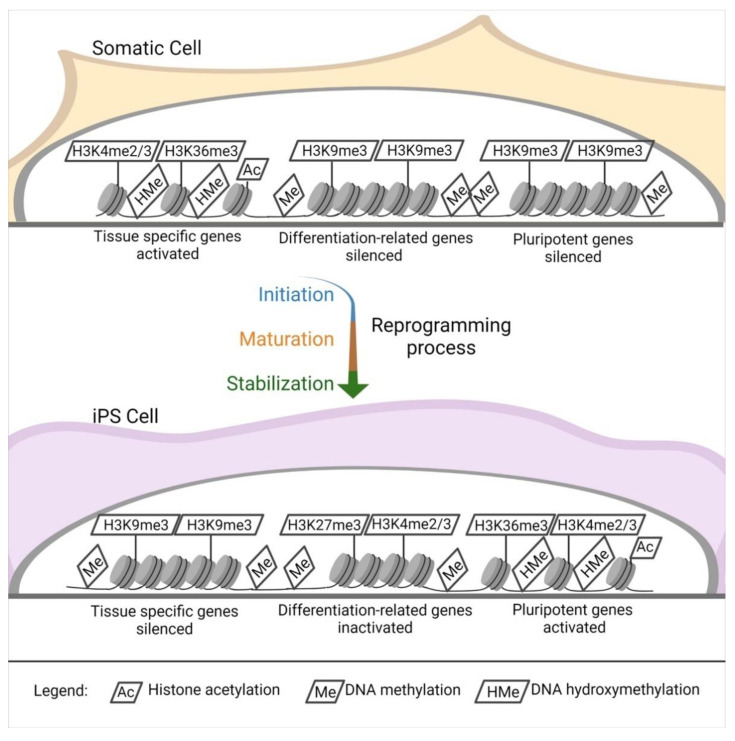
“This sensitive equilibrium is pivotal for the maintenance of stemness [87,89,90] (Figure 2).”
BackgroundChromatin dynamics during cellular reprogramming
Apostolou, E., & Hochedlinger, K. (2013) · Nature · doi:10.1038/nature12749 · Cited by 398 · cited 1×
“This sensitive equilibrium is pivotal for the maintenance of stemness [87,89,90] (Figure 2).”
BackgroundSomatic copy number mosaicism in human skin revealed by induced pluripotent stem cells
Abyzov, A., Mariani, J., Palejev, D., Zhang, Y., Haney, M. S., Tomasini, L., Ferrandino, A. F., Rosenberg Belmaker, L. A., Szekely, A., Wilson, M., et al. (2012) · Nature · doi:10.1038/nature11629 · Cited by 384 · cited 2×
“demonstrated that 50% of the CNVs identified in the hiPSC lines were detectable, even at a very low frequency, in the source fibroblast population [66], indicating the presence of somatic mosaicism in these cells.”
BackgroundA Review of the Methods for Human iPSC Derivation
Malik, N., & Rao, M. S. (2013) · Methods in Molecular Biology · doi:10.1007/978-1-62703-348-0_3 · Cited by 354 · cited 7×
“However, these different approaches resulted in a significant decrease, in some cases more than 100-fold, of the reprogramming efficiency [11].”
BackgroundMethodInfluentialEminli, S., Utikal, J., Arnold, K., Jaenisch, R., & Hochedlinger, K. (2008) · Stem Cells · doi:10.1634/stemcells.2008-0317 · Cited by 351 · cited 1×
“Examples include renal epithelial cells in the urine [27,76], mesenchymal stem cells from teeth and fat tissue [77], liver and stomach cells [78], melanocytes [79], neural stem and progenitor cells [80], and embryonic and extraembryonic tissue [81].”
BackgroundUtikal, J., Maherali, N., Kulalert, W., & Hochedlinger, K. (2009) · Journal of Cell Science · doi:10.1242/jcs.054783 · Cited by 346 · cited 1×
“Examples include renal epithelial cells in the urine [27,76], mesenchymal stem cells from teeth and fat tissue [77], liver and stomach cells [78], melanocytes [79], neural stem and progenitor cells [80], and embryonic and extraembryonic tissue [81].”
BackgroundAbnormalities in human pluripotent cells due to reprogramming mechanisms
Ma, H., Morey, R., O'Neil, R. C., He, Y., Daughtry, B., Schultz, M. D., Hariharan, M., Nery, J. R., Castanon, R., Sabatini, K., et al. (2014) · Nature · doi:10.1038/nature13551 · Cited by 332 · cited 8×
“5 CNVs per line, respectively, that were not significantly different [67].”
BackgroundInfluentialTranscriptional Signature and Memory Retention of Human-Induced Pluripotent Stem Cells
Marchetto, M. C. N., Yeo, G. W., Kainohana, O., Marsala, M., Gage, F. H., & Muotri, A. R. (2009) · PLoS ONE · doi:10.1371/journal.pone.0007076 · Cited by 310 · cited 2×
“Interestingly, the authors identified a group of upregulated genes in iPSCs that were silenced in both ESCs and NSCs, and postulated that they might be downstream genes involved in the reprogramming process [93].”
BackgroundGenetic Background Drives Transcriptional Variation in Human Induced Pluripotent Stem Cells
Rouhani, F., Kumasaka, N., de Brito, M. C., Bradley, A., Vallier, L., & Gaffney, D. (2014) · PLoS Genetics · doi:10.1371/journal.pgen.1004432 · Cited by 294 · cited 2×
“In contrast, inter-individual genetic variation was responsible for 38% of the total, with <1% attributable to differences between iPSCs and ESCs [121].”
BackgroundA comparison of genetically matched cell lines reveals the equivalence of human iPSCs and ESCs
Choi, J., Lee, S., Mallard, W., Clement, K., Tagliazucchi, G. M., Lim, H., Choi, I. Y., Ferrari, F., Tsankov, A. M., Pop, R., et al. (2015) · Nature Biotechnology · doi:10.1038/nbt.3388 · Cited by 281 · cited 4×
“Differentiation into cells of the three germ layers revealed that no variations could be observed between genetically matched ESCs and iPSCs, thus confirming the relevance of donor effect on iPSCs’ differentiation potential [122].”
BackgroundInfluentialKyttälä, A., Moraghebi, R., Valensisi, C., Kettunen, J., Andrus, C., Pasumarthy, K. K., Nakanishi, M., Nishimura, K., Ohtaka, M., Weltner, J., et al. (2016) · Stem Cell Reports · doi:10.1016/j.stemcr.2015.12.009 · Cited by 257 · cited 3×
“Consistent with this observation, GpC methylation and differentially expressed gene analysis of fibroblast- or lymphoblast-derived iPSCs revealed little residual somatic memory, with genetic background being the major driver of the variation [123,124].”
BackgroundHu, K., Yu, J., Suknuntha, K., Tian, S., Montgomery, K., Choi, K.-D., Stewart, R., Thomson, J. A., & Slukvin, I. I. (2011) · Blood · doi:10.1182/blood-2010-07-298331 · Cited by 254 · cited 1×
“The inclusion of NANOG, LIN28, and LT (SV40 large T gene) as reprogramming factors enhanced the efficiency 100 times, making it comparable to viral-based methods [46].”
MethodGonzalez, F., Barragan Monasterio, M., Tiscornia, G., Montserrat Pulido, N., Vassena, R., Batlle Morera, L., Rodriguez Piza, I., & Belmonte, J. C. I. (2009) · Proceedings of the National Academy of Sciences · doi:10.1073/pnas.0901471106 · Cited by 249 · cited 1×
“Instead of using a single plasmid for every Yamanaka factor, which is laborious and less efficient, as only a few cells receive all the plasmids, some groups use polycystronic plasmids to obtain a “3+1 delivery” of the reprogramming factors (with Oct4, Klf4, and Sox2, carried by one plasmid, and c-Myc by the other) [1…”
MethodEfficient gene transfer to airway epithelium using recombinant Sendai virus
Yonemitsu, Y., Kitson, C., Ferrari, S., Farley, R., Griesenbach, U., Judd, D., Steel, R., Scheid, P., Zhu, J., Jeffery, P. K., et al. (2000) · Nature Biotechnology · doi:10.1038/79463 · Cited by 244
Li, H.-O., Zhu, Y.-F., Asakawa, M., Kuma, H., Hirata, T., Ueda, Y., Lee, Y.-S., Fukumura, M., Iida, A., Kato, A., et al. (2000) · Journal of Virology · doi:10.1128/jvi.74.14.6564-6569.2000 · Cited by 244 · cited 1×
“It is non-pathogenic to humans, and its use as a viral vector has several advantages: (1) being an mRNA virus, it does not enter the nucleus in its lifecycle, thus eliminating the risk of modifying the host genome and/or causing gene silencing by epigenetic changes [18]; (2) it shows a broad tropism, being able to inf…”
BackgroundCheng, L., Hansen, N. F., Zhao, L., Du, Y., Zou, C., Donovan, F. X., Chou, B.-K., Zhou, G., Li, S., Dowey, S. N., et al. (2012) · Cell Stem Cell · doi:10.1016/j.stem.2012.01.005 · Cited by 238
Generation of adult human induced pluripotent stem cells using nonviral minicircle DNA vectors
Narsinh, K. H., Jia, F., Robbins, R. C., Kay, M. A., Longaker, M. T., & Wu, J. C. (2011) · Nature Protocols · doi:10.1038/nprot.2010.173 · Cited by 214 · cited 1×
“Thus, multiple rounds of transfection are required, causing a reduction in cell viability [50].”
BackgroundDeficits in human trisomy 21 iPSCs and neurons
Weick, J. P., Held, D. L., Bonadurer, G. F., Doers, M. E., Liu, Y., Maguire, C., Clark, A., Knackert, J. A., Molinarolo, K., Musser, M., et al. (2013) · Proceedings of the National Academy of Sciences · doi:10.1073/pnas.1216575110 · Cited by 205 · cited 1×
“The production of iPSCs from a patient affected by Down syndrome showed that the patient was a mosaic, since one-third of the reprogrammed cells were euploid, whereas the remaining 66% were trisomic [85].”
BackgroundThe coupling of synthesis and partitioning of EBV's plasmid replicon is revealed in live cells
Nanbo, A., Sugden, A., & Sugden, B. (2007) · The EMBO Journal · doi:10.1038/sj.emboj.7601853 · Cited by 189 · cited 1×
“Episomal plasmids ensure a technically simple procedure, a stable transgene expression due to their self-replication, and a low immunogenicity, allowing their removal by culturing cells in the absence of drug selection [44].”
BackgroundCai, J., Li, W., Su, H., Qin, D., Yang, J., Zhu, F., Xu, J., He, W., Guo, X., Labuda, K., et al. (2010) · Journal of Biological Chemistry · doi:10.1074/jbc.m109.086389 · Cited by 184 · cited 1×
“Examples include renal epithelial cells in the urine [27,76], mesenchymal stem cells from teeth and fat tissue [77], liver and stomach cells [78], melanocytes [79], neural stem and progenitor cells [80], and embryonic and extraembryonic tissue [81].”
BackgroundStreckfuss-Bömeke, K., Wolf, F., Azizian, A., Stauske, M., Tiburcy, M., Wagner, S., Hübscher, D., Dressel, R., Chen, S., Jende, J., et al. (2013) · European Heart Journal · doi:10.1093/eurheartj/ehs203 · Cited by 183 · cited 1×
“However, late-passage cells exhibited minimal differences upon differentiation [109], in contrast with a previous study [110], most likely because, in the early work, the difference in passages was not high enough for epigenetic”
ResultSingle-Cell RNA-Seq Reveals Dynamic Early Embryonic-like Programs during Chemical Reprogramming
Zhao, T., Fu, Y., Zhu, J., Liu, Y., Zhang, Q., Yi, Z., Chen, S., Jiao, Z., Xu, X., Xu, J., et al. (2018) · Cell Stem Cell · doi:10.1016/j.stem.2018.05.025 · Cited by 159
Paramyxovirus replication and pathogenesis. Reverse genetics transforms understanding
Nagai, Y. (1999) · Reviews in Medical Virology · doi:10.1002/(sici)1099-1654(199904/06)9:2<83::aid-rmv244>3.0.co;2-5 · Cited by 136 · cited 1×
“Sendai virus is a negative sense, mRNA virus belonging to Paramixoviridae family [17].”
BackgroundInduced Pluripotent Stem Cells: Reprogramming Platforms and Applications in Cell Replacement Therapy
Al Abbar, A., Ngai, S. C., Nograles, N., Alhaji, S. Y., & Abdullah, S. (2020) · BioResearch Open Access · doi:10.1089/biores.2019.0046 · Cited by 134
Burrows, C. K., Banovich, N. E., Pavlovic, B. J., Patterson, K., Gallego Romero, I., Pritchard, J. K., & Gilad, Y. (2016) · PLOS Genetics · doi:10.1371/journal.pgen.1005793 · Cited by 131 · cited 1×
“Consistent with this observation, GpC methylation and differentially expressed gene analysis of fibroblast- or lymphoblast-derived iPSCs revealed little residual somatic memory, with genetic background being the major driver of the variation [123,124].”
BackgroundWhole-genome mutational burden analysis of three pluripotency induction methods
Bhutani, K., Nazor, K. L., Williams, R., Tran, H., Dai, H., Džakula, Ž., Cho, E. H., Pang, A. W. C., Rao, M., Cao, H., et al. (2016) · Nature Communications · doi:10.1038/ncomms10536 · Cited by 129
Salomonis, N., Dexheimer, P. J., Omberg, L., Schroll, R., Bush, S., Huo, J., Schriml, L., Ho Sui, S., Keddache, M., Mayhew, C., et al. (2016) · Stem Cell Reports · doi:10.1016/j.stemcr.2016.05.006 · Cited by 128
Haridhasapavalan, K. K., Borgohain, M. P., Dey, C., Saha, B., Narayan, G., Kumar, S., & Thummer, R. P. (2019) · Gene · doi:10.1016/j.gene.2018.11.069 · Cited by 115 · cited 5×
“This issue, together with the large size of the plasmid, hampers the efficiency of plasmid-based reprogramming [16].”
BackgroundInfluentialTechnological Overview of iPS Induction from Human Adult Somatic Cells
Bayart, E., & Cohen-Haguenauer, O. (2013) · Current Gene Therapy · doi:10.2174/1566523211313020002 · Cited by 113
Reprogramming cell fates by small molecules
Ma, X., Kong, L., & Zhu, S. (2017) · Protein & Cell · doi:10.1007/s13238-016-0362-6 · Cited by 108
Beers, J., Linask, K. L., Chen, J. A., Siniscalchi, L. I., Lin, Y., Zheng, W., Rao, M., & Chen, G. (2015) · Scientific Reports · doi:10.1038/srep11319 · Cited by 107 · cited 1×
“01% and 4% in the generation of human iPSCs at 25 days of induction [20,24,25,28,29].”
BackgroundHDAC activity regulates entry of mesoderm cells into the cardiac muscle lineage
Karamboulas, C., Swedani, A., Ward, C., Al-Madhoun, A. S., Wilton, S., Boisvenue, S., Ridgeway, A. G., & Skerjanc, I. S. (2006) · Journal of Cell Science · doi:10.1242/jcs.03185 · Cited by 105 · cited 1×
“Since NK2 Homeobox 5 (Nkx2–5) is a key regulator of mesoderm differentiation to the heart, starting the synthesis of other transcription factors is typical of cardiomyocytes [118].”
BackgroundSmall-molecule-mediated reprogramming: a silver lining for regenerative medicine
Kim, Y., Jeong, J., & Choi, D. (2020) · Experimental & Molecular Medicine · doi:10.1038/s12276-020-0383-3 · Cited by 101 · cited 2×
“Interestingly, they found that small molecule (sm) iPSCs could be generated using only one gene of the OSKM, namely Oct4, with the addition of CHIR99021, tranylcypromine (VC6T), VPA, and 616452 [8,60].”
BackgroundHiler, D., Chen, X., Hazen, J., Kupriyanov, S., Carroll, P. A., Qu, C., Xu, B., Johnson, D., Griffiths, L., Frase, S., et al. (2015) · Cell Stem Cell · doi:10.1016/j.stem.2015.05.015 · Cited by 100 · cited 1×
“Using a standardized quantitative protocol called STEM-RET, the authors were able to score the capacity of the iPSCs, produced from the 5-cell type of the retina and from other sources such as fibroblasts, to differentiate into mature retinal structures [114].”
MethodDevelopmental potential and behavior of tetraploid cells in the mouse embryo
Eakin, G. S., Hadjantonakis, A., Papaioannou, V. E., & Behringer, R. R. (2005) · Developmental Biology · doi:10.1016/j.ydbio.2005.09.028 · Cited by 99
Immune Response Mechanisms against AAV Vectors in Animal Models
Martino, A. T., & Markusic, D. M. (2020) · Molecular Therapy - Methods & Clinical Development · doi:10.1016/j.omtm.2019.12.008 · Cited by 97 · cited 1×
“AAVs are associated with weak immune reactions, primarily deriving from innate responses to the viral genome [33,34].”
BackgroundBrouwer, M., Zhou, H., & Nadif Kasri, N. (2016) · Stem Cell Reviews and Reports · doi:10.1007/s12015-015-9622-8 · Cited by 95
Nishimura, K., Ohtaka, M., Takada, H., Kurisaki, A., Tran, N. V. K., Yến, T. T. H., Hisatake, K., Sano, M., & Nakanishi, M. (2017) · Stem Cell Research · doi:10.1016/j.scr.2017.06.011 · Cited by 90 · cited 1×
“Up to 10 passages or a high-temperature culture (39 ◦C) might be necessary to remove the viral genome completely [11]; however, an auto-erasable, replication-deficient Sendai virus was recently developed using microRNA-302 which impedes viral replication by blocking the viral RNA-dependent RNA polymerase [30].”
BackgroundDelivering Transgenic DNA Exceeding the Carrying Capacity of AAV Vectors
Hirsch, M. L., Wolf, S. J., & Samulski, R. J. (2016) · Methods in Molecular Biology · doi:10.1007/978-1-4939-3271-9_2 · Cited by 84 · cited 2×
“01%) [16,35] still limit AAVs’ use as a vector for inducing pluripotency.”
BackgroundMethodMinicircle DNA electrotransfer for efficient tissue-targeted gene delivery
Chabot, S., Orio, J., Schmeer, M., Schleef, M., Golzio, M., & Teissié, J. (2012) · Gene Therapy · doi:10.1038/gt.2011.215 · Cited by 82
Induced pluripotent stem cells: epigenetic memories and practical implications
Sullivan, G. J., Bai, Y., Fletcher, J. M., & Wilmut, I. (2010) · Molecular Human Reproduction · doi:10.1093/molehr/gaq091 · Cited by 79 · cited 1×
“These are the most rigorous criteria for pluripotency characterization of pluripotent stem cells [91], which can be addressed only in non-human cells [92].”
BackgroundFord, E., Pearlman, J., Ruan, T., Manion, J., Waller, M. A., Neely, G. G., & Caron, L. (2020) · Cells · doi:10.3390/cells9112517 · Cited by 75
Hu, S., Zhao, M.-T., Jahanbani, F., Shao, N.-Y., Lee, W. H., Chen, H., Snyder, M. P., & Wu, J. C. (2016) · JCI Insight · doi:10.1172/jci.insight.85558 · Cited by 73 · cited 4×
“Differences in expression profiles might affect differentiation potential and the survival and engraftment of differentiated iPSCs in vivo [109,111].”
BackgroundResultInfluentialGene-delivery systems for iPS cell generation
Shao, L., & Wu, W.-S. (2010) · Expert Opinion on Biological Therapy · doi:10.1517/14712590903455989 · Cited by 72 · cited 1×
“Adenovirus is a non-integrating virus [31] that remains in the epichromosomal form in all cell types, except in egg cells [32].”
BackgroundWang, L., Hiler, D., Xu, B., AlDiri, I., Chen, X., Zhou, X., Griffiths, L., Valentine, M., Shirinifard, A., Sablauer, A., et al. (2018) · Cell Reports · doi:10.1016/j.celrep.2018.01.075 · Cited by 72 · cited 3×
“Some heterogeneity was noticed in some genes, such as Hexokinase Type I, Guanylate Cyclase Activator 1B, and Recoverin, which were reset in only a few numbers of iPSCs lines (16%) [113].”
BackgroundInfluentialHuman‐Induced Pluripotent Stem Cell Culture Methods Under cGMP Conditions
Rivera, T., Zhao, Y., Ni, Y., & Wang, J. (2020) · Current Protocols in Stem Cell Biology · doi:10.1002/cpsc.117 · Cited by 72 · cited 1×
“Further modification of the design of the reprogramming expression vectors and new methods of delivery were designed to minimize or eliminate vector sequ nces that c uld be integrated into the iPSCs genome [11,12].”
MethodRizzi, R., Pasquale, E. D., Portararo, P., Papait, R., Cattaneo, P., Latronico, M. V. G., Altomare, C., Sala, L., Zaza, A., Hirsch, E., et al. (2012) · Cell Death and Differentiation · doi:10.1038/cdd.2011.205 · Cited by 68 · cited 1×
“All those different transcripts provide functional differences in differentiation capabilities either in mouse cells [107,108] or human cells [109].”
BackgroundWen, W., Zhang, J.-P., Xu, J., Su, R. J., Neises, A., Ji, G.-Z., Yuan, W., Cheng, T., & Zhang, X.-B. (2016) · Stem Cell Reports · doi:10.1016/j.stemcr.2016.04.005 · Cited by 67 · cited 1×
“However, there is still the chance that polycistronic plasmid could produce an unbalanced expression of each reprogramming factor [49].”
BackgroundVectorology and Factor Delivery in Induced Pluripotent Stem Cell Reprogramming
Hu, K. (2014) · Stem Cells and Development · doi:10.1089/scd.2013.0621 · Cited by 66 · cited 1×
“These two transposons usually consist of a polycistronic transcript containing the OSKM factors joined by 2A peptides, allowing post-translational cleavage of the polyprotein into single reprogramming proteins as well as maintenance of their stoichiometric co-expression [39].”
BackgroundHargus, G., Ehrlich, M., Hallmann, A.-L., & Kuhlmann, T. (2013) · Acta Neuropathologica · doi:10.1007/s00401-013-1222-6 · Cited by 60 · cited 1×
“Differences in expression profiles might affect differentiation potential and the survival and engraftment of differentiated iPSCs in vivo [109,111].”
Background2A to the Fore – Research, Technology and Applications
Luke, G. A., Escuin-Ordinas, H., de Felipe, P., & Ryan, M. D. (2009) · Biotechnology and Genetic Engineering Reviews · doi:10.5661/bger-26-223 · Cited by 59 · cited 1×
“of picornaviral 2A self-cleaving peptides to link reprogramming factors, when used as a polycistronic construct [48], can partially ameliorate the balance of the expression of the four genes.”
BackgroundSmall Molecules that Promote Self-Renewal of Stem Cells and Somatic Cell Reprogramming
Chen, G., Guo, Y., Li, C., Li, S., & Wan, X. (2020) · Stem Cell Reviews and Reports · doi:10.1007/s12015-020-09965-w · Cited by 58 · cited 1×
“2%, with an induction time of more than 36 days that was recently reduced to 16 days [62,63].”
BackgroundEfficient Generation of Virus-Free iPS Cells Using Liposomal Magnetofection
Park, H. Y., Noh, E. H., Chung, H., Kang, M., Kim, E. Y., & Park, S. (2012) · PLoS ONE · doi:10.1371/journal.pone.0045812 · Cited by 53 · cited 1×
“Consequently, screening iPSC clones is necessary to confirm the absence of integration [56].”
BackgroundHargus, G., Ehrlich, M., Araúzo-Bravo, M. J., Hemmer, K., Hallmann, A.-L., Reinhardt, P., Kim, K.-P., Adachi, K., Santourlidis, S., Ghanjati, F., et al. (2014) · Cell Reports · doi:10.1016/j.celrep.2014.08.014 · Cited by 47 · cited 2×
“differentiated human iPSCs derived from fetal NSCs and dermal fibroblasts into neural precursor cells (NPCs) [112].”
BackgroundDerivation of Induced Pluripotent Stem Cells from Human Peripheral Circulating T Cells
Seki, T., Yuasa, S., & Fukuda, K. (2011) · Current Protocols in Stem Cell Biology · doi:10.1002/9780470151808.sc04a03s18 · Cited by 46 · cited 1×
“Sendai viral vectors were successfully used to reprogram fibroblast cells [24], as well as blood [25,26] and renal epithelial cells in the urine [27].”
MethodSteichen, C., Hannoun, Z., Luce, E., Hauet, T., & Dubart-Kupperschmitt, A. (2019) · World Journal of Stem Cells · doi:10.4252/wjsc.v11.i10.729 · Cited by 45
Pianezzi, E., Altomare, C., Bolis, S., Balbi, C., Torre, T., Rinaldi, A., Camici, G. G., Barile, L., & Vassalli, G. (2019) · Biochimica et Biophysica Acta (BBA) - Molecular Cell Research · doi:10.1016/j.bbamcr.2019.118538 · Cited by 43 · cited 1×
“For instance, the beating capability is reached earlier from CM-iPSC with respect to HDF-iPSCs when differentiated [117].”
BackgroundStem cell transplantation in neurological diseases: improving effectiveness in animal models
Adami, R., Scesa, G., & Bottai, D. (2014) · Frontiers in Cell and Developmental Biology · doi:10.3389/fcell.2014.00017 · Cited by 42
Self-citationTranscriptional and epigenetic mechanisms of cellular reprogramming to induced pluripotency
van den Hurk, M., Kenis, G., Bardy, C., van den Hove, D. L., Gage, F. H., Steinbusch, H. W., & Rutten, B. P. (2016) · Epigenomics · doi:10.2217/epi-2016-0032 · Cited by 40 · cited 3×
“Histone acetylation, hypomethylated DNA, a tri-methylation at the 4th lysine residue of the histone H3 (H3K4me3), and tri-methylation at the 36th lysine residue of the histone H3 (H3K36me3) [87,88] locate primarily within the regions of genes responsible for pluripotency (Figure 2).”
BackgroundInfluentialOkumura, T., Horie, Y., Lai, C.-Y., Lin, H.-T., Shoda, H., Natsumoto, B., Fujio, K., Kumaki, E., Okano, T., Ono, S., et al. (2019) · Stem Cell Research & Therapy · doi:10.1186/s13287-019-1273-2 · Cited by 37
Induced Pluripotency: A Powerful Tool for In Vitro Modeling
Záhumenská, R., Nosáľ, V., Smolár, M., Okajčeková, T., Škovierová, H., Strnádel, J., & Halášová, E. (2020) · International Journal of Molecular Sciences · doi:10.3390/ijms21238910 · Cited by 37 · cited 1×
“Very often, cell sources have been obtained from biological waste material [75].”
BackgroundDLK1-DIO3imprinted locus deregulation in development, respiratory disease, and cancer
Enterina, J. R., Enfield, K. S. S., Anderson, C., Marshall, E. A., Ng, K. W., & Lam, W. L. (2017) · Expert Review of Respiratory Medicine · doi:10.1080/17476348.2017.1355241 · Cited by 35 · cited 1×
“In fact, imprinting errors of this locus are mechanistically linked to developmental disorders such as Kagami-Ogata Syndrome and Temple Syndrome, but may also be implicated in respiratory diseases and cancer [101].”
BackgroundDirect reprogramming with Sendai virus vectors repaired infarct hearts at the chronic stage
Isomi, M., Sadahiro, T., Fujita, R., Abe, Y., Yamada, Y., Akiyama, T., Mizukami, H., Shu, T., Fukuda, K., & Ieda, M. (2021) · Biochemical and Biophysical Research Communications · doi:10.1016/j.bbrc.2021.04.121 · Cited by 35
Reprogramming: Emerging Strategies to Rejuvenate Aging Cells and Tissues
Alle, Q., Le Borgne, E., Milhavet, O., & Lemaitre, J.-M. (2021) · International Journal of Molecular Sciences · doi:10.3390/ijms22083990 · Cited by 35 · cited 1×
“found that their induction efficiency could be increased using a six-factor reprogramming cocktail (SOX2, OCT4, KLF4, NANOG, LIN28, and c-MYC) instead of the usual OSKM, which also eliminates the marks of cellular aging [82,83].”
BackgroundSustainable Tumor-Suppressive Effect of iPSC-Derived Rejuvenated T Cells Targeting Cervical Cancers
Honda, T., Ando, M., Ando, J., Ishii, M., Sakiyama, Y., Ohara, K., Toyota, T., Ohtaka, M., Masuda, A., Terao, Y., et al. (2020) · Molecular Therapy · doi:10.1016/j.ymthe.2020.07.004 · Cited by 34
Wen, D., Saiz, N., Rosenwaks, Z., Hadjantonakis, A., & Rafii, S. (2014) · PLoS ONE · doi:10.1371/journal.pone.0094730 · Cited by 33
Féraud, O., Valogne, Y., Melkus, M. W., Zhang, Y., Oudrhiri, N., Haddad, R., Daury, A., Rocher, C., Larbi, A., Duquesnoy, P., et al. (2016) · PLoS ONE · doi:10.1371/journal.pone.0149291 · Cited by 31
Cellular Reprogramming Using Defined Factors and MicroRNAs
Eguchi, T., & Kuboki, T. (2016) · Stem Cells International · doi:10.1155/2016/7530942 · Cited by 31
Park, H., Kim, D., Kim, C., Mills, R. E., Chang, M., Iskow, R. C., Ko, S., Moon, J.-I., Choi, H. W., Yoo, P. S. M., et al. (2014) · Stem Cells Translational Medicine · doi:10.5966/sctm.2013-0149 · Cited by 27
Review Epigenetic mechanisms of induced pluripotency
Machnik, M., Andrzejewska, A., Oleksiewicz, U., & Estecio, M. R. (2015) · Współczesna Onkologia · doi:10.5114/wo.2014.47135 · Cited by 27
Origin of the Induced Pluripotent Stem Cells Affects Their Differentiation into Dopaminergic Neurons
Chlebanowska, P., Sułkowski, M., Skrzypek, K., Tejchman, A., Muszyńska, A., Noroozi, R., & Majka, M. (2020) · International Journal of Molecular Sciences · doi:10.3390/ijms21165705 · Cited by 26 · cited 1×
“noticed that, although the basic characteristics of the iPSCs did not significantly differ between different source cells, keratinocytes-derived iPSCs were more prone to induce the formation of higher numbers of neuroectodermal structures in comparison of fibroblast-derived iPSCs [116].”
ResultSpinal Muscular Atrophy Modeling and Treatment Advances by Induced Pluripotent Stem Cells Studies
Adami, R., & Bottai, D. (2019) · Stem Cell Reviews and Reports · doi:10.1007/s12015-019-09910-6 · Cited by 19 · cited 4×
“Examples include renal epithelial cells in the urine [27,76], mesenchymal stem cells from teeth and fat tissue [77], liver and stomach cells [78], melanocytes [79], neural stem and progenitor cells [80], and embryonic and extraembryonic tissue [81].”
BackgroundMethodInfluentialSelf-citationChoompoo, N., Bartley, O. J. M., Precious, S. V., Vinh, N., Schnell, C., Garcia, A. D. R., Roberton, V. H., Williams, N. M., Kemp, P. J., Kelly, C. M., et al. (2020) · Cytotherapy · doi:10.1016/j.jcyt.2020.06.001 · Cited by 19 · cited 1×
“These hWGE iPSCs differentiate into neurons expressing a range of medium spiny neuron markers, similar to hESCs [115].”
BackgroundNordin, F., Ahmad, R. N. R., & Farzaneh, F. (2017) · Virus Research · doi:10.1016/j.virusres.2017.04.007 · Cited by 18 · cited 2×
“This technique allows the introduction of proteins into cells from the external environment without permeabilization agents [57].”
BackgroundMethodProteomics in the World of Induced Pluripotent Stem Cells
Lindoso, R. S., Kasai-Brunswick, T. H., Monnerat, G., Collino, F., Carvalho, A. B., de Carvalho, A. C. C., & Vieyra, A. R. (2019) · Cells · doi:10.3390/cells8070703 · Cited by 17 · cited 1×
“In contrast, the differences between ESCs and iPSCs could be depicted only when more biological replicated were added, most likely because this variability was introduced by the inclusion of different donors [100].”
BackgroundCevallos, R. R., Hossain, M. E., Zhang, R., & Hu, K. (2020) · Methods in molecular biology · doi:10.1007/978-1-0716-1084-8_15 · Cited by 13 · cited 1×
“These are the most rigorous criteria for pluripotency characterization of pluripotent stem cells [91], which can be addressed only in non-human cells [92].”
BackgroundAcceptance of Embryonic Stem Cells by a Wide Developmental Range of Mouse Tetraploid Embryos1
Lin, C.-J., Amano, T., Zhang, J., Chen, Y. E., & Tian, X. C. (2010) · Biology of Reproduction · doi:10.1095/biolreprod.110.084707 · Cited by 13
Pluripotent State Induction in Mouse Embryonic Fibroblast Using mRNAs of Reprogramming Factors
Elsayed, A. K., Zhang, Z., Zhang, L., Liu, Z., Abbott, L. C., Zhang, Y., & Li, B. (2014) · International Journal of Molecular Sciences · doi:10.3390/ijms151221840 · Cited by 12
Selected small molecules as inductors of pluripotent stem cells
Baranek, M., Markiewicz, W. T., & Barciszewski, J. (2016) · Acta Biochimica Polonica · doi:10.18388/abp.2016_1363 · Cited by 9 · cited 1×
“Compared to ESCs, CiPSCs have similar doubling time, gene expression profiles and differentiation ability, and they generate teratomas and chimeric mice [8,61].”
BackgroundJohnson, K. R., Mallon, B. S., Fann, Y. C., & Chen, K. G. (2021) · PLoS ONE · doi:10.1371/journal.pone.0251461 · Cited by 6 · cited 1×
“In a recent work [126], a robust meta-analysis approach that integrates RNA sequencing (RNA-seq) data and a genome-wide microarray was performed, indicating that there are at least three distinct naive-like pluripotent states that are found in the preimplantation embryo [127].”
BackgroundKang, L., & Gao, S. (2015) · Methods in molecular biology · doi:10.1007/978-1-4939-2848-4_12 · Cited by 3 · cited 2×
“[86] such as ESCs show a distinctive epigenetic profile, with active chromatin modifica-”
Background
Cited by
Induced pluripotent stem cells (iPSCs): molecular mechanisms of induction and applications
Cerneckis, J., Cai, H., & Shi, Y. (2024) · Signal Transduction and Targeted Therapy · doi:10.1038/s41392-024-01809-0 · Cited by 452
“, 115 – 119 Viral vectors can be classi fi ed as either integrating or non-integrating non-integrating lentiviral or retroviral delivery of the reprogramming”
BackgroundPoetsch, M. S., Strano, A., & Guan, K. (2022) · Stem Cells · doi:10.1093/stmcls/sxac020 · Cited by 144
Vascular organoids: unveiling advantages, applications, challenges, and disease modelling strategies
Naderi‐Meshkin, H., Cornelius, V. A., Eleftheriadou, M., Potel, K. N., Setyaningsih, W. A. W., & Margariti, A. (2023) · Stem Cell Research & Therapy · doi:10.1186/s13287-023-03521-2 · Cited by 108
Zeng, C. (2023) · International Journal of Molecular Sciences · doi:10.3390/ijms241814349 · Cited by 96
The paths and challenges of “off-the-shelf” CAR-T cell therapy: an overview of clinical trials
Moradi, V., Omidkhoda, A., & Ahmadbeigi, N. (2023) · Biomedicine & Pharmacotherapy · doi:10.1016/j.biopha.2023.115888 · Cited by 80
Metadata
- Authors
- Scesa, G., Adami, R., & Bottai, D.
- Affiliations
- University of Milan (IT)
- Corresponding author
- Bottai, Daniele
- Venue
- Cells
- Publisher
- MDPI AG
- Published
- 2021-06-11
- Volume
- 10
- Issue
- 6
- Pages
- 1470
- ISSN
- 2073-4409 (ISSN-L)
- PMC
- PMC8230744
- OpenAlex
- W3166417300
- Semantic Scholar
- ef1c09feb72f382592b6ff03a5c4a4c7e74a9913
- Cited by
- 110
- References
- 127
- Citations by year
- 2026: 17 · 2025: 30 · 2024: 19 · 2023: 23 · 2022: 16 · 2021: 5
- FWCI
- 1.65
- Type
- journal article
- Language
- en
- Open access
- gold
- doi.org
- Licence
- Locations
- Cells (publishedVersion, cc-by)
- PubMed Central (publishedVersion, cc-by)
- PubMed (publishedVersion)
- Archivio Istituzionale della Ricerca (Universita Degli Studi Di Milano) (submittedVersion, other-oa)
- DOAJ (DOAJ: Directory of Open Access Journals) (submittedVersion, cc-by-sa)
- Topics
- Life Sciences › Biochemistry, Genetics and Molecular Biology › Molecular Biology › Pluripotent Stem Cells Research
- Life Sciences › Biochemistry, Genetics and Molecular Biology › Molecular Biology › Epigenetics and DNA Methylation
- Life Sciences › Biochemistry, Genetics and Molecular Biology › Genetics › Animal Genetics and Reproduction
- Keywords
- induced pluripotent stem cells, epigenetic memory, tissue of origin, reprogramming efficiency, chromosomal integration, iPSC differentiation, tumorigenicity, immune rejection, regenerative medicine
- MeSH terms
- Animals, Humans, DNA Methylation, Epigenesis, Genetic, Induced Pluripotent Stem Cells, Cellular Reprogramming
About these checks
Registry, retraction, Cites and statistics results are computed, not judged, with one exception: a printed reference that no index lists is read once by a model before it counts as a citation error. Claims are extracted by a model and kept only when their quote appears verbatim in the text; each cited source is then checked, with a model’s help, for whether it says what the claim relies on. Those verdicts can be wrong — read the claim’s quote and the cited source before relying on one.
Statistics and arithmetic are recomputed, not judged.
Confidence bands are shown only for fields calibrated on our annotated test set. None is calibrated yet, so no band is shown.
What counts as a claim ›How we measure confidence ›How we check this ›
Are you an author, or do you see a problem with this page? Request a review
Data sources
Bibliographic data: Semantic Scholar, OpenAlex, Crossref.
Contains information from the Semantic Scholar Academic Graph Datasets, made available under the ODC Attribution License (ODC-BY 1.0).
Semantic Scholar’s data is described in: Kinney, R., et al. (2023). The Semantic Scholar Open Data Platform. arXiv:2301.10140.
