

FGF23 in Chronic Kidney Disease: Bridging the Heart and Anemia
Open accessThe DOI matches its Crossref record; 81 of the 84 references it cites were found in a registry or an index.
Abstract
Fibroblast growth factor 23 (FGF23) is a phosphaturic hormone produced mainly in osteocytes. In chronic kidney disease (CKD) FGF23 levels increase due to higher production, but also as the result of impaired cleavage and reduced excretion from the body. FGF23 has a significant role in disturbed bone and mineral metabolism in CKD, which leads to a higher cardiovascular risk and mortality in these patients. Current research has emphasized the expression of FGF23 in cardiac myocytes, fibroblasts, and endothelial cells, and in addition to the effects on the kidney, its primary role is in cardiac remodeling in CKD patients. Recent discoveries found a significant link between increased FGF23 levels and anemia development in CKD. This review describes the FGF23 role in cardiac hypertrophy and anemia in the setting of CKD and discusses the best therapeutical approach for lowering FGF23 levels.
Overview
The claims and statistics of this paper haven’t been checked yet.
Free: it reads the open-access text and checks the first 5 claims that cite a source we can check. Create a free account to check every claim.
Integrity signals
Registry
Cites
Statistics
Figures
Verification
Claims the paper makes
The claims and statistics of this paper haven’t been checked yet.
Free: it reads the open-access text and checks the first 5 claims that cite a source we can check. Create a free account to check every claim.
Self-check
Percentages, sums and reported differences re-computed from the paper’s own numbers.
The self-check needs the paper’s full text.
Citations
Cites
Ahmed, A., Jorna, T., & Bhandari, S. (2016) · Nephron · doi:10.1159/000447068 · Cited by 11,717
FGF23 induces left ventricular hypertrophy
Faul, C., Amaral, A. P., Oskouei, B., Hu, M.-C., Sloan, A., Isakova, T., Gutiérrez, O. M., Aguillon-Prada, R., Lincoln, J., Hare, J. M., et al. (2011) · Journal of Clinical Investigation · doi:10.1172/jci46122 · Cited by 2,027 · cited 1×
“[13] were the ones who initially identified the detailed mechanism of FGF23-induced LVH which is beyond the canonic way and independent of the klotho mechanism [14].”
BackgroundRegulation of Fibroblast Growth Factor-23 Signaling by Klotho
Kurosu, H., Ogawa, Y., Miyoshi, M., Yamamoto, M., Nandi, A., Rosenblatt, K. P., Baum, M. G., Schiavi, S., Hu, M.-C., Moe, O. W., et al. (2006) · Journal of Biological Chemistry · doi:10.1074/jbc.c500457200 · Cited by 1,366
Calcineurin/NFAT Coupling Participates in Pathological, but not Physiological, Cardiac Hypertrophy
Wilkins, B. J., Dai, Y.-S., Bueno, O. F., Parsons, S. A., Xu, J., Plank, D. M., Jones, F., Kimball, T. R., & Molkentin, J. D. (2004) · Circulation Research · doi:10.1161/01.res.0000109415.17511.18 · Cited by 761
Goetz, R., Beenken, A., Ibrahimi, O. A., Kalinina, J., Olsen, S. K., Eliseenkova, A. V., Xu, C., Neubert, T. A., Zhang, F., Linhardt, R. J., et al. (2007) · Molecular and Cellular Biology · doi:10.1128/mcb.02249-06 · Cited by 544 · cited 1×
“The biologically active form of FGF23 consists of two parts: an N-terminal FGF core homology domain (155 amino acids) that shares homology with other members of the FGF family and a C-terminal domain (72 amino acids) that is important for relations with the FGFR-Klotho complex [2].”
BackgroundActivation of Cardiac Fibroblast Growth Factor Receptor 4 Causes Left Ventricular Hypertrophy
Grabner, A., Amaral, A. P., Schramm, K., Singh, S., Sloan, A., Yanucil, C., Li, J., Shehadeh, L. A., Hare, J. M., David, V., et al. (2015) · Cell Metabolism · doi:10.1016/j.cmet.2015.09.002 · Cited by 541 · cited 4×
“Whereas pro-hypertrophic effects are a result of FGFR4/PLCγ/calcineurin/NFAT signaling activation, the onset of systolic dysfunction is mediated by increased FGFR3 expression and MAPK signaling activation [15,64].”
BackgroundInfluentialPathogenic role of Fgf23 in Hyp mice
Liu, S., Zhou, J., Tang, W., Jiang, X., Rowe, D. W., & Quarles, L. D. (2006) · American Journal of Physiology-Endocrinology and Metabolism · doi:10.1152/ajpendo.00008.2006 · Cited by 495 · cited 1×
“It is interesting to note that administering Ang II to rodents increased the ectopic expression of FGF23 in the heart, a tissue that typically does not express FGF23 or Klotho in physiological amounts [39,40], as well as the expression of the FGF23 in bone, the physiological site of FGF23 production.”
BackgroundInflammation and functional iron deficiency regulate fibroblast growth factor 23 production
David, V., Martin, A., Isakova, T., Spaulding, C., Qi, L., Ramirez, V., Zumbrennen-Bullough, K. B., Sun, C. C., Lin, H. Y., Babitt, J. L., et al. (2016) · Kidney International · doi:10.1038/ki.2015.290 · Cited by 494 · cited 2×
“Thereafter, it has been demonstrated that iron chelators stimulate FGF23 production in isolated bone cell cultures with the transcriptional regulation by hypoxia-inducible factor 1α (HIF 1α) as playing a mechanistical role [57].”
BackgroundGupta, N., & Wish, J. B. (2017) · American Journal of Kidney Diseases · doi:10.1053/j.ajkd.2016.12.011 · Cited by 444 · cited 1×
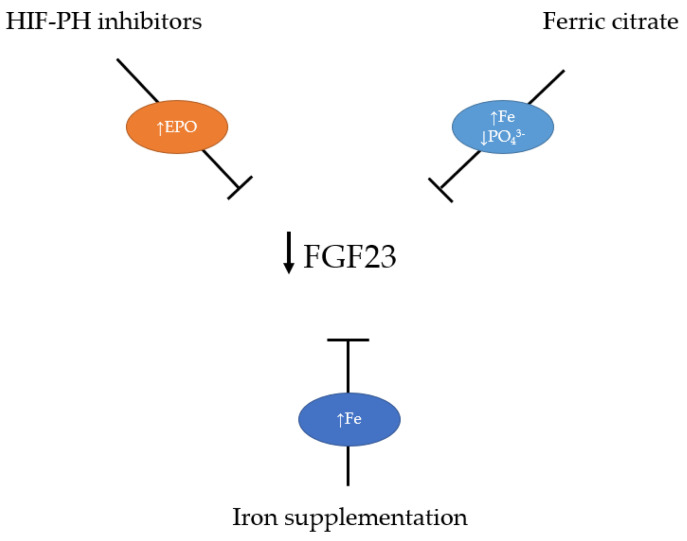
“It has been shown that HIF-PH inhibitors cause more physiological increase in EPO levels compared to ESA, increases serum hemoglobin, decreases hepcidin and ferritin levels, decrease transferrin saturation by increasing total iron-binding capacity, and have a lower risk of major adverse events [76].”
BackgroundSignaling in Fibrosis: TGF-β, WNT, and YAP/TAZ Converge
Piersma, B., Bank, R. A., & Boersema, M. (2015) · Frontiers in Medicine · doi:10.3389/fmed.2015.00059 · Cited by 442 · cited 1×
“provides a nice summary of the detailed crosstalk between TGF, and Wnt/β-catenin, but it is beyond the focus of this review [31].”
BackgroundWolf, M., Koch, T. A., & Bregman, D. B. (2013) · Journal of Bone and Mineral Research · doi:10.1002/jbmr.1923 · Cited by 430 · cited 1×
“In contrast to oral iron therapy, intravenous iron forms increase iFGF23 levels by decreasing its cleavage [74].”
BackgroundShalhoub, V., Shatzen, E. M., Ward, S. C., Davis, J., Stevens, J., Bi, V., Renshaw, L., Hawkins, N., Wang, W., Chen, C., et al. (2012) · Journal of Clinical Investigation · doi:10.1172/jci61405 · Cited by 413 · cited 2×
“However, hyperphosphatemia resulted in developing ectopic calcification and higher mortality [80].”
BackgroundGoetz, R., Nakada, Y., Hu, M. C., Kurosu, H., Wang, L., Nakatani, T., Shi, M., Eliseenkova, A. V., Razzaque, M. S., Moe, O. W., et al. (2010) · Proceedings of the National Academy of Sciences · doi:10.1073/pnas.0902006107 · Cited by 381 · cited 1×
“This canonical FGF23/FGFR/α-Klotho codependent signaling limits the effects of FGF23 on α-Klotho-expressing tissues [3].”
BackgroundSingh, S., Grabner, A., Yanucil, C., Schramm, K., Czaya, B., Krick, S., Czaja, M. J., Bartz, R., Abraham, R., Di Marco, G. S., et al. (2016) · Kidney International · doi:10.1016/j.kint.2016.05.019 · Cited by 360 · cited 1×
“Experimental models have shown that FGF23 influences the immune system and induces the hepatic production of inflammatory cytokines [33].”
BackgroundHasegawa, H., Nagano, N., Urakawa, I., Yamazaki, Y., Iijima, K., Fujita, T., Yamashita, T., Fukumoto, S., & Shimada, T. (2010) · Kidney International · doi:10.1038/ki.2010.313 · Cited by 341 · cited 2×
“These antibodies lead to an increase in proximal tubular phosphate reabsorption and a subsequent increase in serum phosphate [79].”
BackgroundImmune Cell and Other Noncardiomyocyte Regulation of Cardiac Hypertrophy and Remodeling
Frieler, R. A., & Mortensen, R. M. (2015) · Circulation · doi:10.1161/circulationaha.114.008788 · Cited by 334 · cited 1×
“The activation of renin-angiotensin-aldosterone system (RAAS) was indicated to have direct hypertensive effects and promote pro-hypertrophic, pro-fibrotic, and pro-inflammatory ways in cardiac cells [38].”
BackgroundImel, E. A., Peacock, M., Gray, A. K., Padgett, L. R., Hui, S. L., & Econs, M. J. (2011) · The Journal of Clinical Endocrinology & Metabolism · doi:10.1210/jc.2011-1239 · Cited by 303 · cited 2×
“The first link between iron deficiency and FGF23 was found in patients with autosomal dominant hypophosphatemic rickets, where FGF23 mutations that impair cleavage occur, resulting in hypophosphatemia [56].”
BackgroundMoe, S. M., Chertow, G. M., Parfrey, P. S., Kubo, Y., Block, G. A., Correa-Rotter, R., Drüeke, T. B., Herzog, C. A., London, G. M., Mahaffey, K. W., et al. (2015) · Circulation · doi:10.1161/circulationaha.114.013876 · Cited by 302
Xie, J., Yoon, J., An, S.-W., Kuro-o, M., & Huang, C.-L. (2015) · Journal of the American Society of Nephrology · doi:10.1681/asn.2014040325 · Cited by 263 · cited 8×
“Additionally, compared to therapy with active vitamin D, the study of Dorr et al. demonstrated that etelcalcetide inhibits LVH development in hemodialysis patients with secondary hyperparathyroidism.”
BackgroundInfluentialLeft Ventricular Hypertrophy in Chronic Kidney Disease Patients: From Pathophysiology to Treatment
Di Lullo, L., Gorini, A., Russo, D., Santoboni, A., & Ronco, C. (2015) · Cardiorenal Medicine · doi:10.1159/000435838 · Cited by 235 · cited 2×
“These adaptations help maintain normal phosphate, but as CKD progresses to end-stage kidney disease (ESKD), they may also exert maladaptive effects associated with the high level of FGF23.”
BackgroundFGF23 Actions on Target Tissues—With and Without Klotho
Richter, B., & Faul, C. (2018) · Frontiers in Endocrinology · doi:10.3389/fendo.2018.00189 · Cited by 202
Randomized trial of intravenous iron-induced hypophosphatemia
Wolf, M., Chertow, G. M., Macdougall, I. C., Kaper, R., Krop, J., & Strauss, W. (2018) · JCI Insight · doi:10.1172/jci.insight.124486 · Cited by 198 · cited 2×
“However, in patients with CKD, the risk of hypophosphatemia is reduced, as they have a lower ability to excrete phosphate [67].”
BackgroundDai, B., David, V., Martin, A., Huang, J., Li, H., Jiao, Y., Gu, W., & Quarles, L. D. (2012) · PLoS ONE · doi:10.1371/journal.pone.0044161 · Cited by 195
Touchberry, C. D., Green, T. M., Tchikrizov, V., Mannix, J. E., Mao, T. F., Carney, B. W., Girgis, M., Vincent, R. J., Wetmore, L. A., Dawn, B., et al. (2013) · American Journal of Physiology-Endocrinology and Metabolism · doi:10.1152/ajpendo.00596.2012 · Cited by 195 · cited 1×
“Consequently, when force and rate of force creation increase, the cardiac contractility changes, suggesting that long-term disturbance of Ca2+ homeostasis in cardiomyocytes may result in contractile dysfunction, heart remodeling, and ultimately, cardiac hypertrophy [21,22].”
Backgroundβ-catenin signaling: a novel mediator of fibrosis and potential therapeutic target
Lam, A. P., & Gottardi, C. J. (2011) · Current Opinion in Rheumatology · doi:10.1097/bor.0b013e32834b3309 · Cited by 191
Bacchetta, J., Sea, J. L., Chun, R. F., Lisse, T. S., Wesseling-Perry, K., Gales, B., Adams, J. S., Salusky, I. B., & Hewison, M. (2013) · Journal of Bone and Mineral Research · doi:10.1002/jbmr.1740 · Cited by 189 · cited 1×
“Studies have also shown that FGF23 inhibits 1,25-dihydroxy vitamin D3 synthesis, causes macrophage activation, and malfunctions in monocytes (which increases susceptibility to bacterial infection); all events are strongly associated with chronic inflammation [36].”
BackgroundFGF-23 and vascular dysfunction in patients with stage 3 and 4 chronic kidney disease
Yilmaz, M. I., Sonmez, A., Saglam, M., Yaman, H., Kilic, S., Demirkaya, E., Eyileten, T., Caglar, K., Oguz, Y., Vural, A., et al. (2010) · Kidney International · doi:10.1038/ki.2010.194 · Cited by 162 · cited 1×
“The increased levels of both local and circulating FGF23 may lead to endothelial dysfunction, small vessels, and further influence the development of CVD in CKD [48].”
BackgroundEvolving concepts in the pathogenesis of uraemic cardiomyopathy
Wang, X., & Shapiro, J. I. (2019) · Nature Reviews Nephrology · doi:10.1038/s41581-018-0101-8 · Cited by 161 · cited 2×
“These adaptations help maintain normal phosphate, but as CKD progresses to end-stage kidney disease (ESKD), they may also exert maladaptive effects associated with the high level of FGF23.”
BackgroundFGF-23 Is a Negative Regulator of Prenatal and Postnatal Erythropoiesis
Coe, L. M., Madathil, S. V., Casu, C., Lanske, B., Rivella, S., & Sitara, D. (2014) · Journal of Biological Chemistry · doi:10.1074/jbc.m113.527150 · Cited by 153 · cited 2×
“FGF23 deletion in mice increased renal EPO expression, circulating EPO levels, hemoglobin, and red blood cell number, as well as bone marrow erythroid progenitors and hematopoietic stem cells [61].”
BackgroundSignal transduction by fibroblast growth factor receptor-4 (FGFR-4). Comparison with FGFR-1
Vainikka, S., Joukov, V., Wennström, S., Bergman, M., Pelicci, P. G., & Alitalo, K. K. (1994) · Journal of Biological Chemistry · doi:10.1016/s0021-9258(17)32309-8 · Cited by 141
FGF23/FGFR4-mediated left ventricular hypertrophy is reversible
Grabner, A., Schramm, K., Silswal, N., Hendrix, M., Yanucil, C., Czaya, B., Singh, S., Wolf, M., Hermann, S., Stypmann, J., et al. (2017) · Scientific Reports · doi:10.1038/s41598-017-02068-6 · Cited by 138 · cited 2×
“Moreover, ventricular hypertrophy has been demonstrated to be reversible in experimental circumstances [19].”
BackgroundFGF23 promotes myocardial fibrosis in mice through activation of β-catenin
Hao, H., Li, X., Li, Q., Lin, H., Chen, Z., Xie, J., Xuan, W., Liao, W., Bin, J., Huang, X., et al. (2016) · Oncotarget · doi:10.18632/oncotarget.11623 · Cited by 125 · cited 1×
“While TGF-β/TGF-β receptor signaling remains constant, FGF23 promotes profibrotic and pro-hypertrophic growth factors in the neonatal rat ventricular myocytes (NRVM) inducing angiotensinogen expression in cardiac myocytes [28].”
BackgroundNovel Regulators of Fgf23 Expression and Mineralization in Hyp Bone
Liu, S., Tang, W., Fang, J., Ren, J., Li, H., Xiao, Z., & Quarles, L. D. (2009) · Molecular Endocrinology · doi:10.1210/me.2009-0085 · Cited by 123 · cited 1×
“It is interesting to note that administering Ang II to rodents increased the ectopic expression of FGF23 in the heart, a tissue that typically does not express FGF23 or Klotho in physiological amounts [39,40], as well as the expression of the FGF23 in bone, the physiological site of FGF23 production.”
BackgroundEffects of Ferric Citrate in Patients with Nondialysis-Dependent CKD and Iron Deficiency Anemia
Fishbane, S., Block, G. A., Loram, L., Neylan, J., Pergola, P. E., Uhlig, K., & Chertow, G. M. (2017) · Journal of the American Society of Nephrology · doi:10.1681/asn.2016101053 · Cited by 121 · cited 1×
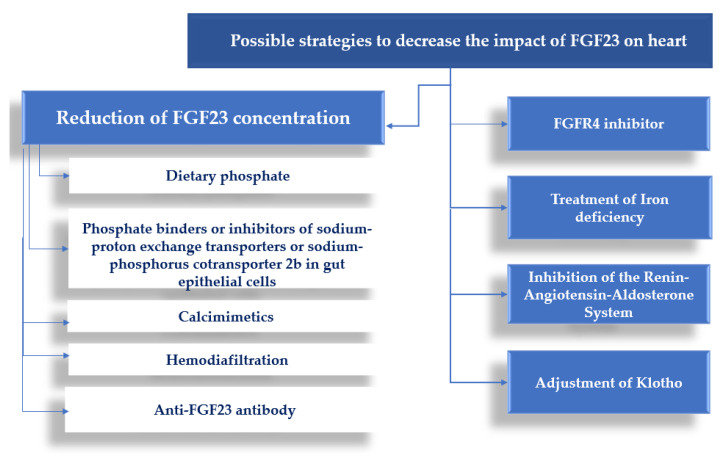
“In non-dialysis CKD patients iron-based phosphate binder ferric citrate improved hemoglobin and iron parameters with a decrease in serum phosphate and both iFGF23 and total FGF23 [70].”
BackgroundInhibition of fibroblast growth factor 23 (FGF23) signaling rescues renal anemia
Agoro, R., Montagna, A., Goetz, R. M., Aligbe, O., Singh, G. K., Coe, L. M., Mohammadi, M., Rivella, S., & Sitara, D. (2018) · The FASEB Journal · doi:10.1096/fj.201700667r · Cited by 121 · cited 2×
“In a CKD mouse model, FGF23 signaling inhibition improved anemia and iron deficiency by increasing EPO levels, hemoglobin, red blood cells, bone marrow erythroid progenitors, and driving hematopoietic stem cells to the erythroid lineage [62].”
BackgroundRichter, B., Haller, J., Haffner, D., & Leifheit‐Nestler, M. (2016) · Pflügers Archiv - European Journal of Physiology · doi:10.1007/s00424-016-1858-x · Cited by 120 · cited 5×
“Additionally, the stimulation of the NADPH oxidase 2 (Nox2)/p67phox/p47phox/Rac1 signaling complex by FGF23 therapy increases the production of reactive oxygen species (ROS) [50].”
BackgroundInfluentialInflammation regulates fibroblast growth factor 23 production
Francis, C. P., & David, V. (2016) · Current Opinion in Nephrology & Hypertension · doi:10.1097/mnh.0000000000000232 · Cited by 110 · cited 1×
“furin/furin-like proteases is essential for maintaining appropriate iFGF23 levels in response to a concurrent rise in circulating cFGF23 [37].”
BackgroundParacrine Effects of FGF23 on the Heart
Leifheit-Nestler, M., & Haffner, D. (2018) · Frontiers in Endocrinology · doi:10.3389/fendo.2018.00278 · Cited by 108
The Role of Fibroblast Growth Factor 23 in Inflammation and Anemia
Czaya, B. A., & Faul, C. (2019) · International Journal of Molecular Sciences · doi:10.3390/ijms20174195 · Cited by 107 · cited 6×
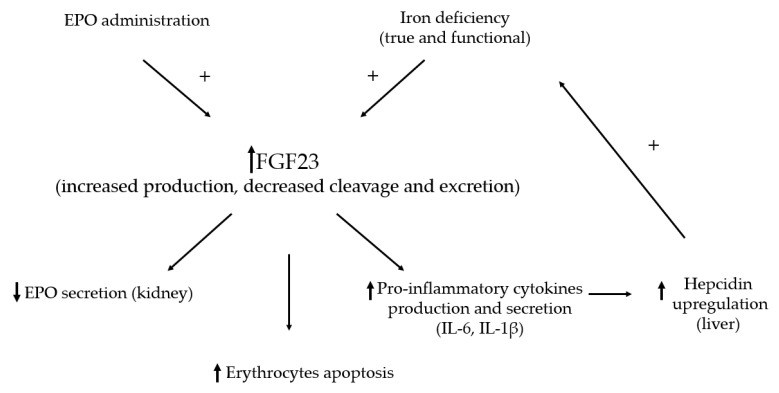
“Indirectly, increased FGF23 stimulates the production and secretion of pro-inflammatory cytokines (IL-6, IL-1β), which in turn upregulate hepcidin production in the liver [60].”
BackgroundInfluentialLeifheit-Nestler, M., Kirchhoff, F., Nespor, J., Richter, B., Soetje, B., Klintschar, M., Heineke, J., & Haffner, D. (2018) · Nephrology Dialysis Transplantation · doi:10.1093/ndt/gfy006 · Cited by 103 · cited 3×
“Although FGF23 itself did not directly affect the expression levels of fibrosis-associated mRNAs, it was shown that through inhibited FGFR1 it promotes fibroblast activation TGFβ1, converting fibroblasts into myofibroblasts, a pro-fibrotic crosstalk between cardiac myocytes and fibroblasts [25].”
BackgroundInfluentialEffects of erythropoietin on fibroblast growth factor 23 in mice and humans
Hanudel, M. R., Eisenga, M. F., Rappaport, M. D., Chua, K. J., Qiao, B., Jung, G., Gabayan, V. R., Gales, B., Ramos, G., de Jong, M. A., et al. (2018) · Nephrology Dialysis Transplantation · doi:10.1093/ndt/gfy189 · Cited by 100 · cited 1×
“However, in a CKD mouse model where FGF23 cleavage is reduced, EPO injection caused an increase in the iFGF23 with the reduced percentage of iFGF23 relative to total FGF23, indicating that EPO stimulates FGF23 cleavage in CKD [59].”
BackgroundKırkpantur, A., Balcı, M. M., Gürbüz, O. A., Afşar, B., Canbakan, B., Akdemir, R., & Aylı, M. D. (2010) · Nephrology Dialysis Transplantation · doi:10.1093/ndt/gfq539 · Cited by 96 · cited 1×
“[13] were the ones who initially identified the detailed mechanism of FGF23-induced LVH which is beyond the canonic way and independent of the klotho mechanism [14].”
BackgroundExperimental Myocardial Infarction Upregulates Circulating Fibroblast Growth Factor-23
Andrukhova, O., Slavić, S., Odörfer, K. I., & Erben, R. G. (2015) · Journal of Bone and Mineral Research · doi:10.1002/jbmr.2527 · Cited by 96 · cited 1×
“It is essential to emphasize that urine excretion of phosphate, calcium, and sodium, as well as blood levels of PTH, phosphate, and sodium, remain unchanged despite the induction of MI and increased FGF23, together with biomarkers such as urine excretion of collagen cross-link deoxypyridinoline, serum alkaline phospha…”
BackgroundFGF23 is synthesised locally by renal tubules and activates injury-primed fibroblasts
Smith, E. R., Tan, S.-J., Holt, S. G., & Hewitson, T. D. (2017) · Scientific Reports · doi:10.1038/s41598-017-02709-w · Cited by 96 · cited 1×
“, local renal tubules may produce FGF23, stimulating the injured fibroblast [26].”
BackgroundPhysiology of FGF23 and overview of genetic diseases associated with renal phosphate wasting
Bacchetta, J., Bardet, C., & Prié, D. (2019) · Metabolism · doi:10.1016/j.metabol.2019.01.006 · Cited by 96 · cited 1×
“Thus, it stimulates phosphate excretion, inhibits parathyroid hormone (PTH) secretion, and lowers active vitamin D levels [6,7].”
BackgroundVitamin D treatment attenuates cardiac FGF23/FGFR4 signaling and hypertrophy in uremic rats
Leifheit‐Nestler, M., Grabner, A., Hermann, L. L., Richter, B., Schmitz, K., Fischer, D.-C., Yanucil, C., Faul, C., & Haffner, D. (2016) · Nephrology Dialysis Transplantation · doi:10.1093/ndt/gfw454 · Cited by 95 · cited 2×
“FGF23 considerably increases LVH in patients with CKD in a paracrine manner [20].”
BackgroundWang, Q., Su, W., Shen, Z., & Wang, R. (2018) · BioMed Research International · doi:10.1155/2018/9481475 · Cited by 88 · cited 1×
“Under normal physiological conditions, the kidney maintains soluble Klotho homeostasis, whereas chronic kidney disease (CKD) patients had lower klotho mRNA expression in the kidney following the decline of kidney function [5].”
BackgroundFibroblast Growth Factor 23 and Anemia in the Chronic Renal Insufficiency Cohort Study
Mehta, R. C., Cai, X., Hodakowski, A. J., Lee, J. J., Leonard, M. B., Ricardo, A. C., Chen, J., Hamm, L. L., Sondheimer, J., Dobre, M. A., et al. (2017) · Clinical Journal of the American Society of Nephrology · doi:10.2215/cjn.03950417 · Cited by 84 · cited 1×
“Clinical data in non-dialysis CKD patients indicated the association between total FGF23 levels with the risk of incident and prevalent anemia, and a decline in hemoglobin over time [65,66].”
BackgroundSmith, E. R., Holt, S. G., & Hewitson, T. D. (2017) · The International Journal of Biochemistry & Cell Biology · doi:10.1016/j.biocel.2017.09.009 · Cited by 82 · cited 1×
“FGF23 also promotes TGF-β autoinduction and NFAT activation in injury-primed renal fibroblasts, which are components of TGF signaling pathways [27].”
BackgroundFlamme, I., Ellinghaus, P., Urrego, D., & Krüger, T. (2017) · PLoS ONE · doi:10.1371/journal.pone.0186979 · Cited by 77 · cited 2×
“After injecting human recombinant EPO, circulating total FGF23 increased in humans and rodents, but was not followed by the increase of intact FGF23 (iFGF23) [58], since EPO stimulates both FGF23 production and cleavage.”
BackgroundWohlfahrt, P., Melenovský, V., Kotrč, M., Beneš, J., Jabor, A., Franeková, J., Lemaire, S., Kautzner, J., & Jarolím, P. (2015) · JACC Heart Failure · doi:10.1016/j.jchf.2015.05.012 · Cited by 71 · cited 1×
“Furthermore, patients in the third tercile of elevated serum FGF23 showed a lower risk of adverse events after treatment with ACEi, underlining the clinical importance of crosstalk between RAAS and FGF23 [42].”
BackgroundDistinct in vitro Complement Activation by Various Intravenous Iron Preparations
Hempel, J. C., Poppelaars, F., Gaya da Costa, M., Franssen, C. F. M., de Vlaam, T. P. G., Daha, M. R., Berger, S. P., Seelen, M. A. J., & Gaillard, C. A. J. M. (2017) · American Journal of Nephrology · doi:10.1159/000451060 · Cited by 66
Kovesdy, C. P., & Quarles, L. D. (2016) · American Journal of Physiology-Renal Physiology · doi:10.1152/ajprenal.00606.2015 · Cited by 64
Francis, C. P., Courbon, G., Gerber, C., Neuburg, S., Wang, X., Dussold, C., Capella, M., Qi, L., Isakova, T., Mehta, R. C., et al. (2019) · Kidney International · doi:10.1016/j.kint.2019.07.026 · Cited by 64 · cited 3×
“Whereas pro-hypertrophic effects are a result of FGFR4/PLCγ/calcineurin/NFAT signaling activation, the onset of systolic dysfunction is mediated by increased FGFR3 expression and MAPK signaling activation [15,64].”
BackgroundFGF23 protein expression in coronary arteries is associated with impaired kidney function
van Venrooij, N. A., Pereira, R. C., Tintut, Y., Fishbein, M. C., Tumber, N., Demer, L. L., Salusky, I. B., & Wesseling‐Perry, K. (2014) · Nephrology Dialysis Transplantation · doi:10.1093/ndt/gft523 · Cited by 59 · cited 1×
“Furthermore, another link was discussed between renal function, vascular calcification, and FGF23 expression in heart disease patients [49] The presence of vascular FGF23, FGFR1, FGFR3, and α-klotho in both the tunica intima and media characterizes calcification areas co-localized interestingly, with inflammatory macr…”
BackgroundTanaka, S., Fujita, S.-I., Kizawa, S., Morita, H., & Ishizaka, N. (2016) · PLoS ONE · doi:10.1371/journal.pone.0156860 · Cited by 58 · cited 1×
“Additionally, the development of cardiac hypertrophy is exacerbated by Klotho deficiency, which is present in CKD [18].”
BackgroundNoonan, M. L., Clinkenbeard, E. L., Ni, P., Swallow, E. A., Tippen, S. P., Agoro, R., Allen, M. R., & White, K. E. (2020) · Physiological Reports · doi:10.14814/phy2.14434 · Cited by 58
Remppis, A., & Ritz, E. (2008) · Seminars in Dialysis · doi:10.1111/j.1525-139x.2008.00457.x · Cited by 57 · cited 1×
“, is reflected throughout the association between cardiovascular disease (CVD) and renal disease [9,10].”
BackgroundNam, K. H., Kim, H., An, S. Y., Lee, M., Cha, M.-U., Park, J. T., Yoo, T., Lee, K., Kim, Y.-H., Sung, S.-A., et al. (2018) · Scientific Reports · doi:10.1038/s41598-018-25439-z · Cited by 54 · cited 1×
“Clinical data in non-dialysis CKD patients indicated the association between total FGF23 levels with the risk of incident and prevalent anemia, and a decline in hemoglobin over time [65,66].”
BackgroundRole of Fibroblast Growth Factor-23 in Innate Immune Responses
Fitzpatrick, E. A., Han, X., Xiao, Z., & Quarles, L. D. (2018) · Frontiers in Endocrinology · doi:10.3389/fendo.2018.00320 · Cited by 54
Uremic Cardiomyopathy: A New Piece in the Chronic Kidney Disease-Mineral and Bone Disorder Puzzle
Suassuna, P. G. D. A., Sanders‐Pinheiro, H., & de Paula, R. B. (2018) · Frontiers in Medicine · doi:10.3389/fmed.2018.00206 · Cited by 53
Cardiovascular Interactions between Fibroblast Growth Factor-23 and Angiotensin II
Pi, M., Ye, R.-S., Han, X., Armstrong, B., Liu, X., Chen, Y., Sun, Y., & Quarles, L. D. (2018) · Scientific Reports · doi:10.1038/s41598-018-30098-1 · Cited by 53
Babitt, J. L., & Sitara, D. (2019) · Current Opinion in Nephrology & Hypertension · doi:10.1097/mnh.0000000000000514 · Cited by 53 · cited 1×
“deficiency is caused by inflammation‐induced hepcidin, the iron regulatory hormone that causes degradation of ferroportin (the iron exporter) in order to block iron release from iron recycling hepatic and splenic macrophages, hepatic iron stores, and dietary sources into the bloodstream [55].”
BackgroundMaruyama, N., Otsuki, T., Yoshida, Y., Nagura, C., Kitai, M., Shibahara, N., Tomita, H., Maruyama, T., & Abe, M. (2018) · American Journal of Nephrology · doi:10.1159/000489964 · Cited by 50 · cited 1×
“In hemodialysis patients, ferric citrate significantly reduced iFGF23 levels compared to lanthanum carbonate, although serum phosphate, calcium, and PTH levels were unchanged in both groups, suggesting that the decrease in iFGF23 levels were caused by improvement in iron deficiency [72].”
BackgroundKuga, K., Kusakari, Y., Uesugi, K., Semba, K., Urashima, T., Akaike, T., & Minamisawa, S. (2020) · PLoS ONE · doi:10.1371/journal.pone.0231905 · Cited by 44 · cited 1×
“Therefore, FGF23 might directly activate RAAS by inhibiting ACE2 [43], and research suggests that RAAS activation can also boost FGF23 production [44].”
BackgroundBlock, G. A., Pérgola, P. E., Fishbane, S. N., Martins, J. G., LeWinter, R. D., Uhlig, K., Neylan, J. F., & Chertow, G. M. (2018) · Nephrology Dialysis Transplantation · doi:10.1093/ndt/gfy318 · Cited by 43 · cited 1×
“Post hoc analysis in this study revealed that reduction in iFGF23 was partially mediated by a decreased serum phosphate, and total FGF23 reduction was partially mediated by increased transferrin saturation [71].”
BackgroundFGF23 and inflammation—a vicious coalition in CKD
Czaya, B. A., & Faul, C. (2019) · Kidney International · doi:10.1016/j.kint.2019.05.018 · Cited by 40 · cited 1×
“Inflammation may result from a disrupted FGF23/Klotho axis [32], suggesting another way for an indirect FGF23 and Klotho influence on the heart.”
BackgroundHanudel, M. R., Wong, S. F., Jung, G., Qiao, B., Gabayan, V. R., Zuk, A., & Ganz, T. (2021) · Kidney International · doi:10.1016/j.kint.2021.03.019 · Cited by 38 · cited 2×
“Increased EPO, either exogenous or endogenous, stimulates erythroid precursors to secrete erythroferrone (ERFE), which decreases hepcidin concentration by acting directly on the liver and improves iron utilization [78].”
BackgroundIL-1β Drives Production of FGF-23 at the Onset of Chronic Kidney Disease in Mice
McKnight, Q., Jenkins, S., Li, X., Nelson, T., Marlier, A., Cantley, L. G., Finberg, K. E., & Fretz, J. A. (2020) · Journal of Bone and Mineral Research · doi:10.1002/jbmr.4003 · Cited by 34 · cited 1×
“FGF23 is thought to impair the host’s response to infection and the innate immune response [34,35].”
BackgroundFajol, A., Chen, H., Umbach, A. T., Quarles, L. D., Lang, H., & Föller, M. (2015) · The FASEB Journal · doi:10.1096/fj.15-279943 · Cited by 33 · cited 2×
“In addition, the sympathetic nervous system ‘SNS’ stimulates the production of FGF23 in bone via the β-adrenergic signaling pathway [45].”
BackgroundMonardo, P., Lacquaniti, A., Campo, S., Bucca, M., di Tocco, T. C., Rovito, S., Ragusa, A., & Santoro, A. (2021) · Seminars in Dialysis · doi:10.1111/sdi.12956 · Cited by 29
Savica, V., Calò, L. A., Monardo, P., Santoro, D., Mallamace, A., Muraca, U., & Bellinghieri, G. (2009) · Journal of Renal Nutrition · doi:10.1053/j.jrn.2008.10.024 · Cited by 21
Eitner, F., Richter, B., Schwänen, S., Szaroszyk, M., Vogt, I., Grund, A., Thum, T., Heineke, J., Haffner, D., & Leifheit‐Nestler, M. (2022) · Frontiers in Cell and Developmental Biology · doi:10.3389/fcell.2021.791479 · Cited by 21 · cited 2×
“Further research should explore the precise molecular processes of FGF23, the interaction between cardiac and non-cardiac myocytes, and the influence of these factors on cardiac physiology and disease in both in vivo and in vitro contexts [23].”
BackgroundEpstein, M., & Freundlich, M. (2021) · Nephrology Dialysis Transplantation · doi:10.1093/ndt/gfab254 · Cited by 18 · cited 1×
“Mineralocorticoid receptor antagonists (MRAs) may work to counteract and quiet these linked mediators, which in turn would help to increase the cardiorenoprotective efficacy of both existing and newly developed therapeutic paradigms [47].”
BackgroundLacquaniti, A., Pasqualetti, P., di Tocco, T. C., Campo, S., Rovito, S., Bucca, M., Ragusa, A., & Monardo, P. (2020) · Kidney Research and Clinical Practice · doi:10.23876/j.krcp.20.015 · Cited by 14 · cited 3×
“When compared to ferric gluconate, with ferric carboxymaltose treatment reduced EPO doses were administered achieving stable and target values of hemoglobin [68].”
BackgroundBielesz, B. O., Reiter, T., Hammerle, F. P., Winnicki, W., Bojić, M., Gleiß, A., Kieweg, H., Ratzinger, F., Sunder–Plassmann, G., & Marculescu, R. (2020) · Journal of Clinical Medicine · doi:10.3390/jcm9082640 · Cited by 11 · cited 1×
“Thus, a clinical study of 225 pre-dialysis CKD patients that were not on erythropoiesis-stimulating agents or intravenous iron therapy showed an inverse association between cFGF23 and hemoglobin levels [75].”
BackgroundBiruete, A., Metzger, C. E., Chen, N. X., Swallow, E. A., Vrabec, C., Clinkenbeard, E. L., Stacy, A. J., Srinivasan, S., O’Neill, K. D., Avin, K. G., et al. (2022) · Nephrology Dialysis Transplantation · doi:10.1093/ndt/gfac162 · Cited by 11 · cited 2×
“Moreover, not only ferric citrate but also intravenously applied iron sucrose, reduced aorta and heart calcifications [63].”
BackgroundThe Complexity of FGF23 Effects on Cardiomyocytes in Normal and Uremic Milieu
Figurek, A., Rroji, M., & Spasovski, G. B. (2021) · Cells · doi:10.3390/cells10051266 · Cited by 8 · cited 10×
“Additionally, compared to therapy with active vitamin D, the study of Dorr et al. demonstrated that etelcalcetide inhibits LVH development in hemodialysis patients with secondary hyperparathyroidism.”
BackgroundInfluentialZhao, S., Wang, Z., Chen, L., Wang, F., & Kong, L. (2021) · Annals of Palliative Medicine · doi:10.21037/apm-21-1943 · Cited by 8
Introduction to Volume Two: Atlas of End-Stage Renal Disease in the United States
(2013) · American Journal of Kidney Diseases · doi:10.1053/j.ajkd.2013.10.025 · Cited by 3
Dörr, K., Kainz, A., & Oberbauer, R. W. (2022) · Current Opinion in Nephrology & Hypertension · doi:10.1097/mnh.0000000000000799 · Cited by 3 · cited 2×
“The results of this study may have a significant impact on patients and policymakers due to the marked global illness burden of people with LVH and CKD [51].”
Result
Cited by
Fibroblast growth factor signaling in macrophage polarization: impact on health and diseases
Shen, L., Li, Y., & Zhao, H. (2024) · Frontiers in Immunology · doi:10.3389/fimmu.2024.1390453 · Cited by 59
“Elevated serum FGF23 levels in patients with CKD lead to decreased osteotriol, resulting in secondary hyperparathyroidism (60).”
BackgroundRroji, M., Spahia, N., Figurek, A., & Spasovski, G. B. (2025) · Biomedicines · doi:10.3390/biomedicines13030728 · Cited by 35
“These interrelated defects in α -Klotho, FGF23, and phosphate ultimately drive atherogenesis: they accelerate smooth muscle cell migration, calcification, senescence, and leukocyte–endothelial interactions, ultimately destabilizing plaques [95,97–99].”
Abinti, M., Vettoretti, S., Caldiroli, L., Mattinzoli, D., Ikehata, M., Armelloni, S., Molinari, P., Alfieri, C., Castellano, G., & Messa, P. (2024) · Journal of Clinical Medicine · doi:10.3390/jcm13133967 · Cited by 10
Xu, B., Ma, R., Wu, Y., Liu, C., & Song, X. (2025) · Frontiers in Medicine · doi:10.3389/fmed.2025.1678640 · Cited by 11
“FGF-23, a critical regulator of mineral metabolism, also interacts with immune cells, modulating inflammatory responses and highlighting a bidirectional relationship between CKD-MBD and immunity (11).”
Twardawa, M. G., Formanowicz, P., & Formanowicz, D. (2025) · Biomedicines · doi:10.3390/biomedicines13020335 · Cited by 6
“Low klotho levels are associated with increased oxidative stress, inflammation, and accelerated aging-like phenotypes [58], while elevated FGF-23 independently predicts left ventricular hypertrophy and mortality in CKD patients [59,60].”
Metadata
- Authors
- Figurek, A., Rroji, M., & Spasovski, G.
- Affiliations
- University of Zurich (CH)
- University of Medicine Tirana (AL)
- Ss. Cyril and Methodius University in Skopje (MK)
- Corresponding author
- Figurek, Andreja
- Venue
- Cells
- Publisher
- MDPI AG
- Published
- 2023-02-13
- Volume
- 12
- Issue
- 4
- Pages
- 609
- ISSN
- 2073-4409 (ISSN-L)
- PMC
- PMC9954184
- OpenAlex
- W4320729298
- Cited by
- 22
- References
- 84
- Citations by year
- 2026: 6 · 2025: 8 · 2024: 8
- FWCI
- 0.92
- Type
- journal article
- Language
- en
- Open access
- gold
- doi.org
- Licence
- Locations
- Cells (publishedVersion, cc-by)
- PubMed Central (publishedVersion, cc-by)
- PubMed (publishedVersion)
- Zurich Open Repository and Archive (University of Zurich) (acceptedVersion, cc-by)
- DOAJ (DOAJ: Directory of Open Access Journals) (submittedVersion, cc-by-sa)
- Zurich Open Repository and Archive (University of Zurich) (submittedVersion, cc-by)
- Zurich Open Repository and Archive (University of Zurich)
- Topics
- Health Sciences › Medicine › Nephrology › Parathyroid Disorders and Treatments
- Health Sciences › Medicine › Nephrology › Chronic Kidney Disease and Diabetes
- Health Sciences › Medicine › Nephrology › Dialysis and Renal Disease Management
- Keywords
- fibroblast growth factor 23, chronic kidney disease, anemia of chronic kidney disease, cardiac remodeling, cardiac hypertrophy, mineral and bone disorder, cardiovascular risk, FGF23 inhibition, endothelial cells, cardiomyocytes
- MeSH terms
- Fibroblast Growth Factor-23, Anemia, Humans, Myocytes, Cardiac, Endothelial Cells, Renal Insufficiency, Chronic
About these checks
Registry, retraction, Cites and statistics results are computed, not judged, with one exception: a printed reference that no index lists is read once by a model before it counts as a citation error. Claims are extracted by a model and kept only when their quote appears verbatim in the text; each cited source is then checked, with a model’s help, for whether it says what the claim relies on. Those verdicts can be wrong — read the claim’s quote and the cited source before relying on one.
Statistics and arithmetic are recomputed, not judged.
Confidence bands are shown only for fields calibrated on our annotated test set. None is calibrated yet, so no band is shown.
What counts as a claim ›How we measure confidence ›How we check this ›
Are you an author, or do you see a problem with this page? Request a review
Data sources
Bibliographic data: Semantic Scholar, OpenAlex, Crossref.
Contains information from the Semantic Scholar Academic Graph Datasets, made available under the ODC Attribution License (ODC-BY 1.0).
Semantic Scholar’s data is described in: Kinney, R., et al. (2023). The Semantic Scholar Open Data Platform. arXiv:2301.10140.
