

Spirulina for Skin Care: A Bright Blue Future
Open accessThe DOI matches its Crossref record; 48 of the 50 references it cites were found in a registry or an index.
Abstract
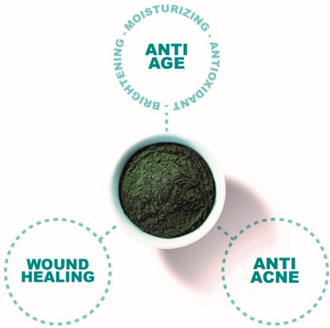
Spirulina stands out as a sustainable bioactive microalga with health-promoting properties, and an important active ingredient of natural cosmetics products. Currently, Spirulina has been incorporated in topical skin-care formulations, such as a moisturizing, antiwrinkles, antiaging and antiacne agent. Furthermore, this microalga is used by cosmetic formulators to promote healthy sunscreen protection, to treat skin pigmentation disorders and to heal wounds. Most of commercial cosmetics claim a large range of Spirulina properties, including antioxidant, revitalizing, remineralizing, moisturizing, protecting alongside cleansing and shining action, both for hair and for skin. In this review, recent cosmetic applications of Spirulina are revised, by highlighting its ability in improving skin appearance and health. Additionally, the analysis of the Spirulina cosmetic benchmark is discussed. Looking at the current emergence of the beauty industry, many Spirulina extracts and dry powder/flakes, both the starting ingredient and final Spirulina-based cosmetic products, are available on the market. In this industrial field, Spirulina—mainly Spirulina platensis and Spirulina maxima—is used either as a powder, like in the case of cheaper products, or as a phycocyanin-rich blue extract, particularly in the luxury market. It is likely that, in the coming years, diversity, quality and topical applications of Spirulina will rapidly increase.
Overview
The claims and statistics of this paper haven’t been checked yet.
Free: it reads the open-access text and checks the first 5 claims that cite a source we can check. Create a free account to check every claim.
Integrity signals
Registry
Cites
Statistics
Figures
Verification
Claims the paper makes
The claims and statistics of this paper haven’t been checked yet.
Free: it reads the open-access text and checks the first 5 claims that cite a source we can check. Create a free account to check every claim.
Claims other papers make about this one
Each is checked against this paper’s own text: does it say what the citing paper says it does?
The source backs part of the claim, not all of it — or backs it for a different population, condition or comparison.
In the citing paper
“Bioactive compounds from Chlorella sp. and Spirulina (Arthrospira) sp., with their antioxidant and free radical scavenging abilities, are valuable in cosmetics and skincare products for their anti-aging and wrinkle-reducing potential [59,60].”
From Emerging Applications of Chlorella sp. and Spirulina (Arthrospira) sp. (2023) · cites this paper as [59]
Experimental — accuracy not yet measured
Self-check
Percentages, sums and reported differences re-computed from the paper’s own numbers.
The self-check needs the paper’s full text.
Citations
Cites
A comprehensive review on tyrosinase inhibitors
Zolghadri, S., Bahrami, A., Hassan Khan, M. T., Munoz-Munoz, J., Garcia-Molina, F., Garcia-Canovas, F., & Saboury, A. A. (2019) · Journal of Enzyme Inhibition and Medicinal Chemistry · doi:10.1080/14756366.2018.1545767 · Cited by 1,078
Rodriguez-Concepcion, M., Avalos, J., Bonet, M. L., Boronat, A., Gomez-Gomez, L., Hornero-Mendez, D., Limon, M. C., Meléndez-Martínez, A. J., Olmedilla-Alonso, B., Palou, A., et al. (2018) · Progress in Lipid Research · doi:10.1016/j.plipres.2018.04.004 · Cited by 1,031 · cited 1×
“There is evidence that the pigments consumption has enhanced the immune body response thus reducing the risk of developing degenerative chronic cardiovascular diseases, and certain types of cancer [14,15].”
BackgroundThe antioxidant, immunomodulatory, and anti-inflammatory activities of Spirulina: An overview
Wu, Q., Liu, L., Miron, A., Klímová, B., Wan, D., & Kuča, K. (2016) · Archives of Toxicology · doi:10.1007/s00204-016-1744-5 · Cited by 655
Microalgae, old sustainable food and fashion nutraceuticals
García, J. L., de Vicente, M., & Galán, B. (2017) · Microbial Biotechnology · doi:10.1111/1751-7915.12800 · Cited by 422
Microalgae of interest as food source: biochemical composition and digestibility.
Niccolai, A., Chini Zittelli, G., Rodolfi, L., Biondi, N., & Tredici, M. R. (2019) · Algal Research · doi:10.1016/j.algal.2019.101617 · Cited by 403
The Potential Use of Marine Microalgae and Cyanobacteria in Cosmetics and Thalassotherapy
Mourelle, M., Gómez, C., & Legido, J. (2017) · Cosmetics · doi:10.3390/cosmetics4040046 · Cited by 328 · cited 2×
“Pigments can be used as natural colorants in make-up products, like eyeliner and lipstick, and as antioxidant agents, which protect against UV radiation [1,23].”
BackgroundSpirulina in Human Nutrition and Health
(2007) · doi:10.1201/9781420052572 · Cited by 322
Beneficial Effects of Marine Algal Compounds in Cosmeceuticals
Thomas, N., & Kim, S.-K. (2013) · Marine Drugs · doi:10.3390/md11010146 · Cited by 302 · cited 1×
“In recent decades, researchers have turned their interest towards microalgae and cyanobacteria for the preparation of healthy and nutrient natural products, both as food and cosmetics [1,2].”
BackgroundPereira, L. (2018) · Cosmetics · doi:10.3390/cosmetics5040068 · Cited by 302
The Evolution and Versatility of Microalgal Biotechnology: A Review
Hamed, I. (2016) · Comprehensive Reviews in Food Science and Food Safety · doi:10.1111/1541-4337.12227 · Cited by 282 · cited 3×
“In recent decades, researchers have turned their interest towards microalgae and cyanobacteria for the preparation of healthy and nutrient natural products, both as food and cosmetics [1,2].”
Background
Research works printed but not linked: 6
- 9. Tefera, G.; Hailu, D.; Tsegaye, Z. Importance of Arthrospira [Spirulina] in Sustainable Development. Int. J. Curr. Trends Pharm. Med. Sci. 2016, 1, 60-68.
- 16. Kumar, V.; Sarantirumalai, P.; Singh, A.; Bhatnagar, A.K.; Shrivastava, J.N. Natural Compounds from Algae and Spirulina Platensis & Its Antimicrobial Activity. Indo Glob. J. Pharm. Sci. 2013, 3, 212-223.
- 17. Hamouda Ali, I.; Doumandji, A. Comparative Phytochemical Analysis and in Vitro Antimicrobial Activities of the Cyanobac- terium Spirulina Platensis and the Green Alga Chlorella Pyrenoidosa: Potential Application of Bioactive Components as an Alternative to Infectious Diseases. Bull. Inst. Sci. Sect. Sci. Terre 2017, 39, 41-49.
- 18. El-Monem, A.M.A.; Gharieb, M.M. Effect of PH on Phytochemical and Antibacterial Activities of Spirulina Platensis. Int. J. Appl. Environ. Sci. 2018, 13, 339-351.
- 31. De Lucia, A.; Zappelli, C.; Angelillo, M.; Langellotti, A.L.; Fogliano, V.; Cucchiara, M.; Colucci, G.M.; Apone, F. A novel biotechnological active ingredient, derived from the microalga Spirulina, increases hydration and reduces osmotic stress in skin cells. H&PC Today 2018, 13, 60.
- 37. Panigrahi, B.B.; Panda, P.K.; Patro, V.J. Wound Healing Activity of Spirulina Extracts. Int. J. Pharm. Sci. Rev. Res. 2011, 6, 132-135.
Cited by
Exploring the Benefits of Phycocyanin: From Spirulina Cultivation to Its Widespread Applications
Fernandes, R., Campos, J., Serra, M., Fidalgo, J., Almeida, H., Casas, A., Toubarro, D., & Barros, A. I. R. N. A. (2023) · Pharmaceuticals · doi:10.3390/ph16040592 · Cited by 241
“Currently, due to a greater demand of natural compounds, the large-scale cultivation of Spirulina is also focused on the production of high-value proteins, mainly phycocyanin (blue pigment), which, according to its purity grade, can be used in the food, cosmetic, and pharmaceutical industries [6,31,33].”
BackgroundEmerging Applications of Chlorella sp. and Spirulina (Arthrospira) sp.
Abreu, A. P., Martins, R., & Nunes, J. (2023) · Bioengineering · doi:10.3390/bioengineering10080955 · Cited by 119
“, with their antioxidant and free radical scavenging abilities, are valuable in cosmetics and skincare products for their anti-aging and wrinkle-reducing potential [59,60].”
BackgroundMarine Natural Products as Innovative Cosmetic Ingredients
Fonseca, S., Amaral, M., Reis, C. P., & Custódio, L. M. B. (2023) · Marine Drugs · doi:10.3390/md21030170 · Cited by 123
“Propionibacterium acnes and Staphylococcus epidermidis are the main bacteria involved, leading to the production of proinflammatory cytokines and the release of ROS, whose excessive production results in a destructive phenomenon, leading to scarring [2,34].”
BackgroundRed Seaweed Pigments from a Biotechnological Perspective
Freitas, M. V., Pacheco, D., Cotas, J., Mouga, T., Afonso, C., & Pereira, L. (2021) · Phycology · doi:10.3390/phycology2010001 · Cited by 114
Citi, V., Torre, S., Flori, L., Usai, L., Aktay, N., Dunford, N. T., Lutzu, G. A., & Nieri, P. (2024) · Nutrients · doi:10.3390/nu16111752 · Cited by 72
“Depending on its purity grade, C-PC finds applications in the food, cosmetic, pharmaceutical, and textile industries [4,5].”
BackgroundMarjanović, B., Benković, M., Jurina, T., Sokač Cvetnić, T., Valinger, D., Gajdoš Kljusurić, J., & Jurinjak Tušek, A. (2024) · Separations · doi:10.3390/separations11090257 · Cited by 69
“[154]”
Ding, J., Li, Y., Wang, Q., Chen, L., Mao, Y., Mei, J., Yang, C., & Sun, Y. (2022) · Food Hydrocolloids · doi:10.1016/j.foodhyd.2022.108369 · Cited by 52
Youssef, S. M., El‐Serafy, R. S., Ghanem, K. Z., Elhakem, A. H., & Aal, A. A. A. (2022) · Biology · doi:10.3390/biology11121844 · Cited by 64
“Additionally, linoleic, linolenic, and palmitic acids, which are frequently found in chia oil, made up the majority of the fatty acids found in the isolated microalgae lipid [73,74].”
BackgroundEbrahimi, A., Farahpour, M. R., Amjadi, S., Mohammadi, M., & Hamishehkar, H. (2022) · International Journal of Pharmaceutics · doi:10.1016/j.ijpharm.2022.122457 · Cited by 55
Extraction process and applications of mushroom-derived protein hydrolysate: A comprehensive review
Ketemepi, H. K., Awang, M. A., Seelan, J. S. S., & Noor, N. Q. I. M. (2024) · Future Foods · doi:10.1016/j.fufo.2024.100359 · Cited by 60
The Use of Calcium Phosphates in Cosmetics, State of the Art and Future Perspectives
Carella, F., Degli Esposti, L., Adamiano, A., & Iafisco, M. (2021) · Materials · doi:10.3390/ma14216398 · Cited by 49
Cyano-Phycocyanin: Mechanisms of Action on Human Skin and Future Perspectives in Medicine
Dranseikienė, D., Balčiūnaitė, G., Karosienė, J., Morudov, D., Juodžiukynienė, N., Hudz, N., Gerbutavičienė, R. J., & Savickienė, N. (2022) · Plants · doi:10.3390/plants11091249 · Cited by 54
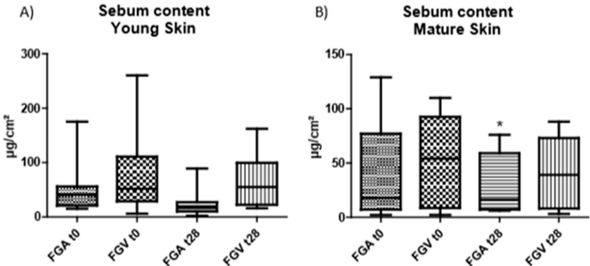
“The cytokine cascade injects the follicular wall structural changes of sebaceous glands and, therefore, causes variations in the sebum composition [1].”
BackgroundInfluentialAlgae a Potential Source in Cosmetics: Current Status, Challenges, and Economic Implications
Saini, K. C., Rani, A., Gupta, S. K., & Sharma, P. (2024) · Indian Journal of Microbiology · doi:10.1007/s12088-024-01263-0 · Cited by 47
Marine Ingredients for Sensitive Skin: Market Overview
Ferreira, M. S., Resende, D. I. S. P., Lobo, J. M. S., Sousa, E., & Almeida, I. F. (2021) · Marine Drugs · doi:10.3390/md19080464 · Cited by 46
“Phycocyanin has been shown to provide anti-inflammatory, antioxidant, and wound-healing properties [72].”
BackgroundNovel Siprulina platensis Bilosomes for Combating UVB Induced Skin Damage
Zewail, M., Gaafar, P. M. E., Youssef, N. A. H. A., Ali, M. E., Ragab, M. F., Kamal, M. F., Noureldin, M. H., & Abbas, H. (2022) · Pharmaceuticals · doi:10.3390/ph16010036 · Cited by 39
“This may be attributed to the ability of SPR to inhibit ROS-induced dermis damage [15].”
BackgroundMethodInfluentialMicroalgae as a potential raw material for plant‐based seafood alternatives: A comprehensive review
Siddiqui, S. A., Uçak, İ., Afreen, M., Sasidharan, A., Yunusa, B. M., Bhowmik, S., Pandiselvam, R., Ambartsumov, T. G., & Shah, M. A. (2024) · Food Science & Nutrition · doi:10.1002/fsn3.4313 · Cited by 42
Chwil, M., Mihelič, R., Matraszek, R., Terlecka, P., Skoczylas, M. M., & Terlecki, K. (2024) · Pharmaceuticals · doi:10.3390/ph17101321 · Cited by 41
“In turn, Sensient Cosmetic Technologies Company (Saint-Ouen-l’Aum ô ne, France-headquarter) developed NatPure ® APX—a dry Spirulina platensis extract in dextrin, sodium phosphate, and sodium citrate with antioxidant potential, radiant skin effects, and revitalizing benefits [7].”
BackgroundMethodInfluentialKurpan, D., Idà, A., Körner, F. G., Bombelli, P., Aguiar, J. P. D. S., Marinho, L. M., do Valle, A. F., Acién, F. G., Trasatti, S. P. M., & Schievano, A. (2023) · Bioresource Technology Reports · doi:10.1016/j.biteb.2023.101741 · Cited by 37
Phycochemistry and pharmacological significance of filamentous cyanobacterium Spirulina sp.
Sabat, S., Bej, S., Swain, S. N., Bishoyi, A. K., Sahoo, C. R., Sabat, G., & Padhy, R. N. (2025) · Bioresources and Bioprocessing · doi:10.1186/s40643-025-00861-0 · Cited by 37
Ahirwar, A., Rai, A., Sirotiya, V., Khandelwal, P., Singh, G., Jhadav, D., Harish, Marchand, J., Schoefs, B., Varjani, S., et al. (2023) · Environmental Technology Reviews · doi:10.1080/21622515.2023.2283097 · Cited by 29
“Numerous fi rms have started culturing Spirulina sp. and Chlorella sp. for marketing their secondary metabolites in the cosmetic sector as face-brightening masks and anti-ageing formulations [293].”
Parın, F. N., & Parın, U. (2022) · ChemistrySelect · doi:10.1002/slct.202104148 · Cited by 27
Spirulina as a Key Ingredient in the Evolution of Eco-Friendly Cosmetics
Ramos, S. D. P., Bürck, M., da Costa, S. F. F., Assis, M., & Braga, A. R. C. (2025) · BioTech · doi:10.3390/biotech14020041 · Cited by 30
“Cutaneous permeation also stands as a key limitation, as the effectiveness of the active compounds relies on their ability to traverse the epidermal barrier [33,90].”
InfluentialSpirulina Platensis Microalgae as High Protein-Based Products for Diabetes Treatment
Ahda, M., Suhendra, S., & Permadi, A. (2023) · Food Reviews International · doi:10.1080/87559129.2023.2238050 · Cited by 25
“[6,7] According to a previous study, the World Health Organization (WHO) declared spirulina as a future food for decreasing childhood malnutrition concerns in 1992.”
BackgroundEnhancing microalgal proteins for nutraceutical and functional food applications
Kaur, M., Bhatia, S., Bagchi, D., Tak, Y., Kaur, G., Kaur, C., Kaur, A., & Sharma, N. (2025) · Future Foods · doi:10.1016/j.fufo.2025.100564 · Cited by 19
Leong, H. J.-Y., Teoh, M., Beardall, J., & Convey, P. (2024) · Journal of Applied Phycology · doi:10.1007/s10811-024-03345-4 · Cited by 26
“Ragusa and colleagues (2021) reviewed the current emergence of Spirulina in effective and safe cosmetics applications including as a sunscreen (Ragusa et al. 2021).”
Williams, A., Payne, E., Harrison, S. T. L., & Fagan-Endres, M. A. (2025) · Journal of Applied Phycology · doi:10.1007/s10811-025-03443-x · Cited by 19
“The food industry requires a purity of 0.7, cosmetics demands at least 1.5, while analytical applications necessitate purities up to 4.0 (Patil and Raghvaro 2007; Chaiklahan et al. 2018; Ragusa et al. 2021).”
InfluentialUghetti, A., D’Eusanio, V., Strani, L., Russo, A. L., & Roncaglia, F. (2024) · Separations · doi:10.3390/separations11060180 · Cited by 16
Krakauskaitė, U., Aboobacker, S., Kitrytė, V., & Syrpas, M. (2025) · Applied Sciences · doi:10.3390/app15020532 · Cited by 17
“PBP extracts with PC purity above 1.5 are considered cosmetic-grade and have already found multiple applications in various cosmetic formulations, serving as colourants [64].”
InfluentialTaiti, C., Stefano, G., Percaccio, E., Giacomo, S. D., Iannone, M., Marianelli, A., Sotto, A. D., & Garzoli, S. (2023) · Antioxidants · doi:10.3390/antiox12051021 · Cited by 17
“Additionally, in the cosmetic sector, a product based on a spirulina extract has been used for its skin properties, such as anti-aging, bringing benefits for the face and body [16].”
BackgroundThe Antioxidant Activity of a Commercial and a Fractionated Phycocyanin on Human Skin Cells In Vitro
Puglisi, R., Biazzi, E., Gesmundo, D., Vanni, R., Tava, A., & Cenadelli, S. (2022) · Molecules · doi:10.3390/molecules27165276 · Cited by 16
“Based on these properties, PC is increasingly also known and appreciated as a promising cosmetic additive [4].”
BackgroundIoannou, E., & Labrou, N. E. (2022) · Cosmetics · doi:10.3390/cosmetics9050106 · Cited by 17
“The cosmetics industry extensively uses compounds or extracts from natural sources due to the global trend toward environmentally sustainable bio-based products [22].”
BackgroundMethodInfluentialSánchez-Quintero, Á., Leca, M.-A., Bennici, S. M., Limousy, L., Monlau, F., & Beigbeder, J. (2023) · Sustainability · doi:10.3390/su15054571 · Cited by 18
Spirulina as a Food of the Future
Amin, M., Haq, A. U., Shahid, A., Boopathy, R., & Syafiuddin, A. (2024) · Springer eBooks · doi:10.1007/978-3-031-45523-0_3 · Cited by 22
Nutricosmetics: role in health, nutrition, and cosmetics
Usman, R., & Bharadvaja, N. (2023) · Proceedings of the Indian National Science Academy · doi:10.1007/s43538-023-00181-x · Cited by 16
Gomaa, M., Ali, S. A., & Hifney, A. F. (2023) · Microbial Cell Factories · doi:10.1186/s12934-023-02256-2 · Cited by 15
“Accordingly, it is widely exploited to produce nutrient-rich food and fodder, pharmaceutical and cosmetical products, food additives and colorants [2].”
BackgroundPhycocyanin from Arthrospira: Production, applications, and advances
Kannaujiya, V. K., Amin, N., Pandey, S., Jaiswal, M., & Sinha, R. P. (2023) · Elsevier eBooks · doi:10.1016/b978-0-323-99196-4.00048-6 · Cited by 14
Chen, Z., Tan, L., Yang, B., Wu, J., Li, T., Wu, H., Wu, H., & Xiang, W. (2021) · Algal Research · doi:10.1016/j.algal.2021.102562 · Cited by 13
Conception of an environmental friendly O/W cosmetic emulsion from microalgae
Dammak, M., Hlima, H. B., Smaoui, S., Fendri, I., Michaud, P., Ayadi, M. A., & Abdelkafi, S. (2022) · Environmental Science and Pollution Research · doi:10.1007/s11356-022-20824-8 · Cited by 11
“In addition, some proteins from Arthrospira/Spirulina are used in cosmetics to provide gloss and moisture retention on the skin cells (Ragusa et al. 2021).”
BackgroundGeorgakis, N., Ioannou, E., Chatzikonstantinou, M., Merino, M., Chronopoulou, E. G., Mullor, J. L., Madesis, P. B., & Labrou, N. E. (2023) · Cosmetics · doi:10.3390/cosmetics10030075 · Cited by 11
Priyanka, S., & Namasivayam, S. K. R. (2025) · The Microbe · doi:10.1016/j.microb.2025.100635 · Cited by 16
Jayanti, S. D., Vítek, L., Verde, C. D., Llido, J. P., Sukowati, C. H. C., Tiribelli, C., & Gazzin, S. (2024) · Biomolecules · doi:10.3390/biom14010063 · Cited by 11
Costa, G. M. D., & Campos, P. M. B. G. M. (2024) · Cosmetics · doi:10.3390/cosmetics11030068 · Cited by 14
Indole-3-Acetic Acid Action in Outdoor and Indoor Cultures of Spirulina in Open Raceway Reactors
da Silveira, J. T., da Rosa, A. P. C., de Morais, M. G., & Costa, J. A. V. (2024) · Applied Sciences · doi:10.3390/app14093715 · Cited by 9
Usai, L., Torre, S., Aktay, N., Dunford, N. T., Citi, V., Flori, L., Nieri, P., & Lutzu, G. A. (2024) · Current Microbiology · doi:10.1007/s00284-024-03964-7 · Cited by 12
Kheradmandi, R., Zamani, S., Kamalabadi‐Farahani, M., Ehterami, A., & Salehi, M. (2025) · Biopolymers · doi:10.1002/bip.70007 · Cited by 9
“Given its robust growth capabilities in bioreactors, powered by sunlight and requiring no pesticides, spirulina presents a promising and cost-effective option for the large-scale production of antibacterial products [121].”
Nasser, T., Emamshoushtari, M. M., Helchi, S., Saeidi, A., & Shariati, F. P. (2023) · Preparative Biochemistry & Biotechnology · doi:10.1080/10826068.2023.2283765 · Cited by 9
“[10,12,13] Spirulina cultivation accounts for 60% of commercial large-scale cultivation of microalgae in the world.”
BackgroundIshimoto, C. K., Paulino, B. N., Neri-Numa, I. A., & Bicas, J. L. (2024) · Food Research International · doi:10.1016/j.foodres.2024.115082 · Cited by 10
Dwivedi, S., & Ahmad, I. Z. (2022) · Journal of Applied Biology & Biotechnology · doi:10.7324/jabb.2022.100324 · Cited by 11
Exploring the biotechnological applications of Spirulina maxima: a comprehensive review
Jacuinde-Ruíz, J. C., & González‐Hernández, J. C. (2024) · Brazilian Journal of Biology · doi:10.1590/1519-6984.287134 · Cited by 8
Sharma, S., Tanwar, S. S., Dwivedi, S., & Khan, S. (2025) · Current Biotechnology · doi:10.2174/0122115501352964250914125955 · Cited by 9
Utilization of Biomass to Produce Biofuels, Fertilizers, Biochar, and Other Value-Added Products
Saini, N., Dhull, P., Manzoor, I., Mushtaq, B., & Rao, R. (2024) · Springer eBooks · doi:10.1007/978-981-99-7552-5_60 · Cited by 10
Structure-guided valorization of microalgal biomass for renewable and versatile applications
Wang, Z., Tian, J., Wang, Y., Tang, Y., & Cui, S. (2025) · Bioresource Technology · doi:10.1016/j.biortech.2025.133123 · Cited by 6
Applications of microalgae and microalgal nanostructures in environment and healthcare
Chopra, S., Kaur, S., Kumar, V., & Guleria, P. (2024) · Next research. · doi:10.1016/j.nexres.2024.100058 · Cited by 6
Optimization of Spirulina ‐Enriched Vegan Cake Formulation Using Response Surface Methodology
NURKO, E., & Nakilcioğlu, E. (2025) · Food Science & Nutrition · doi:10.1002/fsn3.70116 · Cited by 7
“…potassium, etc.), essential fatty acids (γ-linolenic acid, omega-3, omega-6), glycolipids, phenolic substances, and pigment substances (such as chlorophylls, phycocyanin, phycoerythrin, and allophycocy-anin) (da Silva et al. 2021; Matufi and Choopani 2020; Ragusa et al. 2021; Trotta et al. 2022).”
Agarwal, A., Selvam, A., Majood, M., Agrawal, O., Chakrabarti, S., & Mukherjee, M. (2023) · Drug Discovery Today · doi:10.1016/j.drudis.2023.103586 · Cited by 6
The collagen enhancement by Spirulina extract in intrinsic and extrinsic skin aging in albino rat
Sharafeldein, K., Ayesh, H., Salama, S., & Marei, A. M. (2023) · The Journal of Basic and Applied Zoology · doi:10.1186/s41936-023-00347-5 · Cited by 6
“In agreement with Ragusa et al. (2021), this change in collagen content can be attributed to the SE content of several bioactive compounds, particularly proteins (67.6%), which are involved in many physiological processes, including inflammation, immune response and skin remodeling, and they also…”
BackgroundInfluentialYaishana, T., Bora, S., Afzia, N., & Ghosh, T. (2025) · Food Science and Biotechnology · doi:10.1007/s10068-025-01957-1 · Cited by 10
Wang, P., Liu, C., & Zheng, L. (2025) · Critical Reviews in Food Science and Nutrition · doi:10.1080/10408398.2025.2582571 · Cited by 9
da Costa, S. F. F., Ramos, S. D. P., Bürck, M., & Braga, A. R. C. (2023) · Industrial Biotechnology · doi:10.1089/ind.2023.0011 · Cited by 9
“For these reasons, it is gaining interest as a potential ingredient for green cosmetic formulations 14 and the application of natural pigments in these formulations can increase their antioxidant activities.”
Payne, E. J. R., Griffiths, M. J., Harrison, S. T. L., & Fagan-Endres, M. A. (2025) · Journal of Applied Phycology · doi:10.1007/s10811-025-03458-4 · Cited by 5
“Cosmetic grade C-PC needs to meet slightly higher purity requirements, where it has been reported that purities of at least 1.5 are sufficient (Chaiklahan et al. 2012; Ragusa et al. 2021).”
InfluentialSpínola, M. P., Mendes, A. R., & Prates, J. A. M. (2024) · Fermentation · doi:10.3390/fermentation10120633 · Cited by 6
Ibrahim, M. E. E.-D., Demirel, S., Yıkmış, S., Demirok, N. T., Ahmed, M. B. O., & Amin, A. K. (2026) · Frontiers in Nutrition · doi:10.3389/fnut.2026.1810841 · Cited by 7
“Beyond food applications, Spirulina is incorporated into skincare formulations as a moisturizing, anti-wrinkle, anti-aging, and anti-acne agent (172).”
Assessment of antioxidant properties and mycotoxin profile of commercial spirulina supplements
Jakubczyk, K., Melkis, K., Dalewski, B., & Janda, K. (2024) · Food Bioscience · doi:10.1016/j.fbio.2024.105461 · Cited by 7
Freitas, M. V., Afonso, C., Pereira, L., & Mouga, T. (2025) · Springer eBooks · doi:10.1007/978-981-96-0519-4_13 · Cited by 4
Pistocchi, R., Guerrini, F., Vanucci, S., Montalbetti, L., Simonazzi, M., Mazzotti, M., Abbondanzi, F., Emiliani, G., & Pezzolesi, L. (2024) · Italian Botanist · doi:10.3897/italianbotanist.18.143333 · Cited by 6
“…renewed interest in its extensive exploitation for application in the nutraceutical, animal feed, cosmetics, and pharmaceutical fields worldwide (AlFadhly et al. 2022b; Dinicolantonio et al. 2020; Ragusa et al. 2021), with an estimated market value of $629.63 million by 2025 (Priyanka et al. 2023).”
InfluentialScarcella, G., Tardugno, R., Crupi, P., Muraglia, M., Clodoveo, M. L., & Corbo, F. (2023) · Cosmetics · doi:10.3390/cosmetics10030074 · Cited by 4
“Moreover, opsins can be activated by the light stimuli modulating various physiological processes of the skin, including wound healing, melanogenesis, photoaging, and hair growth [23,24].”
BackgroundMethodOrang, M., Ghanbarian, E., Abbasi, M., Mohammadi, M., & Akrami, M. (2025) · Applied Water Science · doi:10.1007/s13201-025-02382-9 · Cited by 5
“Recent cosmetic applications of spirulina have been reviewed in a review article (Ragusa, Nardone et al. 2021).”
Reducing the Carbon Footprint by Cultivating and Consuming Spirulina: A Mini-review
Parthiban, M. S., & Manimekalan, A. (2022) · International Journal of Environment and Climate Change · doi:10.9734/ijecc/2022/v12i111352 · Cited by 4
Kumar, A., & Gurung, S. A. (2022) · Clean Energy Production Technologies · doi:10.1007/978-981-19-0793-7_3 · Cited by 4
Assessment of the effect of the extract Arthrospira platensis on human skin microbiota
R, Z. M., A, M. O., N, S. I., Bagaeva, T. V., & Zinurova, E. E. (2023) · GSC Advanced Research and Reviews · doi:10.30574/gscarr.2023.15.3.0196 · Cited by 2
“Among these components of cyanobacteria, phycocyanin, a pigment that is part of the phycobiliprotein complex with a powerful antioxidant effect, is of particular interest at present [5,6].”
BackgroundCuring Functions and Medical Applications of Microalgae
Gamal, R. (2023) · Egyptian Journal of Aquatic Biology and Fisheries · doi:10.21608/ejabf.2023.320126 · Cited by 3
“…and vitamins A, B, C, and E (Rajapakse and Kim, 2011), which is essential for cosmeceutical product development ( Kim et al., 2008 ) For instance, Ragusa et al. ( 2021) stated that Spirulina sp. stands out as a sustainable bioactive microalga with health-promoting properties, and an important…”
BackgroundCalabrese, M. N., Tianco, C. A. D., Garate, A. M. C., Tan, M. C. S., Ting, J. U., Galian, R. A., Bonto, A. P., & Chang, A. C. G. (2024) · Trends in Sciences · doi:10.48048/tis.2024.7582 · Cited by 2
“Its high concentration of phytochemicals and other bioactive components contribute to its numerous health-promoting properties [12].”
BackgroundPreclinical and clinical applications of algal biomedical products
Miguel, S. P., Ribeiro, M. P., & Coutinho, P. (2025) · Elsevier eBooks · doi:10.1016/b978-0-443-24006-5.00005-5 · Cited by 2
Dasankoppa, F. S., Sagare, R. D., SUREBAN, M. N., Sholapur, H. N., RAMESH, A. G., & MURUGESAN, V. (2025) · International Journal of Applied Pharmaceutics · doi:10.22159/ijap.2025v17i4.51784 · Cited by 1
Unveiling the Skin Anti-Aging Potential of the Novel Spirulina platensis Extract Elixspir®
Donati, C., Nardone, G. N., Mason, V., Gregorio, E. D., Ragusa, I., Amadio, E., Zampieri, E., Bassetto, R., Gandin, V., & Zanatta, S. (2025) · International Journal of Molecular Sciences · doi:10.3390/ijms262311372 · Cited by 1
“Moreover, its extract has gained attention in skincare for its potential to protect against environmental damage [26].”
Self-citationProspects of algal bioactive compounds in the cosmetic industry
Yadav, A., Kumar, S., Deepak, B., Bhateria, R., & Mona, S. (2024) · Elsevier eBooks · doi:10.1016/b978-0-323-91023-1.00006-5 · Cited by 1
Evaluation of spirulina quality and antioxidant capacity: A physicochemical and bioactive analysis
Kabous, K. E., Mechkirrou, L., Oubihi, A., Mharchi, S., & Ouhssine, M. (2025) · E3S Web of Conferences · doi:10.1051/e3sconf/202563201018 · Cited by 1
The collagen enhancement by Spirulina extract in intrinsic and extrinsic skin aging in albino ratPreprint
Sharafeldin, K., Ayesh, H., Salama, S., & Marei, A. M. (2023) · Research Square · doi:10.21203/rs.3.rs-2481209/v2 · Cited by 1
From Lab to Market: The Role of Spirulina in Cosmetic Innovation
Marcolino, A., Lemos, E., Ramos, S. D. P., & Braga, A. R. C. (2026) · Industrial Biotechnology · doi:10.1177/15509087261468232
Jin, S., Lee, S. J., & Park, C.-Y. (2021) · Food and Bioproducts Processing · doi:10.1016/j.fbp.2021.11.004
Wybrane zagadnienia z zakresu produkcji surowców, żywności i kosmetyków t.2
Babicz, M., & Kropiwiec-Domańska, K. (2022) · doi:10.24326/mon.2022.8 · Cited by 1
The collagen enhancement by spirulina extract in intrinsic and extrinsic skin aging in albino ratPreprint
Sharafeldin, K., Ayesh, H., Salama, S., & Marei, A. M. (2023) · Research Square · doi:10.21203/rs.3.rs-2481209/v1
Geleceğin Gıdaları İçin Mikroalgler: Spirulina sp. ve Chlorella sp.
NURKO, E., Nakilcioğlu, E., & Ötleş, S. (2023) · Düzce Üniversitesi Bilim ve Teknoloji Dergisi · doi:10.29130/dubited.1146266
Bioproducts from Microalgal Biomass
Lazar, L., & Anju, T. R. (2023) · Springer eBooks · doi:10.1007/978-981-19-6772-6_63-1
Shahriari, A. G., Zarei, M., Mohkami, A., & Niazi, A. (2023) · Motaleat-e Tatbiqi-e Honar · doi:10.61186/jommid.11.2.117
Optimizing the growth of Spirulina platensis in the enriched water of the Persian Gulf
Taghiyan, E., Ahmadi, D. N., Ardakani, M. R., & Memari, H. R. (2023) · Journal of Environmental Health Engineering · doi:10.61186/jehe.10.3.287
Bioproducts from Microalgal Biomass
Lazar, L., & Anju, T. R. (2024) · Springer eBooks · doi:10.1007/978-981-99-6727-8_63
Review Article on Nutritional and Toxicological Aspects of Spirulina (Arthrospira)
Sharma, D., Mridul, M., Ritika, R., & Verma, K. K. (2024) · Asian Journal of Pharmaceutical Research · doi:10.52711/2231-5691.2024.00049 · Cited by 2
Commercial Applications of Soil Algae
Sivamurugan, V., Priya, P., Shanthi, N., Murugesan, S., & Poonguzhali, T. V. (2025) · Springer eBooks · doi:10.1007/978-981-97-9873-5_7
de la Paz, I. U., Jaimes, A. G. R., Ibáñez, D. A. B., de la Paz, I. U., Alzate, G. A. V., de la Paz, I. U., Beleño, A. M. S., de la Paz, I. U., Rincón, S. M. M., de la Paz, I. U., et al. (2024) · doi:10.59899/ges-cono-72-c15
Efficacy and Skin Acceptability of a Cosmetic Cream for Nasolabial Dryness and Irritation
Prime, C., Hooper, W. J., Sassi, Y. G. B., Doss, N., & Chen, O. (2025) · Journal of Cosmetic Dermatology · doi:10.1111/jocd.70107
Rejuvenating the Skin: The Role of Macro and Microalgae in Preventing Aging
Mourelle, M. L., & Pereira, L. (2025) · OBM Geriatrics · doi:10.21926/obm.geriatr.2502308
Widyanto, S. W., Sadewo, B. R., Dewayanto, N., Suyono, E. A., & Budiman, A. T. (2025) · AIP conference proceedings · doi:10.1063/5.0269439
Microbial bioactive molecules applications
Musini, A., Pokala, B., Akhila, K., Lasya, N., Kehkashaan, L., Siddiqua, A., Deepu, P. G., & Zahoorullah, S. (2025) · Elsevier eBooks · doi:10.1016/b978-0-443-36320-7.00018-1
Conti, F., Frigato, E., Ruohisto, E., López‐Olmeda, J. F., Sánchez-Vázquez, F. J., Baldisserotto, C., Bertolucci, C., & Simonetta, P. (2026) · Aquaculture International · doi:10.1007/s10499-025-02427-5
“Most of the studies so far focused on the benefits observed using Spirulina maxima , which promotes accelerated cell proliferation and migration (Edirisinghe et al. 2020; Rajapak-sha et al. 2020; Ragusa et al. 2021; Pham et al. 2024).”
Concentration of the microalgae Arthrospira Platensis and Chlorella vulgaris by electrofiltration
Aoude, C. (2022) · theses.fr (ABES) · doi:10.70675/a7d45635z2664z40e0z8ee9z7b92a0205dfd · Cited by 1
Fresh Spirulina Biomass: Quality Deterioration, Microbiological Stability, and Shelf‐Life Assessment
Giannoglou, M., Andreou, V., Thanou, I. V., Μάρκου, Γ., & Katsaros, G. I. (2026) · Journal of Food Science · doi:10.1111/1750-3841.71149
Marcolino, A. R. R., & Braga, A. R. C. (2026) · Processes · doi:10.3390/pr14111759
Cyanobacterial products with applications in health and industry
Barroso, C. P. M., Weiss, M. B., do Amaral, S. C., & Crnkovic, C. M. (2026) · Phytochemistry Reviews · doi:10.1007/s11101-026-10260-8
“Spirulina extracts have been investigated for pho-toprotection, treatment of skin pigmentation, and multiple beneficial properties such as antioxidant, anti-aging, revitalizing, remineralizing and moisturizing (Ragusa et al. 2021).”
Delgado, F., Blanco-Vieites, M., Álvarez-Gil, M., Casado-Bañares, V., & Rodríguez, E. (2026) · BioTech · doi:10.3390/biotech15020045
Metadata
- Authors
- Ragusa, I., Nardone, G. N., Zanatta, S., Bertin, W., & Amadio, E.
- Affiliations
- Labomar S.p.a., Via F. Filzi, 33, 31036 Treviso, Italy
- Corresponding author
- Amadio, Emanuele
- Venue
- Cosmetics
- Publisher
- MDPI AG
- Published
- 2021-01-14
- Volume
- 8
- Issue
- 1
- Pages
- 7
- ISSN
- 2079-9284 (ISSN-L)
- OpenAlex
- W3119919730
- Cited by
- 104
- References
- 50
- Citations by year
- 2026: 11 · 2025: 24 · 2024: 25 · 2023: 25 · 2022: 14 · 2021: 5
- FWCI
- 12.58
- Type
- journal article
- Language
- en
- Open access
- gold
- doi.org
- Licence
- Locations
- Cosmetics (publishedVersion, cc-by)
- DOAJ (DOAJ: Directory of Open Access Journals) (submittedVersion, cc-by-sa)
- Topics
- Life Sciences › Agricultural and Biological Sciences › Aquatic Science › Seaweed-derived Bioactive Compounds
- Health Sciences › Medicine › Dermatology › Skin Protection and Aging
- Physical Sciences › Energy › Renewable Energy, Sustainability and the Environment › Algal biology and biofuel production
- Keywords
- Spirulina, Spirulina platensis, Spirulina maxima, cosmetic applications, skin care, phycocyanin, natural cosmetics, antioxidants, anti-aging, sunscreen, skin pigmentation, wound healing, skin hydration, beauty industry
About these checks
Registry, retraction, Cites and statistics results are computed, not judged, with one exception: a printed reference that no index lists is read once by a model before it counts as a citation error. Claims are extracted by a model and kept only when their quote appears verbatim in the text; each cited source is then checked, with a model’s help, for whether it says what the claim relies on. Those verdicts can be wrong — read the claim’s quote and the cited source before relying on one.
Statistics and arithmetic are recomputed, not judged.
Confidence bands are shown only for fields calibrated on our annotated test set. None is calibrated yet, so no band is shown.
What counts as a claim ›How we measure confidence ›How we check this ›
Are you an author, or do you see a problem with this page? Request a review
Data sources
Bibliographic data: Semantic Scholar, OpenAlex, Crossref.
Contains information from the Semantic Scholar Academic Graph Datasets, made available under the ODC Attribution License (ODC-BY 1.0).
Semantic Scholar’s data is described in: Kinney, R., et al. (2023). The Semantic Scholar Open Data Platform. arXiv:2301.10140.
