

KRAS: Biology, Inhibition, and Mechanisms of Inhibitor Resistance
Open accessThe DOI matches its Crossref record; 136 of the 144 references it cites were found in a registry or an index; 187 of the 232 sources its claims cite were checked for support.
Abstract
KRAS is a small GTPase that is among the most commonly mutated oncogenes in cancer. Here, we discuss KRAS biology, therapeutic avenues to target it, and mechanisms of resistance that tumors employ in response to KRAS inhibition. Several strategies are under investigation for inhibiting oncogenic KRAS, including small molecule compounds targeting specific KRAS mutations, pan-KRAS inhibitors, PROTACs, siRNAs, PNAs, and mutant KRAS-specific immunostimulatory strategies. A central challenge to therapeutic effectiveness is the frequent development of resistance to these treatments. Direct resistance mechanisms can involve KRAS mutations that reduce drug efficacy or copy number alterations that increase the expression of mutant KRAS. Indirect resistance mechanisms arise from mutations that can rescue mutant KRAS-dependent cells either by reactivating the same signaling or via alternative pathways. Further, non-mutational forms of resistance can take the form of epigenetic marks, transcriptional reprogramming, or alterations within the tumor microenvironment. As the possible strategies to inhibit KRAS expand, understanding the nuances of resistance mechanisms is paramount to the development of both enhanced therapeutics and innovative drug combinations.
Overview
CoChat Summary
TL;DR
This review summarizes KRAS biology, the main classes of KRAS-targeted therapies, and the many ways tumors evade them. It emphasizes that resistance is common after KRAS inhibition and that combination strategies and new drug modalities are needed to improve durability.
Key findings
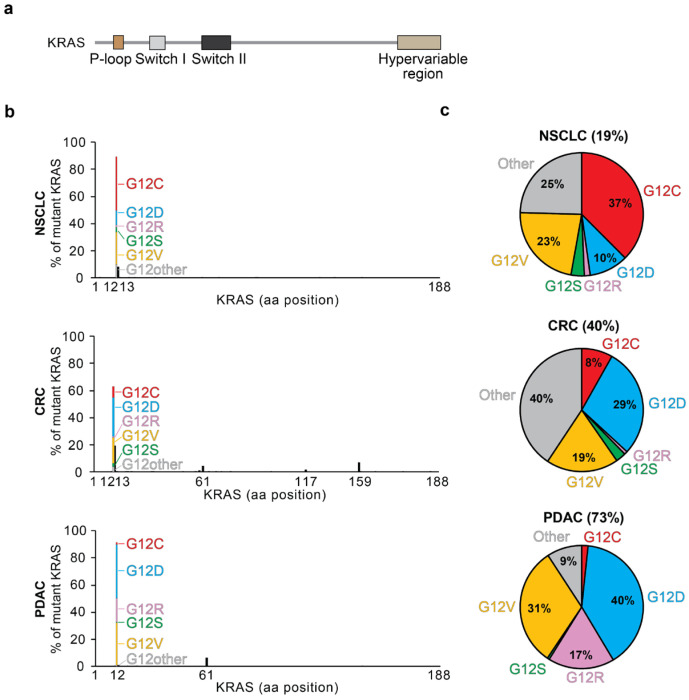
- KRAS mutations are reported in 25–30% of all human cancers, including about 19% of NSCLCs, 40% of CRCs, and 73% of PDAC cases.
- For KRAS G12C inhibitors, clinical benefit is limited by relapse: in NSCLC, median response durations were in the 6–7 month range before resistance emerged.
- In a sotorasib-treated patient study, 7% developed KRAS G12C amplifications; in post-sotorasib tumors, 14% had an additional or alternative KRAS point mutation.
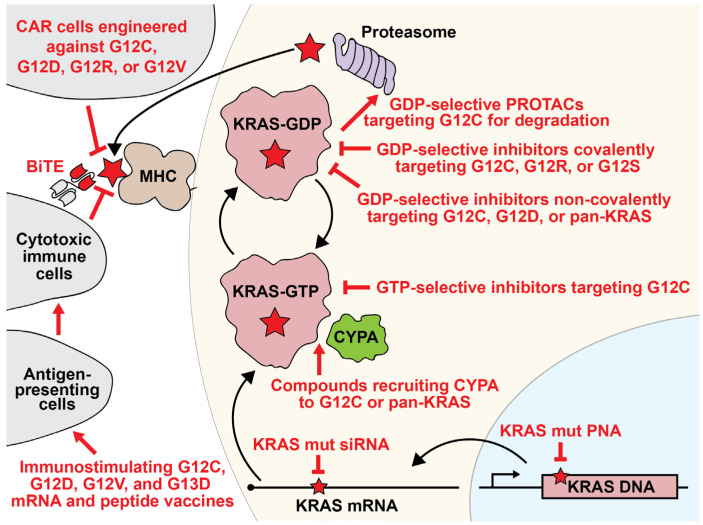
- Multiple inhibitor classes are discussed as active or promising, including sotorasib and adagrasib for G12C, MRTX1133 for G12D, BI-2865 as a pan-KRAS inhibitor, and RMC-6291 as a CYPA-recruiting strategy; several are noted as being in clinical trials.
Methods
- The paper is a narrative review of KRAS biology, therapeutic strategies, and resistance mechanisms.
- It synthesizes evidence from preclinical models (cell lines, mouse models, xenografts, PDXs) and clinical studies/trials of KRAS-targeted agents.
- The main analysis is a mechanism-based synthesis organized into KRAS regulation, inhibitor classes, immunotherapies, and mutational/non-mutational resistance pathways.
Limitations
- The paper does not present a new primary dataset or perform a formal meta-analysis; this is evident from the text.
- It notes that many strategies remain preclinical or in ongoing clinical trials, so clinical effectiveness is not yet established; this is stated in the paper.
- The text makes evident that several conclusions are based on heterogeneous models (cell lines, murine xenografts, patient samples, and basket trials), which limits direct comparability across findings; this is evident from the text.
Model-written summary. Check it against the paper before relying on it.
Integrity signals
Registry
Cites
Statistics
Figures
Verification
Claims the paper makes
132 Valid · 9 Not valid · 25 Not checked · 30 Own results and interpretations
The sources with a verdict support this claim; the rest weren’t checked yet, have no full text we could read, or their verdicts aren’t rated yet.
In the paper
“A mesenchymal-like differentiation state can act as a resistance mechanism to KRAS inhibitors [126,128,130].”
§ KRAS: Biology, Inhibition, and Mechanisms of Inhibitor Resistance > 5. Non-Mutational Resistance > 5.3. Epithelial-to-Mesenchymal Transition
What the sources say
- Not checked — no full text of the sourcecites [126] Adachi Y. Kimura R. Hirade K. Yanase S. Nishioka Y. Kasuga N. Yamaguchi R. Ebi H. Scribble Mis-Localization Induces Adaptive Resistance to KRAS G12C Inhibitors through Feedback Activation of MAPK Signaling Mediated by YAP-Induced MRAS Nat. Cancer 2023 4 829 843 10.1038/s43018-023-00575-2 37277529 source
- Supportedcites [128] Solanki H.S. Welsh E.A. Fang B. Izumi V. Darville L. Stone B. Franzese R. Chavan S. Kinose F. Imbody D. Cell Type–Specific Adaptive Signaling Responses to KRASG12C Inhibition Clin. Cancer Res. 2021 27 2533 2548 10.1158/1078-0432.CCR-20-3872 33619172 PMC9940280 source
The Results section (‘FGFR1 activation drives resistance to ARS-1620 in H1792 cells’; page not supplied) reports that inducing epithelial-to-mesenchymal transition reduced sensitivity to the KRASG12C inhibitor ARS-1620. The Discussion also identifies resistance-associated FGFR1 and AXL signaling in mesenchymal models. These findings support the claim that a mesenchymal-like state can contribute to resistance, specifically for KRASG12C inhibition. (LLM, conf=0.92)
- Supportedcites [130] Kapoor A. Yao W. Ying H. Hua S. Liewen A. Wang Q. Zhong Y. Wu C.-J. Sadanandam A. Hu B. Yap1 Activation Enables Bypass of Oncogenic Kras Addiction in Pancreatic Cancer Cell 2014 158 185 197 10.1016/j.cell.2014.06.003 24954535 PMC4109295 source
The Results section (page unavailable) links quasimesenchymal pancreatic tumors with lower KRAS dependence and reports that an epithelial-to-mesenchymal transition program can drive KRAS-independent growth. The Discussion (page unavailable) identifies a YAP1-mediated program as a resistance mechanism to KRAS inhibition. The experiments used genetic KRAS extinction rather than a KRAS-inhibitor drug, but the paper explicitly discusses the implications for such drugs. (LLM, conf=0.86)
states a cause- Asserted: passes — The authors put it forward as true.
- Checkable: passes — It can be checked against evidence.
- Load-bearing: unclear — It is unclear whether the paper’s conclusions depend on it.
- Based: passes — The paper gives a reason why it holds.
The cited sources support only part of this claim — read each source’s verdict below.
In the paper
“G12C and G12V mutations are predominant in lung adenocarcinomas with smoking-associated mutational signatures [30,32].”
§ KRAS: Biology, Inhibition, and Mechanisms of Inhibitor Resistance > 1. Introduction > 1.5. KRAS Mutations
What the sources say
- Partly supportedcites [30] Cook J.H. Melloni G.E.M. Gulhan D.C. Park P.J. Haigis K.M. The Origins and Genetic Interactions of KRAS Mutations Are Allele- and Tissue-Specific Nat. Commun. 2021 12 1808 10.1038/s41467-021-22125-z 33753749 PMC7985210 sourceExperimental — accuracy not yet measured
The Results section, “The KRAS alleles have different mutagenic origins” (page unavailable), attributes G12A, G12C and G12V mutations in lung adenocarcinoma primarily to tobacco smoke. Another Results section identifies G12C as the most common KRAS allele in lung adenocarcinoma, but the copy does not establish that G12V is also predominant. (LLM, conf=0.84)
- Partly supportedcites [32] Haigis K.M. KRAS Alleles: The Devil Is in the Detail Trends. Cancer 2017 3 686 697 10.1016/j.trecan.2017.08.006 28958387 PMC5824632 sourceExperimental — accuracy not yet measured
The “KRAS Allelic Variation” section says G12C and G12V are the most frequent KRAS mutations in non-small cell lung cancer and arise from a classical smoking-induced transversion. It does not establish their predominance specifically in lung adenocarcinomas with smoking-associated mutational signatures. (LLM, conf=0.85)
plainstates an association- Asserted: passes — The authors put it forward as true.
- Checkable: passes — It can be checked against evidence.
- Load-bearing: unclear — It is unclear whether the paper’s conclusions depend on it.
- Based: passes — The paper gives a reason why it holds.
- Partly supported
Every source the paper cites for this claim was checked and supports it.
In the paper
“Specific KRAS mutations show characteristic patterns of tissue preference (Figure 1b,c).”
§ KRAS: Biology, Inhibition, and Mechanisms of Inhibitor Resistance > 1. Introduction > 1.5. KRAS Mutations
What the sources say
- Supportedcites [30] Cook J.H. Melloni G.E.M. Gulhan D.C. Park P.J. Haigis K.M. The Origins and Genetic Interactions of KRAS Mutations Are Allele- and Tissue-Specific Nat. Commun. 2021 12 1808 10.1038/s41467-021-22125-z 33753749 PMC7985210 source
The Results section, “KRAS alleles are non-uniformly distributed across cancers” (page unavailable), reports distinct allele-frequency patterns across four cancer types. It identifies G12C enrichment in lung adenocarcinoma, G13D and A146T enrichment in colorectal adenocarcinoma, and a high frequency of G12R in pancreatic adenocarcinoma, supporting the claimed tissue preference. (LLM, conf=0.94)
- Supportedcites [32] Haigis K.M. KRAS Alleles: The Devil Is in the Detail Trends. Cancer 2017 3 686 697 10.1016/j.trecan.2017.08.006 28958387 PMC5824632 source
The “KRAS Allelic Variation” section states that the frequency of specific KRAS alleles depends on cancer type. It identifies G12C and G12V as most frequent in NSCLC and describes codon 117 and 146 mutations as nearly selective for colorectal cancer. (LLM, conf=0.93)
plainstates an association- Asserted: passes — The authors put it forward as true.
- Checkable: passes — It can be checked against evidence.
- Load-bearing: unclear — It is unclear whether the paper’s conclusions depend on it.
- Based: passes — The paper gives a reason why it holds.
- Supported
Every source the paper cites for this claim was checked and supports it.
In the paper
“In 2022, the Shokat lab introduced a novel KRAS G12S-selective covalent inhibitor [59].”
§ KRAS: Biology, Inhibition, and Mechanisms of Inhibitor Resistance > 2. Targeted KRAS Inhibitors > 2.4. KRAS G12S and KRAS G12R Tool Compounds
What the sources say
- Supportedcites [59] Zhang Z. Guiley K.Z. Shokat K.M. Chemical Acylation of an Acquired Serine Suppresses Oncogenic Signaling of K-Ras(G12S) Nat. Chem. Biol. 2022 18 1177 1183 10.1038/s41589-022-01065-9 35864332 PMC9596369 source
The Abstract reports the discovery of small molecules that covalently target K-Ras(G12S) while sparing wild-type K-Ras. The Discussion describes their allele-specific suppression of oncogenic signaling. The cited 2022 paper includes Shokat among its authors. (LLM, conf=0.93)
plain- Asserted: passes — The authors put it forward as true.
- Checkable: passes — It can be checked against evidence.
- Load-bearing: unclear — It is unclear whether the paper’s conclusions depend on it.
- Based: passes — The paper gives a reason why it holds.
- Supported
Every source the paper cites for this claim was checked and supports it.
In the paper
“While these inhibitors are each approved against various malignancies, mutant KRAS is not typically a specific biomarker [45].”
§ KRAS: Biology, Inhibition, and Mechanisms of Inhibitor Resistance > 2. Targeted KRAS Inhibitors > 2.1. KRAS as a Therapeutic Target
What the sources say
- Supportedcites [45] Tang D. Kroemer G. Kang R. Oncogenic KRAS Blockade Therapy: Renewed Enthusiasm and Persistent Challenges Mol. Cancer 2021 20 128 10.1186/s12943-021-01422-7 34607583 PMC8489073 source
The Indirect KRAS suppression strategies section (page unavailable) says several RAF and MEK inhibitors are approved for BRAF-mutant tumors, not KRAS-mutant tumors; it also describes approved PI3K inhibitors for other indications. This supports the point that mutant KRAS is not typically the biomarker for those approved uses. (LLM, conf=0.87)
plain- Asserted: passes — The authors put it forward as true.
- Checkable: passes — It can be checked against evidence.
- Load-bearing: unclear — It is unclear whether the paper’s conclusions depend on it.
- Based: passes — The paper gives a reason why it holds.
- Supported
123 more claims · 89 with their cited sources checked
Create a free account to see all 196 claims and to verify the 15 references still open.
- It may state two separate claims as one. 57
- Probably not a substantial claim. 15
- Borderline: one of the tests for a substantial claim is unclear. 1
Citations
Cites
Cerami, E., Gao, J., Dogrusoz, U., Gross, B. E., Sumer, S. O., Aksoy, B. A., Jacobsen, A., Byrne, C. J., Heuer, M. L., Larsson, E., et al. (2012) · Cancer Discovery · doi:10.1158/2159-8290.cd-12-0095 · Cited by 17,455 · cited 3×
“KRAS mutations are implicated in 25–30% of all human cancers, about 19% of non-small cell lung cancers (NSCLCs), about 40% of colorectal cancers (CRCs), and about 73% of pancreatic ductal adenocarcinoma (PDAC) cases (Figure 1) [1,2].”
BackgroundMethodIntegrative Analysis of Complex Cancer Genomics and Clinical Profiles Using the cBioPortal
Gao, J., Aksoy, B. A., Dogrusoz, U., Dresdner, G., Gross, B., Sumer, S. O., Sun, Y., Jacobsen, A., Sinha, R., Larsson, E., et al. (2013) · Science Signaling · doi:10.1126/scisignal.2004088 · Cited by 15,160 · cited 3×
“KRAS mutations are implicated in 25–30% of all human cancers, about 19% of non-small cell lung cancers (NSCLCs), about 40% of colorectal cancers (CRCs), and about 73% of pancreatic ductal adenocarcinoma (PDAC) cases (Figure 1) [1,2].”
BackgroundMethodMarshall, C. J. (1995) · Cell · doi:10.1016/0092-8674(95)90401-8 · Cited by 3,906 · cited 1×
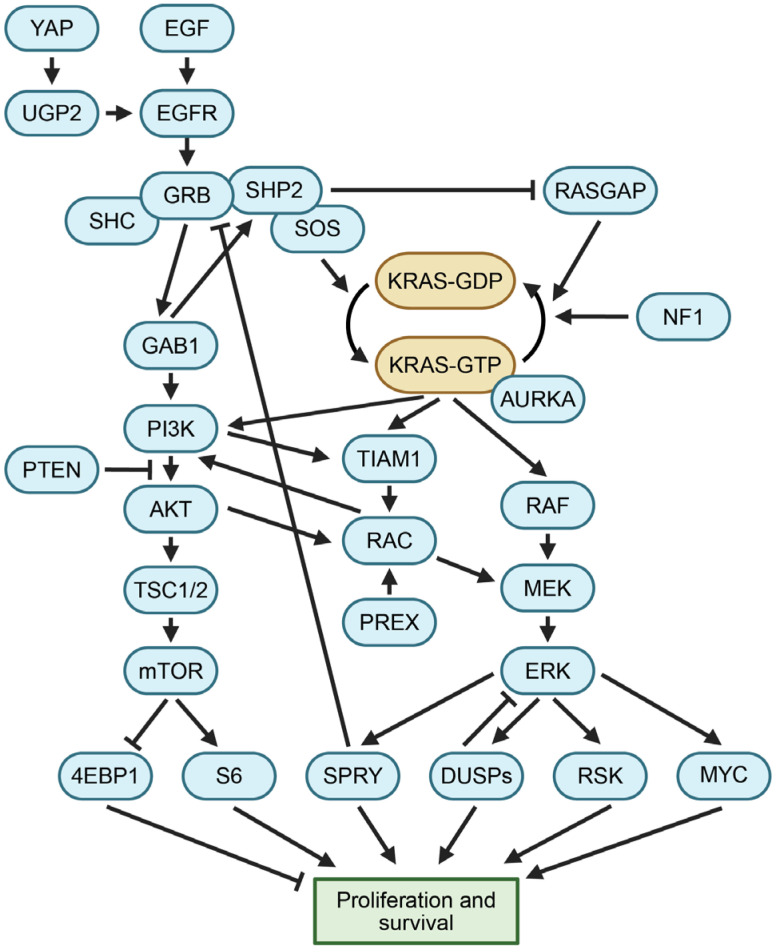
“Pathways downstream of KRAS ultimately promote proliferation and cell survival, which are key to the growth and maintenance of cancer cells when KRAS is inappropriately activated.”
BackgroundA Chromatin-Mediated Reversible Drug-Tolerant State in Cancer Cell Subpopulations
Sharma, S. V., Lee, D. Y., Li, B., Quinlan, M. P., Takahashi, F., Maheswaran, S., McDermott, U., Azizian, N., Zou, L., Fischbach, M. A., et al. (2010) · Cell · doi:10.1016/j.cell.2010.02.027 · Cited by 2,770 · cited 1×
“Furthermore, the inhibition of KRAS can activate MRAS in a YAP-dependent manner, leading to a more mesenchymal marker profile [126].”
BackgroundSakamoto, K. M., Kim, K. B., Kumagai, A., Mercurio, F., Crews, C. M., & Deshaies, R. J. (2001) · Proceedings of the National Academy of Sciences · doi:10.1073/pnas.141230798 · Cited by 2,609 · cited 1×
“These vaccines are designed to induce antigen-presenting cells to display mutant KRAS, stimulating attacks by cytotoxic T-cells against cancer cells expressing mutant KRAS neoantigen [78–80].”
BackgroundK-Ras(G12C) inhibitors allosterically control GTP affinity and effector interactions
Ostrem, J. M., Peters, U., Sos, M. L., Wells, J. A., & Shokat, K. M. (2013) · Nature · doi:10.1038/nature12796 · Cited by 2,557
The Clinical KRAS(G12C) Inhibitor AMG 510 Drives Anti-Tumour Immunity
Canon, J., Rex, K., Saiki, A. Y., Mohr, C., Cooke, K., Bagal, D., Gaida, K., Holt, T., Knutson, C. G., Koppada, N., et al. (2019) · Nature · doi:10.1038/s41586-019-1694-1 · Cited by 2,277
Oncogenic Kras maintains pancreatic tumors through regulation of anabolic glucose metabolism
Ying, H., Kimmelman, A. C., Lyssiotis, C. A., Hua, S., Chu, G. C., Fletcher-Sananikone, E., Locasale, J. W., Son, J., Zhang, H., Coloff, J. L., et al. (2012) · Cell · doi:10.1016/j.cell.2012.01.058 · Cited by 2,043
Targeting PI3K/Akt signal transduction for cancer therapy
He, Y., Sun, M. M., Zhang, G. G., Yang, J., Chen, K. S., Xu, W. W., & Li, B. (2021) · Signal Transduction and Targeted Therapy · doi:10.1038/s41392-021-00828-5 · Cited by 1,892 · cited 2×
“Onco-genic KRAS has been identified as a key player in inducing significant metabolic changes in cells and can drive alterations in various metabolic pathways, including glycolysis, glu-Curr taminolysis, and micropinocytosis [24].”
BackgroundSotorasib for Lung Cancers with KRAS p.G12C Mutation
Skoulidis, F., Li, B. T., Dy, G. K., Price, T. J., Falchook, G. S., Wolf, J., Italiano, A., Schuler, M., Borghaei, H., Barlesi, F., et al. (2021) · New England Journal of Medicine · doi:10.1056/nejmoa2103695 · Cited by 1,849
Research works printed but not linked: 1
- Weinberg R.A. The Biology of Cancer 2nd ed. Garland Science, Taylor & Francis Group, LLC Abingdon, UK 2014 978-0-8153-4219-9
Cited by
Tian, L., Li, H., Cui, H., Tang, C., Zhao, P., Wang, X., & Cheng, Y. (2025) · Cell Death and Disease · doi:10.1038/s41419-025-08101-1 · Cited by 31
“However, KRAS is not sensitive to the inhibition of upstream growth factor receptor signaling, while targeting downstream effector molecules is hindered by the activation of compensatory resistance mechanisms [3, 4].”
Wang, Q., Ouyang, H., Li, W., Zhang, H., He, A., & Liu, R. (2025) · Colloids and Surfaces A Physicochemical and Engineering Aspects · doi:10.1016/j.colsurfa.2025.136624 · Cited by 14
Identification of a Highly Cooperative PROTAC Degrader Targeting GTP-Loaded KRAS(On) Alleles
Vetma, V., Puoti, I., Karolak, N. K., Chakraborti, S., Diers, E., Girardi, E., Khan, S., Kidd, G., Kropatsch, K., McLennan, R., et al. (2025) · Journal of the American Chemical Society · doi:10.1021/jacs.5c10354 · Cited by 21
Nalawansha, D. A., Mazis, G., Husemoen, G., Ashton, K. S., Deng, W., Wurz, R. P., Tran, A. T., Lanman, B. A., Xie, J., Guenette, R. G., et al. (2025) · Nature Communications · doi:10.1038/s41467-025-63128-4 · Cited by 20
“EmergingresistancetoKRASinhibitors(KRASi)isacriticalchallengein maximizing the clinical potential of these drugs 40 – 43 .”
HRS-4642: The next piece of the puzzle to keep KRAS in check
Flores-Gómez, A. A., & Drosten, M. (2024) · Cancer Cell · doi:10.1016/j.ccell.2024.06.005 · Cited by 17
Jafary, B., Akbarzadeh-Khiavi, M., Farzi-Khajeh, H., Safary, A., & Adibkia, K. (2025) · Scientific Reports · doi:10.1038/s41598-025-85856-9 · Cited by 11
Advances in biomarkers of resistance to KRAS mutation-targeted inhibitors
Wang, L., Wei, D., Li, S., & Jiang, S. (2025) · Discover Oncology · doi:10.1007/s12672-025-03569-x · Cited by 8
Colombino, M., Palomba, G., Casula, M., Pisano, M., Tore, S., Serra, R., Putzu, C., Fadda, G. M., Maestrale, G. B., Casula, S., et al. (2025) · Critical Reviews in Oncology/Hematology · doi:10.1016/j.critrevonc.2025.104925 · Cited by 11
Oncogenic Signalling Pathways in Cancer Immunotherapy: Leader or Follower in This Delicate Dance?
Cartwright, D., Kidd, A. C., Ansel, S., Ascierto, M. L., & Spiliopoulou, P. (2025) · International Journal of Molecular Sciences · doi:10.3390/ijms26094393 · Cited by 9
Bhattacharya, D., Roman, B., & Reddy, S. (2026) · Cancer Gene Therapy · doi:10.1038/s41417-026-01003-0 · Cited by 11
“Activation of alternative signaling pathways, such as upregulation of Hedgehog (Hh) and AXL receptor tyrosine kinase signaling, can enable tumors to avoid the KRAS inhibition [70 – 72].”
Synthetic approaches and clinical application of KRAS inhibitors for cancer therapy
Jiang, M., Ma, S., Xuan, Y., & Chen, K. (2025) · European Journal of Medicinal Chemistry · doi:10.1016/j.ejmech.2025.117626 · Cited by 6
Kidane, M., Hoffman, R. M., Wolfe-Demarco, J. K., Huang, T.-Y., Teng, C.-L., Samanta, S., Lira, L. M. G., Lin‐Jones, J., Pallares, G., Lamerdin, J. E., et al. (2024) · ACS Pharmacology & Translational Science · doi:10.1021/acsptsci.4c00450 · Cited by 3
Targeting Oncogenic Pathways: Advances in KRAS, CDK, EGFR, and PROTAC-Based Therapies
Kargbo, R. B. (2025) · ACS Medicinal Chemistry Letters · doi:10.1021/acsmedchemlett.5c00111 · Cited by 4
IMPlications of IMP2 in RNA Biology and Disease
Das, J., Busia-Bourdain, O., Khan, K. M., & Wolfe, A. L. (2025) · International Journal of Molecular Sciences · doi:10.3390/ijms26062415 · Cited by 3
“YAP is a positive regulator of HER2 expression, which acts to control enzymes critical for post-translational modifications and is often reactivated as a mechanism of resistance to inhibition of KRAS and other MAPK pathway proteins [90–94].”
Self-citationQin, X., & Nangia, S. (2026) · The Journal of Physical Chemistry B · doi:10.1021/acs.jpcb.5c08630 · Cited by 5
Li, D., Xie, Q., Yang, M., Sun, K., Jiang, S., Yu, S., Liu, L., Yu, B., Li, L., Zhang, Y., et al. (2025) · ACS Medicinal Chemistry Letters · doi:10.1021/acsmedchemlett.5c00300 · Cited by 4
Research on Targeted Therapy for Malignant Tumors of the Biliary Tract
Yang, Y., Zhong, H., Zhang, J., & Wang, P. (2026) · OncoTargets and Therapy · doi:10.2147/ott.s593457 · Cited by 2
Nomura, S., Arakaki, W., Kato, A., Fujie, N., Ishikawa, K., Wataki, A., Ono, H., Tahara, T., Wada, Y., Watanabe, Y., et al. (2026) · Biochemical and Biophysical Research Communications · doi:10.1016/j.bbrc.2026.153268 · Cited by 3
Design of conditional and tumor-activated PROTACs for selective degradation in lung cancer
Lin, L., Zheng, F., Wei, H., Wu, X., Yan, H., & Ding, Y. (2025) · European Journal of Medicinal Chemistry · doi:10.1016/j.ejmech.2025.118432 · Cited by 5
Proteomic Perspectives on KRAS-Driven Cancers and Emerging Therapeutic Approaches
Karki, R., Chen, R., & Pan, S. (2025) · Current Oncology · doi:10.3390/curroncol32110614 · Cited by 3
Emerging therapeutic advancements in pancreatic cancer: a contemporary review
Malla, M., Sakr, Y., Gupta, G., Akce, M., & El‐Rayes, B. F. (2025) · Discover Oncology · doi:10.1007/s12672-025-03027-8 · Cited by 8
Jung, O., Soto, A., Wolfe, A. L., & Mahajan, S. S. (2025) · PLoS ONE · doi:10.1371/journal.pone.0329946 · Cited by 5
“Several experimental compounds currently in development show promise for targeting other KRAS mutant alleles [9–11].”
Self-citationKargbo, R. B. (2024) · ACS Medicinal Chemistry Letters · doi:10.1021/acsmedchemlett.4c00328 · Cited by 2
Wang, W., Alley, A., Sun, N., Tadesse, M., Wang, X., & Zhang, R. (2025) · Frontiers in Pharmacology · doi:10.3389/fphar.2025.1663766 · Cited by 7
“Interested readers are directed to several recent, excellent publications (Ash et al., 2024; Cardano et al., 2020; Cox and Der, 2025; D ’ Alessio-Sands et al., 2025; Horsfall et al., 2020; Isermann et al., 2025; Li et al., 2024; Linette et al., 2024; Molina-Arcas and Downward, 2024; Pandey et al.,…”
RAS Inhibitors: Changing the Paradigm from the Undruggable
Campana, F., Bellis, E. D., Porcaro, F., Guida, G. D., Gravara, L. D., Servetto, A., Morgillo, F., Papaccio, F., Filippelli, A., Corte, C. M. D., et al. (2026) · Pharmaceutics · doi:10.3390/pharmaceutics18070773 · Cited by 1
Imoto, H., Rauch, N., Nagasato, A. I., Okada, M., Kölch, W., Rukhlenko, O. S., & Kholodenko, B. Ν. (2026) · npj Systems Biology and Applications · doi:10.1038/s41540-026-00710-6 · Cited by 1
Smith, J. P., Nkulikiyimana, G. C., Cao, H., Chen, W., Kallakury, B., Kwagyan, J., Duttargi, A., & Weinberg, B. A. (2026) · Pharmaceutics · doi:10.3390/pharmaceutics18030379 · Cited by 2
“However, the therapeutic use of new Kras-inhibitors is frequently limited by the development of resistance, as cancer cells rewire to utilize alternative growth pathways [63].”
Abbinantefina, A. P., Tito, C., Masciarelli, S., Tisci, G., Sortoluzzi, S., Ceci, P., Falvo, E., Exertier, C., Troilo, F., Petrozza, V., et al. (2026) · Frontiers in Cell and Developmental Biology · doi:10.3389/fcell.2026.1725088 · Cited by 1
“…of alternative downstream pathways, epigenetic changes, transcriptional reprogramming, alterations in the tumor microenvironment (TME), or epithelial-to-mesenchymal transition (Xue et al., 2020; Awad et al., 2021; Tanaka et al., 2021; Ash et al., 2024; Dilly et al., 2024; Kumarasamy et al., 2024).”
Martin-Martín, A., Chipón, C., Guzman-Kunstmann, C., Guzmán-Kunstmann, S., Buelvas, N., Henríquez, C., Vidal, F., Villarroel‐Espíndola, F., Hinz, T. K., Heasley, L. E., et al. (2026) · Biological Research · doi:10.1186/s40659-026-00679-w · Cited by 1
“Documented mechanisms of resistance include secondary mutations in the KRAS gene, activation of alternative pathways upstream or downstream of KRAS, histological transformation (e.g., from adenocarcinoma to squamous cell carcinoma), and alterations within the tumor microenvironment [2].”
Abbinantefina, A. P., Tito, C., Masciarelli, S., Tisci, G., Ceci, P., Falvo, E., Ruta, V., Panzeri, V., Sette, C., Fazi, F., et al. (2026) · Protein Science · doi:10.1002/pro.70444 · Cited by 2
“…structure of compound MRTX1133 (green) bound to KRAS-G12D/GDP (PDB 7RPZ). switch-I and switch-II regions, stabilizing KRAS in the GDP-bound state and disrupting the interactions with effectors (Ash et al. 2024; Fell et al. 2020; Ostrem et al. 2013; Wang et al. 2022; Wei et al. 2024) (Figure 1c,d).”
Li, Y., Chen, Z., Mao, J., Lei, Y. H., Tan, J., & Liu, B. (2025) · Medicine · doi:10.1097/md.0000000000045979 · Cited by 1
“For instance, the KRAS signaling pathway, which is involved in cell proliferation and differentiation, [55] may mediate the abnormal development and function of neural cells during the course of ASD.”
Clowers, M. J., Rahal, Z., Cho, S.-N., Krishna, A., Yuan, B., Hamana, L., Eckols, T. K., Kasembeli, M. M., Liu, S., Peng, S., et al. (2025) · Frontiers in Immunology · doi:10.3389/fimmu.2025.1575181 · Cited by 4
A New Frontier in Targeted Therapies: Harnessing PROTACs and Advanced Delivery Systems
Kargbo, R. B. (2024) · ACS Medicinal Chemistry Letters · doi:10.1021/acsmedchemlett.4c00489 · Cited by 1
Advances in KRAS-Targeted Therapies for Pancreatic Cancer
Peshin, S., Zahid, A., Takrori, E., Hamedi, Z., & Rahman, S. (2026) · Cancers · doi:10.3390/cancers18182961
Lee, Y., Hwang, S., Shin, H. Y., Choi, K., Seo, S., Kim, H., Yang, J. S., Kim, Y. J., Kim, Y.-M., & Song, E. J. (2026) · Experimental & Molecular Medicine · doi:10.1038/s12276-026-01837-6 · Cited by 1
Jeon, E., Song, J., & Sim, T. (2026) · Future Medicinal Chemistry · doi:10.1080/17568919.2026.2719780
Targeting Oncogenic KRAS Using Peptide Nucleic Acid Oligomers Attached to Cell-Penetrating Peptides
Mondal, J., Lam, D., Alcindor, T. O., Gerritsen, M. E., Brotz, T. M., Kennedy, J., Rehlaender, B., Ross, A. J., Levy, D. E., Bonagura, C. A., et al. (2026) · International Journal of Molecular Sciences · doi:10.3390/ijms27167158 · Cited by 1
Self-citationResearch progress of small molecule targeted drugs for non-small cell lung cancer
Qiu, T., & Huang, X. (2026) · Frontiers in Oncology · doi:10.3389/fonc.2026.1847493 · Cited by 1
“The coexistence of multiple resistance mechanisms accelerates treat-ment failure with single-agent therapy (113).”
Kawczak, P., Kawczak, K., & Bączek, T. (2026) · Journal of Clinical Medicine · doi:10.3390/jcm15145521
Dorbin, D., Herrera, J., Davidson, R., Chandrashekar, N., Scheuber, G., Jayakrishnan, P., Rajesh, C., Johnson, G., Yuan, J., Sochor, M., et al. (2026) · bioRxiv (Cold Spring Harbor Laboratory) · doi:10.64898/2026.07.05.735339
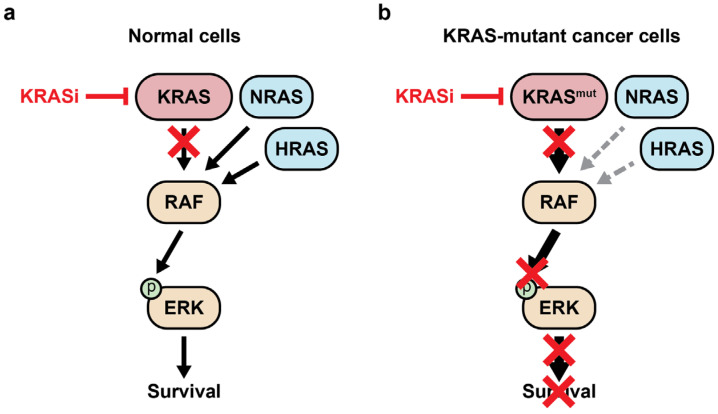
“Supporting RAS WT redundancy as a compensatory mechanism, the pan-KRAS inhibitor BI-2865 shows attenuated efficacy in KRAS G12R lines, reversed by HRAS/NRAS knockdown (47), indicating RAS WT can buffer pan-RAS inhibition.”
Ajay, N., Anilkumar, A. S., & Veerabathiran, R. (2026) · Seminars in Oncology · doi:10.1016/j.seminoncol.2026.152520
Niu, T., Liu, X., Zhang, S., et al. (2026) · Frontiers in Oncology · doi:10.3389/fonc.2026.1780688
“While this variant potentially confers sensitivity to MEK inhibitors, KRAS-driven immune evasion strongly suggests primary resistance to immunotherapy (14, 15).”
Research progress on the etiology and pathogenesis of pancreatic cancer: a narrative review
Guo, M., Han, Q., Wang, Z., Ya, D., & Wang, X. (2026) · Frontiers in Oncology · doi:10.3389/fonc.2026.1781024 · Cited by 2
Han, Z., Yu, H., Du, W., Gao, Y. N., Pan, K., Jia, H., Zhao, M., Wei, Z., Yan, S., Wang, Y., et al. (2026) · Journal of Translational Medicine · doi:10.1186/s12967-026-08373-x · Cited by 1
“…Fyn (a Src family kinase) mediates T-cell receptor signaling [44, 45], Nfkb1 (an NF-κB subunit) drives inflammatory gene expression [46, 47], and Kras modulates T-cell function and immune evasion [48–50]; their suppression likely contributes to attenuated immune activation and secondary injury.”
Yang, C., Zhao, T., Xie, J., et al. (2026) · Frontiers in Endocrinology · doi:10.3389/fendo.2026.1734283
“Such alterations could weaken bone repair capacity and establish a vicious cycle of “ worsening injury and inadequate regeneration ” ( 50).”
Zamora, M. E., Muchow, M. R., Ray, I., McKinley-Pace, N. D., Kaplan, E. D., Branson, D. W., Santamaria, U. A., & Zamora, P. O. (2026) · Research Square · doi:10.21203/rs.3.rs-9559070/v1
Diao, W.-F., Cui, M., Chen, T.-Q., Xiao, J.-H., Yang, S., Zheng, Q., Xu, R.-Y., Han, X.-L., & Hu, Y. (2026) · World Journal of Gastroenterology · doi:10.3748/wjg.v32.i13.115710
Frisch, A., Martin, E., Cannon, T. L., Wadlow, R. C., Raghavan, S., Sen, T., & Karim, N. A. (2026) · Current Oncology · doi:10.3390/curroncol33030148
Recognition and Resolution of KRAS 5⍰UTR RNA G-Quadruplexes by hnRNPA1Preprint
Othman, Z. A., Ranz, M., Cortolezzis, Y., et al. (2026) · bioRxiv (Cold Spring Harbor Laboratory) · doi:10.64898/2026.02.13.705690
Exploring New Horizons and Emerging Topics in Squamous Anal Cancer and Colorectal Cancer
Danks, R. (2025) · EMJ Oncology · doi:10.33590/emjoncol/puyu5693
Argyris, P. P., & Lingen, M. W. (2025) · Dental Clinics of North America · doi:10.1016/j.cden.2025.11.001
Unveiling KRAS Mutant Structures with AlphaFold 3: New Avenues for Targeted Cancer TherapyPreprint
Zhao, G., & Zhao, Y. (2025) · bioRxiv (Cold Spring Harbor Laboratory) · doi:10.1101/2025.05.16.654380 · Cited by 2
Mondal, J., Lam, D., Gerritsen, M. E., Brotz, T. M., Kennedy, J. G., Rehlaender, B., Ross, A. J., Levy, D. E., Bonagura, C. A., Lanzilotta, W. N., et al. (2025) · bioRxiv (Cold Spring Harbor Laboratory) · doi:10.1101/2025.03.28.645837
Self-citationTargeting Cancer: A New Era in Cancer Therapy through Immune Fitness Modulation and KRAS Degradation
Kargbo, R. B. (2024) · ACS Medicinal Chemistry Letters · doi:10.1021/acsmedchemlett.4c00518
Argyris, P. P., & Herzberg, M. C. (2024) · Elsevier eBooks · doi:10.1016/b978-0-323-95488-4.00134-0
Kidane, M., Hoffman, R. M., Wolfe-Demarco, J. K., Huang, T.-Y., Teng, C.-L., Lira, L. M. G., Lin‐Jones, J., Pallares, G., Lamerdin, J. E., Servant, N. B., et al. (2024) · bioRxiv (Cold Spring Harbor Laboratory) · doi:10.1101/2024.07.20.604418
Metadata
- Authors
- Ash, L. J., Busia-Bourdain, O., Okpattah, D., Kamel, A., Liberchuk, A., & Wolfe, A. L.
- Affiliations
- The Graduate Center, CUNY (US)
- City University of New York (US)
- Corresponding author
- Wolfe, Andrew L.
- Venue
- Current Oncology
- Publisher
- MDPI AG
- Published
- 2024-04-03
- Volume
- 31
- Issue
- 4
- Pages
- 2024-2046
- ISSN
- 1198-0052 (ISSN-L)
- 1718-7729
- PMC
- PMC11049385
- OpenAlex
- W4393869729
- Cited by
- 68
- References
- 144
- Citations by year
- 2026: 39 · 2025: 23 · 2024: 6
- FWCI
- 2.52
- Type
- journal article
- Language
- en
- Open access
- gold
- doi.org
- Licence
- Locations
- Current Oncology (publishedVersion, cc-by)
- PubMed Central (publishedVersion, cc-by)
- PubMed (publishedVersion)
- DOAJ (DOAJ: Directory of Open Access Journals) (submittedVersion)
- Funders
- National Cancer Institute (R00CA226363, DRG2214-15)
- Hunter College of the City University of New York (R00CA226363, DRG2214-15)
- Oncogenuity, Inc. (R00CA226363, DRG2214-15)
- Damon Runyon Cancer Research Foundation (R00CA226363, DRG2214-15)
- Graduate Center of the City University of New York (R00CA226363, DRG2214-15)
- Topics
- Life Sciences › Biochemistry, Genetics and Molecular Biology › Molecular Biology › Protein Kinase Regulation and GTPase Signaling
- Life Sciences › Biochemistry, Genetics and Molecular Biology › Molecular Biology › Melanoma and MAPK Pathways
- Life Sciences › Biochemistry, Genetics and Molecular Biology › Molecular Biology › Protein Tyrosine Phosphatases
- Keywords
- KRAS, small GTPases, oncogenic KRAS mutations, KRAS inhibitors, drug resistance mechanisms, pan-KRAS inhibitors, PROTACs, siRNA, peptide nucleic acid, copy number alterations, alternative signaling pathways, epigenetic resistance, tumor microenvironment, cancer therapy
- MeSH terms
- Antineoplastic Agents, Humans, Mutation, Neoplasms, Proto-Oncogene Proteins p21(ras), Drug Resistance, Neoplasm
About these checks
Registry, retraction, Cites and statistics results are computed, not judged, with one exception: a printed reference that no index lists is read once by a model before it counts as a citation error. Claims are extracted by a model and kept only when their quote appears verbatim in the text; each cited source is then checked, with a model’s help, for whether it says what the claim relies on. Those verdicts can be wrong — read the claim’s quote and the cited source before relying on one.
The claim verdicts this report counts are experimental: their accuracy is not yet measured.
A language model drew the claims from the paper on 2026-10-10, under version 3 of the claim definition (model deepseek-v4.1-flash, prompt extract-v3).
A second model labelled each claim on 2026-10-10 (model jev-1.13-20260917, definition revision gold-guideline-v0.2).
Cited sources are checked with a language model’s help (gpt-6-sol).
Statistics and arithmetic are recomputed, not judged.
Confidence bands are shown only for fields calibrated on our annotated test set. None is calibrated yet, so no band is shown.
What counts as a claim ›How we measure confidence ›How we check this ›
Are you an author, or do you see a problem with this page? Request a review
Data sources
Bibliographic data: Semantic Scholar, OpenAlex, Crossref.
Contains information from the Semantic Scholar Academic Graph Datasets, made available under the ODC Attribution License (ODC-BY 1.0).
Semantic Scholar’s data is described in: Kinney, R., et al. (2023). The Semantic Scholar Open Data Platform. arXiv:2301.10140.
