

A Powerful Paradigm for Cardiovascular Risk Stratification Using Multiclass, Multi-Label, and Ensemble-Based Machine Learning Paradigms: A Narrative Review
Open accessThe DOI matches its Crossref record; 262 of the 263 references it cites were found in a registry or an index.
Abstract
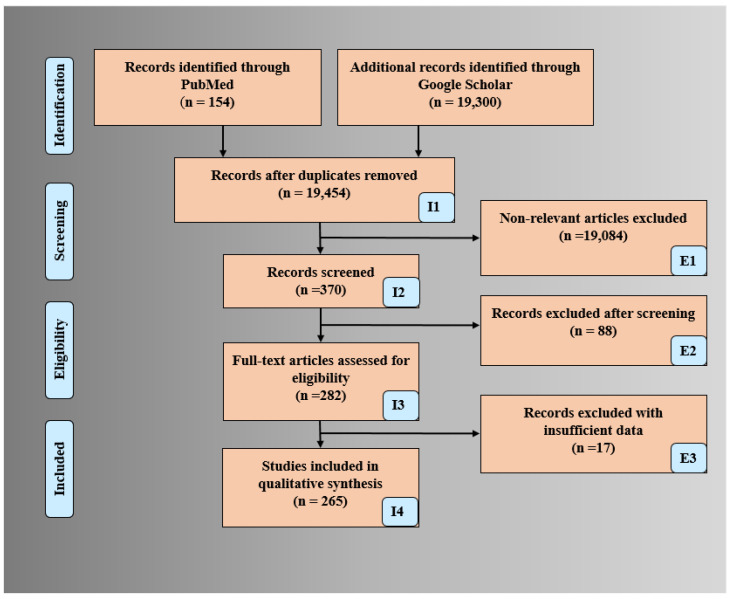
Background and Motivation: Cardiovascular disease (CVD) causes the highest mortality globally. With escalating healthcare costs, early non-invasive CVD risk assessment is vital. Conventional methods have shown poor performance compared to more recent and fast-evolving Artificial Intelligence (AI) methods. The proposed study reviews the three most recent paradigms for CVD risk assessment, namely multiclass, multi-label, and ensemble-based methods in (i) office-based and (ii) stress-test laboratories. Methods: A total of 265 CVD-based studies were selected using the preferred reporting items for systematic reviews and meta-analyses (PRISMA) model. Due to its popularity and recent development, the study analyzed the above three paradigms using machine learning (ML) frameworks. We review comprehensively these three methods using attributes, such as architecture, applications, pro-and-cons, scientific validation, clinical evaluation, and AI risk-of-bias (RoB) in the CVD framework. These ML techniques were then extended under mobile and cloud-based infrastructure. Findings: Most popular biomarkers used were office-based, laboratory-based, image-based phenotypes, and medication usage. Surrogate carotid scanning for coronary artery risk prediction had shown promising results. Ground truth (GT) selection for AI-based training along with scientific and clinical validation is very important for CVD stratification to avoid RoB. It was observed that the most popular classification paradigm is multiclass followed by the ensemble, and multi-label. The use of deep learning techniques in CVD risk stratification is in a very early stage of development. Mobile and cloud-based AI technologies are more likely to be the future. Conclusions: AI-based methods for CVD risk assessment are most promising and successful. Choice of GT is most vital in AI-based models to prevent the RoB. The amalgamation of image-based strategies with conventional risk factors provides the highest stability when using the three CVD paradigms in non-cloud and cloud-based frameworks.
Overview
The claims and statistics of this paper haven’t been checked yet.
Free: it reads the open-access text and checks the first 5 claims that cite a source we can check. Create a free account to check every claim.
Integrity signals
Registry
Cites
Statistics
Figures








Verification
Claims the paper makes
The claims and statistics of this paper haven’t been checked yet.
Free: it reads the open-access text and checks the first 5 claims that cite a source we can check. Create a free account to check every claim.
Claims other papers make about this one
Each is checked against this paper’s own text: does it say what the citing paper says it does?
The source backs part of the claim, not all of it — or backs it for a different population, condition or comparison.
In the citing paper
“The bias ranking is also explored by very limited researchers [144].”
From Artificial intelligence bias in medical system designs: a systematic review (2023) · cites this paper as [144]
Experimental — accuracy not yet measured
Self-check
Percentages, sums and reported differences re-computed from the paper’s own numbers.
The self-check needs the paper’s full text.
Citations
Cites
1 retracted
Pławiak, P., & Acharya, U. R. (2020) · Neural Computing and Applications · doi:10.1007/s00521-018-03980-2 · Cited by 248
RetractedXGBoost: A Scalable Tree Boosting System
Chen, T., & Guestrin, C. (2016) · Proceedings of the 22nd ACM SIGKDD International Conference on Knowledge Discovery and Data Mining · doi:10.1145/2939672.2939785 · Cited by 54,569 · cited 1×
“…[78], gain ratio (1) [80], Matlab (1) [86], association technique (2) [87], SHAP (1) [90], extreme gradient boost (XGBoost) (1), genetic algorithm (5) [91,103,104,122,123], Tunicate Swarm (1) [116], chi-Square (2) [117], least absolute shrinkage and selection operation (LASSO) (1) [99] (Figure 2e).”
BackgroundSMOTE synthetic minority over-sampling technique
Chawla, N. V., Bowyer, K. W., Hall, L. O., & Kegelmeyer, W. P. (2002) · Journal of Artificial Intelligence Research · doi:10.1613/jair.953 · Cited by 32,865
Yusuf, S., Hawken, S., Ôunpuu, S., Dans, T., Avezum, A., Lanas, F., McQueen, M., Budaj, A., Pais, P., Varigos, J., et al. (2004) · The Lancet · doi:10.1016/s0140-6736(04)17018-9 · Cited by 12,026
General Cardiovascular Risk Profile for Use in Primary Care: The Framingham Heart Study
D’Agostino, R. B., Vasan, R. S., Pencina, M. J., Wolf, P. A., Cobain, M., Massaro, J. M., & Kannel, W. B. (2008) · Circulation · doi:10.1161/circulationaha.107.699579 · Cited by 7,491
2019 ESC Guidelines for the diagnosis and management of chronic coronary syndromes
Knuuti, J., Wijns, W., Saraste, A., Capodanno, D., Barbato, E., Funck-Brentano, C., Prescott, E., Storey, R. F., Deaton, C., Cuisset, T., et al. (2020) · European Heart Journal · doi:10.1093/eurheartj/ehz425 · Cited by 7,166
A Survey on Bias and Fairness in Machine Learning
Mehrabi, N., Morstatter, F., Saxena, N., Lerman, K., & Galstyan, A. (2022) · ACM Computing Surveys · doi:10.1145/3457607 · Cited by 5,812 · cited 2×
“Multiclass, Multi-Label, and Ensemble The ML-based systems for CVD risk classification generate a bias The same principle holds in the stress test-based CVD paradigm or non-CVD framework. due to [193–195].”
MethodA Survey on Bias and Fairness in Machine Learning
Mehrabi, N., Morstatter, F., Saxena, N., Lerman, K., & Galstyan, A. (2019) · arXiv · doi:10.48550/arxiv.1908.09635 · Cited by 5,812 · cited 2×
“Multiclass, Multi-Label, and Ensemble The ML-based systems for CVD risk classification generate a bias The same principle holds in the stress test-based CVD paradigm or non-CVD framework. due to [193–195].”
MethodEstimation of ten-year risk of fatal cardiovascular disease in Europe: the SCORE project
Conroy, R. (2003) · European Heart Journal · doi:10.1016/s0195-668x(03)00114-3 · Cited by 5,290 · cited 1×
“…multiple conventional tools for assessment of risk due to CVD, namely (i) QRISK3 [21], (ii) Framingham risk score (FRS) [22], (iii) the systematic coronary risk evaluation score (SCORE) [23], (iv) the Reynolds risk score (RRS) [24], and (v) the atherosclerosis cardio-vascular disease (ASCVD) [25].”
Method2013 ACC/AHA Guideline on the Assessment of Cardiovascular Risk
Goff, D. C., Lloyd-Jones, D. M., Bennett, G., Coady, S., D’Agostino, R. B., Gibbons, R., Greenland, P., Lackland, D. T., Levy, D., O’Donnell, C. J., et al. (2014) · Journal of the American College of Cardiology · doi:10.1016/j.jacc.2013.11.005 · Cited by 4,945
Research works printed but not linked: 4
- Saba, L., and Suri, J.S. (2013). Multi-Detector CT Imaging: Principles, Head, Neck, and Vascular Systems, CRC Press.
- Lo, 2013, Generalized k-labelsets ensemble for multi-label and cost-sensitive classification, IEEE Trans. Knowl. Data Eng., 26, 1679
- Zuluaga, M.A., Cardoso, M.J., and Ourselin, S. (2020). Automatic right ventricle segmentation using multi-label fusion in cardiac MRI. arXiv.
- Puvar, 2021, Heart Disease Detection using Ensemble Learning Approach, Int. Res. J. Eng. Technol. (IRJET), 8, 2395-0072
Cited by
Economics of artificial intelligence in healthcare: Diagnosis vs. treatment
Khanna, N. N., Maindarkar, M. A., Viswanathan, V., Fernandes, J. F. E., Paul, S., Bhagawati, M., Ahluwalia, P., Ruzsa, Z., Sharma, A., Kolluri, R., et al. (2022) · Healthcare · doi:10.3390/healthcare10122493 · Cited by 347
“AI technological development improves existing systems, especially medical imaging [9,14] and coronary artery disease diagnosis [15,16], reducing human error, increasing patient care overall, and making doctors’ responsibilities easier [17].”
BackgroundSelf-citationCai, Y., Cai, Y.-Q., Tang, L.-Y., Wang, Y.-H., Gong, M., Jing, T.-C., Li, H.-J., Li-Ling, J., Hu, W., Yin, Z., et al. (2024) · BMC Medicine · doi:10.1186/s12916-024-03273-7 · Cited by 122
“For instance, Suri et al. provided a comprehensive summary of ML paradigms with a technical emphasis [22].”
BackgroundSuri, J. S., Bhagawati, M., Agarwal, S., Paul, S., Pandey, A., Gupta, S. K., Saba, L., Paraskevas, K. I., Khanna, N. N., Laird, J. R., et al. (2022) · IEEE Access · doi:10.1109/access.2022.3232561 · Cited by 99
“system using UNet, all the attributes such as data demographics, architecture components, optimization parameter, and scientific/clinical validation must be taken into account for reduction [32], [34], [242], [243], [244], [257]; (vi) Generalization vs.”
MethodSelf-citationJain, P. K., Dubey, A., Saba, L., Khanna, N. N., Laird, J. R., Nicolaides, A. N., Fouda, M. M., Suri, J. S., & Sharma, N. (2022) · Journal of Cardiovascular Development and Disease · doi:10.3390/jcdd9100326 · Cited by 80
“Recently, methods have been developed to compute biases, which can be extended for UNet-based systems [95–97].”
MethodSelf-citationArtificial intelligence bias in medical system designs: a systematic review
Kumar, A., Aelgani, V., Vohra, R., Gupta, S. K., Bhagawati, M., Paul, S., Saba, L., Suri, N., Khanna, N. N., Laird, J. R., et al. (2023) · Multimedia Tools and Applications · doi:10.1007/s11042-023-16029-x · Cited by 65
Self-citationSuri, J. S., Agarwal, S., Chabert, G. L., Carriero, A., Paschè, A., Danna, P. S. C., Saba, L., Mehmedović, A., Faa, G., Singh, I. M., et al. (2022) · Diagnostics · doi:10.3390/diagnostics12061482 · Cited by 58
Self-citationAl-Maini, M., Maindarkar, M. A., Kitas, G. D., Khanna, N. N., Misra, D. P., Johri, A. M., Mantella, L. E., Agarwal, V., Sharma, A., Singh, I. M., et al. (2023) · Rheumatology International · doi:10.1007/s00296-023-05415-1 · Cited by 51
Self-citationDubey, A. K., Chabert, G. L., Carriero, A., Paschè, A., Danna, P. S. C., Agarwal, S., Mohanty, L., Nillmani, Sharma, N., Yadav, S., et al. (2023) · Diagnostics · doi:10.3390/diagnostics13111954 · Cited by 52
Self-citationJain, P. K., Sharma, N., Kalra, M. K., Johri, A. M., Saba, L., & Suri, J. S. (2022) · Computers in Biology and Medicine · doi:10.1016/j.compbiomed.2022.106017 · Cited by 47
Self-citationMulti-Label Classification Based on Associations
Alazaidah, R., Samara, G., Almatarneh, S., Hassan, M., Aljaidi, M., & Mansur, H. (2023) · Applied Sciences · doi:10.3390/app13085081 · Cited by 45
Polygenic Risk Score for Cardiovascular Diseases in Artificial Intelligence Paradigm: A Review
Khanna, N. N., Singh, M., Maindarkar, M. A., Kumar, A., Johri, A. M., Mantella, L. E., Laird, J. R., Paraskevas, K. I., Ruzsa, Z., Singh, N., et al. (2023) · Journal of Korean Medical Science · doi:10.3346/jkms.2023.38.e395 · Cited by 41
Self-citationSingh, J., Singh, N., Fouda, M. M., Saba, L., & Suri, J. S. (2023) · Diagnostics · doi:10.3390/diagnostics13122092 · Cited by 39
“Finally, the system’s reliability and stability were demonstrated using clinical tests.”
MethodSelf-citationCardiovascular disease/stroke risk stratification in deep learning framework: a review
Bhagawati, M., Paul, S., Agarwal, S., Protogeron, A., Sfikakis, P. P., Kitas, G. D., Khanna, N. N., Ruzsa, Z., Sharma, A., Tomazu, O., et al. (2023) · Cardiovascular Diagnosis and Therapy · doi:10.21037/cdt-22-438 · Cited by 39
Self-citationSaba, L., Maindarkar, M. A., Johri, A. M., Mantella, L. E., Laird, J. R., Khanna, N. N., Paraskevas, K. I., Ruzsa, Z., Kalra, M. K., Fernandes, J. F. E., et al. (2024) · Reviews in Cardiovascular Medicine · doi:10.31083/j.rcm2505184 · Cited by 35
“Therefore, we discuss the potential solutions to these challenges [34,35].”
BackgroundSelf-citationYe, L., & Guo, C. (2023) · Journal of Applied Biomedicine · doi:10.1016/j.bbe.2022.12.008 · Cited by 33
Kumari, V., Kumar, N., Sampath Kumar, K., Kumar, A., Sanagala, S. S., Saxena, S., Khanna, N. N., Laird, J. R., Singh, N., Fouda, M. M., et al. (2023) · Journal of Cardiovascular Development and Disease · doi:10.3390/jcdd10120485 · Cited by 27
Self-citationAlkhodari, M., Xiong, Z., Khandoker, A. H., Hadjileontiadis, L. J., Leeson, P., & Lapidaire, W. (2023) · Expert Review of Cardiovascular Therapy · doi:10.1080/14779072.2023.2223978 · Cited by 23
“AI implementation within current risk stratification models [75–77] leverages datasets and maximizes the learning from variables and the in-between relationship of one variable to the other.”
BackgroundCavero‐Redondo, I., Saz‐Lara, A., Martínez‐García, I., Otero-Luis, I., & Martínez‐Rodrigo, A. (2024) · Cardiovascular Diabetology · doi:10.1186/s12933-023-02104-y · Cited by 22
“As we delve into the realm of EVA assessment, a paradigm shift towards unsupervised learning techniques unfolds, which can reveal hidden patterns and relationships within vascular risk [13].”
BackgroundSaba, L., Maindarkar, M. A., Khanna, N. N., Johri, A. M., Mantella, L. E., Laird, J. R., Paraskevas, K. I., Ruzsa, Z., Kalra, M. K., Fernandes, J. F. E., et al. (2023) · Frontiers in Bioscience-Landmark · doi:10.31083/j.fbl2810248 · Cited by 21
“This approach can give physicians valuable insights into patient health and help them create personalized treatment plans for each individual [191].”
BackgroundSelf-citationHeart Disease Diagnostics Using Meta‐Learning‐Based Hybrid Feature Selection
Dissanayake, K., & Johar, M. G. M. (2024) · Applied Computational Intelligence and Soft Computing · doi:10.1155/2024/8800497 · Cited by 21
Matsuzaka, Y., & Uesawa, Y. (2023) · Molecules · doi:10.3390/molecules28052410 · Cited by 18
“Ensemble learning (EL) is a method of taking a majority vote and learning to improve the prediction ability for unlearned data by combining the data trained as individual learners [30,31].”
MethodSingh, J., Khanna, N. N., Rout, R. K., Singh, N., Laird, J. R., Singh, I. M., Kalra, M. K., Mantella, L. E., Johri, A. M., Isenović, E. R., et al. (2024) · Scientific Reports · doi:10.1038/s41598-024-56786-9 · Cited by 16
“Despite the promising results achieved by solo DL (SDL) models in miRNA classification, they often require large labeled datasets and are susceptible to overfitting 58 , which hinders their generalization capabilities 59 .”
BackgroundSelf-citationBhagawati, M., Paul, S., Mantella, L. E., Johri, A. M., Gupta, S., Laird, J. R., Singh, I. M., Khanna, N. N., Al-Maini, M., Isenović, E. R., et al. (2024) · Diagnostics · doi:10.3390/diagnostics14171894 · Cited by 16
“DL models are integrated with architectures having multiple layers for quick feature selection and have the added benefits of automated feature extractions [52,53].”
MethodSelf-citationBhagawati, M., Paul, S., Mantella, L. E., Johri, A. M., Laird, J. R., Singh, I. M., Singh, R., Garg, D., Fouda, M. M., Khanna, N. N., et al. (2024) · The International Journal of Cardiovascular Imaging · doi:10.1007/s10554-024-03100-3 · Cited by 15
“…there are mitigation strategies by which we can spot and eliminate AI bias, namely by algorithms such as Butterfly, ROBINS, and PROBAST methods [26, 32, 77]; (iv) Optimization during training: Every AI-based training algorithm requires optimization of parameters using algorithms such as ADAM,…”
Self-citationMohanty, L., Kumar, A., Mehta, V., Agarwal, M., & Suri, J. S. (2024) · Multimedia Tools and Applications · doi:10.1007/s11042-024-19192-x · Cited by 14
Self-citationGenerative AI-Assisted Novel View Synthesis of Coronary Arteries for Angiography
Kshirsagar, J., McNulty, J., Taji, B., So, D. Y. F., Chong, A., Thériault-Lauzier, P., Wisniewski, A., & Shirmohammadi, S. (2024) · IEEE International Symposium on Medical Measurements and Applications (MeMeA) · doi:10.1109/memea60663.2024.10596922 · Cited by 13
“It should also be mentioned that, while the instrumentation and measurement community has traditionally paid attention to the subject of CAD detection, it has concentrated on detection using ultrasound [7][8][9], electrocardiogram (ECG) [10][11], or facial videos [12].”
BackgroundSaba, L., Maindarkar, M. A., Khanna, N. N., Puvvula, A., Faa, G., Isenović, E. R., Johri, A. M., Fouda, M. M., Tiwari, E., Kalra, M. K., et al. (2024) · Reviews in Cardiovascular Medicine · doi:10.31083/j.rcm2512463 · Cited by 12
Self-citationCardiovascular disease prediction with machine learning techniques
Petreska, A. (2024) · Journal of Cardiology & Current Research · doi:10.15406/jccr.2024.17.00603 · Cited by 12
Bhagawati, M., Gupta, S., Paul, S., Mantella, L. E., Johri, A. M., Laird, J. R., Tiwari, E., Khanna, N. N., Nicolaides, A. N., Singh, R. K., et al. (2025) · Biomedical Signal Processing and Control · doi:10.1016/j.bspc.2025.107824 · Cited by 10
Self-citationFederated Multi-Label Learning (FMLL): Innovative Method for Classification Tasks in Animal Science
Ghasemkhani, B., Varlıklar, Ö., Doğan, Y., Utku, S., Birant, K. U., & Birant, D. (2024) · Animals · doi:10.3390/ani14142021 · Cited by 10
“Researchers have offered diverse solutions to handle the intricacies of multi-label classification tasks, including binary relevance (BR) [74], which treats each label as a separate binary classification task, and label powerset (LP) [75], which considers each unique combination of labels as a…”
BackgroundIs this a violation? Learning and understanding norm violations in online communities
dos Santos, T. F., Osman, N., & Schorlemmer, M. (2023) · Artificial Intelligence · doi:10.1016/j.artint.2023.104058 · Cited by 9
Exploring the import of mechatronics engineering in medicine: a review
Martins, O. O., Oosthuizen, C. C., & Desai, D. A. (2025) · Beni-Suef University Journal of Basic and Applied Sciences · doi:10.1186/s43088-025-00618-w · Cited by 8
“…Mechatronics improves precision in MRI, CT, and ultrasound systems, leading to better diagnostic outcomes for cardiovascular illnesses and cancer [150, 151]. vi. Point-of-Care Testing: Portable diagnostic devices equipped with mechatronic sensors are transforming rural healthcare by offering…”
Paul, V. V., & Masood, J. A. I. S. (2026) · Frontiers in Artificial Intelligence · doi:10.3389/frai.2026.1812622 · Cited by 7
“2.4 Gaps and the need for our framework AI has begun to impact medical imaging, drug discovery and genomics already (Suri et al., 2022; Farina et al., 2023; Cai et al., 2024; Mo et al., 2025), yet an appreciable gap remains in the arsenal of early-stage, noninvasive, interpretable ML for…”
InfluentialAnalysis on Symptoms Driven Disease Risk Assessment using Artificial Intelligence Approach
Sharma, A., Gupta, S., & Dubey, S. K. (2024) · International Conference on Reliability, Infocom Technologies and Optimization (Trends and Future Directions) (ICRITO) · doi:10.1109/icrito61523.2024.10522221 · Cited by 6
“Another research specifically focusing on heart diseases performed a cardiovascular risk stratification using AI based techniques and found that the ground truth selection and scientific validation are important for avoiding AI risk-of-bias [11].”
BackgroundSelf-citationAshokan, A. K., & Mohanasrinivasan, V. (2025) · Discover Applied Sciences · doi:10.1007/s42452-025-07102-1 · Cited by 5
“Numerous neural network models and sophisticated features are already accessible for biological research based on AI/ML. Improved prediction of cardiovascular events (CVEs) can be achieved by ML methods [187].”
Sharma, Y., Gupta, S., Gupta, N., Tiwari, E., Singh, R., Khanna, N. N., Al-Maini, M., Rathore, V., Ahluwalia, P., Kumari, V., et al. (2025) · Soft Computing · doi:10.1007/s00500-025-10901-8 · Cited by 3
“The xLSTMeg version of LSTM implements exponential gate functions to enhance model sensitivity to complex and enhance scalability (Suri et al. 2022a ; Suri et al. 2022b ).”
Self-citationСергеевич, К. В., Сергеевич, Б. Д., Харисович, В. В., Кавешников, А. В., Kuzmichkina, M. A., & Анатольевна, Т. И. (2023) · Complex Issues of Cardiovascular Diseases · doi:10.17802/2306-1278-2023-12-3-109-125 · Cited by 3
Predictions of Early Hospitalization of Diabetes Patients Based on Deep Learning: A Review
Al-Atroshi, C., & Abdulazeez, A. M. (2024) · Indonesian Journal of Computer Science · doi:10.33022/ijcs.v13i1.3738 · Cited by 2
Tursynova, A., & Kaldarova, B. (2024) · Retos · doi:10.47197/retos.v61.110267 · Cited by 2
“The physiological demands placed on weightlifters, for example, make them particularly susceptible to conditions such as stroke, which necessitates robust monitoring systems (Suri, et al., 2022).”
BackgroundYallini, S. K. K. (2024) · International Journal of Advanced Research in Computer Science · doi:10.26483/ijarcs.v15i2.7068 · Cited by 2
Smartphone-enabled retinal arteriovenous imaging and correlation with coronary SYNTAX score
Ambaliya, H. C., Gupta, R., Chahar, C., Tyagi, L., Chaturvedi, H., & Khedar, R. S. (2022) · Indian Heart Journal · doi:10.1016/j.ihj.2022.11.005 · Cited by 1
Kulicka, N., Knutelska, K., Tyralik, T., Karwat, M., Jędrzejewska-Rzezak, P., Czekalska, M., Winsyk, A., Węgrzecka, J., Gajniak, P., & Bilińska, K. (2025) · International Journal of Innovative Technologies in Social Science · doi:10.31435/ijitss.3(47).2025.3589 · Cited by 1
Sharma, Y., Tiwari, E., Gupta, N., Al-Maini, M., Singh, R., Khanna, N. N., Rathore, V., Kumari, V., Laird, J. R., Kitas, G. D., et al. (2026) · Artificial Intelligence in Health · doi:10.36922/aih025460100 · Cited by 1
Self-citationRISK FACTORS FOR SUDDEN CARDIAC DEATH IN HOSPITAL PATIENTS
Shvedova, A. A., Газенкампф, А. А., & Kobanenko, V. O. (2026) · Complex Issues of Cardiovascular Diseases · doi:10.17802/2306-1278-2026-15-1-166-173 · Cited by 1
Application and constraints of AI in radiomics and radiogenomics (R-n-R) studies of neuro-oncology
Panda, S., Padhi, S., Gupta, V., Suri, J. S., & Saxena, S. (2024) · Elsevier eBooks · doi:10.1016/b978-0-443-18508-3.00009-7 · Cited by 1
Self-citationMultiomics studies for neuro-oncology
Samartha, M. V. S., Arora, S., Palei, S., Gupta, V., & Saxena, S. (2024) · Elsevier eBooks · doi:10.1016/b978-0-443-18508-3.00003-6 · Cited by 1
Self-citationArtificial Intelligence Method for Identifying Cardiovascular Disease Risk
Bhagawati, M., & Paul, S. (2025) · Lecture notes in networks and systems · doi:10.1007/978-981-97-8476-9_22 · Cited by 1
Self-citationApplication of Machine Learning Model in Prediction of Adverse Cardiovascular Events
Сергеевна, А. А., Trifonova, M. V., Цыганкова, Д. П., Bazdyrev, E. D., Knyazev, E. G., & Artamonova, G. V. (2024) · Актуальные проблемы медицины · doi:10.52575/2687-0940-2024-47-4-465-474 · Cited by 1
Analysis of AI-Bias in Modern Healthcare Systems
Kumar, A., & Singh, D. (2025) · Transactions on computer systems and networks · doi:10.1007/978-981-96-6703-1_14 · Cited by 1
Dubey, A. K., Agarwal, S., Chabert, G. L., Sanga, P., Laird, J. R., Singh, I. M., Kalra, M. K., Višković, K., Singh, N., Fouda, M. M., et al. (2023) · Research Square · doi:10.21203/rs.3.rs-3688115/v1 · Cited by 1
Self-citationSupervised Learning: Multi-Label Classification
Mongardi, S., Masseroli, M., & Cascianelli, S. (2024) · Elsevier eBooks · doi:10.1016/b978-0-323-95502-7.00078-6 · Cited by 1
Genomic and genetic levels alteration in brain tumor
Palei, S., Arora, S., Saxena, S., & Kaushik, N. (2024) · Elsevier eBooks · doi:10.1016/b978-0-443-18508-3.00006-1
Self-citationAlmarshad, F., Alshahrani, A. M., Faiz, A. S. A., Abbas, A., & Shabbir, M. (2024) · Khyber Medical University Journal · doi:10.35845/kmuj.2024.23682
Identifying cardiovascular abnormalities
Bhagawati, M., & Paul, S. (2025) · Elsevier eBooks · doi:10.1016/b978-0-443-13816-4.00013-9
Self-citationA priority-guided contrastive network for delineating vascular layers in arterial ultrasound
Lu, M., Lin, T., Lin, W., Li, Z., & Gao, Z. (2025) · Expert Systems with Applications · doi:10.1016/j.eswa.2025.126695
L’IA en économie de santé : “hype” contre “hope”
Sadok, H. (2025) · Soins Cadres · doi:10.1016/j.scad.2024.12.014
Dubey, A. K., Jain, A., Gupta, M., Aggarwal, N., Saba, L., & Suri, J. S. (2025) · International Journal of Information Technology · doi:10.1007/s41870-025-02896-0
Self-citationA Multi-Scenario Approach to Continuously Learn and Understand the Evolution of Norm Violations
dos Santos, T. F. (2024) · Tesis Doctorals en Xarxa (Consorci de Serveis Universitaris de Catalunya)
Cardiovascular risk prediction using machine learning
Soler Trias, À. (2025) · UPCommons institutional repository (Universitat Politècnica de Catalunya)
Tiwari, E., Shrimankar, D., Sharma, Y., Saba, L., & Suri, J. S. (2026) · Journal of Mechanics in Medicine and Biology · doi:10.1142/s0219519426500399
Self-citationFaisal, R. H., Rahat, M., Karim, K. R., Noor, M. M. E., Solayman, M., & Molla, M. A. (2025) · International Conference on Computer and Information Technology (ICCIT) · doi:10.1109/iccit68739.2025.11491364
“…this metric facilitates a risk-stratified decision-making workflow, as supported by recent frameworks in cardiovascular risk stratification [14]: • High Agreement (Low Uncertainty): Patients for whom the base models demonstrate low variance ( σ ≈ 0 ) can be prioritized for standard…”
Singh, J., Gupta, M., Kumar, R., & Tensingh, S. (2026) · International Conference on Connected Intelligence for Industrial Applications (CI2A) · doi:10.1109/ci2a69097.2026.11576771
“The accuracies reported varied between 90% to 97%, correlating retinal biomarkers with the risk of systemic CVD. J. Suri et al. performed an analysis of ensemble and multiclass ML systems on ECG, CT-angiography, and clinical datasets [10].”
ФАКТОРЫ РИСКА ВОЗНИКНОВЕНИЯ ВНЕЗАПНОЙ СЕРДЕЧНОЙ СМЕРТИ У ПАЦИЕНТОВ В УСЛОВИЯХ СТАЦИОНАРА
Шведова, А. А., Газенкампф, А. А., & Олегович, К. В. (2026) · Complex Issues of Cardiovascular Diseases
Spaczyńska-Kwiatkowska, M., Kulińska, K., Niedziela, W., Musiał, M., Kasprzycka, K., Matoga, G., Szwed, A., Mielniczek, Z., Slowik, K., & Matusik, A. (2026) · African Journal of Biomedical Research · doi:10.69980/ajbr.v29i1s.9843
Calibrated and Uncertainty-Aware Heart Disease Prediction Using Ensemble Learning
Dudeja, P., Mishra, D., Mathur, R., Gupta, S., Kumar, D., & Hemanth, D. J. (2026) · International Conference on Intelligent Engineering and Next-Gen Healthcare Systems (IEHNS) · doi:10.1109/iehns68708.2026.11606791
“Both methods are carried out using sklearn.calibration.CalibratedClassifierCV with cv=’prefit’, which uses the calibration data subset [12].”
Li, W., Gao, W., Chen, L., Fang, D., Feng, L., Huang, C., Zhuang, Y., Wei, P., Liang, J., Diao, Y., et al. (2026) · npj Digital Medicine · doi:10.1038/s41746-026-03061-y · Cited by 1
Zhang, T., Ning, Z., Fan, Y., Zidong, Z., Lei, J., Du, S., & He, S. (2026) · Frontiers in Endocrinology · doi:10.3389/fendo.2026.1907821
Metadata
- Authors
- Suri, J. S., Bhagawati, M., Paul, S., Protogerou, A. D., Sfikakis, P. P., Kitas, G. D., Khanna, N. N., Ruzsa, Z., Sharma, A. M., Saxena, S., Faa, G., Laird, J. R., Johri, A. M., Kalra, M. K., Paraskevas, K. I., & Saba, L.
- Affiliations
- Stroke Diagnostic and Monitoring Division, AtheroPoint™, Roseville, CA 95661, USA
- North Eastern Hill University (IN)
- Research Unit Clinic, Laboratory of Pathophysiology, Department of Cardiovascular Prevention, National and Kapodistrian University of Athens, 11527 Athens, Greece
- National and Kapodistrian University of Athens (GR)
- University of Manchester (GB)
- Indraprastha Apollo Hospitals (IN)
- Department of Internal Medicines, Invasive Cardiology Division, University of Szeged, 6720 Szeged, Hungary
- University of Virginia (US)
- International Institute of Information Technology (IN)
- Azienda Ospedaliero-Universitaria Cagliari (IT)
- St. Helena Hospital (US)
- Queen's University (CA)
- Massachusetts General Hospital (US)
- Department of Vascular Surgery, Central Clinic of Athens, N. Iraklio, 14122 Athens, Greece
- Corresponding author
- Suri, Jasjit S.
- ORCID
- Venue
- Diagnostics
- Publisher
- MDPI AG
- Published
- 2022-03-16
- Volume
- 12
- Issue
- 3
- Pages
- 722
- ISSN
- 2075-4418 (ISSN-L)
- PMC
- PMC8947682
- OpenAlex
- W4220653406
- Cited by
- 55
- References
- 263
- Citations by year
- 2026: 6 · 2025: 12 · 2024: 17 · 2023: 14 · 2022: 6
- FWCI
- 1.80
- Type
- journal article
- Language
- en
- Open access
- gold
- doi.org
- Licence
- Locations
- Diagnostics (publishedVersion, cc-by)
- PubMed Central (publishedVersion, cc-by)
- PubMed (publishedVersion)
- SZTE Publicatio Repozitórium (University of Szeged) (acceptedVersion, other-oa)
- DOAJ (DOAJ: Directory of Open Access Journals) (submittedVersion, cc-by-sa)
- UNICA IRIS Institutional Research Information System (University of Cagliari) (submittedVersion, other-oa)
- Topics
- Health Sciences › Health Professions › Health Information Management › Artificial Intelligence in Healthcare
- Health Sciences › Medicine › Health Informatics › Artificial Intelligence in Healthcare and Education
- Physical Sciences › Computer Science › Artificial Intelligence › Machine Learning in Healthcare
- Keywords
- cardiovascular risk stratification, cardiovascular disease risk assessment, multi-class classification, multi-label classification, ensemble learning, artificial intelligence in cardiology, risk of bias, deep learning
About these checks
Registry, retraction, Cites and statistics results are computed, not judged, with one exception: a printed reference that no index lists is read once by a model before it counts as a citation error. Claims are extracted by a model and kept only when their quote appears verbatim in the text; each cited source is then checked, with a model’s help, for whether it says what the claim relies on. Those verdicts can be wrong — read the claim’s quote and the cited source before relying on one.
Statistics and arithmetic are recomputed, not judged.
Confidence bands are shown only for fields calibrated on our annotated test set. None is calibrated yet, so no band is shown.
What counts as a claim ›How we measure confidence ›How we check this ›
Are you an author, or do you see a problem with this page? Request a review
Data sources
Bibliographic data: Semantic Scholar, OpenAlex, Crossref.
Contains information from the Semantic Scholar Academic Graph Datasets, made available under the ODC Attribution License (ODC-BY 1.0).
Semantic Scholar’s data is described in: Kinney, R., et al. (2023). The Semantic Scholar Open Data Platform. arXiv:2301.10140.
