

Emerging Trends for Nonthermal Decontamination of Raw and Processed Meat: Ozonation, High-Hydrostatic Pressure and Cold Plasma
Open accessThe DOI matches its Crossref record; 99 of the 101 references it cites were found in a registry or an index; 14 of the 95 sources its claims cite were checked for support.
Abstract
Meat may contain natural, spoilage, and pathogenic microorganisms based on the origin and characteristics of its dietary matrix. Several decontamination substances are used during or after meat processing, which include chlorine, organic acids, inorganic phosphates, benzoates, propionates, bacteriocins, or oxidizers. Unfortunately, traditional decontamination methods are often problematic because of their adverse impact on the quality of the raw carcass or processed meat. The extended shelf-life of foods is a response to the pandemic trend, whereby consumers are more likely to choose durable products that can be stored for a longer period between visits to food stores. This includes changing purchasing habits from "just in time" products "for now" to "just in case" products, a trend that will not fade away with the end of the pandemic. To address these concerns, novel carcass-decontamination technologies, such as ozone, high-pressure processing and cold atmospheric plasma, together with active and clean label ingredients, have been investigated for their potential applications in the meat industry. Processing parameters, such as exposure time and processing intensity have been evaluated for each type of matrix to achieve the maximum reduction of spoilage microorganism counts without affecting the physicochemical, organoleptic, and functional characteristics of the meat products. Furthermore, combined impact (hurdle concept) was evaluated to enhance the understanding of decontamination efficiency without undesirable changes in the meat products. Most of these technologies are beneficial as they are cost-effective, chemical-free, eco-friendly, easy to use, and can treat foods in sealed packages, preventing the product from post-process contamination. Interestingly, their synergistic combination with other hurdle approaches can help to substitute the use of chemical food preservatives, which is an aspect that is currently quite desirable in the majority of consumers. Nonetheless, some of these techniques are difficult to store, requiring a large capital investment for their installation, while a lack of certification for industrial utilization is also problematic. In addition, most of them suffer from a lack of sufficient data regarding their mode of action for inactivating microorganisms and extending shelf-life stability, necessitating a need for further research in this area.
Overview
CoChat Summary
## TL;DR
This review surveys three nonthermal meat decontamination technologies—ozonation, high-hydrostatic pressure (HHP), and cold plasma (CP)—and argues they can reduce microbes while better preserving meat quality than many conventional chemical or thermal methods. The paper concludes that these approaches are promising but still need more research, clearer mechanism understanding, and regulatory/industrial validation.
## Key findings
- Ozone was described as a strong oxidant with an oxidative potential of 2.07 V, nearly double chlorine’s 1.36 V; the paper says ozone is “50% more effective than chlorine” and can be used on ready-to-eat meat and poultry as a GRAS ingredient.
- HHP was reported to extend meat shelf-life and reduce pathogens: a single step at 86,000 psi for 3 min reportedly doubled shelf-life from about 30 days to 60 days, and 10 min at 500 MPa inhibited *Salmonella* ser. Enteritidis during storage by 0.48 log CFU/g and extended chicken shelf-life by 6 to 12 days.
- Specific HHP examples included 5 min at 400 MPa and 1 min at 500 MPa, which lowered *Salmonella* spp. by >3 log units in frozen chicken fillets; 10 min at 450 MPa or 5 min at 600 MPa reduced *L. monocytogenes* on ham by 2 and 3 log units, respectively.
- CP studies in the review reported reductions such as 5.3 log CFU/cm² for *Salmonella typhimurium* in poultry meat, 1.5 log for *E. coli* O157:H7 and >1 log for *L. monocytogenes* in pork, and 0.9–1.82 log CFU/cm² reductions of *E. coli* in raw beef; combined or in-package treatments often improved reductions further.
## Methods
- Narrative review of recent literature on ozonation, HHP, and cold plasma as nonthermal decontamination technologies for raw and processed meat.
- The paper synthesizes reported experimental studies on meat and meat products, including beef, chicken, turkey, pork, ham, sausages, and duck, across varied pressures, voltages, concentrations, exposure times, and storage conditions.
- Main analysis is comparative qualitative synthesis of antimicrobial efficacy, shelf-life effects, and quality tradeoffs, with emphasis on the hurdle approach and combined treatments.
## Limitations
- The paper explicitly states that these technologies suffer from “pertinent drawbacks,” and that further research and future investigation are still warranted.
- It explicitly notes insufficient data on the mode of action of these technologies for microorganism inactivation and shelf-life extension.
- It states there is a lack of certification for industrial utilization and that some technologies remain in a “gray area” because it is not yet clear whether they are generally recognized as safe (GRAS).
- Evident from the text: the paper is a review, so the numerical outcomes are drawn from heterogeneous prior studies rather than a single controlled experiment.
Model-written summary. Check it against the paper before relying on it.
Integrity signals
Registry
Cites
Statistics
Figures
Verification
Claims the paper makes
14 Valid · 3 Not valid · 76 Not checked · 36 Own results and interpretations
Every source the paper cites for this claim was checked and supports it.
In the paper
“L. monocytogenes is of particular concern to meat and poultry products because it can grow in both raw and cooked meat [3].”
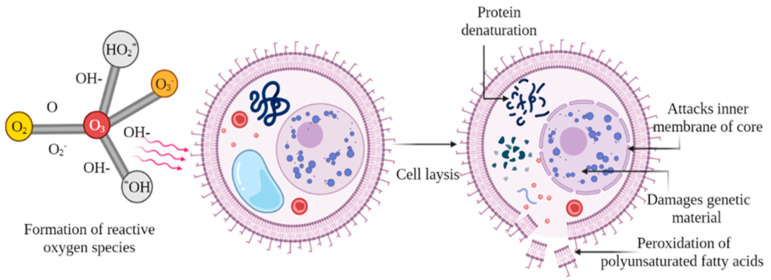
§ Emerging Trends for Nonthermal Decontamination of Raw and Processed Meat: Ozonation, High-Hydrostatic Pressure and Cold Plasma > 1. Introduction Meat is high in protein, vitamins, and minerals, and it is one of the world’s most popular foods. Because of its intrinsic (nutrients, water availability, and pH) and extrinsic (transportation, processing, and storage) characteristics, meat is extremely susceptible to the development of pathogenic and spoilage microbes, for instance, Campylobacter spp., Escherichia coli, Salmonella spp., Staphylococcus aureus, lactic acid bacteria, and Pseudomonas spp. To guarantee food safety and conformity with quality requirements, all these microorganisms must be eliminated throughout industrial processing [1]. But in recent years, the safety of ready-to-eat (RTE) meats has been evaluated due to reported outbreaks that are associated with their consumption. During the repackaging of pasteurized meats, the core of the issue lies in post-process microbial contamination. Poultry and livestock producers can reduce the number of Salmonella (accounting for 31% of foodborne pathogenic deaths) that occur in animals before and during slaughter [2]. Besides, Listeria spp. grow during prolonged storage even at refrigeration temperatures (2–4 °C) [3]. This pathogen is sensitive to normal cooking, but it may contaminate the meat products after heating when exposed to the contaminated environment during cutting, slicing, and repackaging [4]. L. monocytogenes is of particular concern to meat and poultry products because it can grow in both raw and cooked meat [3]. This psychotropic Gram-positive pathogen causes a severe invasive disease called listeriosis. L. monocytogenes not only survive under a wide range of temperatures (1–45 °C) and pH (4.3–9.4), but it can also grow with water activity to a value of 0.92 and above. Furthermore, it can tolerate undesirable environmental conditions such as low-oxygen conditions, nitrite, and high salt content [3]. Food industries are putting efforts towards minimizing such post-process contamination and growth of pathogens by developing hurdle technologies [5]. Similarly, S. aureus can survive heat treatments and again can contaminate meat after cooking. Besides, the pre-and postslaughtering sources of S. aureus contamination include feed, feces, feathers, air, scald water and defeathering machines [6]. S. aureus has become a threat to public health because it can easily adapt to become methicillin-resistant S. aureus (MRSA), even during selective antimicrobial pressure, consequently causing staphylococcal foodborne illness that may lead to MRSA infection [7]. This opportunistic pathogen can grow in a wide range of temperatures, pH, and sodium chloride concentrations of up to 15% [8]. Raw and processed meat are the major food sources associated with food poisoning caused by S. aureus. The conventional techniques to evaluate the microbial safety of meat (i.e., culturing and biochemical testing) are time-consuming and labor-intensive [8]. Other thermal processing methods such as hot water and steam pasteurization [9], and chemical methods, for instance, lactic acid and sodium benzoate [10], trisodium phosphate and sodium hypochlorite [11], potassium sorbate [12], chlorine dioxide, and peroxyacetic acid [13], have been applied to reduce the bacterial counts in meat. For instance, Manzoor et al. [14] evaluated the effect of lactic acid spray (2–4%) on the microflora and shelf-life of buffalo meat displayed under modified atmospheric packaging. The aerobic plate count of sprayed carcasses and steaks was significantly lower than the unsprayed controls. Similarly, the bactericidal activity of lactic acid, levulinic acid, and sodium dodecyl sulfate was determined individually and in combination against Shiga toxin-producing E. coli (STEC) in pure culture conditions [15]. Results showed that the use of 3% lactic acid for 2 min in pure cultures reduced E. coli O26: H11, O45: H2, O111: H8, O103: H2, O121: H2, O145: NM, and O157: H7 populations by 2.1, 0.4, 0.3, 1.4, 0.3, 2.1, and 1.7 log CFU/mL, respectively. While the treatments of 0.5% levulinic acid, plus 0.05% sodium dodecyl sulfate, for less than 1 min reduced the populations of all STEC strains to undetectable levels [15]. In general, lactic acid concentrations less than 5% have not proven to be effective against Campylobacter in the form of a spray wash [16,17], even though levels of just 2% produced significant Salmonella reduction compared to other treatments [18]. The increased levels of to up to 8% caused considerable deterioration of the appearance of the carcasses, although the use of high acid concentration was beneficial for reducing the numbers of Campylobacter [16]. Changes in the texture and nutritional components may occur in meat owing to such processes [19,20]. In addition, chemical residues on meat surfaces cause health problems [21]. In the past, the poultry industry utilized 0.5–1 ppm chlorine and ice with a circulation system to lower chicken carcass temperature and bacterial load in the gizzard and intestine during the chilling process. This approach, however, may create cross-contamination in chiller tanks due to cycled poultry water. Chlorine and organic materials may react to generate halogenated organic compounds like chloroform, which relates to bladder and rectal cancer in humans. While considering the limitations and health concerns of chemical antimicrobial agents, it is necessary to seek other disinfectants or nonthermal technologies, such as ozone [22], high-hydrostatic pressure (HHP) [23,24], and cold plasma (CP) [25], as alternatives. Ozone gas, for instance, is one of the most potent oxidants known (for its use as a bactericide) because it can attack the cellular membrane of bacterial cells, leading to the lysis of cell structure and damage of DNA and proteins [26]. On the other hand, HHP, as a food preservation technology used for short-term treatment under high pressure, replaced the utilization of chemical preservatives or high temperatures [27]. Similarly, CP had been identified as a potential source of nitrite and its application in the meat industry as plasma-activated water is a great and efficient way of meat curing [28]. This review covers these technologies and their recent applications as nonthermal decontamination approaches for various meat products.
What the sources say
- Supportedcites [3] Yousefi M. Khorshidian N. Hosseini H. Potential Application of Essential Oils for Mitigation of Listeria Monocytogenes in Meat and Poultry Products Front. Nutr. 2020 7 255 10.3389/fnut.2020.577287 33330578 PMC7732451 source
The “L. monocytogenes in Meat and Meat Products” section explicitly says the organism can grow in both raw and cooked meat during refrigerated storage and identifies this as a serious concern for the meat industry. The citing sentence accurately paraphrases that point. (LLM, conf=0.94)
plain- Asserted: passes — The authors put it forward as true.
- Checkable: passes — It can be checked against evidence.
- Load-bearing: passes — The paper’s conclusions depend on it.
- Based: passes — The paper gives a reason why it holds.
- Supported
Every source the paper cites for this claim was checked and supports it.
In the paper
“Besides, Listeria spp. grow during prolonged storage even at refrigeration temperatures (2–4 °C) [3].”
§ Emerging Trends for Nonthermal Decontamination of Raw and Processed Meat: Ozonation, High-Hydrostatic Pressure and Cold Plasma > 1. Introduction Meat is high in protein, vitamins, and minerals, and it is one of the world’s most popular foods. Because of its intrinsic (nutrients, water availability, and pH) and extrinsic (transportation, processing, and storage) characteristics, meat is extremely susceptible to the development of pathogenic and spoilage microbes, for instance, Campylobacter spp., Escherichia coli, Salmonella spp., Staphylococcus aureus, lactic acid bacteria, and Pseudomonas spp. To guarantee food safety and conformity with quality requirements, all these microorganisms must be eliminated throughout industrial processing [1]. But in recent years, the safety of ready-to-eat (RTE) meats has been evaluated due to reported outbreaks that are associated with their consumption. During the repackaging of pasteurized meats, the core of the issue lies in post-process microbial contamination. Poultry and livestock producers can reduce the number of Salmonella (accounting for 31% of foodborne pathogenic deaths) that occur in animals before and during slaughter [2]. Besides, Listeria spp. grow during prolonged storage even at refrigeration temperatures (2–4 °C) [3]. This pathogen is sensitive to normal cooking, but it may contaminate the meat products after heating when exposed to the contaminated environment during cutting, slicing, and repackaging [4]. L. monocytogenes is of particular concern to meat and poultry products because it can grow in both raw and cooked meat [3]. This psychotropic Gram-positive pathogen causes a severe invasive disease called listeriosis. L. monocytogenes not only survive under a wide range of temperatures (1–45 °C) and pH (4.3–9.4), but it can also grow with water activity to a value of 0.92 and above. Furthermore, it can tolerate undesirable environmental conditions such as low-oxygen conditions, nitrite, and high salt content [3]. Food industries are putting efforts towards minimizing such post-process contamination and growth of pathogens by developing hurdle technologies [5]. Similarly, S. aureus can survive heat treatments and again can contaminate meat after cooking. Besides, the pre-and postslaughtering sources of S. aureus contamination include feed, feces, feathers, air, scald water and defeathering machines [6]. S. aureus has become a threat to public health because it can easily adapt to become methicillin-resistant S. aureus (MRSA), even during selective antimicrobial pressure, consequently causing staphylococcal foodborne illness that may lead to MRSA infection [7]. This opportunistic pathogen can grow in a wide range of temperatures, pH, and sodium chloride concentrations of up to 15% [8]. Raw and processed meat are the major food sources associated with food poisoning caused by S. aureus. The conventional techniques to evaluate the microbial safety of meat (i.e., culturing and biochemical testing) are time-consuming and labor-intensive [8]. Other thermal processing methods such as hot water and steam pasteurization [9], and chemical methods, for instance, lactic acid and sodium benzoate [10], trisodium phosphate and sodium hypochlorite [11], potassium sorbate [12], chlorine dioxide, and peroxyacetic acid [13], have been applied to reduce the bacterial counts in meat. For instance, Manzoor et al. [14] evaluated the effect of lactic acid spray (2–4%) on the microflora and shelf-life of buffalo meat displayed under modified atmospheric packaging. The aerobic plate count of sprayed carcasses and steaks was significantly lower than the unsprayed controls. Similarly, the bactericidal activity of lactic acid, levulinic acid, and sodium dodecyl sulfate was determined individually and in combination against Shiga toxin-producing E. coli (STEC) in pure culture conditions [15]. Results showed that the use of 3% lactic acid for 2 min in pure cultures reduced E. coli O26: H11, O45: H2, O111: H8, O103: H2, O121: H2, O145: NM, and O157: H7 populations by 2.1, 0.4, 0.3, 1.4, 0.3, 2.1, and 1.7 log CFU/mL, respectively. While the treatments of 0.5% levulinic acid, plus 0.05% sodium dodecyl sulfate, for less than 1 min reduced the populations of all STEC strains to undetectable levels [15]. In general, lactic acid concentrations less than 5% have not proven to be effective against Campylobacter in the form of a spray wash [16,17], even though levels of just 2% produced significant Salmonella reduction compared to other treatments [18]. The increased levels of to up to 8% caused considerable deterioration of the appearance of the carcasses, although the use of high acid concentration was beneficial for reducing the numbers of Campylobacter [16]. Changes in the texture and nutritional components may occur in meat owing to such processes [19,20]. In addition, chemical residues on meat surfaces cause health problems [21]. In the past, the poultry industry utilized 0.5–1 ppm chlorine and ice with a circulation system to lower chicken carcass temperature and bacterial load in the gizzard and intestine during the chilling process. This approach, however, may create cross-contamination in chiller tanks due to cycled poultry water. Chlorine and organic materials may react to generate halogenated organic compounds like chloroform, which relates to bladder and rectal cancer in humans. While considering the limitations and health concerns of chemical antimicrobial agents, it is necessary to seek other disinfectants or nonthermal technologies, such as ozone [22], high-hydrostatic pressure (HHP) [23,24], and cold plasma (CP) [25], as alternatives. Ozone gas, for instance, is one of the most potent oxidants known (for its use as a bactericide) because it can attack the cellular membrane of bacterial cells, leading to the lysis of cell structure and damage of DNA and proteins [26]. On the other hand, HHP, as a food preservation technology used for short-term treatment under high pressure, replaced the utilization of chemical preservatives or high temperatures [27]. Similarly, CP had been identified as a potential source of nitrite and its application in the meat industry as plasma-activated water is a great and efficient way of meat curing [28]. This review covers these technologies and their recent applications as nonthermal decontamination approaches for various meat products.
What the sources say
- Supportedcites [3] Yousefi M. Khorshidian N. Hosseini H. Potential Application of Essential Oils for Mitigation of Listeria Monocytogenes in Meat and Poultry Products Front. Nutr. 2020 7 255 10.3389/fnut.2020.577287 33330578 PMC7732451 source
The Introduction states that L. monocytogenes can grow at 2–4°C. The ‘L. monocytogenes in Meat and Meat Products’ section says Listeria spp. can grow in meat during refrigerated storage and that L. monocytogenes can persist in food products at refrigerated temperatures for a long time. (LLM, conf=0.91)
plainstates a cause- Asserted: passes — The authors put it forward as true.
- Checkable: passes — It can be checked against evidence.
- Load-bearing: passes — The paper’s conclusions depend on it.
- Based: passes — The paper gives a reason why it holds.
- Supported
Every source the paper cites for this claim was checked and supports it.
In the paper
“In chicken and duck breast, gaseous ozone (10 × 10−6 kg O3/m3/h) suppressed coliforms, aerobic, and anaerobic bacteria effectively.”
§ Emerging Trends for Nonthermal Decontamination of Raw and Processed Meat: Ozonation, High-Hydrostatic Pressure and Cold Plasma > 2. Nonthermal Decontamination Technologies > 2.1. Ozonation
What the sources say
- Supportedcites [31] Muhlisin M. Utama D.T. Lee J.H. Choi J.H. Lee S.K. Effects of Gaseous Ozone Exposure on Bacterial Counts and Oxidative Properties in Chicken and Duck Breast Meat Korean J. Food Sci. Anim. Resour. 2016 36 405 411 10.5851/kosfa.2016.36.3.405 27433112 PMC4942556 source
The Conclusions state that gaseous ozone at 10×10−6 kg O3/m3/h effectively inhibited coliform and total aerobic and anaerobic bacteria in chicken and duck breast meat during refrigerated storage. The Bacterial growth section also reports reduced counts for all three groups, with effects appearing on different storage days. (LLM, conf=0.94)
plainstates a cause- Asserted: passes — The authors put it forward as true.
- Checkable: passes — It can be checked against evidence.
- Load-bearing: unclear — It is unclear whether the paper’s conclusions depend on it.
- Based: passes — The paper gives a reason why it holds.
- Supported
Every source the paper cites for this claim was checked and supports it.
In the paper
“However, oxidation by ozone action led to the irreversible damage of cellular proteins and fatty acids in the cell membrane [31].”
§ Emerging Trends for Nonthermal Decontamination of Raw and Processed Meat: Ozonation, High-Hydrostatic Pressure and Cold Plasma > 2. Nonthermal Decontamination Technologies > 2.1. Ozonation
What the sources say
- Supportedcites [31] Muhlisin M. Utama D.T. Lee J.H. Choi J.H. Lee S.K. Effects of Gaseous Ozone Exposure on Bacterial Counts and Oxidative Properties in Chicken and Duck Breast Meat Korean J. Food Sci. Anim. Resour. 2016 36 405 411 10.5851/kosfa.2016.36.3.405 27433112 PMC4942556 source
The Results and Discussion section (“Lipid oxidation”) states that ozone action causes irreversible oxidative damage to fatty acids in the cell membrane and cellular protein. This directly supports the citing sentence. (LLM, conf=0.94)
plainstates a cause- Asserted: passes — The authors put it forward as true.
- Checkable: passes — It can be checked against evidence.
- Load-bearing: unclear — It is unclear whether the paper’s conclusions depend on it.
- Based: passes — The paper gives a reason why it holds.
- Supported
Every source the paper cites for this claim was checked and supports it.
In the paper
“According to the authors, ozone and other ROS are powerful oxidants that induce myoglobin and lipid oxidation.”
§ Emerging Trends for Nonthermal Decontamination of Raw and Processed Meat: Ozonation, High-Hydrostatic Pressure and Cold Plasma > 2. Nonthermal Decontamination Technologies > 2.1. Ozonation
What the sources say
- Supportedcites [31] Muhlisin M. Utama D.T. Lee J.H. Choi J.H. Lee S.K. Effects of Gaseous Ozone Exposure on Bacterial Counts and Oxidative Properties in Chicken and Duck Breast Meat Korean J. Food Sci. Anim. Resour. 2016 36 405 411 10.5851/kosfa.2016.36.3.405 27433112 PMC4942556 source
The Results and Discussion section (“Instrumental surface color”) explicitly states that ozone and other reactive oxygen species are strong oxidants that initiate lipid and myoglobin oxidation. This directly supports the citing sentence’s paraphrase. (LLM, conf=0.95)
plainstates a cause- Asserted: passes — The authors put it forward as true.
- Checkable: passes — It can be checked against evidence.
- Load-bearing: passes — The paper’s conclusions depend on it.
- Based: passes — The paper gives a reason why it holds.
- Supported
65 more claims · 3 with their cited sources checked
Create a free account to see all 129 claims and to verify the 22 references still open.
- It may state two separate claims as one. 45
- Probably not a substantial claim. 23
Citations
Cites
Palareti, G., Legnani, C., Cosmi, B., Antonucci, E., Erba, N., Poli, D., Testa, S., Tosetto, A., & the DULCIS (D‐dimer‐ULtrasonography in Combination Italian Study) Investigators (See Appendix) (2016) · International Journal of Laboratory Hematology · doi:10.1111/ijlh.12426 · Cited by 902
Compendium of the Microbiological Spoilage of Foods and Beverages
(2009) · Springer eBooks · doi:10.1007/978-1-4419-0826-1 · Cited by 437
Applications of cold plasma technology for microbiological safety in meat industry
Misra, N. N., & Jo, C. (2017) · Trends in Food Science & Technology · doi:10.1016/j.tifs.2017.04.005 · Cited by 340 · cited 1×
“[96] reviewed the greater attention of the meat industry towards the potential application of CP technology regarding effective decontamination techniques.”
BackgroundOzone Based Food Preservation: A Promising Green Technology for Enhanced Food Safety
Pandiselvam, R., Subhashini, S., Banuu Priya, E. P., Kothakota, A., Ramesh, S. V., & Shahir, S. (2019) · Ozone: Science & Engineering · doi:10.1080/01919512.2018.1490636 · Cited by 291 · cited 1×
“Ozonation safely oxidized the contaminants without affecting their quality and left no residues behind [38].”
BackgroundPrinciples and Practice of Disinfection, Preservation and Sterilization
Cooke, E. M. (1983) · Journal of Clinical Pathology · doi:10.1136/jcp.36.3.364-b · Cited by 286
Ozone as a novel emerging technology for the dissipation of pesticide residues in foods–a review
Pandiselvam, R., Kaavya, R., Jayanath, Y., Veenuttranon, K., Lueprasitsakul, P., Divya, V., Kothakota, A., & Ramesh, S. V. (2020) · Trends in Food Science & Technology · doi:10.1016/j.tifs.2019.12.017 · Cited by 243 · cited 1×
“Moreover, ozone is quite unstable, with even exposure to light potentially degrading it; hence, it cannot be stored [40].”
BackgroundIn-package cold plasma technologies
Misra, N. N., Yepez, X., Xu, L., & Keener, K. (2019) · Journal of Food Engineering · doi:10.1016/j.jfoodeng.2018.09.019 · Cited by 180 · cited 1×
“This technology has a distinct approach to packaging, among the various possible configurations, which consists of ionized gas (air or a modified gas) and the food product in a sealed package being exposed to a strong electric field [98].”
BackgroundFernández, A., Shearer, N., Wilson, D. R., & Thompson, A. (2012) · International Journal of Food Microbiology · doi:10.1016/j.ijfoodmicro.2011.02.038 · Cited by 177 · cited 1×
“Sometimes, CP treatment activated a detoxification system, in which proteins interact with the CP-reactive species and have a decreased inactivation rate [93].”
BackgroundMoutiq, R., Misra, N. N., Mendonça, A., & Keener, K. (2020) · Meat Science · doi:10.1016/j.meatsci.2019.107942 · Cited by 176 · cited 1×
“[80] used atmospheric CP treatments (at 100 kV) on chicken breast samples to achieve a 2 log CFU/g reduction in natural microflora within 5 min of treatment.”
MethodKnowledge gaps in control of Campylobacter for prevention of campylobacteriosis
Hansson, I., Sandberg, M., Habib, I., Lowman, R., & Engvall, E. O. (2018) · Transboundary and Emerging Diseases · doi:10.1111/tbed.12870 · Cited by 172 · cited 1×
“In general, lactic acid concentrations less than 5% have not proven to be effective against Campylobacter in the form of a spray wash [16,17], even though levels of just 2% produced significant Salmonella reduction compared to other treatments [18].”
Background
Research works printed but not linked: 4
- Stoica M. Stoean S. Alexe P. Overview of Biological Hazards Associated with the Consumption of the Meat Products J. Agroaliment. Process. Technol. 2014 20 192 197
- Global High Pressure Processing (HPP) Food Market—Analysis by Product Type, Distribution Channel, by Region, by Country (2020 Edition): Market Insights, Outlook Post COVID-19 Pandemic (2020–2025) Research and Markets Dublin, Ireland 2020
- Yong H.I. Han M. Suh J. Yoo S.J. Lee H. Jo C. Effect of Dielectric Barrier Discharge Plasma on the Discoloration of Myoglobin Meat Sci. Technol. 2016 60 63 Available online: http://icomst-proceedings.helsinki.fi/papers/2016_07_28.pdf (accessed on 16 May 2022)
- Benecke P. Ahlfeld B. Boulaaba A. Zimmermann J.L. Klein G. Effect of Atmospheric Cold Plasma (ACP) on Escherichia Coli, Listeria Monocytogenes and Salmonella Enterica Serovar Typhimurium on Ready-to-Eat Mortadella-Type Sausage Meat Sci. Technol. 2016 1 4 Available online: http://icomst-proceedings.helsinki.fi/papers/2016_06_09.pdf (accessed on 16 May 2022)
Cited by
Cold plasma technology: Reshaping food preservation and safety
Kaur, S., Kumar, Y., Singh, V., Kaur, J., & Panesar, P. S. (2024) · Food Control · doi:10.1016/j.foodcont.2024.110537 · Cited by 98
Ağagündüz, D., Ayakdaş, G., Katırcıoğlu, B., & Özoğul, F. (2025) · Sustainable Food Technology · doi:10.1039/d5fb00136f · Cited by 78
Arshad, R. N., Abdul‐Malek, Z., Roobab, U., Ranjha, M. M. A. N., Jambrak, A. R., Qureshi, M. I., Khan, N., Lorenzo, J. M., & Aadil, R. M. (2022) · Food Chemistry X · doi:10.1016/j.fochx.2022.100516 · Cited by 68
Self-citationMycotoxins and consumers’ awareness: Recent progress and future challenges
Mukhtar, K., Nabi, B. G., Ansar, S., Bhat, Z. F., Aadil, R. M., & Khaneghah, A. M. (2023) · Toxicon · doi:10.1016/j.toxicon.2023.107227 · Cited by 59
Self-citationListeria monocytogenes and Listeriosis: The Global Enigma
Manyi-Loh, C. E., & Lues, R. J. F. (2025) · Foods · doi:10.3390/foods14071266 · Cited by 73
A review on plasma‐activated water and its application in the meat industry
Hadinoto, K., Niemira, B. A., & Trujillo, F. J. (2023) · Comprehensive Reviews in Food Science and Food Safety · doi:10.1111/1541-4337.13250 · Cited by 54
Sharma, R., Nath, P. C., Rustagi, S., Sharma, M., Inbaraj, B. S., Dikkala, P. K., Nayak, P. K., & Sridhar, K. (2025) · International Journal of Food Science · doi:10.1155/ijfo/4166141 · Cited by 60
“The CP can e ff ectively destroy pathogenic microbes like E. coli (O157:H7), Salmonella , Shigella , and Listeria monocytogenes that pose a threat to human health [88, 89].”
Multitarget preservation technologies for chemical‐free sustainable meat processing
Kaur, R., Kaur, L., Gupta, T. B., Singh, J., & Bronlund, J. E. (2022) · Journal of Food Science · doi:10.1111/1750-3841.16329 · Cited by 30
“%) ranges (Hu et al., 2020; Roobab et al., 2022).”
BackgroundInfluentialLee, H. W., Oh, Y. J., & Min, S. C. (2023) · Food Control · doi:10.1016/j.foodcont.2023.110107 · Cited by 28
Suja, E., & Gummadi, S. N. (2023) · Critical Reviews in Microbiology · doi:10.1080/1040841x.2023.2271098 · Cited by 27
“However, food safety remains a major concern for both raw and processed food products as these can be contaminated with spoilage and pathogenic bacteria during pre or post-packaging stages, which can compromise their safety and quality (Azimirad et al. 2021; Roobab et al. 2022).”
InfluentialRoobab, U., Madni, G. M., Ranjha, M. M. A. N., Khan, A. W., Selim, S., Almuhayawi, M. S., Samy, M., Zeng, X., & Aadil, R. M. (2023) · Frontiers in Sustainable Food Systems · doi:10.3389/fsufs.2023.1007967 · Cited by 35
“Current usage of ozone has proven effective antimicrobial agent against microbial populations that leaves no toxic residues on food or equipment, making it a greener environment-friendly technology (Pandiselvam et al., 2020; Roobab et al., 2022).”
BackgroundSelf-citationPandiselvam, R., Özaslan, Z. T., Sahni, P., et al. (2024) · Future Foods · doi:10.1016/j.fufo.2024.100488 · Cited by 21
Cheng, C., Jiang, L., Li, X., Song, H., & Fang, W. (2023) · Food Quality and Safety · doi:10.1093/fqsafe/fyad049 · Cited by 24
Singh, B., Kumar, N., Yadav, A., Rohan, R., & Bhandari, K. (2025) · Current Microbiology · doi:10.1007/s00284-025-04155-8 · Cited by 26
Adal, S., Kıyak, B. D., Koç, G. Ç., Süfer, Ö., Karabacak, A. Ö., Çınkır, N. İ., Çelebi̇, Y., Jeevarathinam, G., Rustagi, S., & Pandiselvam, R. (2024) · Future Foods · doi:10.1016/j.fufo.2024.100369 · Cited by 19
Wang, L., Chen, L., Zhao, S., Huang, Y., Zeng, X., & Aadil, R. M. (2022) · Frontiers in Nutrition · doi:10.3389/fnut.2022.1012901 · Cited by 20
Self-citationWu, K., Zhang, T., Chai, X., Wang, P., Duan, X., & Hu, H. (2025) · LWT · doi:10.1016/j.lwt.2025.117449 · Cited by 13
Chen, B.-R., Roobab, U., Madni, G. M., Abdi, G., Zeng, X., & Aadil, R. M. (2024) · Ultrasonics Sonochemistry · doi:10.1016/j.ultsonch.2024.106962 · Cited by 12
“Therefore, precise control of temperature and processing times is crucial to ensure effective decontamination while minimizing the risk of transferring viable microorganisms to consumers in ready-to-eat meat products [30].”
BackgroundSelf-citationExploring the Nexus of Feeding and Processing: Implications for Meat Quality and Sensory Perception
Rodrigues, S. S. Q., Leite, A., Vasconcelos, L., & Teixeira, A. D. C. (2024) · Foods · doi:10.3390/foods13223642 · Cited by 16
“For industrial purposes, cold plasma treatment is not certified as an antimicrobial technology, so future studies are needed in relation to oxygen-reduced atmospheres and biopolymeric materials [85].”
Akhi, A., Rana, M. R., Islam, N., & Ahmed, T. (2025) · Journal of Food Processing and Preservation · doi:10.1155/jfpp/4986605 · Cited by 11
Raza, A., Abdullah, H. M., Wasiq, M., Butt, M. U., Afzaal, M., Singh, A., Panigrahi, R., & Shah, M. A. (2026) · Food Science & Nutrition · doi:10.1002/fsn3.71712 · Cited by 13
“HPP maintains texture in seafood and meat by preserving the native protein structure while inactivating spoilage organisms (Roobab, Chacha, et al. 2022; Brito and Silva 2024).”
Oliulla, H., Mizan, M. F. R., Kang, I., & Ha, S.-D. (2024) · Poultry Science · doi:10.1016/j.psj.2024.104373 · Cited by 11
Rathnakumar, K., Rajasekaran, B., Shah, K., Nickhil, C., Palanisamy, S., Palamae, S., Khanashyam, A. C., Pandiselvam, R., Benjakul, S., Thorakattu, P., et al. (2024) · Critical Reviews in Food Science and Nutrition · doi:10.1080/10408398.2024.2316295 · Cited by 10
“• The large cost of capital required to set up plasma generating equipment, as well as the difficulties involved with understanding plasma chemistry, are two major drawbacks of this non-thermal technology (Roobab et al. 2022).”
InfluentialNon-equilibrium cold plasmas and their impacts on physico-chemical properties of food items
Mishra, R., Chhabra, M., & Prakash, R. (2025) · Reviews of Modern Plasma Physics · doi:10.1007/s41614-025-00192-9 · Cited by 10
Mustafa, S., Farooq, K., Ismail, A. M., Mahmood, S., Matar, A., Alharbi, A. S., Saleh, H. A. F., & Du, X. (2025) · Journal of Food Process Engineering · doi:10.1111/jfpe.70095 · Cited by 7
Modeling and optimization of non-thermal technologies for animal-origin food decontamination
Bernardo, Y. A. D. A., & Conte‐Júnior, C. A. (2024) · Advances in food and nutrition research · doi:10.1016/bs.afnr.2024.02.001 · Cited by 4
Tittarelli, F., Battistelli, N., & Aprea, G. (2026) · Journal of Food Protection · doi:10.1016/j.jfp.2026.100744 · Cited by 4
Zhang, J., Zhao, R., Zhang, Y., et al. (2024) · Foods · doi:10.3390/foods13213360 · Cited by 2
Antos, P., Piechowiak, T., Balawejder, M., Kowalczyk, K., & Tereszkiewicz, K. (2025) · PLoS ONE · doi:10.1371/journal.pone.0327866 · Cited by 4
“For example, ozone has been found to be effective in reducing microbial growth and extending the shelf life of food products, including chicken meat [12].”
Green Technologies for Sustainable Food Production and Preservation: High-Pressure Processing
Lamela, C. P. (2023) · Elsevier eBooks · doi:10.1016/b978-0-12-823960-5.00094-9 · Cited by 4
Packaging, Conservation, and Shelf Life of Cultivated Meat
Bortolini, D. G., Maior, L. D. O., Couto, G. H., Benegra, M., Pagnoncelli, M. G. B., & Lacerda, L. G. (2024) · Springer eBooks · doi:10.1007/978-3-031-55968-6_10 · Cited by 2
Manufacturing Procedures for Controlling Harmful Microorganisms in Halal Chicken Meat Products
Sulieman, A. M. E., & Zeid, I. M. A. (2023) · Springer eBooks · doi:10.1007/978-3-031-41459-6_25 · Cited by 3
Sandes, S. H. C., Figueiredo, N., Pires, S., et al. (2026) · International Journal of Food Microbiology · doi:10.1016/j.ijfoodmicro.2026.111659 · Cited by 1
Pandey, V. K., Nath, P. C., Thapliyal, S., & Shaikh, A. M. (2026) · Ultrasonics Sonochemistry · doi:10.1016/j.ultsonch.2026.107807 · Cited by 3
Mostafa, M. S. E. M., Abony, I. H., Moin, M. B., Tushar, Z. H., Hashem, M., & Rahman, M. M. (2026) · Future Foods · doi:10.1016/j.fufo.2026.101142 · Cited by 3
Zahir, A., Dhillon, G. K., Akhter, S., Rasmi, P. K., Bora, P. P., & Hosseinvand, A. (2026) · NFS Journal · doi:10.1016/j.nfs.2026.100288 · Cited by 2
Triatmojo, A., Muzayyanah, M. A. U., & Qui, N. H. (2023) · JURNAL TRITON · doi:10.47687/jt.v14i1.465 · Cited by 5
“Konsumen menyadari bahwa produk daging olahan memiliki manfaat lebih dari pada daging segar karena dapat disimpan lebih lama, praktis, dan mudah untuk dihidangkan (Danh & Truc, 2022; Dias & Junior, 2016; Gelbíčová et al., 2022; Roobab et al., 2022).”
BackgroundUse of Microbe Free Contact Surfaces to Control Food Spoilage: A Step Towards New Food Technologies
Saleem, S., Ahmad, F., & Khan, S. T. (2024) · Springer eBooks · doi:10.1007/978-3-031-51417-3_3 · Cited by 1
Green processing technology of meat and meat products: A review
El-tahlawy, A. S. (2025) · Theory and practice of meat processing · doi:10.21323/2414-438x-2025-10-1-32-44
Prashanthkumar, M. C., Palamae, S., Saetang, J., Zhang, B., & Benjakul, S. (2026) · Journal of Food Science · doi:10.1111/1750-3841.70827
Direct Application of Organic Acids for Decontamination of Carcass and Raw Meat
Das, A., Das, A., Satyaprakash, K., et al. (2026) · Methods and protocols in food science · doi:10.1007/978-1-0716-5068-4_15
Delgado, K., González-Esparza, A., Muñoz, O., Loaiza, D., Contreras, C., Flores, M., Chaves, B. D., & Concha‐Meyer, A. A. (2026) · Innovative Food Science & Emerging Technologies · doi:10.1016/j.ifset.2026.104679 · Cited by 2
Ali, M., Manzoor, M. F., Afraz, M. T., & Zeng, X. (2026) · Journal of Food Process Engineering · doi:10.1111/jfpe.70679
Self-citation
Metadata
- Authors
- Roobab, U., Chacha, J. S., Abida, A., Rashid, S., Muhammad Madni, G., Lorenzo, J. M., Zeng, X.-A., & Aadil, R. M.
- Affiliations
- South China University of Technology (CN)
- Sokoine University of Agriculture (TZ)
- University of Agriculture Faisalabad (PK)
- National Institute of Food Science and Technology, University of Agriculture, Faisalabad 38000, Pakistan
- Centro Tecnológico de la Carne de Galicia, Rúa Galicia Nº 4, Parque Tecnológico de Galicia, San Cibrao das Viñas, 32900 Ourense, Spain
- Corresponding author
- Zeng, Xin-An
- Aadil, Rana Muhammad
- ORCID
- Venue
- Foods
- Publisher
- MDPI AG
- Published
- 2022-07-22
- Volume
- 11
- Issue
- 15
- Pages
- 2173
- ISSN
- 2304-8158 (ISSN-L)
- PMC
- PMC9330470
- OpenAlex
- W4286698084
- Semantic Scholar
- 1d549a0917986529f6e0ed05a7614981cce547e3
- Cited by
- 45
- References
- 101
- Citations by year
- 2026: 10 · 2025: 12 · 2024: 11 · 2023: 9 · 2022: 3
- FWCI
- 1.01
- Type
- journal article
- Language
- en
- Open access
- gold
- doi.org
- Licence
- Locations
- Foods (publishedVersion, cc-by)
- PubMed Central (publishedVersion, cc-by)
- PubMed (publishedVersion)
- Investigo Institutional repository of UVigo (Universidade de Vigo) (submittedVersion, cc-by)
- DOAJ (DOAJ: Directory of Open Access Journals) (submittedVersion, cc-by-sa)
- Funders
- China Scholarship Council (IN607A2019/01)
- South China University of Technology
- CYTED Ciencia y Tecnología para el Desarrollo (.119RT0568, IN607A2019/01)
- Axencia Galega de Innovación (119RT0568, IN607A2019‐01)
- Topics
- Life Sciences › Biochemistry, Genetics and Molecular Biology › Biotechnology › Microbial Inactivation Methods
- Life Sciences › Agricultural and Biological Sciences › Animal Science and Zoology › Meat and Animal Product Quality
- Life Sciences › Agricultural and Biological Sciences › Food Science › Listeria monocytogenes in Food Safety
- Keywords
- meat, ozonation, high pressure processing, cold atmospheric plasma, hurdle technology, shelf life extension, spoilage microorganisms, pathogenic microorganisms, chemical preservative alternatives, clean-label ingredients, carcass decontamination, meat processing
About these checks
Registry, retraction, Cites and statistics results are computed, not judged, with one exception: a printed reference that no index lists is read once by a model before it counts as a citation error. Claims are extracted by a model and kept only when their quote appears verbatim in the text; each cited source is then checked, with a model’s help, for whether it says what the claim relies on. Those verdicts can be wrong — read the claim’s quote and the cited source before relying on one.
The claim verdicts this report counts are experimental: their accuracy is not yet measured.
A language model drew the claims from the paper on 2026-10-10, under version 3 of the claim definition (model deepseek-v4.1-flash, prompt extract-v3).
A second model labelled each claim on 2026-10-10 (model jev-1.13-20260917, definition revision gold-guideline-v0.2).
Cited sources are checked with a language model’s help (gpt-6-sol).
Statistics and arithmetic are recomputed, not judged.
Confidence bands are shown only for fields calibrated on our annotated test set. None is calibrated yet, so no band is shown.
What counts as a claim ›How we measure confidence ›How we check this ›
Are you an author, or do you see a problem with this page? Request a review
Data sources
Bibliographic data: Semantic Scholar, OpenAlex, Crossref.
Contains information from the Semantic Scholar Academic Graph Datasets, made available under the ODC Attribution License (ODC-BY 1.0).
Semantic Scholar’s data is described in: Kinney, R., et al. (2023). The Semantic Scholar Open Data Platform. arXiv:2301.10140.
