

Physico-Chemical Properties and Texturization of Pea, Wheat and Soy Proteins Using Extrusion and Their Application in Plant-Based Meat
Open accessThe DOI matches its Crossref record; 33 of the 33 references it cites were found in a registry or an index.
Abstract
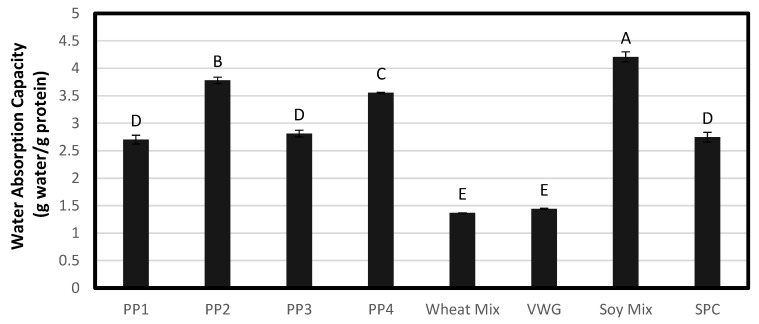
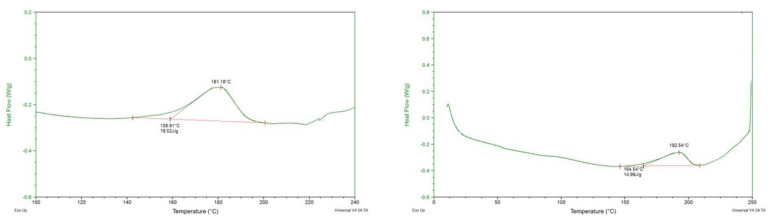
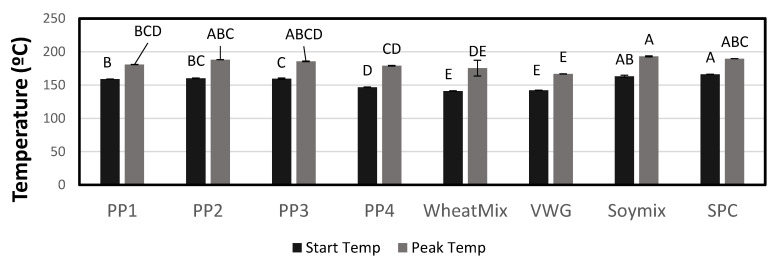
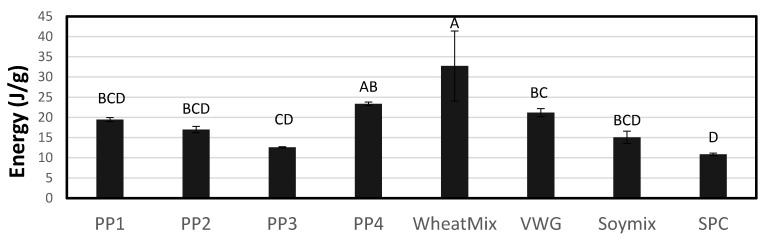
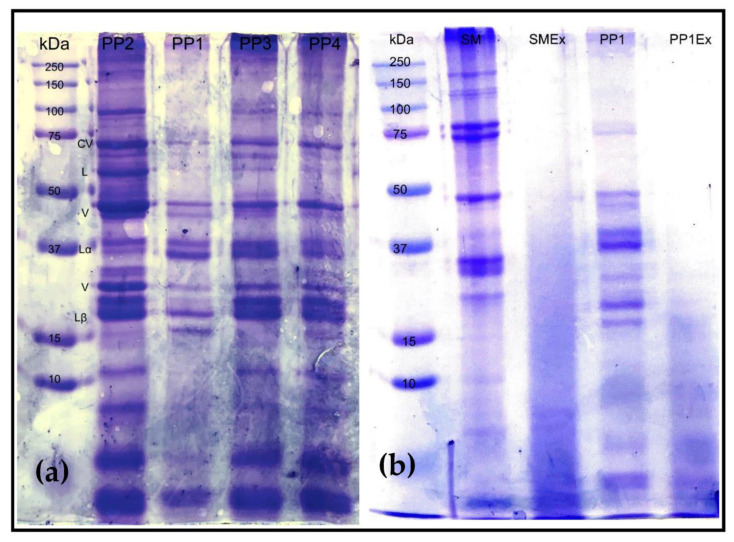
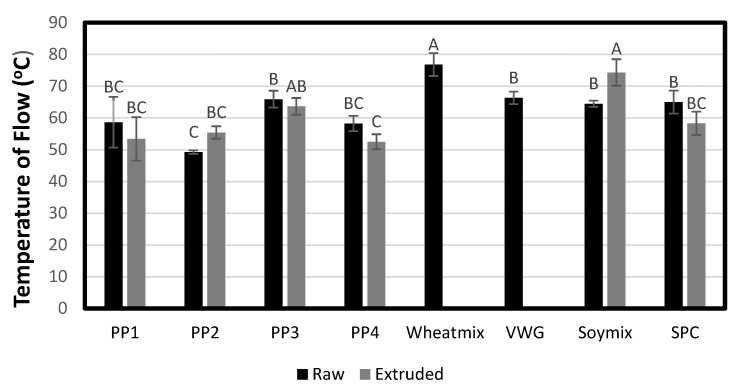
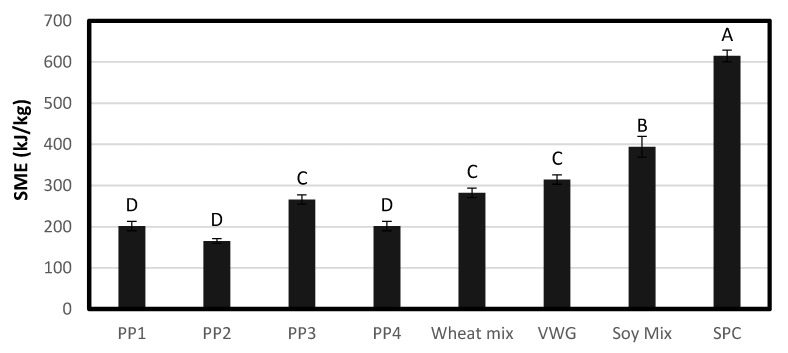
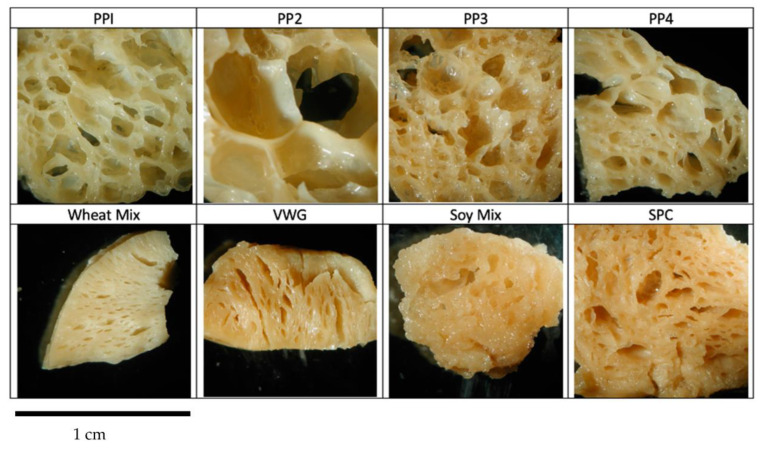
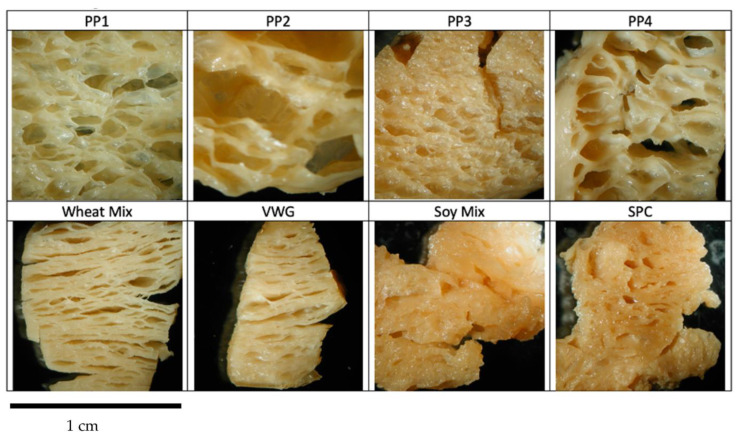
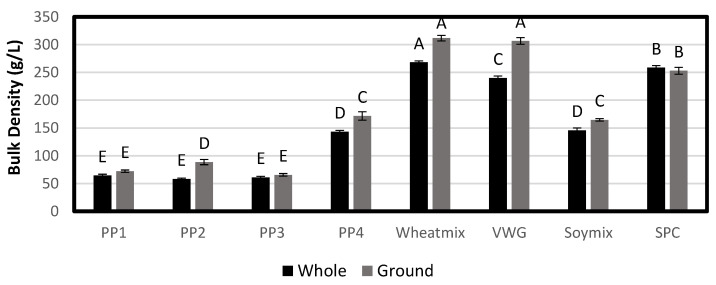
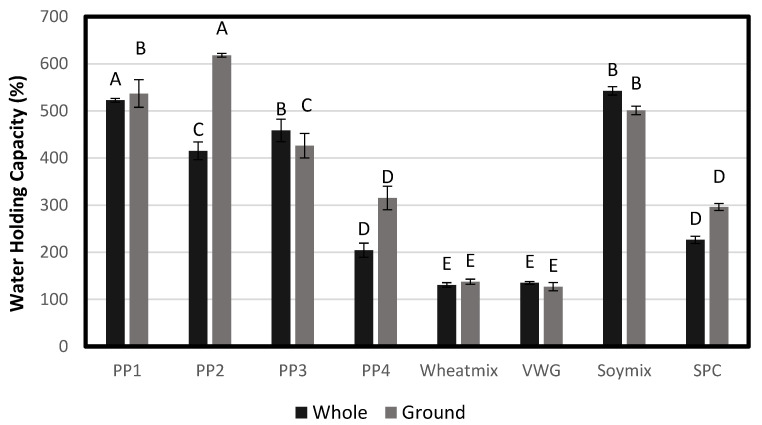
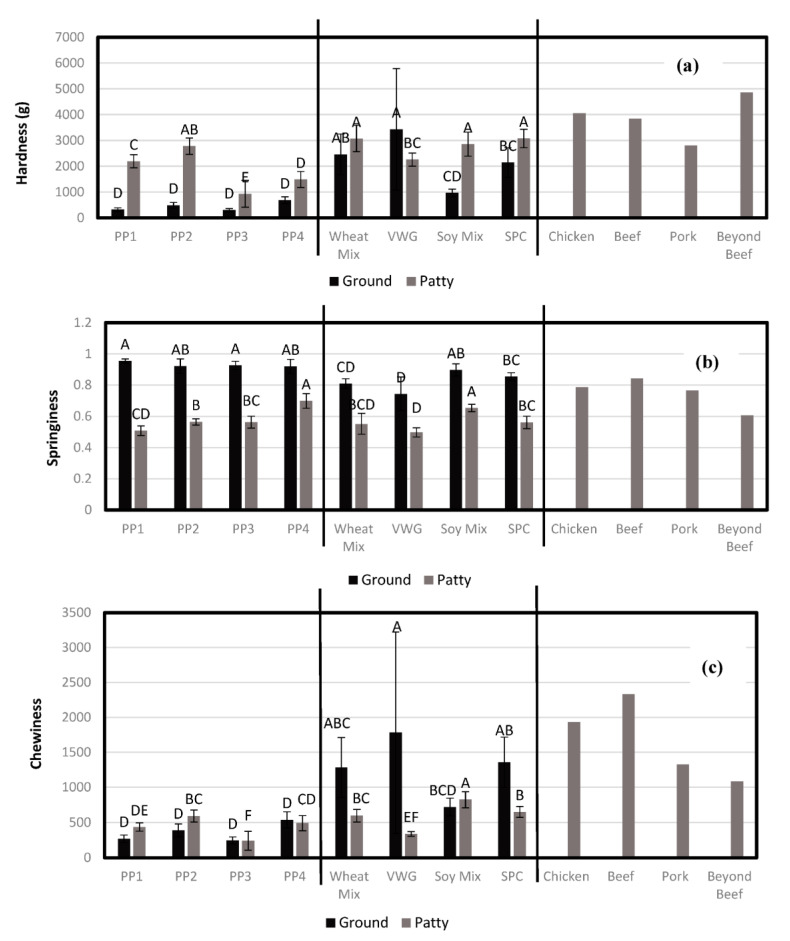
Four commercial pea protein isolates were analyzed for their physico-chemical properties including water absorption capacity (WAC), least gelation concentration (LGC), rapid visco analyzer (RVA) pasting, differential scanning calorimetry (DSC)-based heat-induced denaturation and phase transition (PTA) flow temperature. The proteins were also extruded using pilot-scale twin-screw extrusion with relatively low process moisture to create texturized plant-based meat analog products. Wheat-gluten- and soy-protein-based formulations were similarly analyzed, with the intent to study difference between protein types (pea, wheat and soy). Proteins with a high WAC also had cold-swelling properties, high LGC, low PTA flow temperature and were most soluble in non-reducing SDS-PAGE. These proteins had the highest cross-linking potential, required the least specific mechanical energy during extrusion and led to a porous and less layered texturized internal structure. The formulation containing soy protein isolate and most pea proteins were in this category, although there were notable differences within the latter depending on the commercial source. On the other hand, soy-protein-concentrate- and wheat-gluten-based formulations had almost contrary functional properties and extrusion characteristics, with a dense, layered extrudate structure due to their heat-swelling and/or low cold-swelling characteristics. The textural properties (hardness, chewiness and springiness) of the hydrated ground product and patties also varied depending on protein functionality. With a plethora of plant protein options for texturization, understanding and relating the differences in raw material properties to the corresponding extruded product quality can help tailor formulations and accelerate the development and design of plant-based meat with the desired textural qualities.
Overview
The claims and statistics of this paper haven’t been checked yet.
Free: it reads the open-access text and checks the first 5 claims that cite a source we can check. Create a free account to check every claim.
Integrity signals
Registry
Cites
Statistics
Figures
Verification
Claims the paper makes
The claims and statistics of this paper haven’t been checked yet.
Free: it reads the open-access text and checks the first 5 claims that cite a source we can check. Create a free account to check every claim.
Claims other papers make about this one
Each is checked against this paper’s own text: does it say what the citing paper says it does?
The cited source says what the claim attributes to it.
In the citing paper
“Pea proteins have been extensively applied in the development of plant-based meat analogues, where their gelation and water absorption behaviors are utilized during extrusion to create texturized structures mimicking meat fiber [53].”
From Pea Protein Isolates: From Extraction to Functionality. (2025) · cites this paper as [53]
The check wasn’t confident either way, so it gives no verdict — never disputed.
In the citing paper
“The most effective modification strategies often involve combinations of multiple treatments to achieve synergistic effects [53].”
From Pea Protein Isolates: From Extraction to Functionality. (2025) · cites this paper as [53]
Experimental — accuracy not yet measuredThe check wasn’t confident either way, so it gives no verdict — never disputed.
In the citing paper
“flavor masking through Maillard conjugation with glucose or xylose (60–80 °C, controlled humidity) creates flavor-neutral glycoproteins suitable for beverage applications [53]”
From Pea Protein Isolates: From Extraction to Functionality. (2025) · cites this paper as [53]
Experimental — accuracy not yet measured
Self-check
Percentages, sums and reported differences re-computed from the paper’s own numbers.
The self-check needs the paper’s full text.
Citations
Cites
Reducing food's environmental impacts through producers and consumers
Poore, J., & Nemecek, T. (2018) · Science · doi:10.1126/science.aaq0216 · Cited by 6,085 · cited 1×
“4 m2, respectively, per 100 g) than what is required for beef (50 CO2eq and 164 m2 per 100 g), contributing to environmental ethics considerations and the rise of plant-based meats with pea ingredients [8,9].”
BackgroundPea protein isolates: Structure, extraction, and functionality
Lam, A. C. Y., Can Karaca, A., Tyler, R. T., & Nickerson, M. T. (2018) · Food Reviews International · doi:10.1080/87559129.2016.1242135 · Cited by 902
Proteins from land plants – Potential resources for human nutrition and food security
Day, L. (2013) · Trends in Food Science & Technology · doi:10.1016/j.tifs.2013.05.005 · Cited by 854
The science of plant‐based foods: Constructing next‐generation meat, fish, milk, and egg analogs
McClements, D. J., & Grossmann, L. (2021) · Comprehensive Reviews in Food Science and Food Safety · doi:10.1111/1541-4337.12771 · Cited by 600
Osen, R., Toelstede, S., Wild, F., Eisner, P., & Schweiggert-Weisz, U. (2014) · Journal of Food Engineering · doi:10.1016/j.jfoodeng.2013.11.023 · Cited by 489
Gelatinization of Corn Grits by Roll Cooking, Extrusion Cooking and Steaming
Anderson, R. A., Conway, H. F., & Peplinski, A. J. (1970) · Starch - Stärke · doi:10.1002/star.19700220408 · Cited by 416
Gao, Z., Shen, P., Lan, Y., Cui, L., Ohm, J.-B., Chen, B., & Rao, J. (2020) · Food Research International · doi:10.1016/j.foodres.2020.109045 · Cited by 374
Pea protein ingredients: A mainstream ingredient to (re)formulate innovative foods and beverages.
Boukid, F., Rosell, C. M., & Castellari, M. (2021) · Trends in Food Science & Technology · doi:10.1016/j.tifs.2021.02.040 · Cited by 329
Tanger, C., Engel, J., & Kulozik, U. (2020) · Food Hydrocolloids · doi:10.1016/j.foodhyd.2020.105949 · Cited by 280 · cited 1×
“Proteins differ based on their cultivar and extraction methods [14,34].”
BackgroundMession, J.-L., Chihi, M. L., Sok, N., & Saurel, R. (2015) · Food Hydrocolloids · doi:10.1016/j.foodhyd.2014.11.025 · Cited by 240
Research works printed but not linked: 2
- Kearns J.P. Rokey G.J. Huber G.R. Extrusion of Texturized Proteins Proceedings of the World Congress on Vegetable Protein Utilization in Human Applewhite T.H. The American Oil Chemists Society Urbana, IL, USA 1989 353 362
- Florence O. Uruakpa Gelling Behavior of Plant Proteins and Polysaccharides in Food Systems JFSE 2012 2 247 256
Cited by
Techno-Functional and Sensory Characterization of Commercial Plant Protein Powders
Jakobson, K., Kaleda, A., Adra, K., Tammik, M.-L., Vaikma, H., Kriščiunaite, T., & Vilu, R. (2023) · Foods · doi:10.3390/foods12142805 · Cited by 92
Tang, W., Pan, Q., He, J., & Liu, J. (2025) · Food Research International · doi:10.1016/j.foodres.2025.115673 · Cited by 59
Understanding Protein Functionality and Its Impact on Quality of Plant-Based Meat Analogues
Flory, J., Xiao, R., Li, Y., Dogan, H., Talavera, M. J., & Alavi, S. (2023) · Foods · doi:10.3390/foods12173232 · Cited by 59
Self-citationRecent advance in modification strategies and applications of soy protein gel properties
Liang, P., Chen, S., Fang, X., & Wu, J. (2024) · Comprehensive Reviews in Food Science and Food Safety · doi:10.1111/1541-4337.13276 · Cited by 55
Bhuiyan, M. H. R., Liu, L., Samaranayaka, A., & Ngadi, M. O. (2024) · LWT · doi:10.1016/j.lwt.2024.116667 · Cited by 53
Metadata
- Authors
- Webb, D., Dogan, H., Li, Y., & Alavi, S.
- Affiliations
- Kansas State University (US)
- Department of Grain Science and Industry, Kansas State University, Manhattan, KS 66506, USA
- Corresponding author
- Alavi, Sajid
- Venue
- Foods
- Publisher
- MDPI AG
- Published
- 2023-04-08
- Volume
- 12
- Issue
- 8
- Pages
- 1586
- ISSN
- 2304-8158 (ISSN-L)
- PMC
- PMC10137858
- OpenAlex
- W4363676017
- Cited by
- 103
- References
- 33
- Citations by year
- 2026: 29 · 2025: 48 · 2024: 18 · 2023: 8
- FWCI
- 14.87
- Type
- journal article
- Language
- en
- Open access
- gold
- doi.org
- Licence
- Locations
- Foods (publishedVersion, cc-by)
- PubMed Central (publishedVersion, cc-by)
- PubMed (publishedVersion)
- DOAJ (DOAJ: Directory of Open Access Journals) (submittedVersion, cc-by-sa)
- Funders
- Kansas State University Global Food Systems
- Topics
- Life Sciences › Agricultural and Biological Sciences › Food Science › Proteins in Food Systems
- Health Sciences › Nursing › Nutrition and Dietetics › Food composition and properties
- Life Sciences › Agricultural and Biological Sciences › Animal Science and Zoology › Meat and Animal Product Quality
- Keywords
- pea protein isolate, wheat gluten, soy protein isolate, twin-screw extrusion, protein functional properties, water absorption capacity, gelation, thermal denaturation, extrudate texture, meat substitutes
About these checks
Registry, retraction, Cites and statistics results are computed, not judged, with one exception: a printed reference that no index lists is read once by a model before it counts as a citation error. Claims are extracted by a model and kept only when their quote appears verbatim in the text; each cited source is then checked, with a model’s help, for whether it says what the claim relies on. Those verdicts can be wrong — read the claim’s quote and the cited source before relying on one.
Statistics and arithmetic are recomputed, not judged.
Confidence bands are shown only for fields calibrated on our annotated test set. None is calibrated yet, so no band is shown.
What counts as a claim ›How we measure confidence ›How we check this ›
Are you an author, or do you see a problem with this page? Request a review
Data sources
Bibliographic data: Semantic Scholar, OpenAlex, Crossref.
Contains information from the Semantic Scholar Academic Graph Datasets, made available under the ODC Attribution License (ODC-BY 1.0).
Semantic Scholar’s data is described in: Kinney, R., et al. (2023). The Semantic Scholar Open Data Platform. arXiv:2301.10140.
