

The DOI matches its Crossref record; 26 of the 26 references it cites were found in a registry or an index.
Case Studies of Small-Medium Food Enterprises around the World: Major Constraints and Benefits from the Implementation of Food Safety Management Systems
Open accessAbstract
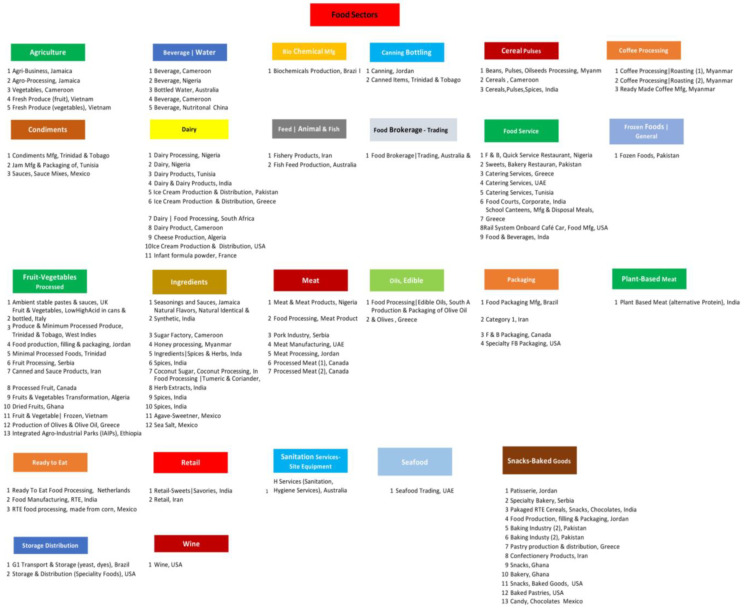
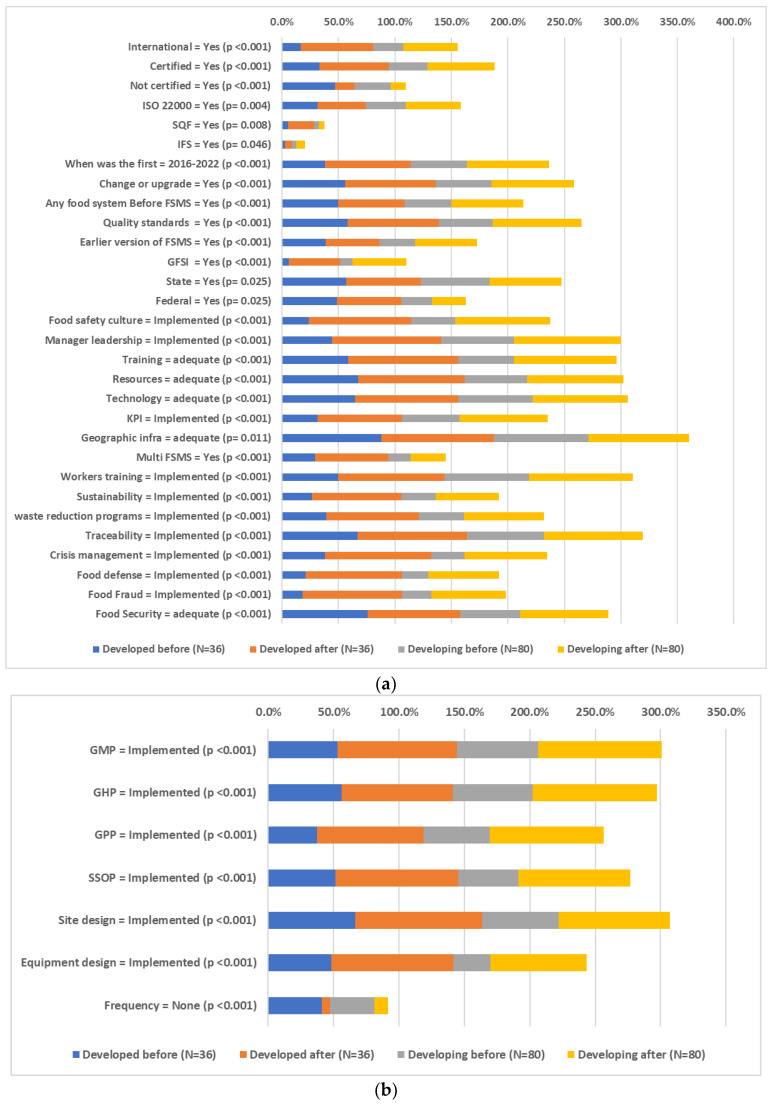
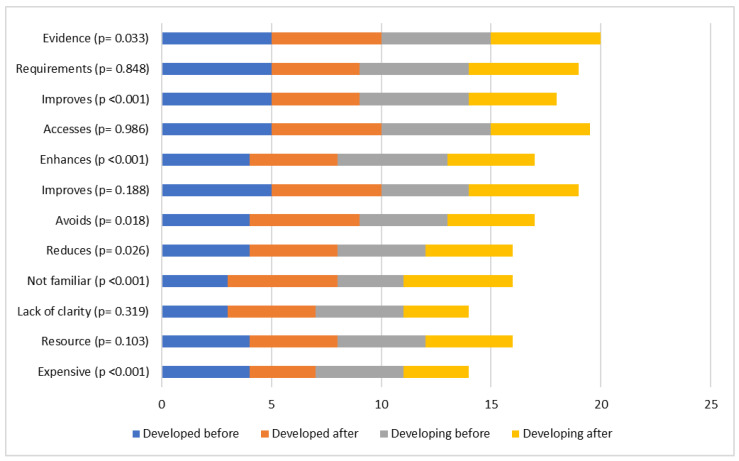
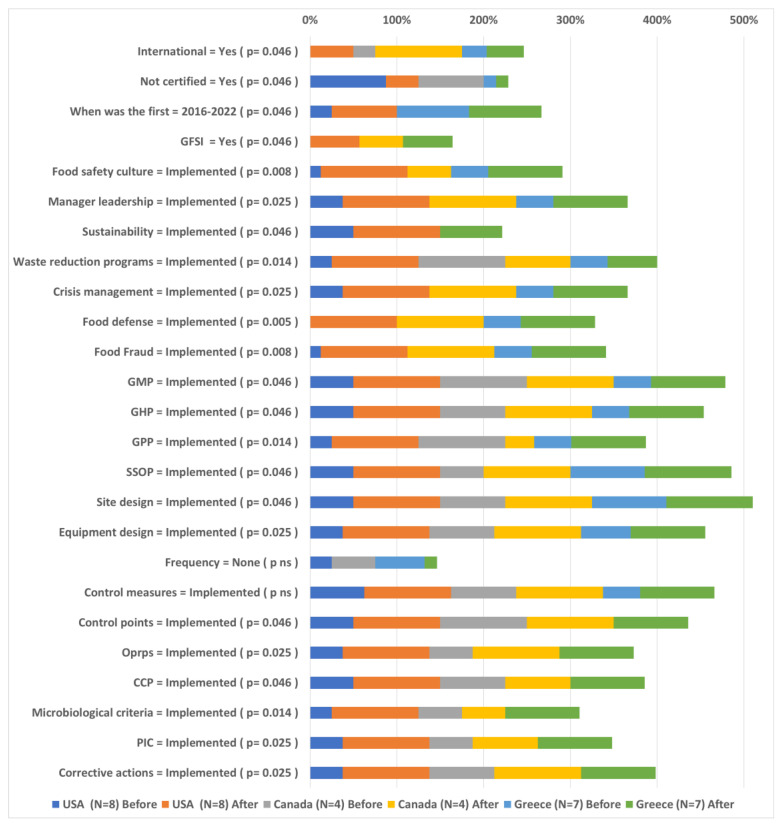
Global food safety and security are key principles to be followed in the context of the implementation of food safety management systems. The objective of this paper is to assess the contemporary developments of Food Safety Management System standards (FSMS) worldwide and to identify the primary constraints and advantages associated with their implementation by small and medium-sized enterprises across different regions. The effectiveness of these systems has also been evaluated. 116 case studies have been employed across developing and developed regions worldwide across 27 primary food sectors. After the implementation of FSMS, there was a significant increase in the percentage of companies that have implemented the international FSMS, both in developed (16.7% to 63.9%) and developing countries (26.6% to 48.1%). Certification has also increased from 34.2% to 59.6% in the total sample, namely from 33.3% to 61.1% in developed countries and from 34.6% to 59.0% in developing countries. There was a significant increase in medium vs. small company size (57.1% to 62.3%, p = 0.046), only in developing countries. Food safety culture and manager leadership implementation were increased to over 80% after FSMS implementation in both developed and developing countries (p < 0.001). Training, resources, and technology adequacy were also increased in all companies (p < 0.001).
Overview
The claims and statistics of this paper haven’t been checked yet.
Run the check — free, no account needed. It reads the open-access text and checks the sources it cites.
Integrity signals
Registry
Cites
Statistics
Figures
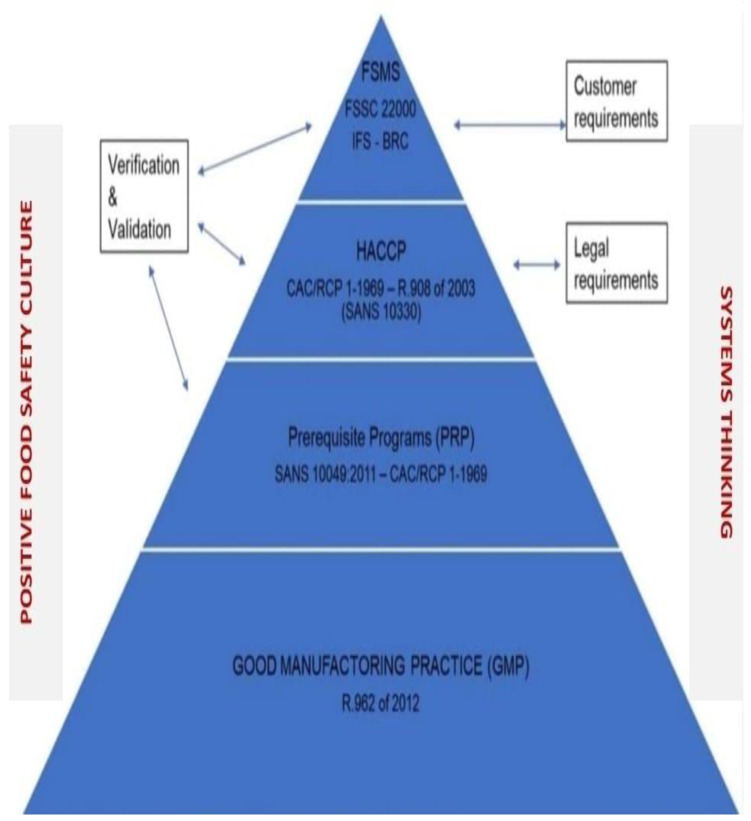
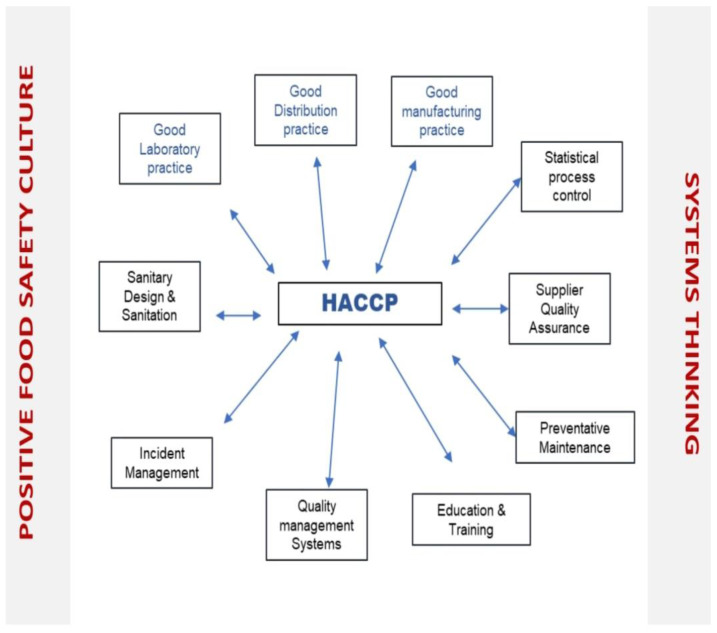
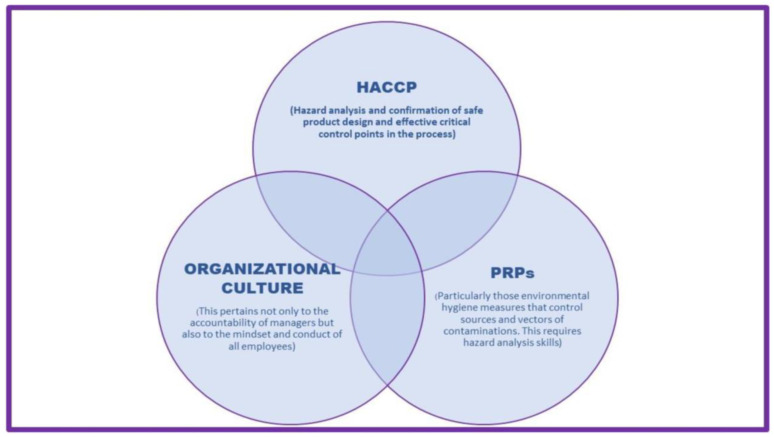
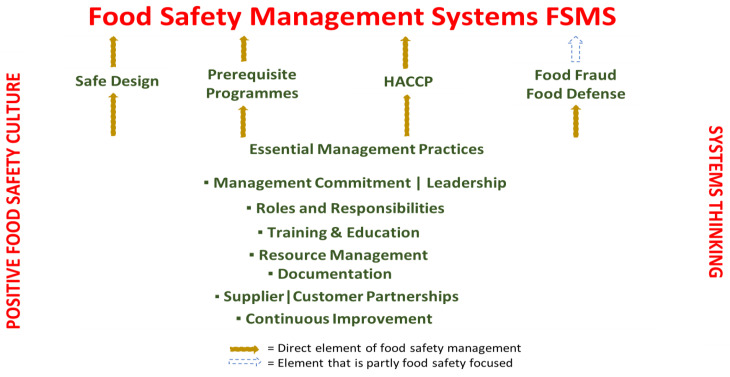
Verification
Claims the paper makes
The claims and statistics of this paper haven’t been checked yet.
Run the check — free, no account needed. It reads the open-access text and checks the sources it cites.
Self-check
Percentages, sums and reported differences re-computed from the paper’s own numbers.
The self-check needs the paper’s full text.
Citations
Cites
Food Security: The Challenge of Feeding 9 Billion People
Godfray, H. C. J., Beddington, J. R., Crute, I. R., Haddad, L., Lawrence, D., Muir, J. F., Pretty, J., Robinson, S., Thomas, S. M., & Toulmin, C. (2010) · Science · doi:10.1126/science.1185383 · Cited by 11,943
Global food demand and the sustainable intensification of agriculture
Tilman, D., Balzer, C., Hill, J., & Befort, B. L. (2011) · Proceedings of the National Academy of Sciences · doi:10.1073/pnas.1116437108 · Cited by 7,692
Crowe, S., Cresswell, K., Robertson, A., Huby, G., Avery, A., & Sheikh, A. (2011) · BMC Medical Research Methodology · doi:10.1186/1471-2288-11-100 · Cited by 2,697
Food Safety in Low and Middle Income Countries
Grace, D. (2015) · International Journal of Environmental Research and Public Health · doi:10.3390/ijerph120910490 · Cited by 544
Understanding Developing Country Strategic Responses to the Enhancement of Food Safety Standards
Henson, S., & Jaffee, S. M. (2007) · World Economy · doi:10.1111/j.1467-9701.2007.01034.x · Cited by 254
Cusato, S., Gameiro, A. H., Corassin, C. H., Sant’Ana, A. S., da Cruz, A. G., Faria, J. D. A. F., & de Oliveira, C. A. F. (2012) · Foodborne Pathogens and Disease · doi:10.1089/fpd.2012.1286 · Cited by 145
García-Miranda, C. E., & Vijande, M. L. S. (2013) · Food Control · doi:10.1016/j.foodcont.2013.11.032 · Cited by 119
Sun, Y.-M., & Ockerman, H. W. (2004) · Food Control · doi:10.1016/j.foodcont.2004.03.012 · Cited by 116
Wilcock, A. E., Ball, B., & Fajumo, A. (2010) · Food Control · doi:10.1016/j.foodcont.2010.06.005 · Cited by 92
Boeck, E. D., Jacxsens, L., Bollaerts, M., Uyttendaele, M., & Vlerick, P. (2016) · Food Control · doi:10.1016/j.foodcont.2016.01.014 · Cited by 90
Fotopoulos, C. V., Kafetzopoulos, D., & Psomas, E. L. (2009) · International Journal of Quality & Reliability Management · doi:10.1108/02656710910995082 · Cited by 89
Lee, J. C., Darabă, A., Voidarou, C. C., Rozos, G., Enshasy, H. A. E., & Varzakas, T. H. (2021) · Foods · doi:10.3390/foods10092169 · Cited by 83
Self-citationFoodborne diseases in developing countries: Aetiology, epidemiology and strategies for prevention
KÄFERSTEIN, F. (2003) · International Journal of Environmental Health Research · doi:10.1080/0960312031000102949 · Cited by 69
The Evolution and Cultural Framing of Food Safety Management Systems—Where From and Where Next?
Manning, L., Luning, P. A., & Wallace, C. A. (2019) · Comprehensive Reviews in Food Science and Food Safety · doi:10.1111/1541-4337.12484 · Cited by 69
The evolvement of food safety culture assessment: A mixed-methods systematic review
Zanin, L. M., Stedefeldt, E., & Luning, P. A. (2021) · Trends in Food Science & Technology · doi:10.1016/j.tifs.2021.08.013 · Cited by 64
Food Safety for the 21st Century
(2018) · Wiley eBooks · doi:10.1002/9781119053569 · Cited by 59
Grover, A. K., Chopra, S., & Mosher, G. A. (2016) · Food Control · doi:10.1016/j.foodcont.2016.02.001 · Cited by 59
Nguyen, T. T. B., & Li, D. (2021) · British Food Journal · doi:10.1108/bfj-05-2021-0476 · Cited by 48
Chen, H., Liou, B., Hsu, K., Chen, C., & Chuang, P. (2020) · Journal of Food Science · doi:10.1111/1750-3841.15553 · Cited by 39
Drivers for the implementation of market‐based food safety management systems: Evidence from Lebanon
Abebe, G. K., Bahn, R. A., Chalak, A., & Yehya, A. A. K. (2020) · Food Science & Nutrition · doi:10.1002/fsn3.1394 · Cited by 35
European private food safety standards in global agri-food supply chains: a systematic review
Rao, M., Bast, A., & de Boer, A. (2021) · The International Food and Agribusiness Management Review · doi:10.22434/ifamr2020.0146 · Cited by 34
Food Safety Legislation in Some Developing Countries
Oloo, B. O., Daisy, L., & Oniang'o, R. K. (2018) · InTech eBooks · doi:10.5772/intechopen.75587 · Cited by 32
Li, K., Khouryieh, H. A., Jones, L., Etienne, X. L., & Shen, C. (2018) · Food Control · doi:10.1016/j.foodcont.2018.06.036 · Cited by 26
Development of an Empirically Derived Measure of Food Safety Culture in Restaurants
Kramer, A., Hoover, E. R., Hedeen, N., DiPrete, L., Tuttle, J., Irving, D., Viveiros, B., Nicholas, D., Monroy, J. A., Moritz, E. D., et al. (2023) · Journal of Food Protection · doi:10.1016/j.jfp.2023.100043 · Cited by 17
Boeck, E. D., Jacxsens, L., Bollaerts, M., Uyttendaele, M., & Vlerick, P. (2015) · PubMed · Cited by 9
Marconi, F., Sartoni, M., Nuvoloni, R., Torracca, B., Gagliardi, M., Zappalà, G., Гуиди, А., & Pedonese, F. (2023) · Italian Journal of Food Safety · doi:10.4081/ijfs.2023.11012 · Cited by 7
Research works printed but not linked: 20
- Alli, 2015, Food safety and developing countries: The benefits of technology transfer, J. Food Saf., 35, 312
- Aung, 2013, Food safety management systems and HACCP implementation in developing countries: A review of the literature, Food Control, 32, 187
- Kumar, R. (2017). Food Safety Management—Understanding and Implementing ISO 22000 and FSSC 22000, CRC Press.
- Ayodele, 2019, Constraints to implementing food traceability in developing countries: A review, Cogent Food Agric., 5, 1597787
- Pourazadi, 2019, Traceability as a Key Element for Ensuring of Food Safety in Supply Chain Management: A Review, Qual. Eng., 31, 567
- Schiefer, 2019, Traceability in food and agricultural supply chains–challenges and opportunities for developing countries, J. Chain. Netw. Sci., 19, 13
- Shailja, 2018, An examination of international food traceability programs, J. Food Distrib. Res., 49, 92
- Huang, 2016, The effectiveness of food safety management systems and prerequisite programs in food processing plants in China, Food Control, 69, 54
- Food and Agricultural Organization of the United Nations (2023, April 10). Food Safety Systems and Food Security: A Review of the Critical Issues. Available online: https://www.fao.org/publications/home/fao-flagship-publications/the-state-of-food-security-and-nutrition-in-the-world.
- Muir, 2019, Aligning Food Security and Sustainable Agriculture: Policy Imperatives and Research Challenges, Front. Sustain. Food Syst., 3, 1
- Lal, R. (2018). Soil Health and Sustainability: Managing the Biotic Component of Soil Quality, Elsevier.
- Chen, 2018, Food Fraud in China: Background, Challenges, and Prospects, Compr. Rev. Food Sci. Food Saf., 17, 806
- Lelieveld, H.L., and Houben, R. (2018). Food Safety Management: A Practical Guide for the Food Industry, CRC Press.
- Aung, M.M., Chang, Y.S., and Ching, T.Y. (2016). Food Fraud and Vulnerability Assessment: Tools and Techniques, John Wiley & Sons.
- Yan, 2019, Cronobacter species in foods: Current state and perspectives, J. Food Prot., 82, 1732
- Osaili, 2018, Cronobacter species and their significance in foodborne illnesses, Food Control, 93, 237
- Kim, 2019, Prevalence of Cronobacter spp. in Korean retail food: Poultry and vegetable products, Int. J. Food Microbiol., 295, 81
- Chon, 2012, Cronobacter sakazakii in powdered infant formula marketed in Korea, Food Control, 28, 225
- Almajed, 2016, Isolates from neonates and Cronobacter sakazakii clinical infants in England and Wales: Their molecular, phenotypic characteristics, and genotypic diversity, Front. Microbiol., 7, 1564
- Field, A. (2017). Discovering Statistics Using IBM SPSS Statistics, University of Sussex, UK SAGE Publications Ltd.. [5th ed.].
Cited by
Sorted by citations
Circular Bioeconomy in Action: Transforming Food Wastes into Renewable Food Resources
Pal, P., Singh, A. K., Srivastava, R. K., Rathore, S. S., Sahoo, U. K., Subudhi, S., Sarangi, P. K., & Prus, P. (2024) · Foods · doi:10.3390/foods13183007 · Cited by 230
Varzakas, T. H., & Smaoui, S. (2024) · Foods · doi:10.3390/foods13020306 · Cited by 229
Self-citationFood Waste to Food Security: Transition from Bioresources to Sustainability
Sarangi, P. K., Pal, P., Singh, A. K., Sahoo, U. K., & Prus, P. (2024) · Resources · doi:10.3390/resources13120164 · Cited by 92
Varzakas, T. H., & Αντωνιάδου, Μ. (2024) · Foods · doi:10.3390/foods13081224 · Cited by 80
Self-citationLee, J. C., Smaoui, S., Duffill, J., Marandi, B., & Varzakas, T. H. (2025) · Foods · doi:10.3390/foods14060958 · Cited by 55
Self-citation
Metadata
- Authors
- Lee, J. C., Neonaki, M., Alexopoulos, A., & Varzakas, T.
- Affiliations
- Instituto de Pesquisas Cananéia (BR)
- University of Peloponnese (GR)
- Democritus University of Thrace (GR)
- Corresponding author
- Varzakas, Theodoros
- Venue
- Foods
- Publisher
- MDPI AG
- Published
- 2023-08-26
- Volume
- 12
- Issue
- 17
- Pages
- 3218
- ISSN
- 2304-8158 (ISSN-L)
- PMC
- PMC10486654
- OpenAlex
- W4386223113
- Cited by
- 54
- References
- 26
- Citations by year
- 2026: 19 · 2025: 17 · 2024: 16 · 2023: 2
- FWCI
- 7.76
- Type
- journal article
- Language
- en
- Open access
- gold
- doi.org
- Licence
- Locations
- Foods (publishedVersion, cc-by)
- PubMed Central (publishedVersion, cc-by)
- PubMed (publishedVersion)
- DOAJ (DOAJ: Directory of Open Access Journals) (submittedVersion, cc-by-sa)
- Topics
- Life Sciences › Agricultural and Biological Sciences › Food Science › Food Safety and Hygiene
- Social Sciences › Business, Management and Accounting › Strategy and Management › Quality and Management Systems
- Life Sciences › Agricultural and Biological Sciences › Food Science › Food Supply Chain Traceability
- Keywords
- food safety management systems, small and medium-sized enterprises, food safety certification, food safety culture, developing countries, food industry
About these checks
Registry, retraction, Cites and statistics results are computed, not judged, with one exception: a printed reference that no index lists is read once by a model before it counts as a citation error. Claims are extracted by a model and kept only when their quote appears verbatim in the text; each cited source is then checked, with a model’s help, for whether it says what the claim relies on. Those verdicts can be wrong — read the claim’s quote and the cited source before relying on one.
Statistics and arithmetic are recomputed, not judged.
Confidence bands are shown only for fields calibrated on our annotated test set. None is calibrated yet, so no band is shown.
What counts as a claim ›How we measure confidence ›How we check this ›
Are you an author, or do you see a problem with this page? Request a review
