

An Assessment of the Bioactivity of Coffee Silverskin Melanoidins
Open accessThe DOI matches its Crossref record; 53 of the 53 references it cites were found in a registry or an index.
Abstract
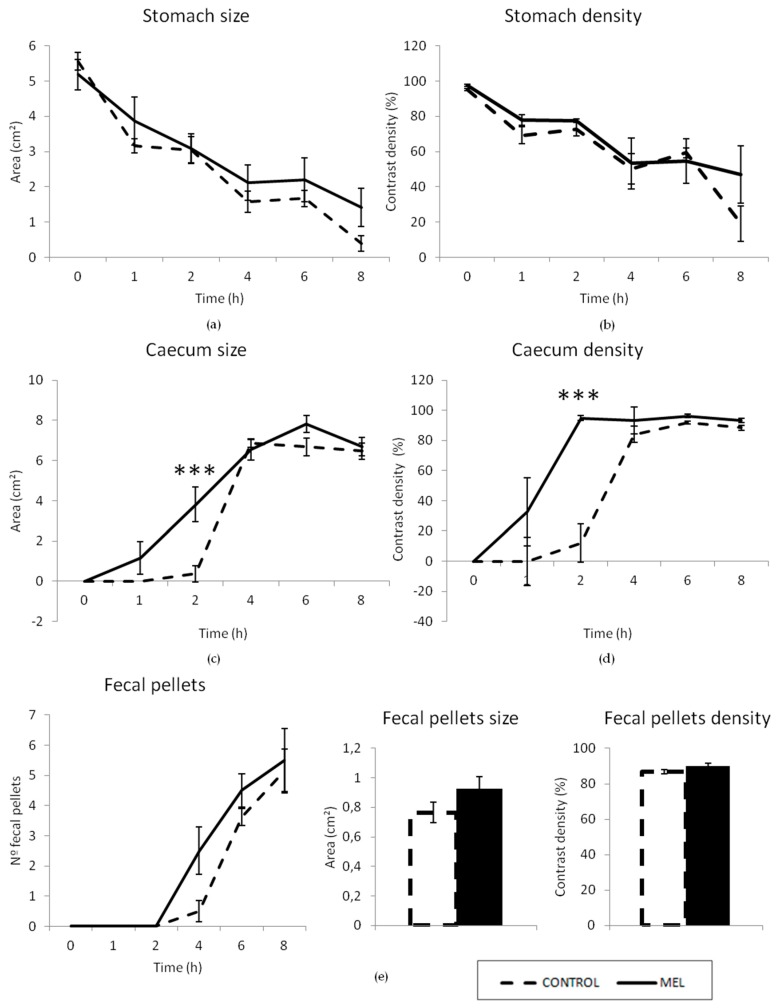
Melanoidins present in coffee silverskin, the only by-product of the roasting process, are formed via the Maillard reaction. The exact structure, biological properties, and mechanism of action of coffee silverskin melanoidins, remain unknown. This research work aimed to contribute to this novel knowledge. To achieve this goal, melanoidins were obtained from an aqueous extract of Arabica coffee silverskin (WO2013004873A1) and was isolated through ultrafiltration (>10 kDa). The isolation protocol was optimized and the chemical composition of the high molecular weight fraction (>10 kDa) was evaluated, by analyzing the content of protein, caffeine, chlorogenic acid, and the total dietary fiber. In addition, the structural analysis was performed by infrared spectroscopy. Antioxidant properties were studied in vitro and the fiber effect was studied in vivo, in healthy male Wistar rats. Melanoidins were administered to animals in the drinking water at a dose of 1 g/kg. At the fourth week of treatment, gastrointestinal motility was evaluated through non-invasive radiographic means. In conclusion, the isolation process was effective in obtaining a high molecular weight fraction, composed mainly of dietary fiber, including melanoidins, with in vitro antioxidant capacity and in vivo dietary fiber effects.
Overview
The claims and statistics of this paper haven’t been checked yet.
Free: it reads the open-access text and checks the first 5 claims that cite a source we can check. Create a free account to check every claim.
Integrity signals
Registry
Cites
Statistics
Figures
Verification
Claims the paper makes
The claims and statistics of this paper haven’t been checked yet.
Free: it reads the open-access text and checks the first 5 claims that cite a source we can check. Create a free account to check every claim.
Claims other papers make about this one
Each is checked against this paper’s own text: does it say what the citing paper says it does?
The cited source says what the claim attributes to it.
In the citing paper
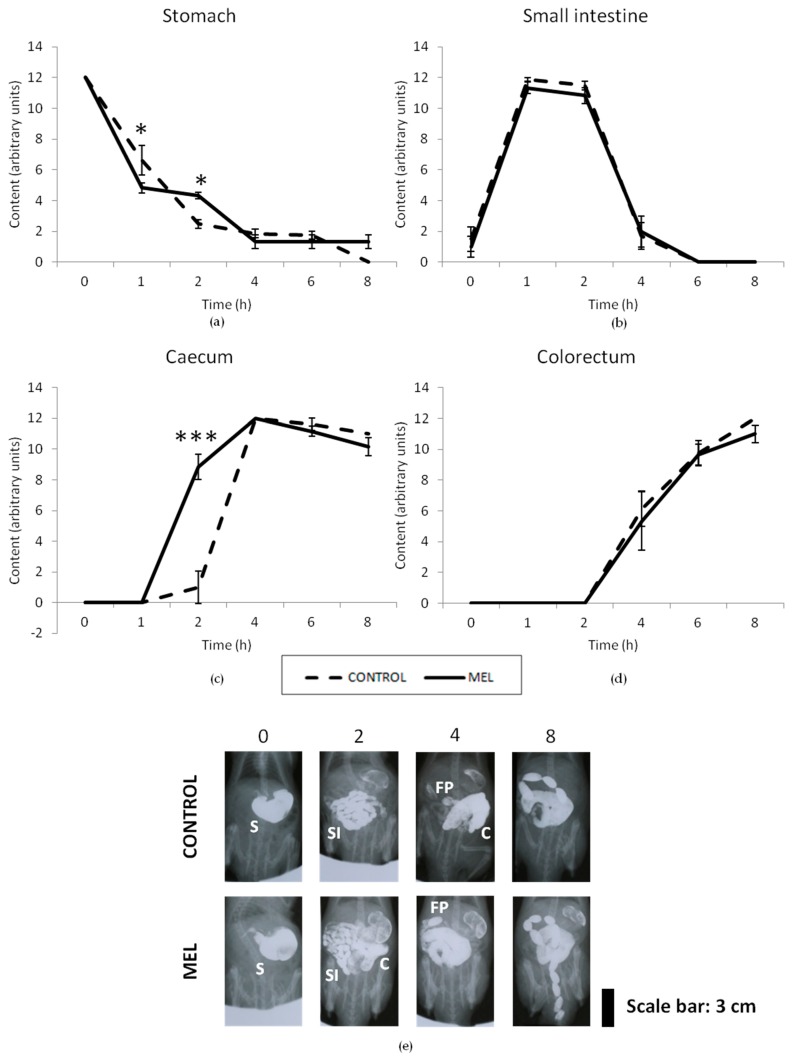
“melanoidins did not significantly alter the latency of expulsion of a bead inserted 3 cm into the colorectum”
From Effects of Coffee and Its Components on the Gastrointestinal Tract and the Brain–Gut Axis (2020) · cites this paper as [178]
The cited source says what the claim attributes to it.
In the citing paper
“these may have potential to be used as a functional food ingredient [178]”
From Effects of Coffee and Its Components on the Gastrointestinal Tract and the Brain–Gut Axis (2020) · cites this paper as [178]
The cited source says what the claim attributes to it.
In the citing paper
“fecal pellets from the melanoidin group tended to be slightly larger”
From Effects of Coffee and Its Components on the Gastrointestinal Tract and the Brain–Gut Axis (2020) · cites this paper as [178]
Self-check
Percentages, sums and reported differences re-computed from the paper’s own numbers.
The self-check needs the paper’s full text.
Citations
Cites
Antioxidant activity applying an improved ABTS radical cation decolorization assay
Re, R., Pellegrini, N., Proteggente, A., Pannala, A., Yang, M., & Rice-Evans, C. (1999) · Free Radical Biology and Medicine · doi:10.1016/s0891-5849(98)00315-3 · Cited by 26,165 · cited 2×
“(2006), for its use in a microplate [19,20].”
Ou, B., Hampsch-Woodill, M., & Prior, R. L. (2001) · Journal of Agricultural and Food Chemistry · doi:10.1021/jf010586o · Cited by 2,932 · cited 1×
“[21], and as modified by Dávalos et al.”
Functional Properties of Coffee and Coffee By-Products
Esquivel, P., & Jiménez, V. M. (2012) · Food Research International · doi:10.1016/j.foodres.2011.05.028 · Cited by 847 · cited 1×
“The antioxidant capacity of coffee silverskin extract is due to the melanoidins generated during the roasting process [14], and also to the presence of chlorogenic acid (CGA) [15].”
Melanoidins produced by the Maillard reaction: Structure and biological activity
Wang, H.-Y., Qian, H., & Yao, W.-R. (2011) · Food Chemistry · doi:10.1016/j.foodchem.2011.03.075 · Cited by 719 · cited 1×
“Coffee melanoidins possess various biological properties such as being anticarcinogenic, anticariogenic, antiglycative, antihypertensive, anti-inflammatory, antimicrobial, antioxidant, and prebiotic [1,8,9].”
Mudgil, D., & Barak, S. (2013) · International Journal of Biological Macromolecules · doi:10.1016/j.ijbiomac.2013.06.044 · Cited by 699 · cited 1×
“Increased fecal excretion has been related to fiber consumption and its stimulating effect on the absorption of water and electrolytes from the lumen of the colon, which leads to a greater fecal viscosity and a general decrease in intestinal transit time [55].”
Scientific Opinion on the safety of caffeine
EFSA Panel on Dietetic Products, N. A. A. (. (2015) · EFSA Journal · doi:10.2903/j.efsa.2015.4102 · Cited by 613
McRorie, J. W., & McKeown, N. M. (2017) · Journal of the Academy of Nutrition and Dietetics · doi:10.1016/j.jand.2016.09.021 · Cited by 552 · cited 1×
“To exert its regulatory effect, dietary laxative fibers must resist fermentation, and remain relatively intact and present throughout the large intestine, consequently, increasing the water content in feces [48].”
Effect of Roasting on the Antioxidant Activity of Coffee Brews
del Castillo, M. D., Ames, J. M., & Gordon, M. H. (2002) · Journal of Agricultural and Food Chemistry · doi:10.1021/jf011702q · Cited by 372 · cited 1×
“[18], in an attempt to identify the bioactive compounds present in samples.”
Recovery of Phenolic Antioxidants and Functional Compounds from Coffee Industry By-Products
Murthy, P. S., & Naidu, M. M. (2012) · Food and Bioprocess Technology · doi:10.1007/s11947-010-0363-z · Cited by 319 · cited 1×
“Coffee silverskin fiber has been previously classified as an antioxidant dietary fiber [46,47].”
Barbin, D. F., Felicio, A. L. D. S. M., Sun, D.-W., Nixdorf, S. L., & Hirooka, E. Y. (2014) · Food Research International · doi:10.1016/j.foodres.2014.01.005 · Cited by 272 · cited 2×
“This technique has been widely used for the molecular characterization and determination of green and roasted coffee bean compounds [37].”
Research works printed but not linked: 2
- Organization for Economic Co-operation and Development Oecd Guideline for the Testing of Chemicals, Section 4. Repeated Dose 28-day Oral Toxicity Study in Rodents Available online: https://www.oecd-ilibrary.org/environment/test-no-407-repeated-dose-28-day-oral-toxicity-study-in-rodents_9789264070684-en (accessed on 15 January 2019)
- Ii F. Gussone P. Portici E. Characterization of a New Potential Functional Ingredient: Coffee silverskin J. Agric. Food Chem. 2004 52 1338 1343 14995143 · DOI · Paper page
Cited by
Applications of Compounds from Coffee Processing By-Products
Iriondo-DeHond, A., Iriondo-DeHond, M., & del Castillo, M. D. (2020) · Biomolecules · doi:10.3390/biom10091219 · Cited by 167
Self-citationEffects of Coffee and Its Components on the Gastrointestinal Tract and the Brain–Gut Axis
Iriondo-DeHond, A., Uranga, J. A., del Castillo, M. D., & Abalo, R. (2020) · Nutrients · doi:10.3390/nu13010088 · Cited by 126
Self-citationHejna, A. (2021) · Waste Management · doi:10.1016/j.wasman.2020.12.018 · Cited by 110
Risk Assessment of Trigonelline in Coffee and Coffee By-Products
Konstantinidis, N., Franke, H., Schwarz, S., & Lachenmeier, D. W. (2023) · Molecules · doi:10.3390/molecules28083460 · Cited by 101
Iriondo‐DeHond, A., Elizondo, A. S., Iriondo-DeHond, M., Ríos, M. B., Mufari, R., Mendiola, J. A., Ibáñez, E., & del Castillo, M. D. (2020) · Foods · doi:10.3390/foods9050620 · Cited by 100
Self-citationGottstein, V., Bernhardt, M., Dilger, E., Keller, J., Breitling-Utzmann, C. M., Schwarz, S., Kuballa, T., Lachenmeier, D. W., & Bunzel, M. (2021) · Foods · doi:10.3390/foods10081705 · Cited by 88
Characterization of Coffee Silver Skin as Potential Food-Safe Ingredient
Martuscelli, M., Esposito, L., Mattia, C. D., Ricci, A., & Mastrocola, D. (2021) · Foods · doi:10.3390/foods10061367 · Cited by 86
“[30] suggest specific coffee compounds as being responsible for acidity, as well”
BackgroundInterest of Coffee Melanoidins as Sustainable Healthier Food Ingredients
Iriondo‐DeHond, A., Casas, A. R., & del Castillo, M. D. (2021) · Frontiers in Nutrition · doi:10.3389/fnut.2021.730343 · Cited by 91
“The presence of melanoidins has been reported also in coffee by-products, such as cascara (7), silverskin (8, 9, 15), and SCGs (8, 15), generated in coffee-processing steps involving heat treatment with a different degree of intensity.”
BackgroundInfluentialSelf-citationCastaldo, L., Narváez, A., Izzo, L., Graziani, G., & Ritieni, A. (2020) · Molecules · doi:10.3390/molecules25092132 · Cited by 76
“[45], low molecular weight phenolic compounds, such as CGA, are incorporated in the melanoidin skeleton during the roasting process, forming a fiber–antioxidant complex.”
BackgroundCoffee by-products: An underexplored source of prebiotic ingredients
Machado, M., Ferreira, H., Oliveira, M. B. P. P., & Alves, R. C. (2023) · Critical Reviews in Food Science and Nutrition · doi:10.1080/10408398.2023.2181761 · Cited by 79
“Thus, melanosaccharides may be found in coffee by-products such as husks, silverskin, and SCG (Bravo et al. 2012; Iriondo-DeHond et al. 2020; Tores de la Cruz et al. 2019).”
BackgroundCoffee Silverskin Extract: Nutritional Value, Safety and Effect on Key Biological Functions
Iriondo-DeHond, A., Rios, M. B., Herrera, T., Rodriguez-Bertos, A., Nuñez, F., San Andres, M. I., Sanchez-Fortun, S., & del Castillo, M. D. (2019) · Nutrients · doi:10.3390/nu11112693 · Cited by 56
“Previous studies have shown that the high molecular weight of CSE, rich in melanoidins, accelerated intestinal transit in treated animals after 28 days of exposure [64].”
BackgroundSelf-citationTaweekayujan, S., Somngam, S., & Pinnarat, T. (2023) · Heliyon · doi:10.1016/j.heliyon.2023.e17942 · Cited by 57
Melanoidins present in traditional fermented foods and beverages
Yang, S., Fan, W., & Xu, Y. (2022) · Comprehensive Reviews in Food Science and Food Safety · doi:10.1111/1541-4337.13022 · Cited by 57
Patrignani, M., & Forte, L. D. S. G. (2020) · International Journal of Food Science & Technology · doi:10.1111/ijfs.14653 · Cited by 50
Lachenmeier, D. W., Schwarz, S., Rieke-Zapp, J., Cantergiani, E., Rawel, H. M., Martin-Cabrejas, M. A., Martuscelli, M., Gottstein, V., & Angeloni, S. (2021) · Foods · doi:10.3390/foods11010003 · Cited by 53
Nolasco, A., Squillante, J., Esposito, F., Velotto, S., Romano, R., Aponte, M., Giarra, A., Toscanesi, M., Montella, E., & Cirillo, T. (2022) · Foods · doi:10.3390/foods11182834 · Cited by 41
Rebollo‐Hernanz, M., Aguilera, Y., Gil‐Ramírez, A., Benítez, V., Cañas, S., Braojos, C., & Martin-Cabrejas, M. A. (2023) · Applied Sciences · doi:10.3390/app13148326 · Cited by 53
Cantele, C., Tedesco, M., Ghirardello, D., Zeppa, G., & Bertolino, M. (2022) · Foods · doi:10.3390/foods11050717 · Cited by 46
“Although they were initially considered as anti-nutritional compounds, today numerous beneficial properties are attributed to coffee melanoidins, having been proposed to have antioxidant, antihypertensive, anti-inflammatory, antiglycative, anticarcinogenic, anticariogenic antimicrobial, and prebiotic effects [15].”
BackgroundFrança, A. S., Basilio, E. P., Resende, L. M., Fante, C. A., & Oliveira, L. S. (2024) · Foods · doi:10.3390/foods13233935 · Cited by 39
Lorbeer, L., Schwarz, S., Franke, H., & Lachenmeier, D. W. (2022) · Molecules · doi:10.3390/molecules27206839 · Cited by 34
“[71] showed that the aqueous extract contains the largest part of caffeine.”
BackgroundInfluentialPeixoto, J. A. B., Andrade, N., Machado, S., Costa, A. S. G., Puga, H., Oliveira, M. B. P. P., Martel, F., & Alves, R. C. (2022) · Foods · doi:10.3390/foods11121671 · Cited by 30
Oracz, J., Lewandowska, U., Owczarek, K., Caban, M., Rosicka‐Kaczmarek, J., & Żyżelewicz, D. (2024) · Food Chemistry · doi:10.1016/j.foodchem.2024.138423 · Cited by 27
Nila, I. S., Moran, V. M. V., Khan, Z. A., & Hong, Y. (2023) · Journal of Lifestyle Medicine · doi:10.15280/jlm.2023.13.2.83 · Cited by 31
Urugo, M. M., Getachew, P., Lambe, B. T., Yohannis, E., Afework, A., Meteke, N., Yasin, S., Milkias, M., Tola, Y. B., Teka, T. A., et al. (2025) · Applied Food Research · doi:10.1016/j.afres.2025.101181 · Cited by 24
Can coffee silverskin be a useful tool to fight metabolic syndrome?
Andrade, N., Peixoto, J. A. B., Oliveira, M. B. P. P., Martel, F., & Alves, R. C. (2022) · Frontiers in Nutrition · doi:10.3389/fnut.2022.966734 · Cited by 18
“As aforementioned, the antioxidant capacity of coffee silverskin is related to the presence of natural constituents like CGA and caffeine, and compounds formed during coffee roasting (melanoidins) (21, 36).”
BackgroundInfluentialGiordano, M., Bertolino, M., Belviso, S., Ghirardello, D., & Zeppa, G. (2022) · Foods · doi:10.3390/foods11193132 · Cited by 16
Ruschioni, S., Duca, D., Tulli, F., Zarantoniello, M., Cardinaletti, G., Corsi, L., Olivotto, I., Basili, D., Naspetti, S., Truzzi, C., et al. (2024) · Animals · doi:10.3390/ani14040609 · Cited by 15
“In addition, this by-product has an antioxidant effect due to the presence of melanoidins and phenolic compounds [3,5] (e.g., chlorogenic acid).”
BackgroundJacenik, D., Bagüés, A., López‐Gómez, L., López‐Tofiño, Y., Iriondo‐DeHond, A., Serra, C., Banovcanová, L., Gálvez-Robleño, C., Fichna, J., del Castillo, M. D., et al. (2021) · Nutrients · doi:10.3390/nu13061864 · Cited by 12
“66 mL/kg, 5 mg/mL; ip) was used to revert the sedation [42].”
MethodSelf-citationDíaz‐Morales, N., Cavia-Sáiz, M., Rivero-Perez, M. D., Gómez, I., Salazar, G., Jaime, I., José, M., & Múñiz, P. (2023) · Food & Function · doi:10.1039/d2fo03909e · Cited by 10
Green and Roasted Coffee Extracts Inhibit Interferon-β Release in LPS-Stimulated Human Macrophages
Artusa, V., Ciaramelli, C., D’Aloia, A., Facchini, F. A., Gotri, N., Bruno, A., Costa, B., Palmioli, A., Airoldi, C., & Peri, F. (2022) · Frontiers in Pharmacology · doi:10.3389/fphar.2022.806010 · Cited by 11
Chen, J., Wang, J., Liu, Y., Li, H., Wang, W., Pan, Y., & Hu, Y. (2024) · Food Innovation and Advances · doi:10.48130/fia-0024-0027 · Cited by 8
Liang, N., Kitts, D. D., Wang, X., Hu, Z., & Sabier, M. (2025) · Antioxidants · doi:10.3390/antiox14050502 · Cited by 16
“…to translate into biological studies that have shown diminished cellular oxidative stress in response to Tert-butyl hydroperoxide before treatment [17], mitigation of intracellular oxidation triggered by hydrogen peroxide treatment, and reduced expression of key pro-inflammatory markers (e.g.,…”
Quagliata, E., Gazzara, S., Dauber, C., Rodríguez, A., Panizzolo, L. A., Irigaray, B., Gámbaro, A., Mendiola, J. A., Vieitez, I., & del Castillo, M. D. (2025) · Foods · doi:10.3390/foods14193388 · Cited by 12
Gallego-Barceló, P., Bagüés, A., Benítez-Álvarez, D., López‐Tofiño, Y., Gálvez-Robleño, C., López‐Gómez, L., del Castillo, M. D., & Abalo, R. (2023) · Nutrients · doi:10.3390/nu16010065 · Cited by 9
Self-citationExtraction methods of melanoidins and its potential as a natural pigment
Yu, J., Hu, N., Hou, L., Hang, F., Li, K., & Xie, C. (2023) · Food Science and Technology · doi:10.1590/fst.113322 · Cited by 11
Yin, H., Jiang, Y., Zhong, Y., & Deng, Y. (2026) · Comprehensive Reviews in Food Science and Food Safety · doi:10.1111/1541-4337.70401 · Cited by 13
Antioxidant and pro-apoptosis activities of coffee husk (Coffea arabica) anthocyanins
Fu, X., Shen, X., Yin, X., Zhang, Y. H., Wang, X., Han, Z., Lin, Q., & Fan, J. (2021) · International Food Research Journal · doi:10.47836/ifrj.28.6.10 · Cited by 11
Physiochemical properties of Sarawak's adapted Liberica coffee silverskin utilizing varying solvents
Buyong, N. L., & Nillian, E. (2023) · Food Science & Nutrition · doi:10.1002/fsn3.3541 · Cited by 10
Salazar, G., Cavia-Sáiz, M., Temiño, V., Múñiz, P., García‐Tojal, J., & Gerardi, G. (2025) · Food and Bioprocess Technology · doi:10.1007/s11947-025-03856-z · Cited by 6
Wang, Z., Li, S., Zhang, Z., Zhang, X., Xia, T., Zheng, Y., Xia, M., & Wang, M. (2021) · European Polymer Journal · doi:10.1016/j.eurpolymj.2021.110859 · Cited by 5
Kit, T., Ginting, A. R., Sumpavapol, P., Chheang, L., & Thanasupsin, S. P. (2024) · Processes · doi:10.3390/pr12122805 · Cited by 5
Antidiabetic Effects of Coffee Silverskin Extract in Streptozotocin-Induced Diabetic Wistar Rats
Barka, C. E. H., Bensenane, B., Merzouk, H., Mebarki, A., Haddam, H. Y., Berroukeche, F., & Mokhtari-Soulimane, N. A. (2024) · Waste and Biomass Valorization · doi:10.1007/s12649-024-02504-5 · Cited by 5
Peixoto, J. A. B., Machado, M., Silva, A. L., Martins, C. S. M., Machado, S., Costa, A. S. G., Prior, J. A. V., Oliveira, M. B. P. P., & Alves, R. C. (2026) · Sustainable Food Technology · doi:10.1039/d5fb00931f · Cited by 6
Yance, M. Y. P., Perez, G., Valenzuela, M. E. A. G. D., & Pariona-Velarde, D. (2023) · Coffee Science · doi:10.25186/.v18i.2136 · Cited by 3
“A beverage from aqueous extracts of roasted coffee parchment rich in caffeine, chlorogenic acid, melanoidins and total dietary fiber was elaborated by Tores de la Cruz et al. (2019).”
Coffee and brain health: An introductory overview
Raza, M. L. (2024) · Progress in brain research · doi:10.1016/bs.pbr.2024.06.010 · Cited by 3
Coffee Melanoidins and Gut Health
Troise, A. D., Salman, M. K., & Vitaglione, P. (2025) · Royal Society of Chemistry eBooks · doi:10.1039/9781839166853-00133 · Cited by 1
Gallego-Barceló, P., López‐Tofiño, Y., López‐Gómez, L., Vera, G., Bagüés, A., Esteban‐Hernández, J., del Castillo, M. D., Uranga, J. A., & Abalo, R. (2025) · International Journal of Molecular Sciences · doi:10.3390/ijms262110691 · Cited by 2
Self-citationRuschioni, S., Daniele, D., Tulli, F., Zarantoniello, M., Cardinaletti, G., Lorenzo, C., Olivotto, I., Basili, D., Naspetti, S., Truzzi, C., et al. (2023) · Preprints.org · doi:10.20944/preprints202310.0931.v1 · Cited by 1
การสกัดเยื่อหุ้มเมล็ดกาแฟสายพันธุ์อราบิก้าและการทดสอบฤทธิ์ทางชีวภาพ
สิริวุฒิพันธ์, ช. (2019) · Chula Digiverse · doi:10.58837/chula.the.2019.1185
Gallego-Barceló, P., & Abalo, R. (2024) · Elsevier eBooks · doi:10.1016/b978-0-443-13868-3.00007-7 · Cited by 1
Self-citationEffect of High Temperature and High Pressure on Antioxidant Activity of Cultivated Wild Ginseng
Kim, J.-S. (2025) · Journal of the East Asian Society of Dietary Life · doi:10.17495/easdl.2025.10.35.5.489
Lin, Y., Shi, Y., Chen, L., Chen, Z., Zhong, H., Zhong, Y., Zeng, R., Chen, X., Lin, F., & Cai, G. (2026) · Nutrition Journal · doi:10.1186/s12937-026-01291-0 · Cited by 1
Coffee silverskin research landscape: Insights into global trends and emerging directions
Vergara-Rios, J. C., Cadavid-Mora, Y., Kalokoh, S., & Cadena, E. M. (2026) · Applied Food Research · doi:10.1016/j.afres.2026.101992
Kim, J.-H., & Hyun, C. (2026) · Jundishapur Journal of Microbiology · doi:10.5812/jjm-168486
Awwad, S. H., Nasereddin, L., Al-Tamimi, O. H., Daraosheh, A. Q., Elrashidi, A., Al-Shayeb, L. A., Shannag, M., Mohammad, B. A., Issa, R. A., & Abu-Samak, M. (2026) · Molecules · doi:10.3390/molecules31111890 · Cited by 2
Demirer, B., Ayhan, B., Öztürk, Y. E., Ayakdaş, G., Ayhan, N. Y., Ağagündüz, D., & Coreta-Gomes, F. M. (2026) · Critical Reviews in Food Science and Nutrition · doi:10.1080/10408398.2026.2707865 · Cited by 3
“The presence of these compounds has also been reported in other by-products of coffee processing, such as cascara, silverskin, and spent coffee grounds (SCG) (Tores de la Cruz et al. 2019; Iriondo-DeHond et al. 2020; Moya-Ramírez et al. 2023).”
Kulsing, C., Nhujak, T., & Kulsing, C. (2026) · Sensors and Actuators B Chemical · doi:10.1016/j.snb.2026.140796
Metadata
- Authors
- Tores de la Cruz, S., Iriondo-DeHond, A., Herrera, T., Lopez-Tofiño, Y., Galvez-Robleño, C., Prodanov, M., Velazquez-Escobar, F., Abalo, R., & del Castillo, M. D.
- Affiliations
- Instituto de Investigación en Ciencias de la Alimentación (CIAL) (CSIC-UAM), 28049 Madrid, Spain
- Instituto de Investigación en Ciencias de la Alimentación (ES)
- Departamento de Ciencias Básicas de la Salud, Facultad de Ciencias de la Salud, Universidad Rey Juan Carlos (URJC), Alcorcón, 28922 Madrid, Spain
- Technische Universität Berlin, 135/PC14 Max Volmer Laboratorium für biophysikalische Chemie, 1023 Berlin, Germany
- Universidad Rey Juan Carlos (ES)
- Venue
- Foods
- Publisher
- MDPI AG
- Published
- 2019-02-12
- Volume
- 8
- Issue
- 2
- Pages
- 68
- ISSN
- 2304-8158 (ISSN-L)
- PMC
- PMC6406266
- OpenAlex
- W2911271623
- Semantic Scholar
- be131132bf16676384a7a3a7c13c453c4adec260
- Cited by
- 57
- References
- 53
- Citations by year
- 2026: 8 · 2025: 7 · 2024: 8 · 2023: 11 · 2022: 8 · 2021: 8 · 2020: 5 · 2019: 2
- FWCI
- 3.56
- Type
- journal article
- Language
- en
- Open access
- gold
- dx.doi.org
- Licence
- Locations
- Foods (publishedVersion, cc-by)
- Europe PMC (PubMed Central) (publishedVersion, other-oa)
- PubMed Central (publishedVersion, cc-by)
- PubMed (publishedVersion)
- BURJC Digital (King Juan Carlos University) (submittedVersion, cc-by)
- DIGITAL.CSIC (Spanish National Research Council (CSIC)) (submittedVersion, cc-by-nc-sa)
- LA Referencia (Red Federada de Repositorios Institucionales de Publicaciones Científicas) (submittedVersion, cc-by)
- DOAJ (DOAJ: Directory of Open Access Journals) (submittedVersion, cc-by-sa)
- Hispana (submittedVersion)
- Hispana (submittedVersion, cc-by)
- Biblos-e Archivo (Universidad Autónoma de Madrid) (submittedVersion)
- Funders
- Ministerio de Economía y Competitividad (AGL2014-57239-R)
- Topics
- Health Sciences › Medicine › Pharmacology (medical) › Coffee research and impacts
- Health Sciences › Medicine › Biochemistry (medical) › Phytochemicals and Antioxidant Activities
- Life Sciences › Agricultural and Biological Sciences › Food Science › Potato Plant Research
- Keywords
- coffee silverskin, melanoidins, Maillard reaction, coffee by-products, ultrafiltration, dietary fiber, antioxidant activity, gastrointestinal motility, caffeine, chlorogenic acid, Coffea arabica, biological activity
About these checks
Registry, retraction, Cites and statistics results are computed, not judged, with one exception: a printed reference that no index lists is read once by a model before it counts as a citation error. Claims are extracted by a model and kept only when their quote appears verbatim in the text; each cited source is then checked, with a model’s help, for whether it says what the claim relies on. Those verdicts can be wrong — read the claim’s quote and the cited source before relying on one.
Statistics and arithmetic are recomputed, not judged.
Confidence bands are shown only for fields calibrated on our annotated test set. None is calibrated yet, so no band is shown.
What counts as a claim ›How we measure confidence ›How we check this ›
Are you an author, or do you see a problem with this page? Request a review
Data sources
Bibliographic data: Semantic Scholar, OpenAlex, Crossref.
Contains information from the Semantic Scholar Academic Graph Datasets, made available under the ODC Attribution License (ODC-BY 1.0).
Semantic Scholar’s data is described in: Kinney, R., et al. (2023). The Semantic Scholar Open Data Platform. arXiv:2301.10140.
