

An Assessment of the Bioactivity of Coffee Silverskin Melanoidins
Open accessThe DOI matches its Crossref record; 53 of the 53 references it cites were found in a registry or an index.
Abstract
Melanoidins present in coffee silverskin, the only by-product of the roasting process, are formed via the Maillard reaction. The exact structure, biological properties, and mechanism of action of coffee silverskin melanoidins, remain unknown. This research work aimed to contribute to this novel knowledge. To achieve this goal, melanoidins were obtained from an aqueous extract of Arabica coffee silverskin (WO2013004873A1) and was isolated through ultrafiltration (>10 kDa). The isolation protocol was optimized and the chemical composition of the high molecular weight fraction (>10 kDa) was evaluated, by analyzing the content of protein, caffeine, chlorogenic acid, and the total dietary fiber. In addition, the structural analysis was performed by infrared spectroscopy. Antioxidant properties were studied in vitro and the fiber effect was studied in vivo, in healthy male Wistar rats. Melanoidins were administered to animals in the drinking water at a dose of 1 g/kg. At the fourth week of treatment, gastrointestinal motility was evaluated through non-invasive radiographic means. In conclusion, the isolation process was effective in obtaining a high molecular weight fraction, composed mainly of dietary fiber, including melanoidins, with in vitro antioxidant capacity and in vivo dietary fiber effects.
Overview
The claims and statistics of this paper haven’t been checked yet.
Free: it reads the open-access text and checks the first 5 claims that cite a source we can check. Create a free account to check every claim.
Integrity signals
Registry
Cites
Statistics
Figures
Verification
Claims the paper makes
The claims and statistics of this paper haven’t been checked yet.
Free: it reads the open-access text and checks the first 5 claims that cite a source we can check. Create a free account to check every claim.
Claims other papers make about this one
Each is checked against this paper’s own text: does it say what the citing paper says it does?
The cited source says what the claim attributes to it.
In the citing paper
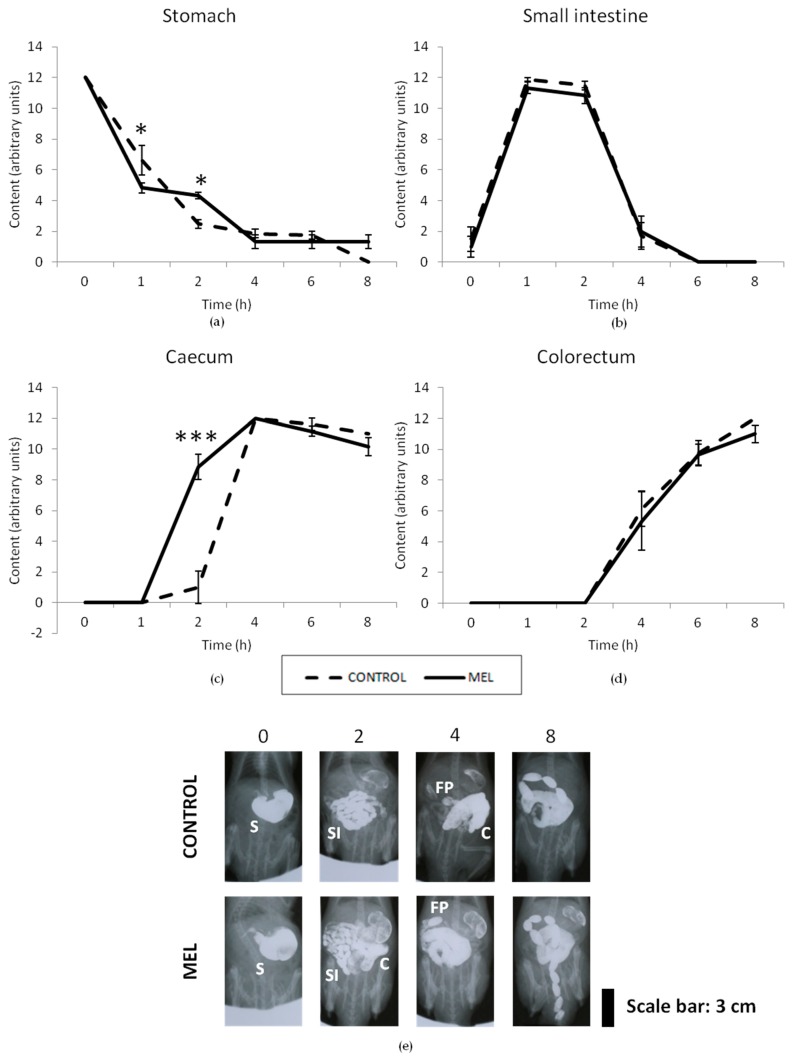
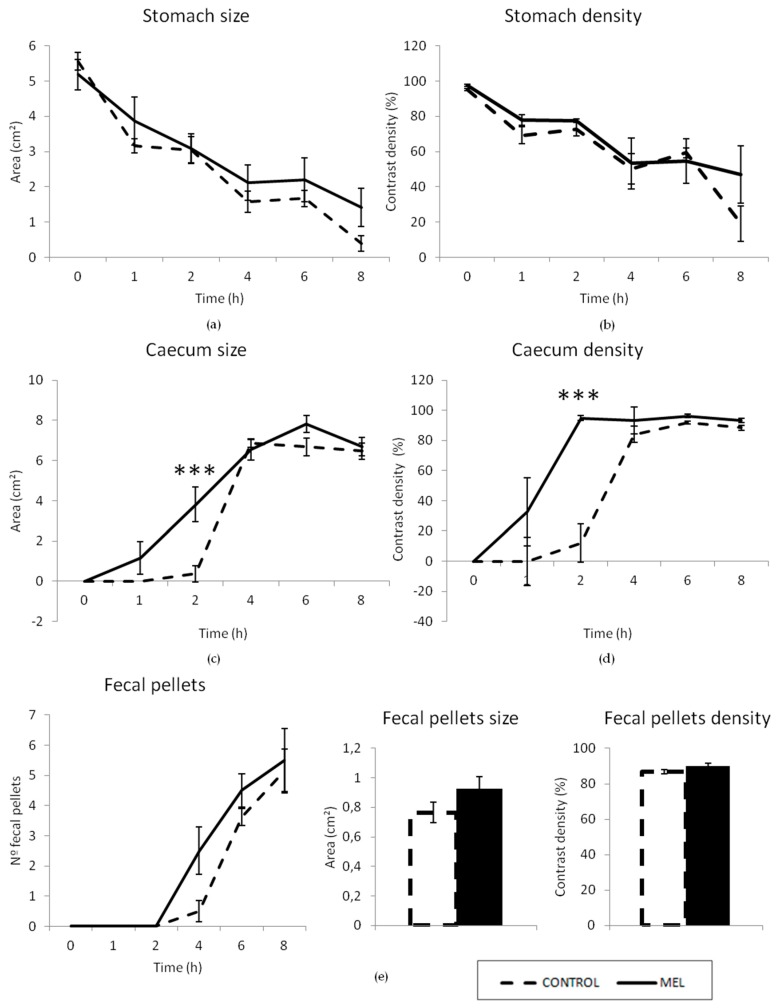
“melanoidins did not significantly alter the latency of expulsion of a bead inserted 3 cm into the colorectum”
From Effects of Coffee and Its Components on the Gastrointestinal Tract and the Brain–Gut Axis (2020) · cites this paper as [178]
The cited source says what the claim attributes to it.
In the citing paper
“these may have potential to be used as a functional food ingredient [178]”
From Effects of Coffee and Its Components on the Gastrointestinal Tract and the Brain–Gut Axis (2020) · cites this paper as [178]
The cited source says what the claim attributes to it.
In the citing paper
“fecal pellets from the melanoidin group tended to be slightly larger”
From Effects of Coffee and Its Components on the Gastrointestinal Tract and the Brain–Gut Axis (2020) · cites this paper as [178]
Self-check
Percentages, sums and reported differences re-computed from the paper’s own numbers.
The self-check needs the paper’s full text.
Citations
Cites
Antioxidant activity applying an improved ABTS radical cation decolorization assay
Re, R., Pellegrini, N., Proteggente, A., Pannala, A., Yang, M., & Rice-Evans, C. (1999) · Free Radical Biology and Medicine · doi:10.1016/s0891-5849(98)00315-3 · Cited by 26,165 · cited 2×
“(2006), for its use in a microplate [19,20].”
Ou, B., Hampsch-Woodill, M., & Prior, R. L. (2001) · Journal of Agricultural and Food Chemistry · doi:10.1021/jf010586o · Cited by 2,932 · cited 1×
“[21], and as modified by Dávalos et al.”
Functional Properties of Coffee and Coffee By-Products
Esquivel, P., & Jiménez, V. M. (2012) · Food Research International · doi:10.1016/j.foodres.2011.05.028 · Cited by 847 · cited 1×
“The antioxidant capacity of coffee silverskin extract is due to the melanoidins generated during the roasting process [14], and also to the presence of chlorogenic acid (CGA) [15].”
Melanoidins produced by the Maillard reaction: Structure and biological activity
Wang, H.-Y., Qian, H., & Yao, W.-R. (2011) · Food Chemistry · doi:10.1016/j.foodchem.2011.03.075 · Cited by 719 · cited 1×
“Coffee melanoidins possess various biological properties such as being anticarcinogenic, anticariogenic, antiglycative, antihypertensive, anti-inflammatory, antimicrobial, antioxidant, and prebiotic [1,8,9].”
Mudgil, D., & Barak, S. (2013) · International Journal of Biological Macromolecules · doi:10.1016/j.ijbiomac.2013.06.044 · Cited by 699 · cited 1×
“Increased fecal excretion has been related to fiber consumption and its stimulating effect on the absorption of water and electrolytes from the lumen of the colon, which leads to a greater fecal viscosity and a general decrease in intestinal transit time [55].”
Scientific Opinion on the safety of caffeine
EFSA Panel on Dietetic Products, N. A. A. (. (2015) · EFSA Journal · doi:10.2903/j.efsa.2015.4102 · Cited by 613
McRorie, J. W., & McKeown, N. M. (2017) · Journal of the Academy of Nutrition and Dietetics · doi:10.1016/j.jand.2016.09.021 · Cited by 552 · cited 1×
“To exert its regulatory effect, dietary laxative fibers must resist fermentation, and remain relatively intact and present throughout the large intestine, consequently, increasing the water content in feces [48].”
Effect of Roasting on the Antioxidant Activity of Coffee Brews
del Castillo, M. D., Ames, J. M., & Gordon, M. H. (2002) · Journal of Agricultural and Food Chemistry · doi:10.1021/jf011702q · Cited by 372 · cited 1×
“[18], in an attempt to identify the bioactive compounds present in samples.”
Recovery of Phenolic Antioxidants and Functional Compounds from Coffee Industry By-Products
Murthy, P. S., & Naidu, M. M. (2012) · Food and Bioprocess Technology · doi:10.1007/s11947-010-0363-z · Cited by 319 · cited 1×
“Coffee silverskin fiber has been previously classified as an antioxidant dietary fiber [46,47].”
Barbin, D. F., Felicio, A. L. D. S. M., Sun, D.-W., Nixdorf, S. L., & Hirooka, E. Y. (2014) · Food Research International · doi:10.1016/j.foodres.2014.01.005 · Cited by 272 · cited 2×
“This technique has been widely used for the molecular characterization and determination of green and roasted coffee bean compounds [37].”
Characterization of a New Potential Functional Ingredient: Coffee Silverskin
Borrelli, R. C., Esposito, F., Napolitano, A., Ritieni, A., & Fogliano, V. (2004) · Journal of Agricultural and Food Chemistry · doi:10.1021/jf034974x · Cited by 259
Revalorization of coffee by-products. Prebiotic, antimicrobial and antioxidant properties
Jiménez-Zamora, A., Pastoriza, S., & Rufián-Henares, J. A. (2015) · LWT - Food Science and Technology · doi:10.1016/j.lwt.2014.11.031 · Cited by 230 · cited 1×
“have evaluated the prebiotic properties of different coffee byproducts [13].”
Melanoidins Formed by Maillard Reaction in Food and Their Biological Activity
Echavarría, A. P., Pagán, J., & Ibarz, A. (2012) · Food Engineering Reviews · doi:10.1007/s12393-012-9057-9 · Cited by 224 · cited 1×
“Extraction of melanoidins can be carried out by different techniques [3].”
State of the art in coffee processing by-products
Alves, R. C., Rodrigues, F., Nunes, M. A., Vinha, A. F., & Oliveira, M. B. P. P. (2017) · Elsevier eBooks · doi:10.1016/b978-0-12-811290-8.00001-3 · Cited by 224 · cited 1×
“The roasting of four tons of coffee produces about 30 kg of coffee silverskin [6].”
Background(2007) · Wiley eBooks · doi:10.1002/9780470988756 · Cited by 220
Validation of Coffee By-Products as Novel Food Ingredients
Iriondo-DeHond, A., Aparicio García, N., Fernandez-Gomez, B., Guisantes-Batan, E., Velázquez Escobar, F., Blanch, G. P., San Andres, M. I., Sanchez-Fortun, S., & del Castillo, M. D. (2019) · Innovative Food Science & Emerging Technologies · doi:10.1016/j.ifset.2018.06.010 · Cited by 214 · cited 5×
“2% (w/w) of the coffee cherry and is the only by-product produced during coffee roasting [5].”
InfluentialSelf-citationHigh Molecular Weight Melanoidins from Coffee Brew
Bekedam, E. K., Schols, H. A., van Boekel, M. A. J. S., & Smit, G. (2006) · Journal of Agricultural and Food Chemistry · doi:10.1021/jf0615449 · Cited by 204 · cited 1×
“Melanoidins are responsible for color, taste, and texture of foods submitted to high temperatures [2].”
Antioxidant properties of commercial grape juices and vinegars
Dávalos, A., Bartolomé, B., & Gómez-Cordovés, C. (2005) · Food Chemistry · doi:10.1016/j.foodchem.2004.09.030 · Cited by 192
Fukudome, I., Kobayashi, M., Dabanaka, K., Maeda, H., Okamoto, K., Okabayashi, T., Baba, R., Kumagai, N., Oba, K., Fujita, M., et al. (2013) · Medical Molecular Morphology · doi:10.1007/s00795-013-0055-7 · Cited by 145 · cited 2×
“Throughout the study, no sign of clinical dehydration was found in any of the rats and the appearance of the perianal area, as well as that of the fecal pellets [26] were normal.”
Melanoidins as a potential functional food ingredient
Mesías, M., & Delgado‐Andrade, C. (2017) · Current Opinion in Food Science · doi:10.1016/j.cofs.2017.01.007 · Cited by 144 · cited 5×
“Melanoidins are high molecular weight brown polymeric compounds generated during the last stage of the Maillard reaction [1].”
InfluentialPourfarzad, A., Mahdavian-Mehr, H., & Sedaghat, N. (2013) · LWT - Food Science and Technology · doi:10.1016/j.lwt.2012.08.001 · Cited by 136
Sengar, G., & SHARMA, H. K. (2012) · Journal of Food Science and Technology · doi:10.1007/s13197-012-0633-z · Cited by 133 · cited 1×
“Caramel is formed during Maillard-type reactions where carbonyl compounds react with amino groups or ammonia [17].”
Hickman, D. L., & Swan, M. P. (2010) · PubMed Central · Cited by 131
Hofmann, T., & Schieberle, P. (2002) · Journal of Agricultural and Food Chemistry · doi:10.1021/jf010823n · Cited by 131 · cited 1×
“It has been suggested that these low molecular weight phenolic compounds, such as CGA, are covalently bound to the carbohydrate backbone, forming a fiber–antioxidant complex [49].”
Recent advances on the characterization of nanoparticles using infrared spectroscopy
López‐Lorente, Á. I., & Mizaikoff, B. (2016) · TrAC Trends in Analytical Chemistry · doi:10.1016/j.trac.2016.01.012 · Cited by 124 · cited 1×
“In addition, infrared spectroscopy also provides relevant information on the extraction of biocomposites [38].”
Napolitano, A., Fogliano, V., Tafuri, A., & Ritieni, A. (2007) · Journal of Agricultural and Food Chemistry · doi:10.1021/jf071959+ · Cited by 106 · cited 1×
“Coffee silverskin fiber has been previously classified as an antioxidant dietary fiber [46,47].”
Production of α-Amylase under Solid-State Fermentation Utilizing Coffee Waste
Murthy, P. S., Madhava Naidu, M., & Srinivas, P. (2009) · Journal of Chemical Technology & Biotechnology · doi:10.1002/jctb.2142 · Cited by 104 · cited 1×
“The antioxidant capacity of coffee silverskin extract is due to the melanoidins generated during the roasting process [14], and also to the presence of chlorogenic acid (CGA) [15].”
Use of Coffee Silverskin and Stevia to Improve the Formulation of Biscuits
Garcia-Serna, E., Martinez-Saez, N., Mesias, M., Morales, F., & Castillo, M. (2014) · Polish Journal of Food and Nutrition Sciences · doi:10.2478/pjfns-2013-0024 · Cited by 97
Cabezos, P. A., Vera, G., Castillo, M., Fernández‐pujol, R., Martín, M. I., & Abalo, R. (2008) · Autonomic Neuroscience · doi:10.1016/j.autneu.2008.05.004 · Cited by 91 · cited 5×
“In Vivo Animals and Experimental Design Male Wistar rats (150–200 g) were obtained from the Veterinary Unit at Universidad Rey Juan Carlos (URJC) (n = 14).”
MethodSelf-citationAntioxidant Activity of Coffee Model Systems
Charurin, P., Ames, J. M., & del Castillo, M. D. (2002) · Journal of Agricultural and Food Chemistry · doi:10.1021/jf011703i · Cited by 91 · cited 1×
“In addition, a broad band was observed after 4 to 8 min, similar to that of coffee drinks and representing the colored macromolecules formed in the Maillard reaction, that is, melanoidins, as is described in the literature [39].”
Antiglycative and carbonyl trapping properties of the water soluble fraction of coffee silverskin
Mesías, M., Navarro, M., Martínez-Sáez, N., Ullate, M., del Castillo, M. D., & Morales, F. J. (2014) · Food Research International · doi:10.1016/j.foodres.2014.05.058 · Cited by 87
Role of Hydroxycinnamates in Coffee Melanoidin Formation
Nunes, F. M., & Coimbra, M. A. (2010) · Phytochemistry Reviews · doi:10.1007/s11101-009-9151-7 · Cited by 82 · cited 1×
“most frequently used procedures for elimination of low molecular weight compounds and recovery of an enriched fraction of high molecular weight compounds, such as polysaccharides, proteins, and melanoidins [4].”
Coffee Silverskin Extract Protects against Accelerated Aging Caused by Oxidative Agents
Iriondo-DeHond, A., Martorell, P., Genovés, S., Ramón, D., Stamatakis, K., Fresno, M., Molina, A., & Del Castillo, M. (2016) · Molecules · doi:10.3390/molecules21060721 · Cited by 82 · cited 1×
“The reduction of ROS levels by CSE has also been studied in other cell lines, such as liver and skin cells [5,50].”
Self-citationFichna, J., Schicho, R., Andrews, C. N., Bashashati, M., Klompus, M., McKay, D. M., Sharkey, K. A., Zjawiony, J. K., Janecka, A. E., & Storr, M. (2009) · Neurogastroenterology & Motility · doi:10.1111/j.1365-2982.2009.01369.x · Cited by 79 · cited 1×
“After bead insertion, rats were separated into transparent, individual cages and the time to bead expulsion was measured [31].”
Low Molecular Weight Melanoidins in Coffee Brew
Bekedam, E. K., Roos, E., Schols, H. A., Van Boekel, M. A. J. S., & Smit, G. (2008) · Journal of Agricultural and Food Chemistry · doi:10.1021/jf8001894 · Cited by 78 · cited 1×
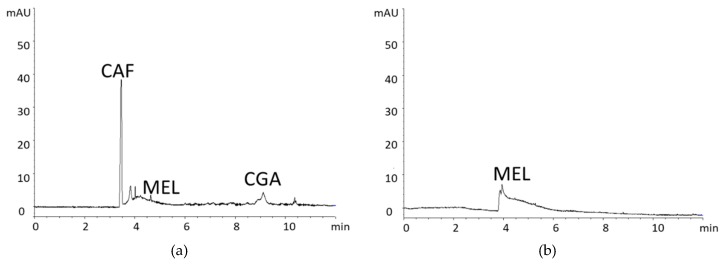
“Both CAF and CGA are low molecular weight nonpolar compounds [36].”
Moreira, A. S. P., Nunes, F. M., Simões, C., Maciel, E. A., Domingues, P. M., Domingues, M. R., & Coimbra, M. A. (2017) · Food Chemistry · doi:10.1016/j.foodchem.2017.01.107 · Cited by 76 · cited 1×
“In previous investigations, the high molecular weight fraction compounds were isolated from the coffee beverage (Arabica variety) and the main compounds found were polysaccharides (37 g/100 g), followed by proteins (12 g/100 g) [44].”
Fichna, J., Sałaga, M., Stuart, J. M., Saur, D., Sobczak, M., Zatorski, H., Timmermans, J., Bradshaw, H. B., Ahn, K., & Storr, M. (2013) · Neurogastroenterology & Motility · doi:10.1111/nmo.12272 · Cited by 67 · cited 1×
“Colonic bead expulsion test was performed, as described previously [29].”
Rendón-Huerta, J. A., Juárez-Flores, B. I., Pinos‐Rodríguez, J. M., Aguirre‐Rivera, J. R., & Portales, R. E. D. (2011) · Plant Foods for Human Nutrition · doi:10.1007/s11130-011-0266-9 · Cited by 61 · cited 1×
“According to the literature on studies carried out with fructans with an inulin content of ≥90%, rats treated with a high fiber diet, three times per week for eight weeks, showed a significantly lower consumption of food, compared to the control group [52,53].”
Conceptual Study on Maillardized Dietary Fiber in Coffee
Silván, J. M., Morales, F. J., & Saura-Calixto, F. (2010) · Journal of Agricultural and Food Chemistry · doi:10.1021/jf102489u · Cited by 56 · cited 3×
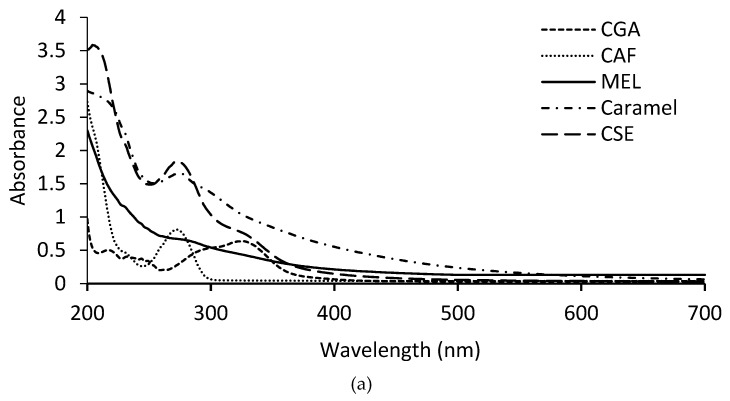
“Furthermore, it was observed that CSE absorbs at 400–450 nm, which might be due to the presence of melanoidins, previously described to absorb in this wavelength interval [10].”
InfluentialGuglielmetti, A., Fernandez-Gomez, B., Zeppa, G., & Del Castillo, M. D. (2019) · Polish Journal of Food and Nutrition Sciences · doi:10.31883/pjfns-2019-0012 · Cited by 54 · cited 1×
“The total dietary fiber in aqueous coffee silverskin extract (CSE) has been reported to be about 36% [7].”
Márquez-Aguirre, A. L., Camacho-Ruiz, R. M., Gutiérrez-Mercado, Y. K., Padilla‐Camberos, E., González‐Ávila, M., Gálvez-Gastélum, F. J., Diaz-Martinez, N. E., & Ortuño‐Sahagún, D. (2016) · Plant Foods for Human Nutrition · doi:10.1007/s11130-016-0578-x · Cited by 53 · cited 2×
“While liver and kidney weights were not measured in studies carried out in rats exposed chronically to a high fiber diet (fructans with an inulin content of ≥90%), the ability of hepatocytes to biosynthesize plasma proteins or renal tissues to remove waste substances, was not affected [52,54].”
Bakondi, E., Gönczi, M., Szabó, É., Bai, P., Pacher, P., Gergely, P., Kovács, L., Hunyadi, J., Szabó, C., Csernoch, L. J., et al. (2003) · Journal of Investigative Dermatology · doi:10.1046/j.1523-1747.2003.12329.x · Cited by 51 · cited 1×
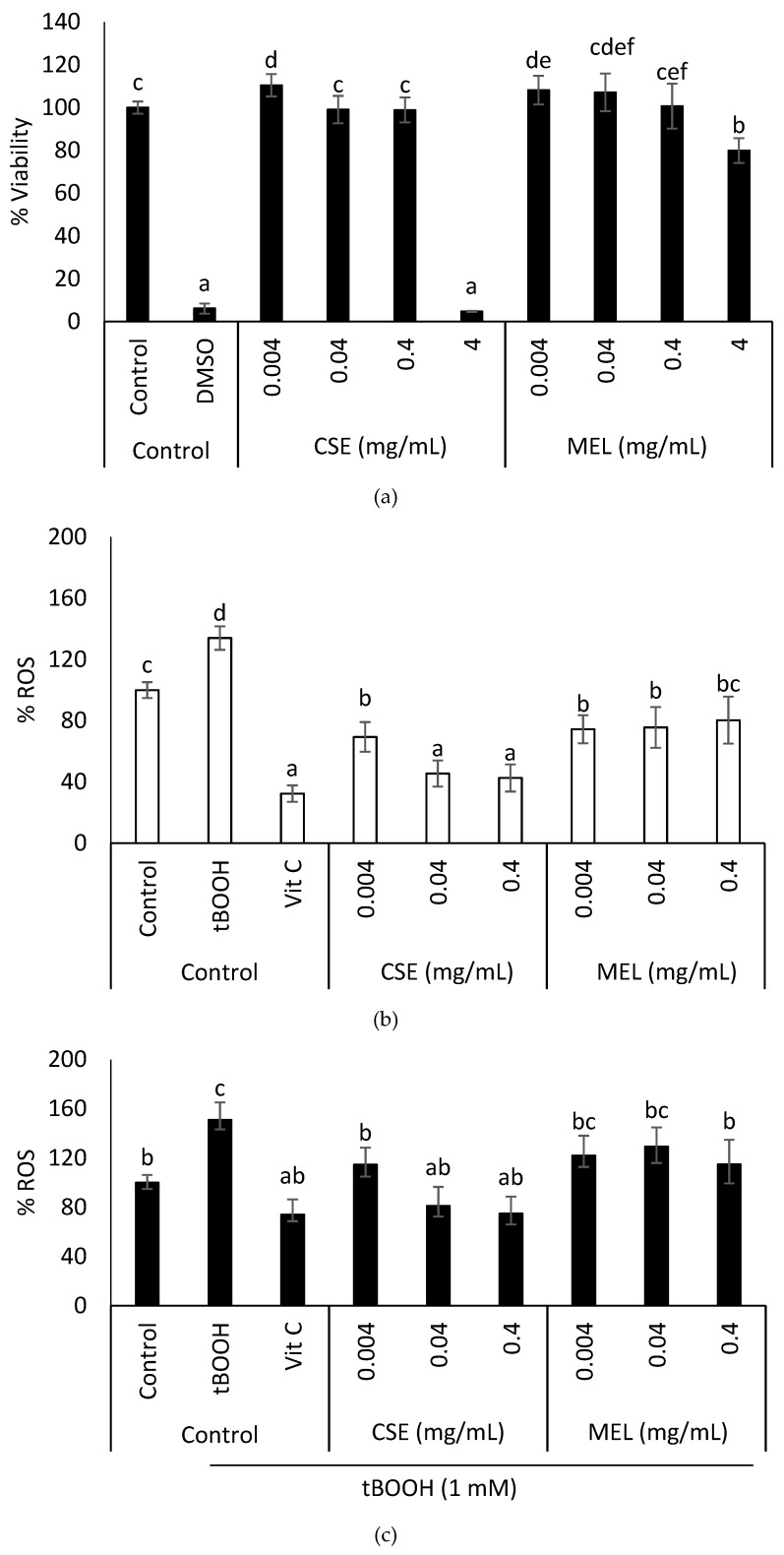
“Prior to the study of basal intracellular ROS, the effect of different concentrations of CSE and melanoidins on cell viability was measured by the MTT assay [23], in order to select non-cytotoxic doses.”
Iriondo‐DeHond, A., Haza, A. I., Ávalos, A., del Castillo, M. D., & Morales, P. (2017) · Food Research International · doi:10.1016/j.foodres.2017.08.012 · Cited by 44 · cited 1×
“3 × 10³ CFU/g for the total aerobic microorganisms and a content of yeasts and molds lower than 102 CFU/g in CSE [35], and OTA was not detected [5].”
Self-citationAbalo, R., Cabezos, P. A., López‐miranda, V., Vera, G., González, C., Castillo, M., Fernández‐pujol, R., & Martín, M. I. (2009) · Neurogastroenterology & Motility · doi:10.1111/j.1365-2982.2009.01315.x · Cited by 39 · cited 4×
“In Vivo Animals and Experimental Design Male Wistar rats (150–200 g) were obtained from the Veterinary Unit at Universidad Rey Juan Carlos (URJC) (n = 14).”
InfluentialSelf-citationOKI, T., NAGAI, S., YOSHINAGA, M., NISHIBA, Y., & SUDA, I. (2006) · Food Science and Technology Research · doi:10.3136/fstr.12.156 · Cited by 39 · cited 2×
“(2006), for its use in a microplate [19,20].”
BackgroundMethodPérez-Hernández, L. M., Chávez-Quiroz, K., Medina‐Juárez, L. Á., & Gámez‐Meza, N. (2013) · BIOtecnia · doi:10.18633/bt.v15i1.136 · Cited by 38 · cited 1×
“Coffee melanoidins possess various biological properties such as being anticarcinogenic, anticariogenic, antiglycative, antihypertensive, anti-inflammatory, antimicrobial, antioxidant, and prebiotic [1,8,9].”
Gastrointestinal effects of intracerebroventricularly injected nociceptin/orphaninFQ in rats
Broccardo, M., Guerrini, R., Petrella, C., & Improta, G. (2004) · Peptides · doi:10.1016/j.peptides.2004.03.015 · Cited by 29 · cited 1×
“Briefly, on the day of the experiment, a pre-warmed (37 ◦C) glass bead (diameter: 8 mm) with a fire polished end was inserted 3 cm into the distal colon, using a silicone pusher [30].”
Phytochemomics and Other Omics for Permitting Health Claims Made on Foods
del Castillo, M. D., Martinez-Saez, N., Amigo-Benavent, M., & Silvan, J. M. (2013) · Food Research International · doi:10.1016/j.foodres.2013.05.014 · Cited by 26 · cited 1×
“Coffee silverskin has been proposed as a sustainable natural source of prebiotics, antioxidants, and dietary fiber [11].”
Physiometabolic effects of Agave salmiana fructans evaluated in Wistar rats
Andrade, A. I. C., Rivera-Bautista, C., Godínez-Hernández, C. I., Ruiz‐Cabrera, M. A., Ahumada, C. F., Chávez, E. G., & Grajales‐Lagunes, A. (2017) · International Journal of Biological Macromolecules · doi:10.1016/j.ijbiomac.2017.11.043 · Cited by 25 · cited 4×
“Previous studies have found that animals treated with fructans showed a higher fecal production and a softer consistency, compared to the control group [54].”
InfluentialAlterations of colonic sensitivity and gastric dysmotility after acute cisplatin and granisetron
Martín‐Ruíz, M., Uranga, J. A., Mosińska, P., Fichna, J., Nurgali, K., Martín‐Fontelles, M. I., & Abalo, R. (2018) · Neurogastroenterology & Motility · doi:10.1111/nmo.13499 · Cited by 18 · cited 1×
“66 mL/kg, 5 mg/mL, ip) was used to revert the sedation [32].”
MethodSelf-citationChoi, E., Park, S., & Cho, Y.-O. (2011) · Nutrition · doi:10.1016/j.nut.2011.02.003 · Cited by 15 · cited 1×
“This might be the result of a decreased food intake, due to a loss of appetite in the animals with coffee beverage, since the consumption of caffeine, one of the major biologically active components of coffee, reduces energy intake by 22% [51].”
Influences of pH and temperature on infrared spectroscopic features of brewed coffee
Hashimoto, A., Sugimoto, Y., Suehara, K., & Kameoka, T. (2011) · Procedia Food Science · doi:10.1016/j.profoo.2011.09.169 · Cited by 11 · cited 1×
“Compounds that contribute to a higher or lower pH and acidity are classified as dissociable and non-dissociable ionic species; within the dissociable ionic compounds are CGA, citric acid, quinic acid, and trigonelline, whereas the non-dissociable ionic compounds include caffeine and arabinogalactan [34].”
Evaluation of the quality of coffee extracts concentrated by osmotic evaporation
Paiva, A., Ranocchia, K., Marques, M., da Silva, M. G., Alves, V. D., Coelhoso, I. M., & Simões, P. C. (2017) · Journal of Food Engineering · doi:10.1016/j.jfoodeng.2017.11.020 · Cited by 8
Research works printed but not linked: 2
- Organization for Economic Co-operation and Development Oecd Guideline for the Testing of Chemicals, Section 4. Repeated Dose 28-day Oral Toxicity Study in Rodents Available online: https://www.oecd-ilibrary.org/environment/test-no-407-repeated-dose-28-day-oral-toxicity-study-in-rodents_9789264070684-en (accessed on 15 January 2019)
- Ii F. Gussone P. Portici E. Characterization of a New Potential Functional Ingredient: Coffee silverskin J. Agric. Food Chem. 2004 52 1338 1343 14995143 · DOI · Paper page
Cited by
Applications of Compounds from Coffee Processing By-Products
Iriondo-DeHond, A., Iriondo-DeHond, M., & del Castillo, M. D. (2020) · Biomolecules · doi:10.3390/biom10091219 · Cited by 167
Self-citationEffects of Coffee and Its Components on the Gastrointestinal Tract and the Brain–Gut Axis
Iriondo-DeHond, A., Uranga, J. A., del Castillo, M. D., & Abalo, R. (2020) · Nutrients · doi:10.3390/nu13010088 · Cited by 126
Self-citationHejna, A. (2021) · Waste Management · doi:10.1016/j.wasman.2020.12.018 · Cited by 110
Risk Assessment of Trigonelline in Coffee and Coffee By-Products
Konstantinidis, N., Franke, H., Schwarz, S., & Lachenmeier, D. W. (2023) · Molecules · doi:10.3390/molecules28083460 · Cited by 101
Iriondo‐DeHond, A., Elizondo, A. S., Iriondo-DeHond, M., Ríos, M. B., Mufari, R., Mendiola, J. A., Ibáñez, E., & del Castillo, M. D. (2020) · Foods · doi:10.3390/foods9050620 · Cited by 100
Self-citation
Metadata
- Authors
- Tores de la Cruz, S., Iriondo-DeHond, A., Herrera, T., Lopez-Tofiño, Y., Galvez-Robleño, C., Prodanov, M., Velazquez-Escobar, F., Abalo, R., & del Castillo, M. D.
- Affiliations
- Instituto de Investigación en Ciencias de la Alimentación (CIAL) (CSIC-UAM), 28049 Madrid, Spain
- Instituto de Investigación en Ciencias de la Alimentación (ES)
- Departamento de Ciencias Básicas de la Salud, Facultad de Ciencias de la Salud, Universidad Rey Juan Carlos (URJC), Alcorcón, 28922 Madrid, Spain
- Technische Universität Berlin, 135/PC14 Max Volmer Laboratorium für biophysikalische Chemie, 1023 Berlin, Germany
- Universidad Rey Juan Carlos (ES)
- Venue
- Foods
- Publisher
- MDPI AG
- Published
- 2019-02-12
- Volume
- 8
- Issue
- 2
- Pages
- 68
- ISSN
- 2304-8158 (ISSN-L)
- PMC
- PMC6406266
- OpenAlex
- W2911271623
- Cited by
- 57
- References
- 53
- Citations by year
- 2026: 8 · 2025: 7 · 2024: 8 · 2023: 11 · 2022: 8 · 2021: 8 · 2020: 5 · 2019: 2
- FWCI
- 3.56
- Type
- journal article
- Language
- en
- Open access
- gold
- dx.doi.org
- Licence
- Locations
- Foods (publishedVersion, cc-by)
- Europe PMC (PubMed Central) (publishedVersion, other-oa)
- PubMed Central (publishedVersion, cc-by)
- PubMed (publishedVersion)
- BURJC Digital (King Juan Carlos University) (submittedVersion, cc-by)
- DIGITAL.CSIC (Spanish National Research Council (CSIC)) (submittedVersion, cc-by-nc-sa)
- LA Referencia (Red Federada de Repositorios Institucionales de Publicaciones Científicas) (submittedVersion, cc-by)
- DOAJ (DOAJ: Directory of Open Access Journals) (submittedVersion, cc-by-sa)
- Hispana (submittedVersion)
- Hispana (submittedVersion, cc-by)
- Biblos-e Archivo (Universidad Autónoma de Madrid) (submittedVersion)
- Funders
- Ministerio de Economía y Competitividad (AGL2014-57239-R)
- Topics
- Health Sciences › Medicine › Pharmacology (medical) › Coffee research and impacts
- Health Sciences › Medicine › Biochemistry (medical) › Phytochemicals and Antioxidant Activities
- Life Sciences › Agricultural and Biological Sciences › Food Science › Potato Plant Research
- Keywords
- coffee silverskin, melanoidins, Maillard reaction, coffee by-products, ultrafiltration, dietary fiber, antioxidant activity, gastrointestinal motility, caffeine, chlorogenic acid, Coffea arabica, biological activity
About these checks
Registry, retraction, Cites and statistics results are computed, not judged, with one exception: a printed reference that no index lists is read once by a model before it counts as a citation error. Claims are extracted by a model and kept only when their quote appears verbatim in the text; each cited source is then checked, with a model’s help, for whether it says what the claim relies on. Those verdicts can be wrong — read the claim’s quote and the cited source before relying on one.
Statistics and arithmetic are recomputed, not judged.
Confidence bands are shown only for fields calibrated on our annotated test set. None is calibrated yet, so no band is shown.
What counts as a claim ›How we measure confidence ›How we check this ›
Are you an author, or do you see a problem with this page? Request a review
Data sources
Bibliographic data: Semantic Scholar, OpenAlex, Crossref.
Contains information from the Semantic Scholar Academic Graph Datasets, made available under the ODC Attribution License (ODC-BY 1.0).
Semantic Scholar’s data is described in: Kinney, R., et al. (2023). The Semantic Scholar Open Data Platform. arXiv:2301.10140.
