

Understanding Psychosocial Barriers to Healthcare Technology Adoption: A Review of TAM Technology Acceptance Model and Unified Theory of Acceptance and Use of Technology and UTAUT Frameworks
Open accessPublished version of a preprint
The DOI matches its Crossref record; 42 of the 42 references it cites were found in a registry or an index.
Abstract
Background: Leveraging healthcare technology improves human development and well-being. However, adoption is frequently delayed by behavioural and psychological barriers, such as perceived usefulness, trust, and organisational readiness. This review examines the suitability of the Unified Theory of Acceptance and Use of Technology (UTAUT) and the Technology Acceptance Model (TAM) frameworks in healthcare settings, focusing on behavioural, educational, and psychological factors that influence technology adoption. Methods: A total of 20 peer-reviewed articles from 2019 to 2024 were examined. Results: The review identified significant organisational and psychological obstacles, including a lack of trust, inadequate training, and organisational support. While the UTAUT provided a more comprehensive viewpoint, it needed to be modified to include context-specific factors, including trust, facilitating circumstances, and educational interventions. Meanwhile, the TAM’s emphasis on perceived usefulness and ease of use was shown to be insufficient for dealing with complex healthcare situations. Conclusions: Interventions targeting stakeholders’ organisational and psychological preparation and educational strategies are essential to overcoming resistance and enhancing trust. Future research should look into integrative frameworks incorporating behavioural, psychological, and instructional tactics to improve the use of technology in healthcare.
Overview
The claims and statistics of this paper haven’t been checked yet.
Free: it reads the open-access text and checks the first 5 claims that cite a source we can check. Create a free account to check every claim.
Integrity signals
Registry
Cites
Statistics
Figures
Verification
Claims the paper makes
The claims and statistics of this paper haven’t been checked yet.
Free: it reads the open-access text and checks the first 5 claims that cite a source we can check. Create a free account to check every claim.
Self-check
Percentages, sums and reported differences re-computed from the paper’s own numbers.
The self-check needs the paper’s full text.
Citations
Cites
User Acceptance of Information Technology: Toward A Unified View1
Venkatesh, V., Morris, M. G., Davis, G. B., & Davis, F. D. (2003) · MIS Quarterly · doi:10.2307/30036540 · Cited by 45,035 · cited 4×
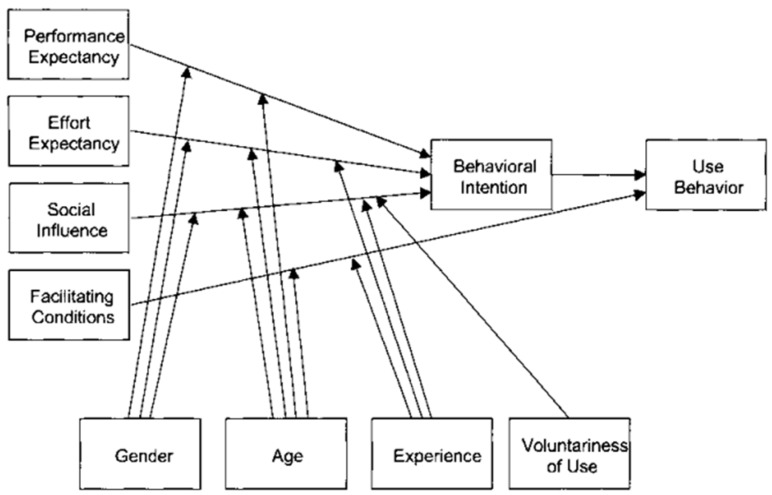
“According to Venkatesh et al. (2003) [21], the UTAUT may explain as much as 70% of the variation in intention.”
InfluentialUser Acceptance of Computer Technology: A Comparison of Two Theoretical Models
Davis, F. D., Bagozzi, R. P., & Warshaw, P. R. (1989) · Management Science · doi:10.1287/mnsc.35.8.982 · Cited by 25,709 · cited 2×
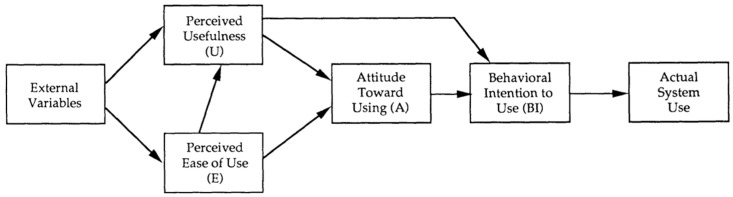
“The TAM was developed in 1989 by Fred Davis and adopted from the Theory of Reasoned Action (TRA) [18].”
Technology acceptance model: a literature review from 1986 to 2013
Marangunić, N., & Granić, A. (2015) · Universal Access in the Information Society · doi:10.1007/s10209-014-0348-1 · Cited by 2,458
Dwivedi, Y. K., Rana, N. P., Jeyaraj, A., Clement, M., & Williams, M. D. (2019) · Information Systems Frontiers · doi:10.1007/s10796-017-9774-y · Cited by 2,137 · cited 1×
“This consolidates the current theoretical viewpoints and enhances research on individual acceptance. made the UTAUT one of the most popular These improvements have made the UTAUT one of the most popular theoretical frameworks in IT/IS research [23]. theoretical frameworks in IT/IS research [23].”
The rise of artificial intelligence in healthcare applications
Bohr, A., & Memarzadeh, K. (2020) · Artificial Intelligence in Healthcare · doi:10.1016/b978-0-12-818438-7.00002-2 · Cited by 1,636 · cited 1×
“As is widely known, the healthcare industry has long struggled with a labour shortage [1,2].”
Kamal, S. A., Shafiq, M., & Kakria, P. (2020) · Technology in Society · doi:10.1016/j.techsoc.2019.101212 · Cited by 894 · cited 2×
“Furthermore, it is commonly used in studies investigating the interaction between technology and individual behaviours and intentions [19].”
Impact of Trust and Privacy Concerns on Technology Acceptance in Healthcare: An Indian Perspective
Dhagarra, D., Goswami, M., & Kumar, G. (2020) · International Journal of Medical Informatics · doi:10.1016/j.ijmedinf.2020.104164 · Cited by 436 · cited 4×
“Dhagarra et al. (2020) [13] investigated the effect of trust and privacy issues on the acceptance of technology in healthcare from an Indian viewpoint.”
InfluentialSchaper, L. K., & Pervan, G. P. (2007) · International Journal of Medical Informatics · doi:10.1016/j.ijmedinf.2006.05.028 · Cited by 371
Mackey, T. K., Kuo, T.-T., Gummadi, B., Clauson, K. A., Church, G., Grishin, D., Obbad, K., Barkovich, R., & Palombini, M. (2019) · BMC Medicine · doi:10.1186/s12916-019-1296-7 · Cited by 318 · cited 1×
“The healthcare industry faces one of the most serious problems in terms of technology adoption because people find it very difficult to adapt to new technologies despite the industry being the most important for people’s health [17].”
Technology Acceptance Models in Health Informatics: TAM and UTAUT
Elske, A. (2019) · Studies in Health Technology and Informatics · doi:10.3233/shti190111 · Cited by 296
Research works printed but not linked: 1
- Christian M. Gularso K. Utomo P. Yulita H. Wibowo S. Sunarno S. Melati R. Generation YZ’s E-Healthcare Use Factors Distribution in COVID-19’s Third Year: A UTAUT Modeling J. Distrib. Sci. 2023 21 117 129 10.15722/jds.21.07.202307.117 · doi:10.15722/jds.21.07.202307.117
Cited by
Status and perceptions of ChatGPT utilization among medical students: a survey-based study
Hu, N., Jiang, X. L., Wang, Y. D., Kang, Y. M., Xia, Z., Chen, H. H., Duan, S. N., & Chen, D. (2025) · BMC Medical Education · doi:10.1186/s12909-025-07438-7 · Cited by 71
“However, the identified concerns about misinformation and plagiarism reflect TAM’s perceived risk component, potentially moderating adoption intentions [20].”
Fan, J., Zhang, L., Li, N., & Man, S. (2025) · BMC Nursing · doi:10.1186/s12912-025-03265-9 · Cited by 60
“UTAUT further emphasizes technological accessibility as determinant of adoption willingness [46, 47].”
Chen, Z., Wu, T., Wu, X., Wang, J., Ke, S., Li, H., & Lin, R. (2025) · BMC Nursing · doi:10.1186/s12912-025-03577-w · Cited by 44
“The unified theory of acceptance and use of technology (UTAUT) emphasizes the direct impact of four core dimensions, namely, performance expectations, effort expectations, social influence, and facilitating conditions, on technology adoption [17, 18].”
Hamdouni, A. (2025) · International Journal of Financial Studies · doi:10.3390/ijfs13040234 · Cited by 35
“Meanwhile, the Technology Acceptance Model (TAM) underscores the role of behavioral factors in technology adoption (Lee et al., 2025).”
Marinescu, Ș. A., Oncioiu, I., & Ghibanu, I. A. (2025) · Healthcare · doi:10.3390/healthcare13111222 · Cited by 30
“These conceptual frameworks enable one to see the factors influencing the attitudes and behaviors of healthcare professionals toward AI-CDSSs, supporting the creation of efficient plans for including these systems in clinical practice [49].”
Festivals in Age of AI: Smarter Crowds, Happier Fans
Lopes, J. M., Massano‐Cardoso, I., & Granadeiro, C. (2025) · Tourism and Hospitality · doi:10.3390/tourhosp6010035 · Cited by 27
“Conversely, UTAUT encompasses a wider array of factors that can affect consumer engagement, making it particularly relevant in event settings where social dynamics play a crucial role (Lee et al., 2025).”
Aldogiher, A. S., & Halim, Y. T. (2025) · Sustainability · doi:10.3390/su17188468 · Cited by 27
Kaya, M. H., & Adıgüzel, T. (2025) · Frontiers in Education · doi:10.3389/feduc.2025.1652292 · Cited by 33
Zhang, Z., Jiang, S., Zhang, R., & Dong, R. K. (2026) · Acta Psychologica · doi:10.1016/j.actpsy.2026.106238 · Cited by 24
Khlaif, Z. N., Salama, N., Hamamra, B. T., & Mousa, A. (2025) · JMIR Medical Education · doi:10.2196/65042 · Cited by 22
“…digital content to simulate immersive and interactive environments, making XR particularly suitable for teaching high-risk procedures, using expensive equipment, and conducting practical training activities that require additional resources, such as those in medicine or medical sciences [20].”
Gkanatsiou, M. A., Triantari, S., Tzartzas, G., Kotopoulos, T., & Gkanatsios, S. (2025) · Technologies · doi:10.3390/technologies13090396 · Cited by 8
“In our survey, perceived usefulness and ease of use map onto the efficiency and automation constructs, while social influence and facilitating conditions inform our items concerning institutional support and digital readiness [28].”
Alwali, J., Alwali, W., & Yahya, S. (2025) · International Journal of Innovation Science · doi:10.1108/ijis-05-2025-0243 · Cited by 22
Ramadan, O. M. E., Elsharkawy, N. B., Hafiz, A. H., Katooa, N. E., Abunar, A., Attallah, D. M. A., Dewan, M. F., Alruwaili, M. M., Alruwaili, A. N., Alshammari, A. M., et al. (2025) · BMC Nursing · doi:10.1186/s12912-025-03839-7 · Cited by 18
“Analytically, hierarchical regression was used to quantify the incremental variance explained by literacy domains after adjusting for demographic/organizational covariates [28].”
InfluentialHoonsopon, D., Ketkaew, C., Puriwat, W., Viriyasitavat, W., & Tripopsakul, S. (2025) · SAGE Open · doi:10.1177/21582440251378068 · Cited by 17
“Variables such as healthcare regulation diversity, data privacy legislation, technological anxiety, previous health system experiences, and perceived risk have been shown in prior literature to shape digital health technology adoption (A. T. Lee et al., 2025; Patel et al., 2022; Yao et al., 2022).”
Factors influencing older adults’ adoption of AI voice assistants: extending the UTAUT model
Li, H., & Wei, X. (2025) · Frontiers in Psychology · doi:10.3389/fpsyg.2025.1618689 · Cited by 16
Using AI in Performance Management: A Global Analysis of Local Government Practices
Maake, G., & Schultz, C. M. (2025) · Administrative Sciences · doi:10.3390/admsci15100392 · Cited by 18
“…in the digital age, it is essential to acknowledge that the traditional framework of performance management—particularly employee evaluations—is seeing a significant transformation, propelled by the capabilities and insights provided by artificial intelligence (AI) technologies (Lee et al., 2025).”
Lee, J., & Esposito, A. G. (2025) · Education Sciences · doi:10.3390/educsci15060746 · Cited by 14
Ye, C., Wang, Z., Wu, M., Kang, R., Yuan, F., & Chen, C. (2025) · Frontiers in Public Health · doi:10.3389/fpubh.2025.1650804 · Cited by 15
Priyanto, E. B., Rahayuningsih, E., & Anggiani, S. (2025) · PARADOKS Jurnal Ilmu Ekonomi · doi:10.57178/paradoks.v8i3.1375 · Cited by 13
“…poses lack of comprehension in explaining how the seamless integration of technological advancements and unwavering commitment to fundamental service quality principles collectively shape a patient's emotional resonance and overall evaluation of care (Alsyouf et al., 2023; Lee et al., 2025).”
Eldesoky, H. A. M., Al-Thubaity, D. D., Shalby, A. Y. M., & Mohammed, F. A. (2025) · BMC Health Services Research · doi:10.1186/s12913-025-13001-3 · Cited by 13
“Thus, targeted training that enhances AI knowledge and fosters a supportive environment can strengthen both individual acceptance and organizational safety practices [8, 14, 15].”
Breitwieser, M., Zirknitzer, S., Poslusny, K., Freude, T., Scholsching, J., Bodenschatz, K. J., Wagner, A., Hergan, K., Schaffert, M., Metzger, R. P., et al. (2025) · Diagnostics · doi:10.3390/diagnostics15162117 · Cited by 13
“This finding is consistent with Lee et al. (2023), who observed similarly limited effects of social influence on AI acceptance among emergency physicians [37].”
Shakil, M., Ali, M. Z., Illahi, T., & Ahmed, F. M. (2025) · Inverge Journal of Social Sciences · doi:10.63544/ijss.v4i4.179 · Cited by 13
Huang, Y., Li, C.-L., Chang, C.-C., & Tarng, W. (2025) · Sensors · doi:10.3390/s25227059 · Cited by 15
Sheikh, T., & Nath, K. (2026) · Discover Education · doi:10.1007/s44217-026-01161-1 · Cited by 13
Shahin, M., Maghanaki, M., & Chen, F. F. (2026) · Expert Systems with Applications · doi:10.1016/j.eswa.2026.131606 · Cited by 12
Weng, K. H., Julianton, R. P., Chan, X. Y., Chai, Y. T., Mukred, M., Leen, M. W. E., & Gumaei, A. (2025) · Journal of Information Technology Education Research · doi:10.28945/5612 · Cited by 11
“Despite the rising popularity of TAM and UTAUT frameworks, existing studies often omit essential social and psychological factors such as social support, motivation, and DL (Lee et al., 2025), factors especially relevant in inclusive educational environments.”
Predicting older adults smart healthcare adoption using an extended TAM
Zhang, J., Ma, Y., Zhang, H., Chen, Y., & Yu, J. (2025) · Scientific Reports · doi:10.1038/s41598-025-21419-2 · Cited by 11
Xie, Y., Song, Z., Wang, E., Li, P. D., & Wang, J. (2026) · Frontiers in Public Health · doi:10.3389/fpubh.2026.1728867 · Cited by 11
“Conversely, technologies that demand substantial time, effort, or involve a steep learning curve may negatively influence users’ acceptance and adoption behaviors (14).”
Ebihara, H., Kasai, H., Shimizu, I., Shikino, K., Tajima, H., Kimura, Y., & Ito, S. (2025) · JMIR Medical Education · doi:10.2196/76702 · Cited by 10
“This framework enabled a structured interpretation of students’experiences and the acceptance of the AI-based mentoring tool consistent with previous applications of the TAM in medical education and e-learning contexts [35-37].”
Entrepreneurship and Innovation in Telemedicine Adoption Among Physicians in Indonesia
Setiawaty, E., Hartoyo, H., Nurmalina, R., & Yuliati, L. N. (2025) · Aptisi Transactions On Technopreneurship (ATT) · doi:10.34306/att.v7i3.707 · Cited by 10
Yasmin, F., Akter, S., Touhiduzzaman, M., Razu, M. W. Z., & Hossain, M. A. (2026) · Scientific Reports · doi:10.1038/s41598-026-36080-6 · Cited by 10
“…in digitally-enhanced environments reported higher willingness to engage when technology was perceived as relevant, interactive, and user-friendly echoing the principles of the Technology Acceptance Model (TAM) and Unified Theory of Acceptance and Use of Technology (UTAUT) frameworks 50,51 .”
Deng, K., Zhang, C., Song, M., & Hu, X. (2026) · Sustainability · doi:10.3390/su18020964 · Cited by 12
Ndiaye, M., Saadé, R. G., & Liu, H. (2025) · Global Transitions · doi:10.1016/j.glt.2025.09.002 · Cited by 10
Dagtekin, U., & Kabakuş, A. K. (2025) · International Journal of Advanced Computer Science and Applications · doi:10.14569/ijacsa.2025.0161218 · Cited by 9
Wardani, R. T. I., Astuti, E. S., Sunarti, S., & Iqbal, M. (2026) · International Journal of Environment Engineering and Education · doi:10.55151/ijeedu.v8i1.372 · Cited by 8
Wei, W., Xu, Y., & Wang, Z. (2026) · Humanities and Social Sciences Communications · doi:10.1057/s41599-025-06452-w · Cited by 9
“When a tool becomes very common or part of daily practice, the traditional predictors in TAM — PEOU and PU — seem to lose much of their power to explain intention to use (Shaengchart et al. 2023; Alshammari and Babu 2025; Lee et al. 2025).”
Djimesah, I. E., Zhao, H., Okine, A. N. D., Gyamfi, C. A., Mireku, K. K., Chen, W., Duah, E., & Osei-Mensah, E. (2026) · Strategic Business Research · doi:10.1016/j.sbr.2026.100068 · Cited by 7
Cao, K., Wang, P., Zhang, C., & Zhao, J. (2026) · PLoS ONE · doi:10.1371/journal.pone.0346014 · Cited by 7
Emerging Technologies on Tax Education in Shaping Tax Compliance among SMEs in Malaysia
Sapari, A. B., & Bakar, S. A. N. A. (2025) · Information Management and Business Review · doi:10.22610/imbr.v17i1(i)s.4418 · Cited by 7
“These are perceived usefulness and perceived ease of use (Lee et al., 2025).”
Initial Validation of the IMPACT Model: Technological Appropriation of ChatGPT by University Faculty
Pereira, L. M., Basantes-Andrade, A., Naranjo-Toro, M., & Guia-Pereira, M. (2025) · Education Sciences · doi:10.3390/educsci15111520 · Cited by 7
“Research on emerging technology adoption has been primarily grounded in the Technology Acceptance Model (Ashfaq et al., 2020; Dahri et al., 2024; García et al., 2024; M. K. Kim et al., 2025; A. T. Lee et al., 2025; Ma et al., 2024).”
Putri, P. H., & Steenvoorden, M. (2025) · Journal of Health Innovation and Environmental Education. · doi:10.37251/jhiee.v2i1.2321 · Cited by 7
Khloud Mohsen Alraddadi, A. S. D. A., & Khadija Nour Safar Alharbi, M. N. F. A. (2024) · The Review of Diabetic Studies · doi:10.70082/41cvrp22 · Cited by 7
Krouska, A., Troussas, C., Mylonas, P., & Sgouropoulou, C. (2025) · Information · doi:10.3390/info16070528 · Cited by 6
Aiswarya, S., Makarabbi, G., Navneet, S., & Sharma, M. L. (2025) · Frontiers in Animal Science · doi:10.3389/fanim.2025.1618632 · Cited by 6
Yao, K., & Chiang, S. (2025) · Mathematics · doi:10.3390/math13152390 · Cited by 6
Amrullah, S. A., Suprapto, S. I., & Indasah, I. (2025) · Innovative Approaches in Health Science Journal · doi:10.64871/2b7d7q62 · Cited by 6
Influencing Factors of Behavioral Intention to Use Cloud Technologies in Small–Medium Enterprises
Nikolopoulos, F., & LIKOTHANASSIS, S. D. (2025) · Journal of theoretical and applied electronic commerce research · doi:10.3390/jtaer20040264 · Cited by 6
Zheng, W., Cheung, S. M., & Wang, X. (2025) · Frontiers in Medicine · doi:10.3389/fmed.2025.1681486 · Cited by 6
Burrell, D. N. (2025) · Public Governance Regulation and Law · doi:10.61093/pgrl.1(1).51-64.2025 · Cited by 7
Choi, J. H. (2025) · Technological Forecasting and Social Change · doi:10.1016/j.techfore.2025.124380 · Cited by 7
Chew, S., Razak, S. S. A., & Lo, Y. T. (2025) · International Journal of Pervasive Computing and Communications · doi:10.1108/ijpcc-05-2025-0186 · Cited by 7
Embracing AI in hospitality enterprises in developing countries: A mediated-moderated model
Hasanein, A. M., MANSOUR, N. M., & Kamel, N. J. (2025) · Human Systems Management · doi:10.1177/01672533251410438 · Cited by 6
“For instance, Lee et al. 18 and Kim et al. 19 investigated AI implementation within healthcare institutions and corporate environments, respectively, highlighting that core constructs such as performance expectancy (PE) and facilitating conditions (FC) consistently exert strong in fl u-ence on users…”
Guo, X. (2026) · Journal of Accounting Education · doi:10.1016/j.jaccedu.2026.101004 · Cited by 6
Dzisi, E. K. J., Patterson, M., & Iddrisu, S. (2026) · Dialogues in Health · doi:10.1016/j.dialog.2026.100285 · Cited by 8
“Data collected were cleaned and organized in Microsoft Excel and analyzed using Statistical Package for the Social Sciences (SPSS) version 27.”
Shampa, M. T. J., & Hossain, M. S. (2026) · Telematics and Informatics Reports · doi:10.1016/j.teler.2026.100308 · Cited by 6
Large Language Model-Based Virtual Patients for Simulated Clinical Learning: A Scoping Review
Gandhi, B., Morjaria, L., Illamperuma, I., Nadesan, P., Arora, A., & Sibbald, M. (2026) · AI in Medicine · doi:10.3390/aimed1010007 · Cited by 7
“TAM proposes that perceived usefulness and perceived ease of use shape users’ attitudes and behavioural https://doi.org/10.3390/aimed1010007 intention to use a technology, which in turn influences actual use and integration into practice [33].”
InfluentialUniversity teachers' perceptions of EFL students' engagement in Google Classroom
Mekheimer, M. A. A. G., & Mahdy, E. M. M. (2025) · Social Sciences & Humanities Open · doi:10.1016/j.ssaho.2025.101585 · Cited by 6
Ahmed, M. M., Othman, Z. K., Sani, J., Mohamed, A. A., Ali, A. N., Aray, A. M., Mohamed, M. Y., Hassan, M. M., Okesanya, O. J., Lucero‐Prisno, D. E., et al. (2025) · Digital Health · doi:10.1177/20552076251406298 · Cited by 7
Smart Speakers for Health and Well-Being of Older Adults: A Mixed-Methods Review
Dino, M. J., Leinbach, C., Dino, G., Thiamwong, L., Villafuerte, C. M., Shattell, M., Pimentel, J., Zamora, M. A., Bautista, A., Vitug, J. P., et al. (2025) · Healthcare · doi:10.3390/healthcare13212772 · Cited by 5
“Consistent with TAM and UTAUT models, adoption is shown to be linked to improved autonomy and life satisfaction, underscoring the importance of ensuring age-friendly design to promote positive user experiences [82].”
Environmental and Behavioral Dimensions of Private Autonomous Vehicles in Sustainable Urban Mobility
Mircea, I. I., Roşca, E., Vlad, C. S., & Ivaşcu, L. (2025) · Clean Technologies · doi:10.3390/cleantechnol7030056 · Cited by 5
A Comprehensive Face Parsing Framework for Anxiety Detection Using Deep Learning
Panicker, S., & Gayathri, P. (2025) · IEEE Access · doi:10.1109/access.2025.3612325 · Cited by 5
“…[109], human-computer interaction [110], [111], education [112], [113], [114], [115], smart environments [116], autonomous vehicles [117], and healthcare (stress-related ailments [118], [119], psychological barriers [120], [121], [122], physiological impact on affect [123], [124], [125], [126]).”
Torricelli, P., Torricelli, C., Bertelli, B., Sandi, M., & Pecchi, A. (2025) · Frontiers in Artificial Intelligence · doi:10.3389/frai.2025.1624789 · Cited by 5
Mira, J. J., Rios, J., Gil-Hernández, E., Abed, N., Neves, V. R., Pérez-Esteve, C., Guilabert, M., Rodríguez, A. A., & Ballester, P. (2025) · JMIR Serious Games · doi:10.2196/75104 · Cited by 5
“The survey was specifically designed by the research team, based on standardized criteria for this type of evaluative instrument [27,28].”
KELLECİ, S. Ç., Mertoğlu, B., & Engin, M. (2025) · Work · doi:10.1177/10519815251401872 · Cited by 5
Bergam, S. J., Bergam, C., & Zanoni, B. C. (2025) · Sex Education · doi:10.1080/14681811.2025.2603261 · Cited by 5
Nurses’ Expectations of a Knowledge Management System in Nursing Practice: Qualitative Study
Vogt, M., Müller, S., Jagfeld, G., Ranegger, R., Zürcher, S., & Vetsch, J. (2026) · JMIR Nursing · doi:10.2196/78395 · Cited by 5
“This resonates with the Technology Acceptance Model, which emphasizes perceived usefulness and ease of use as key predictors of usage [18].”
Bian, X., Chen, Y., & Yang, A. (2026) · International Journal of Information Management · doi:10.1016/j.ijinfomgt.2026.103039 · Cited by 5
Awudu, S., Nugraha, N., Furqon, C., Sari, M. K., & Yuliawati, A. K. (2024) · Jurnal ASET (Akuntansi Riset) · doi:10.17509/jaset.v16i2.74873 · Cited by 5
Sachan, V., Bhati, N. S., & Jain, P. (2025) · IEEE Access · doi:10.1109/access.2025.3621909 · Cited by 4
“Although TAM effectively identifies the cognitive factors that drive technology adoption, it does not adequately address behavioral resistance and individual values [111].”
Clicks, trust, and care: Digital health engagement among university students in Pakistan
Hussain, S. A., Nshom, E., & Jie, L. (2025) · Telematics and Informatics Reports · doi:10.1016/j.teler.2025.100264 · Cited by 4
Onetiu, F., Bratu, M. L., Bratosin, F., & Bratu, T. (2025) · Healthcare · doi:10.3390/healthcare13212675 · Cited by 4
Mahdiraji, H. A., Kamardi, A. A. A., Yaftiyan, F., Vrontis, D., & Zhang, Q. (2025) · Technovation · doi:10.1016/j.technovation.2025.103402 · Cited by 4
Abbas, M. O., Rahma, A. T., Elbarazi, I., Ali, B. R., Patrinos, G. P., Ghadibah, H., & Al-Maskari, F. (2025) · Human Genomics · doi:10.1186/s40246-025-00896-6 · Cited by 4
Technology acceptance, multidimensional experience and disability sensitivity: a critical review
Bagnato, G., Amitrano, C. C., Giachino, C., & Bargoni, A. (2026) · Management Decision · doi:10.1108/md-06-2025-1551 · Cited by 5
Atta, M. H. R., Alkubati, S. A., Khalil, M. I. M., Fatah, N. K. A. E., Alsololi, R. S., & Aldawsari, M. M. (2026) · Frontiers in Public Health · doi:10.3389/fpubh.2026.1780758 · Cited by 4
“3-Short Version of Senior Technology Acceptance – 14 items: Chen and Lou (41) introduced the Senior Technology Acceptance Model (STAM-14), a streamlined 14-item scale designed to assess technology acceptance among older adult individuals.”
InfluentialDriving Better Health Outcomes for Gig Workers Through Strategic Health Initiatives
Kalbalia, P., & Koushik, K. (2025) · IGI Global eBooks · doi:10.4018/979-8-3373-1290-3.ch012 · Cited by 4
Putri, S. I., Supriyono, N. D., Fajriah, A. S., & Akbar, P. S. (2025) · Majalah Kesehatan Indonesia · doi:10.47679/makein.2025261 · Cited by 4
Ismail, E., Elsharnouby, M. H., & Hanafy, H. A. (2025) · Future Business Journal · doi:10.1186/s43093-025-00640-5 · Cited by 4
“When employees perceive a strong match between their skills and the technology’s demands, adoption becomes smoother, and performance outcomes more pronounced [177, 178].”
From experience to policy: safeguarding autonomy and privacy in digital elder care
Markoç, İ., & Bayram, S. (2025) · The Journal of Adult Protection · doi:10.1108/jap-07-2025-0028 · Cited by 4
Challenging assumptions: narrative analysis of interviews for digital health development
Bradway, M., Álvarez-Malé, M. L., Wägner, A. M., & Dyb, K. (2025) · BMC Digital Health · doi:10.1186/s44247-025-00211-2 · Cited by 4
“Recent adaptations of these theories have evolved to include job relevance (JR), output quality (OQ), and results demonstrability (RD) can impact PU and PEOU [43, 45, 48].”
A Worked Example of Faculty Blended Learning Adoption using Abductive Grounded Theory
Antwi-Boampong, A., Boison, D. K., Ujakpa, M. M., & Loglo, F. S. (2025) · The Electronic Journal of Business Research Methods · doi:10.34190/ejbrm.23.2.3994 · Cited by 3
Discourse on AI vs. Human Interaction among Generation Z: Trends, Challenges, and Future Directions
Bista, S. (2025) · BIC Journal of Management · doi:10.3126/bicjom.v2i1.84332 · Cited by 3
Sui, L., Crittenden, J. A., & Hager, M. A. (2025) · Behavioral Sciences · doi:10.3390/bs15101340 · Cited by 3
“…perceived utility and usability as important factors that influence the adoption of technology (McGinty et al., 2024; Li et al., 2025; Jia et al., 2015), but it does not adequately account for social context and perceived behavioral control, particularly among older adults (Lee et al., 2025).”
Leading responsibly in the digital age: A framework for health care digital workplace transformation
Gyamerah, S. A., Afshari, L., Hallam, K. T., & Cook, J. (2025) · Health Care Management Review · doi:10.1097/hmr.0000000000000471 · Cited by 3
Salwin, M., Kocot, M., Kwasek, A., Trzaskowska-Dmoch, A., Pałęga, M. Ł., & Kopytowski, A. (2026) · Sustainability · doi:10.3390/su18020776 · Cited by 3
“The TAM and UTAUT models indicate that the acceptance of AI depends on both its functionality and the perception of usability, ease of use, and social norms and the level of control over the technology [44–46].”
Bhadila, G. Y., Bahdila, D., Saber, N. O., & Alyafi, D. A. (2026) · Frontiers in Education · doi:10.3389/feduc.2026.1754136 · Cited by 3
Berry, E. C. J., Sculthorpe, N. F., Warner, A., Sanal‐Hayes, N. E. M., & Hayes, L. D. (2026) · JMIR Aging · doi:10.2196/87332 · Cited by 3
“Such perceptions lower both perceived usefulness and ease of use—key predictors of technology adoption [113].”
Joseph, T., Maria, N., Tuhame, M. K., & Marvin, G. (2026) · IEEE Access · doi:10.1109/access.2026.3675523 · Cited by 3
“Over the years, the TAM has established itself as a prominent scientific framework for examining the adoption of learning technology by students, educators, and other stakeholders [45], [48].”
Leveraging the Use of AI Tools in Practice Teaching: Insights from Science Pre-Service Teachers
Jackaria, P. M., Pon, M. M. R., Eldani, N.-A. S., Alvarado, H. A. L., & Iralan, S. A. (2026) · Advances in computational intelligence and robotics book series · doi:10.4018/979-8-3373-8027-8.ch005 · Cited by 3
Anjum, M., Xu, Y., & Makki, B. I. (2026) · Journal of Industrial Information Integration · doi:10.1016/j.jii.2026.101125 · Cited by 3
Key factors influencing intention to use Digital Health Systems among healthcare workers in Malawi
Nkoloma, M., Gombachika, H. S. H., Mikeka, C., & Maluwa, A. A. (2026) · Malawi Medical Journal · doi:10.4314/mmj.v38i1.1 · Cited by 3
How Does Generative AI Reshape Chinese Patients’ Perceptions of Medical Authority?
Yuan, X., Jin, Q., Tang, Y., & Xu, J. (2026) · Media and Communication · doi:10.17645/mac.11485 · Cited by 3
“PEOU captures the degree to which a user believes that interacting with the technology requires minimal effort (Davis, 1989; Lee et al., 2025).”
A framework for university readiness in extended reality (XR): a socio-technical perspective
Hakami, M. H., Kurian, J. C., & Beydoun, G. (2026) · International Journal of Educational Technology in Higher Education · doi:10.1186/s41239-026-00599-5 · Cited by 3
“The Technology Acceptance Model (TAM) and the Unified Theory of Acceptance and Use of Technology (UTAUT) are the dominant paradigms for explaining the adoption of technologies (Williams et al., 2015; Lee et al., 2025).”
Ali, D., Velázquez, M. J. R., Ribeiro, M. H., Liao, V., & Papakyriakopoulos, O. (2026) · Proceedings of the AAAI/ACM Conference on AI Ethics and Society · doi:10.1609/aies.v9i1.43127 · Cited by 3
Fan, C., Fan, Z., Li, Q., Zhao, Z., Yang, C., Chen, Z., & Yin, W. (2025) · Frontiers in Public Health · doi:10.3389/fpubh.2025.1508716 · Cited by 3
“Extensive research across various domains has established a strong association between BI and UB, indicating that BI serves as a reliable predictor of UB (38, 39).”
Brauner, P., Offermann, J., & Ziefle, M. (2026) · Frontiers in Digital Health · doi:10.3389/fdgth.2025.1715810 · Cited by 3
Tech-Enabled Travel: Harnessing Innovation Diffusion and UTAUT to Empower Mobility-Impaired Tourists
Ali, L., Kılıç, H., Öztüren, A., Ali, F., & Cheng, J. (2025) · International Journal of Human-Computer Interaction · doi:10.1080/10447318.2025.2560515 · Cited by 2
“Both performance expectancy and effort expectancy have been identified as the most important predictors of the intention to use technology (Lee et al., 2025).”
Digital finance in MSMEs: Adoption, governance, and risk management
Bhowmik, S., & Saha, A. (2025) · EDPACS · doi:10.1080/07366981.2025.2570587 · Cited by 2
“However, they do not adequately capture the intricacies of digital finance for MSMEs, which encounter increased uncertainty, regulatory oversight, and the necessity for organizational control (Lee et al., 2025).”
Putri, D. S. K., Sari, K., Utami, N. H., Nazarina, N., Amelia, T., Salwa, N. Y., Sulistiyowati, N., Ega, A. V., Azzumar, M., Rachmawati, R., et al. (2025) · PLoS ONE · doi:10.1371/journal.pone.0337013 · Cited by 2
“…that perceived usefulness (the degree to which a person believes that using a particular system would enhance their performance) and perceived ease of use (the degree to which a person believes that using a system would be free of effort) are fundamental determinants of user acceptance [28,29].”
Kudai, T. (2025) · Open Journal of Social Sciences · doi:10.4236/jss.2025.1311023 · Cited by 2
Metadata
- Authors
- Lee, A. T., Ramasamy, R. K., & Subbarao, A.
- Affiliations
- Multimedia University (MY)
- Corresponding author
- Ramasamy, R Kanesaraj
- Venue
- Healthcare
- Publisher
- MDPI AG
- Published
- 2025-01-27
- Volume
- 13
- Issue
- 3
- Pages
- 250
- ISSN
- 2227-9032 (ISSN-L)
- PMC
- PMC11816427
- OpenAlex
- W4406873496
- Cited by
- 241
- References
- 40
- Citations by year
- 2026: 160 · 2025: 81
- FWCI
- 60.43
- Type
- journal article
- Language
- en
- Open access
- gold
- doi.org
- Licence
- Locations
- Healthcare (publishedVersion, cc-by)
- Preprints.org (acceptedVersion, cc-by)
- PubMed Central (publishedVersion, cc-by)
- PubMed (publishedVersion)
- Siti Hasmah Digital Library-MMU Institutiona Repository (Multimedia University) (acceptedVersion)
- Funders
- Telekom Research & Development Sdn Bhd (TM R&D) (RDTC/241124)
- Topics
- Social Sciences › Decision Sciences › Information Systems and Management › Technology Adoption and User Behaviour
- Health Sciences › Health Professions › Health Information Management › Electronic Health Records Systems
- Health Sciences › Health Professions › Health Information Management › Health, Technology, Consumer Behavior
- Keywords
- health technology adoption, technology acceptance model, UTAUT, Unified Theory of Acceptance and Use of Technology, psychosocial barriers, trust in technology, perceived usefulness, perceived ease of use, organizational readiness, employee training, organizational support, resistance to technology
About these checks
Registry, retraction, Cites and statistics results are computed, not judged, with one exception: a printed reference that no index lists is read once by a model before it counts as a citation error. Claims are extracted by a model and kept only when their quote appears verbatim in the text; each cited source is then checked, with a model’s help, for whether it says what the claim relies on. Those verdicts can be wrong — read the claim’s quote and the cited source before relying on one.
Statistics and arithmetic are recomputed, not judged.
Confidence bands are shown only for fields calibrated on our annotated test set. None is calibrated yet, so no band is shown.
What counts as a claim ›How we measure confidence ›How we check this ›
Are you an author, or do you see a problem with this page? Request a review
Data sources
Bibliographic data: Semantic Scholar, OpenAlex, Crossref.
Contains information from the Semantic Scholar Academic Graph Datasets, made available under the ODC Attribution License (ODC-BY 1.0).
Semantic Scholar’s data is described in: Kinney, R., et al. (2023). The Semantic Scholar Open Data Platform. arXiv:2301.10140.
