

Water, Sanitation and Hygiene (WASH) in Schools in Low-Income Countries: A Review of Evidence of Impact
Open accessThe DOI matches its Crossref record; 47 of the 48 references it cites were found in a registry or an index; 37 of the 62 sources its claims cite were checked for support.
Abstract
Many schools in low-income countries have inadequate access to water facilities, sanitation and hygiene promotion. A systematic review identified 38 peer-reviewed papers on WASH interventions in schools and grouped outcomes into disease reduction, improved knowledge/behaviour, household spillovers, and attendance.
Overview
CoChat Summary
## TL;DR
This is a systematic review of 38 peer-reviewed studies on school-based WASH interventions in low-income countries, finding generally positive effects on health, hygiene knowledge/behaviors, and attendance, but with mixed results depending on intervention type and context. The paper argues that program fidelity, water availability, and combined interventions matter, and that better evidence is still needed on broader community effects and menstrual hygiene management.
## Key findings
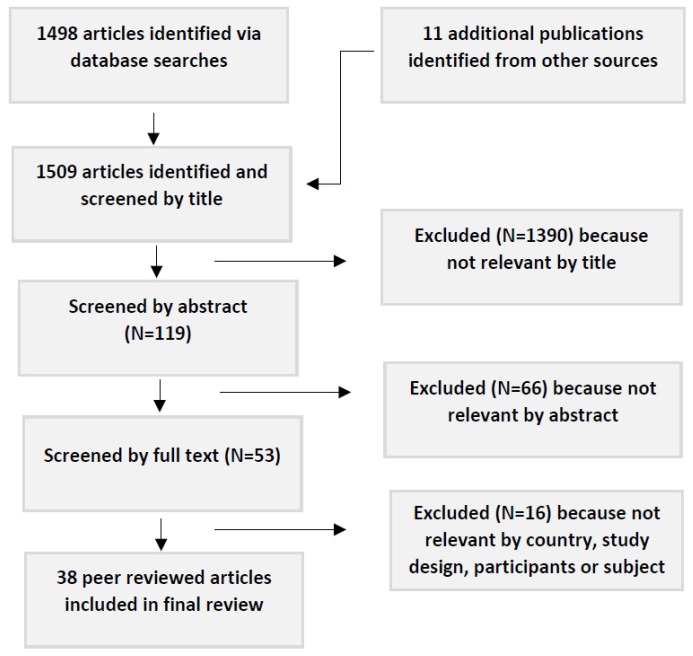
- The review screened 1,498 publications plus 11 additional articles; 38 papers met inclusion criteria.
- Of the 38 articles, 47% reported impacts on diarrhoeal disease/other hygiene-related diseases, 34% on WASH knowledge/attitudes/behaviours, 16% on household/community outcomes, 32% on enrolment/attendance, and 11% on intervention fidelity.
- Among disease-related studies, 14 of 18 publications (78%) reported reductions in diarrhoeal disease or other hygiene-related diseases; examples included a >50% reduction in recorded diarrhoea cases in one Kenyan boarding school, OR 0.71 for diarrhea and OR 0.75 for respiratory symptoms in Mali, and a 56% difference in diarrhoea risk in water-scarce schools (aRR 0.34, 95% CI 0.17–0.64).
- All 13 publications measuring WASH knowledge, attitudes, and hygiene behaviours reported positive change; examples include handwashing with soap rising from 4% at baseline to 68% the day after nudges and 74% at 2 and 6 weeks post-intervention, and one Kenyan trial reporting 32–38% hand-washing after toileting in intervention schools versus 2% in controls.
- Attendance findings were mixed but sometimes substantial: reported reductions in absence ranged from 21% to 61%, with one study reporting 58% lower odds of absence for girls, and another reporting 42% fewer absence episodes and 54% fewer days of absence in an expanded hand-washing intervention.
## Methods
- Systematic review of published peer-reviewed journal articles on school-based WASH interventions in low-income countries, with no publication date restrictions.
- Searches were conducted March–June 2018 in PubMed, Embase, Web of Science, the Cochrane Library, Science Direct, and Google Scholar using WASH/school/low-income country terms; only English-language articles with abstracts and full texts available were included.
- Included intervention studies covered handwashing, drinking water, sanitation, and hygiene-behaviour initiatives; outcomes were grouped into health, knowledge/attitudes/behaviours, household/community effects, attendance/enrolment, and intervention fidelity. No meta-analysis was performed because studies used diverse methods and outcomes.
## Limitations
- The paper states that studies were diverse and therefore “no attempt was made to weight the value of findings according to study quality, or to conduct meta-analysis.”
- The paper states that intervention studies in low-resource settings are “expensive and challenging,” and that fidelity/adherence are often unmeasured or unreported.
- Evident from the text: many outcomes were mixed or context-dependent, and several studies relied on self-reported illness or behavior, which the paper notes is prone to recall and social desirability bias.
Model-written summary. Check it against the paper before relying on it.
Integrity signals
Registry
Cites
Statistics
Figures
Verification
Claims the paper makes
17 Valid · 1 Not valid · 11 Not checked · 21 Own results and interpretations
Some cited sources support this claim and some don’t — read each source’s verdict below.
In the paper
“Several publications emphasise that combined interventions that include multiple components—for example, latrine construction, hygiene promotion, latrine maintenance, and sustained provision of resources such as soap and water for handwashing—are more effective at reducing WASH-related diseases than single interventions such as construction of latrines [11,21,36].”
§ Water, Sanitation and Hygiene (WASH) in Schools in Low-Income Countries: A Review of Evidence of Impact > 4. Discussion
What the sources say
- Disputedcites [11] Freeman M.C. Clasen T. Dreibelbis R. Saboori S. Greene L.E. Brumback B. Muga R. Rheingans R. The impact of a school-based water supply and treatment, hygiene, and sanitation programme on pupil diarrhoea: A cluster-randomized trial Epidemiol. Infect. 2014 142 340 351 10.1017/S0950268813001118 23702047 PMC9151148 sourceExperimental — accuracy not yet measured
Split into 2 atoms — 0 confirmed, 0 partially supported, 2 disputed, 0 misattributed, 0 unverifiable. Expand the claim to see per-atom verdicts.
Checked by a reasoning model — may be wrong.
- Not checked — no full text of the sourcecites [21] Freeman M. Greene L.E. Dreibelbis R. Saboori S. Muga R. Brumback B. Rheingans R. Assessing the impact of a schoolbased water treatment, hygiene, and sanitation program on pupil absence in Nyanza Province, Kenya: A cluster randomized trial Trop. Med. Int. Health 2012 17 380 391 22175695 source
- Partly supportedcites [36] Caruso B.A. Freeman M.C. Garn J. Dreibelbis R. Saboori S. Muga R. Rheingans R. Assessing the impact of a school-based latrine cleaning and handwashing program on pupil absence in Nyanza Province, Kenya: A cluster-randomized trial Trop. Med. Int. Health 2014 19 1185 1197 10.1111/tmi.12360 25055716 PMC4876949 sourceExperimental — accuracy not yet measured
The Introduction (page not available) says the benefits of school sanitation and hygiene improvements may depend on latrine conditions and consistent access to soap and water; it also reports that latrine construction alone did not reduce absence in an earlier trial. But the Discussion (page not available) reports no reduction in absence from this study’s added cleaning and handwashing package. The paper does not establish that combined interventions reduce WASH-related diseases more effectively than latrine construction alone. (LLM, conf=0.85)
plainstates a cause- Asserted: passes — The authors put it forward as true.
- Checkable: passes — It can be checked against evidence.
- Load-bearing: unclear — It is unclear whether the paper’s conclusions depend on it.
- Based: passes — The paper gives a reason why it holds.
- Disputed
The cited sources support only part of this claim — read each source’s verdict below.
In the paper
“Two previous reviews of studies of the impact of school-based WASH interventions have shown mixed results on outcome measures such as knowledge, attitudes and practices, school attendance, and health [2,4].”
§ Water, Sanitation and Hygiene (WASH) in Schools in Low-Income Countries: A Review of Evidence of Impact > 1. Introduction
What the sources say
- Partly supportedcites [2] Jasper C. Thanh-Tam L. Bartram J. Water and Sanitation in Schools: A Systematic Review of the Health and Educational Outcomes Int. J. Environ. Res. Public 2012 9 2772 2787 10.3390/ijerph9082772 23066396 PMC3447586 sourceExperimental — accuracy not yet measured
The Results (§3.3; page unavailable) report mixed findings for illness and absenteeism across school handwashing interventions, and the Discussion (§4; page unavailable) reports differing findings for household water-treatment practices. The review does not report measured knowledge or attitude outcomes; it says the effect on hygiene teaching was not quantified (§3.1). (LLM, conf=0.86)
- Supportedcites [4] Joshi A. Amadi C. Impact of Water, Sanitation, and Hygiene Interventions on Improving Health Outcomes among School Children J. Environ. Public Health 2013 10.1155/2013/984626 24454415 PMC3888759 source
The Results (§6.1; page unavailable) identify knowledge, attitudes and practices, absenteeism, and infections as outcomes assessed by this school-based WASH review. Results (§6.5; page unavailable) report mixed findings: one school-based water-treatment study had no statistically significant result, while another improved knowledge and reduced absenteeism. This citation supports the characterization of this review; the other cited review is outside this verdict. (LLM, conf=0.88)
plain- Asserted: passes — The authors put it forward as true.
- Checkable: passes — It can be checked against evidence.
- Load-bearing: passes — The paper’s conclusions depend on it.
- Based: passes — The paper gives a reason why it holds.
- Partly supported
The cited sources support only part of this claim — read each source’s verdict below.
In the paper
“There is evidence, however, that latrine construction, without other supporting water and hygiene-related interventions, is not effective at reducing diarrhoeal disease [11, 20).”
§ Water, Sanitation and Hygiene (WASH) in Schools in Low-Income Countries: A Review of Evidence of Impact > 3. Results > 3.2. Reduced Diarrhoea and other WASH-Related Diseases in School Students Despite the biological plausibility that improvements in school WASH conditions will be beneficial for pupil health, results from school-based WASH evaluations have been mixed. There is evidence that WASH in Schools programs have a positive impact on child health, including reductions in diarrhoeal disease and other hygiene-related diseases. Migele et al. [28] examined the impact of a simple school-based water treatment and hand-washing intervention in a boarding school in Kenya: i.e., clay pots modified with narrow mouths and ceramic lids, taps for drinking water, plastic tanks with taps for hand washing, WaterGuard (i.e., sodium hypochlorite solution) for drinking water, and soap for hand washing. Before-and-after rates of diarrhoea disease (with no control schools) indicated a more than 50% reduction in recorded cases of diarrhoea among students. In their evaluation of WinS interventions in Mali, Trinies et al. [18] found that, as compared with control schools, there were lower odds of students in beneficiary schools reporting diarrhea (OR 0.71, 95% CI 0.60–0.85) or respiratory infection symptoms (OR 0.75, 95% CI 0.65–0.86) in the past week. And a study in rural Kenya [15] found that school-based water treatment and hygiene programs resulted in a decrease in rates of acute respiratory illness, although no decrease in acute diarrhea was observed. Improving school-based WASH can also reduce other hygiene-related diseases, such as soil-transmitted helminth (STH) infection [7,21,22]. For example, Bieri et al. [7] found that among Chinese school-children, the incidence of infection with STHs was 50% lower in the intervention group that received a STH education package than in the control group (4.1% vs. 8.4%, p < 0.001). And in Mali, Freeman et al. [22] found that provision of school-based sanitation, water quality, and hygiene improvements reduced reinfection of some STHs after school-based deworming, but the magnitude of the effects were helminth species-specific. Results, however, are not uniformly clear or positive. In an evaluation of a hand-washing promotion program in Chinese primary schools, rates of diarrhoea were too low in both intervention and control groups to identify attributable differences in prevalence [35]. Some studies indicated that basic interventions that include hygiene promotion, water treatment, and behaviour change did not reduce rates of diarrhoeal disease [11,15]. In a multi-country study, Dujister et al. [20] found that the STH prevalence at baseline and at follow-up did not significantly differ between intervention schools (that provided deworming and improved handwashing) and control schools. And a study by Greene et al. [25] conducted in schools in western Kenya found that hygiene promotion and water treatment did not reduce risk of Escherichia coli presence on pupils’ hands; further, the addition of new latrines to intervention schools significantly increased E. coli presence among girls (RR = 2.63, 95% CI 1.29–5.34) which they attributed to an absence of sufficient hygiene behaviour change, and lack of soap, water, and anal cleansing materials. It is important to note, however, that presence of E. coli on hands is a variable that is difficult to interpret in terms of disease risk and outcomes. Context is important. For example, Freeman et al. [11] found that local water availability affected the impact of school-based WASH interventions on diarrhoea rates among pupils. Pupils attending ‘water-scarce’ schools (in which there was no dry-season water source within 1km) that received WASH intervention (including water-supply improvement, hygiene promotion and water treatment, and sanitation improvements) reported a reduction in diarrhoea incidence and days of illness; they reported a 56% difference in the risk of diarrhoea for pupils attending intervention vs. control schools in water-scarce sites (adjusted risk ratio (aRR) 0.34, 95% CI 0.17–0.64). No statistically significant effect was detected for any intervention in ‘water-available schools’, nor for ‘water-scarce’ schools that received only hygiene promotion and water treatment. Similarly, Garn et al. [44] found that in water-scarce schools in Kenya, there was reduced prevalence of diarrhea among pupils attending schools that adhered to two or three intervention components (prevalence ratio 0.28, 95% CI 0.10–0.75), compared with schools that adhered to zero components or one. It was not clear why results were different in water-scarce versus water-available schools, but it is possible that WASH interventions in water-scarce schools were more comprehensive. There is widespread recognition that WASH infrastructure and resources are important foundations for hygiene behaviour change and reduced risk of WASH-related diseases. There is evidence, however, that latrine construction, without other supporting water and hygiene-related interventions, is not effective at reducing diarrhoeal disease [11, 20). Possible explanations are that without broader hygiene promotion and latrine maintenance efforts, construction of latrines alone may not result in their use or (conversely) latrines may increase exposure to faecal pathogens if they are poorly maintained, used incorrectly, or if hygiene resources are not available during and after use [11,36]. The health benefits of improved WASH infrastructure and resources in schools may depend on consistent availability of soap and water for handwashing and on conditions of the latrines, not only pupil to latrine ratios [26].
What the sources say
- Supportedcites [11] Freeman M.C. Clasen T. Dreibelbis R. Saboori S. Greene L.E. Brumback B. Muga R. Rheingans R. The impact of a school-based water supply and treatment, hygiene, and sanitation programme on pupil diarrhoea: A cluster-randomized trial Epidemiol. Infect. 2014 142 340 351 10.1017/S0950268813001118 23702047 PMC9151148 source
The Discussion (p. 9) says the trial’s results suggest latrine construction was not effective at reducing diarrhoeal disease. It also discusses the absence of latrine maintenance or an effective handwashing intervention as a possible explanation, supporting the claim’s qualification about construction without accompanying measures. (LLM, conf=0.92)
- Could not verifycites [20] Dujister D. Monse B. Dimaisip-Nabuab J. Djuharnoko P. Heinrich-Weltzien R. Hobdell M. Kromeyer-Hauschild K. Kunthearith Y. Mijares-Majini M.C. Siegmund N. ‘Fit for school’—A school-based water, sanitation and hygiene programme to improve child health BMC Public Health 2017 17 302 28381246 PMC5382467 sourceExperimental — accuracy not yet measured
The Background (page not provided) links sanitation and hygiene to diarrhoea, while the Discussion of parasitological results calls for complementary latrine and hygiene measures to address worm reinfection. Neither passage says that latrine construction without other interventions is ineffective at reducing diarrhoeal disease. Searches for latrines alone and diarrhoea found no such finding in our copy. (LLM, conf=0.75)
plain- Asserted: passes — The authors put it forward as true.
- Checkable: passes — It can be checked against evidence.
- Load-bearing: passes — The paper’s conclusions depend on it.
- Based: passes — The paper gives a reason why it holds.
- Supported
The cited sources support only part of this claim — read each source’s verdict below.
In the paper
“Four of the 18 publications reported no evidence of reduced risk for the primary disease-related outcome measures, including soil-transmitted helminths and E. coli on pupils’ hands [17,20,25,26].”
§ Water, Sanitation and Hygiene (WASH) in Schools in Low-Income Countries: A Review of Evidence of Impact > 4. Discussion
What the sources say
- Supportedcites [17] Saboori S. Greene L.E. Moe C.L. Freeman M.C. Caruso B.A. Akoko D. Rheingans R.D. Impact of regular soap provision to primary schools on hand washing and E. coli hand contamination among pupils in Nyanza Province, Kenya: A cluster-randomized trial Am. J. Trop. Med. Hyg. 2013 89 698 708 10.4269/ajtmh.12-0387 23939707 PMC3795100 source
The Results (Pupil hand contamination results) report that neither intervention significantly reduced the likelihood of E. coli contamination on pupils’ hands. The Discussion likewise states that E. coli contamination did not differ significantly between intervention and control arms. This paper supports the E. coli portion of the multi-citation sentence; the soil-transmitted-helminth portion is not attributed to this paper specifically. (LLM, conf=0.93)
- Supportedcites [20] Dujister D. Monse B. Dimaisip-Nabuab J. Djuharnoko P. Heinrich-Weltzien R. Hobdell M. Kromeyer-Hauschild K. Kunthearith Y. Mijares-Majini M.C. Siegmund N. ‘Fit for school’—A school-based water, sanitation and hygiene programme to improve child health BMC Public Health 2017 17 302 28381246 PMC5382467 source
The Discussion (page unavailable) says the FIT programme showed no significant decrease in soil-transmitted helminth infection, supporting the outcome attributed to this paper. The sentence cites four publications collectively; it does not require this paper to have measured E. coli on pupils’ hands. (LLM, conf=0.92)
- Supportedcites [25] Greene L.E. Freeman M.C. Akoko D. Saboori S. Moe C. Rheingans R. Impact of a school-based hygiene promotion and sanitation intervention on pupil hand contamination in Western Kenya: A cluster randomized trial Am. J. Trop. Med. Hyg. 2012 87 385 393 10.4269/ajtmh.2012.11-0633 22802437 PMC3435337 source
The Results section reports no reduction in pupils’ E. coli hand contamination in the combined intervention arms (RR = 1.1, 95% CI = 0.7–1.8). This supports the E. coli component for which this trial is cited; the sentence’s count of publications and soil-transmitted helminth outcome concern the group of cited studies, not this trial alone. (LLM, conf=0.92)
- Partly supportedcites [26] Grimes J. Tadesse G. Gardiner I.A. Yard E. Wuletaw Y. Templeton M.R. Harrison W.E. Drake L.J. Sanitation, hookworm, anemia, stunting, and wasting in primary school children in southern Ethiopia: Baseline results from a study in 30 schools PLoS Negl. Trop. D 2017 11 e0005948 PMC5633169 28991894 sourceExperimental — accuracy not yet measured
The Abstract’s Findings and Conclusions report no statistically significant association between household sanitation and hookworm infection, a soil-transmitted helminth. But this is a baseline association study, not an assessment of reduced risk following an intervention; it does not report E. coli on pupils’ hands. The four-of-18 count is the citing review’s framing, not a finding attributed to this individual paper. (LLM, conf=0.85)
plain- Asserted: passes — The authors put it forward as true.
- Checkable: passes — It can be checked against evidence.
- Load-bearing: unclear — It is unclear whether the paper’s conclusions depend on it.
- Based: passes — The paper gives a reason why it holds.
- Supported
The cited sources support only part of this claim — read each source’s verdict below.
In the paper
“Fourteen (78%) of the 18 publications that reported disease-related outcomes found reductions in diarrhoeal disease and other hygiene-related diseases, such as respiratory illness and soil-transmitted helminths, among students at intervention schools (c.f. [7,18,21,28]).”
§ Water, Sanitation and Hygiene (WASH) in Schools in Low-Income Countries: A Review of Evidence of Impact > 4. Discussion
What the sources say
- Partly supportedcites [7] Bieri F.A. Gray D.J. Williams G.M. Raso G. Li Y. Yuan L. He Y. Li R.S. Guo F.Y. Li S.M. Health-Education Package to Prevent Worm Infections in Chinese Schoolchildren NEJM 2013 368 1603 1612 10.1056/NEJMoa1204885 23614586 sourceExperimental — accuracy not yet measured
Bieri et al. (2013) is a valid exemplar for the soil-transmitted-helminth part of the claim: the Prevalence and Intensity of Infection section reports incidence of 8.4% in control versus 4.1% in intervention schools (adjusted OR 0.50; 95% CI, 0.35-0.70; P<0.001), i.e. 50% efficacy, and the Results and Discussion confirm reduced infection among students at intervention schools. However, the paper reports no diarrhoeal-disease or respiratory-illness outcomes — its endpoints were STH incidence (ascaris and trichuris only; hookworm not measured), KAP scores and observed hand-washing — so those components of the cited sentence are not supported by this source. The 'fourteen (78%) of 18 publications' tally is the citing authors' own synthesis, not something this trial states. (LLM, conf=0.82)
- Supportedcites [18] Trinies V. Garn J. Chang H. Freeman M. The Impact of a School-Based Water, Sanitation, and Hygiene Program on Absenteeism, Diarrhea, and Respiratory Infection: A Matched–Control Trial in Mali Am. J. Trop. Med. Hyg. 2016 94 1418 1425 10.4269/ajtmh.15-0757 27114292 PMC4889767 source
The Results report lower odds of self-reported diarrhoea and respiratory-infection symptoms among pupils at beneficiary schools than at comparison schools. This paper therefore supports its citation as an example of a publication finding disease-related reductions; the 14-of-18 tally describes the citing document’s set of publications, not this individual trial. (LLM, conf=0.91)
- Not checked — no full text of the sourcecites [21] Freeman M. Greene L.E. Dreibelbis R. Saboori S. Muga R. Brumback B. Rheingans R. Assessing the impact of a schoolbased water treatment, hygiene, and sanitation program on pupil absence in Nyanza Province, Kenya: A cluster randomized trial Trop. Med. Int. Health 2012 17 380 391 22175695 source
- Not checked — no full text of the sourcecites [28] Migele J. Ombeki S. Ayalo M. Biggerstaff M. Quick R. Diarrhea prevention in a Kenyan school through the use of a simple safe water and hygiene intervention Am. J. Trop. Med. Hyg. 2007 76 351 353 17297048 source
plainstates a cause- Asserted: passes — The authors put it forward as true.
- Checkable: passes — It can be checked against evidence.
- Load-bearing: passes — The paper’s conclusions depend on it.
- Based: passes — The paper gives a reason why it holds.
- Partly supported
26 more claims · 6 with their cited sources checked
Create a free account to see all 50 claims and to verify the 8 references still open.
- It may state two separate claims as one. 15
- Probably not a substantial claim. 5
Claims other papers make about this one
Each is checked against this paper’s own text: does it say what the citing paper says it does?
The source backs part of the claim, not all of it — or backs it for a different population, condition or comparison.
In the citing paper
“McMichael (2019) reiterated that poor environmental conditions in school can quickly spread illnesses especially when school children are close together in classrooms for many hours in a day.”
From The level of implementation of water, sanitation, and hygiene (WASH) practices among the public basic schools in Ghana (2024) · cites this paper as McMichael (2019)
Experimental — accuracy not yet measuredThe cited source says what the claim attributes to it.
In the citing paper
“The research conducted by McMichael (2019) suggests that providing basic schools with safe drinking water, enhanced sanitation facilities and hygiene education that encourage the development of good health is critical.”
From The level of implementation of water, sanitation, and hygiene (WASH) practices among the public basic schools in Ghana (2024) · cites this paper as McMichael (2019)
Citations
Cites
A systematic review of the health and social effects of menstrual hygiene management
Sumpter, C., & Torondel, B. (2013) · PLoS ONE · doi:10.1371/journal.pone.0062004 · Cited by 518
Water and Sanitation in Schools: A Systematic Review of the Health and Educational Outcomes
Jasper, C., Le, T.-T., & Bartram, J. (2012) · International Journal of Environmental Research and Public Health · doi:10.3390/ijerph9082772 · Cited by 270 · cited 5×
“[2] had a global focus and most included studies (n = 41) were from high- and middle-income countries (e.”
BackgroundInfluentialTalaat, M., Afifi, S., Dueger, E., El-Ashry, N., Marfin, A., Kandeel, A., Mohareb, E., & El-Sayed, N. (2011) · Emerging Infectious Diseases · doi:10.3201/eid1704.101353 · Cited by 238 · cited 4×
“36 Talaat et al.2011 [41] Egypt Cluster randomized trial 60 elementary schools (30 intervention; 30 control) Hand hygiene campaign: hand-washing twice per day in school; materials for students, teachers, parents; teacher’s guidebook for activities; hand-washing posters; student booklets; activities…”
BackgroundInfluentialSanitary Pad Interventions for Girls' Education in Ghana: A Pilot Study
Montgomery, P., Ryus, C. R., Dolan, C. S., Dopson, S., & Scott, L. M. (2012) · PLoS ONE · doi:10.1371/journal.pone.0048274 · Cited by 230 · cited 3×
“with the intervention found to significantly improve attendance [39].”
BackgroundMethodFreeman, M. C., Greene, L. E., Dreibelbis, R., Saboori, S., Muga, R., Brumback, B., & Rheingans, R. (2012) · Tropical Medicine & International Health · doi:10.1111/j.1365-3156.2011.02927.x · Cited by 228
BOWEN, A., MA, H., OU, J., BILLHIMER, W., LONG, T., MINTZ, E., HOEKSTRA, R. M., & LUBY, S. (2007) · The American Journal of Tropical Medicine and Hygiene · doi:10.4269/ajtmh.2007.76.1166 · Cited by 208 · cited 6×
“There is some evidence that improved hand-washing with soap at school can reduce illness in school-aged children thereby reducing absence from school [11,14,15,18,21,35,41].”
BackgroundInfluentialEstimating the costs and health benefits of water and sanitation improvements at global level
Haller, L., Hutton, G., & Bartram, J. (2007) · Journal of Water and Health · doi:10.2166/wh.2007.008 · Cited by 207
Health-Education Package to Prevent Worm Infections in Chinese Schoolchildren
Bieri, F. A., Gray, D. J., Williams, G. M., Raso, G., Li, Y.-S., Yuan, L., He, Y., Li, R. S., Guo, F.-Y., Li, S.-M., et al. (2013) · New England Journal of Medicine · doi:10.1056/nejmoa1204885 · Cited by 198 · cited 8×
“2013 [7] China Cluster-randomized trial 38 schools Schools randomly assigned to a health-education package—a cartoon video about STHs, pamphlet, teacher-training workshop, essay competition—or a control package of a health-education poster.”
BackgroundInfluentialSommer, M., Ackatia-Armah, N., Connolly, S., & Smiles, D. (2015) · Compare: A Journal of Comparative and International Education · doi:10.1080/03057925.2013.871399 · Cited by 169
O'REILLY, C. E., FREEMAN, M. C., RAVANI, M., MIGELE, J., MWAKI, A., AYALO, M., OMBEKI, S., HOEKSTRA, R. M., & QUICK, R. (2008) · Epidemiology and Infection · doi:10.1017/s0950268807008060 · Cited by 159 · cited 1×
“31 O’Reilly et al.2008 [14] Kenya Before and after survey 9 schools (with nine comparison schools for some indicators); 390 students.”
Background
Cited by
Bank, W. (2020) · World Bank, Washington, DC eBooks · doi:10.1596/33696 · Cited by 218
Adelodun, B., Ajibade, F. O., Ighalo, J. O., Odey, G., Ibrahim, R. G., Kareem, K. Y., Bakare, H. O., Tiamiyu, A. O., Ajibade, T. F., Abdulkadir, T. S., et al. (2021) · Environmental Research · doi:10.1016/j.envres.2020.110309 · Cited by 167
“McMichael (2019) and Rana (2010) also observed that children under the age of five were more likely to get seriously ill from waterborne pathogens compared to their adult counterparts.”
Molecular Epidemiology of Human Cryptosporidiosis in Low- and Middle-Income Countries
Yang, X., Guo, Y., Xiao, L., & Feng, Y. (2021) · Clinical Microbiology Reviews · doi:10.1128/cmr.00087-19 · Cited by 157
“humans in low- and middle-income countries (192, 209, 210).”
BackgroundTseole, N. P., Mindu, T., Kalinda, C., & Chimbari, M. J. (2022) · PLoS ONE · doi:10.1371/journal.pone.0271726 · Cited by 107
Biswas, S., Adhikary, M., Alam, A., Islam, N., & Roy, R. (2024) · Heliyon · doi:10.1016/j.heliyon.2024.e37646 · Cited by 83
“In response to these challenges, various initiatives and programs have been launched in different countries across the region to improve access to WASH services, including the SDGs and the WASH in Schools program [23,24,24 – 26].”
BackgroundShinde, S., Harling, G., Assefa, N., Bärnighausen, T., Bukenya, J. N., Chukwu, A. U., Darling, A. M., Manu, A., Millogo, O., Mwanyika‐Sando, M., et al. (2023) · EClinicalMedicine · doi:10.1016/j.eclinm.2023.102067 · Cited by 75
“35 Moreover, social media access can expose adolescents to health and education opportunities, as well as potentially negatively affect their physical, social, and mental health.”
Kabir, A., Roy, S., Begum, K., Kabir, A. H., & Miah, M. S. (2021) · PLoS ONE · doi:10.1371/journal.pone.0257663 · Cited by 72
Water, Sanitation, and Hygiene of Nepal: Status, Challenges, and Opportunities
Shrestha, A., Bhattarai, T. N., Acharya, G., Timalsina, H., Marks, S. J., Uprety, S., & Paudel, S. R. (2023) · ACS ES&T Water · doi:10.1021/acsestwater.2c00303 · Cited by 64
The effects of household water insecurity on child health and well‐being
Rhue, S. J., Torrico, G., Amuzie, C., Collins, S. M., Lemaitre, A., Workman, C. L., Rosinger, A. Y., Pearson, A. L., Piperata, B. A., Wutich, A., et al. (2023) · Wiley Interdisciplinary Reviews Water · doi:10.1002/wat2.1666 · Cited by 72
“Water insecurity — and inadequate WASH more broadly — is known to increase school absenteeism (Cooper-Vince et al., 2017; Freeman et al., 2012), and many studies have therefore focused on WASH mitigation in schools (McMichael, 2019).”
BackgroundAnthonj, C., Githinji, S., Höser, C., Stein, A., Blanford, J. I., & Grossi, V. (2021) · International Journal of Hygiene and Environmental Health · doi:10.1016/j.ijheh.2021.113756 · Cited by 56
“…diseases or respiratory infections, including COVID-19, depending on their access to and quality of WASH (Adams et al., 2009; Freeman et al., 2012; Greene et al., 2012; Jasper et al., 2012; Joshi and Amadi, 2013; McMichael, 2019; Munn et al., 2020; Onyango-Ouma et al., 2005; Patel et al., 2012).”
BackgroundPoague, K. I. H. M., Blanford, J. I., & Anthonj, C. (2022) · International Journal of Environmental Research and Public Health · doi:10.3390/ijerph19053124 · Cited by 63
“Likewise, safe WASH in schools promotes innumerable health and educational benefits such as: (i) reducing school absence by providing an appealing learning environment for children [25]; (ii) boosting student’s cognitive skills and consequent performance by preventing dehydration [26]; (iii) promoting a clean, healthy…”
BackgroundAhmed, J., Wong, L. P., Chua, Y. P., Hydrie, M. Z. I., & Channa, N. (2021) · Environmental Science and Pollution Research · doi:10.1007/s11356-021-15681-w · Cited by 58
“Finally, evidence suggests that demand driven, comprehensive and consistent WASH facilities have a significant impact on school performance indicators (Garn et al. 2017; Karon et al. 2017; McMichael 2019; Shallwani 2019; Siddique et al. 2019).”
BackgroundMorgan, C., Bowling, J. M., Bartram, J., & Kayser, G. (2021) · International Journal of Hygiene and Environmental Health · doi:10.1016/j.ijheh.2021.113804 · Cited by 46
Gauld, J., Olgemoeller, F., Nkhata, R., Li, C., Chirambo, A. C., Morse, T., Gordon, M. A., Read, J. M., Heyderman, R. S., Kennedy, N., et al. (2019) · Clinical Infectious Diseases · doi:10.1093/cid/ciz405 · Cited by 45
Vally, H., McMichael, C., Doherty, C., Li, X., Guevarra, G., & Tobias, P. (2019) · International Journal of Environmental Research and Public Health · doi:10.3390/ijerph16214056 · Cited by 38
Self-citationIndoor Environmental Quality, Pupils’ Health, and Academic Performance—A Literature Review
Toyinbo, O. (2023) · Buildings · doi:10.3390/buildings13092172 · Cited by 74
“A more recent review by McMichael [125] supported this assertion, highlighting the continued prevalence of this focus.”
BackgroundShinde, S., Wang, D., Moulton, G. E., & Fawzi, W. W. (2025) · Maternal & Child Nutrition · doi:10.1111/mcn.13437 · Cited by 34
“…(Brito Beck da Silva et al., 2015; Cunha et al., 2013; Lin et al., 2017; Najimi & Ghaffari, 2013; Taghdisi et al., 2016), and the soft drink consumption significantly reduced in three out of four studies (Brito Beck da Silva et al., 2015, 2019; Cunha et al., 2013; D. Wang, Stewart & Chang, 2015).”
InfluentialSharma, M. K., & Adhikari, R. (2022) · Environmental Health Insights · doi:10.1177/11786302221095030 · Cited by 48
Wada, O. Z., Olawade, D. B., Oladeji, E. O., Amusa, A. O., & Oloruntoba, E. O. (2022) · Canadian Journal of Public Health · doi:10.17269/s41997-022-00633-9 · Cited by 37
“School authorities need to incorporate WASH knowledge into their curricula as this has been reported to improve WASH-related knowledge and attitudes and reduce water- and sanitation-related diseases among students (McMichael, 2019).”
BackgroundSweiss, K., Naser, A. Y., Samannodi, M. S., et al. (2022) · BMC Infectious Diseases · doi:10.1186/s12879-022-07388-1 · Cited by 31
Asumah, M. N., Abubakari, A., & Gariba, A. (2022) · BMJ Open · doi:10.1136/bmjopen-2021-056526 · Cited by 30
The Sepsis Chain of Survival: A Comprehensive Framework for Improving Sepsis Outcomes
Hidalgo, J. L., Kumar, V. K., Akech, S., Myatra, S. N., Jacob, S. T., Kortz, T. B., Vasquez, A. A., Bazzano, M. C. J., Diaz, M., Rodríguez, J. D. R., et al. (2025) · Critical Care Medicine · doi:10.1097/ccm.0000000000006796 · Cited by 29
Mushota, O., Mathur, A., & Pathak, A. (2021) · BMC Public Health · doi:10.1186/s12889-021-12279-2 · Cited by 41
“Studies have been conducted on KAP of students on hygiene and WASH among schools in LMICs [7, 14].”
BackgroundInfluentialWinter, J. C., Darmstadt, G. L., Lee, S. J., & Davis, J. (2021) · BMC Public Health · doi:10.1186/s12889-021-11824-3 · Cited by 28
“Most school-based WASH programs are designed to increase student knowledge and practice of behaviors such as washing hands with soap; some also include school WASH infrastructure improvements [8].”
BackgroundPu, C., Patel, P., Hornsby, G., Darmstadt, G. L., & Davis, J. (2022) · PLoS ONE · doi:10.1371/journal.pone.0270847 · Cited by 28
Sharma, M. K., Adhikari, R., Khanal, S. P., Acharya, D., & van Teijlingen, E. (2024) · Health Science Reports · doi:10.1002/hsr2.2293 · Cited by 44
“26 In our study, not only students but also teachers got sick due to the poor WASH facilities.”
BackgroundAbanyie, S. K., Amuah, E. E. Y., & Douti, N. B. (2024) · Green Technologies and Sustainability · doi:10.1016/j.grets.2024.100138 · Cited by 24
Pirzaman, A. T., Sepidarkish, M., Alizadeh, F., Al-Obidy, S., Ebrahimi, P., Kianifard, N., Nooshabadi, M. S., Tadi, M. J., Dehkharghani, M. Z., Mousavi, S., et al. (2024) · EClinicalMedicine · doi:10.1016/j.eclinm.2024.102855 · Cited by 43
“…prevalence and infection intensity, seen, for example, in East and West Africa 42 – 44 ; (2) improvement in water, sanitation and hygiene (WASH), 45 leading to decreased transmission; (3) enhanced health education to raise awareness and prevent transmission; and (4) targeted control campaigns…”
BackgroundBick, S., Ezezew, A., Opondo, C., Leurent, B., Argaw, W., Hunter, E. C., Cumming, O., Allen, E., & Dreibelbis, R. (2024) · BMC Medicine · doi:10.1186/s12916-024-03558-x · Cited by 38
“Several publications highlight that combined WASH interventions versus single interventions—such as handwashing alone—may be necessary to transform school environments to the extent that the risk of illness and absence is reduced [9].”
BackgroundResultInfluentialJane, A., & Pienaah, C. K. A. (2023) · ISABB Journal of Health and Environmental Sciences · doi:10.5897/isaab-jhe2021.0073 · Cited by 32
Poague, K. I. H. M., Blanford, J. I., Martínez, J. A., & Anthonj, C. (2022) · International Journal of Hygiene and Environmental Health · doi:10.1016/j.ijheh.2022.114069 · Cited by 21
Bradley, R. H. (2020) · Cambridge University Press eBooks · doi:10.1017/9781108866040 · Cited by 26
Bick, S., Davies, K., Mwenge, M., MacLeod, C., Braun, L., Chipungu, J., Chidziwisano, K., & Dreibelbis, R. (2025) · BMJ Global Health · doi:10.1136/bmjgh-2024-018059 · Cited by 41
“42 Most WinS reviews cite heterogeneity in intervention components, study designs, settings, baseline conditions, points of intervention, outcome definitions and methods for measuring outcomes and exposures as barriers to evidence synthesis, 35 38 39 42 but many do not elaborate on specific…”
InfluentialNeglected Tropical Diseases: A Comprehensive Review
Jayashankar, C. A., Venkata Bharatkumar, P., Kandi, V., et al. (2024) · Cureus · doi:10.7759/cureus.53933 · Cited by 18
“Globally, it can be observed that as the number of people move towards better living conditions, there has been a corresponding decrease in the number of NTDs [22].”
BackgroundHosking, R., O’Connor, S. Y., Wangdi, K., Kurscheid, J. M., & Lal, A. (2022) · PLoS neglected tropical diseases · doi:10.1371/journal.pntd.0010702 · Cited by 24
The effects of school-based hygiene intervention programme: Systematic review and meta-analysis
Ismail, S. R., Radzi, R., Kamaruddin, P. S. N. M., Lokman, E. F., Lim, H. Y., Rahim, N. A., Yow, H.-Y., Arumugam, D., Ngu, A., Low, A. C. Y., et al. (2024) · PLoS ONE · doi:10.1371/journal.pone.0308390 · Cited by 72
Exploring the dynamics of WASH services: challenges, enablers, and strategies for improvement
John, C. K., & Ajibade, F. O. (2024) · Discover Civil Engineering · doi:10.1007/s44290-024-00085-9 · Cited by 34
“Setting water tariffs or prices at an accessible level for customers, particularly low-income populations, while guaranteeing service providers’ financial survival is a difficult balance [15, 22, 23].”
Melaku, A., & Addis, T. (2023) · Environmental Health Insights · doi:10.1177/11786302231156299 · Cited by 26
Melaku, A., Addis, T., Mengistie, B., Kanno, G. G., Adane, M., Kelly‐Quinn, M., Ketema, S., Hailu, T., Bedada, D., & Ambelu, A. B. (2023) · Heliyon · doi:10.1016/j.heliyon.2023.e15893 · Cited by 16
Correlates of School Children’s Handwashing: A Study in Tibetan Primary Schools
Sun, C., Wang, Q., Adhikari, S. P., Ye, R., Sha, M., Wu, Y., Mao, Y., Raat, H., & Zhou, H. (2019) · International Journal of Environmental Research and Public Health · doi:10.3390/ijerph16173217 · Cited by 25
“Previous studies have shown many other factors that influence sustained handwashing behavior, such as having time to wash hands using accessible, clean facilities, being encouraged through the existence of handwashing opportunities in the daily routine, and handwashing being viewed as the social norm [2,34].”
BackgroundFemale-friendly toilets in schools in Burkina Faso: A mixed-methods study using photo-elicitation
Buitrago-García, T., Sawadogo, N., Souares, A., Koulidiati, J., Sié, A., Bärnighausen, T., Langlotz, S., & McMahon, S. A. (2022) · Journal of Global Health · doi:10.7189/jogh.12.04057 · Cited by 17
“…demonstrated [52,53] and much progress has been made in recent years [54], V I E W P O P A P E R S 2022 • Vol. 12 • 04057 10 www.jogh.org • doi: 10.7189/jogh.12.04057 evidence on how to implement overarching WASH and MHH programmes effectively in different contexts remains insufficient [55,56].”
BackgroundInfluentialDuijster, D., Monse, B., Marquez, M., Pakes, U., Stauf, N., & Benzian, H. (2022) · International Journal of Environmental Research and Public Health · doi:10.3390/ijerph191610059 · Cited by 26
A Structured Review of Emotional Barriers to WASH Provision for Schoolgirls Post-Disaster
Royo, M. G., Parrott, E., Pacheco, E.-M., Ahmed, I., Meilianda, E., Kumala, I. D., Oktari, R. S., Joffé, H., & Parikh, P. (2022) · Sustainability · doi:10.3390/su14042471 · Cited by 19
“A systematic literature review that analysed the impact of water, sanitation and hygiene interventions in schools in low-income countries corroborated this trend (McMichael, 2019).”
Chumo, I., Kabaria, C. W., Phillips‐Howard, P. A., Simiyu, S. N., Elsey, H., & Mberu, B. U. (2022) · PLoS ONE · doi:10.1371/journal.pone.0275491 · Cited by 15
“Despite the efforts by informal accountability structures, the lack of resources for sustained and robust long-term service provision has been offered as an explanations for better access than the quality of WASH service delivery [15,51] and consequently determine how users relate to services and how service providers…”
BackgroundLimon, M. R., Vallente, J. P. C., Chua, C. T., & Rustia, A. S. (2021) · Food Control · doi:10.1016/j.foodcont.2021.108538 · Cited by 21
Menstrual Hygiene Practices of Adolescent Girls in Rural Maharashtra
Aggarwal, S. S., Ambalkar, D., Madhumathi, J., Badge, V. L., & Humne, A. (2021) · Indian Journal of Gender Studies · doi:10.1177/0971521520974879 · Cited by 20
“WASH conditions in schools of LMIC were reported to be inadequate, this could lead to associated effects on health (McMichael, 2019).”
BackgroundTsang, K., de Wildt, G., Mwingira, U., & Mtuy, T. B. (2021) · PLoS neglected tropical diseases · doi:10.1371/journal.pntd.0009727 · Cited by 12
Sanni, U. A., Offiong, U. M., Anígilájé, E. A., Airede, K. I., & Imam, A. (2021) · BMC Public Health · doi:10.1186/s12889-021-11258-x · Cited by 13
“Adequate water provision in schools would have important implications outside mitigating COVID-19, such as a reduction in diarrheal associated illnesses, respiratory illnesses, helminthic infections and decreased school absenteeism for adolescent girls through improvements in menstrual hygiene [30, 31].”
BackgroundHerke, M., Moor, I., Winter, K., Hoffmann, S., Spallek, J., Hilger-Kolb, J., Pischke, C. R., Dragano, N., Novelli, A., & Richter, M. (2020) · BMJ Open · doi:10.1136/bmjopen-2020-038999 · Cited by 13
Gu, Y., Zhou, W., Tan, Z., & Huang, F. (2023) · BMC Public Health · doi:10.1186/s12889-023-17192-4 · Cited by 11
“Another key consideration is that children who are currently in school can receive more hygiene knowledge and education than adults, which is beneficial for changing their hygiene habits and behaviors [35].”
Burden and determinants of anaemia among in‐school young adolescents in Ethiopia, Sudan and Tanzania
Partap, U., Tadesse, A. W., Shinde, S., Sherfi, H. A., Mank, I., Mwanyika‐Sando, M., Sharma, D., Bärnighausen, T., Drysdale, R. E., Worku, A., et al. (2023) · Maternal and Child Nutrition · doi:10.1111/mcn.13439 · Cited by 17
“Furthermore, there is very little evidence from sub ‐ Saharan Africa (SSA), despite the fact that the region has a large number of adolescents (249 million out of 1.2 billion globally in 2019), and adolescents comprise the greatest proportion of the population in the region (UNICEF, 2019).”
InfluentialSharma, M. K., Khanal, S. P., & Adhikari, R. (2022) · Scholars Journal · doi:10.3126/scholars.v5i1.55744 · Cited by 24
“(McMichael, 2019) United States Descriptive study 47 Access to Water, Sanitation, and Hygiene Protect from disease (diarrhoea)”
BackgroundToleubekov, B., Bolatova, Z., & Stafström, M. (2022) · International Journal of Environmental Research and Public Health · doi:10.3390/ijerph19116438 · Cited by 13
Kouamé, P. K., Galli, A., Peter-Varbanets, M., Loss, G. J., Wassa, D., Bonfoh, B., Utzinger, J., & Winkler, M. S. (2021) · International Journal of Environmental Research and Public Health · doi:10.3390/ijerph18168863 · Cited by 12
Vijayalakshmi, P., Reddy, M. K., Devi, K. V. S., & Padmaja, I. J. (2023) · Journal of Water Sanitation and Hygiene for Development · doi:10.2166/washdev.2023.229 · Cited by 16
Sarmiento, D., Mátiz, M. I., Vargas‐Cruz, S., Jaramillo, J. F., Olano, V. A., Lenhart, A. E., Stenström, T. A., Alexander, N. D. E., & Overgaard, H. J. (2022) · PLoS neglected tropical diseases · doi:10.1371/journal.pntd.0010985 · Cited by 23
Sultana, F., Khan, S. M., Rahman, M. M., WINCH, P. J., Luby, S. P., & UNICOMB, L. E. (2023) · Journal of Water Sanitation and Hygiene for Development · doi:10.2166/washdev.2023.191 · Cited by 11
Melaku, A., Mengistie, B., & Addis, T. (2023) · Environmental Health Insights · doi:10.1177/11786302231199003 · Cited by 14
Chouhan, N. S., Nielsen, M. O., Singh, P., Manchikanti, S., Pandey, V., Walters, J. P., & Kadyan, K. (2022) · H2Open Journal · doi:10.2166/h2oj.2022.044 · Cited by 8
Prevalence and Factors Associated with Hygiene Behaviours among In-School Adolescents in Ghana
Seidu, A., Amu, H., Salihu, T., Hagan, J. E., Agbaglo, E., Amoah, A., Abodey, E., Boateng, M. A., & Ahinkorah, B. O. (2021) · J — Multidisciplinary Scientific Journal · doi:10.3390/j4020014 · Cited by 8
Water and access to sanitation and hygiene
Shanmugam, K., Kaviraj, M., & Jayappriyan, K. R. (2024) · Elsevier eBooks · doi:10.1016/b978-0-443-15354-9.00018-9 · Cited by 10
Toward sustainable development
Alam, M. A. (2024) · Elsevier eBooks · doi:10.1016/b978-0-443-15537-6.00004-5 · Cited by 10
Goodson, M. L., Kwa, Y. C., Suboh, N., et al. (2023) · Journal of Water Sanitation and Hygiene for Development · doi:10.2166/washdev.2023.126 · Cited by 7
Allakulov, U., Cocciolo, S., Das, B., Habib, M. A., Rambjer, L., & Tompsett, A. (2023) · Journal of Development Economics · doi:10.1016/j.jdeveco.2023.103082 · Cited by 10
Snyder, J. S., Prentice‐Mott, G., Boera, C., Mwaki, A., Alexander, K., & Freeman, M. C. (2020) · International Journal of Environmental Research and Public Health · doi:10.3390/ijerph17155298 · Cited by 10
Phanguphangu, M., Ross, A. J., & Smythe, T. (2025) · PLOS Global Public Health · doi:10.1371/journal.pgph.0004790 · Cited by 6
“While a clear link between the proper disposal of excreta and improved health has been established [36], there is limited research examining the association between the use of pit latrines and HL.”
Patel, M., Gupta, E. K., & Yogesh, M. (2025) · BMC Public Health · doi:10.1186/s12889-025-22937-4 · Cited by 16
Reuse of Treated Wastewater: A Key Driver for Achieving All Sustainable Development Goals
Manisha, M., Verma, K., Chanakya, H. N., & Rao, L. (2024) · Journal of the Indian Institute of Science · doi:10.1007/s41745-025-00473-9 · Cited by 7
“Waterborne diseases like gastrointestinal infections, nematodes, and ascariasis not only reduce school attendance but also contribute to malnutrition 110,111 .”
Petermann-Rocha, F. E., Rao, N., Bala, M., Asnani, M., Sifuna, A. W., Yousafzai, A. K., Ho, F. K. W., & Ip, P. (2023) · International Journal of Environmental Research and Public Health · doi:10.3390/ijerph20042798 · Cited by 13
“Following the hypothesis that WASH behaviours could improve ECD by reducing infectious disease, these interventions should also impact ECD [31].”
BackgroundAnalytical utility of the JMP school water, sanitation and hygiene global monitoring data
Hamlet, L. C., & Kaminsky, J. (2022) · Nature Sustainability · doi:10.1038/s41893-022-01005-4 · Cited by 9
Boosting awareness on healthy habits among school children in north Gujarat, India
Sivasubramanian, N. (2022) · Bioinformation · doi:10.6026/97320630018786 · Cited by 6
Sy, I., Bodian, A., Konté, M. A., Diop, L., Ndiaye, P., Thiam, S. A., & Mouanda, J. (2021) · Journal of Water Sanitation and Hygiene for Development · doi:10.2166/washdev.2021.029 · Cited by 9
Jemima, D., Kumari, N., Dikshit, N., & Kant, S. (2021) · Acta Scientific Gastrointestinal Disorders · doi:10.31080/asgis.2021.04.0294 · Cited by 6
Ramya, N., Reddy, M. M., & Kamath, P. B. T. (2020) · International Journal of Community Medicine and Public Health · doi:10.18203/2394-6040.ijcmph20202504 · Cited by 5
McMichael, C., & Vally, H. (2020) · Health & Place · doi:10.1016/j.healthplace.2020.102290 · Cited by 9
Self-citationAlam, A., Prodhan, M. E., Islam, F., Hasan, M. N., Chowdhury, M. A. B., & Uddin, M. J. (2025) · BMC Public Health · doi:10.1186/s12889-025-23968-7 · Cited by 8
“Additionally, 16% identified spillover benefits, such as a reduced household disease burden [30, 31].”
A Sustainable Water Management Framework for Schools in Sub-Saharan Africa
Achi, C. G., Ariyo, O. F., Coker, A. O., Abbey, S. J., Agyekum, K., Booth, C. A., & Horry, R. E. (2025) · Green Health · doi:10.3390/greenhealth1020008 · Cited by 8
“McMichael [65] emphasized that successful interventions require strong government leadership, effective policies, and adequate funding mechanisms to address the challenges of inadequate WASH facilities.”
Suparmi, S., Sasman, M. F., Ratnawati, R., & Rustanti, N. (2025) · Frontiers in Public Health · doi:10.3389/fpubh.2025.1530828 · Cited by 15
“In households with low socioeconomic status, the lack of fundamental sanitation facilities can result in inadequate food hygiene and sanitation practices, thus causing the risk of food-or water-borne transmission (22, 23).”
Jahan, F., Shuchi, N. S., Yeamin, A., Sen, T., Shoab, A. K., Alam, M., Sarker, S., Mahfuz, M. T., Hasan, M., Jahan, H., et al. (2025) · Global Health Action · doi:10.1080/16549716.2025.2466896 · Cited by 9
“Studies have shown that toilet cleanliness has strong correlations with health risks to students and increased school absence, lowering their academic performance [2,19].”
Irizarry, L. M., Tamagnan, M., Mejía, C., Kessler, H., Kohnstamm, S. G., & Baldi, G. (2025) · Frontiers in Public Health · doi:10.3389/fpubh.2024.1415172 · Cited by 8
Quispe, J. I. B., Campos, L. C., Trejos, B., & Bogush, A. A. (2024) · Sustainable Environment · doi:10.1080/27658511.2024.2440960 · Cited by 7
“Likewise, research has shown that schools with water supply in sanitation facilities are less likely to foster conditions for breeding vector mosquitoes, which are carriers of malaria and dengue fever (McMichael, 2019).”
Hussain, M. M., Iqbal, A., & Abbas, S. J. (2024) · Journal of International Development · doi:10.1002/jid.3964 · Cited by 7
WASH recommendations for improving disaster preparedness and recovery in schools in Indonesia
Royo, M. G., Ahmed, I., Meilianda, E., & Parikh, P. (2024) · International Journal of Disaster Risk Reduction · doi:10.1016/j.ijdrr.2024.104924 · Cited by 11
“Water is a critical resource for ensuring that girls can safely manage their menstrual hygiene at school [25,26].”
Sustaining effective latrine cleaning in schools to protect child health in low-income settings
Velde, F. V., Levecke, B., Gabriël, S., Birhanu, Z., Mekonnen, Z., & Templeton, M. R. (2023) · Nature Water · doi:10.1038/s44221-023-00159-5 · Cited by 7
“• Children as change agents: the mechanisms through which students influence their caregivers are both ineffective and understudied 3 .”
BackgroundNlunda, J.-M. M., Joël, K. N. N., Yambayamba, M. K., & Kiyombo, G. M. (2023) · Open Journal of Epidemiology · doi:10.4236/ojepi.2023.131003 · Cited by 11
The Impact of Clean Water Access on Children’s Performance in Indonesia
Setyari, N. P. W., Sukadana, I. W., Saskara, I. A. N., & Suasih, N. N. R. (2022) · International Journal of Sustainable Development and Planning · doi:10.18280/ijsdp.170615 · Cited by 12
“This role of fetching water can be a burden for children, who lose energy and have little time to study [55].”
BackgroundSangra, S., Razdan, N., & Choudhary, N. (2022) · Journal of Family Medicine and Primary Care · doi:10.4103/jfmpc.jfmpc_1110_21 · Cited by 6
ASSESSMENT OF WASH IN RIVERINE PRIMARY SCHOOLS IN OJO LOCAL GOVERNMENT AREA OF LAGOS, NIGERIA
Akoteyon, I. S., & Otusanya, O. (2022) · Analele Universităţii din Oradea Seria Geografie · doi:10.30892/auog.321104-879 · Cited by 5
The Relationship Between Soil-transmitted Helminth Infections and Clean and Healthy Living Behavior
Zuchaliya, A. C., Sari, Y., Setyawan, S., & Mashuri, Y. A. (2021) · Disease Prevention and Public Health Journal (DPPHJ) · doi:10.12928/dpphj.v15i2.3159 · Cited by 8
“Clean and Healthy Living Behavior Behavior or Perilaku Hidup Bersih dan Sehat (PHBS) is practicing healthy behavior out of personal health awareness so that a person or family can prevent, mitigate, and protect themselves from disease [24,25].”
BackgroundImpact assessment of WASH (water, sanitation and hygiene) interventions in schools
Pandey, D. K. (2020) · Indian Journal of Science and Technology · doi:10.17485/ijst/v13i32.462 · Cited by 6
“(13–19)What schools provide to children, also create a foundation for their view of the world, thus influencing the social framework of the future.”
BackgroundImpact of Housing and Infrastructure on handwashing in Peru
Malika, N. M., Barbagelatta, G., Penny, M. E., Reynolds, K. A., & Sinclair, R. (2020) · International Health · doi:10.1093/inthealth/ihaa008 · Cited by 5
Poague, K. I. H. M., Ramos, A. P., Lopes, C. B. D. S., Gonçalves, G. V. L., Damasceno, M. B. R., Blanford, J. I., Martínez, J. A., & Anthonj, C. (2025) · Social Science & Medicine · doi:10.1016/j.socscimed.2025.117753 · Cited by 7
Pradhan, N. A., Hashmi, M., Mazhar, L., Uzair, M., Hussain, L., Naseem, M., Iqbal, S., Ali, T. S., Karmaliani, R., & Hasnani, F. B. (2025) · Environmental Health Insights · doi:10.1177/11786302241306288 · Cited by 9
Uyanık, G., & Dağhan, Ş. (2024) · Journal of Infection Prevention · doi:10.1177/17571774241300481 · Cited by 9
“…sanitation, and hygiene facilities in schools in less developed countries revealed that access to safe and suf fi cient water, sanitation, and hygiene education in schools has great potential to improve health and education, improve school attendance, and contribute to equity (McMichael, 2019).”
Esan, D. T., Owoeye, I. D., Adesuyi, E. O., Sokan‐Adeaga, A. A., Dosumu, T. O., Monye, J., Akingbade, O., Ajiboye, Y., & Ramos, C. G. (2024) · The Open Public Health Journal · doi:10.2174/0118749445269664241003072612 · Cited by 6
Duah, H. (2024) · Journal of Water, Sanitation and Hygiene for Development · doi:10.2166/washdev.2024.307 · Cited by 4
Munissi, H. S., & Mwalilino, J. K. (2024) · Asian Research Journal of Arts & Social Sciences · doi:10.9734/arjass/2024/v22i4529 · Cited by 4
Minimum Resource Threshold Policy Under Partial Interference
Park, C., Chen, G., Yu, M., & Kang, H. (2024) · Journal of the American Statistical Association · doi:10.1080/01621459.2023.2284422 · Cited by 17
“Unfortunately, because WASH facilities are well-known to prevent communicable diseases (Esrey, Feachem, and Hughes 1985; Daniels et al. 1990; Clasen et al. 2007; Ejemot-Nwadiaro et al. 2015; McMichael 2019), θ ∗ OTR may suggest all households get WASH facilities.”
Physical School Environment and Infectious Diseases: A Case of Primary School Context in Bangladesh
Hossain, A., & Uddin, M. E. (2023) · Advances in human services and public health (AHSPH) book series · doi:10.4018/978-1-7998-9414-8.ch006 · Cited by 6
Water, Sanitation, and Hygiene in Parts of Lagos Metropolis
Akoteyon, I. S., & Otusanya, O. (2023) · Ghana Journal of Geography · doi:10.4314/gjg.v15i1.6 · Cited by 4
Metadata
- Authors
- McMichael, C.
- Affiliations
- The University of Melbourne (AU)
- Corresponding author
- McMichael, Celia
- ORCID
- McMichael, Celia
- Venue
- International Journal of Environmental Research and Public Health
- Publisher
- MDPI AG
- Published
- 2019-01-28
- Volume
- 16
- Issue
- 3
- Pages
- 359
- ISSN
- 1660-4601 (ISSN-L)
- PMC
- PMC6388361
- OpenAlex
- W2912874044
- Cited by
- 220
- References
- 48
- Citations by year
- 2026: 31 · 2025: 39 · 2024: 38 · 2023: 34 · 2022: 30 · 2021: 29 · 2020: 16 · 2019: 3
- FWCI
- 2.66
- Type
- journal article
- Language
- en
- Open access
- gold
- dx.doi.org
- Licence
- Locations
- International Journal of Environmental Research and Public Health (publishedVersion, cc-by)
- Europe PMC (PubMed Central) (publishedVersion, other-oa)
- PubMed Central (publishedVersion, cc-by)
- PubMed (publishedVersion)
- RePEc: Research Papers in Economics (acceptedVersion)
- DOAJ (DOAJ: Directory of Open Access Journals) (acceptedVersion)
- Minerva Access (University of Melbourne) (submittedVersion, public-domain)
- Funders
- University of Melbourne
- Topics
- Health Sciences › Nursing › Nutrition and Dietetics › Child Nutrition and Water Access
- Health Sciences › Medicine › Public Health, Environmental and Occupational Health › School Health and Nursing Education
- Physical Sciences › Environmental Science › Water Science and Technology › Water Resource Management and Quality
- Keywords
- school sanitation, diarrhea prevention, handwashing with soap, implementation fidelity, low-income countries, school health
- MeSH terms
- Adolescent, Child, Female, Hand Disinfection, Humans, Male, Poverty, Sanitation, Students, Water Supply
About these checks
Registry, retraction, Cites and statistics results are computed, not judged, with one exception: a printed reference that no index lists is read once by a model before it counts as a citation error. Claims are extracted by a model and kept only when their quote appears verbatim in the text; each cited source is then checked, with a model’s help, for whether it says what the claim relies on. Those verdicts can be wrong — read the claim’s quote and the cited source before relying on one.
The claim verdicts this report counts are experimental: their accuracy is not yet measured.
A language model drew the claims from the paper on 2026-10-10, under version 3 of the claim definition (model deepseek-v4.1-flash, prompt extract-v3).
A second model labelled each claim on 2026-10-10 (model jev-1.13-20260917, definition revision gold-guideline-v0.2).
Cited sources are checked with a language model’s help (gpt-6-sol and qwen3.8-omni-flash).
Statistics and arithmetic are recomputed, not judged.
Confidence bands are shown only for fields calibrated on our annotated test set. None is calibrated yet, so no band is shown.
What counts as a claim ›How we measure confidence ›How we check this ›
Are you an author, or do you see a problem with this page? Request a review
Data sources
Bibliographic data: Semantic Scholar, OpenAlex, Crossref.
Contains information from the Semantic Scholar Academic Graph Datasets, made available under the ODC Attribution License (ODC-BY 1.0).
Semantic Scholar’s data is described in: Kinney, R., et al. (2023). The Semantic Scholar Open Data Platform. arXiv:2301.10140.
